...

Why Egypt Is One of the Safest Countries to Visit in the Middle East – History, Stability, and Modern Security

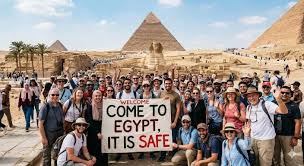
When travelers consider visiting the Middle East, safety is often one of the first questions that comes to mind. With news headlines frequently focusing on conflicts and political tensions in different parts of the region, many people wonder whether it is safe to travel to countries in this area. However, one country that consistently stands out as a safe and welcoming destination is Egypt. For thousands of years, Egypt has been known as a land of civilization, stability, and hospitality. Even today, despite regional tensions in some parts of the Middle East and the Gulf region, Egypt continues to remain one of the safest and most stable travel destinations in the region.

Egypt’s unique position in history has shaped its reputation as a center of culture, diplomacy, and stability. From the time of the ancient pharaohs to the modern Egyptian state, the country has played a key role in maintaining balance and peace in the region. While other parts of the Middle East have experienced periods of instability or conflict, Egypt has largely remained secure, organized, and open to visitors from around the world. This long tradition of stability has helped Egypt maintain a strong tourism industry that attracts millions of travelers every year.

Today, travelers who visit Egypt quickly discover that the country is not only rich in history but also highly organized when it comes to tourism security. Tourist areas are well protected, infrastructure has improved significantly, and the government places great importance on maintaining a safe environment for visitors. Popular destinations such as Cairo, Luxor, Aswan, Hurghada, and Sharm El Sheikh continue to welcome tourists from Europe, Asia, and the Americas every day. The presence of tourist police, modern airports, secure transportation networks, and professional tour services ensures that visitors can explore the country with confidence.

For many travelers, the biggest surprise when visiting Egypt is how safe and welcoming it truly feels compared to the perception created by international media coverage of the region. In reality, Egypt stands apart from many of its neighbors due to its strong state institutions, experienced security forces, and long tradition of hospitality toward foreign guests.

In this article, we will explore why Egypt has historically been one of the safest countries in the Middle East and why it continues to be a secure destination today—even during times when other parts of the region experience tension or conflict.
Egypt’s Long History of Stability and Civilization

Egypt’s Long History of Stability and Civilization

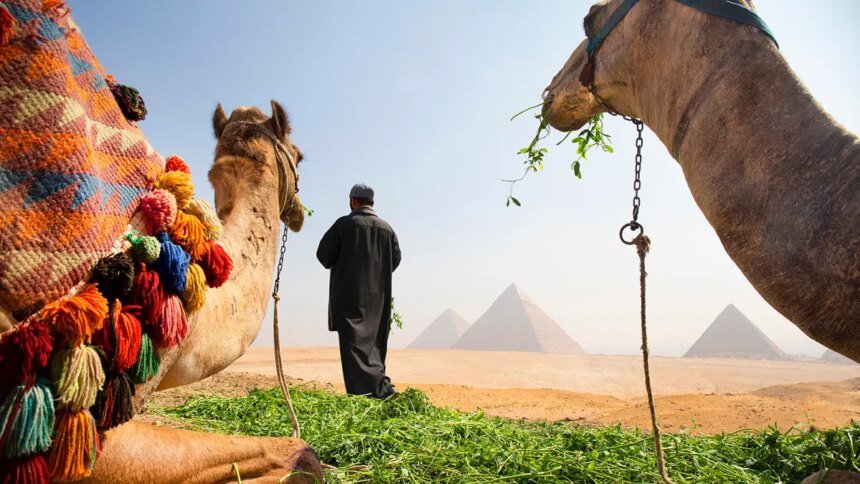
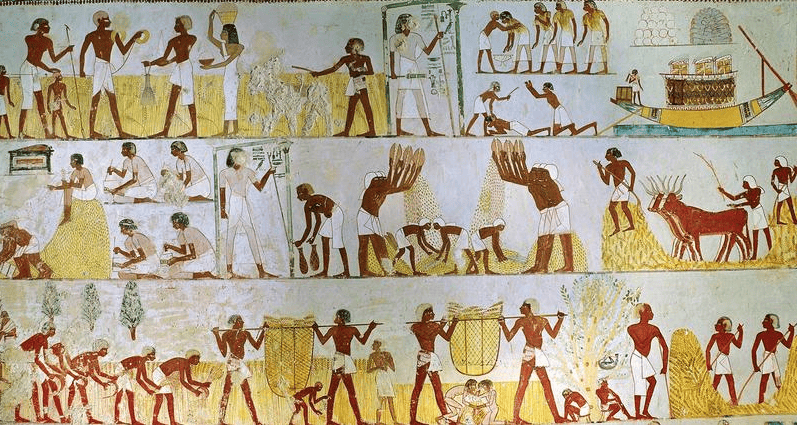
One of the main reasons Egypt is considered one of the safest countries in the Middle East is its long history of organized civilization and political stability. Egypt is not just another modern nation; it is one of the oldest continuously inhabited civilizations in the world. For more than 5,000 years, Egypt has maintained a strong centralized culture built around the Nile River, which has served as the lifeline of the country since ancient times. During the era of the pharaohs, Egypt developed one of the most advanced civilizations in human history. While many other regions experienced frequent tribal conflicts and migrations, ancient Egypt was characterized by a structured government, organized cities, and an established legal system. This early foundation of order and governance created a culture that valued stability, security, and social organization. These traditions of governance and centralized authority have continued throughout Egyptian history, from the Pharaonic period to the Greek, Roman, Islamic, and modern eras. Unlike many countries that have experienced dramatic fragmentation over time, Egypt has maintained a strong national identity for thousands of years. The geographic structure of the country—centered around the Nile Valley—naturally encourages unity and centralized administration. This geographical advantage has historically allowed Egypt to maintain internal stability even during periods when surrounding regions experienced turmoil. In modern times, Egypt continues to benefit from this deep-rooted tradition of national unity and institutional stability. The government invests heavily in maintaining law and order, protecting infrastructure, and ensuring that key economic sectors—especially tourism—operate safely and efficiently. Because tourism plays such an important role in Egypt’s economy, maintaining a secure environment for visitors is always a national priority. Furthermore, Egypt has extensive experience in managing large numbers of international visitors. For decades, millions of tourists have traveled to Egypt each year to explore its ancient monuments, cruise the Nile River, and relax along the Red Sea coast. This long-standing tourism culture means that the country’s transportation networks, hospitality sector, and tourism security systems are highly developed and well practiced in handling international guests. When travelers walk through the streets of historic Cairo, explore the temples of Luxor, or enjoy the beaches of Hurghada, they are experiencing a country that has spent thousands of years developing systems of organization, hospitality, and stability. This deep historical foundation is one of the key reasons why Egypt remains one of the safest and most reliable destinations in the Middle East today.

Egypt’s Strategic Role in Maintaining Regional Stability

Egypt’s Strategic Role in Maintaining Regional Stability

Another important reason Egypt is considered one of the safest countries to visit in the Middle East is its strategic role in maintaining regional stability and diplomatic balance. Throughout modern history, Egypt has been one of the most influential and stabilizing forces in the Middle East. The country has long acted as a mediator in regional conflicts and has played a central role in promoting peace and cooperation among neighboring nations. Egypt’s diplomatic influence is deeply connected to its geographic position. Located at the crossroads of Africa, Asia, and the Mediterranean, Egypt has historically served as a bridge between different cultures, economies, and political systems. This position has allowed Egypt to develop strong relationships with many countries across the world, including Europe, the United States, Asia, and other Arab nations. These international partnerships contribute to Egypt’s political stability and help maintain a secure environment within the country. In addition to its diplomatic role, Egypt maintains one of the largest and most organized security and defense infrastructures in the region. The country invests heavily in protecting its borders, transportation networks, and major cities. Modern security systems are in place at airports, tourist attractions, hotels, and public transportation hubs. This extensive security infrastructure ensures that visitors can travel throughout the country safely and comfortably. Egypt also places special emphasis on protecting its tourism sector. Dedicated tourist police units operate in all major tourist destinations, including Cairo, Giza, Luxor, Aswan, Hurghada, Sharm El Sheikh, and other popular areas. These specialized units are trained to assist international visitors, ensure their safety, and respond quickly to any potential issues. As a result, tourists often report feeling very secure while exploring Egypt’s historical sites and cities. Even during periods when tensions exist in other parts of the Middle East or the Gulf region, Egypt continues to maintain a stable internal environment. The country’s government works closely with international partners to monitor security developments and ensure that tourism areas remain peaceful and protected. For travelers planning a journey to the Middle East, this level of political stability and security organization makes Egypt one of the most reliable and comfortable destinations in the region. Visitors can explore ancient pyramids, sail along the Nile, and experience vibrant local culture while enjoying the reassurance that the country places a high priority on their safety and well-being.

Egypt’s Tourist Destinations Are Far from Regional Conflict Zones

Egypt’s Tourist Destinations Are Far from Regional Conflict Zones

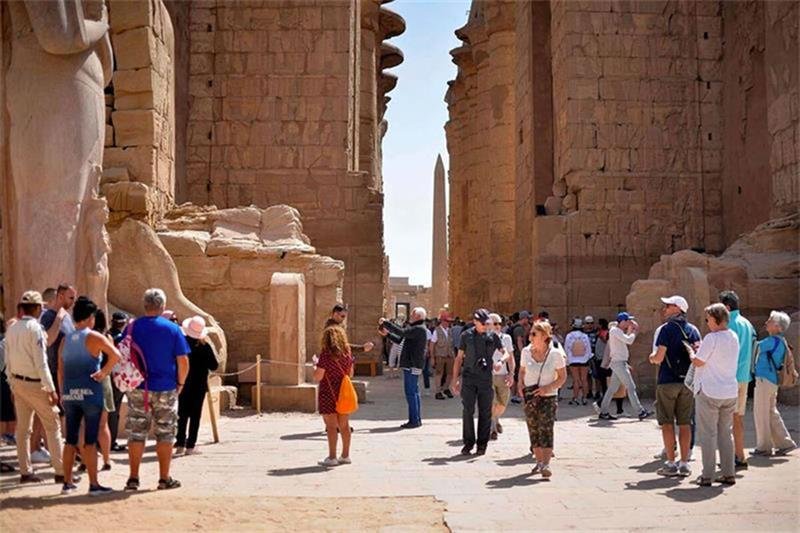
One of the most important facts that travelers often do not realize is that Egypt’s major tourist destinations are geographically far away from areas where regional tensions sometimes occur. When people hear news about conflicts in the Middle East or political tension in parts of the Gulf region, they sometimes assume that the entire region is affected. In reality, Egypt’s most popular travel destinations are located in stable areas that operate independently from those geopolitical situations. Cities such as Cairo, Luxor, Aswan, Hurghada, and Sharm El Sheikh continue to function as vibrant tourism hubs that welcome visitors safely every single day. For example, the Red Sea resort cities like Hurghada and Sharm El Sheikh are among the safest and most peaceful destinations in the Middle East. These coastal cities are designed specifically for tourism, with modern resorts, international hotels, secure marinas, and well-developed infrastructure. Visitors travel there primarily to enjoy world-class diving, snorkeling, beaches, desert adventures, and luxury resorts. The atmosphere in these cities is relaxed, welcoming, and highly focused on tourism. Local authorities and tourism operators work closely together to maintain high safety standards so that visitors can enjoy their vacations without concern. The same level of safety applies to Egypt’s historical destinations. Luxor and Aswan, located along the Nile River in southern Egypt, are famous for their ancient temples, tombs, and archaeological treasures. These cities have been welcoming international travelers for decades and are among the most organized tourism centers in the country. Visitors explore world-famous sites such as the Valley of the Kings, Karnak Temple, and Abu Simbel while accompanied by licensed guides and organized tour companies. Because tourism is the primary economic activity in these areas, maintaining a safe and friendly environment for visitors is always a top priority. Another key point is that Egypt’s tourism industry operates with strong logistical organization. Most travelers visit major attractions through guided tours, private transportation, or organized travel packages. This structured tourism system helps ensure that visitors move safely between locations and always have access to professional assistance. Airports, highways, hotels, and tourist attractions all operate under modern security systems designed to protect both local residents and international travelers. As a result, travelers who visit Egypt quickly realize that daily life in the country is calm, organized, and welcoming. Despite occasional tensions in other parts of the Middle East, Egypt’s tourism destinations remain peaceful, vibrant, and full of life. This geographical and organizational separation from regional conflict zones is one of the main reasons Egypt continues to be considered one of the safest travel destinations in the Middle East.

Strong Security Infrastructure Protecting Visitors

Strong Security Infrastructure Protecting Visitors

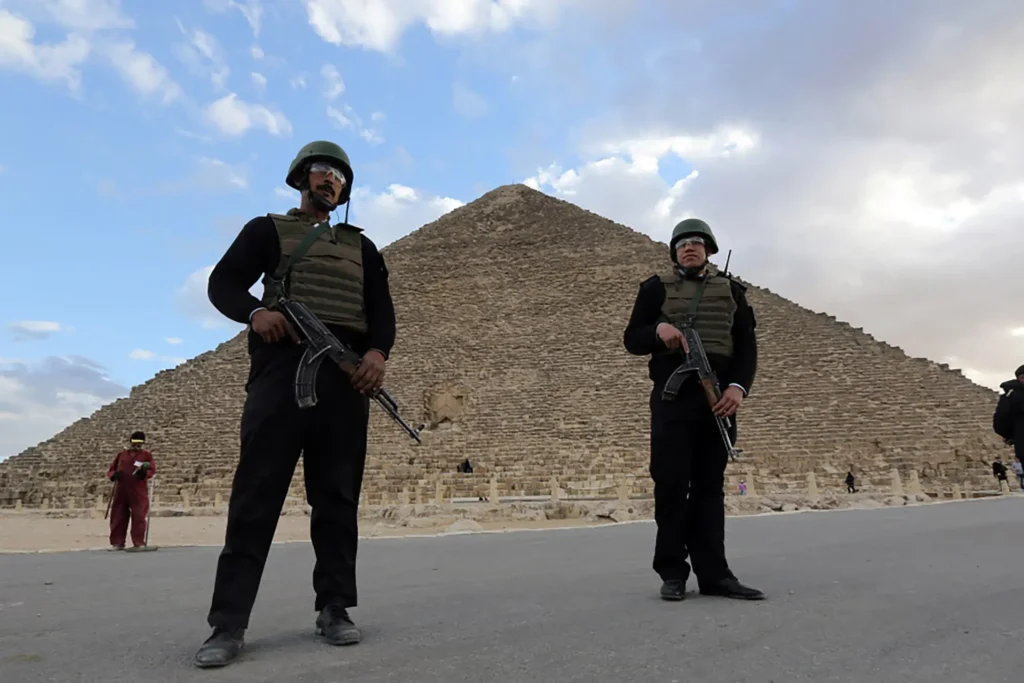
Another major reason why Egypt is considered one of the safest countries to visit in the Middle East is the country’s strong and well-organized security infrastructure. Over the past two decades, Egypt has invested heavily in developing modern security systems that protect airports, transportation networks, tourist attractions, and public spaces. These efforts are particularly focused on areas that receive international visitors, ensuring that tourists can travel comfortably and safely throughout the country. One of the most important elements of Egypt’s tourism security system is the presence of specialized tourist police units. These officers are specifically trained to assist international visitors and maintain safety in major tourist areas. Tourist police are present at famous landmarks, museums, temples, archaeological sites, airports, and hotels. Their role is not only to provide security but also to help visitors with directions, information, and assistance if needed. Many tourists are surprised to see how organized and visible these security services are while exploring Egypt’s historical and cultural sites. Airports across Egypt also operate under strict international security standards. Major airports such as those in Cairo, Hurghada, and Sharm El Sheikh have undergone significant modernization in recent years. These facilities now include advanced surveillance systems, modern screening equipment, and highly trained security personnel who work closely with international aviation authorities. This ensures that travelers arriving in Egypt experience the same level of security found in major global travel hubs. Transportation infrastructure has also improved significantly. Modern highways connect Egypt’s major cities and tourist destinations, making travel between Cairo, the Red Sea, and Upper Egypt faster and safer than ever before. Tour companies typically use licensed drivers and well-maintained vehicles equipped with air conditioning and safety features. For travelers exploring the country through organized tours, this system adds another layer of comfort and reliability. Hotels and resorts in Egypt also maintain strict security protocols, particularly in international tourist destinations. Large resorts along the Red Sea and luxury hotels in Cairo and Luxor operate with professional security teams, monitored entrances, and controlled access points. These measures help create a safe and relaxing environment where visitors can enjoy their stay with complete peace of mind. Thanks to this comprehensive security infrastructure, Egypt has successfully built a tourism environment where visitors can explore ancient wonders, vibrant cities, and beautiful coastlines while feeling safe and well protected.

Millions of Tourists Visit Egypt Safely Every Year

Millions of Tourists Visit Egypt Safely Every Year

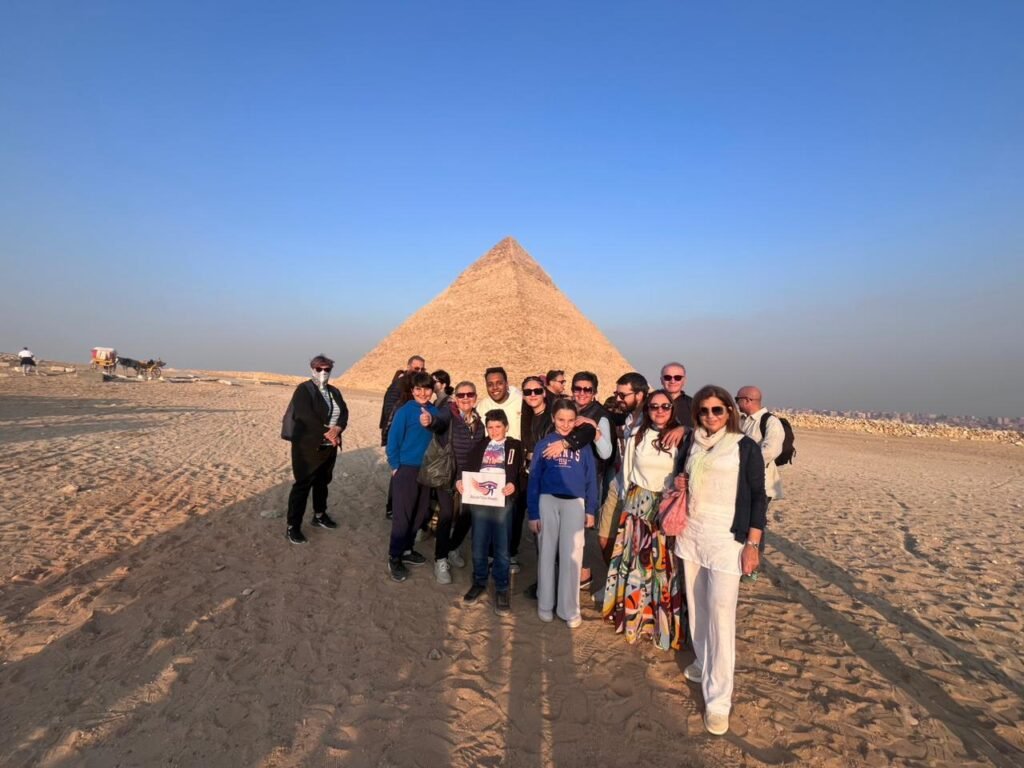
Perhaps the strongest evidence that Egypt is a safe destination is the number of tourists who visit the country successfully every year. Despite occasional misconceptions created by international media coverage, millions of travelers from around the world continue to choose Egypt as one of their favorite destinations. Visitors arrive from Europe, North America, Asia, and many other parts of the world to experience Egypt’s ancient history, vibrant culture, and breathtaking landscapes. Tourism has always been one of Egypt’s most important economic sectors, and the country has decades of experience welcoming international travelers. The tourism industry includes thousands of hotels, resorts, cruise ships, tour companies, guides, and transportation providers who work together to ensure that visitors enjoy a smooth and memorable experience. Because the livelihoods of millions of Egyptians depend on tourism, there is a strong national commitment to protecting and supporting international visitors. Travelers who visit Egypt often discover that the reality of the country is very different from what they may have expected. Instead of instability or insecurity, they find lively cities, welcoming communities, and a tourism system that is highly accustomed to international guests. In cities like Cairo, tourists explore world-famous landmarks such as the pyramids and museums. In Luxor and Aswan, visitors walk through ancient temples and sail along the Nile River. Along the Red Sea coast, travelers enjoy some of the best diving and beach resorts in the world. Online travel reviews and personal travel stories frequently highlight how safe visitors feel while exploring Egypt. Many tourists comment on the friendliness of the local people, the professionalism of tour guides, and the strong sense of security around major attractions. These real-world experiences provide powerful reassurance for future travelers who may be considering a trip to the country. The continued growth of tourism in Egypt is clear proof that travelers trust the country as a safe and rewarding destination. Every year, millions of visitors leave Egypt with unforgettable memories of its monuments, landscapes, and culture—often returning home surprised by how peaceful and welcoming the country truly is.

Cairo Tours from Hurghada – Pyramids, Sphinx and Museums

Egypt’s Tourism Infrastructure Is Designed for Safety and Comfort

Another important factor that makes Egypt one of the safest countries to visit in the Middle East is its well-developed tourism infrastructure. Over the past several decades, Egypt has invested heavily in creating a modern and organized tourism environment that allows visitors to travel comfortably and safely between destinations. Because tourism is one of the country’s most important economic sectors, the Egyptian government and private companies work together to ensure that the entire tourism system operates smoothly and securely. Modern transportation networks play a key role in this system. Egypt has developed extensive highway connections that link major cities and tourist destinations across the country. Travelers can easily move between Cairo, Luxor, Aswan, Hurghada, and Sharm El Sheikh using well-maintained roads and professional transportation services. Tour companies typically provide air-conditioned vehicles with licensed drivers who are experienced in transporting international visitors safely between attractions. These organized travel services help ensure that tourists can explore the country efficiently without worrying about transportation logistics. Air travel within Egypt is also highly reliable and secure. Domestic flights connect major tourism destinations, making it easy for travelers to reach places such as Luxor, Aswan, and the Red Sea resorts within a short time. Egypt’s airports operate according to international aviation standards, with advanced security screening, trained personnel, and modern facilities designed to handle millions of passengers every year. These improvements have significantly increased the safety and convenience of traveling within the country. Hotels and resorts throughout Egypt also maintain high safety standards. International hotel chains operate in major cities and tourist areas, offering professional security, controlled entrances, and monitored facilities. Along the Red Sea coast, luxury resorts in destinations like Hurghada and Sharm El Sheikh provide guests with secure environments where they can relax and enjoy their vacation. These resorts often include private beaches, security staff, and well-organized services that prioritize guest safety and comfort. In addition to transportation and accommodations, Egypt’s tourism industry includes licensed guides and professional tour operators who play an important role in ensuring visitor safety. These experts help travelers navigate historical sites, understand local culture, and move smoothly between attractions. Their experience and knowledge make exploring Egypt both enjoyable and secure. All of these elements—modern infrastructure, organized transportation, professional hospitality services, and experienced tour operators—work together to create a tourism environment where visitors can confidently explore the country’s incredible history and landscapes.

The Warm Hospitality of the Egyptian People

The Warm Hospitality of the Egyptian People

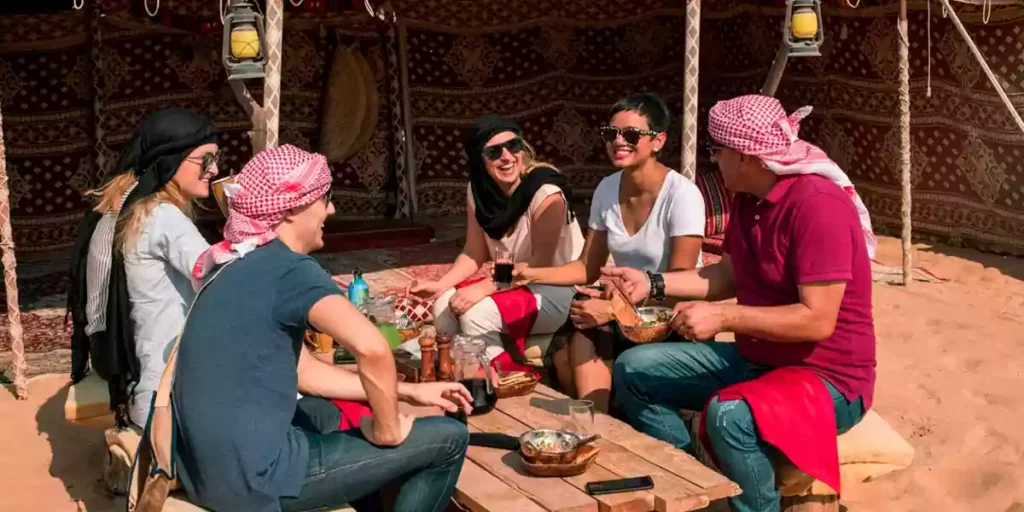
Beyond infrastructure and security systems, one of the most powerful reasons travelers feel safe and welcome in Egypt is the genuine hospitality of the Egyptian people. For centuries, Egypt has been known as a land that warmly welcomes visitors from all over the world. Hospitality is deeply rooted in Egyptian culture, and many locals take great pride in helping foreign guests feel comfortable during their stay. Visitors often discover that Egyptians are naturally friendly, curious, and eager to share their culture. In markets, restaurants, hotels, and historical sites, locals frequently greet tourists with smiles and kind conversations. Many Egyptians working in tourism speak multiple languages and are experienced in interacting with international travelers. This creates a welcoming atmosphere that helps visitors feel relaxed and confident while exploring the country. In cities such as Cairo, Luxor, and Aswan, tourists regularly interact with local shop owners, guides, and restaurant staff who are happy to offer advice or assistance. Even in busy markets and traditional neighborhoods, visitors often find that locals are willing to help them find directions, recommend places to visit, or explain cultural traditions. These everyday interactions contribute greatly to the sense of safety that travelers experience in Egypt. The importance of hospitality in Egyptian culture also extends to the tourism industry. Hotel staff, tour guides, drivers, and restaurant workers all understand that providing excellent service and ensuring visitor comfort are essential parts of their profession. Many travelers leave Egypt with unforgettable memories not only because of the country’s ancient monuments but also because of the kindness and generosity they experienced from the people they met along the way. For travelers who may initially feel uncertain about visiting the Middle East, this warm hospitality often becomes one of the most surprising and memorable parts of their journey. Visitors quickly realize that Egypt is not only safe but also incredibly welcoming to people from all cultures and backgrounds.

Egypt Remains One of the Safest Destinations in the Middle East

Egypt Remains One of the Safest Destinations in the Middle East

When all these factors are considered together—history, political stability, organized security systems, modern tourism infrastructure, and the welcoming nature of the Egyptian people—it becomes clear why Egypt continues to be one of the safest countries to visit in the Middle East. Despite occasional tensions in some parts of the broader region, Egypt has consistently maintained a stable internal environment that allows both residents and international visitors to live and travel comfortably. For thousands of years, Egypt has served as a center of civilization, culture, and diplomacy. This long tradition of stability continues today through strong institutions, organized security systems, and a national commitment to protecting the tourism sector. The country’s government understands the importance of tourism not only for economic growth but also for cultural exchange between Egypt and the rest of the world. Travelers who visit Egypt quickly realize that the reality of the country is very different from the misconceptions that sometimes appear in global news headlines. Instead of instability, they find vibrant cities, breathtaking historical monuments, peaceful resort towns, and welcoming communities that are proud to share their heritage with visitors. Whether exploring the pyramids of Giza, walking through the ancient temples of Luxor, sailing along the Nile River, or relaxing on the beautiful beaches of the Red Sea, travelers can experience Egypt with confidence and peace of mind. Millions of tourists continue to visit the country every year, returning home with unforgettable memories of its history, landscapes, and culture. In a region that often attracts global attention for political tensions, Egypt stands out as a destination of stability, safety, and timeless beauty. For travelers seeking adventure, history, and cultural discovery, Egypt remains not only one of the most fascinating places in the world—but also one of the safest gateways to exploring the wonders of the Middle East.

Why Travelers Continue to Choose Egypt Despite Regional Tensions

Why Travelers Continue to Choose Egypt Despite Regional Tensions

In today’s world, travelers are more informed than ever before. With access to travel blogs, social media, online reviews, and international tourism reports, people can easily research destinations before planning their trips. When it comes to visiting the Middle East, many travelers quickly discover that Egypt consistently stands out as one of the safest and most reliable destinations in the region. Even during times when political tensions affect other parts of the Middle East or the Gulf region, Egypt continues to attract millions of tourists who are eager to experience its history, culture, and natural beauty. One reason travelers continue choosing Egypt is the country’s unique balance between adventure and security. Few destinations in the world offer such a powerful combination of ancient history, breathtaking monuments, beautiful beaches, and vibrant culture within a relatively safe and organized travel environment. Visitors can explore the iconic pyramids, discover ancient temples along the Nile River, dive in the crystal-clear waters of the Red Sea, and walk through historic markets—all while enjoying well-organized tourism services and professional guidance. Another important factor is Egypt’s long experience in hosting international visitors. Tourism in Egypt has existed for more than a century, and the country has built an entire industry around welcoming travelers from all over the world. Airports, hotels, cruise ships, transportation services, tour operators, and local guides are all part of a system designed to make travel comfortable and secure. This level of organization helps visitors feel confident when planning their trip, knowing that the country is well prepared to support international tourism. Travelers are also increasingly recognizing that media headlines do not always reflect the reality on the ground. While conflicts in the Middle East may appear alarming in global news coverage, Egypt’s major tourism destinations continue to operate peacefully and safely. Visitors who arrive in the country often find themselves pleasantly surprised by the calm atmosphere, the friendly interactions with locals, and the sense of security present at major attractions.

Egypt is Safe

In addition, Egypt offers something that very few destinations can match: the opportunity to walk through thousands of years of human history while experiencing a modern and welcoming society. Tourists can stand in front of monuments built more than 4,000 years ago, sail along the same Nile River that supported ancient civilizations, and explore cities filled with both historical treasures and contemporary life. This unique combination of history, culture, and stability continues to attract travelers year after year.

For many visitors, the journey to Egypt becomes far more than just a vacation—it becomes a discovery of a country that has remained strong, welcoming, and stable despite the changing political landscape of the region. This resilience, combined with Egypt’s deep cultural heritage and commitment to tourism safety, ensures that the country will continue to be one of the most trusted and fascinating travel destinations in the Middle East for years to come.

Seraphinite AcceleratorOptimized by Seraphinite Accelerator
Turns on site high speed to be attractive for people and search engines.