- Excursions in Egypt
- Egypt Tour Packages
- Cairo Tours and Excursions
- Hurghada Tours and Excursions
- Soma Bay Tours and Excursions
- Makadi Bay Tours and Excursions
- Sahl Hasheesh Tours and Excursions
- El Gouna Tours and Excursions
- Marsa Alam Tours and Excursions
- Port Ghalib Tours and Excursions
- El Quseir Tours and Excursions
- Dendera and Abydos Day Tours
- Aswan Tours and Excursions
- Luxor Tours and Excursions
- Sharm El Sheikh Tours and Excursions
- Top Rated Egypt Tours in 2026
- Optional Excursions in Egypt
- Private Transfer
- Blogs About egypt
- Ancient Egypt
- Historical Sites in Egypt
- Cairo
- Alexandria
- Luxor
- Aswan
- The Red Sea
- Dendera Temple
- El Fayoum Oasis
- Bahariya Oasis
- Siwa Oasis
- Al Alamein
- Marsa Matruh
- Why Egypt Is One of the Safest Countries to Visit in the Middle East
- What You Need To know Before Your First Trip To Egypt
- Egypt Travel Costs in 2026 Full Budget Guide
- Top 10 Tourist Activities in Egypt
- Top 50 Activities You Can’t Miss in Egypt in 2026
- The Guide to Guided Tours in Egypt
- Egypt’s Ancient and Modern History
- The Nile River
- The Deserts of Egypt
- Ancient Egyptian gods
- famous Egyptian dishes
- UNESCO World Heritage sites
- About Us
- Egypt Hotels and Resorts
- Excursions in Egypt
- Egypt Tour Packages
- Cairo Tours and Excursions
- Hurghada Tours and Excursions
- Soma Bay Tours and Excursions
- Makadi Bay Tours and Excursions
- Sahl Hasheesh Tours and Excursions
- El Gouna Tours and Excursions
- Marsa Alam Tours and Excursions
- Port Ghalib Tours and Excursions
- El Quseir Tours and Excursions
- Dendera and Abydos Day Tours
- Aswan Tours and Excursions
- Luxor Tours and Excursions
- Sharm El Sheikh Tours and Excursions
- Top Rated Egypt Tours in 2026
- Optional Excursions in Egypt
- Private Transfer
- Blogs About egypt
- Ancient Egypt
- Historical Sites in Egypt
- Cairo
- Alexandria
- Luxor
- Aswan
- The Red Sea
- Dendera Temple
- El Fayoum Oasis
- Bahariya Oasis
- Siwa Oasis
- Al Alamein
- Marsa Matruh
- Why Egypt Is One of the Safest Countries to Visit in the Middle East
- What You Need To know Before Your First Trip To Egypt
- Egypt Travel Costs in 2026 Full Budget Guide
- Top 10 Tourist Activities in Egypt
- Top 50 Activities You Can’t Miss in Egypt in 2026
- The Guide to Guided Tours in Egypt
- Egypt’s Ancient and Modern History
- The Nile River
- The Deserts of Egypt
- Ancient Egyptian gods
- famous Egyptian dishes
- UNESCO World Heritage sites
- About Us
- Egypt Hotels and Resorts
Welcome to
The Mummies of Ancient Egypt: Guardians of the Eternal Soul
The Mummies of Ancient Egypt represent one of the most profound and sophisticated intersections of science, religion, and artistic devotion in the history of human civilization. To the ancient Egyptians, death was never perceived as a finality or an abrupt end to existence, but rather as a complex and sacred transition—a “threshold” that required the absolute preservation of the physical body to ensure the soul’s survival in the afterlife. This fundamental belief was rooted in their intricate theology of the soul, which was believed to be composed of several distinct parts, most notably the Ka (the life force) and the Ba (the personality). For these spiritual elements to remain tethered to the world of the living and successfully navigate the perilous journey through the underworld, they required a recognizable, incorruptible physical vessel to return to each night. Over the course of three thousand years, the Egyptians moved from accidental desert preservation to the perfection of an elaborate chemical and ritualistic process known as mummification. This was not merely a funerary custom; it was a victory over biological decay and a defiant stand against the erosion of time. Every mummy was a masterpiece of anatomical knowledge, treated with sacred natron salts, aromatic resins, and hundreds of yards of fine linen, all while priests recited rhythmic spells to activate the body’s divine potential. Today, these silent, leathery sentinels of the past provide us with an unparalleled window into the health, genetic lineage, and deepest spiritual anxieties of a people who viewed the preservation of the self as the ultimate religious duty. By studying these “archaeological biographies,” we do not just look at the dead; we witness the eternal human desire to transcend the mortal coil and claim a place among the stars, proving that for the Egyptians, the body was the temple of the soul, and that temple had to stand forever.
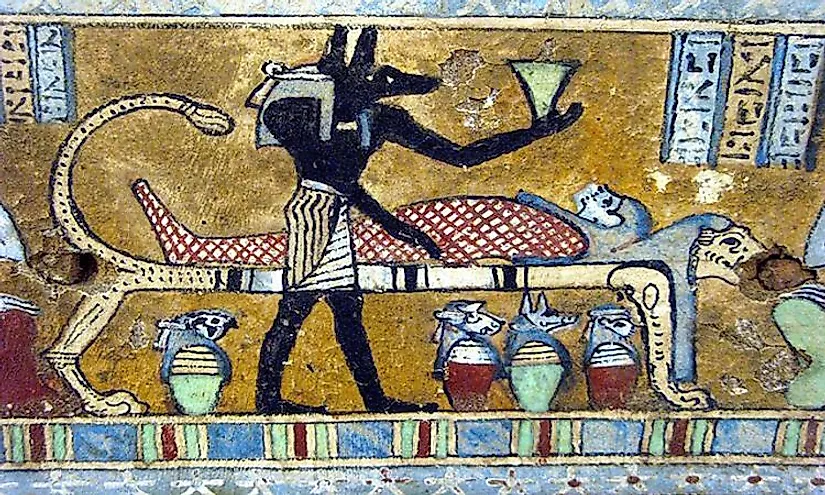
1. The Theological Foundations: The Architecture of the Soul
The practice of mummification was not born from a morbid obsession with the dead, but from a sophisticated and hopeful theological framework that viewed the human being as a complex composite of physical and spiritual entities. Central to this belief was the idea that while death separated the spirit from the body, that separation was intended to be temporary. The Egyptians identified several components of the self, including the Ka, a vital spark or life force that required nourishment; the Ba, often depicted as a bird with a human head representing the individual's personality; and the Akh, the transfigured spirit that joined the gods in the stars. For the Ba to successfully travel between the celestial realm and the tomb, it had to be able to recognize and reunite with its original physical form. If the body were allowed to rot or be destroyed, the spiritual components would become "homeless," leading to the "Second Death"—an absolute and terrifying cessation of existence. Therefore, mummification was a sacred insurance policy against non-existence. It was a ritualized reconstruction of the myth of Osiris, the first king of Egypt who was murdered and dismembered by his brother Seth, only to be pieced back together and resurrected by his wife Isis and the jackal-headed god Anubis. By mummifying their dead, the Egyptians were literally reenacting this divine triumph, transforming the deceased into an "Osiris" who possessed the potential for eternal life. Every incision made by the embalmer and every spell whispered over the bandages was a calculated move in a cosmic game to defeat the biological reality of decay and ensure the soul’s permanent residency in the Field of Reeds.

2. The Evolution of Preservation: From Desert Sands to Scientific Mastery
The journey toward the high-art mummification seen in the New Kingdom began with a simple observation of the natural world and the unique climate of the Nile Valley. In the Predynastic era, long before the first pyramids were conceived, the Egyptians buried their dead in shallow pits within the scorching, arid sands of the desert. The intense heat and the extreme lack of moisture acted as a natural desiccant, rapidly dehydrating the body’s soft tissues before bacteria could initiate the process of putrefaction. These "natural mummies," often preserved with skin, hair, and even facial expressions intact, likely provided the ancient Egyptians with the visual proof that the body could survive death. However, as Egyptian society became more stratified and funerary customs more elaborate, the elite began to build increasingly complex tombs made of brick and stone. Paradoxically, placing a body inside a wooden coffin or a stone chamber protected it from the very sand that had previously preserved it; trapped in a cool, shaded environment, the moisture in the body caused it to decay rapidly. This crisis of faith led to centuries of experimentation as the Egyptians sought a way to artificially replicate the desert’s drying power. Early attempts involved wrapping limbs tightly in resin-soaked bandages to maintain the body's shape, but it wasn't until the Middle Kingdom that they mastered the use of Natron—a naturally occurring salt—and the systematic removal of internal organs. This transition from accidental preservation to a highly controlled, chemical, and surgical science represents one of the earliest and most successful applications of human chemistry, driven by a desperate religious need to bridge the gap between the temporary nature of flesh and the permanence of the spirit.
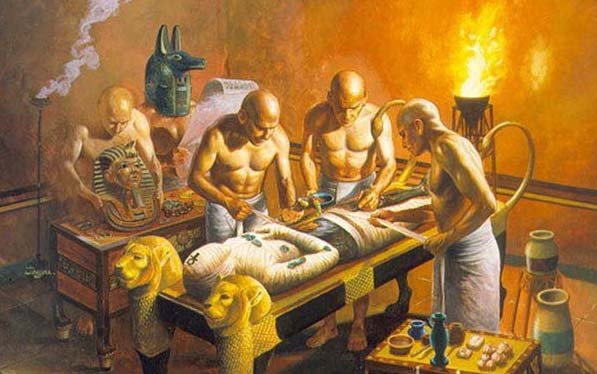
3. The Embalmer’s Workshop: A Sanctuary of Surgery and Spellcraft
The process of mummification took place in a specialized and highly ritualized space known as the Per-Nefer, or the "House of Beauty," which functioned as a combination of a surgical theater and a temple sanctuary. The men who worked here were not mere morticians; they were a specialized class of priests who possessed an intimate, albeit practical, knowledge of human anatomy that far surpassed that of any other ancient civilization. The Chief Embalmer, known as the "Overseer of Mysteries," often wore the ceramic mask of Anubis, the god of mummification, symbolically stepping into the role of the divine protector to oversee the transition of the deceased. The process was governed by a strict seventy-day timeline, a period that corresponded to the length of time the star Sirius—associated with the goddess Isis—disappeared from the night sky before its "rebirth." The first and most critical stage was the evisceration, where the embalmers used a sharp "Ethiopian stone" or a bronze blade to make a precise incision in the left side of the abdomen. With surgical care, they removed the organs that were most prone to moisture and decay: the stomach, intestines, lungs, and liver. Each movement was accompanied by the rhythmic chanting of a "Lector Priest," who read from a scroll of sacred liturgy to ensure that the physical act of cutting was magically sanctified. This atmosphere was thick with the scent of frankincense, myrrh, and cedar oil, intended both to honor the gods and to mask the odors of the biological process. In this sacred workshop, the line between the physical and the metaphysical was blurred; the embalmers were not just preparing a corpse for burial, they were "knitting together" a god, using their scalpels and their prayers to build a vessel capable of sailing the dark waters of the underworld.
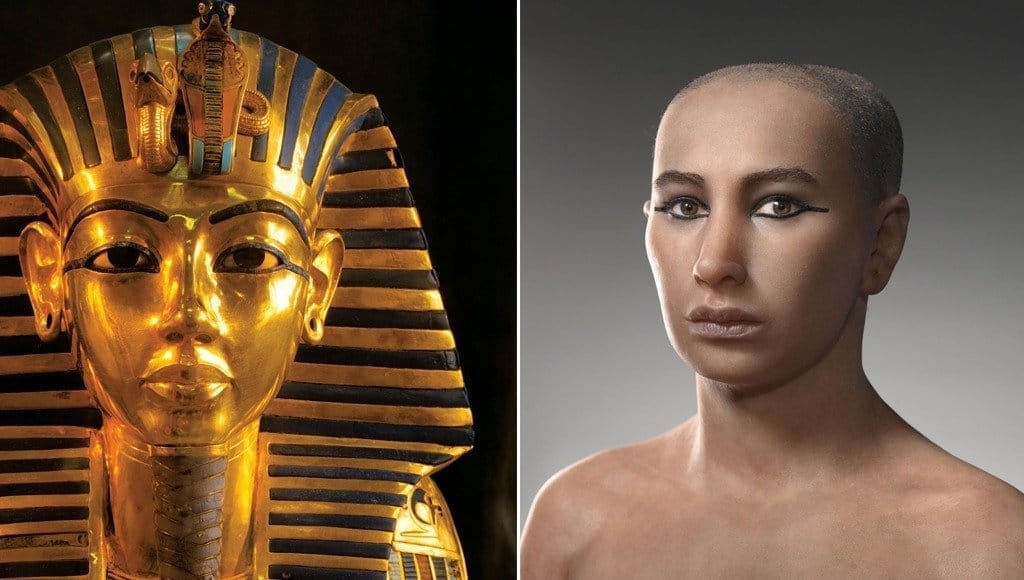
4. The Mummy of Tutankhamun: The Fragile Golden King
The mummy of Tutankhamun is perhaps the most famous archaeological subject in the world, yet its physical condition tells a story of both immense wealth and tragic chemical misfortune. When Howard Carter opened the final solid gold coffin in 1925, he found the teenage king covered in a massive amount of sacred unguents and ritual oils. Over the millennia, these oils underwent a chemical reaction—essentially a slow "spontaneous combustion"—that carbonized the king’s skin and caused it to stick to the bottom of the coffin. To remove the mummy, Carter’s team unfortunately had to disarticulate the body, a process that left the remains in a fragile state. Despite this, Tutankhamun has become the most scientifically scrutinized human in history. Extensive CT scans and DNA analysis have provided a vivid biological profile of the boy who ruled for only a decade. We now know he stood about 5 feet 6 inches tall and possessed a slight build. Contrary to early theories of murder via a blow to the head, modern science suggests he likely died from a combination of a severely broken leg that became infected, compounded by multiple strains of malaria. His mummy also reveals a clubfoot, which explains the presence of 130 walking sticks in his tomb. Tutankhamun’s remains serve as a poignant reminder of the vulnerability of life; even a god-king, draped in the most exquisite gold of the 18th Dynasty, was subject to the same physical frailties and diseases as his subjects. His preservation, while chemically compromised, has succeeded in its ultimate goal: granting him a name that will never be forgotten as long as civilization endures.
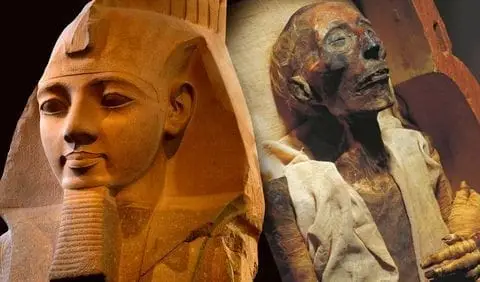
5. The Mummy of Ramses II: The Face of an Empire
Ramses II, often called Ramses the Great, ruled Egypt for an astonishing 66 years, and his mummy is a remarkable testament to the longevity and power of the 19th Dynasty. Discovered in the Deir el-Bahari cache in 1881, the mummy reveals a tall man with a powerful, hooked nose and a strong, square jaw—features that correlate perfectly with his many statues. At the time of his death, Ramses was nearly 90 years old, a staggering age for the 13th century BCE. His mummy shows the natural toll of nearly a century of life; he suffered from severe arthritis in his spine and hips, and his teeth were heavily worn with painful abscesses. One of the most fascinating discoveries during a 1976 conservation trip to Paris was the presence of red hair pigments. While now white with age, chemical analysis showed he was originally a natural redhead, a trait the Egyptians associated with the god Set, the deity of storms and chaos. The mummification of Ramses II was of the highest professional caliber, involving the use of peppercorns inserted into the nose to maintain its majestic shape after the drying process. Even in death, Ramses II exudes an aura of absolute command. He was the king who signed the world’s first peace treaty and built Abu Simbel, and his preserved visage allows us to look directly into the eyes of the man who defined the "New Kingdom" at its absolute peak.
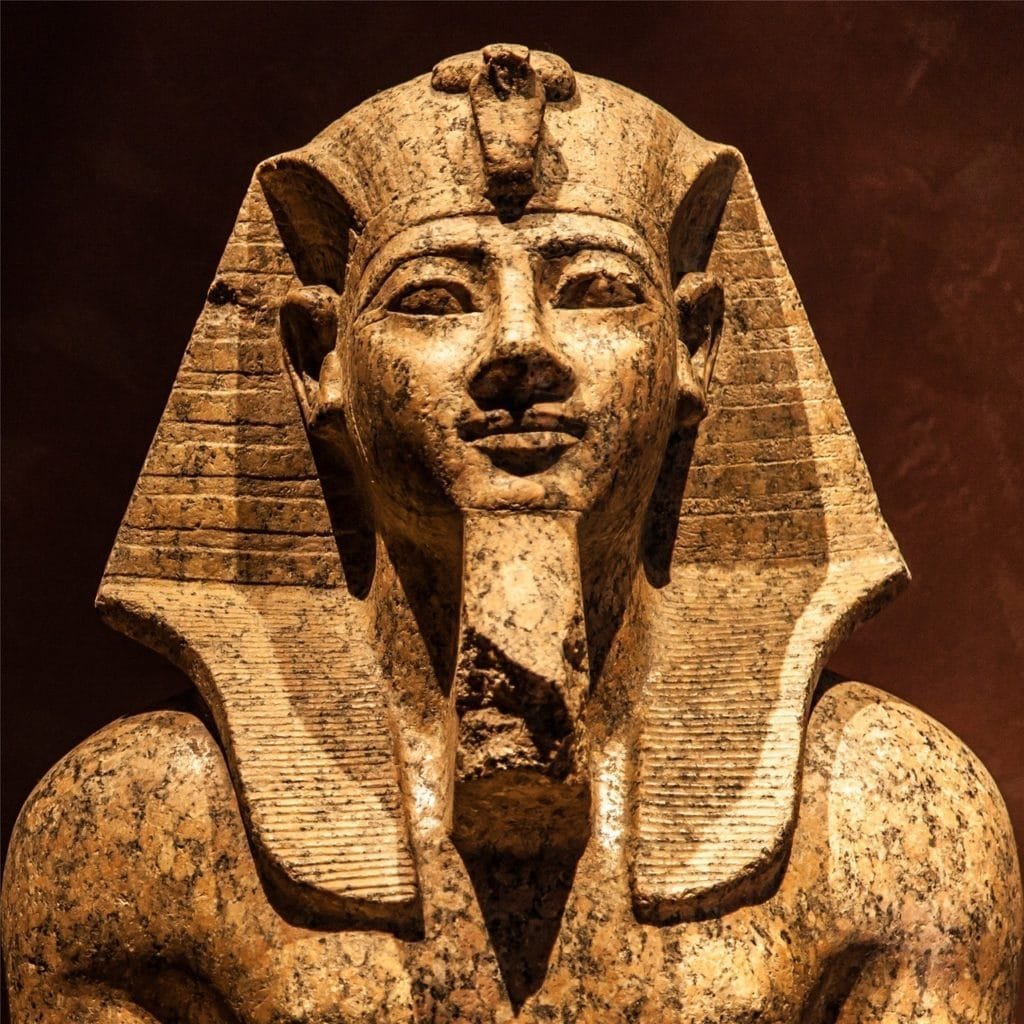
6. The Mummy of Amenhotep II: The Warrior Athlete
Amenhotep II was a pharaoh celebrated in ancient texts for his extraordinary physical strength, his skill as an archer, and his prowess in rowing and horsemanship. His mummy provides a unique archaeological perspective because it was discovered in 1898 still lying in its original quartzite sarcophagus within his tomb (KV35) in the Valley of the Kings. Unlike most royal mummies that were moved to secret caches to avoid tomb robbers, Amenhotep II remained in his sacred resting place for over 3,000 years, surrounded by a "mini-cache" of other royal remains hidden there by later priests. The mummy itself is well-preserved and reflects a man of robust build, standing roughly 5 feet 7 inches, consistent with the historical descriptions of his athletic nature. His skin is leather-like and dark, and his face shows a high forehead and a slightly protruding upper jaw. Interestingly, his body was covered in a layer of fine resin that has helped preserve the muscular definition of his limbs. Scientific examinations indicate that he was in his mid-40s when he died. The discovery of his mummy was significant not just for the study of his own life, but because his tomb served as a secondary sanctuary for other great kings like Thutmose IV and Amenhotep III. His presence in KV35 underscores the transition of the royal tomb from a private resting place into a fortified spiritual bunker. Amenhotep II remains a symbol of the "Warrior Pharaoh" ideal—a man whose physical body was as disciplined and powerful in life as his preserved form remains in the halls of history.
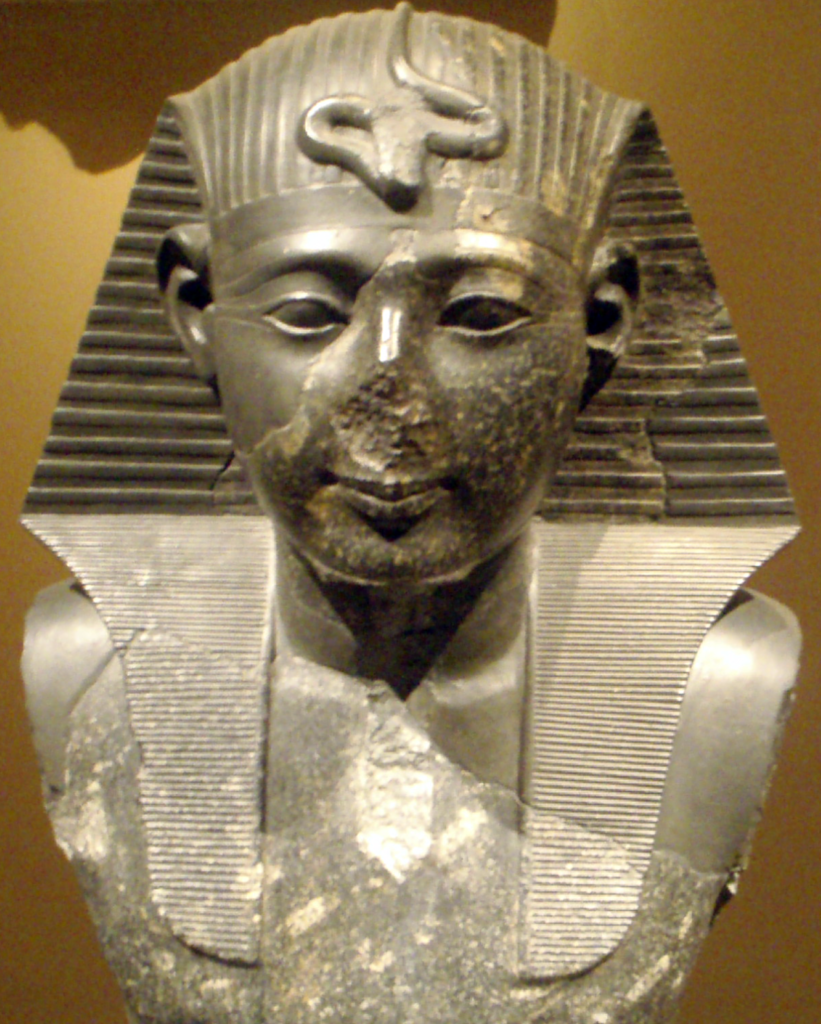
7. The Mummy of Seti I: The Masterpiece of Ancient Artistry
The mummy of Seti I, the second pharaoh of the 19th Dynasty and the father of Ramses the Great, is widely regarded by Egyptologists as the most aesthetically perfect and well-preserved royal mummy ever discovered. When his body was found in the Deir el-Bahari cache in 1881, the world was stunned by the lifelike preservation of his features; his face appears as though he is merely sleeping, with his skin, teeth, and even eyelashes remarkably intact after more than 3,000 years. This exceptional state of preservation represents the absolute zenith of mummification technology during the New Kingdom. The embalmers used premium resins and a meticulous wrapping technique that followed the body's contours with mathematical precision. Seti I was a powerful military leader and a prolific builder, and his physical strength is reflected in his tall, well-proportioned frame. Modern CT scans reveal that while he was roughly 40 years old at the time of death, he was in relatively good health, though his mummy suffered decapitation by ancient tomb robbers seeking jewels hidden within his bandages—a damage later repaired by ancient priests who rewrapped him with care. Seeing Seti I today is a haunting experience, as he possesses a quiet majesty that survives the passage of millennia. He stands as a testament to the Egyptian belief that the physical body was a sacred temple for the soul, and his preservation ensures that his image will live forever, bridging the gap between the mortal world and the divine eternity he sought to attain.
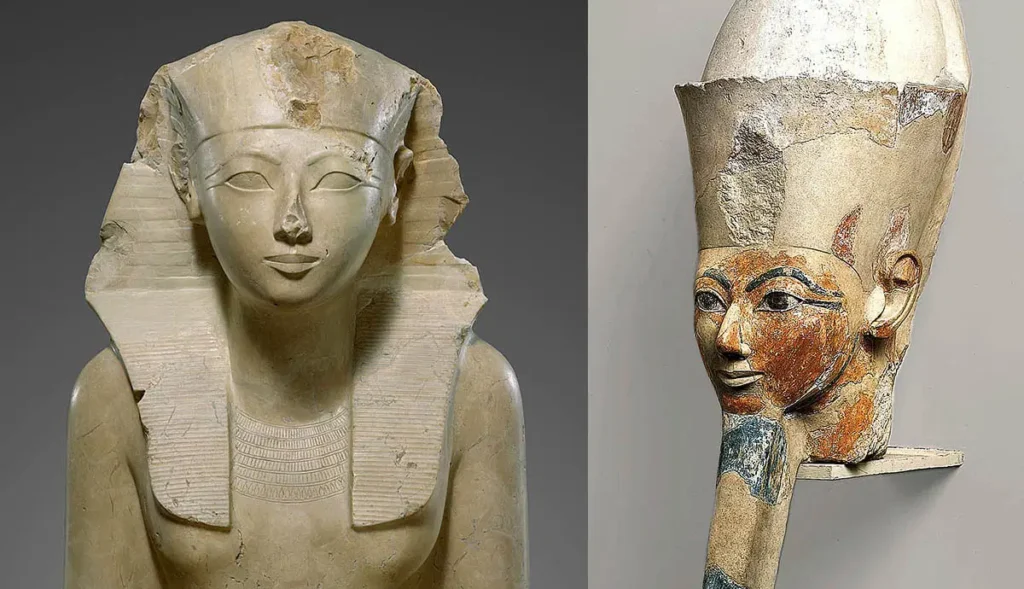
8. The Mummy of Hatshepsut: Solving an Ancient Cold Case
The identification of the mummy of Queen Hatshepsut, the greatest female pharaoh to ever rule Egypt, remains one of the most exciting forensic triumphs in modern archaeology. For over a century, her body was considered lost, likely hidden or destroyed by her successors who attempted to erase her legacy from history. In 1903, Howard Carter discovered a small, undistinguished tomb (KV60) containing two female mummies, one of which remained unidentified until 2007. The breakthrough came through a stroke of forensic genius: a small wooden box inscribed with Hatshepsut’s name was found to contain a single molar tooth. When scientists performed a CT scan on the unidentified mummy from KV60, they discovered that the tooth fit perfectly into a gap in the mummy's jaw. This confirmed, with absolute certainty, that the "unidentified female" was indeed the powerful Queen Hatshepsut. Her mummy reveals a woman who died in her 50s, likely suffering from obesity, diabetes, and bone cancer. The presence of a skin ointment in her tomb, which contained carcinogenic substances, suggests she may have inadvertently poisoned herself while trying to treat a chronic skin condition. Her discovery provided critical insights into the biological reality of her life, contrasting the youthful, masculine images she portrayed in her monuments with the reality of a middle-aged woman who successfully navigated the dangerous politics of the 18th Dynasty to become one of Egypt's most effective rulers.
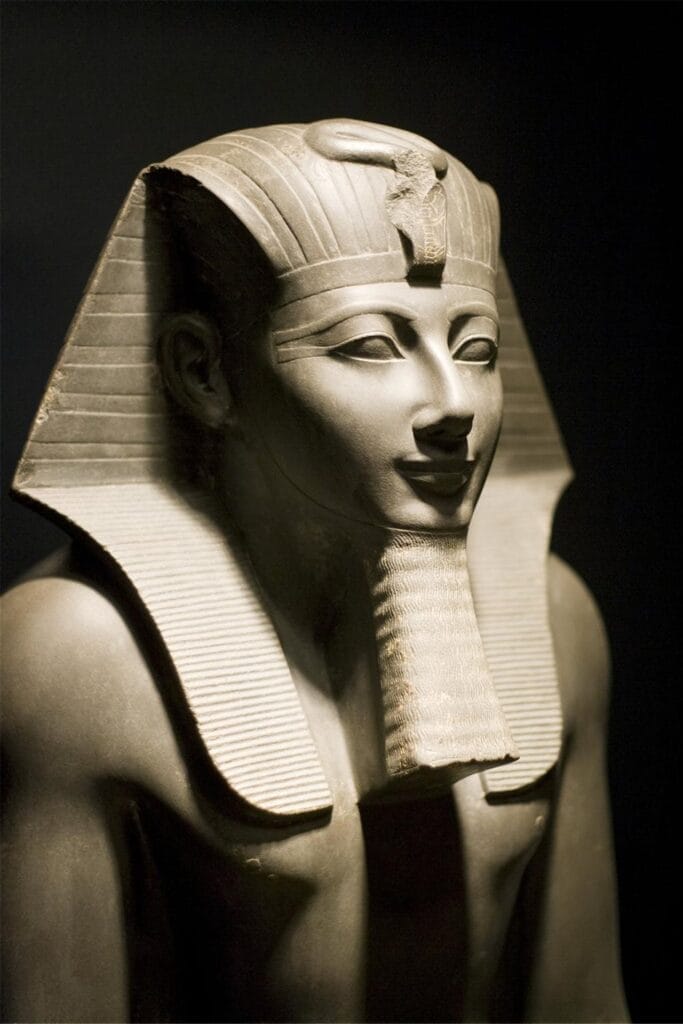
9. The Mummy of Thutmose III: The Napoleon of Egypt
Thutmose III, often referred to as the "Napoleon of Ancient Egypt" due to his unparalleled military genius, left behind a legacy of conquest that expanded the Egyptian Empire to its greatest territorial extent. His mummy, discovered in the Deir el-Bahari cache in 1881, provides a fascinating look at the man who led seventeen successful military campaigns. Although his tomb (KV34) was looted in antiquity, his body was rescued and reburied by later priests to protect it from further desecration. The mummy shows a man of relatively short stature, around 5 feet 3 inches, but with a robust and athletic build that hints at his active life as a commander. Unfortunately, Thutmose III's mummy suffered significant damage at the hands of tomb robbers who were particularly aggressive in their search for gold amulets, resulting in the limbs being broken and the body being roughly handled. Despite this, his facial features remain recognizable, characterized by a refined nose and a high forehead. His mummification reflects the standard of the mid-18th Dynasty, where the focus remained on internal preservation and external symmetry. Scientific examination of his remains suggests he died in his early 50s, after a reign of 54 years. His mummy stands as a bridge to an era where Egypt was the world's sole superpower, serving as the physical remains of a ruler whose strategic brilliance shaped the geopolitics of the ancient Near East for centuries.

10. The Mummy of Ramses III: A Forensic Murder Mystery
The mummy of Ramses III, the last great pharaoh of the New Kingdom's 20th Dynasty, is at the center of one of the most famous forensic investigations in Egyptology. Discovered in the Deir el-Bahari cache, the mummy was for a long time shrouded in thick layers of bandages around the neck that could not be removed without damaging the body. In 2012, advanced CT scans finally penetrated these wrappings, revealing a horrific secret: the King’s throat had been slit with a sharp blade, a wound so deep it reached the spine. This discovery provided the "smoking gun" for the "Harem Conspiracy" described in ancient papyri, in which one of his minor wives, Tiye, plotted to assassinate him to place her son on the throne. The scans also revealed a small Horus-eye amulet inserted into the wound by embalmers, a symbolic gesture intended to heal the King in the afterlife. Ramses III appears as a man in his 60s, and despite the violent end of his life, his mummification was performed with great care. His skin is well-preserved, and his body was packed with aromatic materials to maintain a lifelike volume. His mummy serves as a chilling physical record of political turmoil, proving that even a king who successfully repelled the "Sea Peoples" and saved Egypt from invasion could not escape the betrayals within his own palace walls.
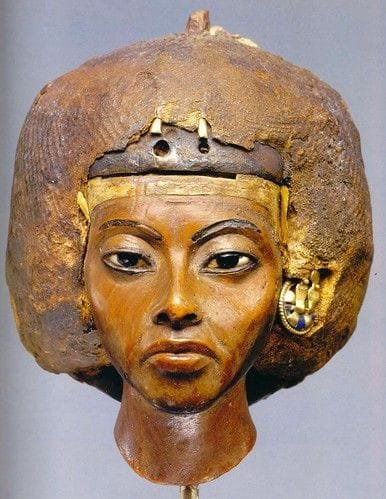
11. The Mummy of Queen Tiye: The Matriarch of the Amarna Era
The identification of the "Elder Lady" found in the tomb of Amenhotep II (KV35) as Queen Tiye was a landmark moment for DNA science in archaeology. Queen Tiye was the powerful Great Royal Wife of Amenhotep III and the mother of the "heretic" King Akhenaten. Her mummy is remarkably well-preserved, most notably for her long, flowing reddish-brown hair that still cascades over her shoulders 3,300 years after her death. This hair was the key to her identification; a lock of hair found in a small miniature coffin in Tutankhamun’s tomb—labeled as belonging to his grandmother Tiye—was DNA-matched to this mummy. Tiye was a woman of immense political influence, often corresponding directly with foreign kings, and her mummy reflects a woman of great dignity who died in her late 40s or early 50s. Her face shows a strong, pointed chin and refined features that align with her famous portait busts. Unlike the kings, her arms are placed straight down at her sides, a standard position for royal women of the 18th Dynasty. Her presence in the royal cache at KV35, hidden away from the destruction of the Amarna Period, highlights her status as the revered matriarch of the 18th Dynasty's final golden age, a woman who bridged the gap between traditional religion and the revolutionary sun-worship of her son.
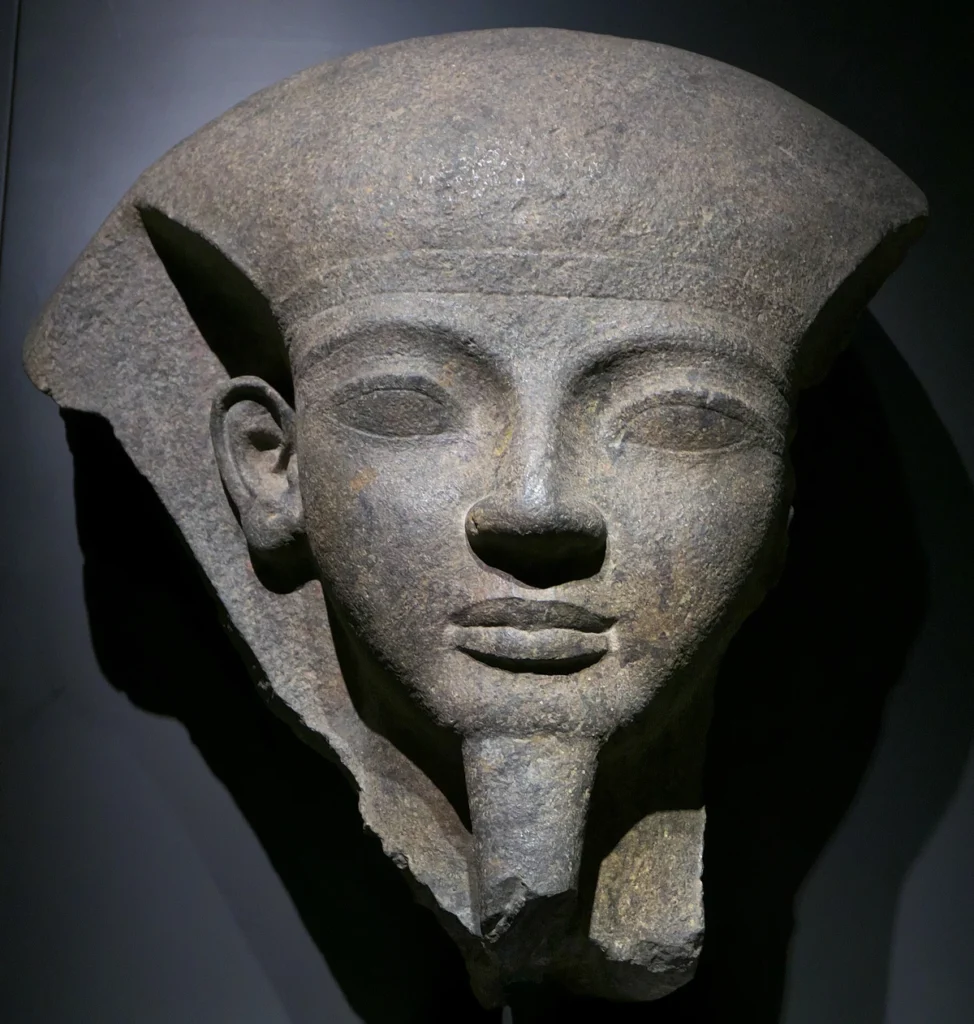
12. The Mummy of Ramses VI: A Victim of Ancient Vandalism
The mummy of Ramses VI, a pharaoh of the 20th Dynasty, tells a tragic story of the challenges faced by the dead during the collapse of the New Kingdom. When his mummy was discovered in the tomb of Amenhotep II (KV35), it was found in a state of terrible disarray. Ancient tomb robbers, in their frantic search for gold and precious amulets hidden within the bandages, had hacked the King's body into pieces. His head and torso were separated, and his limbs were scattered. Later, the 21st Dynasty priests who rescued the royal mummies attempted a "restoration" of his remains; they gathered the pieces of Ramses VI and bound them together with a makeshift internal structure to give the appearance of a whole body again. Despite this severe damage, his face remains relatively well-preserved, showing a man who died in his 40s. Ramses VI’s reign was a time of economic decline and increasing tomb robberies, and his own physical remains became a victim of the very instability he faced while on the throne. The study of his mummy provides crucial information about the techniques used by later priests to "repair" and re-sanctify the royal dead, showing that even when a body was mutilated, the Egyptians believed that reassembling the pieces was enough to maintain the King’s path to eternity.
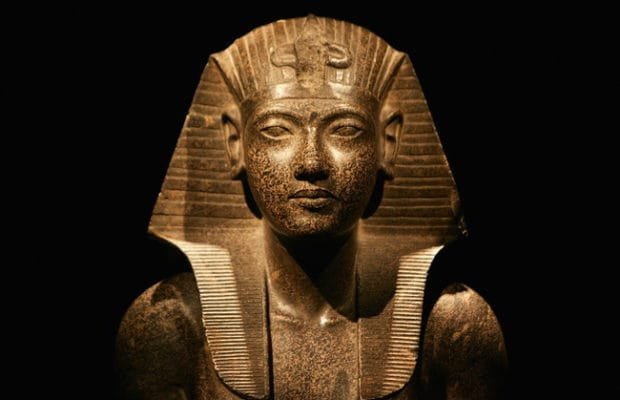
13. The Mummy of Merneptah: The Pharaoh of the Exodus?
Merneptah was the thirteenth son of Ramses II and ascended to the throne only in his late 60s because of his father’s extraordinary longevity. His mummy, discovered in the tomb of Amenhotep II (KV35) in 1898, is one of the most physically interesting specimens from the 19th Dynasty. Merneptah is often associated with the biblical Exodus, a theory fueled by the "Merneptah Stele" which contains the first historical mention of Israel. When his mummy was first unwrapped, observers noted his white, encrusted skin, leading to a popular but erroneous myth that he had drowned in the Red Sea and been covered in sea salt. Scientific analysis later proved this "salt" was simply a heavy application of natron used during a very thorough mummification process. The King appears as an elderly man, standing about 5 feet 7 inches, with a balding head and a face that strongly resembles his father, Ramses II. His mummy shows signs of significant health issues, including advanced atherosclerosis (hardening of the arteries) and severe dental decay. Despite his age, his mummification was highly sophisticated, ensuring that his physical presence remained as imposing in death as it was during his ten-year reign, during which he successfully defended Egypt against the first major waves of the Sea Peoples.
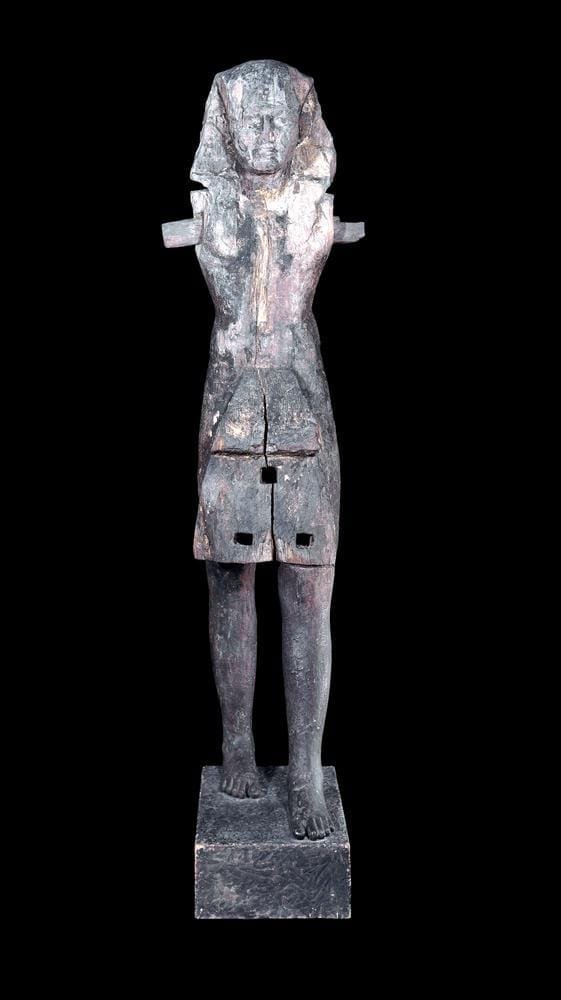
14. The Mummy of Ramses IX: Preservation Amidst Decline
Ramses IX ruled for nearly 19 years during the late 20th Dynasty, a period characterized by economic instability and the frequent plundering of the royal necropolis. His mummy was found in the Deir el-Bahari cache, having been moved there by priests of the 21st Dynasty to save it from the very tomb robbers who were active during his own reign. The mummy of Ramses IX provides a window into how mummification techniques began to adapt during times of dwindling resources. While the body is well-preserved, the application of resins was less lavish than in the era of Seti I. The King died in his 50s, and his mummy reveals a man of average height with a high forehead and a slightly protruding upper jaw. Interestingly, his eyes were replaced with small white stones or linen pads to mimic the appearance of living eyes, a common practice in the later New Kingdom to give the deceased a more "alert" look for the afterlife. His remains serve as a poignant historical marker; he was the last king to be buried with a significant degree of traditional royal pomp before the total collapse of the New Kingdom's central authority, making his mummy a vital link between the age of empires and the subsequent era of fragmentation.
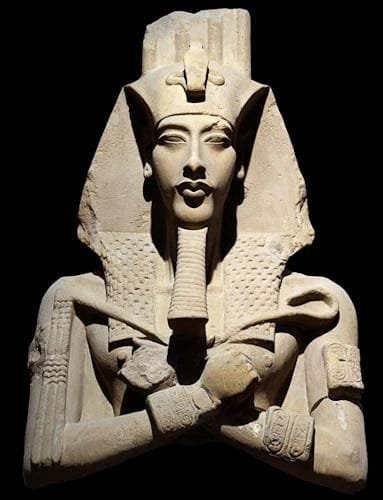
15. The Mummy of Akhenaten: The Heretic Reassembled
The identification of the mummy found in tomb KV55 as that of the revolutionary "heretic" king Akhenaten is one of the most debated topics in modern Egyptology. The tomb itself was a chaotic mess, with a desecrated coffin and a mummy that had been reduced almost entirely to a skeleton due to moisture. However, DNA testing conducted in 2010 concluded with a high degree of certainty that these remains belong to the son of Amenhotep III and the biological father of Tutankhamun, effectively identifying it as Akhenaten. The skeleton reveals a man who died in his 30s, and interestingly, it does not show the exaggerated physical deformities (such as elongated skulls and wide hips) seen in his Amarna-period artwork, suggesting those were stylized religious symbols rather than realistic portraits. The mummification of this individual was unique; the "magic bricks" and inscriptions were intentionally defaced in antiquity to strip the King of his identity and deny him a place in the afterlife. Despite this ancient attempt at damnatio memoriae (erasure of memory), the survival of his bones allows us to reconstruct the physical reality of the man who closed the temples of Amun and turned Egypt toward the worship of a single sun-god, the Aten.
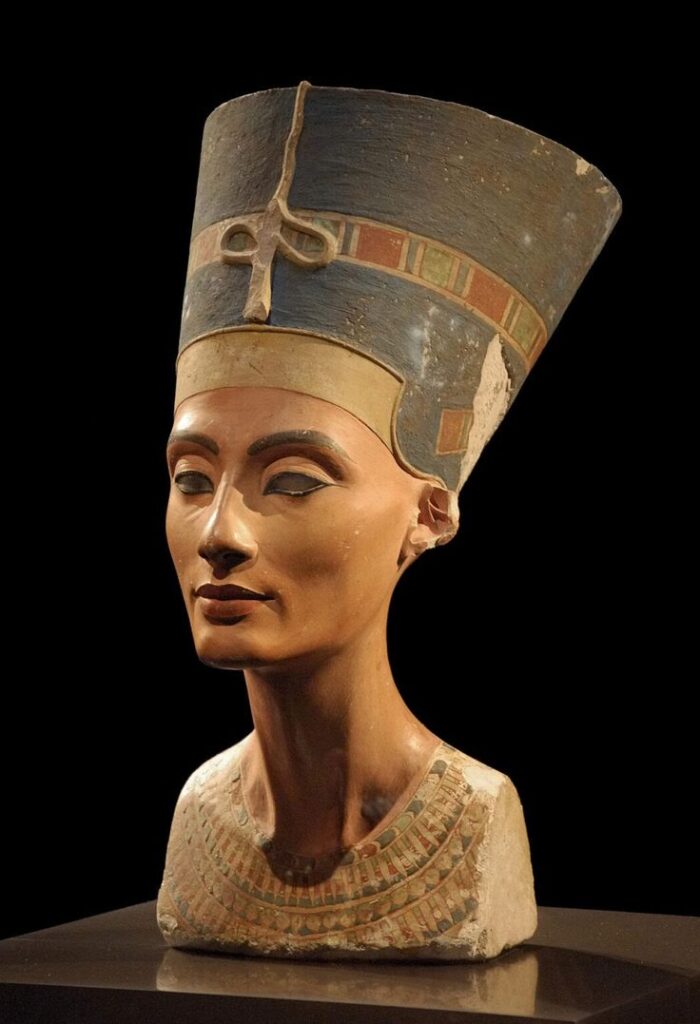
16. The Mummy of Queen Nefertari: The Beloved Consort
Queen Nefertari, the favorite Great Royal Wife of Ramses II, is often celebrated as the most beautiful and influential queen of the 19th Dynasty. While her tomb in the Valley of the Queens is hailed as the "Sistine Chapel of Ancient Egypt" due to its vibrant wall paintings, her physical remains tell a more fragmented story. When her tomb was rediscovered in 1904, it had already been brutally looted in antiquity. Archaeologists found only a pair of mummified knees and fragments of sandals among the debris. For decades, these remains were questioned, but recent bio-archaeological studies and radiocarbon dating have confirmed with high probability that these legs belonged to the legendary Nefertari. Despite only having fragments, the mummification quality of the limbs shows the use of high-grade resins and fine linen, befitting a woman who was deified in her own lifetime. Nefertari was a diplomat and a scholar, famously corresponding with the Hittite royal family to maintain peace. Her fragmented mummy serves as a poignant reminder that even the most cherished and powerful figures could not escape the greed of tomb robbers, yet her legacy remains immortalized in the breathtaking art of her resting place.
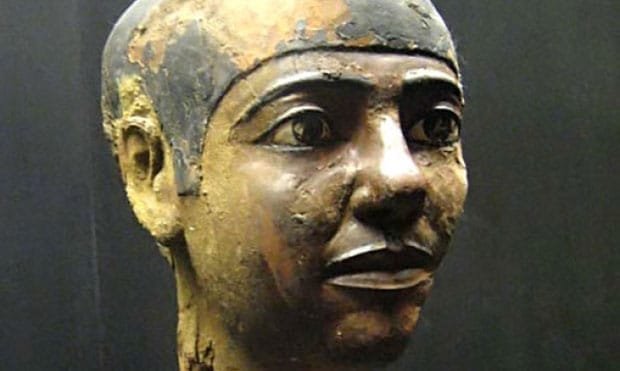
17. The Legacy of Imhotep: From Architect to Divine Ancestor
While the search for the actual tomb and mummy of Imhotep remains one of the "Holy Grails" of Egyptology, his mummified remains—if ever found—would represent the bridge between the Old Kingdom and the dawn of science. Imhotep was the polymath architect who designed the Step Pyramid for King Djoser and was later deified as a god of medicine and healing. In the Late Period, thousands of Egyptians sought "Imhotep’s blessing" by mummifying ibises and other sacred animals as offerings near his suspected burial site in Saqqara. As one of the few non-royals to ever achieve such status, his "mummified spirit" dominated Egyptian thought for millennia. He is credited as the first physician to describe ailments without relying solely on magic, effectively becoming the father of clinical observation. The study of mummies from his era reveals that the foundations of the preservation techniques used for the great New Kingdom pharaohs were laid by the intellectual elite of Imhotep's time. He remains a symbol of the Egyptian belief that through genius and service to the state, an individual could achieve a form of immortality that transcended the physical bandages of the tomb.
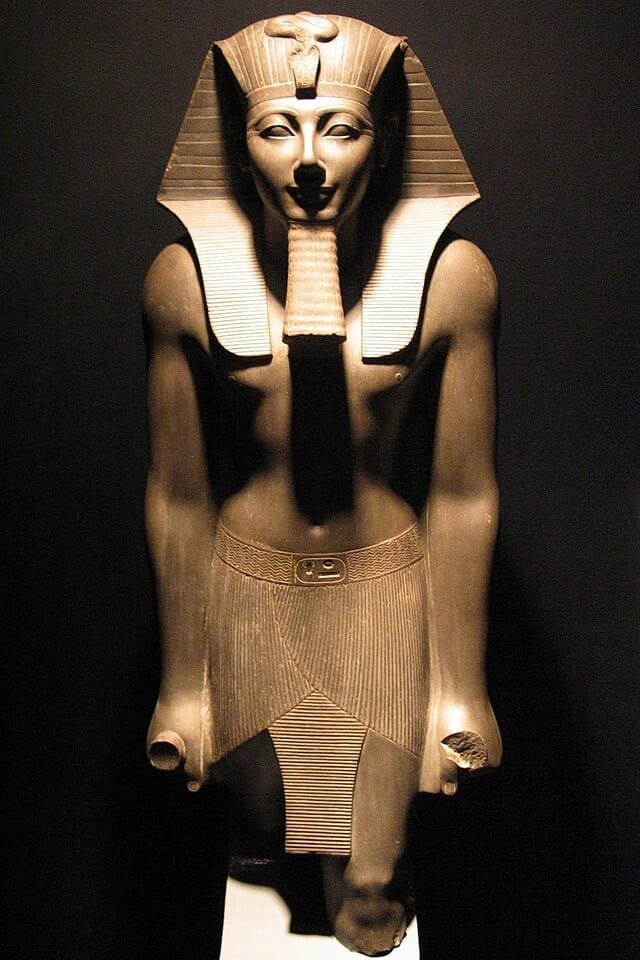
18. The Mummy of Thutmose II: The Forgotten Link
Thutmose II, the fourth pharaoh of the 18th Dynasty, often stands in the historical shadow of his formidable wife, Hatshepsut, and his conquering son, Thutmose III. However, his mummy, discovered in the Deir el-Bahari cache, offers vital evidence about the royal succession and health of the 18th Dynasty. His mummification was conducted with great care, but his remains reveal a man who struggled with significant health issues. His skin shows evidence of a widespread disease, possibly a form of scabies or a severe allergic reaction, which some historians believe contributed to his relatively short reign. He died in his early 30s, and his mummy shows a man of moderate build with a face that shares the distinct "Thutmosid" profile—a high forehead and a slightly receding chin. The preservation of his body was essential for the legitimacy of the dynasty, as he was the physical link between the great Thutmose I and the future "Napoleon of Egypt." His mummy serves as a biological record of a king who managed a stable empire during a period of transition, ensuring that the bloodline of the 18th Dynasty remained intact for the revolutionary changes that were soon to follow.