- Excursions in Egypt
- Egypt Tour Packages
- Cairo Tours and Excursions
- Hurghada Tours and Excursions
- Soma Bay Tours and Excursions
- Makadi Bay Tours and Excursions
- Sahl Hasheesh Tours and Excursions
- El Gouna Tours and Excursions
- Marsa Alam Tours and Excursions
- Port Ghalib Tours and Excursions
- El Quseir Tours and Excursions
- Dendera and Abydos Day Tours
- Aswan Tours and Excursions
- Luxor Tours and Excursions
- Sharm El Sheikh Tours and Excursions
- Top Rated Egypt Tours in 2026
- Optional Excursions in Egypt
- Private Transfer
- Blogs About egypt
- Ancient Egypt
- Historical Sites in Egypt
- Cairo
- Alexandria
- Luxor
- Aswan
- The Red Sea
- Dendera Temple
- El Fayoum Oasis
- Bahariya Oasis
- Siwa Oasis
- Al Alamein
- Marsa Matruh
- Why Egypt Is One of the Safest Countries to Visit in the Middle East
- What You Need To know Before Your First Trip To Egypt
- Egypt Travel Costs in 2026 Full Budget Guide
- Top 10 Tourist Activities in Egypt
- Top 50 Activities You Can’t Miss in Egypt in 2026
- The Guide to Guided Tours in Egypt
- Egypt’s Ancient and Modern History
- The Nile River
- The Deserts of Egypt
- Ancient Egyptian gods
- famous Egyptian dishes
- UNESCO World Heritage sites
- About Us
- Egypt Hotels and Resorts
- Excursions in Egypt
- Egypt Tour Packages
- Cairo Tours and Excursions
- Hurghada Tours and Excursions
- Soma Bay Tours and Excursions
- Makadi Bay Tours and Excursions
- Sahl Hasheesh Tours and Excursions
- El Gouna Tours and Excursions
- Marsa Alam Tours and Excursions
- Port Ghalib Tours and Excursions
- El Quseir Tours and Excursions
- Dendera and Abydos Day Tours
- Aswan Tours and Excursions
- Luxor Tours and Excursions
- Sharm El Sheikh Tours and Excursions
- Top Rated Egypt Tours in 2026
- Optional Excursions in Egypt
- Private Transfer
- Blogs About egypt
- Ancient Egypt
- Historical Sites in Egypt
- Cairo
- Alexandria
- Luxor
- Aswan
- The Red Sea
- Dendera Temple
- El Fayoum Oasis
- Bahariya Oasis
- Siwa Oasis
- Al Alamein
- Marsa Matruh
- Why Egypt Is One of the Safest Countries to Visit in the Middle East
- What You Need To know Before Your First Trip To Egypt
- Egypt Travel Costs in 2026 Full Budget Guide
- Top 10 Tourist Activities in Egypt
- Top 50 Activities You Can’t Miss in Egypt in 2026
- The Guide to Guided Tours in Egypt
- Egypt’s Ancient and Modern History
- The Nile River
- The Deserts of Egypt
- Ancient Egyptian gods
- famous Egyptian dishes
- UNESCO World Heritage sites
- About Us
- Egypt Hotels and Resorts
Welcome to
Complete List of the Tombs in the Valley of the Queens: Ultimate Guide to Every Royal Tomb
The Valley of the Queens is one of the most fascinating and historically significant archaeological sites in Luxor, Egypt, serving as the royal burial ground for the queens, princes, princesses, and royal family members of the New Kingdom. Located on the west bank of the Nile River near the world-famous Valley of the Kings, this extraordinary ancient Egyptian necropolis contains more than 90 tombs carved into the limestone cliffs of the Theban Mountains. The site is renowned for its spectacular wall paintings, vibrant colors, ancient Egyptian hieroglyphics, religious texts, and beautifully preserved scenes depicting the journey to the afterlife.
Among the most famous attractions in the Valley of the Queens is the magnificent Tomb of Queen Nefertari (QV66), widely regarded as one of the most beautiful tombs in Egypt and one of the finest masterpieces of ancient Egyptian art. However, the valley is home to many other remarkable royal tombs belonging to the wives and children of powerful pharaohs including Ramesses II, Ramesses III, Ramesses IV, Ramesses V, and Ramesses VI. These royal burials provide invaluable insights into ancient Egyptian civilization, royal family life, funerary traditions, religious beliefs, burial customs, and the artistic achievements of the New Kingdom period.
This complete list of the tombs in the Valley of the Queens is a comprehensive guide to every known burial chamber discovered within this UNESCO World Heritage Site. Explore the tombs of ancient Egyptian queens, royal princes, princesses, and noble family members while learning about their history, architecture, decoration, inscriptions, and archaeological significance. Whether you are planning a Luxor tour, researching ancient Egypt, exploring the Theban Necropolis, or searching for the best archaeological sites in Egypt, this guide provides everything you need to know about the Valley of the Queens, one of the most remarkable royal cemeteries in the world and an essential destination for anyone interested in Egyptology, ancient Egyptian tombs, pharaohs, temples, and the rich heritage of ancient Egypt.

1. Tomb of Nefertari (QV66)
The Tomb of Nefertari, wife of Ramses II, is the most famous tomb in the Valley of the Queens and is often referred to as the “Sistine Chapel of Ancient Egypt” due to its incredible artwork. The tomb is famed for its vivid, well-preserved wall paintings, which depict Nefertari with gods such as Hathor, Isis, and Osiris. Scenes show Nefertari’s journey to the afterlife, as well as her relationship with Ramses II. It is considered one of the most beautiful and elaborate tombs, both in terms of decoration and preservation. This tomb's grandeur reflects the high status Nefertari held as one of the most loved wives of Ramses II.
2. Tomb of Queen Tiy (QV52)
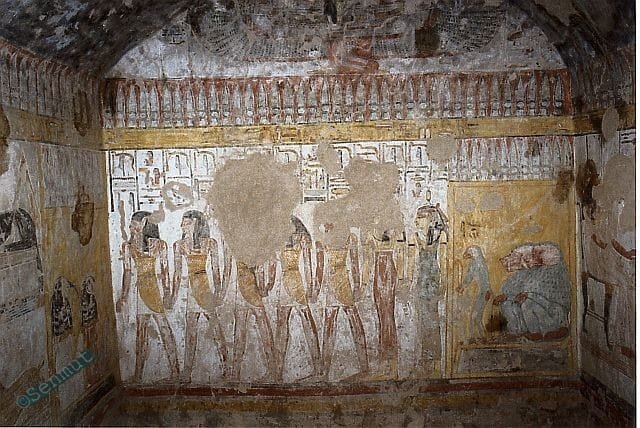
Queen Tiy, the wife of Amenhotep III and mother of Akhenaten, has a tomb in the Valley of the Queens. Though not as grand as Nefertari's, Tiy’s tomb is still important historically, as she was one of the most powerful and influential queens in Ancient Egypt. Her tomb contains inscriptions that reflect her high status in the royal family, and it is thought to have been repurposed over time. Some of the artwork was damaged, but it still provides a glimpse into the life of a queen who played a pivotal role during one of Egypt’s most prosperous times.

3. Tomb of Aset (QV55)
The tomb of Aset (sometimes spelled “Asat”) is a smaller yet significant tomb in the Valley of the Queens. Aset is believed to have been a daughter or wife of a pharaoh from the 19th Dynasty. The tomb features scenes of offerings to the gods and depictions of Aset in various roles, including being attended by divine figures. The artwork is beautifully rendered, though much of the tomb’s interior is not as well preserved as those of more famous figures like Nefertari. Despite its smaller size, the tomb gives insight into the art and symbolism used in royal burials.

4. Tomb of Meritamen (QV70)
Meritamen, the daughter of Ramses II, has a tomb that stands out for its beautiful artwork. The tomb walls depict Meritamen in various divine settings, with the goddess Hathor, offering a reflection of her close ties to the gods. The paintings in her tomb are considered to be of exceptional quality, portraying scenes of the afterlife and depicting the princess in her journey to the next world. Meritamen’s tomb reveals the importance of royal daughters in Ancient Egypt, who were often given ceremonial roles even after death.
5. Tomb of Khaemwaset (QV44)
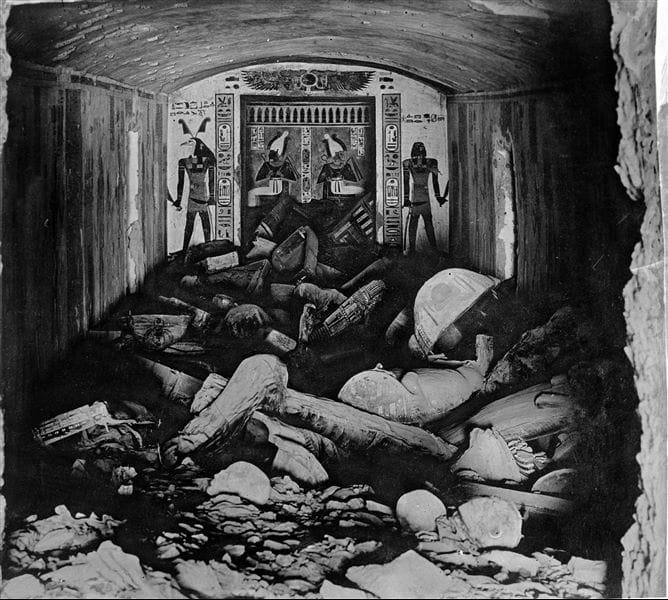
Khaemwaset, the son of Ramses II, is another royal figure buried in the Valley of the Queens. He was a high priest of Ptah and the fourth son of Ramses II. Khaemwaset’s tomb is relatively modest compared to some of the other tombs in the valley but still contains significant scenes. The artwork portrays Khaemwaset with gods and goddesses, offering prayers for a safe journey to the afterlife. His tomb is notable for its connection to the cultural and religious practices of the time, especially his high-ranking role in the Egyptian clergy.

6. Tomb of Tausert (QV74)
Tausert was both the wife of Setnakhte and the last ruler of the 19th Dynasty. She served as regent before becoming pharaoh. Her tomb in the Valley of the Queens is significant for her unusual role as a female ruler. The tomb’s decorations are simpler than those of her more famous predecessors, but it still contains inscriptions and images of her making offerings to gods and entering the afterlife. Tausert’s tomb provides a unique glimpse into the later years of Egypt’s New Kingdom and the challenges of ruling as a woman in a male-dominated society.
7. Tomb of Nebettawy (QV73)
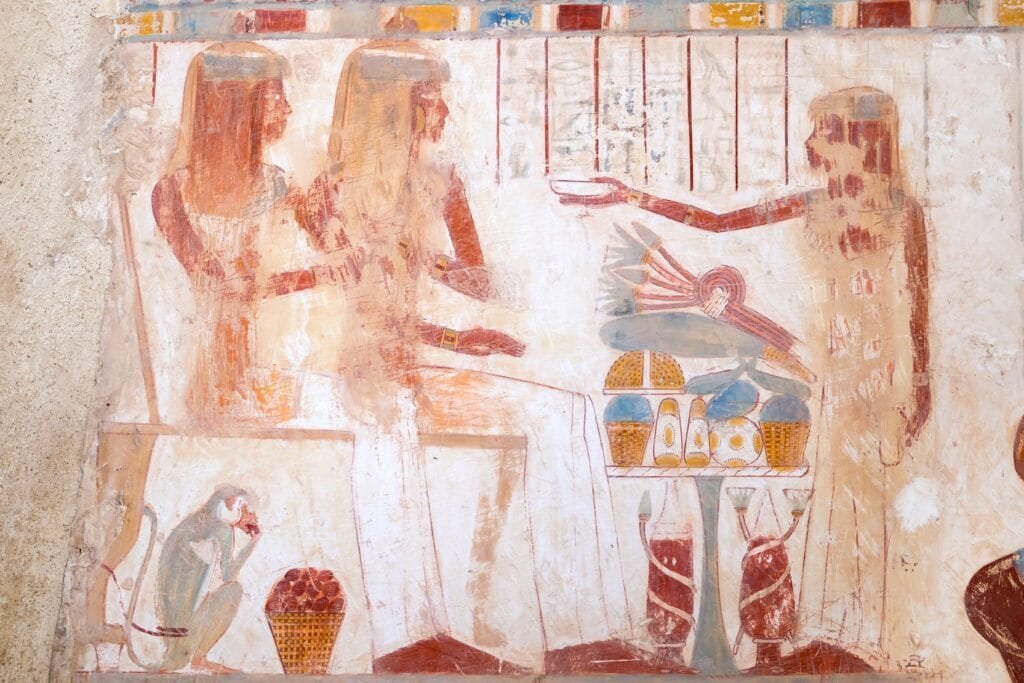
The tomb of Nebettawy, a lesser-known figure, is believed to be the burial site of one of Ramses II's daughters. Though not as well preserved as other tombs, Nebettawy’s tomb is important for its symbolism and religious depictions. The artwork shows her in the company of gods and in various scenes connected to life after death. The tomb’s significance lies in the mystery surrounding Nebettawy's identity and her presumed role as a royal family member. Her tomb, while small, is part of the larger narrative of royal women’s importance in Egyptian society.

8. Tomb of the Noble Lady Kha (QV56)
The Tomb of Kha, one of the lesser-known tombs in the valley, belongs to a noblewoman likely not from the royal family but a significant figure nonetheless. The tomb features artwork depicting her in scenes of offerings to various gods. The tomb’s vibrant colors and intricate details give valuable insight into the art and funerary practices of the time. Kha’s tomb helps illuminate the lives of noblewomen who were often closely linked to the royal family, even if not always directly related.
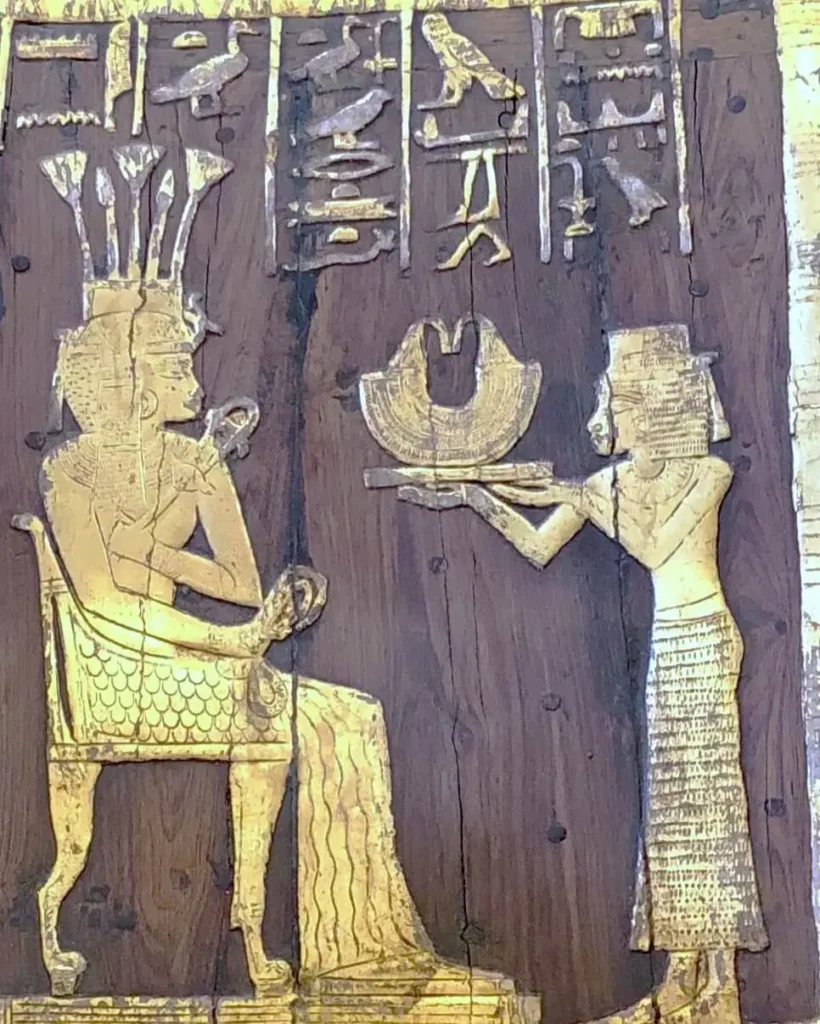
9. Tomb of Princess Sat-Amun (QV56)
Sat-Amun, another princess, is believed to be the daughter of Ramses II. Her tomb is a smaller, more intimate burial compared to the grand tombs of queens and pharaohs. The walls of her tomb are covered in well-preserved scenes depicting her journey to the afterlife, where she is seen interacting with the gods and undergoing the rituals necessary to ensure her eternal life. This tomb provides valuable insight into the funerary practices for royal children during the New Kingdom.

10. Tomb of Princess Hentmire (QV57)
The tomb of Princess Hentmire is one of the lesser-known but artistically significant tombs. It is thought to belong to a daughter of Ramses II or another royal figure. The walls of the tomb are decorated with vivid scenes of Hentmire in the presence of gods and receiving offerings, providing insights into the importance of royal women in ensuring the continuation of Egypt’s prosperity in the afterlife. The artwork on the tomb’s walls is finely detailed and beautifully executed, reflecting the period's high standards in tomb decoration.
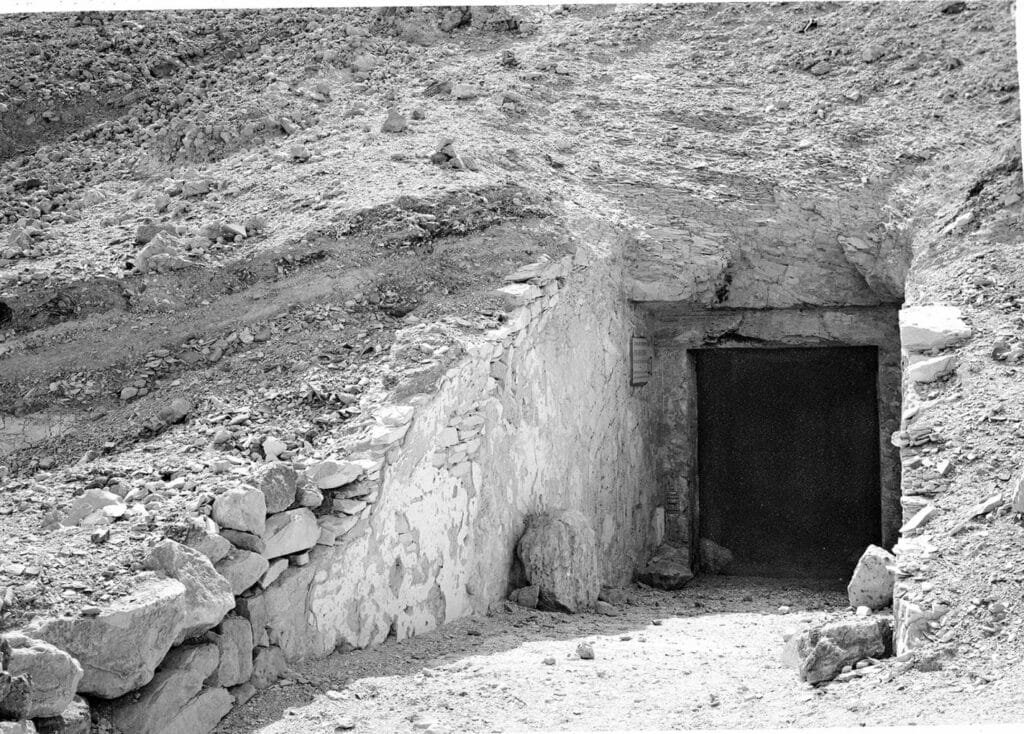
11. Tomb of Princess Hekaru (QV14)
Princess Hekaru, another royal figure from the time of Ramses II, was buried in a modest tomb in the Valley of the Queens. The tomb features scenes depicting the princess making offerings and interacting with deities, similar to other royal tombs of the time. The simplicity of the tomb, while not as elaborate as others, is still important for understanding the burial practices of lesser-known royal figures. It reflects the customs surrounding royal burials and the importance of the afterlife, even for those who might not have held the highest rank.
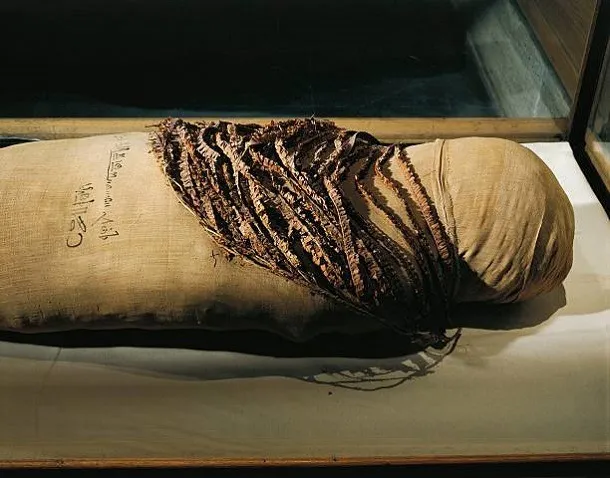
12. Tomb of Queen Meryt-Amun (QV15)
Queen Meryt-Amun, the wife of Amenhotep I, has a tomb in the Valley of the Queens that is relatively simple compared to others. The tomb is important as it connects the 18th Dynasty’s reign to the later New Kingdom period. It contains a few scenes of offerings and depictions of the queen, but it is primarily noteworthy for the role Meryt-Amun played in Egypt’s religious and political landscape as the wife of a powerful pharaoh.

13. Tomb of Queen Nefertari’s Daughters (QV67)
This tomb, belonging to the daughters of Queen Nefertari, is rich with depictions of the princesses and their journey to the afterlife. Scenes in the tomb show Nefertari’s daughters making offerings to the gods, receiving divine protection, and transitioning to the afterlife. The tomb is significant for its clear connection to the royal family of Ramses II and is a valuable example of how the afterlife was imagined for the entire royal family, not just the pharaohs.
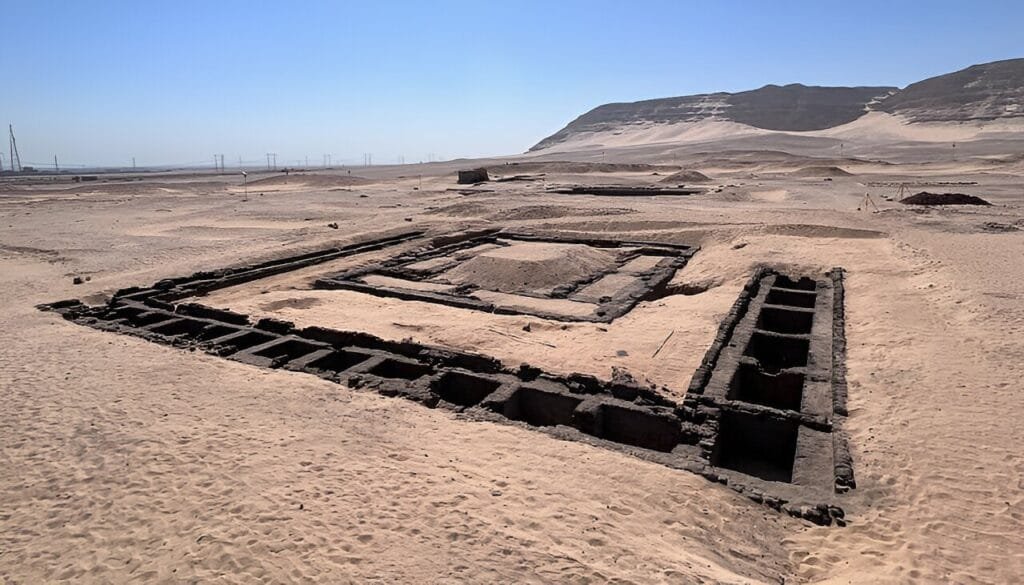
14. Tomb of Meret (QV8)
Meret, possibly another royal figure, has a smaller tomb in the Valley of the Queens. Though less famous, it holds significance for its depiction of the queen’s afterlife journey, showing her making offerings and interacting with deities. The tomb is a typical example of New Kingdom tombs for royal figures who were not the primary rulers but still held an important status in society.
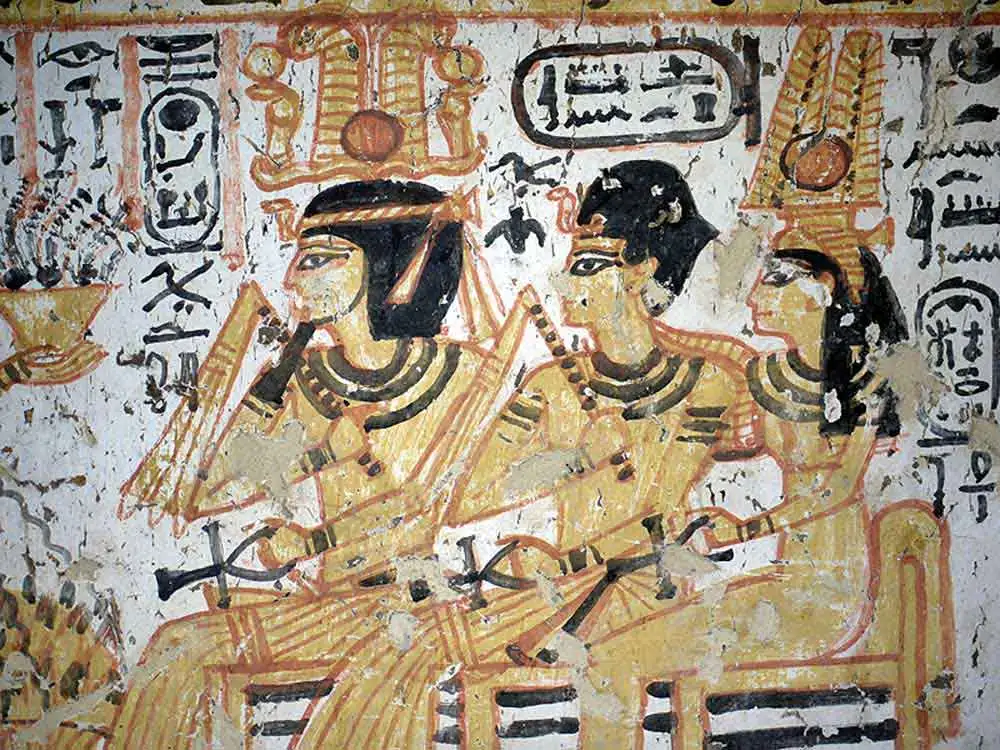
15. Tomb of Princess Nefertari's Sister (QV64)
This tomb belongs to one of Queen Nefertari’s sisters, whose name remains largely unknown. The artwork within the tomb depicts her in the company of gods, making offerings, and ensuring her eternal life. The tomb’s preservation and decoration provide insight into the role of royal sisters in Ancient Egyptian society and the importance of these familial relationships in Egyptian burial practices.

16. Tomb of Nefertari’s Other Daughters (QV56)
In addition to Queen Nefertari's famous tomb, several of her daughters were also buried in the Valley of the Queens. This tomb, often referred to as the burial place of one of Nefertari's lesser-known daughters, reflects the royal family's burial practices for their female offspring. The tomb features scenes where the princess is shown in the presence of gods, making offerings, and being guided through her afterlife journey. The high level of craftsmanship in the tomb’s decorations offers valuable insight into the afterlife beliefs during the reign of Ramses II.

17. Tomb of Princess Sat-Amun (QV25)
The Tomb of Princess Sat-Amun is a smaller tomb, often overlooked compared to some of the more prominent burials in the valley. Sat-Amun was likely another royal daughter, and the tomb’s art showcases her interaction with the gods, who ensure her safe passage to the afterlife. The paintings on the walls include scenes of her receiving divine protection and blessings, a common motif in royal tombs of the New Kingdom. Sat-Amun’s tomb provides an example of the royal family’s continued importance and their desire for everlasting peace in the afterlife, regardless of their public roles.
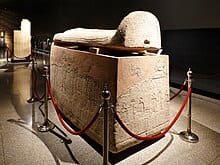
18. Tomb of Queen Tausert (QV74)
Queen Tausert was the last ruler of the 19th Dynasty and served as regent to her step-son, Setnakhte, before becoming pharaoh herself. Her tomb in the Valley of the Queens reflects her unusual and important role as a female pharaoh. Though less elaborate than the tombs of some of her predecessors, the tomb includes scenes of her interacting with the gods and receiving offerings, a common theme in Egyptian royal tombs. The decoration emphasizes her transition into the afterlife as a royal and female ruler, highlighting the significance of her rule in a time when Egypt was transitioning between dynasties.
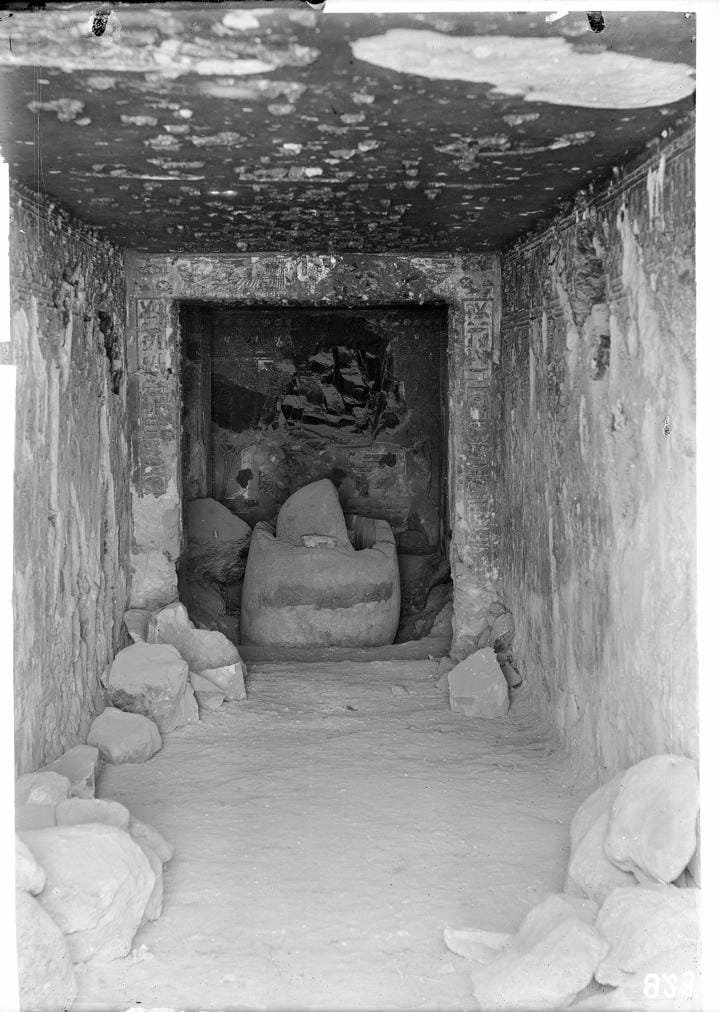
19. Tomb of Princess Hekaru (QV14)
Princess Hekaru, another royal figure from the 19th Dynasty, has a relatively modest tomb in the Valley of the Queens. The tomb features scenes typical of royal princess burials, such as making offerings to the gods and receiving divine blessings for the afterlife. It provides a glimpse into the royal family's internal relationships, demonstrating the importance of even the lesser-known royal daughters in maintaining Egypt’s dynastic lineage. The tomb’s simplicity does not detract from the quality of its preservation, as the artwork remains relatively intact, showcasing the cultural and religious practices of the time.

20. Tomb of the Royal Scribe (QV37)
While not a royal member of the family, the tomb of the Royal Scribe in the Valley of the Queens still provides valuable information about Egypt’s administrative and religious structures. The tomb is thought to belong to an important official who served in the royal court, playing a critical role in Egypt’s government. The scenes in the tomb show the scribe in various religious settings, receiving divine protection and making offerings to the gods. The tomb is important as it reflects the high status and reverence given to even non-royal individuals who served the pharaohs.
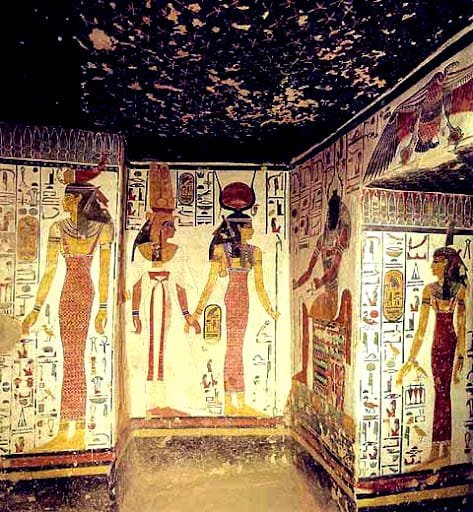
21. Tomb of Princess Nefertari’s Sister (QV64)
This tomb belongs to a sister of Queen Nefertari, and though the exact identity of the princess remains uncertain, it is likely that she played a significant role in the royal family. The tomb is richly decorated with scenes that reflect the princess’ journey to the afterlife, showing her in the presence of gods like Hathor and Osiris. The artwork offers a glimpse into the role of royal sisters, who often had ceremonial duties, and the tomb showcases their importance within the royal family structure.

22. Tomb of Princess Aset (QV55)
The tomb of Princess Aset, believed to be a daughter or wife of a pharaoh, is relatively simple compared to some of the grander tombs in the Valley of the Queens. However, its significance lies in its decorations, which show Aset interacting with various gods, ensuring her protection and safe passage into the afterlife. The tomb is particularly valuable for understanding the burial practices of royal daughters and the importance placed on their divine associations. The artwork, while less famous, reflects the deep religious practices of the time.

23. Tomb of Princess Neferu (QV22)
The tomb of Princess Neferu, a lesser-known figure from the reign of Ramses II, is one of the smaller tombs in the valley. Despite its size, it offers valuable insight into the customs surrounding the burial of royal women during this period. The walls of the tomb are decorated with images of the princess in the afterlife, accompanied by gods and making offerings. This tomb underscores the importance of maintaining divine favor and the rituals associated with ensuring eternal life for royal family members.

24. Tomb of Princess Bint-Anath (QV23)
Princess Bint-Anath, another royal daughter, was likely part of Ramses II’s large family. Her tomb features typical scenes of a royal princess in the afterlife, where she is seen receiving blessings from the gods, making offerings, and being guided to her final resting place. The decoration of the tomb, though not as grand as some of her royal relatives, reflects the themes of divine protection and the journey of the deceased toward eternal peace.

25. Tomb of Princess Hentmire (QV57)
Another royal tomb is that of Princess Hentmire, likely a daughter of Ramses II or another high-ranking member of the royal family. The tomb’s decoration depicts her in various religious scenes, emphasizing her divine connection and the importance of rituals for the afterlife. The quality of the tomb's paintings and the depictions of her journey to the afterlife are significant for understanding the spiritual beliefs of the New Kingdom elite. Hentmire's tomb is a good example of how the royal family prepared even their daughters for life after death, with the assistance of the gods.
26. Tomb of Princess Hekaru (QV14)
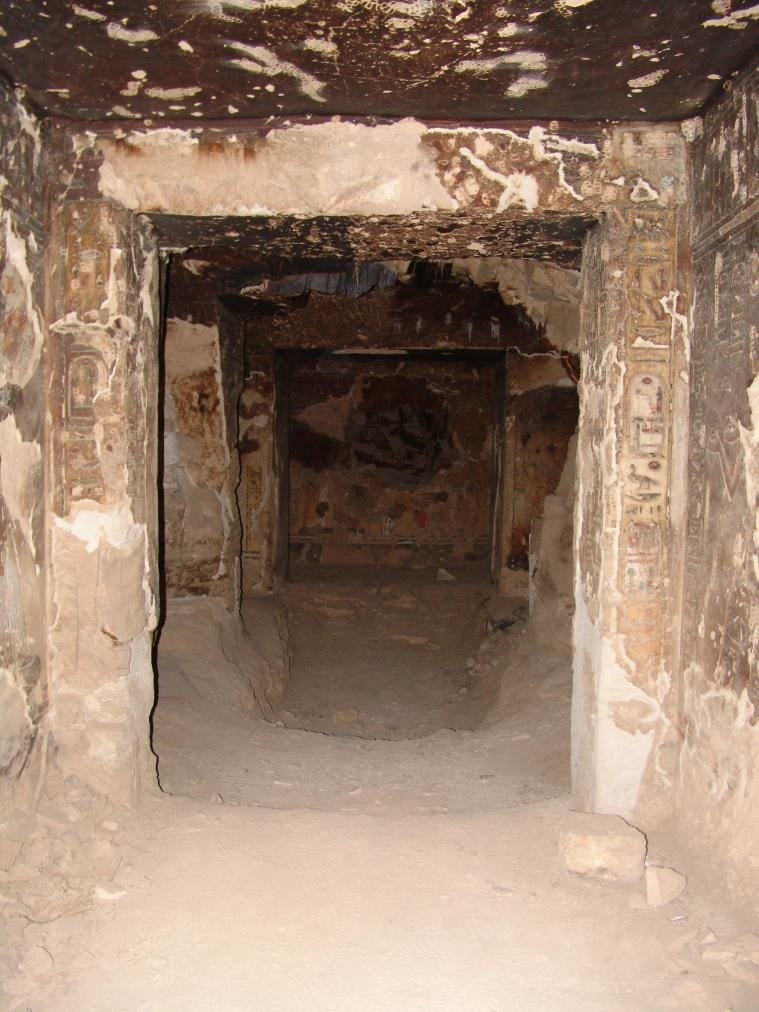
Princess Hekaru, another daughter of Ramses II, has a relatively small but nonetheless significant tomb in the Valley of the Queens. The tomb’s walls depict her in the presence of gods, receiving divine protection and guidance to her eternal rest. The tomb’s artwork is a testament to the reverence given to royal family members, even those who were not necessarily queens or high-ranking pharaohs. The tomb provides insight into the role of royal daughters and their connection to the divine in ancient Egyptian beliefs.

27. Tomb of Princess Tausert (QV74)
Princess Tausert, who later became Pharaoh Tausert, was buried in a tomb that reflects her powerful status in ancient Egypt. Her tomb is somewhat smaller than that of some other royal women, but it still offers valuable scenes depicting her in the afterlife with various deities. As a regent and later a ruler in her own right, Tausert’s tomb reflects the changing role of women in ancient Egypt, especially those who wielded political power. The artwork in her tomb, though simple compared to that of other pharaohs, underscores the themes of divine protection and the continuation of the royal line.

28. Tomb of Princess Khenut (QV10)
The tomb of Princess Khenut, a lesser-known royal figure, is notable for its depiction of the princess in divine settings. The walls feature scenes of her in the afterlife, making offerings to gods and being guided by deities like Osiris. Khenut’s tomb is important as it demonstrates the role of royal women in Egypt’s spiritual beliefs and the importance placed on ensuring eternal life through ritual and divine favor.

29. Tomb of Queen Nefertari’s Other Daughters (QV67)
Another tomb belonging to one of Queen Nefertari’s daughters, this tomb provides insight into the lives and roles of royal children. The artwork includes scenes showing the princess receiving divine protection and making offerings to the gods. This tomb emphasizes the continuity of royal lineage and the importance of religious ceremonies in ensuring the safe passage of family members to the afterlife.
30. Tomb of Princess Meritamen (QV45)
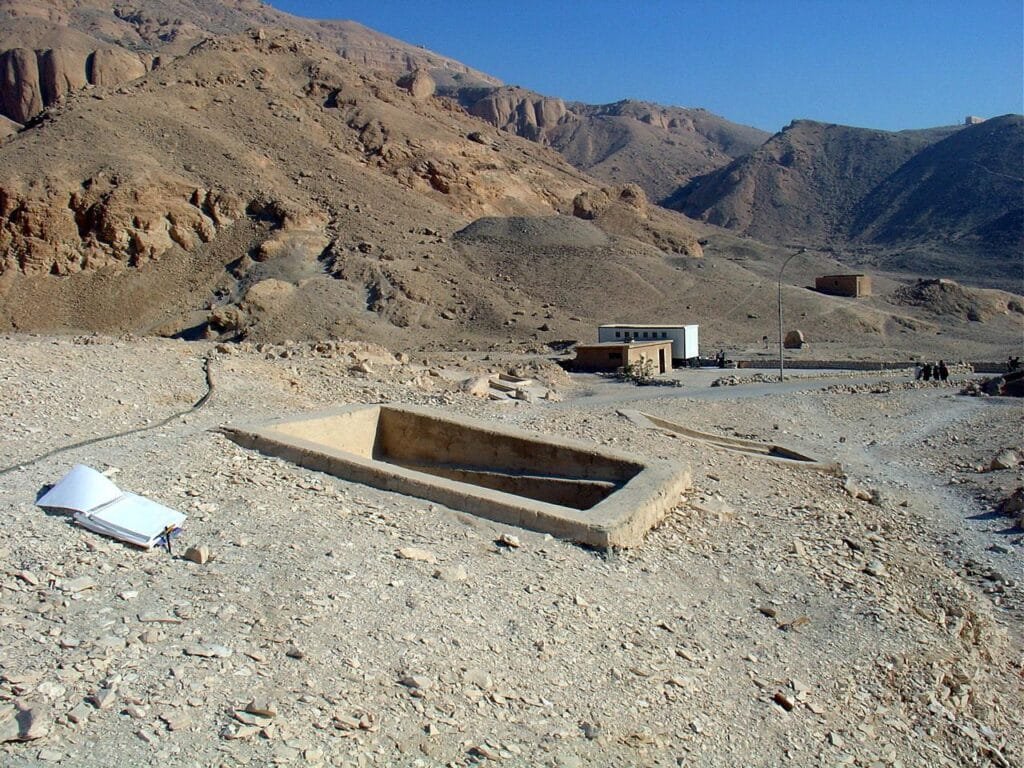
The Tomb of Princess Meritamen is a beautiful and relatively well-preserved tomb located in the Valley of the Queens. Meritamen was the daughter of Ramses II and his queen consort Nefertari. This tomb is famous for its colorful and vivid wall paintings that depict the princess in the presence of various gods and goddesses. The artwork in the tomb emphasizes the connection between the princess and the divine, showcasing her in scenes that include offerings to the gods and her journey into the afterlife.
Frequently Asked Questions About the Valley of the Queens
The Valley of the Queens is an ancient royal burial site located on the west bank of the Nile in Luxor, Egypt. It was used primarily to bury the wives, children, and other relatives of the pharaohs during the New Kingdom period.
Archaeologists have identified more than 90 tombs in the Valley of the Queens, ranging from simple burial chambers to elaborately decorated royal tombs.
The valley contains the tombs of queens, princesses, princes, and members of the royal family, particularly those connected to the 19th and 20th Dynasties of ancient Egypt.
The Tomb of Queen Nefertari (QV66), the Great Royal Wife of Ramesses II, is the most famous tomb in the valley due to its exceptionally preserved wall paintings and vibrant colors.
The site provides valuable information about ancient Egyptian religion, royal family life, burial customs, funerary beliefs, and artistic achievements during the New Kingdom.
Yes, visitors can enter the Tomb of Nefertari, but access requires a separate ticket due to conservation efforts and the tomb’s exceptional historical significance.
The Valley of the Kings was primarily used for the burial of pharaohs, while the Valley of the Queens served as the burial place for queens, princes, princesses, and other royal family members.
The valley was mainly used during the New Kingdom period, approximately between 1550 BC and 1070 BC.
The Valley of the Queens is located within the Theban Necropolis on Luxor’s west bank, near the Valley of the Kings, the Temple of Hatshepsut, and other famous archaeological sites.
Absolutely. The Valley of the Queens offers visitors a chance to see beautifully decorated tombs, learn about ancient Egyptian royalty, and explore one of the most important archaeological sites in Luxor and Egypt.