- Excursions in Egypt
- Egypt Tour Packages
- Cairo Tours and Excursions
- Hurghada Tours and Excursions
- Soma Bay Tours and Excursions
- Makadi Bay Tours and Excursions
- Sahl Hasheesh Tours and Excursions
- El Gouna Tours and Excursions
- Marsa Alam Tours and Excursions
- Port Ghalib Tours and Excursions
- El Quseir Tours and Excursions
- Dendera and Abydos Day Tours
- Aswan Tours and Excursions
- Luxor Tours and Excursions
- Sharm El Sheikh Tours and Excursions
- Top Rated Egypt Tours in 2026
- Optional Excursions in Egypt
- Private Transfer
- Blogs About egypt
- Ancient Egypt
- Historical Sites in Egypt
- Cairo
- Alexandria
- Luxor
- Aswan
- The Red Sea
- Dendera Temple
- El Fayoum Oasis
- Bahariya Oasis
- Siwa Oasis
- Al Alamein
- Marsa Matruh
- Why Egypt Is One of the Safest Countries to Visit in the Middle East
- What You Need To know Before Your First Trip To Egypt
- Egypt Travel Costs in 2026 Full Budget Guide
- Top 10 Tourist Activities in Egypt
- Top 50 Activities You Can’t Miss in Egypt in 2026
- The Guide to Guided Tours in Egypt
- Egypt’s Ancient and Modern History
- The Nile River
- The Deserts of Egypt
- Ancient Egyptian gods
- famous Egyptian dishes
- UNESCO World Heritage sites
- About Us
- Egypt Hotels and Resorts
- Excursions in Egypt
- Egypt Tour Packages
- Cairo Tours and Excursions
- Hurghada Tours and Excursions
- Soma Bay Tours and Excursions
- Makadi Bay Tours and Excursions
- Sahl Hasheesh Tours and Excursions
- El Gouna Tours and Excursions
- Marsa Alam Tours and Excursions
- Port Ghalib Tours and Excursions
- El Quseir Tours and Excursions
- Dendera and Abydos Day Tours
- Aswan Tours and Excursions
- Luxor Tours and Excursions
- Sharm El Sheikh Tours and Excursions
- Top Rated Egypt Tours in 2026
- Optional Excursions in Egypt
- Private Transfer
- Blogs About egypt
- Ancient Egypt
- Historical Sites in Egypt
- Cairo
- Alexandria
- Luxor
- Aswan
- The Red Sea
- Dendera Temple
- El Fayoum Oasis
- Bahariya Oasis
- Siwa Oasis
- Al Alamein
- Marsa Matruh
- Why Egypt Is One of the Safest Countries to Visit in the Middle East
- What You Need To know Before Your First Trip To Egypt
- Egypt Travel Costs in 2026 Full Budget Guide
- Top 10 Tourist Activities in Egypt
- Top 50 Activities You Can’t Miss in Egypt in 2026
- The Guide to Guided Tours in Egypt
- Egypt’s Ancient and Modern History
- The Nile River
- The Deserts of Egypt
- Ancient Egyptian gods
- famous Egyptian dishes
- UNESCO World Heritage sites
- About Us
- Egypt Hotels and Resorts
Welcome to
Valley of the Queens: A Sanctuary of Beauty and Eternal Grace
Hidden within the golden desert landscape of the West Bank of Luxor, the Valley of the Queens stands as one of the most elegant and emotionally powerful burial sites of ancient Egypt. Unlike the more widely known Valley of the Kings, this sacred valley was reserved for the queens, princes, and royal children of the New Kingdom, offering a more intimate yet equally magnificent glimpse into the ancient Egyptian vision of the afterlife. Here, beneath the silent cliffs and endless sky, lie the tombs of women who held immense influence, beauty, and spiritual importance in one of the greatest civilizations in human history.
The valley, known in ancient times as “Ta-Set-Neferu,” meaning “The Place of Beauty,” lives up to its name through the breathtaking artistry found within its tombs. These underground chambers are adorned with some of the finest wall paintings ever created in ancient Egypt, featuring vibrant colors, delicate lines, and deeply symbolic scenes that depict the journey of the soul through the afterlife. Among these tombs lies the most famous of all, the burial place of Queen Nefertari, whose tomb is widely considered one of the most beautiful ever discovered.
Today, the Valley of the Queens continues to captivate visitors from around the world. It offers a quieter and more reflective experience compared to other major sites, allowing travelers to connect deeply with the human stories behind the monuments. More than just a burial ground, it is a sanctuary of memory, artistry, and eternal grace, where the legacy of ancient Egyptian queens continues to live on through the beauty of their tombs.

1. A Royal Necropolis: The Purpose Behind the Valley
The Valley of the Queens was established as a sacred burial ground during the New Kingdom, designed specifically for the wives, children, and close relatives of the pharaohs. While the kings were laid to rest in the more famous Valley of the Kings, this valley served as a complementary necropolis, reflecting the importance of royal women within ancient Egyptian society. It was not simply a place of burial, but a carefully chosen landscape that embodied spiritual beliefs about the afterlife, protection, and eternal beauty. The location of the valley on the West Bank of Luxor was deeply symbolic. In ancient Egyptian belief, the west represented the land of the dead, where the sun set each day before beginning its journey through the underworld. By placing royal tombs in this region, the Egyptians aligned their burial practices with the natural cycle of death and rebirth. The valley’s secluded position, surrounded by rugged cliffs, also provided a sense of protection and sacred isolation, making it an ideal resting place for members of the royal family. Unlike the grand entrances of some royal tombs, many tombs in this valley are modest on the outside, concealing richly decorated interiors beneath the desert surface. This contrast reflects a shift in focus from external display to internal spiritual preparation. Inside these tombs, elaborate paintings and inscriptions were designed to guide the deceased through the afterlife, ensuring safe passage and eternal existence. Through its purpose and design, the valley reveals a deeper understanding of how ancient Egyptians viewed life, death, and immortality.

2. The Tomb of Nefertari: The Most Beautiful Tomb in Egypt
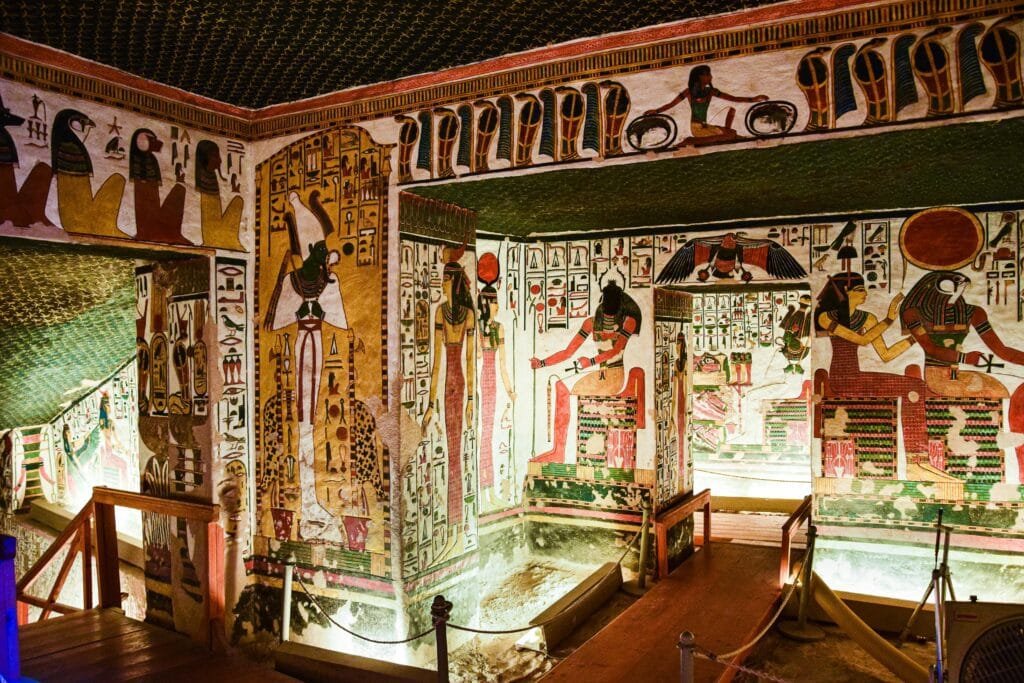
Among all the tombs within the Valley of the Queens, none is more celebrated than the tomb of Queen Nefertari, the beloved wife of Ramesses II. Known as QV66, this extraordinary tomb is widely regarded as one of the most beautiful burial chambers ever discovered in Egypt, often described as a masterpiece of ancient art. From the moment one steps inside, the walls come alive with vibrant colors, intricate details, and scenes that reflect both religious devotion and artistic perfection. The paintings within the tomb depict Nefertari’s journey through the afterlife, guided by various gods and goddesses who ensure her safe passage. These scenes are not only visually stunning but also deeply symbolic, illustrating key elements of Egyptian funerary beliefs. The quality of the artwork is exceptional, with delicate brushwork, harmonious proportions, and vivid pigments that have remained remarkably preserved over thousands of years. The deep blues, bright reds, and luminous gold tones create an atmosphere that feels almost otherworldly. Beyond its beauty, the tomb also reflects the status and importance of Nefertari herself. As one of the most powerful queens of the New Kingdom, she was honored with a burial place that matched her influence and significance. Her tomb stands as a testament to the love and respect she received, as well as the artistic achievements of the civilization that created it.
3. Artistic Mastery: Colors, Symbols, and Sacred Narratives
The tombs of the Valley of the Queens are renowned for their exceptional artistic quality, representing some of the finest examples of ancient Egyptian wall painting. Unlike the more formal and rigid style often seen in royal tombs, the artwork here is characterized by elegance, fluidity, and a remarkable attention to detail. The walls are covered with scenes that combine religious symbolism with a sense of movement and life, creating a visual narrative that guides the viewer through the spiritual journey of the deceased. Color plays a vital role in these artistic compositions. The pigments used by ancient artisans were derived from natural minerals, producing vibrant hues that have endured for millennia. Blue symbolized the heavens and the divine, red represented energy and life, while gold was associated with eternity and the flesh of the gods. These colors were not chosen randomly; each one carried deep symbolic meaning that enhanced the spiritual significance of the scenes depicted. The narratives portrayed within the tombs often include passages from sacred texts such as the Book of the Dead, illustrating the مراحل of the soul’s journey through the afterlife. Gods, goddesses, and protective spirits appear alongside the deceased, offering guidance and protection. Through this combination of color, symbolism, and storytelling, the tombs become more than burial spaces—they transform into sacred environments designed to ensure eternal life.
4. The Princes and Princesses: Forgotten Royal Stories
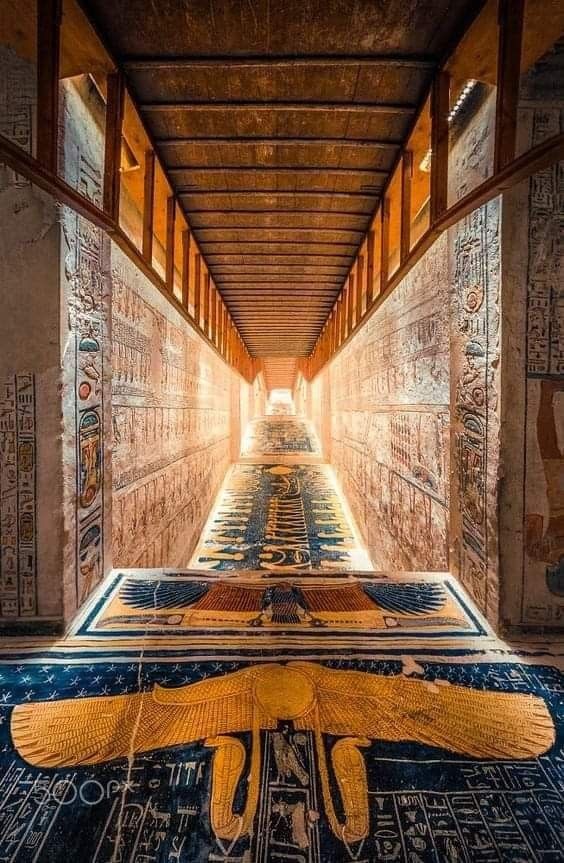
While the Valley of the Queens is most famous for its royal queens, it also served as the final resting place for many princes and princesses of the New Kingdom. These young members of the royal family, often overshadowed by the powerful figures of their parents, were given tombs that reflect both their noble status and the deep emotional bonds within the royal household. Their burials offer a more human and intimate perspective on ancient Egyptian life, revealing the importance of family, legacy, and remembrance. The tombs of these royal children, though generally smaller in scale, are often beautifully decorated with scenes that emphasize protection and guidance in the afterlife. Deities such as Hathor and Anubis frequently appear in these chambers, offering comfort and ensuring safe passage for the young souls. The artistic style remains refined and expressive, demonstrating that even the youngest members of the royal family were honored with care and devotion. These tombs also provide valuable historical insight, as they sometimes include names and titles that help scholars reconstruct royal lineages. Through these quiet and often overlooked spaces, visitors can connect with the personal stories behind the grandeur of the Egyptian court, gaining a deeper understanding of the human experiences that shaped this remarkable civilization.
5. The Geography of the Valley: Isolation and Sacred Protection
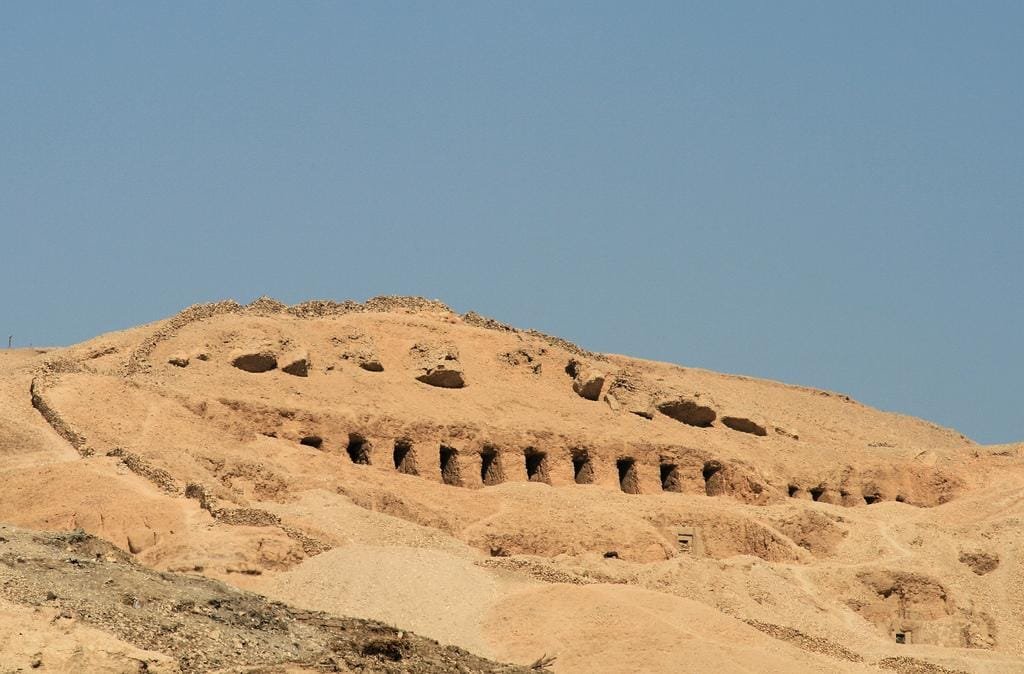
The location of the Valley of the Queens was carefully chosen to reflect both practical and spiritual considerations. Situated in a remote area of the West Bank of Luxor, the valley is surrounded by rugged cliffs and desert terrain that create a natural barrier against intrusion. This sense of isolation was essential in protecting the tombs from disturbance, as well as in maintaining the sacred atmosphere of the site. Beyond its physical advantages, the landscape itself held deep symbolic meaning. The desert environment represented the realm of the afterlife, a place where the soul would undergo transformation and renewal. The cliffs that encircle the valley can be seen as a form of divine protection, embracing the tombs and shielding them from the outside world. This natural setting enhances the spiritual significance of the valley, reinforcing its role as a sacred space dedicated to eternal rest. The silence and vastness of the surrounding desert also contribute to the unique experience of visiting the valley today. Unlike more crowded archaeological sites, the Valley of the Queens offers a sense of calm and reflection, allowing visitors to connect more deeply with its history and meaning. It is a place where the natural environment and human craftsmanship come together to create a powerful and enduring sense of sacredness.
6. Religious Beliefs: The Journey to the Afterlife
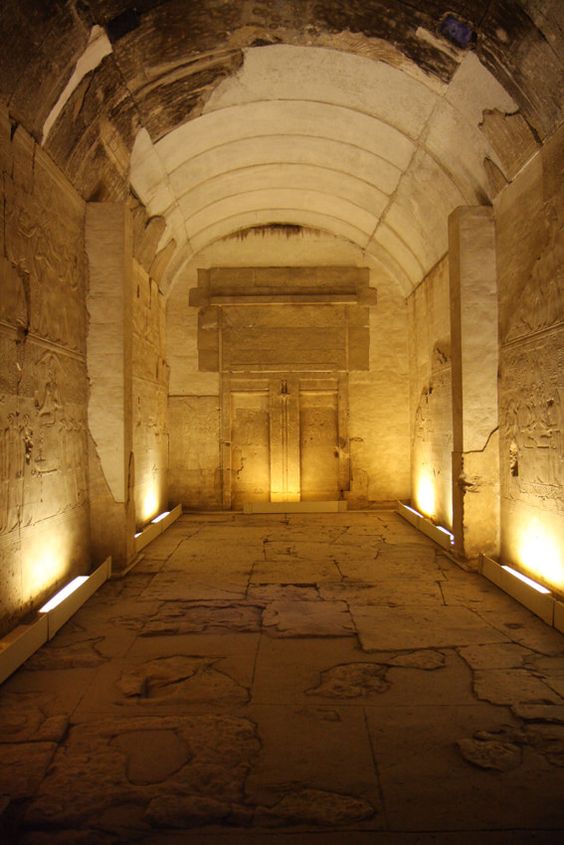
At the heart of the Valley of the Queens lies a profound belief in the afterlife, which shaped every aspect of its design and decoration. For the ancient Egyptians, death was not an end but a transition into another realm, where the soul would continue to exist in a state of eternal life. The tombs in this valley were carefully prepared to support this journey, serving as both physical resting places and spiritual gateways. The walls of the tombs are filled with scenes that illustrate the مراحل of the soul’s passage through the afterlife. These include encounters with gods, rituals of judgment, and moments of transformation that reflect the complex beliefs of ancient Egyptian religion. Protective deities play a central role in these narratives, guiding and safeguarding the deceased as they navigate the challenges of the underworld. These religious elements were not merely symbolic; they were believed to have real power. The images, texts, and rituals depicted within the tombs were intended to actively assist the soul in achieving immortality. Through this combination of art, belief, and ritual, the Valley of the Queens becomes more than a burial site—it becomes a sacred map of the afterlife, offering insight into one of the most enduring spiritual traditions in human history.
7. The Role of Women: Power, Influence, and Royal Identity
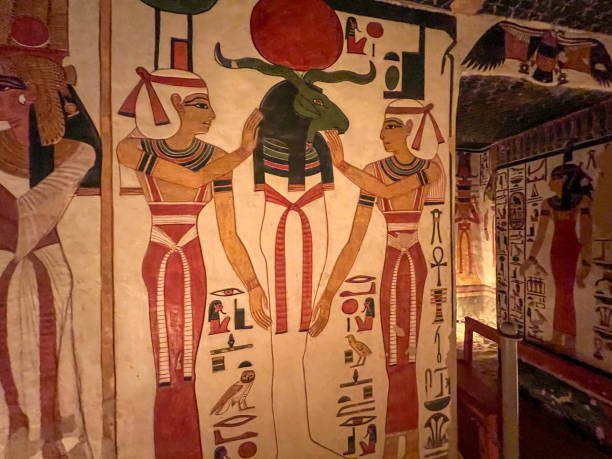
The Valley of the Queens is not only a burial ground but also a powerful reflection of the role of royal women in ancient Egyptian society. Queens were far more than companions to the king; they held titles such as “Great Royal Wife” and played essential roles in religious rituals, political alliances, and the continuity of the royal lineage. Their influence extended into both the earthly and divine realms, making their burial sites places of great importance and reverence. The elaborate decoration of the tombs reflects this elevated status. Queens are often depicted interacting directly with gods and goddesses, receiving blessings and guidance that ensure their safe journey into the afterlife. These scenes emphasize their spiritual significance and their connection to divine forces, reinforcing their role as intermediaries between humanity and the gods. Through these artistic representations, queens are portrayed not as passive figures, but as active participants in the religious life of the kingdom. This recognition of female power is one of the defining characteristics of ancient Egyptian culture. The Valley of the Queens stands as a testament to this unique perspective, preserving the legacy of women who shaped history through influence, intelligence, and spiritual authority. It offers a deeper understanding of gender roles in ancient Egypt, revealing a society where women could achieve remarkable prominence and lasting impact.
8. The Discovery and Excavation: Bringing the Valley to Light
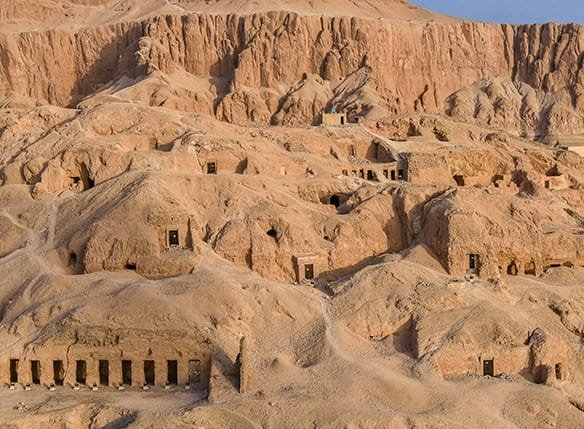
The modern understanding of the Valley of the Queens is the result of extensive archaeological exploration that began in the 19th century and continues to this day. Early explorers were drawn to the valley by its association with royal burials, but it was only through systematic excavation that the true extent of its significance became clear. Archaeologists uncovered dozens of tombs, each offering unique insights into the art, culture, and beliefs of the New Kingdom. One of the most important discoveries was the tomb of Nefertari, which revealed an unprecedented level of artistic sophistication. The preservation of its paintings provided scholars with invaluable information about ancient techniques, materials, and symbolic representation. Over time, advances in archaeological methods have allowed for more careful documentation and conservation, ensuring that the delicate artwork within the tombs is protected. Today, research in the valley continues to uncover new details about its history and use. Modern technology, including digital imaging and environmental monitoring, plays a crucial role in preserving the site for future generations. These efforts not only expand our understanding of ancient Egypt but also highlight the importance of protecting cultural heritage in a rapidly changing world.
9. Visiting the Valley Today: A Quiet and Reflective Experience
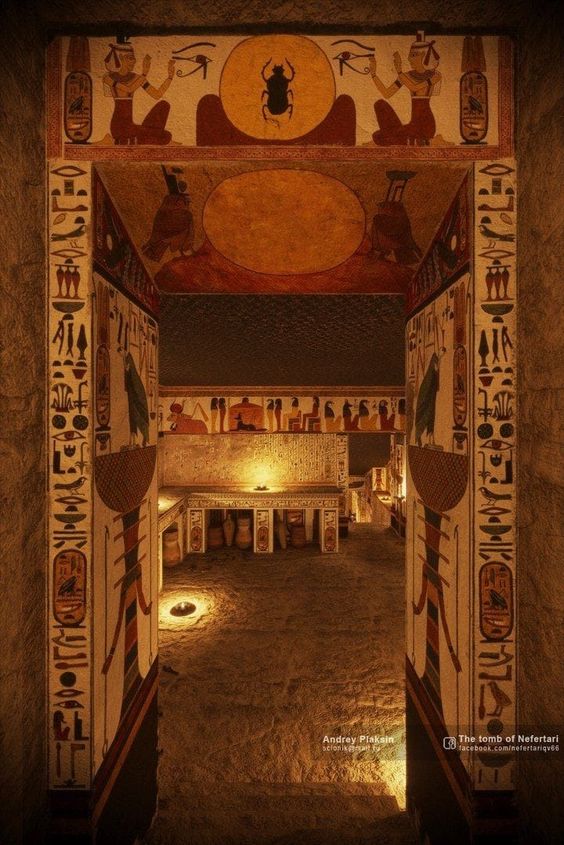
A visit to the Valley of the Queens offers a unique and deeply personal experience that differs from other major archaeological sites in Luxor. Unlike the often crowded Valley of the Kings, this valley provides a more peaceful and contemplative atmosphere, allowing visitors to explore its tombs at a slower and more meaningful pace. The relative quiet of the site enhances its spiritual character, making it an ideal place for reflection and appreciation. As visitors enter the tombs, they are immediately surrounded by vibrant colors and intricate details that have survived for thousands of years. The close proximity to the artwork creates an intimate connection with the past, allowing visitors to observe the skill and dedication of the ancient artisans. Each tomb tells a unique story, offering insight into the lives and beliefs of the individuals buried within. The experience of visiting the valley is not only educational but also emotional. Standing within these ancient chambers, one cannot help but feel a connection to the people who lived, ruled, and dreamed in this extraordinary civilization. It is a journey that goes beyond history, offering a moment of reflection on life, legacy, and the enduring human desire for immortality.

10. Conservation Challenges: Protecting Fragile Masterpieces
Preserving the delicate beauty of the Valley of the Queens is one of the greatest challenges facing archaeologists and conservationists today. Unlike monumental stone structures, the tombs in this valley are filled with fragile wall paintings that are highly sensitive to environmental changes. Factors such as humidity, temperature fluctuations, and human presence can all contribute to the gradual deterioration of these priceless artworks. One of the most significant concerns is the impact of tourism. While visitors play an essential role in supporting the preservation of cultural heritage, increased foot traffic can introduce moisture and carbon dioxide into the tombs, affecting the stability of the pigments and plaster. As a result, access to certain tombs—particularly the tomb of Nefertari—is carefully controlled to minimize damage and ensure long-term protection. To address these challenges, experts have implemented advanced conservation techniques, including climate monitoring, controlled access systems, and digital documentation. These efforts aim to strike a balance between public access and preservation, ensuring that the valley can be experienced without compromising its integrity. Through continued research and responsible tourism, the fragile masterpieces of this sacred site can be safeguarded for generations to come.
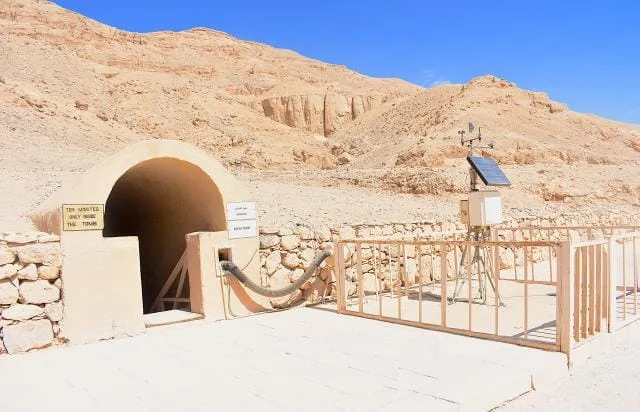
11. Symbolism of Beauty: Why It Was Called “The Place of Beauty”
The ancient name of the Valley of the Queens, “Ta-Set-Neferu,” translates to “The Place of Beauty,” a title that reflects both its physical and symbolic significance. This concept of beauty went far beyond visual appeal; it was deeply connected to ideas of harmony, balance, and divine perfection. In ancient Egyptian belief, beauty was an essential aspect of the afterlife, representing the ideal state of existence that the soul aspired to achieve. The tombs within the valley embody this concept through their artistic and architectural design. The vibrant colors, graceful figures, and carefully composed scenes create an environment that is both visually stunning and spiritually meaningful. Every detail, from the placement of figures to the choice of colors, was intended to reflect a sense of order and perfection that mirrored the divine world. This emphasis on beauty also highlights the cultural values of ancient Egypt, where art and religion were closely intertwined. The creation of such exquisite tombs was not only an act of devotion but also a reflection of the civilization’s pursuit of eternal perfection. Through this lens, the Valley of the Queens becomes more than a burial site—it becomes a celebration of beauty as a pathway to immortality.
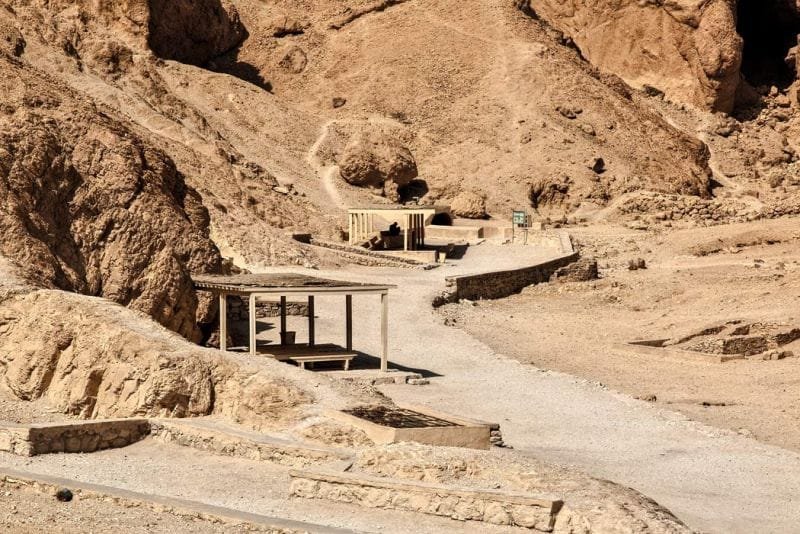
12. The Surrounding Landscape: Nature and Sacred Space
The natural setting of the Valley of the Queens plays a crucial role in shaping its identity as a sacred space. Located on the West Bank of Luxor, the valley is surrounded by rugged desert terrain and dramatic limestone cliffs that create a powerful and awe-inspiring environment. This landscape is not merely a backdrop; it is an integral part of the valley’s spiritual and symbolic meaning. In ancient Egyptian belief, the desert represented the boundary between the world of the living and the realm of the dead. The isolation and stillness of the valley reinforce this idea, creating a sense of separation from everyday life. At the same time, the vast open sky above the cliffs evokes a connection to the divine, emphasizing the eternal nature of the soul’s journey. The interplay between natural elements and human craftsmanship is one of the defining features of the valley. The tombs, carved into the rock, appear as extensions of the landscape itself, blending seamlessly with their surroundings. This harmony between nature and architecture reflects a deep understanding of the environment and its spiritual significance, making the valley one of the most remarkable sacred landscapes in ancient Egypt.
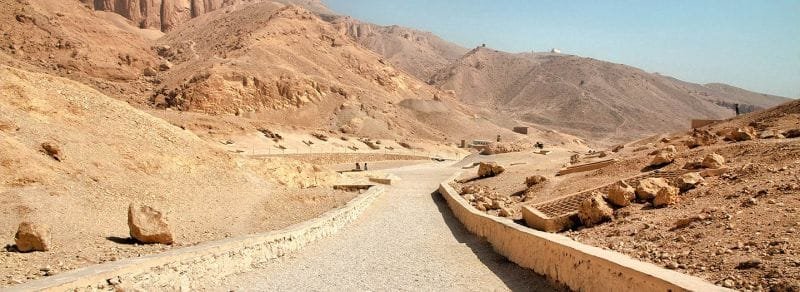
13. Sunrise Over the Valley: A Moment of Silence and Reflection
Experiencing sunrise at the Valley of the Queens is one of the most peaceful and emotionally powerful moments a visitor can have in Luxor. As the first light of day gently spreads across the desert, the limestone cliffs begin to glow with warm tones of gold and amber. The soft illumination reveals the subtle textures of the landscape, transforming the valley into a scene of quiet beauty and timeless serenity. In the early morning hours, the valley is often nearly silent, allowing visitors to fully absorb the atmosphere without distraction. This stillness enhances the spiritual nature of the site, creating a sense of connection with the past that is difficult to find in more crowded locations. The absence of noise and movement allows the imagination to wander, bringing to life the ancient rituals and beliefs that once defined this sacred place. The symbolism of sunrise adds a deeper layer of meaning to the experience. In ancient Egyptian thought, the rising sun represented rebirth and renewal, reflecting the soul’s journey into eternal life. Watching the valley awaken with the light of a new day creates a powerful connection to these beliefs, making the visit not just a visual experience, but a deeply personal and reflective one.
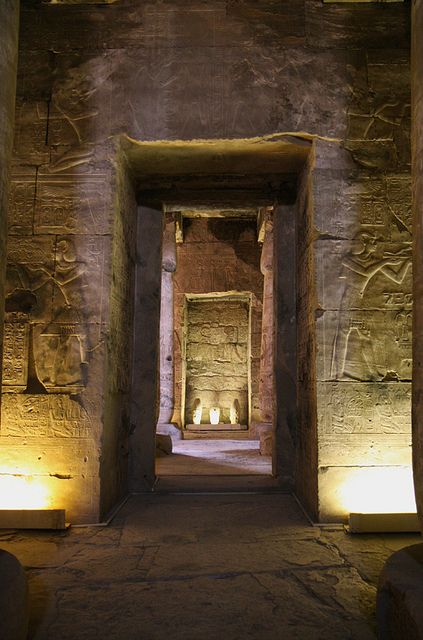
14. Photography in the Valley: Capturing Subtle Beauty and Detail
For photographers, the Valley of the Queens offers a unique opportunity to capture a different kind of beauty compared to other sites in Luxor. While it may lack the towering monuments of other locations, the valley’s strength lies in its subtlety—its quiet landscapes, intricate tomb interiors, and soft natural light create compositions that are both intimate and powerful. Capturing the essence of the valley often involves focusing on details rather than scale. The textures of the الصخور، the patterns of the cliffs, and the delicate brushwork inside the tombs all provide compelling subjects for photography. Using natural light effectively is key, as the changing angles of sunlight throughout the day can dramatically alter the appearance of the landscape and enhance its visual depth. Inside the tombs, photography requires careful attention and respect for preservation rules, as many areas have restrictions to protect the fragile artwork. However, even without cameras, the experience of observing these details leaves a lasting impression. The valley teaches that beauty does not always lie in grandeur, but often in the quiet details that reveal themselves to those who take the time to look closely.
15. Travel Tips: A Deeper and More Meaningful Visit
Planning a visit to the Valley of the Queens can greatly enhance the experience when approached thoughtfully. Located on the West Bank of Luxor, the valley is often visited alongside other nearby sites, making it an important part of a well-rounded exploration of ancient Thebes. Starting early in the day is highly recommended, as it allows visitors to avoid the heat and enjoy the peaceful atmosphere of the morning. Wearing comfortable clothing, bringing water, and using sun protection are essential due to the open desert environment. Since the valley is less crowded than other major sites, it provides an ideal opportunity to explore at a relaxed pace. Hiring a knowledgeable guide can also add depth to the visit, offering insights into the history, symbolism, and stories behind the tombs. Taking time to fully explore and reflect is key to appreciating the valley’s unique character. Rather than rushing from one tomb to another, visitors are encouraged to pause, observe, and connect with the environment. This approach transforms the visit into a meaningful journey, allowing travelers to experience not only the history of ancient Egypt but also the timeless human desire for beauty, memory, and eternal life.
16. Cultural Legacy: A Tribute to Royal Women
The Valley of the Queens stands as a powerful tribute to the legacy of royal women in ancient Egypt. While history often highlights the achievements of kings and warriors, this valley preserves the stories of queens, mothers, and daughters who played vital roles in shaping the identity and continuity of the Egyptian state. Through their tombs, these women are remembered not only for their titles, but for their influence, presence, and enduring importance within the royal family. The artistic and architectural attention given to their burial places reflects the احترام and reverence they received in life. Scenes within the tombs depict them interacting with gods, receiving blessings, and participating in sacred rituals that ensured their eternal existence. These representations emphasize that queens were not secondary figures, but central to the spiritual and cultural fabric of ancient Egypt. By preserving these stories, the valley offers a more complete and balanced understanding of ancient Egyptian civilization. It reminds us that history is not shaped by kings alone, but by the collective contributions of all those who lived within it. The Valley of the Queens stands as a lasting monument to the قوة and significance of women, ensuring that their legacy continues to inspire future generations.
17. Preservation Efforts: Safeguarding a Fragile Heritage
Protecting the delicate beauty of the Valley of the Queens remains a critical priority for archaeologists, conservationists, and cultural institutions. Over time, the tombs have faced numerous threats, including natural erosion, environmental changes, and the impact of tourism. The fragile wall paintings, in particular, require careful monitoring and preservation to prevent deterioration. Efforts to safeguard the site include limiting visitor access to certain tombs, controlling environmental conditions, and using advanced technology to document and analyze the artwork. The tomb of Nefertari, for example, is carefully managed to ensure its preservation, with strict guidelines in place to protect its exceptional paintings. These measures help balance the need for public access with the responsibility of conservation. International cooperation has also played a significant role in these efforts, highlighting the global importance of the valley as part of humanity’s shared heritage. By supporting preservation initiatives and promoting responsible tourism, visitors contribute to the protection of this remarkable site. These ongoing efforts ensure that the valley’s beauty and historical value will continue to be appreciated for generations to come.
18. The Eternal Beauty: A Timeless Reflection of Life and Afterlife
As the journey through the Valley of the Queens comes to an end, what remains is a profound sense of connection to a civilization that viewed death not as an ending, but as a transformation. The valley, with its hidden tombs and vibrant artwork, offers a deeply human perspective on the desire for immortality, memory, and beauty. It stands as a place where art and belief come together to create something truly timeless. The legacy of figures such as Nefertari continues to resonate through the centuries, reminding us of the power of love, devotion, and artistic expression. Her tomb, along with others in the valley, represents the pinnacle of ancient Egyptian creativity, capturing moments of grace and spirituality that still inspire awe today. Ultimately, the Valley of the Queens is more than a historical site; it is a reflection of the human spirit and its enduring quest for meaning beyond life. As long as its walls continue to tell their stories, it will remain a timeless symbol of beauty, legacy, and the eternal journey of the soul.