

- Excursions in Egypt
- Egypt Tour Packages
- Cairo Tours and Excursions
- Hurghada Tours and Excursions
- Soma Bay Tours and Excursions
- Makadi Bay Tours and Excursions
- Sahl Hasheesh Tours and Excursions
- El Gouna Tours and Excursions
- Marsa Alam Tours and Excursions
- Port Ghalib Tours and Excursions
- El Quseir Tours and Excursions
- Dendera and Abydos Day Tours
- Aswan Tours and Excursions
- Luxor Tours and Excursions
- Sharm El Sheikh Tours and Excursions
- Top Rated Egypt Tours in 2026
- Optional Excursions in Egypt
- Private Transfer
- Blogs About egypt
- Ancient Egypt
- Historical Sites in Egypt
- Cairo
- Alexandria
- Luxor
- Aswan
- The Red Sea
- Dendera Temple
- El Fayoum Oasis
- Bahariya Oasis
- Siwa Oasis
- Al Alamein
- Marsa Matruh
- Why Egypt Is One of the Safest Countries to Visit in the Middle East
- What You Need To know Before Your First Trip To Egypt
- Egypt Travel Costs in 2026 Full Budget Guide
- Top 10 Tourist Activities in Egypt
- Top 50 Activities You Can’t Miss in Egypt in 2026
- The Guide to Guided Tours in Egypt
- Egypt’s Ancient and Modern History
- The Nile River
- The Deserts of Egypt
- Ancient Egyptian gods
- famous Egyptian dishes
- UNESCO World Heritage sites
- About Us
- Egypt Hotels and Resorts
- Excursions in Egypt
- Egypt Tour Packages
- Cairo Tours and Excursions
- Hurghada Tours and Excursions
- Soma Bay Tours and Excursions
- Makadi Bay Tours and Excursions
- Sahl Hasheesh Tours and Excursions
- El Gouna Tours and Excursions
- Marsa Alam Tours and Excursions
- Port Ghalib Tours and Excursions
- El Quseir Tours and Excursions
- Dendera and Abydos Day Tours
- Aswan Tours and Excursions
- Luxor Tours and Excursions
- Sharm El Sheikh Tours and Excursions
- Top Rated Egypt Tours in 2026
- Optional Excursions in Egypt
- Private Transfer
- Blogs About egypt
- Ancient Egypt
- Historical Sites in Egypt
- Cairo
- Alexandria
- Luxor
- Aswan
- The Red Sea
- Dendera Temple
- El Fayoum Oasis
- Bahariya Oasis
- Siwa Oasis
- Al Alamein
- Marsa Matruh
- Why Egypt Is One of the Safest Countries to Visit in the Middle East
- What You Need To know Before Your First Trip To Egypt
- Egypt Travel Costs in 2026 Full Budget Guide
- Top 10 Tourist Activities in Egypt
- Top 50 Activities You Can’t Miss in Egypt in 2026
- The Guide to Guided Tours in Egypt
- Egypt’s Ancient and Modern History
- The Nile River
- The Deserts of Egypt
- Ancient Egyptian gods
- famous Egyptian dishes
- UNESCO World Heritage sites
- About Us
- Egypt Hotels and Resorts
Welcome to
Shali Fortress in Siwa Oasis – The Historic Heart of Siwa
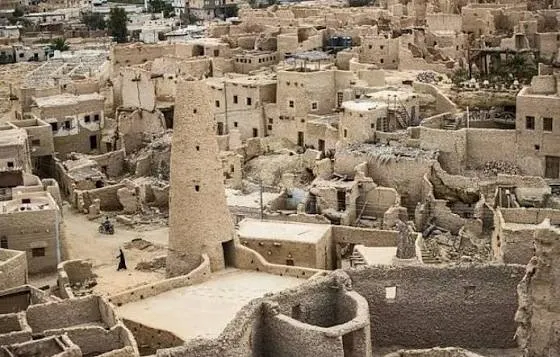
Shali Fortress, also known as Shali Ghadi, is one of the most important historical landmarks in Siwa Oasis. Located in the center of Siwa town, this remarkable ancient settlement is famous for its traditional mud-brick architecture, narrow streets, and distinctive ruins rising above the surrounding palm groves.
The name Shali is traditionally associated with the old fortified town that served as the main settlement of the Siwan community for centuries. Built primarily from a local mixture known as kershef, consisting of mud, salt, and other natural materials, the fortress was designed to protect residents from attacks and harsh desert conditions.
Shali was once a densely populated fortified settlement with houses, storage areas, religious buildings, and narrow passages connecting different parts of the town. Its elevated position provided protection and allowed residents to observe the surrounding area.
Over time, the traditional settlement suffered significant damage, particularly from heavy rainfall. Because kershef is made from natural earth and salt, prolonged exposure to water can weaken the structures.
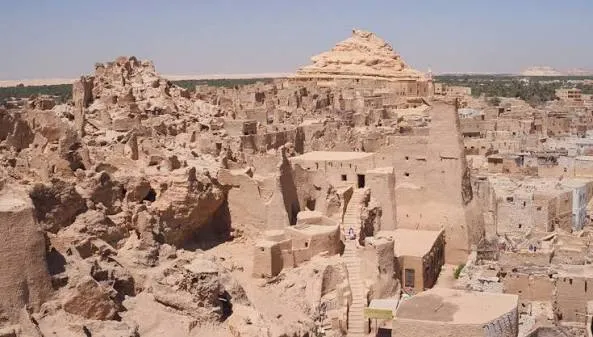
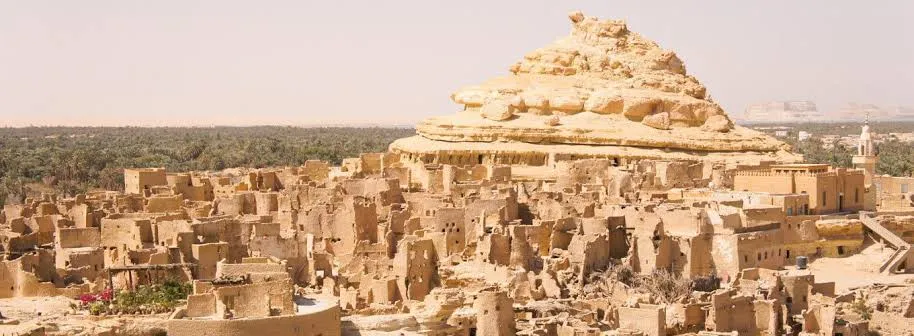
Today, visitors can walk among the surviving ruins and climb parts of the old settlement to enjoy panoramic views across Siwa Oasis. Palm trees and agricultural fields surround the fortress, creating a striking contrast between the ancient mud-brick ruins and the green landscape.
Shali Fortress is also an important part of Siwa’s cultural heritage. It provides travelers with a glimpse into traditional oasis architecture and the way local communities adapted their homes to the challenging desert environment.
For travelers searching for Shali Fortress Siwa, Shali Ghadi, Siwa Old Town, things to do in Siwa Oasis, Siwa historical sites, and traditional Siwan architecture, this fortress is an essential attraction.
Shali Fortress is more than a collection of ruins—it is a remarkable reminder of Siwa’s traditional way of life and one of the best places to experience the history and character of this extraordinary desert oasis.
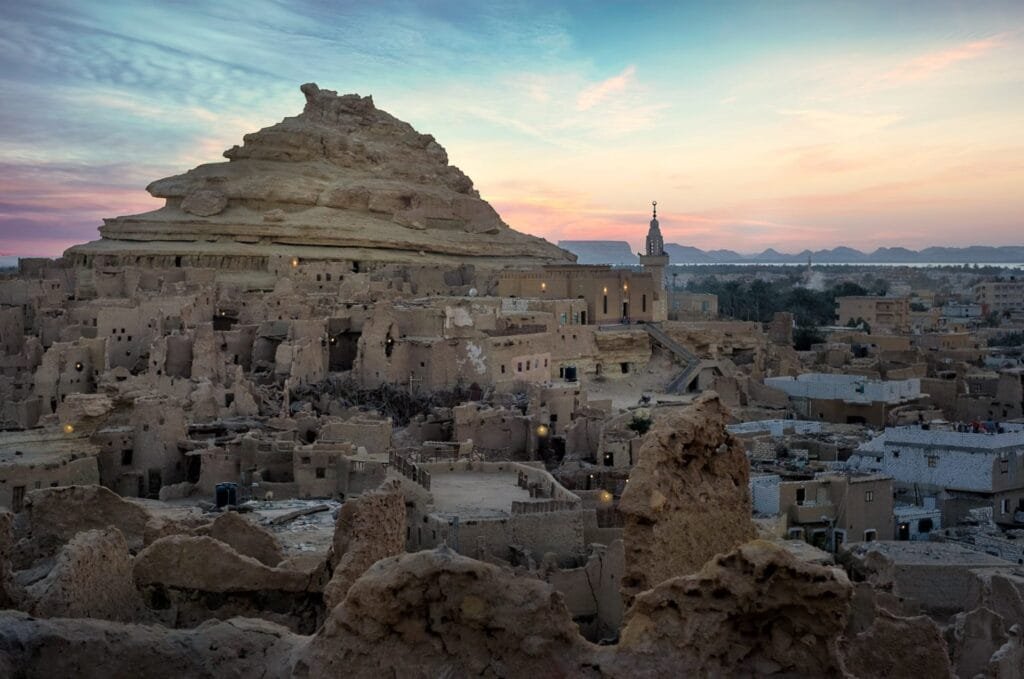
1. History of Shali Fortress in Siwa
Shali Fortress has played a central role in the history of Siwa Oasis for centuries. The fortified settlement was established as a protected community where local residents could live, store food, and defend themselves against potential attacks. The traditional town was built primarily from kershef, a locally available building material made from mud, salt, and other natural materials. This technique was particularly suitable for Siwa's desert environment because the thick walls helped protect homes from extreme temperatures. Shali developed into a compact settlement with houses, narrow passages, storage spaces, and communal areas. Its dense design helped maximize protection while making efficient use of the limited space available on the elevated site. For generations, the fortress served as the main center of Siwan life. Families lived within its walls, while the surrounding oasis provided the agricultural resources needed to support the community. The settlement's elevated position also provided strategic advantages. From higher areas of Shali, residents could observe the surrounding oasis and desert. Over time, changes in settlement patterns and the development of newer parts of Siwa reduced the importance of the old fortified town. Today, the surviving ruins provide visitors with an opportunity to understand how people adapted to life in an isolated desert oasis. For travelers searching for Shali Fortress history, Shali Ghadi history, old Siwa town, Siwa ancient settlement, and history of Siwa Oasis, the fortress is one of the best places to discover the traditional history of the region. Shali Fortress represents centuries of Siwan history, preserving the memory of a community that built a unique fortified town from the natural materials available in its desert environment.
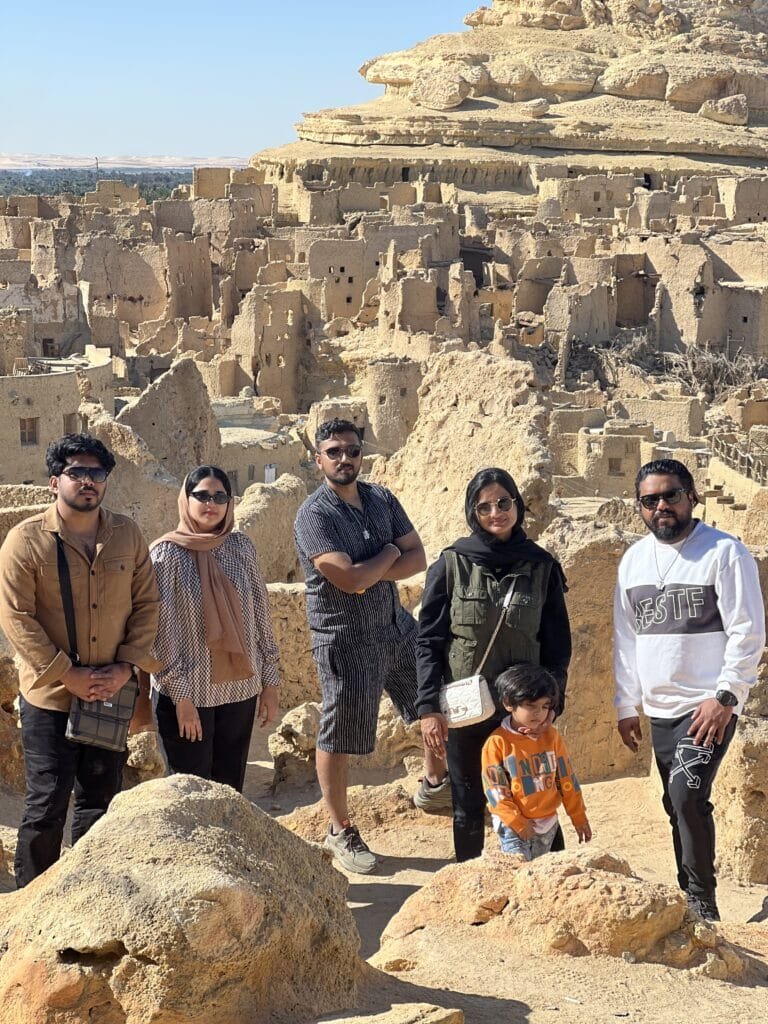
2. Kershef Architecture at Shali Fortress
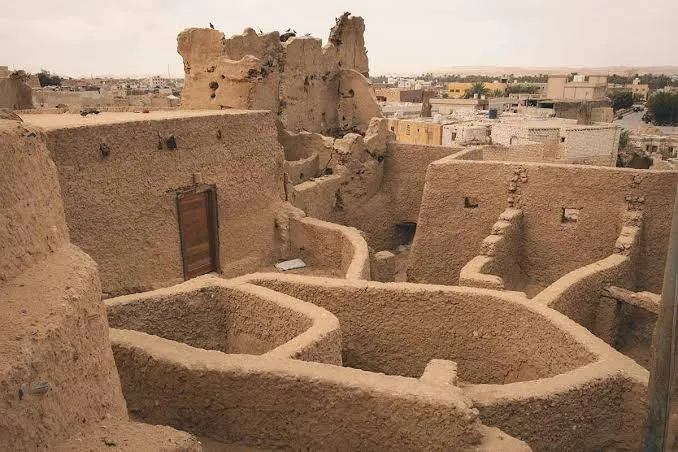
One of the most fascinating features of Shali Fortress is its traditional kershef architecture. Unlike the monumental stone temples found elsewhere in Egypt, Shali was constructed using materials taken directly from the local environment. Kershef is traditionally made from a mixture of mud, salt, and other natural materials, which was formed into thick walls and used to construct homes and other buildings. The technique was highly practical for the desert climate. The thick walls helped provide insulation from the extreme heat during the day while retaining warmth during cooler nights. The buildings were constructed close together, creating a compact network of streets and passages. This design helped provide shade and protection from the harsh desert sun. Another distinctive characteristic is the irregular appearance of the buildings. Rather than following the symmetrical designs associated with monumental Egyptian architecture, Shali developed organically over generations according to the needs of its inhabitants. The natural materials also explain why the fortress requires continuous preservation. Water can seriously damage kershef structures, and heavy rainfall has contributed to the deterioration of parts of the historic settlement. Today, the remaining walls and ruins allow visitors to appreciate the ingenuity of traditional Siwan construction. For travelers searching for Shali Fortress architecture, kershef buildings Siwa, traditional Siwan architecture, mud-brick architecture Egypt, and Shali Ghadi, the site provides an excellent example of how architecture can adapt to a challenging environment. The fortress demonstrates that traditional desert architecture was designed not only for appearance but also for climate control, protection, and efficient use of local resources. The kershef architecture of Shali Fortress is one of the clearest examples of how the people of Siwa transformed simple natural materials into a functional and distinctive desert settlement.
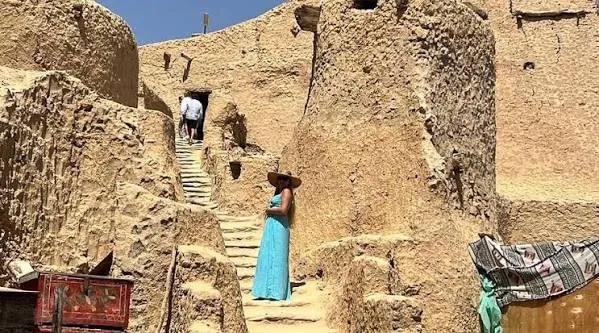
3. Exploring Shali Fortress Today
Exploring Shali Fortress today gives visitors the chance to walk through the remains of Siwa's historic center and experience one of the oasis's most distinctive landmarks. As you explore the ruins, you can see the surviving walls and structures that once formed a much larger fortified settlement. The narrow pathways and irregular buildings provide an impression of how closely connected the original homes were. One of the highlights of visiting Shali is reaching higher areas of the fortress. From these elevated points, travelers can enjoy panoramic views of Siwa Oasis, including palm groves, agricultural fields, and the desert landscape beyond. The contrast between the ancient earth-colored ruins and the green oasis is particularly impressive and makes Shali an excellent location for photography. Visitors can also explore the area around the fortress, where modern Siwa has developed alongside the historic settlement. This provides an interesting opportunity to see how traditional and contemporary life coexist within the oasis. A visit to Shali Fortress can easily be combined with other major attractions, including the Oracle Temple of Amun, Cleopatra's Spring, the Salt Lakes, and Fatnas Island. For travelers searching for things to do at Shali Fortress, visiting Shali Ghadi, Siwa Old Town, Shali Fortress views, and Siwa sightseeing, exploring the ruins is an essential part of experiencing the oasis. Comfortable walking shoes are recommended because the terrain around the ruins can be uneven. Walking through Shali Fortress is like stepping into the architectural history of Siwa, where ancient traditions, desert landscapes, and modern oasis life come together in one remarkable location.
4. Why Was Shali Fortress Built?
Shali Fortress was built primarily to provide protection for the people of Siwa Oasis. The isolated location of Siwa in Egypt's Western Desert meant that communities had to develop ways to protect themselves and their valuable resources. The fortified settlement was designed as a compact community rather than simply a military structure. Houses, storage areas, passages, and communal spaces were built closely together within the walls. This design provided several advantages. The narrow streets made movement easier for residents who knew the settlement while creating a more defensible environment. The thick walls also provided protection from the desert climate. Another important purpose was protecting food and agricultural products. Siwa's economy traditionally depended heavily on dates, olives, and other agricultural products, so secure storage was essential for the community. The elevated position of Shali also provided a strategic advantage. From higher parts of the settlement, residents could observe the surrounding oasis and desert. The architecture itself was adapted to local conditions. Kershef walls were thick and provided natural insulation, helping maintain more comfortable temperatures inside the buildings. Over many generations, Shali became not only a defensive settlement but also the social and economic center of the Siwan community. For travelers searching for why was Shali Fortress built, Shali Fortress history, purpose of Shali Ghadi, Siwa fortified town, and traditional Siwa architecture, understanding its defensive role makes the ruins much more meaningful. Shali Fortress was designed to protect both people and resources while creating a practical community capable of surviving in the isolated environment of the Western Desert.
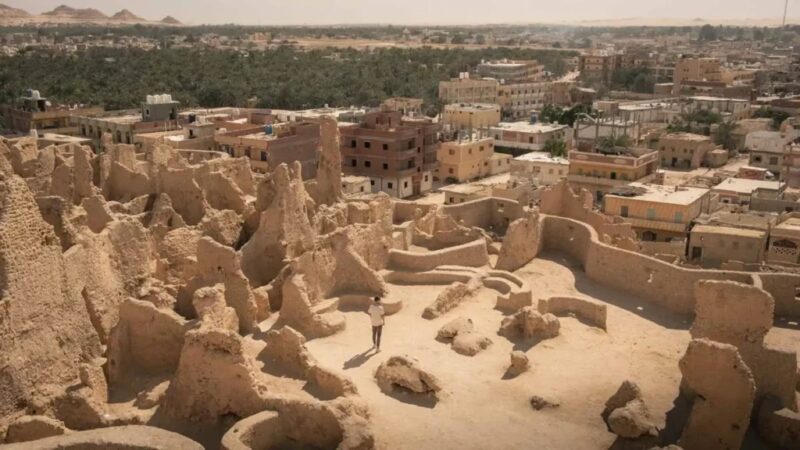
5. Shali Fortress and Traditional Life in Siwa
For centuries, Shali Fortress was at the center of daily life in Siwa Oasis. It was not simply a defensive structure; it was a complete community where generations of Siwan families lived, worked, traded, and raised their children. The settlement contained homes and communal spaces connected by narrow passages. The compact design allowed residents to live close to one another while remaining protected within the fortified walls. Daily life was closely connected with the surrounding oasis. Agriculture provided important sources of food and income, particularly dates and olives, while natural water sources made farming possible in the middle of the desert. The fortress also played an important social role. Residents shared the same streets, markets, and community spaces, creating a close-knit environment that was essential in such a remote location. The traditional architecture reflected this lifestyle. Buildings were constructed from locally available materials, while narrow streets provided shade during the hottest parts of the day. As Siwa expanded beyond the old fortress, residents gradually moved into newer areas. Nevertheless, Shali remains an important symbol of the oasis's traditional identity. Today, walking through the ruins gives visitors an opportunity to imagine what life was like inside this unusual desert settlement. For travelers searching for traditional life in Siwa, Shali Fortress culture, Siwan history, old Siwa town, Siwa traditions, and traditional oasis communities, the fortress offers an authentic connection with the region's past. Shali Fortress preserves the memory of a community whose daily life was shaped by the desert, agriculture, water, and the need to live together within a protected oasis settlement.
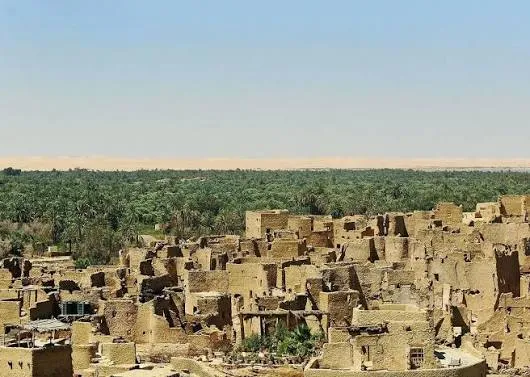
6. Shali Fortress and the Siwa Oasis Landscape
The location of Shali Fortress provides one of the most impressive views of Siwa Oasis. Rising above the surrounding settlement, the ruins offer visitors a unique perspective over the green agricultural landscape and the desert beyond. From the higher parts of the fortress, travelers can see extensive palm groves, olive plantations, and cultivated areas stretching across the oasis. These green landscapes stand in dramatic contrast to the dry, golden desert surrounding Siwa. This contrast is one of the defining characteristics of Siwa. The oasis exists because of underground water resources, allowing vegetation and agriculture to flourish in an otherwise extremely arid region. The elevated position of Shali also helps visitors understand why the location was historically important. From the fortress, residents could observe much of the surrounding area while remaining within the protection of the fortified settlement. Today, the panoramic views make Shali particularly popular among photographers. The ancient mud-brick ruins provide an excellent foreground, while the palm-filled oasis creates a striking background. Sunrise and sunset can be especially beautiful from elevated viewpoints, when the changing light creates shadows across the ruins and warm tones over the surrounding landscape. For travelers searching for Shali Fortress views, Siwa Oasis landscape, best viewpoints in Siwa, Shali Fortress photography, and Siwa sunset spots, the fortress is one of the best locations for appreciating the geography of the oasis. From the top of Shali Fortress, visitors can see the remarkable relationship between ancient settlement, fertile oasis, and vast desert that defines Siwa's unique landscape.
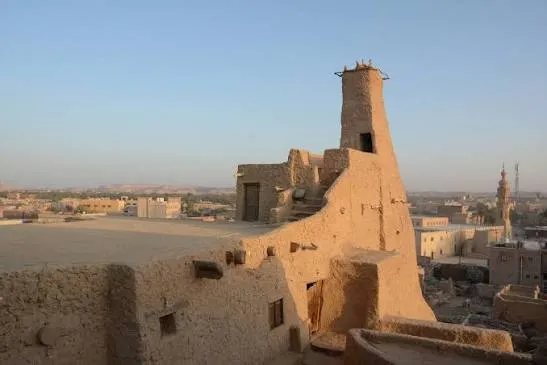
7. The Destruction and Restoration of Shali Fortress
Shali Fortress has experienced significant deterioration over the years, and understanding its condition is an important part of appreciating the site today. The traditional kershef construction that made Shali unique also made it vulnerable to water. Kershef is made primarily from natural materials such as mud and salt. While these materials work remarkably well in Siwa's dry desert climate, they can become damaged when exposed to heavy rainfall or prolonged moisture. A particularly important period in the history of Shali came when heavy rains caused significant damage to the traditional structures. Parts of the old settlement collapsed, leaving the ruins that visitors see today. Despite the destruction, Shali remains an important symbol of Siwan heritage. Preservation efforts have focused on protecting surviving structures and maintaining the historical character of the old settlement. Restoration of traditional mud-brick architecture requires specialized knowledge because modern materials can behave differently from the original kershef construction. Preserving the site therefore involves respecting traditional building techniques and the historical character of the fortress. Visitors today can see a mixture of surviving original structures, restored sections, and archaeological remains. The condition of the fortress is also a reminder of the fragile nature of earthen architecture. Unlike stone temples that can survive for thousands of years with relatively limited weather damage, mud-and-salt structures require continuous care. For travelers searching for Shali Fortress restoration, Shali ruins, history of Shali Fortress, kershef preservation, and Siwa heritage sites, the condition of the fortress is an important part of its story. The ruins of Shali are not simply evidence of destruction; they are also a testament to the resilience of Siwa's architectural heritage and the continuing efforts to preserve it for future generations.
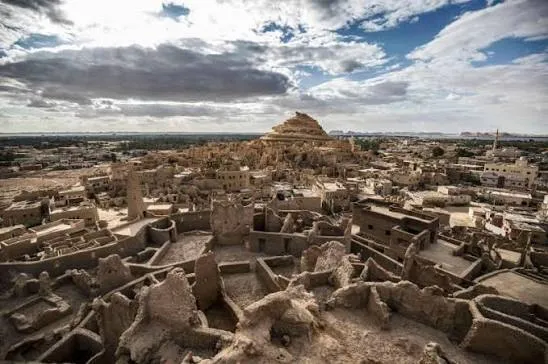
8. Shali Fortress at Sunset
Shali Fortress at sunset is one of the most beautiful experiences available in Siwa Oasis. As the sun begins to descend over the Western Desert, the ancient kershef walls are illuminated by warm natural light, creating an impressive atmosphere. The elevated position of the fortress provides wide views across the oasis. Palm groves and agricultural fields stretch toward the horizon, while the surrounding desert creates a golden backdrop. Sunset is particularly attractive for photographers because the changing light emphasizes the texture of the old mud-brick walls. Shadows become longer, highlighting the irregular shapes of the surviving structures. The experience is also peaceful. After exploring the fortress during the day, watching the sunset from an elevated viewpoint provides an opportunity to relax and appreciate the landscape. Travelers can combine a visit to Shali with other afternoon activities and finish their sightseeing around sunset. Another popular sunset location in Siwa is Fatnas Island, where visitors can watch the sun disappear over the water and palm trees. Combining the two locations can create a memorable evening itinerary. For travelers searching for Shali Fortress sunset, sunset in Siwa Oasis, best sunset spots in Siwa, Shali photography, and Siwa evening activities, the fortress provides an excellent combination of history and scenery. Visitors should follow local guidance regarding accessible areas and avoid climbing unstable ruins. As the sun sets over Siwa, Shali Fortress becomes especially atmospheric, with its ancient walls glowing against the green oasis and vast desert horizon.
9. Shali Fortress and Siwan Culture
Shali Fortress remains one of the strongest symbols of the cultural identity of Siwa Oasis. The old settlement reflects the traditional lifestyle, architecture, and community organization that developed in this isolated part of Egypt. The fortress was built using local materials and traditional techniques, demonstrating how Siwan communities adapted their architecture to the desert climate. Its compact design also reflects the close social structure of the traditional oasis community. Families lived within a relatively small fortified area, sharing streets and communal spaces while relying on the surrounding oasis for food and resources. Siwan culture is closely connected with agriculture. Date palms and olive trees remain important features of the landscape, and local products such as dates, olives, and olive oil are associated with the oasis. The region is also known for distinctive handicrafts, traditional clothing, food, and artistic traditions. Visitors exploring Shali can continue into the surrounding town to discover local shops and markets. The fortress therefore provides a natural starting point for learning about the wider culture of Siwa. Its architecture tells the story of how people lived, while the surrounding oasis demonstrates how they cultivated the land. For travelers searching for Shali Fortress culture, Siwan culture, Siwa traditions, traditional architecture Egypt, and cultural attractions in Siwa Oasis, the fortress offers a direct connection to the heritage of the local community. Shali Fortress is an architectural symbol of Siwan culture, showing how generations of residents created a distinctive way of life adapted to the unique environment of the Western Desert.
10. What to See at Shali Fortress
A visit to Shali Fortress offers much more than simply seeing a collection of ancient ruins. The old settlement contains several interesting features that allow visitors to understand the history and architecture of Siwa Oasis. One of the main highlights is the network of traditional kershef walls. These distinctive earth-and-salt structures show how local builders used materials available directly from the surrounding environment. Visitors can walk through sections of the old settlement and observe the narrow passages and remains of traditional buildings. The compact layout provides an impression of how densely populated the fortress once was. Another major highlight is the elevated viewpoint. From higher sections of Shali, visitors can enjoy panoramic views across the oasis, including palm plantations, agricultural fields, modern Siwa, and the desert beyond. The ruins themselves are excellent photography subjects. Their irregular shapes and earthy colors contrast beautifully with the green palm trees surrounding the fortress. Visitors should also take time to explore the area around Shali. The modern town has developed around the historic settlement, creating an interesting combination of traditional heritage and contemporary Siwan life. A visit can easily be combined with the Oracle Temple of Amun, Cleopatra's Spring, the Salt Lakes, and Fatnas Island. For travelers searching for what to see at Shali Fortress, Shali Ghadi attractions, Siwa Old Town, Shali Fortress viewpoints, and things to do in Siwa, the fortress provides history, architecture, photography, and panoramic scenery in one location. Exploring Shali's ruins and viewpoints gives visitors a fascinating introduction to the history and traditional architecture of Siwa Oasis.
11. Best Time to Visit Shali Fortress
The best time to visit Shali Fortress is generally during the cooler months, when temperatures are more comfortable for walking around the historic settlement and exploring the surrounding oasis. The period from October to April is usually ideal for visiting Siwa. Daytime temperatures are generally more pleasant than during the intense summer heat, making outdoor sightseeing much easier. Autumn and spring are particularly attractive because travelers can comfortably combine Shali Fortress with desert safaris, archaeological sites, and natural attractions. Winter is also a popular season. The daytime weather can be pleasant and sunny, although temperatures can become quite cold after sunset. Visitors staying overnight should bring warm clothing. During the summer months, temperatures can become extremely high. If visiting Siwa during summer, an early morning or late afternoon visit is preferable to avoid the strongest midday heat. Late afternoon also offers excellent photographic conditions. The lower sunlight creates warmer tones across the kershef walls and highlights the texture of the ancient ruins. Comfortable walking shoes are recommended because parts of the fortress have uneven surfaces, and visitors should stay within safe, accessible areas. For travelers searching for best time to visit Shali Fortress, Siwa weather, Shali Fortress sunset, best season for Siwa, and Siwa travel tips, the cooler months generally provide the most comfortable experience. Choosing the right time of day and season allows visitors to explore Shali Fortress comfortably while enjoying its historic ruins and spectacular views across the oasis.
12. Why Visit Shali Fortress in Siwa?
Shali Fortress is one of the most important places to visit in Siwa Oasis because it combines history, traditional architecture, culture, and spectacular desert scenery. The fortress provides a rare opportunity to explore a historic settlement built almost entirely from local natural materials. The kershef construction demonstrates how the people of Siwa adapted their homes to the extreme desert environment. Its history is another major reason to visit. Shali served as the traditional center of Siwan life for generations, making it an important part of understanding the development of the oasis community. The elevated location adds another dimension to the experience. From the ruins, visitors can enjoy panoramic views of palm groves, agricultural land, and the desert surrounding Siwa. Shali is also an excellent place for photography, especially around sunset, when the warm light creates dramatic colors across the old walls and surrounding landscape. The fortress's central location makes it easy to combine with other attractions. Travelers can visit Cleopatra's Spring, the Oracle Temple of Amun, the Salt Lakes, Fatnas Island, and the Great Sand Sea as part of the same Siwa itinerary. For travelers searching for why visit Shali Fortress, Shali Ghadi Siwa, things to do in Siwa Oasis, Siwa historical attractions, traditional Siwan architecture, and Siwa tours, the fortress is an essential stop. Shali Fortress is more than an archaeological attraction—it is a living symbol of Siwa's history, culture, architecture, and remarkable ability to thrive in the middle of the Sahara Desert.
