- Excursions in Egypt
- Egypt Tour Packages
- Cairo Tours and Excursions
- Hurghada Tours and Excursions
- Soma Bay Tours and Excursions
- Makadi Bay Tours and Excursions
- Sahl Hasheesh Tours and Excursions
- El Gouna Tours and Excursions
- Marsa Alam Tours and Excursions
- Port Ghalib Tours and Excursions
- El Quseir Tours and Excursions
- Dendera and Abydos Day Tours
- Aswan Tours and Excursions
- Luxor Tours and Excursions
- Sharm El Sheikh Tours and Excursions
- Top Rated Egypt Tours in 2026
- Optional Excursions in Egypt
- Private Transfer
- Blogs About egypt
- Ancient Egypt
- Historical Sites in Egypt
- Cairo
- Alexandria
- Luxor
- Aswan
- The Red Sea
- Dendera Temple
- El Fayoum Oasis
- Bahariya Oasis
- Siwa Oasis
- Al Alamein
- Marsa Matruh
- Why Egypt Is One of the Safest Countries to Visit in the Middle East
- What You Need To know Before Your First Trip To Egypt
- Egypt Travel Costs in 2026 Full Budget Guide
- Top 10 Tourist Activities in Egypt
- Top 50 Activities You Can’t Miss in Egypt in 2026
- The Guide to Guided Tours in Egypt
- Egypt’s Ancient and Modern History
- The Nile River
- The Deserts of Egypt
- Ancient Egyptian gods
- famous Egyptian dishes
- UNESCO World Heritage sites
- About Us
- Egypt Hotels and Resorts
- Excursions in Egypt
- Egypt Tour Packages
- Cairo Tours and Excursions
- Hurghada Tours and Excursions
- Soma Bay Tours and Excursions
- Makadi Bay Tours and Excursions
- Sahl Hasheesh Tours and Excursions
- El Gouna Tours and Excursions
- Marsa Alam Tours and Excursions
- Port Ghalib Tours and Excursions
- El Quseir Tours and Excursions
- Dendera and Abydos Day Tours
- Aswan Tours and Excursions
- Luxor Tours and Excursions
- Sharm El Sheikh Tours and Excursions
- Top Rated Egypt Tours in 2026
- Optional Excursions in Egypt
- Private Transfer
- Blogs About egypt
- Ancient Egypt
- Historical Sites in Egypt
- Cairo
- Alexandria
- Luxor
- Aswan
- The Red Sea
- Dendera Temple
- El Fayoum Oasis
- Bahariya Oasis
- Siwa Oasis
- Al Alamein
- Marsa Matruh
- Why Egypt Is One of the Safest Countries to Visit in the Middle East
- What You Need To know Before Your First Trip To Egypt
- Egypt Travel Costs in 2026 Full Budget Guide
- Top 10 Tourist Activities in Egypt
- Top 50 Activities You Can’t Miss in Egypt in 2026
- The Guide to Guided Tours in Egypt
- Egypt’s Ancient and Modern History
- The Nile River
- The Deserts of Egypt
- Ancient Egyptian gods
- famous Egyptian dishes
- UNESCO World Heritage sites
- About Us
- Egypt Hotels and Resorts
Welcome to
Pyramids in Egypt: Timeless Wonders of Ancient Civilization
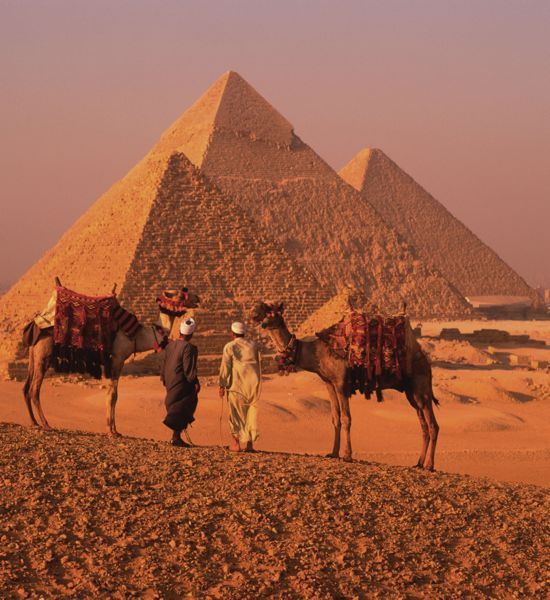
The Egyptian Pyramids are among the most iconic and mysterious structures ever built, representing the extraordinary achievements of Ancient Egypt. These monumental constructions were primarily built as tombs for pharaohs and high-ranking elites, reflecting deep religious beliefs about the afterlife and the journey of the soul. Rising from the desert sands, the pyramids continue to captivate visitors with their scale, precision, and historical significance.
The most famous pyramids are located on the Giza Plateau, including the Great Pyramid of Khufu, the Pyramid of Khafre, and the Pyramid of Menkaure. The Great Pyramid, in particular, stands as one of the Seven Wonders of the Ancient World and remains the only one still largely intact today. These structures demonstrate advanced engineering skills, with massive stone blocks carefully arranged to create stable and enduring forms.
The construction of the pyramids required careful planning, skilled labor, and strong organization. Workers transported heavy stones across long distances and positioned them with remarkable accuracy. The alignment of the pyramids with the cardinal directions also reflects a deep understanding of astronomy and mathematics, highlighting the scientific knowledge of ancient Egyptians.
Beyond their architectural importance, the pyramids hold deep cultural and spiritual meaning. They symbolize the connection between earth and the divine, serving as gateways for the pharaoh’s journey to the afterlife. Today, the pyramids of Egypt remain a powerful symbol of human achievement, attracting millions of visitors and continuing to inspire curiosity, admiration, and ongoing research into one of history’s greatest civilizations.
1. Exploring the Majestic Pyramids of Egypt: A Journey Through History
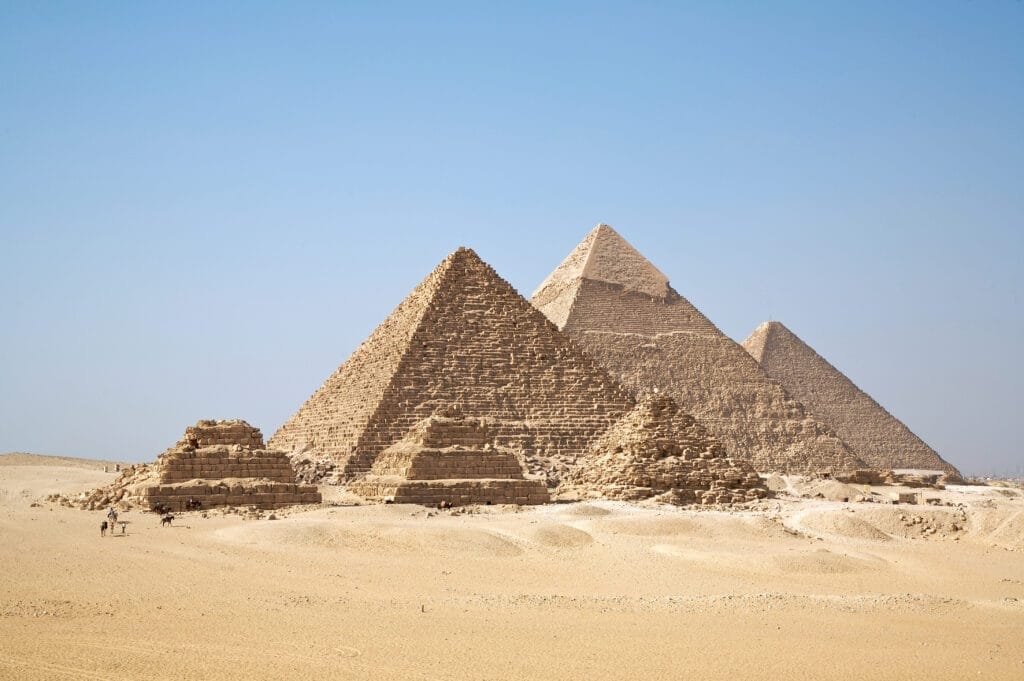
The Egyptian Pyramids stand as timeless symbols of human ambition, architectural brilliance, and spiritual belief in Ancient Egypt. Rising from the desert sands, these monumental structures continue to captivate millions of visitors, historians, and archaeologists from around the world. They are far more than ancient tombs, representing a civilization that mastered engineering, mathematics, and religious philosophy thousands of years ago. Located primarily along the west bank of the Nile River, especially on the famous Giza Plateau, the pyramids were built as eternal resting places for powerful pharaohs. These rulers believed in the afterlife and saw the pyramid as a gateway to immortality. Every stone, angle, and passage within these structures was designed with both physical precision and spiritual purpose, ensuring the safe journey of the king into the divine realm. The construction of the pyramids required immense organization, skilled labor, and advanced planning. Massive limestone and granite blocks were transported and placed with astonishing accuracy, reflecting a deep understanding of engineering principles. Despite the lack of modern tools, ancient Egyptian builders achieved a level of precision that still amazes experts today. Today, the pyramids remain among the most visited landmarks on Earth. They are not only a testament to the greatness of ancient Egypt but also a reminder of humanity’s ability to create enduring wonders. Exploring these majestic structures is more than a journey through history—it is an unforgettable experience connecting the past and present.
2. The Pyramids of Giza: Eternal Symbols of Power and Glory
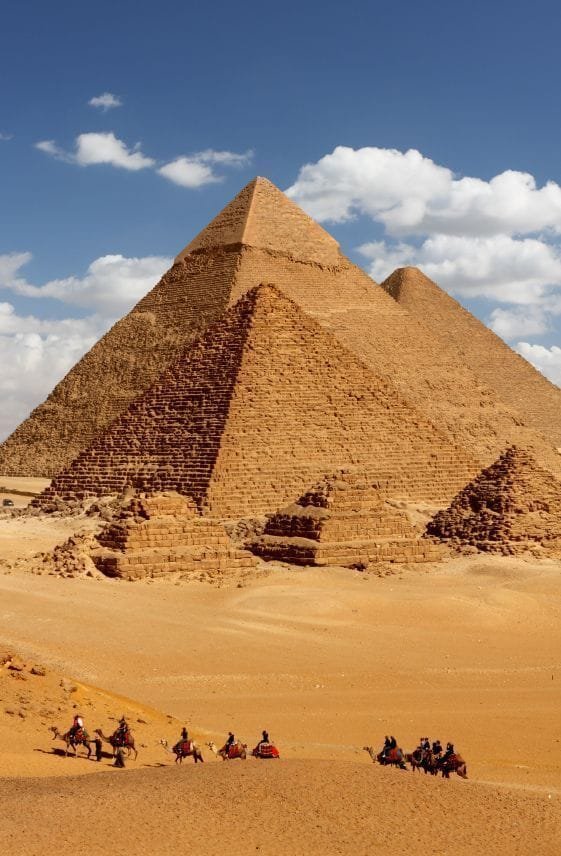
The Pyramids of Giza are the most iconic representation of Ancient Egypt and stand proudly on the edge of modern Cairo. Built during the Fourth Dynasty, these monumental structures were created for three powerful rulers: Khufu, Khafre, and Menkaure. Together, they form one of the most extraordinary archaeological landscapes in the world. The Great Pyramid of Khufu is the largest and most famous among them, originally reaching a height of about 146 meters. For thousands of years, it remained the tallest man-made structure on Earth. Built from millions of limestone blocks, it demonstrates exceptional precision, careful planning, and remarkable engineering knowledge that still amazes experts today. The Pyramid of Khafre appears taller due to its elevated location and still retains some of its original casing stones at the top. At its base stands the Great Sphinx, a massive limestone statue with the body of a lion and the head of a king, believed to guard the sacred site and represent royal power. The Pyramid of Menkaure, though smaller in size, completes this legendary trio and reflects the continued tradition of pyramid construction. Together, these structures symbolize power, religion, and architectural mastery. Today, they remain among the most visited and admired landmarks in the world, attracting millions of visitors who come to witness their timeless greatness and historical significance.
3. The Great Pyramid of Khufu: The Ultimate Wonder of the Ancient World
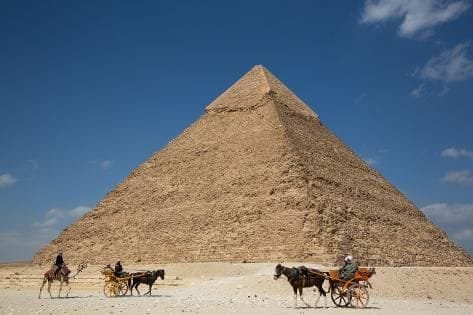
The Great Pyramid of Giza is the largest and most impressive pyramid ever built in Ancient Egypt, constructed for Khufu during the Fourth Dynasty. As the only surviving wonder of the Seven Wonders of the Ancient World, it continues to inspire awe with its size, precision, and mystery. The pyramid was built using approximately 2.3 million limestone blocks, each weighing several tons. Originally standing at 146 meters, it remained the tallest man-made structure for nearly four thousand years. The alignment of the pyramid with the cardinal directions reflects a sophisticated understanding of astronomy and geometry. Inside, a complex network of passageways leads to important chambers, including the King’s Chamber and the Grand Gallery. These spaces were carefully designed to serve both practical and spiritual purposes, reflecting the belief in the afterlife and the king’s journey to eternity. Despite centuries of research, many aspects of its construction remain unclear. Scholars continue to debate how ancient builders transported and assembled such massive stones with such precision. Today, the Great Pyramid stands as a powerful symbol of human achievement and ancient ingenuity. It remains one of the most fascinating monuments in the world, attracting millions of visitors and continuing to reveal new secrets about the civilization that built it.

4. The Pyramid of Khafre: A Monument of Power and Mystery
The Pyramid of Khafre stands as one of the most impressive structures on the Giza Plateau, representing the strength and authority of Khafre during the height of Ancient Egypt. Although slightly smaller than the Great Pyramid of Khufu, it appears taller due to its elevated position on the plateau, creating a powerful visual impact. One of the most distinctive features of the Pyramid of Khafre is the presence of original limestone casing stones near its summit. These smooth stones provide a glimpse into how all pyramids once looked when fully completed, reflecting sunlight and creating a brilliant white appearance visible from great distances. This feature adds to the monument’s historical and visual significance. The pyramid is also closely associated with the Great Sphinx, a massive limestone statue located nearby. The Sphinx, with the body of a lion and the head of a pharaoh, is believed to represent Khafre and serves as a guardian of the pyramid complex. Together, they form a powerful symbol of royal authority and divine protection. Inside, the pyramid contains a burial chamber carved into the bedrock, designed to hold the sarcophagus of the king. The simplicity of its interior contrasts with the grandeur of its exterior. Today, the Pyramid of Khafre continues to attract visitors, offering insight into ancient Egyptian architecture and the enduring legacy of one of history’s greatest civilizations.
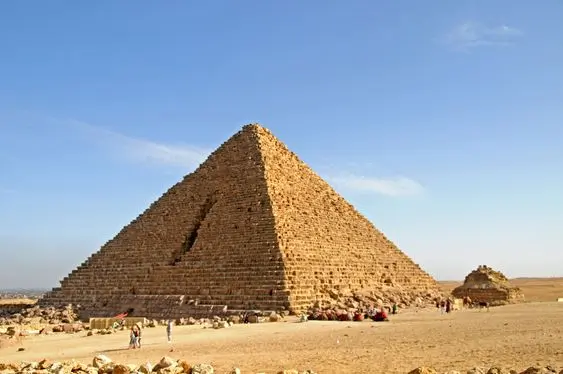
5. The Pyramid of Menkaure: A Smaller Yet Significant Masterpiece
The Pyramid of Menkaure is the smallest of the three main pyramids on the Giza Plateau, yet it remains an important example of the architectural achievements of Ancient Egypt. Built for Menkaure, this pyramid demonstrates that size was not the only measure of significance in ancient Egyptian construction. Standing at approximately 65 meters tall, the Pyramid of Menkaure is notable for its use of different building materials. The lower portion of the structure was constructed using granite, while the upper sections were made of limestone. This combination gives the pyramid a unique appearance and reflects the advanced building techniques of the time. The pyramid complex includes several smaller pyramids for queens, as well as a mortuary temple used for religious rituals. These structures highlight the importance of burial practices and the belief in the afterlife, which played a central role in Egyptian culture. Inside the pyramid, archaeologists discovered a burial chamber containing a sarcophagus believed to belong to Menkaure. Although many artifacts have been lost over time, the site still provides valuable insight into ancient burial practices. Today, the Pyramid of Menkaure remains a fascinating destination for visitors. Its smaller size allows for closer exploration, offering a more intimate experience while still showcasing the remarkable skill and dedication of ancient Egyptian builders.

6. The Bent Pyramid: A Turning Point in Pyramid Construction
The Bent Pyramid represents a crucial stage in the evolution of pyramid construction in Ancient Egypt. Built during the reign of Sneferu, this pyramid is one of the most unique monuments in Egypt due to its unusual change in angle, which gives it the distinctive “bent” shape. Originally, the pyramid was planned with a steep slope of about fifty four degrees. However, during construction, builders encountered structural issues that threatened its stability. To prevent a collapse, they reduced the angle to approximately forty three degrees, creating the noticeable shift in its design. This adjustment allowed the structure to be completed safely. The Bent Pyramid is also one of the best preserved pyramids in Egypt. Much of its original smooth limestone casing remains intact, providing a rare view of how pyramids once appeared. When newly built, the polished surface would have reflected sunlight, making the pyramid shine brightly across the desert. Inside, the pyramid contains a complex system of passages and chambers, including two separate entrances. These internal features highlight the experimentation and creativity of ancient engineers as they worked to improve their building techniques. The importance of the Bent Pyramid lies in the lessons it provided. It marked a key transition from earlier step pyramids to true smooth sided pyramids. The experience gained from its construction directly influenced the design of the Red Pyramid, which achieved greater stability and perfection. Today, the Bent Pyramid stands as a symbol of innovation, reflecting the determination and skill of ancient Egyptian builders and their continuous pursuit of architectural excellence.
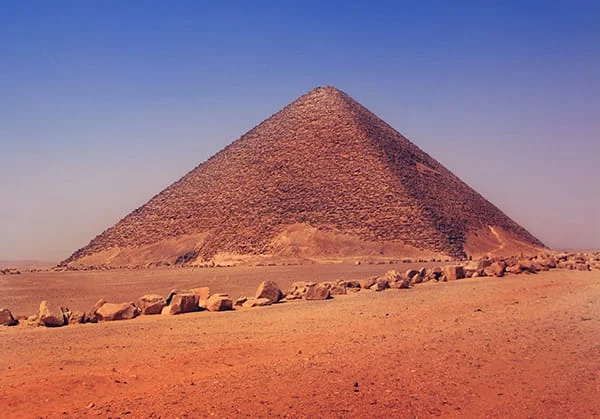
7. The Red Pyramid: Egypt’s First True Pyramid
The Red Pyramid stands as one of the most important milestones in the history of Ancient Egypt. Built during the reign of Sneferu, this pyramid is widely recognized as the first successful smooth sided pyramid ever constructed. Its design marked a major breakthrough in engineering and architectural techniques. Unlike earlier pyramids that faced structural challenges, the Red Pyramid was built with a consistent and stable angle of approximately forty three degrees. This adjustment ensured its durability and long term stability. The structure was constructed using reddish limestone, which gives the pyramid its distinctive color and name. Standing at about 104 meters tall, the Red Pyramid was once one of the tallest structures in the world. Its large base and carefully aligned sides demonstrate a high level of precision and planning. Inside, the pyramid features a series of chambers connected by narrow passageways, showcasing the complexity of its design. The Red Pyramid represents the culmination of years of experimentation, particularly following the construction of the Bent Pyramid. The knowledge gained allowed ancient builders to achieve a perfect balance between height and stability. Today, the Red Pyramid remains one of the best preserved pyramids in Egypt. It offers visitors a unique opportunity to explore its interior and experience ancient engineering firsthand. Its importance lies not only in its structure but also in its role in shaping the future of pyramid construction.
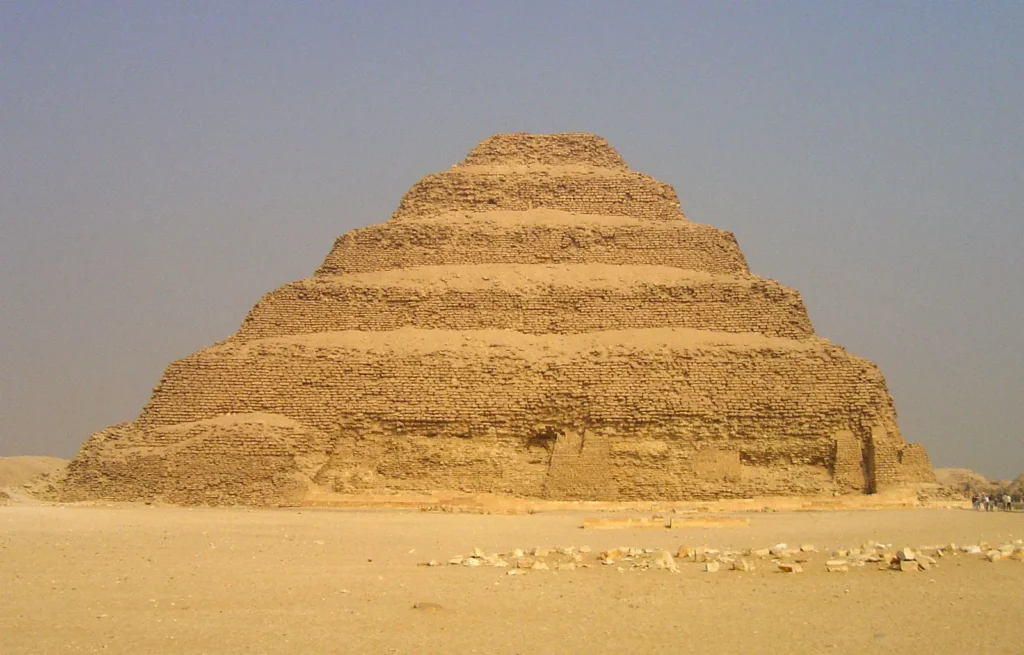
8. The Step Pyramid of Djoser: The Beginning of Monumental Architecture
The Step Pyramid of Djoser is one of the earliest and most significant structures in Ancient Egypt. Built during the Third Dynasty for Djoser, it represents the first large scale stone construction in history and marks the beginning of pyramid building. Designed by the architect Imhotep, the pyramid consists of six stepped layers stacked on top of each other. This unique design was a major innovation at the time, transforming traditional mastaba tombs into a vertical structure that symbolized the king’s ascent to the heavens. The Step Pyramid is part of a larger complex that includes courtyards, temples, and ceremonial structures. This layout reflects the importance of religious rituals and the belief in the afterlife. The entire complex was surrounded by a massive wall, creating a sacred space dedicated to the king. The construction of the Step Pyramid required new techniques and careful planning. Builders used stone instead of mudbrick, marking a significant advancement in building materials and methods. Today, the Step Pyramid remains a key historical site, attracting visitors from around the world. It stands as a symbol of innovation and marks the starting point of one of the greatest architectural traditions in human history.
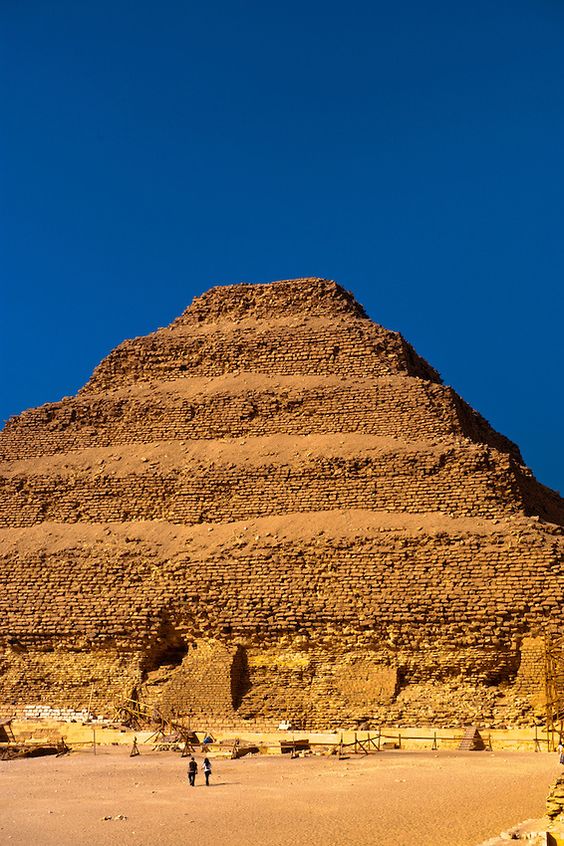
9. Saqqara: The Vast Necropolis of Ancient Egypt
The Saqqara is one of the most important archaeological sites in Ancient Egypt, serving as a vast burial ground for ancient Egyptian royalty and nobles for thousands of years. Located south of Cairo, Saqqara played a central role in the development of burial practices and pyramid construction. The site is best known for the Step Pyramid of Djoser, but it also contains numerous other tombs, pyramids, and monuments from different periods of Egyptian history. These structures provide valuable insight into the evolution of architecture and religious beliefs over time. Saqqara is home to elaborate tombs decorated with carvings and paintings that depict daily life, religious rituals, and scenes of the afterlife. These artistic details offer a deeper understanding of ancient Egyptian culture and society. Archaeological discoveries at Saqqara continue to reveal new information about the past. Excavations have uncovered mummies, statues, and artifacts that shed light on burial traditions and beliefs. Today, Saqqara remains a major attraction for visitors and researchers alike. Its vast landscape and historical richness make it a key destination for anyone interested in ancient Egypt. The site stands as a testament to the civilization’s enduring legacy and its continuous influence on history and culture.
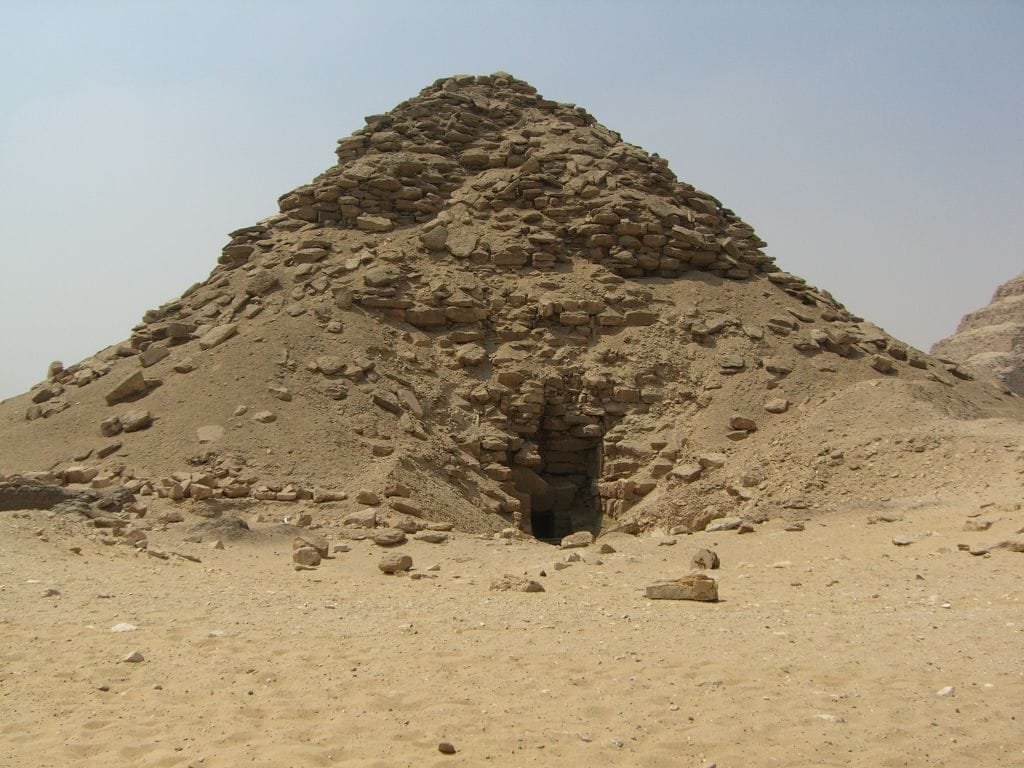
10. The Pyramid of Userkaf: The Beginning of the Fifth Dynasty
The Pyramid of Userkaf marks an important transition in the development of pyramid construction during Ancient Egypt. Built for Userkaf, the founder of the Fifth Dynasty, this pyramid reflects changes in both architectural design and religious focus. Unlike the massive pyramids of the Fourth Dynasty, Userkaf’s pyramid is smaller in scale, indicating a shift in priorities. While earlier rulers focused on monumental size, the Fifth Dynasty placed greater emphasis on religious structures, particularly sun temples dedicated to the sun god Ra. This change highlights the growing importance of solar worship in Egyptian religion. The pyramid was originally constructed using limestone, with a fine outer casing that has mostly disappeared over time. Today, the structure appears as a ruin, but it still provides valuable insight into the construction methods of the period. The layout of the complex includes a mortuary temple and a causeway, maintaining traditional elements of pyramid design. The location of the pyramid at Saqqara connects it to earlier monuments, reinforcing continuity while also reflecting change. The design of the temple within the complex shows increased attention to decoration and religious symbolism. Today, the Pyramid of Userkaf remains an important archaeological site. It represents the بداية of a new era in pyramid construction, where religious significance began to take precedence over size, marking a key development in ancient Egyptian history.
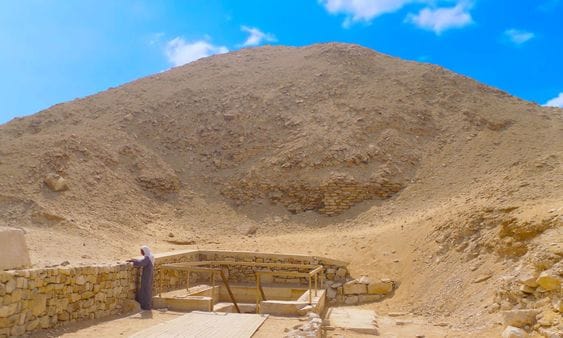
11. The Pyramid of Teti: Home of the Pyramid Texts
The Pyramid of Teti is one of the most significant monuments of Ancient Egypt, primarily due to the discovery of the earliest known pyramid texts within its chambers. Built for Teti, the first ruler of the Sixth Dynasty, this pyramid offers valuable insight into ancient Egyptian religious beliefs. Although the pyramid itself appears modest in size compared to earlier structures, its interior holds great importance. The walls of the burial chamber are covered with hieroglyphic inscriptions known as the Pyramid Texts. These texts were intended to guide the pharaoh through the afterlife and ensure his safe passage into eternity. The pyramid complex includes a mortuary temple and several smaller pyramids for queens. These elements highlight the continued importance of burial rituals and the belief in life after death. The artistic decorations within the complex reflect a high level of craftsmanship and religious symbolism. Over time, much of the pyramid’s outer structure has deteriorated, leaving a mound-like appearance. However, the interior remains a key source of historical and religious knowledge. Today, the Pyramid of Teti attracts scholars and visitors interested in ancient Egyptian spirituality. It stands as a reminder that the importance of pyramids was not only in their size but also in their religious and cultural significance.
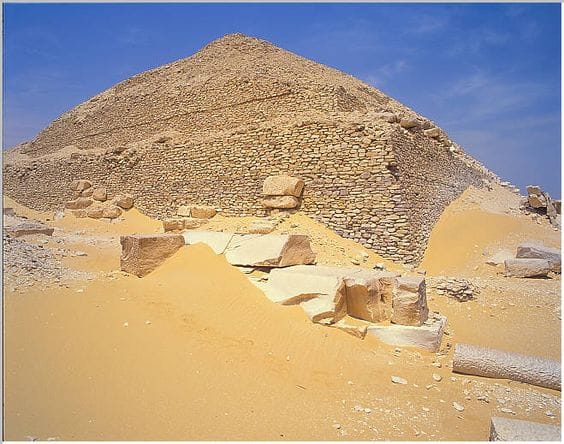
12. The Pyramid of Pepi II: The End of an Era
The Pyramid of Pepi II represents one of the final chapters in the golden age of pyramid construction in Ancient Egypt. Built for Pepi II, one of the longest-reigning rulers in Egyptian history, this pyramid reflects both continuity and gradual decline in architectural ambition. Pepi II ruled for an exceptionally long period, and his pyramid follows many traditional design elements, including a mortuary temple, a causeway, and a burial chamber. However, compared to earlier pyramids such as those at Giza, it is noticeably smaller and less elaborate. This reduction in scale suggests a shift in economic resources and a weakening of centralized power during the later years of the Old Kingdom. Like other pyramids of the Sixth Dynasty, the interior of Pepi II’s pyramid contains pyramid texts. These hieroglyphic inscriptions were intended to guide the king through the afterlife and ensure his safe journey into eternity. Their presence highlights the continued importance of religious beliefs, even during a time of political change. Over time, much of the pyramid’s outer limestone casing has been lost, leaving the structure in a more deteriorated condition. Today, it appears as a ruin compared to the grand monuments of earlier dynasties. Despite this, it remains an important archaeological site that provides valuable insights into the final phase of pyramid construction. The Pyramid of Pepi II stands as a symbol of transition in ancient Egyptian history. It marks the end of large-scale pyramid building and reflects the broader political and economic challenges that eventually led to the decline of the Old Kingdom.
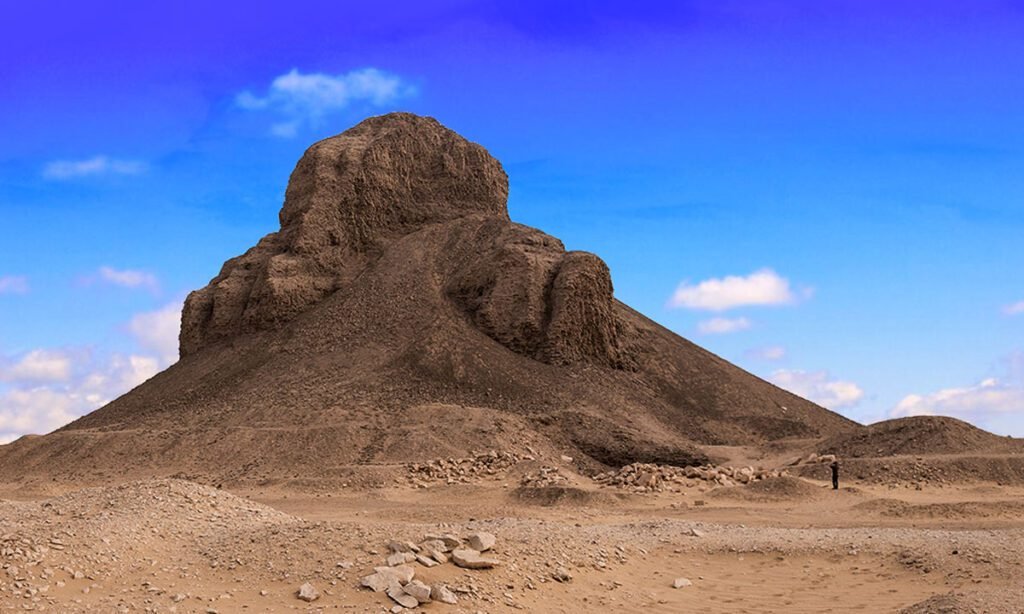
13. The Pyramid of Amenemhat II: A Middle Kingdom Revival
The Pyramid of Amenemhat II represents an important stage in the revival of pyramid construction during the Middle Kingdom of Ancient Egypt. Built for Amenemhat II, this pyramid reflects both continuity and innovation in royal burial architecture after the decline of the Old Kingdom. Unlike the massive stone pyramids of earlier dynasties, this pyramid was constructed using a core of mudbrick with a limestone outer casing. This technique allowed for quicker construction while still preserving the traditional pyramid shape. However, it also made the structure more vulnerable to erosion and collapse over time, which is why it appears heavily damaged today. The pyramid complex originally included a mortuary temple, offering chapels, and surrounding tombs for members of the royal family and high officials. These elements highlight the importance of religious rituals and the belief in the afterlife, which remained central to Egyptian culture throughout all periods. Archaeological discoveries at the site have revealed valuable artifacts such as pottery, jewelry, and burial goods. These findings provide insight into the economic stability and artistic skills of the Middle Kingdom, showing that although pyramid construction had changed, cultural traditions were still strongly preserved. Today, the Pyramid of Amenemhat II remains an important historical site. It helps researchers understand the transition between the Old and Middle Kingdoms and demonstrates how Egyptian builders adapted their techniques while maintaining the symbolic importance of the pyramid in royal burial traditions.
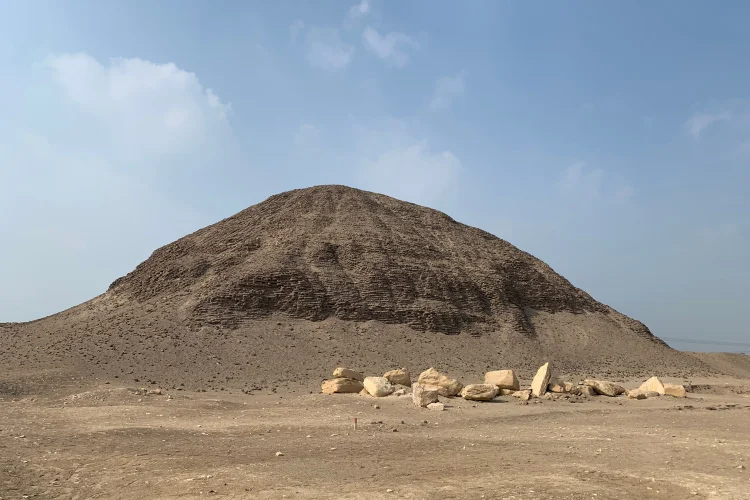
14. The Pyramid of Hawara: Engineering and Mystery Combined
The Pyramid of Hawara is one of the most intriguing structures of the Middle Kingdom in Ancient Egypt. Built for Amenemhat III, this pyramid is known not only for its construction but also for the mysterious labyrinth complex associated with it. The pyramid itself was constructed using mudbrick with a limestone outer casing, following the building techniques of the time. Although much of the outer structure has deteriorated, the site remains historically significant. The most fascinating feature of Hawara is the underground labyrinth, which ancient historians described as a vast network of chambers and corridors. This labyrinth was believed to serve both religious and administrative purposes. It may have been used for ceremonies, storage, or even as a symbolic representation of the afterlife. The complexity of its design highlights the advanced planning and creativity of ancient Egyptian engineers. The Pyramid of Hawara also reflects the importance of the Fayoum region during the Middle Kingdom, which became a center of agricultural and economic development. The construction of such a complex monument demonstrates the prosperity of the period. Today, the site continues to attract researchers and visitors interested in its mysteries. The Pyramid of Hawara stands as a unique example of innovation, combining architecture, engineering, and symbolism in a way that continues to fascinate historians.
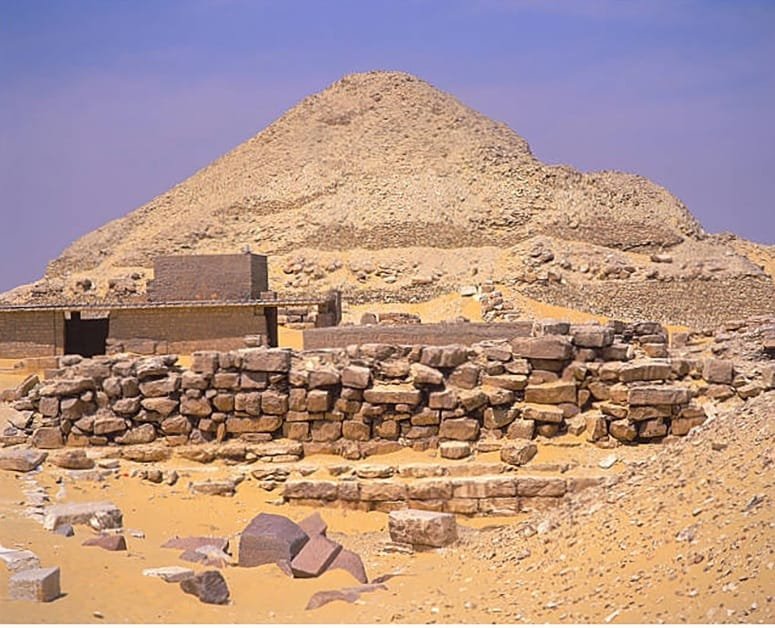
15. The Pyramid of Pepi I: A Reflection of Royal Tradition
The Pyramid of Pepi I is one of the most important royal monuments of the Sixth Dynasty in Ancient Egypt. Built for Pepi I, it reflects both the continuation of Old Kingdom traditions and the gradual changes that began to affect pyramid construction during this period. Originally, the pyramid was built with a limestone core and covered with fine white casing stones, giving it a smooth and brilliant appearance when newly completed. Over time, much of the outer casing was removed or damaged, leaving the structure in a heavily ruined state today. Despite this, its historical importance remains significant. One of the most important features inside the Pyramid of Pepi I is the presence of pyramid texts. These religious inscriptions were carved into the walls of the burial chamber and were intended to guide the king safely through the afterlife. They represent some of the earliest known religious writings in human history and provide valuable insight into ancient Egyptian beliefs. The pyramid complex also included a mortuary temple and smaller pyramids built for queens and royal family members. These structures highlight the importance of family, religion, and ritual in royal burials. They also show how pyramid complexes functioned as complete religious centers, not just tombs. Today, the Pyramid of Pepi I remains an important archaeological site. It helps historians understand the final phase of the Old Kingdom and the changes that eventually led to its decline, while still preserving the strong spiritual traditions of ancient Egypt.

16. The Legacy of Egyptian Pyramids: Timeless Architectural Wonders
The Egyptian Pyramids represent one of the greatest architectural legacies in human history, standing as powerful symbols of Ancient Egypt. These monumental structures were not only royal tombs but also expressions of religious belief, political authority, and advanced engineering knowledge that continues to inspire the modern world. The pyramids demonstrate how ancient Egyptians combined mathematics, astronomy, and engineering to create structures of extraordinary precision. Their alignment with cardinal directions and celestial bodies reflects a deep understanding of the natural world. This level of accuracy was achieved without modern technology, making their accomplishments even more impressive. Over time, the design of pyramids evolved from simple step structures to smooth sided masterpieces such as those found at Giza Plateau. Each stage of development contributed to the refinement of construction techniques and architectural innovation, leaving behind a rich historical record. Today, the pyramids continue to influence architecture, engineering, and cultural identity around the world. They are studied by archaeologists and admired by millions of visitors every year. Their enduring presence in the desert landscape serves as a reminder of the creativity and ambition of ancient civilizations. The legacy of the pyramids is not limited to Egypt alone. It represents a universal symbol of human achievement, resilience, and the desire to build something that lasts forever. They remain one of the most important wonders of the ancient world.
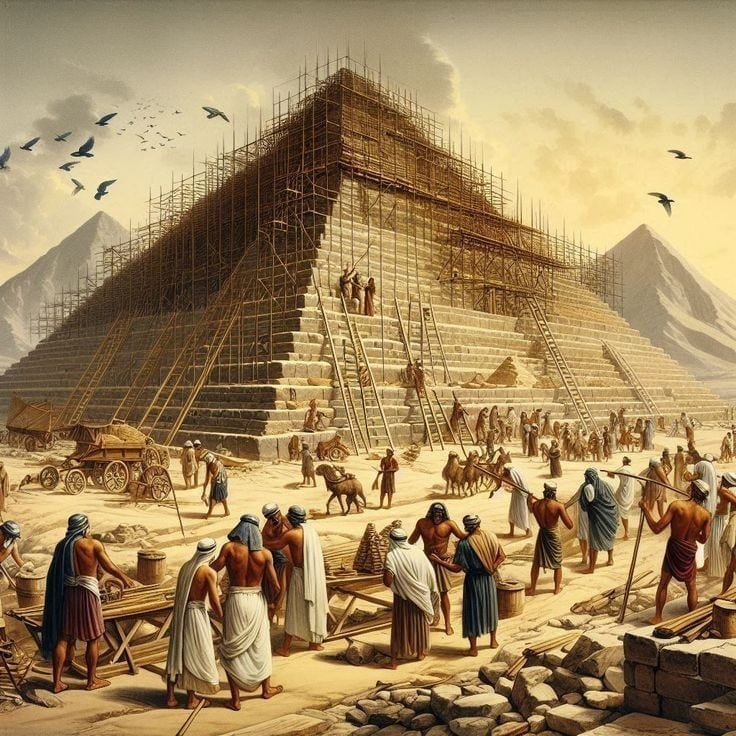
17. Tourism and Global Impact of the Pyramids
The Egyptian Pyramids are among the most visited historical sites in the world, attracting millions of tourists each year to Giza Plateau. These ancient monuments play a major role in Egypt’s tourism industry and contribute significantly to the country’s economy and global cultural presence. Visitors from all over the world travel to see the Great Pyramid, the Sphinx, and the surrounding tombs, seeking to experience the mystery and grandeur of Ancient Egypt. Guided tours, museums, and archaeological sites help tourists understand the historical and cultural importance of these structures. Tourism at the pyramids also supports local communities by creating jobs in guiding, transportation, hospitality, and conservation. The continued interest in these monuments encourages efforts to preserve and protect them for future generations. In addition to economic impact, the pyramids play a major role in shaping Egypt’s international image. They are widely recognized as symbols of ancient wisdom and human achievement, appearing in films, books, and educational materials around the world. The global fascination with the pyramids highlights their timeless appeal. They connect people across cultures and generations, offering a shared appreciation for one of the greatest civilizations in history. Their influence extends far beyond Egypt, making them a true global heritage.
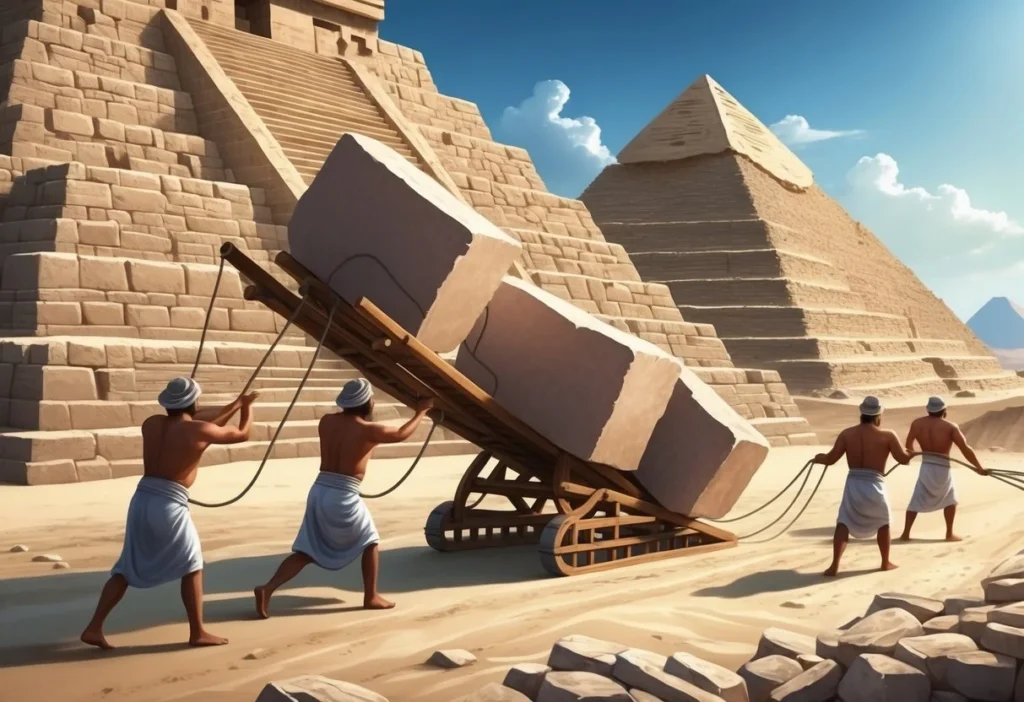
18. Conclusion: The Eternal Mystery of the Pyramids
The Egyptian Pyramids remain one of the most extraordinary achievements of Ancient Egypt, standing as timeless monuments that continue to inspire curiosity, admiration, and deep historical study. From their construction thousands of years ago to their significance in modern tourism and archaeology, they form a continuous bridge between the ancient world and today’s civilization. These magnificent structures are far more than royal tombs. They are powerful symbols of belief, authority, and human creativity. Every pyramid reflects the spiritual ideas of the ancient Egyptians, especially their strong faith in the afterlife and the journey of the soul. Their design demonstrates how deeply religion was connected to architecture, science, and daily life in ancient Egypt. Despite centuries of research, the pyramids still hold many unanswered questions. Scholars continue to debate construction methods, transportation techniques, and hidden architectural secrets. This ongoing mystery adds to their global fascination and keeps them at the center of archaeological exploration and scientific study. Today, the pyramids stand as cultural icons that define Egypt’s identity and heritage. They attract millions of visitors each year, support tourism, and inspire countless works of art, literature, and education around the world. Their influence extends far beyond Egypt, making them a universal symbol of human achievement. In conclusion, the pyramids are eternal monuments of innovation and ambition. Their legacy continues to grow with every discovery, reminding the world of the greatness of ancient Egypt and the enduring power of human civilization.