The deserts of Egypt are far more than barren wastelands—they are landscapes rich with history, culture, and natural beauty. From the iconic sands of the Sahara to the spiritual heights of Sinai, these deserts offer experiences that connect travelers with the past, present, and future of Egypt


- Excursions in Egypt
- Egypt Tour Packages
- Cairo Tours and Excursions
- Hurghada Tours and Excursions
- Soma Bay Tours and Excursions
- Makadi Bay Tours and Excursions
- Sahl Hasheesh Tours and Excursions
- El Gouna Tours and Excursions
- Marsa Alam Tours and Excursions
- Port Ghalib Tours and Excursions
- El Quseir Tours and Excursions
- Dendera and Abydos Day Tours
- Aswan Tours and Excursions
- Luxor Tours and Excursions
- Sharm El Sheikh Tours and Excursions
- Top Rated Egypt Tours in 2026
- Optional Excursions in Egypt
- Private Transfer
- Blogs About egypt
- Ancient Egypt
- Historical Sites in Egypt
- Cairo
- Alexandria
- Luxor
- Aswan
- The Red Sea
- Dendera Temple
- El Fayoum Oasis
- Bahariya Oasis
- Siwa Oasis
- Al Alamein
- Marsa Matruh
- Why Egypt Is One of the Safest Countries to Visit in the Middle East
- What You Need To know Before Your First Trip To Egypt
- Egypt Travel Costs in 2026 Full Budget Guide
- Top 10 Tourist Activities in Egypt
- Top 50 Activities You Can’t Miss in Egypt in 2026
- The Guide to Guided Tours in Egypt
- Egypt’s Ancient and Modern History
- The Nile River
- The Deserts of Egypt
- Ancient Egyptian gods
- famous Egyptian dishes
- UNESCO World Heritage sites
- About Us
- Egypt Hotels and Resorts
- Excursions in Egypt
- Egypt Tour Packages
- Cairo Tours and Excursions
- Hurghada Tours and Excursions
- Soma Bay Tours and Excursions
- Makadi Bay Tours and Excursions
- Sahl Hasheesh Tours and Excursions
- El Gouna Tours and Excursions
- Marsa Alam Tours and Excursions
- Port Ghalib Tours and Excursions
- El Quseir Tours and Excursions
- Dendera and Abydos Day Tours
- Aswan Tours and Excursions
- Luxor Tours and Excursions
- Sharm El Sheikh Tours and Excursions
- Top Rated Egypt Tours in 2026
- Optional Excursions in Egypt
- Private Transfer
- Blogs About egypt
- Ancient Egypt
- Historical Sites in Egypt
- Cairo
- Alexandria
- Luxor
- Aswan
- The Red Sea
- Dendera Temple
- El Fayoum Oasis
- Bahariya Oasis
- Siwa Oasis
- Al Alamein
- Marsa Matruh
- Why Egypt Is One of the Safest Countries to Visit in the Middle East
- What You Need To know Before Your First Trip To Egypt
- Egypt Travel Costs in 2026 Full Budget Guide
- Top 10 Tourist Activities in Egypt
- Top 50 Activities You Can’t Miss in Egypt in 2026
- The Guide to Guided Tours in Egypt
- Egypt’s Ancient and Modern History
- The Nile River
- The Deserts of Egypt
- Ancient Egyptian gods
- famous Egyptian dishes
- UNESCO World Heritage sites
- About Us
- Egypt Hotels and Resorts
Welcome to
The Deserts of Egypt: Exploring the Endless Wonders of the Sahara
Egypt is far more than ancient temples, majestic pyramids, and the Nile River. Covering more than 90% of the country’s land area, the deserts of Egypt are among the most spectacular and diverse landscapes on Earth. From the golden sand dunes of the Great Sand Sea and the breathtaking rock formations of the White Desert to the volcanic mountains of the Eastern Desert and the remote beauty of the Sinai Peninsula, Egypt’s deserts offer an unforgettable journey into some of the world’s most extraordinary natural wonders.
For thousands of years, these vast desert landscapes have shaped Egyptian history, serving as trade routes, spiritual retreats, and homes to ancient civilizations and Bedouin communities. Today, they attract adventurers, photographers, archaeologists, and nature lovers seeking unique experiences such as desert safaris, camping under the stars, sandboarding, stargazing, camel trekking, and exploring hidden oases.
In this comprehensive guide to the deserts of Egypt, you’ll discover the country’s most famous desert regions, including the Western Desert, Eastern Desert, White Desert, Black Desert, Sinai Desert, and the stunning oases of Siwa, Bahariya, Farafra, Dakhla, and Kharga. Whether you’re planning an Egypt desert safari, searching for off-the-beaten-path destinations, or simply fascinated by the beauty of the Sahara Desert, this guide will help you explore the remarkable landscapes that make Egypt one of the world’s premier desert adventure destinations.
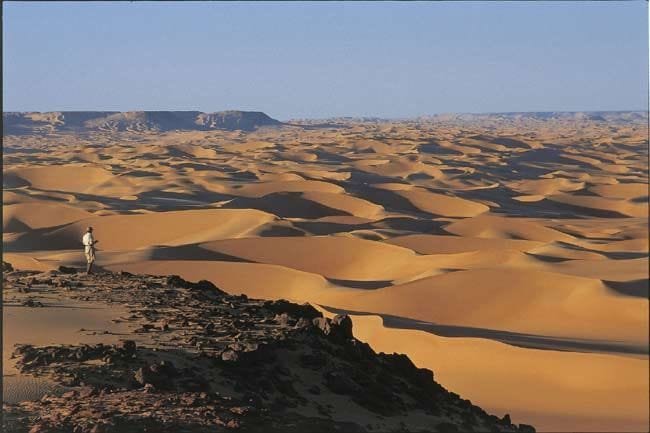
1. The Sahara Desert: The Heart of Egypt's Vastness
The Sahara Desert, one of the most iconic deserts in the world, covers a large portion of Egypt’s landmass. This vast and harsh region is often associated with sweeping sand dunes, rugged rock formations, and an extreme climate where temperatures can soar to 50°C (122°F) during summer. The Sahara is often thought to be barren and lifeless, but beneath its surface lies a rich history and a unique ecosystem. The Sahara is home to some of Egypt’s most remote oases, where water is scarce but vital to life. These desert oases, such as the Bahariya Oasis and Dakhla Oasis, have supported human settlements for thousands of years. They offer respite from the desert's scorching heat, making them crucial for travelers and traders throughout history. Notably, the Sahara Desert holds ancient Egyptian archaeological sites, such as the Valley of the Golden Mummies near the Bahariya Oasis, where more than 250 mummies from the Greco-Roman period have been uncovered. The desert also has a long history of trade routes that connected Egypt to other civilizations in Africa and beyond. The Sahara's role as a cradle of human history and civilization makes it an essential part of Egypt’s identity. Despite its unforgiving environment, the Sahara Desert remains a symbol of Egypt’s strength and resilience. Its vastness and stark beauty continue to captivate travelers and explorers from around the globe, offering a unique glimpse into both ancient and modern Egypt.
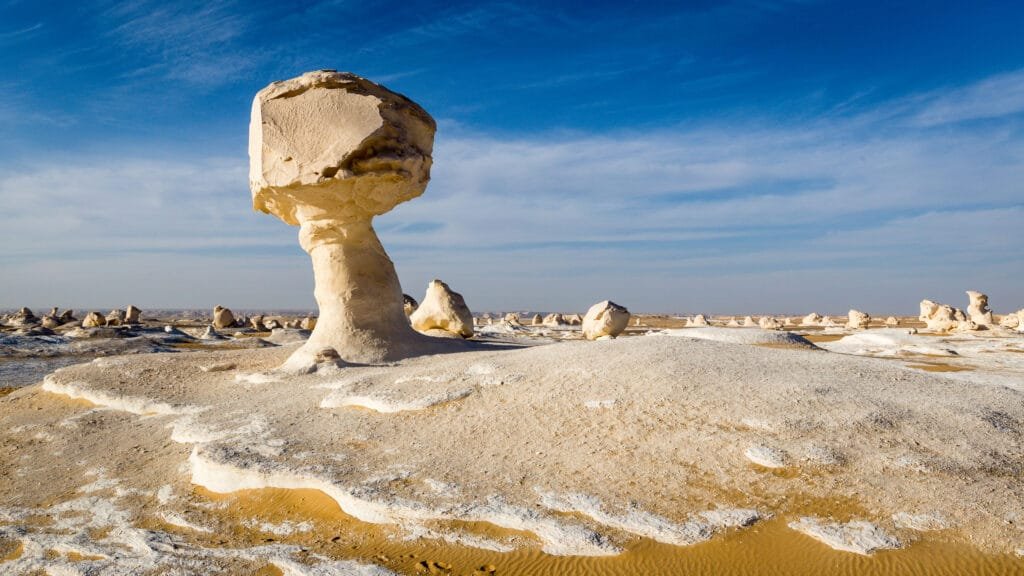
2. The Western Desert: A Land of Oases and Ancient Wonders
The Western Desert is a vast and enigmatic region that spans two-thirds of Egypt’s land area, stretching from the Nile River to the Libyan border. This desert is often overshadowed by the more famous Sahara Desert, but it holds an array of hidden treasures, including lush oases, ancient ruins, and surreal landscapes. The Western Desert's diverse geography makes it a fascinating region for adventurers, archaeologists, and travelers alike. One of the Western Desert’s most famous destinations is the Siwa Oasis, an isolated yet thriving community located over 500 kilometers from Cairo. Siwa has been inhabited for millennia, and its unique culture, which blends Berber traditions with ancient Egyptian influences, gives it a distinct charm. The Siwa Oasis is famous for its palm groves, salt lakes, and ancient structures, such as the Temple of the Oracle. It was here that Alexander the Great sought answers from the oracle, strengthening his belief in his divine destiny. Further exploration into the Western Desert reveals the White Desert near Farafra Oasis, a striking landscape characterized by snow-white limestone formations. The formations, shaped by wind and time, have earned the region its name and make it one of the most photogenic locations in Egypt. This desert is also home to a variety of wildlife, including foxes, lizards, and birds, as well as desert flowers that bloom after rare rainfall. The Western Desert’s rich history, stunning landscapes, and unique oases make it a vital and often overlooked part of Egypt. It stands as a reminder of Egypt’s complex relationship with the natural world and the resilience of life in the desert.
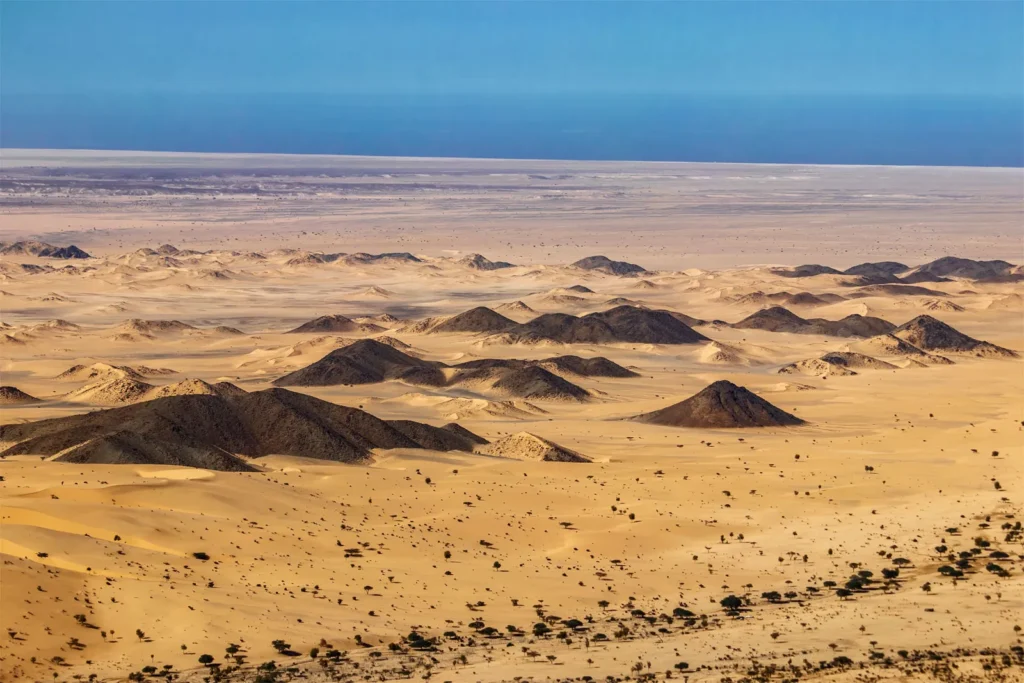
3. The Eastern Desert: Gateway to the Red Sea
The Eastern Desert is one of Egypt’s lesser-known but equally fascinating deserts. Located between the Nile River and the Red Sea, the Eastern Desert serves as a transition between the lush Nile Valley and the coastal wonders of the Red Sea. While the terrain is rugged, with towering mountains, deep valleys, and arid plains, the Eastern Desert is rich in both natural beauty and historical significance. The desert is dotted with ancient Egyptian mining settlements, where gold, emeralds, and other precious resources were extracted for use in the construction of temples, tombs, and monuments. The Gold of the Pharaohs, extracted from these mines, contributed to the wealth and power of ancient Egypt, and the evidence of this ancient mining activity can still be seen today in the form of old mining shafts, ancient temples, and inscriptions carved into the rocky landscape. One of the most remarkable aspects of the Eastern Desert is its rugged mountain ranges, which rise abruptly from the surrounding plains. These mountains, often dry and barren, are home to a number of hidden oases that have sustained life for centuries. These desert oases are vital stops along the ancient trade routes and provide crucial water sources for desert travelers. The desert’s isolation and beauty have made it a place for modern-day adventurers, who seek solitude and reflection in this harsh yet mesmerizing landscape. In addition to its historical and natural wonders, the Eastern Desert is a popular destination for those seeking to explore the connection between Egypt’s ancient past and its contemporary desert life. Its proximity to the Red Sea also makes it a popular area for tourists to combine desert exploration with seaside relaxation.
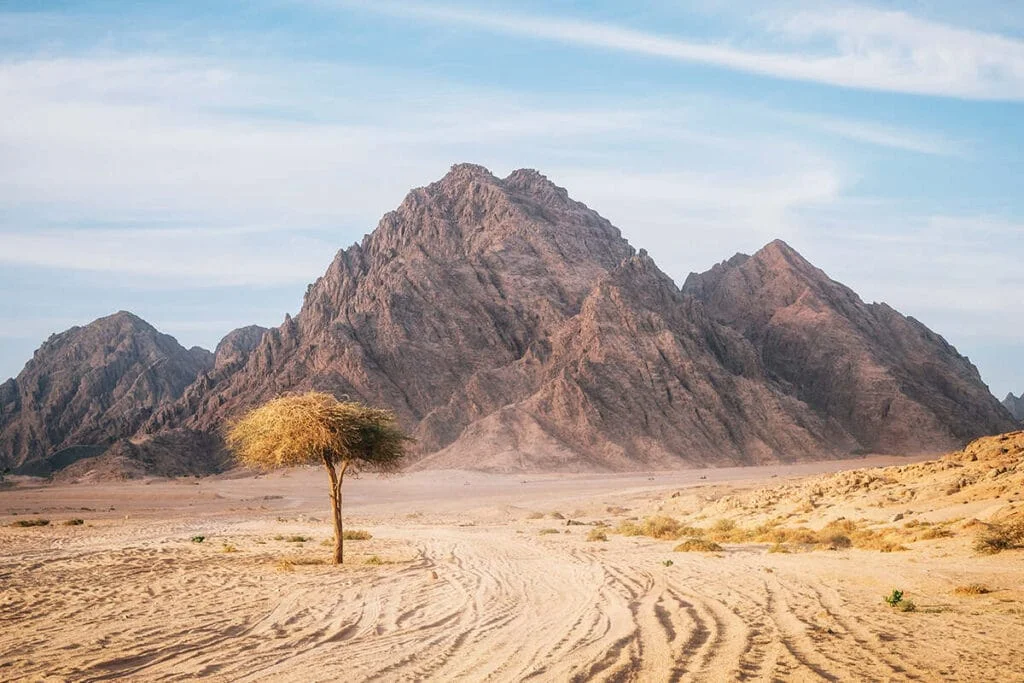
4. The Sinai Desert: A Spiritual Retreat
The Sinai Peninsula, while not as vast as some of Egypt's other deserts, is perhaps the most spiritually significant. Located at the crossroads of Africa and Asia, Sinai has been a place of spiritual pilgrimage for thousands of years. The Sinai Desert is home to Mount Sinai, where, according to religious tradition, Moses received the Ten Commandments, a pivotal moment in both the Jewish and Christian faiths. For this reason, the Sinai Desert holds profound importance for followers of Judaism, Christianity, and Islam. The journey up Mount Sinai is not only a religious pilgrimage but also a physical challenge. Visitors can hike to the summit, either by day or by night, to witness a breathtaking sunrise over the desert. Along the way, hikers pass through St. Catherine’s Monastery, one of the oldest Christian monasteries in the world, which is nestled at the foot of the mountain. The monastery houses priceless ancient manuscripts and icons, making it an essential destination for history enthusiasts and pilgrims alike. Sinai’s spiritual significance is matched by its natural beauty. The desert is home to rugged mountains, deep valleys, and unique rock formations, which have been shaped by millennia of natural forces. The Ras Mohammed National Park, located at the southern tip of Sinai, is a haven for marine life and offers excellent opportunities for snorkeling and diving in the Red Sea. The Sinai Peninsula offers a perfect combination of spirituality, adventure, and natural beauty, making it a unique desert experience for those seeking both peace and excitement.
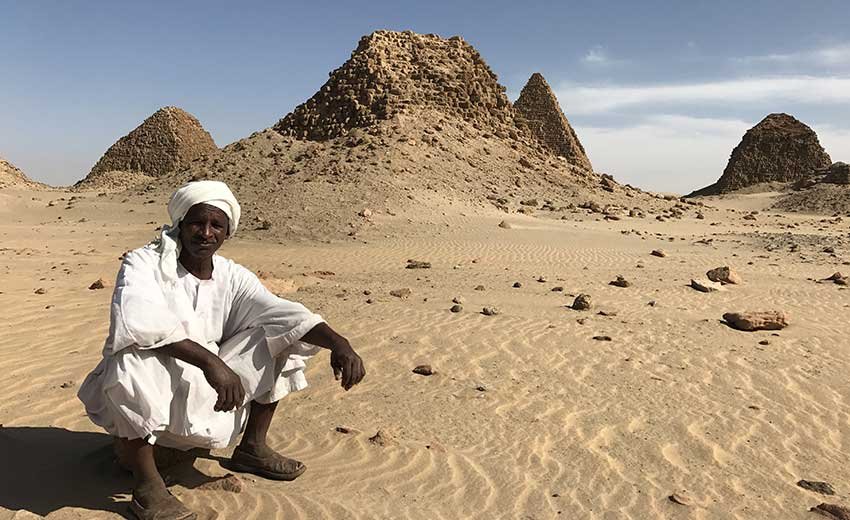
5. The Nubian Desert: Between Two Worlds
Located in the southernmost part of Egypt, the Nubian Desert is one of Egypt's least explored regions. Situated between the Nile River and the Sudanese border, this desert has a distinct identity, shaped by its proximity to both the lush Nile Valley and the arid expanse of Sudan. The Nubian Desert is a land of contrasts, where vibrant life along the Nile meets the barren stretches of sand and rock further inland. The desert is dotted with ancient remains of Nubian civilization, including old temples, burial sites, and remnants of ancient settlements. The Nubians, an indigenous group that once ruled Egypt’s southern region, left their mark on the land through their rich culture and monumental architecture. The Temple of Amada, one of the oldest and best-preserved Nubian temples, is located here and remains an important historical site. Though sparsely populated today, the Nubian Desert was once an important crossroads for trade and culture. Its strategic location along the Nile provided a vital link between Egypt and sub-Saharan Africa. Today, the desert’s remote and pristine environment attracts explorers, photographers, and researchers who seek to uncover the mysteries of this ancient land. The Nubian Desert’s rugged beauty, rich history, and connection to ancient African civilizations make it an essential yet often overlooked part of Egypt’s desert landscape. Its combination of cultural heritage and untouched wilderness offers a glimpse into a world that has remained largely unchanged for millennia.
Siwa Oasis Safari Tours and Excursions
9 Destination
El Fayoum Oasis Safari Tours and Excursions from Cairo
8 Destination
Bahariya Oasis Safari Tours and Excursions
8 Destination