- Excursions in Egypt
- Egypt Tour Packages
- Cairo Tours and Excursions
- Hurghada Tours and Excursions
- Soma Bay Tours and Excursions
- Makadi Bay Tours and Excursions
- Sahl Hasheesh Tours and Excursions
- El Gouna Tours and Excursions
- Marsa Alam Tours and Excursions
- Port Ghalib Tours and Excursions
- El Quseir Tours and Excursions
- Dendera and Abydos Day Tours
- Aswan Tours and Excursions
- Luxor Tours and Excursions
- Sharm El Sheikh Tours and Excursions
- Top Rated Egypt Tours in 2026
- Optional Excursions in Egypt
- Private Transfer
- Blogs About egypt
- Ancient Egypt
- Historical Sites in Egypt
- Cairo
- Alexandria
- Luxor
- Aswan
- The Red Sea
- Dendera Temple
- El Fayoum Oasis
- Bahariya Oasis
- Siwa Oasis
- Al Alamein
- Marsa Matruh
- Why Egypt Is One of the Safest Countries to Visit in the Middle East
- What You Need To know Before Your First Trip To Egypt
- Egypt Travel Costs in 2026 Full Budget Guide
- Top 10 Tourist Activities in Egypt
- Top 50 Activities You Can’t Miss in Egypt in 2026
- The Guide to Guided Tours in Egypt
- Egypt’s Ancient and Modern History
- The Nile River
- The Deserts of Egypt
- Ancient Egyptian gods
- famous Egyptian dishes
- UNESCO World Heritage sites
- About Us
- Egypt Hotels and Resorts
- Excursions in Egypt
- Egypt Tour Packages
- Cairo Tours and Excursions
- Hurghada Tours and Excursions
- Soma Bay Tours and Excursions
- Makadi Bay Tours and Excursions
- Sahl Hasheesh Tours and Excursions
- El Gouna Tours and Excursions
- Marsa Alam Tours and Excursions
- Port Ghalib Tours and Excursions
- El Quseir Tours and Excursions
- Dendera and Abydos Day Tours
- Aswan Tours and Excursions
- Luxor Tours and Excursions
- Sharm El Sheikh Tours and Excursions
- Top Rated Egypt Tours in 2026
- Optional Excursions in Egypt
- Private Transfer
- Blogs About egypt
- Ancient Egypt
- Historical Sites in Egypt
- Cairo
- Alexandria
- Luxor
- Aswan
- The Red Sea
- Dendera Temple
- El Fayoum Oasis
- Bahariya Oasis
- Siwa Oasis
- Al Alamein
- Marsa Matruh
- Why Egypt Is One of the Safest Countries to Visit in the Middle East
- What You Need To know Before Your First Trip To Egypt
- Egypt Travel Costs in 2026 Full Budget Guide
- Top 10 Tourist Activities in Egypt
- Top 50 Activities You Can’t Miss in Egypt in 2026
- The Guide to Guided Tours in Egypt
- Egypt’s Ancient and Modern History
- The Nile River
- The Deserts of Egypt
- Ancient Egyptian gods
- famous Egyptian dishes
- UNESCO World Heritage sites
- About Us
- Egypt Hotels and Resorts
Welcome to
The Egyptian Museum: A Treasure House of Ancient Civilization
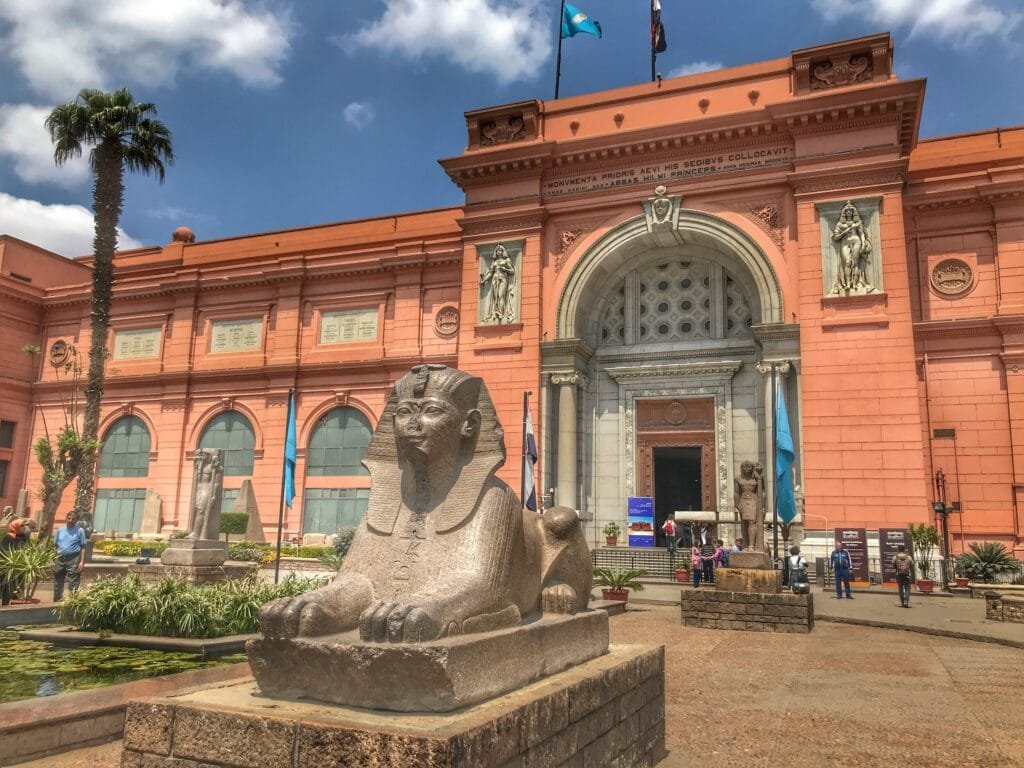
Located in the heart of Cairo, the Egyptian Museum stands as one of the most important cultural institutions in the world, preserving the extraordinary legacy of ancient Egypt. Established in 1902, this iconic museum houses the largest collection of Pharaonic antiquities, offering visitors a journey through thousands of years of history, art, and belief. Its grand pink façade in Tahrir Square has become a symbol of Egypt’s commitment to safeguarding its heritage and sharing it with the world.
Inside the museum, visitors encounter an unparalleled array of artifacts that span from the prehistoric period to the Greco-Roman era. Among its most famous treasures are the golden funerary objects of Tutankhamun, including his iconic mask, which has become a global symbol of ancient Egypt. In addition to these masterpieces, the museum contains statues, mummies, jewelry, papyri, and everyday objects that provide a detailed and intimate glimpse into the lives, beliefs, and achievements of one of the world’s greatest civilizations.
The significance of the Egyptian Museum goes beyond its vast collection. It serves as a bridge between the ancient and modern worlds, allowing visitors to connect directly with history in a tangible way. Walking through its halls is like stepping into a timeline where each artifact tells a story of innovation, spirituality, and human ambition. For scholars, tourists, and anyone fascinated by history, the Egyptian Museum remains an essential destination—a place where the wonders of ancient Egypt continue to inspire curiosity, admiration, and a deeper understanding of the past.
1. The History of the Egyptian Museum: A Legacy of Preservation
The history of the Egyptian Museum reflects Egypt’s long-standing commitment to preserving its ancient heritage and protecting its archaeological treasures for future generations. Before the establishment of a permanent museum, many antiquities were scattered, lost, or taken abroad during the 19th century, creating an urgent need for a dedicated institution that could safeguard these invaluable artifacts. Early efforts to collect and organize antiquities began under the guidance of Egyptian authorities and foreign scholars, who recognized the importance of preserving the material remains of one of the world’s oldest civilizations. The current museum building, located in Cairo, was officially opened in 1902, designed by the French architect Marcel Dourgnon. Its construction marked a major milestone in the history of archaeology in Egypt, providing a centralized location where thousands of artifacts could be displayed and studied. Over time, the museum’s collection grew rapidly as new discoveries were made across the country, particularly from famous sites such as Luxor and the Valley of the Kings. Each new addition contributed to a deeper understanding of ancient Egyptian history, culture, and daily life. Throughout the 20th and 21st centuries, the Egyptian Museum has remained a symbol of national identity and cultural pride. It has played a crucial role in educating both Egyptians and international visitors about the richness of the country’s past. Despite challenges such as overcrowding and the need for modernization, the museum continues to stand as a guardian of history, preserving artifacts that span thousands of years. Its legacy is not only in the objects it houses, but also in its ongoing mission to protect, study, and share the story of ancient Egypt with the world.
2. The Architecture of the Egyptian Museum: A Building Designed for History
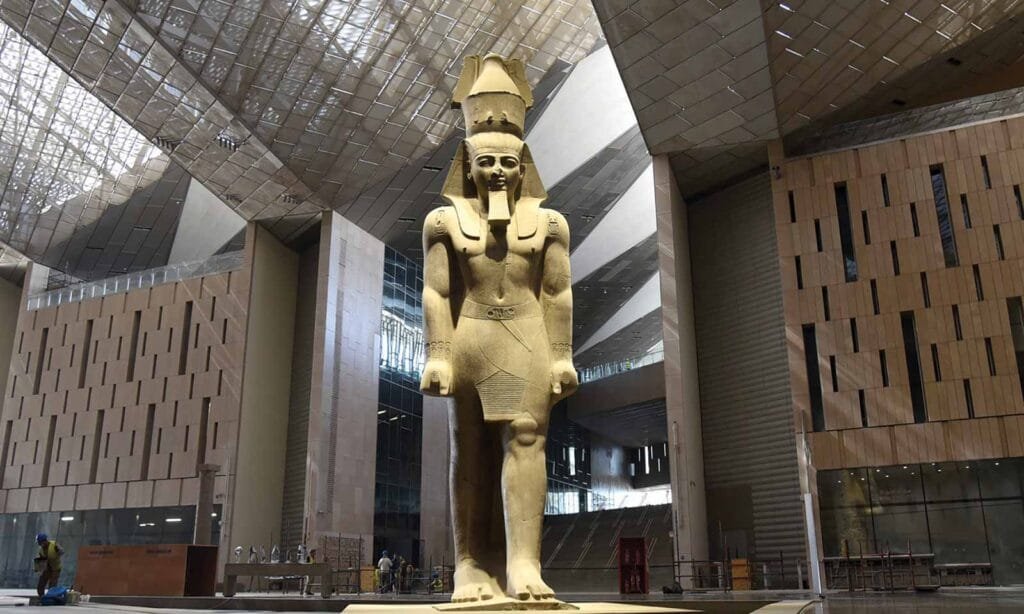
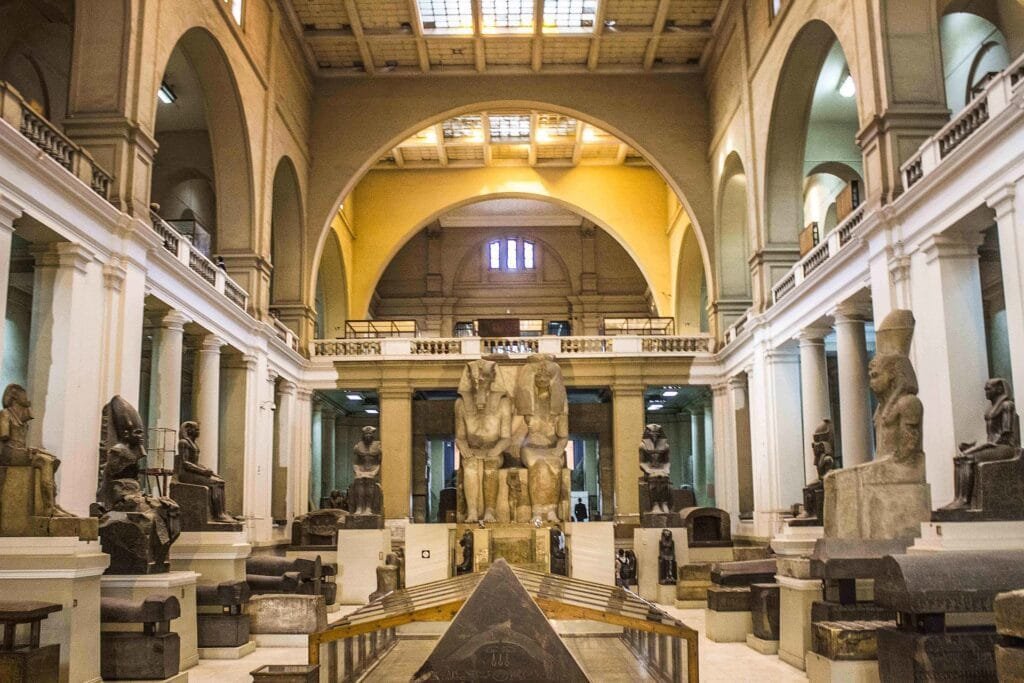
The architectural design of the Egyptian Museum reflects a careful balance between functionality, symbolism, and historical significance. Constructed at the beginning of the 20th century, the museum was designed to serve as a dedicated space for preserving and displaying one of the world’s most extensive collections of ancient artifacts. Its location in Cairo places it at the center of the country’s cultural and political life, making it easily accessible to both local visitors and international travelers. The building itself stands as an important example of early museum architecture, combining European design principles with a purpose rooted in Egyptian heritage. The structure is characterized by its grand façade, symmetrical layout, and spacious interior halls. Large galleries and high ceilings were intentionally designed to accommodate massive statues, monuments, and collections that required both space and careful arrangement. Natural lighting plays a significant role in the building’s design, allowing sunlight to illuminate the exhibits while creating an atmosphere that enhances the visual impact of the artifacts. Wide corridors and open rooms guide visitors through different periods of ancient Egyptian history, creating a chronological journey that unfolds as one moves through the museum. Despite being over a century old, the building continues to function as a vital cultural institution. Its design reflects the early vision of museum curators who sought to create a space that could both protect and showcase ancient treasures. While modern museums may offer more advanced technology, the Egyptian Museum’s architecture retains a sense of authenticity and historical depth. It provides a setting where the past feels tangible and immediate, reinforcing the connection between the artifacts and the civilization that produced them. In this way, the building itself becomes part of the experience, not just a container for history, but a meaningful element of the story it tells.

3. The Treasures of Tutankhamun: A Golden Legacy
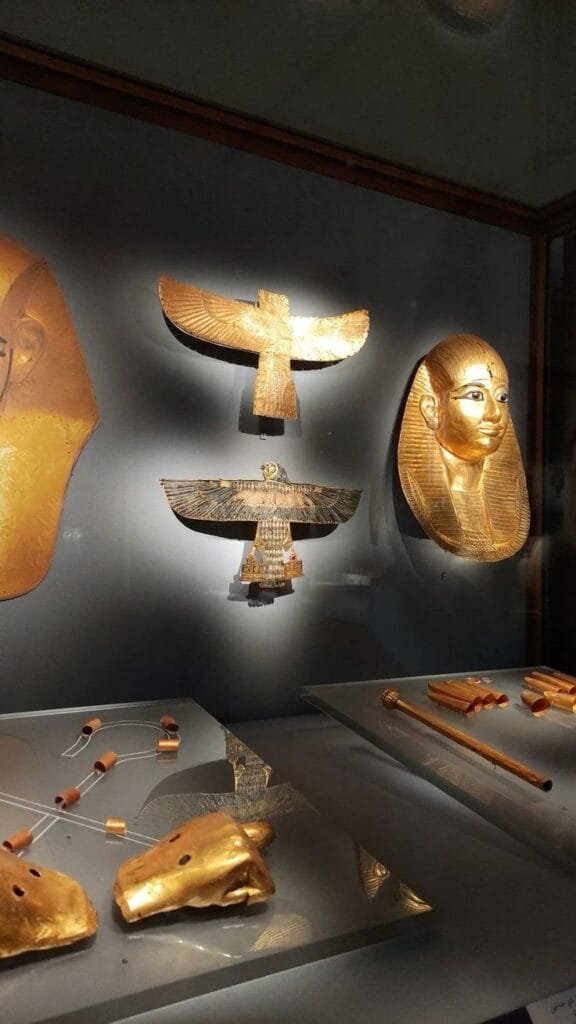
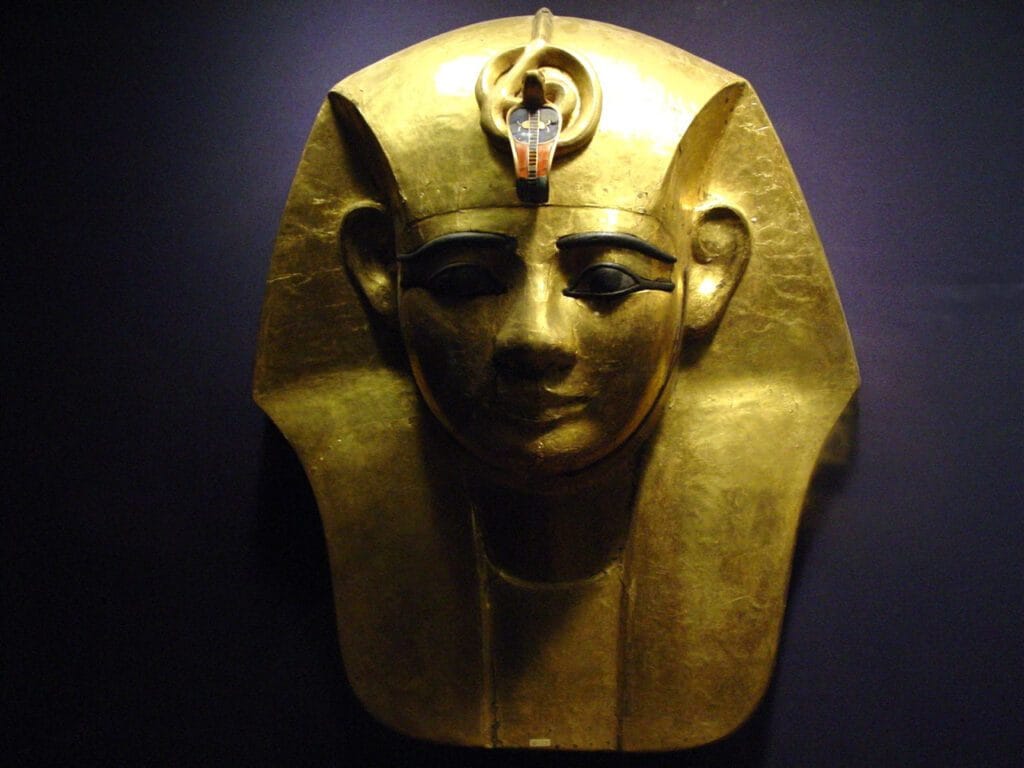
Among the countless artifacts housed in the Egyptian Museum, the treasures of Tutankhamun stand out as some of the most extraordinary and captivating discoveries in the history of archaeology. Unearthed in 1922 by the British archaeologist Howard Carter, the tomb of Tutankhamun was found almost intact in the Valley of the Kings, revealing a vast collection of objects that had remained hidden for over three thousand years. These treasures provide an unparalleled glimpse into the wealth, artistry, and religious beliefs of ancient Egypt during the New Kingdom period. The most iconic object from this collection is the golden funerary mask of Tutankhamun, a masterpiece of craftsmanship that has become a global symbol of ancient Egypt. Made of solid gold and inlaid with precious stones, the mask reflects both the artistic skill of ancient craftsmen and the importance of the king’s journey into the afterlife. In addition to the mask, the collection includes chariots, jewelry, furniture, weapons, and everyday items that were placed in the tomb to accompany the young pharaoh in the next world. Each object reveals details about royal life, technological advancement, and spiritual practices. The significance of Tutankhamun’s treasures extends beyond their beauty and material value. They have transformed modern understanding of ancient Egypt, offering insights into burial customs, artistic traditions, and the role of the pharaoh in society. Displayed in the Egyptian Museum, these artifacts allow visitors to experience the richness of a civilization that placed great importance on life after death. The discovery of Tutankhamun’s tomb remains one of the greatest archaeological achievements of all time, and its treasures continue to inspire wonder, curiosity, and admiration across the world.
4. Royal Mummies: Preserving Life Beyond Death
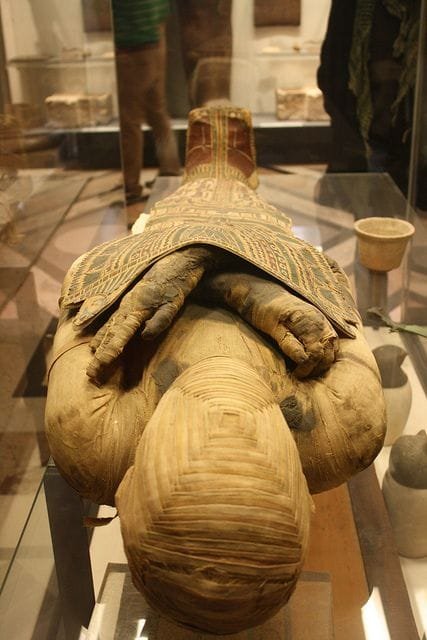
Among the most fascinating exhibits in the Egyptian Museum are the royal mummies, which offer a direct and powerful connection to the rulers of ancient Egypt. These preserved remains provide not only a glimpse into the physical appearance of the pharaohs but also valuable insight into the complex religious beliefs and scientific practices that defined ancient Egyptian civilization. The process of mummification was central to the belief in the afterlife, as it ensured that the body would remain intact for the soul to return and continue its eternal journey. The mummification process was both intricate and highly skilled, involving the careful removal of internal organs, the use of natural preservatives such as natron, and the wrapping of the body in layers of linen. This procedure could take several weeks to complete, reflecting the importance placed on preparing the deceased for the afterlife. The preservation of these mummies over thousands of years demonstrates the remarkable effectiveness of ancient Egyptian techniques, as many of them remain in an astonishing state of condition. The royal mummies displayed in the museum include some of the most powerful and influential figures in Egyptian history. Through modern scientific analysis, including imaging and DNA studies, researchers have been able to learn more about their health, age, and even the causes of death. These discoveries add a human dimension to historical figures who are often known only through monuments and inscriptions. Viewing the royal mummies is a unique experience that bridges the gap between past and present, allowing visitors to encounter history in its most tangible form. It is a reminder of the ancient Egyptians’ deep concern with immortality and their extraordinary ability to preserve life beyond death.
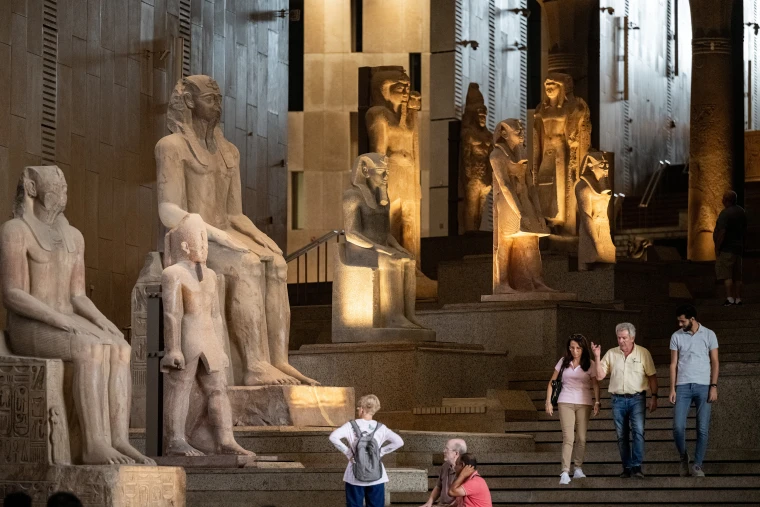
5. Statues and Sculptures: Faces of Eternity
The collection of statues and sculptures in the Egyptian Museum represents one of the most powerful and visually striking aspects of ancient Egyptian art, offering a timeless glimpse into how the ancient Egyptians viewed identity, power, and eternity. These works were not created merely for decoration; they served deeply spiritual and symbolic purposes, often acting as physical vessels for the soul in the afterlife. As a result, sculptors placed great emphasis on durability, balance, and idealized form, ensuring that each statue could fulfill its role for eternity. The materials used in these sculptures varied depending on their purpose and importance, ranging from limestone and wood to harder stones such as granite and diorite. Each material required a different level of skill and technique, reflecting the advanced craftsmanship of ancient Egyptian artists. Statues of pharaohs were often depicted in a formal and symmetrical style, conveying authority, stability, and divine power. In contrast, statues of officials and everyday individuals sometimes displayed more naturalistic features, offering insight into the diversity of Egyptian society. These artistic choices reveal a sophisticated understanding of representation, where form and meaning were carefully aligned. Many of the sculptures in the museum come from temples, tombs, and ceremonial spaces, where they once played a central role in religious practices. Some statues were designed to receive offerings, while others served as guardians or symbolic representations of deities. Over time, these objects have become invaluable historical records, preserving details about clothing, posture, and artistic conventions. For visitors, encountering these statues is more than an aesthetic experience—it is a moment of connection with individuals who lived thousands of years ago. Through their stillness and permanence, these sculptures continue to communicate the values and beliefs of a civilization that sought to transcend time through art.

6. Jewelry and Personal Adornments: Expressions of Beauty and Status
The collection of jewelry and personal adornments in the Egyptian Museum offers a dazzling insight into the aesthetic sensibilities, social hierarchy, and symbolic beliefs of ancient Egyptian society. These finely crafted objects were not merely decorative; they carried deep meanings related to identity, protection, and spiritual power. From elaborate necklaces and bracelets to rings, amulets, and headdresses, each piece reflects a combination of artistic excellence and cultural significance that defined personal appearance in ancient Egypt. The materials used in these adornments were both precious and symbolic. Gold, often associated with the divine and the eternal, was one of the most commonly used metals, valued not only for its beauty but also for its resistance to corrosion. Semi-precious stones such as turquoise, lapis lazuli, and carnelian were frequently incorporated into designs, adding vibrant color and believed protective qualities. Craftsmen used advanced techniques, including inlay and intricate carving, to create detailed patterns that combined geometric shapes with symbolic motifs such as the scarab, the lotus flower, and the Eye of Horus. These elements were chosen not only for their visual appeal but also for their spiritual meaning. Jewelry was worn by individuals across different levels of society, although the quality and complexity of the pieces often reflected one’s status and wealth. Royal and elite individuals possessed highly elaborate adornments, many of which were buried with them to accompany them into the afterlife. In contrast, simpler pieces were worn by common people, still reflecting the importance of personal decoration in daily life. Today, these objects provide valuable insights into fashion, craftsmanship, and belief systems, allowing visitors to appreciate the sophistication of ancient Egyptian culture. Through their beauty and detail, these adornments continue to tell stories of identity, status, and the human desire for expression and protection.
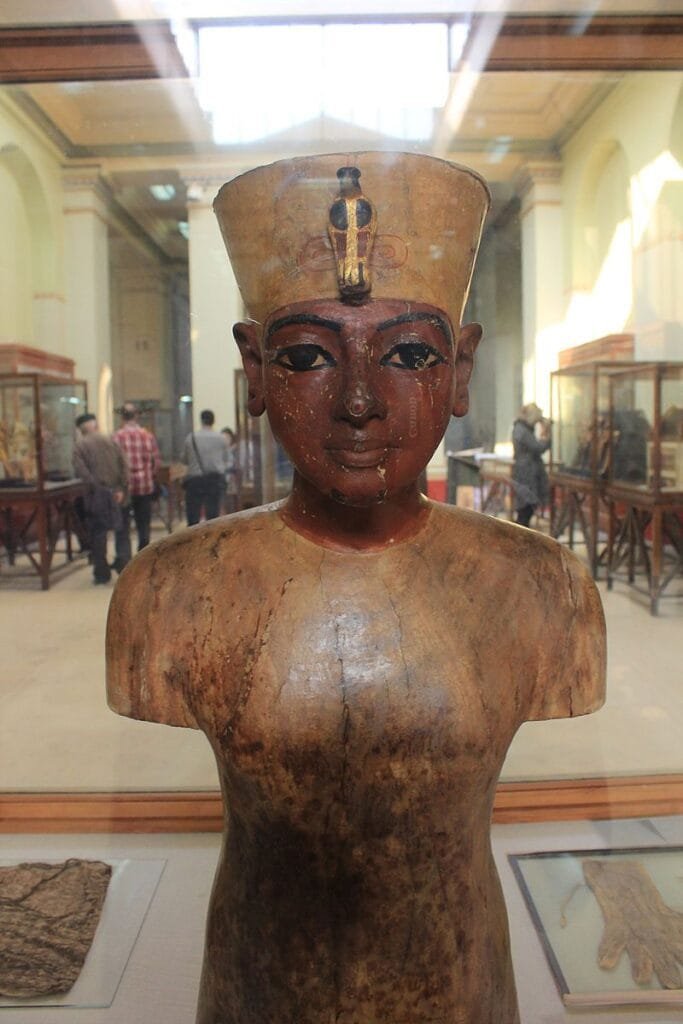
7. Everyday Life Artifacts: A Window into Ancient Egyptian Society
Beyond the grand statues and royal treasures, the Egyptian Museum houses a remarkable collection of everyday life artifacts that provide a more intimate and human perspective on ancient Egyptian civilization. These objects, often simple in design and function, reveal how ordinary people lived, worked, and interacted within their communities. They offer a valuable contrast to the monumental and ceremonial artifacts, showing that the story of ancient Egypt is not only about kings and gods, but also about the daily experiences of its people. Among these artifacts are tools, pottery, furniture, and household items that were used in various aspects of daily life. Agricultural tools reflect the importance of farming and the reliance on the annual flooding of the Nile, while pottery vessels were essential for storing food, water, and oils. Items such as wooden beds, chairs, and storage boxes demonstrate the craftsmanship involved in creating functional yet durable objects. Even small items, like cosmetics containers and writing tools, provide insight into personal care, communication, and the role of literacy in society. These objects illustrate a culture that valued both practicality and aesthetic quality in everyday life. The study of these artifacts allows historians and archaeologists to reconstruct aspects of ancient Egyptian society that are not always visible in monumental architecture. They reveal social structures, economic activities, and cultural practices that shaped the lives of individuals across different classes. For visitors, these objects create a sense of connection with the past, making it easier to imagine how people lived thousands of years ago. By presenting these everyday items alongside more famous artifacts, the museum offers a comprehensive view of ancient Egypt, highlighting the complexity and richness of a civilization that extended far beyond its rulers and monuments.
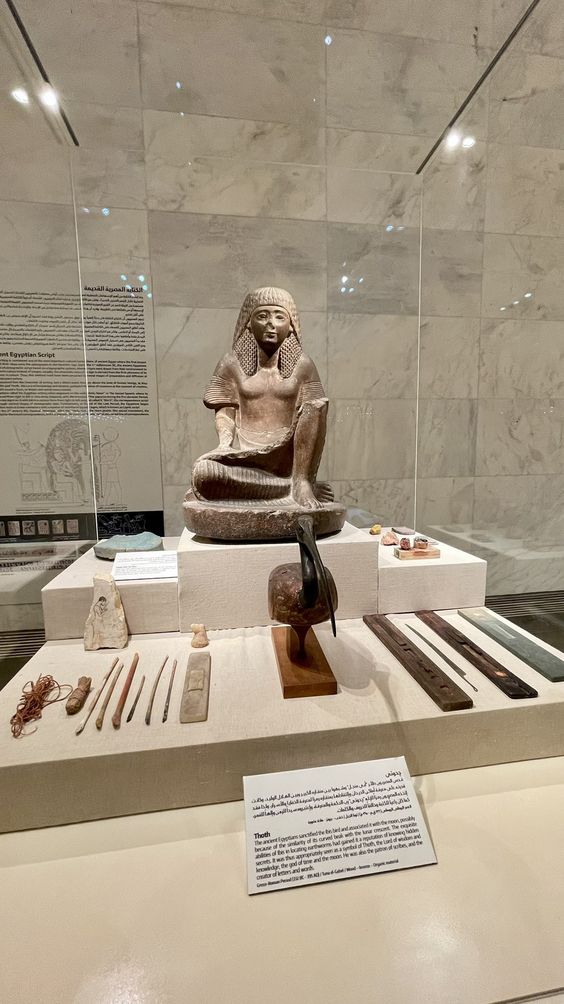
8. Papyrus and Writing: The Birth of Recorded Knowledge
The collection of papyrus and writing materials in the Egyptian Museum provides a fascinating insight into the intellectual and administrative life of ancient Egypt. Writing was one of the most important developments in Egyptian civilization, allowing knowledge, beliefs, and daily transactions to be recorded and preserved across generations. The use of papyrus, made from the papyrus plant that grew along the Nile River, enabled the creation of one of the earliest forms of paper, making written communication more accessible and widespread. Ancient Egyptian writing systems, particularly hieroglyphics, were both artistic and functional. Hieroglyphs were used primarily for religious texts and monumental inscriptions, while simpler scripts such as hieratic and demotic were developed for everyday use. Scribes, who were highly trained individuals, played a crucial role in society, recording everything from official decrees and tax records to literature and personal letters. The presence of writing materials in tombs also highlights the importance of knowledge in the afterlife, where texts were believed to guide and protect the deceased. Papyrus scrolls preserved in the museum include religious texts, administrative documents, and literary works that reveal the complexity of ancient Egyptian thought. Some texts describe rituals and beliefs related to the afterlife, while others provide practical information about trade, law, and governance. These documents offer a direct connection to the voices of the past, allowing modern audiences to understand how ancient Egyptians communicated and organized their world. Through these written records, the museum not only preserves physical artifacts but also safeguards the intellectual heritage of one of the earliest and most influential civilizations in human history.
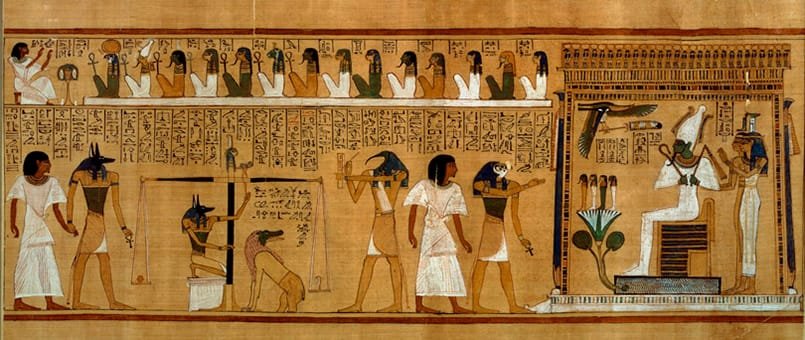
9. Religion and Ritual Objects: Tools of the Sacred World
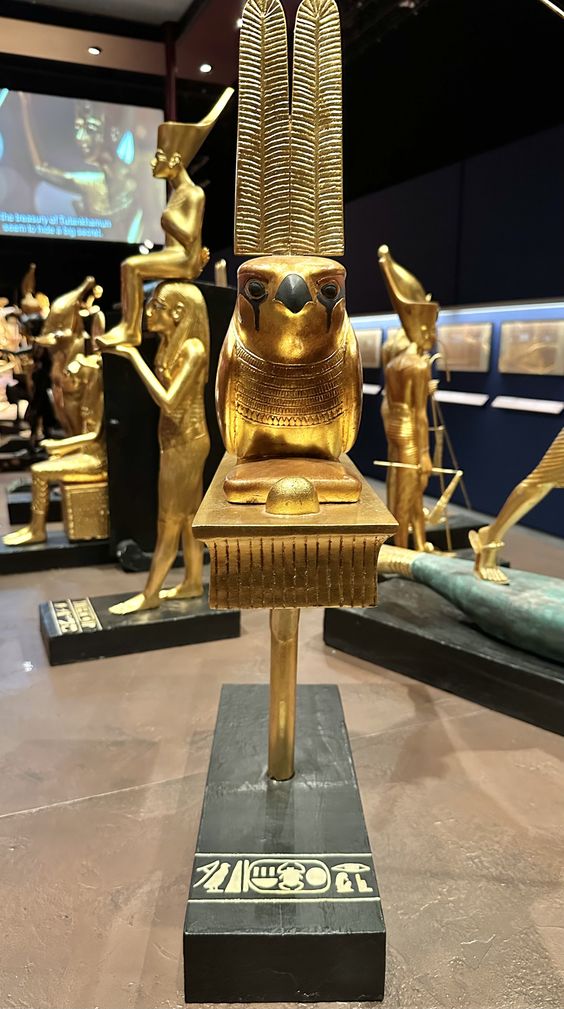
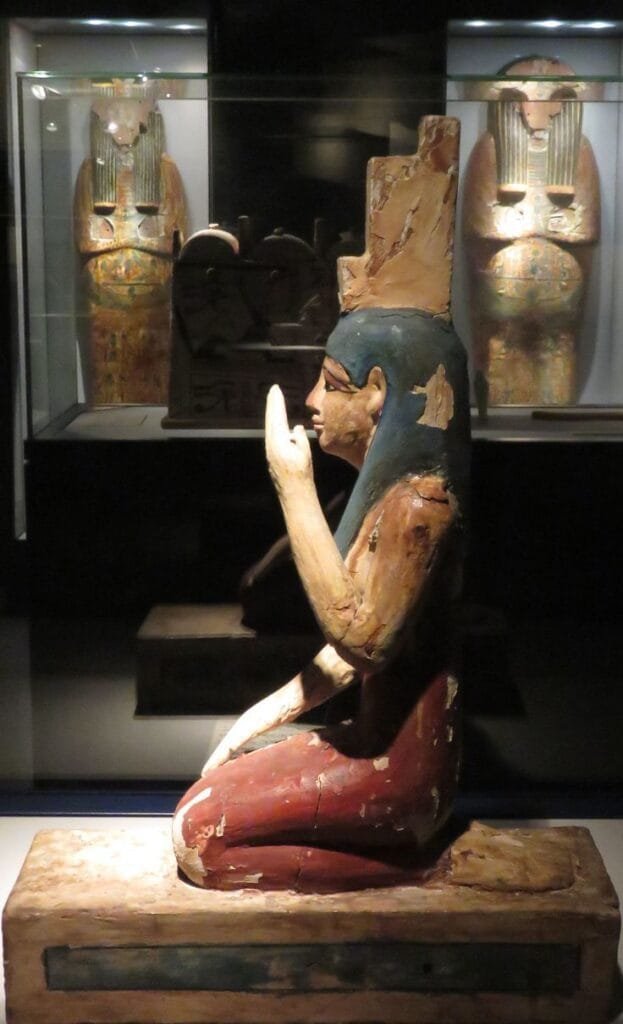
The collection of religious and ritual objects in the Egyptian Museum offers profound insight into the spiritual life of ancient Egypt, revealing a civilization deeply guided by belief, symbolism, and devotion to the divine. Religion was not a separate aspect of life; it was integrated into every action, from daily routines to royal ceremonies. The objects preserved in the museum demonstrate how the ancient Egyptians sought to maintain harmony between the human world and the realm of the gods through carefully performed rituals and sacred practices. Among the most significant items are statues of deities, offering tables, ceremonial tools, and amulets, each designed with a specific religious function. Statues of gods and goddesses were placed in temples and shrines, serving as focal points for worship and communication with the divine. Priests conducted rituals that included offerings of food, incense, and prayers, believing that these acts would sustain the gods and ensure cosmic balance. Amulets, often worn or placed with the dead, were believed to provide protection and guidance, reinforcing the idea that spiritual forces were present in both life and death. These objects also reveal the complexity of ancient Egyptian theology, which included a vast pantheon of gods associated with natural forces, creation, and the afterlife. Ritual practices were designed to honor these deities and to secure their favor, ensuring prosperity and stability for both individuals and the state. For modern viewers, these artifacts provide a tangible connection to a belief system that shaped one of the world’s most enduring civilizations. By preserving these sacred objects, the museum allows visitors to explore not only the physical culture of ancient Egypt but also the spiritual foundations that defined its worldview.
10. The Role of the Egyptian Museum in Modern Archaeology: Research and Discovery
The Egyptian Museum plays a vital role in the field of modern archaeology, serving not only as a place for exhibition but also as a center for research, preservation, and scholarly study. Over the decades, the museum has contributed significantly to the understanding of ancient Egyptian civilization by housing artifacts that continue to be examined using evolving scientific methods. Its collections provide a foundation for ongoing research, allowing archaeologists, historians, and scientists to explore new interpretations of the past and refine existing knowledge. One of the key contributions of the museum to archaeology is its role in preserving artifacts in controlled environments where they can be studied without risk of damage. Conservation specialists work continuously to protect objects from environmental factors such as humidity, temperature fluctuations, and pollution. At the same time, modern technologies, including imaging techniques and material analysis, are applied to these artifacts to uncover details that were previously unknown. These methods allow researchers to examine internal structures, identify materials, and even trace the origins of certain objects, adding depth to the study of ancient Egypt. The museum also serves as an educational hub, supporting academic research and training new generations of archaeologists and scholars. Its collections are used in collaboration with universities and research institutions, fostering a global exchange of knowledge. By combining preservation with innovation, the Egyptian Museum remains an active participant in the ongoing exploration of history. It demonstrates that archaeology is not limited to excavation sites but continues within museum walls, where artifacts are studied, interpreted, and shared with the world, ensuring that the story of ancient Egypt continues to evolve.
11. Educational Role of the Egyptian Museum: Inspiring Knowledge and Curiosity
The Egyptian Museum plays a crucial educational role, serving as a bridge between academic knowledge and public understanding of ancient Egyptian civilization. Located in Cairo, the museum is not only a place to view artifacts but also an environment where learning is encouraged through direct engagement with history. Visitors from around the world, including students, researchers, and tourists, come to the museum to deepen their knowledge and gain a clearer perspective on one of the oldest and most influential civilizations in human history. The museum’s galleries are organized in a way that allows visitors to follow a chronological journey through ancient Egyptian history, from prehistoric times to the Greco-Roman period. This structured approach helps learners understand the development of art, religion, and society over thousands of years. Informational labels, guided tours, and educational programs provide context for the artifacts, making them more accessible to a wide audience. By presenting objects alongside their historical background, the museum transforms passive observation into an active learning experience, encouraging visitors to think critically about the past. In addition to its role in public education, the museum supports academic research and professional training. It collaborates with scholars and institutions to study artifacts and develop new interpretations, contributing to the advancement of Egyptology as a field. Workshops, lectures, and specialized programs help train future archaeologists and historians, ensuring that knowledge continues to grow and evolve. Through these efforts, the Egyptian Museum remains a vital educational institution, inspiring curiosity and fostering a deeper appreciation for history. It demonstrates that learning about the past is not only about preserving memory but also about shaping a more informed and culturally aware future.
12. Visitor Experience: Exploring the Egyptian Museum Today
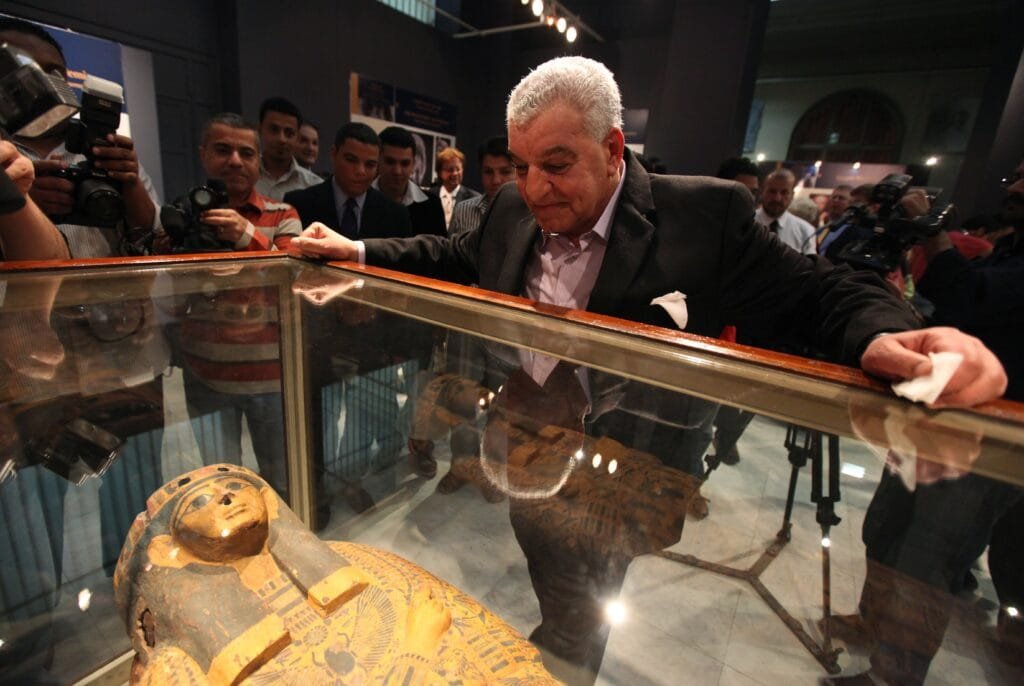
Visiting the Egyptian Museum offers a rich and immersive experience that connects modern audiences with the wonders of ancient Egypt in a direct and meaningful way. Situated in the heart of Cairo, the museum is easily accessible and serves as a central destination for travelers seeking to explore the country’s historical legacy. From the moment visitors enter the building, they are surrounded by an atmosphere filled with history, where every gallery reveals new layers of cultural and artistic achievement. The layout encourages exploration, allowing individuals to move through time while discovering artifacts that span thousands of years. The experience inside the museum is both educational and emotional, as visitors encounter objects that once belonged to real individuals who lived in ancient times. Walking among statues, mummies, jewelry, and everyday items creates a sense of connection with the past that is difficult to replicate elsewhere. The presence of iconic pieces, such as the treasures of Tutankhamun, adds to the excitement, while quieter galleries offer moments of reflection and deeper understanding. Guided tours and informational displays enhance the experience by providing historical context, helping visitors appreciate not only what they see but also the stories behind each artifact. Despite its historical setting, the museum continues to adapt to the needs of modern visitors by improving accessibility and offering various services. The surrounding area, including Tahrir Square, adds to the overall experience, placing the museum within the vibrant life of the city. For many, a visit to the Egyptian Museum is more than a tour—it is a journey through time that leaves a lasting impression. It allows visitors to engage with history on a personal level, transforming ancient objects into meaningful connections that bridge the gap between past and present.
13. The Egyptian Museum and Cultural Identity: A Symbol of National Heritage
The Egyptian Museum stands as a powerful symbol of cultural identity, representing the deep historical roots and enduring heritage of Egypt. Located in Cairo, the museum is more than a repository of ancient artifacts; it is a national institution that reflects the pride, continuity, and historical consciousness of the Egyptian people. Through its vast collection, the museum tells the story of a civilization that has shaped human history, reinforcing a sense of identity that connects modern society with its ancient past. The artifacts displayed within the museum are not just objects of historical interest; they are cultural symbols that carry meaning for generations of Egyptians. Statues of pharaohs, religious objects, and everyday items all contribute to a narrative that highlights the achievements, beliefs, and values of ancient Egypt. By preserving and presenting these objects, the museum helps maintain a connection between the past and the present, ensuring that the legacy of ancient civilization remains an active part of national identity. This connection is especially important in a country where history is deeply embedded in the landscape and in the collective memory of its people. In addition to its national significance, the museum also plays an important role on the global stage, representing Egypt’s cultural heritage to the world. It serves as a point of cultural exchange, where international visitors can learn about Egypt’s history while contributing to a broader understanding of human civilization. The Egyptian Museum thus functions as both a guardian of national identity and a bridge between cultures. It demonstrates how the preservation of history can strengthen a sense of belonging while also promoting dialogue and appreciation across different societies, making it one of the most meaningful cultural institutions in the world.
14. Challenges and Modern Developments: Adapting to a Changing World
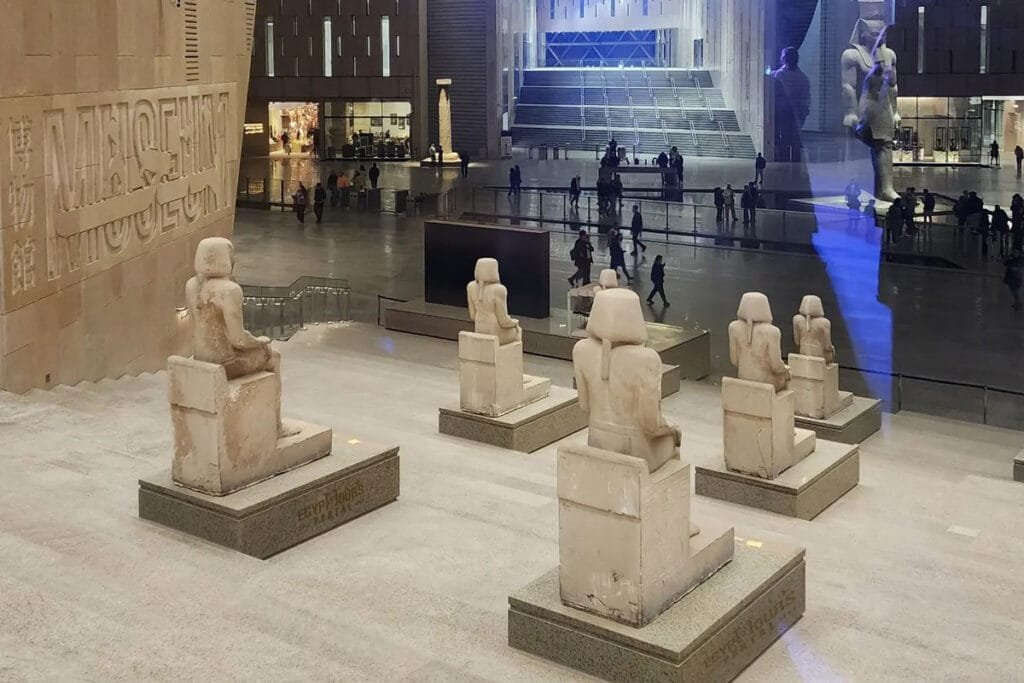
The Egyptian Museum faces a range of challenges that reflect both its historical significance and the demands of the modern world. As one of the oldest and most important museums dedicated to ancient Egyptian civilization, it must balance the preservation of its vast collection with the need to adapt to contemporary standards of display, conservation, and visitor experience. Over time, the sheer number of artifacts has created issues related to space and organization, making it difficult to present the collection in a way that fully reflects its historical depth and diversity. One of the most significant developments in recent years has been the emergence of new museum projects, particularly the Grand Egyptian Museum, which aims to provide a modern, state-of-the-art environment for many of Egypt’s most important artifacts. This development has led to the gradual transfer of certain collections, including some of the treasures of Tutankhamun, to new facilities designed with advanced technology and expanded exhibition space. While this shift presents challenges for the traditional museum, it also creates opportunities to reorganize and reinterpret its remaining collections in a more focused and accessible way. Despite these changes, the Egyptian Museum continues to play a vital role in preserving and presenting Egypt’s cultural heritage. Efforts to improve conservation methods, update displays, and enhance visitor services demonstrate a commitment to maintaining its relevance in a rapidly evolving cultural landscape. The museum’s ability to adapt while preserving its historical character is essential to its future. By embracing modernization without losing its identity, the Egyptian Museum can continue to serve as a bridge between past and present, ensuring that its treasures remain accessible and meaningful for generations to come.
15. The Global Importance of the Egyptian Museum: A Shared Human Heritage
The Egyptian Museum holds a position of global importance, representing not only the history of Egypt but also a significant chapter in the story of human civilization. Located in Cairo, the museum preserves artifacts that span thousands of years, offering insights into the development of art, science, religion, and social organization. These objects are not limited in relevance to one nation; they belong to a shared human heritage that continues to influence cultures and societies around the world. The artifacts within the museum provide evidence of some of the earliest achievements in human history, including advancements in writing, engineering, medicine, and governance. By studying these objects, scholars gain a deeper understanding of how ancient Egyptian civilization contributed to the broader development of human knowledge. Visitors from different countries are able to connect with this history, recognizing both the uniqueness of Egyptian culture and its universal significance. This ability to inspire understanding across cultural boundaries makes the museum an important space for global education and cultural exchange. In addition to its educational role, the museum also symbolizes the importance of preserving cultural heritage in a rapidly changing world. It highlights the responsibility shared by all nations to protect and respect the legacy of the past. Through international cooperation, research, and conservation efforts, the Egyptian Museum continues to contribute to the global dialogue about history and identity. Its collections serve as a reminder that the achievements of ancient civilizations are part of a collective human story, one that transcends borders and continues to shape our understanding of the present and the future.

16. Conservation and Preservation: Safeguarding Ancient Treasures
The Egyptian Museum plays a vital role in the conservation and preservation of ancient artifacts, ensuring that the legacy of one of the world’s oldest civilizations remains intact for future generations. Located in Cairo, the museum is responsible for protecting thousands of objects that vary in material, age, and condition. These artifacts, ranging from delicate papyrus scrolls to massive stone statues, require specialized care and continuous monitoring to prevent deterioration caused by environmental and human factors. Conservation efforts within the museum involve a combination of traditional techniques and modern scientific methods. Specialists carefully control environmental conditions such as temperature, humidity, and light exposure, as these elements can significantly impact the longevity of organic and inorganic materials. Advanced technologies, including imaging systems and chemical analysis, are used to study the internal structure and composition of artifacts without causing damage. These methods allow conservators to identify potential risks and apply appropriate treatments that stabilize and protect each object. The preservation of artifacts is not only a technical process but also a cultural responsibility. By maintaining the integrity of these objects, the museum ensures that they continue to serve as valuable sources of knowledge and inspiration. Conservation work often takes place behind the scenes, yet it is essential to the museum’s mission. Through careful planning, ongoing research, and international collaboration, the Egyptian Museum continues to safeguard its collections. These efforts ensure that future generations will have the opportunity to experience and learn from the remarkable achievements of ancient Egypt, preserving a legacy that belongs to all of humanity.
17. The Egyptian Museum in the Digital Age: Technology and Innovation
The Egyptian Museum is gradually embracing the opportunities of the digital age, integrating technology and innovation into its traditional role as a guardian of ancient history. Located in Cairo, the museum faces the challenge of maintaining its historical character while adapting to modern expectations for accessibility, interaction, and global engagement. Digital tools are becoming increasingly important in enhancing how visitors experience the museum, as well as how researchers study its vast collections. One of the most significant developments is the use of digital documentation and archiving. High-resolution imaging, 3D scanning, and database systems allow artifacts to be recorded in precise detail, creating digital records that can be accessed by scholars around the world. These technologies not only support research but also serve as a form of preservation, ensuring that detailed information about each object is محفوظ even if the physical artifact faces deterioration over time. Virtual exhibitions and online platforms further extend the museum’s reach, allowing people who cannot visit in person to explore its collections remotely. Technology also enhances the visitor experience within the museum itself. Interactive displays, digital guides, and multimedia presentations provide additional layers of information, making the exhibits more engaging and accessible to a diverse audience. These innovations help bridge the gap between ancient history and modern understanding, allowing visitors to connect with the past in new and meaningful ways. By incorporating digital tools while preserving its traditional identity, the Egyptian Museum demonstrates how cultural institutions can evolve in response to changing times, ensuring that history remains relevant and accessible in an increasingly digital world.

18. The Timeless Significance of the Egyptian Museum: A Living Connection to the Past
The Egyptian Museum remains one of the most powerful cultural institutions in the world, offering a timeless connection between modern society and the ancient civilization of Egypt. Located in the vibrant center of Cairo, the museum stands as a guardian of history, preserving thousands of artifacts that tell the story of human achievement, belief, and creativity across millennia. Its significance goes beyond the objects it houses; it represents a living bridge that allows people to engage directly with the past in a meaningful and lasting way. What makes the museum truly remarkable is its ability to transform static objects into dynamic narratives. Each artifact, whether a statue, a piece of jewelry, or a fragment of papyrus, carries within it a story that reflects the values, knowledge, and daily life of ancient Egyptians. As visitors move through the galleries, they are not simply observing objects; they are participating in a journey through time that reveals the complexity and depth of one of the world’s earliest civilizations. This immersive experience fosters a deeper appreciation for history and encourages a sense of curiosity that extends beyond the museum walls. Ultimately, the Egyptian Museum stands as a testament to the enduring importance of preserving cultural heritage. In a rapidly changing world, it reminds us of the value of understanding our past in order to better navigate the present and future. Through its collections, educational role, and ongoing efforts in conservation and innovation, the museum continues to inspire millions of people around the globe. It is not only a place of learning but also a symbol of continuity, showing that the achievements of ancient civilizations remain relevant and meaningful in today’s world.