

- Excursions in Egypt
- Egypt Tour Packages
- Cairo Tours and Excursions
- Hurghada Tours and Excursions
- Soma Bay Tours and Excursions
- Makadi Bay Tours and Excursions
- Sahl Hasheesh Tours and Excursions
- El Gouna Tours and Excursions
- Marsa Alam Tours and Excursions
- Port Ghalib Tours and Excursions
- El Quseir Tours and Excursions
- Dendera and Abydos Day Tours
- Aswan Tours and Excursions
- Luxor Tours and Excursions
- Sharm El Sheikh Tours and Excursions
- Top Rated Egypt Tours in 2026
- Optional Excursions in Egypt
- Private Transfer
- Blogs About egypt
- Ancient Egypt
- Historical Sites in Egypt
- Cairo
- Alexandria
- Luxor
- Aswan
- The Red Sea
- Dendera Temple
- El Fayoum Oasis
- Bahariya Oasis
- Siwa Oasis
- Al Alamein
- Marsa Matruh
- Why Egypt Is One of the Safest Countries to Visit in the Middle East
- What You Need To know Before Your First Trip To Egypt
- Egypt Travel Costs in 2026 Full Budget Guide
- Top 10 Tourist Activities in Egypt
- Top 50 Activities You Can’t Miss in Egypt in 2026
- The Guide to Guided Tours in Egypt
- Egypt’s Ancient and Modern History
- The Nile River
- The Deserts of Egypt
- Ancient Egyptian gods
- famous Egyptian dishes
- UNESCO World Heritage sites
- About Us
- Egypt Hotels and Resorts
- Excursions in Egypt
- Egypt Tour Packages
- Cairo Tours and Excursions
- Hurghada Tours and Excursions
- Soma Bay Tours and Excursions
- Makadi Bay Tours and Excursions
- Sahl Hasheesh Tours and Excursions
- El Gouna Tours and Excursions
- Marsa Alam Tours and Excursions
- Port Ghalib Tours and Excursions
- El Quseir Tours and Excursions
- Dendera and Abydos Day Tours
- Aswan Tours and Excursions
- Luxor Tours and Excursions
- Sharm El Sheikh Tours and Excursions
- Top Rated Egypt Tours in 2026
- Optional Excursions in Egypt
- Private Transfer
- Blogs About egypt
- Ancient Egypt
- Historical Sites in Egypt
- Cairo
- Alexandria
- Luxor
- Aswan
- The Red Sea
- Dendera Temple
- El Fayoum Oasis
- Bahariya Oasis
- Siwa Oasis
- Al Alamein
- Marsa Matruh
- Why Egypt Is One of the Safest Countries to Visit in the Middle East
- What You Need To know Before Your First Trip To Egypt
- Egypt Travel Costs in 2026 Full Budget Guide
- Top 10 Tourist Activities in Egypt
- Top 50 Activities You Can’t Miss in Egypt in 2026
- The Guide to Guided Tours in Egypt
- Egypt’s Ancient and Modern History
- The Nile River
- The Deserts of Egypt
- Ancient Egyptian gods
- famous Egyptian dishes
- UNESCO World Heritage sites
- About Us
- Egypt Hotels and Resorts
Welcome to
Cairo: The Eternal City of a Thousand Stories
If Egypt is the heart of ancient civilization, then Cairo is its beating soul—a city where past and present exist side by side in a dynamic and ever-evolving rhythm. Stretching along the banks of the legendary Nile River, Cairo is not just the capital of Egypt; it is one of the largest and most historically rich cities in the world. With a history that spans over a thousand years, it has witnessed the rise and fall of empires, the transformation of cultures, and the continuous flow of life that defines the Egyptian identity.
Founded in the 10th century by the Fatimid Caliphate, Cairo quickly grew into a center of power, knowledge, and culture in the Islamic world. Its streets, mosques, and markets reflect centuries of architectural brilliance and spiritual significance, from the grandeur of Islamic monuments to the vibrant energy of traditional bazaars. Yet beyond its medieval heritage, Cairo is also deeply connected to ancient Egypt, serving as the gateway to iconic sites such as the Giza Pyramids and the treasures of the Egyptian Museum.
Today, Cairo is a city of contrasts and movement—a place where historic minarets rise above modern buildings, where the call to prayer blends with the sounds of traffic, and where tradition meets innovation at every corner. It is a city that never truly sleeps, filled with life, color, and complexity. To explore Cairo is not simply to visit a destination, but to step into a living story—one that continues to unfold with every passing moment, shaped by its people, its history, and its enduring spirit.
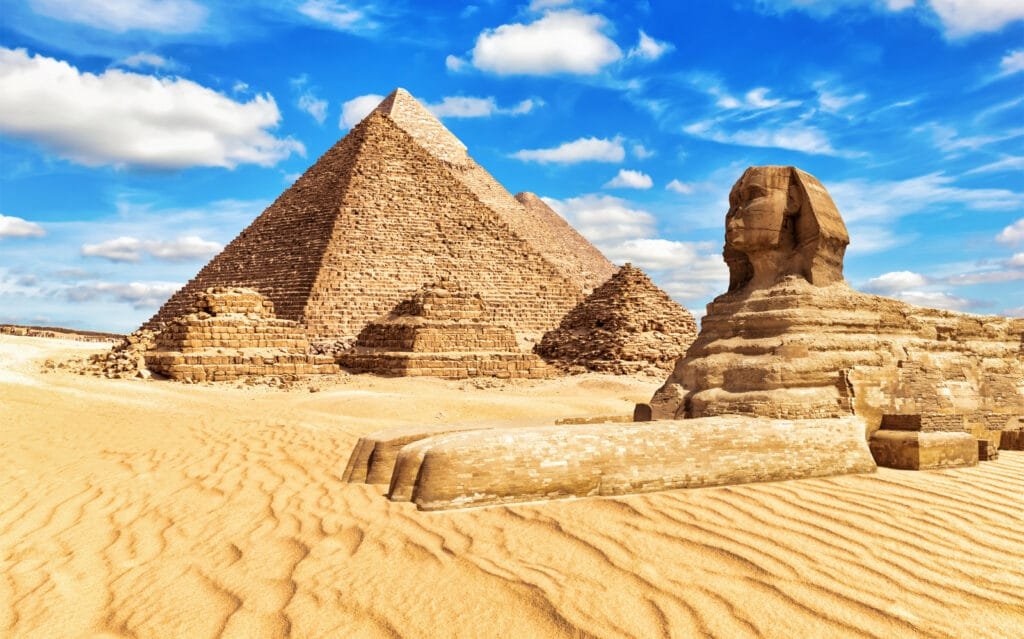
1. The Origins of Cairo: From Ancient Roots to a Thriving Capital
The story of Cairo is a rich and layered narrative that begins long before the city itself was officially founded. While Cairo as a formal capital emerged in the 10th century under the Fatimid Caliphate, the land on which it stands has been a center of human activity for thousands of years. Its proximity to the Nile River made it an ideal location for settlement, trade, and communication, linking Upper and Lower Egypt in a continuous flow of culture and movement. Before the rise of Cairo, earlier settlements such as Fustat served as important administrative and commercial centers. These early cities laid the foundation for what would eventually become one of the most influential urban centers in the Islamic world. When the Fatimids established Cairo as their capital, they envisioned a city of power, knowledge, and religious significance. They built grand mosques, palaces, and walls, transforming the area into a thriving hub of political and cultural life. Over the centuries, Cairo continued to expand and evolve, absorbing influences from various dynasties and civilizations. From the Ayyubids to the Mamluks and the Ottomans, each era left its mark on the city’s architecture, culture, and identity. This continuous growth turned Cairo into a living archive of history, where different periods coexist within the same urban landscape. Today, Cairo stands as a testament to this long and complex journey, a city shaped by centuries of transformation, yet still deeply connected to its ancient roots.
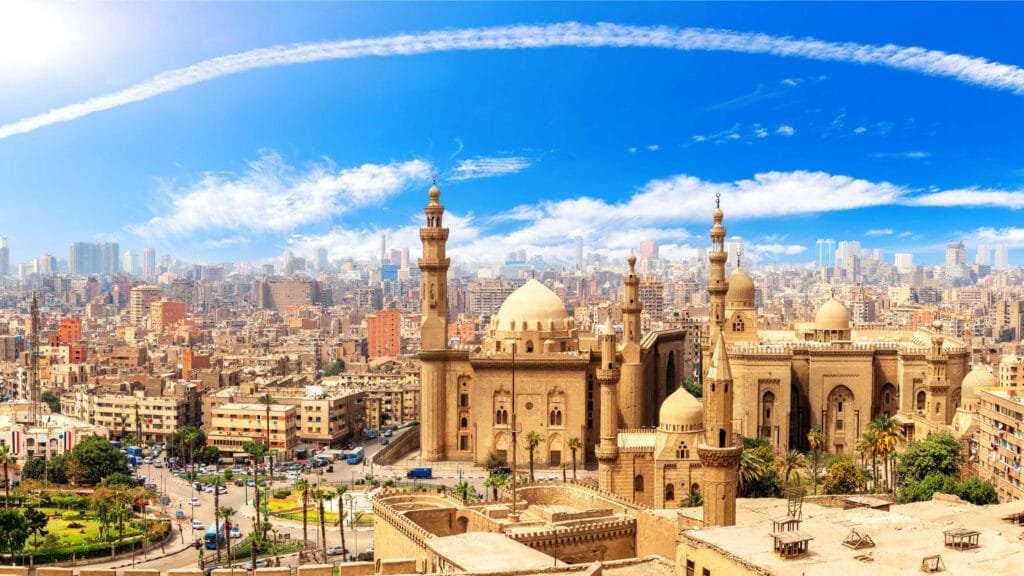
2. Islamic Cairo: A City of Minarets and Timeless Heritage
The historic heart of Cairo is best experienced through what is often called Islamic Cairo, a vast and densely layered district that reflects centuries of architectural brilliance, religious devotion, and urban life. Developed primarily between the 10th and 16th centuries, this area became one of the most important cultural and intellectual centers in the Islamic world. Its skyline, filled with countless minarets, earned Cairo the nickname “The City of a Thousand Minarets,” a title that continues to capture its spiritual and visual identity. At the center of this historic landscape stands the magnificent Al-Azhar Mosque, one of the oldest and most influential institutions of Islamic learning in the world. Founded during the Fatimid era, it has served for over a millennium as a center of scholarship, attracting students and scholars from across the globe. Surrounding it are narrow streets, traditional markets, and historic buildings that create a living environment where history is not preserved behind glass, but actively experienced in daily life. The architecture of Islamic Cairo reflects a wide range of influences, from the grandeur of Mamluk mosques and madrasas to the defensive structures of city gates and walls. Ornate carvings, geometric patterns, and intricate calligraphy decorate many of these buildings, showcasing a deep connection between art and spirituality. Walking through these streets offers more than a visual experience—it provides a sense of continuity, where centuries-old traditions still shape the rhythm of modern life. In this way, Islamic Cairo is not just a historical district, but a living testament to the enduring cultural and spiritual legacy of the city.
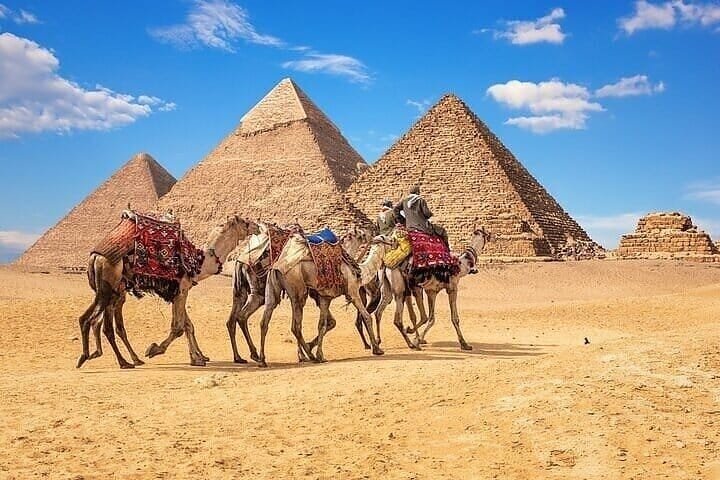
3. Cairo and Ancient Egypt: The Gateway to Timeless Wonders
Although Cairo is often associated with its Islamic and modern identity, it also serves as the primary gateway to the ancient world of pharaonic Egypt. Just beyond the city’s western edge lies one of the most iconic archaeological landscapes on Earth—the Giza Pyramids. These monumental structures, built over 4,500 years ago, stand as enduring symbols of human achievement, drawing millions of visitors each year and connecting Cairo directly to one of the greatest civilizations in history. Within the city itself, this ancient heritage is preserved and celebrated in institutions such as the Egyptian Museum, which houses an extraordinary collection of artifacts spanning thousands of years. From statues and mummies to intricate jewelry and everyday objects, these collections provide a comprehensive view of ancient Egyptian life, belief, and artistry. The museum transforms Cairo into a living extension of ancient history, where the past is not distant but continuously present and accessible. This unique position allows Cairo to function as a bridge between eras. Visitors can explore Islamic monuments, modern neighborhoods, and ancient wonders all within a single journey, experiencing the full spectrum of Egypt’s cultural evolution. The city’s connection to ancient Egypt is not merely geographical—it is deeply embedded in its identity. Cairo stands as a meeting point of civilizations, where the legacy of the pharaohs continues to influence the cultural and historical narrative of the present day.
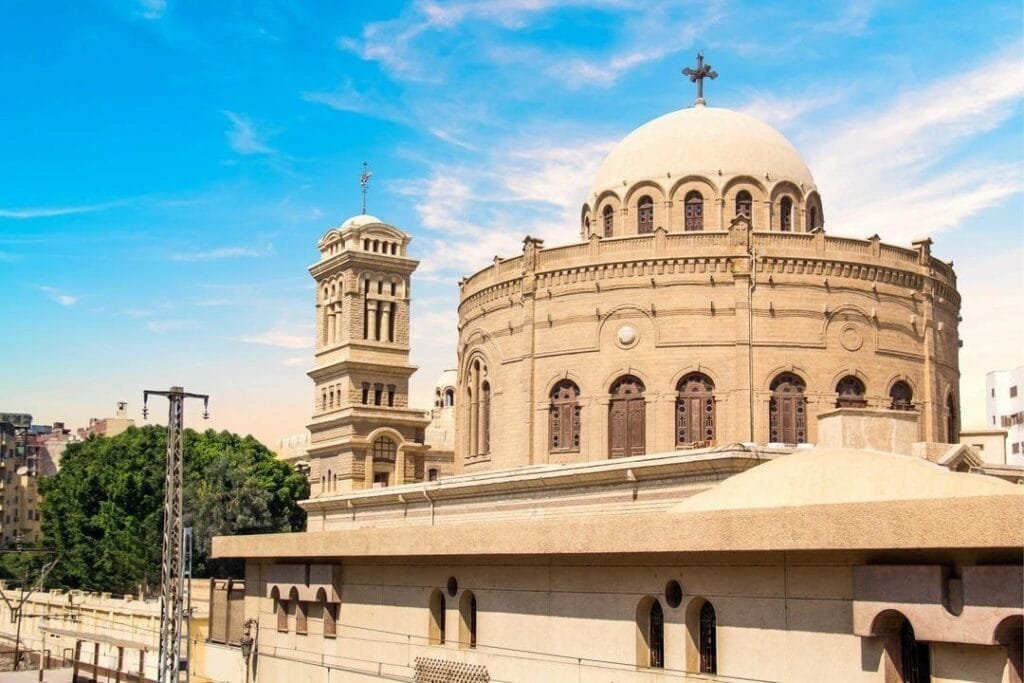
4. Modern Cairo: A City of Energy, Growth, and Contrast
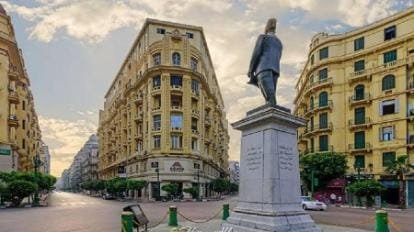
Modern Cairo is a vibrant and ever-expanding metropolis that reflects the dynamic spirit of contemporary Egypt. While its historical districts preserve centuries of heritage, the modern city pulses with energy, movement, and constant development. Skyscrapers rise alongside older buildings, highways cut through densely populated neighborhoods, and new urban projects continue to reshape the city’s skyline. This coexistence of old and new creates a unique urban identity defined by contrast and continuity. At the heart of this modern landscape lies a fast-paced rhythm driven by millions of residents who navigate the city daily. Traffic, commerce, and social life merge into a continuous flow that rarely slows down. The Nile River remains central to this experience, with its banks lined by hotels, restaurants, and cultural venues that bring life to the city both day and night. The river acts as a natural anchor in a rapidly changing environment, connecting modern Cairo to its historical roots. Modern Cairo is also a center of economic and cultural activity, hosting universities, media institutions, and business districts that influence not only Egypt but the wider region. Shopping malls, cafés, and entertainment venues offer a glimpse into contemporary lifestyles, while traditional markets continue to thrive alongside them. This blend of innovation and tradition makes Cairo a city that is constantly evolving, yet deeply grounded in its past. It is a place where change is visible at every corner, reflecting the ambitions, challenges, and resilience of a society moving forward while carrying the weight of its rich history.
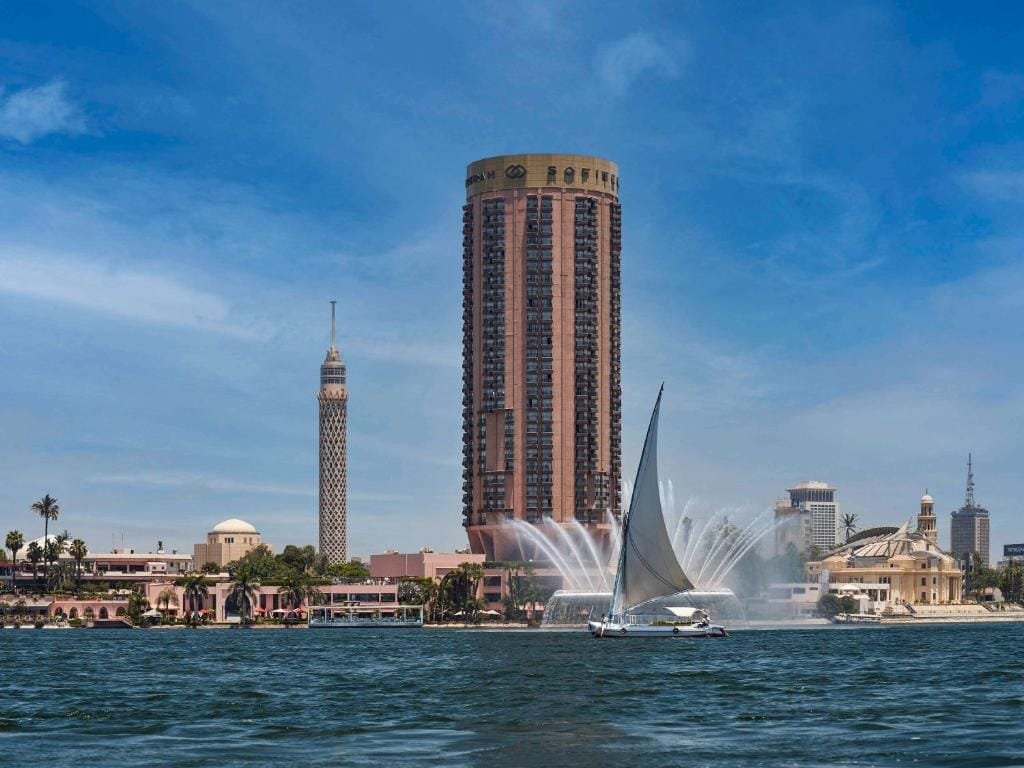
5. The Nile in Cairo: Lifeline of the City
The presence of the Nile River is fundamental to understanding the identity and daily life of Cairo. Flowing steadily through the heart of the city, the Nile is far more than a natural feature—it is the lifeline that has sustained human civilization in this region for thousands of years. From the earliest settlements to the modern metropolis, the river has shaped Cairo’s growth, economy, and cultural character in profound and lasting ways. Historically, the Nile provided water for agriculture, transportation for trade, and a natural route that connected different parts of Egypt. Even today, its importance remains central. The river continues to supply water to millions of people, while also serving as a focal point for social and recreational life. Along its banks, one can find a mix of traditional feluccas, modern boats, luxury hotels, and public spaces where residents and visitors gather to enjoy the view and the breeze. This interaction between people and the river creates a vibrant atmosphere that is uniquely Cairene. Beyond its practical significance, the Nile also holds deep symbolic meaning. It represents continuity, life, and stability in a city that is constantly changing. The reflection of Cairo’s lights on its surface at night, the movement of boats across its waters, and the calm presence it offers amidst urban intensity all contribute to its enduring appeal. In many ways, the Nile serves as a bridge between Cairo’s past and present, reminding everyone who encounters it that the story of the city is inseparable from the flow of this ancient and powerful river.
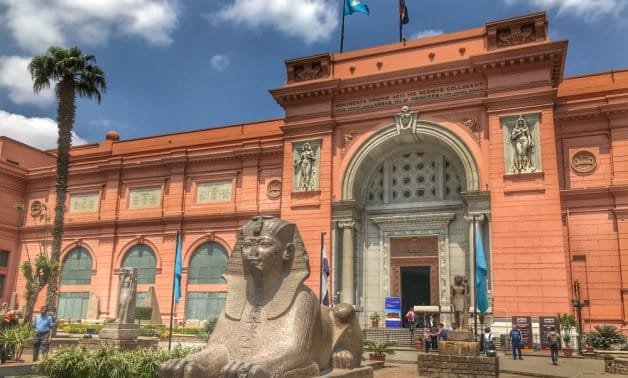
6. Culture and Daily Life: The Rhythm of Cairo
Life in Cairo is defined by a vibrant and ever-moving rhythm that reflects the diversity and energy of its people. As one of the largest cities in the Middle East and Africa, Cairo is home to millions who contribute to a dynamic cultural landscape shaped by history, tradition, and modern influences. From the early morning bustle of street vendors to the late-night gatherings in cafés, the city never truly sleeps, offering a continuous flow of activity and interaction. Daily life in Cairo unfolds across a variety of settings, from crowded markets and narrow alleyways to wide boulevards and modern commercial centers. Traditional souks remain an essential part of the city’s identity, where merchants sell spices, textiles, and handcrafted goods in an atmosphere filled with color and sound. At the same time, contemporary lifestyles are visible in shopping malls, restaurants, and entertainment venues that cater to a younger, globally connected population. This coexistence of old and new creates a unique cultural blend that defines the Cairo experience. Social life plays a central role in shaping the character of the city. Family gatherings, friendships, and community interactions are deeply valued, often taking place in public spaces or along the banks of the Nile River. Food, music, and conversation bring people together, reflecting a culture that emphasizes connection and shared experience. This human dimension gives Cairo its true identity, making it not just a city of monuments and history, but a living environment where tradition and modernity continue to evolve side by side.

7. Markets and Bazaars: The Soul of Commerce in Cairo
The markets of Cairo are among the most vibrant and authentic expressions of the city’s character, offering a sensory experience that blends history, culture, and daily life. These bustling spaces are far more than places of trade; they are social and cultural hubs where traditions have been preserved for centuries. Walking through Cairo’s markets is like stepping into a living tapestry of sounds, colors, and human interaction that reflects the enduring spirit of the city. One of the most iconic examples is Khan el-Khalili, a historic bazaar that dates back to the 14th century. Its narrow alleys are lined with shops selling everything from handcrafted jewelry and intricate lanterns to spices, perfumes, and traditional textiles. The atmosphere is alive with negotiation, conversation, and the rhythmic movement of people exploring its hidden corners. This market, like many others in Cairo, serves as a bridge between past and present, where ancient trading traditions continue to thrive in a modern context. Beyond their economic function, these markets play an essential role in shaping Cairo’s identity. They are places where locals gather, where stories are exchanged, and where visitors can experience the city in its most authentic form. The energy of the markets reflects the resilience and adaptability of Cairo’s people, who have maintained these traditions despite the rapid changes of modern urban life. In this way, Cairo’s bazaars are not just centers of commerce—they are the beating heart of the city, capturing its essence in every interaction and exchange.

8. Cuisine of Cairo: A Taste of Tradition and Diversity
The culinary scene of Cairo is a rich reflection of the city’s history, diversity, and vibrant daily life. Food in Cairo is not just about nourishment—it is a cultural experience that brings people together and tells the story of generations. From simple street meals to elaborate traditional dishes, the flavors of Cairo reveal a blend of influences shaped by geography, trade, and centuries of cultural exchange along the Nile River. Street food plays a central role in the city’s identity, offering quick, affordable, and deeply authentic meals that are enjoyed by locals from all walks of life. Dishes such as koshari, a hearty mix of rice, lentils, pasta, and tomato sauce, represent the creativity and practicality of Egyptian cuisine. Another staple is ful medames, made from slow-cooked fava beans and often eaten for breakfast. These meals are simple yet flavorful, reflecting the resourcefulness of a culture that has adapted to its environment over time. Beyond street food, Cairo also offers a wide range of dining experiences, from traditional family-run restaurants to modern establishments that blend local and international flavors. Meals are often shared, emphasizing hospitality and community, which are central values in Egyptian culture. Sitting down to eat in Cairo is as much about conversation and connection as it is about the food itself. This culinary richness adds another layer to the city’s identity, making it a place where history and culture can be tasted as well as seen, creating a memorable experience for anyone who visits.
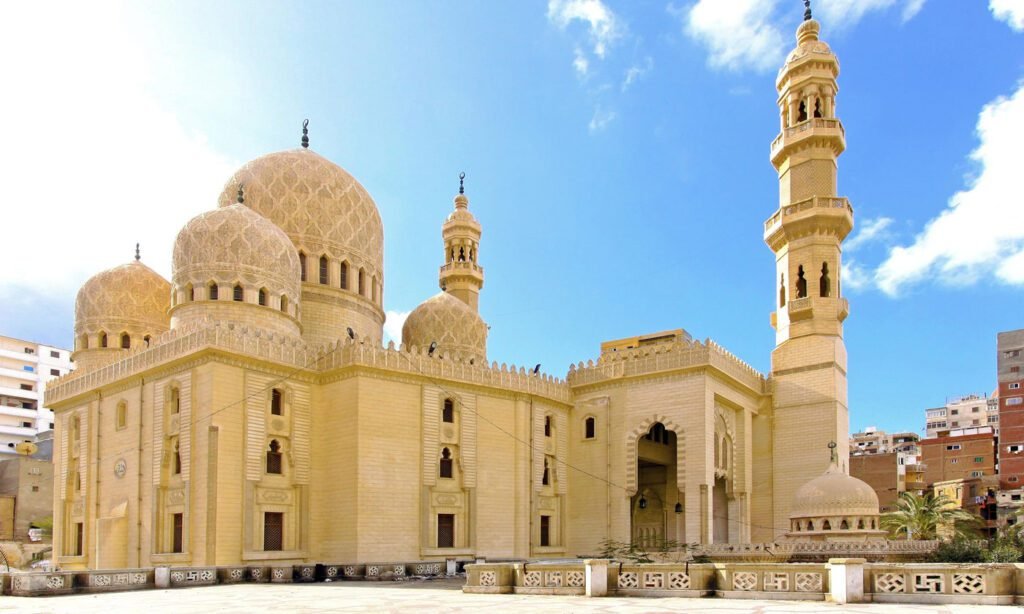
9. Art and Creativity: The Cultural Pulse of Cairo
The artistic and creative spirit of Cairo is one of the most dynamic aspects of the city’s identity, reflecting both its deep historical roots and its modern cultural evolution. Cairo has long been a center for artistic expression in the Arab world, where literature, music, cinema, and visual arts have flourished for generations. This creative energy is not confined to galleries or theaters; it is woven into the everyday life of the city, visible in its streets, architecture, and social interactions. Throughout its history, Cairo has inspired some of the most influential artists and writers in the region, many of whom have drawn upon the city’s complexity and contrasts as a source of creativity. From traditional crafts and calligraphy to contemporary art installations and street murals, the city offers a wide spectrum of artistic forms. Cultural institutions, theaters, and independent art spaces provide platforms for both established and emerging artists, ensuring that creativity continues to evolve alongside the city itself. Music and film also play a significant role in shaping Cairo’s cultural identity. The city has been at the heart of the Arab film industry for decades, producing works that have reached audiences across the Middle East and beyond. At the same time, local music scenes continue to develop, blending traditional sounds with modern influences. This constant exchange between past and present gives Cairo a unique cultural pulse, where artistic expression serves as both a reflection of society and a force that shapes it.
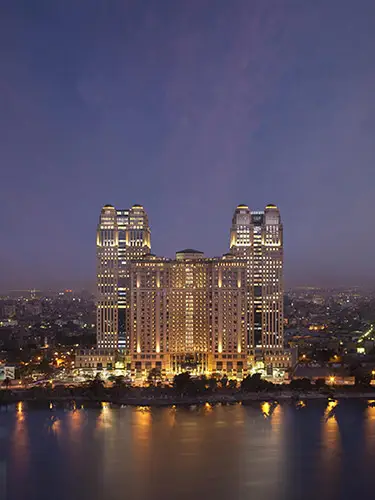
10. Nightlife in Cairo: A City That Never Sleeps
As the sun sets over Cairo, the city transforms into a vibrant and dynamic landscape where life continues with renewed energy. Cairo is often described as a city that never truly sleeps, and this becomes especially evident at night, when its streets, cafés, and cultural spaces come alive with activity. The transition from day to night does not slow the rhythm of the city; instead, it reveals a different side of its character, one that is equally rich and engaging. The banks of the Nile River become a focal point of nightlife, where people gather to enjoy the cooler evening air and the shimmering reflections of city lights on the water. Restaurants and floating boats offer dining experiences accompanied by music and scenic views, creating an atmosphere that combines relaxation with entertainment. Traditional cafés remain open late into the night, filled with conversations, laughter, and the aroma of coffee and shisha, reflecting the social nature of Egyptian culture. Beyond these spaces, Cairo’s nightlife also includes theaters, cultural performances, and modern entertainment venues that cater to a wide range of interests. Whether attending a live music show, enjoying a quiet evening by the Nile, or exploring the illuminated streets of historic districts, visitors can experience a side of Cairo that feels both lively and intimate. This nocturnal energy adds another layer to the city’s identity, highlighting its ability to adapt and thrive at all hours. In Cairo, the night is not an end to the day, but a continuation of the city’s endless story.
11. Education and Knowledge: Cairo as a Center of Learning
The role of Cairo as a center of education and intellectual life has been a defining aspect of its identity for centuries. From its early days under the Fatimid Caliphate to its position as a modern academic hub, Cairo has consistently attracted scholars, students, and thinkers from across the region and beyond. This tradition of learning has shaped the city’s cultural and social landscape, making it one of the most influential centers of knowledge in the Middle East and Africa. At the heart of this legacy stands Al-Azhar Mosque, which has functioned for over a thousand years as both a place of worship and a renowned institution of Islamic scholarship. It has played a crucial role in preserving religious teachings, developing intellectual discourse, and educating generations of students from diverse backgrounds. Its influence extends far beyond Cairo, contributing to global conversations on theology, law, and culture. In modern times, Cairo continues to expand its educational landscape through universities, research centers, and cultural institutions that cover a wide range of academic disciplines. These institutions support scientific research, technological innovation, and artistic development, reflecting the city’s commitment to progress and knowledge. Students from different parts of Egypt and the world come to Cairo in search of opportunity and education, adding to its diverse and dynamic environment. This ongoing dedication to learning ensures that Cairo remains not only a city of history and culture, but also a place where ideas are created, shared, and developed for the future.
12. Architecture of Cairo: Layers of Time in Stone and Steel
The architecture of Cairo is a visual narrative that tells the story of the city’s long and complex history. Walking through Cairo is like moving across different eras, where each neighborhood reveals a new chapter shaped by changing dynasties, cultural influences, and modern development. From ancient foundations to contemporary skyscrapers, the city’s built environment reflects a continuous dialogue between past and present. Historic districts showcase some of the finest examples of Islamic architecture, with mosques, madrasas, and palaces displaying intricate details such as geometric patterns, carved stone, and elegant domes. Structures like Al-Azhar Mosque stand as enduring symbols of spiritual and architectural achievement, representing centuries of artistic and cultural refinement. These buildings are not isolated monuments but part of a living urban fabric where history remains deeply integrated into daily life. In contrast, modern Cairo introduces a different architectural language defined by glass towers, residential complexes, and expanding infrastructure. Bridges cross the Nile River, connecting different parts of the city and supporting its rapid growth. This blend of old and new creates a unique skyline where minarets rise alongside high-rise buildings, illustrating the city’s ability to evolve while preserving its heritage. The architecture of Cairo is therefore more than a collection of structures—it is a reflection of identity, resilience, and transformation, capturing the essence of a city that continues to grow while carrying the weight of its extraordinary past.
13. Transportation in Cairo: Movement in a City of Millions
Transportation in Cairo is a defining element of daily life, reflecting both the challenges and the resilience of a city that is home to millions of people. As one of the largest urban centers in the region, Cairo experiences constant movement, where roads, railways, and waterways all play a role in connecting its diverse neighborhoods. The flow of traffic is often intense, creating a fast-paced environment that requires adaptability and patience from those who navigate it every day. One of the most important components of the city’s transportation system is the Cairo Metro, which provides a reliable and efficient way for residents to travel across long distances. The metro helps reduce congestion on the roads and serves as a vital link between key areas of the city. In addition to the metro, buses, taxis, and ride-sharing services offer alternative options, each contributing to the complex network that keeps Cairo moving. Despite challenges such as heavy traffic and crowded streets, these systems ensure that millions of people can reach their destinations daily. The Nile River also plays a subtle yet meaningful role in transportation, with boats and ferries offering a different perspective on travel within the city. Crossing the river provides not only a practical route but also a visual experience that connects travelers with Cairo’s landscape. Altogether, transportation in Cairo is more than a functional necessity—it is a reflection of the city’s energy, growth, and determination. It reveals how a vast and complex urban environment continues to adapt and function, driven by the movement of its people and the rhythm of everyday life.
14. Festivals and Celebrations: The Spirit of Joy in Cairo
Festivals and celebrations in Cairo reveal a vibrant and deeply rooted cultural spirit that brings people together across all walks of life. Throughout the year, the city becomes a stage for a wide range of religious, cultural, and national events that reflect both its historical traditions and its modern identity. These celebrations are not only moments of joy but also expressions of community, faith, and shared heritage that define the social fabric of Cairo. One of the most significant periods of celebration is the holy month of Ramadan, when the rhythm of the city shifts dramatically. Streets are decorated with colorful lanterns, known as fanous, and evenings come alive with gatherings, meals, and social interaction after the daily fast is broken. Families and friends come together to share food and conversation, creating a warm and inclusive atmosphere that extends throughout the city. Public spaces, cafés, and markets remain active late into the night, reflecting a unique blend of spirituality and celebration. In addition to religious observances, Cairo also hosts cultural festivals, music events, and national celebrations that highlight its artistic diversity and historical pride. These occasions bring together performers, artists, and audiences in a shared experience that celebrates creativity and identity. Whether through traditional music, modern performances, or public festivities, these events showcase the dynamic energy of Cairo. They demonstrate how the city continues to honor its traditions while embracing new forms of expression, creating a cultural environment that is both rich in history and alive with contemporary vitality.

15. The People of Cairo: The Heart and Soul of the City
The true essence of Cairo lies not only in its monuments, streets, or history, but in its people—the millions of individuals whose daily lives shape the city’s identity and give it its unmistakable character. Cairo is a city of diversity, where different backgrounds, traditions, and experiences come together to form a vibrant and dynamic society. From long-established families to newcomers seeking opportunity, the population reflects a wide spectrum of perspectives that contribute to the richness of urban life. One of the most defining characteristics of Cairo’s people is their strong sense of community and social connection. Relationships with family, friends, and neighbors play a central role in daily life, creating a network of support and interaction that is visible throughout the city. Whether in crowded markets, residential neighborhoods, or along the banks of the Nile River, social life is active and engaging. Conversations, shared meals, and spontaneous gatherings are common, reflecting a culture that values human connection and hospitality. At the same time, the people of Cairo demonstrate remarkable resilience and adaptability in the face of challenges. Living in a large and fast-paced city requires patience, creativity, and determination, qualities that are evident in how individuals navigate their daily routines. This resilience is balanced by a sense of humor and warmth that defines the social atmosphere of the city. Visitors often find that interactions with locals become one of the most memorable aspects of their experience. In the end, it is the people of Cairo who bring the city to life, turning it from a historical destination into a living, breathing environment filled with energy, emotion, and humanity.

16. Cairo as a Cultural Capital: Influence Beyond Borders
The influence of Cairo extends far beyond the boundaries of Egypt, establishing it as one of the most important cultural capitals in the Arab world and across Africa. For decades, Cairo has played a leading role in shaping regional identity through its contributions to literature, cinema, music, and media. Its creative output has reached audiences across continents, making it a center of cultural production and intellectual exchange that continues to evolve with time. One of the most notable aspects of Cairo’s cultural influence is its role in the development of the Arab film industry. Often referred to as the “Hollywood of the Middle East,” the city has produced countless films that have shaped popular culture and social narratives throughout the region. In addition, Cairo has been home to influential writers, poets, and thinkers whose works have explored themes of identity, society, and change. These contributions have helped define modern Arabic literature and continue to inspire new generations of artists and scholars. The city’s cultural reach is also supported by its institutions, theaters, publishing houses, and media organizations, which serve as platforms for creativity and expression. Events, festivals, and exhibitions regularly bring together artists from different backgrounds, fostering collaboration and innovation. This dynamic environment ensures that Cairo remains at the forefront of cultural development, balancing tradition with modernity. As a result, Cairo is not just a city that preserves history—it actively shapes the cultural conversations of the present and the future, reinforcing its status as a powerful and enduring center of influence.
17. Cairo’s Future: Growth, Innovation, and Transformation
The future of Cairo is shaped by a continuous process of growth, innovation, and transformation that reflects both the ambitions and challenges of modern Egypt. As one of the largest and fastest-growing cities in the region, Cairo is undergoing significant changes aimed at improving infrastructure, expanding urban spaces, and enhancing the quality of life for its residents. These developments are part of a broader vision to balance population growth with sustainable planning and economic progress. New urban projects, transportation systems, and residential areas are being developed to reduce congestion and accommodate the city’s expanding population. Investments in roads, bridges, and public transit aim to create a more efficient and connected environment, while technological advancements are being integrated into various aspects of city life. These efforts demonstrate a commitment to modernization, ensuring that Cairo remains competitive and adaptable in a rapidly changing global landscape. At the same time, the future of Cairo must address important challenges, including environmental concerns, resource management, and the preservation of historical heritage. Maintaining the delicate balance between development and conservation is essential to protecting the city’s unique identity. As Cairo continues to evolve, it carries with it a deep historical legacy that must be respected and preserved. This ongoing transformation highlights the resilience and adaptability of the city, showing how it can embrace innovation while remaining rooted in its rich cultural and historical foundations.

18. The Enduring Spirit of Cairo: A City Beyond Time
The enduring spirit of Cairo lies in its remarkable ability to exist beyond the limits of time, where past, present, and future continuously intertwine. Few cities in the world carry such a deep and layered history while still maintaining the energy of a modern, living metropolis. Cairo is not defined by a single era or identity; instead, it is a complex mosaic of civilizations, cultures, and experiences that have accumulated over centuries. This unique combination gives the city a sense of continuity that is both powerful and inspiring. Walking through Cairo is like traveling through different chapters of human history. From ancient connections to the Nile River to the legacy of Islamic architecture and the pulse of modern urban life, every corner of the city tells a story. These stories are not isolated—they interact and overlap, creating a dynamic environment where history is constantly present. This layered identity allows Cairo to preserve its heritage while also adapting to the demands of contemporary life. Ultimately, what makes Cairo truly unforgettable is not just its monuments or its scale, but its spirit. It is a city that embraces change while honoring tradition, a place where challenges are met with resilience and creativity. The people, the culture, and the history all contribute to a living narrative that continues to evolve. Cairo stands as a testament to the enduring strength of human civilization, reminding us that cities are not just built from stone and streets, but from memory, identity, and the shared experiences of those who call them home.
More About Cairo
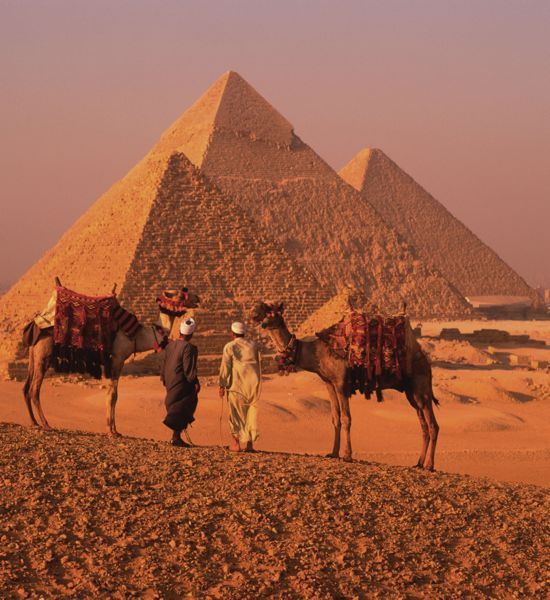
The Great Pyramids of Giza
Great Pyramids of Giza are iconic ancient monuments showcasing Egypt’s engineering genius, featuring massive stone structures, royal tombs, and the timeless legacy of pharaohs.
The Egyptian Museum
Egyptian Museum houses an extraordinary collection of ancient artifacts, including royal treasures, mummies, and priceless relics that reveal Egypt’s rich history.
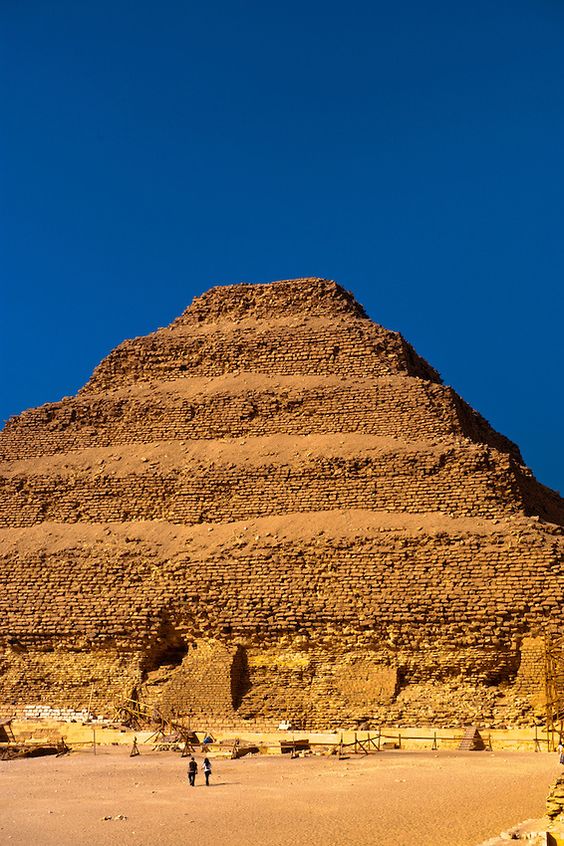
Saqqara
Saqqara is an ancient necropolis featuring the Step Pyramid of Djoser, showcasing early pyramid design and remarkable Old Kingdom tombs.
The Citadel of Saladin
Citadel of Saladin is a historic fortress offering panoramic city views, featuring Islamic architecture, mosques, and centuries of Egyptian military and political history.
Mosque of Muhammad Ali
Mosque of Muhammad Ali is an iconic Ottoman-style mosque within the Citadel, famous for its grand domes, alabaster walls, and stunning city views.
Serapeum tombs
Serapeum of Saqqara is an underground necropolis housing massive stone sarcophagi, dedicated to the sacred Apis bulls of ancient Egypt.
The Bent Pyramid
Bent Pyramid is a unique pyramid built by Sneferu, famous for its unusual change in angle, marking an evolution in pyramid construction.
The Red Pyramid
Red Pyramid is Egypt’s first true smooth-sided pyramid, built by Sneferu, showcasing advanced engineering and the evolution of pyramid construction.
Pyramids in Egypt
Pyramids of Egypt are iconic ancient monuments built as royal tombs, showcasing advanced engineering, massive stone structures, and the enduring legacy of the pharaohs.
Khan El Khalili
Khan El Khalili is a vibrant historic bazaar filled with traditional crafts, spices, jewelry, and lively atmosphere reflecting Cairo’s rich cultural heritage.
National Museum of Egyptian Civilization
National Museum of Egyptian Civilization showcases Egypt’s history from prehistoric times to modern era, featuring royal mummies and immersive cultural exhibitions.
Memphis
Memphis, Egypt is the ancient capital of Egypt, featuring open-air ruins, colossal statues, and rich history from the Old Kingdom.
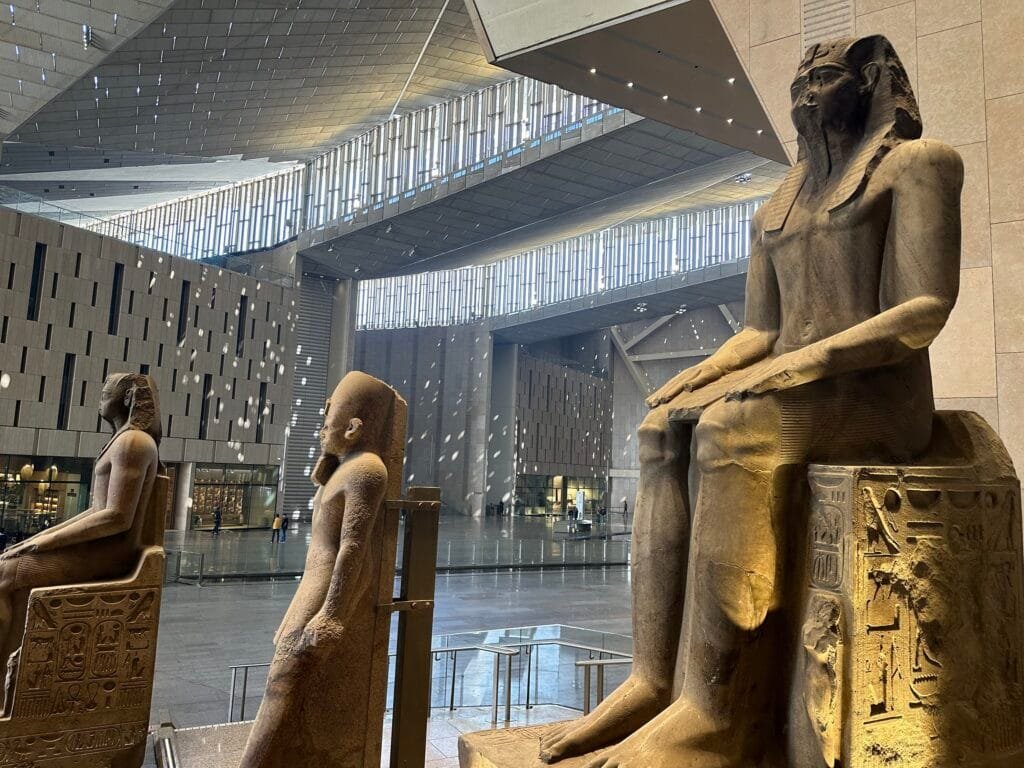
The Grand Egyptian Museum
Grand Egyptian Museum is a world-class cultural landmark displaying thousands of artifacts, including Tutankhamun treasures, offering a modern journey through ancient Egypt’s history.
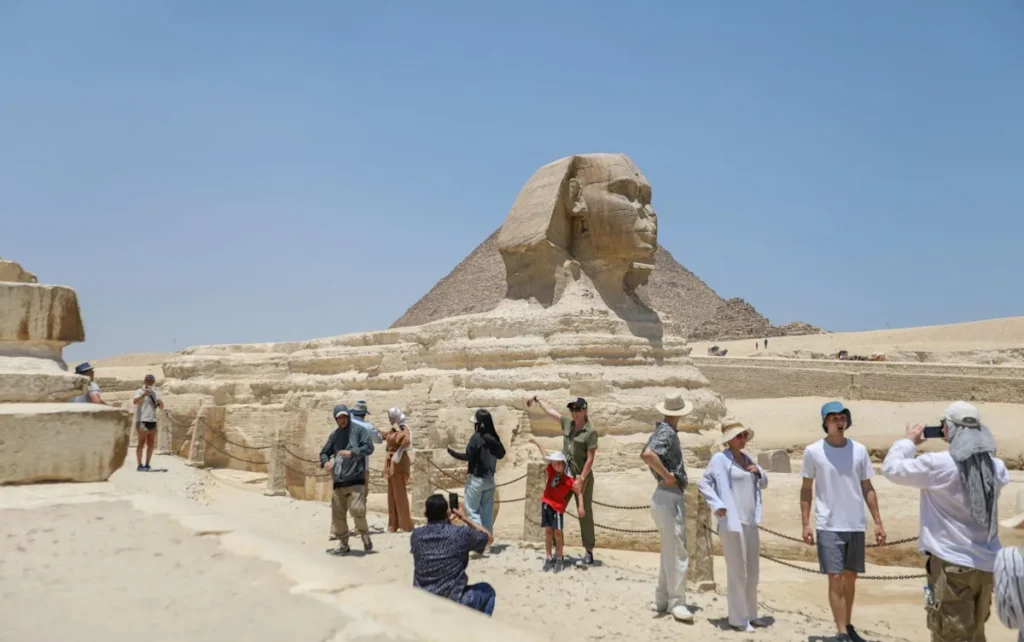
The Great Sphinx of Giza
Great Sphinx of Giza is a colossal limestone statue with a lion’s body and pharaoh’s head, symbolizing strength, wisdom, and ancient Egyptian mystery.
The Solar Boat of Khufu
Khufu Solar Boat Museum displays the reconstructed ancient cedar boat of Pharaoh Khufu, symbolizing his journey with the sun god Ra in the afterlife.
Sultan Hassan Mosque
Sultan Hassan Mosque is a masterpiece of Mamluk architecture, known for its massive scale, towering walls, and intricate Islamic design.
Al-Azhar Mosque
Al-Azhar Mosque is one of the oldest Islamic mosques, renowned for its historic university, elegant architecture, and significant role in Islamic scholarship.
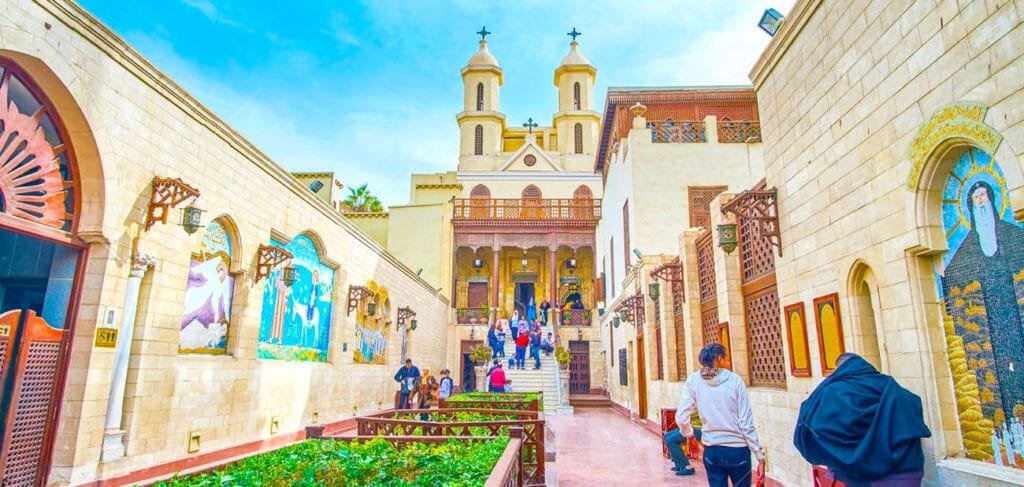
The Hanging Church
The Hanging Church is a historic Coptic church suspended above a Roman gate, famous for its wooden ceiling, icons, and rich Christian heritage.
Ben Ezra Synagogue
Ben Ezra Synagogue is a historic Jewish site in Old Cairo, known for its rich heritage, unique architecture, and the discovery of the famous Geniza manuscripts.
Bab Zuweila
Bab Zuweila is a historic medieval gate of Cairo, famous for its twin minarets, rich Islamic history, and panoramic views of the old city.
Saint Simon the Tanner Church
Saint Simon the Tanner Monastery is a remarkable rock-carved church complex, famous for its vast amphitheater, biblical carvings, and spiritual atmosphere.