- Excursions in Egypt
- Egypt Tour Packages
- Cairo Tours and Excursions
- Hurghada Tours and Excursions
- Soma Bay Tours and Excursions
- Makadi Bay Tours and Excursions
- Sahl Hasheesh Tours and Excursions
- El Gouna Tours and Excursions
- Marsa Alam Tours and Excursions
- Port Ghalib Tours and Excursions
- El Quseir Tours and Excursions
- Dendera and Abydos Day Tours
- Aswan Tours and Excursions
- Luxor Tours and Excursions
- Sharm El Sheikh Tours and Excursions
- Top Rated Egypt Tours in 2026
- Optional Excursions in Egypt
- Private Transfer
- Blogs About egypt
- Ancient Egypt
- Historical Sites in Egypt
- Cairo
- Alexandria
- Luxor
- Aswan
- The Red Sea
- Dendera Temple
- El Fayoum Oasis
- Bahariya Oasis
- Siwa Oasis
- Al Alamein
- Marsa Matruh
- Why Egypt Is One of the Safest Countries to Visit in the Middle East
- What You Need To know Before Your First Trip To Egypt
- Egypt Travel Costs in 2026 Full Budget Guide
- Top 10 Tourist Activities in Egypt
- Top 50 Activities You Can’t Miss in Egypt in 2026
- The Guide to Guided Tours in Egypt
- Egypt’s Ancient and Modern History
- The Nile River
- The Deserts of Egypt
- Ancient Egyptian gods
- famous Egyptian dishes
- UNESCO World Heritage sites
- About Us
- Egypt Hotels and Resorts
- Excursions in Egypt
- Egypt Tour Packages
- Cairo Tours and Excursions
- Hurghada Tours and Excursions
- Soma Bay Tours and Excursions
- Makadi Bay Tours and Excursions
- Sahl Hasheesh Tours and Excursions
- El Gouna Tours and Excursions
- Marsa Alam Tours and Excursions
- Port Ghalib Tours and Excursions
- El Quseir Tours and Excursions
- Dendera and Abydos Day Tours
- Aswan Tours and Excursions
- Luxor Tours and Excursions
- Sharm El Sheikh Tours and Excursions
- Top Rated Egypt Tours in 2026
- Optional Excursions in Egypt
- Private Transfer
- Blogs About egypt
- Ancient Egypt
- Historical Sites in Egypt
- Cairo
- Alexandria
- Luxor
- Aswan
- The Red Sea
- Dendera Temple
- El Fayoum Oasis
- Bahariya Oasis
- Siwa Oasis
- Al Alamein
- Marsa Matruh
- Why Egypt Is One of the Safest Countries to Visit in the Middle East
- What You Need To know Before Your First Trip To Egypt
- Egypt Travel Costs in 2026 Full Budget Guide
- Top 10 Tourist Activities in Egypt
- Top 50 Activities You Can’t Miss in Egypt in 2026
- The Guide to Guided Tours in Egypt
- Egypt’s Ancient and Modern History
- The Nile River
- The Deserts of Egypt
- Ancient Egyptian gods
- famous Egyptian dishes
- UNESCO World Heritage sites
- About Us
- Egypt Hotels and Resorts
Welcome to
Al Jara Cave (The Jara Cave) – Egypt’s Hidden Desert Wonder
Al Jara Cave, also known as Jara Cave or Gara Cave, is one of the most fascinating natural attractions in Egypt’s Western Desert. Hidden within the remote desert landscape between the Bahariya Oasis and the Farafra Oasis, this spectacular cave is famous for its impressive stalactites, stalagmites, limestone formations, and ancient geological history. For travelers interested in exploring Egypt beyond its traditional archaeological sites, Jara Cave offers a unique combination of adventure, geology, and desert exploration.
Unlike Egypt’s famous pyramids, temples, and tombs, Al Jara Cave is a completely natural attraction. Over extremely long periods, water and geological processes shaped the limestone inside the cave, creating delicate formations that make the interior remarkably beautiful. The cave’s isolated location also contributes to its sense of mystery and adventure.
A visit to Jara Cave Egypt is usually part of an organized Western Desert expedition rather than a standard day trip. The surrounding region is remote, and reaching the cave requires traveling across desert terrain with experienced local drivers and guides.
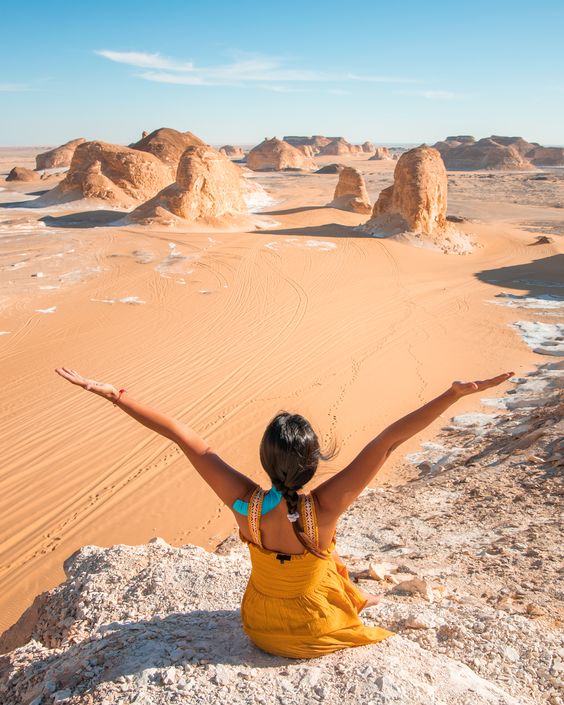
The journey can be combined with some of the Western Desert’s most famous attractions, including Bahariya Oasis, the Black Desert, Crystal Mountain, and White Desert National Park. Depending on the itinerary, travelers may also explore remote desert valleys, sand dunes, and other geological formations.
One of the most fascinating aspects of Jara Cave is its connection to the ancient environmental history of the Sahara. The cave’s formations provide evidence of periods when the region experienced wetter conditions than today. These geological clues help demonstrate how dramatically Egypt’s desert environment has changed over thousands of years.
For adventure travelers, photographers, geology enthusiasts, and visitors looking for unique places to visit in Egypt, Al Jara Cave provides an experience far removed from crowded tourist attractions.
For travelers searching for Al Jara Cave Egypt, Jara Cave Western Desert, Jara Cave tour, Gara Cave Egypt, caves in Egypt, and Western Desert attractions, this extraordinary natural site is well worth discovering.
1. Where Is Al Jara Cave Located?
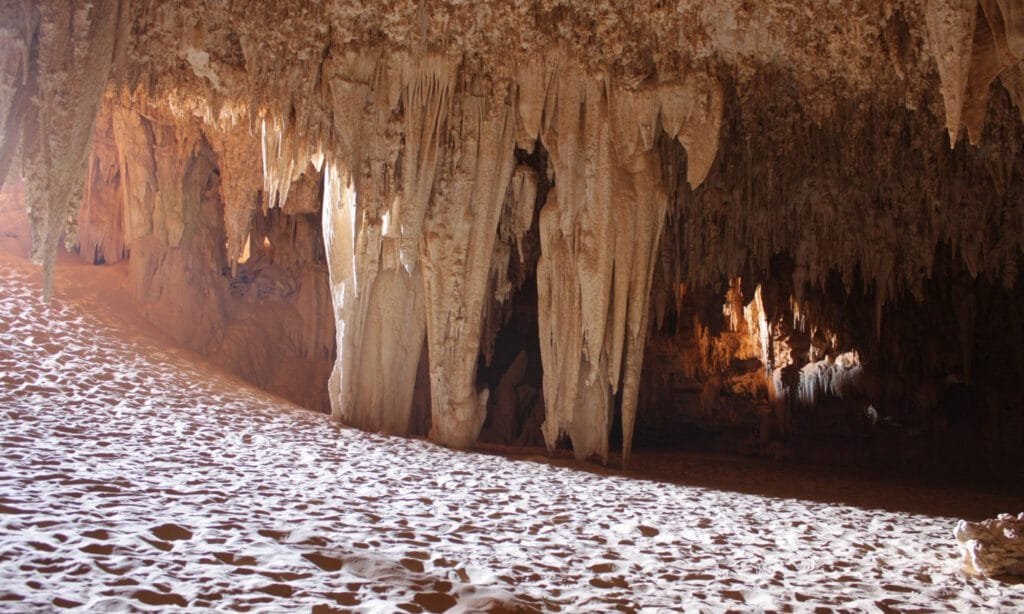
Al Jara Cave is located in the remote Western Desert of Egypt, within the vast desert region between the Bahariya Oasis and Farafra Oasis. Its isolated position is one of the main reasons the cave remains a relatively unusual destination compared with Egypt's more famous tourist attractions. The cave lies far from major cities and developed tourist centers. Reaching it requires traveling through desert terrain, which makes the journey itself an important part of the experience. Visitors can expect vast open landscapes, rocky plateaus, sand dunes, and dramatic desert scenery along the route. Jara Cave is often associated with desert expeditions exploring the area between Bahariya and Farafra. Travelers may combine a visit to the cave with attractions such as the Black Desert, Crystal Mountain, and White Desert National Park. The exact route to the cave can vary depending on the selected itinerary, local desert conditions, and the experience of the tour operator. Because the area is remote, visitors should travel with experienced local guides and drivers who are familiar with the desert tracks. The surrounding landscape is very different from the fertile areas of the Nile Valley. There are no large urban developments around the cave, and the silence and isolation create a strong sense of adventure. For travelers searching for where Jara Cave is located, Al Jara Cave Egypt location, Jara Cave Western Desert, Farafra Oasis desert tours, and Bahariya to Farafra safari, the cave is best understood as part of a larger Western Desert adventure. Its remote location means that Jara Cave is not normally visited as an independent attraction from Cairo. Instead, it is incorporated into longer desert expeditions that allow travelers to experience several natural wonders in the same journey. The combination of remote desert scenery and an extraordinary underground environment makes Al Jara Cave one of the most intriguing hidden natural attractions in Egypt.
2. Why Is Al Jara Cave Famous?
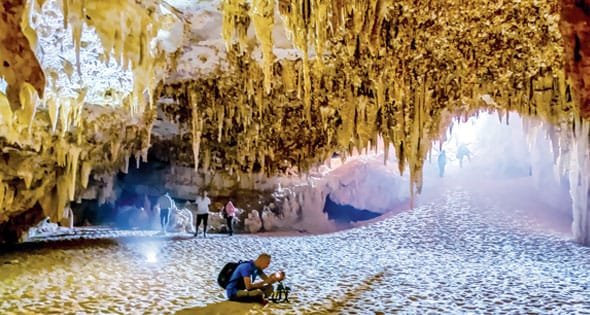
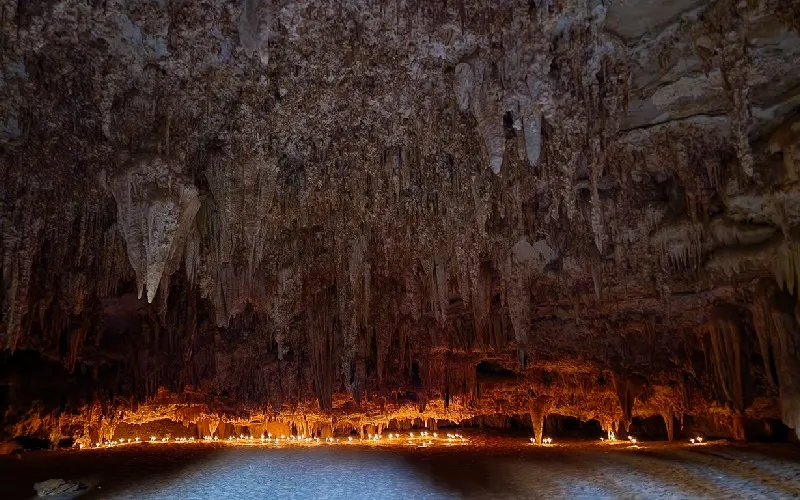
Al Jara Cave is famous for its spectacular limestone formations, particularly the delicate stalactites and stalagmites found inside the cave. These formations developed naturally over extremely long periods, creating an underground landscape that is very different from the surrounding Sahara. The cave's formations were created when water interacted with limestone and gradually dissolved and redeposited minerals. Even though the region is now extremely dry, evidence preserved inside the cave indicates that the environment was once considerably wetter. The interior contains impressive geological features, including hanging formations on the cave ceiling and mineral deposits rising from the floor. These formations can create unusual shapes and textures, making the cave particularly attractive to photographers and geology enthusiasts. Another reason for the cave's fame is its remote location. Unlike many popular Egyptian attractions, Jara Cave is far away from large cities and major tourist centers. Reaching it requires a genuine desert journey, giving visitors a stronger sense of exploration and adventure. The cave is also important because of its connection to the changing climate of the Sahara. The existence of cave formations in such an arid region provides clues about periods when water was available in the area. Jara Cave gained additional recognition through the work of explorers and travelers who documented the cave and its remarkable formations. Today, it remains one of the lesser-known natural wonders of Egypt's Western Desert. For tourists searching for why Jara Cave is famous, Al Jara Cave formations, Jara Cave stalactites, caves in the Egyptian Sahara, and natural wonders of Egypt, the combination of geology, history, and adventure makes this destination particularly fascinating. The cave offers something completely different from Egypt's traditional attractions. Instead of ancient temples built by humans, visitors discover a natural underground environment created gradually by geological processes. For travelers seeking an off-the-beaten-path Egypt experience, Al Jara Cave provides a rare opportunity to explore one of the country's most unusual natural landscapes.
3. The Geology of Al Jara Cave
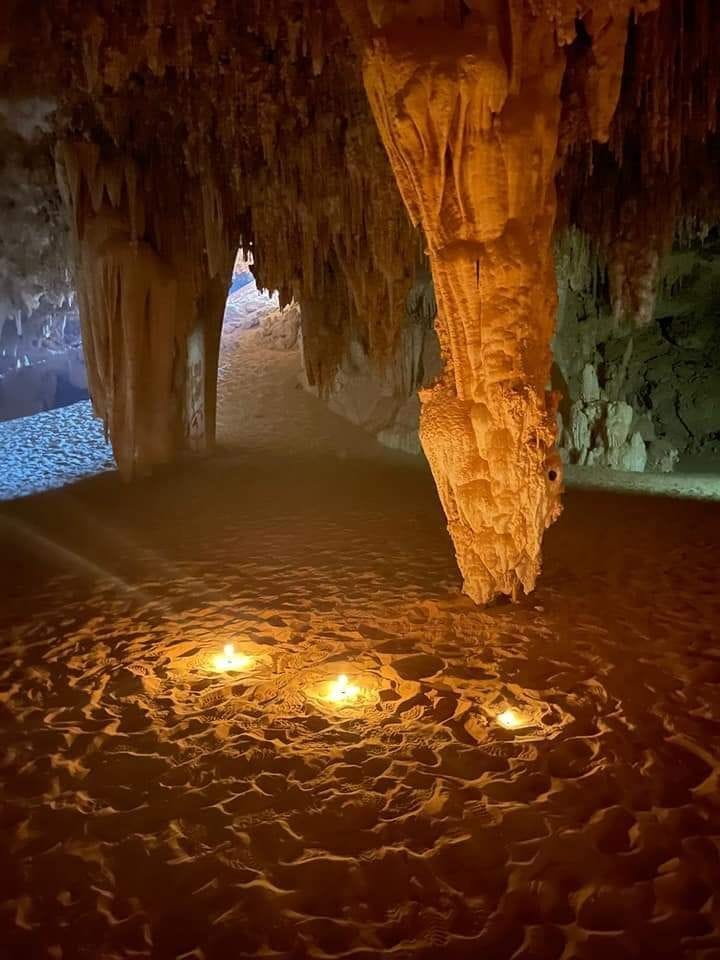
The geology of Al Jara Cave is one of the most fascinating aspects of this remote natural attraction. Located in Egypt's Western Desert, the cave developed within limestone formations that were shaped by geological and environmental processes over extremely long periods. The most recognizable features inside the cave are its stalactites and stalagmites. Stalactites form when mineral-rich water slowly drips from the ceiling and leaves behind deposits, while stalagmites develop on the floor as drops of water deposit minerals over time. With enough time, these small deposits can develop into impressive formations. The presence of these formations in today's extremely dry Sahara is particularly interesting. Their existence indicates that the cave experienced periods when water was available and the climate was considerably wetter than it is today. This makes Jara Cave Egypt more than simply a beautiful cave. It is also a geological record of environmental changes in the Sahara. Scientists and researchers can study such formations to better understand ancient climate conditions and the transformation of North Africa from wetter environments into the arid desert landscape we know today. The limestone itself also contributes to the cave's unusual appearance. Water can gradually dissolve parts of limestone and travel through cracks and cavities in the rock. When the water eventually evaporates, minerals are deposited, slowly creating the formations visible inside the cave. Visitors can observe different textures, shapes, and mineral patterns throughout the cave. Some formations are delicate and should not be touched or disturbed. The surrounding desert also adds geological context to the experience. The journey to Jara Cave passes through a landscape containing rocky plateaus, sand dunes, valleys, and other formations created by erosion and geological activity. For travelers searching for Jara Cave geology, Al Jara Cave stalactites, limestone caves in Egypt, Sahara geological history, Western Desert geology, and natural attractions in Egypt, the cave provides an extraordinary opportunity to see the relationship between water, rock, and climate. The geology of Al Jara Cave demonstrates an important fact about the Sahara: today's desert environment is only one chapter in a much longer geological and climatic history.
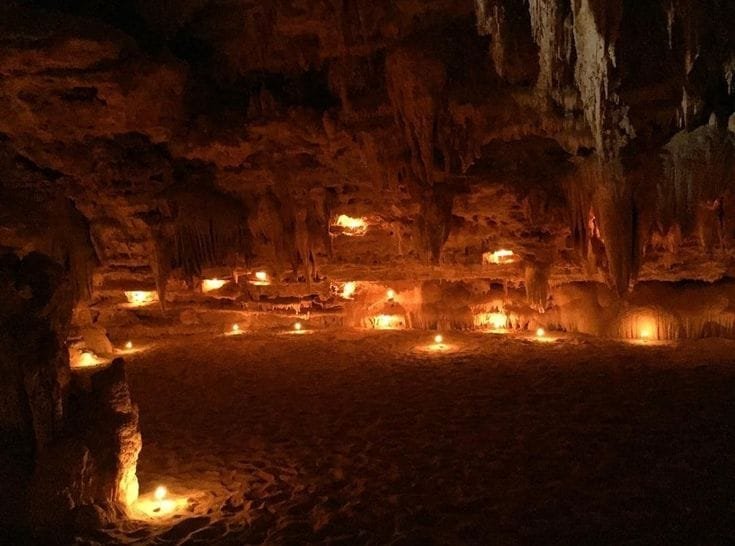
4. The Stalactites and Stalagmites of Jara Cave
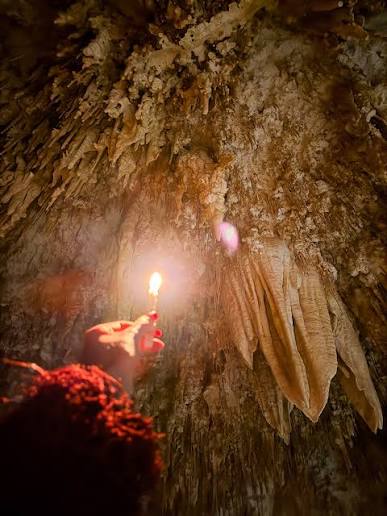
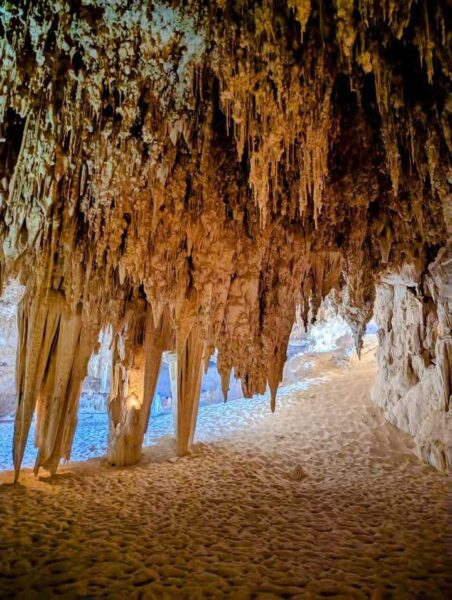
The stalactites and stalagmites of Jara Cave are among its most impressive natural features. These formations give the cave its distinctive appearance and provide visitors with a fascinating glimpse into geological processes that occurred over thousands of years. A stalactite is a mineral formation that grows downward from the ceiling of a cave. A stalagmite grows upward from the cave floor. Both are generally formed when water carrying dissolved minerals moves through limestone and gradually deposits those minerals as the water evaporates. Inside Al Jara Cave, these formations can appear in many different shapes and sizes. Some are thin and delicate, while others have developed into thicker structures after long periods of mineral deposition. The formations are particularly fascinating because the surrounding region is now one of the driest environments on Earth. The cave therefore provides evidence that the Sahara has experienced significantly different climatic conditions in the past. The slow development of cave formations also makes them extremely fragile. Even a small amount of physical damage can destroy a formation that took thousands of years to develop. Visitors should therefore avoid touching, climbing, or breaking the formations. Photography is one of the best ways to appreciate the cave. Depending on the lighting conditions, the formations can create dramatic shadows and textures. A professional guide can also help visitors understand the different geological features they encounter. The interior of the cave provides a striking contrast with the desert outside. Above ground, travelers experience intense sunlight, open skies, and dry sand. Inside the cave, the environment is cool, dark, and filled with mineral formations. For tourists searching for Jara Cave stalactites and stalagmites, Al Jara Cave formations, Egyptian caves, Western Desert caves, and natural wonders of Egypt, the underground landscape is one of the main reasons to include the cave in a desert expedition. The delicate formations are a reminder of the immense amount of time required for nature to create the landscape. Every stalactite and stalagmite inside Jara Cave represents a geological process that unfolded incredibly slowly, making the cave a remarkable natural archive of Egypt's environmental history.
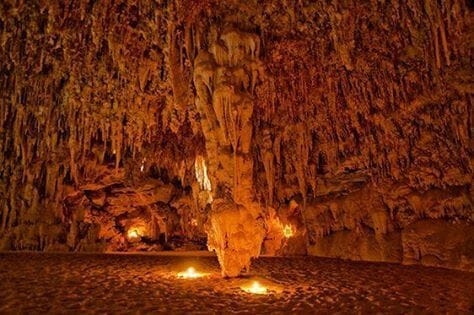
5. Al Jara Cave and the Western Desert Safari
Including Al Jara Cave in a Western Desert safari transforms a traditional desert journey into a deeper exploration of Egypt's natural and geological heritage. Because the cave is located in a remote area, it is most commonly visited as part of a multi-day desert expedition rather than a short sightseeing trip. A typical journey may begin in Cairo and continue toward Bahariya Oasis. From there, travelers can enter the Western Desert with experienced drivers and guides. The route can include the Black Desert, Crystal Mountain, White Desert National Park, and other remote attractions before reaching areas associated with Jara Cave. The journey itself is an important part of the adventure. Travelers cross vast desert landscapes where the scenery changes from golden sand to rocky plateaus, mountains, valleys, and isolated formations. A visit to Jara Cave adds an underground element to the experience. Instead of simply viewing the desert from the surface, travelers have the opportunity to explore a natural cave containing remarkable limestone formations. Because of the cave's remote location, 4x4 desert vehicles are generally required for the journey. Experienced local drivers understand the desert tracks and can navigate the terrain more effectively than ordinary vehicles. A private safari also offers greater flexibility. Travelers interested in geology can spend additional time exploring formations, while photographers can organize stops according to the best lighting conditions. Depending on the itinerary, the journey may include overnight camping in the desert. Combining Jara Cave with a White Desert camping experience creates a varied adventure featuring both underground and open-desert landscapes. For travelers searching for Al Jara Cave tour, Jara Cave desert safari, Western Desert expedition, Bahariya Oasis desert safari, White Desert and Jara Cave, and Egypt adventure tours, adding the cave to a wider itinerary provides a truly off-the-beaten-path experience. The combination of remote desert landscapes, geological formations, 4x4 adventure, and cave exploration makes Jara Cave a fascinating destination for travelers who want to discover a less familiar side of Egypt.
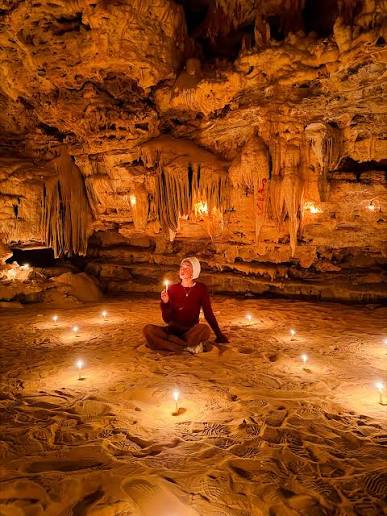
6. Things to Do at Al Jara Cave
There are several things to do at Al Jara Cave for travelers interested in adventure, geology, photography, and the natural landscapes of Egypt's Western Desert. Although the cave itself is the main attraction, reaching and exploring the surrounding desert is an important part of the experience. The first activity is exploring the cave's interior. Visitors can walk through suitable sections of Jara Cave with an experienced guide and observe the limestone walls, stalactites, stalagmites, and other mineral formations. Photography is another popular activity. The unusual textures of the cave walls and delicate mineral formations create excellent subjects for photography. The contrast between the bright desert outside and the darker cave interior can also produce dramatic images. Travelers interested in geology can learn about how caves form and how water shaped the limestone over long periods. Guides can explain the significance of the cave formations and the evidence they provide about ancient environmental conditions in the Sahara. The desert journey surrounding the cave is also an adventure in itself. Depending on the itinerary, visitors may travel through remote valleys, rocky plateaus, and sand-covered landscapes in a 4x4 desert vehicle. Jara Cave can also be combined with other Western Desert attractions. A longer expedition may include Bahariya Oasis, the Black Desert, Crystal Mountain, and White Desert National Park, creating a comprehensive exploration of the region. For adventure travelers, the combination of off-road driving and cave exploration provides a very different experience from conventional sightseeing in Egypt. The remote location gives the journey an authentic sense of exploration. Visitors should always follow the instructions of their guide inside the cave. Some formations are extremely fragile, and touching or climbing them can cause permanent damage. For tourists searching for things to do at Jara Cave, Al Jara Cave activities, Jara Cave Egypt tour, cave exploration in Egypt, Western Desert adventure, and Egypt off-the-beaten-path tours, the cave offers an unusual combination of education and adventure. Whether you are interested in geology, photography, or simply discovering remote natural attractions, Al Jara Cave provides a memorable experience far beyond the usual Egyptian tourist route.
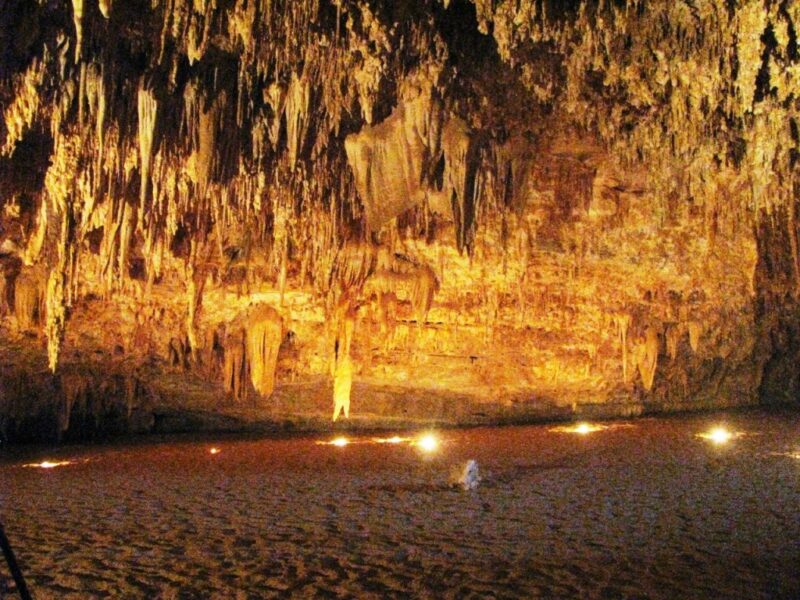
7. Al Jara Cave and Ancient Climate of the Sahara
One of the most fascinating aspects of Al Jara Cave is what it reveals about the ancient climate of the Sahara. Today, Egypt's Western Desert is one of the world's most arid environments, but the region was not always as dry as it is today. The cave's stalactites and stalagmites are important geological evidence because these formations require water to develop. Their presence indicates that there were periods when the region received significantly more rainfall and supported a much wetter environment. Over thousands of years, small amounts of water could enter cracks in the limestone and gradually dissolve minerals. As the water moved into the cave and evaporated, it left behind mineral deposits. Over very long periods, these deposits developed into the formations visible today. This provides an extraordinary connection between the cave and the ancient environmental history of North Africa. The Sahara has experienced several major climatic changes, with periods of greater rainfall alternating with increasingly dry conditions. During wetter periods, parts of what is now the Sahara supported vegetation, wildlife, lakes, and human populations. Archaeological evidence throughout the Western Desert demonstrates that prehistoric communities once lived in areas that are now extremely dry. Jara Cave therefore contributes to a broader understanding of how the Sahara transformed over time. Its geological formations preserve clues about environmental conditions that existed long before modern desert conditions developed. For visitors, this adds an educational dimension to the experience. Exploring Al Jara Cave Egypt is not simply about seeing beautiful rock formations; it is also an opportunity to understand how dramatically the Earth's climate and landscapes can change. Travelers searching for Jara Cave ancient climate, Sahara climate history, Al Jara Cave geology, Green Sahara, Western Desert history, and prehistoric Egypt, will find the cave particularly fascinating. The cave demonstrates that the Sahara has never been a completely unchanging environment. The dry desert travelers see today is the result of a long geological and climatic transformation, and Jara Cave preserves part of that story underground.
8. Al Jara Cave and the Great Sand Sea
Al Jara Cave and the Great Sand Sea can form part of an extraordinary desert adventure through Egypt's Western Desert. The Great Sand Sea is one of the most impressive desert landscapes in the region, characterized by enormous areas of sand dunes extending across the remote desert between Egypt and Libya. The journey toward remote cave and desert attractions allows travelers to experience a landscape far removed from Egypt's crowded tourist centers. Instead of monuments and cities, visitors encounter endless sand, rocky plateaus, isolated valleys, and dramatic geological formations. The Great Sand Sea is particularly famous for its extensive sand dunes. Some dunes rise high above the surrounding desert, creating spectacular viewpoints and opportunities for desert photography. Depending on the route and tour itinerary, travelers exploring the Western Desert may combine cave exploration with other natural attractions such as White Desert National Park, the Black Desert, Crystal Mountain, and Bahariya or Farafra Oasis. The contrast between an underground limestone cave and enormous open sand dunes makes this type of expedition particularly interesting. Inside Jara Cave, travelers can examine delicate mineral formations created by water. Outside, they encounter one of the driest and most expansive landscapes on Earth. 4x4 driving is an essential part of exploring remote areas of the Western Desert. Experienced local drivers can navigate desert tracks and sandy terrain while helping travelers reach suitable viewpoints and attractions. For photographers, the Great Sand Sea offers exceptional opportunities to capture patterns created by wind across the dunes. Sunrise and sunset can transform the dunes into dramatic landscapes of light and shadow. For travelers searching for Jara Cave and Great Sand Sea, Great Sand Sea Egypt, Western Desert safari, Egypt desert adventure, remote desert attractions, and off-the-beaten-path Egypt, combining these landscapes provides an unforgettable experience. Together, the cave and surrounding desert demonstrate the incredible diversity of Egypt's Western Desert—from ancient water-shaped limestone formations hidden underground to enormous dunes shaped continuously by wind above ground.
9. Best Time to Visit Al Jara Cave
The best time to visit Al Jara Cave Egypt is generally during the cooler months, when traveling through the Western Desert is more comfortable. Since reaching Jara Cave usually involves long periods of desert driving and outdoor exploration, weather conditions can significantly affect the overall experience. The period from October to April is generally more suitable for exploring the Western Desert. Daytime temperatures during these months are usually more comfortable for traveling between desert attractions, exploring the surrounding landscape, and visiting the cave. Winter can be particularly pleasant during the daytime, but temperatures in the desert can become very cold after sunset. Travelers planning a multi-day expedition or overnight camping should bring warm clothing and additional layers. Spring and autumn are also good seasons for visiting. These periods offer a balance between comfortable daytime temperatures and manageable nighttime conditions. Summer travel is possible but can be challenging because temperatures in the Western Desert can become extremely high. If visiting during summer, travelers should follow the advice of their local guide, carry sufficient drinking water, and avoid prolonged outdoor activity during the hottest part of the day. The time of day can also influence the experience. Although the cave itself is protected from direct sunlight, the surrounding desert is especially beautiful during early morning and late afternoon. These periods provide softer light for photography and more comfortable conditions for exploring the landscape. For travelers searching for the best time to visit Jara Cave, Jara Cave weather, Al Jara Cave tour, Western Desert safari season, and Egypt desert adventure, the cooler months are generally the most comfortable choice. Because Jara Cave is a remote attraction, visitors should also consider the overall itinerary. A multi-day trip may involve long desert journeys, overnight camping, and several natural attractions. Regardless of the season, visiting with an experienced local desert guide is essential. Weather, road conditions, and desert routes can vary, and local knowledge helps make the journey safer and more enjoyable.
10. How to Visit Al Jara Cave in Egypt
A Jara Cave tour is usually part of a longer expedition through Egypt's Western Desert rather than a simple day trip. The cave's remote location means that reaching it requires careful planning, suitable transportation, and experienced local guides. Travelers often begin their journey from Cairo and travel toward Bahariya Oasis or another Western Desert destination. From there, the journey continues deeper into the desert using a suitable 4x4 vehicle. The route can include several major natural attractions before reaching the area around Jara Cave. Depending on the itinerary, travelers may visit the Black Desert, Crystal Mountain, White Desert National Park, and other geological sites. The desert journey itself is an important part of the experience. Visitors cross wide open landscapes, rocky plateaus, valleys, and sandy areas before reaching the remote cave. Once at Jara Cave, travelers can explore the accessible interior with their guide. The visit usually focuses on the cave's stalactites, stalagmites, limestone formations, and geological history. Because the cave is remote, independent travel is not recommended. Experienced desert drivers know the tracks and understand the terrain, while local guides can provide information about the cave and surrounding environment. A private Western Desert safari offers additional flexibility. Travelers can choose how much time to spend at each attraction and combine the cave with other destinations according to their interests. Multi-day itineraries are particularly suitable because the distances between Western Desert attractions can be considerable. An overnight stay or desert camping experience can be included depending on the route. For tourists searching for how to visit Al Jara Cave, Jara Cave Egypt tour, Jara Cave from Cairo, Western Desert expedition, Bahariya desert safari, and private Egypt desert tours, an organized multi-day safari is generally the most practical option. The combination of professional transportation, local knowledge, and carefully planned routes allows travelers to explore this remote natural attraction while enjoying the spectacular landscapes surrounding it.
11. What to Know Before Visiting Al Jara Cave
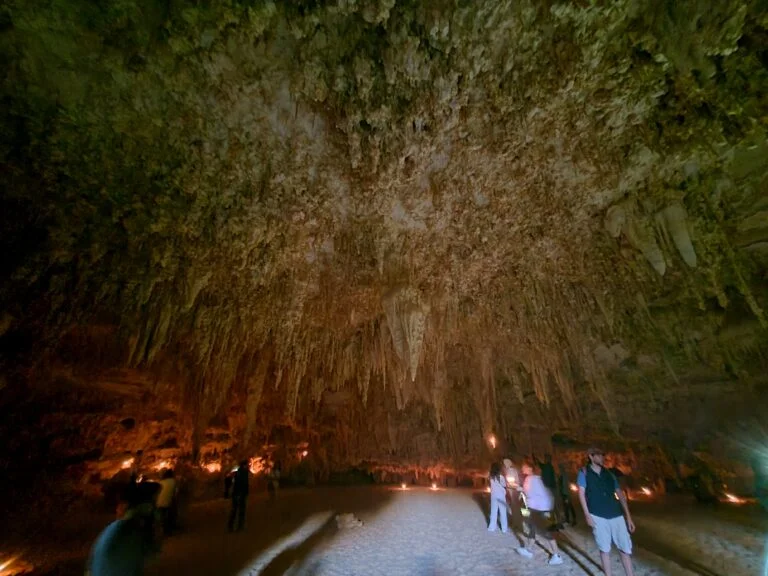
Before visiting Al Jara Cave Egypt, travelers should prepare carefully because the cave is located in a remote desert environment. Unlike major tourist attractions in Cairo or Luxor, there are few facilities in the surrounding area, making preparation particularly important. Comfortable and sturdy footwear is recommended. The terrain around the cave can be rocky and uneven, and visitors may need to walk across desert surfaces before entering the cave. Sun protection is also essential. Travelers should carry sunscreen, sunglasses, and a hat for the outdoor portions of the journey. Even though the cave itself is shaded, much of the surrounding desert is completely exposed to the sun. Drinking water should always be available. The dry desert environment can cause dehydration, particularly during warmer months. Travelers should also wear appropriate clothing for the season. Lightweight clothing is useful during hot daytime conditions, while warm layers are necessary for winter nights and overnight desert trips. Inside the cave, visitors should follow the instructions of their guide. The stalactites and stalagmites are fragile geological formations that took extremely long periods to develop. Touching, climbing, breaking, or removing formations can cause permanent damage. Photography should be done responsibly. Visitors should avoid using equipment in a way that could damage delicate formations or disturb other travelers. Because mobile-phone coverage may be limited in remote parts of the Western Desert, organized transportation and experienced guides are particularly valuable. If the itinerary includes White Desert camping or other overnight desert activities, travelers should pack additional clothing and personal essentials because access to shops and facilities can be limited. For tourists searching for Jara Cave travel tips, what to bring to Al Jara Cave, Jara Cave safety, Western Desert safari tips, and Egypt desert adventure preparation, proper planning is essential. With suitable clothing, sturdy footwear, enough water, sun protection, and professional local support, travelers can enjoy Al Jara Cave while helping protect its fragile geological formations for future generations.
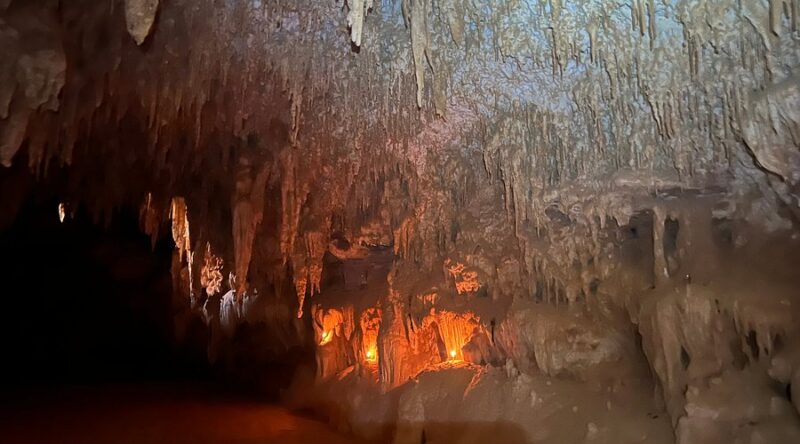
12. Why Visit Al Jara Cave in Egypt?
Al Jara Cave is one of the most fascinating hidden natural attractions in Egypt and offers an experience that is very different from visiting the country's famous pyramids, temples, and museums. Located in the remote Western Desert, the cave combines spectacular geology, ancient environmental history, desert adventure, and a strong sense of exploration. One of the main reasons to visit is the cave's remarkable stalactites and stalagmites. These delicate limestone formations were created naturally over extremely long periods through the interaction of water and rock. Their unusual shapes and textures make the cave particularly interesting for photographers and geology enthusiasts. Another reason to explore Jara Cave is its connection to the ancient climate of the Sahara. The existence of water-created formations inside the cave provides evidence that the region experienced wetter conditions in the past. This makes the cave more than a scenic attraction; it is also a fascinating geological record of environmental change. The journey to the cave is an adventure in itself. Travelers cross remote areas of the Western Desert by 4x4 vehicle, passing dramatic landscapes, rocky plateaus, sand dunes, and other geological formations. Jara Cave can also be included in a longer Western Desert itinerary. Depending on the route, travelers may combine it with Bahariya Oasis, the Black Desert, Crystal Mountain, White Desert National Park, and other natural attractions. The remote character of the cave is another major attraction. Visitors can escape the busy tourist centers and experience a quieter side of Egypt where enormous desert landscapes stretch toward the horizon. For travelers searching for Al Jara Cave Egypt, Jara Cave tour, Jara Cave Western Desert, things to do in Jara Cave, caves in Egypt, and Egypt desert safari, this destination offers an unforgettable off-the-beaten-path experience. The cave is particularly suitable for travelers who enjoy nature, geology, photography, adventure, and exploration. It provides an opportunity to discover a natural environment that many visitors to Egypt never see. From the ancient limestone formations hidden underground to the vast Sahara surrounding the cave, Al Jara Cave reveals another remarkable chapter of Egypt's natural history and makes an exceptional addition to a Western Desert adventure.