- Excursions in Egypt
- Egypt Tour Packages
- Cairo Tours and Excursions
- Hurghada Tours and Excursions
- Soma Bay Tours and Excursions
- Makadi Bay Tours and Excursions
- Sahl Hasheesh Tours and Excursions
- El Gouna Tours and Excursions
- Marsa Alam Tours and Excursions
- Port Ghalib Tours and Excursions
- El Quseir Tours and Excursions
- Dendera and Abydos Day Tours
- Aswan Tours and Excursions
- Luxor Tours and Excursions
- Sharm El Sheikh Tours and Excursions
- Top Rated Egypt Tours in 2026
- Optional Excursions in Egypt
- Private Transfer
- Blogs About egypt
- Ancient Egypt
- Historical Sites in Egypt
- Cairo
- Alexandria
- Luxor
- Aswan
- The Red Sea
- Dendera Temple
- El Fayoum Oasis
- Bahariya Oasis
- Siwa Oasis
- Al Alamein
- Marsa Matruh
- Why Egypt Is One of the Safest Countries to Visit in the Middle East
- What You Need To know Before Your First Trip To Egypt
- Egypt Travel Costs in 2026 Full Budget Guide
- Top 10 Tourist Activities in Egypt
- Top 50 Activities You Can’t Miss in Egypt in 2026
- The Guide to Guided Tours in Egypt
- Egypt’s Ancient and Modern History
- The Nile River
- The Deserts of Egypt
- Ancient Egyptian gods
- famous Egyptian dishes
- UNESCO World Heritage sites
- About Us
- Egypt Hotels and Resorts
- Excursions in Egypt
- Egypt Tour Packages
- Cairo Tours and Excursions
- Hurghada Tours and Excursions
- Soma Bay Tours and Excursions
- Makadi Bay Tours and Excursions
- Sahl Hasheesh Tours and Excursions
- El Gouna Tours and Excursions
- Marsa Alam Tours and Excursions
- Port Ghalib Tours and Excursions
- El Quseir Tours and Excursions
- Dendera and Abydos Day Tours
- Aswan Tours and Excursions
- Luxor Tours and Excursions
- Sharm El Sheikh Tours and Excursions
- Top Rated Egypt Tours in 2026
- Optional Excursions in Egypt
- Private Transfer
- Blogs About egypt
- Ancient Egypt
- Historical Sites in Egypt
- Cairo
- Alexandria
- Luxor
- Aswan
- The Red Sea
- Dendera Temple
- El Fayoum Oasis
- Bahariya Oasis
- Siwa Oasis
- Al Alamein
- Marsa Matruh
- Why Egypt Is One of the Safest Countries to Visit in the Middle East
- What You Need To know Before Your First Trip To Egypt
- Egypt Travel Costs in 2026 Full Budget Guide
- Top 10 Tourist Activities in Egypt
- Top 50 Activities You Can’t Miss in Egypt in 2026
- The Guide to Guided Tours in Egypt
- Egypt’s Ancient and Modern History
- The Nile River
- The Deserts of Egypt
- Ancient Egyptian gods
- famous Egyptian dishes
- UNESCO World Heritage sites
- About Us
- Egypt Hotels and Resorts
Welcome to
Luxor Temple: The Eternal Sanctuary of Kingship and Divine Renewal
Standing majestically on the East Bank of the Nile in Luxor, the Luxor Temple is one of the most breathtaking and symbolically rich monuments of ancient Egyptian civilization. Unlike many temples dedicated solely to gods, Luxor Temple was devoted to the rejuvenation of kingship itself—a sacred space where the divine nature of the pharaoh was renewed and affirmed. Built primarily during the reign of Amenhotep III and later expanded by Ramses II, the temple represents a harmonious blend of architectural elegance, religious meaning, and political power. From its towering pylons and colossal statues to its graceful colonnades and hidden sanctuaries, every element of Luxor Temple was designed to reflect the eternal connection between the ruler and the divine realm.
What makes this temple truly unique is its continuous use throughout history. From the height of the New Kingdom to the Roman period and even into the Islamic era, Luxor Temple has remained a living site of worship and cultural significance. The presence of the Abu Haggag Mosque within its walls is a powerful reminder of this continuity, where layers of history coexist in a single sacred space. As the sun rises and sets over the Nile, the temple transforms, revealing different aspects of its beauty and meaning, making it one of the most captivating places to visit in Egypt.
Walking through Luxor Temple is like stepping into a timeless narrative where past and present merge seamlessly. It is not merely a historical monument, but a living testament to the enduring legacy of ancient Egypt, offering visitors an unforgettable journey into the heart of one of the world’s greatest civilizations, where history, spirituality, and human creativity unite in perfect harmony across ages.

1. Luxor: The Living Heart of Ancient Thebes
Located along the fertile banks of the Nile, Luxor stands as one of the most extraordinary cities in the world, often described as the greatest open-air museum ever created. Known in ancient times as Thebes, this city was once the political and religious capital of Egypt during the height of the New Kingdom. Its strategic position along the Nile made it a center of power, trade, and spiritual life, where kings ruled, priests performed sacred rituals, and monumental architecture rose to honor the gods. Today, Luxor preserves this legacy with astonishing clarity, offering visitors a rare opportunity to walk through history rather than simply observe it. The East Bank of Luxor was traditionally associated with life, rebirth, and divine energy, as it is where the sun rises each day. This is where the grand temples were constructed, including the magnificent Luxor Temple and the vast Karnak complex. These temples were not isolated structures but part of a larger sacred landscape designed to reflect cosmic order and divine harmony. Streets, avenues, and processional routes connected different temples, creating a unified spiritual environment that defined the identity of the city. Luxor continues to thrive as both a modern Egyptian city and a gateway to the ancient world. The coexistence of everyday life with monumental ruins creates a unique atmosphere where past and present blend seamlessly. Whether watching the sunrise over the Nile or walking through ancient stone corridors, visitors quickly realize that Luxor is not just a destination, but a living experience that captures the soul of ancient Egypt.
2. The Purpose of Luxor Temple: A Sanctuary of Kingship and Divine Power
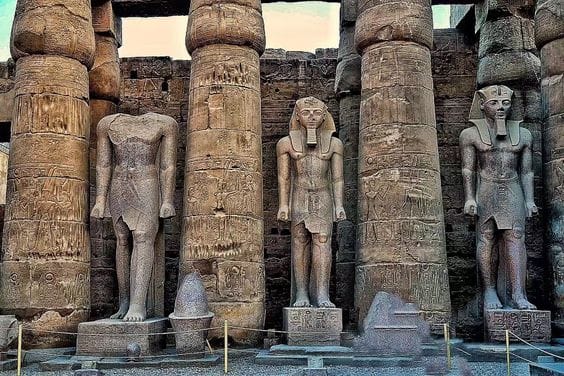
Unlike most ancient Egyptian temples that were dedicated exclusively to specific gods, Luxor Temple held a unique and deeply symbolic purpose. It was primarily dedicated to the rejuvenation of kingship, serving as a sacred space where the pharaoh could reaffirm his divine authority and connection to the gods. This made the temple an essential part of the political and religious structure of ancient Egypt, where power was not only inherited but also ritually renewed through ceremonies and sacred rites. At the heart of this purpose was the belief that the king was not merely a ruler, but a divine figure chosen by the gods to maintain order, or Ma’at, in the world. Luxor Temple played a central role in reinforcing this belief, acting as the stage for important rituals that connected the pharaoh to the god Amun. The temple’s layout, from its grand entrance to its inner sanctuaries, was carefully designed to guide participants through a symbolic journey from the human world to the divine realm. Each space within the temple held a specific function, contributing to the overall spiritual experience. The temple reached its peak importance during the Opet Festival, one of the most significant religious celebrations in ancient Thebes. During this festival, statues of the gods were transported from Karnak to Luxor Temple, where rituals were performed to renew the king’s divine power. This event reinforced the unity between religion and governance, ensuring the stability and prosperity of the entire kingdom.
3. The Avenue of Sphinxes: The Sacred Connection Between Karnak and Luxor
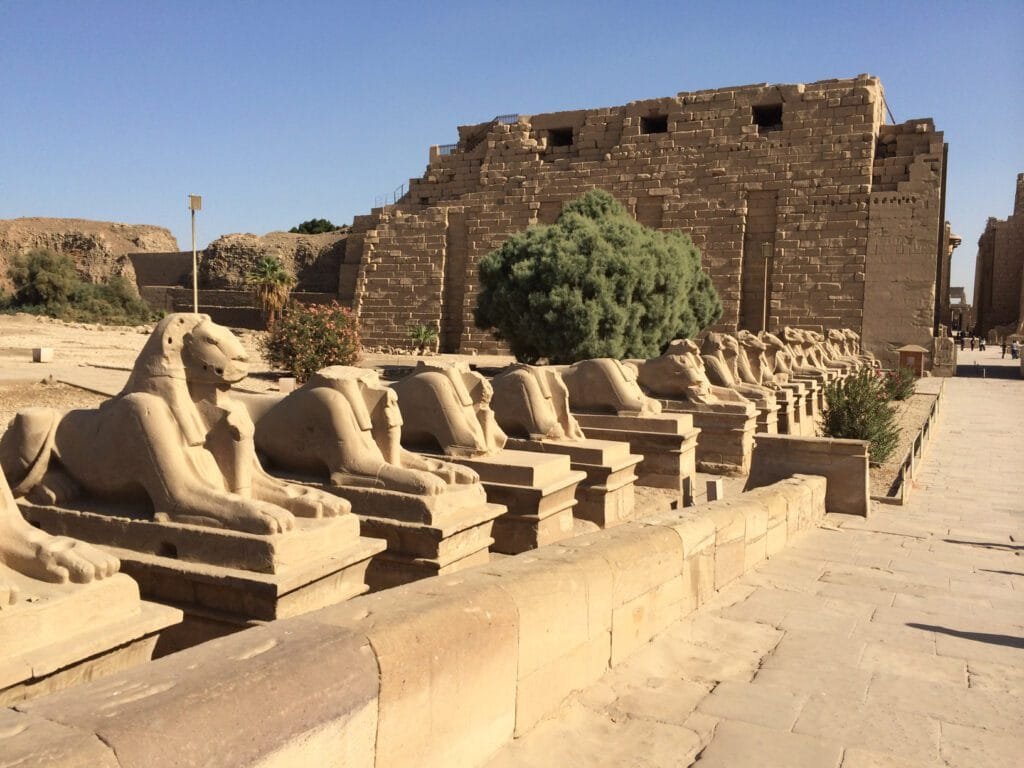
One of the most remarkable features associated with Luxor Temple is the legendary Avenue of Sphinxes, a grand ceremonial road that once connected it to the Karnak Temple Complex. Stretching for nearly three kilometers, this avenue was lined with hundreds of sphinx statues, each representing a powerful symbol of protection, strength, and royal authority. Some of these sphinxes feature human heads, while others bear the ram-headed form associated with the god Amun, reflecting the deep religious significance of the route. This sacred pathway was not merely decorative; it played a vital role in one of the most important religious events in ancient Egypt—the Opet Festival. During this annual celebration, the statues of the Theban Triad—Amun, Mut, and Khonsu—were carried in elaborate processions from Karnak to Luxor Temple. The journey along the Avenue of Sphinxes symbolized the movement of divine power, reinforcing the connection between the gods and the ruling pharaoh. The entire city would come alive with music, offerings, and public celebrations, creating an atmosphere of unity and spiritual renewal. Today, much of the avenue has been restored, allowing visitors to walk along the same path once used by priests and kings thousands of years ago. This experience provides a powerful sense of continuity, connecting the modern world with the ancient past in a way that is both tangible and deeply moving.
4. The Architecture of Majesty: Exploring the Grand Design of Luxor Temple
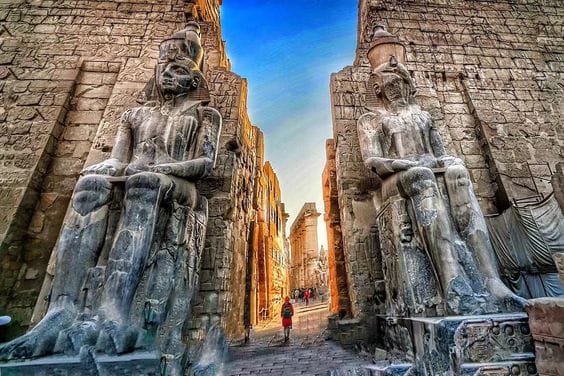
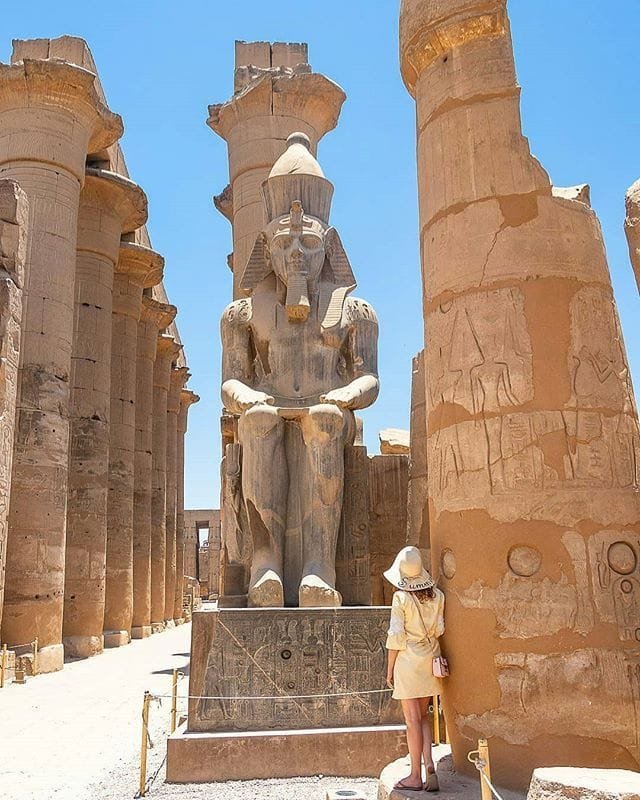
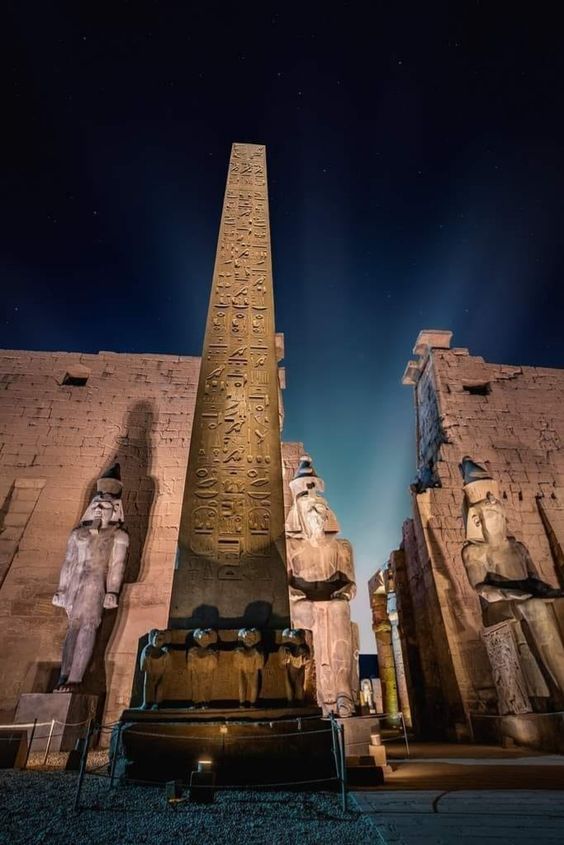
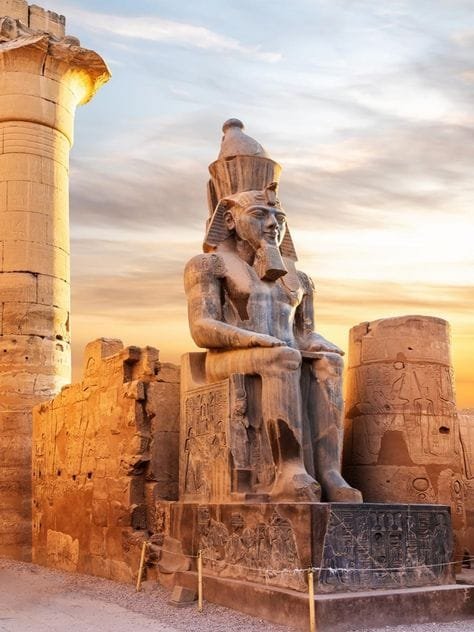
The architectural brilliance of Luxor Temple reflects the height of ancient Egyptian design, where every element was carefully planned to convey power, harmony, and divine order. The temple’s layout follows a linear axis that guides visitors from the monumental entrance through a sequence of courtyards, colonnades, and sanctuaries, each space becoming progressively more sacred. This deliberate progression mirrors the spiritual journey from the earthly world to the realm of the gods, creating an immersive experience that goes beyond physical structure. At the entrance stands the massive pylon built by Ramses II, flanked by colossal statues of the king seated in eternal authority. In front of it once stood two obelisks, though only one remains today, while the other was later moved to Paris. Beyond the pylon lies the open courtyard, surrounded by double rows of columns that create a sense of grandeur and openness. The famous colonnade of Amenhotep III follows, with its towering papyrus-shaped columns forming a majestic corridor that captures light and shadow in a dramatic interplay throughout the day. Further inside, the temple becomes more enclosed and mysterious, leading to smaller chambers and sanctuaries that were once accessible only to priests and the king. These inner spaces were considered the holiest parts of the temple, where rituals and offerings took place in complete secrecy. The combination of massive scale and intricate detail demonstrates a perfect balance between artistic beauty and symbolic meaning, making Luxor Temple a timeless masterpiece of architectural genius.

5. Ramses II and Amenhotep III: The Pharaohs Who Shaped Luxor Temple
The grandeur of Luxor Temple is largely the result of the vision and ambition of two of ancient Egypt’s most influential rulers: Ramesses II and Amenhotep III. Each of these pharaohs contributed significantly to the construction and expansion of the temple, leaving behind a legacy that continues to define its identity today. Amenhotep III is credited with the original construction of the temple, creating its core structure, including the elegant colonnade and inner sanctuaries. His reign was a period of peace and prosperity, allowing for the development of refined artistic and architectural styles that emphasized balance, symmetry, and beauty. Ramses II, known for his long and powerful reign, later expanded the temple by adding the massive entrance pylon, colossal statues, and the grand courtyard that bears his name. His additions were designed to emphasize his authority and divine status, showcasing his achievements and reinforcing his image as one of Egypt’s greatest kings. The walls of the temple feature numerous reliefs depicting Ramses II in scenes of victory and devotion, blending political propaganda with religious symbolism. Together, these two rulers transformed Luxor Temple into a monumental expression of royal power and divine connection. Their contributions reflect not only their individual ambitions but also the broader cultural and religious values of ancient Egypt, where architecture served as a lasting testament to the relationship between the king and the gods.

6. Luxor Temple by Night: A Magical Transformation of Light and Shadow
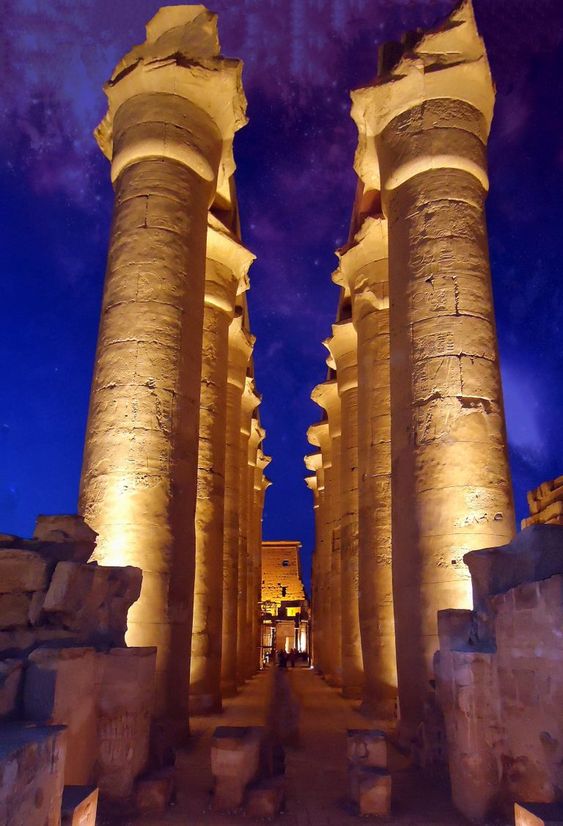
As daylight fades over Luxor, the Luxor Temple undergoes a breathtaking transformation that reveals an entirely different dimension of its beauty. Illuminated by carefully placed lights, the temple’s massive columns, statues, and walls take on a dramatic and almost mystical appearance. Shadows stretch across the stone surfaces, highlighting the intricate carvings and hieroglyphics in a way that is often missed during the bright hours of the day. This interplay of light and darkness creates an atmosphere that feels both timeless and otherworldly. Walking through the temple at night offers a unique sense of tranquility. The crowds are fewer, the temperature is cooler, and the silence allows visitors to fully absorb the spiritual energy of the المكان. The towering columns of the colonnade appear even more imposing under the night sky, while the statues of Ramses II seem to come alive in the flickering light. The experience is not only visually stunning but also emotionally powerful, as it allows for a deeper connection with the history and meaning of the site. The presence of the Abu Haggag Mosque within the temple complex adds another layer of cultural richness to the nighttime experience. As the call to prayer echoes softly through the air, it blends with the ancient surroundings, creating a rare moment where different eras of Egyptian history coexist in perfect harmony, offering visitors an unforgettable and deeply moving experience.
7. The Sacred Festival of Opet: Renewal of Kingship and Divine Power
One of the most important religious events associated with Luxor Temple was the grand Opet Festival, a celebration that symbolized the renewal of kingship and the sacred connection between the pharaoh and the gods. Held annually during the season of the Nile’s inundation, this festival played a crucial role in reinforcing both religious belief and political authority in ancient Egypt. The event began at the magnificent Karnak Temple Complex, where the statues of the Theban Triad—Amun, Mut, and Khonsu—were carefully prepared for their ceremonial journey. Priests performed purification rituals, dressed the divine statues in fine garments, and placed them within beautifully decorated sacred barques. The procession then moved from Karnak to Luxor Temple, either carried by priests along the Avenue of Sphinxes or transported along the Nile. This sacred journey represented the movement of divine power and the renewal of cosmic order. Upon arrival at Luxor Temple, the pharaoh participated in secret rituals within the inner sanctuaries, where his divine nature was reaffirmed. These ceremonies were believed to strengthen the king’s role as the intermediary between the gods and the people, ensuring stability, prosperity, and harmony throughout the land. For the citizens of ancient Thebes, the Opet Festival was also a time of celebration and unity. Music, dancing, feasting, and offerings filled the streets, creating a vibrant atmosphere that brought together all levels of society. It was a rare moment when divine rituals and public life merged, reinforcing the idea that the strength of the kingdom depended on both spiritual and social harmony.
8. Roman and Islamic Influence: Layers of History Within Luxor Temple
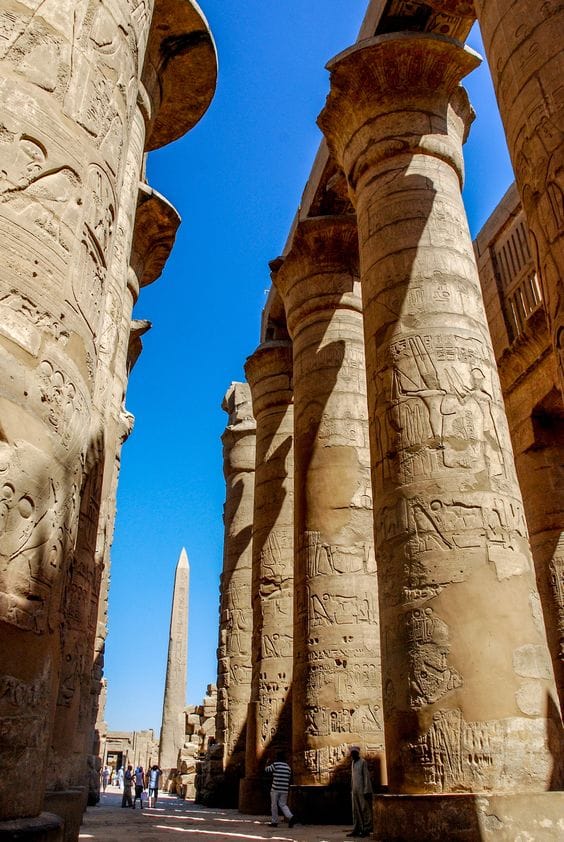
The story of Luxor Temple extends far beyond the era of the pharaohs, as the temple continued to evolve under different civilizations that left their mark on its sacred structure. During the Roman period, the temple was incorporated into a military camp, and several modifications were made to adapt it for new purposes. Roman soldiers built additional walls, altered existing spaces, and even painted over some of the original Egyptian reliefs. These changes reflect a fascinating blend of Egyptian and Roman artistic traditions, demonstrating how the site remained active and relevant long after the decline of ancient Egyptian rule. Centuries later, the temple became part of the Islamic landscape of Luxor, adding yet another layer to its historical significance. The Abu Haggag Mosque was constructed within the temple complex, standing elevated above the ancient ruins. Remarkably, this mosque continues to function as a place of worship today, symbolizing the continuity of spiritual life across thousands of years. Its presence creates a unique visual contrast, where Islamic architecture rises above Pharaonic stone, yet both coexist peacefully within the same space. These overlapping layers of history transform Luxor Temple into a living monument that reflects the passage of time and the adaptability of human culture. Rather than erasing the past, each civilization added its own chapter to the temple’s story, creating a rich and complex heritage that continues to inspire visitors from around the world.
9. The Colonnade of Amenhotep III: A Masterpiece of Elegance and Symmetry
At the heart of Luxor Temple lies one of its most iconic and visually striking features—the grand colonnade built by Amenhotep III. This magnificent corridor consists of towering papyrus-shaped columns that rise gracefully toward the sky, creating a sense of rhythm, balance, and harmony that defines the architectural brilliance of the New Kingdom. The scale of the colonnade is impressive, yet its proportions are carefully designed to guide visitors through the temple in a smooth and natural progression from the outer courts to the inner sanctuaries. The walls between the columns are richly decorated with detailed reliefs that depict scenes from the Opet Festival, offering a vivid narrative of this important religious event. These carvings provide valuable insights into ancient Egyptian culture, illustrating the roles of priests, musicians, and participants, as well as the elaborate ceremonies that took place during the festival. The level of detail is extraordinary, with finely carved figures, intricate hieroglyphics, and carefully composed scenes that bring the ancient world to life. Walking through the colonnade is an unforgettable experience, as the towering columns create a sense of both grandeur and intimacy. The play of light and shadow throughout the day enhances the beauty of the space, highlighting the textures and details of the stone. This remarkable structure stands as a testament to the artistic and architectural achievements of ancient Egypt, leaving a lasting impression on all who pass through it.
10. The Obelisk of Luxor: A Symbol of Solar Power and Eternal Glory
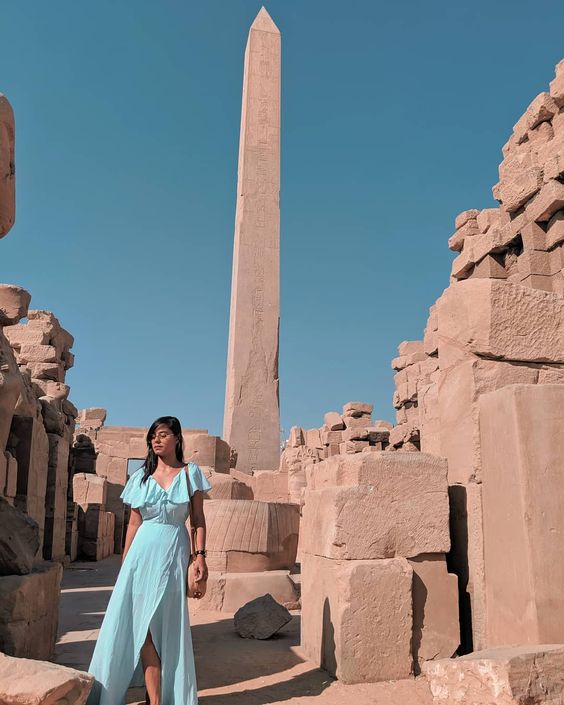
Among the most striking features of Luxor Temple stands the towering obelisk erected by Ramesses II, a masterpiece of ancient engineering and symbolic meaning. Carved from a single block of red granite sourced from Aswan, this monolithic structure rises gracefully into the sky, representing a petrified ray of the sun god Ra. Originally, two obelisks stood at the entrance of the temple, forming a symmetrical gateway that emphasized balance and divine order. Today, only one remains in its original position, while its twin was transported to Paris in the nineteenth century, where it now stands in the Place de la Concorde. The creation and transportation of such massive monuments demonstrate the extraordinary capabilities of ancient Egyptian builders. Weighing hundreds of tons, the obelisk had to be carefully carved, transported along the Nile, and precisely erected without modern technology. Its surface is covered with hieroglyphic inscriptions that glorify the achievements of Ramses II and his devotion to the gods. These inscriptions were not merely decorative; they served as a permanent declaration of royal power and divine favor, ensuring that the king’s legacy would endure for eternity. Beyond its physical presence, the obelisk holds deep spiritual significance. As a symbol of the sun’s life-giving energy, it reinforced the connection between the pharaoh and the divine forces that governed the universe. Standing before it today, visitors are reminded of the timeless ambition and vision that defined ancient Egyptian civilization, where architecture was both a practical achievement and a sacred expression of cosmic order.

11. The Inner Sanctuaries: The Most Sacred Spaces of Luxor Temple
Deep within the heart of Luxor Temple lie the inner sanctuaries, the most sacred and restricted areas of the temple where only priests and the pharaoh were permitted to enter. These chambers were considered the dwelling place of the divine, where the presence of the god Amun was believed to reside. Unlike the grand open courtyards and towering columns of the outer temple, these inner rooms are smaller, darker, and more intimate, creating an atmosphere of mystery and reverence. The transition from light to shadow as one moves deeper into the temple reflects the spiritual journey from the visible world into the hidden realm of the gods. The walls of these sanctuaries are adorned with finely carved reliefs depicting sacred rituals, offerings, and interactions between the king and the gods. Every detail was carefully designed to maintain divine order and ensure the continued favor of the gods toward the kingdom. These rituals were performed daily by priests, who acted as intermediaries between the human and divine worlds. Offerings of food, incense, and prayers were presented to sustain the gods and maintain cosmic balance. One of the most significant additions to this sacred area was made during the reign of Alexander the Great, who constructed a sanctuary within the temple to legitimize his rule as a pharaoh of Egypt. This highlights the enduring importance of Luxor Temple as a center of power and religious authority, even under foreign rule. The inner sanctuaries remain a powerful reminder of the spiritual core of ancient Egyptian civilization.
12. Luxor Temple and Modern Tourism: A Timeless Attraction for the World
Today, Luxor Temple stands as one of the most visited and admired historical sites in the world, attracting travelers from every corner of the globe. Its central location in the modern city of Luxor makes it easily accessible, allowing visitors to experience ancient history within a vibrant contemporary setting. Unlike many archaeological sites that are isolated in remote areas, Luxor Temple is integrated into daily life, creating a unique blend of past and present that enhances its appeal. Tourism plays a vital role in preserving and promoting the temple, but it also presents challenges. The increasing number of visitors can impact the delicate structures and ancient carvings, requiring careful management and conservation efforts. Egyptian authorities, along with international organizations, continue to implement measures to protect the site while ensuring that it remains open to the public. These efforts include controlled access, restoration projects, and educational initiatives aimed at raising awareness about the importance of cultural heritage preservation. For visitors, Luxor Temple offers more than just a historical experience; it provides a journey into the heart of ancient Egyptian civilization. Walking through its عظيمة halls and standing before its towering monuments creates a sense of awe that transcends time. It is a place where history, culture, and human achievement come together, leaving a lasting impression on all who visit and ensuring its continued significance for generations to come.

13. The Role of Amun-Ra: The King of Gods at Luxor Temple
At the spiritual core of Luxor Temple lies the worship of Amun-Ra, the supreme deity of the New Kingdom and the divine force behind kingship itself. Amun, originally a local Theban god, rose to prominence as Egypt expanded, eventually merging with the sun god Ra to form Amun-Ra, the king of the gods. Luxor Temple played a vital role in honoring this powerful deity, serving as a sacred stage where the connection between the pharaoh and Amun-Ra was continuously renewed. The temple’s design reflects this relationship in every detail. From the grand entrance to the hidden sanctuaries, the architecture guides the worshipper toward the presence of the divine. Rituals performed here were not simply acts of devotion but were essential to maintaining Ma’at, the cosmic order that governed the universe. The pharaoh, as the representative of the gods on earth, was responsible for ensuring this balance, and Luxor Temple was one of the key locations where this divine duty was fulfilled. Depictions of Amun-Ra can be found throughout the temple, often shown blessing the king or participating in sacred rituals. These images reinforced the idea that the pharaoh’s power was granted by the gods and that his authority was both divine and eternal. The presence of Amun-Ra within Luxor Temple transforms it from a physical structure into a living spiritual entity that embodies the essence of ancient Egyptian belief.
14. The Artistic Excellence: Reliefs, Hieroglyphs, and Timeless Craftsmanship
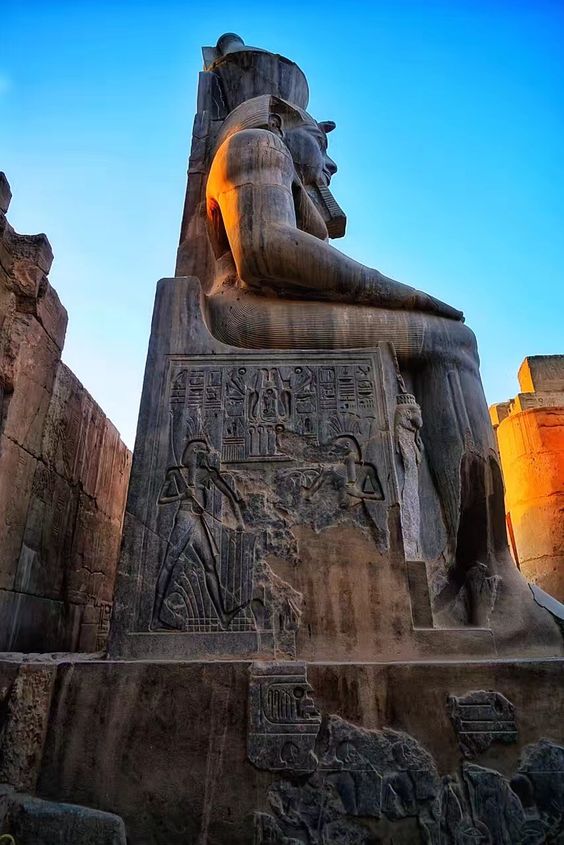
The walls of Luxor Temple are a testament to the extraordinary artistic achievements of ancient Egyptian craftsmen. Every surface is adorned with intricate reliefs and hieroglyphic inscriptions that tell stories of divine power, royal achievements, and sacred rituals. These carvings were not merely decorative; they were a form of communication, a visual language that conveyed complex religious and political ideas in a way that could be understood by all. The precision of these artworks is remarkable, with figures carefully proportioned and arranged according to strict artistic conventions. Scenes often depict the pharaoh in the presence of gods, performing rituals, or celebrating victories, reinforcing his divine status. The hieroglyphs that accompany these images provide additional layers of meaning, recording names, titles, and events that have survived for thousands of years. Color also played an essential role in these decorations, with pigments applied to bring the scenes to life. Although much of the color has faded over time, traces remain, offering a glimpse into the vibrant appearance of the temple in its original state. The combination of sculpture, inscription, and color creates a rich visual experience that continues to captivate visitors and scholars alike. Luxor Temple stands as a masterpiece of artistic expression, where every detail contributes to a greater narrative of power, belief, and eternity.
15. The Nile Connection: Lifeline of Luxor Temple and Ancient Civilization
The location of Luxor Temple along the banks of the Nile was no coincidence. The river was the lifeblood of ancient Egypt, providing water, transportation, and fertile soil that sustained the civilization for millennia. Luxor Temple’s proximity to the Nile allowed it to play a central role in religious ceremonies, particularly during the Opet Festival, when sacred barques carrying the statues of the gods traveled along the river between Karnak and Luxor. The Nile also served as a symbolic boundary between life and death, with the East Bank representing the world of the living and the West Bank associated with the afterlife. Luxor Temple, located on the East Bank, was therefore connected to themes of rebirth and renewal, aligning with its role in the rejuvenation of kingship. The river’s annual flooding was seen as a divine gift, bringing prosperity and reinforcing the connection between the gods and the natural world. Even today, the Nile continues to shape the experience of visiting Luxor Temple. The sight of the temple rising near the river’s edge creates a powerful visual connection to the past, reminding visitors of the enduring relationship between nature and human achievement. This timeless bond between the Nile and Luxor Temple reflects the foundation upon which one of the greatest civilizations in history was built.

16. Sound and Light Show: Reviving the Voices of the Past
One of the most captivating modern experiences at Luxor Temple is the Sound and Light Show, which brings the history of the temple to life in a unique and immersive way. Through a combination of narration, music, and dramatic lighting, the show tells the story of ancient Thebes, its महान pharaohs, and the construction of the temple. As visitors walk through the illuminated ruins, they are guided by voices that seem to echo from the stones themselves, creating a powerful connection between past and present. The carefully designed lighting highlights the architectural features of the temple, casting shadows that enhance the depth and detail of the carvings. The towering columns, massive statues, and intricate reliefs take on a new dimension under the night sky, transforming the temple into a living stage where history unfolds before the audience. The narration, often delivered in multiple languages, provides context and storytelling that enrich the visitor’s understanding of the site. This experience is particularly memorable because it engages both the senses and the imagination. Rather than simply observing the temple, visitors become part of a narrative that connects them to the ancient world. The Sound and Light Show is a testament to how modern technology can be used to preserve and share cultural heritage, ensuring that the stories of Luxor Temple continue to inspire future generations.

17. Why Luxor Temple Is an Unmissable Experience in Egypt
For any traveler exploring Egypt, a visit to Luxor Temple is far more than a typical sightseeing stop—it is an immersive journey into the heart of one of the world’s greatest civilizations. Unlike many historical monuments that stand isolated in remote landscapes, Luxor Temple exists at the vibrant center of modern Luxor, creating a rare and powerful contrast between ancient grandeur and contemporary life. This unique setting allows visitors to experience history not as something distant, but as a living presence woven into the daily rhythm of the city. The temple’s accessibility and central location make it an essential highlight of any itinerary, yet what truly sets it apart is the emotional and intellectual impact it leaves on every visitor. Walking through its massive pylons, standing beneath its towering columns, and observing the intricate carvings on its walls creates a deep sense of connection with the people who built and used this sacred space thousands of years ago. The stories embedded within the temple—of kingship, divine power, and spiritual renewal—resonate across time, offering insight into the beliefs and aspirations of ancient Egypt. Whether explored in the soft light of early morning or under the dramatic illumination of night, Luxor Temple offers a constantly evolving experience that appeals to history enthusiasts, cultural explorers, and curious travelers alike. It is not merely a place to visit, but a place to feel, understand, and remember long after the journey has ended.

18. The Eternal Legacy: Luxor Temple as a Timeless Symbol of Civilization
As one of the most remarkable monuments ever created, Luxor Temple stands as a lasting symbol of human achievement, creativity, and spiritual depth. For thousands of years, this extraordinary temple has endured the passage of time, surviving natural forces, cultural transformations, and the rise and fall of empires. Its continued presence serves as a powerful reminder of the ability of ancient civilizations to create structures that transcend generations and speak to universal human values. The legacy of Luxor Temple is not limited to its architectural beauty or historical importance; it lies in the ideas it represents. It reflects a civilization deeply invested in the concepts of order, balance, and the eternal connection between humanity and the divine. These themes continue to resonate today, allowing modern visitors to find meaning and inspiration within its ancient walls. The temple’s ability to connect past and present makes it a unique cultural landmark that continues to educate and inspire people from around the world. In a rapidly changing world, Luxor Temple remains a constant symbol of endurance and vision. It invites every visitor to reflect on the achievements of humanity and the desire to create something lasting. As long as people seek to understand history and their place within it, Luxor Temple will continue to stand as a beacon of knowledge, beauty, and timeless inspiration.