- Excursions in Egypt
- Egypt Tour Packages
- Cairo Tours and Excursions
- Hurghada Tours and Excursions
- Soma Bay Tours and Excursions
- Makadi Bay Tours and Excursions
- Sahl Hasheesh Tours and Excursions
- El Gouna Tours and Excursions
- Marsa Alam Tours and Excursions
- Port Ghalib Tours and Excursions
- El Quseir Tours and Excursions
- Dendera and Abydos Day Tours
- Aswan Tours and Excursions
- Luxor Tours and Excursions
- Sharm El Sheikh Tours and Excursions
- Top Rated Egypt Tours in 2026
- Optional Excursions in Egypt
- Private Transfer
- Blogs About egypt
- Ancient Egypt
- Historical Sites in Egypt
- Cairo
- Alexandria
- Luxor
- Aswan
- The Red Sea
- Dendera Temple
- El Fayoum Oasis
- Bahariya Oasis
- Siwa Oasis
- Al Alamein
- Marsa Matruh
- Why Egypt Is One of the Safest Countries to Visit in the Middle East
- What You Need To know Before Your First Trip To Egypt
- Egypt Travel Costs in 2026 Full Budget Guide
- Top 10 Tourist Activities in Egypt
- Top 50 Activities You Can’t Miss in Egypt in 2026
- The Guide to Guided Tours in Egypt
- Egypt’s Ancient and Modern History
- The Nile River
- The Deserts of Egypt
- Ancient Egyptian gods
- famous Egyptian dishes
- UNESCO World Heritage sites
- About Us
- Egypt Hotels and Resorts
- Excursions in Egypt
- Egypt Tour Packages
- Cairo Tours and Excursions
- Hurghada Tours and Excursions
- Soma Bay Tours and Excursions
- Makadi Bay Tours and Excursions
- Sahl Hasheesh Tours and Excursions
- El Gouna Tours and Excursions
- Marsa Alam Tours and Excursions
- Port Ghalib Tours and Excursions
- El Quseir Tours and Excursions
- Dendera and Abydos Day Tours
- Aswan Tours and Excursions
- Luxor Tours and Excursions
- Sharm El Sheikh Tours and Excursions
- Top Rated Egypt Tours in 2026
- Optional Excursions in Egypt
- Private Transfer
- Blogs About egypt
- Ancient Egypt
- Historical Sites in Egypt
- Cairo
- Alexandria
- Luxor
- Aswan
- The Red Sea
- Dendera Temple
- El Fayoum Oasis
- Bahariya Oasis
- Siwa Oasis
- Al Alamein
- Marsa Matruh
- Why Egypt Is One of the Safest Countries to Visit in the Middle East
- What You Need To know Before Your First Trip To Egypt
- Egypt Travel Costs in 2026 Full Budget Guide
- Top 10 Tourist Activities in Egypt
- Top 50 Activities You Can’t Miss in Egypt in 2026
- The Guide to Guided Tours in Egypt
- Egypt’s Ancient and Modern History
- The Nile River
- The Deserts of Egypt
- Ancient Egyptian gods
- famous Egyptian dishes
- UNESCO World Heritage sites
- About Us
- Egypt Hotels and Resorts
Welcome to
Hawara Pyramid: History, Facts, Location & Guide to the Ancient Egyptian Pyramid
The Hawara Pyramid is one of the most fascinating ancient Egyptian pyramids and an important archaeological site in the Fayoum Oasis, south of Cairo. Built during Egypt’s Middle Kingdom, the Pyramid of Hawara is closely associated with Pharaoh Amenemhat III, one of the most powerful rulers of the Twelfth Dynasty. Unlike the famous Giza Pyramids, which were constructed primarily from massive limestone blocks, the Hawara Pyramid was built mainly with mudbrick and covered with a layer of limestone. This unique construction method, combined with the pyramid’s historical importance, makes Hawara an interesting destination for travelers who want to explore a different side of ancient Egyptian civilization.
The Pyramid of Hawara is located near the modern town of Hawara, approximately 9 kilometers southeast of the city of Fayoum and around 100 kilometers southwest of Cairo. Its location makes it possible to visit the pyramid as part of a Fayoum Oasis tour from Cairo, especially for travelers interested in ancient Egyptian history, archaeological sites, and less crowded destinations. The area around Hawara was once an important center of agriculture, religion, and royal activity during the Middle Kingdom.
Today, visitors can explore the remains of the Hawara Pyramid and learn about the fascinating history of Pharaoh Amenemhat III and the ancient Egyptian funerary traditions connected with the site. The pyramid also became famous because of the enormous temple complex that once stood beside it. Ancient writers described this complex as the Labyrinth of Hawara, a remarkable structure that attracted travelers and historians for centuries. Exploring the Hawara Pyramid provides a valuable opportunity to understand how Egyptian pyramid construction and royal burial traditions developed after the great pyramids of the Old Kingdom.
1. Where Is the Hawara Pyramid Located?
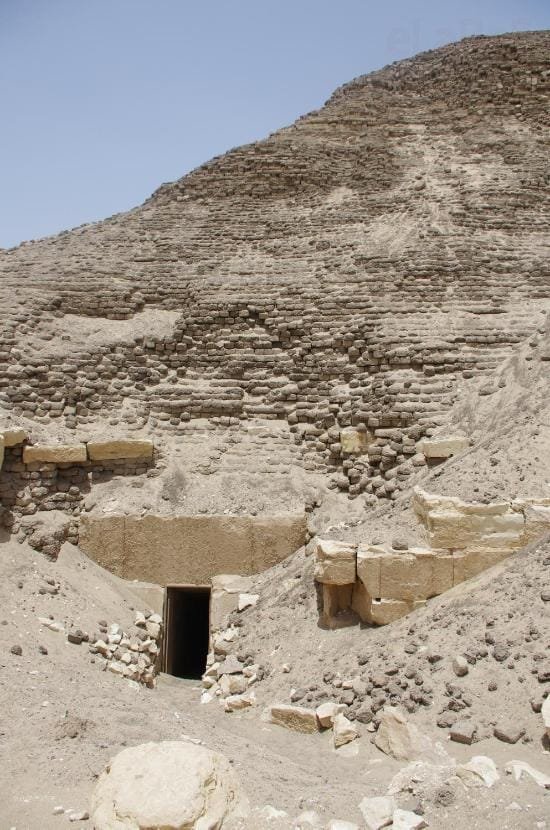
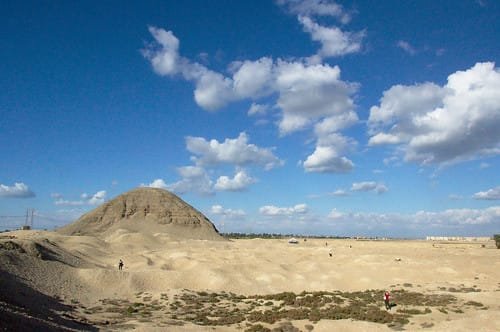
The Hawara Pyramid is located in the Fayoum Oasis, one of Egypt’s most historically significant and naturally beautiful regions. The archaeological site lies close to the modern village of Hawara, approximately 9 kilometers southeast of Fayoum city. It is also within easy reach of Cairo, making it a popular stop for travelers planning a Fayoum day trip from Cairo or a private Egypt tour combining ancient archaeological sites with the natural landscapes of the Fayoum Oasis. The location of Hawara is particularly important because the Fayoum region played a major role in ancient Egyptian history. The oasis was connected to the Nile Valley through a natural channel known in ancient times as the Bahr Yusef. This connection allowed water from the Nile to reach the fertile basin of the Fayoum, transforming the area into one of Egypt’s most productive agricultural regions. During the Middle Kingdom, Egyptian kings invested heavily in developing the region, improving irrigation systems, expanding agriculture, and establishing important royal projects. Pharaoh Amenemhat III was especially connected with the Fayoum Oasis. His reign saw major development in the region, and the construction of the Hawara Pyramid formed part of his broader building program. The pyramid was positioned in an area that provided both religious and practical importance, reflecting the ancient Egyptian belief in the relationship between the king, the gods, the Nile, and the fertility of the land. For modern travelers, visiting the Hawara Pyramid in Fayoum offers a different experience from visiting the heavily visited pyramids of Giza. The site is generally quieter and provides an opportunity to explore an important archaeological monument away from the crowds. A private Fayoum Oasis tour from Cairo can also combine Hawara with other attractions, including Lake Qarun, Wadi El Hitan, Wadi El Rayan, and the Valley of the Whales, depending on the itinerary.
2. Who Built the Hawara Pyramid?
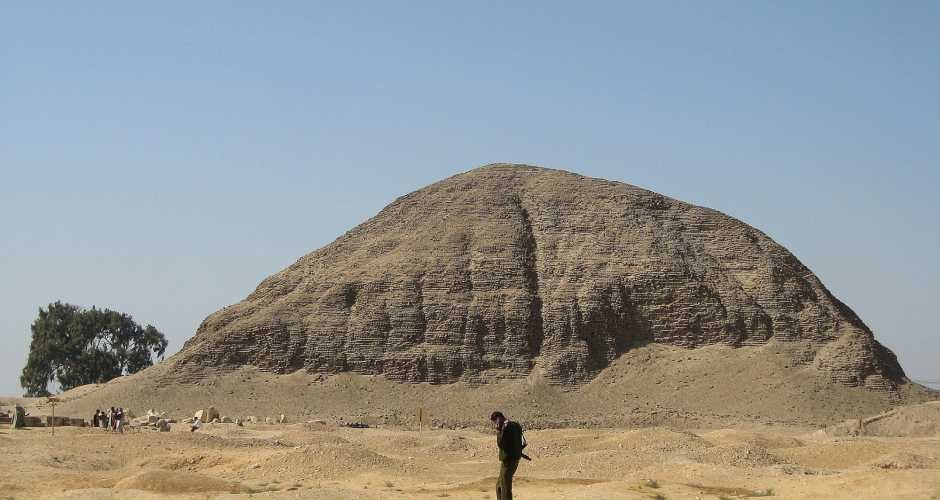
The Hawara Pyramid was built for Pharaoh Amenemhat III, a major ruler of Egypt’s Twelfth Dynasty during the Middle Kingdom. Amenemhat III ruled Egypt for several decades and is remembered for his extensive construction projects, particularly in the Fayoum region. His reign represents an important period in ancient Egyptian history when the country experienced significant economic development, agricultural expansion, and major architectural achievements. Amenemhat III was the son of Senusret III, another influential pharaoh of the Twelfth Dynasty. During his reign, Amenemhat III continued the tradition of building large royal monuments while also focusing heavily on the development of Egypt’s agricultural resources. The Fayoum Oasis became one of the most important areas associated with his rule. By improving irrigation and controlling the water flowing into the Fayoum basin, the king helped increase the agricultural productivity of the region. The Pyramid of Hawara served as Amenemhat III’s second major pyramid complex. His first pyramid was constructed at Dahshur, but the Hawara Pyramid became closely associated with his funerary cult and royal legacy. The decision to build another pyramid in the Fayoum demonstrates the importance that Amenemhat III placed on the region. The construction of the pyramid also reflects changes in Egyptian pyramid architecture during the Middle Kingdom. Instead of relying entirely on enormous limestone blocks, the core of the Hawara Pyramid was made primarily from mudbrick, while limestone was used for the outer casing and important structural elements. Over thousands of years, much of the limestone casing disappeared, leaving the distinctive remains visible today. The pyramid was not simply an isolated tomb. It formed part of a much larger funerary complex that included a mortuary temple and other structures connected with the religious ceremonies performed for the deceased king. Ancient visitors were particularly impressed by the enormous temple complex associated with Hawara, which later became known as the Labyrinth.
3. The History and Construction of the Hawara Pyramid
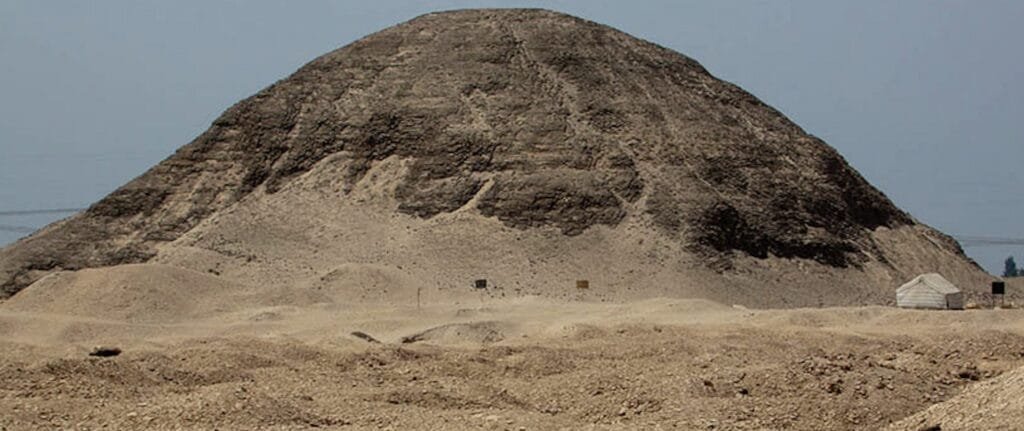
The construction of the Hawara Pyramid represents an important stage in the development of ancient Egyptian pyramid architecture. Pharaoh Amenemhat III commissioned the monument during the Middle Kingdom, when Egyptian builders were adapting traditional pyramid construction techniques to new architectural and religious requirements. Although the pyramid was inspired by the great royal pyramids of earlier periods, its design and construction were significantly different from monuments such as the Great Pyramid of Giza. The core of the Hawara Pyramid was constructed mainly from mudbrick, a material that was widely available in Egypt. Limestone was then used as an outer casing to create a smooth and durable surface. When originally completed, the pyramid would have looked very different from the weathered structure visible today. Its limestone casing gave the monument a more polished appearance and helped emphasize its role as a royal funerary monument. The pyramid originally had a substantial height, although much of the structure has disappeared over thousands of years. Natural erosion, human activity, and the removal of building materials gradually changed the appearance of the monument. Today, the site consists largely of the remaining mudbrick core, giving the Hawara Pyramid a distinctive appearance compared with the more intact stone pyramids of Giza. One of the most remarkable aspects of the Hawara complex was the sophisticated arrangement of its internal and surrounding structures. The pyramid was accompanied by a large mortuary temple, where religious rituals connected with the deceased pharaoh were performed. The temple was so extensive and complex that ancient Greek and Roman writers were fascinated by it. The site became especially famous because of descriptions of the Labyrinth of Hawara, an enormous temple complex said to contain numerous rooms, halls, courtyards, and passageways. Although much of the ancient complex has disappeared, archaeological discoveries around Hawara have helped researchers understand the importance of the site and its connection to Amenemhat III’s royal funerary traditions.
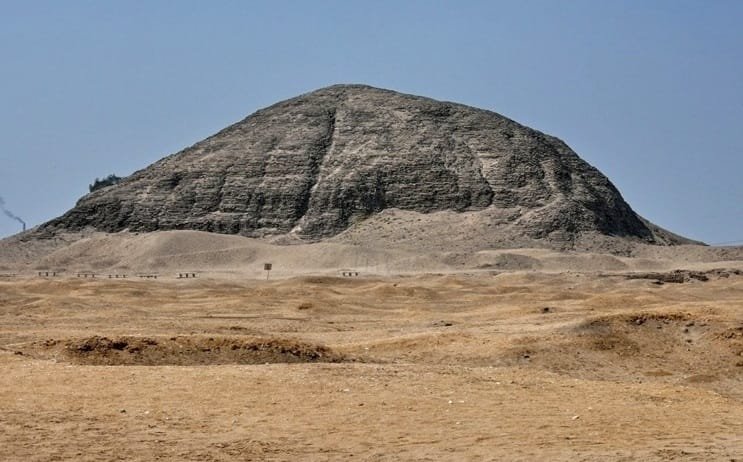
4. The Labyrinth of Hawara: One of Ancient Egypt’s Greatest Lost Temples
One of the main reasons the Hawara Pyramid became famous beyond Egypt was the enormous temple complex that once stood beside it. This complex is commonly known as the Labyrinth of Hawara, and ancient writers considered it one of the most extraordinary architectural achievements they had ever seen. Although very little of the original structure survives today, historical descriptions provide fascinating information about its enormous size, complicated design, and religious importance. The Labyrinth was part of the funerary complex built by Pharaoh Amenemhat III near his pyramid. Unlike a simple mortuary temple, it was an extensive architectural complex containing numerous rooms, courtyards, halls, corridors, and religious spaces. The complex was designed to support the rituals associated with the deceased king and the cult that continued after his death. Its complicated layout may have helped separate different religious and administrative functions within the royal funerary complex. Ancient Greek historians and travelers were particularly impressed by the Labyrinth. Herodotus, who visited Egypt during the fifth century BC, described the complex and considered it even more remarkable than some of the famous monuments he had seen elsewhere in Egypt. Later writers also mentioned the structure, helping preserve its reputation even after much of it had disappeared. The name "Labyrinth" does not necessarily mean that the ancient Egyptians themselves called the building a maze. Instead, the term was used by Greek visitors who were amazed by its complicated arrangement. The structure may have contained more than a thousand rooms and chambers according to ancient descriptions, although historians continue to debate the exact size and layout of the complex. Today, visitors cannot see the Labyrinth as it appeared during the Middle Kingdom because most of the structure has been destroyed or reused as building material. However, the archaeological remains around the Hawara Pyramid in Fayoum still demonstrate the enormous scale of Amenemhat III’s funerary project. The lost Labyrinth remains one of the most intriguing mysteries associated with ancient Egyptian archaeology.
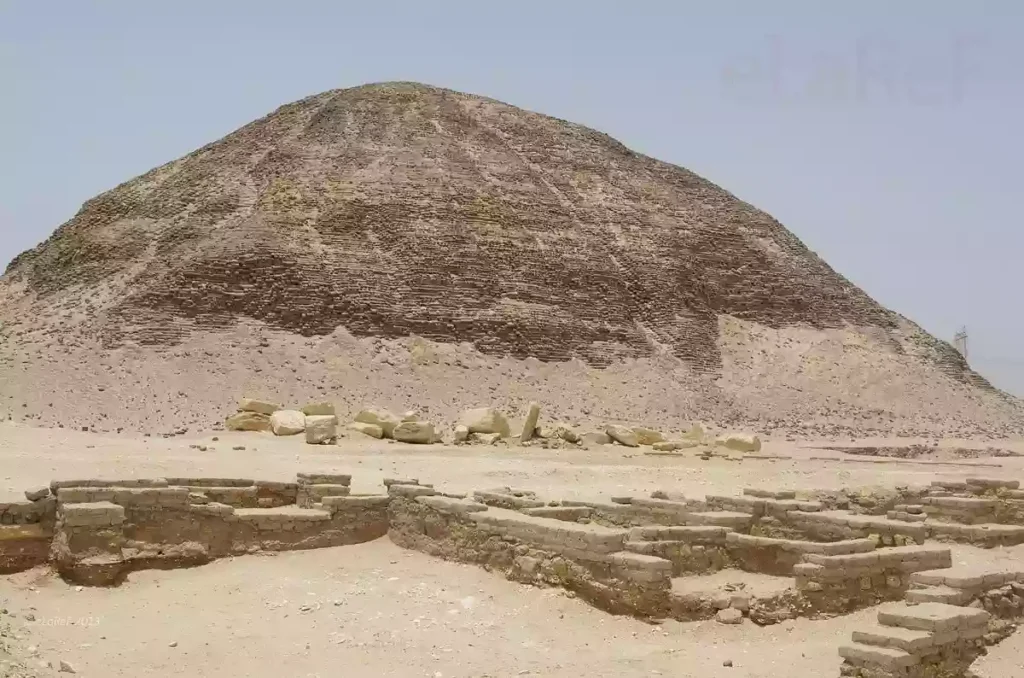
5. Pharaoh Amenemhat III and His Connection to Fayoum
The history of the Hawara Pyramid cannot be fully understood without learning about Pharaoh Amenemhat III and his close connection with the Fayoum Oasis. Amenemhat III was one of the most important rulers of Egypt’s Twelfth Dynasty and reigned during a period often regarded as one of the most prosperous eras of the Middle Kingdom. His long reign was marked by major construction projects, agricultural development, and efforts to maximize the economic potential of the Fayoum region. The Fayoum was naturally fertile, but its agricultural potential depended heavily on controlling water from the Nile. Amenemhat III and his predecessors invested in irrigation projects that helped regulate the water entering the basin. These efforts expanded agricultural land and strengthened the economic importance of the region. The king became so closely associated with the Fayoum that later Egyptian traditions connected him with the local deity associated with the lake and fertility. Amenemhat III constructed several important monuments in the Fayoum, with the Hawara Pyramid being one of the most famous. His decision to establish a major royal funerary complex there was not accidental. The location had strong religious significance, while the surrounding fertile landscape represented regeneration, prosperity, and life after death—concepts that were central to ancient Egyptian beliefs. The king’s building program also included projects at other locations in Egypt, including the pyramid complex at Dahshur. However, Hawara became particularly important because of the enormous funerary temple associated with the pyramid. The monument demonstrated the wealth, organizational ability, and architectural knowledge available to the Egyptian state during the Middle Kingdom. For modern travelers, exploring the Hawara Pyramid and Fayoum Oasis provides a chance to understand more than just ancient Egyptian pyramid construction. The area tells the story of how pharaohs interacted with the landscape and how irrigation, agriculture, religion, and royal power were closely connected. A visit to Hawara can therefore be an important part of an archaeological tour of Egypt, especially for travelers who want to discover historical sites beyond the famous pyramids of Giza.
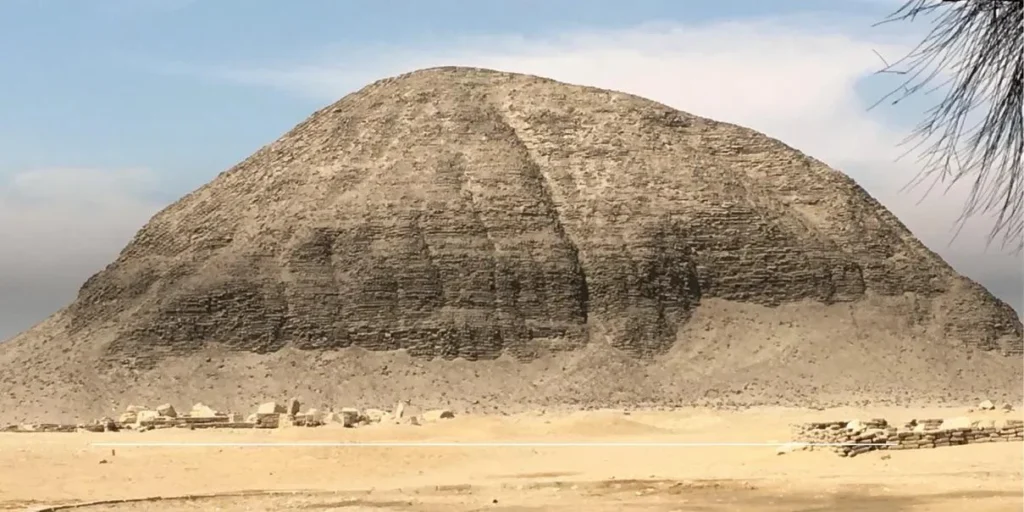
6. What Did the Hawara Pyramid Look Like in Ancient Egypt?
The Hawara Pyramid looked dramatically different when it was first completed during the reign of Pharaoh Amenemhat III. Today, visitors mainly see the remains of its mudbrick core, but the original pyramid was covered with carefully cut limestone that created a smooth outer surface. This limestone casing would have given the monument a bright and impressive appearance under the Egyptian sun. The pyramid was built using a combination of materials and construction techniques that reflected the architectural traditions of the Middle Kingdom. Its inner core consisted primarily of mudbrick, while limestone was used to protect and finish the exterior. The use of mudbrick made the monument considerably different from the massive stone pyramids of the Old Kingdom, including the Great Pyramid of Giza. When completed, the pyramid would have stood as a prominent royal monument within a much larger funerary complex. The pyramid itself represented the king’s connection with the divine and his journey into the afterlife. Ancient Egyptian pyramids were not simply giant tombs; they were central elements of religious complexes where priests performed rituals intended to maintain the deceased ruler’s eternal existence. The surrounding complex at Hawara included a large mortuary temple and other structures connected to the royal burial cult. The relationship between the pyramid and temple was extremely important. Offerings, prayers, ceremonies, and rituals were performed to support the deceased pharaoh and maintain his status among the gods. Over the centuries, the pyramid suffered from erosion and the removal of its limestone casing. Later inhabitants also reused stones and other materials from ancient monuments for new construction. As a result, the pyramid gradually lost much of its original shape and height. Despite its present condition, the Pyramid of Hawara remains an important archaeological monument in Egypt. Its unusual mudbrick construction, connection to Amenemhat III, and association with the famous Labyrinth make it one of the most interesting lesser-known pyramids to visit. Travelers exploring the Fayoum region can use the site to understand how Egyptian pyramid architecture continued to evolve long after the construction of the pyramids at Giza.
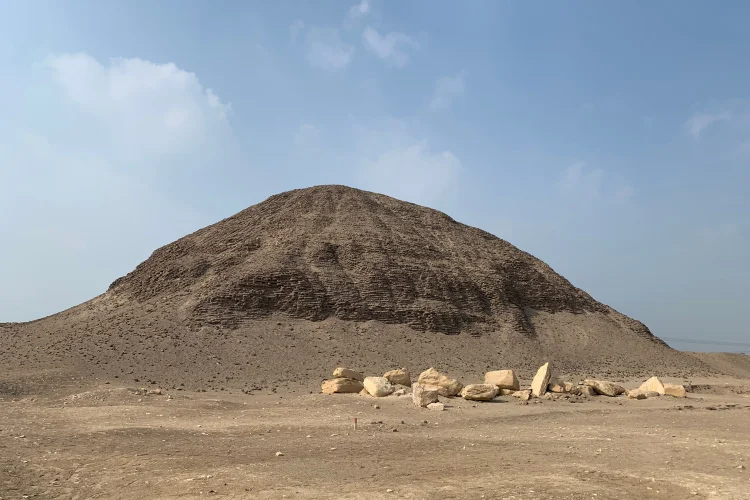
7. The Architecture and Design of the Hawara Pyramid
The Hawara Pyramid is an excellent example of how ancient Egyptian pyramid architecture changed during the Middle Kingdom. Built for Pharaoh Amenemhat III, the pyramid followed the traditional idea of creating a monumental royal tomb while introducing construction techniques that were different from those used during the Old Kingdom. Its design reflects the experience of Egyptian architects and builders who had developed new methods for constructing large royal monuments over centuries. Unlike the Great Pyramid of Giza, which was constructed almost entirely from enormous stone blocks, the Hawara Pyramid was built primarily with a core of mudbrick. The outer surface was originally covered with limestone, giving the pyramid a smooth and impressive appearance. The use of mudbrick was practical because the material was readily available in Egypt, particularly in the fertile areas around the Nile and Fayoum. Limestone was reserved for important structural and decorative elements, including the pyramid's outer casing. The internal design of the pyramid was also carefully planned to protect the royal burial. Ancient Egyptian builders developed increasingly complicated systems of passages, chambers, and blocking mechanisms to protect royal tombs from thieves. Although much of the original interior has been damaged or lost, archaeological investigations have revealed important information about the pyramid's construction and burial arrangements. Another important feature of the Hawara complex was its relationship with the enormous mortuary temple located next to the pyramid. The temple was not simply an architectural decoration; it played an essential role in the religious ceremonies performed for the deceased pharaoh. Priests would have conducted offerings and rituals intended to maintain Amenemhat III's eternal existence. The architecture of Hawara therefore demonstrates the connection between Egyptian pyramid construction, religion, royal power, and funerary traditions. For visitors interested in ancient Egyptian monuments, the pyramid provides an opportunity to see a different architectural style from the more famous stone pyramids of Giza, Saqqara, and Dahshur. Its unusual mudbrick construction and connection to the Labyrinth make the Pyramid of Hawara in Fayoum a particularly fascinating archaeological site.
8. Hawara Pyramid and Ancient Egyptian Burial Traditions
The Hawara Pyramid was built as part of the funerary complex of Pharaoh Amenemhat III, and its purpose was deeply connected to the ancient Egyptian belief in the afterlife. For the ancient Egyptians, death was not considered the end of existence. Instead, it was viewed as a transition into another form of life, and enormous importance was placed on protecting the body, providing offerings, and performing religious rituals for the deceased. The pyramid served as the central monument of the royal burial complex. Its monumental shape had religious significance and was associated with the sun, the process of rebirth, and the king's transformation into a divine being. Egyptian pharaohs were believed to have a special relationship with the gods, and their funerary monuments were designed to support their journey into the afterlife. The Middle Kingdom was an important period in the development of Egyptian funerary traditions. Although pyramid construction had already reached its most famous stage during the Old Kingdom, Middle Kingdom rulers continued to use pyramids as royal burial monuments while modifying their design and construction. The Hawara Pyramid demonstrates this transition clearly. The funerary complex included a mortuary temple where priests could perform daily rituals and present food, drink, incense, and other offerings. These ceremonies were considered essential for maintaining the deceased king's spiritual existence. The surrounding structures also provided spaces for religious activities connected with the royal cult. Security was another major concern. Royal tombs contained valuable objects, burial equipment, and items believed to be necessary for the king's journey into the afterlife. Ancient Egyptian architects therefore developed increasingly complex methods to protect royal burials from tomb robbers. The Hawara complex incorporated architectural features intended to make access to the burial chamber more difficult. Today, the Hawara Pyramid in Fayoum offers visitors an opportunity to learn about these ancient beliefs and understand why Egyptian pharaohs invested enormous resources in their funerary monuments. Exploring Hawara provides a deeper perspective on the religious ideas that shaped ancient Egyptian civilization and explains why pyramids remained important symbols of royal power and eternal life for thousands of years.
9. The Discovery and Archaeological Exploration of Hawara
The modern archaeological history of the Hawara Pyramid is almost as fascinating as the history of the monument itself. For centuries, the remains of Hawara attracted travelers, historians, and explorers who were interested in the ancient Egyptian civilization. The site's connection with the famous Labyrinth described by classical writers made it particularly interesting to early explorers searching for evidence of the monumental complex. During the nineteenth century, European travelers and archaeologists began examining the ruins of Hawara more systematically. One of the most important figures associated with the archaeological exploration of the site was William Matthew Flinders Petrie, the pioneering British archaeologist who conducted excavations at Hawara during the late nineteenth century. Petrie's work contributed significantly to the understanding of the pyramid, the surrounding funerary complex, and the material remains discovered in the area. Archaeological excavations at Hawara uncovered important evidence about the Middle Kingdom, including architectural remains, burial objects, inscriptions, and other artifacts. The discoveries helped researchers understand how the funerary complex functioned and provided valuable information about life and death in ancient Egypt. The area around Hawara also became famous for discoveries dating to later periods of Egyptian history. Archaeologists found numerous mummy portraits, particularly the famous Fayoum mummy portraits associated with the Roman period. These portraits provide remarkable evidence of the cultural changes that took place in Egypt centuries after the construction of Amenemhat III's pyramid. The archaeological work at Hawara has also helped historians compare the site with other Egyptian pyramids and royal complexes. By studying its construction techniques, layout, and associated artifacts, researchers have been able to reconstruct aspects of the ancient monument that are no longer visible. Today, archaeological research continues to contribute to our understanding of Hawara Pyramid and the Fayoum Oasis. Although much of the original complex has disappeared, the surviving remains remain valuable for Egyptologists and historians. For tourists, visiting Hawara offers a chance to experience an important archaeological site and discover a lesser-known chapter of ancient Egyptian history away from the more crowded monuments of Cairo and Giza.
10. What Can You See When Visiting the Hawara Pyramid?
Visiting the Hawara Pyramid in Fayoum offers a different experience from exploring the famous pyramids of Giza. While much of the original monument has disappeared, the remaining archaeological site provides valuable insight into the architecture, religion, and history of Middle Kingdom Egypt. Travelers interested in ancient Egyptian pyramids can explore the remains while learning about Pharaoh Amenemhat III and the enormous funerary complex that once surrounded his pyramid. The most important attraction is, of course, the Pyramid of Hawara itself. Visitors can see the surviving mudbrick structure and understand how the pyramid was constructed using a combination of mudbrick and limestone. The monument's current appearance is very different from its original form because its limestone casing has largely disappeared over the centuries. The area surrounding the pyramid is also historically important. Archaeological remains indicate the enormous scale of the ancient funerary complex that once stood beside the pyramid. This was the location of the famous Labyrinth of Hawara, a monumental temple described by ancient Greek writers as one of the most impressive buildings in Egypt. Although visitors today cannot explore the Labyrinth as it existed in antiquity, its history adds another fascinating dimension to the site. The wider Fayoum region provides even more opportunities for exploration. Depending on the itinerary, travelers visiting Hawara can combine their archaeological experience with other Fayoum attractions, including Lake Qarun, Wadi El Rayan, Wadi El Hitan, and the surrounding desert landscapes. This makes Hawara an excellent destination for travelers who want to combine ancient history with nature and adventure. A private Fayoum tour from Cairo can make the visit more convenient, particularly for travelers who want to explore several attractions in one day. With a private vehicle and knowledgeable guide, visitors can learn about the history of the pyramid, understand its connection to Amenemhat III, and discover how the Fayoum Oasis developed into one of Egypt's most important regions.
11. How to Visit the Hawara Pyramid from Cairo
The Hawara Pyramid is an excellent destination for travelers looking for an archaeological experience outside the traditional Cairo sightseeing route. Located in the Fayoum region, Hawara can be visited as part of a day trip from Cairo to Fayoum Oasis, allowing travelers to explore ancient monuments and natural attractions in the same journey. The distance between Cairo and the Fayoum region makes a private car one of the most convenient ways to reach the site. A private Fayoum tour from Cairo allows travelers to leave their hotel at a suitable time, travel comfortably in an air-conditioned vehicle, and customize the itinerary according to their interests. This is particularly useful for visitors who want to explore Hawara along with other attractions in the Fayoum Oasis. Many travelers choose to combine the Hawara Pyramid with other archaeological sites in the area. Depending on the itinerary, the day can include visits to nearby ancient pyramids, archaeological sites, Lake Qarun, Wadi El Rayan, or Wadi El Hitan. Combining historical and natural attractions creates a more complete experience of the Fayoum region. When visiting Hawara, comfortable clothing and walking shoes are recommended because exploring archaeological areas can involve walking over uneven ground. Egypt's climate can also be hot, particularly during the summer months, so carrying water, wearing a hat, and using sunscreen are practical ways to make the visit more comfortable. Hiring a knowledgeable Egyptologist guide can also make a significant difference. The remaining structures at Hawara may not immediately reveal their historical importance to first-time visitors. A professional guide can explain the story of Amenemhat III, the construction of the pyramid, the purpose of the funerary complex, and the fascinating history of the Labyrinth. For travelers interested in ancient Egyptian history, Egyptian pyramids, archaeology, and off-the-beaten-path destinations, Hawara is an excellent addition to a Cairo or Fayoum itinerary. Its historical importance and relatively peaceful atmosphere make it a rewarding alternative to some of Egypt's more crowded archaeological attractions.
12. Why Visit the Hawara Pyramid in Fayoum?
The Hawara Pyramid is one of Egypt's most interesting lesser-known pyramids and deserves a place on the itinerary of travelers who want to discover more than the famous monuments of Giza. Built by Pharaoh Amenemhat III during the Middle Kingdom, the pyramid represents an important period in ancient Egyptian history and demonstrates how royal funerary architecture evolved after the construction of the great pyramids of the Old Kingdom. One of the biggest reasons to visit Hawara is its unique connection with the Labyrinth of Hawara. Ancient writers described the enormous funerary temple as one of the most impressive architectural complexes they had ever encountered. Although most of the Labyrinth has disappeared, its story continues to make Hawara one of the most intriguing archaeological sites in Egypt. The pyramid is also important because of its unusual construction. Unlike the massive stone pyramids of Giza, the Hawara Pyramid was constructed primarily from mudbrick and originally covered with limestone. This difference gives visitors an opportunity to learn about another chapter in the development of Egyptian pyramid architecture. Hawara is also strongly connected with the history of the Fayoum Oasis. Pharaoh Amenemhat III invested heavily in developing the region's irrigation and agricultural systems, helping transform the Fayoum into one of ancient Egypt's most productive areas. Visiting the pyramid therefore provides more than a look at an ancient tomb; it helps explain the relationship between the pharaoh, the Nile, agriculture, religion, and the landscape. For travelers planning a Fayoum Oasis tour from Cairo, Hawara can be an excellent historical stop. The site can be combined with other attractions in the region, creating a full day of ancient history, desert landscapes, and natural scenery. Whether you are a history enthusiast, archaeology lover, photographer, or simply a traveler looking for a quieter Egyptian attraction, the Pyramid of Hawara offers a fascinating experience. Exploring this ancient monument allows visitors to step away from the usual tourist route and discover the legacy of Amenemhat III, the mysteries of the Labyrinth, and the remarkable history of the Fayoum Oasis.