- Excursions in Egypt
- Egypt Tour Packages
- Cairo Tours and Excursions
- Hurghada Tours and Excursions
- Soma Bay Tours and Excursions
- Makadi Bay Tours and Excursions
- Sahl Hasheesh Tours and Excursions
- El Gouna Tours and Excursions
- Marsa Alam Tours and Excursions
- Port Ghalib Tours and Excursions
- El Quseir Tours and Excursions
- Dendera and Abydos Day Tours
- Aswan Tours and Excursions
- Luxor Tours and Excursions
- Sharm El Sheikh Tours and Excursions
- Top Rated Egypt Tours in 2026
- Optional Excursions in Egypt
- Private Transfer
- Blogs About egypt
- Ancient Egypt
- Historical Sites in Egypt
- Cairo
- Alexandria
- Luxor
- Aswan
- The Red Sea
- Dendera Temple
- El Fayoum Oasis
- Bahariya Oasis
- Siwa Oasis
- Al Alamein
- Marsa Matruh
- Why Egypt Is One of the Safest Countries to Visit in the Middle East
- What You Need To know Before Your First Trip To Egypt
- Egypt Travel Costs in 2026 Full Budget Guide
- Top 10 Tourist Activities in Egypt
- Top 50 Activities You Can’t Miss in Egypt in 2026
- The Guide to Guided Tours in Egypt
- Egypt’s Ancient and Modern History
- The Nile River
- The Deserts of Egypt
- Ancient Egyptian gods
- famous Egyptian dishes
- UNESCO World Heritage sites
- About Us
- Egypt Hotels and Resorts
- Excursions in Egypt
- Egypt Tour Packages
- Cairo Tours and Excursions
- Hurghada Tours and Excursions
- Soma Bay Tours and Excursions
- Makadi Bay Tours and Excursions
- Sahl Hasheesh Tours and Excursions
- El Gouna Tours and Excursions
- Marsa Alam Tours and Excursions
- Port Ghalib Tours and Excursions
- El Quseir Tours and Excursions
- Dendera and Abydos Day Tours
- Aswan Tours and Excursions
- Luxor Tours and Excursions
- Sharm El Sheikh Tours and Excursions
- Top Rated Egypt Tours in 2026
- Optional Excursions in Egypt
- Private Transfer
- Blogs About egypt
- Ancient Egypt
- Historical Sites in Egypt
- Cairo
- Alexandria
- Luxor
- Aswan
- The Red Sea
- Dendera Temple
- El Fayoum Oasis
- Bahariya Oasis
- Siwa Oasis
- Al Alamein
- Marsa Matruh
- Why Egypt Is One of the Safest Countries to Visit in the Middle East
- What You Need To know Before Your First Trip To Egypt
- Egypt Travel Costs in 2026 Full Budget Guide
- Top 10 Tourist Activities in Egypt
- Top 50 Activities You Can’t Miss in Egypt in 2026
- The Guide to Guided Tours in Egypt
- Egypt’s Ancient and Modern History
- The Nile River
- The Deserts of Egypt
- Ancient Egyptian gods
- famous Egyptian dishes
- UNESCO World Heritage sites
- About Us
- Egypt Hotels and Resorts
Welcome to
The Threshold of Eternity: An Introduction to the Abydos Temple Complex
The Abydos Temple Complex stands as the spiritual heart of ancient Egypt, a site of profound sanctity that served as the primary gateway between the world of the living and the realm of the eternal. Located on the edge of the high desert plateau in the Sohag Governorate, Abydos—known to the ancients as Abdu—was the supreme cult center of Osiris, the god of the afterlife, resurrection, and the underworld. For over three thousand years, this sacred landscape was the ultimate destination for pilgrims, who believed that the very soil of Abydos held the secrets to overcoming death. It is a place where history and mythology are inextricably linked, housing monuments that span from the dawn of the First Dynasty to the refined heights of the New Kingdom.
At the center of this sprawling archaeological precinct is the Great Temple of Seti I, a limestone masterpiece widely regarded as the pinnacle of Egyptian artistic achievement. Unlike the gargantuan, overwhelming structures of Thebes, Abydos is celebrated for the unparalleled delicacy and emotional depth of its bas-reliefs. Every wall and sanctuary within the complex was designed as a sophisticated ritual tool, intended to maintain the cosmic order of Ma’at and ensure the King’s eternal union with the divine. From the mysterious, megalithic architecture of the Osireion to the historically vital Abydos King List, the complex functions as a “living archive” of Egyptian civilization, preserving the names of pharaohs and the evolution of their most sacred beliefs.
For the traveler and the scholar, Abydos offers an experience that is both intellectually staggering and deeply contemplative. It is a site that rewards the patient observer, revealing hidden crypts, vibrant original pigments, and architectural anomalies that continue to challenge modern understanding. To enter Abydos is to step onto the “Staircase of the Great God,” embarking on a journey that mirrors the path of Osiris himself—a path of transformation, memory, and the enduring human quest for immortality. In the following exploration, we will delve into the eighteen defining facets of this majestic complex, uncovering why Abydos remains the most soul-stirring site in the long history of the Nile.
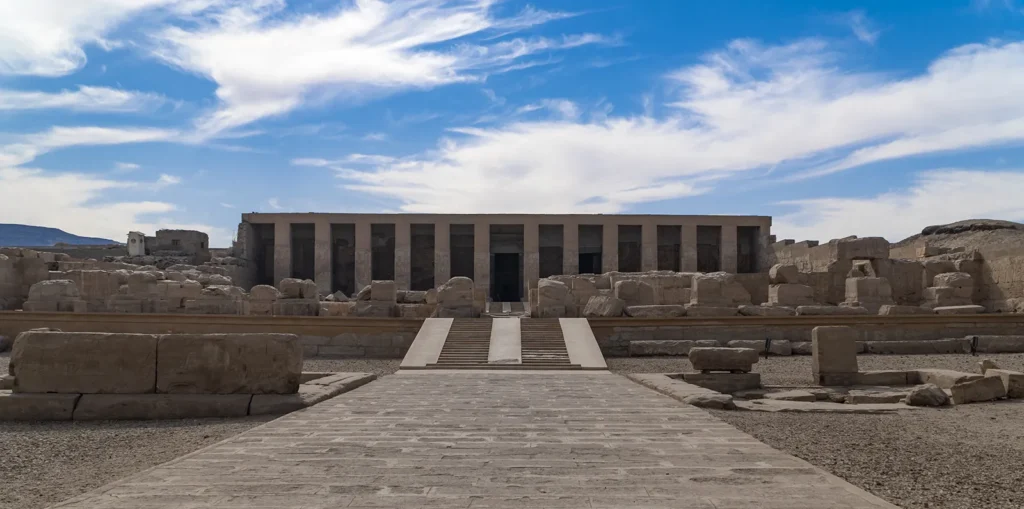
1. The Sacred Threshold of Osiris
The Abydos Temple Complex, situated in the Sohag Governorate approximately 11 kilometers west of the Nile, is arguably the most spiritually significant and emotionally resonant site in all of Pharaonic history. Known to the ancient Egyptians as Abdu, the "Hill of the Symbol," this sprawling archaeological precinct served as the primary cult center for Osiris, the god of the afterlife, regeneration, and the underworld. While the geography of Egypt is dotted with grand monuments, Abydos occupies a unique niche as a "thin place"—a location where the veil between the living world and the eternal realm was considered exceptionally permeable. The site's importance is not merely architectural but deeply theological. For millennia, Abydos was the ultimate destination for the "Great Pilgrimage," an essential journey for every ancient Egyptian who hoped to secure a favorable judgment in the Hall of Truth. Those who could not afford to be buried here would often have a cenotaph (a symbolic tomb) or a commemorative stela erected in their name, ensuring they would be present for the annual mysteries of the god. The complex is a layered historical document, containing remains from the very dawn of the Predynastic period through the high points of the New Kingdom and into the Coptic era. Central to the complex is the concept of resurrection. Because mythology stated that the head of Osiris was buried at Abydos after he was murdered and dismembered by his brother Seth, the soil itself was considered holy. This belief transformed the desert landscape into a massive necropolis and a center for high-artistic expression. For the modern visitor, Abydos offers a serene, almost meditative atmosphere that stands in stark contrast to the tourist-heavy sites of Luxor. It is a place of profound silence, where the sheer quality of the limestone reliefs and the weight of five thousand years of prayer create a sensory experience that is both intellectually stimulating and spiritually grounding.

2. The Great Temple of Seti I: A Masterpiece of New Kingdom Art
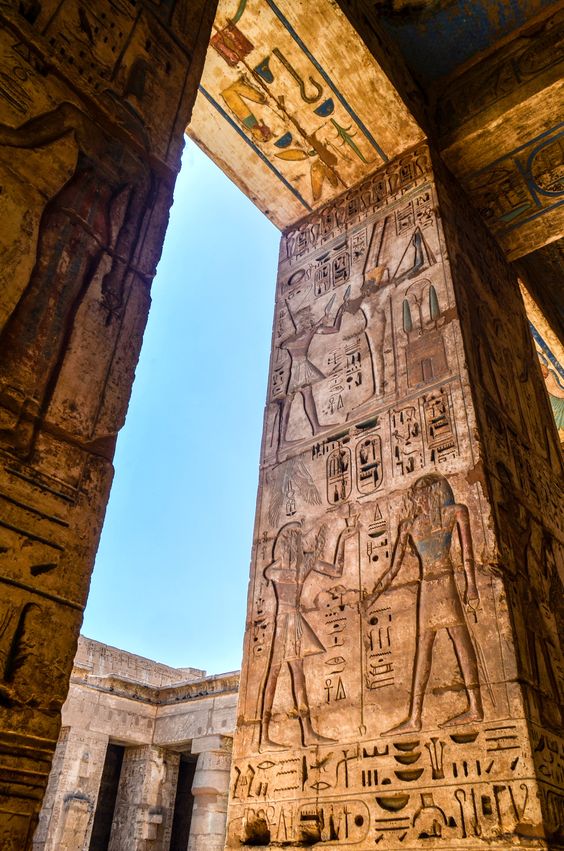
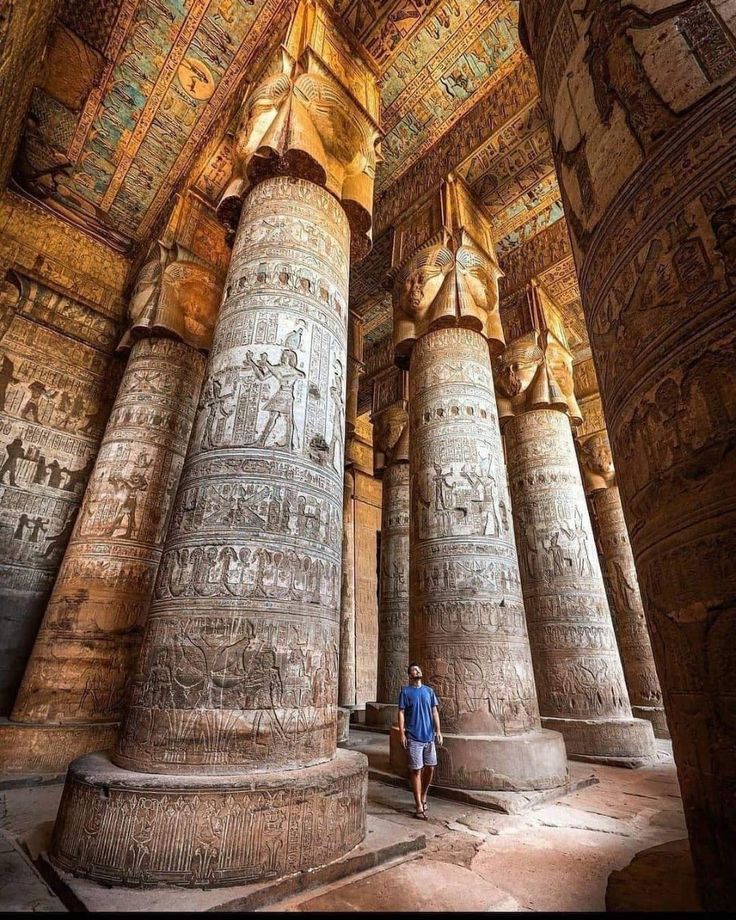
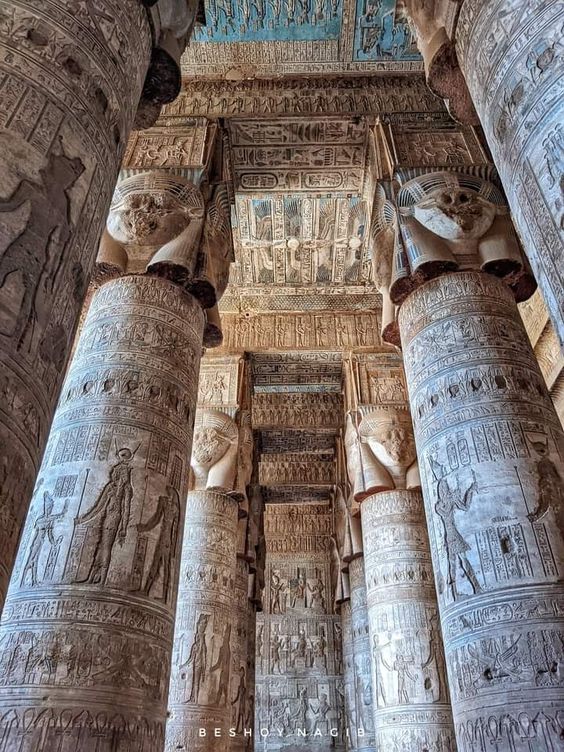
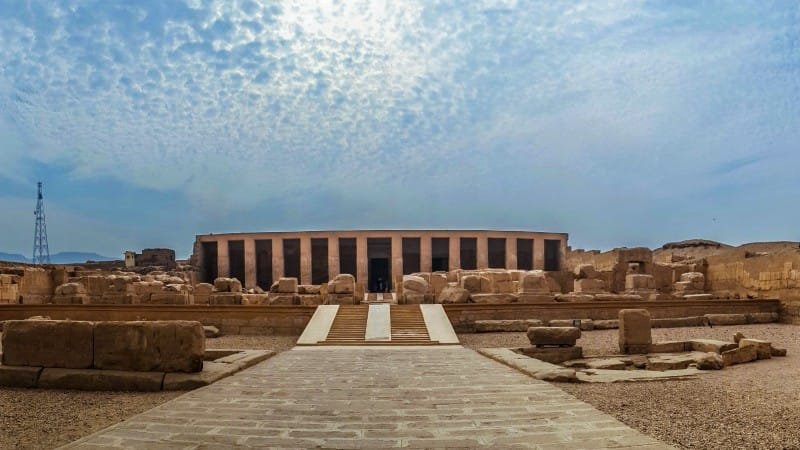
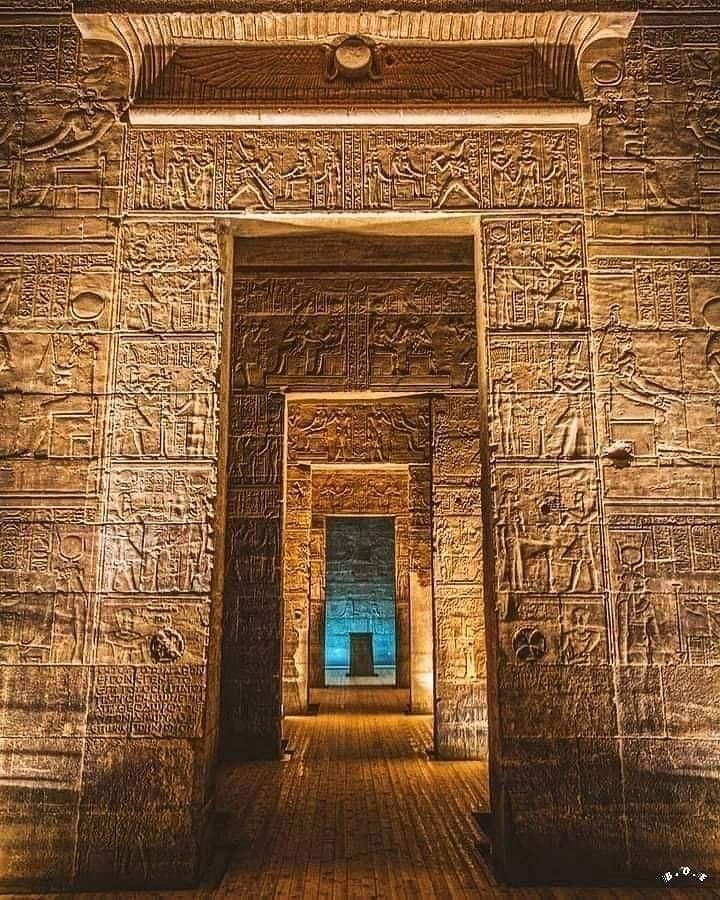
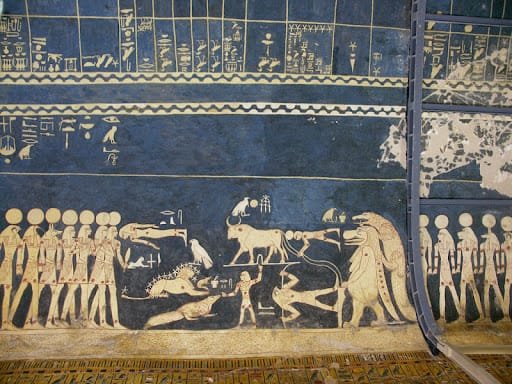
While the Abydos precinct is vast, its crown jewel is undoubtedly the Great Temple of Seti I. Constructed during the 19th Dynasty of the New Kingdom, this temple represents the absolute zenith of Egyptian artistic refinement. Unlike the sprawling, somewhat chaotic expansions of the Karnak Temple, Seti I’s temple was built with a cohesive, focused vision of elegance. The architecture is famously unique due to its "L-shaped" ground plan—a departure from the standard linear progression of Egyptian temples—which was likely a deliberate design choice made to accommodate and respect the pre-existing, older Osireion structure located directly behind it. The interior of the temple is a gallery of the "Seti style," characterized by incredibly delicate low-relief carvings that retain a level of detail and grace rarely seen in later dynasties. In the two massive hypostyle halls, the columns support a ceiling that still bears the original celestial decorations. The walls are covered in scenes of the King interacting with the gods, but these are not the stiff, formal depictions found elsewhere; there is a fluidity and softness to the figures, particularly in the rendering of the skin, the intricate pleating of the linen garments, and the serene expressions of the deities. The temple is also unique for its seven vaulted sanctuaries, each dedicated to a specific member of the Egyptian pantheon: Seti I himself, Ptah, Re-Horakhty, Amun-Re, Osiris, Isis, and Horus. This multi-deity approach served a vital political and religious purpose, consolidating the King's relationship with the most powerful cults in the land. Each sanctuary functions as a "house within a house," featuring "Daily Ritual" scenes where the King is shown purifying, clothing, and offering incense to the divine statues. The craftsmanship here acts as a permanent, stone-bound prayer, ensuring that the rituals of the temple would continue through the magic of the reliefs even if the human priesthood were to disappear.
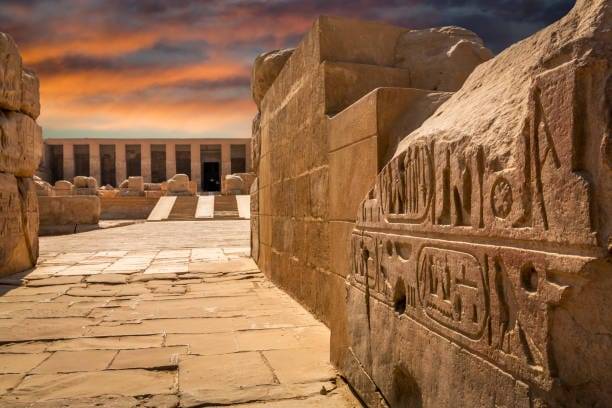
3. The Abydos King List: The Chronology of a Civilization
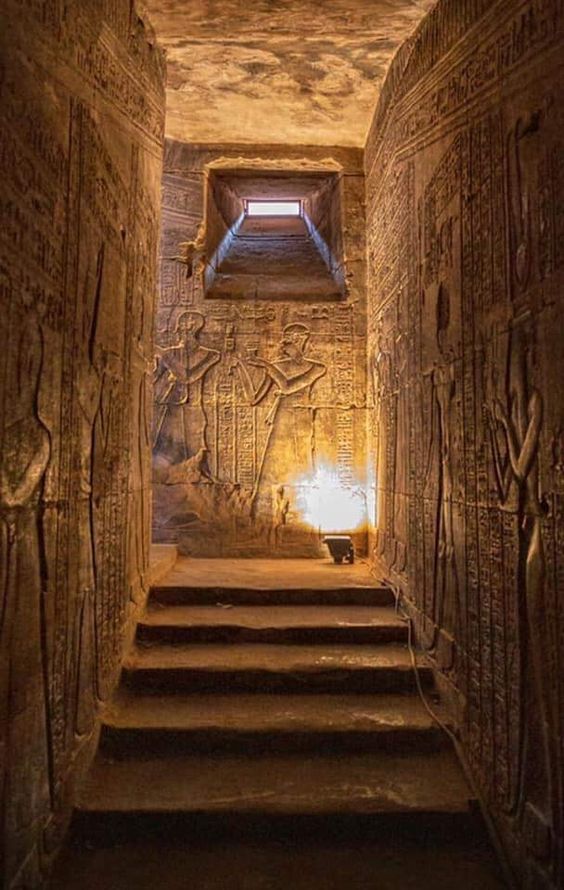
Deep within a narrow corridor of the Temple of Seti I lies one of the most vital historical artifacts ever discovered: the Abydos King List. This massive, wall-spanning relief is far more than a decorative feature; it is a profound political and genealogical statement carved in stone. The scene depicts the Pharaoh Seti I, accompanied by his young son and heir, the future Ramesses II, standing before a series of 76 cartouches containing the names of his predecessors. This list serves as a formal canon of Egyptian kingship, stretching back to Menes, the legendary unifier of Upper and Lower Egypt. The primary function of the King List was to establish legitimacy. By physically standing before the names of the "Glorious Ancestors," Seti I was asserting his rightful place in an unbroken line of divine rulers. This was especially important for the early 19th Dynasty, which had risen to power following the internal chaos of the Amarna Period. Consequently, the list is a curated history; it intentionally omits the names of "heretic" or "illegitimate" rulers such as Akhenaten, Smenkhkare, Tutankhamun, Ay, and the female Pharaoh Hatshepsut. By "erasing" these figures from the stone record at Abydos, Seti was effectively removing them from the eternal cycle of existence. For modern Egyptologists, the Abydos King List has provided the essential "backbone" for the chronology of the Old, Middle, and New Kingdoms. It allows researchers to verify the sequence of kings and cross-reference them with other sources like the Turin Papyrus or the records of Manetho. Beyond the history, the ritual significance is immense. The corridor was a site for the Cult of the Ancestors, where the living King would offer incense and libations to the spirits of those who ruled before him. This act ensured that the Ka (spirit) of the monarchy remained strong, linking the past, present, and future of Egypt into a singular, eternal thread of divine authority.
4. The Osireion: The Enigmatic Subterranean Cenotaph
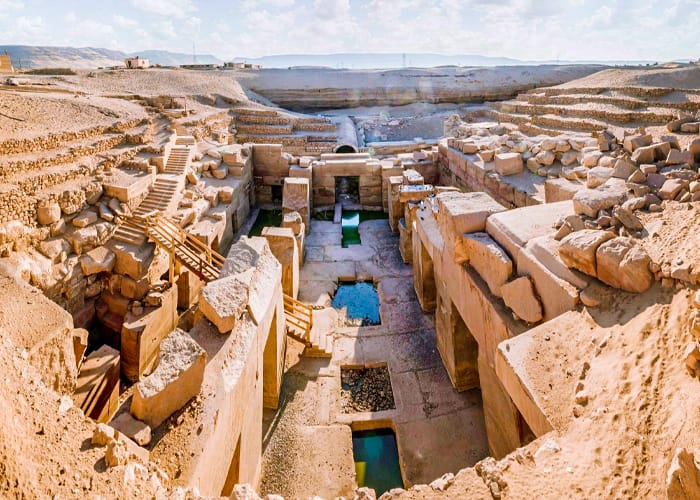
Located directly behind the rear wall of the Temple of Seti I, the Osireion is one of the most mysterious and architecturally distinct structures in the Nile Valley. Unlike the delicate limestone used for the main temple, the Osireion is constructed from colossal, undecorated blocks of red granite and sandstone, some weighing upwards of 100 tons. The design is starkly minimalist, reminiscent of the 4th Dynasty Valley Temple of Khafre at Giza, leading to centuries of debate regarding its true age. While many fringe theories suggest it is much older than the New Kingdom, most archaeologists agree it was built by Seti I to function as a cenotaph—a symbolic, empty tomb for the god Osiris. Its layout is a physical representation of the "Primeval Mound" of creation, featuring a central island surrounded by a moat of water, which even today is often filled by the rising water table. The symbolism of the Osireion is rooted in the "Book of Gates" and the "Amduat," representing the journey of the sun god through the watery abyss of the underworld. To enter the Osireion is to symbolically enter the Duat. The massive pillars and the absence of traditional inscriptions in the main hall create a sense of timelessness and gravity. It was here that the most secret rites of the Osiris mysteries were likely performed, focusing on the concept of Zep Tepi (the First Time). The structure was intentionally built at a lower elevation to tap into the natural groundwater, ensuring that the symbolic "primordial waters" would perpetually wash over the island where the god was thought to rest. This marriage of engineering and mythology makes the Osireion a unique architectural feat that bridges the gap between the physical world and the watery origins of the Egyptian universe.
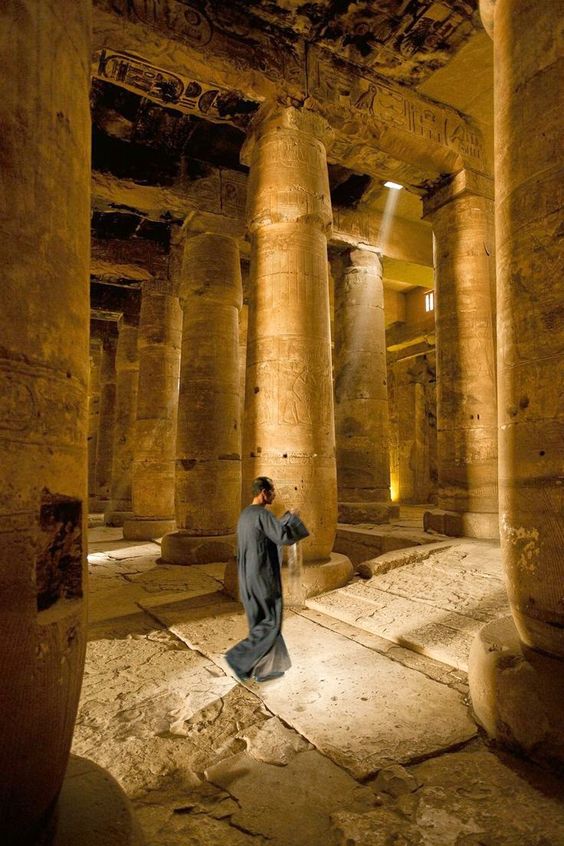
5. The "Mystery" Reliefs: The Helicopter, Tank, and Palimpsest
In the first hypostyle hall of Seti’s temple, high on a ceiling lintel, lies a set of hieroglyphs that have become a cornerstone of "ancient astronaut" and "technological" conspiracy theories. When viewed from the ground, these carvings bear a startling resemblance to a modern attack helicopter, a main battle tank, and a submarine or aircraft. These images have been shared globally as "proof" that the ancient Egyptians possessed advanced technology or were visited by time travelers. However, the scientific reality is an fascinating lesson in the evolution of temple construction and royal propaganda known as a palimpsest. A palimpsest occurs when a surface is reused; in this case, the original titulary of Seti I was carved into the stone, later covered with a layer of plaster, and re-carved with the names of his son, Ramesses II. Over thousands of years, the plaster covering the original carvings crumbled away, leaving behind a composite of two different sets of hieroglyphs overlapping one another. The "rotor blades" of the helicopter are actually the overlap of the tkp (to subdue) sign and the nb (lord) sign. The "tank" is a result of the overlapping of a hand sign and a specialized bowl hieroglyph. This accidental optical illusion is a testament to the transition of power from father to son, where Ramesses II sought to "appropriate" the monuments of his predecessor to save on costs and labor. Correcting this misinformation is essential for travelers, as it redirects the focus back to the genuine brilliance of Egyptian scribes and the complex linguistic history of the New Kingdom, rather than distracting from the true historical and spiritual significance of the temple.

6. The Temple of Ramesses II: A Son’s Vibrant Tribute
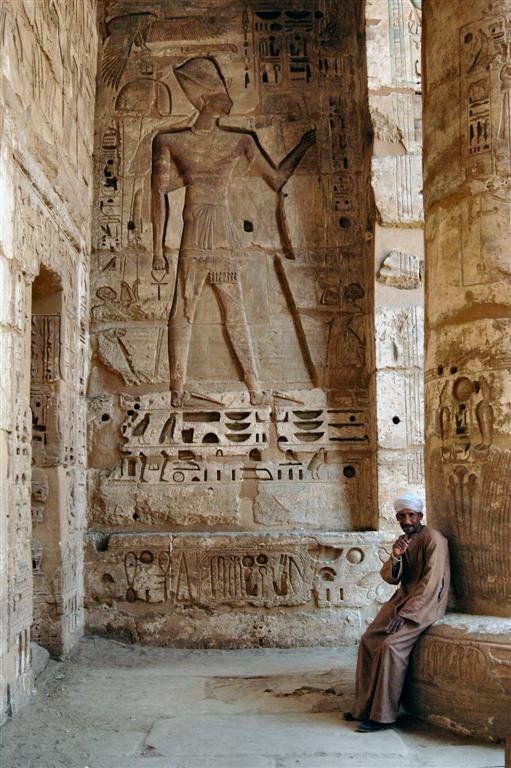
While the Temple of Seti I is famed for its artistic subtlety, the nearby Temple of Ramesses II is a celebration of vibrant color and military power. Though much of the upper structure of this smaller temple has been lost to time, the remaining lower walls contain some of the most spectacularly preserved pigments in the entire Abydos region. Here, the "Seti style" of low relief is replaced by the deeply incised reliefs that became the hallmark of Ramesses’ long reign. The temple was built early in his career to honor his father and the god Osiris, but it quickly became a monument to his own ego and military accomplishments. The interior walls are a riot of Egyptian Blue, deep reds, and brilliant yellows, depicting the King in various ritual acts and military processions. The most famous scenes in this temple are the detailed reliefs of the Battle of Kadesh, the massive chariot engagement between Egypt and the Hittite Empire. These carvings provide a cinematic look at 13th-century BCE warfare, showing the chaos of the Egyptian camp, the ranks of Shardana mercenaries with their horned helmets, and the King himself charging into the fray. Beyond the violence of war, the temple also features beautiful scenes of the annual "Festival of the Valley," showing priests carrying offerings of flowers and food. The Temple of Ramesses II serves as a vital aesthetic counterpoint to Seti’s temple; where the father’s work is quiet and ethereal, the son’s is bold, loud, and indestructible. It remains one of the best places in Egypt to appreciate the sheer "color" of the ancient world before it was bleached by the desert sun.

7. The Cult of Osiris and the Mysteries of Abydos
The spiritual gravity of Abydos is anchored in the Cult of Osiris, a religious phenomenon that dictated the funerary customs of Egypt for over two millennia. Osiris was not merely a god; he was the archetype of the "just king" who triumphed over death, offering the promise of eternal life to every Egyptian, regardless of their social standing. Abydos was the stage for the Osiris Mysteries, a series of annual dramatic reenactments that were among the most sacred events in the Egyptian calendar. During these festivals, a "Great Procession" would depart from the temple, led by the jackal-god Upuaut, "the Opener of the Ways." This procession followed a route from the temple to the symbolic tomb of the god in the desert, with thousands of pilgrims lining the path to witness the ritual defeat of the enemies of Osiris. These mysteries were more than mere theater; they were a participatory experience that allowed the living to connect with the divine. Pilgrims would bring small clay figures, known as Osiris beds, which were filled with grain and watered until they sprouted—a powerful metaphor for life emerging from the cold earth. The city essentially became a massive religious infrastructure, designed to handle the influx of devotees who saved their entire lives for this journey. To be present at Abydos during the festivals was to witness the victory of order over chaos. The energy of these rites was so potent that the site became the most sought-after location for burial. If a physical burial at Abydos was impossible, a cenotaph or a memorial stela served as a "spiritual placeholder," ensuring that the deceased’s Ba (soul) could forever feast on the offerings presented during the god's eternal celebrations.

8. Umm el-Qa'ab: The Mother of Pots and Royal Origins
Located approximately 1.5 kilometers into the desert from the main temples, Umm el-Qa'ab is one of the most historically significant necropolises in the world. Its modern name, which translates to "Mother of Pots," is derived from the literal mountains of pottery shards that cover the ground—discarded remains of millions of offering jars left by pilgrims over five thousand years. This area was the burial ground for the kings of the First and Second Dynasties, marking the very birth of the unified Egyptian state. The tombs here are not the grand pyramids of later eras but subterranean brick-lined chambers that were originally covered by mounds of sand. Among these is the tomb of King Djer, which later generations of Egyptians mistakenly identified as the actual burial place of Osiris himself. This misidentification elevated Umm el-Qa'ab from a royal cemetery to a site of supreme cosmic importance. During the Middle and New Kingdoms, the pharaohs meticulously restored these ancient "ancestor" tombs, seeing themselves as the direct spiritual heirs to the kings buried there. Excavations at the site have yielded some of the earliest examples of Egyptian writing on small ivory and bone tags, proving that Abydos was a center of literacy and administration at the dawn of history. The landscape of Umm el-Qa'ab is hauntingly beautiful; the bleached white pottery shards crunch underfoot, serving as a physical reminder of the sheer volume of human devotion that has flowed into this desert basin. It is the place where the historical reality of the first pharaohs met the mythological foundation of the Egyptian religion, creating a lineage that spanned over three thousand years.
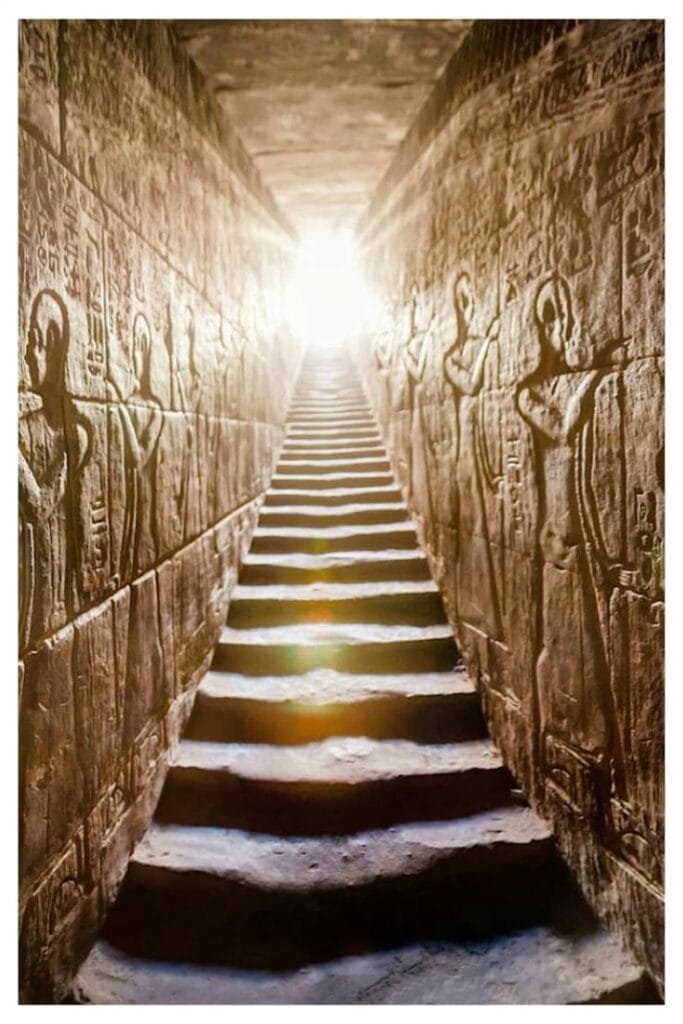
9. The Portal Temple of Ramesses I: A Legacy of Filial Piety
Tucked away near the northern enclosure of the complex is the small but significant Portal Temple of Ramesses I. This structure is a poignant monument to the transition of power and the deep-seated value of filial piety in ancient Egyptian culture. Ramesses I was the founder of the 19th Dynasty, but because he ascended the throne at an advanced age and reigned for less than two years, he had no time to complete his own memorial at the sacred site of Abydos. It was his son, Seti I, who undertook the construction of this chapel to ensure his father’s spirit would have a permanent "portal" through which to receive offerings and participate in the city's eternal festivals. This act was not merely an emotional gesture; it was a political necessity to solidify the legitimacy of the new dynasty. The reliefs within this small chapel are executed with the same high-quality craftsmanship found in the larger temple, depicting the deceased Ramesses I being welcomed into the company of the gods. The temple functioned as a gateway (hence the name "Portal Temple") between the desert necropolis and the fertile valley. It served as a symbolic stopping point for the divine barques during processions. The architecture is modest compared to the neighboring giants, but its presence is vital to understanding the continuity of the state. In ancient Egypt, the greatest duty a son could perform was the burial and continued veneration of his father. By building this chapel, Seti I demonstrated that the new line of kings was as pious and "Ma'at-abiding" as any that had come before, bridging the gap between the military origins of his family and the ancient, sacred traditions of the Osirian cult.
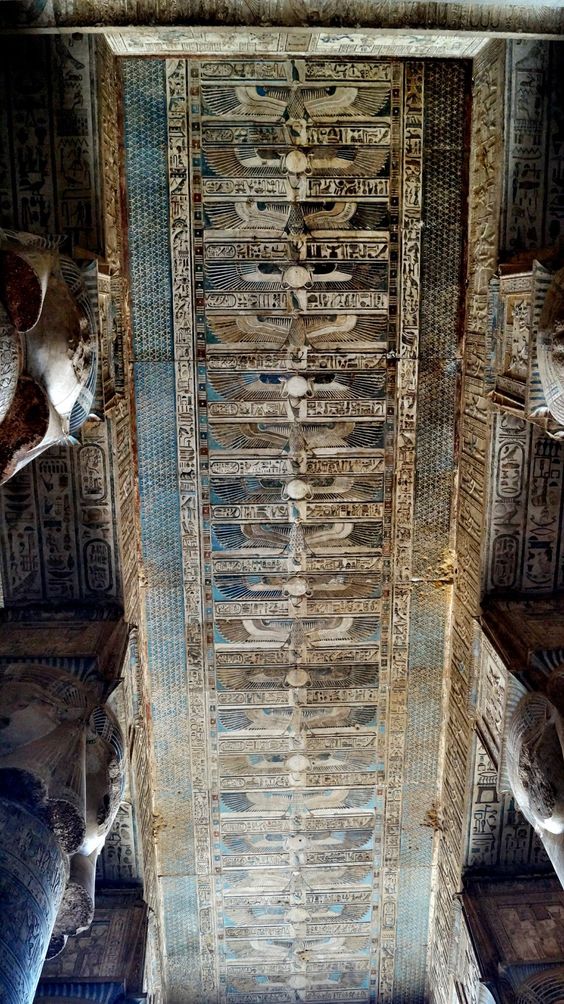
10. The Architectural Mystery of the L-Shaped Plan
The L-shaped floor plan of the Temple of Seti I is one of the most intriguing architectural anomalies in all of Egypt. Standard Egyptian temples of the New Kingdom followed a strict linear axis, leading from the entrance pylon through open courtyards and hypostyle halls directly to the sanctuary. At Abydos, however, the rear section of the temple—containing the storerooms, the chapel of the bull, and various liturgical chambers—is abruptly turned 90 degrees to the left. For decades, this was viewed as a structural curiosity, but modern archaeological surveys have revealed a profound reason for this deviation: the discovery of the much older Osireion during the temple's construction. When Seti I’s architects began excavating the foundations for the rear of the temple, they likely encountered the massive granite blocks of the Osireion. Rather than building over or demolishing this ancient and sacred structure, which was believed to be the symbolic burial place of Osiris, the architects chose to pivot the temple’s plan. This decision illustrates a deep-seated respect for "sacred heritage." The irregularity of the L-shape was a small price to pay for maintaining the sanctity of the older monument. Furthermore, this shift allowed the temple to physically wrap around the Osireion, creating a unique theological unity between the "Living Temple" of Seti and the "Eternal Tomb" of the god. This layout proves that the Egyptians prioritized religious continuity and symbolic alignment over architectural symmetry, resulting in a complex that feels organic rather than artificial.

11. The Sanctuary of the Seven Deities: A Theological Core
The rear of the Temple of Seti I houses the Sanctuary of the Seven Deities, a series of seven vaulted chambers that represent the theological heart of the complex. Unlike most temples which have a single "Holy of Holies," Abydos grants equal prominence to a heptad of gods: Seti I (as a god), Ptah, Re-Horakhty, Amun-Re, Osiris, Isis, and Horus. Each sanctuary is a masterpiece of ritualistic art, featuring a false door at the rear through which the spirit of the deity was believed to enter the room. The ceilings are particularly impressive; they are carved to resemble barrel vaults but are actually cut from massive horizontal limestone slabs, a technique that required immense precision to create the illusion of a curved space. The wall reliefs within these sanctuaries are highly specialized. They depict the "Daily Ritual" in minute detail, showing the King opening the doors of the shrine, greeting the god with incense, washing the divine statue, and dressing it in fine linen. These rooms were the private quarters of the gods, accessible only to the highest-ranking priests. The quality of the carving in these chambers is the most refined in the entire temple, with the limestone polished to a near-marble finish. By providing separate homes for these seven distinct powers, Seti I essentially made Abydos a "National Cathedral," synthesizing the primary cults of Memphis, Heliopolis, and Thebes under one roof, thereby unifying the spiritual landscape of the entire Egyptian empire within the sacred city of Osiris.
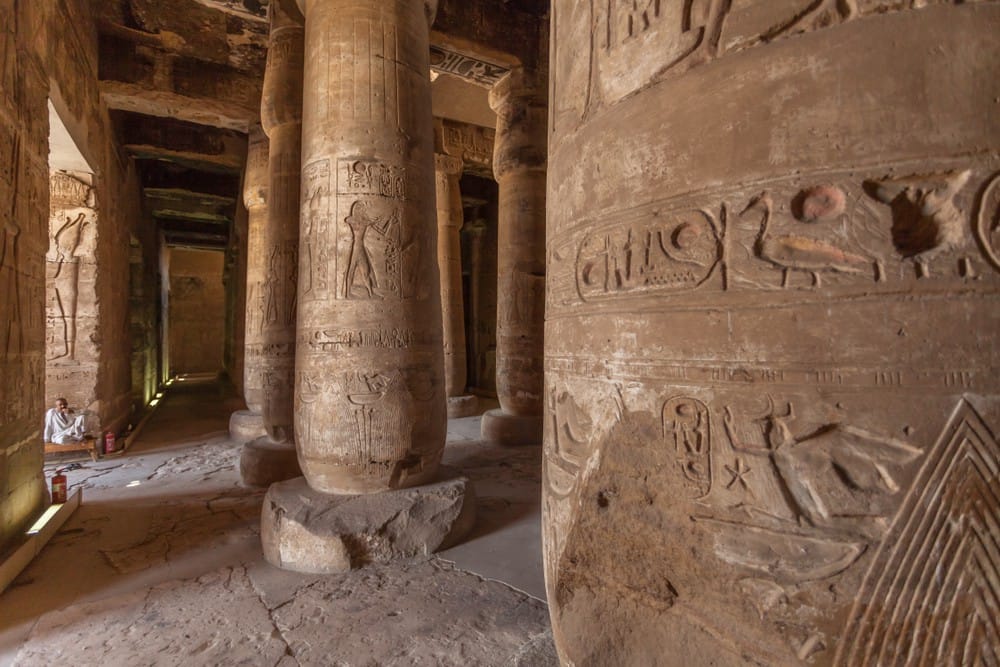
12. The "Staircase of the Great God" and the Desert Horizon
To the ancient Egyptians, the geography of Abydos was as sacred as the architecture itself. The temple sits at the mouth of a natural canyon in the high desert cliffs, which the ancients believed was the physical entrance to the Duat (the Underworld). This natural landscape feature was referred to in texts as the "Staircase of the Great God." It was believed that the soul of Osiris ascended this path after his resurrection, and consequently, every Egyptian hoped to follow this same trajectory. This natural landmark influenced the placement of the royal tombs at Umm el-Qa'ab and the grand temples on the edge of the cultivation, creating a symbolic bridge between the fertile green land of the living and the harsh, white limestone cliffs of the dead. The "Staircase" was not just a metaphorical concept but a physical reality for pilgrims. During the Osiris Mysteries, the procession would move toward the desert, mimicking the god's journey toward the horizon. This alignment ensured that every ritual performed at Abydos was in harmony with the natural environment. The desert plateau served as a massive, natural altar where the setting sun—representing the dying god—would "sink" into the earth, only to be reborn the next morning. This profound connection to the landscape is what gave Abydos its unique atmosphere; unlike the urban temples of Thebes, Abydos remains a lonely, desert-bound outpost where the silence of the cliffs reinforces the site's role as a threshold between two worlds.

13. High-Relief vs. Low-Relief: The Artistic Evolution
The artistic transition visible within the Abydos complex provides a literal timeline of the shift in Egyptian aesthetic priorities during the 19th Dynasty. In the sections commissioned directly by Seti I, the walls are adorned with exquisite low relief. This technique involves carving away the background so the figures stand just a few millimeters above the surface. It requires a master's touch to suggest the soft curvature of a cheek, the ripple of muscle under a garment, or the intricate details of a divine headdress. These carvings are subtle and rely on soft, indirect light to reveal their depth, reflecting a period of artistic sensitivity and theological sophistication. However, as one moves into the areas completed by his son, Ramesses II, the style shifts dramatically to sunk (or incised) relief. In this method, the outlines are cut deeply into the stone. This was a practical and political evolution; sunk relief is far more durable against the elements and creates sharp, high-contrast shadows under the punishing Egyptian sun, making the images legible from a great distance. While some critics suggest this represented a decline in artistic "finesse," it actually signaled a new era of monumentalism. Ramesses II wanted his presence at Abydos to be indestructible and unmistakable, ensuring that his image would remain "carved in stone" long after the softer, more delicate low reliefs of his father might have eroded.
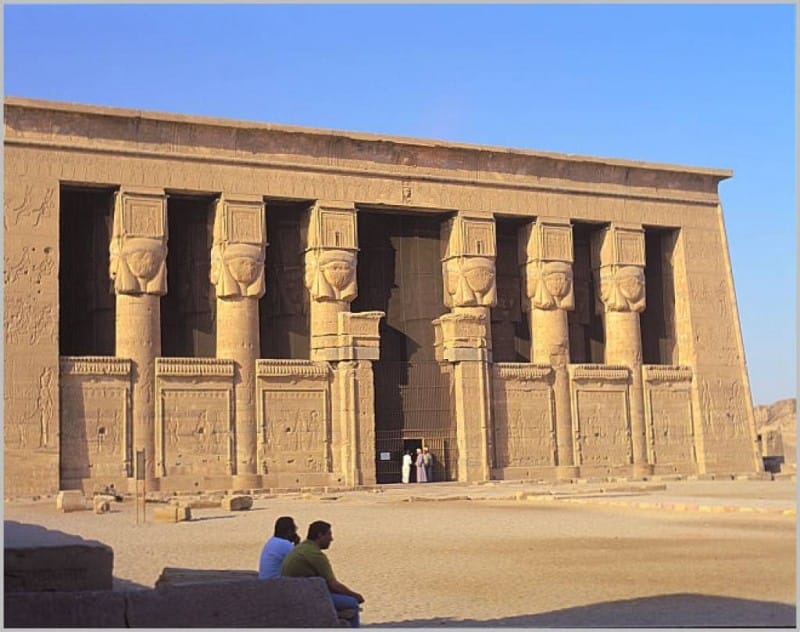
14. The Influence of the "Abydos Holy Family"
At its heart, Abydos is a monument to the most enduring narrative in Egyptian mythology: the story of Osiris, Isis, and Horus. This "Holy Family" provided a relatable blueprint for the ancient Egyptians, dealing with universal themes of familial love, tragic loss, and eventual justice. The temple reliefs at Abydos contain some of the most moving depictions of this triad in existence. We see Isis, the devoted wife, using her magical wings to fan life back into the deceased Osiris, and later, the protective mother nurturing the young Horus in the marshes of the Delta. This narrative was the primary driver for the site’s popularity as a pilgrimage destination. Unlike the remote, unapproachable sun-god Ra, the family of Osiris had suffered and triumphed over death, making them accessible to the common person. The "Osirianization" of the Egyptian afterlife meant that every person, upon death, hoped to become "an Osiris." By visiting the temple, pilgrims weren't just honoring a god; they were rehearsing their own salvation. The imagery of Horus being crowned in the presence of his parents served as a divine guarantee that order would always be restored, and that the bond of the family could transcend even the boundary of the grave.
15. The Coptic Transition and the Monastery of Anba Musa
As the ancient Egyptian religion began to wane in the 4th and 5th centuries AD, Abydos did not lose its reputation as a place of spiritual power. Instead, it became a significant center for early Coptic Christianity. Many of the temple’s halls were repurposed as hermitages or chapels by monks who sought the solitude of the desert. In some areas of the Temple of Seti I, one can still find "cross" graffiti and Coptic inscriptions etched alongside ancient hieroglyphs. While some of the original "pagan" faces were chiseled away by monks to "neutralize" the old gods, many reliefs were simply covered in thick mud-plaster, which ironically acted as a preservative for the vibrant colors we see today. Near the ancient precinct lies the Monastery of Anba Musa (St. Moses), which continues the long tradition of desert monasticism in the region. The transition from the Mysteries of Osiris to the Mysteries of Christ at Abydos is a fascinating example of "religious layering." The local population continued to view the area as a source of baraka (blessing), and many of the old healing traditions associated with the temple’s waters were adapted into Christian hagiography. Today, the presence of the Coptic community serves as a living link to the site's enduring sanctity, proving that while the gods may change names, the human desire for a connection to the divine at Abydos remains constant.
16. Preservation and the Challenge of Groundwater
The greatest modern threat to the structural integrity of Abydos is not the desert wind, but the silent rise of groundwater. Because the temple is situated near the edge of the Nile's cultivation zone, and because the Osireion was intentionally built at a subterranean level to reach the "primeval waters," the site is highly susceptible to flooding. As the water table rises due to modern irrigation and the Aswan High Dam, moisture seeps into the porous limestone and sandstone. When this water evaporates, it leaves behind salt crystals that expand and "pop" the surface of the delicate reliefs, leading to the catastrophic loss of ancient art. For decades, international archaeological teams and the Egyptian Ministry of Tourism and Antiquities have treated Abydos as a high-priority conservation site. A sophisticated system of dewatering trenches and pumps has been installed around the perimeter of the Seti I temple and the Osireion to lower the water table and redirect the flow. Furthermore, conservators use specialized chemical poultices to "suck" the salt out of the stone walls. These efforts are a race against time; the preservation of the "finest reliefs in Egypt" requires constant vigilance and engineering ingenuity to ensure that the dampness of the earth does not reclaim the masterpieces created by Seti's craftsmen three thousand years ago.
17. The Symbolic "Tomb of the South"
Abydos functioned for many pharaohs as a "Southern Tomb" or cenotaph, creating a fascinating theological duality in royal burials. A king might have his physical body interred in a pyramid at Saqqara or a rock-cut tomb in the Valley of the Kings, but he would also commission a "dummy" tomb or a grand mortuary chapel at Abydos. This allowed the King to be physically present in the traditional capital while being spiritually present in the City of Osiris. By having a foothold in Abydos, the King ensured that his Ka (spirit) could participate in the Great Procession of Osiris every year, effectively "piggybacking" on the god’s own resurrection. This practice of dual burial highlights the importance of the Abydos cult in legitimizing the King's role as the earthly Horus. If the King was not represented at Abydos, his afterlife was considered incomplete. This is why we find structures at Abydos dedicated to kings like Senusret III of the Middle Kingdom and Ahmose I of the New Kingdom. These "tombs of the spirit" were often massive complexes in their own right, featuring hidden chambers and long causeways. For the historian, these cenotaphs provide a unique opportunity to study royal funerary architecture that was designed specifically for ritual and symbolic purposes rather than the protection of a physical mummy.
18. The Eternal Legacy of the Threshold
The legacy of the Abydos Temple Complex is defined by its role as the ultimate bridge between the human and the divine. It is a site that has never truly been "abandoned"; it has merely evolved through different phases of human belief. From the first kings of a unified Egypt to the Roman emperors and Coptic saints, Abydos has remained a constant beacon for those seeking the secrets of the afterlife. It stands as a monument to the human pursuit of immortality, a place where the most talented artists of the ancient world were given the task of carving the very concept of "eternity" into the walls. In the modern era, Abydos continues to offer insights that challenge and refine our understanding of history. Whether it is the chronological clarity of the King List, the engineering mystery of the Osireion, or the sheer beauty of the Seti reliefs, the complex remains a cornerstone of World Heritage. It reminds us that the ancient Egyptians were not a people obsessed with death, but rather a people obsessed with life—so much so that they built an entire city dedicated to the idea that life could never truly be extinguished. As the sun sets behind the high desert cliffs of Abydos today, it still follows the same path the ancients believed Osiris took, marking the eternal cycle of the threshold.