

- Excursions in Egypt
- Egypt Tour Packages
- Cairo Tours and Excursions
- Hurghada Tours and Excursions
- Soma Bay Tours and Excursions
- Makadi Bay Tours and Excursions
- Sahl Hasheesh Tours and Excursions
- El Gouna Tours and Excursions
- Marsa Alam Tours and Excursions
- Port Ghalib Tours and Excursions
- El Quseir Tours and Excursions
- Dendera and Abydos Day Tours
- Aswan Tours and Excursions
- Luxor Tours and Excursions
- Sharm El Sheikh Tours and Excursions
- Top Rated Egypt Tours in 2026
- Optional Excursions in Egypt
- Private Transfer
- Blogs About egypt
- Ancient Egypt
- Historical Sites in Egypt
- Cairo
- Alexandria
- Luxor
- Aswan
- The Red Sea
- Dendera Temple
- El Fayoum Oasis
- Bahariya Oasis
- Siwa Oasis
- Al Alamein
- Marsa Matruh
- Why Egypt Is One of the Safest Countries to Visit in the Middle East
- What You Need To know Before Your First Trip To Egypt
- Egypt Travel Costs in 2026 Full Budget Guide
- Top 10 Tourist Activities in Egypt
- Top 50 Activities You Can’t Miss in Egypt in 2026
- The Guide to Guided Tours in Egypt
- Egypt’s Ancient and Modern History
- The Nile River
- The Deserts of Egypt
- Ancient Egyptian gods
- famous Egyptian dishes
- UNESCO World Heritage sites
- About Us
- Egypt Hotels and Resorts
- Excursions in Egypt
- Egypt Tour Packages
- Cairo Tours and Excursions
- Hurghada Tours and Excursions
- Soma Bay Tours and Excursions
- Makadi Bay Tours and Excursions
- Sahl Hasheesh Tours and Excursions
- El Gouna Tours and Excursions
- Marsa Alam Tours and Excursions
- Port Ghalib Tours and Excursions
- El Quseir Tours and Excursions
- Dendera and Abydos Day Tours
- Aswan Tours and Excursions
- Luxor Tours and Excursions
- Sharm El Sheikh Tours and Excursions
- Top Rated Egypt Tours in 2026
- Optional Excursions in Egypt
- Private Transfer
- Blogs About egypt
- Ancient Egypt
- Historical Sites in Egypt
- Cairo
- Alexandria
- Luxor
- Aswan
- The Red Sea
- Dendera Temple
- El Fayoum Oasis
- Bahariya Oasis
- Siwa Oasis
- Al Alamein
- Marsa Matruh
- Why Egypt Is One of the Safest Countries to Visit in the Middle East
- What You Need To know Before Your First Trip To Egypt
- Egypt Travel Costs in 2026 Full Budget Guide
- Top 10 Tourist Activities in Egypt
- Top 50 Activities You Can’t Miss in Egypt in 2026
- The Guide to Guided Tours in Egypt
- Egypt’s Ancient and Modern History
- The Nile River
- The Deserts of Egypt
- Ancient Egyptian gods
- famous Egyptian dishes
- UNESCO World Heritage sites
- About Us
- Egypt Hotels and Resorts
Welcome to
Lake Nasser: The Vast Horizon of Water and History
If the ancient monuments of Egypt rise from stone to tell stories of eternity, then Lake Nasser stretches across the southern horizon as a living testament to transformation, power, and human ambition. Formed in the mid-20th century following the construction of the Aswan High Dam, this immense reservoir is one of the largest man-made lakes in the world, extending across southern Egypt and into northern Sudan. Its vast waters have reshaped the geography, history, and identity of the region in ways few landscapes ever have.
Named after President Gamal Abdel Nasser, the lake represents a bold vision of modernization and control over the life-giving waters of the Nile River. For thousands of years, the Nile dictated the rhythm of life through its annual floods, nourishing the land while also bringing uncertainty. With the creation of Lake Nasser, that rhythm was transformed into a regulated and predictable system, ensuring water security and agricultural stability for millions. Yet, this transformation came at a cost, as entire communities were displaced and countless ancient sites were submerged beneath its surface.
Today, Lake Nasser stands as a place of striking contrasts—a meeting point between nature and engineering, past and present. Its calm, endless waters conceal submerged histories while simultaneously supporting new ecosystems and opportunities. From its role in irrigation and electricity generation to its growing importance in tourism and fishing, the lake continues to shape life in modern Egypt. To stand at its edge is to witness not only a body of water, but a profound chapter in the story of human progress and adaptation.

1. The Creation of Lake Nasser: Engineering a New Reality
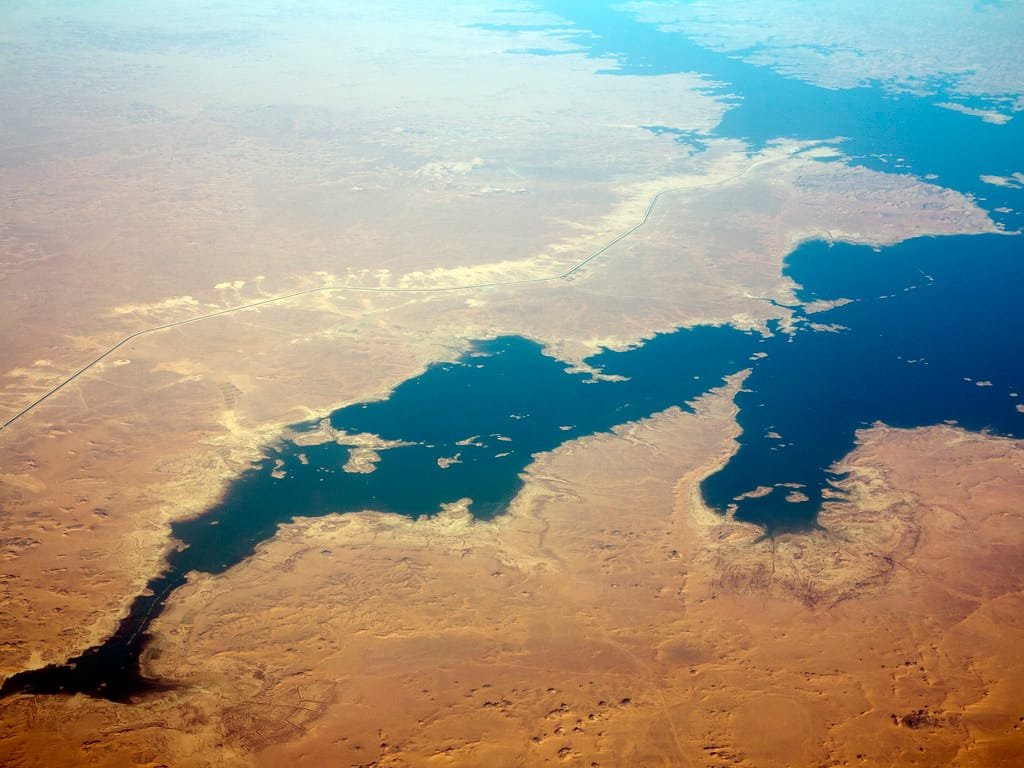
The story of Lake Nasser is inseparable from one of the most ambitious engineering projects in modern history—the construction of the Aswan High Dam. Completed in the 1960s, this massive structure transformed the natural flow of the Nile River into a controlled system, creating a reservoir of unprecedented scale. Stretching over 500 kilometers and reaching deep into Sudan, Lake Nasser reshaped the geography of southern Egypt, turning desert valleys into a vast inland sea. Before its creation, the Nile’s annual floods dictated the rhythm of life, bringing both fertility and unpredictability. Farmers depended on these seasonal waters, yet they also faced the constant risk of drought or destructive overflow. The dam changed this balance entirely, storing water during periods of abundance and releasing it when needed, ensuring stability and agricultural security. This transformation marked a turning point in Egypt’s relationship with the Nile, shifting from dependence on natural cycles to human control. However, the creation of Lake Nasser was not without consequences. Entire Nubian communities were relocated, and numerous ancient sites faced the threat of submersion. In response, international efforts were launched to rescue and relocate important monuments, preserving them for future generations. Today, the lake stands as both a symbol of progress and a reminder of sacrifice, reflecting the complex relationship between development, heritage, and human adaptation.
2. A Landscape Transformed: Nature and Scale Beyond Imagination
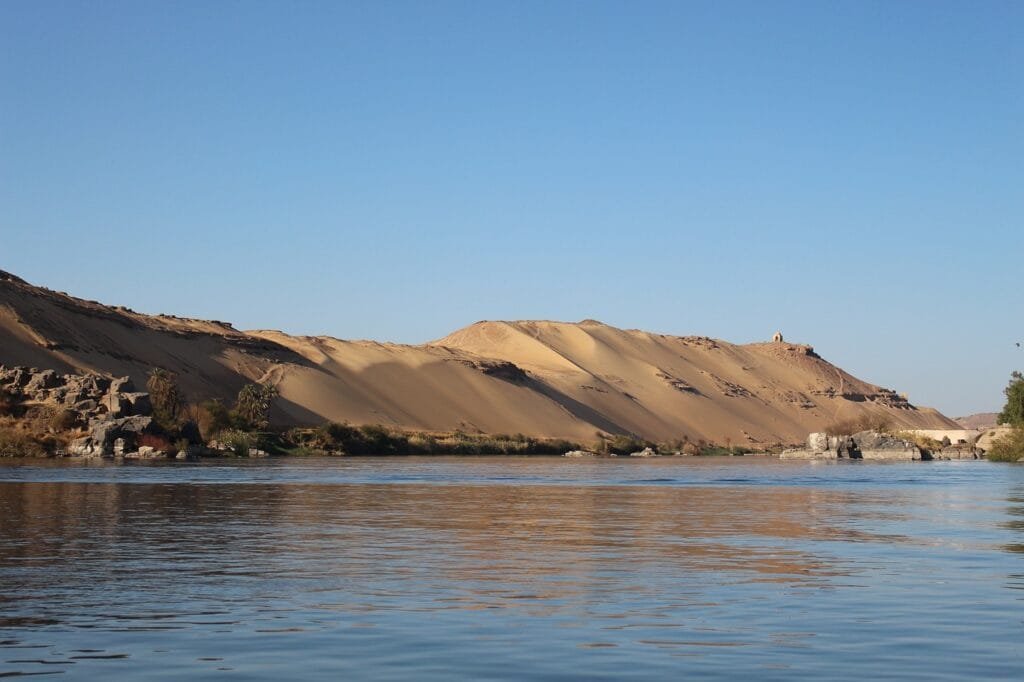
The sheer scale of Lake Nasser is difficult to comprehend until one stands at its edge and looks across its endless waters. Covering thousands of square kilometers, the lake has created a new and unique landscape in southern Egypt, where desert horizons meet vast stretches of blue. This transformation has redefined the visual and environmental character of the region, replacing narrow riverbanks with expansive shorelines and open skies. The environment surrounding the lake is both stark and beautiful. Golden desert sands contrast sharply with the deep blue of the water, creating a dramatic scene that feels almost otherworldly. Despite its artificial origins, the lake has developed its own ecosystem, supporting a variety of fish species and birdlife that have adapted to this new habitat. The calm surface of the water reflects the sky, creating a sense of stillness that enhances the feeling of isolation and vastness. For visitors, this landscape offers a rare experience of scale and silence. Unlike the busy urban centers along the Nile, the shores of Lake Nasser provide a sense of escape and tranquility. It is a place where the power of human engineering meets the quiet beauty of nature, forming a setting that is both impressive and deeply peaceful.
3. Submerged History: The Lost World Beneath the Waters
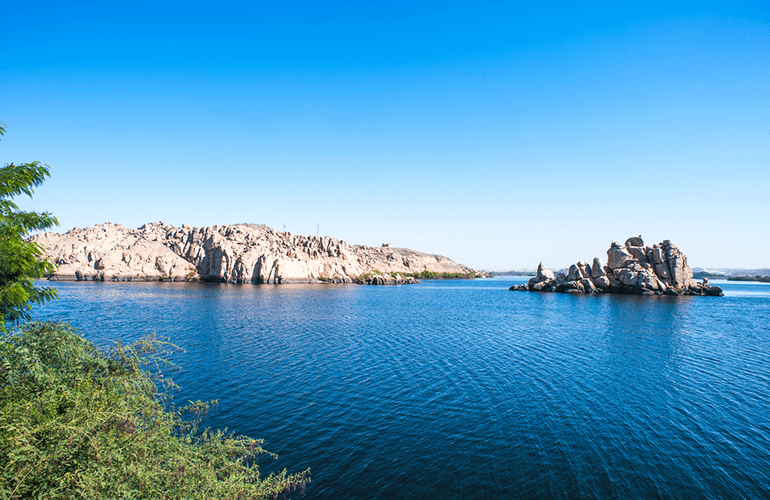
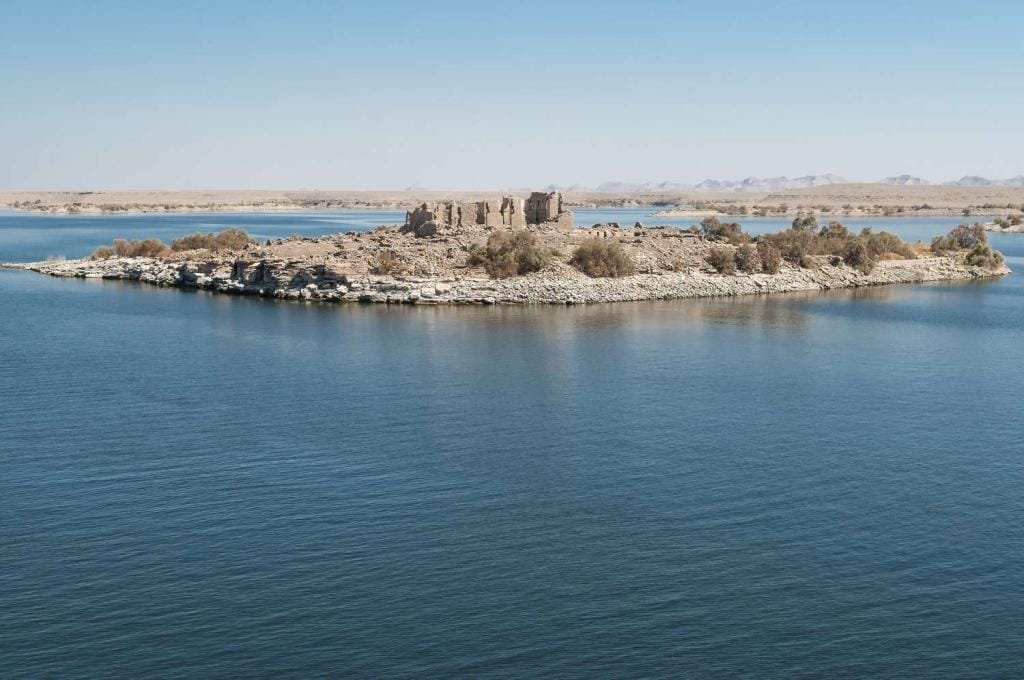
Beneath the calm surface of Lake Nasser lies a hidden world of history, where entire landscapes, villages, and ancient monuments were submerged during its creation. This submerged heritage represents a significant chapter in the story of Nubia, a region rich in culture and history that once flourished along the banks of the Nile River. Before the lake was formed, this area was home to numerous archaeological sites, some of which dated back thousands of years. Temples, tombs, and settlements were scattered across the landscape, reflecting the deep historical roots of the region. As the waters began to rise, many of these sites were lost, disappearing beneath the expanding reservoir. This loss created an urgent need for action, leading to one of the largest archaeological rescue campaigns in history. Through international cooperation, several important monuments were dismantled and relocated to higher ground, preserving their legacy despite the changing environment. However, many sites remain hidden beneath the water, their stories preserved only in records and memory. This submerged world adds a layer of mystery and depth to Lake Nasser, reminding us that beneath its शांत surface lies a rich and complex past that continues to shape its identity.
4. Water Security and Agriculture: The Lifeline of Modern Egypt
The creation of Lake Nasser fundamentally transformed Egypt’s approach to water management and agriculture, turning uncertainty into stability. Before the construction of the Aswan High Dam, the flow of the Nile River was dictated by seasonal floods that could either enrich the land or devastate entire communities. Farmers lived in constant anticipation of these cycles, never fully certain whether a year would bring abundance or hardship. With the formation of Lake Nasser, this unpredictability was replaced by a carefully regulated system. The reservoir stores massive quantities of water during periods of high flow and releases it gradually throughout the year, ensuring a consistent supply for irrigation. This stability has allowed Egypt to expand its agricultural activities beyond traditional floodplains, supporting year-round farming and increasing food production. The ability to control water distribution has also contributed to the development of new agricultural projects in desert areas, reshaping the country’s economic landscape. Beyond irrigation, the lake plays a critical role in maintaining water security for millions of people. It acts as a strategic reserve during times of drought, protecting the nation from the impacts of reduced rainfall in upstream regions. This function highlights the importance of Lake Nasser not only as a geographical feature but as a cornerstone of modern Egyptian life. It stands as a symbol of how engineering and natural resources can be combined to support long-term sustainability and national stability.
5. Energy and Industry: Powering a Nation’s Growth
In addition to its agricultural importance, Lake Nasser plays a vital role in energy production and industrial development through its connection to the Aswan High Dam. The controlled release of water from the lake drives massive turbines within the dam, generating hydroelectric power that has been essential to Egypt’s modernization since the mid-20th century. This renewable energy source has supported the growth of cities, industries, and infrastructure across the country. Before the construction of the dam, Egypt relied heavily on limited and less reliable energy sources. The introduction of hydroelectric power marked a turning point, providing a stable and sustainable supply of electricity. This energy has enabled the expansion of manufacturing, transportation, and urban development, contributing to economic growth and improved living standards. The integration of Lake Nasser into this system demonstrates how natural resources can be harnessed to meet the demands of a growing population. The impact of this energy production extends far beyond the immediate region. It has played a key role in electrifying rural areas, supporting irrigation systems, and powering essential services such as hospitals and schools. In this way, Lake Nasser is not only a reservoir of water but also a source of energy that drives progress and development. It represents a successful example of how infrastructure can shape the future of an entire nation.
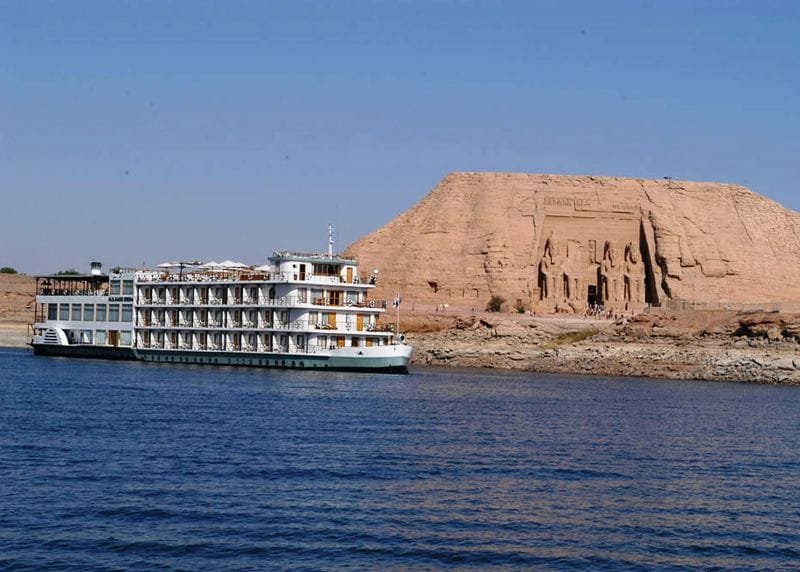
6. Tourism and Exploration: A Hidden Frontier of Egypt
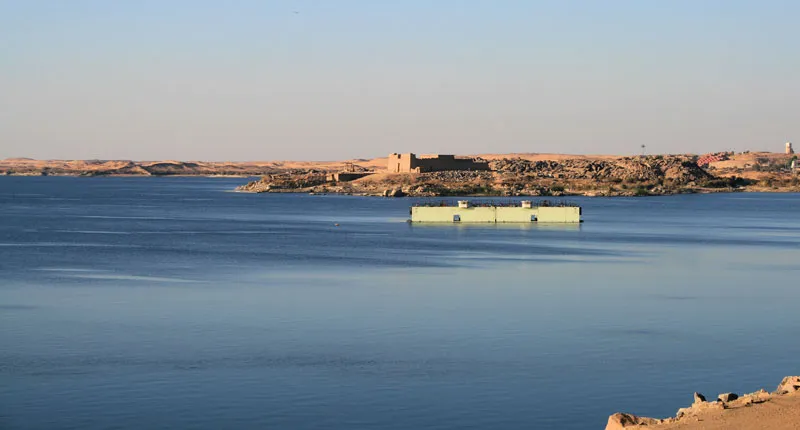
While often overshadowed by more famous destinations, Lake Nasser has emerged as a unique and compelling destination for tourism and exploration. Its vast, open waters and remote desert surroundings offer an experience that is very different from the crowded historical sites along the Nile River. Here, visitors can discover a quieter side of Egypt, where nature and history coexist in a setting of remarkable tranquility. The lake is particularly known for its opportunities in fishing, attracting enthusiasts from around the world who come in search of species such as Nile perch. In addition, luxury cruises along Lake Nasser provide a distinctive way to explore the region, combining comfort with access to remote archaeological sites that are not easily reached by land. Temples relocated during the creation of the lake, such as Kalabsha and others, can be visited along these routes, offering insight into both ancient history and modern preservation efforts. This growing interest in tourism has opened new possibilities for economic development in the region, while still maintaining its sense of isolation and authenticity. For travelers seeking something beyond traditional itineraries, Lake Nasser offers a journey into a landscape where silence, scale, and history come together. It is a destination that invites exploration, reflection, and a deeper appreciation of Egypt’s diverse and evolving identity.
7. Fishing and Biodiversity: Life Within the Waters
Despite being a man-made reservoir, Lake Nasser has developed into a thriving ecosystem that supports a wide variety of aquatic life. Over time, the lake has become one of the most important fishing regions in Egypt, providing both economic opportunities and ecological diversity. Its vast size and relatively stable water conditions have created an environment where fish populations can grow and sustain themselves in significant numbers. Among the most notable species found in the lake is the Nile perch, a large and powerful fish that attracts both commercial fishermen and sport fishing enthusiasts from around the world. Other species, including tilapia and catfish, contribute to the lake’s rich biodiversity and play an essential role in supporting local communities. Fishing activities not only provide a source of income but also help supply food to surrounding regions, reinforcing the lake’s importance in daily life. In addition to fish, the lake also supports birdlife and other forms of wildlife that have adapted to this new environment. Migratory birds often stop along its shores, using the area as a resting point during long journeys. This growing ecosystem demonstrates how nature can adapt to human-made changes, transforming a constructed reservoir into a living habitat. Lake Nasser thus stands as an example of how environmental balance can emerge even in altered landscapes, highlighting the resilience of life and the interconnectedness of ecosystems.
8. The Human Impact: Displacement and Cultural Change
The creation of Lake Nasser brought significant benefits, but it also had profound human consequences, particularly for the Nubian communities who had lived along the banks of the Nile River for generations. As the waters began to rise, entire villages were submerged, forcing thousands of people to leave their ancestral homes and relocate to new areas. This displacement marked one of the most dramatic social transformations in modern Egyptian history. For these communities, the loss was not only physical but also cultural. Traditional ways of life, closely tied to the rhythms of the Nile and the landscape of Nubia, were disrupted. Homes, farmlands, and local landmarks disappeared beneath the water, taking with them memories and connections that could not easily be replaced. Although new settlements were built, the transition required significant adaptation and resilience from those affected. At the same time, efforts were made to preserve Nubian culture and identity. Cultural institutions, including museums and heritage projects, have worked to document traditions, language, and history. These initiatives ensure that despite the physical loss of land, the spirit of Nubia continues to survive. The story of displacement around Lake Nasser is therefore one of both loss and strength, reflecting the complex human dimension of large-scale development projects.
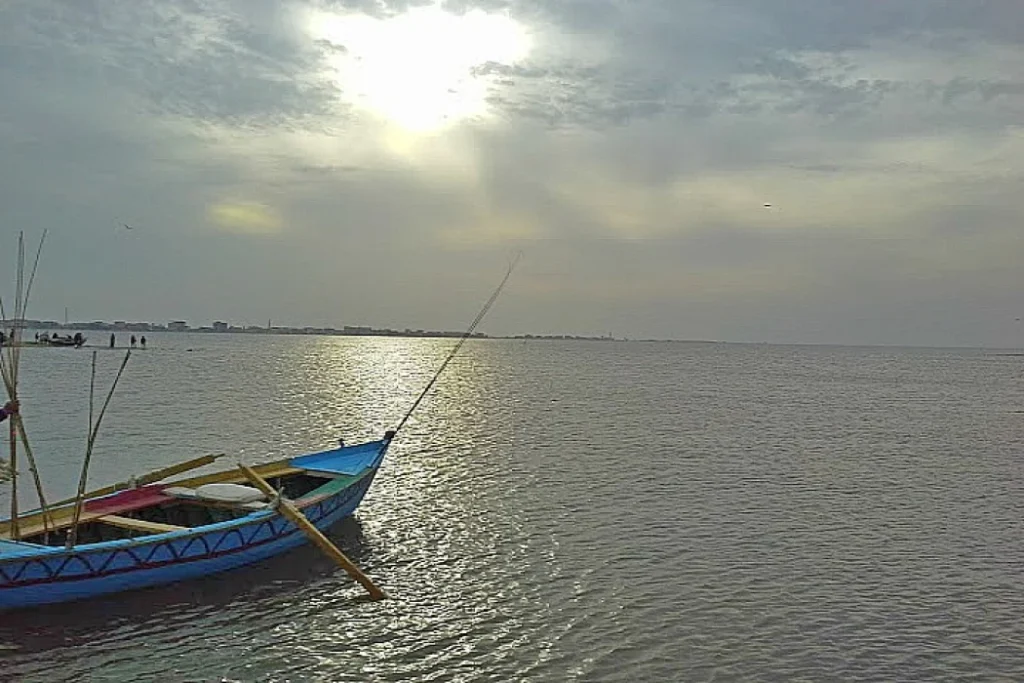
9. A Destination of Silence: Experiencing the Vastness of Lake Nasser
One of the most striking aspects of Lake Nasser is the sense of silence and vastness that defines its landscape. Far removed from the crowded cities and busy tourist centers of Egypt, the lake offers an environment where space and stillness dominate the experience. Its wide, open waters stretch endlessly toward the horizon, creating a feeling of isolation that is both powerful and calming. Visitors who travel to the lake often describe a sense of escape, as if stepping into a different world where time moves more slowly. The absence of noise allows for a deeper connection with the environment, where the gentle movement of water and the vast desert surroundings create a unique atmosphere. This quiet beauty is one of the lake’s most distinctive features, setting it apart from other destinations in the country. Exploring Lake Nasser can take many forms, from boat journeys across its waters to visits to nearby archaeological sites that were relocated during its creation. These experiences combine natural beauty with historical depth, offering a perspective that is both reflective and inspiring. For those seeking tranquility and a deeper understanding of Egypt’s modern transformation, Lake Nasser provides an unforgettable journey into a landscape shaped by both nature and human ambition.

10. Lake Nasser at Sunset: A Horizon of Light and Reflection
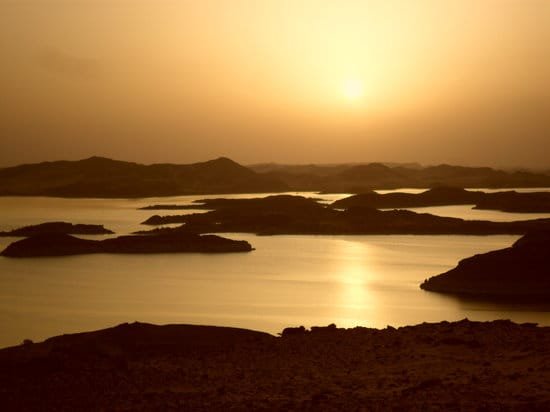
As the sun begins its descent over Lake Nasser, the vast expanse of water transforms into a breathtaking canvas of color and light. The golden hues of the sky spread across the surface of the lake, reflecting shades of orange, red, and soft purple that gradually deepen as evening approaches. This daily transformation creates a moment of quiet beauty that captures the essence of the lake’s timeless atmosphere. The stillness of the water enhances this visual experience, allowing every color and movement of the sky to be mirrored with remarkable clarity. The surrounding desert landscape, with its soft contours and distant horizons, becomes part of this scene, framing the lake in a setting that feels both vast and intimate. The absence of urban noise and artificial distractions allows visitors to fully immerse themselves in the natural rhythm of the environment. For many, sunset at Lake Nasser is more than a visual spectacle; it is an emotional experience. The gradual transition from light to darkness reflects the balance between nature and time, offering a sense of calm and reflection. It is a moment where the scale of the lake becomes truly apparent, reminding visitors of the immense transformation that created it and the enduring beauty that now defines it.
11. Archaeological Treasures: Monuments Saved from the Waters
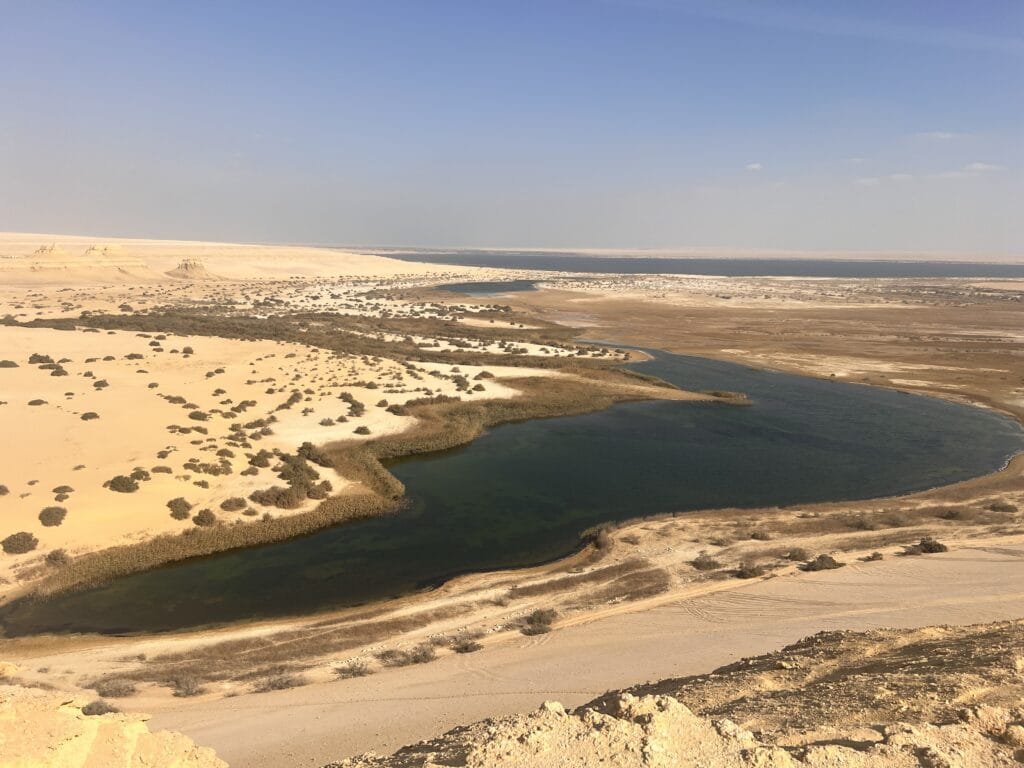
The creation of Lake Nasser led to one of the most significant archaeological rescue efforts in history, aimed at preserving ancient monuments that were at risk of being submerged. As the waters began to rise following the construction of the Aswan High Dam, an international campaign was launched to protect these invaluable cultural sites. This effort brought together experts, engineers, and historians from around the world in a shared mission to safeguard human heritage. Among the most famous examples of this rescue operation are the temples of Abu Simbel Temples, which were carefully dismantled and relocated to higher ground. This extraordinary project demonstrated both technical innovation and global cooperation, ensuring that these iconic structures would remain accessible for future generations. Other monuments, including smaller temples and archaeological remains, were also preserved or documented before being lost beneath the water. Today, these relocated sites stand as powerful symbols of preservation and resilience. They remind visitors that while the creation of Lake Nasser brought significant change, it also inspired one of the greatest efforts to protect the past. The lake, therefore, is not only a modern achievement but also a gateway to understanding how history can be preserved even in the face of transformation.
12. The Enduring Legacy of Lake Nasser: Balance Between Progress and Preservation
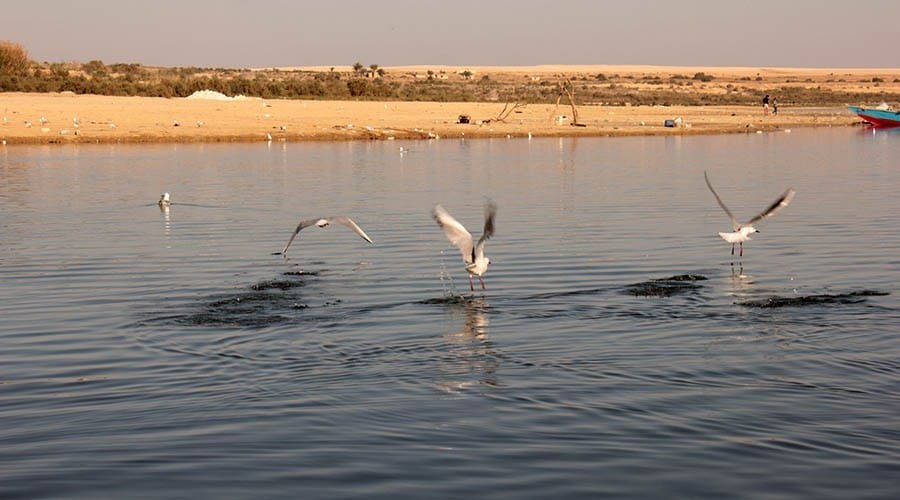
The legacy of Lake Nasser is defined by its complex balance between progress and preservation. As one of the largest man-made lakes in the world, it represents a major achievement in engineering and resource management, providing water security, energy, and economic opportunities for millions. At the same time, its creation reshaped landscapes, displaced communities, and submerged parts of a rich historical region. This duality gives Lake Nasser a unique significance within modern Egypt. It stands as both a symbol of national development and a reminder of the sacrifices that accompanied it. The relationship between the lake and the Nile River continues to define life in the region, demonstrating how human intervention can transform natural systems while still relying on them. Today, Lake Nasser continues to evolve, supporting new ecosystems, industries, and cultural narratives. Its presence invites reflection on the choices that shape societies and the importance of balancing innovation with respect for heritage. In the end, the lake is more than a body of water—it is a lasting testament to the power of human ambition and the enduring need to protect and honor the past.
13. The Visitor Experience: Exploring the Vastness of Lake Nasser
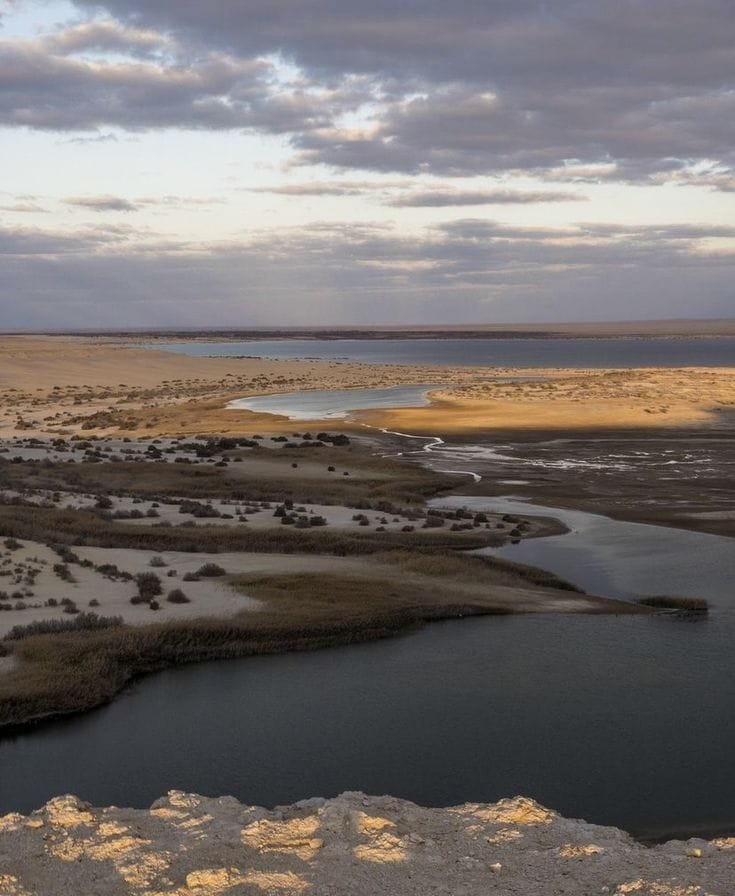
Visiting Lake Nasser offers a unique and deeply immersive experience that is very different from traditional tourist destinations in Egypt. Unlike the crowded monuments along the Nile River, the lake provides a sense of openness and freedom that allows visitors to truly connect with the environment. Its vast expanse creates an atmosphere where the horizon seems endless, encouraging exploration and reflection. Travelers often experience the lake through boat journeys, which provide a dynamic perspective of its scale and beauty. As the boat moves across the calm waters, the surrounding desert landscapes slowly unfold, revealing a world defined by simplicity and silence. The absence of noise and urban development enhances the feeling of isolation, making the experience both peaceful and powerful. This connection with nature allows visitors to step away from the fast pace of modern life and engage with a more timeless environment. In addition to its natural beauty, the lake offers access to important archaeological sites that were relocated during its creation. These visits combine history with exploration, creating a rich and layered experience. For those seeking a deeper understanding of Egypt beyond its famous landmarks, Lake Nasser provides a journey that is both meaningful and unforgettable.
14. Lake Nasser by Night: A World of Stars and Silence
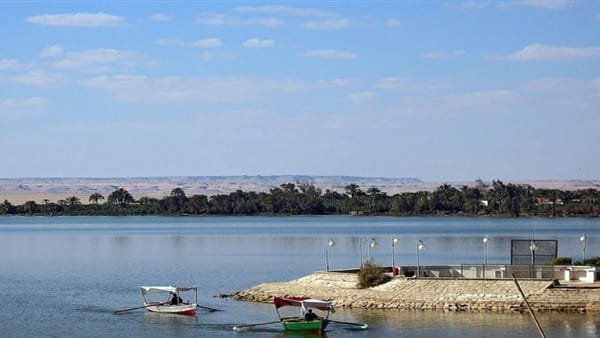
As night falls over Lake Nasser, the landscape transforms into a scene of profound stillness and beauty. Far from the lights of major cities, the sky above the lake becomes incredibly clear, revealing countless stars that stretch across the horizon. This natural display creates a sense of wonder that is rarely experienced in more populated areas. The calm surface of the lake reflects the night sky, creating a mirror-like effect that enhances the feeling of infinity. The surrounding desert fades into darkness, leaving only the gentle sounds of water and wind. This quiet environment allows visitors to fully appreciate the simplicity and purity of the natural world, free from distractions and noise. For many travelers, the nighttime experience at Lake Nasser becomes one of the most memorable aspects of their journey. It offers a rare opportunity to disconnect from modern life and reconnect with nature on a deeper level. The combination of silence, open space, and starlight creates an atmosphere that is both peaceful and inspiring, leaving a lasting impression long after the visit ends.
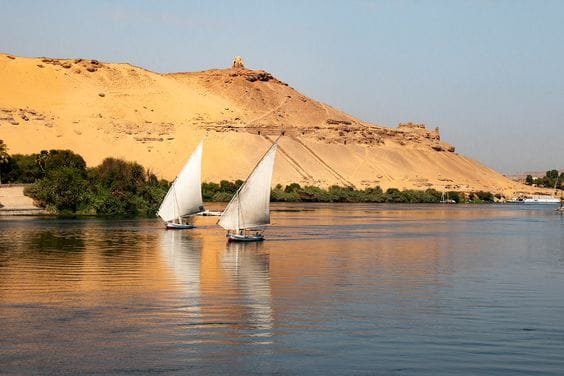
15. A Living Landscape: The Future of Lake Nasser
The future of Lake Nasser continues to evolve as it plays an increasingly important role in Egypt’s development and environmental planning. As a vital source of water, energy, and economic opportunity, the lake remains central to the country’s long-term strategies for sustainability and growth. Its presence influences agriculture, industry, and daily life, shaping the direction of modern Egypt. At the same time, efforts are being made to balance development with environmental and cultural preservation. Managing the lake’s ecosystem, protecting its biodiversity, and maintaining the integrity of nearby archaeological sites are ongoing priorities. These challenges highlight the importance of responsible planning and the need to consider both present and future generations. Looking ahead, Lake Nasser has the potential to become an even more significant destination for eco-tourism and cultural exploration. Its unique combination of natural beauty, historical depth, and modern importance makes it a place of great potential and lasting value. As it continues to change and grow, the lake stands as a symbol of how landscapes can adapt while still preserving the stories that define them.
16. Cultural Significance: Memory, Identity, and Transformation
The cultural significance of Lake Nasser extends far beyond its physical presence as a vast body of water. It represents a profound moment of transformation in the history of Egypt and Nubia, where landscapes, communities, and traditions were reshaped by a single monumental project. The creation of the lake, made possible by the construction of the Aswan High Dam, marked a turning point in how people interacted with the environment and understood their connection to the land. For many, particularly within Nubian communities, the lake symbolizes both loss and continuity. Entire villages and ancestral homes were submerged beneath its waters, taking with them physical spaces that held deep cultural and emotional meaning. At the same time, the displacement of these communities led to new forms of cultural expression and preservation, ensuring that traditions, language, and identity would continue despite the changes. This dual narrative of loss and resilience gives Lake Nasser a powerful human dimension that is often overlooked. Today, the lake stands as a reminder of the complexity of progress. It highlights the ways in which development can bring both opportunity and challenge, shaping not only the physical environment but also the cultural identity of those who live within it. As such, Lake Nasser is not just a geographical feature, but a symbol of memory, adaptation, and the enduring strength of human communities.
17. A Unique Ecosystem: Balance in a Man-Made Environment
Over time, Lake Nasser has developed into a unique and evolving ecosystem, demonstrating how nature can adapt to even the most dramatic human-made changes. Despite its artificial origins, the lake now supports a wide range of plant and animal life, creating a balanced environment that continues to grow and change. This transformation reflects the resilience of natural systems and their ability to establish harmony in new conditions. The lake’s waters provide a habitat for numerous fish species, including commercially important varieties that support local economies. In addition, its shores and surrounding areas attract birdlife, particularly migratory species that rely on the lake as a resting and feeding ground. These ecological developments have turned Lake Nasser into an important site for biodiversity, contributing to environmental stability in the region. However, maintaining this balance requires careful management. Factors such as water levels, fishing practices, and environmental changes must be monitored to ensure the long-term health of the ecosystem. This ongoing effort highlights the importance of sustainable interaction with natural resources. Lake Nasser thus serves as a living example of how human intervention and natural processes can coexist, creating an environment that is both productive and ecologically significant.
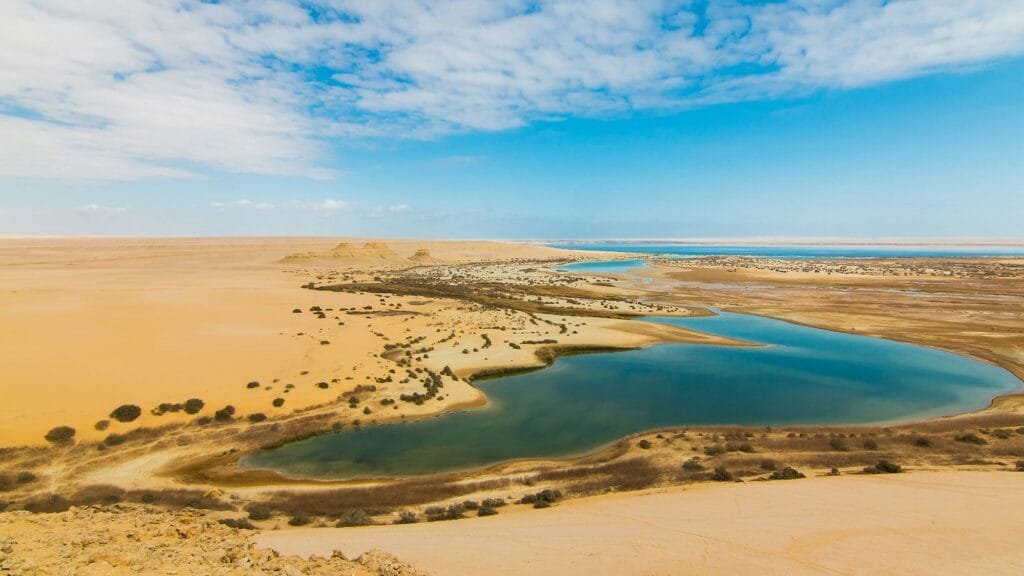
18. The Enduring Legacy: A Monument of Water and Will
The enduring legacy of Lake Nasser lies in its ability to represent both the power of human ambition and the necessity of balance between progress and preservation. As one of the largest man-made lakes in the world, it stands as a monumental achievement in engineering, made possible through the vision and execution of the Aswan High Dam. Its vast waters continue to support millions of people, providing essential resources that sustain modern life in Egypt. At the same time, the lake carries within it the memory of what once existed along the banks of the Nile River. Beneath its surface lie traces of ancient landscapes and communities, reminding us that progress often comes with sacrifice. This duality gives Lake Nasser a depth of meaning that goes beyond its physical scale, transforming it into a symbol of both achievement and reflection. In the end, Lake Nasser is more than a reservoir. It is a story written in water—a story of vision, change, resilience, and responsibility. It invites us to consider how the choices we make today will shape the world of tomorrow, and how we can honor the past while building a sustainable future.
