

- Excursions in Egypt
- Egypt Tour Packages
- Cairo Tours and Excursions
- Hurghada Tours and Excursions
- Soma Bay Tours and Excursions
- Makadi Bay Tours and Excursions
- Sahl Hasheesh Tours and Excursions
- El Gouna Tours and Excursions
- Marsa Alam Tours and Excursions
- Port Ghalib Tours and Excursions
- El Quseir Tours and Excursions
- Dendera and Abydos Day Tours
- Aswan Tours and Excursions
- Luxor Tours and Excursions
- Sharm El Sheikh Tours and Excursions
- Top Rated Egypt Tours in 2026
- Optional Excursions in Egypt
- Private Transfer
- Blogs About egypt
- Ancient Egypt
- Historical Sites in Egypt
- Cairo
- Alexandria
- Luxor
- Aswan
- The Red Sea
- Dendera Temple
- El Fayoum Oasis
- Bahariya Oasis
- Siwa Oasis
- Al Alamein
- Marsa Matruh
- Why Egypt Is One of the Safest Countries to Visit in the Middle East
- What You Need To know Before Your First Trip To Egypt
- Egypt Travel Costs in 2026 Full Budget Guide
- Top 10 Tourist Activities in Egypt
- Top 50 Activities You Can’t Miss in Egypt in 2026
- The Guide to Guided Tours in Egypt
- Egypt’s Ancient and Modern History
- The Nile River
- The Deserts of Egypt
- Ancient Egyptian gods
- famous Egyptian dishes
- UNESCO World Heritage sites
- About Us
- Egypt Hotels and Resorts
- Excursions in Egypt
- Egypt Tour Packages
- Cairo Tours and Excursions
- Hurghada Tours and Excursions
- Soma Bay Tours and Excursions
- Makadi Bay Tours and Excursions
- Sahl Hasheesh Tours and Excursions
- El Gouna Tours and Excursions
- Marsa Alam Tours and Excursions
- Port Ghalib Tours and Excursions
- El Quseir Tours and Excursions
- Dendera and Abydos Day Tours
- Aswan Tours and Excursions
- Luxor Tours and Excursions
- Sharm El Sheikh Tours and Excursions
- Top Rated Egypt Tours in 2026
- Optional Excursions in Egypt
- Private Transfer
- Blogs About egypt
- Ancient Egypt
- Historical Sites in Egypt
- Cairo
- Alexandria
- Luxor
- Aswan
- The Red Sea
- Dendera Temple
- El Fayoum Oasis
- Bahariya Oasis
- Siwa Oasis
- Al Alamein
- Marsa Matruh
- Why Egypt Is One of the Safest Countries to Visit in the Middle East
- What You Need To know Before Your First Trip To Egypt
- Egypt Travel Costs in 2026 Full Budget Guide
- Top 10 Tourist Activities in Egypt
- Top 50 Activities You Can’t Miss in Egypt in 2026
- The Guide to Guided Tours in Egypt
- Egypt’s Ancient and Modern History
- The Nile River
- The Deserts of Egypt
- Ancient Egyptian gods
- famous Egyptian dishes
- UNESCO World Heritage sites
- About Us
- Egypt Hotels and Resorts
Welcome to
Alexandria: The Eternal Pearl of the Mediterranean and Egypt’s Legendary Coastal Paradise
Alexandria is not simply a city resting on the Mediterranean coast; it is a timeless masterpiece where history, culture, and the sea blend into one unforgettable experience. Founded by Alexander the Great in 331 BC, Alexandria quickly rose to become one of the most important cultural and intellectual capitals of the ancient world. Unlike other Egyptian cities shaped primarily by Pharaonic traditions, Alexandria developed a unique identity influenced by Greek, Roman, Egyptian, and Mediterranean civilizations. For centuries, it served as a gateway between East and West, attracting philosophers, scientists, poets, merchants, and travelers from across the known world. The city was once home to the legendary Library of Alexandria and the magnificent Lighthouse of Pharos, one of the Seven Wonders of the Ancient World, making it a global symbol of knowledge and maritime power. Today, Alexandria continues to preserve its elegant charm through its historic streets, beautiful seaside promenades, grand colonial buildings, vibrant cafés, and ancient archaeological treasures. Walking through Alexandria feels like stepping into a living novel where every corner tells a story of love, ambition, discovery, and civilization. The city’s atmosphere differs greatly from the monumental desert landscapes of Upper Egypt. Here, the cool Mediterranean breeze, the scent of the sea, and the rhythmic sound of waves crashing against the Corniche create a romantic and mystical ambiance unlike anywhere else in Egypt. Visitors can spend their days exploring Greco-Roman catacombs, relaxing on golden beaches, tasting fresh seafood, or watching the sunset over the ancient harbor. Alexandria is not merely a destination; it is an emotional journey through time, where the legacy of the past continues to shape the beauty and spirit of the present.
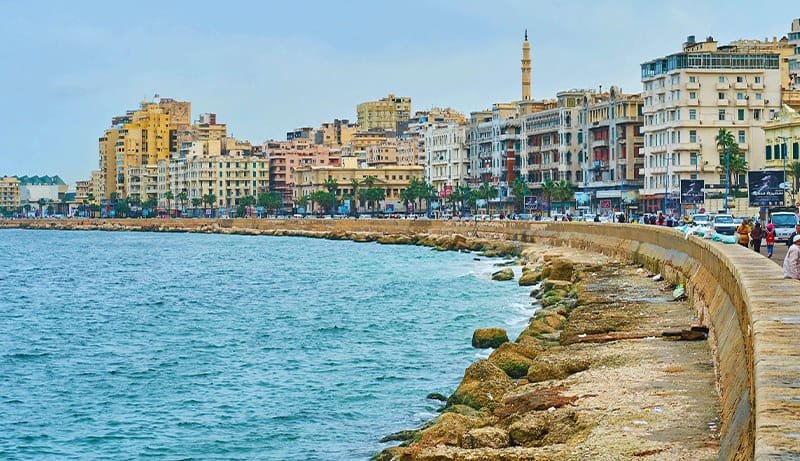
1. The Birth of Alexandria: Alexander the Great’s Vision of an Eternal City
The story of Alexandria begins with one of history’s most legendary conquerors, Alexander the Great, who founded the city in 331 BC during his campaign across Egypt. Unlike traditional Egyptian cities built around temples or agricultural centers, Alexandria was designed to become a grand cosmopolitan capital connecting Africa, Europe, and Asia through trade, culture, and intellectual exchange. Strategically positioned along the Mediterranean coast, the city quickly transformed into the political and economic heart of the Hellenistic world after Alexander’s death. Under the rule of the Ptolemaic Dynasty, Alexandria flourished into a city of extraordinary wealth and influence. Wide streets, magnificent palaces, marble temples, bustling harbors, and sophisticated urban planning made it one of the most advanced cities of the ancient world. The city’s multicultural atmosphere attracted scholars, merchants, sailors, and philosophers from every corner of the Mediterranean. Greek traditions blended harmoniously with Egyptian spirituality, creating a unique cultural identity that continues to shape Alexandria today. Ancient historians often described Alexandria as the “City of Knowledge and Light” because of its intellectual importance and maritime dominance. Walking through modern Alexandria, visitors can still feel the echoes of this glorious past hidden beneath its lively streets and seaside cafés. From the ancient harbor to the surviving Greco-Roman ruins, the city preserves the memory of an era when Alexandria stood as the center of civilization itself. The foundation of Alexandria was not merely the construction of another city; it was the birth of a global cultural capital whose influence shaped philosophy, science, literature, and trade for centuries. Today, Alexandria remains one of Egypt’s most captivating destinations, offering travelers the rare opportunity to experience the legacy of one of history’s greatest visions beside the timeless beauty of the Mediterranean Sea.

2. The Legendary Library of Alexandria: Humanity’s Lost Treasure of Knowledge
Among the many wonders that once defined Alexandria, none captured the imagination of humanity more than the legendary Library of Alexandria. Established during the reign of the Ptolemaic rulers, the library was envisioned as the greatest center of learning ever created in the ancient world. Its mission was ambitious and revolutionary: to collect every book, manuscript, and piece of knowledge known to mankind. Scholars traveled from Greece, Persia, India, Egypt, and beyond to study within its halls, transforming Alexandria into the intellectual capital of the Mediterranean. The library was closely connected to the Mouseion, an ancient institution dedicated to philosophy, astronomy, mathematics, medicine, and literature. Famous thinkers such as Euclid, Eratosthenes, and Archimedes were associated with Alexandria’s intellectual golden age. Ancient sources suggest that hundreds of thousands of scrolls filled the shelves of the library, covering subjects ranging from poetry and science to geography and engineering. Although the original library was eventually destroyed through centuries of political conflict and disasters, its legend continues to inspire scholars and travelers worldwide. Today, the modern Bibliotheca Alexandrina stands proudly near the Mediterranean shore as a symbolic rebirth of this ancient institution. With its striking circular architecture and massive granite walls engraved with scripts from different civilizations, the modern library celebrates humanity’s universal pursuit of knowledge and dialogue. Visitors exploring its museums, reading halls, galleries, and cultural exhibitions experience a profound connection between the ancient and modern worlds. The story of the Library of Alexandria represents more than lost scrolls and vanished wisdom; it symbolizes humanity’s eternal desire to preserve knowledge for future generations. For travelers interested in history, philosophy, and culture, Alexandria’s intellectual heritage remains one of the city’s most powerful and inspiring attractions, proving that ideas can survive even when monuments disappear beneath the sands of time.
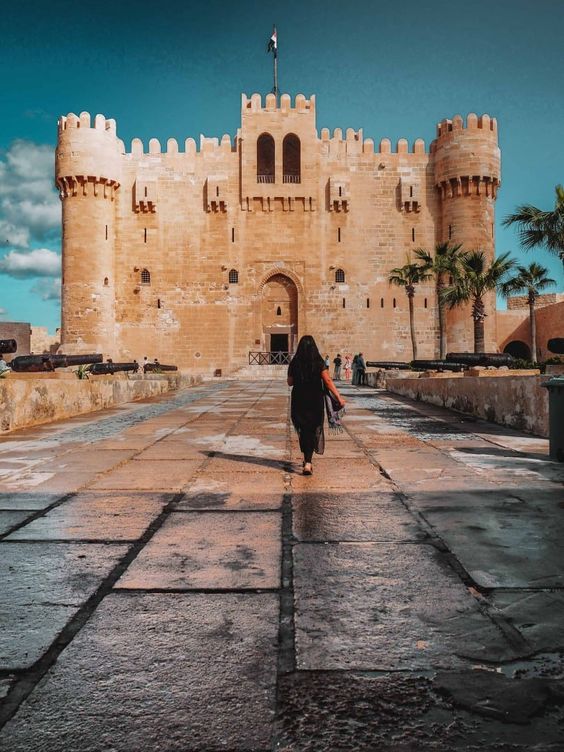
3. The Citadel of Qaitbay: Guardian of Alexandria’s Mediterranean Coast
Standing proudly at the entrance of Alexandria’s Eastern Harbor, the magnificent Citadel of Qaitbay represents one of the city’s most iconic landmarks and enduring symbols of strength. Built in the 15th century by Sultan Al-Ashraf Qaitbay, this imposing fortress was constructed on the exact site of the ancient Lighthouse of Pharos, one of the Seven Wonders of the Ancient World. The original lighthouse guided sailors safely across the Mediterranean for centuries before earthquakes eventually destroyed it. Determined to protect Egypt’s northern coast from foreign invasions, Sultan Qaitbay used stones from the ruined lighthouse to create this powerful military fortress overlooking the sea. Today, the citadel combines Islamic military architecture with breathtaking panoramic views of Alexandria’s coastline, making it one of the most visited attractions in the city. Massive stone walls, defensive towers, narrow corridors, and open courtyards transport visitors back to the medieval era when Alexandria served as a strategic maritime gateway to Egypt. Inside the fortress, travelers can explore ancient cannons, observation towers, and chambers once used by soldiers guarding the harbor against naval attacks. Beyond its military significance, the Citadel of Qaitbay offers one of the most romantic settings in Alexandria. The sound of crashing Mediterranean waves, the sight of colorful fishing boats, and the refreshing sea breeze create an unforgettable atmosphere filled with history and tranquility. During sunset, the fortress becomes especially magical as golden light reflects across the harbor and illuminates the ancient stone walls. For photographers, history enthusiasts, and cultural travelers, the citadel represents the perfect blend of Alexandria’s ancient legacy and Islamic heritage. Visiting Qaitbay is not merely an exploration of a historical monument; it is an emotional journey through centuries of maritime power, architectural brilliance, and Mediterranean beauty that continue to define the soul of Alexandria today.

4. The Catacombs of Kom El Shoqafa: Alexandria’s Underground City of Mysteries
Hidden beneath the bustling streets of Alexandria lies one of the most extraordinary archaeological discoveries in Egypt, the Catacombs of Kom El Shoqafa. Considered one of the Seven Wonders of the Middle Ages, these underground tombs reveal the fascinating fusion of Egyptian, Greek, and Roman artistic traditions that defined Alexandria during the Greco-Roman era. Dating back to the 2nd century AD, the catacombs were originally built as a private family burial site before expanding into a vast necropolis capable of holding hundreds of tombs. Visitors descending the spiral staircase into the depths of Kom El Shoqafa immediately enter a mysterious world filled with stone corridors, burial chambers, sculpted reliefs, and silent halls illuminated by dim lighting that enhances the site’s haunting beauty. The tomb decorations are especially remarkable because they blend ancient Egyptian religious symbolism with Greco-Roman artistic styles. Statues wearing Roman armor stand beside traditional Egyptian deities, while carvings of snakes, Medusa heads, and pharaonic motifs coexist harmoniously on the same walls. One of the most striking sections is the Hall of Caracalla, where human and animal bones were discovered, reflecting the tragic violence of the Roman period. Exploring these catacombs feels like traveling into a forgotten underground kingdom preserved beneath modern Alexandria for nearly two thousand years. The atmosphere is both eerie and captivating, creating a deep emotional connection to the ancient people who believed strongly in immortality and the afterlife. For historians and archaeology enthusiasts, Kom El Shoqafa offers valuable insight into the cultural blending that made Alexandria unique among ancient cities. Unlike the purely Pharaonic tombs of Upper Egypt, these catacombs represent a multicultural identity shaped by centuries of interaction between civilizations. Today, the Catacombs of Kom El Shoqafa remain one of Alexandria’s most fascinating attractions, attracting travelers seeking mystery, history, and an unforgettable glimpse into Egypt’s hidden underground treasures beside the Mediterranean coast.
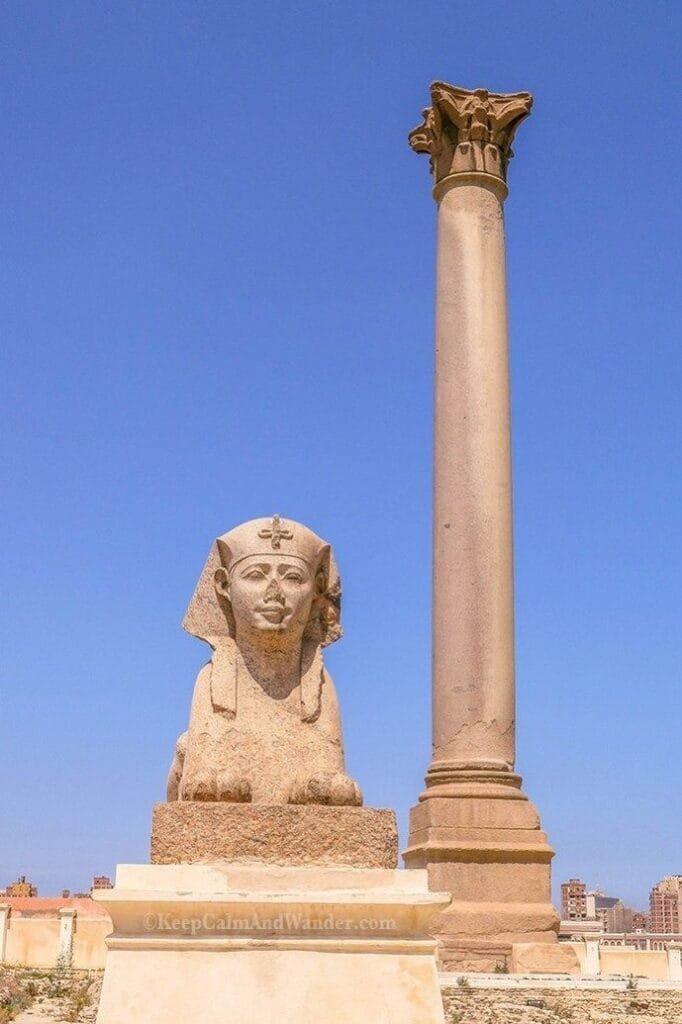
5. Pompey’s Pillar: The Towering Symbol of Roman Alexandria
Rising dramatically above the ancient ruins of Alexandria, Pompey's Pillar stands as one of the largest and most impressive Roman monuments ever constructed in Egypt. Despite its misleading name, the pillar has no direct connection to the Roman general Pompey. Instead, it was erected in honor of Emperor Diocletian during the late 3rd century AD to celebrate his support for the city during a devastating famine. Carved from massive red Aswan granite, the column reaches nearly 27 meters in height and dominates the skyline with extraordinary elegance and strength. For centuries, travelers, historians, and explorers have admired the pillar as a symbol of Alexandria’s importance during the Roman Empire. The site surrounding the column once formed part of the magnificent Serapeum of Alexandria, a grand temple dedicated to the Greco-Egyptian god Serapis. Although much of the temple complex has disappeared over time, visitors can still explore underground tunnels, ancient sphinx statues, and remnants of the once-magnificent sanctuary that reflected the city’s religious diversity and cultural sophistication. Standing beside Pompey’s Pillar gives travelers a true sense of the scale and grandeur that once characterized Roman Alexandria. The towering monument creates a striking contrast against the modern city surrounding it, reminding visitors that beneath Alexandria’s contemporary streets lies an ancient metropolis filled with stories of emperors, philosophers, and political struggles. The site also provides spectacular panoramic views of the surrounding archaeological landscape, making it a favorite location for photography enthusiasts and history lovers alike. Beyond its architectural significance, Pompey’s Pillar symbolizes the resilience of Alexandria through centuries of political change, foreign rule, and urban transformation. It remains one of the few surviving monuments that connect modern Egypt to the grandeur of the Roman world. Visiting this iconic landmark allows travelers to witness the enduring legacy of a city that once stood among the greatest cultural and political capitals of the ancient Mediterranean civilization.
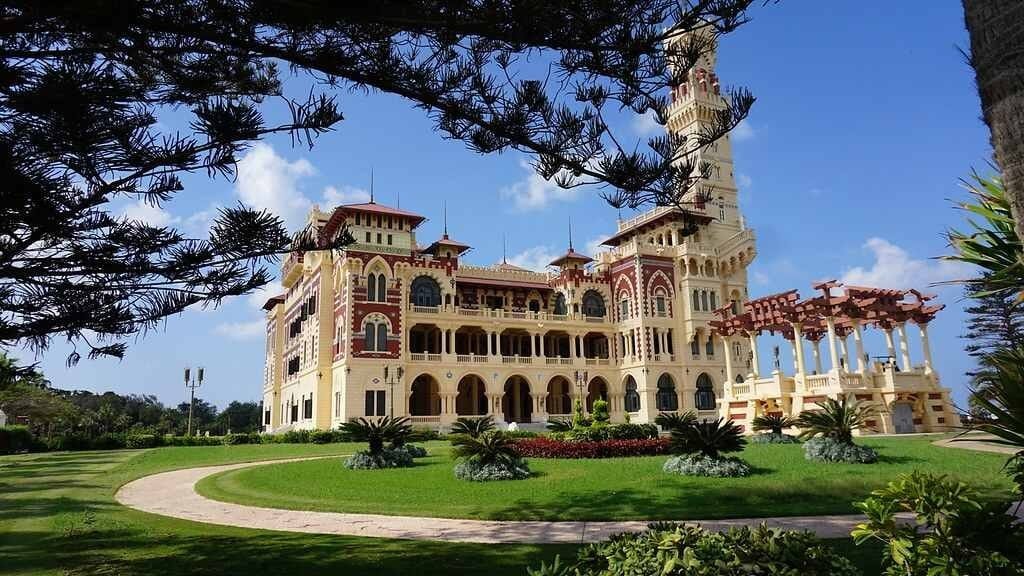
6. Montaza Palace and Gardens: Alexandria’s Royal Escape by the Sea
Among Alexandria’s most beautiful and relaxing attractions, the magnificent Montaza Palace offers visitors a breathtaking combination of royal elegance, Mediterranean scenery, and lush natural beauty. Located on the eastern edge of the city overlooking the sparkling blue waters of the Mediterranean Sea, Montaza Palace was originally built in the late 19th century as a summer residence for Egypt’s royal family. King Khedive Abbas II designed the palace to serve as a peaceful retreat away from Cairo’s intense heat and political atmosphere. Surrounded by expansive gardens filled with palm trees, colorful flowers, rare plants, and scenic walking paths, the Montaza complex quickly became one of the most luxurious royal destinations in Egypt. The palace itself blends Ottoman, Florentine, and Turkish architectural influences, creating a unique design that reflects Alexandria’s cosmopolitan character. Its elegant towers, grand balconies, and decorative details make it one of the city’s most recognizable landmarks. While parts of the palace are not fully open to the public, the surrounding gardens and seaside promenades provide visitors with a tranquil atmosphere perfect for relaxation and photography. Families, couples, and travelers often spend hours walking through the peaceful landscapes, enjoying fresh sea air, and watching fishing boats glide across the Mediterranean horizon. The nearby beaches add another layer of beauty to the experience, especially during summer when locals and tourists gather to enjoy Alexandria’s coastal charm. At sunset, Montaza transforms into one of the city’s most romantic locations as golden light reflects across the sea and illuminates the palace’s royal architecture. Beyond its natural beauty, the site represents an important chapter in Egypt’s modern history, reflecting the lifestyle and luxury of the Muhammad Ali royal dynasty. Today, Montaza Palace and Gardens remain one of Alexandria’s most beloved destinations, offering travelers a rare opportunity to experience royal history, Mediterranean tranquility, and timeless elegance in one unforgettable setting.

7. Alexandria’s Corniche: The Soulful Waterfront of the Mediterranean
Stretching gracefully along the Mediterranean coastline, the famous Alexandria Corniche represents the beating heart and social soul of the city. This scenic waterfront boulevard extends for several kilometers, connecting Alexandria’s historic districts, beaches, cafés, and landmarks through one breathtaking coastal road. Walking along the Corniche offers visitors a unique opportunity to experience the true rhythm of Alexandrian life, where the sea, history, and modern culture blend harmoniously. Throughout the day, the promenade is filled with families, fishermen, street vendors, students, and travelers enjoying the refreshing Mediterranean breeze and spectacular sea views. The Corniche is especially magical during sunrise and sunset, when golden light reflects across the waves and creates a romantic atmosphere unlike anywhere else in Egypt. Elegant colonial-era buildings, historic hotels, and traditional seafood restaurants line the waterfront, preserving Alexandria’s cosmopolitan charm and European influences. One of the most iconic sections of the Corniche surrounds the ancient Eastern Harbor, where visitors can admire fishing boats floating beside the distant silhouette of the Citadel of Qaitbay. Along the promenade, countless cafés invite guests to sit for hours sipping traditional Egyptian tea or strong Turkish coffee while watching the endless movement of the sea. The Corniche also serves as a gateway to many of Alexandria’s famous attractions, including beaches, museums, and historical neighborhoods filled with hidden treasures. For photographers, the waterfront offers endless opportunities to capture dramatic Mediterranean landscapes, colorful sunsets, and the nostalgic elegance that defines Alexandria’s identity. At night, the city lights reflecting on the water create an enchanting ambiance that transforms the Corniche into one of Egypt’s most romantic destinations. Beyond its scenic beauty, the Corniche symbolizes Alexandria’s deep connection to the Mediterranean Sea, which has shaped the city’s economy, culture, and identity for over two thousand years. Visiting Alexandria without experiencing the Corniche would mean missing the emotional essence of the city itself, where history and daily life continue to unfold beside the timeless waves of the Mediterranean coast.
8. Alexandria’s Beaches: Golden Shores and Mediterranean Serenity
Alexandria is not only a city of history and culture but also one of Egypt’s most beloved coastal destinations, famous for its beautiful Mediterranean beaches and refreshing summer atmosphere. Unlike the tropical beaches of the Red Sea, Alexandria’s coastline offers a unique charm shaped by cool sea breezes, soft golden sands, and the vibrant energy of the Mediterranean lifestyle. During the summer months, millions of Egyptians travel to Alexandria seeking relief from the intense heat of inland cities, transforming the coastline into a lively paradise filled with families, music, cafés, and seaside activities. Among the city’s most popular beaches are Maamoura Beach, Stanley Beach, and Miami Beach, each offering a distinct experience for travelers looking to relax beside the sea. The iconic Stanley Bridge has become one of Alexandria’s most photographed landmarks, especially at night when its elegant architecture glows above the Mediterranean waters. Visitors can spend their days swimming, enjoying water sports, or simply relaxing under colorful umbrellas while listening to the soothing sound of waves crashing against the shore. Alexandria’s beaches also reflect the city’s cosmopolitan atmosphere, where modern entertainment blends naturally with historical surroundings. Nearby cafés and seafood restaurants provide fresh Mediterranean dishes prepared daily by local fishermen, allowing visitors to combine relaxation with authentic culinary experiences. During sunset, the beaches become especially enchanting as the sky transforms into shades of orange, pink, and purple above the sea horizon. Couples often gather along the shoreline for romantic evening walks, while photographers capture the magical colors reflected on the water. Beyond recreation, Alexandria’s beaches have played a significant role in shaping the city’s identity for centuries. Ancient sailors, traders, and travelers arriving from across the Mediterranean first encountered Alexandria through its coastline and harbor. Today, these beaches continue to welcome visitors from around the world, offering a perfect balance between cultural exploration and seaside relaxation that makes Alexandria one of Egypt’s most unique and unforgettable destinations.
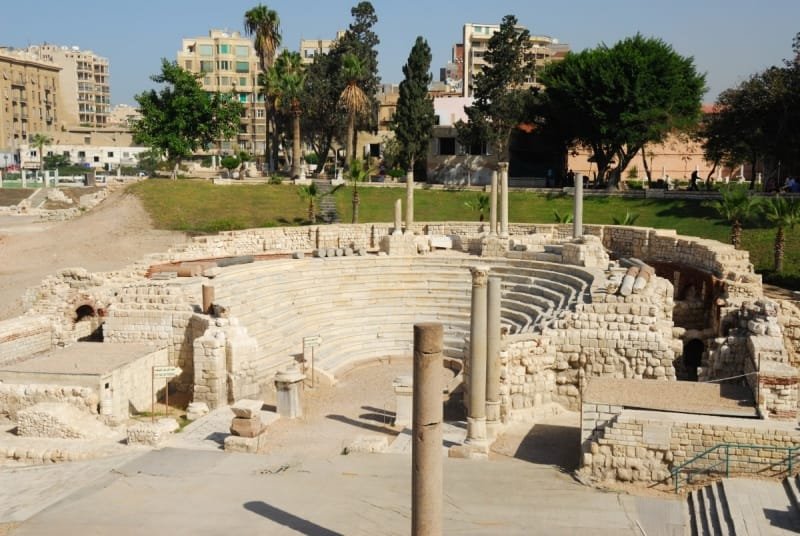
9. The Roman Amphitheater of Kom El-Dikka: Echoes of Entertainment and Learning
Hidden within the historic district of Alexandria lies one of the city’s most remarkable archaeological discoveries, the Roman Amphitheater of Kom El-Dikka. Discovered accidentally during construction work in the 1960s, this extraordinary site revealed an important chapter of Alexandria’s Roman heritage and transformed historians’ understanding of the ancient city. Dating back to the 4th century AD, the amphitheater once served as a center for entertainment, public gatherings, musical performances, and intellectual discussions during the Roman and Byzantine periods. Unlike the massive gladiatorial arenas of Rome, the amphitheater of Kom El-Dikka possesses a more intimate and elegant design characterized by marble seating arranged in a semicircular pattern around a central stage. The structure could accommodate hundreds of spectators who gathered to watch theatrical performances, lectures, and cultural events that reflected Alexandria’s sophisticated urban society. One of the most fascinating aspects of the site is its excellent acoustics, which still allow voices to carry clearly across the ancient theater today. Surrounding the amphitheater, archaeologists uncovered the remains of Roman villas, baths, lecture halls, and mosaics, suggesting that Kom El-Dikka functioned as an important educational and residential district within ancient Alexandria. These discoveries reinforce the city’s reputation as a center of learning and intellectual life even during the later Roman era. Walking through the site allows visitors to imagine the vibrant atmosphere that once filled these marble corridors nearly two thousand years ago. The blend of classical architecture, archaeological ruins, and modern urban surroundings creates a powerful contrast between Alexandria’s ancient past and contemporary present. For history enthusiasts and cultural travelers, Kom El-Dikka offers a quieter and more immersive experience compared to Egypt’s larger monuments, allowing deeper reflection on the daily life of Roman Alexandria. Today, the Roman Amphitheater remains one of the city’s hidden treasures, preserving the memory of a civilization where art, philosophy, and public life flourished beside the timeless Mediterranean Sea.
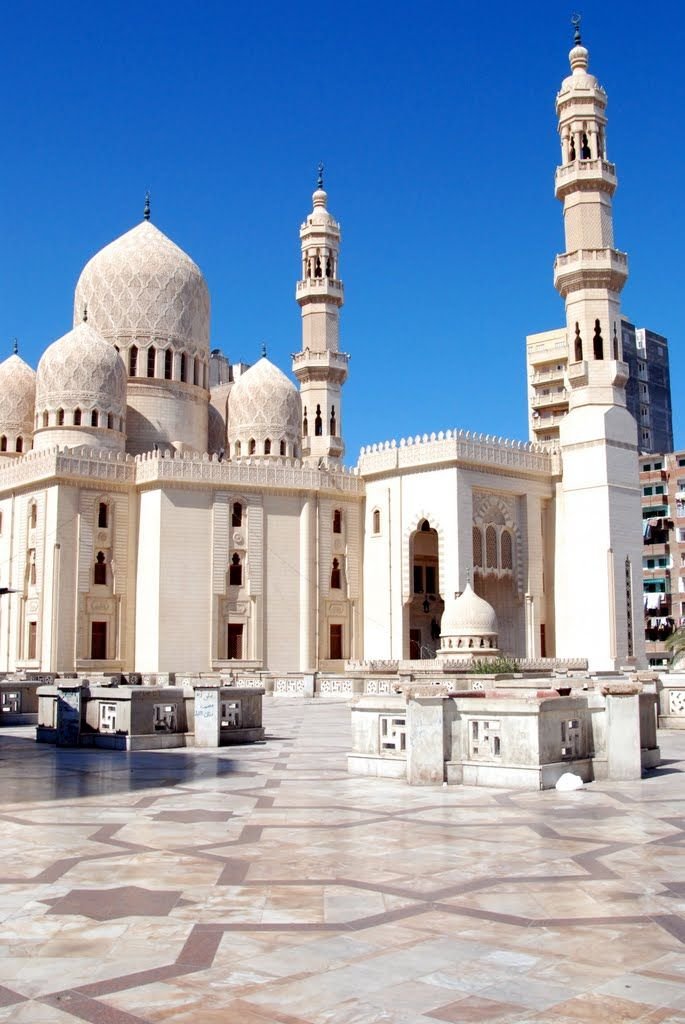
10. Abu al-Abbas al-Mursi Mosque: The Spiritual Heart of Alexandria
Among Alexandria’s most beautiful Islamic landmarks, the magnificent Abu al-Abbas al-Mursi Mosque stands as a symbol of spirituality, architectural elegance, and cultural heritage. Located in the historic Anfoushi district near the Mediterranean coast, the mosque is dedicated to the famous Andalusian Sufi scholar Abu al-Abbas al-Mursi, who settled in Alexandria during the 13th century and became one of the city’s most respected spiritual figures. The current structure, rebuilt and expanded in the 20th century, is widely considered one of the finest examples of Islamic architecture in Egypt. Its massive cream-colored façade, elegant arches, intricate decorations, and towering minaret dominate the surrounding skyline and create a breathtaking visual masterpiece that attracts worshippers and tourists alike. Inside the mosque, visitors are welcomed into a peaceful atmosphere filled with soft lighting, detailed geometric patterns, carved wooden elements, and beautifully decorated domes that reflect traditional Islamic artistry. The spacious prayer halls inspire a sense of tranquility and devotion, while the scent of incense and the sound of Quranic recitations create a deeply spiritual experience. The mosque also serves as an important cultural center where locals gather during religious celebrations and Islamic festivals throughout the year. Beyond its religious significance, Abu al-Abbas al-Mursi Mosque reflects Alexandria’s long history as a crossroads of civilizations and faiths. Its location near the sea adds another layer of beauty, especially during sunset when golden Mediterranean light illuminates the mosque’s domes and minarets. The surrounding square is often filled with street vendors, traditional cafés, and local families enjoying the vibrant atmosphere of this historic neighborhood. For photographers and architecture enthusiasts, the mosque provides endless opportunities to capture the harmony between Islamic design and Alexandria’s coastal charm. Visiting Abu al-Abbas al-Mursi Mosque is not simply a religious experience; it is a journey into the spiritual and cultural soul of Alexandria, where centuries of faith, art, and community life continue to thrive beside the timeless waters of the Mediterranean Sea.

11. Alexandria’s Seafood Culture: A Culinary Celebration of the Mediterranean
Alexandria’s relationship with the Mediterranean Sea extends far beyond history and trade; it is deeply reflected in the city’s extraordinary culinary traditions, especially its world-famous seafood culture. For centuries, Alexandria’s fishermen have sailed into the Mediterranean at dawn, bringing back fresh catches that define the city’s cuisine and social life. Walking through Alexandria’s harbor districts and seaside neighborhoods, visitors are immediately surrounded by the irresistible aroma of grilled fish, shrimp, calamari, and traditional seafood soups prepared using recipes passed down through generations. Dining in Alexandria is not merely about eating; it is an immersive cultural experience that connects travelers directly to the rhythm of coastal Egyptian life. One of the city’s most beloved traditions is selecting fresh seafood directly from local markets before having it cooked to personal preference in nearby restaurants. Popular dishes include grilled sea bass, fried mullet fish, garlic shrimp, stuffed calamari, and Sayadeya, a flavorful rice and fish dish cooked with caramelized onions and Mediterranean spices. Along the famous Corniche, countless seafood restaurants offer stunning sea views where visitors can enjoy authentic meals while listening to the sound of waves crashing nearby. Alexandria’s culinary identity also reflects the city’s cosmopolitan heritage, blending Egyptian, Greek, Turkish, and Levantine influences into unique flavors rarely found elsewhere in Egypt. Traditional appetizers such as tahini salads, baba ghanoush, pickled vegetables, and freshly baked bread complement the seafood feasts perfectly. During summer evenings, families and friends gather at waterfront cafés and restaurants, transforming Alexandria’s coastline into a lively social scene filled with laughter, music, and the scent of the sea. For food lovers and culinary travelers, Alexandria represents one of the Mediterranean’s hidden gastronomic treasures. Its seafood culture captures the spirit of the city itself—fresh, vibrant, diverse, and deeply connected to the sea. Experiencing Alexandria through its cuisine allows visitors to understand the emotional bond between the people, the harbor, and the Mediterranean waters that have shaped the city’s identity for over two thousand years.
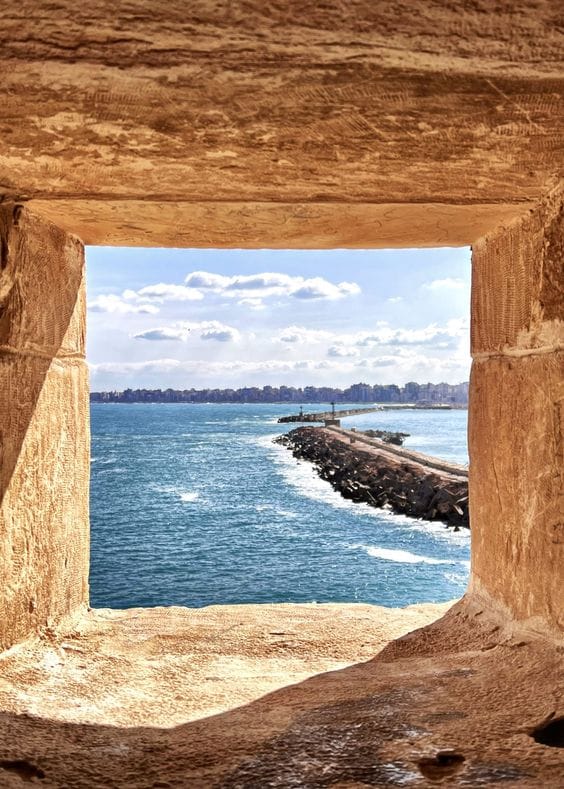
12. The Montazah Beaches and Royal Gardens: Alexandria’s Mediterranean Paradise
Located along the eastern coastline of Alexandria, the breathtaking Montaza Palace and its surrounding beaches and gardens offer one of the most luxurious and scenic escapes in all of Egypt. This vast royal complex combines elegant architecture, lush greenery, and sparkling Mediterranean views, creating an atmosphere of serenity and sophistication that has attracted visitors for generations. Originally developed as a summer retreat for Egypt’s royal family during the late 19th century, Montazah quickly became a symbol of aristocratic leisure and Mediterranean beauty. The royal gardens cover an enormous area filled with rare trees, colorful flowers, palm-lined pathways, and beautifully landscaped lawns overlooking the sea. Walking through the gardens feels like entering a peaceful oasis far removed from the busy streets of modern Alexandria. The nearby beaches add another dimension to the experience, offering crystal-clear waters and relaxing seaside scenery perfect for swimming, sunbathing, and family outings. During summer, both locals and tourists gather here to enjoy Alexandria’s refreshing coastal climate and picturesque atmosphere. One of the most iconic landmarks within the complex is the elegant Salamlek Palace, which blends Ottoman and European architectural influences in a way that perfectly reflects Alexandria’s cosmopolitan heritage. The area surrounding Montazah is also ideal for cycling, photography, and romantic evening walks beside the sea. As the sun begins to set, the Mediterranean horizon transforms into a spectacular display of golden and orange colors that illuminate the royal gardens and create unforgettable panoramic views. Beyond its natural beauty, Montazah represents an important chapter in Egypt’s modern royal history and preserves the memory of an era defined by luxury, elegance, and international influence. For travelers seeking relaxation combined with historical charm, the Montazah Gardens and beaches provide the perfect balance between nature, architecture, and Mediterranean tranquility. Visiting this magnificent coastal paradise allows guests to experience Alexandria not only as an ancient city of history and archaeology, but also as one of the Mediterranean’s most enchanting seaside destinations.
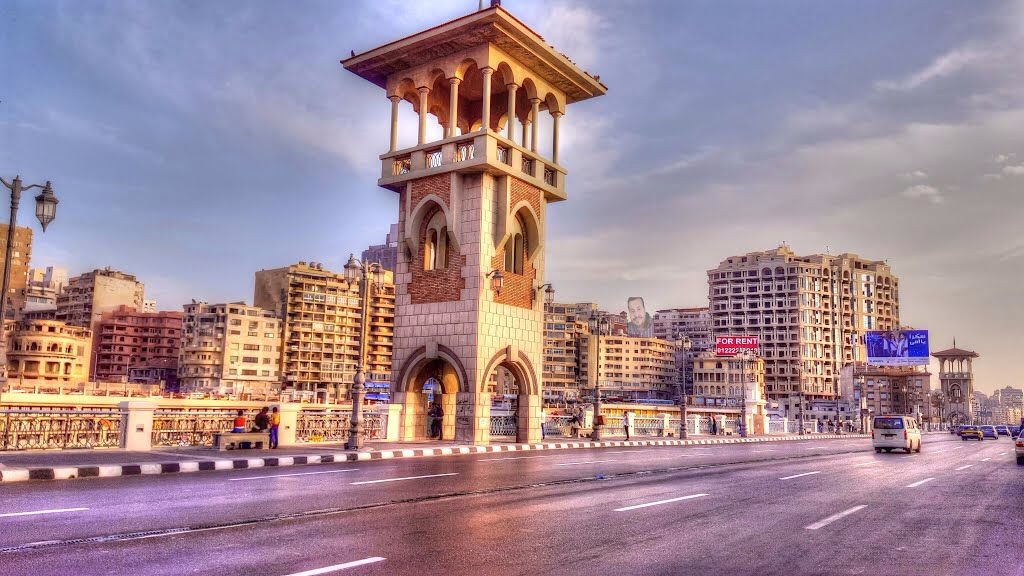
13. Stanley Bridge: The Modern Icon of Alexandria’s Coastal Beauty
Among Alexandria’s modern landmarks, Stanley Bridge has become one of the city’s most recognizable symbols and a favorite destination for both locals and visitors. Stretching elegantly across the Mediterranean coastline, the bridge combines contemporary engineering with classical architectural inspiration, creating a stunning visual landmark that perfectly complements Alexandria’s seaside atmosphere. Opened in the early 2000s to ease traffic congestion along the Corniche, Stanley Bridge quickly evolved into far more than a transportation route. Today, it serves as one of the city’s most popular gathering places where people come to enjoy the sea breeze, admire panoramic coastal views, and experience the romantic energy that defines Alexandria after sunset. The bridge is especially breathtaking at night when its illuminated towers reflect across the Mediterranean waters, creating one of the most photographed scenes in Egypt’s coastal cities. Beneath the bridge lies Stanley Beach, a lively area where families, young couples, and tourists gather throughout the year to relax by the sea. The surrounding cafés and restaurants add to the vibrant atmosphere, offering visitors the chance to enjoy fresh seafood, traditional Egyptian drinks, and uninterrupted views of the coastline. Walking across Stanley Bridge during sunset is considered one of Alexandria’s most unforgettable experiences as the sky transforms into brilliant shades of orange and pink above the Mediterranean horizon. The sound of waves crashing against the shore below creates a calming rhythm that contrasts beautifully with the city’s urban energy. Beyond its scenic appeal, Stanley Bridge symbolizes Alexandria’s ability to blend modern development with its historic Mediterranean identity. While the city remains deeply rooted in its ancient past, landmarks like Stanley Bridge reflect the evolving spirit of contemporary Alexandria and its role as one of Egypt’s most dynamic coastal destinations. For photographers, couples, and travelers seeking relaxation beside the sea, Stanley Bridge offers the perfect combination of architecture, scenery, and atmosphere, making it an essential stop on any journey through the enchanting city of Alexandria.
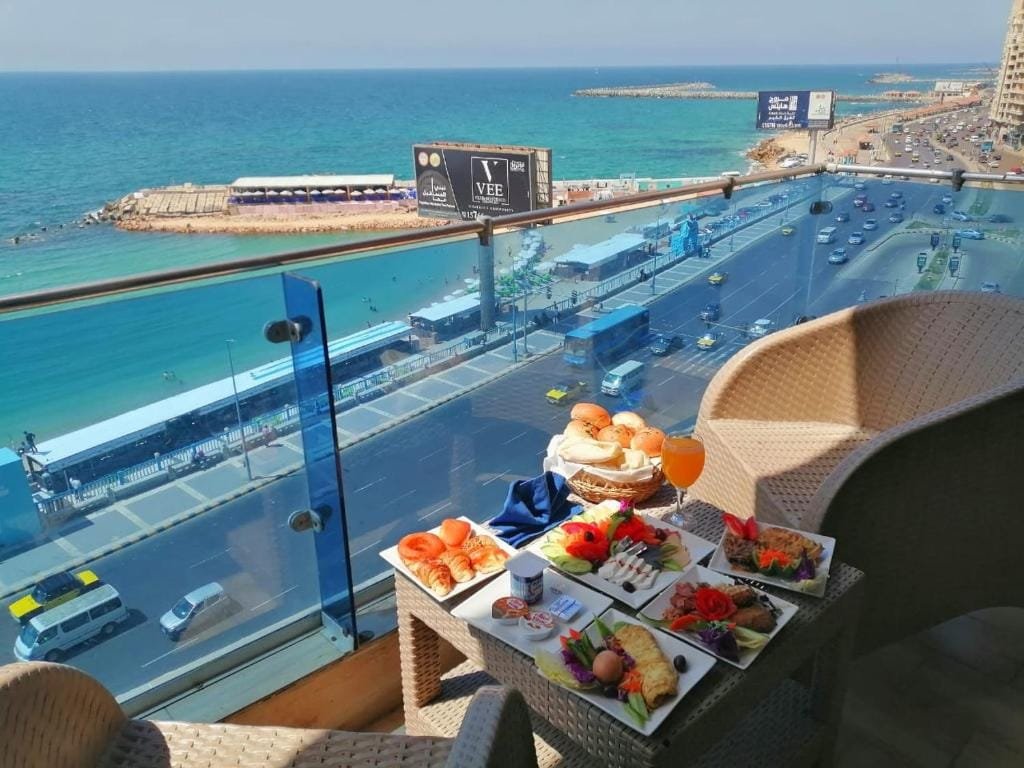
14. Alexandria’s Historic Cafés: Where Literature, Politics, and Art Came Alive
Alexandria’s café culture represents one of the most charming and intellectual aspects of the city’s identity, preserving a rich social tradition that dates back more than a century. Throughout the 19th and 20th centuries, Alexandria became a cosmopolitan haven for writers, artists, philosophers, merchants, and political thinkers from across the Mediterranean world. Elegant cafés spread along the Corniche and throughout the city’s European-style districts, serving as meeting places where conversations about literature, art, politics, and philosophy shaped Alexandria’s vibrant cultural life. Many of these historic establishments still operate today, allowing visitors to experience the nostalgic atmosphere that once inspired poets, journalists, and intellectuals from Egypt and beyond. One of the city’s most famous cultural landmarks is Greek Club, a seaside venue overlooking the Eastern Harbor where visitors can enjoy coffee and Mediterranean cuisine while admiring spectacular sea views beside the historic Citadel of Qaitbay. Alexandria’s traditional cafés are known for their elegant wooden furniture, vintage decorations, and relaxed atmosphere where guests often spend hours reading, discussing ideas, or simply watching daily life unfold around them. The city’s multicultural history is reflected in its café menus, which combine Egyptian tea traditions with Greek coffee, Turkish beverages, Italian pastries, and French-inspired desserts. During the golden age of Alexandria, famous writers and intellectuals gathered in these cafés to exchange ideas and create works that influenced modern Arabic and Mediterranean literature. Even today, the café culture continues to shape the rhythm of Alexandrian life, especially during evenings when the sea breeze fills the streets and locals gather for conversation and relaxation. For travelers seeking an authentic cultural experience, Alexandria’s historic cafés provide far more than food and drinks; they offer a glimpse into the intellectual and artistic soul of the city itself. Sitting in one of these timeless cafés beside the Mediterranean allows visitors to feel connected to the generations of dreamers, thinkers, and storytellers who once made Alexandria one of the world’s great cultural capitals.
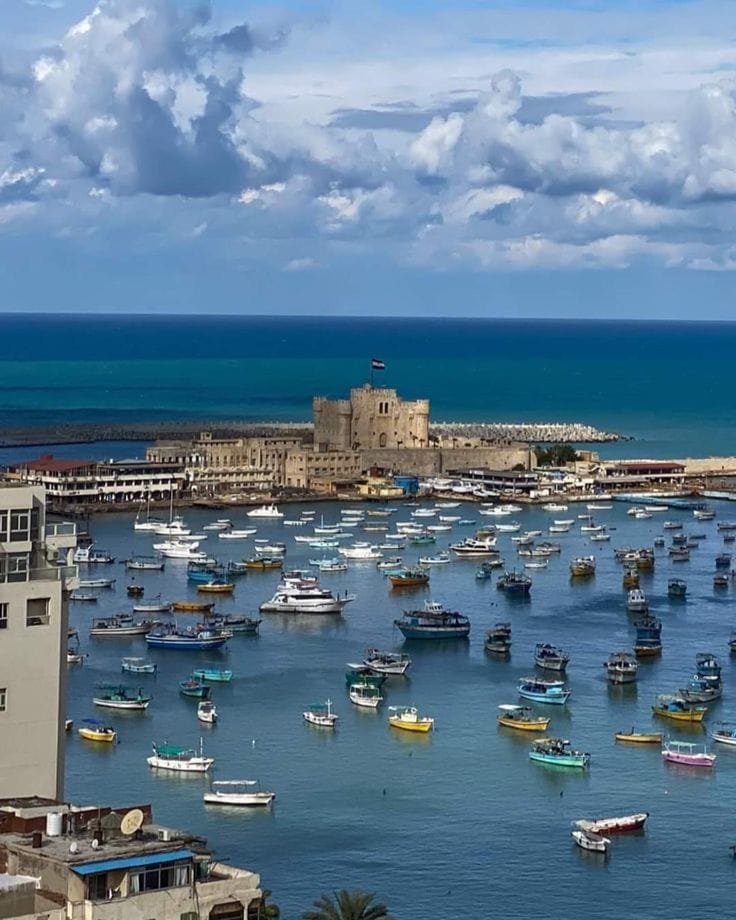
15. Alexandria’s Climate and the Perfect Time to Visit the Mediterranean Bride
Alexandria enjoys a unique Mediterranean climate that distinguishes it completely from the hot desert atmosphere found throughout much of Egypt. Often referred to as the “Bride of the Mediterranean,” the city is famous for its mild weather, refreshing sea breezes, and comfortable coastal environment that attract visitors throughout the year. Unlike southern Egyptian cities where temperatures can become extremely intense, Alexandria benefits from the cooling influence of the Mediterranean Sea, creating a pleasant atmosphere ideal for sightseeing, relaxation, and cultural exploration. The best time to visit Alexandria is generally between October and May, when daytime temperatures remain moderate and the city’s historic sites, beaches, and Corniche can be enjoyed comfortably without the heavy summer humidity. During winter months, Alexandria takes on a romantic and nostalgic character as rain showers, cloudy skies, and dramatic sea waves create a mood rarely associated with Egypt. Many travelers consider this season perfect for experiencing the city’s literary charm, historic cafés, museums, and Greco-Roman monuments. In contrast, summer transforms Alexandria into Egypt’s most vibrant coastal destination as millions of local tourists arrive to enjoy the beaches, nightlife, and Mediterranean atmosphere. Popular areas such as Stanley, Montazah, and Maamoura become filled with energy, music, and family activities throughout the season. Despite the crowds, the refreshing sea air makes Alexandria far more comfortable during summer than many inland Egyptian cities. Spring and autumn provide the perfect balance between lively urban life and peaceful exploration, making these seasons especially popular among international travelers and photographers. Alexandria’s weather also plays a significant role in shaping the city’s architecture and lifestyle, from its seaside cafés and open-air restaurants to the colorful fishing boats lining the harbor. The constantly changing mood of the Mediterranean Sea adds emotional depth to the city’s atmosphere, whether calm and peaceful during sunrise or dramatic and stormy during winter evenings. Understanding Alexandria’s climate allows travelers to choose the perfect season for their experience, ensuring unforgettable memories in Egypt’s most romantic and culturally diverse coastal city.
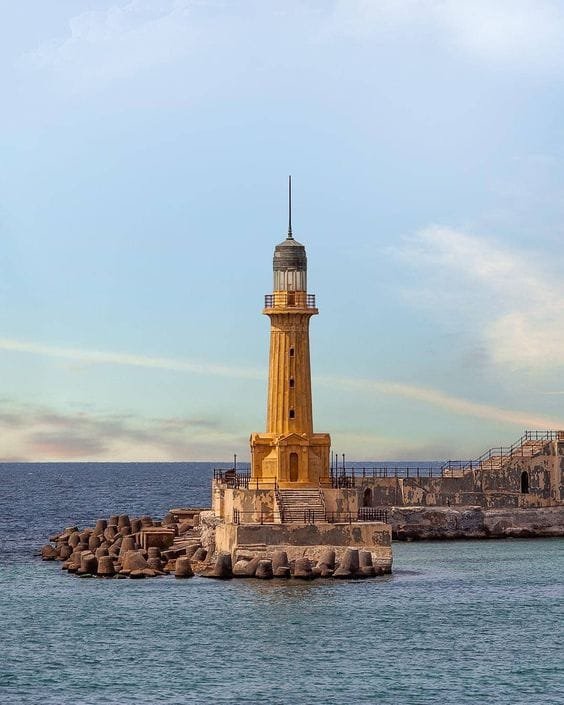
16. Alexandria for Families: A Coastal City Filled with Discovery and Entertainment
Alexandria has evolved into one of Egypt’s most family-friendly travel destinations, offering a perfect combination of education, entertainment, relaxation, and cultural discovery for visitors of all ages. Unlike destinations focused solely on ancient monuments, Alexandria provides families with a diverse range of experiences that blend history with modern leisure activities beside the Mediterranean Sea. Children can explore fascinating archaeological sites such as the Catacombs of Kom El Shoqafa and the Roman Amphitheater of Kom El-Dikka, where ancient underground tunnels and marble ruins transform history into an exciting real-life adventure. Families often spend entire days walking along the famous Corniche, enjoying ice cream, riding bicycles, and watching fishing boats sail across the harbor. Alexandria’s beaches also make the city especially attractive for family vacations, providing safe and lively environments where children can swim, play, and experience the refreshing Mediterranean atmosphere. Attractions such as the Bibliotheca Alexandrina include interactive museums, science centers, and cultural exhibitions designed to inspire curiosity and creativity among younger visitors. The city’s public gardens, especially the Montazah Gardens, offer peaceful green spaces perfect for picnics, photography, and outdoor relaxation away from busy urban areas. Alexandria’s famous aquarium and nearby recreational areas also provide educational opportunities that introduce children to marine life and the importance of the Mediterranean ecosystem. Restaurants throughout the city are highly accommodating for families, serving a wide variety of seafood, traditional Egyptian dishes, and international cuisine suitable for all tastes and age groups. Beyond entertainment, Alexandria offers families a valuable cultural experience where children can learn about the civilizations that shaped human history while enjoying a safe and welcoming environment. Evening walks beside the sea, horse carriage rides along the Corniche, and sunset gatherings at waterfront cafés create unforgettable family memories filled with warmth and beauty. Alexandria’s unique ability to combine history, nature, and modern recreation ensures that every member of the family finds something meaningful to enjoy, making the city one of Egypt’s most rewarding and unforgettable destinations for travelers seeking both relaxation and cultural enrichment beside the Mediterranean coast.
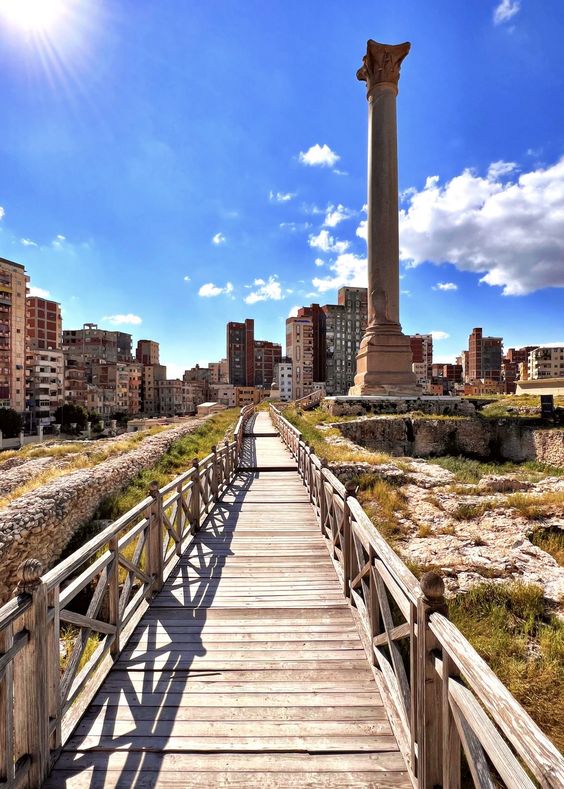
17. Beyond Alexandria: Discovering the Hidden Coastal Treasures of Northern Egypt
While Alexandria itself offers an extraordinary blend of history, culture, and Mediterranean beauty, the surrounding northern coast of Egypt contains numerous hidden treasures that make the city an ideal starting point for unforgettable coastal adventures. Travelers seeking to explore beyond Alexandria often discover charming seaside towns, archaeological wonders, and scenic landscapes stretching along the Mediterranean shoreline. One of the most popular nearby destinations is El Alamein, a historic coastal city famous for its World War II memorials, military museums, and pristine beaches with crystal-clear turquoise waters. Visitors interested in military history can explore cemeteries and museums dedicated to the battles that shaped the course of the Second World War in North Africa. Further west, the stunning Mediterranean city of Marsa Matruh offers some of Egypt’s most beautiful beaches, characterized by soft white sand and calm blue waters often compared to tropical destinations around the world. Closer to Alexandria, travelers can enjoy day trips to Abu Qir Bay, once the site of major naval battles involving Napoleon Bonaparte and Admiral Nelson. The coastal villages surrounding Alexandria also preserve traditional fishing communities where visitors can experience authentic local life far from crowded tourist areas. Along the Mediterranean highway, numerous resorts, cafés, and scenic rest stops provide spectacular sea views and opportunities to enjoy Egypt’s northern coastline in comfort and tranquility. For archaeology enthusiasts, the region surrounding Alexandria contains ancient ruins and submerged cities connected to the lost world of Cleopatra and the Ptolemaic Dynasty. Diving excursions near the harbor allow adventurous travelers to explore underwater remains hidden beneath the Mediterranean for centuries. These surrounding destinations enrich the Alexandrian travel experience by revealing the incredible diversity of northern Egypt, where history, nature, and coastal beauty coexist harmoniously. Exploring beyond Alexandria transforms a simple city visit into a grand Mediterranean journey filled with discovery, relaxation, and unforgettable encounters with Egypt’s lesser-known treasures beside the timeless sea.
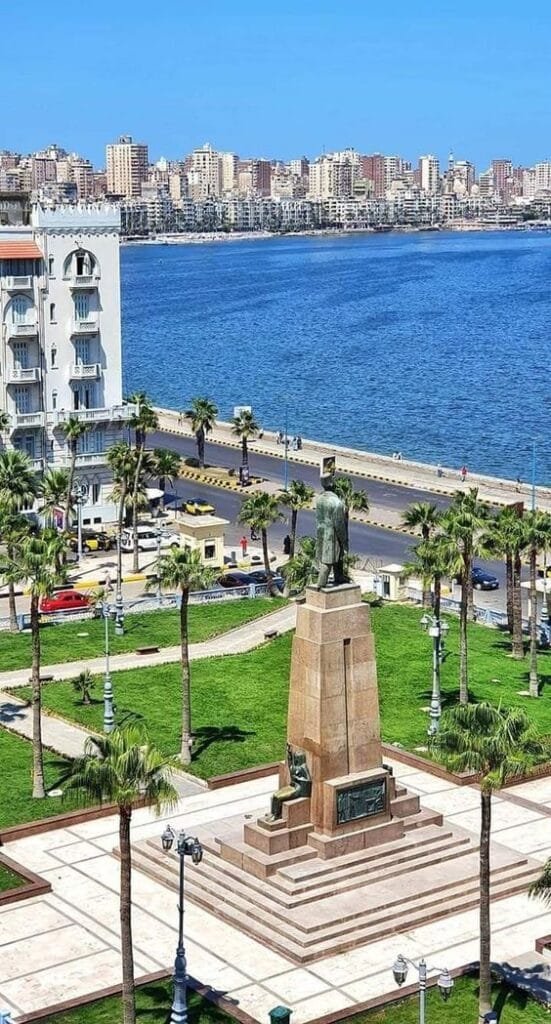
18. The Eternal Allure of Alexandria: Egypt’s Timeless Mediterranean Masterpiece
In the end, Alexandria is far more than a historical destination or a simple coastal city; it is a living masterpiece where civilizations, cultures, and generations continue to meet beside the Mediterranean Sea. From the legendary legacy of Alexander the Great to the intellectual brilliance of the ancient Library of Alexandria, the city has always represented humanity’s endless pursuit of knowledge, beauty, and cultural exchange. Every corner of Alexandria tells a story shaped by Greeks, Romans, Egyptians, Arabs, and countless travelers who left their mark upon its streets, harbors, cafés, and monuments. Whether standing before the mighty Citadel of Qaitbay, descending into the mysterious Catacombs of Kom El Shoqafa, or watching the sunset from Stanley Bridge, visitors quickly realize that Alexandria possesses a unique emotional atmosphere unlike anywhere else in Egypt. The city’s Mediterranean identity gives it a softer and more romantic spirit compared to the monumental grandeur of Upper Egypt. Here, the sea is not merely a backdrop; it is the soul of the city itself, shaping its climate, cuisine, architecture, and daily rhythm of life. Alexandria’s seafood culture, vibrant markets, elegant cafés, and beautiful beaches provide travelers with experiences that appeal to every sense, while its museums and archaeological treasures preserve the memory of one of history’s greatest civilizations. Even as modern life continues to evolve around it, Alexandria maintains a timeless charm that allows visitors to feel connected simultaneously to the ancient world and the contemporary Mediterranean lifestyle. For photographers, historians, food lovers, families, and cultural explorers, Alexandria offers an unforgettable journey filled with discovery, inspiration, and beauty. It remains one of the rare cities in the world capable of balancing historical depth with modern vibrancy while preserving its authentic character beside the sea. As global travelers continue searching for destinations rich in culture, atmosphere, and meaning, Alexandria stands proudly as Egypt’s eternal Mediterranean jewel—a city where the past never truly disappears, and every wave carries echoes of history toward the endless horizon.
More About Alexandria
Bibliotheca Alexandrina
A stunning architectural marvel where ancient wisdom meets modern innovation, preserving human heritage as a global beacon of knowledge.
The Citadel of Qaitbay
An imposing coastal fortress standing where the Great Lighthouse once fell, guarding Alexandria’s shores with timeless stone and historical majesty.
Pompey’s Pillar
is a colossal monolithic column of red granite, standing as a lone, majestic guardian of Alexandria’s ancient Roman history.
The Catacombs of Kom El Shoqafa
A hauntingly beautiful subterranean labyrinth where Egyptian, Greek, and Roman artistic styles merge into one of the world's ancient wonders.