

- Excursions in Egypt
- Egypt Tour Packages
- Cairo Tours and Excursions
- Hurghada Tours and Excursions
- Soma Bay Tours and Excursions
- Makadi Bay Tours and Excursions
- Sahl Hasheesh Tours and Excursions
- El Gouna Tours and Excursions
- Marsa Alam Tours and Excursions
- Port Ghalib Tours and Excursions
- El Quseir Tours and Excursions
- Dendera and Abydos Day Tours
- Aswan Tours and Excursions
- Luxor Tours and Excursions
- Sharm El Sheikh Tours and Excursions
- Top Rated Egypt Tours in 2026
- Optional Excursions in Egypt
- Private Transfer
- Blogs About egypt
- Ancient Egypt
- Historical Sites in Egypt
- Cairo
- Alexandria
- Luxor
- Aswan
- The Red Sea
- Dendera Temple
- El Fayoum Oasis
- Bahariya Oasis
- Siwa Oasis
- Al Alamein
- Marsa Matruh
- Why Egypt Is One of the Safest Countries to Visit in the Middle East
- What You Need To know Before Your First Trip To Egypt
- Egypt Travel Costs in 2026 Full Budget Guide
- Top 10 Tourist Activities in Egypt
- Top 50 Activities You Can’t Miss in Egypt in 2026
- The Guide to Guided Tours in Egypt
- Egypt’s Ancient and Modern History
- The Nile River
- The Deserts of Egypt
- Ancient Egyptian gods
- famous Egyptian dishes
- UNESCO World Heritage sites
- About Us
- Egypt Hotels and Resorts
- Excursions in Egypt
- Egypt Tour Packages
- Cairo Tours and Excursions
- Hurghada Tours and Excursions
- Soma Bay Tours and Excursions
- Makadi Bay Tours and Excursions
- Sahl Hasheesh Tours and Excursions
- El Gouna Tours and Excursions
- Marsa Alam Tours and Excursions
- Port Ghalib Tours and Excursions
- El Quseir Tours and Excursions
- Dendera and Abydos Day Tours
- Aswan Tours and Excursions
- Luxor Tours and Excursions
- Sharm El Sheikh Tours and Excursions
- Top Rated Egypt Tours in 2026
- Optional Excursions in Egypt
- Private Transfer
- Blogs About egypt
- Ancient Egypt
- Historical Sites in Egypt
- Cairo
- Alexandria
- Luxor
- Aswan
- The Red Sea
- Dendera Temple
- El Fayoum Oasis
- Bahariya Oasis
- Siwa Oasis
- Al Alamein
- Marsa Matruh
- Why Egypt Is One of the Safest Countries to Visit in the Middle East
- What You Need To know Before Your First Trip To Egypt
- Egypt Travel Costs in 2026 Full Budget Guide
- Top 10 Tourist Activities in Egypt
- Top 50 Activities You Can’t Miss in Egypt in 2026
- The Guide to Guided Tours in Egypt
- Egypt’s Ancient and Modern History
- The Nile River
- The Deserts of Egypt
- Ancient Egyptian gods
- famous Egyptian dishes
- UNESCO World Heritage sites
- About Us
- Egypt Hotels and Resorts
Welcome to
Ain Kiger in Siwa Oasis – A Natural Desert Spring
Ain Kiger is one of the lesser-known natural attractions in Siwa Oasis, offering travelers an opportunity to experience the peaceful desert environment away from the more famous sights of the oasis. Surrounded by the landscapes of Egypt’s Western Desert, Ain Kiger represents the importance of natural springs to life in Siwa.
Siwa Oasis is famous for its abundant underground water sources, which have supported palm groves, olive plantations, agriculture, and human settlement for thousands of years. Springs such as Ain Kiger are part of the natural water system that makes this remote desert oasis possible.
A visit to Ain Kiger can be particularly appealing to travelers who want to explore the quieter side of Siwa. Instead of focusing only on the major archaeological attractions, visitors can discover natural landscapes, traditional oasis environments, and peaceful locations surrounded by palms and desert.
The spring can also be incorporated into a broader Siwa Oasis tour, allowing travelers to combine natural attractions with historical and cultural experiences. Depending on the itinerary, a trip around Siwa may include the salt lakes, Cleopatra’s Spring, Fatnas Island, Shali Fortress, the Oracle Temple, and desert safari activities.
The surrounding landscape provides excellent opportunities for photography, particularly where green vegetation contrasts with the golden desert and clear spring water.
For travelers searching for Ain Kiger Siwa, Ain Kiger Spring, Siwa Oasis natural springs, things to do in Siwa Oasis, Siwa desert attractions, and hidden places in Siwa, Ain Kiger offers an interesting addition to an itinerary focused on nature and authentic oasis experiences.
The attraction is especially suitable for travelers who prefer discovering less crowded locations and experiencing the natural character of the Western Desert.
Ain Kiger provides a peaceful glimpse into the natural water resources that have allowed Siwa Oasis to flourish in the middle of one of the world’s great deserts.
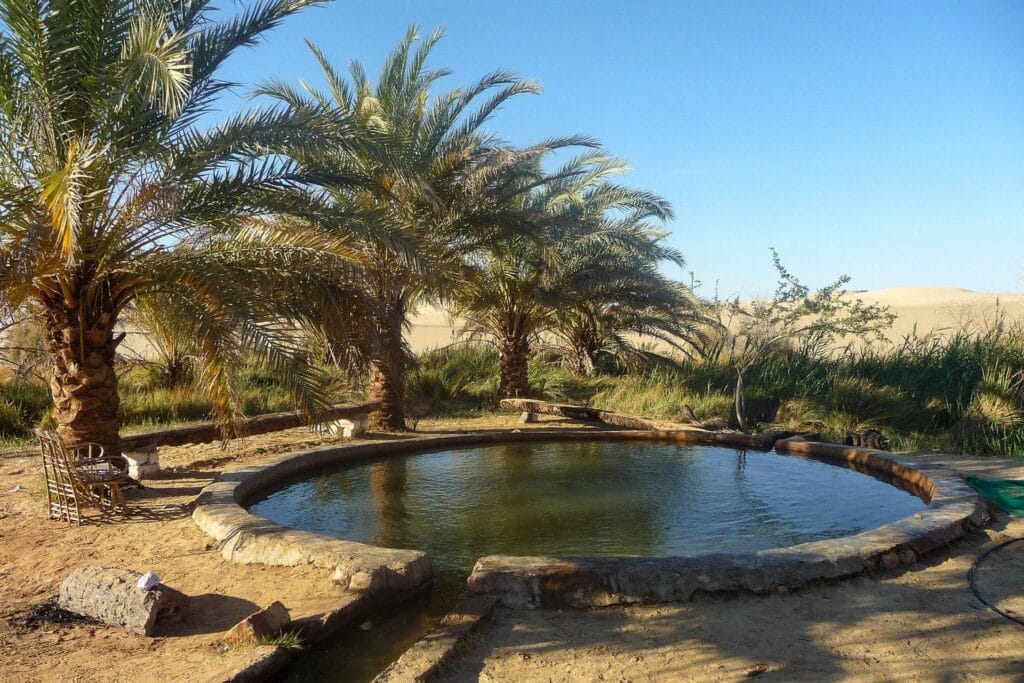
1. Where Is Ain Kiger Located in Siwa Oasis?
Ain Kiger is located within the wider Siwa Oasis region in Egypt's Western Desert. Like many of Siwa's natural springs, its surroundings reflect the distinctive landscape of the oasis, where underground water sources emerge within an otherwise extremely dry desert environment. The location is surrounded by the characteristic scenery of Siwa, including palm plantations, agricultural areas, sandy desert, and natural water sources. This contrast between lush vegetation and the surrounding Sahara is one of the defining features of the oasis. Because Siwa is a large and geographically diverse oasis, reaching less-developed natural attractions such as Ain Kiger is often easier with a local driver or private 4x4 vehicle familiar with the area. Travelers can include the spring as part of a wider sightseeing route rather than visiting it as an isolated destination. Ain Kiger can be combined with other natural attractions in Siwa, including the famous salt lakes, freshwater springs, desert landscapes, and palm groves. A well-planned itinerary allows visitors to experience several different environments within the oasis during the same trip. For travelers searching for where is Ain Kiger in Siwa, Ain Kiger location, Siwa natural springs, Siwa Oasis attractions, and hidden places in Siwa, visiting with a local guide can make it easier to discover the surrounding landscape and understand the importance of water in oasis life. The journey itself can be part of the experience, as visitors travel through areas where agriculture and desert meet. Ain Kiger's setting demonstrates the remarkable contrast that defines Siwa Oasis: a green, water-rich environment surrounded by the vast and arid Sahara Desert.
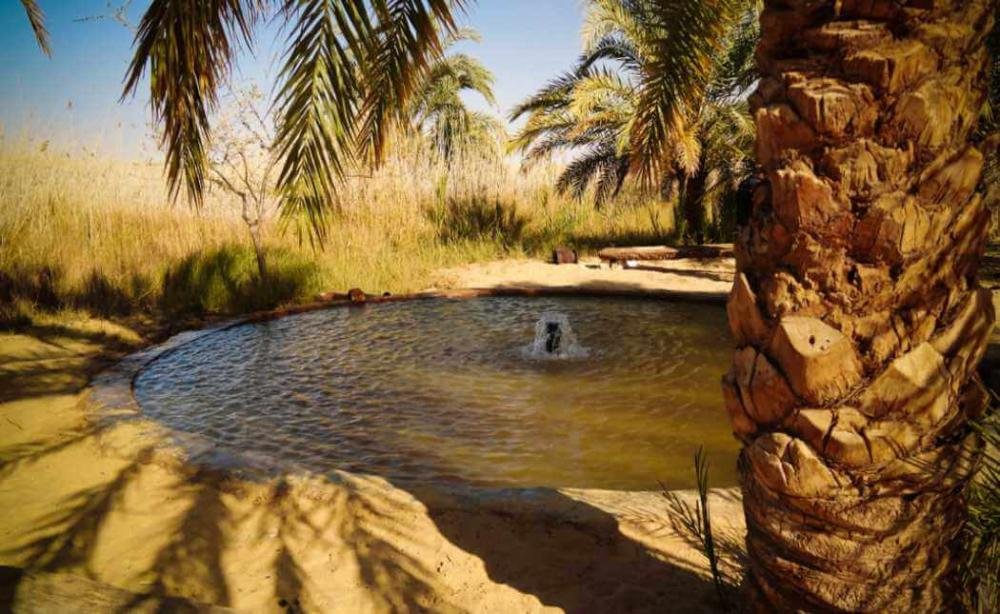
2. Why Is Ain Kiger Important in Siwa Oasis?
The importance of Ain Kiger is closely connected with the role that natural water sources have played in the development of Siwa Oasis. In the middle of the Western Desert, reliable access to underground water is essential for agriculture, settlement, and everyday life. Siwa contains numerous springs and groundwater sources. These sources allow date palms, olive trees, and other crops to grow despite the extremely dry climate surrounding the oasis. Natural springs have historically influenced where communities settled and where agricultural land developed. Water therefore represents much more than a natural attraction in Siwa—it is one of the foundations of life in the oasis. Ain Kiger can be appreciated as part of this wider natural system. Its surroundings demonstrate how water emerging from underground sources can transform an otherwise barren desert environment into a fertile landscape. For visitors, this provides an opportunity to understand an important part of Siwa's geography and traditional way of life. The oasis's agricultural landscapes, palm groves, and springs are all connected to the availability of underground water. Travelers interested in Ain Kiger Siwa, Siwa natural springs, importance of water in Siwa Oasis, Siwa agriculture, Western Desert Egypt, and Siwa Oasis geography can gain a deeper appreciation of the attraction by looking beyond its appearance and understanding its environmental significance. The spring also offers a quieter experience compared with some of Siwa's more famous tourist attractions. Ain Kiger is important because it represents the natural water resources that have helped make human life and agriculture possible in the heart of Egypt's Western Desert.
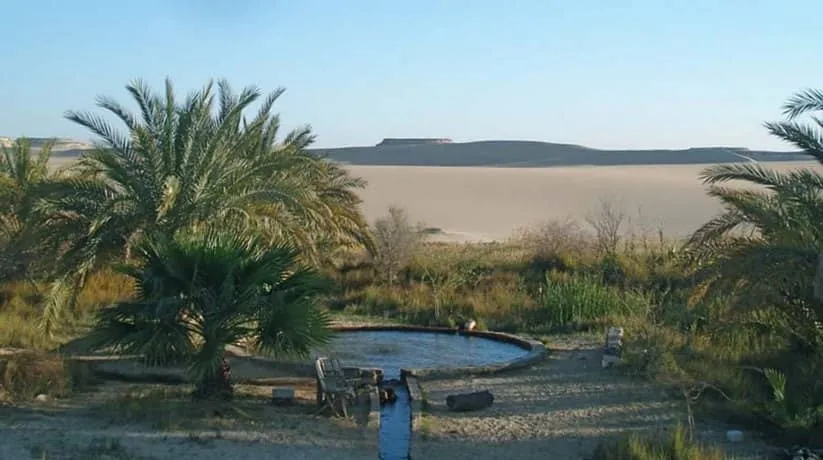
3. What to See Around Ain Kiger
A visit to Ain Kiger can be combined with several other natural and cultural attractions throughout Siwa Oasis, making it possible to create a varied itinerary rather than spending the entire day at one location. The famous Siwa Salt Lakes are among the most popular natural attractions in the area. Their highly saline water allows visitors to float effortlessly while enjoying views of white salt formations and turquoise water. Travelers can also visit Cleopatra's Spring, a well-known freshwater spring surrounded by palm trees. It provides a completely different experience from the salt lakes and demonstrates the variety of water environments found across Siwa. Fatnas Island is another popular destination, particularly for visitors interested in photography and sunset views. The location provides beautiful scenery across the surrounding lake and palm groves. History enthusiasts can explore Shali Fortress, the historic mud-brick settlement in Siwa town, and the Oracle Temple of Amun, traditionally associated with Alexander the Great's visit to the oasis. Adventure travelers can continue into the desert for a 4x4 safari, where activities may include dune driving, sandboarding, and visiting the Great Sand Sea. Combining Ain Kiger with these attractions allows visitors to experience several sides of Siwa—nature, history, culture, agriculture, and desert adventure. For travelers searching for things to do near Ain Kiger, Siwa Oasis itinerary, Siwa natural attractions, Siwa desert safari, Siwa Salt Lakes, Cleopatra Spring, and Fatnas Island, a private itinerary provides flexibility to explore the attractions at a comfortable pace. Ain Kiger becomes even more interesting when experienced as part of a wider journey through Siwa, where every stop reveals another aspect of this extraordinary desert oasis.
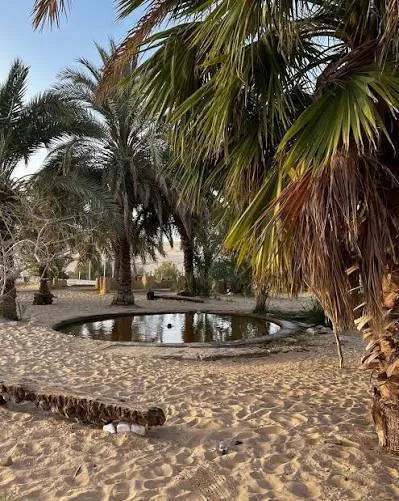
4. Ain Kiger and the Natural Springs of Siwa Oasis
Ain Kiger can be understood within the wider network of natural springs that makes Siwa Oasis one of the most remarkable environments in Egypt's Western Desert. Water is the defining natural resource of Siwa, creating fertile areas where agriculture and communities can flourish despite the surrounding Sahara. The oasis contains numerous springs, wells, and underground water sources. Some are famous tourist attractions, while others are quieter locations that offer travelers a more authentic view of the oasis environment. These water sources have supported date palms, olive trees, fruit trees, and agricultural fields for generations. The green vegetation around the springs creates a dramatic contrast with the dry desert outside the oasis. Ain Kiger is therefore interesting not only as a place to visit but also as part of the natural geography that explains why Siwa exists as a thriving oasis in such an arid region. Visitors exploring the area can observe how traditional agriculture is closely connected to the availability of water. Palm groves and cultivated land often surround natural water sources, creating small green landscapes within the desert. For travelers interested in Ain Kiger spring Siwa, natural springs in Siwa Oasis, Siwa water sources, oasis agriculture Egypt, and Western Desert natural attractions, the spring provides an opportunity to understand this relationship between water, nature, and human settlement. The experience is especially rewarding when combined with visits to other springs, salt lakes, and agricultural areas around Siwa. The natural springs of Siwa demonstrate how underground water can transform an otherwise harsh desert environment into a fertile and habitable oasis.
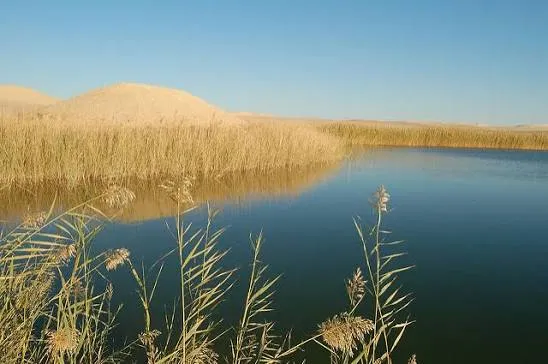
5. Ain Kiger and Traditional Life in Siwa
A visit to Ain Kiger can also provide insight into the traditional relationship between the people of Siwa and their natural environment. For centuries, the inhabitants of the oasis have depended on available water sources for agriculture, livestock, and everyday life. The abundance of underground water has allowed Siwa to develop a distinctive agricultural landscape dominated by date palms and olive trees. These crops remain important to the local economy and culture. Traditional Siwan agriculture is closely connected with the oasis's water resources. Irrigation systems and cultivated areas have developed around available springs and groundwater, creating productive green spaces surrounded by desert. This relationship between people and water is one of the most interesting aspects of visiting Siwa. Travelers can see how communities have adapted to life in one of Egypt's most remote desert environments. The oasis has also developed distinctive traditions, architecture, food, and handicrafts. Exploring natural locations such as Ain Kiger alongside the historic center of Siwa provides a more complete picture of local life. Visitors can combine their experience with a walk through Shali Fortress, visits to local markets, or stops at traditional agricultural areas. For travelers searching for Ain Kiger Siwa culture, traditional life in Siwa Oasis, Siwan agriculture, Siwa traditions, and authentic Siwa experiences, the spring offers more than a scenic stop. It provides an opportunity to understand how natural resources have shaped the daily lives and development of the oasis community. Ain Kiger is part of the natural environment that has supported Siwan life for generations, making it an interesting place to connect the landscape of the oasis with its traditional culture.
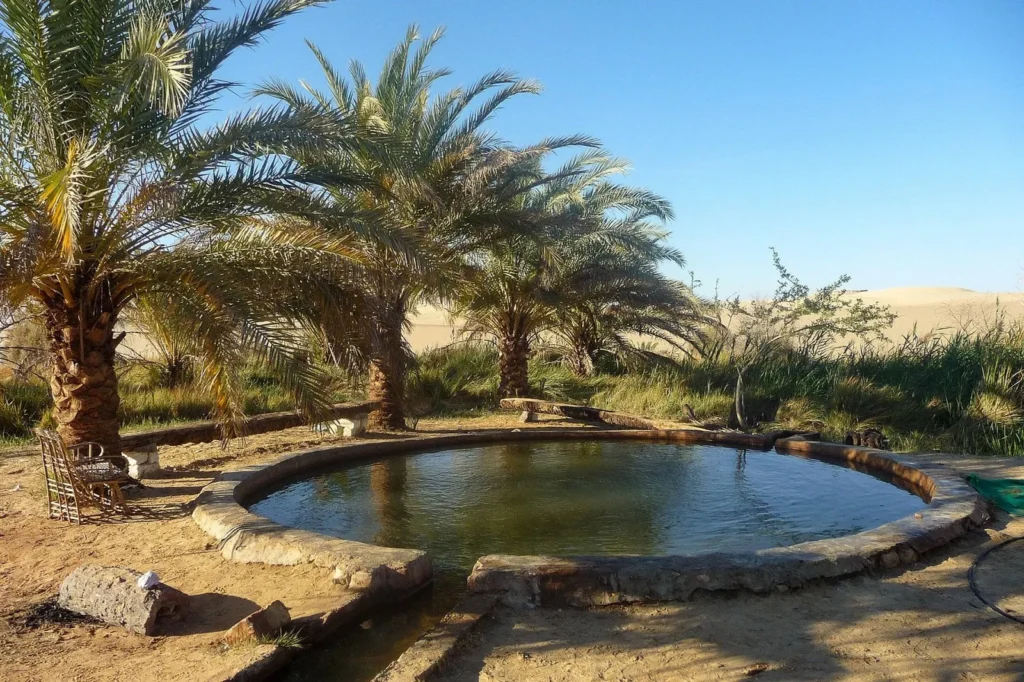
6. Ain Kiger as a Hidden Attraction in Siwa Oasis
Ain Kiger can be an appealing choice for travelers who want to explore the quieter and less familiar side of Siwa Oasis. While destinations such as the Salt Lakes, Shali Fortress, Cleopatra's Spring, and the Oracle Temple attract considerable attention, smaller natural locations can provide a more peaceful experience. The appeal of lesser-known attractions is that they allow visitors to experience Siwa beyond the standard tourist itinerary. Instead of focusing only on famous landmarks, travelers can discover natural landscapes and locations connected with everyday life in the oasis. Ain Kiger's surroundings offer opportunities to observe the contrast between desert and vegetation, one of the most characteristic features of Siwa. Palm groves and agricultural areas appear against the vast sandy landscape, creating excellent opportunities for photography. The experience can be particularly enjoyable for travelers who appreciate nature, photography, and authentic destinations rather than crowded attractions. Because lesser-known locations can have fewer visitor facilities, it is advisable to visit with a local driver or guide who understands the area and can help organize transportation and timing. Ain Kiger can also be included in a private itinerary alongside the major attractions of Siwa, allowing travelers to experience both the famous highlights and quieter locations. For tourists searching for hidden places in Siwa Oasis, secret attractions in Siwa, Ain Kiger spring, off-the-beaten-path Siwa, and unique things to do in Siwa, the location offers an interesting alternative to the more crowded attractions. For travelers willing to explore beyond Siwa's most famous landmarks, Ain Kiger offers a quieter glimpse into the natural landscapes and water resources that define this remarkable desert oasis.
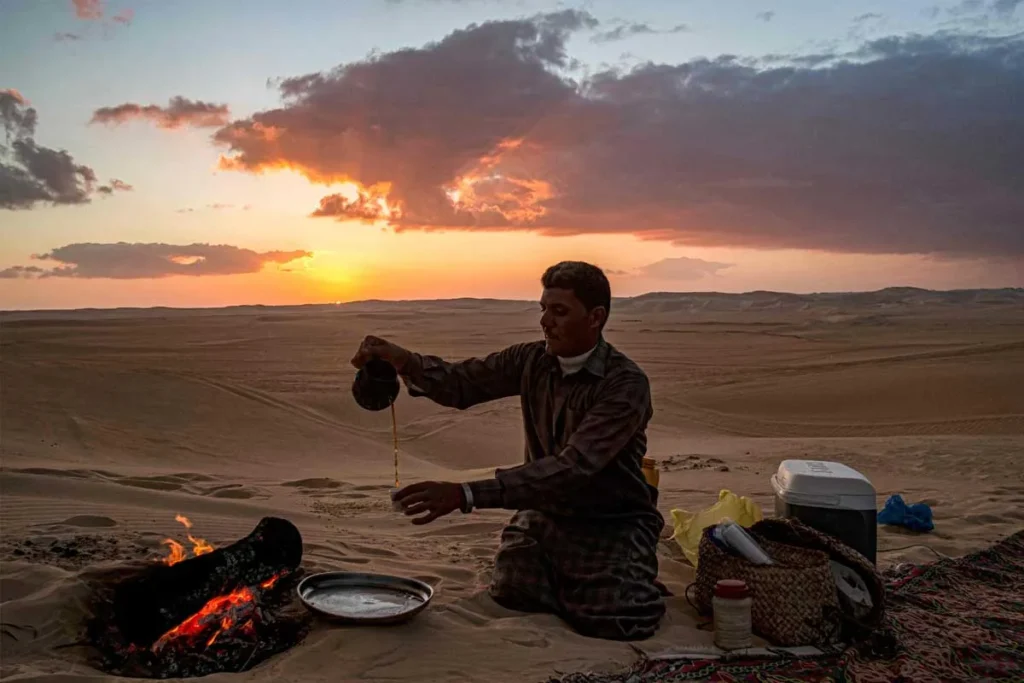
7. Ain Kiger and the Desert Landscape of Siwa
Ain Kiger is surrounded by the distinctive desert landscape that makes Siwa Oasis such a fascinating destination. The oasis sits within a vast desert depression, creating a remarkable contrast between green agricultural areas and the endless golden landscapes of the Sahara. As travelers move around Siwa, they can see how the landscape changes from palm-filled areas to sandy desert and rocky terrain. Natural water sources such as Ain Kiger help create pockets of vegetation within this otherwise arid environment. The combination of water and desert makes the area particularly attractive for photography. Palm trees, agricultural fields, clear water, salt deposits, and sand dunes can appear within the same landscape. The surrounding desert is also an important part of the Siwa adventure experience. Travelers can explore the Great Sand Sea by 4x4 vehicle, experience dune driving, try sandboarding, or watch the sunset from a desert viewpoint. Ain Kiger can therefore be included as part of a wider route exploring the relationship between the oasis and the Sahara. For travelers searching for Ain Kiger Siwa desert, Siwa Oasis desert landscape, Sahara attractions Egypt, Siwa nature, and Western Desert tours, the location offers an opportunity to experience the natural contrast that defines the oasis. The desert environment also explains why water sources are so important. Without underground water, the green areas of Siwa would not exist. Ain Kiger provides a fascinating meeting point between two seemingly opposite environments: the dry Sahara and the fertile green landscape of Siwa Oasis.
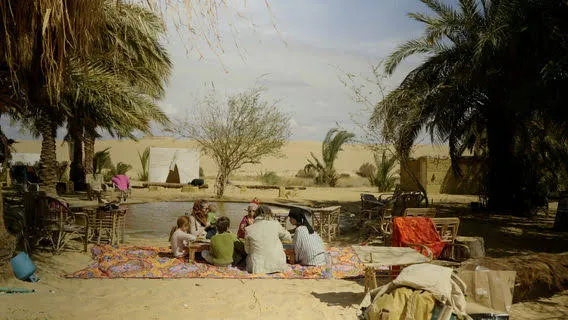
8. Best Time to Visit Ain Kiger in Siwa
The best time to visit Ain Kiger in Siwa Oasis is generally during the cooler months, when temperatures are more comfortable for exploring natural attractions and spending time outdoors. The period from October to April is usually considered the most pleasant season for traveling through Siwa. During these months, daytime temperatures are more suitable for sightseeing, while the desert landscape can be enjoyed without the intense summer heat. Autumn and spring are particularly attractive for travelers who want to combine Ain Kiger with desert activities, sightseeing, and photography. Winter is also a popular period for visiting Siwa. Daytime conditions can be pleasant under the sun, but temperatures may become surprisingly cold after sunset. Travelers planning a desert safari or overnight camping should bring warm clothing. Summer can be extremely hot in the Western Desert. If visiting Siwa during the warmer months, travelers should schedule outdoor activities for the early morning or later afternoon and avoid prolonged exposure to the midday sun. The best time of day can also depend on your itinerary. Morning visits provide cooler conditions, while late afternoon offers softer light and beautiful colors across the desert landscape. For travelers searching for best time to visit Ain Kiger, Siwa weather, best season for Siwa Oasis, Siwa desert attractions, and Siwa travel tips, the cooler months generally offer the most comfortable conditions. It is also important to plan transportation in advance because Ain Kiger is better experienced as part of a wider Siwa itinerary. Choosing the right season can make a significant difference, allowing travelers to explore Ain Kiger and the surrounding oasis comfortably while enjoying the spectacular desert scenery.
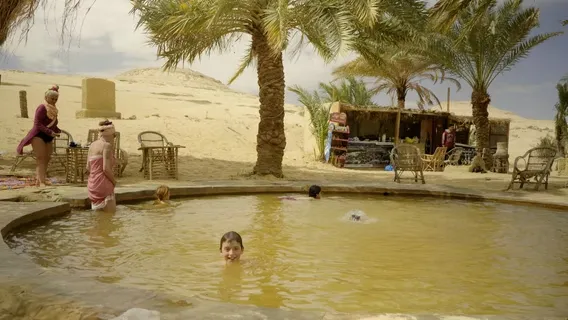
9. Photography at Ain Kiger
Ain Kiger can be an interesting photography location for travelers looking to capture the natural beauty of Siwa Oasis. The contrast between water, vegetation, desert, and sky creates a variety of opportunities for landscape and travel photography. One of the most attractive features of Siwa is the sharp contrast between its green palm groves and the surrounding golden desert. Around natural springs such as Ain Kiger, this contrast can become especially noticeable. Photographers can capture wide landscape views showing the oasis surrounded by the Sahara, as well as closer images of palm trees, water, agricultural areas, and natural textures. Early morning and late afternoon are generally excellent times for photography because the sunlight becomes softer and warmer. The lower angle of the sun can create shadows across the landscape and add depth to photographs. Travelers using smartphones can still capture impressive images by taking advantage of the natural contrast between the green vegetation and desert background. If visiting as part of a 4x4 desert excursion, travelers can also photograph the changing scenery along the route to and from Ain Kiger. For visitors searching for Ain Kiger photography, Siwa Oasis photography, best photography spots in Siwa, Siwa desert photos, and natural attractions in Siwa, the area offers a peaceful setting for capturing the distinctive character of the oasis. Ain Kiger can also be combined with more recognizable photography locations such as the Salt Lakes, Fatnas Island, Shali Fortress, and the Great Sand Sea. For photographers, Ain Kiger offers more than a single scenic view—it provides an opportunity to capture the unique relationship between water, vegetation, and the vast Sahara surrounding Siwa Oasis.
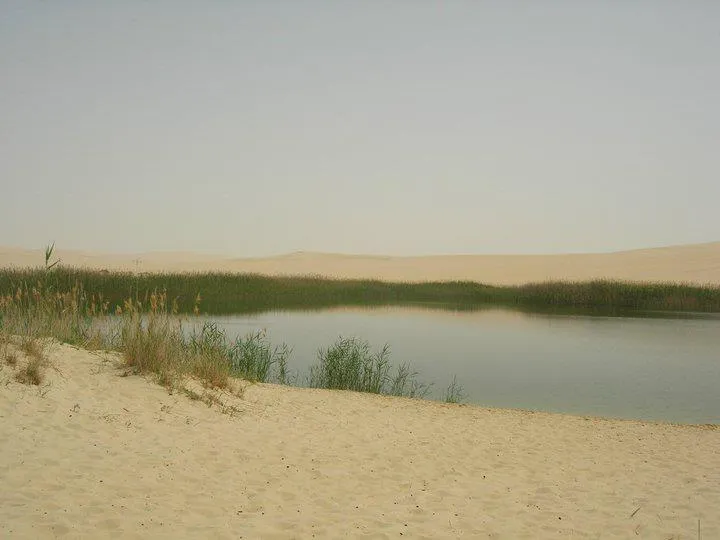
10. Ain Kiger as Part of a Siwa Oasis Tour
Including Ain Kiger in a Siwa Oasis tour allows travelers to discover a quieter natural attraction while experiencing the major highlights of the oasis. Because Siwa contains historical sites, freshwater springs, salt lakes, palm groves, and vast desert landscapes, a multi-stop itinerary is the best way to experience the destination. A typical private Siwa itinerary can begin with the historic Shali Fortress, where visitors can explore the remains of the traditional mud-brick settlement. From there, travelers can continue to the Oracle Temple of Amun, one of the most famous ancient sites in the oasis. Natural attractions can then become the focus of the day. Visitors can explore Ain Kiger, experience the famous Siwa Salt Lakes, and stop at freshwater springs surrounded by palm trees. The itinerary can continue toward Fatnas Island, which is particularly popular for its peaceful scenery and spectacular sunset views. Adventure lovers can dedicate part of the trip to the Great Sand Sea, where a 4x4 safari can include dune driving and sandboarding. Depending on the tour, travelers may also enjoy traditional Siwan meals and explore local handicrafts. Ain Kiger is particularly suitable for private tours because the schedule can be adjusted according to the traveler's interests and available time. For travelers searching for Siwa Oasis tour itinerary, Ain Kiger tour, Siwa private tour, things to do in Siwa Oasis, Siwa natural attractions, and Siwa desert safari, combining several attractions creates a much more complete experience. Rather than visiting Ain Kiger as a standalone destination, travelers can treat it as one part of a larger journey through the oasis. A well-planned Siwa itinerary allows visitors to move seamlessly between ancient history, natural springs, salt lakes, traditional culture, and the spectacular Sahara Desert.
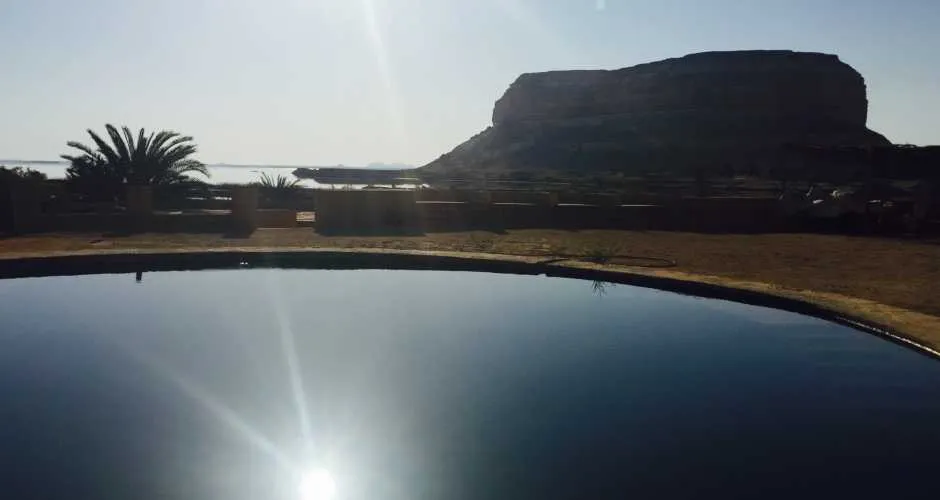
11. Ain Kiger and the Importance of Water in the Western Desert
The story of Ain Kiger cannot be separated from the importance of water in Egypt's Western Desert. In one of the driest regions of the country, natural underground water is the foundation of every oasis and has allowed human communities to survive for thousands of years. Siwa's location within a desert depression allows groundwater to reach areas relatively close to the surface. This creates springs, wells, and other water sources that support vegetation and agriculture. The presence of water transforms the landscape. Instead of endless sand and barren rock, travelers encounter date palms, olive trees, agricultural fields, and green gardens. This natural phenomenon explains why Siwa became an important settlement long before modern tourism developed. Ain Kiger can therefore be viewed as part of a much larger environmental story. The spring represents the connection between underground water systems and the fertile landscape of the oasis. The importance of water is also visible in Siwa's traditional agricultural practices. Local communities have historically developed ways of cultivating crops around available water sources, creating productive agricultural areas within the desert. For travelers interested in Ain Kiger spring, water in Siwa Oasis, Western Desert Egypt, Siwa groundwater, oasis agriculture, and natural springs in Egypt, exploring these connections adds depth to the sightseeing experience. Understanding the importance of water also makes the surrounding desert appear even more remarkable. The green oasis is not simply an isolated landscape—it is the result of a rare natural combination of groundwater, geology, and human adaptation. Ain Kiger offers a small window into the environmental forces that have allowed Siwa Oasis to exist and flourish in the middle of the Sahara.
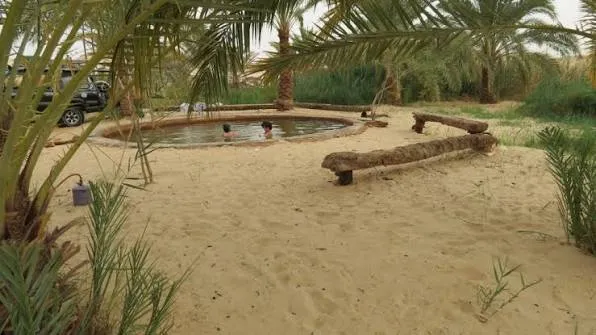
12. Why Visit Ain Kiger in Siwa Oasis?
Ain Kiger is worth visiting for travelers who want to discover a quieter and less familiar side of Siwa Oasis. While the oasis is famous for attractions such as the Salt Lakes, Shali Fortress, Cleopatra's Spring, and the Oracle Temple, smaller natural locations can provide a more peaceful and authentic experience. One of the main reasons to visit is the opportunity to appreciate the importance of natural water sources in the middle of the Sahara. The presence of water creates fertile landscapes filled with palms and agricultural areas, producing a remarkable contrast with the surrounding desert. Ain Kiger can also be an interesting stop for photographers. The combination of vegetation, water, desert, and open skies provides plenty of opportunities for capturing the distinctive landscape of Siwa. The attraction is particularly suitable for travelers who enjoy nature, photography, local culture, and off-the-beaten-path experiences. Another advantage is that Ain Kiger can be included in a broader private Siwa itinerary. Travelers can visit the spring alongside the Salt Lakes, desert landscapes, historical monuments, and traditional villages without needing to dedicate an entire day to one attraction. For visitors searching for why visit Ain Kiger, Ain Kiger Siwa Oasis, hidden attractions in Siwa, Siwa natural springs, unique things to do in Siwa, and Siwa Oasis tours, the spring offers an opportunity to explore beyond the most famous landmarks. The experience also helps visitors understand why Siwa has been able to support communities and agriculture for generations despite its remote desert location. Ain Kiger may not be one of Siwa's most famous landmarks, but its natural setting and connection to the oasis's water resources make it an interesting addition to a journey through Egypt's extraordinary Western Desert.
