- Excursions in Egypt
- Egypt Tour Packages
- Cairo Tours and Excursions
- Hurghada Tours and Excursions
- Soma Bay Tours and Excursions
- Makadi Bay Tours and Excursions
- Sahl Hasheesh Tours and Excursions
- El Gouna Tours and Excursions
- Marsa Alam Tours and Excursions
- Port Ghalib Tours and Excursions
- El Quseir Tours and Excursions
- Dendera and Abydos Day Tours
- Aswan Tours and Excursions
- Luxor Tours and Excursions
- Sharm El Sheikh Tours and Excursions
- Top Rated Egypt Tours in 2026
- Optional Excursions in Egypt
- Private Transfer
- Blogs About egypt
- Ancient Egypt
- Historical Sites in Egypt
- Cairo
- Alexandria
- Luxor
- Aswan
- The Red Sea
- Dendera Temple
- El Fayoum Oasis
- Bahariya Oasis
- Siwa Oasis
- Al Alamein
- Marsa Matruh
- Why Egypt Is One of the Safest Countries to Visit in the Middle East
- What You Need To know Before Your First Trip To Egypt
- Egypt Travel Costs in 2026 Full Budget Guide
- Top 10 Tourist Activities in Egypt
- Top 50 Activities You Can’t Miss in Egypt in 2026
- The Guide to Guided Tours in Egypt
- Egypt’s Ancient and Modern History
- The Nile River
- The Deserts of Egypt
- Ancient Egyptian gods
- famous Egyptian dishes
- UNESCO World Heritage sites
- About Us
- Egypt Hotels and Resorts
- Excursions in Egypt
- Egypt Tour Packages
- Cairo Tours and Excursions
- Hurghada Tours and Excursions
- Soma Bay Tours and Excursions
- Makadi Bay Tours and Excursions
- Sahl Hasheesh Tours and Excursions
- El Gouna Tours and Excursions
- Marsa Alam Tours and Excursions
- Port Ghalib Tours and Excursions
- El Quseir Tours and Excursions
- Dendera and Abydos Day Tours
- Aswan Tours and Excursions
- Luxor Tours and Excursions
- Sharm El Sheikh Tours and Excursions
- Top Rated Egypt Tours in 2026
- Optional Excursions in Egypt
- Private Transfer
- Blogs About egypt
- Ancient Egypt
- Historical Sites in Egypt
- Cairo
- Alexandria
- Luxor
- Aswan
- The Red Sea
- Dendera Temple
- El Fayoum Oasis
- Bahariya Oasis
- Siwa Oasis
- Al Alamein
- Marsa Matruh
- Why Egypt Is One of the Safest Countries to Visit in the Middle East
- What You Need To know Before Your First Trip To Egypt
- Egypt Travel Costs in 2026 Full Budget Guide
- Top 10 Tourist Activities in Egypt
- Top 50 Activities You Can’t Miss in Egypt in 2026
- The Guide to Guided Tours in Egypt
- Egypt’s Ancient and Modern History
- The Nile River
- The Deserts of Egypt
- Ancient Egyptian gods
- famous Egyptian dishes
- UNESCO World Heritage sites
- About Us
- Egypt Hotels and Resorts
Welcome to
Saqqara: The Ancient Necropolis of Memphis
Located on the west bank of the Nile River, just south of Cairo, Saqqara is one of the most significant and expansive archaeological sites in Egypt. Serving as the vast burial ground for the ancient capital of Memphis, Saqqara spans thousands of years of history, from the earliest dynasties to the Greco-Roman period. Unlike a single monument, Saqqara is a complex landscape filled with pyramids, mastabas, temples, and tombs that collectively tell the story of the evolution of ancient Egyptian burial practices and architectural innovation.
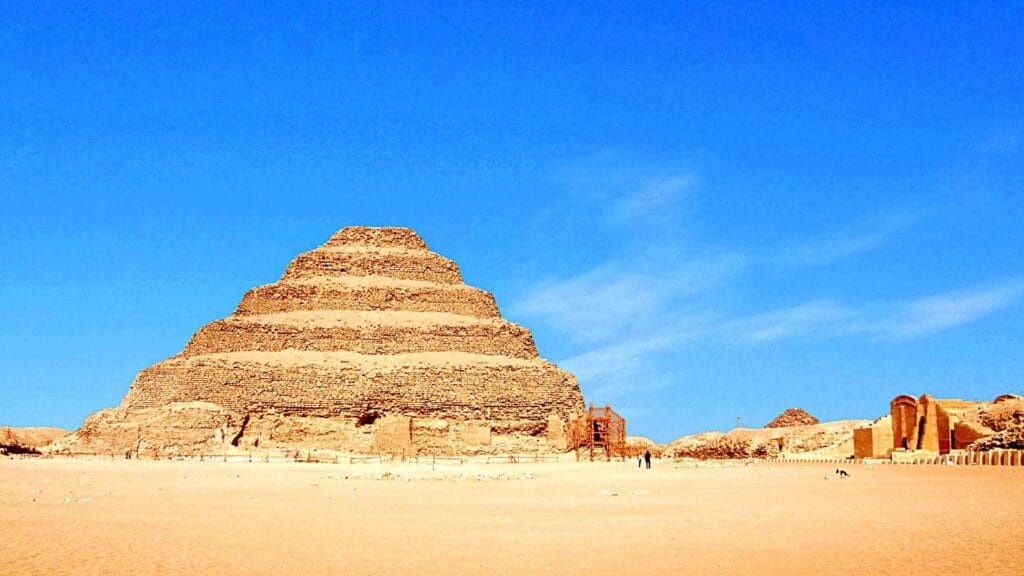
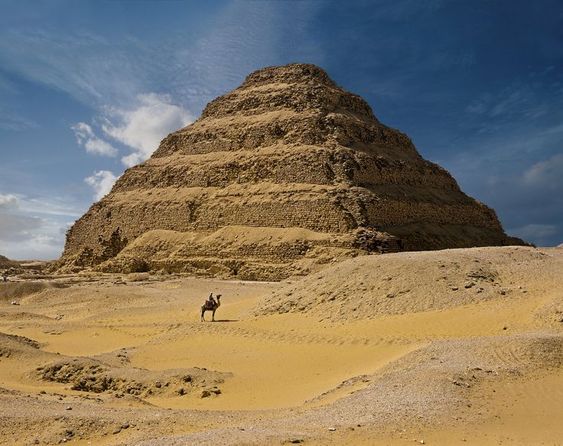
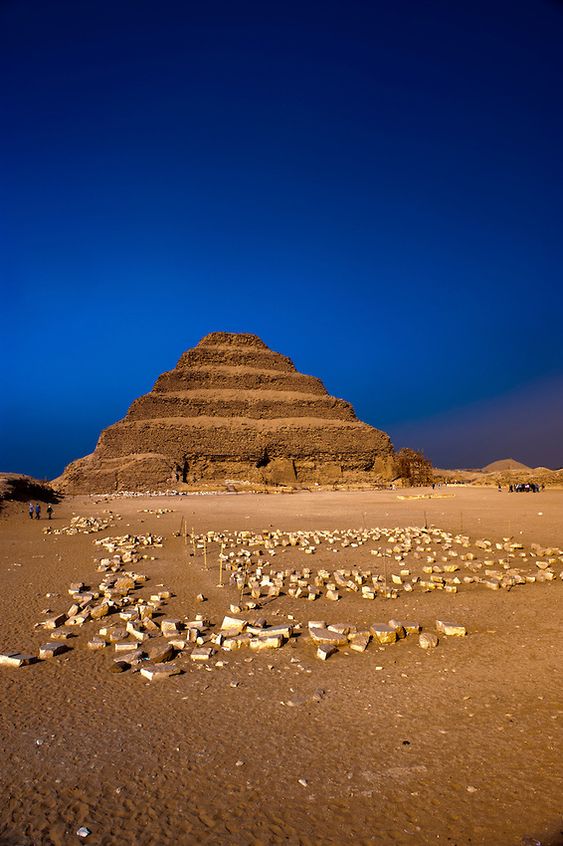
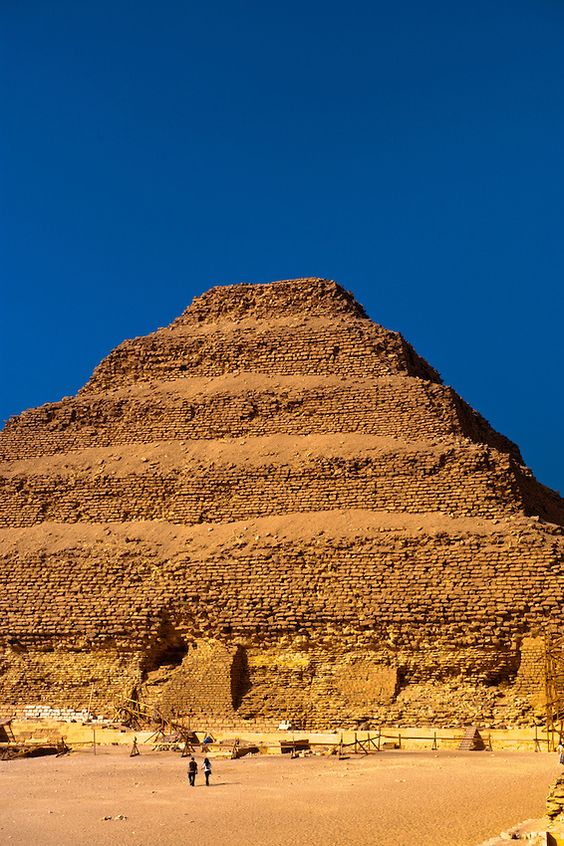
At the heart of Saqqara stands the iconic Step Pyramid of Djoser, the oldest large-scale stone structure in the world. Built for the pharaoh Djoser during the Third Dynasty, this revolutionary monument marked a turning point in architectural history. Designed by the brilliant architect Imhotep, the Step Pyramid introduced a new concept of royal tomb construction, evolving from simple mastabas into a multi-tiered structure that symbolized a staircase to the heavens.
Saqqara is not only important for its monuments but also for the insights it provides into ancient Egyptian society, religion, and daily life. The richly decorated tombs of officials and nobles contain detailed scenes of agriculture, trade, and family life, offering a vivid glimpse into the past. As an open-air museum of unparalleled depth and diversity, Saqqara continues to be a vital site for archaeological research and discovery, preserving the legacy of one of the world’s oldest civilizations.
1. The Historical Importance of Saqqara: A Necropolis Through Time
The Saqqara stands as one of the most historically significant archaeological sites in Egypt, serving as the primary burial ground for the ancient city of Memphis for over three millennia. Located near Cairo and stretching along the western desert edge of the Nile River, Saqqara offers a continuous record of burial practices and architectural development from the earliest dynasties to later periods of Egyptian history. Its importance lies not only in the number of monuments it contains but also in the way these structures reflect the evolution of religious beliefs, social organization, and artistic expression. Throughout its long history, Saqqara was used by pharaohs, nobles, priests, and officials, making it a diverse and layered site. Early burials consisted of simple mastabas, rectangular tombs built from mudbrick, which gradually evolved into more complex and monumental structures. Over time, the site expanded to include step pyramids, true pyramids, and elaborate tomb complexes, each representing advancements in engineering and design. This progression illustrates how ancient Egyptians continuously refined their methods of construction while adapting their practices to changing religious concepts. Saqqara also provides valuable insights into the administrative and cultural life of ancient Egypt. The tombs of high-ranking officials often include detailed inscriptions and scenes depicting daily activities, such as farming, hunting, and craftsmanship. These visual records serve as historical documents, offering a deeper understanding of how society functioned beyond the royal court. As a result, Saqqara is not just a burial ground but a comprehensive archive of ancient Egyptian civilization, preserving the legacy of a society that shaped human history through innovation, belief, and artistic achievement.
2. The Step Pyramid of Djoser: The Birth of Monumental Architecture
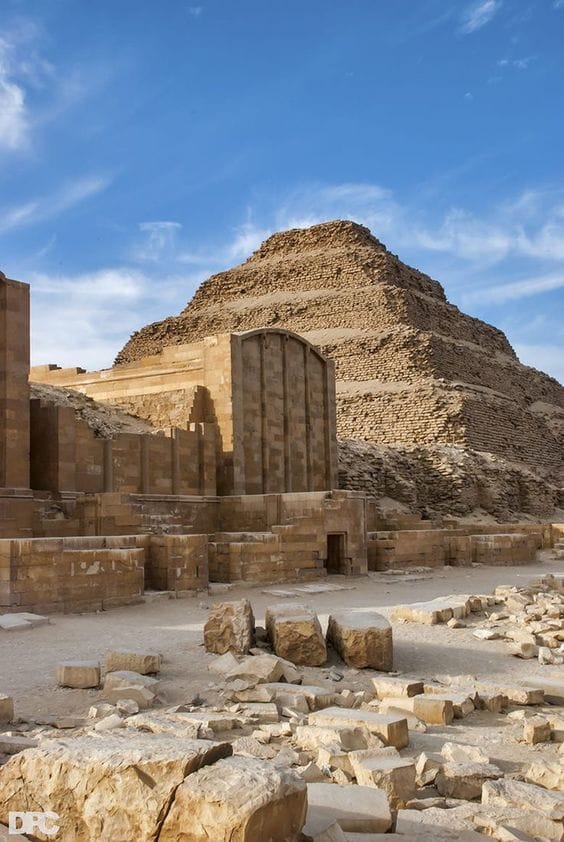
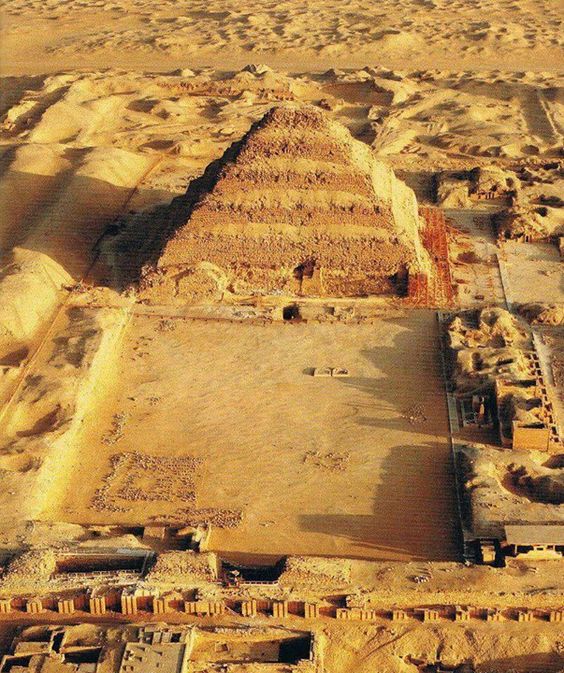
At the center of Saqqara stands the revolutionary Step Pyramid of Djoser, a structure that marks the beginning of monumental stone architecture in human history. Built during the Third Dynasty for the pharaoh Djoser, this pyramid represents a dramatic departure from earlier burial practices and introduces a new vision of royal tomb construction. Rising in a series of six stepped layers, the pyramid resembles a giant staircase ascending toward the sky, symbolizing the king’s journey to the heavens. The genius behind this architectural innovation was Imhotep, who is widely regarded as one of the earliest known architects in history. Imhotep’s design transformed the traditional mastaba into a vertical structure, creating a new form that would influence all later pyramid construction. The complex surrounding the Step Pyramid includes courtyards, temples, and ceremonial spaces, all enclosed within a massive limestone wall. This integrated design reflects a sophisticated understanding of both architecture and religious symbolism, combining functional and spiritual elements into a unified whole. The Step Pyramid complex also demonstrates the increasing power and authority of the pharaoh during this period. Its scale and complexity required careful planning, skilled labor, and significant resources, highlighting the ability of the state to organize large-scale projects. Today, the Step Pyramid remains one of the most important landmarks in Egypt, representing the moment when architecture evolved from simple structures into monumental expressions of power, belief, and human ingenuity.
3. Tombs of Nobles: Daily Life Preserved in Stone
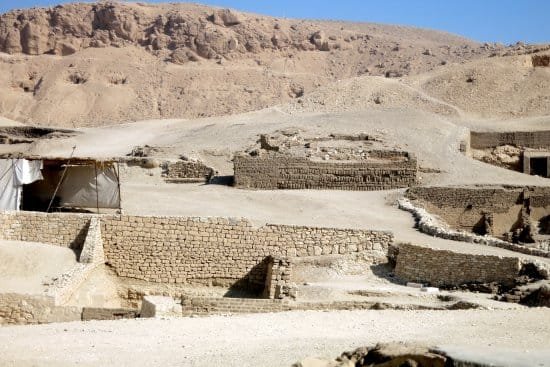
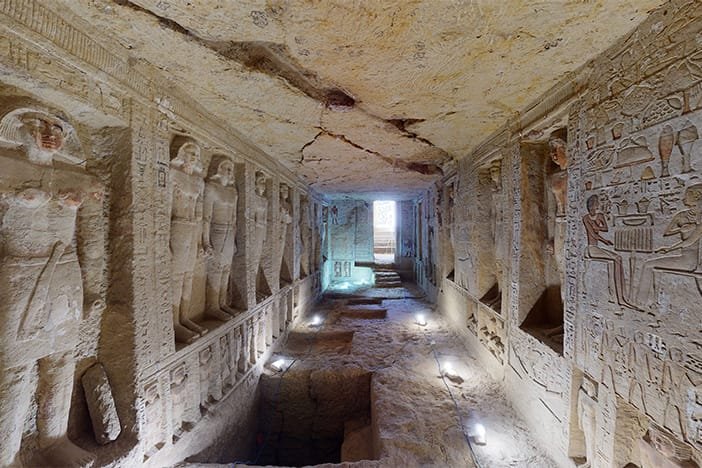
One of the most fascinating aspects of Saqqara is the collection of tombs belonging to nobles and high-ranking officials, which provide an extraordinary window into the daily life of ancient Egyptian society. Unlike the grand pyramids built for kings, these tombs focus on the lives of individuals who played important roles in administration, religion, and local governance. Their walls are richly decorated with carvings and paintings that depict scenes of everyday activities, offering valuable insights into how people lived, worked, and interacted thousands of years ago. These tombs often include detailed representations of agricultural work, fishing, hunting, and food preparation, illustrating the importance of the Nile and the surrounding environment in sustaining life. Other scenes depict craftsmen at work, musicians performing, and families gathering, highlighting the social and cultural dimensions of ancient Egyptian life. The level of detail in these artworks suggests that they were intended not only as decoration but also as a means of ensuring that these activities would continue in the afterlife, reflecting the belief in a seamless transition between earthly existence and eternity. In addition to visual scenes, many tombs contain inscriptions that record titles, achievements, and personal histories of their owners. These texts provide valuable information about the structure of society, including the roles and responsibilities of different officials. By studying these tombs, archaeologists gain a deeper understanding of the complexities of ancient Egyptian civilization beyond the royal perspective. The tombs of Saqqara thus serve as both artistic masterpieces and historical records, preserving the human experience in a way that continues to inform and inspire modern audiences.
4. Evolution of Pyramid Construction: From Mastabas to True Pyramids
The site of Saqqara plays a crucial role in understanding the evolution of pyramid construction in ancient Egypt, marking the transition from simple burial structures to the عظيمة monumental pyramids that would later define the Old Kingdom. In the earliest periods, tombs were built as mastabas, flat-roofed rectangular structures made of mudbrick. These tombs served as burial places for elites and were designed to protect the body and provide space for offerings. Over time, these structures became more complex, incorporating underground chambers and elaborate superstructures that reflected growing religious and architectural sophistication. The construction of the Step Pyramid of Djoser represented a major turning point in this development. By stacking mastaba-like layers on top of one another, ancient builders created a new architectural form that emphasized verticality and symbolic ascent. This innovation laid the groundwork for the later development of smooth-sided pyramids, such as those found at Giza. Saqqara thus serves as a laboratory of architectural experimentation, where different ideas and techniques were tested and refined before being perfected elsewhere. In addition to structural changes, the evolution of pyramid construction at Saqqara also reflects shifts in religious belief and royal ideology. The increasing scale and complexity of these monuments demonstrate the growing importance of the pharaoh’s role as a divine ruler and his connection to the afterlife. By studying the monuments at Saqqara, historians can trace the development of one of the most iconic architectural traditions in human history, revealing how innovation, belief, and ambition came together to shape the ancient Egyptian landscape.

5. Religious Significance of Saqqara: A Sacred Landscape
The Saqqara was not merely a burial ground; it was a sacred landscape deeply connected to the religious beliefs and spiritual practices of ancient Egypt. As the necropolis of Memphis, the political and religious capital of early Egypt, Saqqara held immense importance as a place where the living and the dead were believed to coexist in a spiritual continuum. The site was carefully chosen on the western side of the Nile River, which was associated with the setting sun and the realm of the dead, reinforcing its symbolic connection to the afterlife. Religious practices at Saqqara were centered on the belief in eternal life and the need to prepare the deceased for their journey beyond death. Tombs were designed as eternal homes, equipped with offerings, inscriptions, and protective spells intended to ensure the well-being of the soul. The presence of temples and ceremonial spaces within the complex highlights the ongoing relationship between the living and the deceased, as priests and family members performed rituals to honor and sustain the spirits of the dead. These practices reflect a worldview in which death was not an end, but a transformation into another form of existence. The religious significance of Saqqara is also evident in the artistic and architectural features of its monuments. Symbolic elements, such as the orientation of tombs and the use of specific motifs, were carefully chosen to align with religious beliefs and cosmic order. The entire landscape was designed to facilitate the transition between life and the afterlife, creating a sacred environment that embodied the spiritual values of ancient Egyptian society. Saqqara thus stands as a powerful testament to the central role of religion in shaping the culture, architecture, and daily life of ancient Egypt.
6. Archaeological Discoveries: Unearthing the Secrets of Saqqara
The Saqqara continues to be one of the most active and important archaeological sites in Egypt, with ongoing discoveries that shed new light on ancient Egyptian civilization. Over the years, excavations at Saqqara have revealed a vast array of tombs, temples, statues, and artifacts, many of which have been found in remarkable condition. These discoveries have expanded our understanding of the site, uncovering previously unknown structures and providing new insights into burial practices, artistic traditions, and social organization. Recent excavations have brought to light beautifully decorated tombs, sealed burial shafts, and collections of mummies that date to different periods of Egyptian history. These findings demonstrate that Saqqara remained an important burial site long after the construction of the pyramids, continuing to attract elites and officials who sought to be buried in this sacred location. The discovery of intact burial chambers has been particularly significant, as they offer a rare opportunity to study artifacts and human remains in their original context, providing valuable information about ancient funerary customs. Modern archaeological methods have played a key role in these discoveries, allowing researchers to explore the site with greater precision and care. Techniques such as digital mapping, 3D scanning, and non-invasive imaging have made it possible to investigate underground structures without causing damage. These advancements have not only improved the efficiency of excavations but also enhanced the preservation of the site. As new discoveries continue to emerge, Saqqara remains a dynamic and evolving archaeological landscape, proving that even after thousands of years, it still holds many secrets waiting to be uncovered.

7. Art and Decoration in Saqqara: Stories Carved in Stone
The artistic decoration found throughout Saqqara represents one of the richest visual archives of ancient Egyptian life, belief, and identity. The tombs of nobles and officials are adorned with detailed reliefs and paintings that go far beyond simple decoration, serving as carefully constructed narratives intended to preserve the memory and status of the deceased for eternity. These artworks were created with both aesthetic precision and symbolic intention, ensuring that every scene carried meaning connected to life, death, and the afterlife. The walls of these tombs display a wide range of scenes that illustrate daily activities such as agriculture, fishing, hunting, and craftsmanship. These depictions were not random; they were chosen to represent the ideal life that the tomb owner wished to continue in the afterlife. Artists followed strict conventions, including the use of hierarchical proportions, where more important figures were shown larger than others, and composite views, where different parts of the body were depicted from multiple angles to provide a complete representation. This unique artistic style reflects a sophisticated system of visual communication that prioritized clarity and symbolism over realism. In addition to scenes of daily life, many tombs include religious imagery and inscriptions that invoke protection and blessings from the gods. These elements reinforce the belief that art had a functional role in ensuring the success of the soul’s journey after death. The preservation of these decorations over thousands of years allows modern viewers to experience the creativity and values of ancient Egyptian society. At Saqqara, art is not merely something to be observed; it is a powerful medium through which the voices and stories of the past continue to speak across time.

8. Animal Cults and Sacred Burials: A Unique Aspect of Saqqara
One of the most distinctive features of Saqqara is its association with animal cults and the burial of sacred animals, a practice that became especially prominent during the later periods of ancient Egyptian history. These cults were based on the belief that certain animals were manifestations or companions of specific deities, and as such, they were treated with great reverence both in life and after death. Saqqara became a major center for these practices, housing vast catacombs filled with the mummified remains of animals such as cats, ibises, and bulls. The burial of these animals was not merely symbolic; it was part of a complex religious system in which devotees could offer mummified animals to the gods as acts of devotion. These offerings were believed to carry prayers and requests to the divine, creating a direct link between worshippers and the spiritual world. The scale of these burials is remarkable, with thousands of mummies discovered in underground galleries, demonstrating the widespread popularity of animal cults and their importance in religious life. The study of these burials provides valuable insights into the economic, social, and religious aspects of ancient Egyptian society. The production of animal mummies required specialized knowledge and resources, indicating the existence of organized systems for breeding, mummifying, and distributing these sacred offerings. For modern researchers and visitors, these catacombs reveal a lesser-known but equally fascinating dimension of ancient Egyptian belief. They highlight the diversity of religious practices and the deep connection between humans, animals, and the divine within the cultural landscape of Saqqara.
9. Saqqara as a UNESCO World Heritage Site: Preserving a Global Treasure
The global significance of Saqqara is recognized through its inclusion as part of the UNESCO World Heritage Site known as Memphis and its Necropolis. This designation highlights the importance of Saqqara not only to Egypt but to humanity as a whole, acknowledging its role in preserving some of the earliest and most influential examples of architecture, art, and cultural development. As a World Heritage Site, Saqqara is protected and managed to ensure that its historical value is maintained for future generations. Preservation efforts at Saqqara focus on protecting its monuments from environmental factors, human impact, and the natural effects of time. Conservation specialists work to stabilize structures, restore damaged reliefs, and monitor conditions that may affect the site’s integrity. At the same time, measures are taken to manage tourism in a way that allows visitors to experience the site without causing harm. This balance between access and preservation is essential to maintaining the long-term sustainability of Saqqara as both a historical site and a cultural destination. The recognition of Saqqara as a World Heritage Site also encourages international cooperation in research, conservation, and education. Experts from around the world contribute to the study and protection of the site, sharing knowledge and resources to ensure its continued preservation. For visitors, this status adds an additional layer of meaning to their experience, emphasizing that Saqqara is not just an archaeological site, but a shared global treasure. Its protection reflects a collective responsibility to safeguard the cultural heritage of humanity, ensuring that its stories and achievements remain accessible to future generations.

10. Daily Life Reflected in Saqqara: Society Beyond the Pharaohs
The archaeological richness of Saqqara offers an exceptional opportunity to understand the structure and rhythm of daily life in ancient Egypt beyond the grandeur of royal monuments. While pyramids and temples often dominate popular imagination, the tombs of officials and workers at Saqqara reveal the intricate details of society, illustrating how individuals from different social classes contributed to the functioning of the state. These tombs serve as visual records, capturing moments of everyday life with remarkable clarity and intention. Scenes carved into tomb walls depict agricultural cycles, including plowing, harvesting, and storing crops, highlighting the central role of farming in sustaining the population. The influence of the Nile River is evident in these depictions, as its annual floods provided the fertile soil necessary for agriculture. Other scenes show artisans crafting goods, merchants trading products, and laborers performing essential tasks, reflecting a complex and organized economy. These images demonstrate that ancient Egyptian society was highly structured, with each individual playing a defined role within a larger system. In addition to economic activities, the tomb decorations also portray social and family life, including banquets, music, and domestic interactions. These scenes emphasize the importance of relationships, leisure, and cultural practices in shaping daily experiences. The inclusion of such details in tomb art suggests that the ancient Egyptians valued continuity between life and the afterlife, believing that these activities would continue beyond death. Through these vivid representations, Saqqara provides a comprehensive view of society, reminding us that the strength of ancient Egypt lay not only in its rulers but also in the collective efforts of its people.
11. Burial Practices and Beliefs: Preparing for Eternity
The burial practices observed at Saqqara reflect the deep spiritual beliefs that shaped ancient Egyptian attitudes toward death and the afterlife. For the ancient Egyptians, death was not an end but a transition into another existence, and the preparation for this journey was considered one of the most important aspects of life. Tombs were carefully designed to serve as eternal homes for the deceased, equipped with everything needed to ensure comfort, protection, and sustenance in the afterlife. One of the most important elements of these practices was mummification, a process that preserved the body so that the soul could recognize and return to it. This process involved removing internal organs, treating the body with preserving substances, and wrapping it in linen bandages. Alongside the body, various objects were placed within the tomb, including food, tools, jewelry, and amulets, all intended to support the deceased in the next world. Inscriptions and spells, often derived from religious texts, were included to guide and protect the soul during its journey. The layout and decoration of tombs also reflect these beliefs. Scenes depicting offerings, rituals, and interactions with the gods were designed to ensure that the deceased would receive continuous support in the afterlife. The orientation of tombs and their placement within the landscape were carefully chosen to align with religious concepts, particularly the association of the west with the realm of the dead. Through these practices, Saqqara provides a detailed understanding of how ancient Egyptians approached death, revealing a culture deeply committed to the idea of eternity and the preservation of life beyond the physical world.
12. Tourism and Visitor Experience: Discovering Saqqara Today
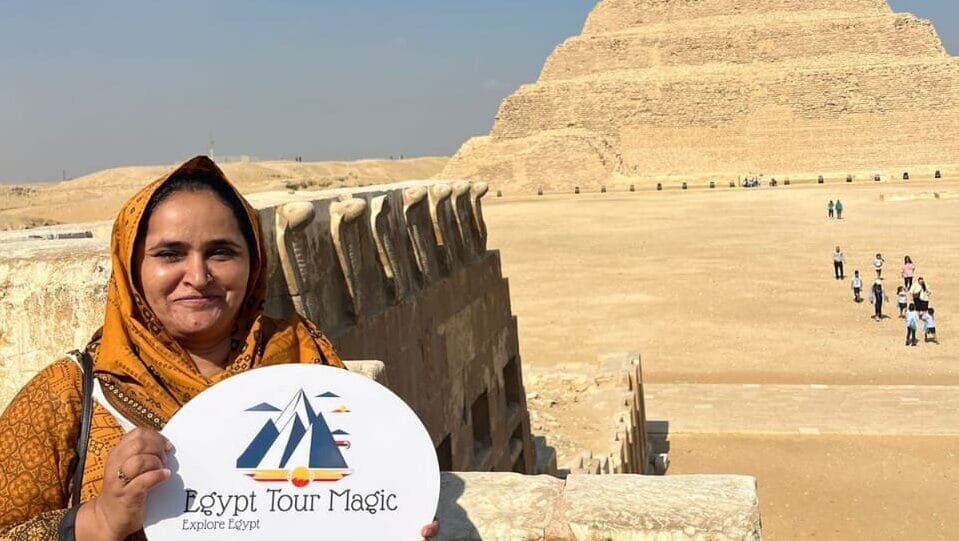
Visiting Saqqara today offers a unique opportunity to explore one of the most historically rich and expansive archaeological landscapes in Egypt. Located near Cairo, Saqqara provides an experience that combines exploration, education, and reflection. Unlike more compact sites, Saqqara extends over a vast area, allowing visitors to discover a wide range of monuments, from the iconic Step Pyramid to lesser-known tombs that reveal equally fascinating stories. This diversity makes each visit a journey through different periods and aspects of ancient Egyptian history. The experience of walking through Saqqara is both immersive and thought-provoking. Visitors can enter tombs adorned with detailed carvings, explore ancient courtyards, and stand before structures that have endured for thousands of years. The site offers a sense of openness and authenticity, allowing individuals to engage with history in a direct and personal way. Guided tours and informational resources help visitors understand the significance of each monument, providing context that enhances the overall experience. Modern efforts to improve accessibility and preservation have made Saqqara more welcoming to visitors while maintaining its historical integrity. Pathways, signage, and conservation projects ensure that the site can be explored safely and responsibly. For many, a visit to Saqqara is more than a sightseeing activity; it is an encounter with the past that inspires curiosity and appreciation for human achievement. By combining historical depth with a meaningful visitor experience, Saqqara continues to be one of the most rewarding destinations for those interested in ancient Egypt.

13. Preservation and Conservation: Protecting Saqqara for Future Generations
The preservation of Saqqara is a vital responsibility that reflects its immense historical and cultural value. As one of the oldest and most expansive archaeological sites in Egypt, Saqqara faces a variety of challenges that threaten its long-term stability. Natural factors such as wind erosion, temperature fluctuations, and shifting desert sands gradually impact the structures, while increasing tourism adds additional pressure to maintain and protect the site. Ensuring the survival of Saqqara requires a careful balance between accessibility and conservation, allowing visitors to experience its wonders without causing harm. Conservation efforts at Saqqara involve a combination of traditional restoration methods and advanced scientific techniques. Specialists work to stabilize ancient structures, repair damaged stonework, and preserve delicate wall reliefs and inscriptions. Modern technologies such as 3D scanning and digital mapping are used to document the site in precise detail, creating records that help monitor changes and guide restoration projects. These tools allow experts to study the condition of monuments without direct interference, ensuring that preservation efforts remain as non-invasive as possible while maintaining historical authenticity. International collaboration plays a significant role in the protection of Saqqara, bringing together archaeologists, conservators, and institutions from around the world. These partnerships support research, funding, and the exchange of expertise, strengthening global efforts to safeguard this heritage site. Educational initiatives also encourage responsible tourism, raising awareness about the importance of preserving cultural landmarks. Through these combined efforts, Saqqara continues to be protected as a living testament to ancient Egyptian civilization, ensuring that its monuments, history, and cultural significance remain intact for future generations to explore and appreciate.

14. Saqqara in Modern Archaeology: Continuous Discovery and Innovation
The role of Saqqara in modern archaeology remains as significant today as it was in the early days of excavation. Unlike many archaeological sites that have been fully explored, Saqqara continues to yield new discoveries, making it one of the most dynamic research locations in Egypt. Each excavation season brings fresh insights into ancient Egyptian life, uncovering tombs, statues, burial shafts, and artifacts that have remained hidden for thousands of years. These discoveries constantly reshape our understanding of the past, proving that Saqqara is far from being fully understood. Modern archaeological techniques have transformed the way researchers study the site. Non-invasive technologies, such as ground-penetrating radar and remote sensing, allow archaeologists to identify underground structures without disturbing the surrounding environment. This approach minimizes damage while maximizing the potential for discovery. In addition, digital tools enable detailed recording and analysis of findings, ensuring that information is preserved and shared with the global scientific community. These advancements have made it possible to explore Saqqara with greater accuracy and efficiency than ever before. The ongoing discoveries at Saqqara also highlight the importance of interdisciplinary collaboration. Experts in fields such as anthropology, geology, and conservation work alongside archaeologists to interpret findings and understand their broader context. This collaborative approach provides a more comprehensive view of ancient Egyptian civilization, connecting physical evidence with cultural and environmental factors. As research continues, Saqqara remains a source of knowledge and inspiration, demonstrating that even the most ancient sites can still reveal new stories and insights through innovation and dedication.
15. The Legacy of Saqqara: A Timeless Symbol of Ancient Egypt
The lasting legacy of Saqqara lies in its ability to represent the origins and evolution of one of the world’s greatest civilizations. As a site that spans thousands of years of history, Saqqara offers a comprehensive view of ancient Egyptian culture, from its earliest developments to its later transformations. It stands as a testament to human creativity, spiritual belief, and architectural innovation, reflecting the values and achievements that defined ancient Egypt. Saqqara’s influence extends beyond its physical monuments. The architectural innovations developed here, particularly the transition from mastabas to pyramids, laid the foundation for some of the most iconic structures in the world. The artistic and cultural practices preserved in its tombs continue to inform modern understanding of ancient Egyptian society, providing insights into everything from daily life to religious belief. In this way, Saqqara serves as both a historical record and a source of inspiration, demonstrating how past achievements continue to shape present knowledge. Today, Saqqara remains an essential destination for scholars, travelers, and anyone interested in history. Its monuments attract visitors from around the world, offering an opportunity to experience the legacy of ancient Egypt firsthand. At the same time, ongoing preservation and research efforts ensure that the site continues to contribute to global knowledge. Saqqara is not just a relic of the past; it is a living symbol of human achievement, reminding us of the enduring power of history to inspire, educate, and connect people across time and cultures.
16. Cultural Significance of Saqqara: A Reflection of Ancient Identity
The cultural significance of Saqqara extends far beyond its role as a burial ground, representing a deep and enduring reflection of ancient Egyptian identity. As the necropolis of Memphis, Saqqara served as a sacred space where religious beliefs, social structure, and artistic expression converged. The monuments and tombs found at the site embody the values that shaped Egyptian civilization, including the importance of the afterlife, the power of the pharaoh, and the role of community in maintaining order and harmony. These elements are visible in the architecture, decoration, and organization of the site, making Saqqara a comprehensive representation of cultural identity. The artistic and architectural achievements at Saqqara also highlight the creativity and innovation of ancient Egyptian society. From the early mastabas to the revolutionary Step Pyramid, the site reflects a continuous process of experimentation and refinement. The detailed carvings and inscriptions found in the tombs provide insight into language, belief systems, and daily life, offering a rich cultural narrative that extends across generations. These artistic expressions were not only intended to honor the deceased but also to communicate ideas and preserve knowledge for the future. Today, Saqqara continues to hold cultural significance as a symbol of Egypt’s historical heritage. It connects modern Egyptians with their ancient past, reinforcing a sense of continuity and identity that spans thousands of years. At the same time, it serves as a global cultural landmark, attracting visitors and researchers from around the world. Through its preservation and study, Saqqara remains a powerful reminder of how culture, belief, and creativity can shape a civilization and leave a lasting legacy for humanity.
17. Mysteries of Saqqara: Unanswered Questions and Ongoing Research
Despite extensive study, Saqqara continues to hold many mysteries that challenge archaeologists and historians. While much has been discovered about the site’s structures and their functions, there are still unanswered questions regarding the construction methods, the organization of labor, and the full extent of the underground complexes. The vast size of Saqqara means that large areas remain unexplored, leaving the possibility of future discoveries that could significantly change current understanding. One of the most intriguing aspects of Saqqara is the presence of hidden chambers and burial shafts that have yet to be fully investigated. Advances in technology, such as ground-penetrating radar and digital imaging, have revealed anomalies beneath the surface, suggesting the existence of undiscovered structures. These findings open new avenues for research, allowing archaeologists to explore the site with greater precision while minimizing damage to existing monuments. The possibility of uncovering intact tombs or previously unknown artifacts adds to the excitement and importance of ongoing work at Saqqara. In addition to physical discoveries, researchers continue to study the symbolic and cultural meanings of the site. Questions about religious practices, social organization, and the evolution of architectural forms remain subjects of debate and analysis. Each new discovery contributes to a broader understanding of ancient Egyptian civilization, demonstrating that Saqqara is not a static site but a dynamic source of knowledge. Its mysteries serve as a reminder that history is an ongoing process of exploration and interpretation, encouraging future generations to continue investigating the past.
18. The Enduring Legacy of Saqqara: A Timeless Monument to Human Achievement
The enduring legacy of Saqqara lies in its ability to capture the essence of ancient Egyptian civilization and preserve it for future generations. As one of the oldest and most extensive archaeological sites in the world, Saqqara represents a continuous record of human creativity, belief, and innovation. Its monuments, from simple mastabas to complex pyramid structures, reflect the evolution of architectural techniques and the growing sophistication of Egyptian society over thousands of years. Beyond its physical structures, Saqqara’s legacy is deeply rooted in the cultural and spiritual ideas it represents. The site embodies the ancient Egyptians’ belief in the afterlife and their commitment to ensuring continuity between life and death. The detailed tomb decorations, religious texts, and burial practices found at Saqqara provide invaluable insights into how this civilization understood existence and eternity. These elements have influenced not only historical studies but also modern interpretations of ancient cultures, making Saqqara a key reference point in the study of human history. Today, Saqqara continues to inspire scholars, travelers, and anyone interested in the past. Its preservation ensures that it remains accessible as a source of knowledge and cultural appreciation. As new discoveries are made and research continues, the site maintains its relevance in the modern world. Saqqara stands as a powerful reminder of what humanity can achieve through vision, organization, and creativity, offering lessons that transcend time and connect us to the shared heritage of our collective past.