

- Excursions in Egypt
- Egypt Tour Packages
- Cairo Tours and Excursions
- Hurghada Tours and Excursions
- Soma Bay Tours and Excursions
- Makadi Bay Tours and Excursions
- Sahl Hasheesh Tours and Excursions
- El Gouna Tours and Excursions
- Marsa Alam Tours and Excursions
- Port Ghalib Tours and Excursions
- El Quseir Tours and Excursions
- Dendera and Abydos Day Tours
- Aswan Tours and Excursions
- Luxor Tours and Excursions
- Sharm El Sheikh Tours and Excursions
- Top Rated Egypt Tours in 2026
- Optional Excursions in Egypt
- Private Transfer
- Blogs About egypt
- Ancient Egypt
- Historical Sites in Egypt
- Cairo
- Alexandria
- Luxor
- Aswan
- The Red Sea
- Dendera Temple
- El Fayoum Oasis
- Bahariya Oasis
- Siwa Oasis
- Al Alamein
- Marsa Matruh
- Why Egypt Is One of the Safest Countries to Visit in the Middle East
- What You Need To know Before Your First Trip To Egypt
- Egypt Travel Costs in 2026 Full Budget Guide
- Top 10 Tourist Activities in Egypt
- Top 50 Activities You Can’t Miss in Egypt in 2026
- The Guide to Guided Tours in Egypt
- Egypt’s Ancient and Modern History
- The Nile River
- The Deserts of Egypt
- Ancient Egyptian gods
- famous Egyptian dishes
- UNESCO World Heritage sites
- About Us
- Egypt Hotels and Resorts
- Excursions in Egypt
- Egypt Tour Packages
- Cairo Tours and Excursions
- Hurghada Tours and Excursions
- Soma Bay Tours and Excursions
- Makadi Bay Tours and Excursions
- Sahl Hasheesh Tours and Excursions
- El Gouna Tours and Excursions
- Marsa Alam Tours and Excursions
- Port Ghalib Tours and Excursions
- El Quseir Tours and Excursions
- Dendera and Abydos Day Tours
- Aswan Tours and Excursions
- Luxor Tours and Excursions
- Sharm El Sheikh Tours and Excursions
- Top Rated Egypt Tours in 2026
- Optional Excursions in Egypt
- Private Transfer
- Blogs About egypt
- Ancient Egypt
- Historical Sites in Egypt
- Cairo
- Alexandria
- Luxor
- Aswan
- The Red Sea
- Dendera Temple
- El Fayoum Oasis
- Bahariya Oasis
- Siwa Oasis
- Al Alamein
- Marsa Matruh
- Why Egypt Is One of the Safest Countries to Visit in the Middle East
- What You Need To know Before Your First Trip To Egypt
- Egypt Travel Costs in 2026 Full Budget Guide
- Top 10 Tourist Activities in Egypt
- Top 50 Activities You Can’t Miss in Egypt in 2026
- The Guide to Guided Tours in Egypt
- Egypt’s Ancient and Modern History
- The Nile River
- The Deserts of Egypt
- Ancient Egyptian gods
- famous Egyptian dishes
- UNESCO World Heritage sites
- About Us
- Egypt Hotels and Resorts
Welcome to
Philae Temple: The Sacred Island of Isis
Rising gracefully from the calm waters of the Nile near Aswan, the magnificent Philae Temple stands as one of the most enchanting and spiritually significant monuments in all of Egypt. Unlike many temples built deep within the desert, Philae is uniquely set upon an island, creating an atmosphere of mystery, serenity, and divine presence that captivates every visitor. It was dedicated to the goddess Isis, one of the most important and beloved deities in ancient Egyptian religion, associated with magic, motherhood, and protection.
For centuries, Philae served as a major center of worship, attracting pilgrims from across Egypt and beyond. Even during the Greco-Roman period, when many ancient traditions were fading, the cult of Isis remained strong here, making Philae one of the last active temples of ancient Egyptian religion. Its beautifully carved walls tell timeless stories of devotion, power, and mythology, depicting Isis, Osiris, and Horus in scenes that reveal the deep spiritual beliefs of the civilization that created them.
The temple’s story is not only ancient but also modern. In the 20th century, the construction of the Aswan High Dam threatened to submerge the temple beneath rising waters. In an extraordinary rescue effort led by UNESCO, the entire complex was carefully dismantled and relocated to nearby Agilkia Island, where it stands today. This remarkable achievement preserved not only the structure, but also the spirit of one of Egypt’s most magical temples.
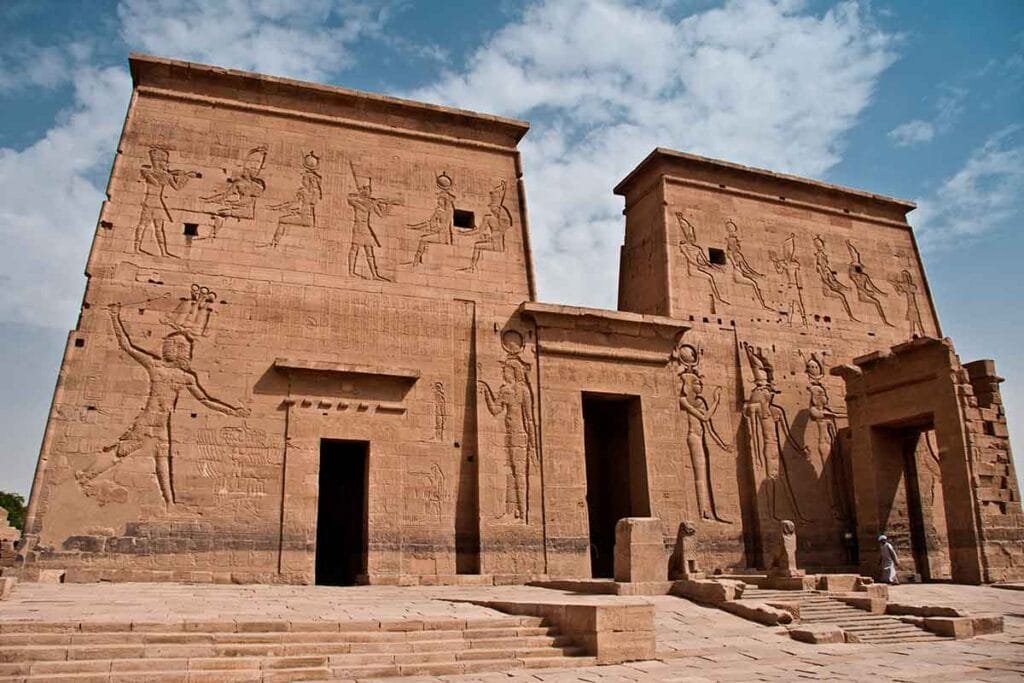
1. The Myth of Isis: The Heart of Philae’s Spiritual Power
At the core of the Philae Temple lies the powerful and emotional myth of Isis, a story that shaped the spiritual identity of the entire complex. Isis was revered as the goddess of magic, motherhood, and healing, but above all, she was a symbol of loyalty and eternal love. Her story, centered around the resurrection of her husband Osiris, became one of the most important myths in ancient Egyptian religion. According to the legend, Osiris was killed and dismembered by his brother Seth, scattering his body across Egypt. Isis, determined and devoted, traveled across the land to gather the pieces and restore him to life through her magical powers. This act not only brought Osiris back but also established the concept of rebirth and eternal life, which became central to Egyptian beliefs about the afterlife. Their son Horus later avenged his father, restoring order and justice to the world. The walls of Philae are filled with scenes depicting these sacred events, turning the temple into a living narrative of divine love and resurrection. Visitors walking through its halls are not simply observing carvings—they are stepping into a story that has inspired faith and devotion for thousands of years. This deep connection to myth and meaning is what gives Philae its unique spiritual power.

2. Architectural Elegance: A Blend of Egyptian and Greco-Roman Styles
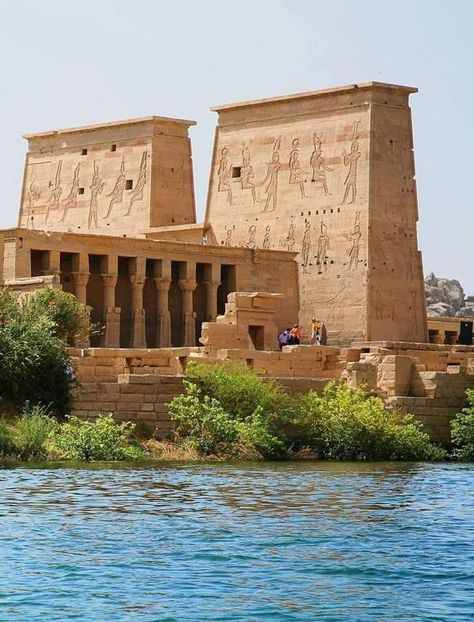
The beauty of the Philae Temple lies not only in its spiritual significance but also in its remarkable architectural design. Unlike earlier temples built during the height of the Pharaonic era, Philae reflects a blend of traditional Egyptian elements with influences from the Greek and Roman periods. This fusion creates a unique visual style that sets it apart from other temples in Egypt. The temple complex features grand pylons, elegant colonnades, and beautifully proportioned courtyards that guide visitors through a carefully planned sacred space. Intricate carvings cover the walls, depicting gods, rituals, and royal figures in scenes that combine precision with artistic grace. The use of symmetry and balance enhances the sense of harmony, reflecting the Egyptian belief in cosmic order. What makes Philae especially captivating is its setting. Surrounded by water, the temple appears almost like a floating sanctuary, with its reflection shimmering on the Nile’s surface. This natural beauty enhances the architectural design, creating an atmosphere that feels both peaceful and otherworldly. It is a place where art, nature, and spirituality come together in perfect balance.

3. The Sacred Journey: Arrival by Boat to a Floating Temple
One of the most unique aspects of visiting Philae Temple is the journey itself. Unlike most ancient temples in Egypt, Philae cannot be reached by land. Visitors must take a boat across the Nile, transforming the arrival into a symbolic and immersive experience that echoes the ancient pilgrimages once made to this sacred site. As the temple gradually appears on the horizon, rising from the water like a vision, the sense of anticipation and wonder grows with every passing moment. This approach is more than just scenic—it carries deep symbolic meaning. In ancient Egyptian belief, water represented the boundary between the earthly world and the divine realm. Crossing the Nile to reach Philae mirrors the spiritual transition from the human world into a sacred space dedicated to the gods. It prepares the visitor mentally and emotionally for what lies ahead, turning the journey into part of the ritual experience itself. As the boat draws closer, the details of the temple begin to emerge—the towering pylons, the elegant columns, and the intricate carvings that cover every surface. The reflection of the structure in the water enhances its beauty, creating a sense of harmony between architecture and nature. This unforgettable arrival sets the tone for the entire visit, making Philae not just a destination, but a complete and meaningful journey.

4. The First Pylon: Gateway to the Divine Realm
The entrance to Philae Temple is marked by its impressive first pylon, a monumental gateway that serves as the threshold between the outside world and the sacred interior of the temple. Towering high above the courtyard, this structure immediately conveys a sense of power and grandeur, designed to inspire awe and reverence in all who pass through it. The surfaces of the pylon are richly decorated with reliefs depicting kings making offerings to the gods, reinforcing the idea of divine authority and the relationship between the ruler and the spiritual world. These carvings are not merely decorative; they serve as visual statements of order, protection, and devotion. Every figure, symbol, and inscription plays a role in communicating the sacred purpose of the temple. Passing through this gateway is a transformative moment. It marks the transition from the outer world into a carefully structured spiritual environment, where each space leads deeper into the heart of the temple. The scale and detail of the pylon set the tone for the rest of the complex, reminding visitors that they are entering a place of profound religious significance.

5. The Inner Sanctuary: The Heart of Worship
At the deepest and most sacred part of Philae Temple lies the inner sanctuary, the spiritual core where rituals dedicated to the goddess Isis once took place. This hidden chamber was accessible only to priests and select individuals, emphasizing its importance as the center of divine communication and worship. Within this space, the statue of Isis would have been kept, believed to house the presence of the goddess herself. Daily rituals were performed here, including offerings of food, incense, and prayers, all intended to maintain harmony between the human and divine worlds. The sanctuary was not just a physical space, but a focal point of spiritual energy and religious practice. The atmosphere inside the sanctuary is markedly different from the open courtyards of the temple. It is darker, quieter, and more intimate, creating a sense of closeness to the divine. Even today, standing within this chamber evokes a feeling of reverence and mystery. It represents the ultimate purpose of the temple—a place where faith, ritual, and belief converged in the presence of one of ancient Egypt’s most powerful goddesses.
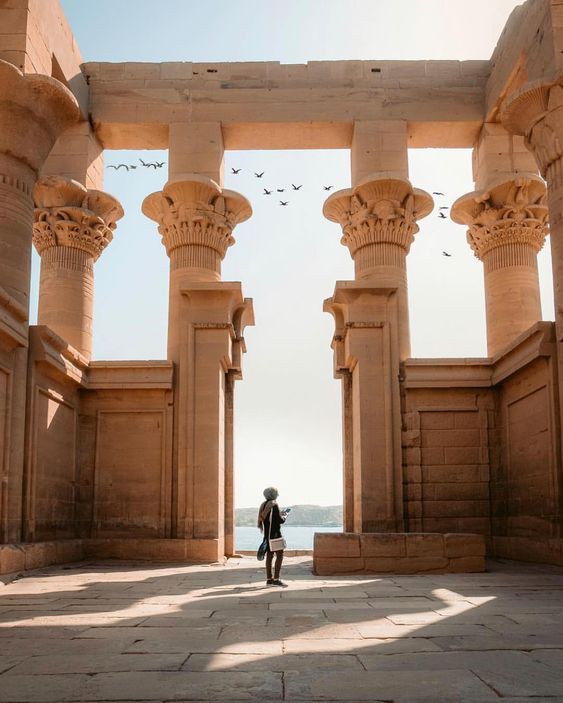
6. The Kiosk of Trajan: Elegance on the Nile
Among the most iconic and visually striking structures within Philae Temple is the elegant Kiosk of Trajan, often referred to as “Pharaoh’s Bed.” This open pavilion stands near the river’s edge, welcoming visitors with its graceful proportions and harmonious design. Unlike the enclosed sanctuaries of the main temple, the kiosk is airy and light, allowing the surrounding landscape to become part of its architectural beauty. The structure consists of a series of tall, slender columns crowned with beautifully carved floral capitals, reflecting a blend of traditional Egyptian and Roman artistic influences. Although it was never fully completed, the kiosk remains one of the most photographed features of the complex due to its unique appearance and stunning location overlooking the Nile. Historically, the Kiosk of Trajan is believed to have served as a ceremonial gateway, possibly used during processions where the sacred barque of Isis was brought to the island. Its position near the water reinforces the symbolic connection between the temple and the river, emphasizing the importance of ritual movement and divine presence. Today, it stands as a beautiful reminder of the cultural blending that defined the later periods of Egyptian history.
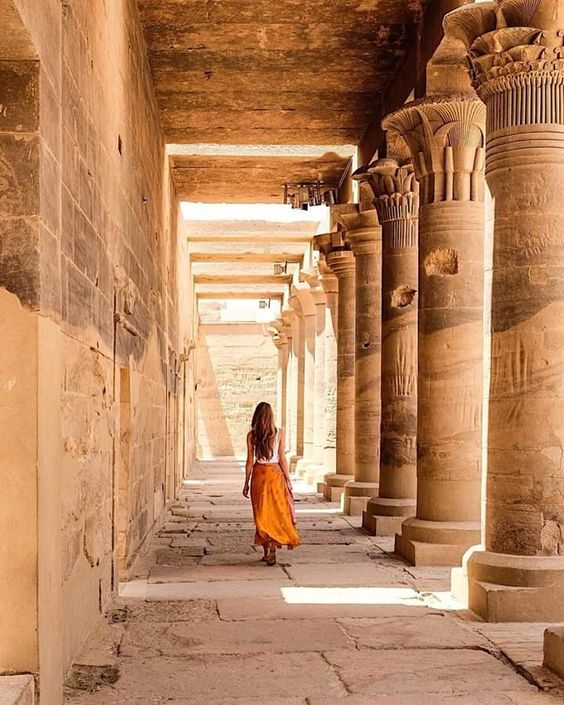
7. The Temple of Hathor: Music, Joy, and Divine Femininity
Within the sacred grounds of Philae Temple lies the charming Temple of Hathor, a space dedicated to the goddess of love, music, and joy. This smaller yet beautifully decorated temple offers a more intimate experience compared to the grand structures of the main complex, focusing on celebration, beauty, and the lighter aspects of divine life. The walls of the temple are adorned with intricate reliefs depicting musical scenes, sacred rituals, and offerings to Hathor. Instruments such as harps and tambourines appear frequently, reflecting the goddess’s strong association with music and festivity. These artistic details provide valuable insight into the cultural and religious practices of ancient Egypt, where music played a central role in spiritual expression. The Temple of Hathor adds emotional and symbolic depth to the overall complex. While the main temple emphasizes power and devotion, this space highlights joy, femininity, and harmony. It reminds visitors that ancient Egyptian religion embraced not only reverence and order, but also celebration and beauty as essential parts of life and spirituality.
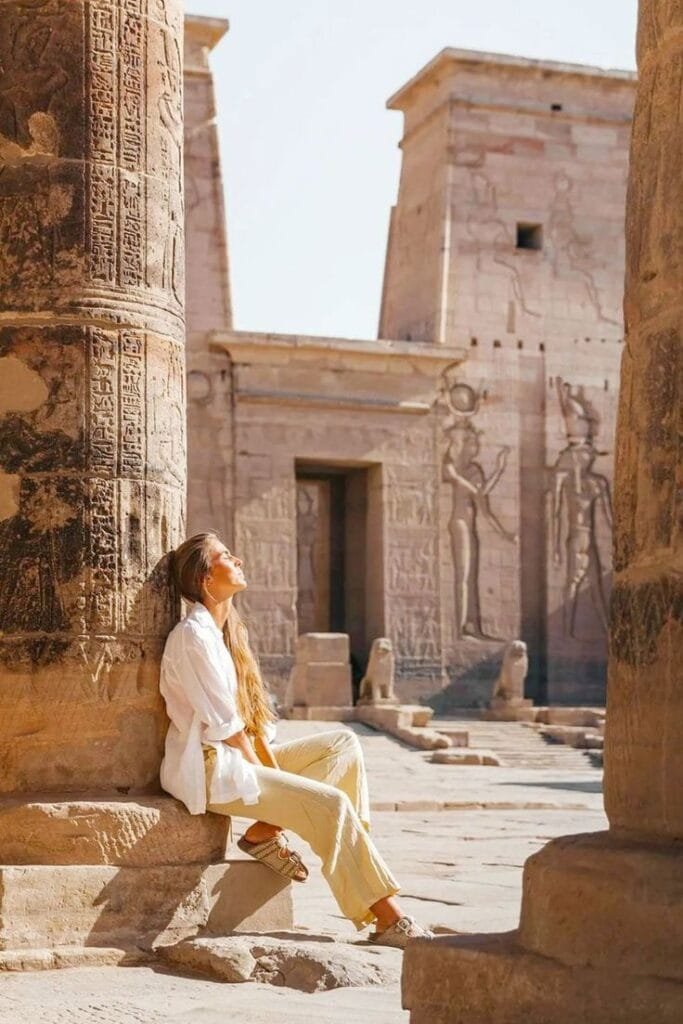
8. The Sound and Light Experience: History Brought to Life
As night falls over Philae Temple, the temple transforms into a magical stage through its famous sound and light show. This immersive experience brings the history and mythology of the site to life, using carefully designed lighting and narration to guide visitors through its ancient past. The illuminated structures create dramatic contrasts, highlighting architectural details that may go unnoticed during the day. The show tells the story of the temple, its gods, and its historical significance, allowing visitors to connect with the site in a more dynamic and engaging way. As voices echo through the columns and across the water, the atmosphere becomes both theatrical and deeply atmospheric, enhancing the sense of mystery that surrounds the temple. This nighttime experience offers a completely different perspective on Philae. It combines modern technology with ancient history, creating a unique blend of education and entertainment. For many visitors, it becomes one of the most memorable moments of their journey, capturing the timeless allure of the temple under the night sky.
9. Visiting Philae Today: A Journey Through Time
A visit to Philae Temple today is more than just a tour—it is a journey through thousands of years of history, art, and belief. From the moment visitors step onto the boat that takes them across the Nile, the experience begins to unfold as something both immersive and meaningful. The combination of natural beauty and architectural brilliance creates a setting unlike any other in Egypt. Walking through the temple complex, visitors can explore its courtyards, halls, and sanctuaries at their own pace, discovering the intricate carvings and symbols that define its identity. Each corner reveals a new detail, a new story, or a new perspective on the beliefs and achievements of ancient Egyptian civilization. The experience of visiting Philae is not only educational but also emotional. It invites reflection on the enduring power of faith, the beauty of artistic expression, and the ability of human creativity to transcend time. As one of Egypt’s most enchanting sites, Philae continues to inspire awe and admiration, leaving a lasting impression on all who visit.

10. The Rescue of Philae: A Global Effort to Save History
One of the most remarkable chapters in the story of Philae Temple is its dramatic rescue in the 20th century. With the construction of the Aswan High Dam, rising water levels threatened to submerge the temple complex permanently. What followed was one of the greatest international preservation efforts in history, led by UNESCO. The entire temple was carefully dismantled stone by stone and relocated to nearby Agilkia Island, which was reshaped to resemble the original setting of Philae. This complex process required extraordinary precision, planning, and cooperation between multiple countries. Each block was documented, moved, and reassembled in its exact position, ensuring that the integrity of the structure and its artistic details were preserved. This rescue operation not only saved the temple but also set a global precedent for cultural preservation. It demonstrated the importance of international collaboration in protecting heritage sites and highlighted the universal value of ancient monuments. Today, Philae stands as both an ancient sanctuary and a modern symbol of human dedication to preserving history.
11. Religious Significance: The Last Stronghold of Ancient Belief
The Philae Temple holds a unique place in Egyptian history as one of the last active centers of ancient Egyptian religion. Even as Christianity began to spread across Egypt, the worship of Isis continued here well into the Roman period. This persistence highlights the deep spiritual importance of the temple and its role as a sanctuary of traditional belief. Pilgrims traveled from distant regions to visit Philae, seeking blessings, healing, and guidance from the goddess. The temple functioned not only as a place of worship but also as a center of religious knowledge and ritual practice. Its inscriptions provide valuable insights into the continuation of ancient traditions during a time of cultural transition. Eventually, the temple was closed during the reign of the Byzantine Empire, marking the end of an era. However, its legacy as the final stronghold of ancient Egyptian religion remains one of its most defining characteristics. It represents the endurance of belief and the deep connection between people and their spiritual traditions.
12. The Beauty of Detail: Hieroglyphs and Hidden Stories
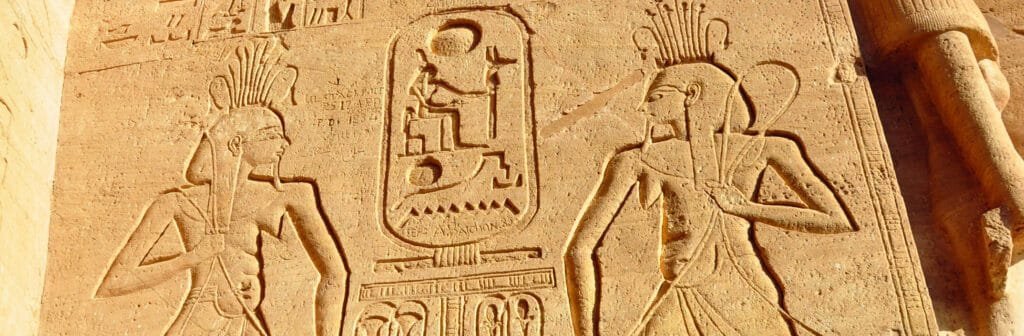
One of the most captivating aspects of Philae Temple is the incredible level of detail found in its carvings and inscriptions. Every wall, column, and doorway is covered with hieroglyphs and reliefs that tell stories of gods, kings, and sacred rituals. These intricate designs transform the temple into a visual narrative, where every surface holds meaning and significance. The hieroglyphs are not merely decorative—they serve as a written record of history, religion, and mythology. Scenes of offerings, ceremonies, and divine interactions provide a deeper understanding of ancient Egyptian beliefs and practices. The precision and clarity of these carvings demonstrate the high level of skill achieved by the artisans who created them. Exploring these details allows visitors to engage with the temple on a deeper level. Each symbol, figure, and inscription invites interpretation, encouraging a closer look and a greater appreciation of the artistry involved. Through its rich visual language, Philae continues to communicate its stories across thousands of years, preserving the voice of an ancient civilization in stone.

13. The Island Setting: Nature and Spiritual Isolation
One of the most defining features of Philae Temple is its unique island location, which enhances both its beauty and its spiritual significance. Surrounded by the tranquil waters of the Nile, the temple feels removed from the noise and distractions of the outside world. This natural isolation was not accidental; it was carefully chosen to create a sacred environment where the divine could be worshipped in peace and purity. In ancient Egyptian belief, islands were often associated with creation myths, symbolizing the first land to emerge from the primordial waters. This connection adds a deeper layer of meaning to Philae’s setting, transforming it into a symbolic representation of the beginning of life and the presence of divine power. The surrounding water also served as a natural barrier, protecting the temple and reinforcing its role as a sacred sanctuary. Today, this island setting continues to shape the visitor experience. The gentle movement of the water, the reflections of the temple, and the quiet atmosphere all contribute to a sense of calm and wonder. It is a place where nature and spirituality come together, creating an environment that feels both timeless and deeply meaningful.
14. Philae at Sunrise and Sunset: Changing Light and Atmosphere
The beauty of Philae Temple changes dramatically throughout the day, with sunrise and sunset offering the most magical moments. In the early morning, soft light gently illuminates the temple, highlighting its carvings and creating a peaceful, almost dreamlike atmosphere. The stillness of the water enhances this serenity, making it an ideal time for quiet exploration. As the day progresses, the temple reveals more of its architectural detail under the bright Egyptian sun. The textures of the stone become more pronounced, and the contrast between light and shadow adds depth to the structures. Visitors can fully appreciate the precision and artistry of the carvings during this time. At sunset, however, Philae reaches its most dramatic state. The sky transforms into shades of gold and orange, casting a warm glow over the temple and the surrounding water. The reflections become richer, and the entire complex seems to come alive with color. This transformation creates a powerful emotional experience, leaving visitors with unforgettable memories of the temple’s timeless beauty.

15. A Timeless Experience: Why Philae Captivates the World
The enduring appeal of Philae Temple lies in its ability to connect visitors with both history and emotion. Unlike many historical sites that are appreciated mainly for their age or scale, Philae offers a more intimate and immersive experience. Its combination of mythology, architecture, and natural beauty creates a powerful sense of place that resonates deeply with those who visit. The temple tells a story that goes beyond stone and inscriptions—it speaks of devotion, resilience, and the human desire to connect with something greater. From the legend of Isis to the modern effort to preserve the site, every aspect of Philae reflects a journey through time and belief. Ultimately, Philae captivates the world because it offers more than knowledge—it offers feeling. It invites visitors to slow down, observe, and reflect, creating a connection that lasts long after the visit has ended. This timeless quality ensures that Philae remains one of Egypt’s most cherished and unforgettable destinations.
16. Cultural Legacy: The Enduring Influence of Philae
The legacy of Philae Temple extends far beyond its architectural beauty, shaping both the cultural identity of Egypt and the broader understanding of ancient civilizations. As one of the last active temples of ancient Egyptian religion, Philae stands as the closing chapter of a spiritual tradition that endured for thousands of years. Its influence continues to resonate in art, literature, and modern interpretations of mythology, reflecting its lasting global significance. The story of Isis, which lies at the heart of the temple’s purpose, spread widely during the Greco-Roman period. Her worship reached distant regions across the Mediterranean, influencing religious practices and shaping spiritual beliefs far beyond Egypt’s borders. This widespread devotion highlights the importance of Philae not only as a local sanctuary, but also as a major center in the evolution of ancient religious thought. Today, Philae continues to inspire scholars, artists, and travelers from around the world. Its careful preservation ensures that future generations can experience its beauty and meaning, while its story remains a powerful symbol of humanity’s enduring connection to faith, creativity, and cultural heritage.
17. Philae by Night: A Magical Transformation
As darkness falls over Philae Temple, the temple undergoes a stunning transformation that reveals a completely different side of its character. Carefully placed lighting illuminates the structures, casting dramatic shadows that emphasize the depth and detail of the carvings. The reflections on the surrounding water add an extra layer of beauty, creating a scene that feels almost otherworldly. The nighttime atmosphere enhances the sense of mystery that has always surrounded the temple. The quietness of the island, combined with the soft glow of the lights, creates an intimate and contemplative environment. Visitors often describe this experience as deeply emotional, as it allows them to connect with the site in a more personal and reflective way. Whether experienced through the famous sound and light show or during a peaceful evening visit, Philae at night offers a unique perspective that cannot be found during the day. It is a moment where history, light, and imagination come together to create an unforgettable experience.

18. The Eternal Spirit of Philae: A Journey That Never Ends
As the journey through Philae Temple comes to an end, what remains is a sense of wonder and deep appreciation for a place that transcends time. Philae is not just a historical monument; it is a living story of devotion, resilience, and human achievement. From its ancient origins to its modern rescue, every chapter of its history adds to its unique and powerful identity. The temple’s ability to blend mythology, architecture, and natural beauty creates an experience that is both inspiring and unforgettable. It invites visitors to reflect on the past while appreciating the present, forming a connection that goes beyond simple observation. This emotional depth is what sets Philae apart from other historical sites. Ultimately, the spirit of Philae lives on in the hearts of those who visit it. Its timeless beauty and profound meaning ensure that it will continue to inspire generations to come, standing as a symbol of Egypt’s rich heritage and the enduring power of human creativity and belief.
