- Excursions in Egypt
- Egypt Tour Packages
- Cairo Tours and Excursions
- Hurghada Tours and Excursions
- Soma Bay Tours and Excursions
- Makadi Bay Tours and Excursions
- Sahl Hasheesh Tours and Excursions
- El Gouna Tours and Excursions
- Marsa Alam Tours and Excursions
- Port Ghalib Tours and Excursions
- El Quseir Tours and Excursions
- Dendera and Abydos Day Tours
- Aswan Tours and Excursions
- Luxor Tours and Excursions
- Sharm El Sheikh Tours and Excursions
- Top Rated Egypt Tours in 2026
- Optional Excursions in Egypt
- Private Transfer
- Blogs About egypt
- Ancient Egypt
- Historical Sites in Egypt
- Cairo
- Alexandria
- Luxor
- Aswan
- The Red Sea
- Dendera Temple
- El Fayoum Oasis
- Bahariya Oasis
- Siwa Oasis
- Al Alamein
- Marsa Matruh
- Why Egypt Is One of the Safest Countries to Visit in the Middle East
- What You Need To know Before Your First Trip To Egypt
- Egypt Travel Costs in 2026 Full Budget Guide
- Top 10 Tourist Activities in Egypt
- Top 50 Activities You Can’t Miss in Egypt in 2026
- The Guide to Guided Tours in Egypt
- Egypt’s Ancient and Modern History
- The Nile River
- The Deserts of Egypt
- Ancient Egyptian gods
- famous Egyptian dishes
- UNESCO World Heritage sites
- About Us
- Egypt Hotels and Resorts
- Excursions in Egypt
- Egypt Tour Packages
- Cairo Tours and Excursions
- Hurghada Tours and Excursions
- Soma Bay Tours and Excursions
- Makadi Bay Tours and Excursions
- Sahl Hasheesh Tours and Excursions
- El Gouna Tours and Excursions
- Marsa Alam Tours and Excursions
- Port Ghalib Tours and Excursions
- El Quseir Tours and Excursions
- Dendera and Abydos Day Tours
- Aswan Tours and Excursions
- Luxor Tours and Excursions
- Sharm El Sheikh Tours and Excursions
- Top Rated Egypt Tours in 2026
- Optional Excursions in Egypt
- Private Transfer
- Blogs About egypt
- Ancient Egypt
- Historical Sites in Egypt
- Cairo
- Alexandria
- Luxor
- Aswan
- The Red Sea
- Dendera Temple
- El Fayoum Oasis
- Bahariya Oasis
- Siwa Oasis
- Al Alamein
- Marsa Matruh
- Why Egypt Is One of the Safest Countries to Visit in the Middle East
- What You Need To know Before Your First Trip To Egypt
- Egypt Travel Costs in 2026 Full Budget Guide
- Top 10 Tourist Activities in Egypt
- Top 50 Activities You Can’t Miss in Egypt in 2026
- The Guide to Guided Tours in Egypt
- Egypt’s Ancient and Modern History
- The Nile River
- The Deserts of Egypt
- Ancient Egyptian gods
- famous Egyptian dishes
- UNESCO World Heritage sites
- About Us
- Egypt Hotels and Resorts
Welcome to
Temple of Hatshepsut: The Queen Who Became King
Rising in perfect harmony against the dramatic limestone cliffs of Deir el-Bahari on the West Bank of Luxor, the Mortuary Temple of Hatshepsut stands as one of the most extraordinary architectural achievements of ancient Egypt. Unlike the massive and enclosed temple complexes of other pharaohs, this temple is defined by elegance, balance, and a striking sense of openness that blends seamlessly with its natural surroundings. It is not merely a monument of stone, but a bold statement of power, identity, and vision created by one of the most remarkable rulers in Egyptian history—Queen Hatshepsut.
Hatshepsut was not a typical pharaoh. In a society dominated by male rulers, she rose to power and ruled Egypt with full authority, adopting the titles and symbols of kingship to legitimize her position. Her temple reflects this unique identity, combining traditional religious elements with innovative architectural design. Built as her mortuary temple, it was intended to honor her divine legacy and ensure her eternal place among the gods. Every aspect of the structure, from its grand terraces to its detailed reliefs, was carefully planned to tell her story and reinforce her connection to the divine.
Today, the Temple of Hatshepsut continues to captivate visitors from around the world. Its clean lines, symmetrical design, and breathtaking location make it one of the most visually stunning sites in Egypt. More than just a historical landmark, it stands as a timeless symbol of ambition, resilience, and the power of vision, inviting every visitor to step into the legacy of a queen who transformed herself into a king.
1. Hatshepsut: The Queen Who Ruled as King
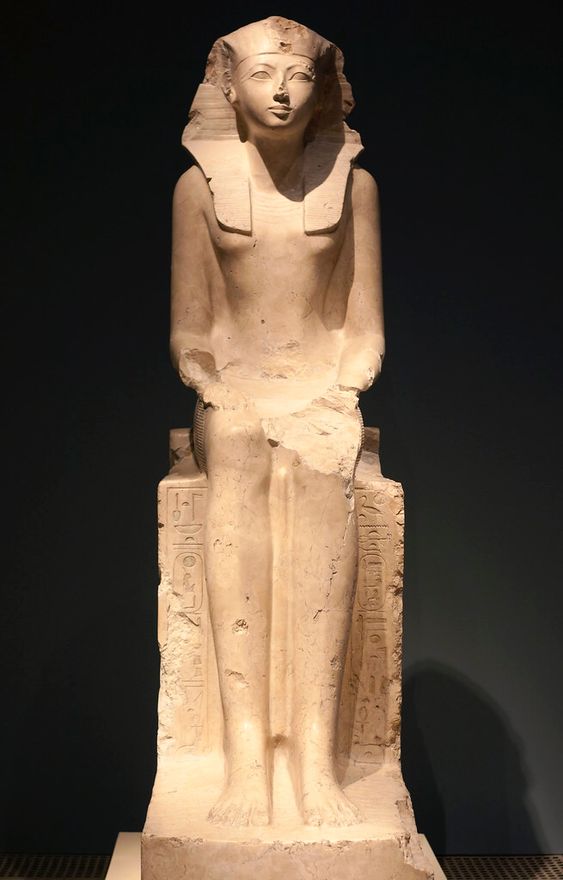
The story behind the Mortuary Temple of Hatshepsut begins with one of the most extraordinary figures in ancient Egyptian history, Hatshepsut. Unlike most rulers of her time, Hatshepsut was a woman who ascended to the throne and ruled Egypt as a pharaoh during the 18th Dynasty. Initially serving as regent for her young stepson, Thutmose III, she gradually consolidated power and declared herself king, adopting the full titles and regalia traditionally reserved for male rulers. This included wearing the royal kilt, the false beard, and presenting herself in official art as a male figure, reinforcing her authority within a deeply traditional society. Her reign marked a period of stability, prosperity, and cultural flourishing. Instead of focusing on military expansion, Hatshepsut invested heavily in trade, architecture, and artistic development. One of her most famous achievements was the expedition to the Land of Punt, a trading mission that brought back valuable goods such as incense, myrrh, exotic animals, and rare trees. This success was proudly documented in the reliefs of her temple, serving both as a record of achievement and as propaganda to legitimize her rule. The construction of her mortuary temple at Deir el-Bahari was perhaps her most ambitious project. It was designed not only as a place of worship but also as a powerful statement of her divine right to rule. Through its architecture and decoration, the temple tells the story of a ruler who defied convention and reshaped the image of kingship. Even after attempts were made to erase her legacy, her temple remains a lasting testament to her remarkable reign.

2. Architectural Innovation: A Temple in Perfect Harmony with Nature
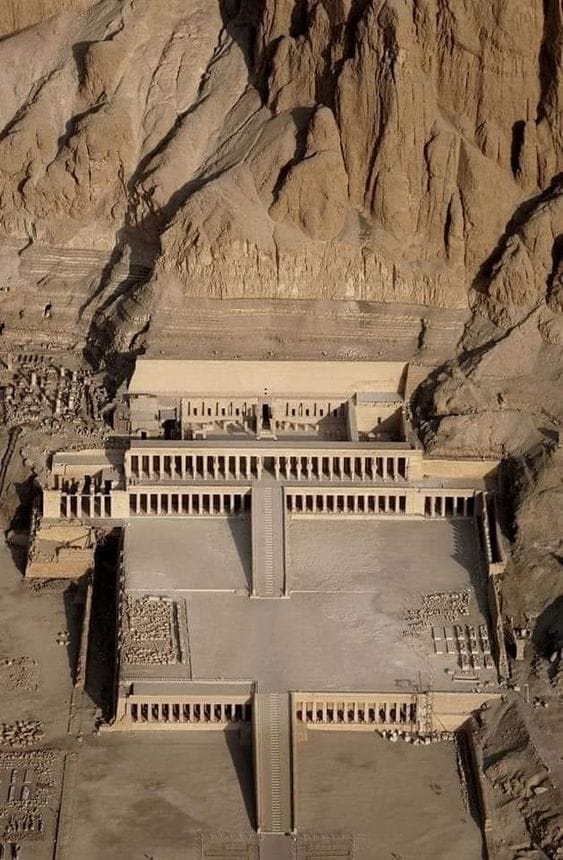
The design of the Mortuary Temple of Hatshepsut represents a revolutionary approach to ancient Egyptian architecture. Unlike the traditional temple structures that relied on enclosed spaces and massive pylons, this temple is defined by openness, symmetry, and a seamless integration with the surrounding landscape. Built into the base of towering limestone cliffs at Deir el-Bahari, the temple appears as if it is emerging naturally from the rock itself, creating a breathtaking visual harmony between human construction and الطبيعة. The temple is composed of three grand terraces, each connected by long, central ramps that guide visitors upward through the structure. These terraces are lined with colonnades of square pillars, creating a sense of rhythm and balance that draws the eye toward the cliffs behind. The alignment of the temple was carefully planned to maximize both visual impact and symbolic meaning, emphasizing the connection between the earthly realm and the divine. This architectural style reflects not only aesthetic innovation but also a deeper philosophical approach to space and design. The openness of the temple allows light to move freely through the structure, enhancing its spiritual atmosphere and creating dynamic patterns of shadow throughout the day. The result is a monument that feels both monumental and graceful, powerful yet refined. It stands as a testament to the creativity and vision of Hatshepsut and her architects, redefining what a temple could be in ancient Egypt.

3. The Divine Birth Reliefs: Legitimizing a Female Pharaoh
Among the most compelling features of the Mortuary Temple of Hatshepsut are the extraordinary reliefs illustrating the divine birth of Hatshepsut. These scenes were far more than artistic decoration; they were a carefully crafted political statement designed to legitimize her unprecedented rule as a female pharaoh. In a society where kingship was traditionally reserved for men, Hatshepsut needed to present her authority as unquestionable. To achieve this, she constructed a powerful narrative that placed her origins firmly within the realm of the divine. The reliefs tell a detailed and symbolic story in which the god Amun assumes the form of Hatshepsut’s father and visits her mother, resulting in the conception of a child of divine origin. The narrative continues with scenes of the gods attending her birth, blessing her existence, and proclaiming her destiny as the rightful ruler of Egypt. This sequence of events was designed to communicate that her kingship was not a human decision, but a divine mandate established by the highest deity in the Egyptian pantheon. Beyond their political purpose, these reliefs are masterpieces of artistic expression. The figures are carved with elegance and precision, their forms balanced and harmonious, reflecting the sophistication of New Kingdom craftsmanship. Through this combination of storytelling and artistry, Hatshepsut secured her place in history, presenting herself not merely as a ruler, but as a divinely chosen sovereign whose authority was both sacred and eternal.
4. The Expedition to Punt: A Story of Wealth and Diplomacy
One of the most remarkable narratives depicted on the walls of the Mortuary Temple of Hatshepsut is the famous expedition to the Land of Punt, one of the greatest achievements of Hatshepsut. Rather than focusing on military conquest, Hatshepsut emphasized trade and diplomacy, presenting her reign as a period of prosperity and peaceful expansion. The detailed reliefs show ships sailing across the Red Sea, carrying Egyptian officials on a mission to acquire rare and valuable goods from a distant and exotic land. The scenes carved into the temple walls vividly illustrate the interaction between the Egyptians and the inhabitants of Punt. They depict the exchange of goods such as incense, myrrh trees, gold, ebony, and exotic animals. Among the most fascinating elements is the representation of the Puntite queen, shown with unique physical features that highlight the realism and observational skill of Egyptian artists. These depictions provide valuable insight into ancient trade networks and cross-cultural connections. This expedition was more than a commercial success; it was a political statement that reinforced Hatshepsut’s legitimacy as a capable and effective ruler. By showcasing her ability to bring wealth and resources into Egypt, she strengthened her image as a provider and protector of the nation. The story of Punt remains one of the most detailed historical records preserved in ancient Egyptian art, reflecting a ruler who chose diplomacy and economic strength as the foundation of her power.

5. The Upper Terrace: The Sacred Heart of the Temple
The highest level of the Mortuary Temple of Hatshepsut represents the spiritual core of the entire complex, where religious rituals and sacred ceremonies once took place. This upper terrace is accessed by a central ramp that leads visitors through the architectural progression of the temple, symbolizing a journey from the earthly realm toward the divine. As one ascends, the atmosphere becomes increasingly solemn and contemplative, reflecting the spiritual purpose of the space. At this level, the temple houses sanctuaries dedicated to important deities, including Amun, Hathor, and Anubis. These chapels were intricately decorated with reliefs and carvings that illustrated religious rituals, offerings, and divine interactions. The sanctuary of Amun held particular significance, as it emphasized Hatshepsut’s connection to the chief god of Thebes, reinforcing her claim of divine origin. The careful arrangement of these sacred spaces highlights the importance of religion in shaping both the architecture and the political ideology of the temple. The design of the upper terrace also allows for stunning views of the surrounding landscape, including the Nile Valley and the distant fields of Luxor. This elevated perspective creates a powerful visual and symbolic link between the natural world and the spiritual realm. It is here that the temple achieves its greatest sense of harmony, combining architectural precision with religious meaning to create a space that is both majestic and deeply sacred.

6. Deir el-Bahari: A Landscape of Sacred Architecture
The setting of the Mortuary Temple of Hatshepsut within Deir el-Bahari is one of the most striking aspects of its design. Located on the West Bank of Luxor, this natural amphitheater of towering limestone cliffs provides a dramatic and awe-inspiring backdrop for the temple. The cliffs rise sharply behind the structure, creating a sense of protection and enclosure while also emphasizing the monument’s connection to the natural environment. Deir el-Bahari was already a site of religious importance before Hatshepsut’s time, housing earlier temples such as that of Mentuhotep II. By building her temple in this location, Hatshepsut aligned herself with past rulers while also elevating the site to new levels of architectural and symbolic significance. The alignment of her temple with the cliffs and the surrounding landscape reflects a deep understanding of spatial harmony and visual impact. This setting also carries strong symbolic meaning related to the afterlife. As part of the Theban Necropolis, the West Bank was associated with death and rebirth, making it the ideal location for a mortuary temple. The combination of natural beauty, historical continuity, and spiritual symbolism transforms Deir el-Bahari into one of the most important sacred landscapes in Egypt, with Hatshepsut’s temple as its crowning achievement.
7. The Role of Senenmut: The Genius Behind the Design
Behind the brilliance of the Mortuary Temple of Hatshepsut stood one of the most influential and talented figures of the New Kingdom, Senenmut. As the chief architect and a trusted advisor to Hatshepsut, Senenmut played a central role in shaping the vision and execution of this extraordinary monument. His influence extended far beyond architecture, as he held numerous high-ranking positions within the royal court, reflecting the immense trust placed in him by the queen. Senenmut’s design for the temple was revolutionary, departing from traditional Egyptian temple layouts and introducing a new sense of balance, symmetry, and openness. His ability to integrate the structure seamlessly into the natural cliffs of Deir el-Bahari demonstrates a deep understanding of both engineering and aesthetics. The precise alignment of terraces, ramps, and colonnades reveals a masterful command of proportion and spatial organization, creating a harmonious flow that guides visitors through the temple. Despite his achievements, much about Senenmut remains shrouded in mystery. His close relationship with Hatshepsut has led to speculation among historians, though concrete evidence remains limited. Nevertheless, his legacy is firmly established through the temple itself, which stands as a testament to his genius. Through his work, Senenmut not only brought Hatshepsut’s vision to life but also left behind one of the most innovative architectural achievements in ancient Egyptian history.
8. The Erasure of Hatshepsut: Power, Politics, and Memory
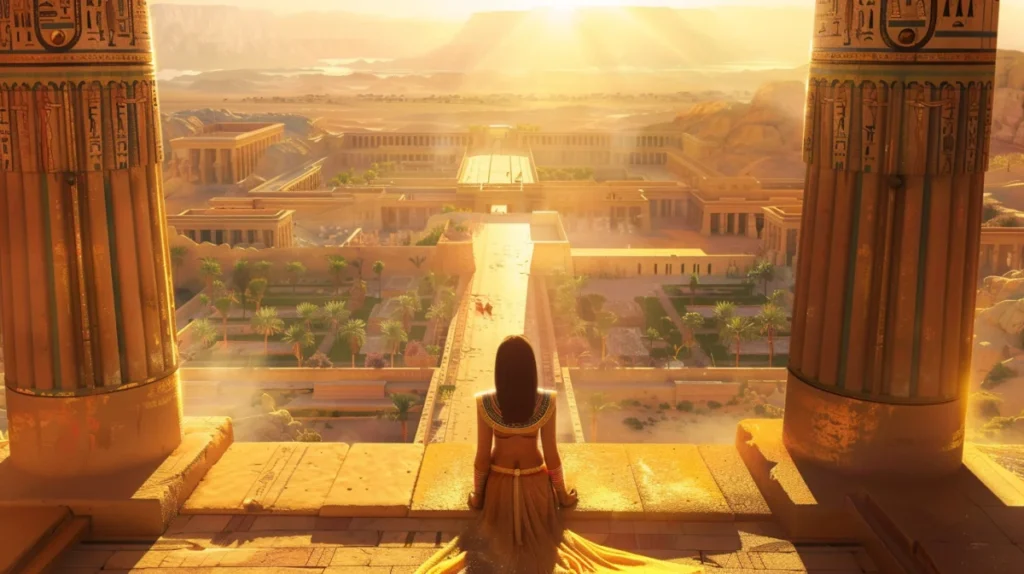
Following the death of Hatshepsut, the legacy of the Mortuary Temple of Hatshepsut faced a dramatic and deliberate attempt at erasure. During the reign of Thutmose III, many of her images and cartouches were systematically removed or defaced. Statues were destroyed, reliefs were altered, and her name was omitted from official king lists. This campaign was not immediate, suggesting a calculated political decision rather than an emotional reaction. Historians have proposed several explanations for this act of erasure. One theory suggests that Thutmose III sought to reinforce traditional male kingship by removing the memory of a female pharaoh who had ruled with full authority. Another perspective argues that it was an attempt to strengthen his own legitimacy by presenting an unbroken line of male rulers. Regardless of the motivation, the effort to erase Hatshepsut’s legacy demonstrates the powerful connection between memory, history, and political authority in ancient Egypt. Despite these attempts, Hatshepsut’s story was never completely lost. The scale and durability of her temple ensured that traces of her reign survived, allowing modern archaeologists to reconstruct her legacy. Today, the temple stands not only as a monument to her achievements but also as evidence of the complex and often contested nature of historical memory.
9. Artistic Excellence: Reliefs, Colors, and Timeless Craftsmanship
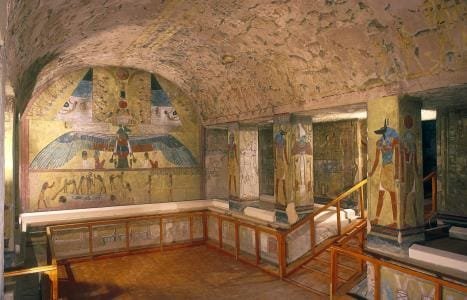
The Mortuary Temple of Hatshepsut is not only an architectural masterpiece but also a treasure of artistic excellence, showcasing some of the finest relief work of the New Kingdom. The walls of the temple are covered with detailed carvings that depict religious rituals, royal achievements, and symbolic narratives. These reliefs were originally painted in vibrant colors, many of which still survive today, offering a rare glimpse into the visual richness of ancient Egyptian art. The precision and clarity of the carvings reflect the high level of skill possessed by the artisans of Hatshepsut’s reign. Figures are rendered with elegant proportions, and scenes are carefully composed to convey movement, emotion, and meaning. The use of color adds another dimension to the artwork, enhancing the storytelling and making the scenes more dynamic and engaging. These artistic elements were not purely decorative; they played a vital role in communicating religious and political messages to those who visited the temple. Even after thousands of years, the quality of the craftsmanship remains evident. The reliefs continue to attract scholars and visitors who seek to understand the techniques and symbolism behind them. Through this combination of art and narrative, the temple preserves the legacy of Hatshepsut in a form that is both visually stunning and historically significant.
10. The Hathor Chapel: A Sanctuary of Beauty and Protection
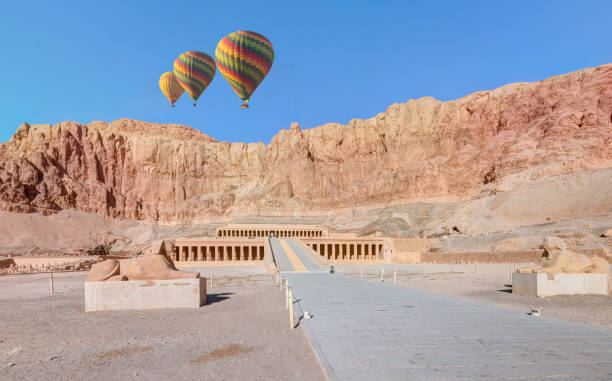
Within the elegant terraces of the Mortuary Temple of Hatshepsut lies one of its most distinctive and artistically refined spaces—the Chapel of Hathor. Dedicated to the goddess of love, music, and motherhood, this sanctuary reflects a softer yet equally powerful dimension of ancient Egyptian religion. Hathor was deeply associated with joy, femininity, and protection, making her presence within the temple both symbolic and essential to its spiritual balance. The chapel is particularly famous for its unique columns, which are topped with the face of Hathor, characterized by her gentle expression and cow-like ears. These Hathoric capitals are among the most recognizable features of the temple, blending artistic beauty with religious symbolism. The walls of the chapel are adorned with detailed reliefs showing Hatshepsut making offerings to the goddess, reinforcing her connection to divine forces and her role as a chosen ruler. Beyond its visual appeal, the Hathor Chapel served as a place of ritual and devotion, where priests performed ceremonies to honor the goddess and seek her blessings. The presence of this sanctuary within the temple highlights the importance of balance in Egyptian belief, combining power with grace, and authority with compassion. Today, the chapel remains one of the most captivating parts of the temple, offering visitors a glimpse into the spiritual richness of Hatshepsut’s reign.
11. The Anubis Chapel: Guardian of the Afterlife
Another significant sanctuary within the Mortuary Temple of Hatshepsut is the Chapel of Anubis, the ancient Egyptian god associated with mummification and the afterlife. This sacred space reflects the deeper funerary purpose of the temple, emphasizing its role as a gateway between the world of the living and the realm of the dead. Anubis, often depicted as a jackal-headed deity, was believed to guide souls through the afterlife and protect the deceased on their journey. The chapel is decorated with finely carved reliefs showing Hatshepsut presenting offerings to Anubis, reinforcing her connection to the rituals that ensured eternal life. The scenes are executed with remarkable precision, showcasing the high level of craftsmanship achieved during her reign. The quiet and enclosed nature of the chapel creates a solemn atmosphere, allowing visitors to sense the spiritual significance of the space. This sanctuary highlights the dual nature of the temple as both a monument of life and a place of preparation for the afterlife. It reminds visitors that ancient Egyptian architecture was deeply connected to religious beliefs about death, transformation, and immortality. The presence of Anubis within the temple underscores its function as a sacred space dedicated to ensuring the eternal existence of the queen.
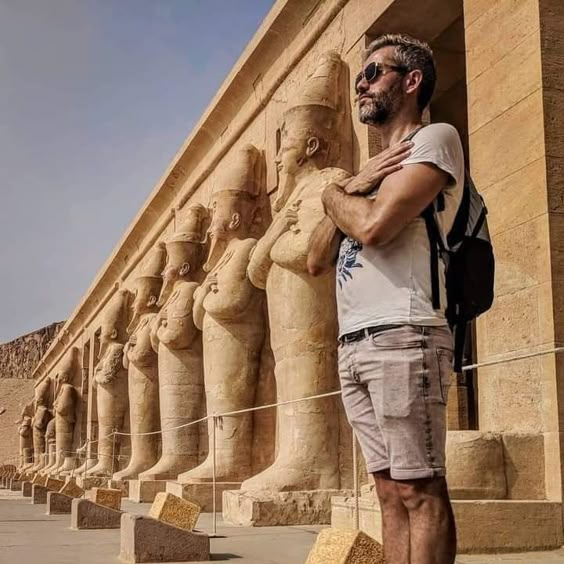
12. Visiting the Temple Today: A Journey Through Time and Space
Today, visiting the Mortuary Temple of Hatshepsut offers an unforgettable journey into the heart of ancient Egyptian civilization. Located on the West Bank of Luxor, the temple is easily accessible and often included in tours of the Theban Necropolis. Its open design and breathtaking setting make it one of the most visually striking sites in Egypt, attracting visitors from around the world. As travelers approach the temple, they are immediately struck by its symmetry and scale. Walking up the central ramps and across the terraces allows visitors to experience the architectural progression intended by its designers. Each level reveals new perspectives, both of the temple itself and the surrounding landscape, creating a dynamic and immersive experience. The combination of natural light, open space, and monumental design makes the visit both visually and emotionally engaging. Beyond its beauty, the temple offers a deeper understanding of ancient Egyptian beliefs, politics, and artistry. It tells the story of a remarkable ruler who reshaped the concept of kingship and left behind a legacy that continues to inspire. A visit to this site is not just a step into history, but a journey into a world where architecture, religion, and power were seamlessly intertwined.

13. Sunrise at Deir el-Bahari: Light, Silence, and Spiritual Atmosphere
Experiencing sunrise at the Mortuary Temple of Hatshepsut is one of the most captivating moments a visitor can witness in Luxor. As the first rays of sunlight gradually illuminate the towering limestone cliffs of Deir el-Bahari, the temple begins to glow in warm shades of gold and amber. The soft morning light enhances the symmetry of the terraces and highlights the fine details of the colonnades, creating a scene that feels both timeless and almost otherworldly. In these early hours, the site is often calm and peaceful, offering a rare opportunity to experience the temple without the crowds. The quiet atmosphere allows visitors to fully absorb the harmony between architecture and nature, as the structure appears to emerge seamlessly from the cliffs behind it. This moment of stillness encourages reflection, making the visit feel less like a tour and more like a personal encounter with history. The symbolism of sunrise adds another layer of meaning to the experience. In ancient Egyptian belief, the rising sun represented rebirth and renewal, themes that are deeply connected to the purpose of the temple as a mortuary monument. Watching the light transform the temple at dawn provides a powerful reminder of these ideas, allowing visitors to connect with the spiritual worldview that shaped its creation thousands of years ago.
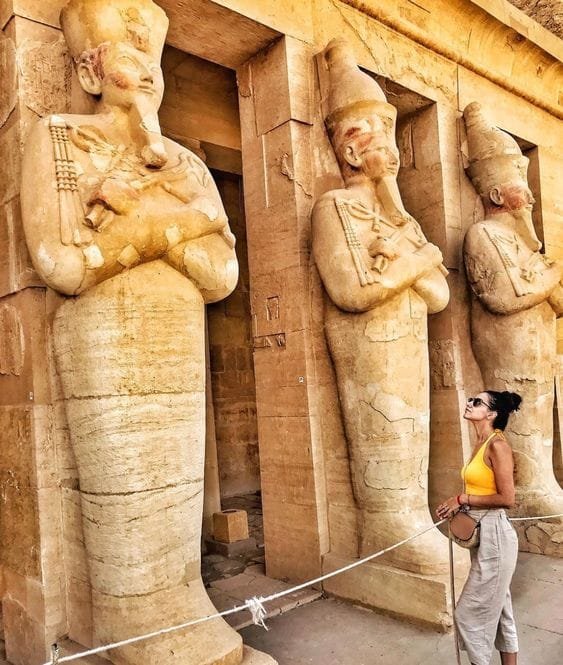
14. Photography at the Temple: Capturing Geometry and Grandeur
For photographers, the Mortuary Temple of Hatshepsut offers an exceptional opportunity to capture one of the most visually balanced and harmonious structures in ancient Egypt. The clean lines of the terraces, the repetition of columns, and the dramatic backdrop of the cliffs create compositions that are both striking and elegant. The temple’s design naturally guides the eye, making it ideal for both wide-angle shots and detailed close-ups. One of the most effective ways to photograph the temple is by emphasizing its symmetry. Positioning the camera along the central axis highlights the perfect alignment of the ramps and terraces, creating a sense of order and precision. Including visitors in the frame can also help convey the scale of the structure, emphasizing its monumental size while adding a human element to the composition. Lighting plays a crucial role in achieving the best results. Early morning and late afternoon provide the most favorable conditions, as the softer light enhances textures and creates depth through shadows. These moments reveal the subtle details of the carvings and the natural color variations in the stone. Ultimately, photographing the temple is not just about technique, but about capturing the essence of a structure that perfectly blends human creativity with the natural landscape.
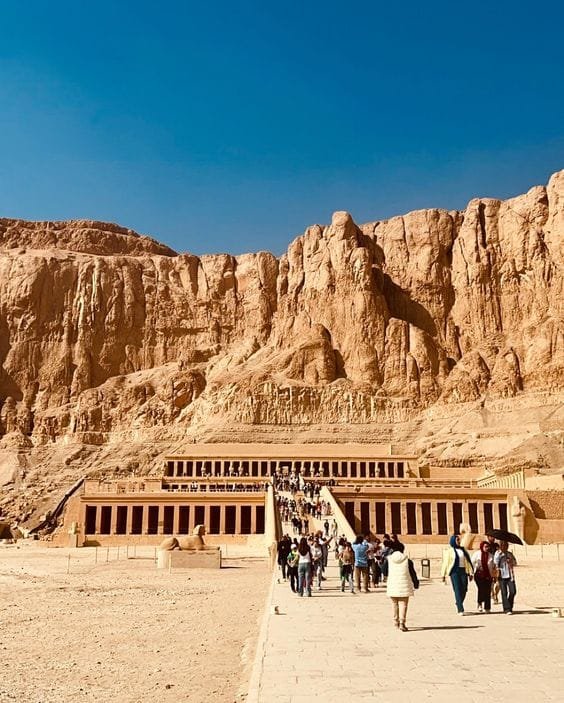
15. Travel Tips: Making the Most of Your Visit
Planning a visit to the Mortuary Temple of Hatshepsut can significantly enhance the overall experience when approached with a few practical considerations. Located on the West Bank of Luxor, the temple is typically included in a broader itinerary that may also feature nearby sites such as the Valley of the Kings and other important monuments. Starting the visit early in the morning is highly recommended, as it allows travelers to avoid the intense midday heat and enjoy a quieter, more comfortable atmosphere. Wearing comfortable clothing and bringing sun protection, including hats and sunscreen, is essential due to the open nature of the site. There is limited shade across the terraces, making preparation important for a pleasant visit. Hiring a knowledgeable guide can also greatly enrich the experience, providing historical context and insights that bring the temple’s stories and symbolism to life. It is also advisable to take time exploring each level of the temple rather than rushing through the visit. Observing the details of the reliefs, understanding the layout, and appreciating the surrounding landscape all contribute to a deeper and more meaningful experience. With thoughtful planning, a visit to this remarkable site becomes not just a historical stop, but a memorable journey into the heart of ancient Egypt.
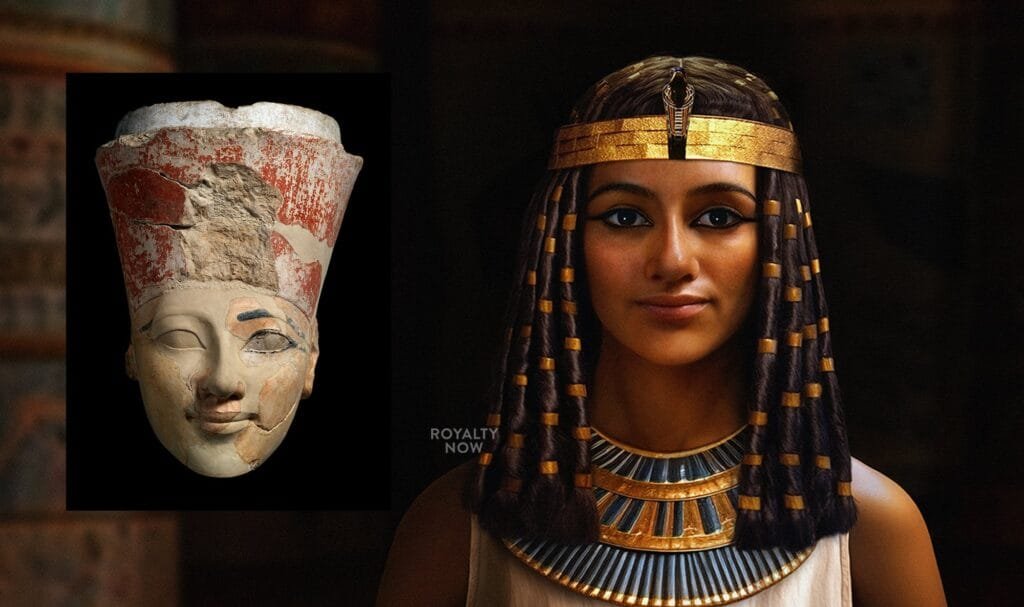
16. Cultural Significance: A Monument That Redefined Kingship
The Mortuary Temple of Hatshepsut stands as more than an architectural masterpiece; it represents a turning point in the concept of kingship in ancient Egypt. Through this extraordinary monument, Hatshepsut challenged long-standing traditions and redefined what it meant to rule. By presenting herself as both a woman and a king, she created a unique political identity that was carefully expressed through art, architecture, and religious symbolism. The temple itself became a powerful tool of communication, telling a story that justified her reign and elevated her status to that of a divinely chosen ruler. Every terrace, relief, and sanctuary was designed to reinforce her legitimacy, ensuring that her rule would be accepted and remembered. This deliberate use of architecture as political expression highlights the sophistication of ancient Egyptian society and its understanding of power and image. Even centuries after her death, the influence of Hatshepsut’s reign can still be felt through this monument. The temple serves as a reminder that leadership is not defined by tradition alone, but by vision, strategy, and the ability to shape one’s own narrative. It remains one of the most important examples of how architecture can reflect and influence cultural and political change.
17. Preservation and Legacy: Protecting a Masterpiece of History
Over the centuries, the Mortuary Temple of Hatshepsut has faced numerous challenges, including natural erosion, environmental changes, and human impact. Despite these threats, extensive restoration and preservation efforts have ensured that the temple remains one of the best-preserved monuments in Egypt. These efforts involve careful conservation techniques aimed at maintaining the structural integrity and artistic details of the site while respecting its historical authenticity. Archaeologists and conservation specialists continue to study the temple, uncovering new details about its construction and decoration. Modern technology has played a significant role in these efforts, allowing experts to monitor the condition of the structure and implement solutions to prevent further damage. International cooperation has also contributed to the preservation of the site, highlighting its global importance as part of humanity’s shared heritage. Public awareness and responsible tourism are essential components of this preservation process. By understanding the value of the temple and respecting its fragile condition, visitors play a role in protecting it for future generations. These combined efforts ensure that this remarkable monument will continue to inspire and educate people from around the world for centuries to come.

18. The Eternal Legacy: A Timeless Symbol of Vision and Power
As the sun sets behind the towering cliffs of Deir el-Bahari, the Mortuary Temple of Hatshepsut remains a breathtaking testament to human ambition, creativity, and resilience. More than three thousand years after its construction, it continues to captivate visitors with its elegance, harmony, and powerful sense of presence. It is not merely a relic of the past, but a living symbol of a civilization that sought to create beauty and meaning that would endure beyond time. The legacy of Hatshepsut is inseparable from this monument. Through its design and decoration, she succeeded in preserving her story, ensuring that her achievements would not be forgotten despite attempts to erase her from history. The temple stands as a tribute to her vision and determination, embodying the idea that true power lies in the ability to shape one’s legacy. Today, the temple continues to inspire historians, travelers, and dreamers from around the world. It invites every visitor to reflect on the enduring impact of human creativity and the desire to leave a lasting mark on the world. As long as it stands, it will remain a timeless symbol of vision, courage, and the enduring spirit of ancient Egypt.