- Excursions in Egypt
- Egypt Tour Packages
- Cairo Tours and Excursions
- Hurghada Tours and Excursions
- Soma Bay Tours and Excursions
- Makadi Bay Tours and Excursions
- Sahl Hasheesh Tours and Excursions
- El Gouna Tours and Excursions
- Marsa Alam Tours and Excursions
- Port Ghalib Tours and Excursions
- El Quseir Tours and Excursions
- Dendera and Abydos Day Tours
- Aswan Tours and Excursions
- Luxor Tours and Excursions
- Sharm El Sheikh Tours and Excursions
- Top Rated Egypt Tours in 2026
- Optional Excursions in Egypt
- Private Transfer
- Blogs About egypt
- Ancient Egypt
- Historical Sites in Egypt
- Cairo
- Alexandria
- Luxor
- Aswan
- The Red Sea
- Dendera Temple
- El Fayoum Oasis
- Bahariya Oasis
- Siwa Oasis
- Al Alamein
- Marsa Matruh
- Why Egypt Is One of the Safest Countries to Visit in the Middle East
- What You Need To know Before Your First Trip To Egypt
- Egypt Travel Costs in 2026 Full Budget Guide
- Top 10 Tourist Activities in Egypt
- Top 50 Activities You Can’t Miss in Egypt in 2026
- The Guide to Guided Tours in Egypt
- Egypt’s Ancient and Modern History
- The Nile River
- The Deserts of Egypt
- Ancient Egyptian gods
- famous Egyptian dishes
- UNESCO World Heritage sites
- About Us
- Egypt Hotels and Resorts
- Excursions in Egypt
- Egypt Tour Packages
- Cairo Tours and Excursions
- Hurghada Tours and Excursions
- Soma Bay Tours and Excursions
- Makadi Bay Tours and Excursions
- Sahl Hasheesh Tours and Excursions
- El Gouna Tours and Excursions
- Marsa Alam Tours and Excursions
- Port Ghalib Tours and Excursions
- El Quseir Tours and Excursions
- Dendera and Abydos Day Tours
- Aswan Tours and Excursions
- Luxor Tours and Excursions
- Sharm El Sheikh Tours and Excursions
- Top Rated Egypt Tours in 2026
- Optional Excursions in Egypt
- Private Transfer
- Blogs About egypt
- Ancient Egypt
- Historical Sites in Egypt
- Cairo
- Alexandria
- Luxor
- Aswan
- The Red Sea
- Dendera Temple
- El Fayoum Oasis
- Bahariya Oasis
- Siwa Oasis
- Al Alamein
- Marsa Matruh
- Why Egypt Is One of the Safest Countries to Visit in the Middle East
- What You Need To know Before Your First Trip To Egypt
- Egypt Travel Costs in 2026 Full Budget Guide
- Top 10 Tourist Activities in Egypt
- Top 50 Activities You Can’t Miss in Egypt in 2026
- The Guide to Guided Tours in Egypt
- Egypt’s Ancient and Modern History
- The Nile River
- The Deserts of Egypt
- Ancient Egyptian gods
- famous Egyptian dishes
- UNESCO World Heritage sites
- About Us
- Egypt Hotels and Resorts
Welcome to
Citadel of Saladin: The Guardian of Cairo’s Skyline
If Cairo is a city where history breathes through every street and stone, then the Citadel of Saladin is its unshakable guardian—a towering fortress that has watched over the city for centuries. Rising dramatically above the Mokattam Hills, the Citadel is not just a historical monument; it is a powerful symbol of strength, leadership, and transformation. Built in the 12th century by the legendary Muslim ruler Salah ad-Din, this magnificent stronghold was designed to defend Cairo against Crusader invasions and to establish a center of power that would shape Egypt’s future for generations.
From the moment you enter the Citadel, you are transported into a world where history unfolds at every step. Massive stone walls, towering gates, and vast courtyards tell stories of battles, rulers, and empires that once controlled the destiny of Egypt. Over the centuries, the Citadel evolved into more than a military fortress; it became the political heart of the nation, serving as the seat of power for nearly 700 years under different dynasties, including the Ayyubids, Mamluks, and Ottomans.
Today, the Citadel stands as one of the most iconic landmarks in Cairo, offering visitors a unique blend of history, architecture, and breathtaking views. It is home to some of the city’s most remarkable structures, including the magnificent Mosque of Muhammad Ali, whose grand domes and elegant minarets dominate the skyline. Exploring the Citadel is not just a visit—it is a journey through time, where every corner reveals a new chapter in the story of Egypt.
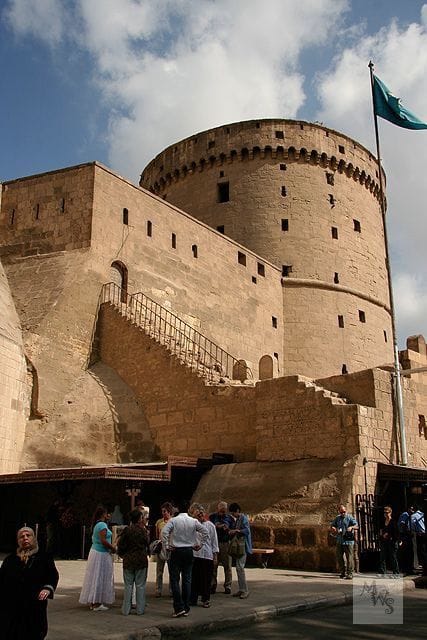
1. The Birth of a Fortress: Saladin’s Vision of Power and Protection
The story of the Citadel of Saladin begins in the late 12th century, during a time of intense conflict and political transformation in the Middle East. When Salah ad-Din rose to power, he recognized the urgent need to protect Cairo from potential Crusader invasions. At that time, the city lacked a unified defensive system capable of withstanding a large-scale attack. Saladin’s solution was both ambitious and visionary: to construct a massive fortified complex that would serve as the military and political heart of Egypt. He chose the Mokattam Hills as the site for this fortress, a decision that reflected both strategic intelligence and symbolic intent. The elevated location provided a natural defensive advantage, allowing soldiers to monitor enemy movements from a distance while making it difficult for attackers to approach. Construction began around 1176 AD, utilizing advanced military engineering techniques that were innovative for their time. Thick defensive walls, fortified gates, and watchtowers were carefully designed to create an almost impenetrable stronghold. But Saladin’s vision extended beyond defense. The Citadel was intended to become a center of authority, a place where political decisions would be made and where the state could be governed efficiently. Over time, this vision became reality, as the Citadel transformed into the center of power for centuries. Today, visitors walking through its massive gates can still feel the legacy of Saladin’s ambition—a vision that shaped not only the skyline of Cairo but also the course of Egyptian history.
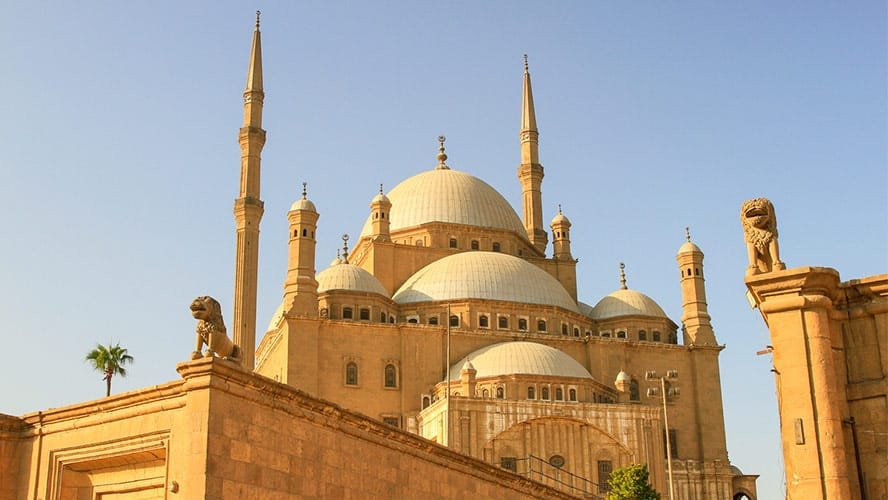
2. The Citadel as the Seat of Power: Seven Centuries of Rule
For nearly 700 years, the Citadel of Saladin served as the center of political authority in Cairo, witnessing the rise and fall of powerful dynasties that shaped the course of Egyptian history. After its establishment by Salah ad-Din, the Citadel quickly became the official residence of rulers and the administrative heart of the state. From within its fortified walls, decisions were made that influenced not only Egypt but the wider Islamic world. The Ayyubids were the first to rule from the Citadel, establishing it as a symbol of strength and unity. They were followed by the Mamluks, who expanded and enhanced the fortress, adding impressive architectural elements and transforming it into a thriving political and military complex. During the Mamluk period, the Citadel reached the height of its power, becoming one of the most important centers of governance in the region. Later, the Ottomans continued to use the Citadel as a seat of authority, adapting it to suit their administrative needs. Throughout these centuries, the Citadel was not only a place of governance but also a stage for significant historical events, including political intrigue, military planning, and royal ceremonies. Its walls witnessed moments of triumph and tension, reflecting the complexities of power and leadership. Today, the Citadel stands as a silent witness to this long history, offering visitors a glimpse into the world of rulers and empires that once controlled Egypt from this commanding height.
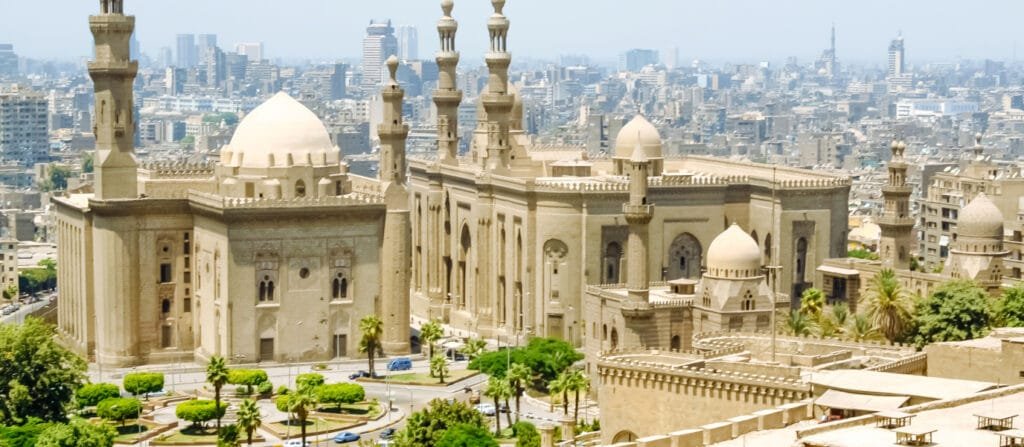
3. The Mosque of Muhammad Ali: The Jewel of the Citadel
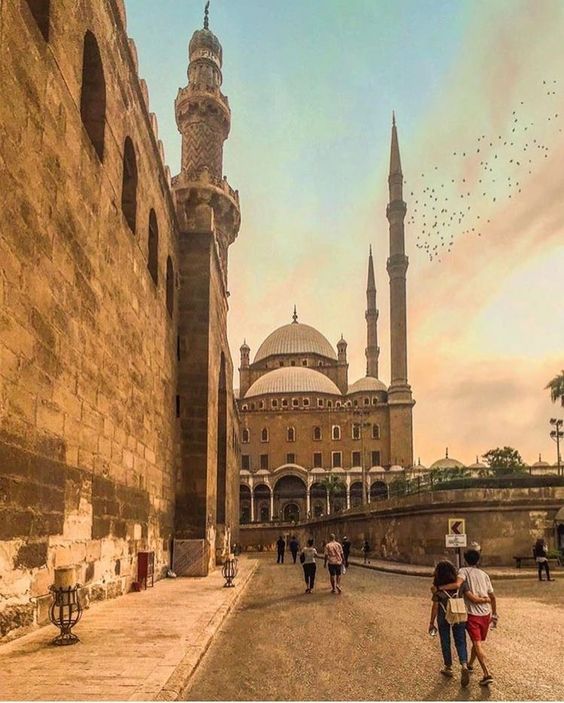
Among the many architectural treasures within the Citadel of Saladin, the Mosque of Muhammad Ali stands out as its most iconic and visually striking landmark. Built in the 19th century by Muhammad Ali Pasha, the founder of modern Egypt, this magnificent mosque adds a new layer of history and beauty to the Citadel’s already rich heritage. Often referred to as the Alabaster Mosque due to its extensive use of smooth, pale stone, it dominates the skyline with its grand domes and towering minarets. Inspired by Ottoman architecture, particularly the famous Blue Mosque in Istanbul, the mosque represents a shift in architectural style from the earlier Islamic designs found in Cairo. Its interior is equally breathtaking, featuring a vast prayer hall, intricate decorations, and a sense of openness that creates a powerful spiritual atmosphere. The central dome rises high above visitors, surrounded by smaller domes that enhance the sense of harmony and balance within the structure. Beyond its architectural beauty, the mosque holds deep historical significance. It was built as a symbol of Muhammad Ali’s power and ambition, reflecting his vision of transforming Egypt into a modern state. Today, it remains one of the most visited sites in Cairo, attracting travelers who come to admire its design, explore its history, and enjoy the panoramic views it offers over the city. Standing within its walls, visitors can experience a moment of quiet reflection while overlooking the vibrant life of Cairo below.
4. The Strategic Location: Why the Citadel Dominates Cairo
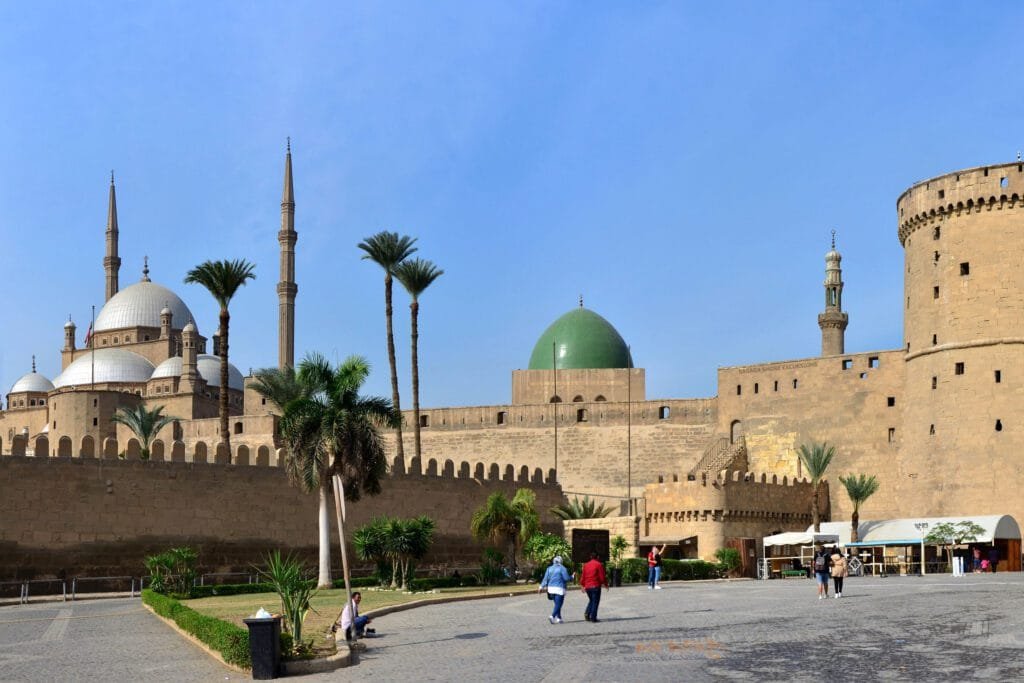
The Citadel of Saladin was not built randomly; its location on the Mokattam Hills was a carefully calculated decision that reflects the military genius of Salah ad-Din. Overlooking Cairo from a commanding height, the Citadel provided a strategic advantage that made it one of the most secure fortresses of its time. From this elevated position, soldiers could monitor enemy movements from miles away, allowing them to prepare defenses well in advance. This visibility was crucial during an era when surprise attacks could determine the fate of entire cities. The height of the Citadel also made it extremely difficult for invading forces to launch successful attacks. Steep slopes and fortified walls created multiple layers of defense, forcing enemies to face significant challenges before even reaching the gates. This combination of natural and man-made defenses turned the Citadel into an almost impenetrable stronghold, reinforcing its role as the ultimate protector of Cairo. Beyond its military importance, the Citadel’s location also carried powerful symbolic meaning. Standing high above the city, it represented authority, control, and dominance. It was a visible reminder of the strength of the ruling power, projecting stability and influence to both residents and visitors. Today, this strategic location continues to captivate tourists, offering breathtaking panoramic views of Cairo’s skyline. From its walls, visitors can admire the blend of historic and modern architecture, and on clear days, even catch a glimpse of the distant pyramids. This unique vantage point makes the Citadel not only a historical treasure but also one of the most visually stunning destinations in Egypt.
5. Architectural Evolution: Layers of History in Stone
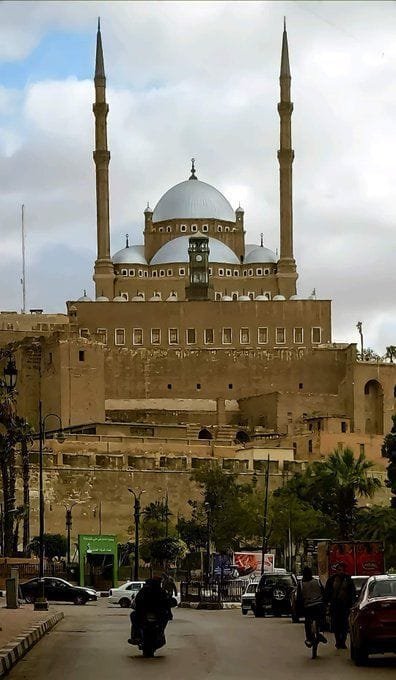
The Citadel of Saladin is not a single architectural creation but rather a complex structure that reflects centuries of continuous development and transformation. Each ruling dynasty that occupied the Citadel left its mark, contributing to a rich architectural tapestry that tells the story of Egypt’s evolving identity. From the original Ayyubid fortifications to the elaborate additions of the Mamluks and the refinements of the Ottomans, the Citadel stands as a living record of historical progression. The Ayyubids focused primarily on defense, constructing thick walls, strong gates, and watchtowers designed to protect the city from external threats. Their work laid the foundation for the Citadel’s enduring strength. When the Mamluks came to power, they transformed the Citadel into a more sophisticated complex, adding mosques, palaces, and administrative buildings that reflected their wealth and artistic vision. Their architectural style is characterized by intricate details, including decorative stone carvings and geometric patterns. The Ottoman period introduced further changes, blending traditional Islamic architecture with new influences. Structures became more refined, with an emphasis on symmetry and elegance. This layered development makes the Citadel unique, as it showcases a wide range of architectural styles within a single location. Today, visitors walking through the Citadel can experience this diversity firsthand. Every wall, courtyard, and building tells a different story, revealing how each era contributed to the fortress’s identity. This continuous evolution is what makes the Citadel one of the most fascinating architectural landmarks in Cairo.
6. Life Inside the Citadel: A City Within a Fortress
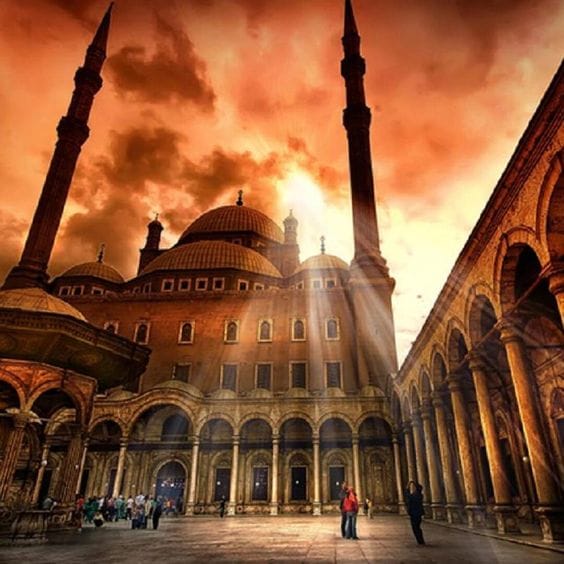
The Citadel of Saladin was more than just a military stronghold; it was a fully functioning city that supported the daily lives of rulers, soldiers, and workers. Within its fortified walls, the Citadel contained everything needed to sustain a community, from administrative offices and military barracks to mosques, storage facilities, and residential quarters. This self-sufficient design ensured that the Citadel could withstand long periods of siege without relying on external resources. At the heart of life inside the Citadel was the ruling elite, including sultans, governors, and high-ranking officials who governed Egypt from within its walls. Their presence turned the Citadel into the center of political decision-making, where important policies and strategies were developed. Surrounding them were soldiers tasked with defending the fortress, as well as craftsmen, servants, and workers who maintained its daily operations. Religious life also played a significant role within the Citadel. Mosques were central to the community, providing spaces for prayer and spiritual reflection. Over time, these religious structures became some of the most beautiful architectural features of the complex, reflecting the deep connection between faith and daily life. The Citadel also included essential infrastructure such as water systems, food storage areas, and workshops, all designed to support daily life within its walls. Today, as visitors explore the Citadel, they can imagine what life was like within this historic fortress, making it a true city within a fortress.
7. The Wells of the Citadel: Engineering Against Time and Siege
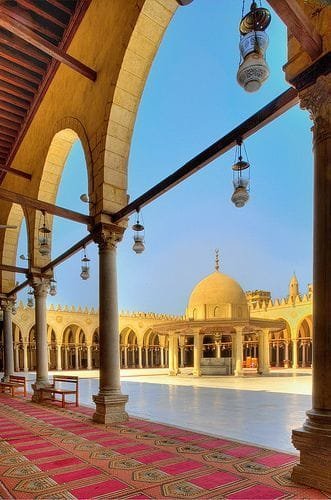
One of the most remarkable features of the Citadel of Saladin is its sophisticated water system, which played a crucial role in ensuring the fortress could survive long periods of siege. In medieval warfare, access to water often determined the fate of a stronghold, and Saladin understood this challenge well. To address it, engineers designed an advanced system that would supply the Citadel with a reliable source of water, even when cut off from the outside world. The most famous of these engineering achievements is the deep well known as the Well of Joseph, named after Salah ad-Din, whose name was sometimes associated with the Prophet Joseph in local tradition. This well was carved deep into the rock of the Mokattam Hills, reaching groundwater far below the surface. It was designed with a spiral structure that allowed animals to walk down and operate water-lifting mechanisms, making it possible to bring water up to the surface efficiently. This system demonstrated a high level of engineering skill and practical innovation. It ensured that soldiers and residents had access to water during times of conflict, reducing the risk of surrender due to shortages. The presence of such infrastructure highlights the level of planning that went into the construction of the Citadel. Today, visitors can still explore parts of this system and appreciate the ingenuity behind it. The well stands as a powerful reminder that the strength of the Citadel was not only in its walls and towers but also in the intelligence and foresight of those who built it.
8. The Citadel in the Mamluk Era: A Golden Age of Expansion
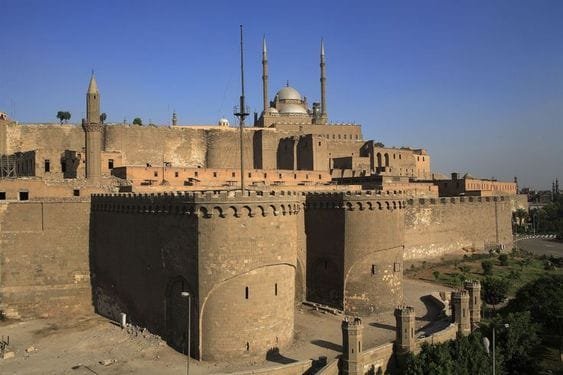
The history of the Citadel of Saladin reached a new level of importance during the Mamluk period, which is often considered one of its most significant eras of development. After the decline of the Ayyubid dynasty, the Mamluks took control of Egypt and transformed the Citadel into a thriving political, military, and cultural center. Under their rule, the fortress was expanded and enhanced with new buildings, architectural features, and defensive improvements. The Mamluks were known for their strong military organization and their appreciation for art and architecture. This combination is clearly reflected in the additions they made to the Citadel. They constructed impressive mosques, audience halls, and administrative buildings that showcased their wealth and authority. Many of these structures featured intricate stone carvings, geometric patterns, and decorative elements that became hallmarks of Mamluk design. During this period, the Citadel was not only a place of governance but also a center of cultural activity. Scholars, officials, and craftsmen moved within its walls, contributing to a vibrant and dynamic environment. Important political decisions were made here, shaping the future of Egypt and the surrounding region. The Mamluk era marked a golden age for the Citadel, solidifying its role as the heart of power in Cairo. Today, traces of this period can still be seen in the remaining structures, allowing visitors to experience one of the most influential chapters in the Citadel’s long history.
9. The Ottoman Influence: A New Chapter of Transformation
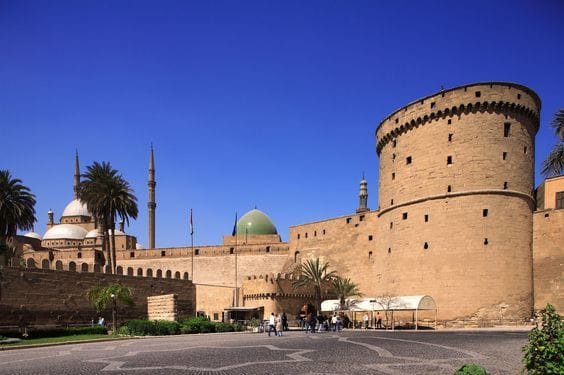
When the Ottomans took control of Egypt in the 16th century, the Citadel of Saladin entered a new phase of transformation that reflected changing political and cultural influences. Although the Citadel remained an important center of administration, its role gradually shifted as Egypt became part of a vast empire governed from Istanbul. Despite this shift, the Ottomans continued to use and develop the Citadel, adapting it to suit their needs. One of the most significant contributions of the Ottoman period was the introduction of new architectural styles that differed from the earlier Ayyubid and Mamluk designs. Buildings constructed during this era often emphasized simplicity, symmetry, and elegance, reflecting broader Ottoman aesthetics. These changes added another layer to the Citadel’s architectural identity, making it a unique blend of different historical styles. The Ottoman rulers also maintained the Citadel as a military base and administrative center, ensuring that it remained relevant even as political structures evolved. However, over time, the importance of the Citadel began to decline as new centers of power emerged in Cairo. Despite this, it continued to play a role in the governance of Egypt until the 19th century. Today, the Ottoman influence can still be observed in various parts of the Citadel, offering insight into a period of transition and adaptation. This era highlights the ability of the Citadel to evolve with changing times while preserving its historical significance as one of Cairo’s most enduring landmarks.
10. The Massacre of the Mamluks: A Turning Point in Egypt’s History
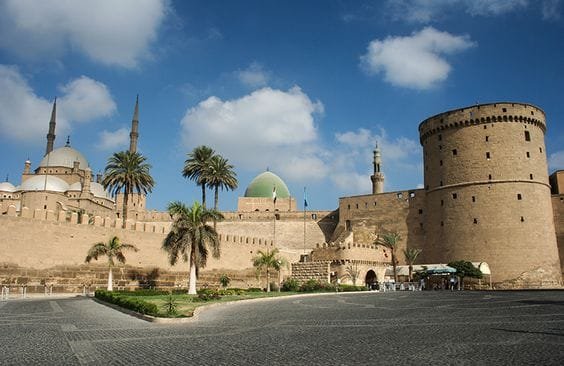
One of the most dramatic and decisive events in the history of the Citadel of Saladin occurred in 1811 during the rule of Muhammad Ali Pasha. Known as the Massacre of the Mamluks, this event marked a critical turning point in the political history of Cairo and reshaped the balance of power in Egypt. At the time, the Mamluks still held significant influence and posed a major obstacle to Muhammad Ali’s efforts to establish full control over the country. In a carefully planned strategy, Muhammad Ali invited the leading Mamluk emirs to the Citadel under the pretense of attending a ceremonial event celebrating his son’s military campaign. As the Mamluks entered the fortress, they were directed through a narrow passageway with high walls on either side. Once they were fully inside, the gates were suddenly closed, trapping them within the confined space. What followed was a coordinated ambush. Soldiers positioned along the walls opened fire from above, leaving the Mamluks with no chance of escape. The majority of their leadership was eliminated in a single, decisive moment, effectively ending their political dominance in Egypt. This event allowed Muhammad Ali to consolidate power and begin a new era of centralized rule and modernization. Today, visitors to the Citadel can still walk through the area where this historic event took place. The story of the massacre adds a powerful and human dimension to the Citadel’s history, reminding visitors that behind its impressive architecture are moments that shaped the course of an entire nation.
11. The Museums of the Citadel: Preserving Egypt’s Military Legacy
Today, the Citadel of Saladin is not only a historic fortress but also a cultural destination that houses several important museums dedicated to preserving Egypt’s rich military and national heritage. These museums provide visitors with a deeper understanding of the country’s past, offering valuable insights into the development of its armed forces and the events that shaped its modern identity. Through carefully curated exhibitions, the Citadel continues to serve as a bridge between history and education. One of the most prominent institutions within the Citadel is the Military Museum, which features an extensive collection of artifacts, including weapons, uniforms, medals, and historical documents. These exhibits trace the evolution of Egypt’s military from ancient times through the medieval and modern periods, highlighting key battles, strategies, and influential leaders. The displays are designed to be both informative and engaging, allowing visitors to connect with history in a meaningful way. In addition to the Military Museum, other museums within the Citadel focus on different aspects of Egyptian history, offering a broader perspective on the country’s cultural and political development. Together, these institutions create a comprehensive experience that enhances any visit to the fortress. By preserving these historical treasures, the Citadel continues to play an important role in educating visitors from around the world. Exploring these museums adds depth to the experience, transforming a simple visit into a journey through Egypt’s rich and complex past.

12. Panoramic Views of Cairo: A Skyline Like No Other
One of the most unforgettable experiences at the Citadel of Saladin is the opportunity to enjoy breathtaking panoramic views of Cairo from its elevated position on the Mokattam Hills. These views provide a unique perspective on the city, revealing its vast scale and the striking contrast between its historic landmarks and modern urban landscape. From the Citadel’s terraces and open spaces, visitors can observe Cairo stretching endlessly in every direction. Historic minarets rise above densely built neighborhoods, while modern buildings form a dynamic skyline that reflects the city’s ongoing growth and development. On clear days, the view extends even further, offering a distant glimpse of the Giza Pyramids, one of the most iconic symbols of ancient Egypt. This visual experience goes beyond simple sightseeing. It allows visitors to understand Cairo as a living city shaped by centuries of history and continuous change. The combination of architectural styles and urban energy creates a scene that is both complex and captivating. The Citadel is also one of the best locations in Cairo for photography. Whether capturing the soft light of sunrise or the warm tones of sunset, visitors can create stunning images that reflect the beauty of the city. These panoramic views remain a highlight of any visit, offering a memorable moment that connects history, culture, and modern life in one remarkable setting.

13. The Citadel as a Symbol of Power and Authority
Throughout its long history, the Citadel of Saladin has stood as a powerful symbol of authority, control, and political dominance in Cairo. From the moment it was established by Salah ad-Din, the Citadel was designed not only as a military fortress but also as a clear representation of centralized power. Its elevated position above the city reinforced this image, allowing rulers to physically and symbolically look over the capital they governed. For centuries, the Citadel served as the official residence of Egypt’s rulers, making it the center of political decision-making and administration. Important policies were formed within its walls, and its gates controlled access to the leadership of the country. This made the Citadel more than just a place of defense; it became a space where authority was exercised and reinforced on a daily basis. The architectural scale of the Citadel also contributed to its symbolic power. Massive walls, imposing gates, and grand structures created an environment that reflected strength and permanence. Visitors approaching the fortress would immediately recognize it as a place of importance and influence. Even after its role as a political center declined, the Citadel continued to represent the legacy of Egypt’s rulers and their authority. Today, it remains one of the most recognizable landmarks in Cairo, attracting visitors who come to explore its history and experience its commanding presence. The Citadel stands as a lasting reminder of how architecture and location can be used to project power and shape the identity of a nation.
14. The Citadel Today: A Must-Visit Destination in Cairo
In modern times, the Citadel of Saladin has evolved from a historic seat of power into one of the most visited and culturally significant attractions in Cairo. Today, it stands as a remarkable open-air museum that offers visitors the opportunity to explore centuries of Egyptian history within a single, well-preserved complex. Its blend of military architecture, religious landmarks, and panoramic viewpoints makes it a central highlight of any travel experience in Cairo. Visitors to the Citadel can discover a wide range of historical and architectural treasures. Among the most prominent is the Mosque of Muhammad Ali, an iconic structure known for its grand domes and elegant minarets. This mosque not only reflects the architectural influence of the Ottoman period but also provides some of the most breathtaking views over the city. In addition to this landmark, the Citadel features several museums and smaller mosques that represent different historical periods, allowing visitors to experience the evolution of Egyptian culture and governance. The Citadel also offers a unique atmosphere where history and daily life intersect. Walking through its courtyards and pathways allows visitors to connect with the past in a tangible way, imagining the events that once took place within its walls. Informational displays and guided tours further enrich the experience, providing context and depth to the site’s historical significance. Today, the Citadel continues to play an essential role in Egypt’s tourism landscape. Its combination of historical importance, architectural beauty, and scenic views ensures that it remains a must-visit destination for travelers seeking to explore the heritage of Cairo.
15. Visiting the Citadel: Tips for an Unforgettable Experience
Visiting the Citadel of Saladin is an experience that combines history, culture, and breathtaking scenery, but planning ahead can make the visit even more enjoyable. Located in the heart of Cairo, the Citadel is easily accessible by car or organized tours, making it a convenient destination for travelers. One of the best times to visit the Citadel is early in the morning or late in the afternoon. During these hours, the weather is more comfortable, and the lighting is ideal for photography. The soft sunlight enhances the beauty of the architecture and creates stunning views of the city below. Visitors are encouraged to wear comfortable walking shoes, as exploring the Citadel involves moving across large open areas and uneven surfaces. Bringing water and sun protection is also recommended, especially during warmer months. Taking time to explore each section of the Citadel can greatly enhance the experience. From the impressive mosques to the informative museums, each part of the complex offers something unique. Guided tours can provide valuable insights into the history and significance of the site, helping visitors gain a deeper understanding of what they are seeing. A visit to the Citadel is more than just a sightseeing trip; it is an opportunity to connect with Egypt’s rich heritage. By planning ahead and exploring thoughtfully, visitors can ensure that their experience is both memorable and rewarding.
16. The Citadel and Islamic Architecture: A Living Masterpiece
The Citadel of Saladin stands as one of the finest examples of Islamic architecture in Cairo, showcasing a remarkable blend of artistic expression and functional design. Over the centuries, the Citadel has evolved into a living architectural museum, where different styles from various Islamic periods coexist in harmony. From the simplicity of early defensive structures to the elegance of later religious buildings, every part of the Citadel reflects a unique chapter in Egypt’s architectural history. One of the most striking aspects of the Citadel’s design is its ability to combine strength with beauty. While its massive walls and fortified gates were built for protection, they also feature subtle decorative elements that highlight the craftsmanship of their builders. This balance between practicality and aesthetics is a defining characteristic of Islamic architecture, where even defensive structures are designed with attention to detail. The mosques within the Citadel further demonstrate this artistic richness. Structures such as the Mosque of Muhammad Ali display intricate patterns, grand domes, and carefully proportioned spaces that create a sense of harmony and spiritual depth. These features reflect the importance of religion in shaping architectural identity during different historical periods. Today, visitors exploring the Citadel can experience this architectural diversity firsthand. Each building offers a new perspective, allowing them to appreciate the evolution of design across centuries. The Citadel remains a powerful reminder that architecture is not only about construction but also about culture, belief, and artistic expression.
17. The Cultural and Historical Legacy of the Citadel
The Citadel of Saladin stands as a powerful symbol of Egypt’s cultural and historical legacy, reflecting centuries of political influence, architectural achievement, and social development. Located in the heart of Cairo, the Citadel has played a central role in shaping the identity of the city and the nation as a whole. From its foundation by Salah ad-Din to its continued use under later rulers, the Citadel has remained closely connected to the story of Egypt’s evolution. Throughout its history, the Citadel served as the center of governance and authority, where major decisions were made and important events unfolded. Its walls witnessed periods of stability and conflict, each contributing to the development of Egypt as a unified state. This long-standing role as a political and administrative center gives the Citadel a unique importance that extends beyond its physical structure. In addition to its political significance, the Citadel was also a place of cultural interaction and intellectual activity. Scholars, officials, and craftsmen contributed to a vibrant environment that reflected the diversity of Egyptian society. This combination of political and cultural influence helped shape the character of Cairo as a leading city in the region. Today, the Citadel continues to preserve this rich legacy, offering visitors a chance to explore and understand the historical forces that shaped Egypt. It remains a lasting symbol of continuity, resilience, and cultural depth, connecting the past with the present in a meaningful and engaging way.
18. Conclusion: The Timeless Spirit of the Citadel of Saladin
The Citadel of Saladin remains one of the most iconic and historically significant landmarks in Cairo, representing centuries of power, architectural excellence, and cultural evolution. From its origins as a defensive fortress built by Salah ad-Din to its transformation into a center of political authority, the Citadel has played a vital role in shaping the history of Egypt. Its walls tell stories of rulers, empires, and pivotal moments that defined the course of the nation. The presence of remarkable structures such as the Mosque of Muhammad Ali adds to its historical and architectural importance, creating a site that reflects multiple layers of Egyptian heritage. Today, the Citadel serves as a bridge between the past and the present, offering visitors a unique opportunity to explore history in a living environment. Its panoramic views, diverse architecture, and deep historical significance make it one of the most compelling destinations in Cairo. In the end, the Citadel is more than just a historical site; it is a symbol of Egypt’s enduring spirit. It represents strength, resilience, and the ability to adapt and evolve over time. For anyone seeking to understand the story of Cairo and its remarkable journey through history, the Citadel of Saladin remains an essential and unforgettable destination.