- Excursions in Egypt
- Egypt Tour Packages
- Cairo Tours and Excursions
- Hurghada Tours and Excursions
- Soma Bay Tours and Excursions
- Makadi Bay Tours and Excursions
- Sahl Hasheesh Tours and Excursions
- El Gouna Tours and Excursions
- Marsa Alam Tours and Excursions
- Port Ghalib Tours and Excursions
- El Quseir Tours and Excursions
- Dendera and Abydos Day Tours
- Aswan Tours and Excursions
- Luxor Tours and Excursions
- Sharm El Sheikh Tours and Excursions
- Top Rated Egypt Tours in 2026
- Optional Excursions in Egypt
- Private Transfer
- Blogs About egypt
- Ancient Egypt
- Historical Sites in Egypt
- Cairo
- Alexandria
- Luxor
- Aswan
- The Red Sea
- Dendera Temple
- El Fayoum Oasis
- Bahariya Oasis
- Siwa Oasis
- Al Alamein
- Marsa Matruh
- Why Egypt Is One of the Safest Countries to Visit in the Middle East
- What You Need To know Before Your First Trip To Egypt
- Egypt Travel Costs in 2026 Full Budget Guide
- Top 10 Tourist Activities in Egypt
- Top 50 Activities You Can’t Miss in Egypt in 2026
- The Guide to Guided Tours in Egypt
- Egypt’s Ancient and Modern History
- The Nile River
- The Deserts of Egypt
- Ancient Egyptian gods
- famous Egyptian dishes
- UNESCO World Heritage sites
- About Us
- Egypt Hotels and Resorts
- Excursions in Egypt
- Egypt Tour Packages
- Cairo Tours and Excursions
- Hurghada Tours and Excursions
- Soma Bay Tours and Excursions
- Makadi Bay Tours and Excursions
- Sahl Hasheesh Tours and Excursions
- El Gouna Tours and Excursions
- Marsa Alam Tours and Excursions
- Port Ghalib Tours and Excursions
- El Quseir Tours and Excursions
- Dendera and Abydos Day Tours
- Aswan Tours and Excursions
- Luxor Tours and Excursions
- Sharm El Sheikh Tours and Excursions
- Top Rated Egypt Tours in 2026
- Optional Excursions in Egypt
- Private Transfer
- Blogs About egypt
- Ancient Egypt
- Historical Sites in Egypt
- Cairo
- Alexandria
- Luxor
- Aswan
- The Red Sea
- Dendera Temple
- El Fayoum Oasis
- Bahariya Oasis
- Siwa Oasis
- Al Alamein
- Marsa Matruh
- Why Egypt Is One of the Safest Countries to Visit in the Middle East
- What You Need To know Before Your First Trip To Egypt
- Egypt Travel Costs in 2026 Full Budget Guide
- Top 10 Tourist Activities in Egypt
- Top 50 Activities You Can’t Miss in Egypt in 2026
- The Guide to Guided Tours in Egypt
- Egypt’s Ancient and Modern History
- The Nile River
- The Deserts of Egypt
- Ancient Egyptian gods
- famous Egyptian dishes
- UNESCO World Heritage sites
- About Us
- Egypt Hotels and Resorts
Welcome to
Bibliotheca Alexandrina — The Modern Revival of Humanity’s Greatest Library
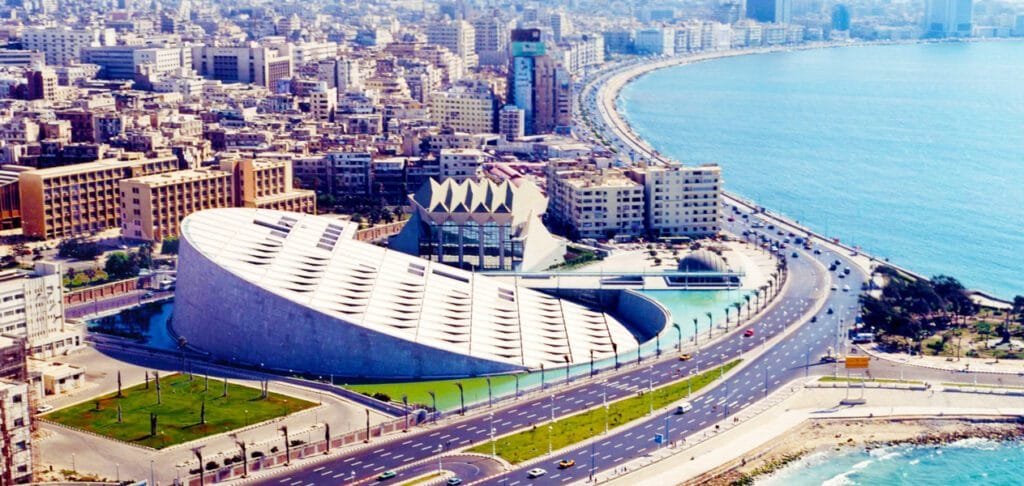
Rising gracefully along the Mediterranean coastline, the magnificent Bibliotheca Alexandrina stands as one of the world’s most inspiring cultural and intellectual landmarks. More than simply a modern library, Bibliotheca Alexandrina represents the rebirth of the legendary ancient Library of Alexandria, which was once considered the greatest center of knowledge in human history. Designed as a tribute to humanity’s eternal pursuit of wisdom, science, literature, and dialogue, the modern library symbolizes the connection between the ancient world and the future of global learning. Opened in 2002 near the site of the original ancient library, the Bibliotheca Alexandrina quickly became one of Egypt’s most important cultural institutions and one of Alexandria’s most iconic attractions. Its striking circular design, inspired by the rising sun, reflects the idea of enlightenment and intellectual awakening. The massive granite walls surrounding the building are engraved with letters and symbols from hundreds of world languages, celebrating the diversity of human civilization and communication across time. Inside the library, visitors discover an extraordinary world filled with millions of books, advanced research centers, museums, art galleries, rare manuscript collections, and interactive cultural exhibitions. The vast reading hall, illuminated by natural sunlight streaming through the tilted glass roof, creates a peaceful atmosphere where knowledge and architecture blend harmoniously. Beyond its role as a library, the Bibliotheca Alexandrina functions as a global center for cultural exchange, scientific conferences, educational programs, and artistic events that attract scholars and visitors from around the world. Walking through its halls feels like stepping into a modern temple dedicated to human curiosity and creativity. For travelers exploring Alexandria, the Bibliotheca Alexandrina offers far more than books and exhibitions; it provides a powerful emotional connection to the city’s ancient intellectual legacy and its continuing role as one of the Mediterranean’s most influential cultural capitals.
1. The Ancient Library of Alexandria: Humanity’s Lost Wonder of Knowledge
The story of the modern Bibliotheca Alexandrina cannot be understood without first exploring the legendary history of the ancient Library of Alexandria, one of the greatest intellectual institutions ever created by mankind. Founded during the reign of the Ptolemaic Dynasty in the 3rd century BC, the ancient library was envisioned as a universal center of knowledge dedicated to collecting every written work known to humanity. Scholars, philosophers, mathematicians, astronomers, and poets traveled from across the ancient world to study within its halls, transforming Alexandria into the intellectual capital of the Mediterranean civilization. The library was closely connected to the Mouseion, a grand institution devoted to science, philosophy, literature, and advanced research. Ancient historians believe the library once contained hundreds of thousands of papyrus scrolls covering subjects such as medicine, astronomy, mathematics, engineering, geography, and poetry. Great thinkers including Euclid, Archimedes, Eratosthenes, and Herophilus contributed to Alexandria’s remarkable scientific achievements that influenced humanity for centuries. Beyond preserving knowledge, the library represented a revolutionary vision of cultural dialogue where Greek, Egyptian, Persian, Indian, and other civilizations exchanged ideas freely. Although the ancient library was eventually destroyed through political conflicts, fires, and centuries of decline, its symbolic importance never disappeared from human memory. For generations, historians and dreamers viewed the lost library as a symbol of humanity’s fragile relationship with knowledge and civilization. The modern Bibliotheca Alexandrina was created to revive this extraordinary legacy and restore Alexandria’s position as a global beacon of culture and education. Today, visitors exploring the new library experience a direct emotional connection to this legendary past, where the pursuit of wisdom once shaped the destiny of the ancient world. The story of the original Library of Alexandria continues to inspire scholars, travelers, and intellectuals everywhere, proving that the power of ideas can survive even when physical monuments vanish beneath the sands of time and history.
2. Architectural Brilliance: The Stunning Design of Bibliotheca Alexandrina
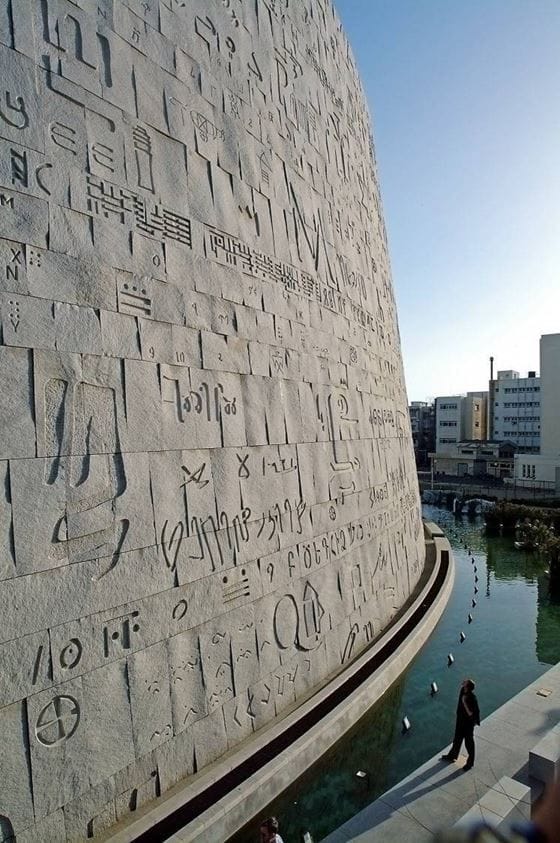
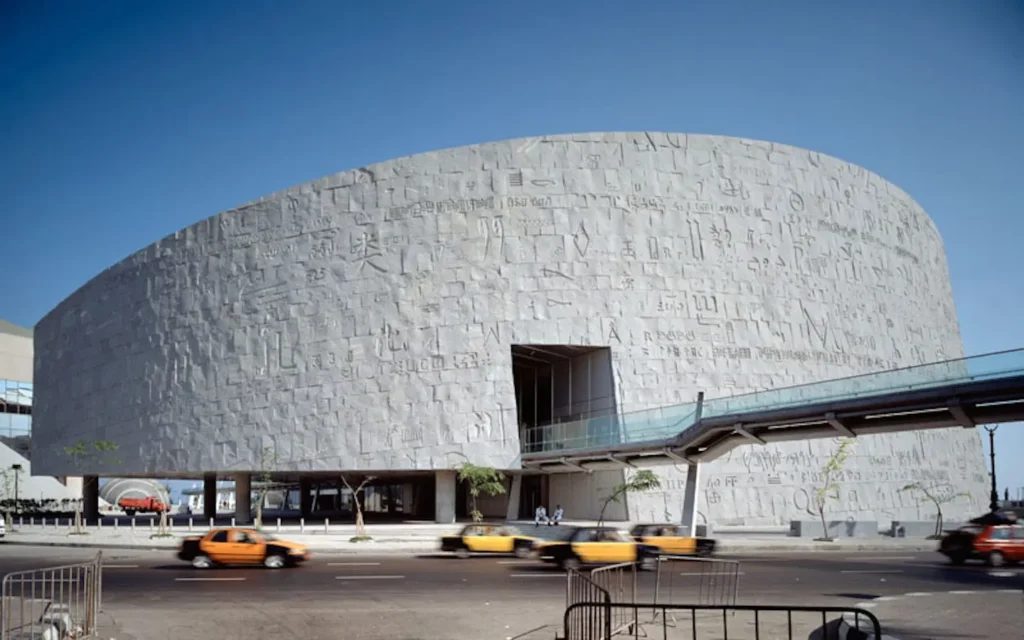
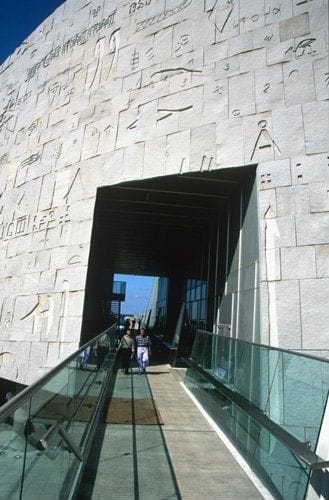
One of the most extraordinary aspects of the modern Bibliotheca Alexandrina is its breathtaking architectural design, which has transformed the library into one of the most visually impressive cultural landmarks in the world. Officially inaugurated in 2002, the library was designed by the Norwegian architectural firm Snøhetta through an international competition aimed at creating a structure worthy of Alexandria’s legendary intellectual heritage. The result was a masterpiece of modern architecture that symbolizes enlightenment, knowledge, and humanity’s endless search for wisdom. The building’s massive circular form resembles a rising sun emerging from the Mediterranean horizon, representing intellectual rebirth and the illumination of human understanding. Its tilted roof, covered with glass panels, allows natural sunlight to flood the enormous reading halls inside, creating a peaceful and inspiring atmosphere ideal for study and reflection. The exterior walls are equally remarkable, constructed from gray Aswan granite engraved with letters, symbols, and scripts from hundreds of ancient and modern languages. These inscriptions celebrate the diversity of human communication and emphasize the library’s mission of global cultural dialogue. The main reading hall is among the largest in the world, spanning multiple terraced levels that descend elegantly beneath the sloping roof. Visitors entering this space are immediately overwhelmed by the sense of openness, light, and intellectual grandeur surrounding them. Beyond its beauty, the library’s architecture incorporates advanced environmental and technological systems designed to preserve books, manuscripts, and historical documents under ideal conditions. The building also includes museums, conference centers, art galleries, planetariums, research institutes, and multimedia facilities that transform the library into a complete cultural complex rather than a traditional reading space. Walking through Bibliotheca Alexandrina feels like entering a futuristic sanctuary dedicated to human civilization itself. Every corner of the structure reflects the balance between ancient inspiration and modern innovation, allowing the library to honor Alexandria’s glorious past while embracing the possibilities of the future. Today, the architectural magnificence of Bibliotheca Alexandrina continues to attract travelers, artists, students, and architects from around the world who come to witness one of Egypt’s most iconic modern achievements.
3. The Great Reading Hall: A Cathedral of Light and Knowledge
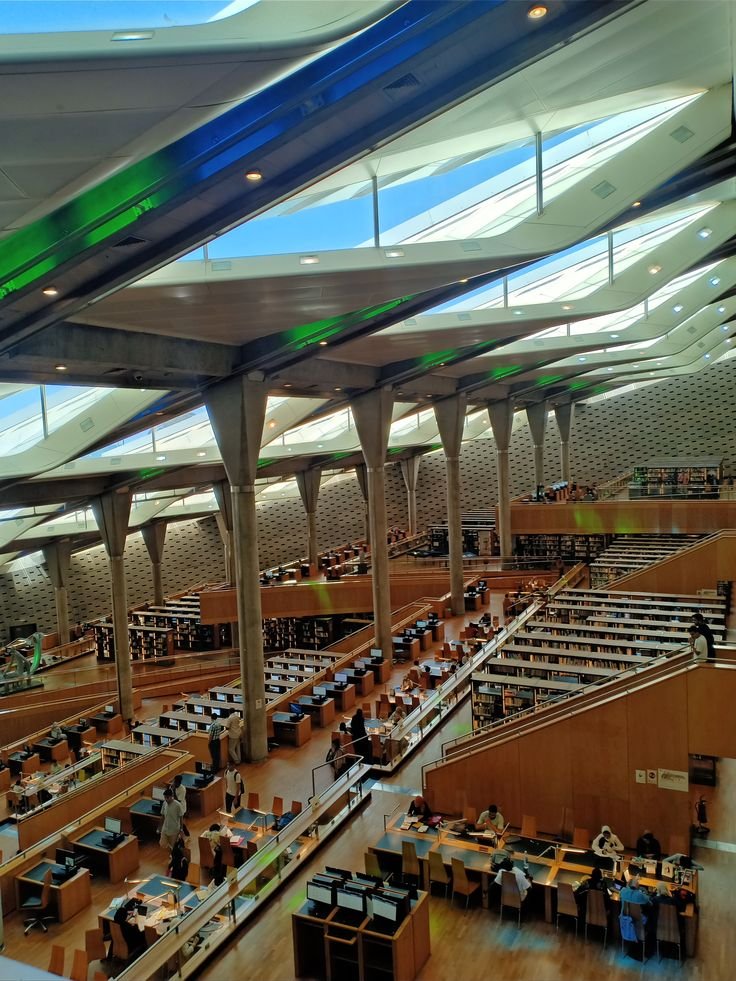
At the heart of the magnificent Bibliotheca Alexandrina lies its breathtaking Great Reading Hall, one of the largest and most impressive reading spaces ever constructed in the modern world. Covering nearly seventy thousand square meters and extending across multiple terraced levels, the reading hall was designed to embody the spirit of openness, intellectual freedom, and human curiosity that once defined the ancient Library of Alexandria. The moment visitors enter this extraordinary space, they are immediately captivated by the harmony of natural light, elegant wooden structures, and the quiet atmosphere of concentration that fills the air. Massive glass panels integrated into the tilted roof allow sunlight to stream gently into the hall throughout the day, creating a warm and inspiring environment that changes beautifully with the movement of the Mediterranean sun. The architectural design avoids the cold and rigid feeling often associated with modern institutions, instead creating a peaceful setting where visitors feel emotionally connected to the pursuit of knowledge. Thousands of bookshelves extend across the terraces, containing works in numerous languages covering every field of science, literature, philosophy, history, and art. Scholars, researchers, students, and travelers from around the world gather here daily, transforming the hall into a vibrant international community dedicated to learning and cultural exchange. The reading hall’s silence is not empty but deeply alive, filled with the quiet energy of ideas, discovery, and intellectual ambition. Advanced digital technologies integrated throughout the space provide visitors with access to global archives, rare manuscripts, and electronic databases, reflecting the library’s role as a bridge between traditional scholarship and modern innovation. Beyond its practical function, the Great Reading Hall symbolizes humanity’s belief that knowledge should remain accessible, shared, and preserved for future generations. Sitting within this magnificent hall beside readers from different cultures creates a profound emotional experience that connects visitors to centuries of intellectual history. The Great Reading Hall is far more than a physical space filled with books; it is a modern cathedral of wisdom where the legacy of ancient Alexandria continues to inspire humanity’s endless search for understanding, creativity, and progress beside the Mediterranean Sea.
4. The Manuscript Museum: Preserving the Written Memory of Civilization
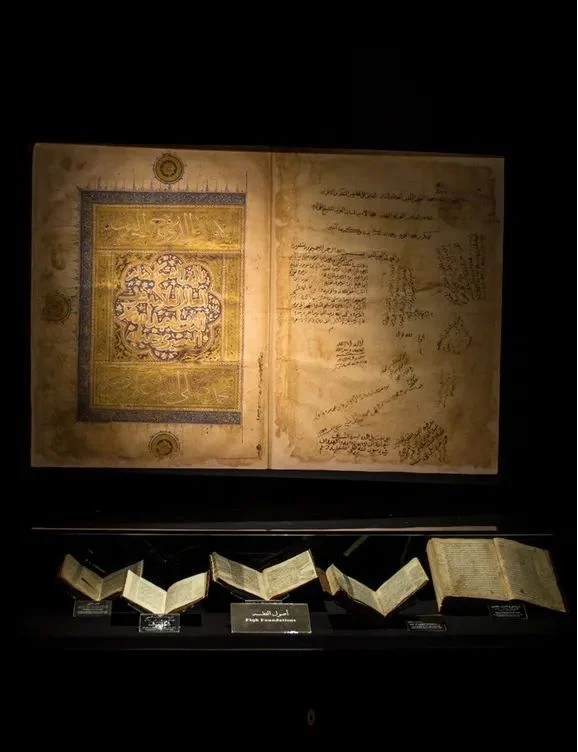
Among the most fascinating cultural treasures inside the magnificent Bibliotheca Alexandrina is the extraordinary Manuscript Museum, a place dedicated to preserving some of humanity’s most valuable written heritage. This remarkable museum serves as a bridge between ancient civilizations and the modern world by protecting rare manuscripts, historical documents, maps, scientific writings, and religious texts collected from different eras and cultures. Walking through the museum feels like entering a sacred archive where centuries of human thought, creativity, and intellectual achievement are carefully preserved for future generations. The museum contains manuscripts written in Arabic, Greek, Latin, Coptic, Persian, and several other languages, reflecting Alexandria’s long history as a crossroads of civilizations and knowledge. Many of the displayed works focus on astronomy, medicine, mathematics, philosophy, and literature, allowing visitors to witness how ancient scholars contributed to the foundations of modern science and culture. The exhibition halls are designed with advanced preservation technologies that carefully regulate temperature, humidity, and lighting in order to protect these delicate treasures from damage. Visitors can admire beautifully illuminated Qurans, ancient scientific diagrams, handwritten philosophical texts, and rare historical maps that reveal how people once understood the world around them. Interactive digital displays also allow guests to explore the details of fragile manuscripts without risking harm to the originals. Beyond its role as a museum, the Manuscript Museum represents the broader mission of Bibliotheca Alexandrina to preserve human memory and promote intercultural understanding. Every manuscript tells a story not only about the civilization that produced it but also about humanity’s universal desire to record knowledge, beliefs, discoveries, and artistic expression. For historians, students, and cultural travelers, the museum offers a rare opportunity to connect directly with voices from the distant past. Standing before these ancient documents creates a powerful emotional experience, reminding visitors that books and manuscripts have shaped the course of civilization for thousands of years. Today, the Manuscript Museum continues to protect this priceless legacy while inspiring new generations to value knowledge, learning, and the written heritage of humanity.
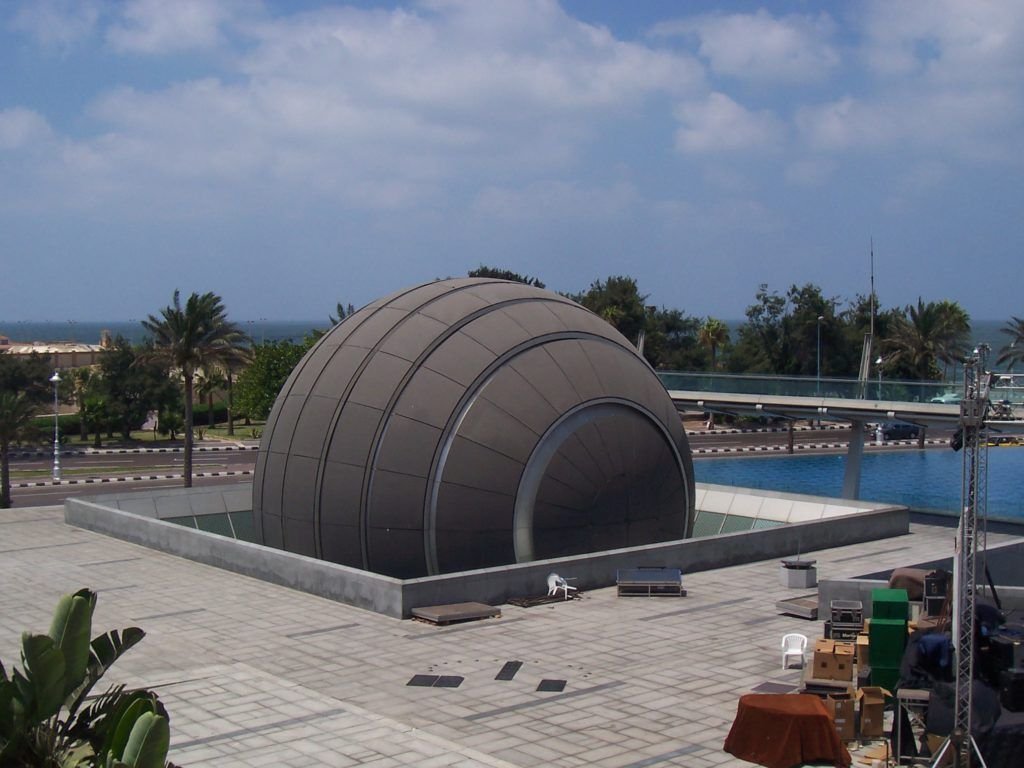
5. The Planetarium Science Center: Inspiring Curiosity and Scientific Discovery
The Bibliotheca Alexandrina Planetarium Science Center represents one of the most dynamic and educational attractions within Bibliotheca Alexandrina, offering visitors an exciting journey into the worlds of science, astronomy, technology, and innovation. Designed to inspire curiosity among children, students, and adults alike, the center combines advanced scientific exhibitions with interactive learning experiences that transform complex ideas into engaging adventures. Unlike traditional museums where visitors passively observe displays, the Planetarium Science Center encourages direct participation through hands-on activities, multimedia presentations, and immersive educational programs. The center’s most impressive feature is its modern digital planetarium dome, where audiences experience breathtaking visual journeys through the universe. Visitors can explore distant galaxies, witness the birth of stars, travel across the solar system, and learn about astronomical phenomena through stunning high-definition projections that create the sensation of floating through space itself. These presentations not only entertain but also educate audiences about the scientific discoveries that continue to shape humanity’s understanding of the cosmos. Beyond astronomy, the center includes exhibitions dedicated to physics, biology, environmental science, robotics, and technological innovation. Interactive displays allow visitors to conduct experiments, solve puzzles, and explore scientific principles in ways that make learning exciting and accessible for all ages. The Planetarium Science Center also plays an important educational role within Egyptian society by organizing workshops, scientific competitions, cultural festivals, and training programs designed to encourage scientific thinking and creativity among young generations. Families visiting Alexandria often consider the center one of the city’s most rewarding attractions because it combines entertainment with meaningful educational value. The architecture and atmosphere of the science center reflect the larger vision of Bibliotheca Alexandrina as a modern institution dedicated not only to preserving ancient knowledge but also to supporting future scientific advancement. For travelers interested in science, technology, and education, the Planetarium Science Center provides a refreshing contrast to Alexandria’s historical monuments while maintaining the city’s long intellectual tradition. It serves as a powerful reminder that Alexandria remains a global center of curiosity, discovery, and learning, continuing the scientific spirit that once made the ancient Library of Alexandria one of the greatest intellectual institutions in human history.
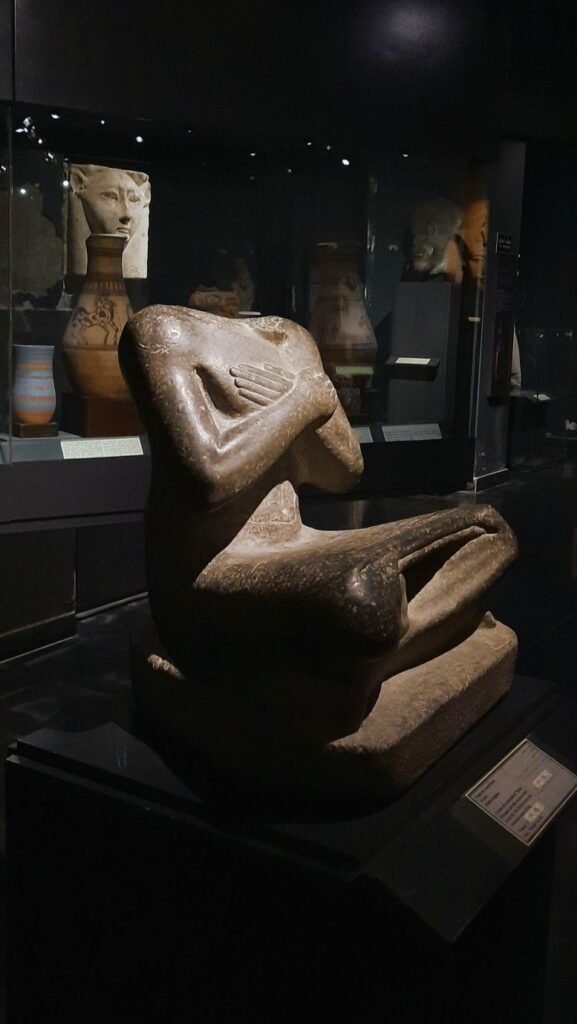
6. The Antiquities Museum: Discovering Egypt’s Ancient Civilizations Inside the Library
Hidden within the cultural complex of Bibliotheca Alexandrina lies the remarkable Antiquities Museum, a unique institution that allows visitors to explore thousands of years of Egyptian, Greek, Roman, Coptic, and Islamic history within one extraordinary setting. Unlike traditional museums that focus exclusively on a single historical era, the Antiquities Museum presents a chronological journey through the civilizations that shaped Alexandria and Egypt across centuries. The museum’s carefully curated collection contains statues, coins, jewelry, pottery, sculptures, mosaics, and archaeological artifacts discovered throughout Egypt and the Mediterranean region. Walking through its galleries feels like traveling through time, where each room reveals another chapter of Alexandria’s multicultural identity and historical importance. One of the museum’s most fascinating features is its display of underwater archaeological discoveries recovered from the submerged ruins of ancient Alexandria beneath the Mediterranean Sea. These artifacts provide valuable insight into the lost world of the Ptolemaic Dynasty and the legendary royal city associated with Cleopatra and the ancient harbor. Visitors can admire beautifully carved statues of Egyptian gods, Roman emperors, and Greek rulers that once decorated palaces and temples now hidden underwater for centuries. The museum also contains rare artifacts from the Pharaonic period, including sarcophagi, funerary objects, and religious symbols that demonstrate Egypt’s extraordinary artistic and spiritual traditions. Modern lighting and interactive displays enhance the visitor experience by providing historical context and detailed explanations that make the exhibitions both educational and visually engaging. Beyond preserving ancient objects, the Antiquities Museum reflects Bibliotheca Alexandrina’s broader mission of connecting people to the cultural heritage of humanity. By combining archaeological treasures with modern educational methods, the museum allows visitors to understand how Alexandria evolved through different civilizations while maintaining its role as a center of culture and intellectual exchange. For history enthusiasts, students, and travelers seeking a deeper understanding of Egypt’s diverse heritage, the Antiquities Museum offers one of the most rewarding cultural experiences in Alexandria. It transforms the library from a place of books and manuscripts into a complete gateway to the ancient world, where knowledge, history, and civilization continue to inspire visitors from around the globe.
7. Cultural Events and International Conferences: A Global Center of Dialogue
The magnificent Bibliotheca Alexandrina is far more than a library filled with books and museums; it is one of the most important cultural and intellectual gathering centers in the Middle East and the Mediterranean region. Throughout the year, the library hosts an extraordinary variety of international conferences, academic forums, cultural festivals, literary events, artistic performances, and scientific discussions that attract scholars, diplomats, writers, artists, and thinkers from around the world. These events transform the library into a living platform for dialogue between civilizations, continuing the mission of the ancient Library of Alexandria, which once united scholars from different cultures under one intellectual roof. The conference halls and cultural theaters inside the library are equipped with advanced technology capable of hosting major international gatherings focused on education, science, politics, literature, environmental issues, and intercultural understanding. Famous authors, Nobel Prize winners, scientists, historians, and global leaders regularly participate in discussions and lectures organized within the library’s modern facilities. Literary festivals celebrating Arabic and international literature also play an important role in Alexandria’s cultural life, bringing together poets, novelists, publishers, and readers from across the globe. Beyond academic activities, the Bibliotheca Alexandrina organizes art exhibitions, musical performances, film screenings, and cultural celebrations that reflect the diversity of world civilizations and artistic traditions. The library’s commitment to cultural exchange allows visitors to experience not only Egypt’s heritage but also the creative achievements of humanity as a whole. Students and young researchers benefit greatly from workshops, educational programs, and training opportunities designed to encourage innovation and intellectual growth. For travelers visiting Alexandria, attending an event at Bibliotheca Alexandrina offers a unique opportunity to witness the city’s continuing role as a global center of learning and communication. The atmosphere inside the library during major cultural gatherings feels vibrant, energetic, and deeply inspiring, proving that Alexandria’s intellectual spirit remains alive in the modern era. Through these international events and conferences, the library successfully bridges the ancient world with contemporary global culture, ensuring that Alexandria continues to stand as one of humanity’s most important centers of dialogue, creativity, and shared knowledge beside the Mediterranean Sea.
8. The Digital Age of Knowledge: Technology and Innovation at Bibliotheca Alexandrina
In addition to preserving ancient wisdom and historical treasures, Bibliotheca Alexandrina has embraced modern technology and digital innovation to become one of the most advanced cultural institutions in the Middle East. The library’s vision extends beyond traditional bookshelves and reading rooms by integrating cutting-edge digital systems designed to preserve, share, and expand global knowledge in the modern era. Visitors quickly discover that Bibliotheca Alexandrina is not only a monument to the past but also a gateway to the future of education, research, and technological development. One of the library’s most important achievements is its massive digital archiving projects, which aim to preserve rare manuscripts, historical documents, photographs, maps, and cultural records in electronic formats accessible to researchers worldwide. Advanced scanning technologies and digital databases allow fragile historical materials to be protected while making them available for international academic study. The library also collaborates with major global institutions and universities on projects related to artificial intelligence, information technology, digital humanities, and scientific research. Inside the library, visitors can access high-speed digital resources, electronic journals, multimedia archives, and interactive learning platforms that support students, scholars, and researchers from different disciplines. Specialized research centers within the library focus on environmental studies, cultural preservation, internet archives, and advanced scientific development. The library’s commitment to innovation reflects the same intellectual ambition that once defined the ancient Library of Alexandria during its golden age. Educational programs introducing young generations to coding, robotics, digital literacy, and technological creativity further strengthen the library’s role as a modern center of progress and innovation. For travelers interested in technology and education, Bibliotheca Alexandrina offers a fascinating contrast between ancient heritage and contemporary scientific advancement. The seamless combination of historical preservation and digital transformation creates a unique atmosphere where past and future coexist harmoniously under one roof. By embracing the digital age while honoring its historical legacy, Bibliotheca Alexandrina demonstrates that knowledge must continue evolving in order to serve humanity effectively. Today, the library stands not only as a guardian of ancient civilization but also as a powerful symbol of humanity’s ongoing pursuit of innovation, creativity, and global intellectual connection in the twenty-first century.
9. Art Galleries and Exhibitions: Celebrating Creativity and Human Expression
Beyond its role as a center of literature and scholarship, Bibliotheca Alexandrina has become one of Egypt’s leading cultural spaces for visual arts, creativity, and artistic expression. The library contains several modern art galleries and exhibition halls that host a constantly changing program of local and international exhibitions dedicated to painting, sculpture, photography, digital art, and contemporary design. These artistic spaces transform the library into a vibrant cultural destination where literature, science, and visual creativity exist side by side in harmony. Walking through the galleries, visitors encounter works inspired by Egyptian history, Mediterranean culture, modern social issues, and global artistic movements. The exhibitions often feature both emerging young artists and internationally recognized creators, allowing audiences to experience a rich diversity of styles, techniques, and perspectives. One of the most remarkable aspects of the library’s artistic program is its commitment to intercultural dialogue through art. Exhibitions regularly showcase collaborations between Egyptian and foreign artists, emphasizing the universal language of creativity that transcends borders and cultural differences. The gallery spaces themselves are elegantly designed with modern lighting and minimalist architecture that enhance the visual impact of each artwork. In addition to temporary exhibitions, the library organizes workshops, lectures, artistic seminars, and educational programs aimed at encouraging creativity among young generations. Students, photographers, designers, and art enthusiasts often gather at the library to exchange ideas and participate in cultural discussions that contribute to Alexandria’s modern artistic identity. The integration of visual arts into the larger mission of Bibliotheca Alexandrina reflects the institution’s understanding that human civilization is shaped not only by science and literature but also by imagination and artistic expression. For travelers exploring Alexandria, visiting these galleries provides a refreshing and inspiring cultural experience that complements the city’s ancient historical attractions. The atmosphere inside the exhibition halls feels dynamic and intellectually stimulating, creating a perfect environment where visitors can reflect on the relationship between history, creativity, and modern culture. Through its commitment to supporting the arts, Bibliotheca Alexandrina continues to strengthen Alexandria’s reputation as one of the Mediterranean’s most important cultural capitals, where innovation, beauty, and human expression remain at the heart of the city’s identity.
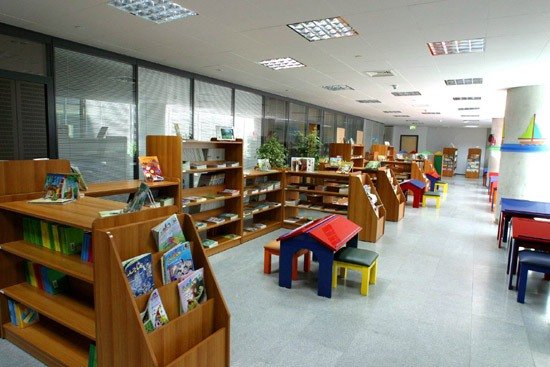
10. The Children’s Library: Inspiring Future Generations Through Knowledge
One of the most meaningful sections inside the magnificent Bibliotheca Alexandrina is the Children’s Library, a vibrant educational space specifically designed to inspire curiosity, creativity, and a lifelong love of learning among younger generations. Unlike traditional libraries that focus mainly on academic reading, the Children’s Library transforms education into an engaging and interactive experience where imagination and discovery become part of every visit. Brightly designed reading areas, colorful decorations, multimedia resources, and carefully selected collections of books create an inviting atmosphere that encourages children to explore literature, science, art, and history in exciting ways. The library contains books in multiple languages covering subjects suitable for different age groups, allowing children from various cultural backgrounds to enjoy educational experiences tailored to their interests and abilities. Beyond reading, the Children’s Library organizes workshops, storytelling sessions, educational games, artistic activities, and scientific demonstrations designed to develop creativity and critical thinking skills. Interactive programs introduce children to topics such as astronomy, environmental awareness, digital technology, and world cultures while making learning enjoyable and accessible. Parents and teachers often consider the Children’s Library one of Alexandria’s most valuable educational resources because it combines entertainment with intellectual development in a safe and inspiring environment. The library also includes digital learning stations and multimedia tools that help children engage with modern technology responsibly while expanding their understanding of the world around them. By creating opportunities for young minds to explore knowledge freely, Bibliotheca Alexandrina continues the educational mission that once made ancient Alexandria one of the greatest intellectual centers in human history. The atmosphere inside the Children’s Library feels energetic and optimistic, filled with the excitement of discovery and imagination. For families visiting Alexandria, this section of the library provides children with unforgettable educational experiences that go far beyond traditional tourism. It demonstrates that Bibliotheca Alexandrina is not only dedicated to preserving the wisdom of the past but also committed to shaping the thinkers, innovators, and creators of the future through education, inspiration, and cultural exploration beside the Mediterranean Sea.
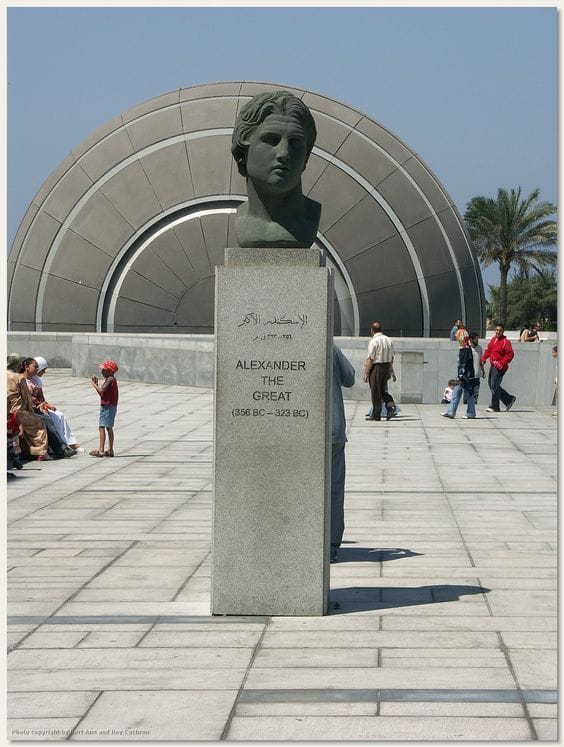
11. The Memory of Egypt Project: Digitally Preserving a Nation’s Heritage
Among the most ambitious cultural initiatives undertaken by Bibliotheca Alexandrina is the remarkable “Memory of Egypt” project, a vast digital archive dedicated to preserving the modern historical and cultural heritage of Egypt for future generations. This innovative project reflects the library’s mission of combining historical preservation with modern technology in order to protect valuable documents, photographs, newspapers, maps, films, manuscripts, and historical records from loss or deterioration. Through advanced digitization techniques, Bibliotheca Alexandrina has created one of the most comprehensive online cultural archives in the Arab world, allowing scholars, researchers, and the general public to access important aspects of Egyptian history through modern digital platforms. The project covers a wide range of historical periods and subjects, including politics, literature, architecture, cinema, music, education, and social life throughout Egypt’s modern development. Rare photographs documenting Alexandria’s cosmopolitan golden age, historical newspapers from the nineteenth and twentieth centuries, and official records related to major national events are carefully preserved within the archive. By transforming fragile historical materials into accessible digital resources, the library ensures that Egypt’s cultural memory remains available for future study and appreciation. The “Memory of Egypt” project also highlights the diversity of Egyptian society by preserving materials related to different religious communities, cultural traditions, artistic movements, and intellectual achievements that shaped the nation’s identity. Researchers and historians benefit enormously from the archive’s detailed collections, while ordinary visitors gain a deeper understanding of Egypt’s rich and complex historical journey. Beyond its academic importance, the project symbolizes Alexandria’s continuing role as a guardian of civilization and knowledge in the modern world. The ability to preserve and share history digitally reflects the same intellectual spirit that once inspired the ancient scholars of Alexandria thousands of years ago. For visitors exploring Bibliotheca Alexandrina, learning about the “Memory of Egypt” project reveals how the institution continues to serve humanity not only by preserving ancient heritage but also by documenting the evolving story of modern Egyptian civilization. Through this remarkable initiative, the library strengthens the connection between past, present, and future while ensuring that the cultural identity of Egypt remains protected and accessible for generations to come.
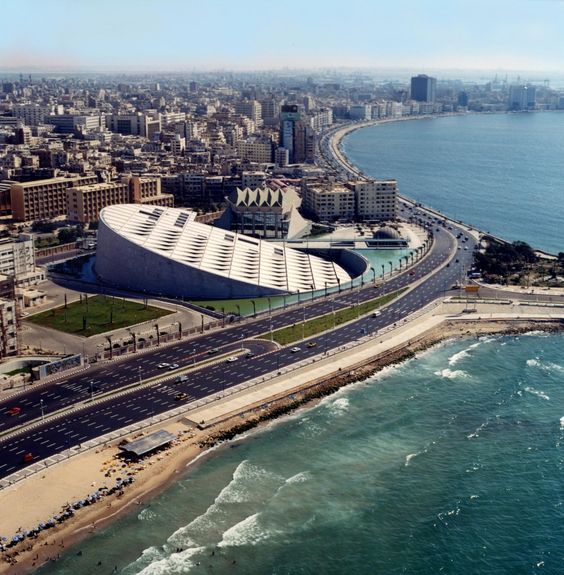
12. The Spirit of the Mediterranean: Bibliotheca Alexandrina’s Unique Coastal Atmosphere
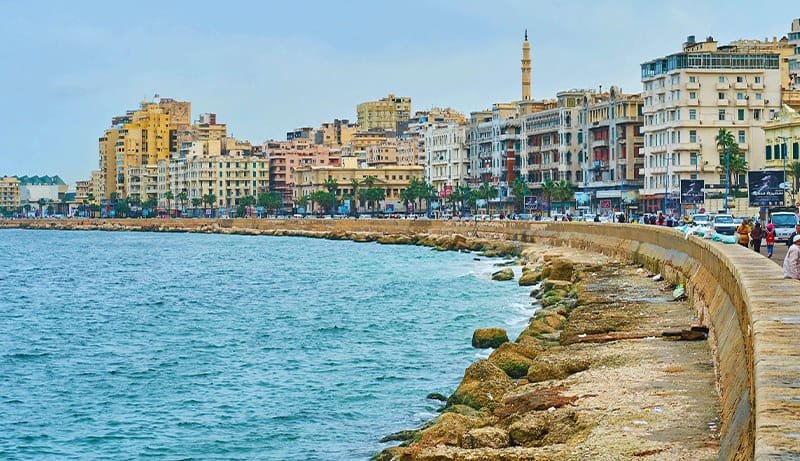
One of the most unforgettable aspects of visiting Bibliotheca Alexandrina is the extraordinary atmosphere created by its unique location beside the Mediterranean Sea. Unlike most libraries and cultural institutions hidden within crowded urban environments, Bibliotheca Alexandrina rises directly along Alexandria’s scenic coastline, allowing visitors to experience knowledge, culture, and nature simultaneously. The sound of waves crashing against the shore, the cool Mediterranean breeze, and the endless blue horizon surrounding the library create an atmosphere of tranquility and inspiration rarely found in educational spaces anywhere in the world. This connection between the sea and intellectual life reflects Alexandria’s ancient identity as a maritime center of culture, trade, and global exchange. Throughout history, scholars, merchants, and travelers arrived in Alexandria by sea, bringing with them ideas, discoveries, and cultural influences that transformed the city into one of the greatest centers of civilization. Today, the library continues this legacy by serving as a meeting point between cultures while remaining deeply connected to the Mediterranean environment that shaped its history. Visitors often spend hours sitting outside the library overlooking the sea, reading books, enjoying conversations, or simply reflecting on the peaceful scenery surrounding them. The wide open plazas, modern architectural design, and natural lighting create a welcoming atmosphere that encourages contemplation and creativity. During sunrise and sunset, the library becomes especially beautiful as golden Mediterranean light reflects across the granite walls and glass surfaces of the building. The nearby Corniche adds another layer of charm, allowing visitors to combine cultural exploration with relaxing seaside walks through one of Alexandria’s most picturesque areas. Cafés and public spaces surrounding the library contribute to its vibrant social atmosphere, where students, artists, tourists, and intellectuals gather throughout the day. For many travelers, the emotional experience of Bibliotheca Alexandrina comes not only from its books and exhibitions but also from the feeling of standing beside the same sea that once connected ancient civilizations thousands of years ago. The Mediterranean atmosphere surrounding the library transforms it into far more than a cultural institution; it becomes a living symbol of Alexandria’s eternal relationship with knowledge, beauty, and the sea itself.
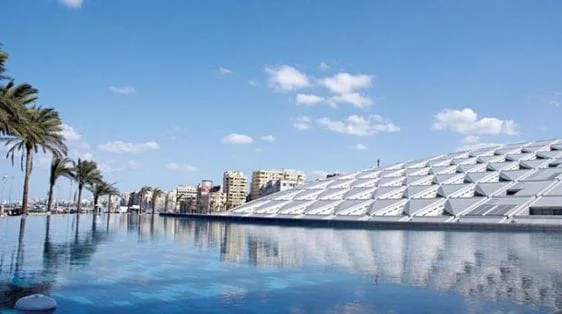
13. Bibliotheca Alexandrina as a Symbol of Cultural Dialogue Between Civilizations
Since its inauguration in 2002, Bibliotheca Alexandrina has become one of the world’s most important symbols of intercultural dialogue, intellectual cooperation, and peaceful exchange between civilizations. Inspired by the spirit of the ancient Library of Alexandria, the institution was designed not only to preserve books and historical knowledge but also to encourage communication between different cultures, religions, languages, and societies. Throughout history, Alexandria itself served as a meeting point between East and West, where Greek, Egyptian, Roman, Arab, African, and Mediterranean civilizations interacted and influenced one another. The modern library continues this legacy by creating an open environment where people from all backgrounds can share ideas, experiences, and creative achievements. International conferences, literary festivals, educational programs, and artistic exhibitions hosted by the library attract participants from every corner of the world, transforming the institution into a living center of global dialogue. Scholars and researchers gather within its halls to discuss issues related to science, philosophy, human rights, culture, environmental challenges, and technological development, proving that knowledge can serve as a bridge connecting humanity rather than dividing it. The library’s collections themselves reflect this philosophy of openness, containing works in numerous languages representing diverse civilizations and intellectual traditions. Visitors walking through Bibliotheca Alexandrina quickly sense that the institution stands for something greater than education alone; it represents humanity’s shared cultural heritage and collective future. The architecture of the library reinforces this message through its granite walls engraved with scripts and symbols from ancient and modern languages around the globe. These inscriptions visually celebrate the richness and diversity of human communication across history. For travelers visiting Alexandria, Bibliotheca Alexandrina offers more than museums and reading halls; it provides an inspiring reminder that civilizations become stronger through dialogue, cooperation, and mutual understanding. In a world often shaped by political and cultural divisions, the library serves as a powerful symbol of unity through knowledge and creativity. By continuing the intellectual spirit of ancient Alexandria, Bibliotheca Alexandrina proves that ideas, culture, and education remain among humanity’s greatest tools for building a more connected and peaceful global society beside the Mediterranean Sea.
14. Educational Programs and Academic Research at Bibliotheca Alexandrina
Education and research form the very foundation of the mission of Bibliotheca Alexandrina, making the institution one of the leading academic and intellectual centers in the Middle East and North Africa. Beyond functioning as a public library and cultural attraction, Bibliotheca Alexandrina actively supports scientific research, educational development, and intellectual innovation through a wide range of specialized programs and academic initiatives. Researchers, students, professors, and scholars from different disciplines regularly visit the library to access its vast collections, advanced digital resources, and specialized research centers dedicated to history, archaeology, environmental studies, manuscript preservation, information technology, and Mediterranean civilization. The library collaborates with universities, cultural institutions, and international organizations around the world to organize academic conferences, workshops, seminars, and scientific forums focused on global challenges and intellectual progress. Educational activities within the library are designed to serve people of all ages and backgrounds, from schoolchildren participating in creative workshops to advanced researchers conducting specialized academic studies. One of the institution’s greatest strengths is its commitment to combining traditional scholarship with modern technology and interdisciplinary thinking. Advanced laboratories, digital archives, multimedia facilities, and electronic databases provide researchers with powerful tools for scientific and historical exploration. The library also plays a significant role in promoting literacy, cultural awareness, and lifelong learning within Egyptian society through public lectures, educational outreach programs, and community activities. Students visiting Bibliotheca Alexandrina often describe the experience as deeply motivating because of the inspiring atmosphere created by the combination of architecture, knowledge, and intellectual ambition. The institution encourages critical thinking, creativity, and open discussion while preserving the values of scholarship and cultural respect that once defined ancient Alexandria during its intellectual golden age. For visitors exploring the library, observing researchers and students working within its halls reinforces the understanding that Bibliotheca Alexandrina is not simply a monument honoring the past; it is an active center shaping the future of education and scientific progress. Through its academic programs and research initiatives, the library continues to strengthen Alexandria’s historic identity as one of humanity’s great capitals of knowledge, discovery, and intellectual achievement beside the Mediterranean coast.
15. Visiting Bibliotheca Alexandrina: An Unforgettable Cultural Experience
For travelers exploring the historic city of Alexandria, visiting Bibliotheca Alexandrina is far more than a typical sightseeing activity; it is a deeply inspiring cultural journey that combines history, architecture, science, art, and human creativity within one extraordinary destination. From the moment visitors approach the library’s massive circular structure beside the Mediterranean Sea, they immediately sense the importance and grandeur of this world-famous institution. The atmosphere surrounding the building feels peaceful yet intellectually vibrant, with students, tourists, researchers, artists, and scholars from different countries gathering together in a shared celebration of knowledge and culture. Guided tours allow guests to explore the Great Reading Hall, museums, art galleries, planetarium, manuscript collections, and specialized exhibitions that reveal the library’s incredible diversity and educational value. Every section of the library offers a unique experience, from the quiet elegance of the reading spaces to the fascinating archaeological artifacts displayed inside the Antiquities Museum. Visitors are often amazed by the architectural beauty of the building itself, especially the sunlight streaming through the glass roof and the granite walls engraved with scripts from hundreds of world languages. The surrounding coastal location enhances the emotional experience even further, allowing guests to enjoy panoramic Mediterranean views while reflecting on Alexandria’s ancient intellectual legacy. Photography enthusiasts find endless opportunities to capture the library’s stunning design and seaside setting, while culture lovers appreciate the institution’s commitment to preserving and sharing human civilization. The library’s cafés, public plazas, and nearby Corniche also create a welcoming social atmosphere where visitors can relax and absorb the spirit of Alexandria after exploring the exhibitions and galleries. Whether someone is interested in literature, science, architecture, history, or simply discovering one of Egypt’s most modern cultural landmarks, Bibliotheca Alexandrina offers something meaningful for every traveler. Many visitors leave the library feeling inspired by its message of openness, creativity, and global intellectual cooperation. In a world increasingly shaped by technology and rapid change, Bibliotheca Alexandrina reminds humanity of the timeless importance of learning, dialogue, and cultural preservation. It stands proudly beside the Mediterranean Sea as a modern beacon of civilization and one of the most unforgettable experiences in Alexandria and all of Egypt.
16. Bibliotheca Alexandrina for Families and Children: A Journey of Discovery for All Ages
The remarkable Bibliotheca Alexandrina is not only a destination for scholars and researchers but also one of the most family-friendly cultural attractions in Egypt. Designed to inspire curiosity and creativity among visitors of all ages, the library offers an educational environment where children, teenagers, and parents can explore knowledge together through interactive experiences, exhibitions, workshops, and cultural activities. Families visiting the library quickly discover that Bibliotheca Alexandrina transforms learning into an exciting adventure rather than a formal academic experience. The Children’s Library and Young People’s Library contain colorful reading spaces, multimedia resources, educational games, and storytelling programs specifically created to encourage imagination and intellectual development among younger visitors. Interactive scientific demonstrations, artistic workshops, and technology activities allow children to engage directly with subjects such as astronomy, robotics, environmental science, history, and digital creativity in ways that feel entertaining and inspiring. The Planetarium Science Center is especially popular among families because it combines education with immersive visual experiences that introduce children to the wonders of the universe and modern scientific discovery. Parents appreciate the library’s safe, welcoming atmosphere and its commitment to promoting lifelong learning through engaging educational programs. Beyond its indoor attractions, the library’s location beside the Mediterranean Sea creates a relaxing environment where families can enjoy seaside walks, photography, and moments of reflection after exploring the cultural exhibitions. The surrounding plazas and public spaces provide ideal settings for rest and social interaction, allowing visitors to spend entire days experiencing the many dimensions of the library. Bibliotheca Alexandrina also organizes seasonal festivals, educational competitions, cultural celebrations, and youth programs that encourage creativity and communication between children from different cultural backgrounds. These activities strengthen the library’s role as a bridge between generations and civilizations while making education enjoyable and accessible for everyone. For families traveling to Alexandria, visiting Bibliotheca Alexandrina becomes far more than a cultural tour; it becomes an unforgettable opportunity to inspire children with the power of books, science, creativity, and imagination. The library successfully proves that intellectual discovery can be exciting, interactive, and emotionally meaningful for visitors of every age beside the timeless beauty of the Mediterranean coast.

17. Bibliotheca Alexandrina and Alexandria’s Modern Cultural Renaissance
Over the past two decades, Bibliotheca Alexandrina has played a transformative role in the cultural revival of Alexandria, helping restore the city’s historic reputation as one of the Mediterranean’s greatest intellectual and artistic capitals. Following centuries of political and social change, Alexandria entered the modern era searching for a renewed identity that could reconnect its glorious past with contemporary global culture. The creation of Bibliotheca Alexandrina became a symbol of this renaissance, providing the city with a world-class institution dedicated to education, creativity, scientific advancement, and intercultural dialogue. The library quickly transformed Alexandria into an international destination for conferences, exhibitions, literary festivals, academic forums, and artistic performances that attract visitors from around the world. Its presence has encouraged the growth of cultural tourism, educational exchange, and artistic activity throughout the city. Young Egyptian artists, writers, filmmakers, researchers, and entrepreneurs increasingly view Alexandria as a place of opportunity and intellectual inspiration because of the library’s influence and educational initiatives. The institution has also strengthened Alexandria’s connection to global academic and cultural networks through partnerships with universities, museums, research centers, and international organizations. Beyond its direct educational role, Bibliotheca Alexandrina has inspired wider efforts to preserve Alexandria’s historical neighborhoods, architectural heritage, museums, and public cultural spaces. The library’s modern architecture standing beside the Mediterranean Sea symbolizes the city’s ability to honor its ancient heritage while embracing innovation and progress. Visitors walking through Alexandria today can feel the growing energy of this cultural revival in the city’s galleries, theaters, cafés, and intellectual communities. Students and young professionals often gather around the library’s surrounding areas, creating a vibrant atmosphere filled with discussion, creativity, and optimism about the future. For many Alexandrians, Bibliotheca Alexandrina represents more than a cultural institution; it symbolizes hope, renewal, and the rebirth of the city’s historic role as a center of knowledge and human achievement. Through its influence on education, tourism, arts, and intellectual life, the library continues to shape Alexandria’s modern identity while reconnecting the city to the spirit of learning and cultural exchange that once made it one of the greatest civilizations of the ancient world.
18. The Eternal Legacy of Bibliotheca Alexandrina: A Beacon of Human Civilization
In the end, Bibliotheca Alexandrina stands as far more than a modern library or cultural complex; it is a powerful symbol of humanity’s eternal relationship with knowledge, creativity, and intellectual exploration. Rising proudly beside the Mediterranean Sea on the shores of historic Alexandria, the library represents the rebirth of one of history’s greatest dreams—the dream of gathering and preserving the wisdom of the world for future generations. From its breathtaking architecture and vast reading halls to its museums, scientific centers, digital archives, and international cultural events, Bibliotheca Alexandrina successfully bridges the ancient and modern worlds in ways few institutions have ever achieved. The library honors the legendary spirit of the ancient Library of Alexandria while embracing the possibilities of the digital age, proving that education and cultural dialogue remain essential foundations for human progress. Every visitor who walks through its halls experiences not only the beauty of books and exhibitions but also the deeper emotional meaning of civilization itself. The institution reminds humanity that ideas have the power to survive wars, disasters, political changes, and the passage of time. Through its commitment to education, research, cultural preservation, and global cooperation, Bibliotheca Alexandrina continues the mission that once made ancient Alexandria the intellectual capital of the world. Scholars, artists, scientists, students, and travelers from different countries gather within its spaces to share knowledge, creativity, and inspiration, transforming the library into a living symbol of peaceful coexistence between cultures and civilizations. Its location beside the Mediterranean further strengthens this symbolism, connecting the modern institution to the same sea routes that once carried philosophers, merchants, and explorers to ancient Alexandria thousands of years ago. For travelers visiting Egypt, Bibliotheca Alexandrina offers one of the most meaningful and unforgettable cultural experiences in the country. It demonstrates that Egypt’s greatness is not limited to temples, pyramids, and monuments of stone, but also includes its extraordinary contributions to human thought, science, literature, and education. As the world continues to evolve, Bibliotheca Alexandrina remains a timeless beacon of civilization where the pursuit of wisdom, creativity, and human understanding will continue shining brightly for generations to come.