

- Excursions in Egypt
- Egypt Tour Packages
- Cairo Tours and Excursions
- Hurghada Tours and Excursions
- Soma Bay Tours and Excursions
- Makadi Bay Tours and Excursions
- Sahl Hasheesh Tours and Excursions
- El Gouna Tours and Excursions
- Marsa Alam Tours and Excursions
- Port Ghalib Tours and Excursions
- El Quseir Tours and Excursions
- Dendera and Abydos Day Tours
- Aswan Tours and Excursions
- Luxor Tours and Excursions
- Sharm El Sheikh Tours and Excursions
- Top Rated Egypt Tours in 2026
- Optional Excursions in Egypt
- Private Transfer
- Blogs About egypt
- Ancient Egypt
- Historical Sites in Egypt
- Cairo
- Alexandria
- Luxor
- Aswan
- The Red Sea
- Dendera Temple
- El Fayoum Oasis
- Bahariya Oasis
- Siwa Oasis
- Al Alamein
- Marsa Matruh
- Why Egypt Is One of the Safest Countries to Visit in the Middle East
- What You Need To know Before Your First Trip To Egypt
- Egypt Travel Costs in 2026 Full Budget Guide
- Top 10 Tourist Activities in Egypt
- Top 50 Activities You Can’t Miss in Egypt in 2026
- The Guide to Guided Tours in Egypt
- Egypt’s Ancient and Modern History
- The Nile River
- The Deserts of Egypt
- Ancient Egyptian gods
- famous Egyptian dishes
- UNESCO World Heritage sites
- About Us
- Egypt Hotels and Resorts
- Excursions in Egypt
- Egypt Tour Packages
- Cairo Tours and Excursions
- Hurghada Tours and Excursions
- Soma Bay Tours and Excursions
- Makadi Bay Tours and Excursions
- Sahl Hasheesh Tours and Excursions
- El Gouna Tours and Excursions
- Marsa Alam Tours and Excursions
- Port Ghalib Tours and Excursions
- El Quseir Tours and Excursions
- Dendera and Abydos Day Tours
- Aswan Tours and Excursions
- Luxor Tours and Excursions
- Sharm El Sheikh Tours and Excursions
- Top Rated Egypt Tours in 2026
- Optional Excursions in Egypt
- Private Transfer
- Blogs About egypt
- Ancient Egypt
- Historical Sites in Egypt
- Cairo
- Alexandria
- Luxor
- Aswan
- The Red Sea
- Dendera Temple
- El Fayoum Oasis
- Bahariya Oasis
- Siwa Oasis
- Al Alamein
- Marsa Matruh
- Why Egypt Is One of the Safest Countries to Visit in the Middle East
- What You Need To know Before Your First Trip To Egypt
- Egypt Travel Costs in 2026 Full Budget Guide
- Top 10 Tourist Activities in Egypt
- Top 50 Activities You Can’t Miss in Egypt in 2026
- The Guide to Guided Tours in Egypt
- Egypt’s Ancient and Modern History
- The Nile River
- The Deserts of Egypt
- Ancient Egyptian gods
- famous Egyptian dishes
- UNESCO World Heritage sites
- About Us
- Egypt Hotels and Resorts
Welcome to
The Red Sea Mountains: A Complete Guide to Egypt’s Spectacular Eastern Desert
The Red Sea Mountains are among the most spectacular and least explored natural landscapes in Egypt. Stretching along the western coast of the Red Sea, these dramatic mountains form a breathtaking natural barrier between the turquoise waters of the Red Sea and the vast golden landscapes of Egypt’s Eastern Desert. With rugged peaks, deep valleys, ancient trails, colorful rocks, hidden oases, and traditional Bedouin communities, the Red Sea Mountains offer a completely different side of Egypt away from the famous pyramids, temples, and busy coastal resorts. For travelers looking for adventure in Egypt, hiking, desert safaris, nature, photography, and authentic cultural experiences, this remarkable mountain region is an unforgettable destination.
The Red Sea Mountains in Egypt are part of the larger Eastern Desert, a geological landscape that has been shaped over millions of years. Some of the highest mountains in this region rise dramatically from the surrounding desert, creating spectacular panoramas that are especially beautiful at sunrise and sunset. Their rugged appearance, combined with the silence of the desert, creates an atmosphere that feels remote and almost untouched. From the mountains near Hurghada and Safaga to the spectacular landscapes surrounding Marsa Alam, Wadi El Gemal, and Shalateen, visitors can discover an enormous variety of landscapes and geological formations.
The mountains are also closely connected to the ancient history of Egypt. For thousands of years, people traveled through the Eastern Desert searching for gold, precious stones, minerals, and safe routes connecting the Nile Valley with the Red Sea ports. Ancient Egyptians, Romans, miners, traders, and travelers all used parts of this mountainous desert. Evidence of these activities can still be found in old mining settlements, ancient roads, rock inscriptions, wells, and abandoned archaeological sites scattered throughout the region.
Today, the Red Sea Mountains are becoming increasingly popular among travelers who want to experience Egypt beyond traditional sightseeing. A Red Sea mountain safari can combine off-road driving, hiking, Bedouin villages, traditional meals, stargazing, and spectacular desert views. Visitors can explore narrow valleys, climb mountain viewpoints, ride camels, meet local Bedouins, and enjoy the incredible contrast between the barren mountains and the deep blue Red Sea.
Whether you are staying in Hurghada, El Quseir, Port Ghalib, Marsa Alam, or Shalateen, exploring the Red Sea Mountains can add an extraordinary adventure to your Egypt itinerary. The region is especially attractive to photographers, hikers, adventure seekers, geology enthusiasts, and travelers searching for authentic Egypt desert experiences. In this guide, we will explore the geography, history, wildlife, Bedouin culture, hiking opportunities, famous valleys, geological features, and best ways to experience the magnificent Red Sea Mountains of Egypt.
1. Where Are the Red Sea Mountains Located?
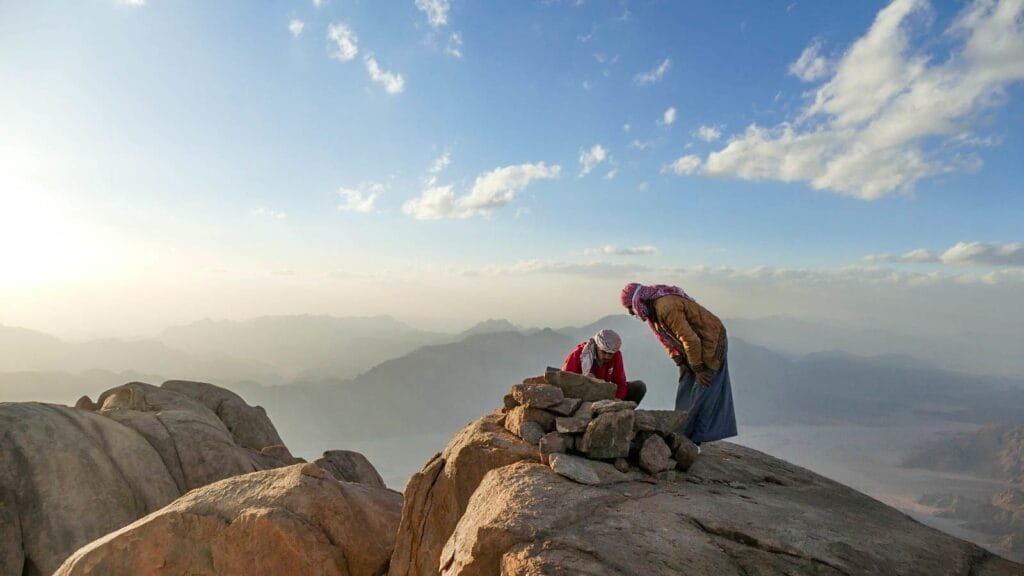
The Red Sea Mountains are located in Egypt’s Eastern Desert, extending roughly parallel to the western shore of the Red Sea. This enormous mountain system stretches across a large portion of eastern Egypt, creating one of the country’s most distinctive geographical regions. Although the mountains are close to the Red Sea coast, they are separated from the sea by a wide desert plain in many areas. This geographical relationship creates dramatic scenery where rugged mountains rise behind the coastal resorts and beaches of destinations such as Hurghada, Safaga, El Quseir, and Marsa Alam. The Eastern Desert is one of Egypt’s largest natural regions. To the west, it gradually connects with the Nile Valley, while to the east it descends toward the Red Sea. The Red Sea Mountains occupy much of the central and eastern part of this desert landscape. Their valleys and mountain passes have historically provided natural routes through the otherwise difficult terrain. Many of these routes have been used for thousands of years by travelers, miners, traders, and local communities. One of the most interesting characteristics of the Red Sea Mountains in Egypt is their geological diversity. The landscape contains ancient crystalline rocks, granite, schist, quartz, and other mineral-rich formations. The mountains often display impressive shades of brown, red, gray, black, and orange, particularly when sunlight changes throughout the day. These colors are one reason why the region has become increasingly attractive for desert photography and mountain tours in Egypt. The mountains are not one continuous wall of peaks. Instead, they consist of numerous ranges, isolated summits, valleys, rocky plateaus, and winding desert corridors. Some areas are extremely rugged, while others consist of wide gravel plains surrounded by distant mountain peaks. This variety makes the region suitable for different types of exploration, including 4x4 desert safaris, hiking, trekking, camping, photography, and cultural tours. The southern part of the Eastern Desert becomes particularly dramatic around Marsa Alam, Wadi El Gemal, Hamata, and Shalateen. Here, the mountains combine with enormous desert valleys and protected natural areas, creating some of the most beautiful wilderness landscapes in southern Egypt. Wadi El Gemal National Park, for example, contains mountains, desert plains, coastal ecosystems, and important wildlife habitats. For travelers staying along the Red Sea coast, the mountains are surprisingly accessible compared with many remote desert destinations. A journey inland can quickly transform the scenery from hotels, beaches, and coral reefs into a completely different world of rocky mountains and silent valleys. This contrast is one of the greatest attractions of the Red Sea Mountains and makes them an excellent addition to a Red Sea holiday in Egypt.
2. The Geological Origins and Unique Landscape of the Red Sea Mountains
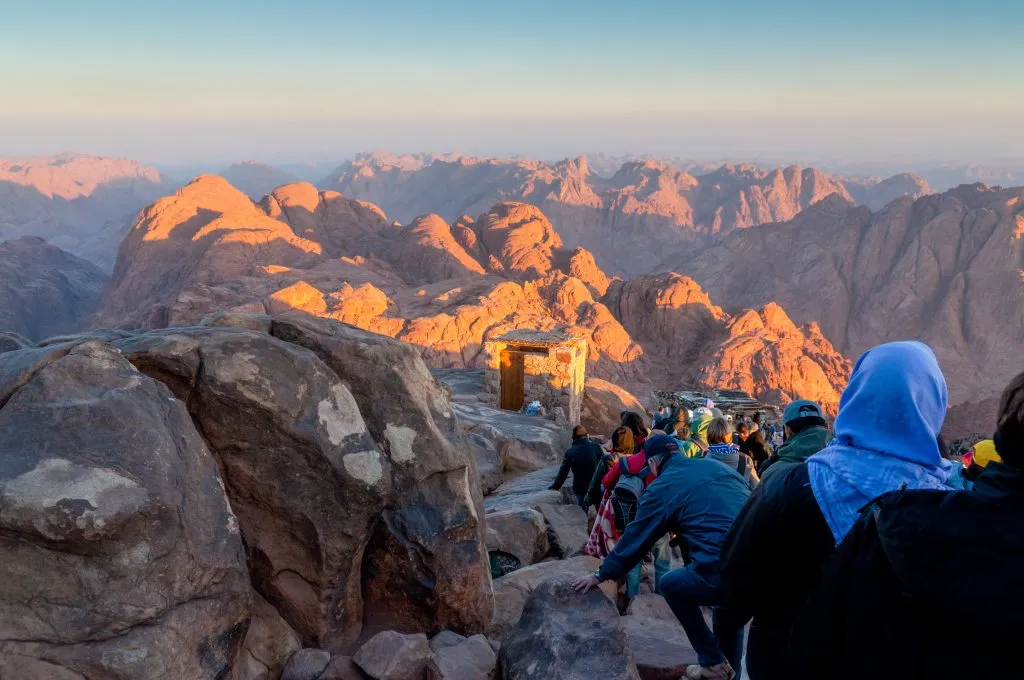
The spectacular appearance of the Red Sea Mountains is the result of an extremely long geological history. The rocks forming much of the Eastern Desert are among the oldest exposed rocks in Egypt, with some formations dating back hundreds of millions of years. Over enormous periods of geological time, volcanic activity, tectonic movements, erosion, and weathering gradually created the rugged mountains, deep valleys, rocky plateaus, and unusual formations visible today. The region is closely connected to the geological development of the Red Sea itself. The Red Sea is part of a major tectonic system where the African and Arabian plates are moving apart. This geological movement has played an important role in shaping the landscapes on both sides of the Red Sea. The mountains of Egypt’s Eastern Desert therefore represent part of a much larger geological story extending across the Red Sea toward the Arabian Peninsula. One of the most fascinating aspects of the Red Sea Mountains in Egypt is the extraordinary variety of rocks found throughout the region. Granite is particularly important in many mountainous areas, while metamorphic rocks, quartz-rich formations, volcanic rocks, and mineral deposits can also be found. These geological materials give individual mountains and valleys distinctive colors and textures. In certain locations, the rocks appear almost red or purple under the intense desert sunlight, while other areas have dark gray, black, or golden tones. The mountains have also been heavily shaped by erosion. Although the region receives very little rainfall today, occasional powerful storms can produce sudden floods that carve channels through valleys and reshape the desert surface. Over thousands and millions of years, these processes have created wadi systems, narrow canyons, rocky passes, and natural drainage routes. Many of the most beautiful desert valleys in the Eastern Desert owe their appearance to this combination of ancient geological forces and occasional modern flash floods. The geological richness of the area also explains why the Eastern Desert became historically important for mining. Ancient Egyptians and later civilizations were attracted to the region because of deposits of gold, quartz, emeralds, and other valuable minerals. Mining activity left behind archaeological remains that provide important evidence about the people who traveled through these remote mountains. Today, the geology of the Red Sea Mountains is one of the major attractions for visitors interested in Egyptian nature, geology, desert landscapes, and adventure tourism. A mountain safari offers the opportunity to see geological formations that are completely different from the limestone landscapes surrounding Cairo and Giza. Instead of pyramids and ancient temples, visitors encounter enormous granite cliffs, mineral-rich rocks, dry river valleys, and rugged peaks extending toward the horizon. For photographers, the geological diversity creates endless opportunities. Early morning light produces long shadows across the mountains, while sunset can transform the rocks into brilliant shades of orange, red, and gold. Combined with the absence of large cities and artificial light in many areas, the Red Sea Mountains provide an extraordinary environment for landscape photography, desert camping, and stargazing in Egypt.

3. Ancient History and Gold Mining in the Red Sea Mountains
The Red Sea Mountains in Egypt are not only a spectacular natural destination but also an important historical landscape. For thousands of years, the mountains and valleys of the Eastern Desert played a major role in the development of ancient Egyptian civilization. The region was rich in minerals and precious stones, particularly gold, and ancient Egyptians established mining settlements, roads, wells, and administrative stations throughout the mountains. Today, these archaeological remains provide fascinating evidence of how people managed to survive and work in one of the harshest environments in Egypt. Gold mining was one of the most important activities in the Eastern Desert of Egypt. Ancient Egyptian expeditions traveled deep into the mountains to search for gold deposits hidden within quartz veins. Mining was difficult and required considerable organization. Workers had to travel long distances from the Nile Valley, locate mineral-rich rocks, extract and crush them, and process the material to recover the valuable gold. Archaeologists have discovered numerous ancient mining sites containing stone tools, grinding stones, shelters, inscriptions, and other remains connected with these activities. The importance of the region continued during the Roman period, when gold mining expanded significantly. The Romans developed more organized mining operations and constructed settlements and roads to support their activities. Some ancient Roman mining settlements in the Eastern Desert contain remarkably well-preserved remains, including stone buildings, workshops, storage areas, temples, and defensive structures. These archaeological sites demonstrate that the Red Sea Mountains were once part of a busy network connecting Egypt's interior with Red Sea ports. Ancient routes through the mountains were also essential for transportation and trade. Caravans traveled between the Nile Valley and the Red Sea, carrying goods, minerals, and supplies. Water was one of the greatest challenges, so ancient travelers depended on wells and natural water sources along established routes. Some ancient roads followed valleys through the mountains, taking advantage of natural passages through the rugged terrain. The archaeological heritage of the Red Sea Mountains makes the region particularly attractive to travelers who enjoy combining nature and history. A desert expedition can reveal not only impressive mountain scenery but also traces of ancient civilizations that once operated in these remote landscapes. Walking through an abandoned mining settlement or seeing ancient inscriptions carved into desert rocks creates a powerful connection with Egypt's past. For visitors interested in ancient Egyptian history, archaeology, desert safaris, and off-the-beaten-path destinations, the Red Sea Mountains offer an experience that is very different from visiting the major temples and pyramids. The mountains tell a quieter story of miners, traders, explorers, and travelers who crossed the Eastern Desert thousands of years ago.

4. Hiking and Trekking in the Red Sea Mountains
For adventure travelers, hiking in the Red Sea Mountains is one of the most rewarding ways to experience the Eastern Desert. Unlike conventional sightseeing tours, mountain trekking allows visitors to move through the landscape at a slower pace and appreciate details that can easily be missed from a vehicle. The silence, enormous rock formations, narrow valleys, and panoramic views create an unforgettable experience for anyone interested in Egypt hiking tours and desert adventures. The hiking opportunities vary considerably depending on the location and mountain. Some trails follow relatively gentle desert valleys and are suitable for travelers looking for a short walk, while others involve steep rocky terrain and require better physical fitness and appropriate equipment. Experienced hikers can explore more remote areas with local guides who understand the landscape, traditional routes, water sources, and weather conditions. One of the greatest attractions of hiking in the Red Sea Mountains of Egypt is the dramatic change in scenery throughout a single journey. A trail may begin on a flat desert plain before gradually entering a narrow wadi surrounded by towering cliffs. As hikers climb higher, the view can expand across hundreds of kilometers of desert, with distant mountain ranges appearing on the horizon. In some locations, the Red Sea itself may be visible from elevated viewpoints. Sunrise and sunset are especially popular times for mountain hiking. Early morning temperatures are generally more comfortable, and the soft light creates beautiful shadows across the rocky landscape. Sunset hikes can be equally spectacular as the mountains change color under the fading sunlight. However, visitors should always plan carefully because desert temperatures can vary dramatically between day and night. A professional local guide is highly recommended for Red Sea mountain trekking. The Eastern Desert contains countless valleys and unmarked routes, and navigation can be challenging for visitors unfamiliar with the area. Local Bedouin guides possess generations of knowledge about mountain paths, water sources, weather conditions, and traditional desert travel. Their knowledge can also transform a simple hike into a cultural experience by explaining the history, plants, wildlife, and traditions associated with the region. Safety is particularly important when planning a desert hiking tour in Egypt. Travelers should carry sufficient drinking water, wear suitable footwear, protect themselves from the sun, and avoid hiking during the hottest part of the day. Organized excursions normally combine transportation, local guides, and carefully selected routes. For those seeking something beyond Egypt's traditional tourist attractions, hiking through the Red Sea Mountains provides a genuine sense of exploration. The combination of physical adventure, spectacular scenery, geological formations, and complete desert silence makes mountain trekking one of the most memorable activities available along Egypt's Red Sea coast.

5. Bedouin Culture and Traditional Life in the Red Sea Mountains
The Bedouin communities of the Eastern Desert are an essential part of the cultural identity of the Red Sea Mountains. For generations, Bedouin families have lived in and traveled through this challenging environment, developing a remarkable understanding of the desert and its natural resources. Their traditional lifestyle is closely connected with the mountains, valleys, wells, animals, plants, and ancient routes that surround their communities. Life in the desert requires knowledge and adaptability. Bedouins have traditionally depended on activities such as animal herding, small-scale trade, gathering desert plants, and guiding travelers through the mountains. Their knowledge of water sources is particularly important because water is one of the most valuable resources in the Eastern Desert. Experienced desert inhabitants can identify natural signs that are difficult for outsiders to recognize, including particular vegetation, rock formations, and terrain patterns that may indicate the presence of water. Visitors participating in a Red Sea desert safari can often experience elements of traditional Bedouin culture. Depending on the location and tour, travelers may visit a Bedouin settlement, drink traditional tea, enjoy a local meal, ride a camel, or sit with local residents while learning about life in the desert. These encounters provide a more personal understanding of the region than simply driving through the mountains. Traditional Bedouin hospitality is an important part of the experience. Guests are often welcomed with tea prepared over a fire, while local food may be cooked using traditional methods. At night, the desert environment becomes particularly impressive. Far from the bright lights of major cities, the sky above the Red Sea Mountains can become filled with stars, making the region an excellent destination for desert stargazing in Egypt. Bedouin culture is also reflected in traditional clothing, handicrafts, music, stories, and knowledge of medicinal desert plants. Older generations have traditionally passed their understanding of the landscape from one generation to another, preserving knowledge that has developed through centuries of living in the Eastern Desert. For travelers, the cultural side of a Red Sea Mountains tour can be just as memorable as the scenery. Meeting local communities allows visitors to understand how people have adapted to one of the world's most demanding environments. It also highlights the importance of responsible tourism, where visitors respect local traditions and communities while contributing to sustainable economic opportunities. Combining mountain landscapes with authentic Bedouin experiences creates a unique type of Egyptian adventure. Instead of simply observing the desert from a vehicle, travelers can interact with the people who know it best and discover the traditions that have helped communities thrive among the mountains for generations.

6. Wildlife and Desert Plants in the Red Sea Mountains
Although the Red Sea Mountains may appear dry, rocky, and almost lifeless at first sight, the region supports a surprising variety of wildlife and desert vegetation. The extreme environment has created unique conditions in which animals and plants have developed special adaptations for surviving high temperatures, limited rainfall, scarce water, and rugged terrain. For nature lovers and photographers, exploring the Eastern Desert can reveal a fascinating ecosystem that is very different from the green landscapes found along the Nile Valley. Among the animals associated with the Eastern Desert of Egypt are desert foxes, hyenas, gazelles, ibex, hares, rodents, reptiles, and numerous species of birds. Many mammals are primarily active during the cooler hours of the day or at night, allowing them to avoid the intense daytime heat. This means that visitors may not always see wildlife during a desert safari, but signs such as tracks, droppings, burrows, and footprints can reveal how active the ecosystem actually is. Birdlife is particularly interesting in areas where the mountains approach the Red Sea coast. Migratory birds use the Red Sea region as part of important routes between Europe, Asia, and Africa. Depending on the season, visitors may encounter raptors, desert birds, seabirds, and migratory species. The combination of mountains, desert valleys, and coastal habitats creates a diverse environment for birdwatching. Vegetation in the Red Sea Mountains of Egypt is naturally sparse, but several desert plants are remarkably resilient. Acacia trees and shrubs can survive in suitable valleys where underground water or occasional rainfall provides enough moisture. Small grasses and flowering plants may also appear after rare rainstorms, temporarily transforming parts of the desert landscape. The wadis are particularly important for wildlife because they can collect water and organic material during occasional rainfall. Some valleys therefore support more vegetation than the surrounding rocky slopes. These areas can become temporary refuges for animals and provide valuable feeding opportunities. The protected areas of southern Egypt, including landscapes around Wadi El Gemal, are especially important for conserving desert ecosystems. Here, mountain, desert, coastal, and marine environments exist close to one another. This ecological diversity makes the region valuable for conservation and scientific research. Exploring wildlife in the Red Sea Mountains requires patience and respect for the environment. Visitors should never attempt to chase animals, remove plants, disturb nests, or leave waste behind. Responsible tourism is essential for protecting fragile desert ecosystems. For travelers who think of Egypt only as a country of pyramids and ancient monuments, discovering wildlife in the Eastern Desert can be a revelation. The mountains demonstrate that even one of the world's driest environments contains complex ecosystems and remarkable forms of life. A carefully organized Egypt desert safari can therefore combine adventure, photography, geology, wildlife observation, and environmental education in one unforgettable experience.

7. The Valleys and Wadis of the Red Sea Mountains
One of the most distinctive features of the Red Sea Mountains is the network of valleys, known locally as wadis, that cuts through the rugged landscape. These dry valleys were formed by geological processes and occasional water flow over extremely long periods. Today, most wadis remain dry for much of the year, but they continue to shape the appearance of the Eastern Desert and provide natural routes through the mountains. The wadis can vary dramatically in size and appearance. Some are broad, open valleys surrounded by distant mountains, while others become narrow corridors enclosed by towering cliffs. Their surfaces may contain sand, gravel, large boulders, and exposed rock formations. The changing textures and colors make them particularly attractive for desert photography and off-road adventures in Egypt. Many wadis have played an important role throughout history. Ancient travelers, miners, traders, and local Bedouin communities used natural valleys as routes through the mountains. Wadis provided relatively easier passages compared with climbing directly over steep mountain slopes. Some routes connected the Nile Valley with Red Sea ports, allowing goods and minerals to move between the interior of Egypt and the coast. A journey through one of these valleys can provide a strong sense of isolation. Once a vehicle moves away from the coastal resorts and enters the Eastern Desert, modern infrastructure quickly disappears. The landscape becomes dominated by mountains, rocks, sand, and sky. In remote areas, the silence can be extraordinary. Several valleys in the wider region are associated with ancient mining and archaeological activity. Travelers interested in ancient Egyptian mining sites can discover evidence of past human activity among the rocks, including old stone structures, tools, inscriptions, and mining remains. These sites demonstrate that the apparently empty desert was once a highly active economic landscape. Wadis are also environmentally important. During rare heavy rainfall, water can move rapidly through these valleys, producing flash floods. The same geological channels that once guided ancient travelers can therefore become temporary rivers during desert storms. This is one reason why professional planning and local knowledge are essential when exploring remote areas of the Red Sea Mountains in Egypt. For adventure enthusiasts, traveling through the wadis by 4x4 vehicle can be an exciting part of a Red Sea mountain safari. Some tours combine off-road driving with short hikes, allowing visitors to leave the vehicle and explore the rocks, caves, and surrounding viewpoints on foot. The wadis also offer some of the best opportunities to appreciate the scale of the Eastern Desert. Standing inside a huge valley surrounded by ancient mountains makes it easy to understand why this landscape has fascinated travelers for thousands of years.

8. Red Sea Mountains Near Hurghada, Marsa Alam, and the Red Sea Coast
The location of the Red Sea Mountains makes them particularly attractive to visitors staying in Egypt's popular coastal destinations. Resorts along the Red Sea provide easy access to the Eastern Desert, allowing travelers to combine beach holidays with mountain adventures. Destinations such as Hurghada, Safaga, El Quseir, Port Ghalib, and Marsa Alam are especially useful bases for exploring different parts of the mountainous desert. Near Hurghada, visitors can experience the dramatic contrast between the modern resort environment and the rugged Eastern Desert. A typical Hurghada desert safari may include an off-road journey into the mountains, a Bedouin village visit, camel riding, traditional tea, and a desert dinner. Some excursions also include quad biking or opportunities to watch the sunset over the mountains. Further south, the landscapes around Marsa Alam become increasingly remote and spectacular. The mountains around Marsa Alam and Wadi El Gemal are particularly interesting for travelers looking for nature, wildlife, archaeology, and wilderness experiences. The region combines mountain landscapes with protected desert areas and a beautiful Red Sea coastline. Port Ghalib and El Quseir are also convenient starting points for exploring the Eastern Desert. Their location allows travelers to combine historical sightseeing and coastal activities with mountain excursions. Visitors staying in these destinations can organize private desert trips that are adapted to their preferred level of adventure. One of the greatest advantages of exploring the Red Sea Mountains from the coast is the variety of experiences available in a relatively short distance. Travelers can spend the morning snorkeling among coral reefs and colorful marine life and later travel inland to a completely different environment of rocky mountains and desert valleys. This combination makes the Red Sea region one of Egypt's most diverse travel destinations. Private tours are particularly suitable for travelers who want more flexibility. Instead of following a fixed group schedule, a private Red Sea mountain tour can be adapted to include photography stops, hiking, archaeological sites, Bedouin experiences, sunset viewpoints, or desert camping. The southern Red Sea coast is especially appealing to travelers interested in less-developed destinations. Areas around Marsa Alam, Wadi El Gemal, Hamata, and Shalateen offer opportunities to experience landscapes that feel far removed from Egypt's major tourist centers. Whether the goal is adventure, photography, cultural discovery, hiking, archaeology, or simply escaping the crowds, the Red Sea Mountains near Hurghada and Marsa Alam provide an extraordinary complement to a traditional Red Sea holiday. Their proximity to the coast makes it possible to experience two very different sides of Egypt in the same journey: the underwater world of the Red Sea and the ancient mountains of the Eastern Desert.

9. Best Things to Do in the Red Sea Mountains
The Red Sea Mountains in Egypt offer an impressive variety of activities for travelers who want to experience the country's natural landscapes from a different perspective. While many visitors come to the Red Sea primarily for snorkeling, diving, beaches, and luxury resorts, the mountains provide an entirely different adventure. From hiking and off-road driving to photography, camel riding, Bedouin experiences, and desert camping, there are many ways to explore this spectacular part of the Eastern Desert. One of the most popular activities is a Red Sea Mountains desert safari. Travelers can leave the coastal resorts in a 4x4 vehicle and travel deep into the desert, crossing rocky plains and mountain valleys. The journey itself becomes part of the experience as the landscape gradually changes from the developed coastline to a remote wilderness of mountains, wadis, and dramatic rock formations. Hiking and trekking are another excellent way to explore the region. Short walks through desert valleys can be suitable for travelers who simply want to experience the scenery, while longer mountain hikes can appeal to more adventurous visitors. Hiking allows travelers to discover geological formations, ancient paths, wildlife tracks, and viewpoints that cannot always be reached by vehicle. Camel riding provides a more traditional desert experience. Camels have played an important role in transportation across Egypt's deserts for centuries, and riding one through a mountain landscape offers a slower and more atmospheric way to appreciate the surroundings. Responsible tours should prioritize animal welfare and avoid activities that place unnecessary stress on the animals. Photography is another major attraction. The combination of dramatic mountains, colorful rocks, desert valleys, and changing sunlight creates excellent opportunities for landscape photography in Egypt. Sunrise and sunset are particularly beautiful, when the low-angle light emphasizes the texture and color of the mountains. Visitors can also experience Bedouin culture by meeting local communities and learning about traditional desert life. Depending on the tour, this may include drinking Bedouin tea, enjoying traditional food, learning about desert plants, or listening to stories about life in the Eastern Desert. For those who want a deeper connection with nature, desert camping and stargazing can be unforgettable. Away from urban light pollution, the night sky over the Red Sea Mountains can be exceptionally clear. Sitting around a traditional campfire beneath a sky filled with stars provides an experience that contrasts dramatically with the busy atmosphere of Egypt's coastal resorts. With so many activities available, the Red Sea Mountains are ideal for travelers who want to combine adventure, nature, culture, and relaxation in one unique Egyptian experience.

10. The Best Time to Visit the Red Sea Mountains
Choosing the right season is important when planning a trip to the Red Sea Mountains of Egypt. Although the Eastern Desert can be visited throughout much of the year, temperatures vary significantly between seasons, and the timing of a mountain excursion can have a major impact on comfort. For most travelers, the cooler months are considered the most comfortable period for hiking, trekking, desert safaris, and outdoor exploration. The period from approximately October to April generally offers more pleasant conditions for outdoor activities. During autumn and winter, daytime temperatures are usually more comfortable than during the peak summer months. This makes it easier to spend several hours hiking, exploring archaeological sites, or traveling through desert valleys. Winter can be particularly attractive for travelers interested in mountain hiking in Egypt. The daytime weather can be ideal for walking and photography, although temperatures can fall considerably after sunset. Anyone planning an overnight desert camp should therefore bring warm clothing, especially during December, January, and February. Spring can also be an excellent season for visiting the Eastern Desert. Temperatures gradually become warmer, but many days remain comfortable for outdoor activities. In some areas, occasional rainfall can bring temporary changes to the desert landscape, and small plants may appear in certain valleys. Summer is the hottest period. Temperatures in the Eastern Desert can become extremely high during the middle of the day, making strenuous hiking uncomfortable and potentially dangerous. Travelers visiting between June and September should generally plan outdoor activities during the cooler early morning or late afternoon hours. Professional tour operators can adjust itineraries according to weather conditions. Sunrise and sunset are among the best times of day for experiencing the Red Sea Mountains regardless of the season. The sunlight changes the appearance of the rocks, producing dramatic colors and shadows. Sunset excursions are particularly popular because they combine mountain scenery with cooler temperatures and spectacular views. Weather conditions should always be checked before traveling into remote desert areas. Flash floods can occasionally occur after heavy rainfall, particularly in mountain valleys. Local guides and experienced tour operators are familiar with the terrain and can determine whether a particular route is suitable. Overall, the cooler months are an excellent choice for travelers planning Red Sea mountain tours, hiking, desert camping, and trekking in Egypt. However, with appropriate planning, early starts, professional guidance, and suitable equipment, the region can offer memorable experiences throughout the year.

11. Safety and Responsible Tourism in the Red Sea Mountains
Exploring the Red Sea Mountains can be an unforgettable adventure, but the environment should never be underestimated. The Eastern Desert is remote, extremely dry, and characterized by rugged terrain, limited water sources, and rapidly changing conditions. Responsible planning is therefore essential for anyone considering a desert safari, mountain hike, trekking trip, or camping adventure in Egypt. The most important consideration is water. Travelers should always carry enough drinking water for the planned journey and avoid depending on natural sources unless they are confirmed safe by an experienced local guide. Dehydration can develop quickly in desert conditions, particularly during the warmer months. Sun protection is equally important. Lightweight clothing, a hat, sunglasses, sunscreen, and suitable footwear can make a significant difference. Hiking sandals or ordinary city shoes may not provide sufficient protection on rough rocky terrain. Strong walking shoes or hiking boots are preferable for longer mountain excursions. Navigation is another major concern. The Eastern Desert contains countless valleys and tracks that can look remarkably similar to inexperienced visitors. Travelers should not attempt to explore remote areas alone. A knowledgeable local Bedouin guide or professional desert guide can provide valuable information about routes, weather, water sources, and potential hazards. Flash floods are an important natural hazard in mountainous desert areas. Even though rainfall is rare, heavy storms can cause water to move rapidly through wadis. Visitors should never enter a valley when severe weather is approaching, and organized tours should monitor local weather conditions before entering remote areas. Responsible tourism also means protecting the environment. Visitors should never leave plastic bottles, food packaging, or other waste in the desert. Rocks, archaeological objects, fossils, plants, and wildlife should not be removed or disturbed. Ancient inscriptions and mining remains are part of Egypt's cultural heritage and should be treated with respect. Respect for local communities is equally important. When visiting Bedouin communities in the Red Sea Mountains, travelers should respect local customs, ask before photographing people, and follow the guidance of their hosts. Choosing an experienced tour operator can significantly improve both safety and the quality of the experience. Professional operators can arrange appropriate transportation, local guides, meals, water, and carefully selected routes. With responsible planning, the Red Sea Mountains in Egypt can be explored safely while preserving their natural and cultural heritage. Sustainable tourism ensures that future travelers can continue to enjoy these extraordinary landscapes.

12. Why the Red Sea Mountains Should Be on Your Egypt Travel Itinerary
The Red Sea Mountains represent one of the most fascinating landscapes in Egypt and offer travelers an opportunity to experience a side of the country that is often overlooked. While the pyramids, ancient temples, museums, and Red Sea beaches remain essential attractions, the Eastern Desert provides a completely different type of Egyptian adventure. Its mountains, wadis, archaeological sites, wildlife, and Bedouin communities create an experience built around nature, discovery, and authentic exploration. For adventure lovers, the region offers excellent opportunities for hiking, trekking, 4x4 desert safaris, camel riding, mountain photography, camping, and stargazing. For history enthusiasts, ancient mining settlements, desert roads, inscriptions, and archaeological remains reveal the importance of the Eastern Desert throughout Egyptian history. For photographers, the combination of dramatic peaks, colorful rocks, enormous valleys, and changing sunlight creates extraordinary landscapes. One of the greatest advantages of visiting the Red Sea Mountains in Egypt is their proximity to popular coastal destinations. Travelers staying in Hurghada, Safaga, El Quseir, Port Ghalib, or Marsa Alam can combine a relaxing Red Sea holiday with an exciting journey into the mountains. In a single trip, visitors can experience coral reefs and marine life in the morning and ancient desert mountains in the afternoon. The cultural dimension makes the experience even more meaningful. Meeting Bedouin communities and learning about traditional desert life provides insight into a way of life that has developed over generations. Their knowledge of the landscape demonstrates how humans can adapt to environments that initially appear almost impossible to inhabit. The mountains also remind visitors that Egypt is much more than its famous monuments. Beyond the pyramids of Giza and the temples of Luxor lies a vast wilderness filled with geological wonders, ancient history, and natural beauty. The Eastern Desert of Egypt remains one of the country's great landscapes for travelers who want to move beyond conventional tourism. Whether you are planning a short Red Sea desert excursion or a longer mountain trekking and camping adventure, the region offers experiences that can remain memorable long after the journey ends. Ultimately, the Red Sea Mountains are a destination where geology, history, culture, wildlife, and adventure come together. Their rugged beauty and extraordinary sense of silence make them one of Egypt's most rewarding off-the-beaten-path destinations. For anyone planning an unforgettable Egypt travel itinerary, exploring the mountains beyond the Red Sea coast is an experience well worth adding to the journey.