- Excursions in Egypt
- Egypt Tour Packages
- Cairo Tours and Excursions
- Hurghada Tours and Excursions
- Soma Bay Tours and Excursions
- Makadi Bay Tours and Excursions
- Sahl Hasheesh Tours and Excursions
- El Gouna Tours and Excursions
- Marsa Alam Tours and Excursions
- Port Ghalib Tours and Excursions
- El Quseir Tours and Excursions
- Dendera and Abydos Day Tours
- Aswan Tours and Excursions
- Luxor Tours and Excursions
- Sharm El Sheikh Tours and Excursions
- Top Rated Egypt Tours in 2026
- Optional Excursions in Egypt
- Private Transfer
- Blogs About egypt
- Ancient Egypt
- Historical Sites in Egypt
- Cairo
- Alexandria
- Luxor
- Aswan
- The Red Sea
- Dendera Temple
- El Fayoum Oasis
- Bahariya Oasis
- Siwa Oasis
- Al Alamein
- Marsa Matruh
- Why Egypt Is One of the Safest Countries to Visit in the Middle East
- What You Need To know Before Your First Trip To Egypt
- Egypt Travel Costs in 2026 Full Budget Guide
- Top 10 Tourist Activities in Egypt
- Top 50 Activities You Can’t Miss in Egypt in 2026
- The Guide to Guided Tours in Egypt
- Egypt’s Ancient and Modern History
- The Nile River
- The Deserts of Egypt
- Ancient Egyptian gods
- famous Egyptian dishes
- UNESCO World Heritage sites
- About Us
- Egypt Hotels and Resorts
- Excursions in Egypt
- Egypt Tour Packages
- Cairo Tours and Excursions
- Hurghada Tours and Excursions
- Soma Bay Tours and Excursions
- Makadi Bay Tours and Excursions
- Sahl Hasheesh Tours and Excursions
- El Gouna Tours and Excursions
- Marsa Alam Tours and Excursions
- Port Ghalib Tours and Excursions
- El Quseir Tours and Excursions
- Dendera and Abydos Day Tours
- Aswan Tours and Excursions
- Luxor Tours and Excursions
- Sharm El Sheikh Tours and Excursions
- Top Rated Egypt Tours in 2026
- Optional Excursions in Egypt
- Private Transfer
- Blogs About egypt
- Ancient Egypt
- Historical Sites in Egypt
- Cairo
- Alexandria
- Luxor
- Aswan
- The Red Sea
- Dendera Temple
- El Fayoum Oasis
- Bahariya Oasis
- Siwa Oasis
- Al Alamein
- Marsa Matruh
- Why Egypt Is One of the Safest Countries to Visit in the Middle East
- What You Need To know Before Your First Trip To Egypt
- Egypt Travel Costs in 2026 Full Budget Guide
- Top 10 Tourist Activities in Egypt
- Top 50 Activities You Can’t Miss in Egypt in 2026
- The Guide to Guided Tours in Egypt
- Egypt’s Ancient and Modern History
- The Nile River
- The Deserts of Egypt
- Ancient Egyptian gods
- famous Egyptian dishes
- UNESCO World Heritage sites
- About Us
- Egypt Hotels and Resorts
Welcome to
The East Bank of Luxor: The Living Heart of Ancient Egypt and the Eternal City of the Sun
On the eastern shores of the timeless Nile River lies one of the most magnificent archaeological landscapes ever created by human civilization: the extraordinary East Bank of Luxor. Often described as the “City of the Living” by the ancient Egyptians, the East Bank represented the vibrant spiritual, political, and ceremonial center of ancient Thebes, the glorious capital of Egypt during the New Kingdom period. Unlike the West Bank, which symbolized death and the afterlife, the East Bank was associated with life, rebirth, sunlight, and divine power because it faced the rising sun each morning. Here, pharaohs constructed colossal temples, sacred avenues, royal palaces, and monumental sanctuaries dedicated to the worship of powerful gods such as Amun-Ra, Mut, and Khonsu. The East Bank is dominated by two of the most breathtaking temple complexes in the world: the immense Karnak Temple Complex and the elegant Luxor Temple, both connected historically by the legendary Avenue of Sphinxes stretching for nearly three kilometers through the heart of ancient Thebes. Walking through the East Bank today feels like stepping into a living museum where every stone carries the memory of kings, priests, ceremonies, and festivals that shaped Egyptian civilization for centuries. Towering obelisks, colossal statues, giant columns, sacred lakes, and hieroglyph-covered walls create an atmosphere of grandeur and spiritual mystery unlike anywhere else on Earth. Yet the East Bank is not only about ancient ruins. Modern Luxor thrives around these monuments with bustling markets, Nile cruises, cafés, museums, horse carriages, and vibrant local life blending seamlessly beside the ancient temples. The area becomes especially magical at sunrise and sunset when golden light illuminates the sandstone monuments and reflects across the Nile. For travelers exploring Upper Egypt, the East Bank offers an unforgettable journey into the heart of Pharaonic power, religion, architecture, and cultural continuity. It remains one of the greatest open-air museums in the world and one of humanity’s most extraordinary surviving connections to the ancient past beside the eternal Nile River.
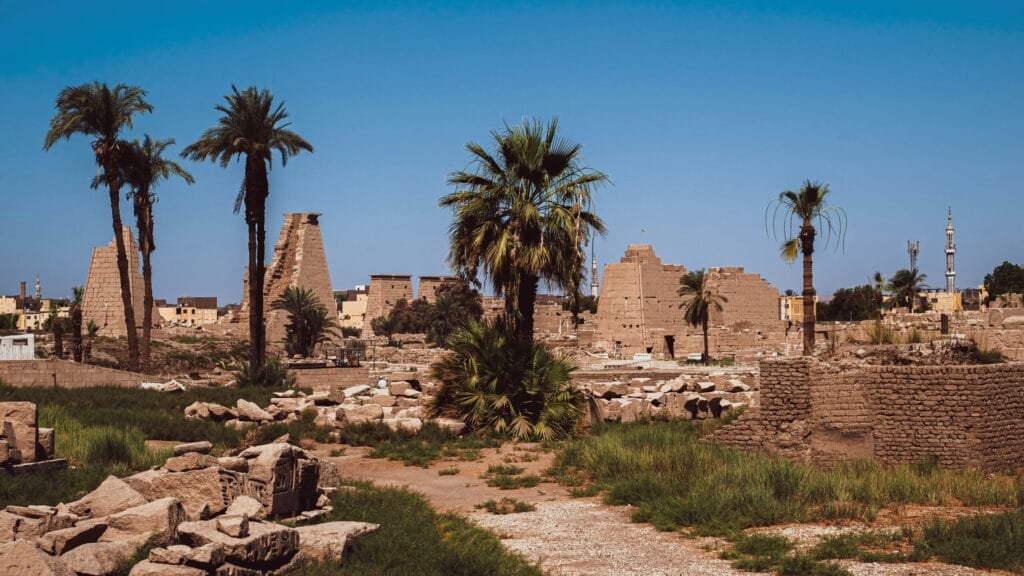
1. Karnak Temple Complex: The Largest Religious Site Ever Built
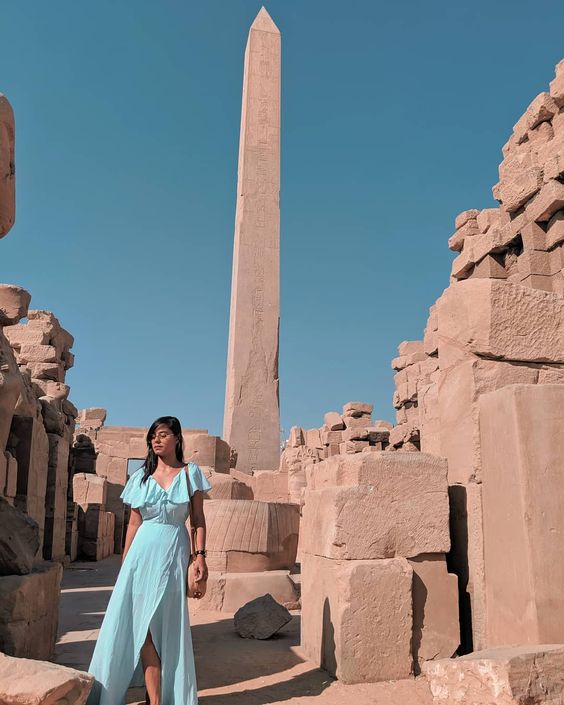
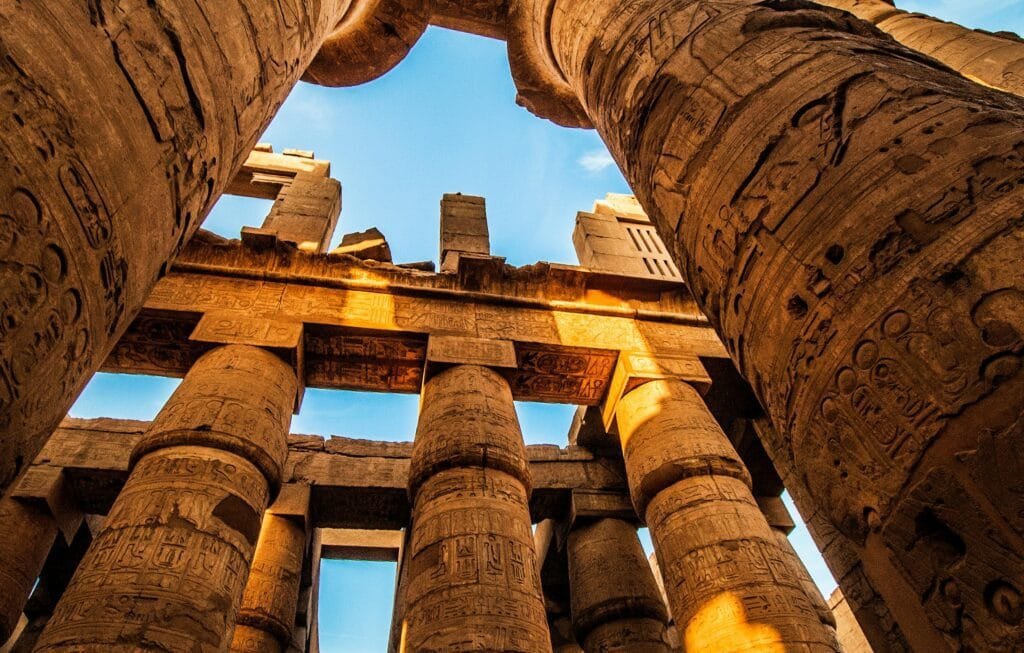
At the heart of the East Bank of Luxor stands the awe-inspiring Karnak Temple Complex, the largest religious complex ever constructed in the ancient world. More than simply a temple, Karnak represents a vast sacred city built and expanded over nearly two thousand years by generations of pharaohs seeking to honor the supreme god Amun-Ra and demonstrate their divine authority. Covering over one hundred hectares, the complex contains monumental pylons, towering obelisks, colossal statues, sacred lakes, sanctuaries, chapels, and massive courtyards connected through an intricate network of ceremonial spaces. Every ruler of the New Kingdom sought to leave a lasting mark upon Karnak, resulting in one of the most architecturally diverse and historically layered sites in Egypt. Visitors entering the complex through the enormous ram-headed sphinx avenue immediately encounter the famous Great Hypostyle Hall, one of the most breathtaking architectural achievements in human history. This gigantic hall contains 134 colossal sandstone columns rising like a stone forest toward the sky, many decorated with beautifully preserved hieroglyphics and relief carvings describing royal victories and religious ceremonies. Walking through Karnak creates an overwhelming sense of scale and spiritual grandeur that continues to astonish travelers, historians, and archaeologists alike. The temple served as the spiritual center of ancient Egypt during the New Kingdom, where priests performed sacred rituals and pharaohs celebrated major religious festivals such as the Opet Festival. Beyond its religious role, Karnak also functioned as a political symbol demonstrating Egypt’s wealth, engineering brilliance, and imperial power. The sacred lake within the complex reflects the importance of purification rituals and temple ceremonies in ancient Egyptian religion, while the surviving obelisks of Hatshepsut showcase the remarkable craftsmanship of ancient stoneworkers. At sunset, golden light transforms the sandstone walls into glowing monuments filled with shadows and mystery, creating one of the most unforgettable atmospheres in Egypt. Karnak Temple remains the crown jewel of Luxor’s East Bank and one of the greatest surviving architectural masterpieces of ancient civilization beside the timeless Nile River.
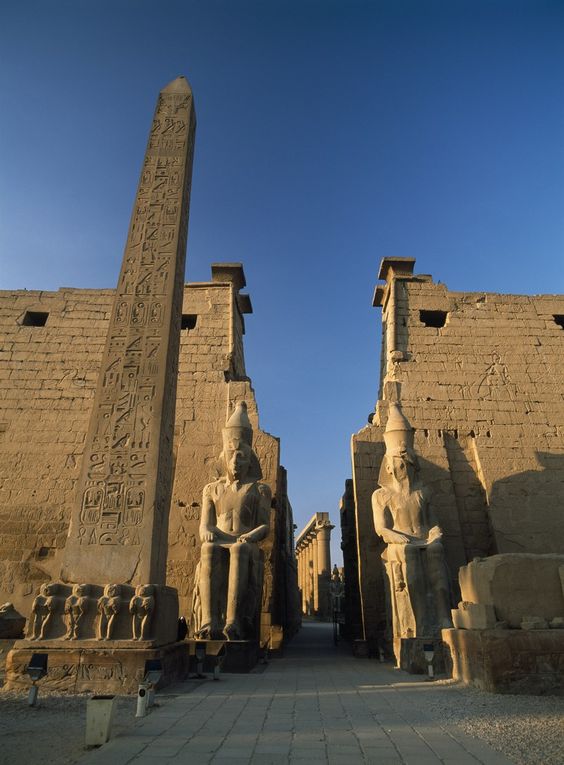
2. Luxor Temple: The Sacred Jewel of the East Bank
Located gracefully along the Nile Corniche in the center of modern Luxor, the magnificent Luxor Temple stands as one of the most elegant and spiritually significant monuments of ancient Egypt. Unlike Karnak Temple, which served primarily as a massive religious complex dedicated to the worship of Amun-Ra, Luxor Temple functioned as a sacred ceremonial sanctuary closely connected to kingship, divine rebirth, and royal legitimacy. Constructed mainly during the reigns of Amenhotep III and Ramses II, the temple reflects some of the finest artistic and architectural achievements of the New Kingdom period. Visitors approaching Luxor Temple are immediately captivated by the monumental entrance flanked by colossal seated statues of Ramses II and a massive obelisk that once stood beside its twin, now located in Paris at the Place de la Concorde. The temple’s long colonnades, graceful courtyards, towering columns, and beautifully carved walls create an atmosphere of balance, harmony, and timeless beauty. One of the most remarkable features of Luxor Temple is its continuous use across multiple civilizations and religions over thousands of years. Within the temple complex, visitors can observe Roman frescoes, early Christian remains, and even the historic Abu Haggag Mosque built directly atop ancient Egyptian structures, symbolizing Luxor’s incredible layers of cultural continuity. At night, the illuminated temple becomes especially magical as soft golden lighting highlights the carvings and statues against the dark Egyptian sky. Luxor Temple played a central role during the famous Opet Festival, when sacred statues of the Theban Triad traveled from Karnak Temple along the Avenue of Sphinxes to Luxor Temple in a grand religious procession celebrating divine renewal and royal power. Walking through the temple today allows visitors to imagine the music, incense, ceremonies, and crowds that once filled these sacred spaces during ancient festivals. The proximity of Luxor Temple to modern streets, cafés, horse carriages, and Nile cruises creates a fascinating contrast between ancient history and everyday life in contemporary Luxor. Luxor Temple therefore remains not only one of Egypt’s greatest archaeological treasures but also a living symbol of the city’s enduring spiritual and cultural identity beside the Nile River.
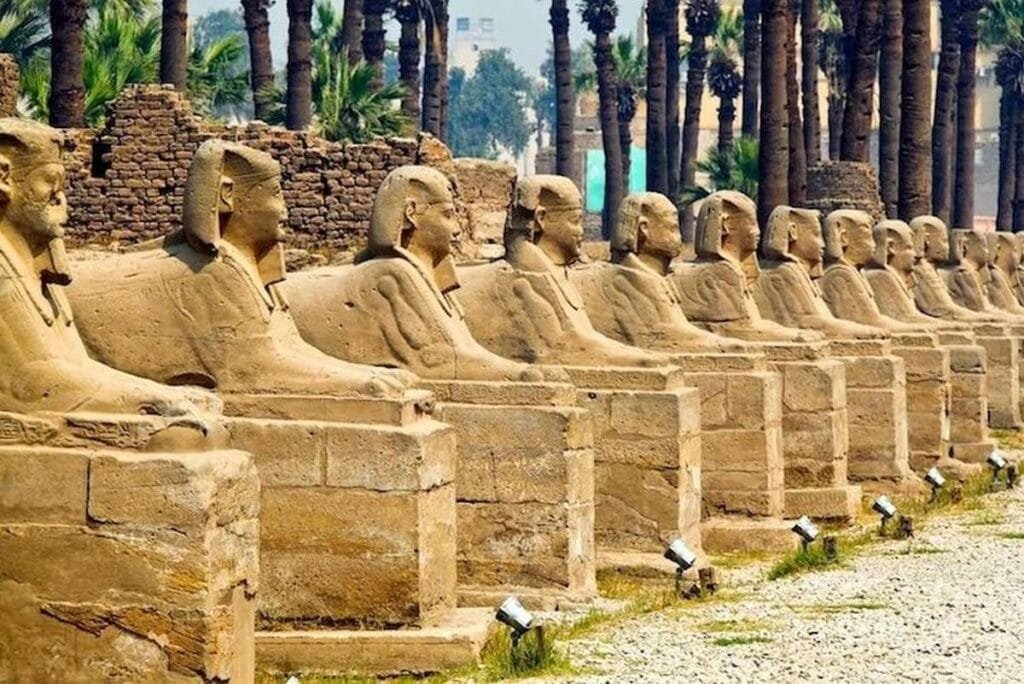
3. The Avenue of Sphinxes: The Sacred Road of Ancient Thebes
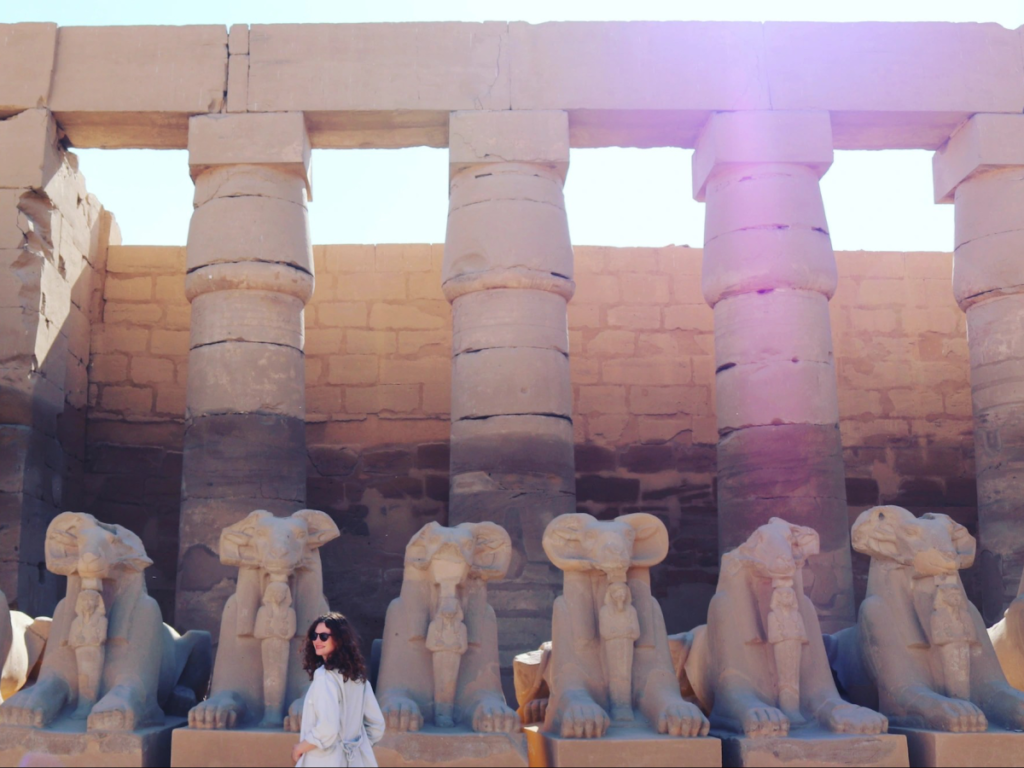
Connecting Karnak Temple Complex with Luxor Temple is one of the most extraordinary ceremonial roads ever constructed in the ancient world: the legendary Avenue of Sphinxes. Stretching nearly three kilometers through the heart of ancient Thebes, this sacred processional pathway once linked the two great temples during religious festivals and royal ceremonies that defined the spiritual life of ancient Egypt. Lined with hundreds of sphinx statues on both sides, the avenue symbolized divine protection, royal authority, and the sacred connection between the temples of the East Bank. Some of the sphinxes possess ram heads associated with the god Amun, while others feature human heads representing royal power and spiritual guardianship. For centuries, much of the avenue remained buried beneath sand, modern buildings, and layers of urban development until extensive archaeological excavations gradually uncovered and restored this incredible monument. Today, visitors can walk along large restored sections of the avenue and experience the same ceremonial route once traveled by priests, pharaohs, musicians, and sacred processions during the famous Opet Festival. During this annual celebration, the statues of Amun, Mut, and Khonsu were transported from Karnak Temple to Luxor Temple in a grand ritual designed to renew divine power and strengthen the connection between the gods and the ruling pharaoh. The avenue itself therefore served not merely as a road but as a sacred spiritual corridor central to the religious identity of ancient Thebes. Exploring the restored sections today creates a remarkable sense of historical continuity because visitors physically retrace the ceremonial footsteps of ancient Egyptians from over three thousand years ago. The restoration project transformed parts of modern Luxor by reconnecting the ancient temples through their original ceremonial pathway, allowing travelers to appreciate the scale and sophistication of ancient urban planning. At sunrise and sunset, the rows of sphinxes illuminated by warm golden light create one of the most atmospheric and photogenic scenes in Egypt. The avenue also highlights the extraordinary engineering and artistic achievements of the New Kingdom civilization, whose monuments continue shaping Luxor’s identity today. The Avenue of Sphinxes remains one of the East Bank’s greatest archaeological treasures and a powerful symbol of ancient Egypt’s spiritual grandeur beside the eternal Nile River.

4. The Opet Festival: The Grand Celebration of Divine Renewal
One of the most important religious events associated with the East Bank of Luxor was the magnificent Opet Festival, a grand ceremonial celebration that united religion, kingship, and public life within ancient Thebes. Held annually during the New Kingdom period, the festival honored the sacred triad of Amun, Mut, and Khonsu while reaffirming the divine authority of the ruling pharaoh. The celebration began at Karnak Temple Complex, where priests prepared the sacred statues of the gods before transporting them along the famous Avenue of Sphinxes toward Luxor Temple in a massive ceremonial procession. Ancient reliefs carved into temple walls vividly depict musicians, dancers, soldiers, priests, and citizens participating in the festival while offerings, incense, and prayers filled the streets of Thebes. The event symbolized spiritual renewal and reinforced the connection between the gods and the Egyptian king, who was believed to maintain cosmic order throughout the land. During the procession, sacred boats carrying the divine statues traveled either along the avenue or by water upon the Nile, creating one of the most spectacular religious events in ancient Egypt. The entire city celebrated with feasts, music, public ceremonies, and gatherings that transformed the East Bank into a center of spiritual excitement and royal power. Historians believe the festival lasted several days and played a vital role in strengthening social unity within Egyptian society. Walking through Karnak and Luxor Temple today allows visitors to observe many relief carvings illustrating scenes from the Opet Festival, preserving detailed visual records of ancient rituals and celebrations. These carvings provide valuable insight into the religious beliefs, ceremonial traditions, and artistic achievements of New Kingdom Egypt. Modern visitors often imagine the enormous crowds and colorful processions that once moved between the temples beneath banners, music, and sacred chants. The Opet Festival demonstrates how the East Bank functioned not only as a religious center but also as a stage for political authority and public life within ancient Thebes. The festival’s legacy continues to shape Luxor’s cultural identity today, reminding travelers that the East Bank once served as the spiritual heart of one of the greatest civilizations in human history beside the eternal Nile River.
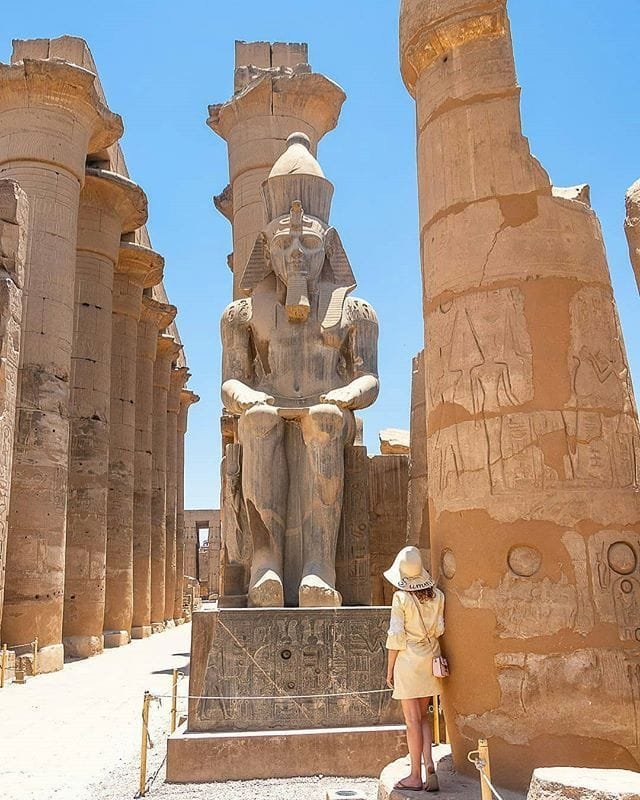
5. The Obelisks and Colossal Statues of the East Bank
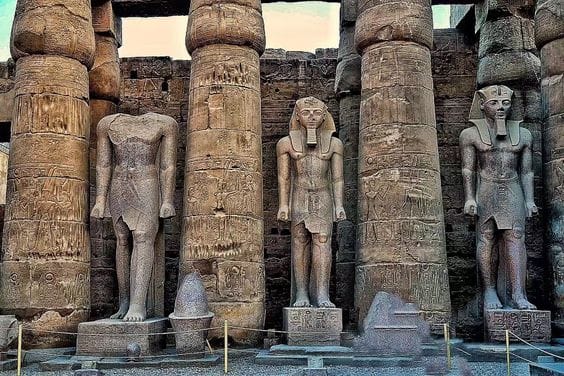
The East Bank of Luxor is famous for its extraordinary collection of colossal statues and towering obelisks that symbolize the artistic brilliance, religious devotion, and political power of ancient Egyptian civilization. Throughout Karnak Temple Complex and Luxor Temple, visitors encounter monumental stone sculptures designed to inspire awe and demonstrate the divine authority of the pharaohs who commissioned them. Among the most impressive surviving monuments are the granite obelisks of Queen Hatshepsut at Karnak Temple. Carved from single pieces of red Aswan granite and rising dramatically toward the sky, these obelisks were covered with hieroglyphic inscriptions praising the gods and celebrating the achievements of the queen. Ancient Egyptians viewed obelisks as sacred symbols connected to the sun god Ra, representing rays of sunlight frozen in stone. The transportation and erection of these massive monuments required astonishing engineering skill and enormous labor, making them some of the greatest technical achievements of the ancient world. Luxor Temple also contains colossal seated statues of Ramses II positioned proudly at the temple entrance, creating one of the most recognizable and photographed scenes in Egypt. These gigantic sculptures were carefully designed to project royal power, stability, and eternal kingship while welcoming visitors into the sacred sanctuary. Many statues across the East Bank depict pharaohs in idealized forms alongside gods, reinforcing the belief that Egyptian rulers served as divine intermediaries between humanity and the gods. Walking among these colossal monuments creates an overwhelming sense of scale and timeless grandeur, especially when sunlight illuminates the sandstone surfaces at sunrise or sunset. The surviving statues and obelisks also preserve incredibly detailed artistic craftsmanship, from facial expressions and royal crowns to hieroglyphic carvings and symbolic decorations. Some monuments bear traces of ancient paint, reminding visitors that the temples were once filled with vibrant colors rather than bare stone alone. For historians and archaeologists, these sculptures provide valuable information about royal propaganda, religious symbolism, and artistic traditions throughout Egyptian history. The obelisks and colossal statues of the East Bank therefore remain among Luxor’s greatest treasures and enduring symbols of the ambition, creativity, and spiritual vision of ancient Egypt beside the Nile River.
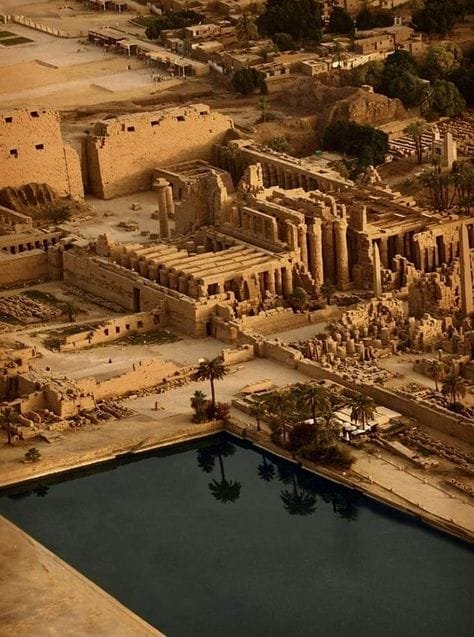
6. Sacred Lakes and Priestly Rituals on the East Bank
Hidden within the monumental temple complexes of the East Bank of Luxor are sacred lakes that once played an essential role in the religious ceremonies and priestly rituals of ancient Egypt. The most famous of these is the Sacred Lake at Karnak Temple Complex, a massive rectangular basin carefully constructed to serve both practical and spiritual purposes within the temple’s religious life. Ancient Egyptian priests believed water represented purity, creation, and the primordial waters from which the universe first emerged according to their mythology. Before performing sacred rituals or entering temple sanctuaries, priests purified themselves within the waters of the sacred lake as part of complex ceremonial preparations. The lake also symbolized the cosmic waters associated with creation myths and the eternal cycle of life, death, and rebirth central to Egyptian religious belief. Surrounded by temple walls, shrines, and priestly quarters, the sacred lake formed an important spiritual center hidden within the larger monumental landscape of Karnak. Visitors exploring the temple today are often surprised by the peaceful atmosphere surrounding the water, especially compared to the colossal columns and crowded courtyards elsewhere within the complex. The reflection of ancient structures upon the lake’s calm surface creates a striking visual scene that enhances the spiritual and architectural beauty of the East Bank. Historians believe sacred boats used during religious ceremonies may have been stored or symbolically connected to the lake, particularly during major festivals such as the Opet Festival. Priests living and working within the temple complex followed strict ritual schedules involving purification, offerings, prayers, and ceremonies performed daily in honor of the gods. The sacred lake therefore functioned not simply as a water reservoir but as a vital component of temple theology and religious practice. Ancient Egyptians considered the East Bank the land of the living because it faced the rising sun, making purification and rebirth especially important spiritual themes within its temples. At sunset, the golden light reflecting across the lake creates one of the most tranquil and atmospheric scenes in Luxor, allowing visitors to imagine the sacred rituals once performed there thousands of years ago. The sacred lakes of the East Bank continue preserving the spiritual essence of ancient Thebes and provide travelers with a deeper understanding of the religious world that shaped Egypt’s greatest temples beside the timeless Nile River.

7. Luxor Museum: Preserving the Treasures of Ancient Thebes
Among the cultural highlights of the East Bank of Luxor is the remarkable Luxor Museum, one of the finest and most elegantly organized archaeological museums in Egypt. Located along the scenic Nile Corniche between Karnak Temple and Luxor Temple, the museum provides visitors with an intimate and carefully curated journey into the artistic brilliance and daily life of ancient Thebes. Unlike larger museums crowded with thousands of artifacts, Luxor Museum focuses on displaying a select collection of masterpieces presented with exceptional lighting and modern design that allows each object to receive proper attention and appreciation. Visitors entering the museum immediately encounter magnificent statues, royal mummies, jewelry, weapons, relief carvings, and ceremonial objects recovered from temples and tombs throughout the Luxor region. One of the museum’s greatest treasures is the extraordinary collection from the famous Luxor Temple Cachette, where archaeologists discovered dozens of hidden statues buried by ancient priests seeking to protect sacred objects during periods of political instability. The museum also displays beautifully preserved statues of pharaohs such as Amenhotep III, Thutmose III, and Akhenaten, providing insight into the evolution of royal art and religious ideology during the New Kingdom. A particularly fascinating section is dedicated to the royal mummies of Ahmose I and Ramses I, allowing visitors to come face-to-face with rulers who shaped the history of ancient Egypt over three thousand years ago. Through detailed labels and elegant presentation, the museum helps travelers understand the deeper meaning behind the monumental temples and archaeological sites scattered across the East Bank. At night, the museum’s peaceful atmosphere and sophisticated lighting create an almost spiritual experience that contrasts beautifully with the grand scale of Karnak and Luxor Temple. Historians and archaeologists regard Luxor Museum as one of the best examples of modern museum design in Egypt because it balances education, preservation, and aesthetic presentation so effectively. For travelers exploring the East Bank, the museum offers essential context that transforms scattered ruins into a vivid narrative of kingship, religion, warfare, and artistic achievement. Luxor Museum therefore stands as a cultural jewel of the East Bank and an indispensable destination for anyone seeking to understand the civilization that once ruled from ancient Thebes beside the eternal Nile River.
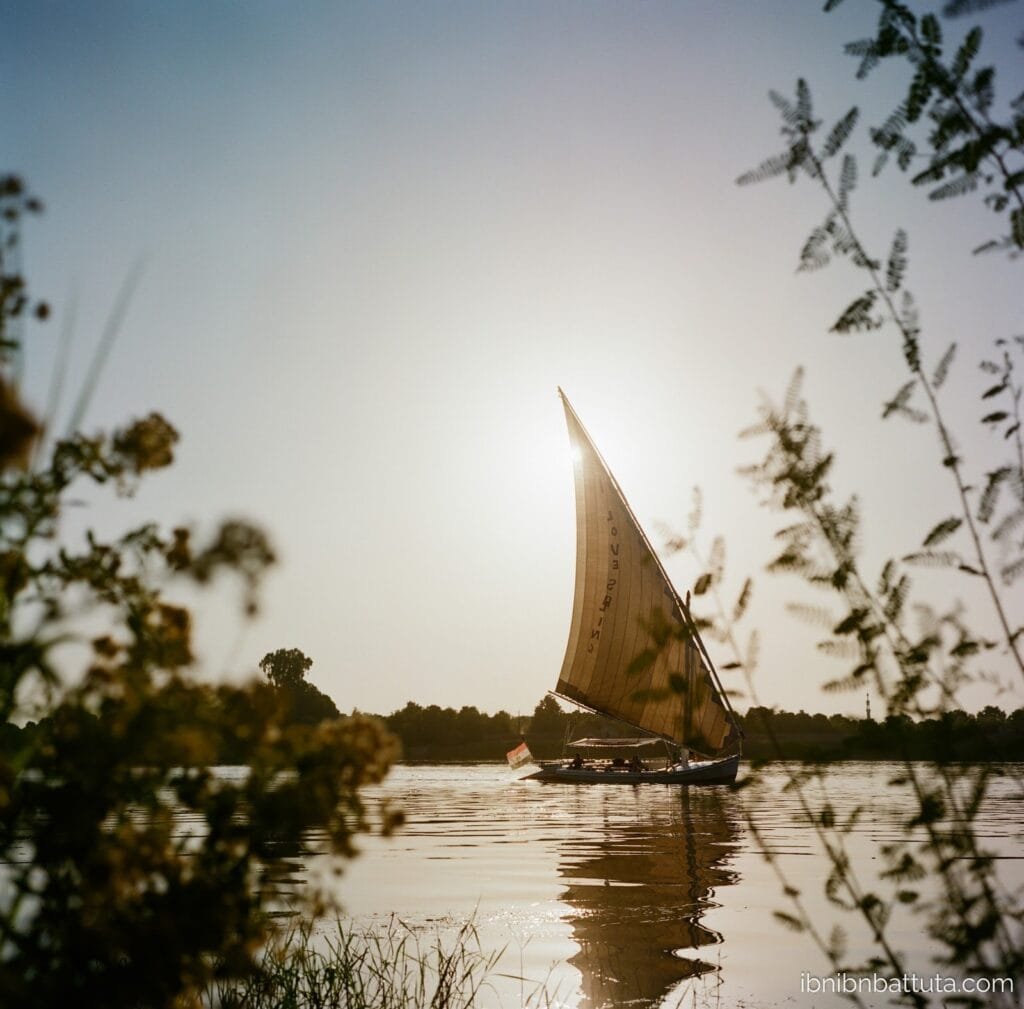
8. The Nile Corniche and the Modern Life of the East Bank
While the East Bank of Luxor is celebrated primarily for its ancient temples and archaeological wonders, it also serves as the vibrant modern heart of the city where daily life unfolds beside the timeless Nile River. The Nile Corniche stretches gracefully along the riverfront, creating one of Luxor’s most lively and picturesque areas filled with cafés, restaurants, horse carriages, bazaars, hotels, and cruise ships arriving from Aswan. Walking along the Corniche allows visitors to experience a fascinating contrast between ancient and modern Egypt, where local residents carry on everyday life in the shadow of monuments that have stood for thousands of years. During the day, the riverside promenade bustles with activity as travelers board feluccas, browse souvenir shops, or relax in cafés overlooking the Nile. In the evening, the Corniche becomes especially magical as the illuminated temples of Luxor reflect upon the calm river waters while traditional music and warm lights create an unforgettable atmosphere. Horse-drawn carriages move through the streets transporting visitors between Luxor Temple, hotels, and nearby markets, preserving a romantic sense of old-world travel rarely found in modern cities. The East Bank also contains bustling souks and local markets where travelers can purchase alabaster carvings, handmade jewelry, spices, papyrus art, traditional galabeyas, and colorful textiles crafted by local artisans. The aroma of Egyptian coffee, grilled food, and incense drifts through the streets, adding sensory richness to the visitor experience. Nile cruises docked along the Corniche further enhance the city’s international atmosphere, bringing travelers from across the world to explore the treasures of ancient Thebes. Despite the constant flow of tourism, the East Bank retains an authentic Egyptian character shaped by local families, students, merchants, and workers who continue living beside the ancient monuments. Modern hotels and luxury resorts also line parts of the riverfront, providing stunning views of the Nile and easy access to archaeological sites. The Corniche therefore represents far more than a simple riverside street; it acts as the social and cultural center of contemporary Luxor while preserving a deep connection to the city’s ancient identity. The modern life of the East Bank demonstrates how Luxor successfully balances tourism, heritage, and local culture beside one of the world’s most historic rivers.
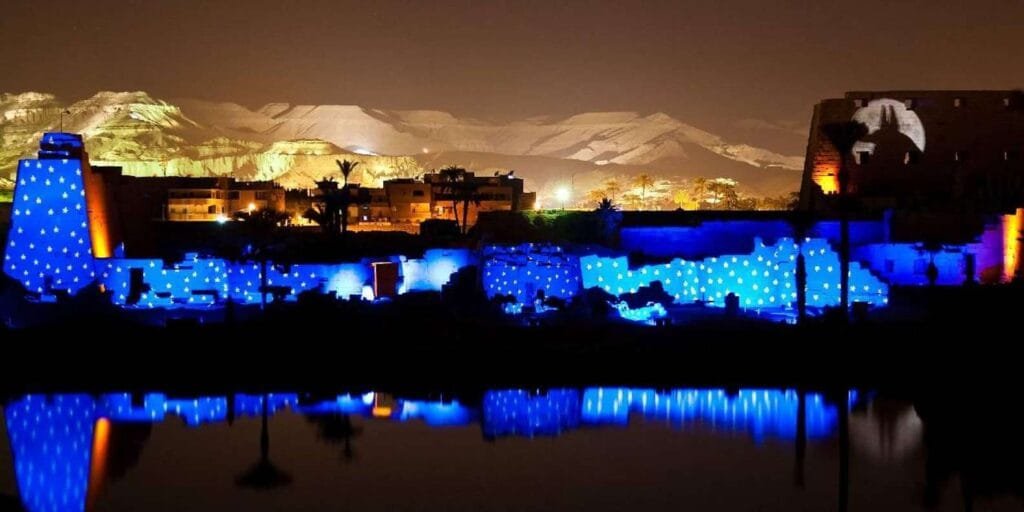
9. Sound and Light Shows: Bringing Ancient Thebes Back to Life
One of the most unforgettable nighttime experiences on the East Bank of Luxor is the famous Sound and Light Show at Karnak Temple Complex, where the ruins of ancient Thebes are transformed into a dramatic theatrical journey through Egyptian history. As darkness falls over the temple complex, colorful lights illuminate the giant columns, statues, pylons, and sacred courtyards while powerful narration and music recreate the voices of pharaohs, priests, and gods from thousands of years ago. The experience begins as visitors walk through the temple pathways under the night sky, following illuminated routes that guide them through different historical scenes and eras of ancient Egypt. The combination of monumental architecture, dramatic lighting, and storytelling creates a deeply emotional atmosphere unlike traditional museum visits or daytime tours. Ancient rulers such as Ramses II, Hatshepsut, and Thutmose III appear symbolically through narration describing their achievements, military victories, temple constructions, and religious devotion. The Great Hypostyle Hall becomes especially breathtaking at night as beams of colored light rise across the forest of gigantic columns while echoes of ancient chants and ceremonial music fill the air. Visitors often describe the experience as both educational and cinematic because it allows them to imagine how Karnak Temple once looked during its height as the spiritual center of ancient Egypt. The sacred lake also plays an important role in the performance, reflecting lights and creating mesmerizing visual effects that enhance the mystical atmosphere of the temple complex. Families, photographers, and history enthusiasts particularly enjoy the show because it combines entertainment with historical storytelling in a highly immersive environment. Beyond its visual beauty, the Sound and Light Show helps modern audiences connect emotionally with the civilization that once flourished on the East Bank. The event demonstrates how modern technology can revive ancient monuments without diminishing their historical authenticity. After the performance ends, many visitors remain captivated by the sight of Karnak illuminated against the dark Egyptian sky, creating memories that last long after the journey ends. The Sound and Light Show therefore remains one of Luxor’s most iconic cultural experiences and a powerful reminder that the temples of the East Bank continue speaking to humanity across the centuries beside the eternal Nile River.
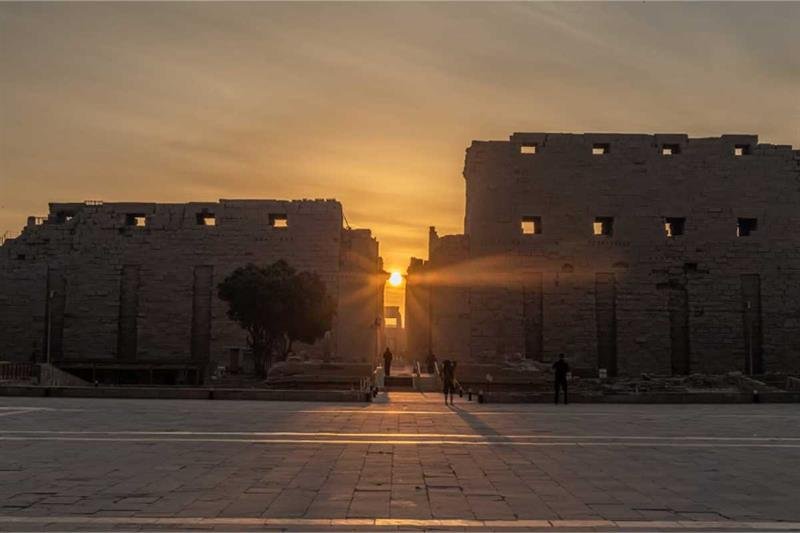
10. The East Bank at Sunrise and Sunset: A Landscape of Eternal Beauty
Few places in the world possess the magical atmosphere of the East Bank of Luxor during sunrise and sunset, when the ancient temples and monuments become illuminated by the changing colors of the Egyptian sky. Because the East Bank symbolizes the land of the rising sun and the realm of the living in ancient Egyptian belief, sunrise holds deep spiritual significance throughout the landscape of ancient Thebes. Early morning light slowly spreads across the towering pylons of Karnak Temple Complex and Luxor Temple, transforming the sandstone walls into glowing shades of gold, orange, and amber. At dawn, the atmosphere feels peaceful and timeless as birds fly above the Nile and the city gradually awakens beside monuments that have stood for thousands of years. Many travelers consider early morning the perfect time to explore the temples because the cooler temperatures and softer lighting create ideal conditions for photography and quiet reflection. Sunset offers an equally breathtaking experience as the final rays of sunlight cast dramatic shadows across colossal statues, obelisks, and hieroglyph-covered columns. The changing light emphasizes the enormous scale and artistic details of the temples while creating a romantic and mystical atmosphere that deeply moves visitors. Along the Nile Corniche, the reflections of illuminated temples and cruise ships dancing upon the water create one of the most beautiful evening scenes in Egypt. Photographers from around the world travel to Luxor specifically to capture these magical moments when ancient architecture and natural light combine perfectly. The emotional impact of watching the sun rise or set over the East Bank often leaves travelers with a profound sense of connection to the ancient civilization that once worshipped the sun god Ra and viewed daily sunrise as a symbol of rebirth and cosmic renewal. Even modern visitors unfamiliar with Egyptian religion often feel the spiritual energy embedded within the landscape during these hours of changing light. The East Bank’s relationship with the sun therefore remains one of its most defining characteristics, linking modern travelers directly with the beliefs and artistic vision of ancient Egypt. Sunrise and sunset continue transforming the temples of Luxor into living monuments of beauty, spirituality, and historical continuity beside the eternal Nile River.
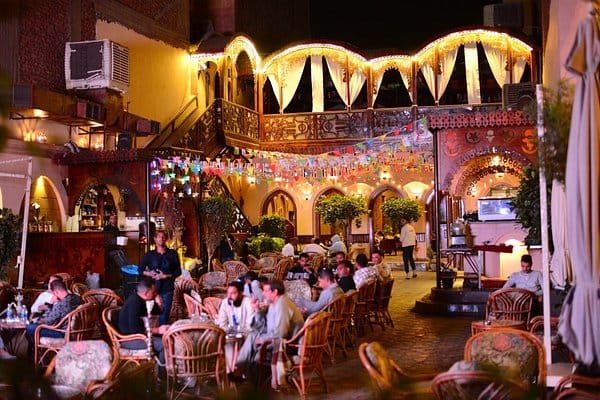
11. The Markets and Cultural Life of the East Bank
Beyond the colossal temples and archaeological treasures, the East Bank of Luxor thrives as a vibrant cultural center where modern Egyptian life unfolds amid the timeless atmosphere of ancient Thebes. The streets surrounding Luxor Temple and the Nile Corniche are filled with lively souks, local cafés, restaurants, traditional workshops, and colorful markets that create an authentic sensory experience for visitors exploring the city. Walking through the East Bank’s bazaars introduces travelers to the sights, sounds, and aromas of Upper Egyptian culture, where merchants display handmade crafts, alabaster statues, papyrus paintings, spices, silver jewelry, scarves, leather goods, and traditional galabeyas. The spirit of bargaining remains an important part of the shopping experience, creating lively interactions between visitors and local vendors that reflect centuries-old traditions of trade and hospitality along the Nile. The fragrance of hibiscus tea, freshly baked bread, grilled kebabs, and Egyptian coffee drifts through the narrow streets while local music and conversations fill the evening air. Horse-drawn carriages moving between the temples and markets add to the romantic atmosphere of the East Bank, preserving a sense of traditional travel rarely found in modern cities. Cultural cafés overlooking the Nile provide ideal places to relax while watching boats move across the river at sunset. The East Bank also hosts festivals, performances, and cultural events celebrating Egyptian heritage and local traditions throughout the year. Modern Luxor residents continue living beside the ancient monuments in a way that creates a unique coexistence between past and present. Children play near temple walls, fishermen work along the Nile, and local artisans continue crafts that trace their origins back to ancient Egypt itself. Visitors often discover that the cultural life of the East Bank becomes just as memorable as the temples because it provides insight into contemporary Egyptian society and hospitality. The warmth and friendliness of Luxor’s people further enhance the visitor experience, making travelers feel welcomed within the city’s living cultural landscape. The markets and cultural life of the East Bank therefore represent an essential part of Luxor’s identity, connecting modern traditions with one of humanity’s oldest centers of civilization beside the timeless Nile River.
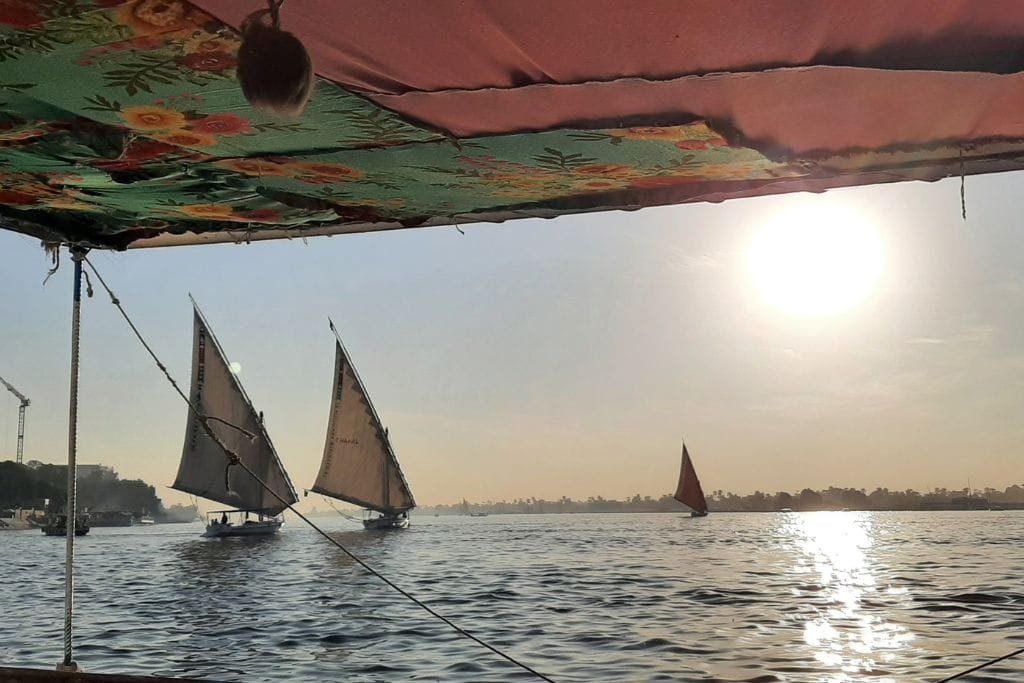
12. Nile Cruises and Felucca Sailing Along the East Bank
One of the most enchanting ways to experience the East Bank of Luxor is from the waters of the Nile itself, where travelers can admire the temples, cityscape, and surrounding landscapes from the same river that sustained ancient Egyptian civilization for thousands of years. The Nile River forms the lifeblood of Luxor, and sailing along its calm waters remains one of the most romantic and unforgettable experiences in all of Egypt. Luxury Nile cruises docked along the East Bank provide travelers with floating hotels offering elegant accommodations, panoramic decks, fine dining, and direct access to archaeological treasures throughout Upper Egypt. These cruises often travel between Luxor and Aswan, allowing visitors to explore ancient temples while enjoying constantly changing views of green riverbanks, desert hills, villages, and palm groves. At sunset, the sight of Luxor Temple illuminated beside the river creates one of the most breathtaking scenes along the Nile. For travelers seeking a quieter and more traditional experience, felucca sailing offers a peaceful alternative deeply connected to Egypt’s ancient maritime heritage. These graceful wind-powered sailboats glide silently across the Nile using the natural river breeze, creating a tranquil atmosphere ideal for relaxation and photography. Many visitors enjoy evening felucca rides along the East Bank while watching the sun disappear behind the Theban hills on the opposite shore. The contrast between the ancient temples, modern cruise ships, and traditional sailboats perfectly captures Luxor’s timeless relationship with the Nile River. Local sailors often share stories about the river and daily life in Upper Egypt while serving traditional tea aboard the boats. The Nile also provides stunning reflections of temples, city lights, and palm trees that enhance the beauty of nighttime sailing experiences. Historians emphasize that the Nile served not only as Egypt’s primary transportation route but also as the spiritual and economic foundation of ancient civilization. Viewing the East Bank from the water therefore allows travelers to understand why the ancient Egyptians considered the Nile sacred and inseparable from life itself. Whether aboard a luxurious cruise ship or a traditional felucca, sailing along the East Bank remains one of Luxor’s most magical experiences and a timeless journey through the heart of ancient Egypt beside the eternal river that shaped human history.
13. The Culinary Experience of the East Bank of Luxor
The East Bank of Luxor offers visitors not only extraordinary historical monuments but also a rich culinary experience deeply connected to the traditions and agricultural heritage of Upper Egypt. Along the Nile Corniche, within the bustling streets near Luxor Temple, and inside traditional local neighborhoods, travelers discover a wide variety of restaurants, cafés, and riverside dining spaces serving authentic Egyptian cuisine filled with flavor and hospitality. The fertile lands surrounding Luxor produce fresh vegetables, herbs, dates, sugarcane, and fruits that form the foundation of many local dishes. One of the most popular meals enjoyed by visitors is traditional Egyptian koshari, a hearty combination of rice, lentils, pasta, chickpeas, fried onions, and spicy tomato sauce that reflects the comforting simplicity of Egyptian street food culture. Travelers exploring the East Bank also frequently taste molokhia, a famous green soup prepared with garlic and herbs, often served alongside roasted chicken or grilled meat. Freshly baked baladi bread, tahini, baba ghanoush, falafel, and fava bean dishes remain staples of daily life throughout Luxor. Riverside restaurants overlooking the Nile specialize in grilled fish, kebabs, kofta, and traditional Upper Egyptian meals served while feluccas and cruise boats glide peacefully across the river. The atmosphere becomes especially magical during the evening when illuminated temples reflect on the Nile and warm desert air fills the open-air cafés. Egyptian tea flavored with mint and karkadeh, a refreshing hibiscus drink popular in Upper Egypt, are widely enjoyed by both locals and travelers relaxing after long days exploring the temples. Many luxury hotels on the East Bank also offer international cuisine blended with Egyptian flavors, allowing visitors to enjoy fine dining experiences with panoramic Nile views. Beyond the food itself, dining on the East Bank introduces travelers to the warmth and generosity of Egyptian hospitality, where meals are often shared slowly among friends and family. Traditional music, local conversations, and the aroma of grilled food drifting through the streets create an unforgettable cultural atmosphere. The culinary life of the East Bank therefore forms an essential part of the Luxor experience, connecting travelers with the living traditions, agricultural richness, and social spirit of Upper Egypt beside the eternal Nile River.
14. The Best Time to Visit the East Bank of Luxor
Choosing the ideal time to explore the East Bank of Luxor can greatly enhance the overall travel experience because the climate of Upper Egypt strongly influences comfort, photography, sightseeing conditions, and crowd levels throughout the year. Luxor possesses a classic desert climate characterized by intense sunshine, dry air, and minimal rainfall, making seasonal planning especially important for visitors hoping to fully enjoy the archaeological wonders of Karnak Temple, Luxor Temple, museums, markets, and Nile activities. The best period for visiting the East Bank is generally between October and April, when daytime temperatures remain mild and pleasant, usually ranging between twenty and twenty-five degrees Celsius. During these cooler months, travelers can comfortably spend long hours exploring the vast temple complexes without experiencing the exhausting heat common during summer. Winter mornings often provide beautiful golden light ideal for photography, while evenings become refreshingly cool and perfect for Nile walks or nighttime visits to illuminated temples. This period also coincides with Luxor’s peak tourism season, bringing vibrant cultural energy to the East Bank as cruise ships, festivals, and travelers from around the world fill the city. In contrast, the summer months from May through September bring extremely high temperatures that frequently exceed forty degrees Celsius, especially during midday hours. However, some travelers still prefer summer visits because the archaeological sites become quieter and hotel prices significantly decrease. Early morning and sunset excursions remain essential during hotter months to avoid intense afternoon heat. Sunrise visits to Karnak Temple Complex are particularly rewarding because the soft morning light transforms the sandstone columns into glowing shades of gold while creating peaceful conditions before large crowds arrive. Evening visits to Luxor Temple are equally magical, especially when the temple becomes illuminated beneath the dark Egyptian sky. Travelers are advised to wear lightweight clothing, comfortable walking shoes, hats, and sunscreen throughout the year due to Luxor’s strong desert sun. Understanding seasonal weather patterns helps visitors plan a more enjoyable and balanced itinerary across the East Bank’s many attractions. Regardless of the season, the East Bank of Luxor remains one of the world’s greatest open-air museums and an unforgettable destination where ancient history and modern Egyptian culture continue flourishing beside the timeless Nile River.
15. The East Bank for Families and Educational Tourism
The East Bank of Luxor has become one of Egypt’s most rewarding destinations for families, school groups, and educational travelers seeking a unique combination of adventure, culture, and historical discovery. Unlike traditional classroom learning, visiting the East Bank allows children and students to experience ancient history directly by walking through colossal temples, reading hieroglyphics carved into stone walls, and standing beneath monuments that have survived for thousands of years. Sites such as Karnak Temple Complex and Luxor Temple naturally inspire curiosity and imagination because of their immense scale, mysterious symbols, giant statues, and dramatic architectural spaces. Young visitors are often fascinated by stories of pharaohs, gods, hidden rituals, and ancient festivals once celebrated on the East Bank. Guided tours specifically designed for children and students help transform archaeological exploration into interactive learning experiences filled with storytelling, visual examples, and engaging historical explanations. Many educational programs encourage students to understand how ancient Egyptians built temples, developed writing systems, organized religion, and created one of the world’s earliest advanced civilizations. Beyond archaeology, the East Bank also introduces families to modern Egyptian culture through markets, local food, Nile sailing, traditional music, and interactions with local residents. Horse carriage rides through the streets of Luxor, felucca trips along the Nile, and evening visits to illuminated temples create memorable experiences suitable for all ages. Luxury hotels and family-friendly resorts along the Nile further support educational tourism by offering cultural workshops, cooking demonstrations, and activities introducing younger generations to Egyptian traditions. Many schools and universities from around the world choose Luxor as a destination for history-focused educational travel because the East Bank provides unmatched opportunities to study architecture, religion, engineering, art, and archaeology within their original historical environment. Parents frequently describe the experience as transformative because children develop a deeper appreciation for world history and cultural heritage through direct exploration rather than textbooks alone. The East Bank therefore functions not only as a tourism destination but also as a living educational environment where ancient civilization becomes accessible, exciting, and emotionally meaningful for modern generations beside the eternal Nile River.

16. Day Trips and Nearby Attractions from the East Bank
The East Bank of Luxor serves not only as the cultural and historical center of ancient Thebes but also as the perfect gateway for exploring many of Upper Egypt’s surrounding archaeological and natural treasures. Travelers staying on the East Bank often use the city as a strategic base for unforgettable day trips that expand the journey beyond Karnak Temple and Luxor Temple into a broader exploration of Egyptian civilization. One of the most popular nearby excursions is a visit to the legendary West Bank of Luxor, home to the Valley of the Kings, the Mortuary Temple of Mortuary Temple of Hatshepsut, the Colossi of Memnon, and the Valley of the Queens. Crossing the Nile itself becomes part of the experience, symbolizing the ancient Egyptian transition from the land of the living to the realm of the afterlife. Travelers based on the East Bank can also organize longer journeys northward to the magnificent Dendera Temple Complex, famous for its beautifully preserved astronomical ceiling and colorful reliefs dedicated to the goddess Hathor. Another extraordinary excursion leads to Abydos, one of Egypt’s most sacred religious centers associated with the god Osiris and renowned for its remarkably detailed carvings. To the south, visitors can travel toward Temple of Edfu and Kom Ombo Temple while continuing deeper into Upper Egypt. The East Bank’s central location and tourism infrastructure make these journeys convenient and highly popular among travelers interested in comprehensive historical exploration. Modern Luxor also offers activities beyond archaeology, including desert safaris, hot air balloon rides, Nile cruises, and traditional village visits that reveal the cultural richness of Upper Egypt today. Many visitors discover that the East Bank provides the perfect balance between comfort, accessibility, and proximity to Egypt’s greatest monuments. Whether travelers seek ancient temples, scenic Nile landscapes, local culture, or archaeological adventure, the East Bank functions as the ideal starting point for discovering the broader wonders of southern Egypt. Its strategic location continues serving travelers much as ancient Thebes once connected religious, political, and economic life throughout the Nile Valley beside the eternal river.

17. The Spiritual Symbolism of the East Bank in Ancient Egyptian Belief
The East Bank of Luxor held profound spiritual significance within ancient Egyptian belief because it symbolized life, rebirth, sunlight, and divine creation. Ancient Egyptians closely associated geography with religion and cosmic order, believing that the movement of the sun across the sky reflected the eternal cycle of life and death governing both humanity and the universe itself. Since the sun rose in the east each morning, the East Bank became known as the “Land of the Living,” where temples, palaces, administrative centers, and ceremonial spaces flourished beneath the light of the rising sun god Ra. In contrast, the West Bank represented the realm of death and the afterlife because it faced the setting sun disappearing into darkness beyond the western horizon. This spiritual division shaped the entire layout of ancient Thebes and explains why the greatest temples of worship were constructed on the East Bank while royal tombs and funerary complexes were hidden within the desert cliffs across the Nile. Temples such as Karnak Temple Complex and Luxor Temple therefore represented far more than monumental architecture; they functioned as sacred spaces where the gods maintained cosmic harmony and where the pharaoh renewed his divine legitimacy through rituals and ceremonies. The alignment of temple entrances, avenues, obelisks, and sanctuaries often reflected astronomical observations and solar symbolism deeply connected to Egyptian theology. During sunrise, sunlight entered temple courtyards and illuminated sacred spaces in carefully designed ways that reinforced religious symbolism and spiritual experience. The famous Opet Festival, celebrated along the Avenue of Sphinxes, also reflected themes of rebirth, fertility, and divine renewal central to East Bank spirituality. Priests, kings, and worshippers believed that maintaining harmony between humanity and the gods ensured prosperity throughout Egypt. Even modern visitors unfamiliar with ancient religion often sense the spiritual atmosphere embedded within the East Bank’s monumental landscape, especially at dawn or sunset when sunlight transforms the sandstone temples into glowing symbols of eternity. The East Bank therefore remains not only an archaeological treasure but also a powerful reflection of the ancient Egyptian worldview, where nature, religion, kingship, and cosmic order existed together in perfect harmony beside the timeless Nile River.
18. The East Bank of Luxor: The Eternal Heart of Ancient Egypt
In the end, the East Bank of Luxor stands as one of humanity’s greatest cultural and spiritual landscapes, preserving the living heart of ancient Egypt beside the eternal Nile River. Few places on Earth offer such an extraordinary concentration of monumental architecture, religious symbolism, artistic achievement, and historical continuity within a single environment. From the colossal columns of Karnak Temple Complex to the elegant beauty of Luxor Temple, every part of the East Bank reflects the ambition, faith, and creativity of the civilization that once ruled the ancient world from Thebes. The temples, obelisks, sacred lakes, avenues, statues, and hieroglyph-covered walls continue telling stories of powerful pharaohs, divine rituals, grand festivals, and spiritual beliefs that shaped Egyptian society for thousands of years. Yet the East Bank is far more than a collection of ancient ruins frozen in time. Modern Luxor continues thriving around these monuments with bustling markets, Nile cruises, cafés, museums, and vibrant local communities that preserve the city’s connection between past and present. Visitors exploring the East Bank experience not only archaeological wonder but also the warmth of Egyptian culture, hospitality, and everyday life unfolding beside temples older than most civilizations on Earth. The relationship between sunlight, the Nile, religion, and architecture gives the East Bank a unique spiritual atmosphere unlike anywhere else in the world. At sunrise, the temples glow with golden light symbolizing rebirth and divine renewal, while nighttime illumination transforms the monuments into hauntingly beautiful reminders of Egypt’s eternal legacy. Historians, archaeologists, artists, photographers, and travelers continue returning to Luxor because the East Bank offers endless opportunities for discovery, inspiration, and emotional connection with the ancient past. Every stone, inscription, and ceremonial avenue reflects humanity’s desire to create beauty, preserve memory, and communicate with eternity itself. The East Bank therefore remains not only the “City of the Living” envisioned by the ancient Egyptians but also a timeless bridge connecting modern humanity with one of the greatest civilizations in world history. As long as the Nile continues flowing through Luxor, the East Bank will remain an enduring symbol of ancient Egypt’s grandeur, spirituality, and everlasting cultural legacy beside the sacred river that shaped civilization itself.