

- Excursions in Egypt
- Egypt Tour Packages
- Cairo Tours and Excursions
- Hurghada Tours and Excursions
- Soma Bay Tours and Excursions
- Makadi Bay Tours and Excursions
- Sahl Hasheesh Tours and Excursions
- El Gouna Tours and Excursions
- Marsa Alam Tours and Excursions
- Port Ghalib Tours and Excursions
- El Quseir Tours and Excursions
- Dendera and Abydos Day Tours
- Aswan Tours and Excursions
- Luxor Tours and Excursions
- Sharm El Sheikh Tours and Excursions
- Top Rated Egypt Tours in 2026
- Optional Excursions in Egypt
- Private Transfer
- Blogs About egypt
- Ancient Egypt
- Historical Sites in Egypt
- Cairo
- Alexandria
- Luxor
- Aswan
- The Red Sea
- Dendera Temple
- El Fayoum Oasis
- Bahariya Oasis
- Siwa Oasis
- Al Alamein
- Marsa Matruh
- Why Egypt Is One of the Safest Countries to Visit in the Middle East
- What You Need To know Before Your First Trip To Egypt
- Egypt Travel Costs in 2026 Full Budget Guide
- Top 10 Tourist Activities in Egypt
- Top 50 Activities You Can’t Miss in Egypt in 2026
- The Guide to Guided Tours in Egypt
- Egypt’s Ancient and Modern History
- The Nile River
- The Deserts of Egypt
- Ancient Egyptian gods
- famous Egyptian dishes
- UNESCO World Heritage sites
- About Us
- Egypt Hotels and Resorts
- Excursions in Egypt
- Egypt Tour Packages
- Cairo Tours and Excursions
- Hurghada Tours and Excursions
- Soma Bay Tours and Excursions
- Makadi Bay Tours and Excursions
- Sahl Hasheesh Tours and Excursions
- El Gouna Tours and Excursions
- Marsa Alam Tours and Excursions
- Port Ghalib Tours and Excursions
- El Quseir Tours and Excursions
- Dendera and Abydos Day Tours
- Aswan Tours and Excursions
- Luxor Tours and Excursions
- Sharm El Sheikh Tours and Excursions
- Top Rated Egypt Tours in 2026
- Optional Excursions in Egypt
- Private Transfer
- Blogs About egypt
- Ancient Egypt
- Historical Sites in Egypt
- Cairo
- Alexandria
- Luxor
- Aswan
- The Red Sea
- Dendera Temple
- El Fayoum Oasis
- Bahariya Oasis
- Siwa Oasis
- Al Alamein
- Marsa Matruh
- Why Egypt Is One of the Safest Countries to Visit in the Middle East
- What You Need To know Before Your First Trip To Egypt
- Egypt Travel Costs in 2026 Full Budget Guide
- Top 10 Tourist Activities in Egypt
- Top 50 Activities You Can’t Miss in Egypt in 2026
- The Guide to Guided Tours in Egypt
- Egypt’s Ancient and Modern History
- The Nile River
- The Deserts of Egypt
- Ancient Egyptian gods
- famous Egyptian dishes
- UNESCO World Heritage sites
- About Us
- Egypt Hotels and Resorts
Welcome to
Temple of Kom Ombo: The Dual Sanctuary of Gods and Balance on the Nile
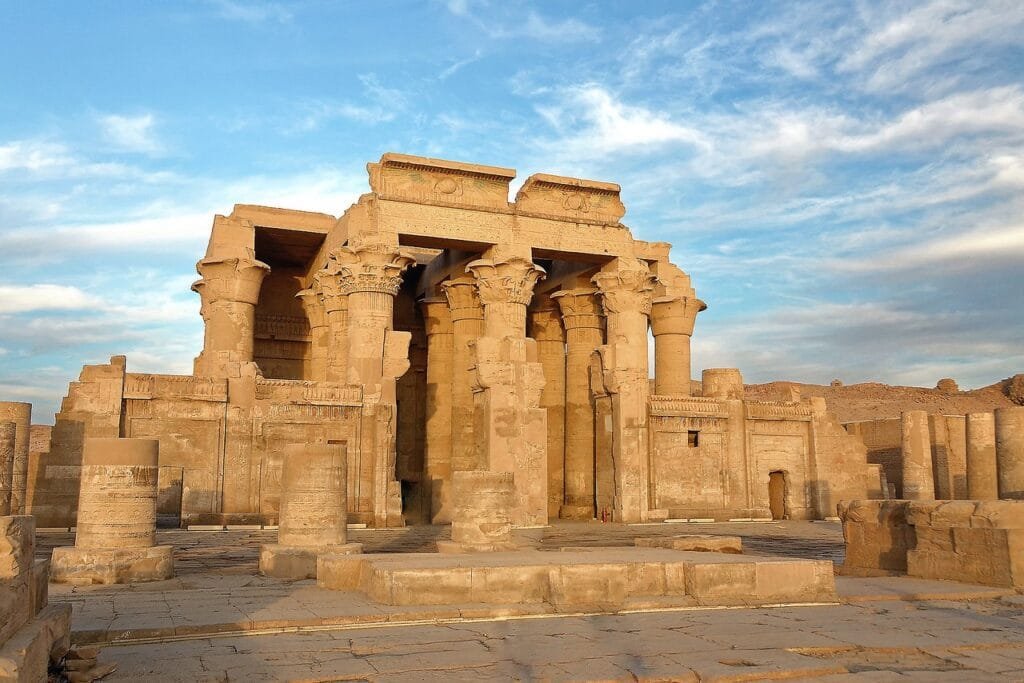
If ancient Egypt mastered the art of harmony between gods and the universe, then the Temple of Kom Ombo stands as one of its most unique and fascinating expressions of that balance. Rising dramatically on a bend of the Nile River near Aswan, this extraordinary temple is unlike any other in Egypt. It is not dedicated to a single deity, but to two—Sobek, the crocodile god of strength and fertility, and Horus the Elder, the falcon-headed god of protection and kingship. This rare dual dedication transforms the temple into a powerful symbol of cosmic equilibrium, where opposing forces coexist in perfect harmony.
Built during the Ptolemaic period, the temple reflects a time when Egyptian traditions blended with Greek influence, creating a distinctive architectural and artistic identity. Yet despite these external elements, the soul of the temple remains deeply rooted in ancient Egyptian belief. Every wall, corridor, and sanctuary is designed with symmetry, mirroring the dual nature of the gods it honors. From its twin entrances to its parallel halls and sanctuaries, Kom Ombo is a masterpiece of balance, where every element exists in deliberate reflection of the other.
Standing above the Nile, the temple offers more than historical significance—it offers an atmosphere that feels both powerful and mysterious. The nearby presence of crocodiles in ancient times added a sense of reverence and fear, reinforcing the divine authority of Sobek. Today, as visitors walk through its weathered stone corridors and gaze upon its intricate carvings, they step into a space where mythology, nature, and architecture merge into a single, unforgettable experience.
1. Kom Ombo: The Sacred Bend of the Nile
The journey to the Temple of Kom Ombo begins along one of the most scenic stretches of the Nile River, where the landscape opens into a wide and tranquil bend that has attracted human settlement for thousands of years. Located between Aswan and Edfu, this strategic position made Kom Ombo not only a religious center but also an important point of trade and interaction between Upper Egypt and Nubia. Unlike many temples hidden deep within desert landscapes, Kom Ombo rises directly beside the river, giving it a unique presence that feels both accessible and powerful. In ancient times, boats would dock along its edge, bringing priests, pilgrims, and traders who approached the temple from the water—just as many visitors do today. The reflection of its columns in the Nile would have created a striking image, reinforcing the temple’s spiritual significance as a place where the divine and natural worlds met. This location also played a vital role in shaping the temple’s identity. The proximity to the Nile meant constant interaction with the forces of nature, particularly the presence of crocodiles, which were both feared and revered. It is this blend of geography and belief that gave rise to one of the most distinctive temples in Egypt, where the environment itself became part of the sacred experience.
2. A Temple of Two Gods: Sobek and Horus the Elder
At the heart of the Temple of Kom Ombo lies a concept that is rare in ancient Egyptian architecture—the equal dedication to two powerful deities: Sobek and Horus the Elder. Sobek, the crocodile-headed god, represented strength, fertility, and the untamed power of the Nile, while Horus the Elder, depicted with the head of a falcon, symbolized protection, kingship, and divine order. Together, they embodied opposing yet complementary forces, reflecting the ancient Egyptian belief in balance and harmony. This duality is expressed in every aspect of the temple’s design. Rather than a single central axis, the temple is divided into two symmetrical halves, each dedicated to one of the gods. There are twin entrances, twin halls, and even twin sanctuaries, perfectly mirroring one another. This architectural balance is not merely aesthetic—it is symbolic, representing the coexistence of strength and order, chaos and stability. For visitors, this unique arrangement offers a deeper understanding of ancient Egyptian theology. It reveals a worldview where opposing forces were not seen as conflicting, but as essential elements of a greater cosmic balance. Kom Ombo thus becomes more than a temple—it becomes a philosophical statement carved in stone.

3. The Architecture of Symmetry: A Masterpiece of Design
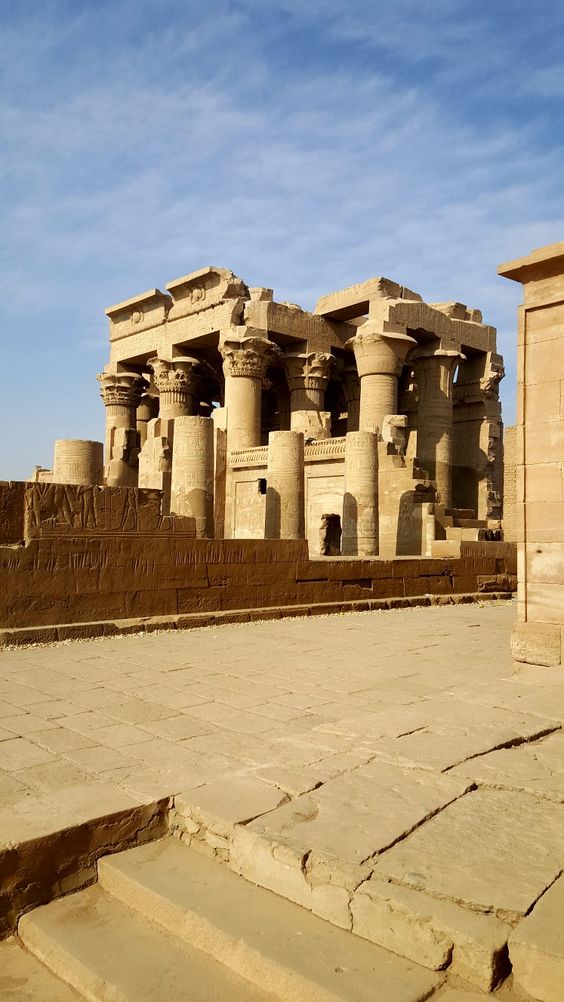
The Temple of Kom Ombo is a remarkable example of architectural precision, where symmetry is elevated to an art form. Unlike most temples in Egypt, which follow a single linear progression toward a central sanctuary, Kom Ombo is designed as a perfectly balanced structure with two parallel axes. Every element—columns, courts, halls, and sanctuaries—is duplicated, creating a mirrored layout that reflects the temple’s dual dedication. Constructed primarily during the Ptolemaic period, the temple showcases a blend of traditional Egyptian design with subtle Hellenistic influences. The columns are adorned with intricate capitals, and the walls are covered with detailed reliefs depicting rituals, offerings, and divine interactions. Despite the passage of time and the damage caused by floods and earthquakes, much of this artistry remains visible, offering a glimpse into the craftsmanship of the era. Walking through the temple, visitors experience a sense of balance and order that is both visual and spatial. The repetition of forms and the alignment of structures create a rhythm that guides movement and perception. It is a space where architecture is not only functional but symbolic, reinforcing the idea that harmony lies at the heart of both design and belief.
4. The Crocodile God Sobek: Power of the Nile
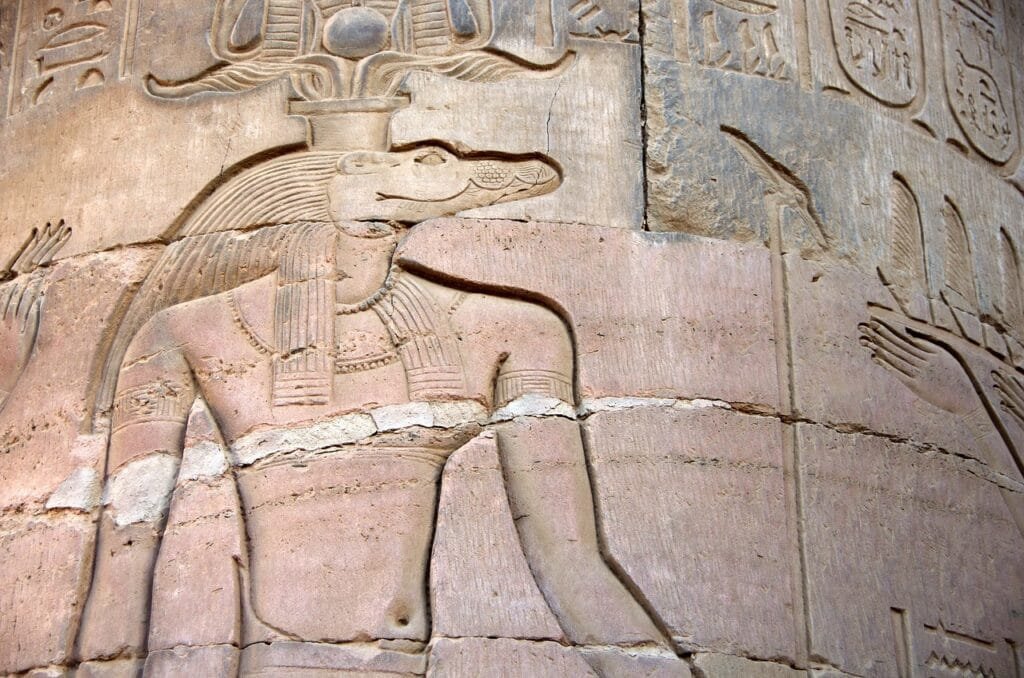
Among the two deities honored at the Temple of Kom Ombo, Sobek stands as one of the most fascinating and complex figures in ancient Egyptian belief. Depicted with the head of a crocodile, Sobek embodied the raw and unpredictable power of the Nile River—a force capable of both sustaining life and bringing destruction. For the people of this region, crocodiles were not merely animals; they were living symbols of divine authority, commanding both fear and reverence. Sobek was associated with fertility, protection, and military strength, believed to control the waters of the Nile and ensure its life-giving floods. Priests at Kom Ombo cared for sacred crocodiles, which were kept within temple enclosures and treated as earthly manifestations of the god. These creatures were adorned with jewelry and, upon death, were carefully mummified in elaborate rituals. Today, visitors can still witness this legacy through the nearby Crocodile Museum, where preserved crocodiles and artifacts offer insight into the deep spiritual connection between the ancient Egyptians and these powerful creatures. Sobek’s presence at Kom Ombo reminds us of the respect ancient civilizations held for the natural world and its forces.

5. Horus the Elder: Guardian of Kingship and Order
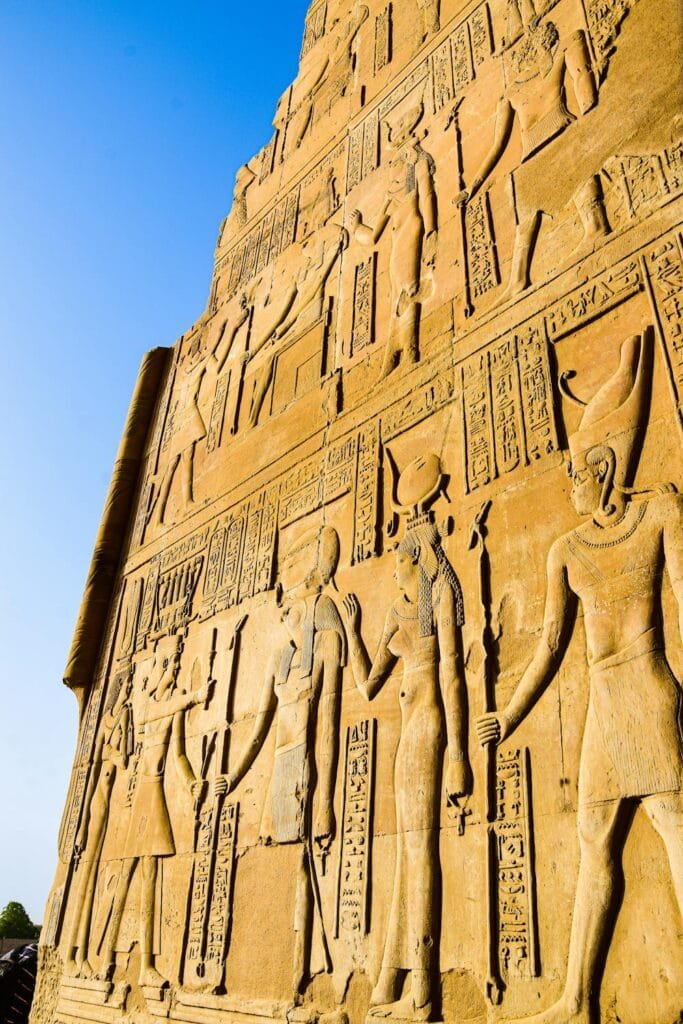
In contrast to Sobek’s untamed power, Horus the Elder represents order, protection, and divine kingship within the Temple of Kom Ombo. Often depicted with the head of a falcon, Horus was one of the most important gods in ancient Egyptian religion, symbolizing the authority of the pharaoh and the stability of the state. His presence in Kom Ombo balances the temple’s dual nature, offering a counterpoint to the strength of Sobek. Horus the Elder was seen as a protector of the skies and a guardian of cosmic order, ensuring that harmony prevailed over chaos. Reliefs within the temple show the pharaoh in the presence of Horus, reinforcing the idea that kings ruled under divine guidance and protection. This connection between the god and the ruler was central to the political and spiritual structure of ancient Egypt. The pairing of Horus with Sobek within a single temple highlights the Egyptian understanding of balance. It reflects a belief system in which strength must be guided by order, and power must be tempered by wisdom. Together, these deities create a unified vision of the universe, where opposing forces work in harmony.
6. Medical Knowledge in Stone: The Temple’s Unique Reliefs
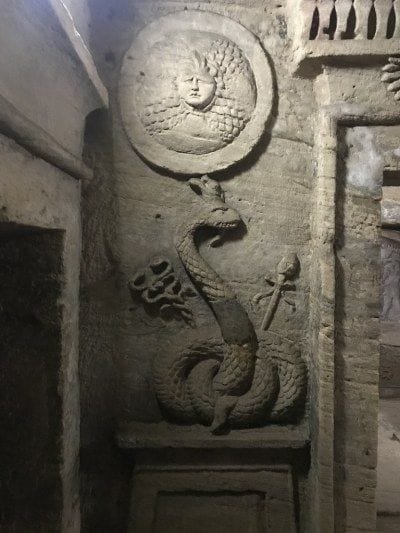
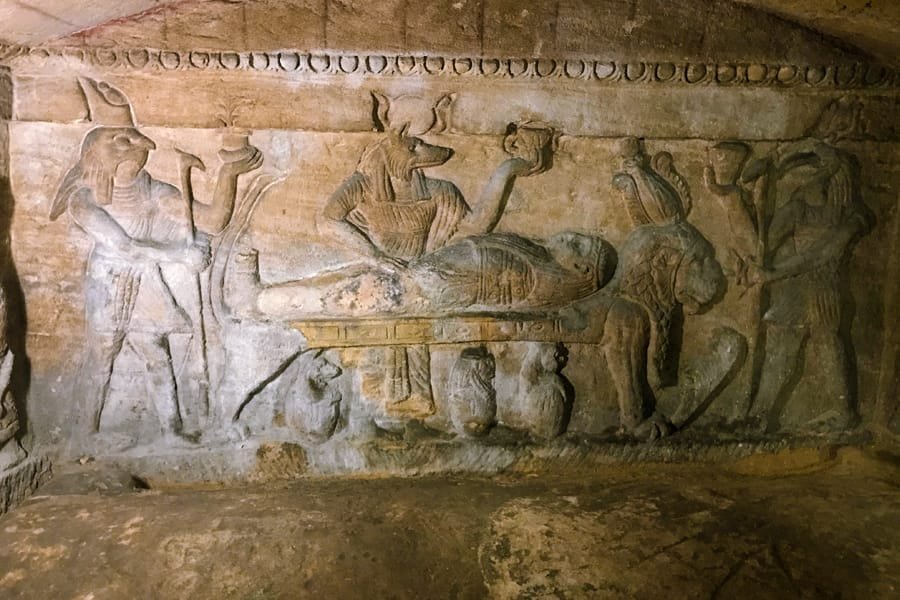
One of the most remarkable features of the Temple of Kom Ombo is its collection of reliefs that provide insight into ancient Egyptian medicine. Unlike most temples, which focus primarily on religious scenes, Kom Ombo includes detailed carvings that depict surgical instruments, medical procedures, and healing practices. These images offer a rare glimpse into the advanced knowledge possessed by ancient Egyptian physicians. Among the carvings, visitors can identify tools that resemble scalpels, forceps, and other instruments used in medical treatments. There are also depictions of childbirth scenes, suggesting that the temple may have served as a place of healing as well as worship. This combination of religion and medicine reflects the Egyptian belief that health was closely linked to divine influence and spiritual balance. These reliefs transform the temple into more than a religious monument—they turn it into a record of scientific and medical achievement. They demonstrate that the ancient Egyptians were not only builders of monumental structures, but also pioneers in understanding the human body and its care. For modern visitors, this aspect of Kom Ombo adds another layer of depth, revealing a civilization that valued knowledge as much as devotion.
7. The Crocodile Cult: Sacred Creatures and Ritual Practices
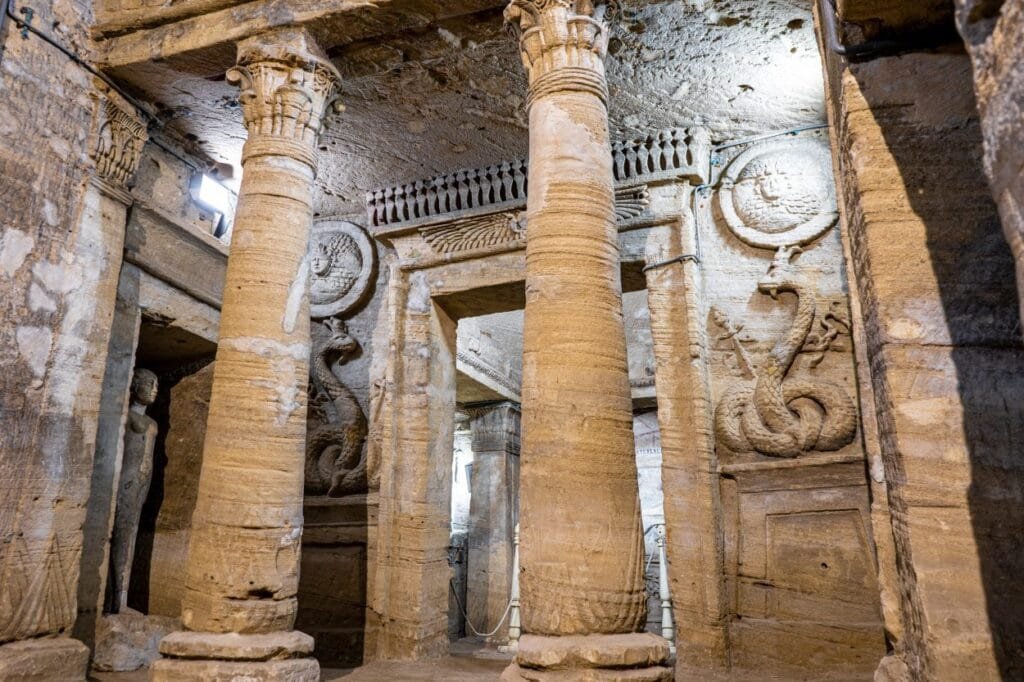
The spiritual identity of the Temple of Kom Ombo is deeply connected to the ancient cult of Sobek, where crocodiles were revered as living manifestations of the god. Along the banks of the Nile River, these powerful creatures inspired both fear and devotion, leading to the development of complex rituals centered around their worship. For the priests and local communities, caring for sacred crocodiles was a duty that reflected their respect for the divine forces of nature. Within the temple complex, crocodiles were kept in specially designated areas where they were fed, protected, and even adorned with ornaments. Upon death, these animals were mummified with the same care given to humans, ensuring their place in the afterlife. This practice highlights the unique relationship between humans and animals in ancient Egyptian belief, where the natural world was seen as a direct extension of the divine. Today, this fascinating aspect of history can still be explored through nearby exhibits that display mummified crocodiles and related artifacts. These remains serve as a powerful reminder of a time when religion, environment, and daily life were inseparably intertwined, shaping one of the most distinctive traditions in ancient Egypt.
8. The Nile and Fertility: Lifeline of Kom Ombo
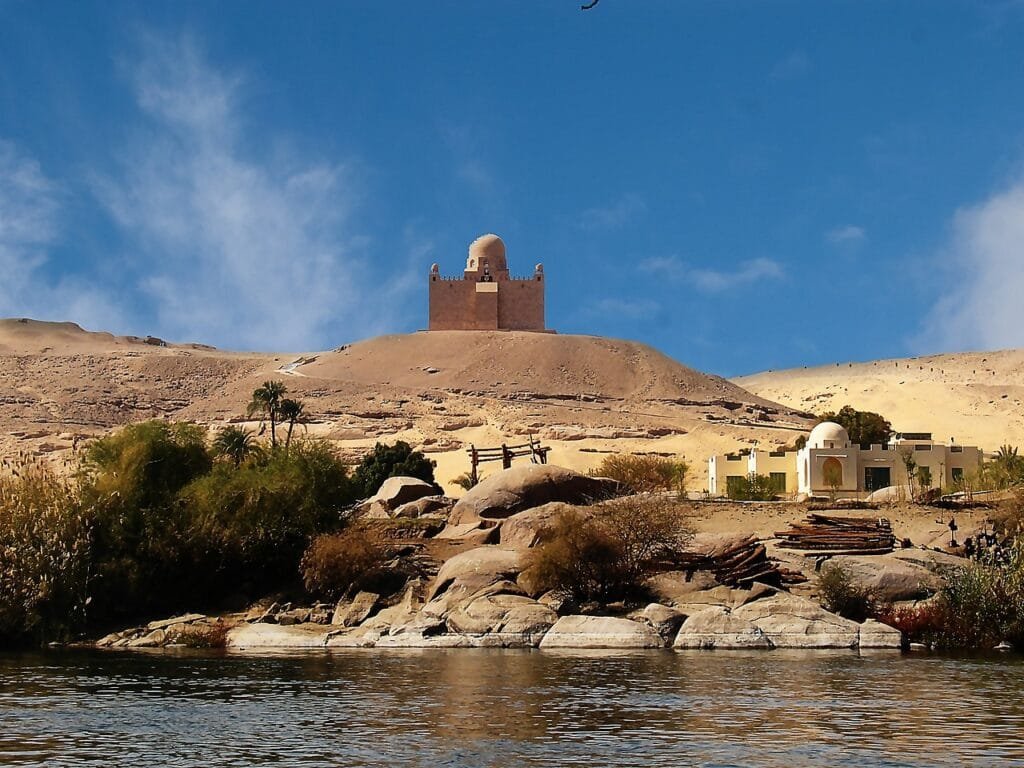
The existence and significance of the Temple of Kom Ombo are inseparable from the life-giving waters of the Nile River. For the ancient Egyptians, the Nile was far more than a river; it was the foundation of life, agriculture, and spiritual belief. Its annual floods enriched the surrounding land with fertile soil, allowing communities to thrive in an otherwise harsh desert environment. At Kom Ombo, this connection to the Nile was especially powerful due to the association with Sobek, the crocodile god linked to fertility, water, and the river’s natural force. The temple’s riverside location reinforced its role as a sacred space where nature and divinity were closely connected. Rituals performed here were believed to maintain balance in the natural world, ensuring the continuation of life and prosperity along the riverbanks. Today, standing beside the Nile near the temple, visitors can still feel this ancient connection. The steady flow of the river continues to shape the landscape just as it did thousands of years ago, giving Kom Ombo a timeless atmosphere where history and nature remain deeply intertwined.
9. Reliefs and Inscriptions: Stories Carved in Stone
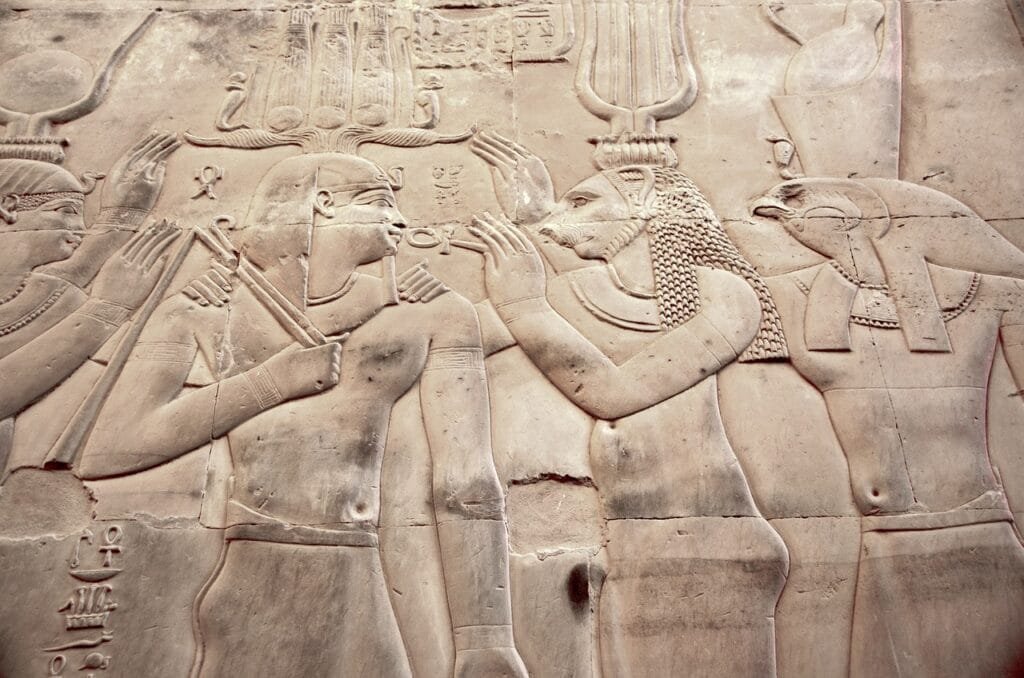
The walls of the Temple of Kom Ombo are covered with intricate reliefs and inscriptions that serve as a visual record of ancient Egyptian life, belief, and power. Every surface is carefully carved with scenes depicting religious rituals, offerings to the gods, and the relationship between the pharaoh and the divine. These carvings transform the temple into a vast narrative, where stone becomes a medium for storytelling. Among the most striking features are the detailed hieroglyphs that describe ceremonies and divine interactions. These inscriptions were not merely decorative—they were believed to hold spiritual power, ensuring that the rituals they depicted would continue eternally. The precision and artistry of these carvings reflect the skill of the craftsmen and the importance of preserving knowledge for future generations. Walking through the temple, visitors are surrounded by these stories, each one offering insight into a civilization that valued both artistic expression and spiritual meaning. The reliefs of Kom Ombo do more than decorate its walls—they bring the past to life, allowing modern audiences to connect with the beliefs and traditions of ancient Egypt in a direct and powerful way.

10. Kom Ombo at Sunset: A Temple Between Light and Shadow
As the sun begins to set over the Temple of Kom Ombo, the entire structure is transformed into a dramatic play of light and shadow. Positioned on the edge of the Nile River, the temple reflects the golden hues of the sky, creating a breathtaking scene where stone and water merge into a single visual harmony. The columns and walls glow warmly, revealing details that feel almost alive under the fading light. This daily transition from day to night holds a symbolic meaning that resonates with the ancient Egyptian worldview. Light represented order, life, and divine presence, while darkness symbolized mystery and the unknown. At Kom Ombo, this balance becomes visually powerful, reinforcing the temple’s core concept of duality and harmony between opposing forces. For modern visitors, sunset is one of the most memorable moments at the site. The combination of silence, golden light, and the calm flow of the Nile creates an atmosphere that feels both peaceful and timeless. It is a moment where history seems to pause, allowing the beauty of the temple to speak for itself.
11. The Crocodile Museum: Preserving Sacred History
Adjacent to the Temple of Kom Ombo lies the fascinating Crocodile Museum, a modern space dedicated to preserving one of the most unique aspects of ancient Egyptian belief. This museum showcases a collection of mummified crocodiles, ancient artifacts, and tools that highlight the deep spiritual connection between the people of Kom Ombo and the god Sobek. The exhibits reveal how crocodiles were not only feared as dangerous creatures of the Nile River but also revered as sacred beings. Carefully preserved specimens, some remarkably intact, demonstrate the high level of ritual care given to these animals. Alongside them, inscriptions and objects explain their role in religious ceremonies and daily life. Visiting the museum adds an important layer of understanding to the temple experience. It connects the architectural grandeur of Kom Ombo with the lived beliefs of ancient Egyptians, showing how religion, nature, and daily existence were deeply interconnected in this remarkable civilization.

12. The Legacy of Kom Ombo: A Temple of Eternal Balance
The Temple of Kom Ombo remains one of the most distinctive monuments in all of Egypt, not only for its architectural design but for the profound idea it represents. Its dual dedication to Sobek and Horus the Elder reflects a worldview built on balance, where opposing forces coexist to maintain harmony in the universe. Set against the flowing waters of the Nile River, the temple continues to stand as a silent witness to thousands of years of history, belief, and cultural evolution. Despite the passage of time and the erosion of its structures, its symbolic meaning remains strong and relevant. Today, Kom Ombo is more than an archaeological site—it is a timeless reminder of how ancient civilizations understood the world. It teaches that strength and order, chaos and harmony, life and nature are all interconnected, forming a delicate balance that continues to define human existence along the Nile.
13. Daily Life Around Kom Ombo: The Living Landscape of the Nile
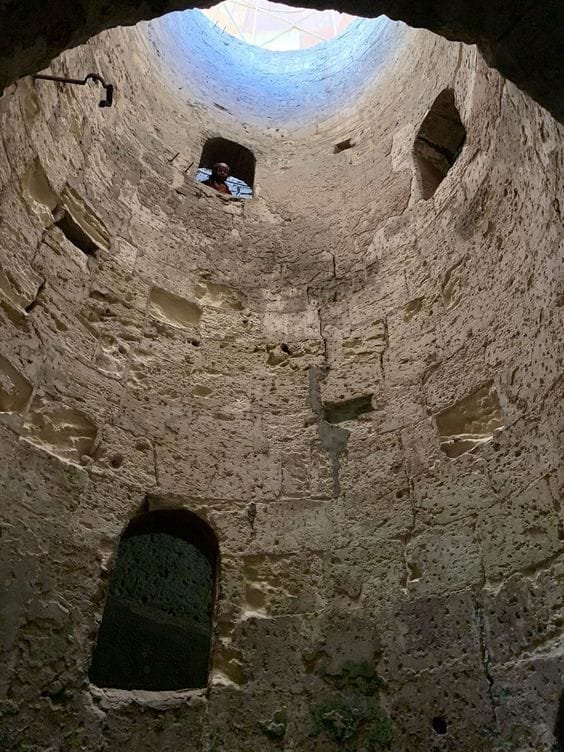
The surroundings of the Temple of Kom Ombo are not frozen in time; they are part of a living landscape shaped by the continuous flow of the Nile River. Nearby villages and farmlands stretch along the riverbanks, where generations of families have depended on the Nile for agriculture, fishing, and daily sustenance. This connection between land and water creates a rhythm of life that has remained largely unchanged for centuries. Farmers still cultivate crops in fertile soil enriched by the Nile’s waters, while small boats move slowly across the river carrying goods and people between communities. The temple itself stands as a silent observer of this ongoing cycle, linking ancient rituals of fertility and abundance with the modern realities of rural life in Upper Egypt. For visitors, exploring this environment offers a deeper understanding of how closely the ancient world is tied to the present. The same river that once supported pharaonic civilization continues to sustain life today, making Kom Ombo not just a historical site, but part of an active and enduring ecosystem.
14. Kom Ombo in the Ptolemaic Era: A Blend of Cultures
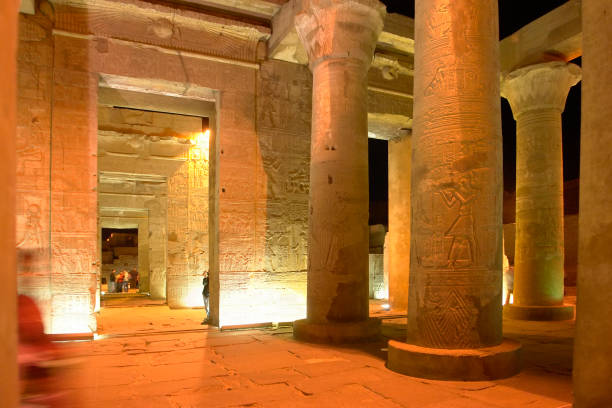
The Temple of Kom Ombo was primarily developed during the Ptolemaic period, a time when Egypt was ruled by the descendants of Alexander the Great. This era marked a unique fusion of ancient Egyptian traditions with Greek cultural influences, resulting in a distinctive architectural and artistic style that is clearly visible in the temple’s design. Despite these external influences, the core identity of Kom Ombo remained deeply Egyptian. The religious symbolism, hieroglyphic inscriptions, and ritual structures continued to follow traditional patterns, preserving the spiritual essence of the civilization. The temple thus represents a cultural dialogue between two worlds, where foreign rule did not erase identity but instead added new layers to it. This blending of cultures makes Kom Ombo an important historical landmark for understanding how civilizations adapt and evolve. It reflects a period of transformation in which Egypt maintained its ancient beliefs while engaging with broader Mediterranean influences, creating a unique and lasting architectural legacy.

15. The Eternal Presence: Why Kom Ombo Still Captivates the World
Today, the Temple of Kom Ombo continues to captivate visitors from around the world, not only for its historical significance but for the powerful atmosphere it preserves. Standing beside the Nile River, the temple offers a rare sense of continuity between past and present, where ancient beliefs still echo through its stone corridors and open courtyards. What makes Kom Ombo truly timeless is its concept of balance. The dual nature of its design, its gods, and its symbolism creates a message that remains relevant across ages: that harmony between opposing forces is essential to life. This idea transcends history, making the temple not just a monument of the past, but a philosophical statement that still resonates today. For modern travelers, Kom Ombo is more than a destination—it is an experience of reflection and discovery. It invites visitors to look beyond stone and structure, and to connect with a civilization that understood the world through balance, spirituality, and deep respect for nature.
16. The Visitor Experience: Walking Through a Temple of Duality
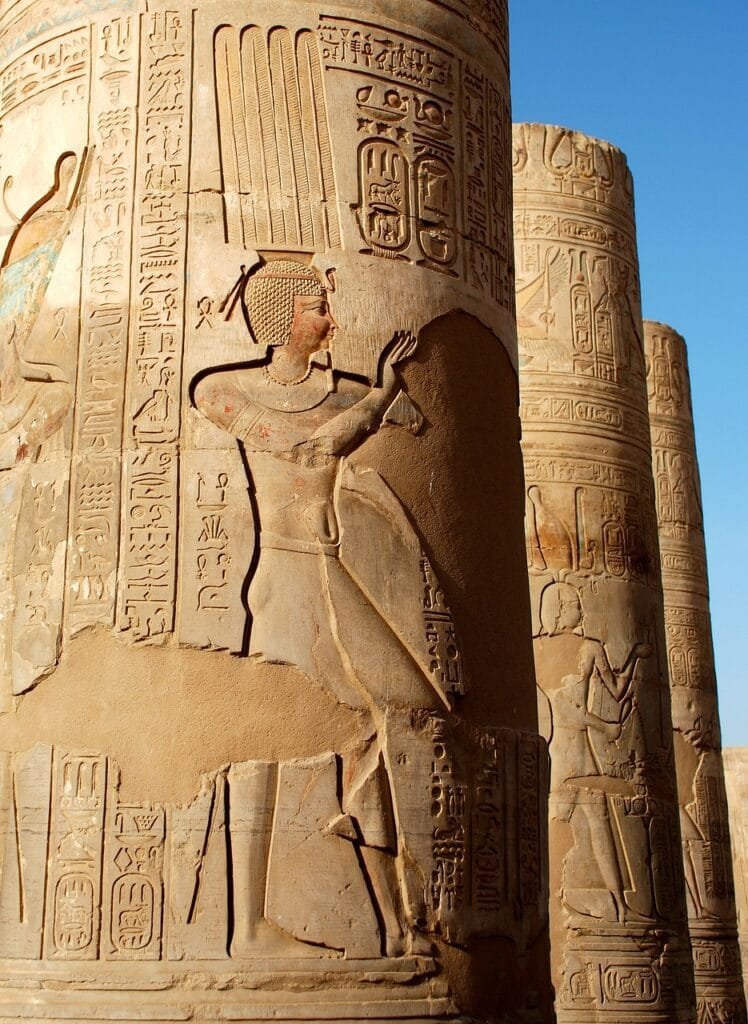
Visiting the Temple of Kom Ombo offers a unique and immersive experience unlike any other temple in Egypt. From the moment visitors step through its entrance, they are drawn into a space defined by symmetry, where every hall and corridor reflects the temple’s dual dedication. Moving through its parallel chambers creates a sense of balance and repetition, allowing visitors to physically experience the concept that shaped its design. As they explore the site, visitors encounter intricate carvings, towering columns, and open courtyards that reveal different layers of history and belief. The temple’s elevated position along the Nile River provides stunning views, adding a natural dimension to the experience. The combination of architecture and landscape creates a setting that feels both powerful and serene. This experience is not only visual but also emotional. Walking through Kom Ombo allows visitors to connect with a deeper understanding of ancient Egyptian thought, where balance and harmony were central to both religion and daily life. It is a journey through space and meaning, leaving a lasting impression on all who visit.
17. Kom Ombo by Night: A Different Kind of Magic
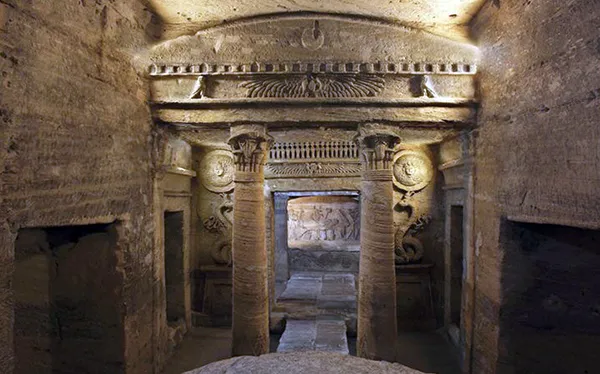
As darkness falls over the Temple of Kom Ombo, the atmosphere of the temple changes dramatically. Artificial lighting highlights the structure’s details, casting deep shadows that emphasize the symmetry and depth of its design. The contrast between light and darkness enhances the temple’s mysterious character, creating an experience that feels entirely different from the daytime visit. At night, the surrounding area becomes quieter, allowing visitors to focus more on the temple itself. The nearby Nile River reflects the lights, adding a shimmering effect that enhances the visual beauty of the site. The calm environment and reduced crowds create a more intimate connection with the monument, making it easier to appreciate its details and symbolism. This nighttime perspective reveals another dimension of Kom Ombo. It transforms the temple into a place of reflection, where its ancient meanings seem to emerge more clearly. The interplay of light and shadow reinforces the theme of duality, making the experience both visually striking and deeply meaningful.
18. The Enduring Legacy: A Monument of Balance and Belief
The Temple of Kom Ombo remains one of the most distinctive and thought-provoking monuments in Egypt. Its unique design and dual dedication set it apart from other temples, offering insight into a worldview that emphasized balance, harmony, and the coexistence of opposing forces. Even after centuries of natural wear and historical change, its message continues to resonate. Standing beside the flowing waters of the Nile River, the temple serves as a powerful reminder of the relationship between humanity and nature. It reflects a time when spiritual beliefs were closely tied to the environment, shaping both architecture and daily life. This connection gives Kom Ombo a timeless quality that continues to inspire visitors from around the world. In the end, the legacy of Kom Ombo lies not only in its stones, but in the ideas it represents. It is a monument to balance, a symbol of harmony, and a testament to the depth of ancient Egyptian thought. For those who walk its halls, it offers more than history—it offers a lasting connection to a civilization that sought to understand the world through unity and equilibrium.
