- Excursions in Egypt
- Egypt Tour Packages
- Cairo Tours and Excursions
- Hurghada Tours and Excursions
- Soma Bay Tours and Excursions
- Makadi Bay Tours and Excursions
- Sahl Hasheesh Tours and Excursions
- El Gouna Tours and Excursions
- Marsa Alam Tours and Excursions
- Port Ghalib Tours and Excursions
- El Quseir Tours and Excursions
- Dendera and Abydos Day Tours
- Aswan Tours and Excursions
- Luxor Tours and Excursions
- Sharm El Sheikh Tours and Excursions
- Top Rated Egypt Tours in 2026
- Optional Excursions in Egypt
- Private Transfer
- Blogs About egypt
- Ancient Egypt
- Historical Sites in Egypt
- Cairo
- Alexandria
- Luxor
- Aswan
- The Red Sea
- Dendera Temple
- El Fayoum Oasis
- Bahariya Oasis
- Siwa Oasis
- Al Alamein
- Marsa Matruh
- Why Egypt Is One of the Safest Countries to Visit in the Middle East
- What You Need To know Before Your First Trip To Egypt
- Egypt Travel Costs in 2026 Full Budget Guide
- Top 10 Tourist Activities in Egypt
- Top 50 Activities You Can’t Miss in Egypt in 2026
- The Guide to Guided Tours in Egypt
- Egypt’s Ancient and Modern History
- The Nile River
- The Deserts of Egypt
- Ancient Egyptian gods
- famous Egyptian dishes
- UNESCO World Heritage sites
- About Us
- Egypt Hotels and Resorts
- Excursions in Egypt
- Egypt Tour Packages
- Cairo Tours and Excursions
- Hurghada Tours and Excursions
- Soma Bay Tours and Excursions
- Makadi Bay Tours and Excursions
- Sahl Hasheesh Tours and Excursions
- El Gouna Tours and Excursions
- Marsa Alam Tours and Excursions
- Port Ghalib Tours and Excursions
- El Quseir Tours and Excursions
- Dendera and Abydos Day Tours
- Aswan Tours and Excursions
- Luxor Tours and Excursions
- Sharm El Sheikh Tours and Excursions
- Top Rated Egypt Tours in 2026
- Optional Excursions in Egypt
- Private Transfer
- Blogs About egypt
- Ancient Egypt
- Historical Sites in Egypt
- Cairo
- Alexandria
- Luxor
- Aswan
- The Red Sea
- Dendera Temple
- El Fayoum Oasis
- Bahariya Oasis
- Siwa Oasis
- Al Alamein
- Marsa Matruh
- Why Egypt Is One of the Safest Countries to Visit in the Middle East
- What You Need To know Before Your First Trip To Egypt
- Egypt Travel Costs in 2026 Full Budget Guide
- Top 10 Tourist Activities in Egypt
- Top 50 Activities You Can’t Miss in Egypt in 2026
- The Guide to Guided Tours in Egypt
- Egypt’s Ancient and Modern History
- The Nile River
- The Deserts of Egypt
- Ancient Egyptian gods
- famous Egyptian dishes
- UNESCO World Heritage sites
- About Us
- Egypt Hotels and Resorts
Welcome to
Mosque of Muhammad Ali: The Crown Jewel of Cairo’s Skyline
Standing proudly within the walls of the Citadel of Saladin, the Mosque of Muhammad Ali rises as one of the most iconic landmarks in Cairo and a masterpiece of Ottoman-inspired architecture. Often referred to as the Alabaster Mosque due to its extensive use of smooth, pale stone, this magnificent structure dominates the skyline with its grand domes and slender minarets. Built in the 19th century by Muhammad Ali Pasha, the founder of modern Egypt, the mosque reflects both political ambition and architectural brilliance.
From the moment visitors enter the mosque’s vast courtyard, they are greeted by a sense of openness and harmony that defines its design. The central dome rises high above, surrounded by smaller domes that create a balanced and visually striking composition. Inside, the mosque is filled with intricate details, from decorative patterns to elegant lighting, all contributing to a spiritual atmosphere that inspires awe and reflection.
More than just a place of worship, the Mosque of Muhammad Ali represents a turning point in Egypt’s history. It symbolizes the transition from traditional Islamic rule to a new era of modernization and reform. Today, it remains one of the most visited attractions in Cairo, offering breathtaking panoramic views of the city and an unforgettable glimpse into Egypt’s architectural and cultural heritage.
1. The Vision of Muhammad Ali: Building a Symbol of Power and Legacy
The Mosque of Muhammad Ali was commissioned in 1830 by Muhammad Ali Pasha as part of his ambitious plan to transform Cairo into a modern and powerful capital. At the time, Egypt was undergoing major political and social changes, and Muhammad Ali sought to establish strong authority while leaving behind a lasting legacy. The construction of the mosque was not only an act of religious devotion but also a strategic display of power and vision. By choosing to build it inside the Citadel, one of the most important political and military centers in Egypt, he ensured its dominance over the skyline and its symbolic connection to leadership and control. Inspired by Ottoman architecture, especially the great imperial mosques of Istanbul, the design introduced a new architectural identity to Cairo. Its grand domes, tall minarets, and balanced proportions reflected strength, unity, and ambition, marking a departure from earlier architectural traditions in the city. The use of alabaster stone gave the mosque a refined and elegant appearance, earning it the name the Alabaster Mosque. Although construction continued after Muhammad Ali’s death, the mosque remains a lasting symbol of his vision, attracting visitors who seek history, beauty, and cultural significance.
2. Ottoman Influence: A New Architectural Identity in Cairo
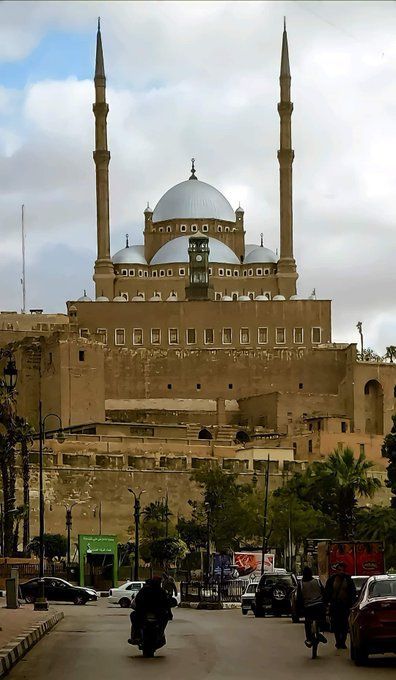
The Mosque of Muhammad Ali represents a major transformation in architectural style within Cairo, reflecting the strong influence of Ottoman design during the nineteenth century. Unlike the traditional Mamluk structures that dominated Cairo, this mosque introduced a more open and harmonious visual identity. Inspired by the imperial mosques of Istanbul, particularly the Blue Mosque, its design features a large central dome surrounded by semi domes and supported by slender minarets. These elements create a sense of balance and grandeur that distinguishes the mosque from other buildings in the city. The spacious interior enhances this design by allowing natural light to fill the prayer hall. This openness creates a calm and spiritual atmosphere, making the mosque not only visually impressive but also emotionally powerful for visitors and worshippers alike. This architectural shift reflects a broader cultural connection between Egypt and the Ottoman world. Today, the mosque stands as a unique example of artistic exchange, combining tradition with innovation and highlighting an important phase in Cairo’s architectural evolution.
3. Interior Beauty: Light, Space, and Spiritual Atmosphere
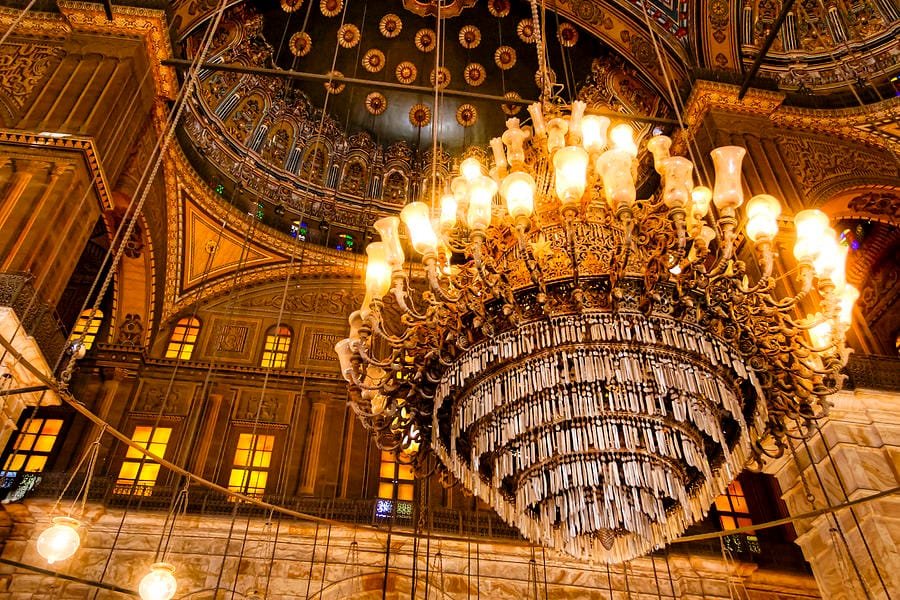
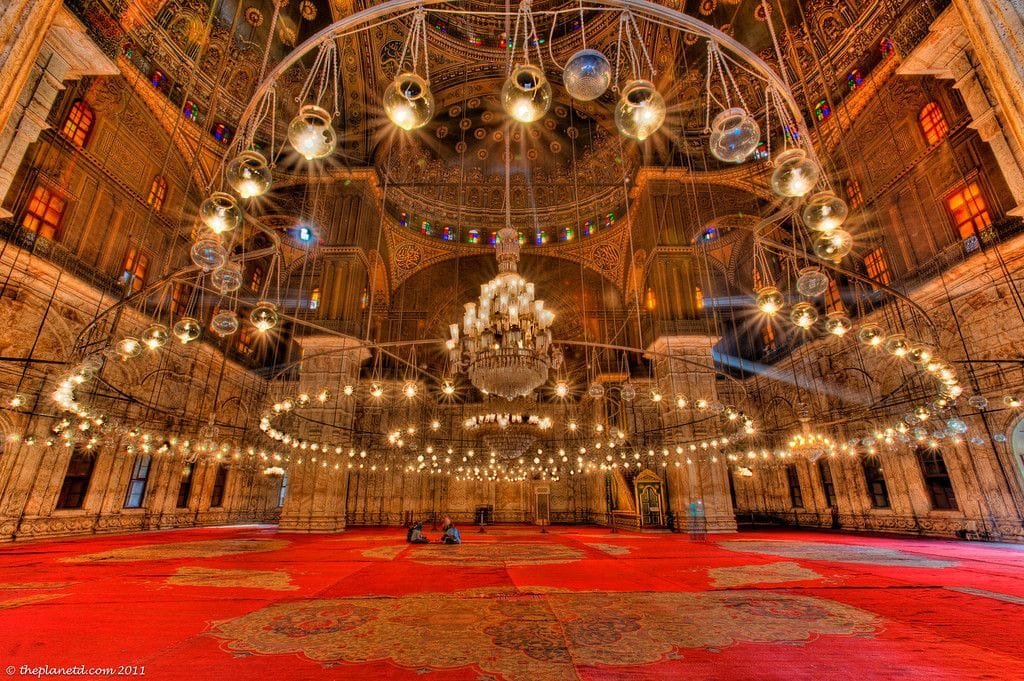
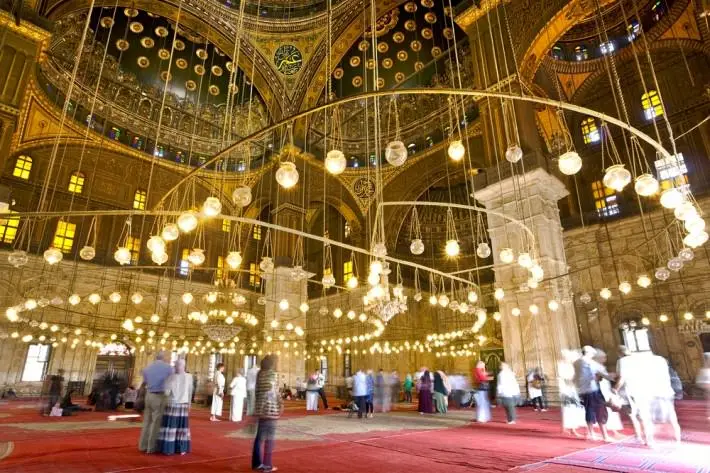
The interior of the Mosque of Muhammad Ali is a remarkable example of architectural harmony and spiritual design. A large central dome dominates the space, rising high above the prayer hall and creating a sense of openness and balance that immediately captures attention. Supporting semi domes and arches distribute the structural weight while enhancing the visual unity of the interior. This arrangement allows visitors to experience the space as a cohesive whole, where every element contributes to a sense of order and proportion. Light plays a crucial role in shaping the atmosphere inside the mosque. Sunlight enters through high windows, illuminating the space throughout the day, while hanging lamps provide a warm glow that adds depth and character to the interior environment. The combination of space, light, and design creates an atmosphere of calm and reflection. Visitors are not only impressed by the architectural beauty but also by the peaceful environment, making the mosque a place of both visual admiration and spiritual experience.
4. The Courtyard and Ablution Fountain: Harmony in Open Space
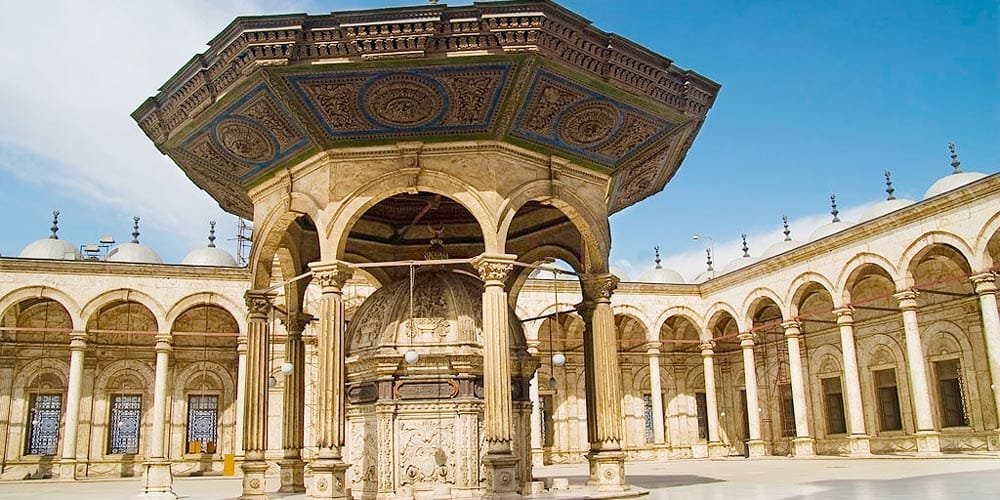
The Mosque of Muhammad Ali features a spacious courtyard that reflects the elegance and balance of Ottoman inspired design. Surrounded by graceful arcades supported by slender columns, the courtyard creates a sense of openness and symmetry that welcomes visitors upon arrival. At the center of this courtyard stands the ablution fountain, a beautifully designed structure used for ritual purification before prayer. Its placement highlights both functionality and aesthetic importance, serving as a focal point within the overall composition of the mosque. The courtyard also enhances the experience of movement and transition. Visitors pass through this open space before entering the main prayer hall, allowing them to prepare both physically and mentally for the spiritual atmosphere inside the mosque. Today, the courtyard remains one of the most visually striking areas of the mosque. Its combination of architectural harmony, open space, and cultural significance makes it an essential part of the overall design and visitor experience.
5. The Minarets and Domes: Defining Cairo’s Skyline
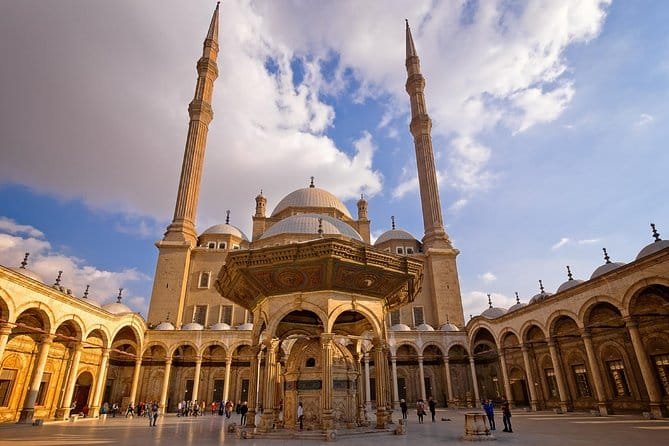
The skyline of Cairo is greatly defined by the impressive domes and minarets of the Mosque of Muhammad Ali, which stand as symbols of architectural brilliance and spiritual identity. These elements are among the most recognizable features of the mosque. The central dome is the largest and most prominent feature, surrounded by smaller semi domes that create a cascading visual effect. This layered design adds depth and balance, emphasizing the grandeur of the structure. The tall and slender minarets rise high above the mosque, serving both functional and symbolic purposes. Traditionally used for the call to prayer, they also represent a connection between the earthly and the spiritual, guiding attention upward. Together, the domes and minarets form a unified architectural composition that defines the visual identity of the mosque. Their presence continues to shape the skyline of Cairo, making the mosque one of the most iconic landmarks in the city.
6. The Mosque’s Role in Modern Cairo: A Living Landmark
Today, the Mosque of Muhammad Ali plays an important role in the cultural and tourism landscape of Cairo. It is not only a place of worship but also a major attraction that draws visitors from around the world. Tourists visit the mosque to admire its architecture, explore its history, and enjoy the panoramic views it offers from its elevated position within the Citadel. These views provide a unique perspective of Cairo’s urban landscape. The mosque also remains active as a religious site, where prayers and spiritual gatherings continue to take place. This dual role as both a historical monument and a living place of worship adds depth to its significance. As a landmark that connects past and present, the mosque continues to inspire visitors with its beauty and history. It stands as a lasting symbol of Cairo’s cultural richness and architectural heritage.
7. The Alabaster Stone: A Signature of Elegance and Identity
The Mosque of Muhammad Ali is widely known as the Alabaster Mosque due to the extensive use of this smooth and luminous stone in its construction. The material covers the lower walls and interior surfaces, giving the mosque a distinctive appearance that sets it apart from other religious buildings in Cairo. Alabaster was carefully selected not only for its durability but also for its refined visual qualities. Its soft color reflects natural light, enhancing the brightness of both the interior and exterior spaces. This creates a sense of purity and elegance that contributes to the mosque’s overall atmosphere. The use of this material also reflects the ambition of Muhammad Ali Pasha, who aimed to construct a monument that would symbolize sophistication and lasting beauty. The polished surfaces and uniform texture of the stone demonstrate a high level of craftsmanship. Today, the alabaster remains one of the most memorable features of the mosque. Visitors are often drawn to its smooth finish and subtle glow, which add a unique character to the building. This material continues to define the identity of the mosque and reinforce its reputation as one of Cairo’s most elegant landmarks.
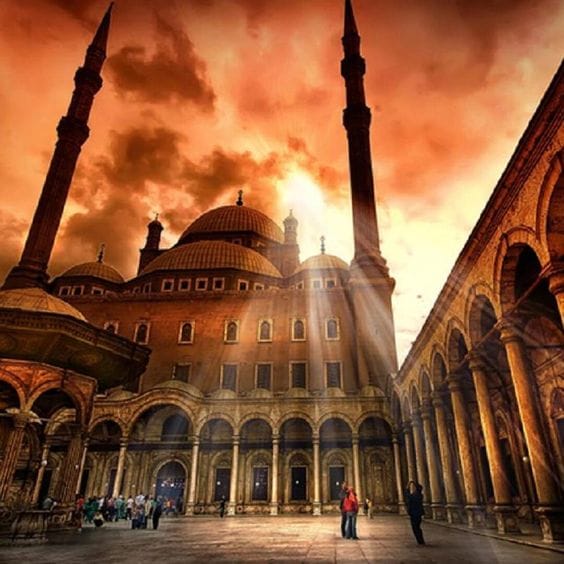
8. The Mosque at Sunset: A Visual Experience of Light and Color
As the sun begins to set over Cairo, the Mosque of Muhammad Ali transforms into a breathtaking visual spectacle. The changing light creates a dynamic display of colors that highlight the architectural beauty of the mosque. During sunset, the alabaster surfaces reflect warm tones of gold and orange, enhancing the softness of the structure. The domes and minarets appear more dramatic against the sky, creating a striking contrast that captures attention. This time of day also offers a unique atmosphere for visitors. The cooler temperatures and softer lighting make it an ideal moment for exploration and photography. The peaceful environment allows for a deeper appreciation of the mosque’s design. The sunset experience adds another dimension to the visit, combining natural beauty with architectural brilliance. It remains one of the most memorable moments for those who explore the mosque, leaving a lasting impression of Cairo’s charm.
9. Cultural Importance: A Symbol Beyond Architecture
The Mosque of Muhammad Ali holds a deep cultural significance that extends beyond its architectural beauty. It represents a period of transformation in Egypt’s history and reflects the vision of a leader who sought to modernize the nation. Built during a time of change, the mosque symbolizes the shift from traditional structures to a new era of development. Its design and location highlight its importance as both a religious and political landmark in Cairo. The mosque also plays a role in shaping the cultural identity of the city. It serves as a point of connection between history, religion, and daily life, attracting visitors who seek to understand Egypt’s heritage. Today, it continues to stand as a powerful symbol of unity and continuity. Its presence reminds visitors of the enduring legacy of Egyptian culture, making it more than just a historical site, but a meaningful part of the nation’s story.
10. The Mosque as a Center of Worship: Faith and Community Life
The Mosque of Muhammad Ali continues to function as an active place of worship, maintaining its original spiritual purpose within the heart of Cairo. Despite being one of the most visited historical landmarks in Egypt, the mosque remains a sacred space where daily prayers and religious gatherings take place, connecting the present with centuries of Islamic tradition and devotion. Throughout the day, worshippers gather inside the vast prayer hall to perform their prayers, creating an atmosphere of calm and reflection. The design of the mosque, with its open space and balanced proportions, enhances the spiritual experience, allowing individuals to focus on prayer without distraction. The call to prayer, delivered from the minarets, continues to echo across the surrounding area, reinforcing the mosque’s role in the daily rhythm of life. The mosque also plays an important role during religious occasions and special events. During significant Islamic celebrations, such as Eid, the space becomes filled with worshippers, reflecting a strong sense of unity and community. These moments highlight the mosque’s importance not only as an architectural landmark but also as a living center of faith. Visitors to the mosque are often able to observe this spiritual life, gaining a deeper understanding of its significance beyond history and architecture. Respectful behavior and appropriate dress are encouraged, allowing both worshippers and visitors to share the space harmoniously. In this way, the mosque continues to serve as a bridge between past and present, preserving its religious function while welcoming people from around the world.
11. The Panoramic Views: Cairo from Above
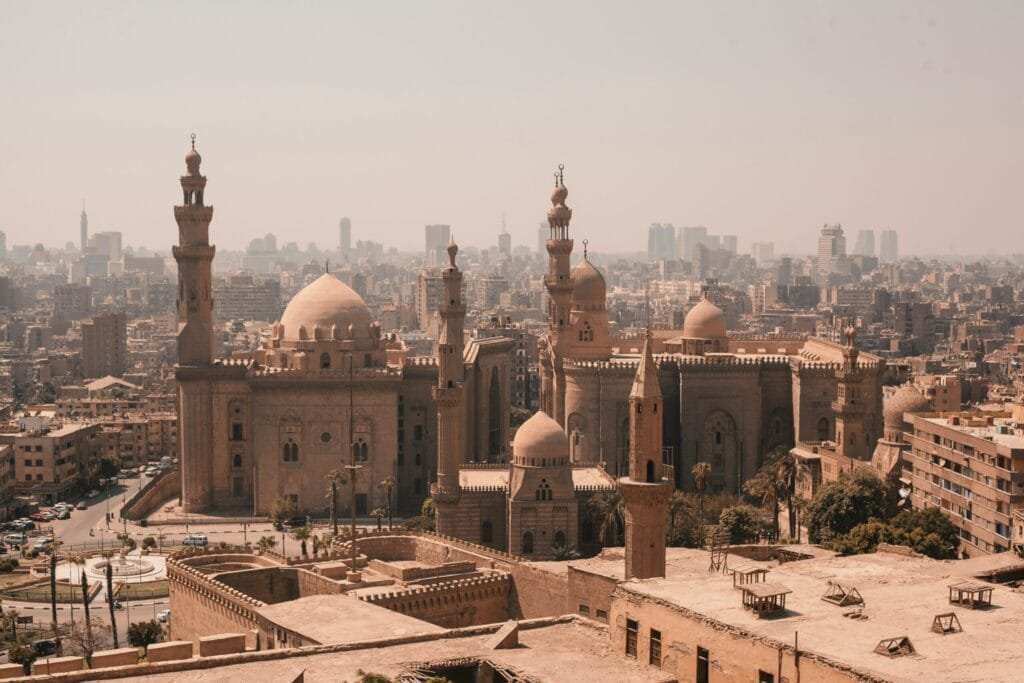
The Mosque of Muhammad Ali offers one of the most breathtaking panoramic views in Cairo, thanks to its elevated position within the Citadel. From its courtyards and surrounding terraces, visitors can witness the vast urban landscape stretching endlessly in every direction, creating a unique perspective that blends history with modern life. Standing at this height, the city unfolds below in layers of architectural diversity. Historic mosques and minarets rise above densely built neighborhoods, while modern buildings extend toward the horizon, reflecting Cairo’s continuous growth and transformation. This contrast between past and present creates a visual experience that is both dynamic and deeply meaningful. On clear days, the view becomes even more remarkable as the distant Giza Pyramids can be seen on the horizon, linking the medieval Citadel to the ancient wonders of Egypt. This connection between different historical eras highlights the richness of Cairo as a city shaped by thousands of years of civilization. The mosque’s location makes it one of the best places in Cairo for photography. Whether capturing the soft tones of sunrise or the warm glow of sunset, visitors can create stunning images that reflect the beauty and complexity of the city. These views are not only visually impressive but also offer a moment of reflection, allowing visitors to appreciate the scale, energy, and history of Cairo from a truly unforgettable vantage point.
12. Visiting the Mosque: Tips for an Enriching Experience
Visiting the Mosque of Muhammad Ali is a rewarding experience that combines history, architecture, and culture in the heart of Cairo. Planning ahead can help visitors make the most of their time, ensuring a smooth and enjoyable visit. As one of the most popular attractions within the Citadel, the mosque welcomes travelers from around the world who come to explore its beauty and significance. One of the most important considerations when visiting the mosque is timing. Early morning or late afternoon visits are often ideal, as temperatures are more comfortable and the lighting enhances the architectural details. These hours also tend to be less crowded, allowing visitors to explore the space more freely and appreciate its atmosphere in a quieter setting. Visitors should also be mindful of dress code and respectful behavior. As an active place of worship, modest clothing is required, and shoes must be removed before entering the prayer area. This respect for local customs helps maintain the spiritual environment and ensures a positive experience for both worshippers and tourists. Taking time to explore the surrounding areas of the Citadel can further enrich the visit. From panoramic viewpoints to nearby historical structures, the entire complex offers a deeper understanding of Cairo’s heritage. Guided tours can provide valuable insights into the mosque’s history and architectural features, making the visit more informative and engaging. With proper planning and respect, a visit to the mosque becomes an unforgettable journey into Egypt’s cultural and historical legacy.
13. Architectural Details: Art, Geometry, and Craftsmanship
The Mosque of Muhammad Ali is celebrated for its intricate architectural details, which reflect a deep connection between art, geometry, and skilled craftsmanship. Every element within the mosque has been carefully designed to achieve harmony and visual balance, creating an environment that is both aesthetically pleasing and spiritually meaningful. From the patterns on the walls to the structure of the domes, each feature contributes to a unified design language. One of the most striking aspects of the mosque’s decoration is the use of geometric patterns. These designs are not merely ornamental but are rooted in mathematical precision, symbolizing order and infinity. The repetition of shapes creates a sense of rhythm and continuity, guiding the viewer’s eye across the surfaces and enhancing the overall experience of the space. Calligraphy also plays a significant role in the mosque’s interior design. Arabic inscriptions, often featuring verses from the Quran, are integrated into the architectural framework. These inscriptions add a spiritual dimension to the visual design, connecting art with religious expression and reinforcing the sacred nature of the space. The craftsmanship involved in creating these details demonstrates a high level of skill and dedication. Artisans worked with precision to ensure that every element aligned perfectly with the overall design. Today, these details continue to impress visitors, offering insight into the artistic traditions that shaped the mosque. The combination of geometry, calligraphy, and craftsmanship makes the mosque a true masterpiece of Islamic architecture.
14. The Mosque in Cairo’s Identity: A Cultural Icon
The Mosque of Muhammad Ali holds a central place in the identity of Cairo, serving as one of the most recognizable symbols of the city. Its prominent location within the Citadel and its distinctive architectural style make it a defining feature of Cairo’s skyline. For both residents and visitors, the mosque represents a connection to the city’s rich history and cultural heritage. Over time, the mosque has become more than just a historical structure. It is a cultural icon that reflects the blending of different influences, including Ottoman design and Egyptian tradition. This combination gives the mosque a unique character that sets it apart from other landmarks in Cairo. The mosque also plays an important role in tourism, attracting visitors from around the world who come to experience its beauty and historical significance. Its image is often featured in photographs, travel guides, and cultural representations of Cairo, further reinforcing its iconic status. Beyond its visual presence, the mosque contributes to the cultural life of the city. It serves as a place where history, religion, and daily life intersect, creating a space that is both meaningful and dynamic. As a result, the mosque continues to shape the identity of Cairo, standing as a symbol of continuity, pride, and cultural richness.
15. A Timeless Landmark: Preserving History for Future Generations
The Mosque of Muhammad Ali stands as a timeless landmark that continues to preserve the history and cultural heritage of Cairo. Despite the passage of time, the mosque has maintained its architectural beauty and historical significance, serving as a link between past and present. Its preservation reflects the importance of protecting cultural landmarks for future generations. Efforts to maintain and restore the mosque have played a crucial role in ensuring its longevity. Conservation work focuses on preserving the original materials and design while addressing the effects of aging and environmental factors. These efforts help maintain the authenticity of the structure, allowing visitors to experience it as it was intended. The mosque also serves as an educational resource, providing insight into Egypt’s history, architecture, and cultural development. Visitors have the opportunity to learn about the period in which it was built and the vision behind its construction, making the experience both informative and engaging. As a preserved historical site, the mosque continues to inspire admiration and respect. Its enduring presence highlights the importance of cultural heritage and the role it plays in shaping identity. By protecting and celebrating this landmark, Egypt ensures that future generations will have the opportunity to explore and appreciate one of its most remarkable architectural achievements.
16. The Mosque and Tourism: A Global Attraction
The Mosque of Muhammad Ali has become one of the most visited attractions in Cairo, drawing travelers from around the world who seek to experience its architectural beauty and historical importance. Located within the Citadel, the mosque offers visitors a unique opportunity to explore a landmark that combines religious significance with cultural heritage. Its accessibility and central location make it a key stop on most travel itineraries. Tourists are often drawn to the mosque for its impressive design and panoramic views of Cairo. The combination of grand domes, elegant minarets, and open courtyards creates a visually stunning environment that captures attention. Visitors also appreciate the opportunity to learn about the history of Muhammad Ali and his role in shaping modern Egypt. Guided tours play an important role in enhancing the visitor experience. Knowledgeable guides provide detailed explanations of the mosque’s architecture, history, and cultural context, helping visitors gain a deeper understanding of its significance. These tours often include access to other parts of the Citadel, creating a comprehensive exploration of the site. The mosque’s popularity contributes significantly to Egypt’s tourism industry, supporting local businesses and promoting cultural exchange. As visitors from different backgrounds gather in this historic space, the mosque serves as a meeting point of cultures and perspectives. This global appeal ensures that the mosque remains an important destination for travelers seeking to connect with Egypt’s rich history.
17. The Spiritual Atmosphere: A Place of Reflection and Peace
The Mosque of Muhammad Ali offers more than architectural beauty; it provides a deeply spiritual atmosphere that invites reflection and inner peace. Despite being a popular tourist destination, the mosque maintains a sense of calm that allows visitors to connect with its religious purpose. This balance between activity and tranquility makes it a unique and meaningful place. Inside the mosque, the vast open space and soft lighting create an environment that encourages contemplation. The arrangement of the prayer hall, with its central dome and surrounding arches, enhances the feeling of unity and harmony. Visitors often find themselves drawn into a quiet moment of reflection, regardless of their background or beliefs. The presence of worshippers adds another dimension to the experience. Observing daily prayers provides insight into the living traditions of Islam and highlights the mosque’s role as an active place of worship. This interaction between visitors and worshippers creates a shared space of respect and understanding. The spiritual atmosphere of the mosque leaves a lasting impression on those who visit. It offers a moment of pause within the busy city, allowing individuals to appreciate not only the beauty of the architecture but also the deeper meaning behind it. This sense of peace is one of the mosque’s most valuable qualities.
18. Conclusion: The Enduring Legacy of the Mosque of Muhammad Ali
The Mosque of Muhammad Ali stands as one of the most remarkable landmarks in Cairo, representing a powerful blend of history, architecture, and cultural identity. From its construction in the nineteenth century to its role in modern tourism, the mosque continues to capture the imagination of visitors from around the world. Its presence within the Citadel reinforces its importance as a symbol of authority and transformation. Throughout its history, the mosque has reflected the vision of Muhammad Ali Pasha, who sought to create a lasting monument that would define his legacy. The combination of Ottoman inspired design and local craftsmanship resulted in a structure that is both unique and timeless. Today, the mosque serves as a bridge between the past and the present, offering visitors a chance to explore Egypt’s rich heritage while experiencing a living place of worship. Its architectural beauty, cultural significance, and spiritual atmosphere make it a destination that resonates on multiple levels. In the end, the Mosque of Muhammad Ali is more than just a historic site; it is a symbol of endurance, creativity, and identity. It continues to inspire admiration and respect, ensuring its place as one of the most important and unforgettable landmarks in Cairo for generations to come.