- Excursions in Egypt
- Egypt Tour Packages
- Cairo Tours and Excursions
- Hurghada Tours and Excursions
- Soma Bay Tours and Excursions
- Makadi Bay Tours and Excursions
- Sahl Hasheesh Tours and Excursions
- El Gouna Tours and Excursions
- Marsa Alam Tours and Excursions
- Port Ghalib Tours and Excursions
- El Quseir Tours and Excursions
- Dendera and Abydos Day Tours
- Aswan Tours and Excursions
- Luxor Tours and Excursions
- Sharm El Sheikh Tours and Excursions
- Top Rated Egypt Tours in 2026
- Optional Excursions in Egypt
- Private Transfer
- Blogs About egypt
- Ancient Egypt
- Historical Sites in Egypt
- Cairo
- Alexandria
- Luxor
- Aswan
- The Red Sea
- Dendera Temple
- El Fayoum Oasis
- Bahariya Oasis
- Siwa Oasis
- Al Alamein
- Marsa Matruh
- Why Egypt Is One of the Safest Countries to Visit in the Middle East
- What You Need To know Before Your First Trip To Egypt
- Egypt Travel Costs in 2026 Full Budget Guide
- Top 10 Tourist Activities in Egypt
- Top 50 Activities You Can’t Miss in Egypt in 2026
- The Guide to Guided Tours in Egypt
- Egypt’s Ancient and Modern History
- The Nile River
- The Deserts of Egypt
- Ancient Egyptian gods
- famous Egyptian dishes
- UNESCO World Heritage sites
- About Us
- Egypt Hotels and Resorts
- Excursions in Egypt
- Egypt Tour Packages
- Cairo Tours and Excursions
- Hurghada Tours and Excursions
- Soma Bay Tours and Excursions
- Makadi Bay Tours and Excursions
- Sahl Hasheesh Tours and Excursions
- El Gouna Tours and Excursions
- Marsa Alam Tours and Excursions
- Port Ghalib Tours and Excursions
- El Quseir Tours and Excursions
- Dendera and Abydos Day Tours
- Aswan Tours and Excursions
- Luxor Tours and Excursions
- Sharm El Sheikh Tours and Excursions
- Top Rated Egypt Tours in 2026
- Optional Excursions in Egypt
- Private Transfer
- Blogs About egypt
- Ancient Egypt
- Historical Sites in Egypt
- Cairo
- Alexandria
- Luxor
- Aswan
- The Red Sea
- Dendera Temple
- El Fayoum Oasis
- Bahariya Oasis
- Siwa Oasis
- Al Alamein
- Marsa Matruh
- Why Egypt Is One of the Safest Countries to Visit in the Middle East
- What You Need To know Before Your First Trip To Egypt
- Egypt Travel Costs in 2026 Full Budget Guide
- Top 10 Tourist Activities in Egypt
- Top 50 Activities You Can’t Miss in Egypt in 2026
- The Guide to Guided Tours in Egypt
- Egypt’s Ancient and Modern History
- The Nile River
- The Deserts of Egypt
- Ancient Egyptian gods
- famous Egyptian dishes
- UNESCO World Heritage sites
- About Us
- Egypt Hotels and Resorts
Welcome to
Qasr Qarun Temple – Ancient Temple in Fayoum, Egypt
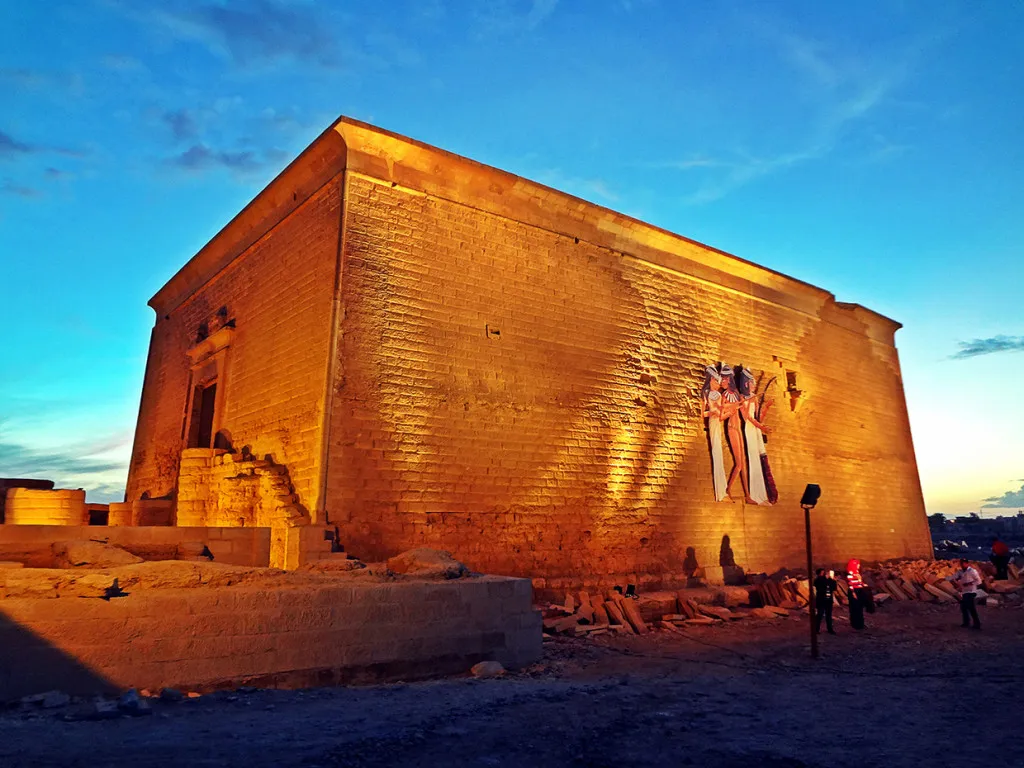
Qasr Qarun Temple, also known as the Temple of Dionysias, is one of the most fascinating ancient monuments in the Fayoum Oasis, Egypt. Located near the western shores of Lake Qarun, this remarkably preserved Greco-Roman temple provides visitors with an opportunity to explore an important chapter of Fayoum’s ancient history. Its impressive stone architecture, religious significance, and connection with the ancient city of Dionysias make it a valuable destination for travelers interested in Egyptian history, archaeology, and the Greco-Roman period.
Unlike the massive temples of Luxor or Aswan, Qasr Qarun Temple has a more compact and mysterious character. Its relatively isolated location in the Fayoum desert adds to the atmosphere, allowing visitors to experience the monument in a peaceful setting away from the crowds of Egypt’s major tourist attractions.
The temple was associated with the worship of Sobek-Ra, the crocodile god connected with the ancient Fayoum region, and the Greco-Roman religious traditions that developed in Egypt during this period. The monument demonstrates how Egyptian religious traditions continued and evolved under Greek and Roman influence.
One of the most interesting features of Qasr Qarun Temple is its remarkably preserved interior. The building contains multiple chambers, passages, and architectural details that allow visitors to imagine how the temple functioned in antiquity. The thick stone walls and relatively intact structure make it an important archaeological site in Fayoum.
Qasr Qarun is also connected with the ancient settlement of Dionysias, which served as an important stop along the desert route between the Nile Valley and the Western Desert. The location therefore provides insight not only into ancient religion but also into trade, transportation, and settlement in the region.
For travelers searching for Qasr Qarun Temple, Fayoum attractions, ancient temples in Egypt, Greco-Roman Egypt, Lake Qarun, and things to do in Fayoum, this historic monument offers an excellent opportunity to explore a lesser-known side of Egyptian history.
A visit to Qasr Qarun can also be combined with other Fayoum attractions, creating a complete journey through the region’s ancient heritage and natural landscapes.
1. Where Is Qasr Qarun Temple Located?
Qasr Qarun Temple is located in the Fayoum Governorate in northern Egypt, near the western side of Lake Qarun. Its location within the Fayoum Oasis makes it an excellent destination for travelers interested in combining ancient history with the natural landscapes of Egypt's Western Desert. The temple stands near the remains of the ancient settlement of Dionysias, which was established during the Greco-Roman period. The surrounding landscape is very different from the crowded archaeological zones of Cairo and Luxor. Here, visitors can experience a quieter environment characterized by agricultural land, desert landscapes, and the expansive waters of Lake Qarun. The journey to Qasr Qarun takes travelers through the diverse scenery of the Fayoum region. The oasis contains fertile agricultural areas supported by irrigation, while the edges of the region gradually transition into desert. This contrast is one of the defining characteristics of Fayoum. The temple's location near Lake Qarun is historically significant. The lake was an important geographical feature of the ancient Fayoum region and played a role in agriculture, transportation, fishing, and settlement. The ancient communities around the lake developed in response to the availability of water and the strategic location of the oasis. For visitors planning a Fayoum day trip from Cairo, Qasr Qarun can be included as part of a broader itinerary. Travelers can combine the temple with Lake Qarun, Tunis Village, Wadi El Rayan, Magic Lake, or other attractions depending on their interests. Private transportation is particularly convenient because Fayoum's attractions are spread across a large area. A private vehicle allows visitors to move between archaeological and natural sites without depending on fixed public transportation schedules. Travelers visiting Qasr Qarun Temple in Fayoum should also take time to appreciate the surrounding landscape. The combination of ancient stone architecture, desert scenery, and the nearby lake creates a distinctive atmosphere. For anyone searching for where Qasr Qarun Temple is located, Qasr Qarun Fayoum, ancient sites near Cairo, and places to visit in Fayoum, the temple provides an interesting journey into Egypt's Greco-Roman past.
2. History of Qasr Qarun Temple
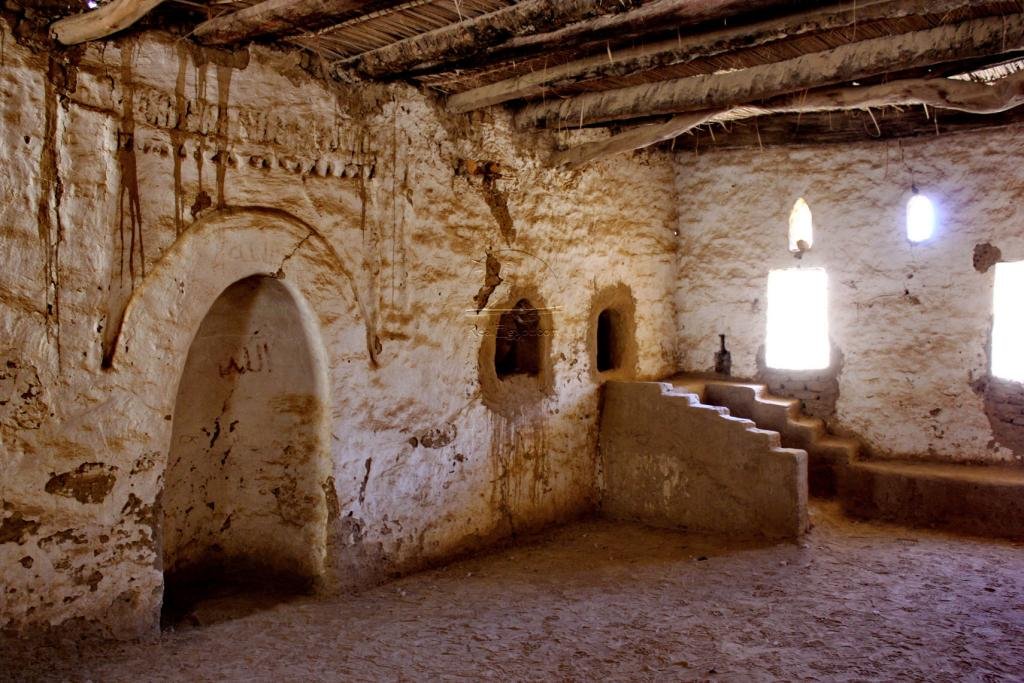
The history of Qasr Qarun Temple is closely connected with the Greco-Roman period of ancient Egypt and the development of the settlement known as Dionysias. The temple is generally dated to the Roman period, although the religious traditions associated with the site reflect the long history of Egyptian worship and the cultural influences that developed after the arrival of the Greeks. Dionysias was an important settlement located near the western edge of the Fayoum Oasis. Its position made it part of a desert route connecting the Fayoum region with areas farther west. The settlement included houses, administrative structures, religious buildings, and other facilities that supported the local population and travelers passing through the area. Qasr Qarun Temple was an important religious building within this ancient community. Like many temples in Roman Egypt, it demonstrates the combination of Egyptian religious traditions with Greco-Roman architectural and cultural influences. The Fayoum region had a particularly strong connection with the worship of Sobek, the crocodile deity associated with fertility, water, and the Nile. Religious traditions surrounding Sobek were especially important because the prosperity of Fayoum depended heavily on water and agriculture. The temple's relatively preserved condition has made it an important archaeological monument. Thick stone walls, chambers, doorways, and architectural elements remain visible, providing valuable information about ancient religious architecture. The surrounding settlement of Dionysias is also important because it helps archaeologists understand daily life during the Greco-Roman period. Archaeological evidence from the area provides information about agriculture, trade, administration, religion, and the movement of people through the desert. Unlike many famous Egyptian temples that were reused or heavily modified over centuries, Qasr Qarun retains much of its original character. Its remote location may have contributed to its preservation. For travelers interested in ancient Egyptian history, Roman Egypt, Greco-Roman temples, Qasr Qarun archaeology, and Fayoum history, the temple offers a fascinating glimpse into a period when Egyptian traditions interacted with Greek and Roman culture. Visiting the monument provides an opportunity to understand that Egypt's ancient history continued for centuries after the construction of the famous pyramids.
3. Architecture of Qasr Qarun Temple
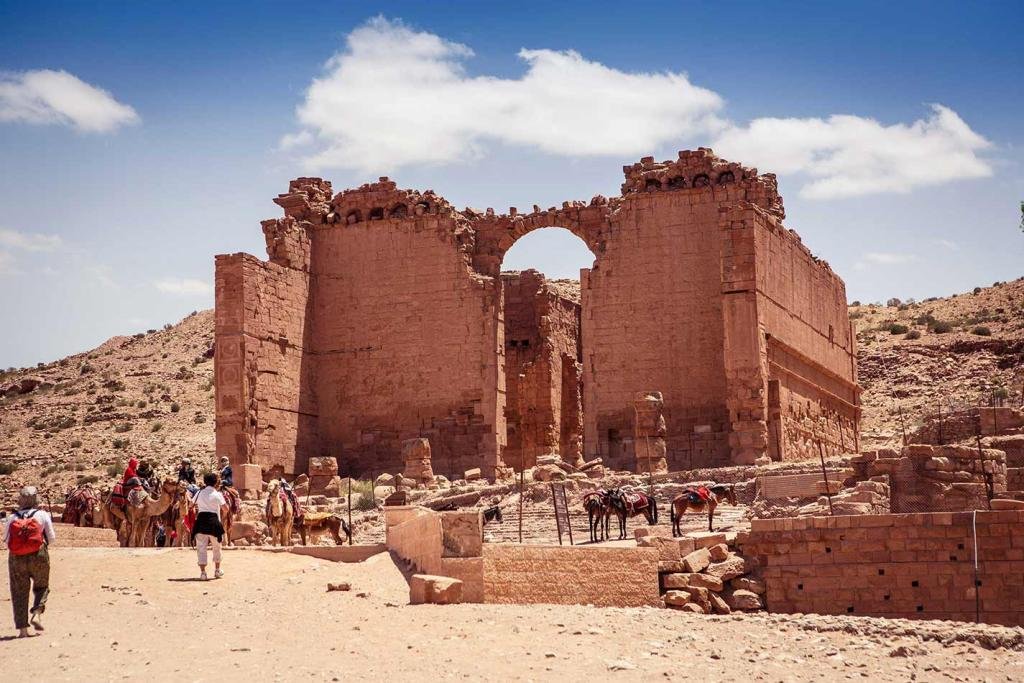
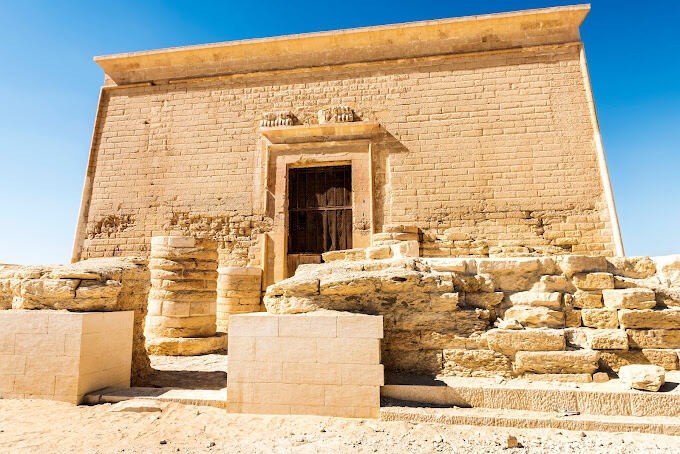
The architecture of Qasr Qarun Temple is one of its most impressive features. Although the monument is smaller than many of Egypt's monumental temples, its remarkably preserved structure allows visitors to appreciate the design and organization of a Greco-Roman religious building in the Fayoum region. The temple is constructed primarily from stone, with thick walls designed to provide strength and durability. Its relatively intact condition gives visitors a rare opportunity to enter an ancient temple and explore its interior spaces without having to imagine what the original structure looked like. Inside Qasr Qarun Temple, visitors can find a series of chambers and corridors arranged around the central religious spaces. The layout reflects the traditional organization of Egyptian temples, where access to certain areas became increasingly restricted as visitors moved deeper into the sacred building. One of the most interesting aspects of the temple is its interior design. Some rooms remain surprisingly dark because of the thick walls and limited openings. This creates a mysterious atmosphere and demonstrates how ancient architects controlled light within religious spaces. Architectural details also reveal the interaction between Egyptian and Greco-Roman traditions. The temple belongs to a period when Egyptian religious architecture continued to use established forms while incorporating elements associated with the broader Roman world. The temple's location also contributes to its architectural character. Surrounded by the Fayoum landscape, the stone structure stands in strong contrast to the surrounding agricultural and desert environment. For photographers and architecture enthusiasts, the monument offers opportunities to capture doorways, stone walls, corridors, chambers, and exterior details. The changing sunlight throughout the day can also create dramatic contrasts between the illuminated exterior and darker interior spaces. A visit to Qasr Qarun Temple in Fayoum is therefore not only a historical experience but also an architectural journey. The building demonstrates how ancient Egyptians continued to construct religious monuments during the Greco-Roman period while preserving important elements of their traditional religious architecture. For travelers searching for Qasr Qarun architecture, ancient temples in Fayoum, Roman temples in Egypt, Greco-Roman architecture, and archaeological sites near Cairo, Qasr Qarun is a fascinating monument to include in a Fayoum itinerary.
4. Qasr Qarun Temple and the Ancient City of Dionysias
Qasr Qarun Temple was part of the ancient settlement of Dionysias, an important community in the western part of the Fayoum Oasis during the Greco-Roman period. Understanding the relationship between the temple and Dionysias provides a deeper insight into the history of the area and explains why this seemingly isolated monument was built in this particular location. Dionysias developed as a settlement on the western edge of the Fayoum region and was connected with desert routes leading farther west. Its location gave it strategic importance for movement between the cultivated oasis and the surrounding desert. Travelers, merchants, soldiers, and local residents passed through the area, creating a community that combined agricultural and desert-related activities. The ancient city included residential areas, administrative buildings, religious structures, and facilities that supported everyday life. Qasr Qarun Temple formed an important part of this settlement, serving as a religious center for the local population. The presence of a substantial temple demonstrates that Dionysias was more than a temporary desert outpost. It was an organized community with religious, economic, and administrative functions. Archaeological discoveries in the area have provided information about agriculture, trade, taxation, and daily life during the Roman period. The temple also reflects the religious traditions of the Fayoum. Water and agriculture were essential to the prosperity of the oasis, and religious beliefs connected with fertility, the Nile, and local deities remained important. Today, visitors can explore the surviving temple while imagining the larger settlement that once surrounded it. Although much of ancient Dionysias has disappeared or remains in archaeological ruins, the temple provides a tangible connection to the community that existed here nearly two thousand years ago. For travelers interested in Dionysias Fayoum, Qasr Qarun history, Roman Egypt, ancient settlements in Egypt, and archaeological sites in Fayoum, visiting the temple offers more than simply seeing an ancient building. It provides an opportunity to understand how people lived, worshipped, traveled, and worked in the western Fayoum during the Greco-Roman period. Combining Qasr Qarun with other Fayoum attractions creates an even broader picture of the region's history, from ancient settlements to the natural landscapes surrounding Lake Qarun.
5. Religious Importance of Qasr Qarun Temple
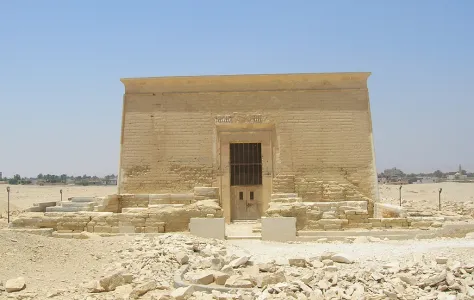
The religious importance of Qasr Qarun Temple is closely connected with the traditions of the Fayoum region and the continued development of Egyptian religion during the Greco-Roman period. The temple provides evidence of how ancient Egyptian religious beliefs remained influential even after Greek and Roman rulers became dominant in Egypt. The Fayoum Oasis had a particularly strong connection with Sobek, the crocodile god associated with water, fertility, protection, and the Nile. Because agriculture in Fayoum depended heavily on irrigation and water management, religious beliefs surrounding water and fertility played an important role in the region. The temple's religious function was part of a much wider tradition of sacred sites throughout the Fayoum. Ancient communities built temples and shrines to honor deities believed to influence the natural world and protect local populations. During the Greco-Roman period, Egyptian religious traditions interacted with Greek and Roman beliefs. Gods could be identified with or associated with foreign deities, and temples sometimes incorporated architectural and artistic features from different cultural traditions. Qasr Qarun Temple reflects this period of cultural interaction. Its design demonstrates the continued importance of Egyptian temple architecture while also belonging to a historical period strongly influenced by Roman rule. Religious ceremonies at ancient Egyptian temples involved priests, offerings, rituals, prayers, and festivals. Although visitors today cannot witness these ceremonies, the temple's surviving chambers provide a sense of how sacred spaces were organized and controlled. The darker inner chambers are particularly interesting because ancient temples often used architectural design to create a gradual transition from public spaces to more restricted sacred areas. Access to the deepest parts of the temple would have been limited to priests and authorized individuals. For modern visitors, exploring Qasr Qarun Temple in Fayoum provides an opportunity to learn how religion shaped ancient communities and influenced architecture, art, and daily life. Travelers searching for Qasr Qarun Temple religion, Sobek in Fayoum, ancient Egyptian gods, Roman Egypt temples, and religious sites in Fayoum can discover an important example of Egypt's long religious history and the cultural changes that occurred during the Greco-Roman era.
6. The Connection Between Qasr Qarun Temple and Lake Qarun
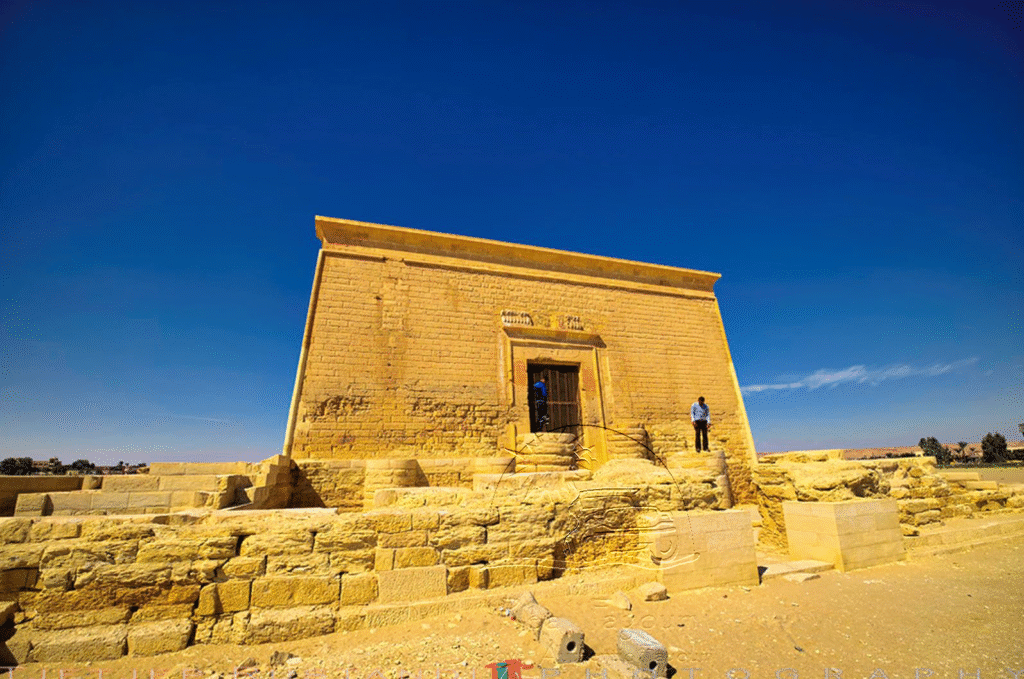
The relationship between Qasr Qarun Temple and Lake Qarun is an important part of understanding the history and geography of the Fayoum region. Located near the western side of the lake, the temple stands within a landscape where water, agriculture, desert, and ancient settlements have been connected for thousands of years. Lake Qarun is one of Egypt's most important natural lakes and a major geographical feature of the Fayoum Oasis. The availability of water allowed the region to support agriculture and human settlements despite being surrounded by desert. Ancient communities depended on the oasis's water systems for farming, fishing, transportation, and daily life. The temple's location near the lake was therefore not accidental. Religious beliefs in Fayoum were strongly connected with water, fertility, and the agricultural prosperity of the oasis. The worship of deities such as Sobek reflected the importance of water to the local population. The ancient settlement of Dionysias, where Qasr Qarun Temple was located, benefited from its position near both cultivated land and desert routes. This gave the community access to agricultural resources while also connecting it with trade and transportation routes across the Western Desert. Today, the contrast between the temple and Lake Qarun remains visually impressive. Visitors can explore the ancient stone monument and then continue toward the lake to enjoy its open waters and surrounding landscapes. The combination of archaeology and nature makes this part of Fayoum particularly attractive. A Qasr Qarun and Lake Qarun tour allows travelers to experience both the historical and natural sides of the region during one journey. The lake also provides excellent opportunities for photography, especially during sunrise and sunset. The surrounding landscape creates a peaceful setting that complements the atmosphere of the ancient temple. For travelers searching for Lake Qarun attractions, Qasr Qarun Temple, Fayoum history, ancient sites near Lake Qarun, and things to do in Fayoum, visiting both locations provides a deeper understanding of how water shaped the development of this extraordinary oasis. Together, Qasr Qarun Temple and Lake Qarun tell a story of ancient religion, agriculture, settlement, and the enduring importance of water in the Fayoum region.
7. What to See Inside Qasr Qarun Temple
One of the most interesting experiences when visiting Qasr Qarun Temple is exploring its remarkably preserved interior. Unlike many ancient monuments where visitors mainly see damaged walls or foundations, this temple retains a substantial part of its original structure. The preserved chambers, corridors, stone walls, and architectural details provide a fascinating glimpse into the religious architecture of Roman-period Egypt. As visitors enter the temple, one of the first things they notice is the thick stone construction. The walls helped protect the interior spaces and have contributed to the monument's survival over many centuries. The contrast between the bright desert outside and the darker interior creates an atmosphere that makes the visit particularly memorable. Inside Qasr Qarun, visitors can explore a series of chambers arranged around the temple's sacred areas. The layout reflects traditional Egyptian temple design, where different spaces served different religious purposes. Some rooms were more accessible, while the deeper chambers were reserved for priests and religious ceremonies. The interior also demonstrates how ancient architects used light and darkness as part of the design. Limited openings meant that certain rooms remained relatively dark, creating a mysterious and sacred atmosphere. Visitors can appreciate how the architecture controlled movement and access within the temple. Architectural details on the stone surfaces provide further evidence of the temple's ancient function. Although some decorative elements have been affected by time, the surviving structure still allows visitors to understand the scale and design of the building. Photography inside the temple can also be rewarding, particularly when sunlight enters through doorways and creates strong contrasts between illuminated and shadowed areas. Visitors should follow local instructions regarding photography and avoid touching ancient surfaces. A knowledgeable guide can make the experience even more interesting by explaining the purpose of the different chambers and the religious traditions associated with the temple. For travelers searching for what to see inside Qasr Qarun Temple, Qasr Qarun interior, ancient temples in Fayoum, Roman Egyptian architecture, and Fayoum archaeological sites, exploring the interior is one of the highlights of visiting this remarkable monument.
8. Qasr Qarun Temple and the Greco-Roman Period in Egypt
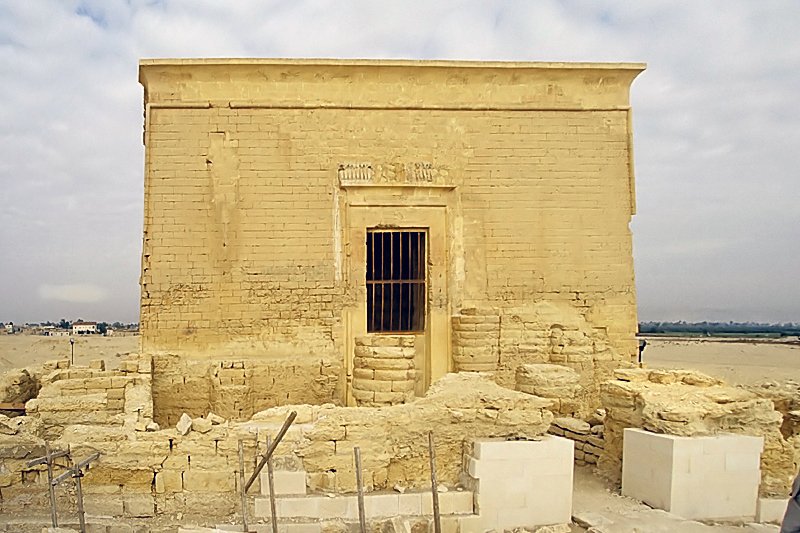
Qasr Qarun Temple provides an important window into the Greco-Roman period in Egypt, a fascinating era when Egyptian traditions interacted with Greek and Roman culture. The temple demonstrates that ancient Egyptian religious practices continued long after the construction of the great pyramids and during a period of significant political and cultural change. The Greco-Roman period began with the arrival of Alexander the Great in Egypt in 332 BC and continued through the Ptolemaic and Roman eras. During these centuries, Egypt remained deeply connected to its ancient religious traditions while also adopting new cultural influences. The Fayoum Oasis was particularly important during this period. The region was developed extensively through agricultural projects and irrigation systems, allowing it to become a productive part of Egypt. New settlements were established, and existing communities expanded. Dionysias, the ancient settlement associated with Qasr Qarun, was part of this development. Its position near agricultural land and desert routes made it useful for both local settlement and movement through the Western Desert. The temple reflects the religious diversity of the period. Egyptian gods continued to be worshipped, while Greek and Roman religious ideas influenced the way some deities were understood and represented. This cultural interaction is one of the most interesting aspects of studying ancient Egypt during the later periods. For modern travelers, visiting Qasr Qarun helps expand the traditional understanding of Egyptian history. Egypt's ancient civilization did not end with the pharaohs of the Old Kingdom. Temples, cities, and religious communities continued to develop for thousands of years. The preserved architecture of the temple provides physical evidence of this long historical continuity. Visitors can see how traditional Egyptian temple concepts survived while the political environment of Egypt changed. For anyone searching for Greco-Roman Egypt, Qasr Qarun Temple history, Roman temples in Egypt, Ptolemaic Egypt, and ancient Fayoum, this monument offers a fascinating opportunity to explore one of the most culturally diverse periods in Egyptian history. A visit to Qasr Qarun is therefore not only an archaeological experience but also a journey into the evolution of Egyptian civilization.
9. Qasr Qarun Temple and Other Fayoum Attractions
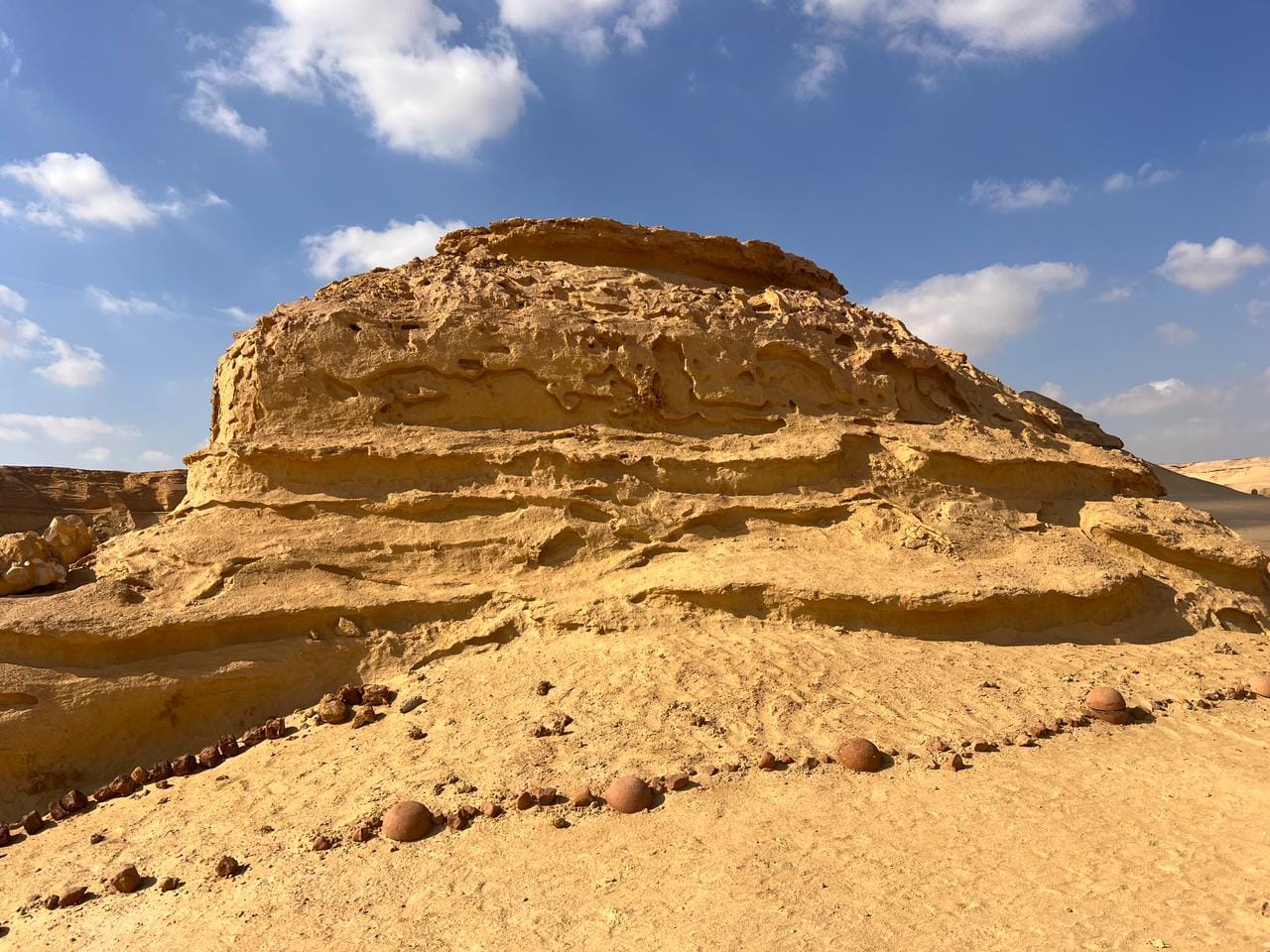
A visit to Qasr Qarun Temple can easily be combined with several other attractions in the Fayoum Oasis, making it an excellent part of a full-day or multi-day Fayoum itinerary. The region is unique because it combines ancient archaeological sites with lakes, waterfalls, desert landscapes, and traditional villages. One of the most convenient attractions to combine with the temple is Lake Qarun. The lake is located nearby and provides beautiful views and a peaceful environment. Visitors can enjoy the contrast between the ancient stone architecture of Qasr Qarun and the wide natural landscape surrounding the lake. Travelers interested in nature can continue toward Wadi El Rayan, a protected area famous for its lakes and waterfalls. The waterfalls are particularly unusual because they are located within the desert environment of Fayoum. Another popular destination is Magic Lake, known for its changing colors and spectacular desert surroundings. The lake provides excellent opportunities for photography and relaxation, while the surrounding desert can be explored by 4x4 vehicle. For travelers interested in prehistoric history, Wadi Al-Hitan – Valley of the Whales offers an extraordinary experience. The site contains fossilized remains of ancient whales and provides evidence that the region was once covered by an ancient sea. Visitors can also explore Tunis Village, a charming destination known for its pottery workshops, artistic atmosphere, and views across the surrounding countryside and Lake Qarun. Because these attractions are spread across different parts of Fayoum, private transportation is often the most convenient option. A private Fayoum tour from Cairo allows travelers to create an itinerary according to their interests and available time. For tourists searching for Fayoum attractions, Qasr Qarun Temple tours, Lake Qarun, Wadi El Rayan, Magic Lake, Wadi Al-Hitan, and things to do in Fayoum, combining several destinations creates a diverse Egyptian travel experience. From ancient temples and prehistoric fossils to desert lakes and waterfalls, Fayoum offers a remarkable combination of history and nature that can be explored in a single journey from Cairo.
10. Best Time to Visit Qasr Qarun Temple
Choosing the best time to visit Qasr Qarun Temple can make your experience more comfortable and enjoyable. Because the temple is located in the Fayoum region, where visitors may spend considerable time outdoors, weather conditions are an important factor when planning a trip. The period from October to April is generally more comfortable for exploring Fayoum's archaeological and natural attractions. During these months, daytime temperatures are usually milder, making it easier to walk around the temple, explore the surrounding area, and continue to other attractions such as Lake Qarun and Wadi El Rayan. Winter can be particularly pleasant during the daytime. However, temperatures may become cooler in the early morning and evening, especially in open desert areas. Travelers planning a full-day Fayoum tour should bring a light jacket or additional layer during the cooler months. Summer visits are also possible, but temperatures can become very high, especially around midday. If visiting Qasr Qarun Temple in summer, it is advisable to begin the tour early in the morning or schedule outdoor sightseeing for the cooler parts of the day. Drinking plenty of water, wearing sunscreen, and using a hat and sunglasses are strongly recommended. The lighting around the temple can also be attractive for photography. Early morning and late afternoon sunlight can create dramatic shadows across the ancient stone walls and surrounding landscape. Photographers may find these periods particularly suitable for capturing the character of the monument. A private Fayoum day trip from Cairo offers flexibility when choosing the timing of the visit. Travelers can arrange an early departure from Cairo and organize the day's attractions according to weather and personal interests. The best season can also depend on what other destinations are included. If the itinerary includes Wadi El Rayan, Magic Lake, or Wadi Al-Hitan, cooler weather can make the entire experience more comfortable because these sites require additional outdoor exploration. For travelers searching for the best time to visit Qasr Qarun Temple, Fayoum tours from Cairo, ancient temples in Fayoum, and things to do in Fayoum, the cooler months and early morning hours generally provide the most comfortable conditions for sightseeing.
11. How to Visit Qasr Qarun Temple from Cairo
A Qasr Qarun Temple tour from Cairo is a convenient way to discover one of the lesser-known archaeological treasures of Egypt. The journey takes travelers from the busy capital into the peaceful landscapes of the Fayoum Oasis, where ancient history and natural scenery exist side by side. The trip begins with a drive from Cairo toward Fayoum. Along the way, the landscape gradually changes from urban areas to agricultural land. As travelers approach the western parts of the oasis, the scenery becomes increasingly dominated by desert landscapes and open spaces. Qasr Qarun Temple is located away from the main urban centers, so private transportation is often the most comfortable option. A private air-conditioned vehicle allows travelers to enjoy the journey without depending on public transportation schedules and provides flexibility when visiting multiple attractions. Many visitors choose to combine the temple with Lake Qarun, which is located nearby. Depending on the available time, the itinerary can then continue toward other attractions such as Tunis Village, Wadi El Rayan, Magic Lake, or Wadi Al-Hitan. A private guide can also add value to the experience. Rather than simply walking through the ancient building, visitors can learn about the history of Dionysias, the religious traditions of the Fayoum, and the architectural features of the temple. Travelers should wear comfortable shoes because exploring archaeological sites often involves walking on uneven surfaces. It is also advisable to carry drinking water, sunscreen, sunglasses, and a hat, particularly during warmer months. For visitors interested in Qasr Qarun Temple tours from Cairo, booking a private day trip provides the flexibility to spend more time at the sites that interest them most. It also makes it easier to combine historical attractions with the natural landscapes of Fayoum. Whether you are interested in ancient Egyptian history, Roman archaeology, photography, or nature, Qasr Qarun can be an excellent addition to a Fayoum day trip from Cairo.
12. Why Visit Qasr Qarun Temple?
Qasr Qarun Temple is one of the most interesting archaeological attractions in the Fayoum Oasis and an excellent destination for travelers who want to explore a different chapter of Egyptian history. Its combination of ancient architecture, Greco-Roman history, religious significance, and peaceful surroundings makes it a rewarding alternative to Egypt's more crowded archaeological sites. One of the temple's greatest advantages is its excellent state of preservation. Visitors can explore substantial parts of the original structure, including stone walls, chambers, corridors, and architectural details. This allows travelers to gain a stronger impression of how an ancient temple functioned. The connection with the ancient city of Dionysias adds another layer of historical importance. The settlement demonstrates how communities developed in the Fayoum during the Greco-Roman period and how agriculture, trade, religion, and desert transportation were connected. The temple's location near Lake Qarun also makes it possible to combine archaeology with nature. Visitors can explore the ancient monument and then enjoy the lake's peaceful scenery. For travelers with more time, Qasr Qarun can be included in a wider Fayoum tour from Cairo featuring Wadi El Rayan, Magic Lake, Wadi Al-Hitan, and Tunis Village. This creates a diverse itinerary covering ancient history, prehistoric fossils, desert landscapes, lakes, waterfalls, and local culture. Photography enthusiasts will also appreciate the temple's architecture and surrounding scenery. The contrast between ancient stone walls and the open Fayoum landscape creates excellent photographic opportunities. For anyone searching for Qasr Qarun Temple, ancient temples in Fayoum, Greco-Roman Egypt, Lake Qarun attractions, Fayoum day trips from Cairo, and things to do in Fayoum, this historic monument deserves a place on the itinerary. A visit to Qasr Qarun offers more than a look at an ancient building. It provides a chance to discover the history of the Fayoum Oasis, understand the cultural changes of Greco-Roman Egypt, and experience one of Egypt's most fascinating regions away from the usual tourist routes. Qasr Qarun Temple is a remarkable destination for history lovers, archaeology enthusiasts, photographers, and travelers looking to discover the hidden treasures of Fayoum, Egypt.