

- Excursions in Egypt
- Egypt Tour Packages
- Cairo Tours and Excursions
- Hurghada Tours and Excursions
- Soma Bay Tours and Excursions
- Makadi Bay Tours and Excursions
- Sahl Hasheesh Tours and Excursions
- El Gouna Tours and Excursions
- Marsa Alam Tours and Excursions
- Port Ghalib Tours and Excursions
- El Quseir Tours and Excursions
- Dendera and Abydos Day Tours
- Aswan Tours and Excursions
- Luxor Tours and Excursions
- Sharm El Sheikh Tours and Excursions
- Top Rated Egypt Tours in 2026
- Optional Excursions in Egypt
- Private Transfer
- Blogs About egypt
- Ancient Egypt
- Historical Sites in Egypt
- Cairo
- Alexandria
- Luxor
- Aswan
- The Red Sea
- Dendera Temple
- El Fayoum Oasis
- Bahariya Oasis
- Siwa Oasis
- Al Alamein
- Marsa Matruh
- Why Egypt Is One of the Safest Countries to Visit in the Middle East
- What You Need To know Before Your First Trip To Egypt
- Egypt Travel Costs in 2026 Full Budget Guide
- Top 10 Tourist Activities in Egypt
- Top 50 Activities You Can’t Miss in Egypt in 2026
- The Guide to Guided Tours in Egypt
- Egypt’s Ancient and Modern History
- The Nile River
- The Deserts of Egypt
- Ancient Egyptian gods
- famous Egyptian dishes
- UNESCO World Heritage sites
- About Us
- Egypt Hotels and Resorts
- Excursions in Egypt
- Egypt Tour Packages
- Cairo Tours and Excursions
- Hurghada Tours and Excursions
- Soma Bay Tours and Excursions
- Makadi Bay Tours and Excursions
- Sahl Hasheesh Tours and Excursions
- El Gouna Tours and Excursions
- Marsa Alam Tours and Excursions
- Port Ghalib Tours and Excursions
- El Quseir Tours and Excursions
- Dendera and Abydos Day Tours
- Aswan Tours and Excursions
- Luxor Tours and Excursions
- Sharm El Sheikh Tours and Excursions
- Top Rated Egypt Tours in 2026
- Optional Excursions in Egypt
- Private Transfer
- Blogs About egypt
- Ancient Egypt
- Historical Sites in Egypt
- Cairo
- Alexandria
- Luxor
- Aswan
- The Red Sea
- Dendera Temple
- El Fayoum Oasis
- Bahariya Oasis
- Siwa Oasis
- Al Alamein
- Marsa Matruh
- Why Egypt Is One of the Safest Countries to Visit in the Middle East
- What You Need To know Before Your First Trip To Egypt
- Egypt Travel Costs in 2026 Full Budget Guide
- Top 10 Tourist Activities in Egypt
- Top 50 Activities You Can’t Miss in Egypt in 2026
- The Guide to Guided Tours in Egypt
- Egypt’s Ancient and Modern History
- The Nile River
- The Deserts of Egypt
- Ancient Egyptian gods
- famous Egyptian dishes
- UNESCO World Heritage sites
- About Us
- Egypt Hotels and Resorts
Welcome to
Science and Technology in Ancient Egypt: Innovations That Changed the Ancient World
Ancient Egypt is famous for its towering pyramids, magnificent temples, and powerful pharaohs, but one of the most remarkable aspects of this civilization was its extraordinary progress in science and technology. For more than three thousand years, the Ancient Egyptians developed advanced knowledge in engineering, mathematics, medicine, astronomy, agriculture, and architecture, allowing them to build one of the most successful and enduring civilizations in human history. Long before the development of modern technology, Egyptian scientists, architects, physicians, and craftsmen created innovative solutions to everyday challenges and monumental projects. Their achievements not only supported the growth of Ancient Egyptian civilization but also influenced later cultures across the Mediterranean and the Near East. The scientific accomplishments of Ancient Egypt continue to fascinate historians and archaeologists, demonstrating the ingenuity and creativity of one of the world’s earliest civilizations.
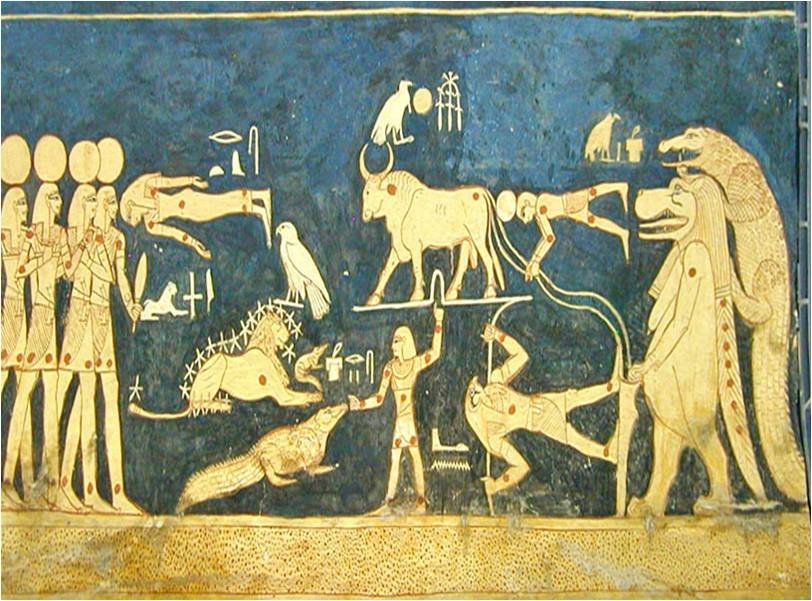
1. Engineering Marvels of Ancient Egypt
Ancient Egyptian engineering remains one of the greatest achievements in human history. The construction of the Great Pyramids of Giza, colossal temples, obelisks, and monumental statues required sophisticated planning, organization, and technical expertise. Egyptian engineers understood principles of geometry, weight distribution, and structural stability, enabling them to create buildings that have survived for thousands of years. The Great Pyramid of Khufu is perhaps the most impressive example of Egyptian engineering. Built from millions of limestone blocks, the pyramid demonstrates remarkable precision in its dimensions and alignment. Engineers carefully measured angles and orientations to ensure the structure aligned with the cardinal directions. Massive labor forces, transportation systems, and construction techniques were coordinated on an unprecedented scale. Ancient Egyptians also developed advanced stone-cutting methods using copper tools, stone hammers, and abrasive materials. Their ability to quarry, transport, and assemble enormous blocks of stone remains one of the most studied topics in archaeology. These engineering innovations laid the foundation for many of Egypt's most iconic monuments and continue to inspire admiration from modern engineers.
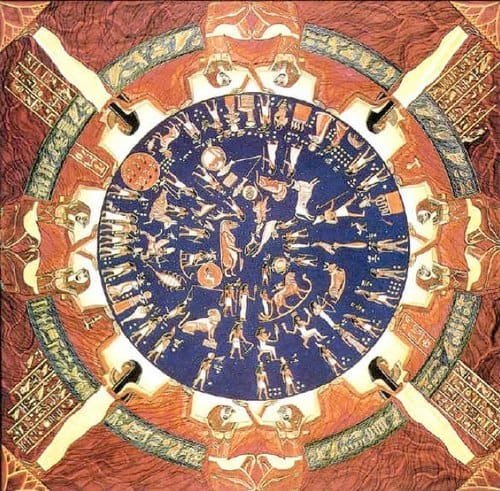
2. Mathematics in Ancient Egypt
Mathematics was essential to the administration and development of Ancient Egypt. Egyptian scribes used mathematical principles for taxation, construction, land surveying, trade, and agricultural planning. Their understanding of arithmetic and geometry helped support a highly organized society and enabled the completion of ambitious architectural projects. The annual flooding of the Nile River often altered farmland boundaries, making accurate land measurement necessary. Surveyors used mathematical calculations to redefine property lines and determine taxes. Egyptian mathematicians developed methods for calculating areas, volumes, fractions, and proportions, many of which were recorded in documents such as the Rhind Mathematical Papyrus. Geometry played a particularly important role in pyramid construction. Builders used mathematical formulas to create symmetrical structures with precise angles and dimensions. Their knowledge allowed them to construct some of the most accurate monuments in the ancient world. Although Egyptian mathematics differed from modern systems, it represented a major intellectual achievement and contributed significantly to the civilization's success.
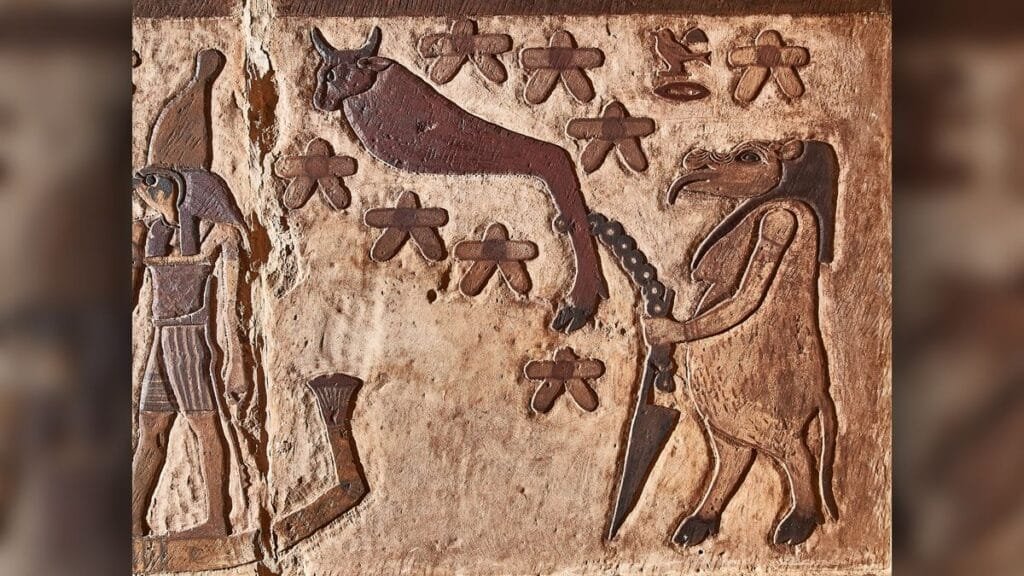
3. Astronomy and the Ancient Egyptian Calendar
Astronomy was closely linked to religion, agriculture, and daily life in Ancient Egypt. Egyptian astronomers carefully observed the movements of the sun, moon, planets, and stars to understand seasonal changes and organize important activities. Their observations led to the development of one of the earliest known calendars in human history. The annual appearance of the star Sirius, known to the Egyptians as Sopdet, coincided with the flooding of the Nile River. This event became a key marker for the beginning of the agricultural year. Based on astronomical observations, Egyptians developed a calendar consisting of 365 days divided into twelve months and three seasons. Astronomy also influenced architecture and religious practices. Many temples and monuments were aligned with specific celestial events such as solstices and star risings. Priests used astronomical knowledge to determine the timing of festivals and ceremonies. The sophisticated understanding of the heavens demonstrated by Ancient Egyptian astronomers highlights the civilization's commitment to scientific observation and practical application.
4. Medicine and Healthcare in Ancient Egypt
Ancient Egyptian medicine was among the most advanced medical systems of the ancient world. Egyptian physicians possessed extensive knowledge of anatomy, disease treatment, surgery, and pharmacology. Medical texts preserved on papyri reveal a sophisticated approach to healthcare that combined practical observation with religious beliefs. Doctors specialized in different areas of medicine and treated a wide variety of conditions, including wounds, fractures, infections, digestive disorders, and eye diseases. Surgical procedures included stitching wounds, setting broken bones, and treating abscesses. Medical practitioners used instruments such as knives, probes, and forceps to perform treatments. Herbal medicine played a major role in healthcare. Egyptians utilized natural ingredients such as honey, garlic, onions, aloe vera, and various herbs to create remedies. Honey was particularly valued for its antibacterial properties and was frequently applied to wounds. Many Egyptian medical practices influenced later Greek and Roman medicine and contributed to the development of healthcare traditions that continue to this day.
5. Agricultural Technology and Irrigation Systems
Agriculture formed the foundation of Ancient Egyptian civilization, and technological innovations helped maximize productivity along the Nile River. Egyptian farmers developed irrigation systems, water management techniques, and agricultural tools that allowed them to take full advantage of the fertile soil created by annual floods. Canals and reservoirs were constructed to distribute water to fields and store excess floodwater. Farmers used tools such as the shaduf, a hand-operated device designed to lift water from the Nile into irrigation channels. This technology improved agricultural efficiency and enabled cultivation in areas farther from the riverbanks. Egyptians also developed methods for crop rotation, grain storage, and livestock management. Major crops included wheat, barley, flax, vegetables, and fruits. Agricultural innovations ensured a stable food supply, supported population growth, and generated surplus resources that strengthened Egypt's economy and political power.
6. Transportation and Shipbuilding
Transportation technology played a vital role in connecting different regions of Ancient Egypt and facilitating trade. The Nile River served as the primary transportation route, allowing people and goods to move efficiently across long distances. To take advantage of this natural highway, Egyptians became skilled shipbuilders and navigators. Early boats were constructed from papyrus reeds, while later vessels used wooden planks secured with ropes and pegs. Egyptian ships transported agricultural products, stone blocks, soldiers, merchants, and travelers throughout the kingdom. Large ships were also used for international trade with regions such as Nubia, Punt, and the eastern Mediterranean. The development of transportation technology strengthened economic networks and enabled the movement of resources necessary for major construction projects. Without effective shipbuilding and navigation techniques, many of Egypt's greatest achievements would not have been possible.
7. Technology Behind Pyramid Construction
The construction of the pyramids remains one of the most remarkable technological accomplishments in history. Although modern scholars continue to debate specific methods used during construction, evidence suggests that Egyptian builders employed a combination of engineering expertise, labor organization, and innovative techniques. Workers transported limestone blocks from quarries using sledges, rollers, and specially prepared pathways. Ramps may have been used to move stones to higher levels during construction. Skilled architects and surveyors carefully planned every stage of the project, ensuring precise alignment and structural stability. The logistical challenges involved in building the pyramids required advanced administrative systems capable of organizing thousands of workers, supplying food, managing materials, and coordinating labor schedules. The successful completion of these monuments demonstrates the extraordinary technological capabilities of Ancient Egyptian civilization.
8. Legacy of Ancient Egyptian Science and Technology
The scientific and technological achievements of Ancient Egypt had a lasting impact on the ancient world and continue to inspire admiration today. Egyptian innovations in engineering, mathematics, medicine, astronomy, agriculture, and transportation influenced neighboring civilizations and contributed to the development of human knowledge. Modern archaeologists and scientists continue to study Egyptian monuments, tools, medical texts, and engineering methods to better understand how this remarkable civilization achieved so much with the resources available to it. The pyramids, temples, and scientific discoveries of Ancient Egypt remain enduring symbols of human creativity and ingenuity. The legacy of Ancient Egyptian science and technology reminds us that innovation is not limited to the modern era. Thousands of years ago, along the fertile banks of the Nile River, a civilization emerged that transformed scientific understanding and left behind achievements that continue to amaze the world. Through their knowledge, determination, and vision, the Ancient Egyptians secured a permanent place among the greatest innovators in human history.
9. Ancient Egyptian Tools and Craftsmanship
The success of Ancient Egyptian civilization was supported by the skill of its craftsmen and the tools they developed for construction, agriculture, manufacturing, and daily life. Although Ancient Egyptians did not possess iron during much of their history, they became masters at working with copper, bronze, stone, wood, and other materials. Their tools allowed them to create some of the most impressive monuments, artworks, and everyday objects in the ancient world. Craftsmen used chisels, saws, drills, hammers, and polishing tools to shape stone and wood with remarkable precision. These tools enabled the construction of temples, tombs, statues, furniture, and decorative objects that continue to survive thousands of years later. Goldsmiths and jewelers developed sophisticated techniques for working with precious metals and gemstones, producing exquisite jewelry for royalty and elites. Ancient Egyptian workshops were highly organized and often attached to temples, royal palaces, or major construction projects. Skilled artisans passed their knowledge from one generation to another, ensuring the continuation of specialized techniques. The quality of Egyptian craftsmanship can still be seen in artifacts discovered in tombs, including furniture, chariots, statues, coffins, and ceremonial objects. These achievements demonstrate how technology and craftsmanship worked together to support the prosperity and cultural development of Ancient Egypt.
10. Scientific Knowledge Behind Mummification
Mummification was not only a religious practice but also one of the most impressive examples of scientific knowledge in Ancient Egypt. Through centuries of observation and experimentation, Egyptian embalmers developed techniques that successfully preserved human bodies for thousands of years. Their understanding of anatomy, preservation methods, and chemical processes reveals a surprisingly advanced level of practical science. The mummification process involved carefully removing internal organs, treating the body with natron salt to remove moisture, and wrapping it in layers of linen. Embalmers understood that dehydration was essential for preventing decomposition. They also used resins, oils, and aromatic substances that possessed preservative and antibacterial properties. Modern scientific examinations of Egyptian mummies have shown how effective these methods were. Many mummies retain skin, hair, teeth, and even traces of soft tissue after thousands of years. The study of mummies has provided valuable information about ancient diseases, nutrition, medical treatments, and living conditions. The scientific principles behind mummification highlight the remarkable observational skills and technical expertise of Ancient Egyptian specialists.
11. Ancient Egyptian Mining and Metallurgy
Mining and metallurgy were essential components of Ancient Egyptian technology and played a major role in the civilization's economic and military strength. Egypt possessed valuable natural resources, including gold, copper, turquoise, and precious stones, which were extracted through organized mining operations in the Eastern Desert, Sinai Peninsula, and Nubia. Gold mining was particularly important because Egypt became one of the richest sources of gold in the ancient world. The precious metal was used to create royal treasures, jewelry, religious artifacts, and diplomatic gifts. Egyptian craftsmen developed advanced techniques for refining and shaping gold into intricate works of art that symbolized wealth and divine power. Copper mining and metalworking supported the production of tools, weapons, agricultural equipment, and construction instruments. During later periods, bronze technology further improved the quality and durability of Egyptian tools and military equipment. Mining expeditions often involved careful planning, transportation networks, and administrative oversight, demonstrating the organizational capabilities of the Egyptian state. The development of mining and metallurgy contributed significantly to Egypt's prosperity, enabling technological advancement, trade expansion, and the creation of some of the most magnificent artifacts ever produced in the ancient world. These achievements illustrate how natural resources and technological innovation helped make Ancient Egypt one of history's greatest civilizations.
12. Ancient Egyptian Timekeeping and Measurement Systems
One of the lesser-known achievements of Ancient Egyptian science and technology was the development of sophisticated systems for measuring time, distance, weight, and volume. Accurate measurement was essential for agriculture, construction, trade, taxation, and religious ceremonies. The ability to standardize measurements helped Ancient Egypt maintain an organized and efficient society for thousands of years. The Ancient Egyptians divided the day and night into hours and used various instruments to track time. Sundials measured daylight hours through the movement of shadows, while water clocks, known as clepsydras, allowed priests and officials to measure time even at night. These devices played an important role in scheduling religious rituals, agricultural activities, and administrative tasks. For construction projects, builders used measuring rods, plumb bobs, levels, and ropes to ensure accuracy. Standard units such as the royal cubit were used throughout the kingdom, allowing architects to construct temples, pyramids, and monuments with remarkable precision. Merchants and tax collectors relied on standardized weights and measures to facilitate trade and maintain fairness in economic transactions. These innovations demonstrate that Ancient Egyptians understood the importance of precision and standardization, making their measurement systems an important foundation for science, engineering, and administration.
13. Military Technology in Ancient Egypt
The growth and protection of Ancient Egypt depended heavily on advancements in military technology. As the kingdom expanded and encountered rival powers, Egyptian armies adopted new weapons, defensive equipment, and transportation methods that strengthened their military capabilities. These innovations helped Egypt become one of the dominant powers of the ancient Near East, particularly during the New Kingdom. One of the most significant military technologies introduced to Egypt was the horse-drawn chariot. After learning from the Hyksos during the Second Intermediate Period, Egyptians refined chariot warfare and turned it into a powerful military advantage. Chariots allowed soldiers to move quickly across battlefields and provided platforms for skilled archers. Egyptian weapons included bows, arrows, spears, axes, daggers, swords, and shields. Composite bows, made from layers of wood, horn, and sinew, offered greater range and power than traditional bows. Metalworking improvements also led to stronger weapons and armor. Military engineers designed fortresses, defensive walls, and strategic outposts that protected trade routes and border regions. The success of pharaohs such as Thutmose III and Ramesses II was closely linked to these technological advancements. Egypt's military innovations helped secure its empire, protect valuable resources, and establish its reputation as one of the ancient world's greatest powers.
14. Communication and Record-Keeping Technology
The ability to communicate and preserve information was a major factor behind the success of Ancient Egyptian civilization. Through innovations in writing materials, administrative systems, and record-keeping practices, Egyptians created one of the most effective bureaucracies in the ancient world. These developments allowed the government to manage resources, collect taxes, organize labor, and maintain control over a vast territory. One of Egypt's most important technological contributions was the production of papyrus. Made from the papyrus plant that grew along the Nile River, this writing material was lightweight, durable, and relatively easy to produce. Papyrus became one of the earliest forms of paper and was widely used for official documents, religious texts, business records, and literature. Scribes served as the guardians of knowledge and played a critical role in administration. They recorded census data, legal agreements, agricultural production, trade transactions, and royal decrees. Libraries and temple archives preserved valuable information that could be referenced by future generations. The combination of hieroglyphics, papyrus production, and organized record-keeping created a powerful communication network that supported Egypt's political stability and economic growth. These innovations allowed Ancient Egypt to manage one of the most sophisticated governments of the ancient world and preserve its history for thousands of years.
15. Ancient Egyptian Chemistry and Material Science
Although the term "chemistry" did not exist in Ancient Egypt, the civilization demonstrated an impressive understanding of chemical processes and material science. Egyptian craftsmen, embalmers, metalworkers, and artists experimented with natural substances to create products that were both practical and durable. Their knowledge of minerals, pigments, metals, resins, and preservation techniques contributed significantly to the advancement of Ancient Egyptian technology. One of the most famous examples is the mummification process, which relied on chemical reactions to preserve bodies for eternity. Embalmers used natron salt, resins, oils, and plant extracts to remove moisture and prevent decomposition. These techniques proved so effective that many mummies remain remarkably preserved after thousands of years. Egyptian artisans also produced vibrant pigments from minerals such as malachite, ochre, and azurite. These pigments were used to decorate tombs, temples, statues, and papyrus manuscripts. Ancient Egyptians even created one of the world's earliest synthetic pigments, known today as Egyptian Blue, which remained in use for centuries across the Mediterranean world. Their expertise extended to glassmaking, faience production, cosmetics, perfumes, and metal refining. The scientific understanding behind these materials demonstrates that Ancient Egyptians possessed sophisticated practical knowledge that laid the groundwork for later developments in chemistry and manufacturing.
16. Water Management and Hydraulic Engineering
The success of Ancient Egypt depended largely on its ability to manage the waters of the Nile River. Because agriculture was the foundation of the Egyptian economy, controlling and distributing water effectively became one of the civilization's greatest technological achievements. Ancient Egyptians developed advanced irrigation systems and hydraulic engineering techniques that transformed the Nile Valley into one of the most productive agricultural regions in the ancient world. Engineers constructed canals, reservoirs, embankments, and irrigation channels to direct floodwaters to farmland. These systems helped farmers maximize crop production and reduce the risks associated with irregular flooding. Water management projects often required cooperation between local communities and government officials, demonstrating the organizational strength of the Egyptian state. One of the most important agricultural technologies was the shaduf, a simple but effective device used to lift water from the Nile into irrigation canals. This invention increased efficiency and allowed cultivation in areas that would otherwise have remained dry. The ability to harness the Nile's waters ensured food security, supported population growth, and generated the agricultural surplus necessary to finance temples, pyramids, and military campaigns. Ancient Egyptian hydraulic engineering remains one of the civilization's most important scientific achievements and a key reason for its long-term success.
17. Scientific Legacy of Ancient Egypt
The scientific achievements of Ancient Egypt left a lasting legacy that influenced later civilizations and continues to be studied today. Egyptian innovations in engineering, medicine, mathematics, astronomy, agriculture, and technology were adopted and expanded by neighboring cultures, including the Greeks, Romans, and civilizations of the Near East. Many aspects of modern science can trace their origins to discoveries first developed along the banks of the Nile. Greek scholars who visited Egypt were deeply impressed by Egyptian knowledge and often studied with Egyptian priests and scribes. Mathematical concepts, astronomical observations, and medical practices were transmitted to later civilizations, helping shape the intellectual foundations of the ancient Mediterranean world. Egyptian architectural techniques also influenced the construction of temples, monuments, and public buildings across different cultures. Today, archaeologists, engineers, physicians, and historians continue to examine Ancient Egyptian innovations to better understand how this remarkable civilization achieved so much. Modern technologies such as CT scanning, DNA analysis, and digital reconstruction have revealed new details about Egyptian medicine, engineering methods, and scientific practices. The enduring legacy of Ancient Egyptian science demonstrates that innovation and curiosity are timeless human qualities. The achievements of Ancient Egypt not only transformed the ancient world but also contributed to the broader story of scientific progress. Their discoveries remain a powerful reminder of humanity's ability to observe, experiment, create, and solve complex challenges through knowledge and ingenuity.
18. Inventions and Innovations of Ancient Egypt
Ancient Egypt was a land of invention and innovation, where practical solutions to everyday challenges led to technological advancements that helped sustain one of the world's longest-lasting civilizations. Many of the tools, techniques, and systems developed by the Ancient Egyptians were centuries ahead of their time and contributed significantly to the growth of science, engineering, agriculture, medicine, and architecture. These innovations not only improved life within Egypt but also influenced neighboring civilizations and left a lasting impact on human history. Among the most important Ancient Egyptian inventions was papyrus, one of the earliest forms of paper. Made from the papyrus plant that grew along the Nile River, it revolutionized communication, administration, and record-keeping. Egyptians also developed ink, reed pens, and organized writing systems that enabled the preservation of knowledge across generations. Their advances in writing helped create one of the most efficient bureaucratic systems in the ancient world. In agriculture, Egyptians introduced irrigation canals, water-lifting devices such as the shaduf, and grain storage systems that improved food production and protected against famine. In medicine, they developed surgical instruments, herbal remedies, dental treatments, and diagnostic techniques that demonstrated a sophisticated understanding of healthcare. Their innovations in mummification reflected extensive knowledge of anatomy and preservation methods.