

- Excursions in Egypt
- Egypt Tour Packages
- Cairo Tours and Excursions
- Hurghada Tours and Excursions
- Soma Bay Tours and Excursions
- Makadi Bay Tours and Excursions
- Sahl Hasheesh Tours and Excursions
- El Gouna Tours and Excursions
- Marsa Alam Tours and Excursions
- Port Ghalib Tours and Excursions
- El Quseir Tours and Excursions
- Dendera and Abydos Day Tours
- Aswan Tours and Excursions
- Luxor Tours and Excursions
- Sharm El Sheikh Tours and Excursions
- Top Rated Egypt Tours in 2026
- Optional Excursions in Egypt
- Private Transfer
- Blogs About egypt
- Ancient Egypt
- Historical Sites in Egypt
- Cairo
- Alexandria
- Luxor
- Aswan
- The Red Sea
- Dendera Temple
- El Fayoum Oasis
- Bahariya Oasis
- Siwa Oasis
- Al Alamein
- Marsa Matruh
- Why Egypt Is One of the Safest Countries to Visit in the Middle East
- What You Need To know Before Your First Trip To Egypt
- Egypt Travel Costs in 2026 Full Budget Guide
- Top 10 Tourist Activities in Egypt
- Top 50 Activities You Can’t Miss in Egypt in 2026
- The Guide to Guided Tours in Egypt
- Egypt’s Ancient and Modern History
- The Nile River
- The Deserts of Egypt
- Ancient Egyptian gods
- famous Egyptian dishes
- UNESCO World Heritage sites
- About Us
- Egypt Hotels and Resorts
- Excursions in Egypt
- Egypt Tour Packages
- Cairo Tours and Excursions
- Hurghada Tours and Excursions
- Soma Bay Tours and Excursions
- Makadi Bay Tours and Excursions
- Sahl Hasheesh Tours and Excursions
- El Gouna Tours and Excursions
- Marsa Alam Tours and Excursions
- Port Ghalib Tours and Excursions
- El Quseir Tours and Excursions
- Dendera and Abydos Day Tours
- Aswan Tours and Excursions
- Luxor Tours and Excursions
- Sharm El Sheikh Tours and Excursions
- Top Rated Egypt Tours in 2026
- Optional Excursions in Egypt
- Private Transfer
- Blogs About egypt
- Ancient Egypt
- Historical Sites in Egypt
- Cairo
- Alexandria
- Luxor
- Aswan
- The Red Sea
- Dendera Temple
- El Fayoum Oasis
- Bahariya Oasis
- Siwa Oasis
- Al Alamein
- Marsa Matruh
- Why Egypt Is One of the Safest Countries to Visit in the Middle East
- What You Need To know Before Your First Trip To Egypt
- Egypt Travel Costs in 2026 Full Budget Guide
- Top 10 Tourist Activities in Egypt
- Top 50 Activities You Can’t Miss in Egypt in 2026
- The Guide to Guided Tours in Egypt
- Egypt’s Ancient and Modern History
- The Nile River
- The Deserts of Egypt
- Ancient Egyptian gods
- famous Egyptian dishes
- UNESCO World Heritage sites
- About Us
- Egypt Hotels and Resorts
Welcome to
Science and Astronomy in Ancient Egypt: Knowledge, Innovation, and the Secrets of the Ancient Sky
Science and astronomy in Ancient Egypt played a fundamental role in shaping one of the world’s most advanced and enduring civilizations. Long before the development of modern scientific methods, the Ancient Egyptians carefully observed the natural world, studied the movements of celestial bodies, and applied practical knowledge to agriculture, architecture, medicine, engineering, and religious life. Their achievements in science and astronomy helped them build monumental pyramids, create accurate calendars, predict the annual flooding of the Nile River, and establish a sophisticated society that flourished for more than three thousand years.
The Ancient Egyptians viewed the universe as an ordered system governed by divine principles. Observing the heavens was not merely a scientific activity but also a religious responsibility. Priests, astronomers, and scholars closely monitored the movements of the sun, moon, stars, and planets to determine important dates for agricultural activities, religious festivals, and state ceremonies. Their knowledge of astronomy was deeply connected to their beliefs about the gods, kingship, and the afterlife.
Scientific advancements in Ancient Egypt extended far beyond astronomy. Egyptians developed practical mathematics, engineering techniques, medical treatments, irrigation systems, and surveying methods that enabled them to construct some of the most impressive monuments in human history. Their understanding of geometry, measurement, and observation laid the foundation for many achievements that continue to amaze modern researchers.
Today, archaeological discoveries, ancient texts, temple inscriptions, and surviving monuments reveal the remarkable intellectual accomplishments of Ancient Egyptian civilization. By exploring science and astronomy in Ancient Egypt, we gain a deeper appreciation of how one of history’s greatest civilizations combined observation, innovation, and spirituality to understand the world around them.
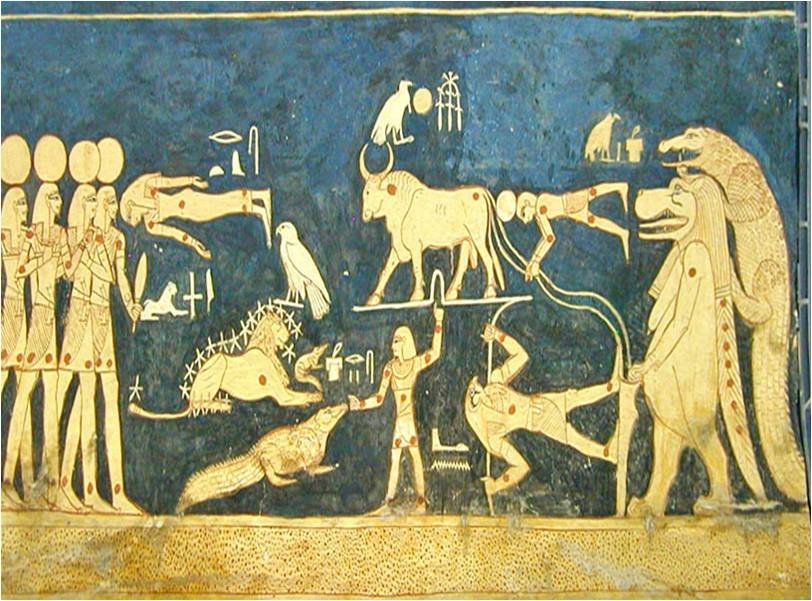
1. The Origins of Scientific Knowledge in Ancient Egypt
The development of science in Ancient Egypt was closely tied to the practical needs of daily life and the environment of the Nile Valley. Unlike modern science, which often focuses on theoretical explanations, Egyptian science emphasized observation, experience, and practical application. Over centuries, Egyptians accumulated knowledge that helped them manage agriculture, construct buildings, heal illnesses, and organize society. The Nile River played a crucial role in shaping Egyptian scientific thought. The annual flooding of the river created fertile farmland but also required careful planning and measurement. Egyptians learned to observe seasonal patterns, track environmental changes, and develop systems for predicting agricultural cycles. This need for accuracy encouraged advancements in mathematics, astronomy, and surveying. Religious institutions also contributed to scientific development. Priests were among the most educated members of society and often served as astronomers, physicians, architects, and record keepers. Temples functioned as centers of learning where knowledge was preserved and transmitted from one generation to the next. Written records on papyrus allowed important discoveries and observations to be documented for future use. Scientific knowledge was considered a valuable resource that supported both the state and religion. Engineers designed irrigation systems, architects planned temples and pyramids, and physicians developed treatments for injuries and diseases. Through careful observation and accumulated experience, Ancient Egyptians created a body of practical knowledge that supported one of the most successful civilizations in history. The origins of Egyptian science demonstrate how human curiosity and environmental challenges can inspire innovation. Their achievements laid the groundwork for many later developments in mathematics, astronomy, medicine, and engineering.
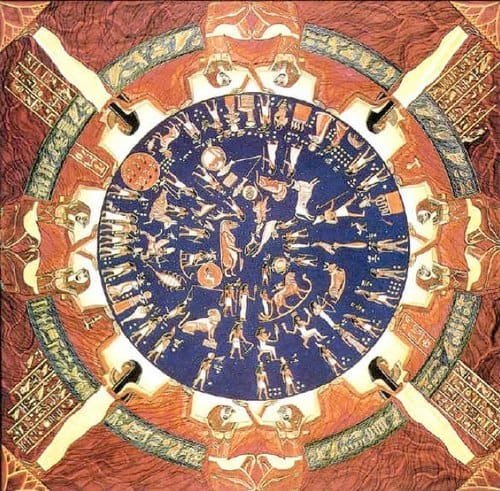
2. Astronomy and the Importance of the Night Sky
Astronomy occupied a special place in Ancient Egyptian society because the heavens were believed to reflect the divine order of the universe. Egyptians carefully observed the movements of stars, planets, the sun, and the moon, using these observations to regulate religious ceremonies, agricultural activities, and government administration. The night sky served as both a scientific laboratory and a sacred realm filled with gods and cosmic significance. One of the most important astronomical observations involved the star Sirius, known to the Egyptians as Sopdet. The annual appearance of Sirius just before sunrise, known as its heliacal rising, closely coincided with the flooding of the Nile River. This event became a key marker in the Egyptian calendar and helped farmers prepare for the agricultural season. Egyptian astronomers divided the night sky into groups of stars known as decans. These star groups were used to measure time during the night and played an important role in religious rituals. Temple ceilings often featured detailed astronomical decorations depicting constellations, celestial boats, and divine beings associated with the heavens. The sun also held immense significance. Egyptians viewed the sun god Ra as one of the most powerful deities in their religion. Observing the sun's daily and annual movements helped determine seasons, festivals, and ceremonial events. Solar alignments influenced the design of temples and monuments throughout Egypt. Ancient Egyptian astronomy combined practical observation with religious symbolism. Their study of the heavens helped create one of the earliest organized systems of timekeeping and demonstrated a sophisticated understanding of celestial cycles that would influence future civilizations.
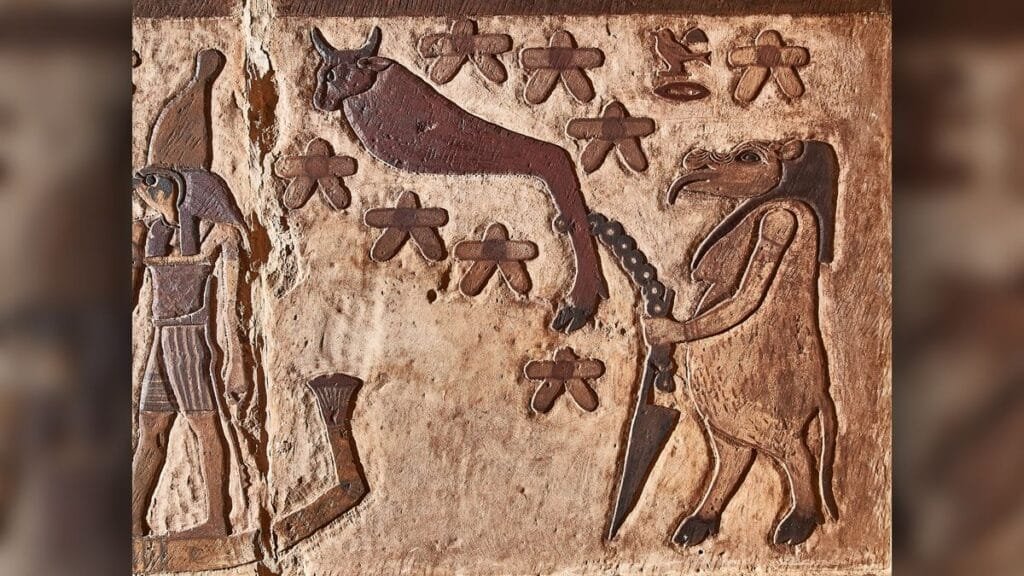
3. The Egyptian Calendar and Timekeeping
One of the greatest scientific achievements of Ancient Egypt was the creation of a highly accurate calendar system. The Egyptian calendar allowed farmers, priests, and government officials to organize agricultural activities, religious festivals, taxation, and public works. Its development reflects the close relationship between astronomy and practical administration in Ancient Egyptian civilization. The Egyptian year consisted of 365 days divided into twelve months of thirty days each, with five additional festival days added at the end of the year. This system was remarkably advanced for its time and represented one of the earliest solar calendars in human history. The calendar was closely linked to observations of the star Sirius and the annual flooding of the Nile. The year was divided into three seasons: Akhet (the flood season), Peret (the growing season), and Shemu (the harvest season). These divisions reflected the agricultural cycle upon which Egyptian society depended. By understanding seasonal changes, Egyptians could plan planting, irrigation, and harvesting activities more effectively. Timekeeping also extended to daily life. Egyptians used shadow clocks, sundials, and water clocks to measure the passage of time. At night, astronomers relied on star observations to determine hours and track celestial movements. These methods allowed for surprisingly accurate time measurement long before the invention of mechanical clocks. The Egyptian calendar influenced later calendar systems throughout the ancient world and contributed to the development of more advanced methods of timekeeping. Its success demonstrates the importance of astronomy in Ancient Egyptian science and highlights the civilization's remarkable ability to transform celestial observations into practical tools for everyday life.
4. Mathematics and Scientific Measurement
Mathematics was one of the most important branches of science in Ancient Egypt and formed the foundation for many of the civilization's greatest achievements. From constructing pyramids and temples to managing agricultural land and collecting taxes, mathematical knowledge was essential for maintaining the complex organization of Egyptian society. Although Egyptian mathematics differed from modern systems, it demonstrated remarkable sophistication and practicality. Ancient Egyptian scribes developed numerical symbols that allowed them to record quantities, calculate areas, measure distances, and solve practical problems. Mathematical knowledge was primarily preserved in documents such as the Rhind Mathematical Papyrus and the Moscow Mathematical Papyrus, which contain examples of calculations involving fractions, geometry, multiplication, division, and volume measurements. These texts reveal that Egyptians possessed a strong understanding of mathematical principles long before the rise of Classical Greece. One of the most important applications of mathematics involved land surveying. Each year, the Nile River flooded large portions of agricultural land, often erasing property boundaries. Surveyors used measuring ropes and geometric calculations to redefine fields after the floodwaters receded. This process ensured fair taxation and prevented disputes between landowners. Egyptian architects and engineers also relied heavily on mathematics when designing monumental structures. Accurate measurements were necessary to construct pyramids, temples, obelisks, and tombs with remarkable precision. Builders used standardized units such as the royal cubit, which helped maintain consistency across large projects. The practical nature of Egyptian mathematics reflects the civilization's focus on solving real-world challenges. Their achievements in measurement, geometry, and calculation supported advances in architecture, engineering, agriculture, and administration, making mathematics a cornerstone of Ancient Egyptian science.
5. How Astronomy Helped Build the Pyramids
The construction of the pyramids stands among the greatest engineering accomplishments in human history, and astronomy played a crucial role in making these monuments possible. Ancient Egyptian builders carefully observed the heavens and used astronomical knowledge to determine orientation, alignment, and planning during pyramid construction. The relationship between astronomy and architecture demonstrates the remarkable scientific capabilities of Egyptian civilization. One of the most impressive features of the Great Pyramid of Khufu is its near-perfect alignment with the cardinal directions: north, south, east, and west. Modern surveys have shown that this alignment is extraordinarily accurate, suggesting that Egyptian surveyors used celestial observations to establish the pyramid's orientation. By tracking the positions of stars in the northern sky, they were able to identify true north with remarkable precision. Astronomy also influenced the symbolic design of the pyramids. Egyptians believed that the pharaoh's spirit would ascend to the heavens after death and join the gods among the stars. Certain internal shafts within the Great Pyramid appear to align with stars that held religious significance during the Old Kingdom. These alignments may have represented pathways through which the king's soul could travel into eternity. The solar cycle also played an important role in pyramid symbolism. The shape of the pyramid is often interpreted as representing the rays of the sun descending to Earth. This connection reflected the pharaoh's association with the sun god Ra and reinforced beliefs about resurrection and divine kingship. The integration of astronomy into pyramid construction highlights the close relationship between science, religion, and architecture in Ancient Egypt. Through careful observation of the night sky, Egyptian builders created monuments that continue to inspire awe more than four thousand years after their construction.
6. Ancient Egyptian Observatories and Sky Watchers
Although Ancient Egypt did not possess observatories in the modern sense, many temples and sacred structures functioned as centers for astronomical observation. Priests, scholars, and specialized officials known as "watchers of the hours" carefully monitored celestial events and recorded important observations. Their work contributed to the development of calendars, religious ceremonies, and scientific knowledge throughout Egyptian history. Temple rooftops often served as observation platforms where astronomers could study the stars without obstruction. From these elevated locations, they tracked the movements of celestial bodies, observed seasonal changes, and monitored important astronomical events. Detailed observations were recorded and used to regulate religious festivals and agricultural activities. The priests responsible for astronomical observations held prestigious positions within society. They possessed specialized knowledge of celestial cycles and played an important role in maintaining the cosmic order believed to govern the universe. Their duties included determining auspicious dates for ceremonies, tracking the rising and setting of stars, and measuring the passage of time during the night. Many Egyptian temples incorporated astronomical alignments into their design. Certain temples were oriented toward the rising sun during specific times of the year, while others aligned with important stars or celestial events. These architectural features demonstrate the significance of astronomy within Egyptian religious practice. Astronomical knowledge was also preserved through artistic representations. Temple ceilings frequently depicted constellations, decans, and celestial deities. Some of the most famous examples include the astronomical ceilings found in royal tombs and temples, which provide valuable information about Egyptian observations of the night sky. The activities of Ancient Egyptian sky watchers reveal a civilization deeply engaged with the heavens. Their observations helped shape religious traditions, scientific developments, and daily life, making astronomy one of the most influential fields of knowledge in Ancient Egypt.
7. The Star Sirius and the Nile Flood
Among all the celestial objects observed by the Ancient Egyptians, none was more important than Sirius, the brightest star visible in the night sky. Known to the Egyptians as Sopdet and later associated with the Greek name Sirius, this remarkable star played a central role in Egyptian astronomy, agriculture, religion, and timekeeping. The connection between Sirius and the annual flooding of the Nile River represents one of the earliest examples of scientific observation being used to predict natural events. Each year, Sirius disappeared from the sky for a period before making its heliacal rising—the first visible appearance of the star just before sunrise. Ancient Egyptians noticed that this event closely coincided with the beginning of the Nile flood, which brought fertile silt to agricultural lands throughout Egypt. Because the economy and survival of the civilization depended on successful harvests, predicting the flood was of enormous importance. Egyptian astronomers carefully tracked the appearance of Sirius and used it as a marker for the start of the new year. This observation became the foundation of the Egyptian calendar and helped farmers prepare for planting and irrigation activities. The ability to connect astronomical events with environmental cycles demonstrated a sophisticated understanding of observation and pattern recognition. Religiously, Sirius was associated with the goddess Isis, one of the most important deities in Egyptian mythology. The annual appearance of the star symbolized renewal, fertility, and rebirth. Temples, festivals, and religious ceremonies often reflected the significance of Sirius and its relationship to the Nile. The study of Sirius highlights the practical nature of Ancient Egyptian astronomy. By carefully observing the heavens, Egyptians developed knowledge that improved agriculture, strengthened religious traditions, and supported the long-term stability of their civilization.
8. Medicine as a Scientific Achievement
Ancient Egypt was one of the earliest civilizations to develop a systematic approach to medicine, making healthcare one of its greatest scientific achievements. Egyptian physicians combined practical experience, observation, surgical techniques, and religious beliefs to diagnose and treat a wide variety of illnesses and injuries. Their medical knowledge was respected throughout the ancient world and influenced later civilizations in the Mediterranean region. Medical information was recorded in important texts such as the Ebers Papyrus, the Edwin Smith Papyrus, and other surviving documents. These texts contain detailed descriptions of diseases, treatments, surgical procedures, and medicinal preparations. They demonstrate that Egyptian doctors carefully observed symptoms and often used logical methods to determine appropriate treatments. Ancient Egyptian physicians treated wounds, fractures, infections, digestive disorders, eye diseases, and dental problems. They used a variety of remedies derived from plants, minerals, and animal products. Honey, for example, was frequently applied to wounds because of its natural antibacterial properties. Surgical procedures included stitching wounds, setting broken bones, and treating traumatic injuries. Medical specialization also existed within Egyptian society. Some physicians focused on particular parts of the body, while others served as royal doctors responsible for the health of the pharaoh and his family. Temples often functioned as centers of healing where both medical treatment and religious rituals were performed. Although some aspects of Egyptian medicine were influenced by spiritual beliefs and magical practices, many treatments were based on practical observations and experience. Their contributions to anatomy, surgery, pharmacology, and healthcare demonstrate that medicine was one of the most advanced scientific fields in Ancient Egypt.
9. Engineering and Technological Innovations
The engineering achievements of Ancient Egypt remain among the most impressive accomplishments in human history. Through a combination of scientific knowledge, careful planning, skilled labor, and technological innovation, Egyptians constructed monuments and infrastructure projects that continue to amaze modern engineers. Their advances in engineering played a vital role in supporting agriculture, transportation, architecture, and economic development. The construction of pyramids, temples, obelisks, and tombs required sophisticated engineering techniques. Builders developed methods for quarrying, transporting, and positioning massive stone blocks weighing several tons. They used sledges, ropes, ramps, levers, and coordinated labor forces to complete projects on an extraordinary scale. The precision achieved in many of these structures demonstrates a deep understanding of measurement and construction principles. Water management represented another major engineering accomplishment. Egyptians designed irrigation systems, canals, reservoirs, and embankments that helped control and distribute Nile floodwaters. These systems increased agricultural productivity and supported growing populations throughout the Nile Valley. Ancient Egyptians also excelled in shipbuilding. Wooden boats were used for transportation, trade, military expeditions, and religious ceremonies. The Nile River served as a vital transportation route, connecting communities across the kingdom and facilitating the movement of goods and building materials. Technological innovations extended to tools, metallurgy, and manufacturing. Craftsmen produced copper tools, stone implements, glass objects, textiles, and decorative works of art. While their technology may appear simple by modern standards, it was highly effective for the needs of their society. The engineering and technological achievements of Ancient Egypt demonstrate the civilization's remarkable ability to apply scientific knowledge to practical challenges. Their innovations helped create one of the most prosperous and enduring civilizations of the ancient world and continue to inspire admiration thousands of years later.
10. Geometry and Pyramid Construction
Geometry was one of the most important scientific tools used by Ancient Egyptians, particularly in the construction of pyramids, temples, and other monumental structures. Long before geometry became a formal field of study in Greece, Egyptian architects and surveyors were applying geometric principles to solve practical engineering challenges. Their understanding of shapes, angles, proportions, and measurements enabled them to create some of the most iconic structures in human history. The annual flooding of the Nile River played a significant role in the development of Egyptian geometry. After floodwaters receded, surveyors were required to re-establish field boundaries and calculate land areas. This necessity encouraged the development of mathematical techniques involving measurement and spatial relationships. Over time, these skills were adapted for architectural and engineering projects. The construction of the pyramids provides the clearest evidence of Egyptian geometric knowledge. Builders carefully calculated the dimensions, slopes, and alignments of pyramid faces to achieve both structural stability and symbolic perfection. The Great Pyramid of Khufu demonstrates remarkable geometric precision, with its sides closely aligned to the cardinal directions and its proportions carefully maintained throughout construction. Egyptian architects also used geometry when designing temples, obelisks, columns, and tombs. Standardized measurement systems ensured consistency across large projects, while geometric planning helped maintain symmetry and balance. The use of grids in artistic design further demonstrates their understanding of proportion and spatial organization. Although Egyptian mathematics focused primarily on practical applications rather than theoretical proofs, its effectiveness is undeniable. Their mastery of geometry contributed directly to the creation of monuments that have survived for thousands of years and remain among the greatest architectural achievements ever accomplished.
11. Navigation and Knowledge of the Nile
The Nile River was the lifeblood of Ancient Egypt, and understanding its behavior required considerable scientific knowledge. Egyptians developed sophisticated methods of navigation, river management, and environmental observation that allowed them to utilize the Nile for transportation, trade, agriculture, communication, and exploration. Their knowledge of the river became one of the most valuable scientific resources in Egyptian civilization. Navigation along the Nile was facilitated by predictable currents and seasonal winds. Boats traveling north could use the river's natural current, while vessels heading south relied on prevailing winds and sails. Egyptian sailors developed extensive experience in reading river conditions, understanding seasonal variations, and navigating safely along the waterway. The Nile served as Egypt's primary transportation network. Massive stone blocks for pyramids and temples were transported by boat from distant quarries. Agricultural products, trade goods, military supplies, and travelers also moved along the river, connecting settlements throughout the kingdom. Efficient navigation contributed significantly to Egypt's economic and political unity. Scientific observation of the Nile extended beyond transportation. Egyptians monitored water levels using structures known as nilometers, which helped predict flood intensity and agricultural productivity. Accurate flood predictions allowed officials to plan taxation, irrigation, and crop management more effectively. Knowledge of the Nile combined practical experience with careful observation. Egyptian engineers, sailors, and administrators developed systems that maximized the river's benefits while minimizing risks associated with flooding and environmental changes. Their mastery of river navigation and management played a critical role in the success and longevity of Ancient Egyptian civilization.
12. Scientific Instruments Used by Ancient Egyptians
The scientific achievements of Ancient Egypt were supported by a variety of instruments designed for measurement, observation, surveying, and timekeeping. Although simple compared to modern technology, these tools allowed Egyptian scholars, architects, engineers, and astronomers to perform remarkably accurate calculations and observations. Their use demonstrates the practical and innovative nature of Egyptian science. One of the most important instruments was the royal cubit rod, a standardized measuring tool used in construction and surveying. By maintaining consistent units of measurement, builders could achieve the precision necessary for large architectural projects such as pyramids and temples. Cubit rods were carefully crafted and served as official standards throughout the kingdom. Astronomers used instruments such as the merkhet and the bay. The merkhet functioned as a sighting tool that helped observers align structures with celestial bodies and determine true north. Combined with plumb lines and observation techniques, it enabled surprisingly accurate astronomical measurements. Water clocks, known as clepsydras, were another significant invention. These devices measured time through the controlled flow of water and were especially useful during nighttime hours when sundials could not be used. Sundials themselves were commonly employed during the day to track the movement of the sun and divide daylight into measurable periods. Surveyors relied on measuring ropes, leveling instruments, and simple geometric tools to establish boundaries and plan construction projects. These instruments were essential for agriculture, taxation, architecture, and engineering. Craftsmen also used specialized tools for stoneworking, woodworking, and metalworking, further contributing to technological advancement. The scientific instruments of Ancient Egypt illustrate how observation, measurement, and practical problem-solving were integrated into everyday life. Through the effective use of these tools, Egyptians achieved remarkable levels of accuracy and innovation, laying important foundations for future scientific developments.
13. Astronomy in Ancient Egyptian Religion
Astronomy and religion were deeply interconnected in Ancient Egypt, where celestial phenomena were viewed as manifestations of divine power and cosmic order. The Egyptians believed that the movements of the sun, moon, stars, and planets reflected the actions of the gods and influenced life on Earth. As a result, astronomical observations were not only scientific endeavors but also essential components of religious practice, temple rituals, and royal ideology. The sun occupied the most prominent position in Egyptian religious astronomy. The sun god Ra was regarded as one of the most powerful deities, responsible for creating and sustaining life. Egyptians believed that Ra traveled across the sky in a solar boat during the day and journeyed through the underworld at night before being reborn each morning. This daily cycle symbolized death, resurrection, and eternal renewal, concepts that were central to Egyptian beliefs about the afterlife. Stars also played important religious roles. The circumpolar stars, which never disappeared below the horizon, were associated with immortality and eternity. Egyptians believed that deceased pharaohs could join these eternal stars and live forever among the gods. The star Sirius was linked to the goddess Isis, while Orion was associated with Osiris, ruler of the underworld. These celestial connections reinforced religious narratives and funerary beliefs. Many temples were aligned with important astronomical events, including solstices, equinoxes, and the rising of significant stars. Priests used celestial observations to determine the timing of festivals and sacred ceremonies. Temple ceilings were often decorated with astronomical scenes that depicted constellations, gods, and cosmic events. The integration of astronomy into religion demonstrates how Ancient Egyptians viewed the universe as a harmonious system governed by divine forces. Their observations of the sky strengthened spiritual beliefs and helped maintain the cosmic order known as Ma’at.
14. The Study of Stars, Planets, and Constellations
Ancient Egyptian astronomers devoted considerable attention to the study of stars, planets, and constellations. Through centuries of careful observation, they developed a detailed understanding of the night sky and created systems that helped regulate time, agriculture, navigation, and religious activities. Although their methods differed from modern astronomy, their achievements reflect a sophisticated appreciation of celestial patterns. Stars were the primary focus of Egyptian astronomical study. Astronomers observed their positions, movements, and seasonal appearances, recording information that could be used for calendar calculations and timekeeping. The decans, groups of stars that rose sequentially throughout the year, served as a celestial clock that allowed Egyptians to divide the night into measurable intervals. The constellation we know today as Orion held particular significance because it was associated with the god Osiris. Egyptians viewed Orion as a symbol of resurrection and eternal life. Similarly, Sirius was connected to Isis, creating a celestial reflection of one of the most important divine relationships in Egyptian mythology. Although less attention was given to planets than to stars, Egyptians observed wandering celestial bodies and recognized that they moved differently from fixed stars. Some planets were associated with specific gods and incorporated into religious symbolism. Observations of the moon were also important, particularly for determining religious festivals and ceremonial dates. Astronomical knowledge was recorded in temple inscriptions, star charts, and decorated ceilings. Some of the most famous examples include the astronomical ceiling of the tomb of Senenmut and the zodiac from Dendera. These records provide valuable evidence of Egyptian efforts to understand and document the heavens. The study of stars, planets, and constellations reveals the intellectual curiosity of Ancient Egyptian astronomers and their commitment to understanding the universe through careful observation.
15. Scientific Knowledge Preserved in Temples and Papyri
Much of what modern scholars know about science and astronomy in Ancient Egypt comes from knowledge preserved in temples, papyri, inscriptions, and other written records. These sources served as repositories of information where generations of priests, scribes, physicians, engineers, and astronomers recorded observations, calculations, medical treatments, and religious teachings. Their preservation has provided invaluable insights into one of the world's earliest scientific traditions. Temples functioned as major centers of learning and scholarship. Priests were among the most educated members of Egyptian society and were responsible for maintaining records, conducting observations, and preserving sacred knowledge. Temple libraries contained texts covering a wide range of subjects, including astronomy, medicine, mathematics, architecture, and religious rituals. Papyri offer some of the most direct evidence of Egyptian scientific achievements. Documents such as the Rhind Mathematical Papyrus reveal advanced mathematical techniques, while the Ebers Papyrus contains extensive medical knowledge. The Edwin Smith Papyrus provides detailed descriptions of surgical procedures and anatomical observations, demonstrating a practical and systematic approach to healthcare. Astronomical information was preserved through star charts, calendars, and inscriptions found in temples and tombs. These records document celestial observations, seasonal cycles, and methods of timekeeping. Decorative ceilings featuring constellations and astronomical diagrams further illustrate the importance of preserving scientific knowledge for future generations. The work of Egyptian scribes ensured that valuable information could be transmitted across centuries. Their dedication to recording and preserving knowledge contributed to the continuity of Egyptian civilization and influenced later cultures throughout the ancient world. The scientific records preserved in temples and papyri remain among the most important sources for understanding Ancient Egyptian achievements. They reveal a civilization that valued learning, observation, and practical knowledge and demonstrate the remarkable intellectual legacy of one of history's greatest cultures.
16. The Influence of Egyptian Science on Later Civilizations
The scientific achievements of Ancient Egypt extended far beyond the borders of the Nile Valley and influenced many civilizations that followed. Through trade, diplomacy, conquest, and cultural exchange, Egyptian knowledge in mathematics, astronomy, medicine, engineering, and architecture spread throughout the ancient world. Later societies often studied and adapted Egyptian innovations, contributing to the development of science across the Mediterranean and Near East. One of the most significant areas of influence was mathematics. Egyptian methods of measurement, geometry, and surveying provided practical solutions that inspired later scholars. Greek thinkers who traveled to Egypt encountered a civilization with centuries of accumulated scientific knowledge. Many ancient Greek writers, including philosophers and mathematicians, acknowledged Egypt as an important center of learning. Egyptian astronomy also influenced neighboring cultures. Their solar calendar, based on a 365-day year, became one of the most accurate timekeeping systems of the ancient world. Elements of Egyptian calendar design later contributed to the development of calendars used by other civilizations. Their observations of stars and seasonal cycles helped establish foundations for future astronomical studies. Medicine represented another major contribution. Egyptian physicians developed diagnostic methods, surgical techniques, and medicinal treatments that were admired throughout the ancient world. Medical texts preserved valuable information about anatomy, injuries, and diseases, influencing healthcare practices in later societies. Architectural and engineering achievements likewise inspired generations of builders. The precision demonstrated in pyramids, temples, obelisks, and irrigation systems showcased practical applications of scientific knowledge on an extraordinary scale. Through these accomplishments, Ancient Egypt became one of history's earliest centers of scientific innovation, leaving a legacy that shaped human civilization for centuries.
17. Modern Discoveries About Ancient Egyptian Astronomy
Modern archaeological research and advanced scientific technologies have greatly expanded our understanding of Ancient Egyptian astronomy. While historians have long recognized the importance of celestial observation in Egyptian society, recent discoveries continue to reveal new details about how the Egyptians studied the heavens and integrated astronomical knowledge into daily life, religion, and architecture. Archaeologists have uncovered numerous astronomical inscriptions, star charts, and decorated temple ceilings that provide valuable information about Egyptian observations of celestial bodies. These discoveries have helped scholars reconstruct ancient constellations, identify important stars, and better understand Egyptian systems of timekeeping. Detailed astronomical scenes found in tombs and temples reveal a sophisticated awareness of celestial cycles and seasonal changes. Modern surveys of pyramids and temples have demonstrated the remarkable accuracy of their alignments. Researchers using satellite imaging, laser scanning, and digital mapping technologies have confirmed that many monuments were carefully oriented toward cardinal directions, solar events, and significant stars. These findings support the idea that astronomy played a crucial role in Egyptian architecture and religious symbolism. Studies of ancient texts have also revealed more information about Egyptian calendars and astronomical observations. By analyzing papyri and inscriptions, scholars have gained deeper insight into how priests tracked celestial events and used them to regulate agricultural activities and religious festivals. Computer simulations have further helped researchers recreate the ancient night sky and understand how astronomical phenomena appeared to Egyptian observers. These modern discoveries continue to highlight the sophistication of Ancient Egyptian science. They demonstrate that Egyptian astronomers possessed a detailed understanding of celestial patterns and were able to apply that knowledge in practical and meaningful ways throughout their civilization.
18. The Legacy of Science and Astronomy in Ancient Egypt
The legacy of science and astronomy in Ancient Egypt remains one of the most remarkable achievements in human history. Through careful observation, practical experimentation, and centuries of accumulated knowledge, the Egyptians developed systems of mathematics, medicine, engineering, surveying, and astronomy that helped sustain one of the world's longest-lasting civilizations. Their accomplishments continue to inspire researchers, historians, scientists, and visitors from around the globe. Ancient Egyptian astronomy demonstrated how closely humans can connect observations of the natural world with practical needs and spiritual beliefs. By studying the movements of stars such as Sirius, tracking the sun's annual cycle, and creating one of the earliest solar calendars, Egyptians established foundations for accurate timekeeping and agricultural planning. Their astronomical knowledge influenced architecture, religion, and government administration, making it an essential component of daily life. The scientific achievements of Ancient Egypt extended beyond the heavens. Advances in medicine, engineering, mathematics, and technology enabled the construction of monumental structures, effective healthcare systems, and sophisticated irrigation networks. These innovations improved living conditions and contributed to the prosperity and stability of Egyptian society. Today, modern scientific methods continue to uncover evidence of Egyptian ingenuity. Archaeological discoveries, astronomical research, and technological analyses reveal new insights into how this ancient civilization understood and interacted with the world around them. Their achievements challenge modern assumptions about ancient societies and demonstrate the power of observation, creativity, and practical problem-solving.