

- Excursions in Egypt
- Egypt Tour Packages
- Cairo Tours and Excursions
- Hurghada Tours and Excursions
- Soma Bay Tours and Excursions
- Makadi Bay Tours and Excursions
- Sahl Hasheesh Tours and Excursions
- El Gouna Tours and Excursions
- Marsa Alam Tours and Excursions
- Port Ghalib Tours and Excursions
- El Quseir Tours and Excursions
- Dendera and Abydos Day Tours
- Aswan Tours and Excursions
- Luxor Tours and Excursions
- Sharm El Sheikh Tours and Excursions
- Top Rated Egypt Tours in 2026
- Optional Excursions in Egypt
- Private Transfer
- Blogs About egypt
- Ancient Egypt
- Historical Sites in Egypt
- Cairo
- Alexandria
- Luxor
- Aswan
- The Red Sea
- Dendera Temple
- El Fayoum Oasis
- Bahariya Oasis
- Siwa Oasis
- Al Alamein
- Marsa Matruh
- Why Egypt Is One of the Safest Countries to Visit in the Middle East
- What You Need To know Before Your First Trip To Egypt
- Egypt Travel Costs in 2026 Full Budget Guide
- Top 10 Tourist Activities in Egypt
- Top 50 Activities You Can’t Miss in Egypt in 2026
- The Guide to Guided Tours in Egypt
- Egypt’s Ancient and Modern History
- The Nile River
- The Deserts of Egypt
- Ancient Egyptian gods
- famous Egyptian dishes
- UNESCO World Heritage sites
- About Us
- Egypt Hotels and Resorts
- Excursions in Egypt
- Egypt Tour Packages
- Cairo Tours and Excursions
- Hurghada Tours and Excursions
- Soma Bay Tours and Excursions
- Makadi Bay Tours and Excursions
- Sahl Hasheesh Tours and Excursions
- El Gouna Tours and Excursions
- Marsa Alam Tours and Excursions
- Port Ghalib Tours and Excursions
- El Quseir Tours and Excursions
- Dendera and Abydos Day Tours
- Aswan Tours and Excursions
- Luxor Tours and Excursions
- Sharm El Sheikh Tours and Excursions
- Top Rated Egypt Tours in 2026
- Optional Excursions in Egypt
- Private Transfer
- Blogs About egypt
- Ancient Egypt
- Historical Sites in Egypt
- Cairo
- Alexandria
- Luxor
- Aswan
- The Red Sea
- Dendera Temple
- El Fayoum Oasis
- Bahariya Oasis
- Siwa Oasis
- Al Alamein
- Marsa Matruh
- Why Egypt Is One of the Safest Countries to Visit in the Middle East
- What You Need To know Before Your First Trip To Egypt
- Egypt Travel Costs in 2026 Full Budget Guide
- Top 10 Tourist Activities in Egypt
- Top 50 Activities You Can’t Miss in Egypt in 2026
- The Guide to Guided Tours in Egypt
- Egypt’s Ancient and Modern History
- The Nile River
- The Deserts of Egypt
- Ancient Egyptian gods
- famous Egyptian dishes
- UNESCO World Heritage sites
- About Us
- Egypt Hotels and Resorts
Welcome to
Explore the Grand Egyptian Museum: Egypt’s New Gateway to Ancient Wonders
The Grand Egyptian Museum (GEM) is one of the most ambitious cultural and archaeological projects ever undertaken, offering visitors an extraordinary opportunity to explore the rich history of Ancient Egypt in a world-class setting. Located near the Great Pyramids of Giza, the museum serves as a modern gateway to more than 5,000 years of Egyptian civilization. As the largest archaeological museum in the world dedicated to a single civilization, the Grand Egyptian Museum houses over 100,000 priceless artifacts, including the complete treasures of King Tutankhamun displayed together for the first time in history. Combining cutting-edge technology, innovative exhibitions, and breathtaking architecture, GEM represents a new era for cultural tourism in Egypt. Visitors can enjoy immersive experiences, interactive displays, and unparalleled access to some of the most important archaeological discoveries ever made. Whether you are a history enthusiast, archaeology lover, researcher, or traveler seeking unforgettable experiences, the Grand Egyptian Museum promises a remarkable journey through the legacy of the pharaohs and stands as one of the most important attractions in modern Egypt.
The Vision Behind the Grand Egyptian Museum
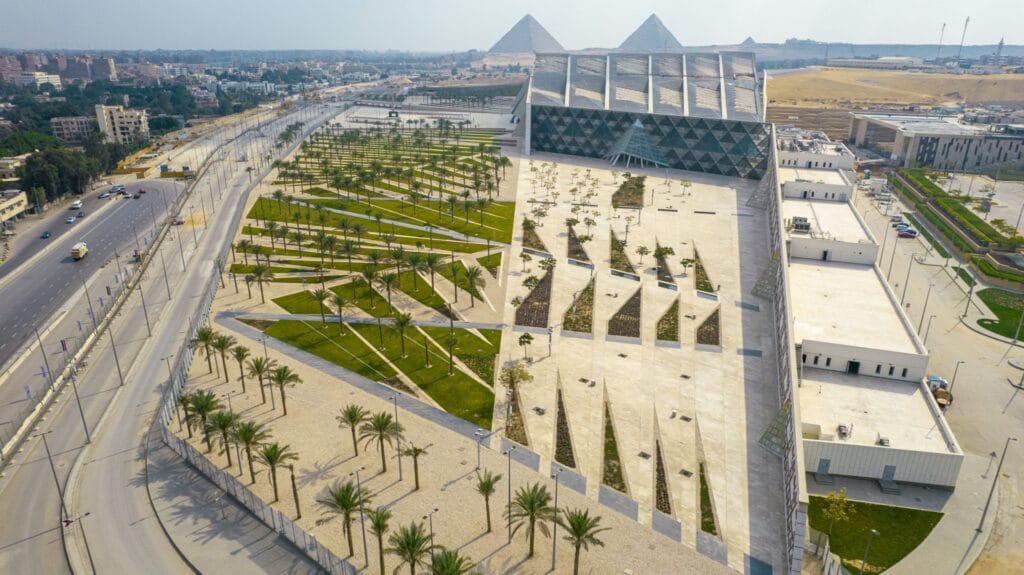
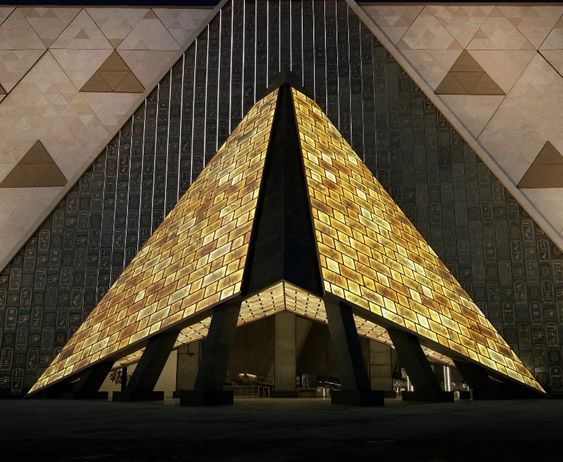
The Grand Egyptian Museum was conceived as a revolutionary cultural project designed to preserve, protect, and showcase Egypt’s unparalleled archaeological heritage. For decades, many of Egypt’s most valuable artifacts were housed in older facilities that lacked the space and modern conservation technology required to display them properly. To address this challenge, the Egyptian government launched an ambitious plan to create a museum worthy of the treasures it would contain. Located just a short distance from the Great Pyramids of Giza, the museum occupies an enormous site covering nearly 500,000 square meters, making it one of the largest museum complexes ever built. The vision behind the project was not only to create a museum but also to establish a global center for archaeology, education, conservation, and cultural exchange. Architects designed the building to blend modern innovation with inspiration drawn from ancient Egyptian geometry and symbolism. The museum's striking triangular design aligns visually with the nearby pyramids, creating a seamless connection between Egypt’s ancient past and its modern future. Through advanced conservation laboratories, educational programs, and world-class exhibition spaces, the Grand Egyptian Museum demonstrates Egypt’s commitment to preserving its heritage for future generations. The project has attracted international attention and has become a symbol of national pride, reflecting the country's dedication to protecting and celebrating one of the world's most influential civilizations. Today, the museum stands as a landmark achievement in cultural preservation and a must-visit destination for travelers exploring Egypt.
The Magnificent Grand Staircase and Colossal Statues
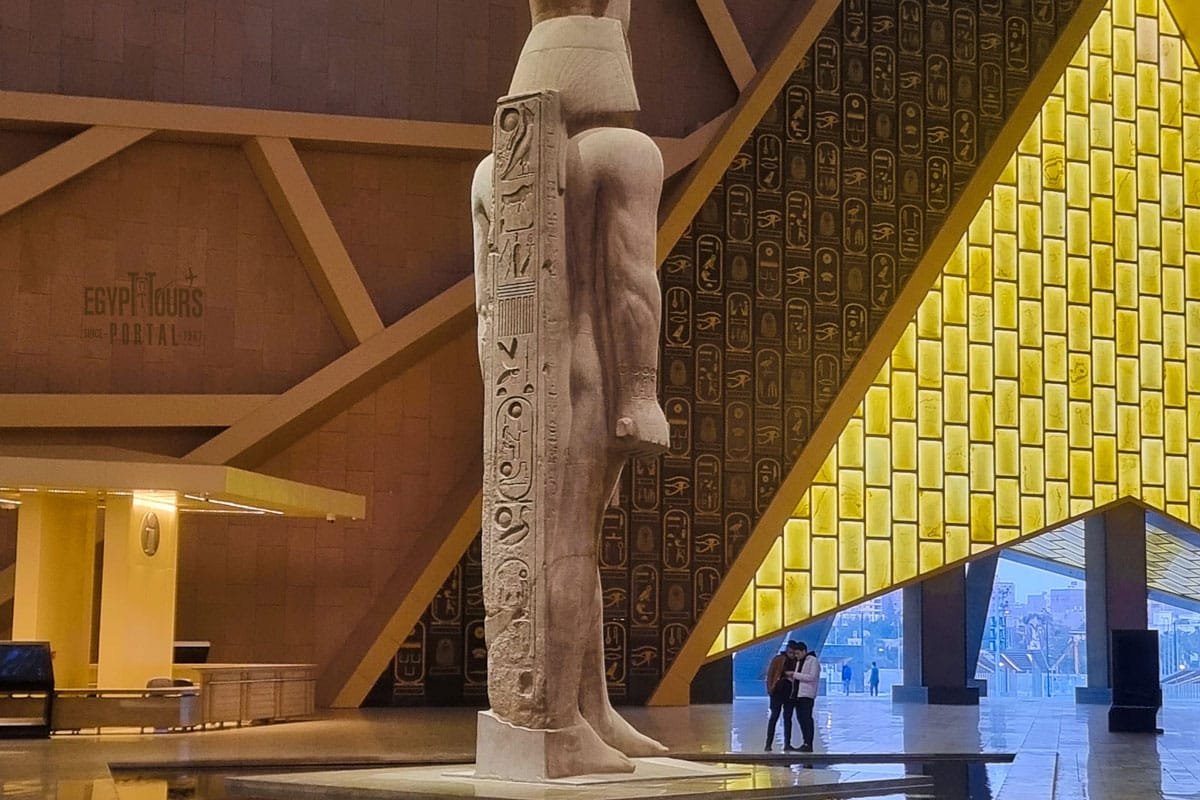
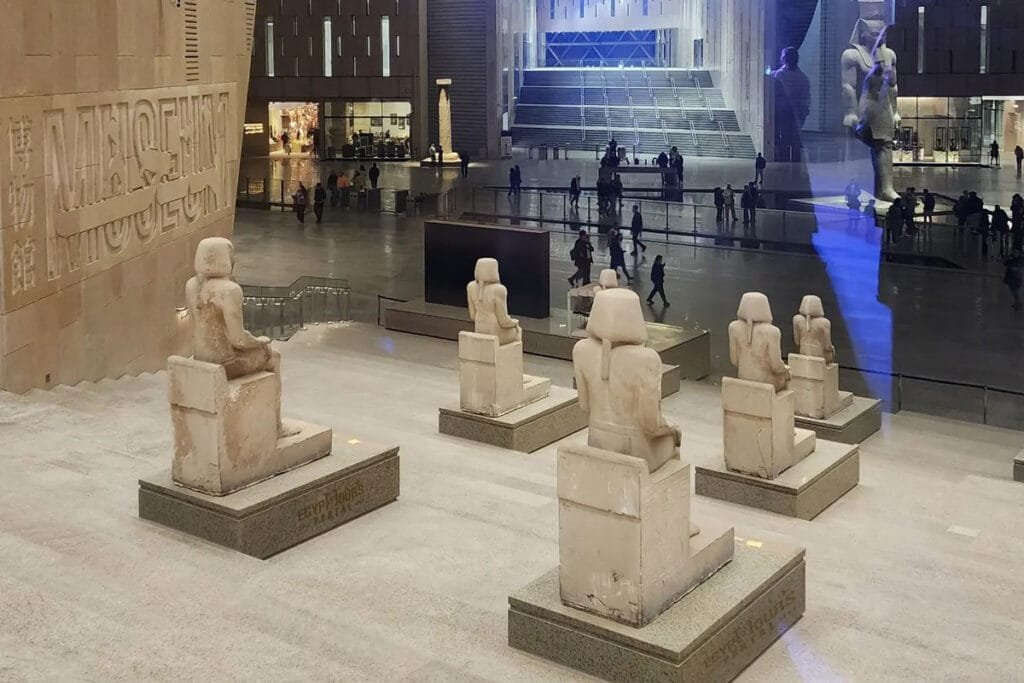
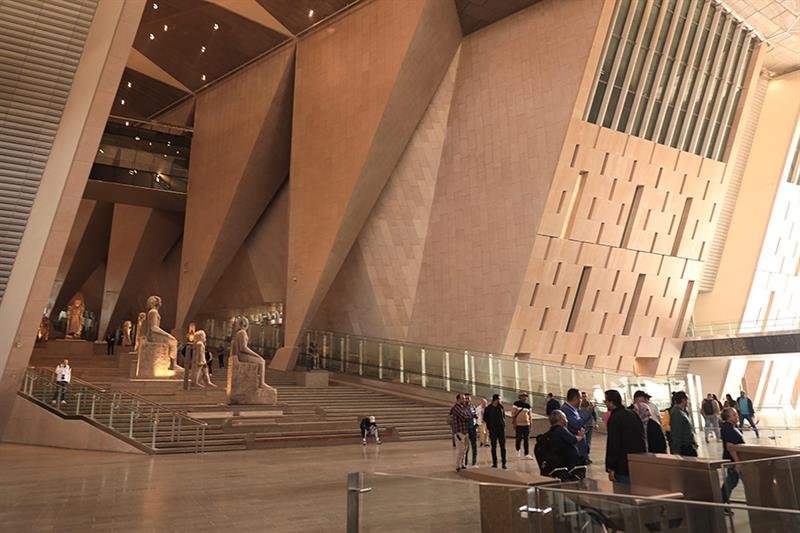
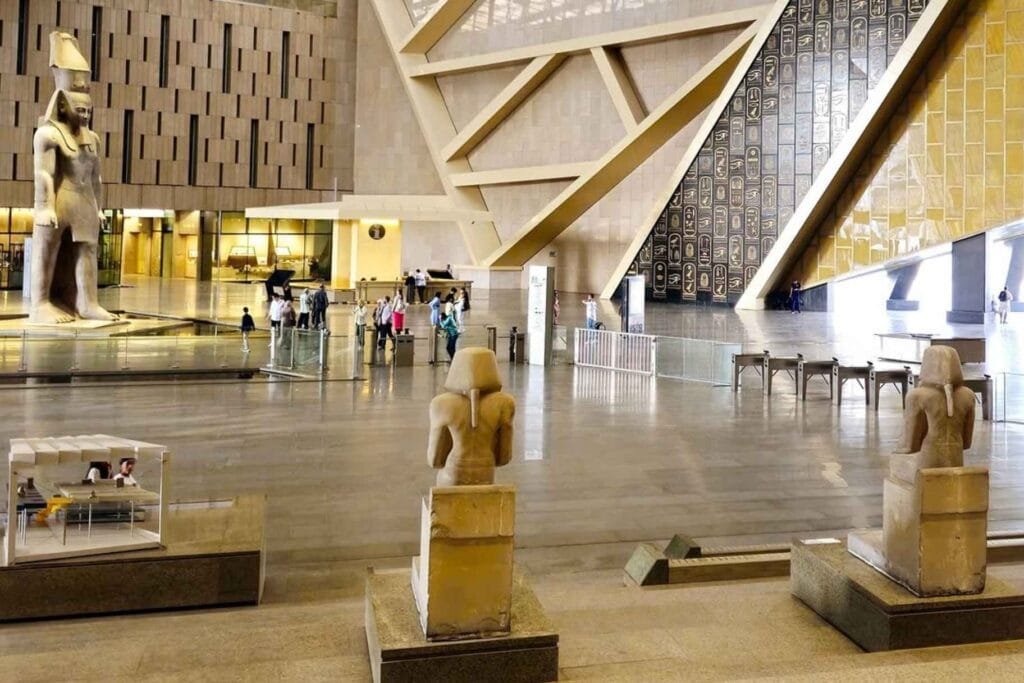
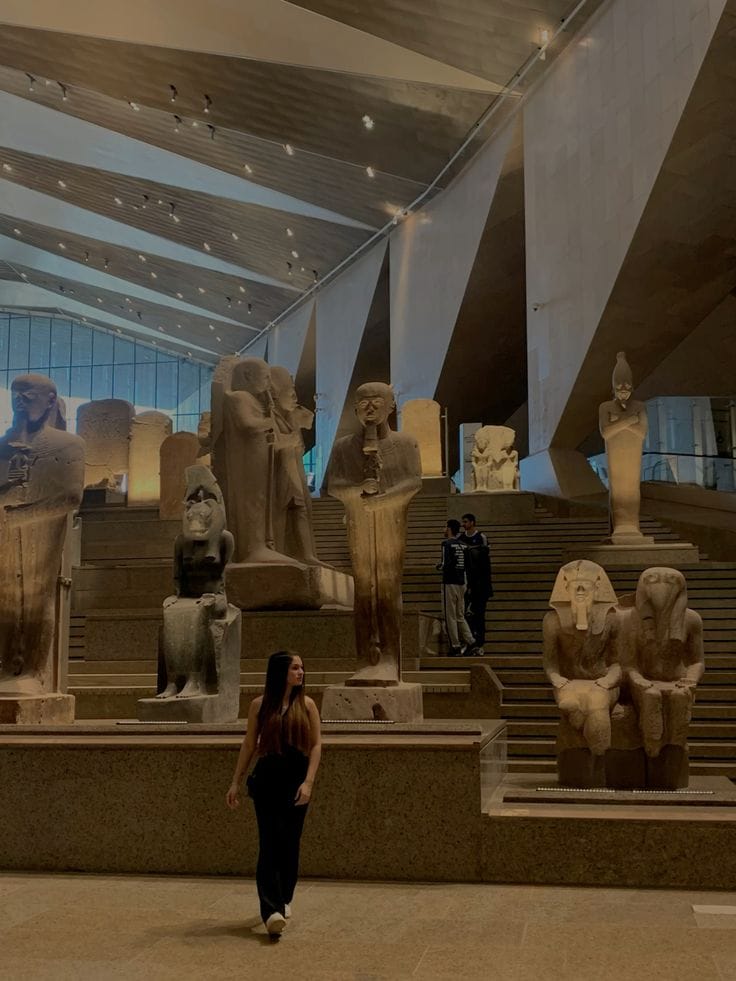
One of the most breathtaking features of the Grand Egyptian Museum is the spectacular Grand Staircase, a monumental architectural masterpiece that immediately captures the attention of every visitor. Upon entering the museum, guests are greeted by an awe-inspiring display of colossal statues, royal monuments, and ancient artifacts carefully arranged along a massive ascending staircase that leads toward the main exhibition galleries. The experience begins with the enormous statue of King Ramses II, one of Ancient Egypt’s greatest pharaohs, standing proudly in the museum's grand entrance hall. This magnificent sculpture serves as a powerful introduction to the wonders that await inside the museum. As visitors ascend the staircase, they encounter an impressive collection of statues representing kings, queens, gods, and important historical figures from various periods of Egyptian history. Each piece has been carefully positioned to create a chronological and thematic journey through the evolution of ancient Egyptian civilization. Natural light streams through expansive glass walls, illuminating the artifacts while providing stunning views of the Giza Pyramids in the distance. The combination of ancient masterpieces and modern architectural design creates a truly unforgettable atmosphere. The Grand Staircase serves not only as a pathway between galleries but also as an exhibition space that showcases the artistic achievements of Ancient Egypt on an extraordinary scale. Visitors often spend significant time admiring the sculptures, taking photographs, and appreciating the remarkable craftsmanship that has survived for thousands of years.
The Complete Treasures of King Tutankhamun
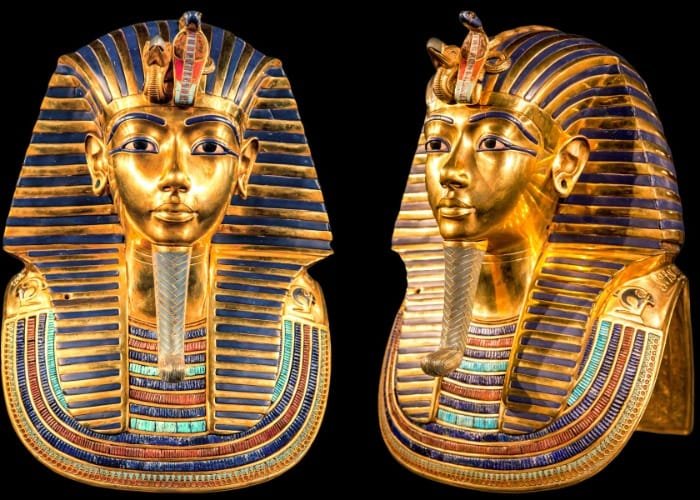
The most anticipated attraction within the Grand Egyptian Museum is undoubtedly the complete collection of treasures belonging to King Tutankhamun, one of the most famous pharaohs in world history. Discovered by archaeologist Howard Carter in 1922 within the Valley of the Kings in Luxor, Tutankhamun’s tomb remains one of the greatest archaeological discoveries ever made. For the first time since the tomb was uncovered, all of the young king’s artifacts are displayed together in a single location, allowing visitors to fully appreciate the extraordinary wealth and artistry of Ancient Egypt. The collection includes more than 5,000 objects, many of which have never been exhibited publicly before. Visitors can admire the iconic golden funerary mask, elaborate jewelry, ceremonial weapons, royal chariots, furniture, statues, clothing, and personal belongings that accompanied the king into the afterlife. These treasures provide remarkable insights into royal life, religious beliefs, artistic traditions, and burial customs during the Eighteenth Dynasty. Advanced exhibition techniques, digital displays, and carefully controlled lighting enhance the visitor experience while ensuring the preservation of these priceless artifacts. The Tutankhamun galleries offer a unique opportunity to follow the story of the young pharaoh from his life and reign to his burial and rediscovery thousands of years later. For travelers interested in archaeology, ancient history, and Egyptian culture, exploring the complete treasures of Tutankhamun is one of the most unforgettable experiences available anywhere in the world and represents the centerpiece of the Grand Egyptian Museum.
The Main Galleries and the Story of Ancient Egyptian Civilization
The main galleries of the Grand Egyptian Museum offer visitors a comprehensive journey through more than 5,000 years of Ancient Egyptian history. Designed to present the development of one of the world's most influential civilizations, these galleries are organized chronologically and thematically, allowing guests to explore Egypt’s remarkable evolution from prehistoric communities to powerful dynasties that shaped the ancient world. Covering vast exhibition spaces, the galleries display thousands of carefully selected artifacts that illustrate daily life, religious beliefs, political achievements, artistic developments, and technological innovations throughout different historical periods. Visitors begin their journey with exhibits that showcase the earliest inhabitants of the Nile Valley before progressing through the Old Kingdom, Middle Kingdom, New Kingdom, and later periods of Egyptian history. Each section provides valuable insights into how Egyptian society evolved over millennia while maintaining many of its core cultural traditions. The exhibits feature statues, sarcophagi, jewelry, papyrus manuscripts, pottery, tools, weapons, and ceremonial objects that reveal the complexity and sophistication of ancient life. Advanced interpretive displays help visitors understand the significance of each artifact and its role within the broader context of Egyptian civilization. Interactive maps, digital reconstructions, and multimedia presentations bring historical events and archaeological discoveries to life, creating an engaging educational experience for visitors of all ages. The galleries also highlight the achievements of famous pharaohs, influential queens, religious leaders, and skilled craftsmen who contributed to Egypt’s lasting legacy. By exploring these extensive exhibitions, visitors gain a deeper appreciation for the cultural richness, scientific advancements, and artistic accomplishments that made Ancient Egypt one of the greatest civilizations in human history. The main galleries form the heart of the Grand Egyptian Museum and provide an unforgettable opportunity to experience the story of Egypt’s remarkable past through one of the world's most impressive archaeological collections.
Rare Artifacts and Priceless Archaeological Treasures
One of the most exciting aspects of visiting the Grand Egyptian Museum is the opportunity to view rare artifacts and priceless archaeological treasures that have never before been displayed to the public. The museum houses an extraordinary collection of more than 100,000 objects representing every major period of Egyptian history. Many of these artifacts have spent decades in storage or conservation facilities and are now being presented in state-of-the-art exhibition spaces that allow visitors to appreciate their historical and artistic significance fully. The collection includes exquisite jewelry, royal regalia, ceremonial weapons, monumental statues, intricately decorated coffins, religious objects, and everyday items that provide fascinating insights into ancient Egyptian society. These artifacts demonstrate the exceptional craftsmanship, creativity, and technical expertise of the ancient Egyptians, whose achievements continue to inspire admiration around the world. Visitors can explore objects that belonged to pharaohs, queens, priests, military leaders, and ordinary citizens, offering a comprehensive view of life along the Nile throughout thousands of years of history. Among the museum’s most remarkable exhibits are masterpieces recovered from royal tombs, temples, and archaeological sites across Egypt. The collection includes beautifully preserved statues of kings and gods, delicate gold ornaments, elaborately painted sarcophagi, and rare inscriptions that shed light on ancient religious beliefs and political events. Many artifacts reveal details about trade networks, diplomatic relations, artistic traditions, and technological innovations that contributed to Egypt’s success as a major ancient power. Conservation experts have carefully restored and preserved these treasures, ensuring that future generations can continue to learn from and admire them. The Grand Egyptian Museum serves not only as a repository for priceless objects but also as a center for archaeological research and education. By displaying these extraordinary treasures in a modern setting, the museum allows visitors to connect directly with the achievements of one of the world's most fascinating civilizations. Every artifact tells a story, and together they create a vivid portrait of Ancient Egypt’s enduring legacy.

Interactive Technology and the Modern Museum Experience
The Grand Egyptian Museum represents a new generation of museums that combines ancient history with cutting-edge technology to create an immersive and engaging visitor experience. Unlike traditional museums that rely primarily on static displays, GEM incorporates innovative digital tools and interactive exhibitions that help bring the ancient world to life. Visitors can use touch-screen displays, multimedia presentations, virtual reconstructions, and interactive maps to explore archaeological discoveries in greater detail. These technologies provide valuable context for the artifacts on display and make complex historical information more accessible to audiences of all ages. By integrating modern technology with priceless ancient treasures, the museum creates an educational environment that is both informative and entertaining. One of the most impressive features of the museum is its use of digital reconstruction technology. Through computer-generated imagery and interactive exhibits, visitors can see how temples, tombs, palaces, and ancient cities may have appeared thousands of years ago. These visualizations help bridge the gap between fragmented archaeological remains and the vibrant civilization that once flourished along the Nile River. Educational films, immersive experiences, and augmented reality applications further enhance understanding by allowing visitors to explore historical environments and witness significant events from Egypt’s past. These innovations create a deeper emotional connection with the exhibits and encourage visitors to engage more actively with the museum’s content. The museum also prioritizes accessibility, visitor comfort, and educational outreach. Modern facilities include spacious galleries, multilingual information systems, educational centers, restaurants, gift shops, and panoramic viewing areas overlooking the Giza Pyramids. Families, students, researchers, and international tourists can all benefit from the museum’s carefully designed visitor experience. By combining advanced technology with one of the world's most important archaeological collections, the Grand Egyptian Museum sets a new global standard for cultural institutions. It demonstrates how modern innovation can enhance the appreciation of ancient history while ensuring that Egypt’s extraordinary heritage remains accessible, relevant, and inspiring for future generations.
The Conservation Center – Preserving Egypt’s Ancient Heritage
One of the most important yet often overlooked sections of the Grand Egyptian Museum is its world-class Conservation Center. This advanced facility plays a crucial role in preserving Egypt’s priceless archaeological treasures for future generations. As one of the largest museum conservation centers in the world, it is equipped with cutting-edge laboratories, specialized equipment, and highly trained experts dedicated to the restoration and protection of ancient artifacts. Before many objects are displayed in the museum galleries, they undergo extensive examination, cleaning, stabilization, and conservation to ensure their long-term preservation. The center handles a wide variety of materials, including stone, wood, papyrus, textiles, metals, and organic remains, each requiring specialized techniques and expertise. The Conservation Center has been instrumental in preparing thousands of artifacts for display at the Grand Egyptian Museum, including many treasures from the tomb of King Tutankhamun. Conservation specialists use advanced scientific methods such as digital imaging, microscopic analysis, and environmental monitoring to study the condition of artifacts and develop appropriate preservation strategies. These efforts not only protect valuable objects from deterioration but also provide researchers with new insights into ancient Egyptian craftsmanship, materials, and technologies. The center has become a leading institution for archaeological conservation in the Middle East and collaborates with international experts and organizations to advance the field of heritage preservation. For visitors interested in archaeology and museum science, learning about the conservation process adds an additional layer of appreciation to the museum experience. Every artifact displayed in the galleries represents years of careful work by dedicated professionals committed to safeguarding Egypt’s cultural heritage. The Conservation Center reflects the museum’s broader mission of preserving the past while making it accessible to future generations. By protecting these irreplaceable treasures, the Grand Egyptian Museum ensures that the remarkable achievements of Ancient Egypt will continue to educate, inspire, and captivate audiences from around the world for centuries to come.
The Children's Museum and Educational Experiences
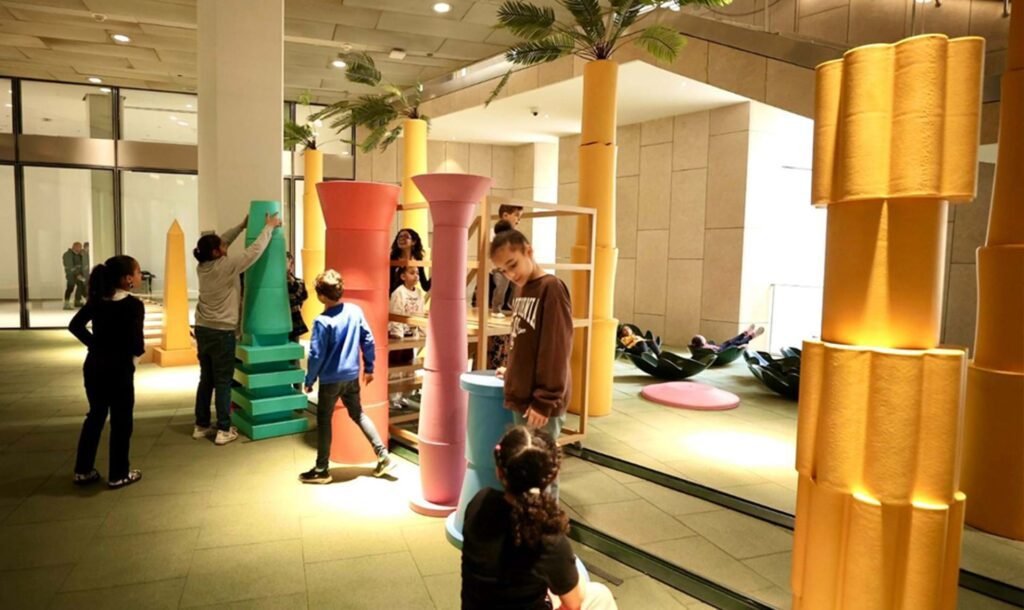
The Grand Egyptian Museum is not only a destination for history enthusiasts and researchers but also an exciting educational center designed to inspire younger generations. One of its most innovative features is the Children's Museum and educational programs that make learning about Ancient Egypt engaging, interactive, and memorable. These specialized spaces have been created to introduce children and students to Egyptian history through hands-on activities, immersive exhibits, and age-appropriate educational experiences. By combining entertainment with learning, the museum helps young visitors develop a deeper appreciation for archaeology, history, science, and cultural heritage. Interactive exhibits allow children to explore ancient Egyptian civilization in creative ways. Young visitors can participate in simulated archaeological excavations, learn about hieroglyphic writing, discover how ancient monuments were built, and engage with digital games that teach historical concepts. Multimedia presentations and storytelling sessions help bring the world of the pharaohs to life, making complex topics accessible and enjoyable. These experiences encourage curiosity, critical thinking, and a lifelong interest in history and cultural exploration. Educational workshops, guided tours, and special events further enrich the learning experience and provide opportunities for students to connect directly with Egypt’s remarkable past. The museum’s commitment to education extends beyond children to include schools, universities, and lifelong learners. Specialized educational programs, lectures, and research initiatives support academic study and public engagement with archaeology and heritage conservation. By creating an inclusive learning environment, the Grand Egyptian Museum ensures that visitors of all ages can benefit from its extraordinary collections and resources. The Children's Museum and educational facilities play a vital role in fostering cultural awareness and preserving historical knowledge for future generations. Through these initiatives, the museum serves not only as a repository of ancient treasures but also as a dynamic center for education, discovery, and inspiration.
The Grand Egyptian Museum’s Unique Location Near the Pyramids
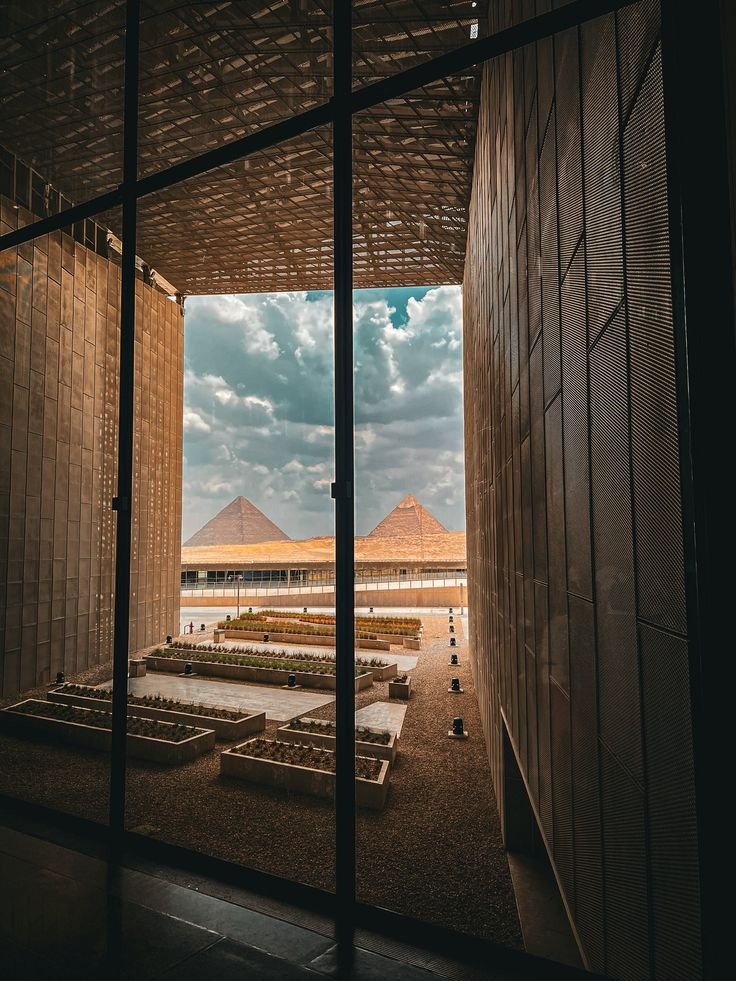
One of the most remarkable aspects of the Grand Egyptian Museum is its strategic location near the Great Pyramids of Giza, creating a unique connection between Egypt’s ancient monuments and its modern cultural institutions. Situated just a few kilometers from the Giza Plateau, the museum offers visitors an unparalleled opportunity to explore thousands of years of history within a single destination. The location was carefully chosen to enhance the visitor experience and provide a visual and symbolic link between the artifacts housed inside the museum and the archaeological sites from which many of them originated. Large panoramic windows throughout the museum offer breathtaking views of the pyramids, reminding visitors that the treasures they are viewing were created by the same civilization that built these world-famous monuments. The proximity of the museum to the pyramids makes it easy for travelers to combine both attractions into a single itinerary. Visitors can spend the morning exploring the galleries of the Grand Egyptian Museum before heading to the Giza Plateau to experience the Great Pyramid of Khufu, the Pyramid of Khafre, the Pyramid of Menkaure, and the Great Sphinx. This combination provides a comprehensive understanding of Ancient Egypt by connecting museum exhibits with the actual monuments and archaeological landscapes that shaped Egyptian history. The museum effectively serves as an introduction to the broader historical context of the Giza region and enhances appreciation for the nearby archaeological wonders. Beyond its practical advantages, the museum’s location also reinforces its role as a gateway to Egypt’s ancient heritage. The striking architectural design of the building complements the surrounding desert environment and creates a seamless dialogue between the past and the present. Visitors are able to experience both the grandeur of ancient monuments and the sophistication of a modern museum in a single unforgettable journey. This unique setting makes the Grand Egyptian Museum one of the most extraordinary cultural destinations in the world and a centerpiece of Egypt’s growing tourism sector.
Dining, Shopping, and Visitor Facilities at the Grand Egyptian Museum
The Grand Egyptian Museum offers far more than exceptional archaeological exhibitions; it also provides a complete visitor experience through its modern facilities, dining options, and shopping areas. Designed to meet international standards, the museum ensures that guests can enjoy a comfortable and memorable visit while exploring one of the world's most significant cultural attractions. Spacious visitor centers, information desks, relaxation areas, and accessible services make it easy for travelers from around the globe to navigate the museum and fully appreciate its vast collections. Every aspect of the facility has been carefully planned to enhance the visitor experience while maintaining a strong connection to Egypt’s rich cultural heritage. The museum features a variety of restaurants, cafés, and dining spaces that cater to different tastes and preferences. Visitors can enjoy traditional Egyptian cuisine, international dishes, light refreshments, and specialty beverages while taking in spectacular views of the Giza Pyramids. These dining venues provide a welcome opportunity to relax after exploring the extensive galleries and offer a unique setting where ancient history meets modern hospitality. Many visitors choose to pause during their tour to enjoy a meal while reflecting on the extraordinary artifacts they have encountered throughout the museum. The shopping experience at the Grand Egyptian Museum is equally impressive. Museum stores offer a wide range of high-quality souvenirs, books, educational materials, jewelry, replicas of famous artifacts, and handcrafted products inspired by Ancient Egyptian art and culture. These items allow visitors to take home meaningful reminders of their journey through Egypt’s history. Combined with excellent visitor services and world-class facilities, the dining and shopping areas contribute significantly to the museum’s appeal as a premier cultural destination. The Grand Egyptian Museum successfully combines education, entertainment, comfort, and convenience, ensuring that every visitor enjoys a truly exceptional experience.

Why the Grand Egyptian Museum Is a Must-Visit Attraction in Egypt
The Grand Egyptian Museum has quickly become one of the most important tourist attractions in Egypt and a must-visit destination for travelers interested in history, archaeology, and culture. Its unparalleled collection of artifacts, state-of-the-art facilities, and proximity to the Great Pyramids of Giza make it one of the most remarkable museums in the world. Unlike traditional museums that display only a portion of their collections, GEM provides visitors with access to an extraordinary range of treasures spanning thousands of years of Egyptian civilization. From colossal statues and royal artifacts to the complete treasures of King Tutankhamun, every gallery offers opportunities to discover the achievements of one of history’s greatest civilizations. What sets the Grand Egyptian Museum apart is its ability to present ancient history in a modern and engaging way. Advanced technology, interactive exhibits, educational programs, and immersive displays help visitors connect with the past on a deeper level. The museum appeals to a diverse audience, including families, students, researchers, photographers, and international tourists. Whether visitors have a lifelong passion for Egyptology or are experiencing Ancient Egypt for the first time, the museum offers something fascinating for everyone. Its comprehensive approach to storytelling allows guests to understand not only individual artifacts but also the broader historical and cultural context in which they were created. For travelers planning a trip to Egypt, the Grand Egyptian Museum provides an ideal introduction to the country's rich heritage. It complements visits to archaeological sites such as the Pyramids of Giza, Saqqara, Luxor, and Aswan by providing valuable historical background and context. The museum's world-class exhibitions and visitor experience have established it as one of the leading cultural institutions globally. A visit to GEM is more than a museum tour—it is a journey through thousands of years of human history and one of the most rewarding experiences available in Egypt today.
The Future of Cultural Tourism in Egypt
The Grand Egyptian Museum represents a transformative milestone in the future of cultural tourism in Egypt. As one of the largest and most technologically advanced museums in the world, it has significantly enhanced Egypt’s position as a leading destination for heritage tourism. The museum demonstrates the country's commitment to preserving its archaeological treasures while presenting them in innovative ways that meet the expectations of modern travelers. By combining world-class exhibitions, advanced conservation facilities, educational programs, and exceptional visitor services, GEM has established a new benchmark for museums and cultural institutions worldwide. The impact of the museum extends far beyond its galleries. It serves as a catalyst for economic development, tourism growth, and international cultural exchange. The museum attracts millions of visitors from around the world, contributing to local businesses, hospitality services, transportation networks, and tourism-related industries. Its global reputation encourages travelers to spend more time exploring Egypt’s diverse historical attractions, from the temples of Luxor and Aswan to the ancient pyramids and desert oases. The museum also strengthens Egypt’s role as a center for archaeological research, conservation, and academic collaboration. Looking ahead, the Grand Egyptian Museum is expected to play a central role in shaping the future of heritage tourism for decades to come. Its innovative approach to exhibition design, conservation, and public engagement provides a model for cultural institutions worldwide. As new discoveries continue to emerge from archaeological sites across Egypt, the museum will remain at the forefront of preserving and interpreting the country’s extraordinary past. For visitors, researchers, and history enthusiasts, GEM represents both a celebration of Ancient Egypt’s achievements and a vision for the future of cultural preservation and tourism. It stands as a powerful symbol of Egypt’s enduring legacy and its continued contribution to world heritage.
The Architectural Design and Engineering Marvel of the Grand Egyptian Museum
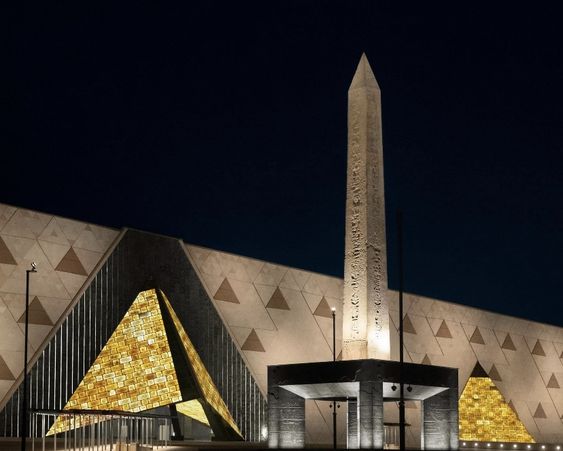
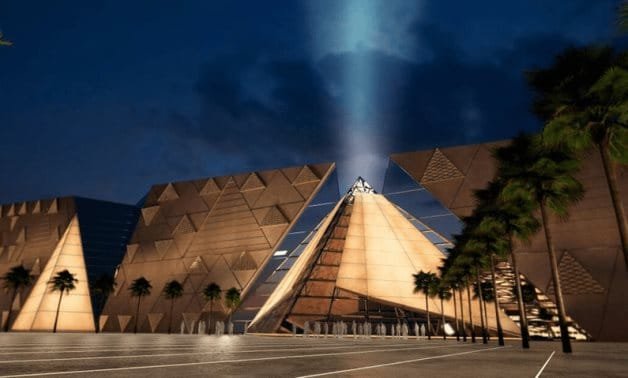
The Grand Egyptian Museum is not only a treasure house of ancient artifacts but also a masterpiece of modern architecture and engineering. Designed by the internationally acclaimed architectural firm Heneghan Peng Architects, the museum seamlessly blends contemporary design with inspiration drawn from Ancient Egyptian civilization. Covering nearly half a million square meters, the museum ranks among the largest cultural institutions ever constructed. Its impressive façade, made from translucent stone panels, reflects the colors of the surrounding desert landscape and creates a striking visual connection with the nearby Giza Pyramids. The triangular geometry of the building echoes the iconic shape of the pyramids, symbolizing a dialogue between Egypt’s ancient heritage and its modern aspirations. The museum’s monumental scale and innovative design have earned international recognition, making it one of the most significant architectural projects of the twenty-first century. Inside the museum, vast open spaces, natural lighting, and carefully planned visitor pathways create an immersive and welcoming environment. Large glass walls provide breathtaking views of the Giza Plateau, allowing visitors to maintain a visual connection with the pyramids throughout their journey. The building incorporates advanced environmental control systems designed to protect delicate artifacts while maximizing visitor comfort. Sustainable design principles, energy-efficient technologies, and state-of-the-art infrastructure further enhance the museum’s functionality and long-term sustainability. Every aspect of the architectural design reflects a commitment to preserving Egypt’s cultural heritage while embracing modern innovation. The museum’s architecture serves as a powerful symbol of Egypt’s dedication to cultural preservation and global engagement. It demonstrates how contemporary design can complement historical traditions and create meaningful experiences for visitors. The Grand Egyptian Museum stands as both an architectural landmark and a cultural destination, attracting architects, designers, engineers, and travelers from around the world. Its groundbreaking design ensures that the museum itself is as memorable as the priceless treasures it contains.
Tips for Visiting the Grand Egyptian Museum
Planning ahead can help visitors make the most of their experience at the Grand Egyptian Museum. Due to the museum’s enormous size and extensive collections, allocating sufficient time for exploration is highly recommended. Most visitors find that spending at least half a day at the museum allows them to enjoy the major galleries, the Tutankhamun collection, the Grand Staircase, and the various interactive exhibits without feeling rushed. Travelers who are particularly interested in archaeology or ancient history may choose to dedicate an entire day to fully appreciate the museum’s extraordinary offerings. Comfortable walking shoes are essential, as the museum covers a vast area and includes numerous exhibition halls and visitor facilities. Arriving early in the day is often the best strategy for avoiding crowds and enjoying a more relaxed experience. Early visits also provide excellent opportunities for photography, especially in areas that offer views of the Giza Pyramids. Visitors should consider purchasing tickets in advance whenever possible and reviewing the museum’s official guidelines regarding photography, guided tours, and special exhibitions. Audio guides and professional tour guides can significantly enhance the experience by providing valuable historical context and detailed explanations of the artifacts on display. These resources help visitors gain a deeper understanding of Ancient Egypt’s complex history and cultural achievements. Combining a visit to the Grand Egyptian Museum with nearby attractions such as the Great Pyramids of Giza and the Great Sphinx creates a comprehensive exploration of Egypt’s ancient heritage. Travelers should also take advantage of the museum’s restaurants, cafés, and gift shops to complete their visit. With proper planning and preparation, a trip to the Grand Egyptian Museum becomes one of the most rewarding and memorable experiences available in Egypt, offering a unique opportunity to connect with thousands of years of human history.
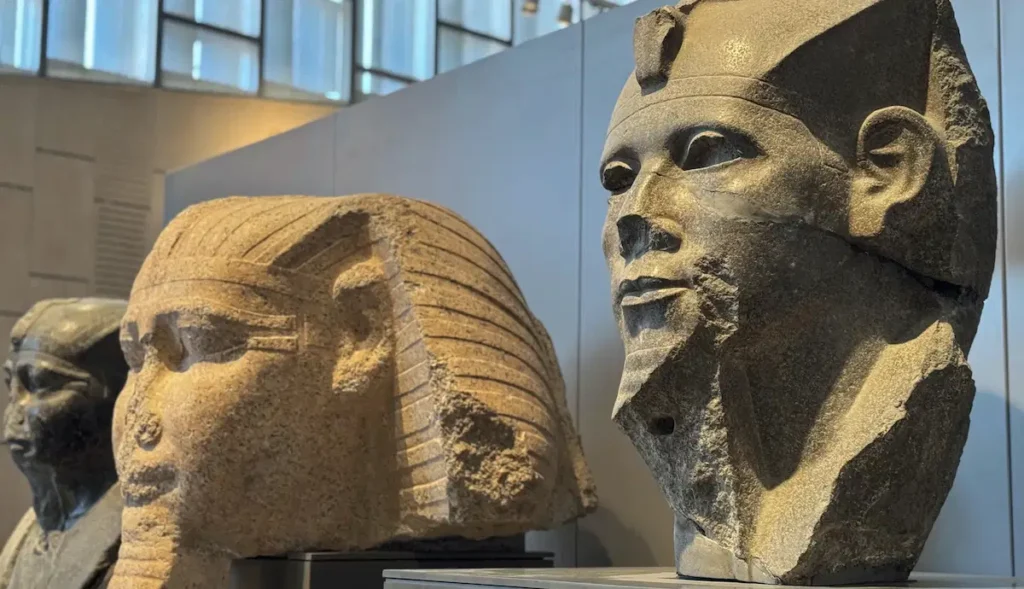
Why the Grand Egyptian Museum Is a Once-in-a-Lifetime Experience
The Grand Egyptian Museum represents a new chapter in the presentation and preservation of Ancient Egypt’s extraordinary heritage. As the largest archaeological museum dedicated to a single civilization, it offers an unparalleled opportunity to explore the achievements, beliefs, and artistic accomplishments of one of the world’s most influential cultures. From the breathtaking Grand Staircase and the complete treasures of King Tutankhamun to the extensive galleries, advanced conservation facilities, and immersive technological experiences, every aspect of the museum has been designed to educate, inspire, and captivate visitors. The museum successfully combines ancient history with modern innovation, creating a world-class destination that appeals to travelers, researchers, students, and history enthusiasts alike. A visit to the Grand Egyptian Museum provides far more than access to remarkable artifacts. It offers a comprehensive journey through more than five thousand years of civilization, allowing visitors to understand the people, events, and achievements that shaped Ancient Egypt. The museum’s strategic location near the Great Pyramids of Giza further enhances its significance, creating a unique connection between the artifacts displayed within its galleries and the monuments that continue to define Egypt’s cultural identity. Every exhibit contributes to a deeper appreciation of Egypt’s enduring legacy and its contributions to human history. For anyone planning a trip to Egypt, the Grand Egyptian Museum is an essential destination that should be included on every travel itinerary. Its combination of priceless treasures, innovative exhibitions, stunning architecture, and educational opportunities makes it one of the most remarkable museums in the world. Whether you are exploring Ancient Egypt for the first time or returning to deepen your understanding of this fascinating civilization, the Grand Egyptian Museum promises an unforgettable experience that will leave a lasting impression long after your journey has ended.
