- Excursions in Egypt
- Egypt Tour Packages
- Cairo Tours and Excursions
- Hurghada Tours and Excursions
- Soma Bay Tours and Excursions
- Makadi Bay Tours and Excursions
- Sahl Hasheesh Tours and Excursions
- El Gouna Tours and Excursions
- Marsa Alam Tours and Excursions
- Port Ghalib Tours and Excursions
- El Quseir Tours and Excursions
- Dendera and Abydos Day Tours
- Aswan Tours and Excursions
- Luxor Tours and Excursions
- Sharm El Sheikh Tours and Excursions
- Top Rated Egypt Tours in 2026
- Optional Excursions in Egypt
- Private Transfer
- Blogs About egypt
- Ancient Egypt
- Historical Sites in Egypt
- Cairo
- Alexandria
- Luxor
- Aswan
- The Red Sea
- Dendera Temple
- El Fayoum Oasis
- Bahariya Oasis
- Siwa Oasis
- Al Alamein
- Marsa Matruh
- Why Egypt Is One of the Safest Countries to Visit in the Middle East
- What You Need To know Before Your First Trip To Egypt
- Egypt Travel Costs in 2026 Full Budget Guide
- Top 10 Tourist Activities in Egypt
- Top 50 Activities You Can’t Miss in Egypt in 2026
- The Guide to Guided Tours in Egypt
- Egypt’s Ancient and Modern History
- The Nile River
- The Deserts of Egypt
- Ancient Egyptian gods
- famous Egyptian dishes
- UNESCO World Heritage sites
- About Us
- Egypt Hotels and Resorts
- Excursions in Egypt
- Egypt Tour Packages
- Cairo Tours and Excursions
- Hurghada Tours and Excursions
- Soma Bay Tours and Excursions
- Makadi Bay Tours and Excursions
- Sahl Hasheesh Tours and Excursions
- El Gouna Tours and Excursions
- Marsa Alam Tours and Excursions
- Port Ghalib Tours and Excursions
- El Quseir Tours and Excursions
- Dendera and Abydos Day Tours
- Aswan Tours and Excursions
- Luxor Tours and Excursions
- Sharm El Sheikh Tours and Excursions
- Top Rated Egypt Tours in 2026
- Optional Excursions in Egypt
- Private Transfer
- Blogs About egypt
- Ancient Egypt
- Historical Sites in Egypt
- Cairo
- Alexandria
- Luxor
- Aswan
- The Red Sea
- Dendera Temple
- El Fayoum Oasis
- Bahariya Oasis
- Siwa Oasis
- Al Alamein
- Marsa Matruh
- Why Egypt Is One of the Safest Countries to Visit in the Middle East
- What You Need To know Before Your First Trip To Egypt
- Egypt Travel Costs in 2026 Full Budget Guide
- Top 10 Tourist Activities in Egypt
- Top 50 Activities You Can’t Miss in Egypt in 2026
- The Guide to Guided Tours in Egypt
- Egypt’s Ancient and Modern History
- The Nile River
- The Deserts of Egypt
- Ancient Egyptian gods
- famous Egyptian dishes
- UNESCO World Heritage sites
- About Us
- Egypt Hotels and Resorts
Welcome to
Old Khan El Khalili Market: A Timeless Bazaar in the Heart of Cairo
The Khan el-Khalili is one of the oldest and most famous markets in Cairo, offering a vibrant glimpse into the cultural and commercial life of the city. Established in the 14th century during the Mamluk era, this historic bazaar has remained a center of trade, craftsmanship, and social interaction for centuries, making it one of the most important attractions in Egypt.
Walking through the narrow alleys of Khan El Khalili feels like stepping back in time. The market is filled with traditional shops selling handcrafted goods, including jewelry, lanterns, spices, textiles, perfumes, and souvenirs. Each shop reflects the artistic heritage of Egypt, with skilled artisans continuing techniques that have been passed down through generations.
The architecture of the market adds to its unique charm. Historic buildings, ornate gateways, and traditional Islamic designs surround visitors, creating an authentic and immersive atmosphere. Nearby landmarks such as Al-Azhar Mosque and Al-Hussein Mosque enhance the cultural and spiritual significance of the area, making it more than just a place for shopping.
Khan El Khalili is also known for its lively and energetic environment. Street vendors, craftsmen, and café owners contribute to a dynamic scene full of color and activity. Visitors can relax at traditional cafés like El Fishawy, enjoying Egyptian tea or coffee while experiencing the local lifestyle.
Today, the market remains a must-visit destination for travelers. It offers a unique experience that combines history, culture, and commerce, making Khan El Khalili a timeless symbol of Cairo’s rich heritage.

1. The History of Khan El Khalili: A Market Through Centuries
The Khan el-Khalili is one of the oldest and most historically significant markets in Cairo, with origins dating back to the 14th century during the Mamluk period. Established by Emir Djaharks el-Khalili, the market was originally built as a commercial hub to support trade and economic growth in the city. Over time, it developed into a vibrant center of commerce that attracted merchants from across the Islamic world. The strategic location of Khan El Khalili played a key role in its success. Situated near major religious and cultural landmarks, including mosques and educational institutions, it became a focal point for trade and daily life. Caravans traveling between Africa, Asia, and the Mediterranean often passed through Cairo, bringing goods such as spices, silk, and precious metals to be sold within the market. Throughout the centuries, the market underwent several renovations and expansions. During the Ottoman period, additional shops and architectural features were introduced, enhancing its structure while preserving its traditional character. Despite political changes and modern urban development, Khan El Khalili has maintained its identity as a historic marketplace. Today, the market stands as a living testament to Cairo’s rich past. It reflects the continuity of trade and craftsmanship over hundreds of years. Visitors walking through its narrow alleys experience more than shopping; they step into a historical environment that has remained active and vibrant across generations.
2. Architecture and Design: The Unique Layout of the Bazaar
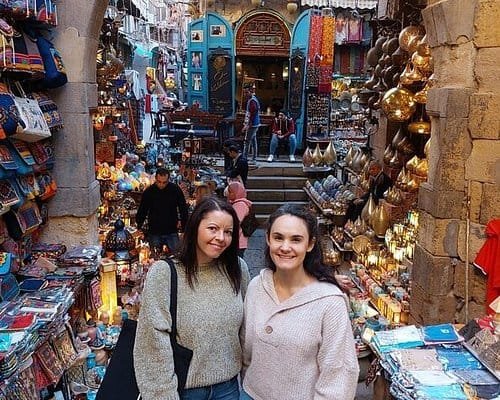
The Khan el-Khalili is not only a commercial center but also an architectural masterpiece that reflects the traditional urban design of Cairo. The market is characterized by its narrow winding alleys, covered passages, and historic buildings that create an intimate and immersive atmosphere for visitors. The layout of the market follows a traditional Islamic design, where shops are grouped according to the type of goods they sell. This organization allows visitors to easily navigate through sections dedicated to jewelry, textiles, spices, and other handcrafted items. The arrangement reflects a highly organized system that has been maintained for centuries. Many of the buildings within the market feature intricate architectural details, including carved wooden doors, decorative stonework, and traditional mashrabiya windows. These elements showcase the artistic skills of craftsmen and highlight the cultural identity of the region. The use of arches and domes adds to the aesthetic appeal while also providing shade and ventilation. Lighting plays an important role in the atmosphere of Khan El Khalili. Lanterns and natural light create a warm and inviting environment, enhancing the visual experience. The combination of light, shadow, and color contributes to the market’s unique charm. Today, the architecture of Khan El Khalili remains largely preserved, allowing visitors to experience an authentic historical setting. It stands as a remarkable example of how traditional design can continue to function in a modern city while maintaining its cultural and historical significance.

3. Shopping Experience: A Treasure Trove of Handcrafted Goods
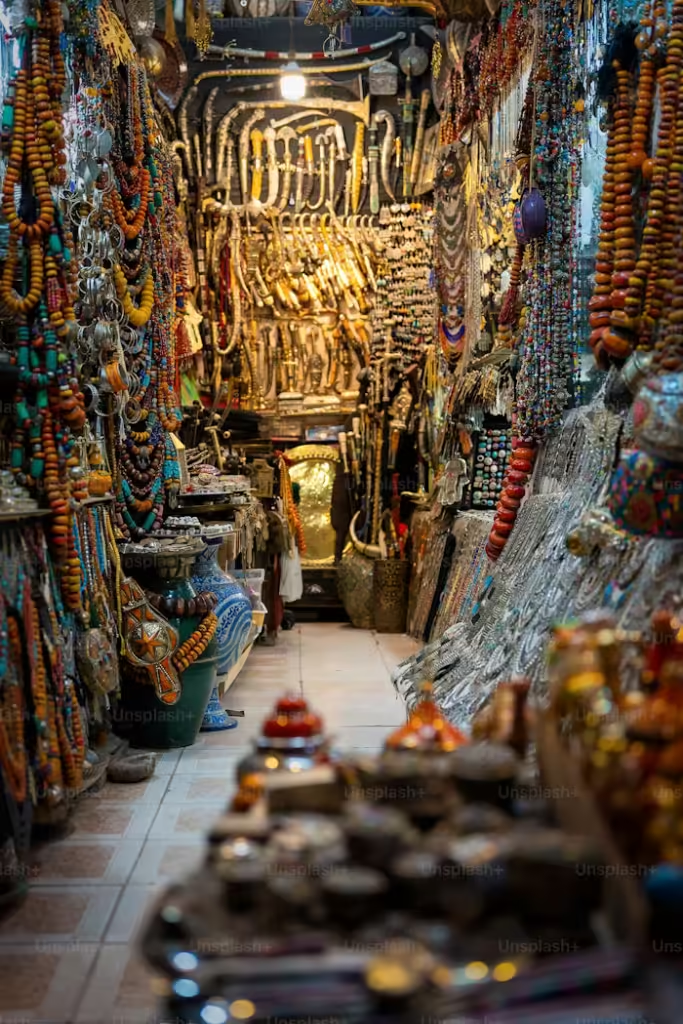
The Khan el-Khalili offers one of the most unique and authentic shopping experiences in Cairo, attracting visitors who want to explore traditional Egyptian craftsmanship and cultural heritage. This historic market is filled with shops displaying a wide variety of handmade products that reflect centuries of artistic skill and creativity. Visitors can find an impressive selection of items, including silver and gold jewelry, colorful glass lanterns, handwoven carpets, spices, perfumes, and decorative souvenirs. Each product is carefully crafted by skilled artisans who continue techniques passed down through generations. These handmade goods are not only beautiful but also carry cultural and historical significance, making them meaningful keepsakes. One of the most engaging aspects of shopping in Khan El Khalili is the opportunity to interact directly with local craftsmen and shop owners. Visitors can watch artisans at work, learn about traditional production methods, and even request custom-made items. This personal interaction creates a deeper connection between the buyer and the product. Bargaining is an essential part of the shopping experience in the market. Negotiating prices with vendors is a common cultural practice and adds excitement to the visit. It allows tourists to engage with local traditions while finding unique items at reasonable prices. Today, Khan El Khalili remains a vibrant marketplace where tradition and commerce come together. It offers an unforgettable experience that goes beyond shopping, allowing visitors to immerse themselves in the rich culture and timeless atmosphere of Cairo.
4. Cultural Atmosphere: The Living Spirit of Cairo
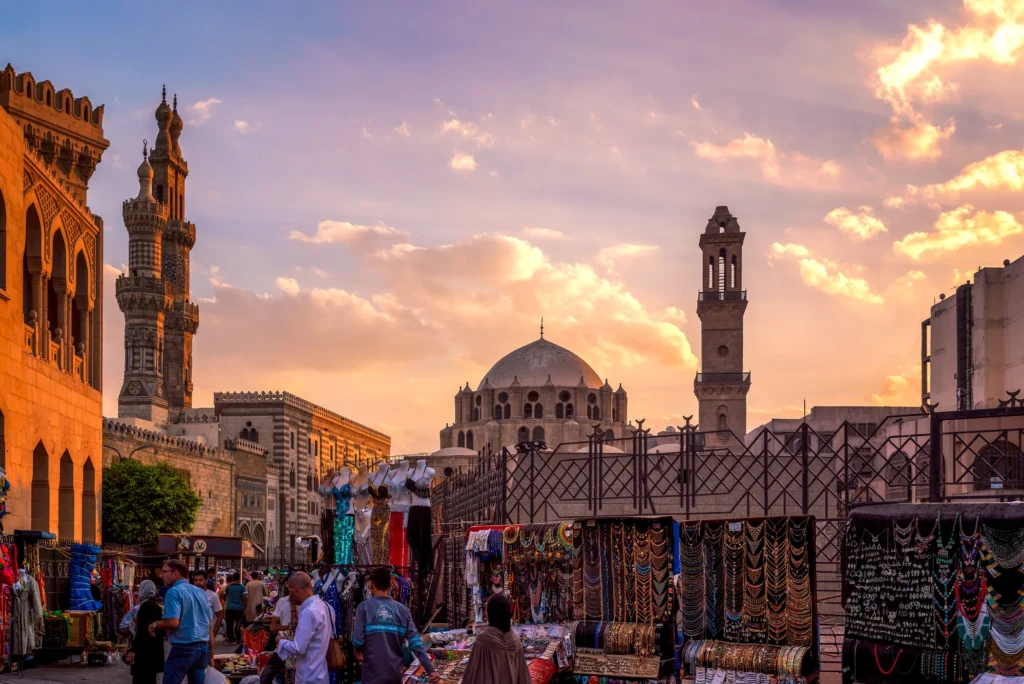
The Khan el-Khalili is more than just a marketplace; it is a vibrant cultural hub that reflects the true spirit of Cairo. As visitors walk through its narrow alleys, they are surrounded by a lively atmosphere filled with sounds, colors, and traditions that have been preserved for centuries. The market represents a unique blend of history and daily life. Street vendors call out to passersby, craftsmen work skillfully in small workshops, and the scent of spices fills the air. Traditional music can sometimes be heard echoing through the streets, adding to the immersive experience. Every corner of the market offers a new sensory encounter, making each visit feel dynamic and engaging. The market also serves as a meeting place for locals and tourists alike. People gather not only for shopping but also for social interaction, conversation, and relaxation. This social aspect is an essential part of the market’s identity, reflecting the communal culture of Cairo. Nearby historic mosques and religious landmarks contribute to the cultural richness of the area. The combination of spiritual significance and commercial activity creates a balanced and meaningful environment. Visitors can experience both the religious heritage and the vibrant daily life of the city in one location. Today, Khan El Khalili remains a living symbol of Cairo’s cultural identity. It continues to preserve traditions while welcoming modern visitors, offering an authentic experience that connects the past with the present.

5. Traditional Cafés: A Taste of Authentic Egyptian Life
The Khan el-Khalili is famous not only for its vibrant shops but also for its traditional cafés, which offer visitors a chance to relax and experience authentic Egyptian hospitality in the heart of Cairo. These cafés have played an important role in the social and cultural life of the market for generations, serving as gathering places for locals and travelers alike. One of the most iconic cafés in the area is El Fishawy Cafe, which has been operating for more than two centuries. Known for its traditional décor, antique mirrors, and wooden seating, the café provides a unique atmosphere that reflects the charm of old Cairo. Visitors can enjoy classic drinks such as Egyptian tea, strong Arabic coffee, and refreshing herbal infusions. Spending time in one of these cafés allows visitors to observe the daily rhythm of the market. People come to talk, relax, and enjoy the lively surroundings. The cafés offer a peaceful contrast to the busy streets, creating a comfortable space where guests can slow down and take in the experience. Many cafés also serve traditional desserts and light snacks, giving visitors a taste of authentic Egyptian flavors. The combination of food, drinks, and atmosphere creates a memorable cultural experience that goes beyond simple refreshment. Today, the traditional cafés of Khan El Khalili remain an essential part of the market’s identity. They preserve long-standing customs while welcoming visitors from around the world, offering a genuine glimpse into the social life and hospitality of Cairo.

6. Visiting Khan El Khalili: A Must-See Destination
The Khan el-Khalili is one of the most popular attractions in Cairo, offering visitors a unique opportunity to experience history, culture, and traditional commerce in one vibrant location. A visit to this historic market is an essential part of any trip to Egypt, providing an authentic glimpse into the daily life and rich heritage of Cairo. The best time to explore the market is during the late afternoon or evening when the atmosphere becomes especially lively. Shops are open, lanterns light up the narrow alleys, and the entire area fills with movement and energy. This creates a magical setting that enhances the overall experience and makes every visit memorable. Visitors can explore Khan El Khalili either independently or through guided tours. Guided tours offer valuable historical insights and help visitors understand the cultural importance of the market. However, exploring on your own allows for a more personal and adventurous experience, where you can discover hidden corners, unique shops, and unexpected treasures. It is important to be prepared for the busy environment. Wearing comfortable clothing and staying aware of your surroundings can make your visit more enjoyable. Bargaining is also a normal part of shopping in the market, giving visitors a chance to interact with local vendors and experience authentic traditions. Today, Khan El Khalili remains a must-visit destination that captures the true spirit of Cairo. It blends history, culture, and everyday life into one unforgettable experience for travelers from around the world.
7. Local Crafts and Artisans: Preserving Traditional Skills
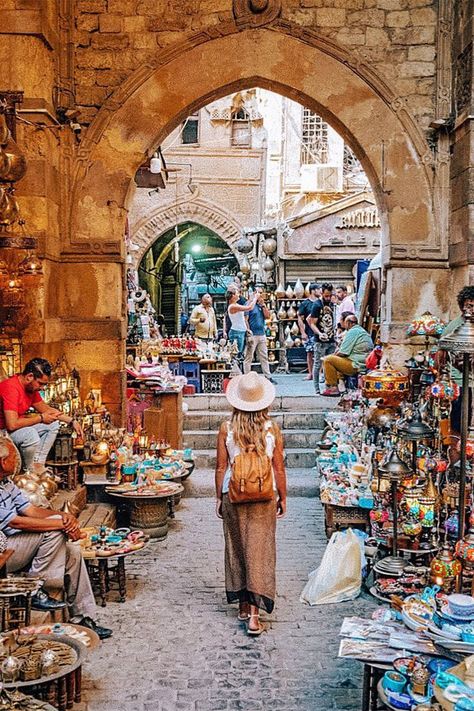
The Khan el-Khalili is a living workshop where traditional craftsmanship continues to thrive in the heart of Cairo. For centuries, skilled artisans have worked within the market, producing handmade goods that reflect Egypt’s rich artistic heritage and cultural identity. These craftsmen play a vital role in preserving techniques that have been passed down through generations. Visitors walking through the market can observe artisans creating intricate pieces using traditional methods. Metalworkers shape brass and copper into decorative lanterns, while jewelers craft detailed silver and gold accessories. Textile makers produce handwoven fabrics and embroidered garments that showcase regional designs and patterns. Each item is unique, carrying the mark of the artisan who created it. The presence of these craftsmen adds authenticity to the shopping experience. Unlike modern mass production, the goods in Khan El Khalili are often made by hand, ensuring quality and originality. This connection between the maker and the product creates a deeper appreciation for the artistry involved. Many artisans are happy to share their knowledge with visitors, explaining their techniques and the history behind their work. This interaction helps keep traditional crafts alive and encourages cultural exchange between locals and tourists. Today, Khan El Khalili remains an important center for traditional craftsmanship. It not only supports local artisans but also preserves Egypt’s artistic heritage, making it a place where history, creativity, and culture continue to flourish.

8. Cultural Landmarks Around Khan El Khalili
The Khan el-Khalili is surrounded by some of the most important cultural and religious landmarks in Cairo, making it a central point for exploring the city’s rich heritage. These nearby sites add depth to the visitor experience, transforming a simple market visit into a journey through history and culture. One of the most prominent landmarks is Al-Azhar Mosque, one of the oldest mosques in the Islamic world and a major center of religious learning. It is closely associated with Al-Azhar University, which has played a significant role in Islamic scholarship for centuries. Another important site is Al-Hussein Mosque, a place of great spiritual importance that attracts both worshippers and visitors. The area also features historic streets and buildings that reflect traditional Islamic architecture. Ornate decorations, carved stonework, and elegant arches create a visually rich environment that highlights Cairo’s artistic heritage. Walking through these surroundings allows visitors to fully appreciate the beauty and historical significance of the district. These cultural landmarks enhance the importance of Khan El Khalili as more than just a marketplace. They connect trade with religion, history, and daily life, creating a unique and meaningful atmosphere. Today, visitors to Khan El Khalili can easily explore these nearby attractions, gaining a deeper understanding of Cairo’s cultural landscape. The area remains a vibrant center where history, spirituality, and modern life come together in one remarkable location.
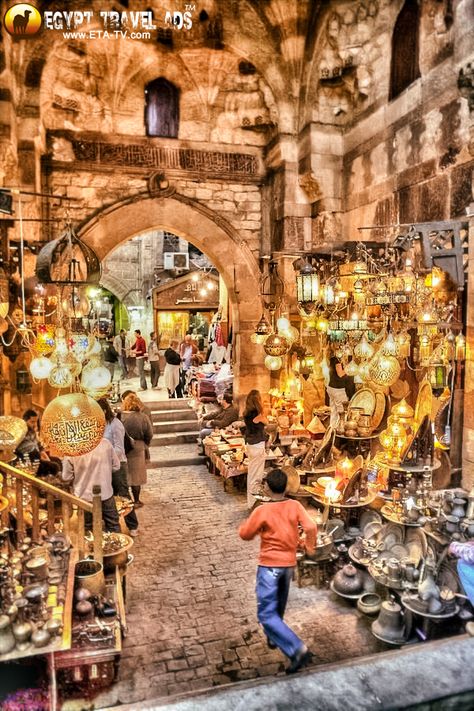
9. The Experience of Nightlife in Khan El Khalili
The Khan el-Khalili transforms into a magical and lively destination after sunset, offering a unique nightlife experience in Cairo. As the sun sets, the market becomes even more vibrant, filled with lights, sounds, and activity that create an unforgettable atmosphere. Lanterns illuminate the narrow alleys, casting warm light across the historic buildings and shops. The glow of these lights highlights the beauty of traditional architecture and enhances the charm of the market. Visitors can enjoy walking through the streets as the cooler evening air makes exploration more comfortable. Cafés and restaurants become lively gathering spots where people relax, enjoy drinks, and engage in conversation. Traditional music may be heard in some areas, adding to the cultural ambiance. The combination of music, light, and movement creates a dynamic environment that reflects the spirit of Cairo at night. Shopping during the evening offers a different experience compared to daytime visits. The market feels more energetic, and visitors can take their time browsing without the heat of the day. Many shops remain open late, allowing for extended exploration. Today, the nightlife of Khan El Khalili remains a highlight for visitors. It provides a perfect blend of culture, relaxation, and entertainment, making it an essential part of the overall experience of this historic market.

10. The Role of Khan El Khalili in Cairo’s Economy
The Khan el-Khalili plays a vital role in the local economy of Cairo, serving as one of the most active and historically important commercial centers in the city. For centuries, the market has supported trade, tourism, and small businesses, making it an essential part of Cairo’s economic life. The market is home to hundreds of small shops and workshops that offer a wide range of products, including handmade jewelry, textiles, spices, perfumes, and traditional souvenirs. Many of these businesses are family-owned, with skills passed down through generations. This continuity helps preserve traditional crafts while providing stable income for local communities. Tourism is one of the most important factors contributing to the market’s economic success. Visitors from around the world come to explore the unique atmosphere of Khan El Khalili and purchase authentic Egyptian products. This steady flow of tourists supports not only shop owners but also tour guides, café workers, and transportation services. In addition, the market encourages the survival of traditional industries that might otherwise decline in a modern industrial economy. By maintaining demand for handcrafted goods, it helps protect cultural heritage while also generating economic value. Today, Khan El Khalili remains a dynamic economic hub that connects history with modern commerce. It continues to support livelihoods, attract global visitors, and contribute significantly to Cairo’s economy, making it one of the city’s most valuable cultural and commercial landmarks.

11. Festivals and Celebrations in Khan El Khalili
The Khan el-Khalili becomes even more vibrant during festivals and celebrations in Cairo, reflecting the cultural richness and social traditions of the community. These events bring additional life and energy to the already bustling market. During religious occasions such as Ramadan, the market is beautifully decorated with colorful lanterns and lights. The atmosphere becomes festive, with families and friends gathering to shop, eat, and enjoy the evening after breaking their fast. Traditional music and performances may also take place, adding to the joyful environment. Seasonal celebrations and national holidays also contribute to the lively spirit of the market. Vendors often display special products, and the streets become more crowded with visitors. These events provide an opportunity for both locals and tourists to experience Egyptian traditions in an authentic setting. Festivals at Khan El Khalili highlight the importance of community and social interaction. People come together not only to celebrate but also to share experiences and strengthen cultural connections. Today, these celebrations continue to play an important role in the life of the market. They enhance its appeal as a cultural destination and offer visitors a unique chance to witness the traditions and festive spirit of Cairo in one of its most historic locations.
12. Preservation and Future of Khan El Khalili
The Khan el-Khalili remains one of the most valuable historical sites in Cairo, and efforts to preserve it are essential for protecting its cultural and architectural heritage. As a living market that continues to function daily, maintaining a balance between preservation and modern use is a key challenge. Restoration projects have been carried out to protect historic buildings and improve infrastructure while maintaining the traditional appearance of the market. These efforts ensure that the unique character of Khan El Khalili is not lost over time. Conservation work also focuses on preserving architectural details such as wooden doors, stone carvings, and decorative elements. At the same time, the market continues to adapt to modern needs. Shop owners incorporate new business practices while still maintaining traditional methods of production and sales. This balance allows the market to remain relevant in today’s world while preserving its historical identity. Tourism plays a significant role in supporting preservation efforts. The popularity of Khan El Khalili encourages investment in its maintenance and protection. Visitors contribute to the economy while also raising awareness of its cultural importance. Looking ahead, the future of Khan El Khalili depends on continued conservation and responsible tourism. By protecting its heritage and supporting local communities, the market can continue to thrive as a symbol of Cairo’s history, culture, and enduring spirit.
13. The Art of Bargaining in Khan El Khalili
The Khan el-Khalili is not only famous for its wide variety of goods but also for the lively tradition of bargaining, which is an essential part of the shopping experience in Cairo. Negotiating prices is deeply rooted in local culture and adds a dynamic and interactive element to every purchase made within the market. Visitors quickly discover that prices are often not fixed, and bargaining is both expected and welcomed by vendors. This practice allows buyers and sellers to reach a fair agreement while creating an engaging and personal exchange. It also offers tourists a chance to connect with local culture in a meaningful way. Successful bargaining requires patience, politeness, and a friendly attitude. Vendors may start with higher prices, anticipating negotiation, while customers are encouraged to respond with reasonable counteroffers. The process is not just about reducing the price, but about enjoying the interaction and understanding the rhythm of traditional trade. This custom reflects the long history of commerce in the market. For centuries, merchants in Khan El Khalili have relied on negotiation as a key method of doing business. It is a tradition that continues to thrive, linking modern visitors with historical trading practices. Today, bargaining remains one of the most memorable aspects of visiting Khan El Khalili. It transforms a simple shopping trip into a cultural experience, allowing visitors to actively participate in a tradition that has shaped the identity of the market for generations.
14. Food and Flavors: A Culinary Journey in the Market
The Khan el-Khalili offers more than shopping; it provides a rich culinary experience that reflects the diverse flavors of Cairo. The market is filled with cafés, small restaurants, and street vendors serving traditional Egyptian food and drinks. Visitors can enjoy classic dishes such as koshari, falafel, and grilled meats, as well as a variety of sweets like baklava and basbousa. These foods are prepared using traditional recipes, offering an authentic taste of Egyptian cuisine. The aroma of spices and freshly cooked meals fills the air, enhancing the sensory experience of the market. One of the highlights of visiting Khan El Khalili is the opportunity to sit in a traditional café and enjoy a cup of Egyptian tea or coffee. These moments provide a chance to relax and observe the lively surroundings while experiencing local hospitality. Street food is also an important part of the culinary scene. Vendors offer quick and delicious snacks that allow visitors to taste local flavors while exploring the market. This accessibility makes food an integral part of the overall experience. Today, the culinary offerings of Khan El Khalili continue to attract visitors from around the world. The combination of food, atmosphere, and tradition creates a memorable journey through the flavors of Cairo.
15. Khan El Khalili as a Cultural Symbol of Cairo
The Khan el-Khalili stands as a powerful cultural symbol of Cairo, representing the city’s history, traditions, and vibrant daily life. For centuries, the market has been a center of activity where commerce, culture, and community come together. The market reflects the identity of Cairo through its architecture, crafts, and social interactions. Every alley, shop, and café tells a story of the past while remaining active in the present. This connection between history and modern life makes Khan El Khalili a unique and meaningful place. Artists, writers, and filmmakers have often been inspired by the market’s atmosphere. Its lively streets, colorful displays, and rich history make it a perfect representation of Cairo’s cultural diversity. The market has become a symbol recognized not only in Egypt but around the world. Khan El Khalili also plays an important role in preserving traditions. It supports local artisans, maintains cultural practices, and provides a space where heritage is kept alive. This role is essential in a rapidly changing modern world. Today, the market continues to be a source of pride for Cairo. It attracts millions of visitors while remaining a central part of local life. As a cultural symbol, Khan El Khalili represents the enduring spirit and rich heritage of the Egyptian people.
16. Photography and Visual Beauty in Khan El Khalili
The Khan el-Khalili is a paradise for photography enthusiasts, offering endless opportunities to capture the visual beauty of Cairo. The market is filled with vibrant colors, intricate details, and historic architecture that create stunning scenes at every turn. From glowing lanterns to handcrafted goods, every element contributes to its unique charm. The narrow alleys, decorated with traditional Islamic designs, provide an ideal setting for atmospheric photographs. The combination of light and shadow enhances the depth and character of the space, especially in the evening when lanterns illuminate the streets with a warm glow. This creates a magical and authentic environment that attracts photographers from around the world. In addition to architecture, the human element plays a significant role in the visual appeal of the market. Artisans working in their workshops, vendors arranging their products, and visitors exploring the busy streets all create dynamic and meaningful scenes. These moments add life and storytelling to every photograph. The textures and patterns found throughout the market, including carved wood, metalwork, and textiles, offer endless creative possibilities. Each detail reflects the craftsmanship and cultural heritage of the area, making every image visually rich and culturally significant. Today, Khan El Khalili remains one of the most photogenic locations in Cairo. It offers a perfect combination of history, culture, and artistic beauty, making it an essential destination for capturing unforgettable images and experiencing the visual spirit of the city.
17. The Global Appeal of Khan El Khalili
The Khan el-Khalili has gained international recognition as one of the most famous traditional markets in the world, attracting visitors from across the globe to Cairo. Its unique combination of history, culture, and commerce makes it a symbol of Egypt’s rich heritage on the global stage. Tourists from different countries visit the market to experience its authentic atmosphere and purchase handmade products that represent Egyptian craftsmanship. The market’s reputation has grown through travel guides, documentaries, and cultural exchanges, making it a must-visit destination for anyone exploring Egypt. Khan El Khalili also plays a role in cultural diplomacy. It introduces visitors to Egyptian traditions, hospitality, and artistic expression. This interaction helps build cultural understanding and appreciation between different nations. The market’s influence extends beyond tourism. It has inspired artists, writers, and filmmakers who are drawn to its vibrant environment and historical significance. Its image is often associated with the charm and mystery of Cairo. Today, Khan El Khalili continues to maintain its global appeal. It welcomes visitors from around the world while preserving its authentic character. This balance between tradition and international recognition makes it a unique and valuable cultural landmark.
18. Conclusion: The Timeless Charm of Khan El Khalili
The Khan el-Khalili remains one of the most iconic destinations in Cairo, offering a timeless experience that combines history, culture, and daily life. From its origins in the Mamluk period to its role as a modern tourist attraction, the market continues to preserve its unique identity. This historic bazaar is more than just a place for shopping. It is a living cultural space where traditions are maintained, and stories are shared. Every visit provides an opportunity to explore the rich heritage of Cairo while engaging with its vibrant community. The market’s architecture, craftsmanship, and lively atmosphere create an unforgettable experience for visitors. Whether exploring its narrow alleys, enjoying traditional food, or interacting with local artisans, every moment reflects the spirit of Egyptian culture. Khan El Khalili also serves as a bridge between the past and the present. It connects modern visitors with centuries of history while continuing to adapt to contemporary life. This ability to evolve while preserving tradition is one of its greatest strengths. In conclusion, Khan El Khalili stands as a symbol of Cairo’s enduring charm and cultural richness. It continues to inspire and attract people from around the world, ensuring that its legacy will remain alive for generations to come.