- Excursions in Egypt
- Egypt Tour Packages
- Cairo Tours and Excursions
- Hurghada Tours and Excursions
- Soma Bay Tours and Excursions
- Makadi Bay Tours and Excursions
- Sahl Hasheesh Tours and Excursions
- El Gouna Tours and Excursions
- Marsa Alam Tours and Excursions
- Port Ghalib Tours and Excursions
- El Quseir Tours and Excursions
- Dendera and Abydos Day Tours
- Aswan Tours and Excursions
- Luxor Tours and Excursions
- Sharm El Sheikh Tours and Excursions
- Top Rated Egypt Tours in 2026
- Optional Excursions in Egypt
- Private Transfer
- Blogs About egypt
- Ancient Egypt
- Historical Sites in Egypt
- Cairo
- Alexandria
- Luxor
- Aswan
- The Red Sea
- Dendera Temple
- El Fayoum Oasis
- Bahariya Oasis
- Siwa Oasis
- Al Alamein
- Marsa Matruh
- Why Egypt Is One of the Safest Countries to Visit in the Middle East
- What You Need To know Before Your First Trip To Egypt
- Egypt Travel Costs in 2026 Full Budget Guide
- Top 10 Tourist Activities in Egypt
- Top 50 Activities You Can’t Miss in Egypt in 2026
- The Guide to Guided Tours in Egypt
- Egypt’s Ancient and Modern History
- The Nile River
- The Deserts of Egypt
- Ancient Egyptian gods
- famous Egyptian dishes
- UNESCO World Heritage sites
- About Us
- Egypt Hotels and Resorts
- Excursions in Egypt
- Egypt Tour Packages
- Cairo Tours and Excursions
- Hurghada Tours and Excursions
- Soma Bay Tours and Excursions
- Makadi Bay Tours and Excursions
- Sahl Hasheesh Tours and Excursions
- El Gouna Tours and Excursions
- Marsa Alam Tours and Excursions
- Port Ghalib Tours and Excursions
- El Quseir Tours and Excursions
- Dendera and Abydos Day Tours
- Aswan Tours and Excursions
- Luxor Tours and Excursions
- Sharm El Sheikh Tours and Excursions
- Top Rated Egypt Tours in 2026
- Optional Excursions in Egypt
- Private Transfer
- Blogs About egypt
- Ancient Egypt
- Historical Sites in Egypt
- Cairo
- Alexandria
- Luxor
- Aswan
- The Red Sea
- Dendera Temple
- El Fayoum Oasis
- Bahariya Oasis
- Siwa Oasis
- Al Alamein
- Marsa Matruh
- Why Egypt Is One of the Safest Countries to Visit in the Middle East
- What You Need To know Before Your First Trip To Egypt
- Egypt Travel Costs in 2026 Full Budget Guide
- Top 10 Tourist Activities in Egypt
- Top 50 Activities You Can’t Miss in Egypt in 2026
- The Guide to Guided Tours in Egypt
- Egypt’s Ancient and Modern History
- The Nile River
- The Deserts of Egypt
- Ancient Egyptian gods
- famous Egyptian dishes
- UNESCO World Heritage sites
- About Us
- Egypt Hotels and Resorts
Welcome to
Siwa Oasis – A Complete Guide to Egypt’s Hidden Desert Paradise
Siwa Oasis is one of the most extraordinary destinations in Egypt, famous for its natural springs, salt lakes, palm groves, ancient monuments, traditional culture, and spectacular desert landscapes. Located in Egypt’s far western desert near the Libyan border, Siwa offers travelers an experience that feels completely different from the busy cities and famous archaeological sites found elsewhere in the country.
Surrounded by the vast Sahara Desert, Siwa Oasis has developed around underground water sources that support thousands of date palms and olive trees. The contrast between the green agricultural areas and the surrounding golden desert creates some of the most beautiful scenery in Egypt.
Siwa also has a fascinating ancient history. The oasis was known in antiquity as an important settlement, and it became particularly famous because of the Oracle Temple of Amun, where Alexander the Great is traditionally believed to have visited in 331 BC.
Today, travelers can explore the ruins of Shali Fortress, visit the Temple of the Oracle, swim in natural springs, float in Siwa’s salt lakes, and experience traditional Siwan culture.
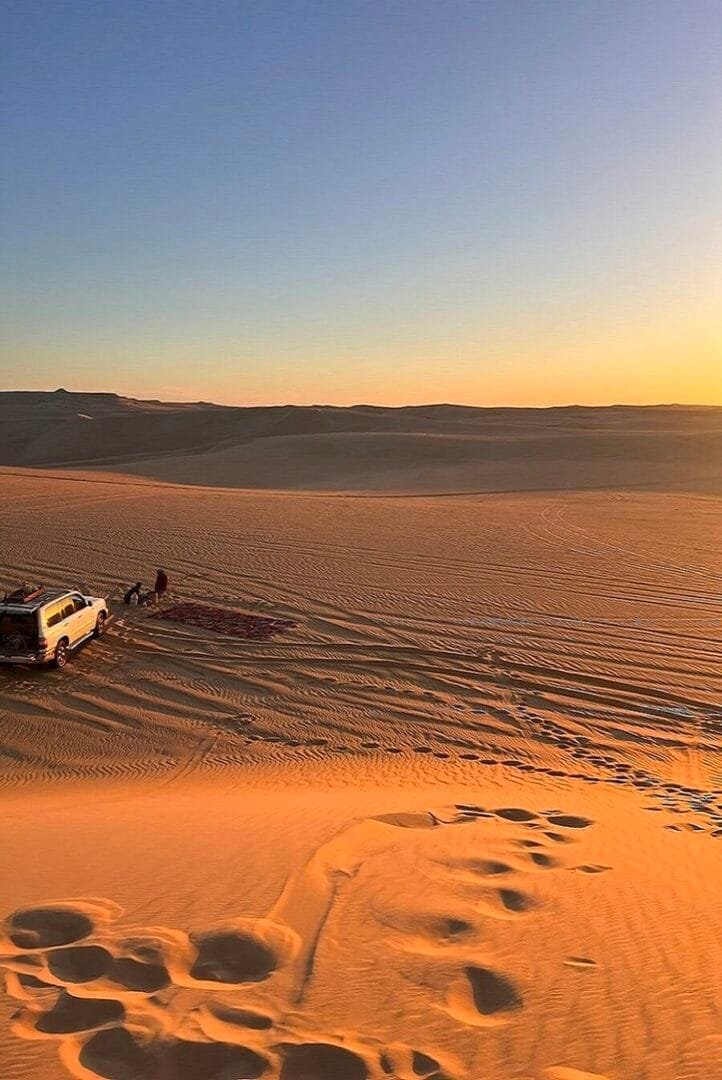
Adventure is another major reason to visit. Desert safaris around Siwa can include 4×4 dune driving, sandboarding, desert camping, sunset viewpoints, and visits to remote oases and natural landscapes.
The oasis is also famous for its unique architecture, traditional crafts, locally produced dates and olives, and distinctive cultural heritage. The combination of nature, history, and local traditions makes Siwa one of Egypt’s most rewarding destinations for travelers seeking an authentic experience.
For travelers searching for Siwa Oasis Egypt, Siwa Oasis tours, things to do in Siwa Oasis, Siwa desert safari, Siwa salt lakes, Oracle Temple Siwa, Shali Fortress, and Siwa from Cairo, this remote oasis offers an unforgettable journey into Egypt’s Western Desert.
Siwa Oasis is more than a desert destination—it is a place where ancient history, natural beauty, traditional culture, and Sahara adventure come together.

1. The Temple of the Oracle of Amun: A Legendary Sacred Site
One of the most iconic landmarks of Siwa Oasis is the Temple of the Oracle of Amun, an ancient Egyptian religious site that gained fame during the reign of Alexander the Great. The temple is dedicated to Amun, the chief god of the Egyptian pantheon, and served as a sanctuary where people sought divine guidance. The Oracle was one of the most famous in the ancient world, and it is believed that Alexander the Great himself visited Siwa in 332 BC to consult the Oracle. The temple ruins are situated on a hill near the town of Siwa, and though much of the structure has eroded over the centuries, visitors can still see remnants of the temple’s granite columns and inscriptions. The Oracle was known for its prophecies, which were often sought by both royalty and commoners. Visiting the Temple of the Oracle is an immersive experience that transports travelers back to a time when divine guidance shaped the fate of kings.
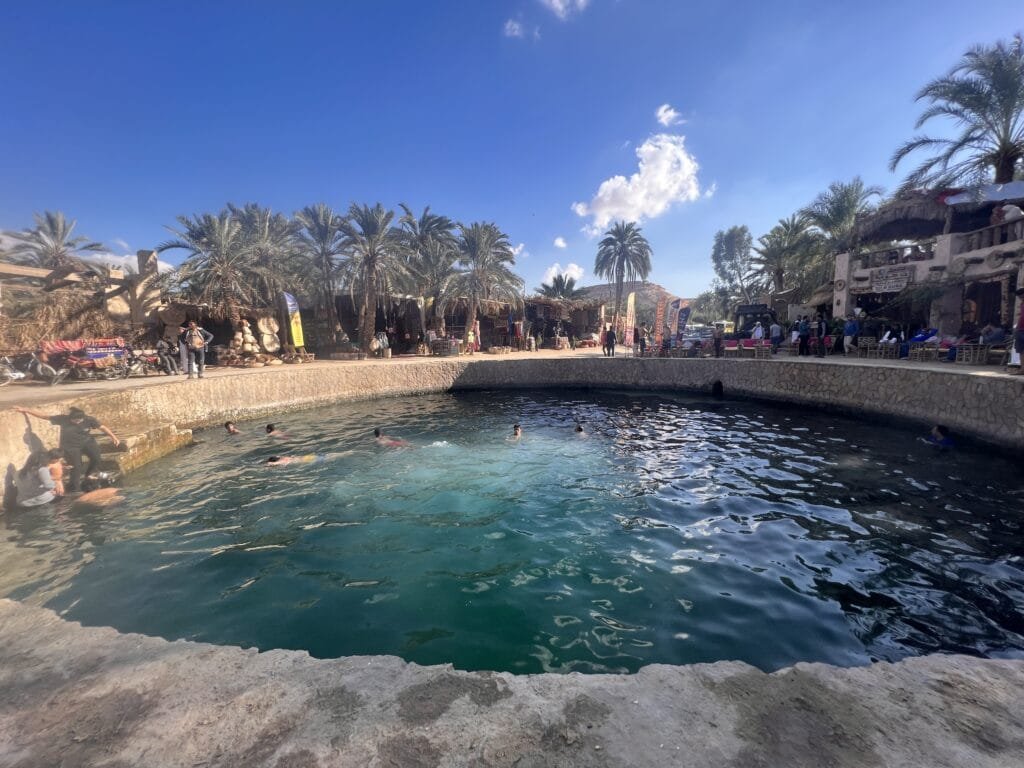
2. Cleopatra’s Bath: A Natural Oasis of Relaxation
For those seeking a blend of history and relaxation, Cleopatra’s Bath is a must-see destination in Siwa Oasis. Located just outside the town of Siwa, Cleopatra’s Bath is a natural spring that has been used for centuries by both locals and visitors for its therapeutic properties. According to legend, Queen Cleopatra herself is said to have bathed in the spring’s refreshing waters, adding a layer of mystique to this already enchanting spot. The water is rich in minerals and flows from the nearby mountains, creating a serene and tranquil setting. Visitors can swim in the crystal-clear waters, which are surrounded by lush vegetation and offer a peaceful atmosphere perfect for unwinding. Cleopatra’s Bath has become one of Siwa’s most popular attractions, providing a unique combination of nature, legend, and wellness in the heart of the desert.
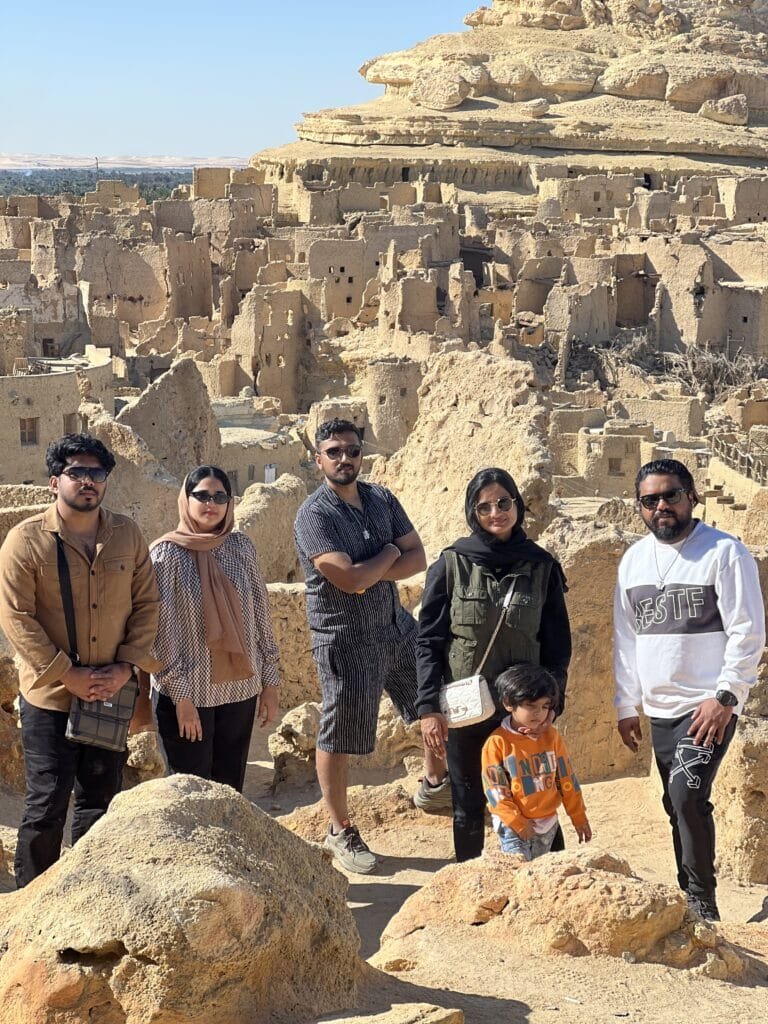
3. The Shali Fortress: A Window into Siwa’s Past
The Shali Fortress is one of the most remarkable historical sites in Siwa, offering visitors a glimpse into the past. The fortress is an ancient citadel that was built in the 13th century using karsheef, a natural salt-and-clay material that is abundant in the region. The Shali Fortress was once a thriving town and served as a defense against invasions, and its ruins are perched atop a hill, offering spectacular views of the surrounding oasis. The fortress complex includes ancient houses, a mosque, and watchtowers, all of which are interconnected by narrow streets. Despite suffering from erosion over time, much of the Shali Fortress still retains its original charm, and visitors can explore its intricate architecture and climb the old walls to enjoy panoramic views of the oasis. The Shali Fortress is a perfect place for those interested in ancient architecture and Siwa's cultural history.
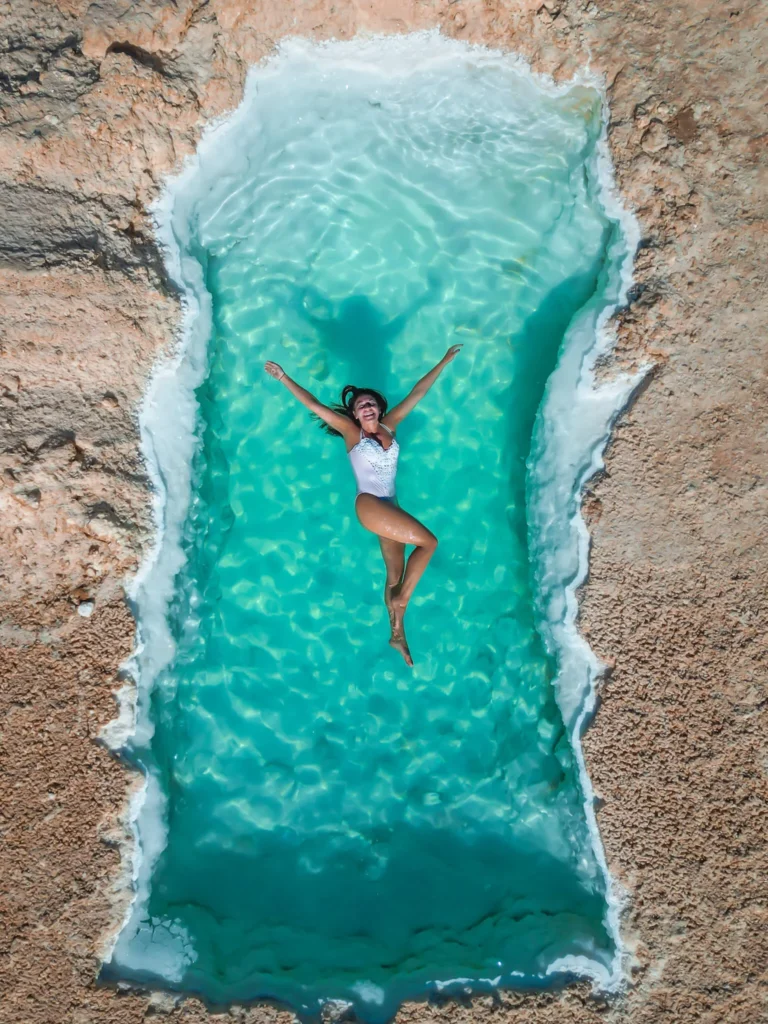
4. Siwa’s Salt Lakes: A Natural Wonder of Tranquility
Siwa Oasis is known for its stunning natural lakes, especially the salt lakes that are scattered throughout the area. These salt flats are a product of the high saline content in the soil and are often surrounded by breathtaking desert landscapes. The most famous of these lakes is Lake Siwa, which is located near the town and is considered a symbol of the oasis's unique natural beauty. The salt lakes create a surreal and picturesque setting, with the bright white salt contrasting against the deep blue waters of the lakes. Visitors can take a relaxing dip in the lakes, which are known for their healing properties. The salt water is believed to have therapeutic benefits, making these lakes a popular spot for wellness tourism. Exploring the salt lakes of Siwa is a peaceful and rejuvenating experience, offering travelers a chance to connect with nature in its purest form.
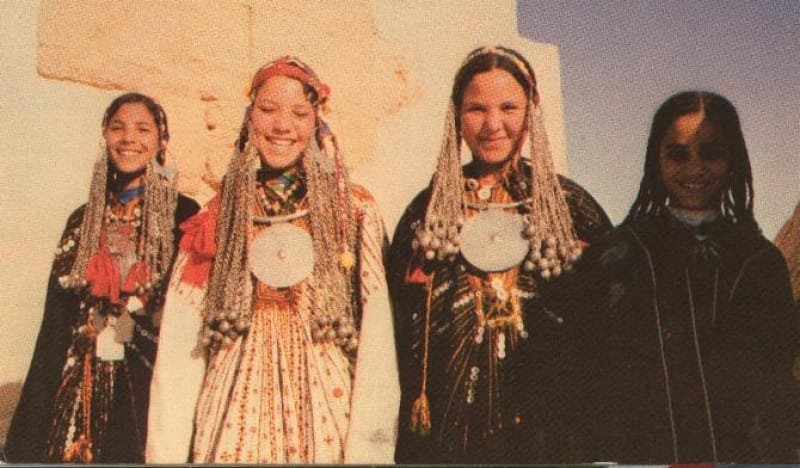
5. The Siwan People: A Unique Berber Culture
Siwa Oasis is home to the Siwan people, an indigenous Berber community that has lived in the oasis for centuries. The Siwan people have preserved their unique cultural traditions, language, and customs, which set them apart from other Egyptian communities. They speak Siwi, a Berber dialect, and practice a lifestyle that remains largely unchanged from ancient times. Visitors to Siwa Oasis can immerse themselves in the culture by exploring the town of Siwa, where traditional houses made of mudbrick and karsheef still stand. The Siwan people are known for their hospitality, and visitors are often invited to experience traditional Siwan meals, enjoy local music, and learn about the community’s agricultural practices. The Siwan people’s strong ties to the land and their enduring traditions make them an essential part of the oasis’s identity and a central feature of any visit to Siwa.
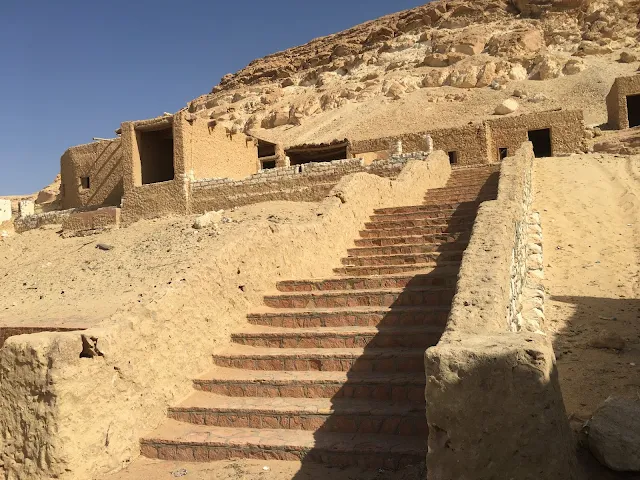
6. Jabal al-Dakrour: The Sacred Mountain of Siwa
For those seeking an adventure and a connection to the divine, Jabal al-Dakrour (Mountain of Dakrour) is an essential destination in Siwa Oasis. This mountain is considered a sacred site by the Siwan people and is famous for its spiritual significance. The mountain is dotted with natural hot springs that are believed to have healing powers. Visitors to Jabal al-Dakrour can climb to the summit for breathtaking views of the oasis and surrounding desert. The area around the mountain is also a popular spot for trekking and camping, offering a unique opportunity to experience the peaceful solitude of the desert. The sacred nature of Jabal al-Dakrour makes it a place of reflection and serenity, and it’s an ideal location for those looking to connect with Siwa’s deep spiritual heritage.
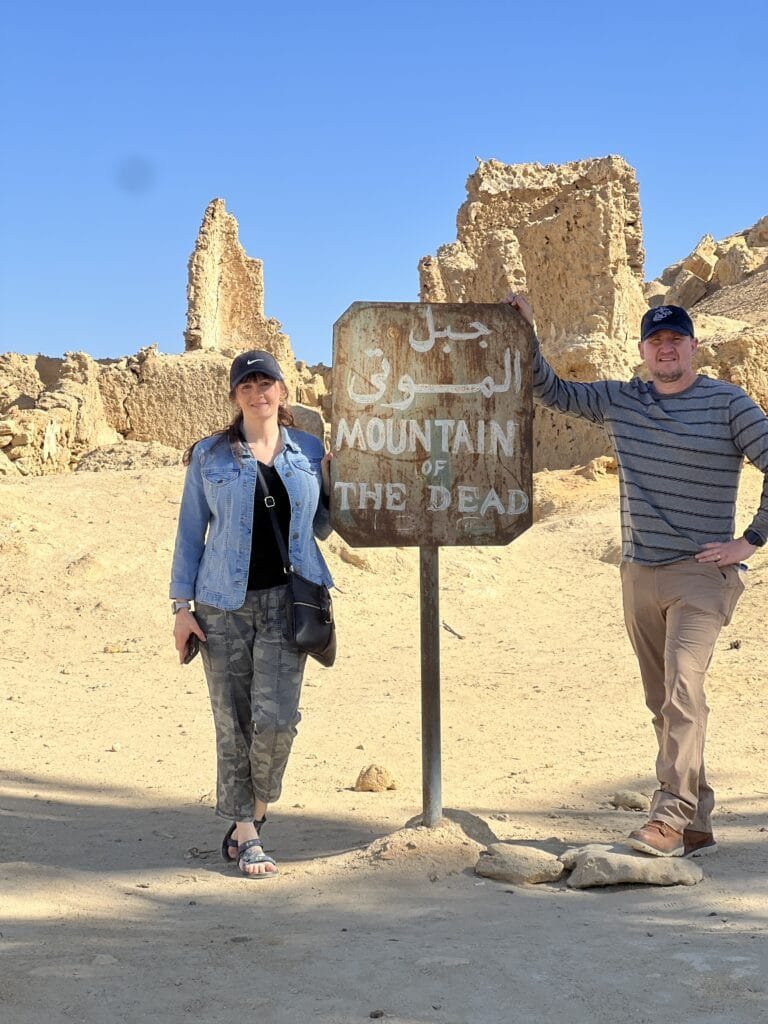
7. Dead Mountain: A Mysterious Desert Landmark
Another fascinating and lesser-known landmark in Siwa is Dead Mountain, a dramatic geological feature located a short distance from the town. The mountain earned its eerie name because of its stark, barren landscape, devoid of vegetation. Its rocky outcrops and the surrounding sand dunes create an otherworldly, desolate atmosphere that has intrigued visitors for centuries. Despite its name, Dead Mountain is a popular spot for desert photography and trekking, with many visitors drawn to its eerie beauty. The mountain is said to be one of the oldest geological formations in the region, and its striking contrast with the lush Siwa Oasis makes it a fascinating sight to behold. For those looking for a quiet, remote escape into nature, Dead Mountain offers an unforgettable experience that’s both haunting and awe-inspiring.
8. How to Reach Siwa Oasis: A Journey Through Egypt’s Western Desert
Reaching Siwa Oasis requires a bit of travel, but the journey is well worth it for those seeking an escape into nature and history. Siwa is located approximately 560 kilometers (350 miles) west of Cairo and can be accessed by private car or bus. The trip from Cairo to Siwa typically takes 7-8 hours by road, and the route offers scenic views of the desert landscape along the way. For visitors seeking a more comfortable and hassle-free journey, guided tours from Cairo are available. Once you reach the town of Siwa, most attractions can be accessed by jeep or local transport. Although the road conditions are generally good, the journey involves traveling through remote desert areas, so it’s essential to be prepared with enough water, food, and supplies.
9. Activities in Siwa Oasis: A Blend of Adventure, Culture, and Relaxation
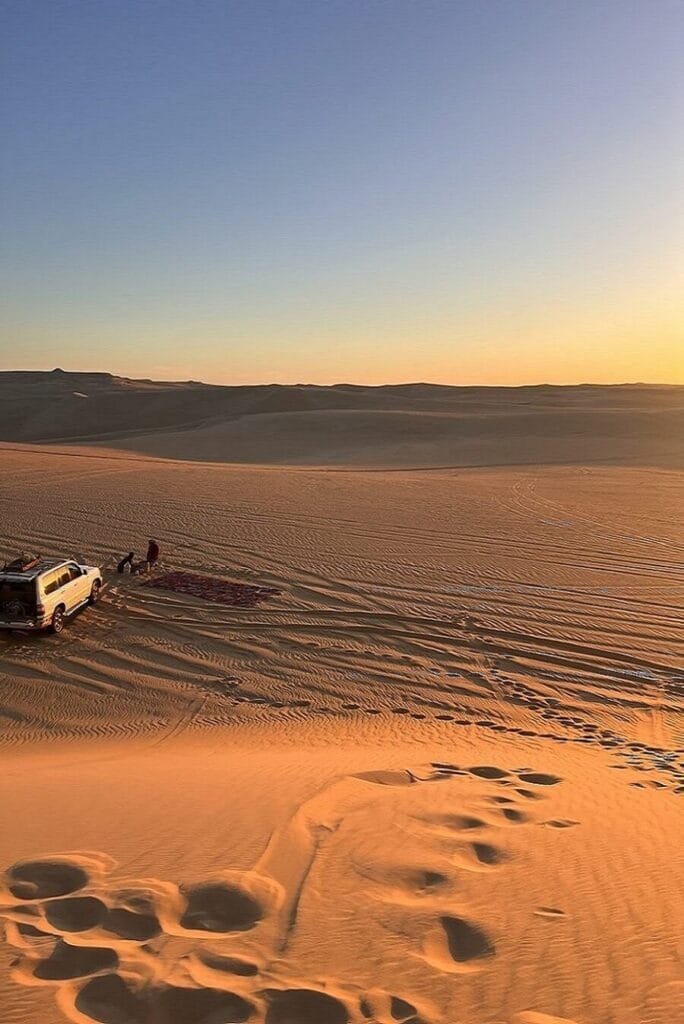
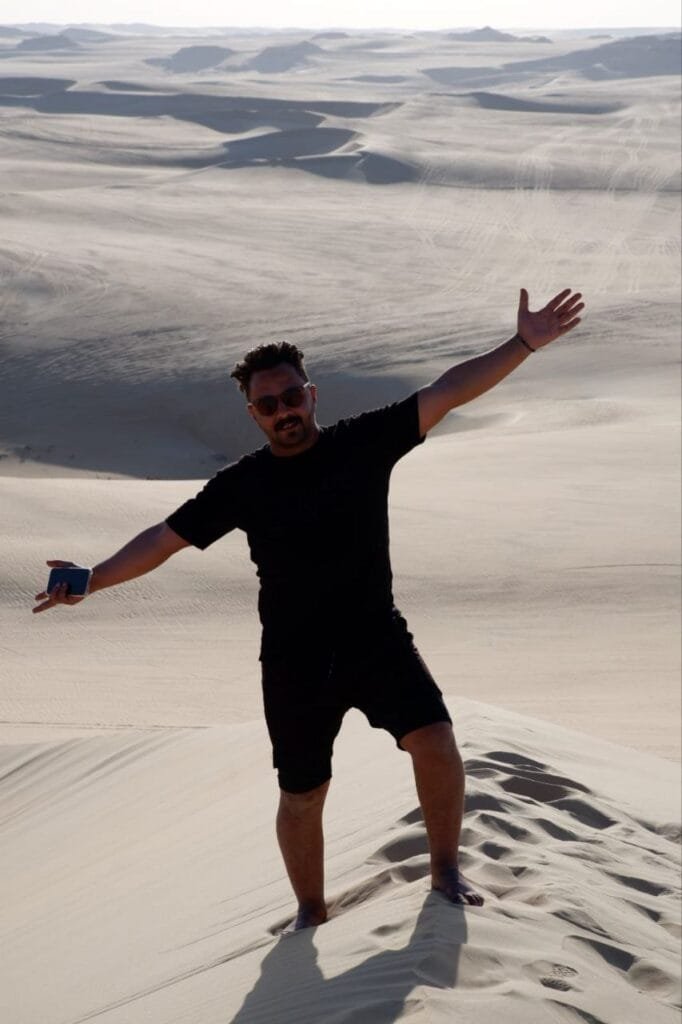
Siwa Oasis offers a range of activities that cater to various interests, from exploring its rich history to engaging in outdoor adventures and enjoying the tranquility of the desert. Some of the top activities in Siwa include: 4x4 Desert Safaris: Explore the stunning sand dunes and rocky landscapes surrounding Siwa on thrilling off-road safaris. These tours often include visits to the White Mountain, salt lakes, and other desert landmarks. Camel Riding: Discover the oasis and its surroundings from the back of a camel, providing a traditional way to explore the desert. Sandboarding: For those seeking adventure, sandboarding down the towering dunes of Siwa is an exhilarating experience. Swimming in Natural Springs: Siwa is known for its abundant natural springs, and visitors can enjoy a refreshing swim in the cool, mineral-rich waters of springs like Ain Sitra or Ain Dukhla. Cultural Experiences: Learn about the Siwan culture, traditional crafts, and local customs by visiting local workshops, museums, and markets.