- Excursions in Egypt
- Egypt Tour Packages
- Cairo Tours and Excursions
- Hurghada Tours and Excursions
- Soma Bay Tours and Excursions
- Makadi Bay Tours and Excursions
- Sahl Hasheesh Tours and Excursions
- El Gouna Tours and Excursions
- Marsa Alam Tours and Excursions
- Port Ghalib Tours and Excursions
- El Quseir Tours and Excursions
- Dendera and Abydos Day Tours
- Aswan Tours and Excursions
- Luxor Tours and Excursions
- Sharm El Sheikh Tours and Excursions
- Top Rated Egypt Tours in 2026
- Optional Excursions in Egypt
- Private Transfer
- Blogs About egypt
- Ancient Egypt
- Historical Sites in Egypt
- Cairo
- Alexandria
- Luxor
- Aswan
- The Red Sea
- Dendera Temple
- El Fayoum Oasis
- Bahariya Oasis
- Siwa Oasis
- Al Alamein
- Marsa Matruh
- Why Egypt Is One of the Safest Countries to Visit in the Middle East
- What You Need To know Before Your First Trip To Egypt
- Egypt Travel Costs in 2026 Full Budget Guide
- Top 10 Tourist Activities in Egypt
- Top 50 Activities You Can’t Miss in Egypt in 2026
- The Guide to Guided Tours in Egypt
- Egypt’s Ancient and Modern History
- The Nile River
- The Deserts of Egypt
- Ancient Egyptian gods
- famous Egyptian dishes
- UNESCO World Heritage sites
- About Us
- Egypt Hotels and Resorts
- Excursions in Egypt
- Egypt Tour Packages
- Cairo Tours and Excursions
- Hurghada Tours and Excursions
- Soma Bay Tours and Excursions
- Makadi Bay Tours and Excursions
- Sahl Hasheesh Tours and Excursions
- El Gouna Tours and Excursions
- Marsa Alam Tours and Excursions
- Port Ghalib Tours and Excursions
- El Quseir Tours and Excursions
- Dendera and Abydos Day Tours
- Aswan Tours and Excursions
- Luxor Tours and Excursions
- Sharm El Sheikh Tours and Excursions
- Top Rated Egypt Tours in 2026
- Optional Excursions in Egypt
- Private Transfer
- Blogs About egypt
- Ancient Egypt
- Historical Sites in Egypt
- Cairo
- Alexandria
- Luxor
- Aswan
- The Red Sea
- Dendera Temple
- El Fayoum Oasis
- Bahariya Oasis
- Siwa Oasis
- Al Alamein
- Marsa Matruh
- Why Egypt Is One of the Safest Countries to Visit in the Middle East
- What You Need To know Before Your First Trip To Egypt
- Egypt Travel Costs in 2026 Full Budget Guide
- Top 10 Tourist Activities in Egypt
- Top 50 Activities You Can’t Miss in Egypt in 2026
- The Guide to Guided Tours in Egypt
- Egypt’s Ancient and Modern History
- The Nile River
- The Deserts of Egypt
- Ancient Egyptian gods
- famous Egyptian dishes
- UNESCO World Heritage sites
- About Us
- Egypt Hotels and Resorts
Welcome to
Abu Dabbab Beach, Marsa Alam: The Ultimate Guide to Turtles, Snorkeling and the Red Sea
Located on the spectacular southern Red Sea coast of Egypt, Abu Dabbab Beach Marsa Alam is one of the most famous natural attractions in the region. Known for its wide sandy beach, clear turquoise water, colorful coral reefs, and remarkable marine life, Abu Dabbab Bay has become a favorite destination for travelers looking for unforgettable snorkeling and wildlife experiences. The bay is particularly famous for its resident green sea turtles and the possibility of encountering the rare dugong, making it one of the most exciting places to explore the underwater world of the Red Sea.
Located north of Marsa Alam, Abu Dabbab Bay is a sheltered horseshoe-shaped bay surrounded by coral reef formations. Its relatively shallow waters and easy beach access make it suitable for a wide range of visitors, including beginners, families, snorkelers, and experienced divers. Unlike many Red Sea dive sites that require a boat trip, much of the marine environment at Abu Dabbab can be reached directly from the shore. This makes a Marsa Alam snorkeling trip to Abu Dabbab particularly convenient for travelers who want to experience marine life without spending hours on a boat.
The main attraction, however, is the incredible wildlife living in the bay. Extensive seagrass meadows provide an important feeding habitat for green sea turtles and the elusive dugong. Visitors can sometimes observe turtles swimming or feeding in the shallow water, while lucky travelers may encounter a dugong grazing on the seagrass. Although no wildlife encounter can ever be guaranteed, Abu Dabbab is widely regarded as one of the best locations in the Egyptian Red Sea for the possibility of seeing these remarkable animals.
Beyond marine life, Abu Dabbab Beach offers a beautiful natural setting for relaxation. The wide sandy shoreline, calm water, and surrounding desert scenery create an ideal environment for spending a full day by the sea. Visitors can combine swimming, snorkeling, diving, photography, and beach relaxation during the same excursion.
Whether you are planning a family holiday, a romantic trip, or an adventure in Egypt, Abu Dabbab Marsa Alam deserves a place on your itinerary. Its combination of natural beauty, easy access, coral reefs, sea turtles, and the possibility of seeing a dugong makes it one of the most memorable Marsa Alam beaches and one of the top Red Sea experiences in Egypt.
1. Where Is Abu Dabbab Beach and What Makes It Special?
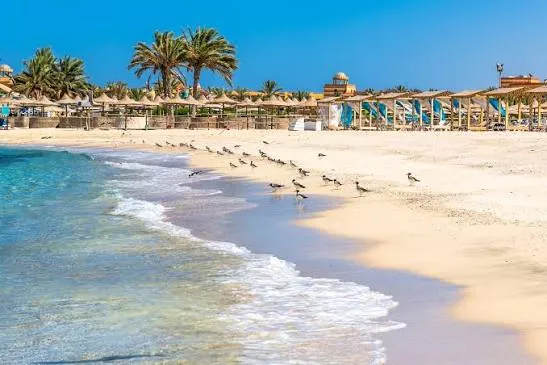
Abu Dabbab Beach is located on Egypt’s southern Red Sea coast, approximately 30–35 kilometers north of Marsa Alam town. Its position makes it easily accessible from many hotels and resorts in the Marsa Alam area, while its proximity to the main coastal road makes it a convenient destination for a day trip. The bay is also relatively close to Marsa Alam International Airport, making it an attractive location for travelers arriving in the region. What makes Abu Dabbab Bay Marsa Alam different from many other beaches is its combination of beautiful scenery and exceptional marine biodiversity. The bay forms a sheltered horseshoe shape, with reef structures protecting its northern and southern sides. Inside the bay, sandy areas and extensive seagrass meadows create an ideal environment for marine animals. The combination of shallow water, seagrass, and coral reefs makes Abu Dabbab particularly attractive for snorkeling and diving. The beach itself is wide and sandy, providing easy access to the sea. Visitors do not necessarily need a boat to experience the underwater environment, as snorkeling and shore diving can begin directly from the beach. This easy access is one of the main reasons why Abu Dabbab snorkeling is suitable for different experience levels. Beginners can enjoy the shallow areas, while more experienced divers can explore the reef formations and deeper sections with professional guidance. Another important feature is the protected marine environment. Abu Dabbab is recognized for its valuable marine habitats, particularly its seagrass meadows. These underwater meadows are essential feeding grounds for green sea turtles and can also attract dugongs. The presence of these animals has given Abu Dabbab international attention among wildlife enthusiasts and underwater photographers. For visitors staying in Marsa Alam, Abu Dabbab offers the perfect combination of relaxation and adventure. You can spend part of the day enjoying the sandy beach and clear water, then put on a mask and snorkel to discover colorful fish, coral formations, turtles, and other marine life. This combination makes Abu Dabbab Beach Marsa Alam much more than an ordinary beach. It is a destination where travelers can enjoy the natural beauty of the Red Sea while experiencing one of Egypt’s most remarkable marine ecosystems.
2. Abu Dabbab Snorkeling: Swim with Green Sea Turtles
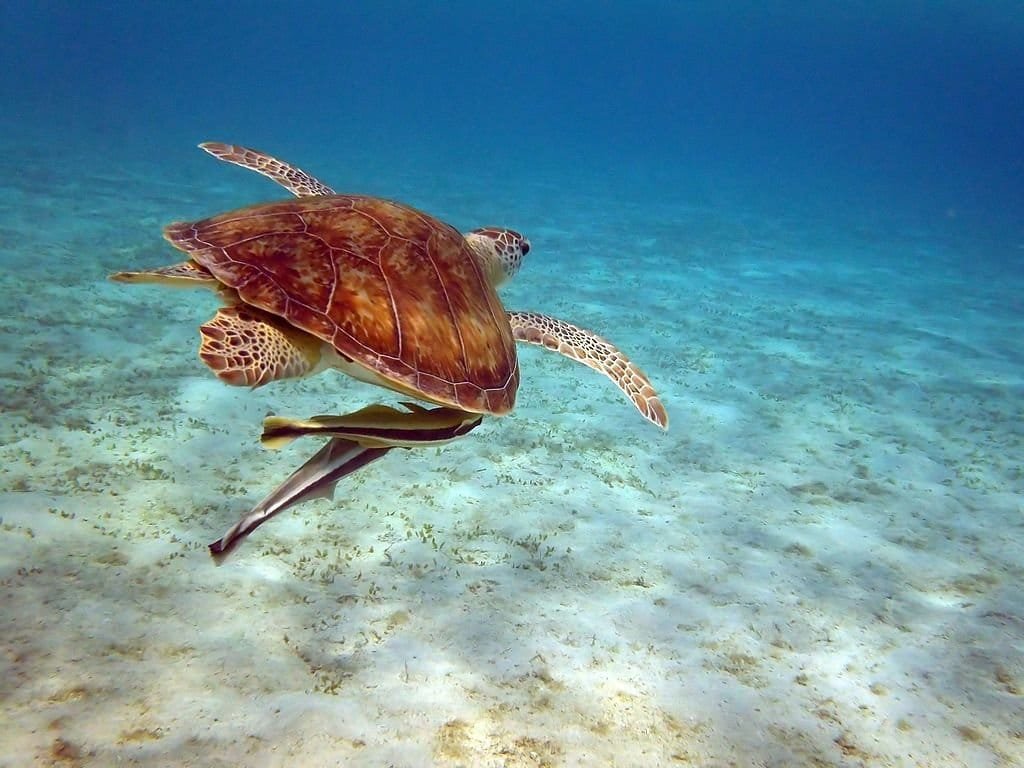
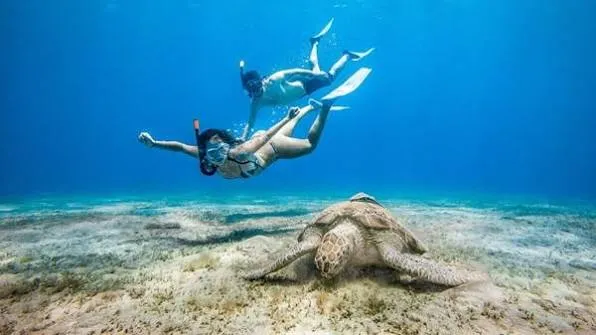
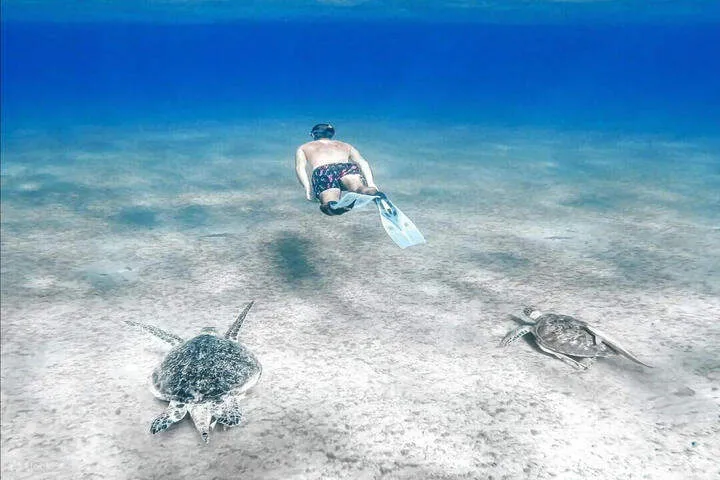
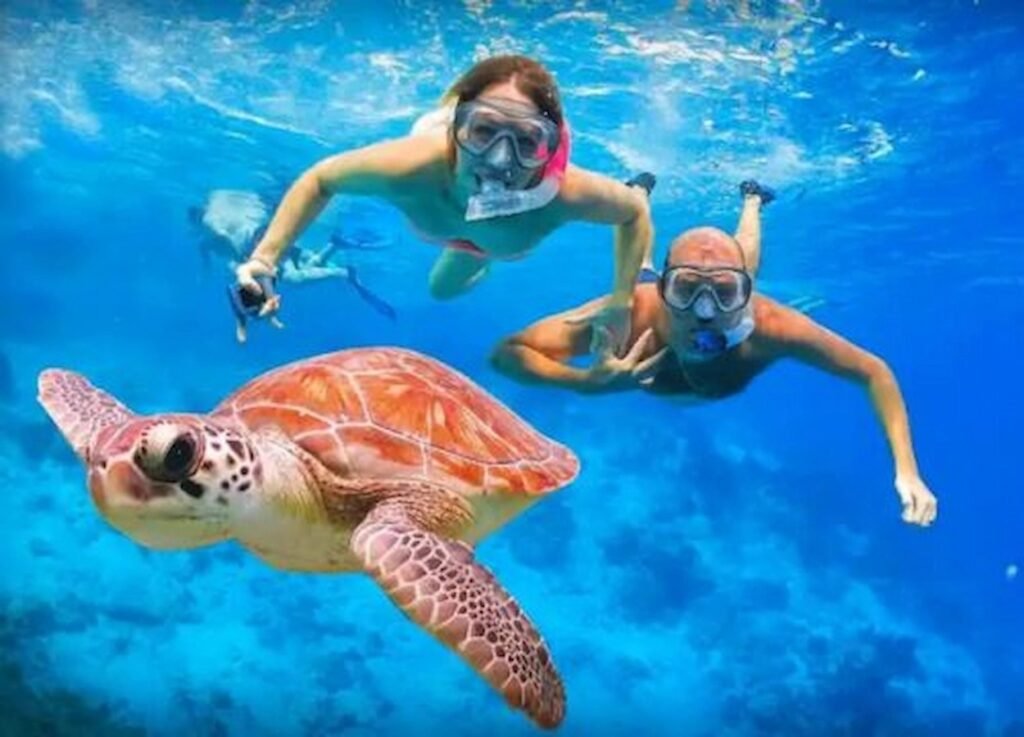
One of the biggest reasons travelers visit Abu Dabbab Beach Marsa Alam is the opportunity to go snorkeling with green sea turtles. The bay contains extensive seagrass meadows that provide an important food source for these magnificent marine animals. Because the turtles can often be found in relatively shallow water close to the beach, Abu Dabbab is considered one of the most accessible places in the Red Sea for travelers hoping to observe turtles in their natural environment. A typical Abu Dabbab snorkeling experience begins directly from the beach. Visitors can enter the water and gradually swim toward the seagrass areas, where turtles may be feeding. The shallow environment can be particularly comfortable for beginners and families, while experienced snorkelers can explore farther toward the reef areas. Clear water and colorful marine life make the experience enjoyable even when turtles are not immediately visible. Green sea turtles are fascinating animals to observe. They often move slowly across the seagrass, using their beaks to feed before swimming calmly through the water. Seeing a large turtle underwater can be an unforgettable experience, especially for visitors who have never encountered one in the wild. However, responsible behavior is extremely important. Visitors should never touch, chase, feed, or block the path of a turtle. Maintaining a respectful distance allows the animal to continue feeding and behaving naturally. Snorkelers should also avoid standing on seagrass or coral and should pay close attention to the instructions of guides and local conservation staff. The best part of Abu Dabbab Beach snorkeling is that the experience does not depend entirely on a boat excursion. The marine environment can be accessed from shore, making the activity convenient and suitable for travelers who prefer a relaxed beach day. Professional snorkeling guides can also help visitors understand where marine life is commonly observed and how to interact responsibly with the environment. For families, couples, photographers, and nature lovers, snorkeling with turtles at Abu Dabbab can become one of the highlights of a trip to Egypt. The combination of easy access, shallow water, beautiful reefs, and resident green turtles makes Abu Dabbab Bay one of the most popular snorkeling destinations in Marsa Alam. If you are looking for a unique Red Sea snorkeling experience, Abu Dabbab offers the rare opportunity to combine a beautiful beach day with the chance to observe one of the ocean’s most fascinating creatures in its natural habitat.
3. Abu Dabbab Dugong: The Rare Sea Cow of Marsa Alam
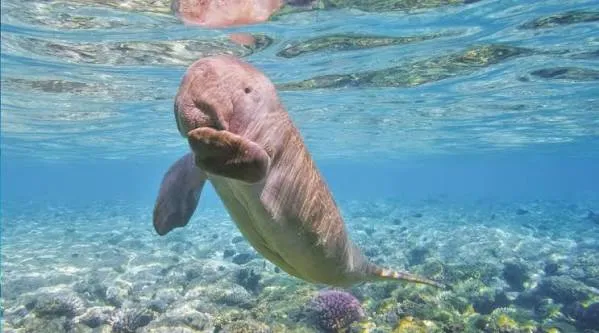
One of the most exciting reasons to visit Abu Dabbab Beach Marsa Alam is the possibility of encountering a dugong, a rare marine mammal commonly known as the “sea cow.” Dugongs are closely associated with shallow coastal seagrass habitats, and Abu Dabbab Bay is one of the best-known places in Egypt to look for them. The extensive seagrass meadows inside the bay provide an important feeding environment, which is why dugongs occasionally visit the area to graze. Seeing a wild dugong underwater can be an extraordinary experience. These large, gentle animals move slowly across the seagrass while feeding, occasionally rising toward the surface to breathe. Their calm movements make them fascinating to observe, especially when seen from a respectful distance. For many visitors, the possibility of seeing a dugong transforms a normal Marsa Alam snorkeling trip into a once-in-a-lifetime wildlife adventure. However, it is important to remember that dugongs are wild animals and sightings are never guaranteed. Even in one of their best-known habitats, a dugong may be feeding in another part of the bay or may not visit the area during your excursion. Responsible tour operators do not bait, chase, surround, or otherwise interfere with marine animals in order to produce a sighting. If you are lucky enough to encounter a dugong during Abu Dabbab snorkeling, the best approach is to remain calm and allow the animal to control the interaction. Visitors should never touch or chase the dugong, block its movement, or attempt to force it closer for a photograph. Maintaining a respectful distance protects both the animal and the visitor and allows the encounter to remain natural. The seagrass habitat itself is also worth appreciating. Although it may look simple compared with a colorful coral reef, seagrass meadows are extremely important marine ecosystems. They provide feeding grounds for dugongs and turtles and create habitat for many smaller marine organisms. The presence of these meadows is one of the main ecological features that makes Abu Dabbab Bay Marsa Alam so special. For wildlife enthusiasts, photographers, and travelers looking for something beyond traditional sightseeing, the possibility of encountering a dugong is one of the greatest attractions of Abu Dabbab. Combined with the resident green turtles, coral reefs, and beautiful sandy beach, it makes this bay one of the most remarkable marine destinations in Egypt.

4. Abu Dabbab Diving: Explore the Coral Reefs and Seagrass Meadows
While Abu Dabbab snorkeling is accessible to many visitors, the bay is also an excellent destination for scuba diving. Its shallow, sheltered environment makes it particularly attractive to beginner divers, certified divers, and underwater photographers who want to explore the marine life of the Red Sea without dealing with strong currents or extreme depths. The main bay generally offers relatively shallow diving, with sandy areas, seagrass meadows, and coral reef formations creating a diverse underwater landscape. One of the most interesting characteristics of Abu Dabbab diving is the combination of different habitats. Divers can move between sandy sections, seagrass meadows, and coral reef areas during the same dive. The seagrass attracts green sea turtles and occasionally dugongs, while the reef sections are home to colorful tropical fish and other Red Sea species. The relatively shallow nature of the bay allows divers to spend more time exploring and observing marine life. Instead of focusing primarily on depth, Abu Dabbab dives are usually about discovering wildlife and enjoying the underwater scenery. This makes the site particularly attractive to photographers who want time to compose photographs of turtles, reef fish, coral, and other marine creatures. Divers may encounter green turtles feeding in the seagrass or resting in sandy areas. Other marine life can include rays, reef fish, and smaller creatures living around the coral formations. The exact species seen during a dive naturally depends on the season, weather, visibility, and daily conditions. Another advantage is the accessibility of the site. Abu Dabbab Bay can be explored as a shore-entry dive, meaning divers can enter directly from the sandy beach rather than relying entirely on a boat. This makes the site particularly convenient for beginners and for travelers who prefer shorter, more relaxed diving experiences. Safety and environmental responsibility remain essential. Divers should maintain good buoyancy control, avoid touching coral, and keep a respectful distance from turtles and dugongs. Marine animals should never be chased or handled for photographs. For travelers interested in diving in Marsa Alam, Abu Dabbab offers an excellent combination of accessibility, marine biodiversity, and beautiful underwater scenery. Whether you are completing your first dive or are an experienced diver looking for wildlife encounters, the bay provides a fascinating window into the underwater world of the Egyptian Red Sea.

5. The Coral Reefs and Marine Life of Abu Dabbab Bay
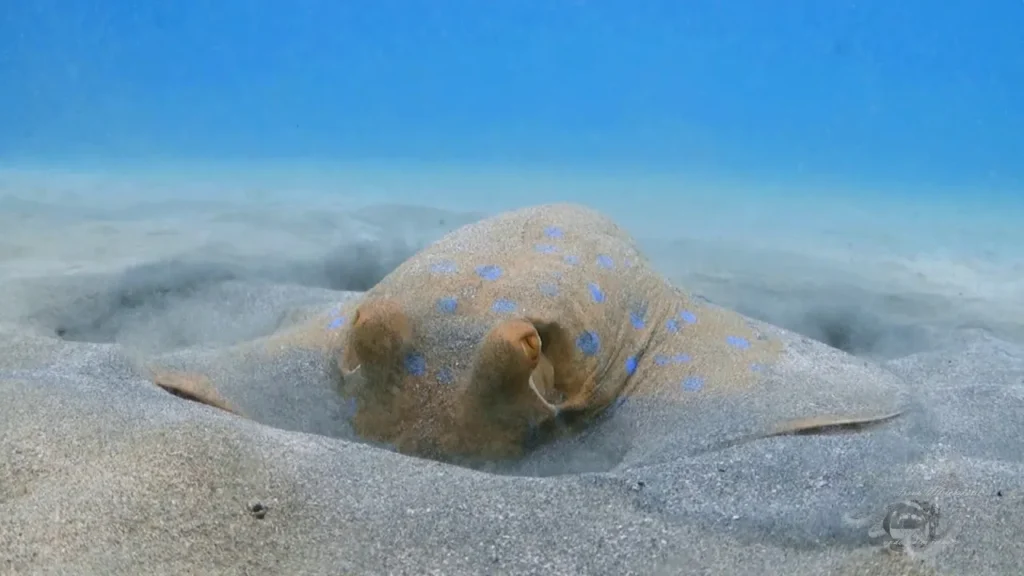
The marine environment of Abu Dabbab Bay Marsa Alam is much more than a habitat for turtles and dugongs. The bay also contains coral reef areas that support a wide variety of colorful fish and other marine organisms. The combination of sandy seabed, seagrass meadows, and coral formations creates several different underwater habitats within the same bay, making it an excellent destination for both snorkeling and diving in Marsa Alam. The coral reef sections are particularly attractive for visitors who enjoy observing colorful tropical fish. Depending on the location and conditions, snorkelers and divers may encounter schools of reef fish moving around coral formations, while smaller creatures can often be found hiding among the reef structures. The bright colors of the fish and corals create excellent opportunities for underwater photography. The sandy areas of the bay are equally important. They provide resting and feeding areas for several marine species and connect the coral reefs with the extensive seagrass meadows. This variety helps explain why Abu Dabbab Beach attracts such a high concentration of marine life. The bay functions as a small but diverse underwater ecosystem where different habitats support one another. Green sea turtles are one of the most recognizable residents. They frequently visit the seagrass areas to feed and can sometimes be observed by snorkelers from the surface. The possibility of seeing a turtle only a short distance from the beach is one of the reasons why Abu Dabbab has become famous among visitors to Marsa Alam. Rays and other reef species may also be encountered, while the coral edges can reveal smaller and more unusual marine creatures. Every snorkeling or diving session can be different, and part of the excitement comes from not knowing exactly what you will discover beneath the surface. Protecting the reef is extremely important. Coral is a living ecosystem and can be damaged easily by physical contact. Snorkelers should avoid standing on coral, while divers should maintain good buoyancy and avoid kicking the reef with their fins. Feeding fish or attempting to touch marine animals should also be avoided. For visitors looking for the best Red Sea marine life experience, Abu Dabbab provides an exceptional combination of accessibility and biodiversity. You do not need to travel far offshore to discover a fascinating underwater environment. From the sandy beach to the seagrass meadow and coral reef, every part of the bay contributes to the unique character of Abu Dabbab Marsa Alam.
6. Abu Dabbab Beach: A Perfect Place for Relaxation
Abu Dabbab Beach Marsa Alam is not only famous for its marine life but also for its beautiful sandy coastline and peaceful atmosphere. The wide beach provides an excellent place to relax after snorkeling or diving, while the clear shallow water creates a beautiful setting for swimming and enjoying the Red Sea. For travelers looking for a combination of beach relaxation and wildlife encounters, Abu Dabbab offers one of the most complete experiences in the Marsa Alam region. One of the main advantages of Abu Dabbab Beach is its easy access to the water. Unlike some Red Sea destinations where visitors need to walk across rocky shorelines or use a boat to reach suitable swimming areas, Abu Dabbab has sandy sections that make entering the sea much easier. This accessibility is one of the reasons why the bay is popular with families, beginners, and travelers who simply want to enjoy a comfortable day beside the Red Sea. The scenery around the beach is also impressive. The turquoise water contrasts beautifully with the pale sand and the dry desert landscape surrounding the bay. Looking toward the sea, visitors can enjoy spectacular views of the Red Sea, while the opposite direction reveals the characteristic landscapes of Egypt’s Eastern Desert. This combination creates a peaceful environment that feels far removed from the busy streets of major Egyptian cities. For couples, Abu Dabbab Bay can provide a relaxing escape where they can spend the day swimming, snorkeling, walking along the beach, and enjoying the scenery. Families can also enjoy the beach while older children and adults explore the shallow marine areas. However, swimming conditions can change, so visitors should always follow local safety instructions and pay attention to their guides. The beach is also a wonderful place for photography. The combination of white or pale sand, clear turquoise water, desert surroundings, and boats or reef landscapes can create beautiful travel photographs. Early morning and late afternoon often provide softer natural light and a more peaceful atmosphere. Although Abu Dabbab has become a popular tourist destination, protecting its natural character remains important. Visitors should avoid leaving plastic or other waste on the beach and should respect designated areas and local regulations. For travelers searching for the best Marsa Alam beaches, Abu Dabbab offers something that many other beaches cannot: the chance to combine a beautiful sandy coastline with exceptional marine wildlife. You can relax on the beach, swim in clear water, and then explore one of the Red Sea’s most fascinating underwater environments—all in the same location.
7. Abu Dabbab for Families: A Great Marsa Alam Experience
For families visiting Egypt’s Red Sea coast, Abu Dabbab Beach Marsa Alam can be an excellent destination for a day of relaxation and adventure. The combination of a sandy beach, relatively shallow coastal areas, colorful marine life, and easy access to snorkeling makes the bay suitable for families with different interests. Parents can enjoy the scenery and peaceful atmosphere while children can discover the fascinating world beneath the surface under appropriate supervision. One of the biggest advantages for families is the sandy beach. Some Red Sea beaches have rocky entrances or require visitors to use jetties to enter deeper water, but Abu Dabbab Bay offers sandy sections that can make access easier. Families should still check daily sea conditions and follow local safety instructions, particularly when children are swimming or snorkeling. Older children can enjoy their first snorkeling experience at Abu Dabbab. With a mask, snorkel, and proper supervision, they may be able to observe colorful fish and coral formations in the clear water. The possibility of seeing a green sea turtle can make the experience especially exciting. Watching a large turtle calmly moving through the water can create a memorable travel experience for children and adults alike. Families should be reminded that marine animals are wild creatures. A turtle or dugong should never be touched, chased, or fed. Children should be taught to observe animals quietly and maintain a safe distance. These simple habits help protect wildlife while also teaching younger travelers about responsible tourism and marine conservation. A Marsa Alam family excursion to Abu Dabbab can also be combined with other activities. Depending on the family’s interests and the available itinerary, the day can include beach relaxation, snorkeling, photography, and time exploring the surrounding area. Families who prefer a more personalized experience may choose private transportation and a flexible schedule. The natural environment also provides an excellent educational opportunity. Parents can explain how coral reefs provide habitats for fish, how seagrass supports turtles and dugongs, and why protecting the Red Sea is important. A simple beach day can therefore become an enjoyable lesson about marine ecosystems and conservation. For families looking for things to do in Marsa Alam, Abu Dabbab offers a rare balance between comfort and adventure. It is accessible enough for beginners while still providing fascinating wildlife experiences for experienced travelers. Whether your family wants to swim, relax, snorkel, photograph marine life, or simply enjoy one of Egypt’s most beautiful beaches, Abu Dabbab Marsa Alam provides a memorable experience for visitors of different ages.
8. The Best Time to Visit Abu Dabbab Beach
Choosing the right time to visit Abu Dabbab Beach Marsa Alam can make your experience more comfortable and enjoyable. Marsa Alam has a warm desert climate and is known for sunshine throughout most of the year, making it possible to enjoy the beach and Red Sea activities in every season. However, temperatures, wind conditions, and your preferred activities can influence the ideal time for an Abu Dabbab snorkeling trip. For many travelers, the period from October to April offers comfortable conditions for exploring the Marsa Alam region. Temperatures are generally more pleasant for spending several hours outdoors, making this period particularly attractive for beach visits, snorkeling, diving, photography, and sightseeing. Travelers who want to combine Abu Dabbab with other desert or coastal attractions may also appreciate the cooler weather during these months. Winter is especially popular with visitors from Europe and other colder parts of the world. While many countries experience low temperatures during this period, Marsa Alam Egypt continues to offer sunny days and opportunities to enjoy the Red Sea. The water remains suitable for swimming and snorkeling, although daily sea conditions can vary depending on wind and weather. Spring and autumn can also be excellent times to visit Abu Dabbab Bay Marsa Alam. These seasons often provide a comfortable balance between warm temperatures and pleasant outdoor conditions. They are particularly suitable for travelers who want to spend time both on the beach and in the water without dealing with the strongest summer heat. The summer months, from approximately June to September, can be extremely hot. However, visitors can still enjoy Abu Dabbab Beach during this period by planning activities carefully. Early morning visits can be more comfortable, while sunscreen, sunglasses, a hat, lightweight clothing, and plenty of drinking water are essential. Sea conditions should always be considered when planning snorkeling or diving. Wind and waves can change from one day to another, and local guides can provide the best advice about current conditions and safe swimming areas. Wildlife enthusiasts should also remember that seeing turtles or a dugong is never guaranteed. These are wild animals, and their movements depend on natural conditions. Regardless of the season, Abu Dabbab Marsa Alam remains one of the most exciting destinations on the Red Sea coast. With good planning and respect for local safety and environmental guidelines, visitors can enjoy a memorable day of swimming, snorkeling, wildlife observation, and relaxation.
9. How to Visit Abu Dabbab from Marsa Alam
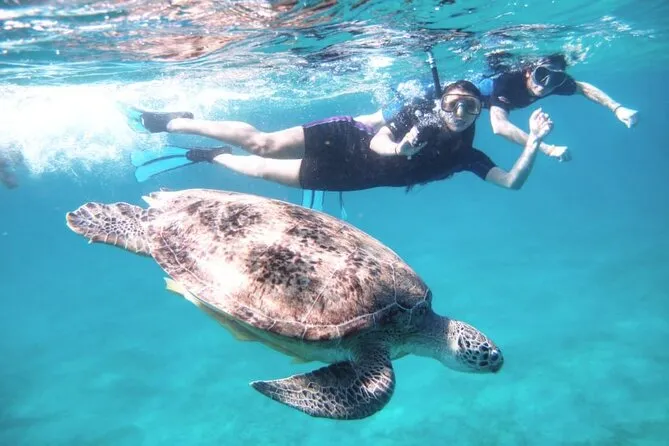
Visiting Abu Dabbab from Marsa Alam is relatively easy, which is one of the reasons why the destination is so popular with travelers. The bay is located approximately 30–35 kilometers north of Marsa Alam town, making it convenient for a half-day or full-day excursion. Its location along the Red Sea coast also makes it accessible from several nearby hotels and resorts. The most convenient option for many visitors is to book an organized Abu Dabbab tour from Marsa Alam. A typical excursion can include hotel pickup and return transportation in an air-conditioned vehicle, allowing travelers to enjoy the journey without worrying about directions or transportation arrangements. Depending on the tour, snorkeling equipment, guides, and other services may also be available. The journey from Marsa Alam to Abu Dabbab takes travelers through the beautiful landscapes of Egypt’s Eastern Desert. As you leave the resort areas, the scenery becomes increasingly natural, with rocky desert landscapes and views of the Red Sea. The short drive makes Abu Dabbab an ideal destination for travelers who do not want to spend an entire day traveling. Upon arrival, visitors can enjoy the sandy beach and clear water before beginning their Abu Dabbab snorkeling adventure. Those interested in marine wildlife can explore the seagrass areas where green turtles are often observed. Experienced snorkelers and divers may also explore reef areas under appropriate conditions and with professional guidance. A private Abu Dabbab tour can be an excellent option for couples, families, and small groups. Private transportation provides greater flexibility, allowing travelers to spend more time snorkeling or relaxing on the beach. It can also be combined with other Marsa Alam attractions if time allows. Visitors should bring suitable beach clothing, sunscreen, sunglasses, a hat, drinking water, and a towel. If snorkeling equipment is not included in the chosen excursion, travelers should make sure they have suitable equipment before entering the water. Most importantly, visitors should respect the marine environment. Turtles, dugongs, coral reefs, and seagrass should never be disturbed. Touching or feeding animals can negatively affect their natural behavior, while standing on coral can cause serious damage. For travelers looking for convenient Marsa Alam excursions, Abu Dabbab is an excellent choice. Its close location, beautiful beach, accessible snorkeling, and famous marine life make it one of the easiest and most rewarding day trips in the region.

10. Why Abu Dabbab Is One of the Best Attractions in Marsa Alam
Among the many Marsa Alam attractions, Abu Dabbab Beach has a special reputation because it combines beautiful scenery with some of the most exciting marine wildlife experiences in Egypt. The destination is not simply a place to relax beside the Red Sea. It is a complete natural experience where visitors can enjoy a sandy beach, clear water, coral reefs, seagrass meadows, colorful fish, green sea turtles, and the possibility of encountering a rare dugong. One of the biggest advantages of Abu Dabbab Bay Marsa Alam is its accessibility. Visitors can reach important marine habitats directly from the beach, meaning that a boat trip is not always necessary to enjoy the underwater environment. This makes Abu Dabbab particularly attractive to families, beginners, and travelers who prefer a relaxed snorkeling experience. The bay's sandy coastline is another major attraction. Visitors can spend time swimming, relaxing, walking along the beach, or simply enjoying the peaceful Red Sea scenery. At the same time, those looking for adventure can put on their snorkeling equipment and explore the marine environment. The presence of green sea turtles is perhaps the feature that makes Abu Dabbab most famous. The seagrass meadows provide an important feeding habitat, allowing visitors to sometimes observe turtles in relatively shallow water. The possibility of seeing a dugong makes the experience even more exciting, although sightings of this rare animal can never be guaranteed. For diving enthusiasts, Abu Dabbab diving provides an opportunity to explore coral formations, sandy areas, and seagrass habitats. Underwater photographers can also find excellent subjects, from colorful reef fish and coral to turtles and other marine creatures. Beyond wildlife, Abu Dabbab represents the natural beauty of Marsa Alam Egypt. The contrast between the turquoise Red Sea and the surrounding Eastern Desert creates a spectacular landscape that is ideal for photography and relaxation. The destination is also a good example of why responsible tourism matters. The marine ecosystem is valuable and fragile, and visitors have an important role in protecting it. Avoiding contact with coral, keeping a safe distance from wildlife, and taking all waste away from the beach are simple but essential actions. For anyone planning a holiday on Egypt's Red Sea coast, Abu Dabbab Marsa Alam deserves a place on the itinerary. Whether you are interested in snorkeling, diving, wildlife, photography, or simply relaxing on a beautiful beach, Abu Dabbab offers a memorable combination of experiences that makes it one of the best places to visit in Marsa Alam.

11. Responsible Tourism and Marine Conservation at Abu Dabbab
The natural beauty of Abu Dabbab Beach Marsa Alam depends on the health of its marine ecosystem, which makes responsible tourism extremely important. The bay is famous for its green sea turtles, seagrass meadows, coral reefs, colorful fish, and the possibility of seeing a dugong. These natural attractions are not simply entertainment for visitors; they are part of a fragile ecosystem that needs careful protection. Travelers can play an important role in preserving Abu Dabbab by making responsible choices during their visit. One of the most important rules when enjoying Abu Dabbab snorkeling is to maintain a respectful distance from marine animals. Green sea turtles should never be touched, chased, fed, or surrounded by swimmers. If a turtle approaches a visitor naturally, the best approach is to remain calm and allow the animal to continue its normal behavior. The same principle applies to dugongs and other marine creatures. The seagrass meadows are particularly valuable because they provide feeding habitats for turtles and dugongs. Although seagrass may not appear as spectacular as a colorful coral reef, it is an essential part of the marine ecosystem. Visitors should avoid standing on or damaging seagrass while snorkeling or swimming. Coral reefs also require special care. Snorkelers should never stand on coral, while divers should maintain good buoyancy and keep their equipment away from reef structures. Even small areas of physical contact can damage living coral, which may take many years to recover. Keeping Abu Dabbab Beach clean is equally important. Visitors should take plastic bottles, food packaging, and other waste with them and use designated bins whenever available. Reducing single-use plastic and avoiding unnecessary waste can help protect both the beach and the sea. Responsible tourism can also benefit local communities. Choosing professional local guides and reputable tour operators helps create employment opportunities while encouraging visitors to learn about the area's natural and cultural heritage. Good guides can explain the correct way to observe wildlife and help ensure that excursions follow local regulations. For travelers interested in ecotourism in Marsa Alam, Abu Dabbab provides an excellent example of how tourism and conservation can work together. The goal is not simply to see a turtle or photograph a dugong, but to experience the marine environment without harming it. By respecting wildlife, coral reefs, seagrass, and the beach, every visitor can help preserve the beauty of Abu Dabbab Bay Marsa Alam. Responsible travel ensures that this extraordinary Red Sea destination can continue to welcome nature lovers and wildlife enthusiasts for many years to come.
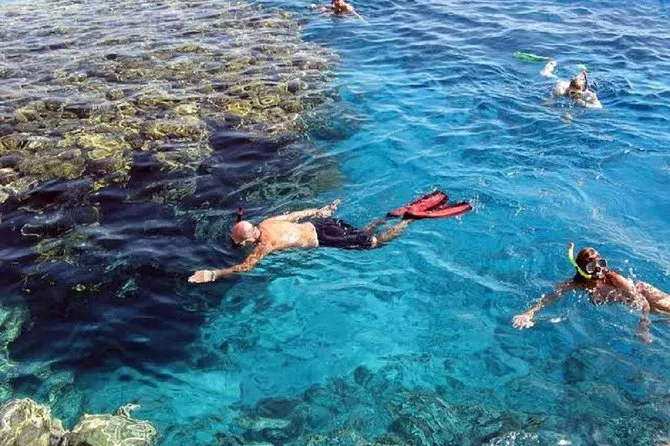
12. Final Thoughts: Experience the Magic of Abu Dabbab Beach Marsa Alam
Abu Dabbab Beach Marsa Alam is one of the most remarkable destinations on Egypt's Red Sea coast, offering a rare combination of natural beauty, marine wildlife, and easy access. From its wide sandy beach and crystal-clear water to its coral reefs and seagrass meadows, Abu Dabbab provides visitors with an unforgettable opportunity to experience the underwater world of the Red Sea. The bay is particularly famous for its green sea turtles, which are attracted to the seagrass areas to feed. For many travelers, the chance to observe these magnificent animals in their natural habitat becomes the highlight of their holiday. The possibility of encountering the rare dugong makes the experience even more exciting, although wildlife sightings always depend on natural conditions and can never be guaranteed. For snorkeling enthusiasts, Abu Dabbab snorkeling is one of the best experiences available in Marsa Alam. The easy beach access allows visitors to explore the marine environment without necessarily joining a boat trip. Beginners can enjoy the shallow areas, while experienced snorkelers and divers can discover coral formations and additional marine habitats. The beach itself is equally appealing. Travelers can spend the day swimming, relaxing on the sand, taking photographs, or simply enjoying the peaceful atmosphere of the Red Sea. Families can appreciate the convenient beach access, couples can enjoy the beautiful scenery, and nature lovers can spend hours observing the remarkable wildlife. For diving enthusiasts, Abu Dabbab diving provides another way to explore the bay. The combination of coral reefs, sandy areas, seagrass meadows, and marine life creates an interesting underwater environment suitable for different levels of experience. However, the true value of Abu Dabbab lies in its natural environment. Protecting the bay is essential, and every visitor should contribute by respecting marine animals, avoiding contact with coral and seagrass, and keeping the beach clean. Responsible tourism allows travelers to enjoy this beautiful destination without damaging the ecosystems that make it special. If you are planning a holiday in Marsa Alam Egypt, adding Abu Dabbab to your itinerary is an excellent choice. Whether you are searching for the best Marsa Alam beaches, unforgettable snorkeling, marine wildlife, or a relaxing day beside the Red Sea, Abu Dabbab offers an experience that is difficult to forget. From swimming alongside sea turtles to exploring colorful coral reefs and relaxing on the sandy shoreline, Abu Dabbab Bay Marsa Alam represents the incredible natural beauty of Egypt's Red Sea. It is more than just a beach—it is a unique marine destination where adventure, relaxation, wildlife, and nature come together in one unforgettable experience.