

- Excursions in Egypt
- Egypt Tour Packages
- Cairo Tours and Excursions
- Hurghada Tours and Excursions
- Soma Bay Tours and Excursions
- Makadi Bay Tours and Excursions
- Sahl Hasheesh Tours and Excursions
- El Gouna Tours and Excursions
- Marsa Alam Tours and Excursions
- Port Ghalib Tours and Excursions
- El Quseir Tours and Excursions
- Dendera and Abydos Day Tours
- Aswan Tours and Excursions
- Luxor Tours and Excursions
- Sharm El Sheikh Tours and Excursions
- Top Rated Egypt Tours in 2026
- Optional Excursions in Egypt
- Private Transfer
- Blogs About egypt
- Ancient Egypt
- Historical Sites in Egypt
- Cairo
- Alexandria
- Luxor
- Aswan
- The Red Sea
- Dendera Temple
- El Fayoum Oasis
- Bahariya Oasis
- Siwa Oasis
- Al Alamein
- Marsa Matruh
- Why Egypt Is One of the Safest Countries to Visit in the Middle East
- What You Need To know Before Your First Trip To Egypt
- Egypt Travel Costs in 2026 Full Budget Guide
- Top 10 Tourist Activities in Egypt
- Top 50 Activities You Can’t Miss in Egypt in 2026
- The Guide to Guided Tours in Egypt
- Egypt’s Ancient and Modern History
- The Nile River
- The Deserts of Egypt
- Ancient Egyptian gods
- famous Egyptian dishes
- UNESCO World Heritage sites
- About Us
- Egypt Hotels and Resorts
- Excursions in Egypt
- Egypt Tour Packages
- Cairo Tours and Excursions
- Hurghada Tours and Excursions
- Soma Bay Tours and Excursions
- Makadi Bay Tours and Excursions
- Sahl Hasheesh Tours and Excursions
- El Gouna Tours and Excursions
- Marsa Alam Tours and Excursions
- Port Ghalib Tours and Excursions
- El Quseir Tours and Excursions
- Dendera and Abydos Day Tours
- Aswan Tours and Excursions
- Luxor Tours and Excursions
- Sharm El Sheikh Tours and Excursions
- Top Rated Egypt Tours in 2026
- Optional Excursions in Egypt
- Private Transfer
- Blogs About egypt
- Ancient Egypt
- Historical Sites in Egypt
- Cairo
- Alexandria
- Luxor
- Aswan
- The Red Sea
- Dendera Temple
- El Fayoum Oasis
- Bahariya Oasis
- Siwa Oasis
- Al Alamein
- Marsa Matruh
- Why Egypt Is One of the Safest Countries to Visit in the Middle East
- What You Need To know Before Your First Trip To Egypt
- Egypt Travel Costs in 2026 Full Budget Guide
- Top 10 Tourist Activities in Egypt
- Top 50 Activities You Can’t Miss in Egypt in 2026
- The Guide to Guided Tours in Egypt
- Egypt’s Ancient and Modern History
- The Nile River
- The Deserts of Egypt
- Ancient Egyptian gods
- famous Egyptian dishes
- UNESCO World Heritage sites
- About Us
- Egypt Hotels and Resorts
Welcome to
Luxor Uncovered: 18 Essential Experiences in the Heart of Ancient Egyptian Civilization
Step into a world where time stands still and the echoes of powerful pharaohs resonate through the corridors of eternity. Luxor, often hailed as the “World’s Greatest Open-Air Museum,” is not merely a city in Upper Egypt; it is a living portal to a civilization that defied the limits of human imagination. Nestled along the fertile banks of the Nile River, this majestic destination holds the keys to the New Kingdom of Ancient Egypt, offering an unparalleled concentration of archaeological wonders, from the sun-drenched pillars of the Karnak Temple Complex to the clandestine, treasure-filled chambers of the Valley of the Kings.
For the modern traveler, Luxor is a sensory masterpiece. Imagine the golden hue of the Theban Hills at dawn, the serene glide of a traditional felucca on the Nile, and the vibrant pulse of a local souq filled with the scent of age-old spices. Whether you are a history enthusiast seeking the secrets of Tutankhamun, a luxury seeker looking for a world-class Nile cruise, or an adventurer ready to soar in a hot air balloon over the world’s most iconic necropolis, Luxor promises an experience that transcends the ordinary. In this comprehensive guide, we delve deep into the heart of Ancient Thebes, uncovering the best places to visit, the hidden gems of the West Bank, and the essential travel tips you need to navigate this eternal marvel. Welcome to the crown jewel of global tourism—welcome to Luxor.

1. Luxor: The Eternal Legacy of Ancient Thebes and the Cradle of Civilization
Luxor, a city that breathes history through its golden sands and limestone monuments, stands unparalleled as the premier destination for cultural tourism globally. Often referred to as the "World’s Greatest Open-Air Museum," this majestic city in Upper Egypt is the modern-day incarnation of Ancient Thebes, the glorious capital of the New Kingdom pharaohs. For over five hundred years, during the 16th to the 11th century BCE, Luxor was the pulsating heart of the Egyptian Empire, serving as the political, religious, and military epicenter of the ancient world. Today, the city is a mesmerizing tapestry where the whispers of the past meet the vibrancy of modern Egyptian life. Travelers flock here not just to see stones and ruins, but to witness the pinnacle of human architectural ingenuity and spiritual devotion. From the colossal columns of Karnak to the hidden chambers of the Valley of the Kings, Luxor offers a profound journey through time, making it a "bucket list" destination for historians, adventurers, and luxury seekers alike.
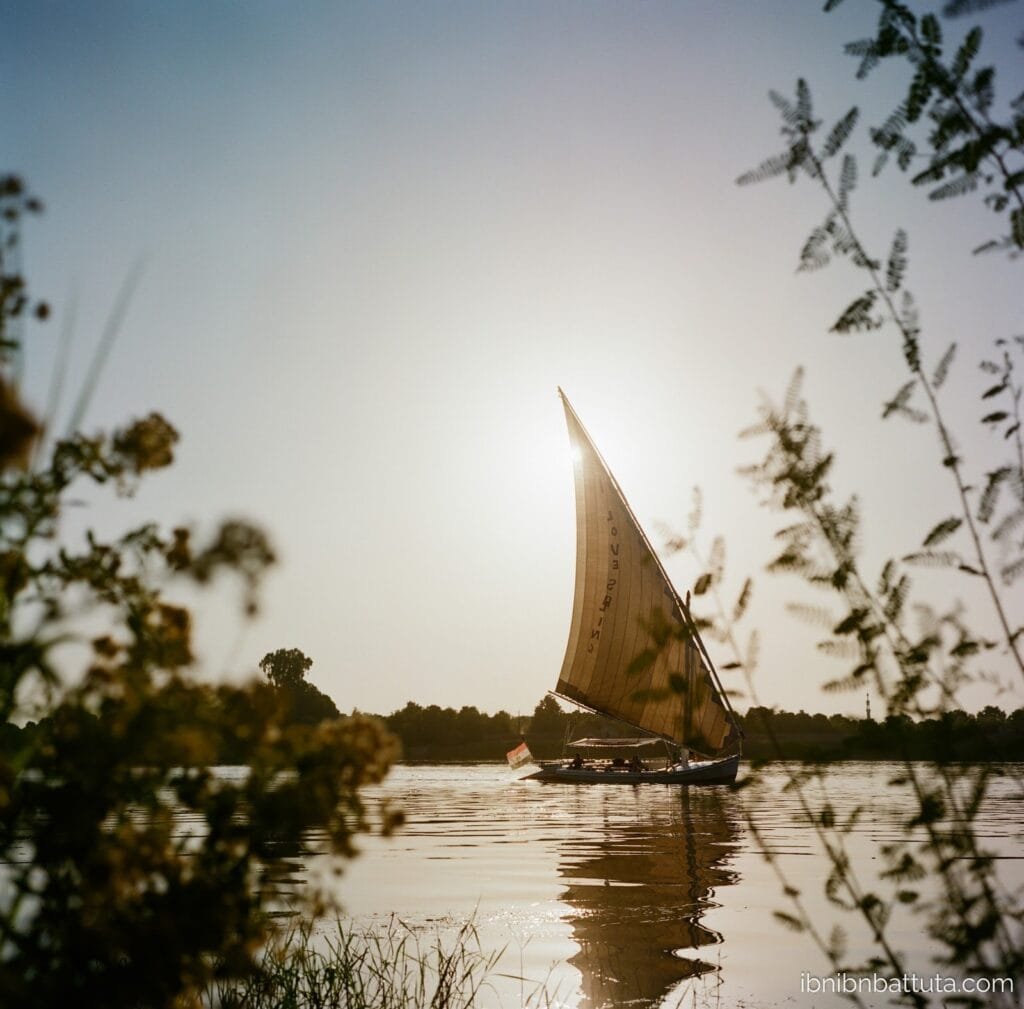
2. The Geographical Splendor of the Nile: A City Divided by Myth and Life
The identity of Luxor is inextricably linked to the Nile River, the lifeblood of Egypt that carves the city into two distinct realms: the East Bank and the West Bank. In ancient Egyptian cosmology, this geographical divide was more than just a physical separation; it represented the cycle of life and death. The East Bank, where the sun rises, was the "City of the Living," a bustling metropolis of palaces, administrative centers, and grand temples dedicated to the gods. Conversely, the West Bank, where the sun sets into the horizon, was the "City of the Dead," the sacred necropolis where pharaohs sought eternal life in elaborate rock-cut tombs. This dualistic nature still defines the tourist experience today. Navigating between the two banks—whether by a traditional wooden felucca or the local ferry—provides a sensory transition from the vibrant markets and luxury riverfront resorts of the East to the hauntingly beautiful, silent limestone cliffs of the West. This unique layout ensures that every sunrise and sunset in Luxor is a reenactment of an ancient divine ritual.
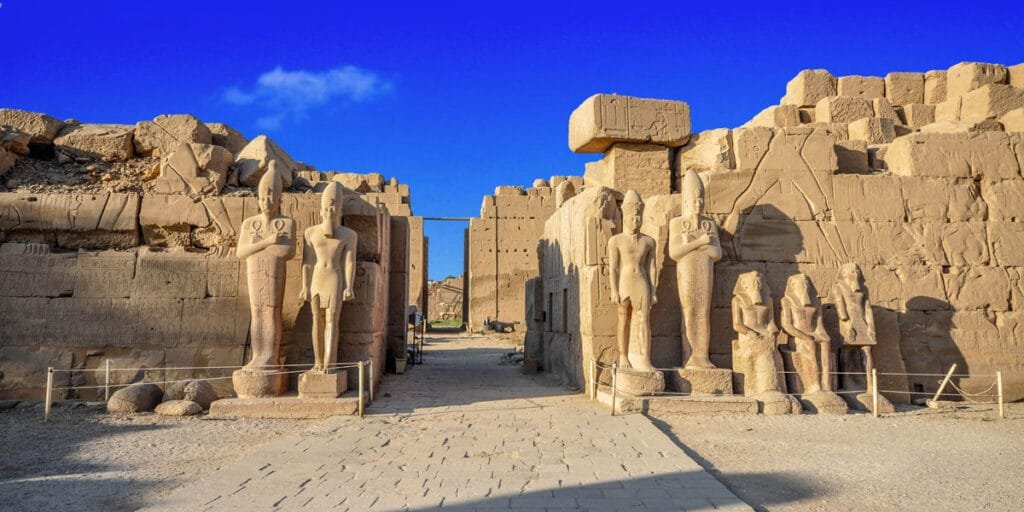
3. Unveiling the East Bank: The Grandeur of Karnak and Luxor Temples
The East Bank of Luxor serves as the gateway to some of the most monumental religious structures ever conceived by man. At the forefront is the Karnak Temple Complex, a sprawling forest of stone that took over 1,500 years to complete. Walking through the Great Hypostyle Hall, with its 134 massive papyrus-shaped columns, is a humbling experience that illustrates the absolute power of the pharaohs and their devotion to the god Amun-Ra. Every king, from Seti I to Ramses the Great, left his mark here, creating a labyrinth of obelisks, sanctuaries, and pylons. Just a short distance south, connected by the newly restored Avenue of Sphinxes, lies the Luxor Temple. Unlike Karnak, which was a primary place of worship, Luxor Temple was the site of the Opet Festival, where the rejuvenation of kingship was celebrated. At night, the temple is transformed into a glowing masterpiece of light and shadow, offering a romantic and mystical atmosphere that captures the essence of Egyptian grandeur. These sites are not merely archaeological ruins; they are enduring testimonies to an era when Egypt dictated the course of human history.
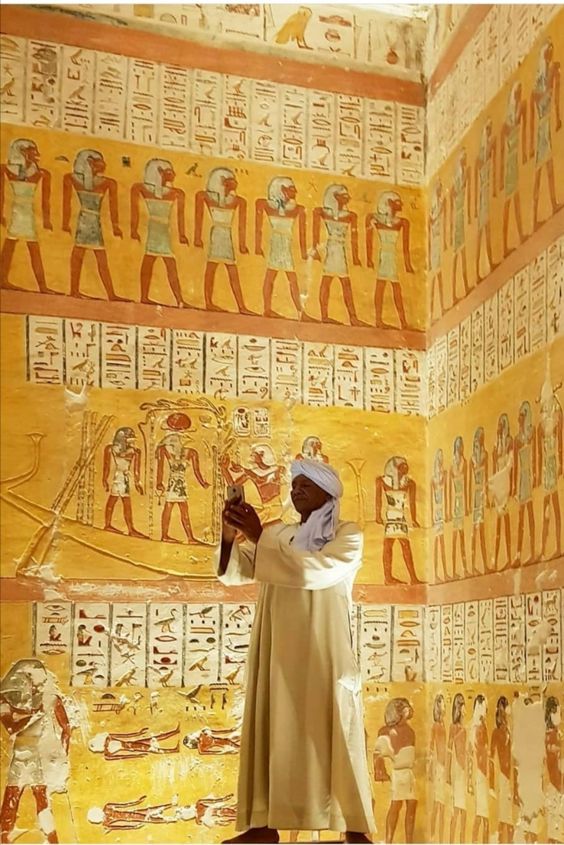
4. The West Bank: A Journey into the Realm of the Afterlife
Crossing the Nile to the West Bank is akin to stepping through a portal into the ancient Egyptian "Duat" or underworld. This area, guarded by the towering Theban Hills, was chosen by the New Kingdom pharaohs for its seclusion and the natural pyramid-shaped peak of El Qurn. Unlike the sprawling temples of the East, the West Bank is a place of hidden treasures and solemn beauty. Here, the focus shifted from the external worship of gods to the internal preservation of the soul. The landscape is dominated by rock-cut tombs and mortuary temples that were designed to last for eternity. For the modern traveler, the West Bank offers a more rugged, contemplative experience. The air is quieter, the scenery is dotted with green sugarcane fields contrasting against the stark desert yellow, and every hill seems to hide a secret waiting to be unearthed. It is the ultimate testament to the ancient Egyptian obsession with immortality and their sophisticated understanding of geology and art.
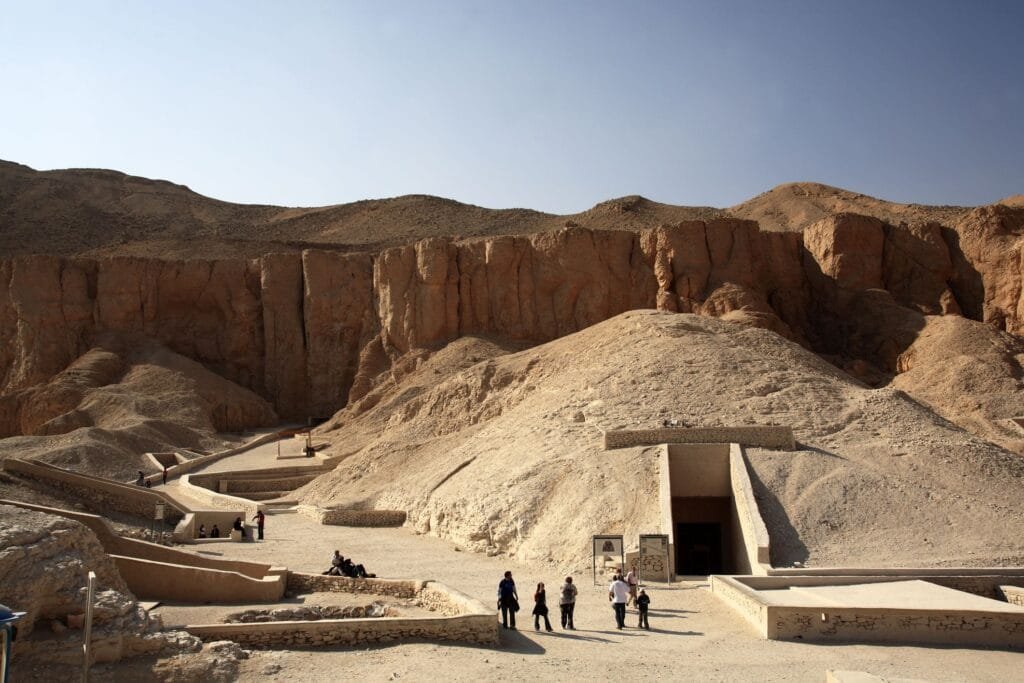
5. Valley of the Kings: The Gold Standard of Archaeological Discovery
No visit to Egypt is complete without descending into the subterranean wonders of the Valley of the Kings (Wadi el-Muluk). This site served as the primary burial ground for the pharaohs of the 18th, 19th, and 20th Dynasties. Moving away from the visible pyramids of Giza, these rulers opted for hidden tombs carved deep into the limestone to protect their treasures from grave robbers. The valley contains over 60 tombs, including the world-famous KV62—the Tomb of Tutankhamun. Walking through these corridors, visitors are mesmerized by the vividness of the colors; the hieroglyphics and astronomical ceilings look as though they were painted yesterday, not 3,000 years ago. High-traffic tombs like those of Ramses IV, Seti I, and Ramses VI showcase the complex funerary texts that guided the king through the perils of the afterlife. For SEO-driven travel, the Valley of the Kings remains the highest-searched landmark in Luxor, representing the pinnacle of "must-see" archaeological sites.

6. The Temple of Hatshepsut: An Architectural Masterpiece of Feminine Power
Nestled against the sheer cliffs of Deir el-Bahari, the Mortuary Temple of Queen Hatshepsut stands as a radical departure from traditional Egyptian architecture. Designed by her architect Senenmut, the temple features three massive terraced levels connected by ramps, creating a stunning visual harmony with the natural rock formations behind it. As one of the few female pharaohs to rule Egypt, Hatshepsut used this temple to legitimize her reign, decorating the walls with reliefs depicting her divine birth and her famous trade expedition to the Land of Punt. The elegance of the colonnaded porticos and the statues of the queen in the guise of Osiris make it one of the most photographed spots in the world. It is not just a religious site; it is a political statement carved in stone, showcasing the power, ambition, and artistic innovation of one of history’s most fascinating women.

7. The Colossi of Memnon: Sentinels of a Vanished Era
Standing as solitary sentinels on the road to the West Bank necropolis, the Colossi of Memnon are two massive stone statues of Pharaoh Amenhotep III. These towering figures, reaching nearly 18 meters in height, are all that remain of what was once the largest mortuary temple in the Theban complex—a structure that surpassed even the Karnak Temple in scale before it was destroyed by ancient earthquakes and floods. For centuries, these statues have fascinated travelers; in Roman times, they were known for the "vocal" phenomenon, where the northern statue would "sing" at dawn due to rising temperatures and dew evaporation in the cracked stone. Today, they serve as a breathtaking introduction to the scale of royal ambition in Luxor. They are a "photo-op" favorite for tourists and a critical site for archaeologists currently working to excavate the buried ruins of the surrounding temple of Amenhotep III.
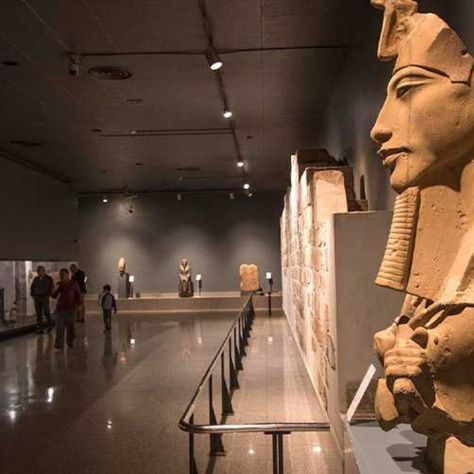
8. Luxor Museum and the Mummification Museum: Curating the Divine
While the temples offer grand scale, Luxor’s specialized museums provide the intricate details of Pharaonic life and death. The Luxor Museum, located on the scenic Corniche el-Nile, is widely regarded as one of the best-curated archaeological museums in Egypt. Unlike the cluttered halls of older institutions, this museum displays a select collection of masterpieces, including the stunning statues found in the "Luxor Cachette" and the royal mummies of Ahmose I and Ramses I. A short walk away, the Mummification Museum offers a deeper, more clinical look into the ancient Egyptian science of the afterlife. It explains the complex 70-day process of preservation, showcasing the tools, canopic jars, and even mummified animals that were essential for a soul's journey to the fields of Aaru. These museums are essential stops for travelers who want to understand the "why" behind the monumental ruins.
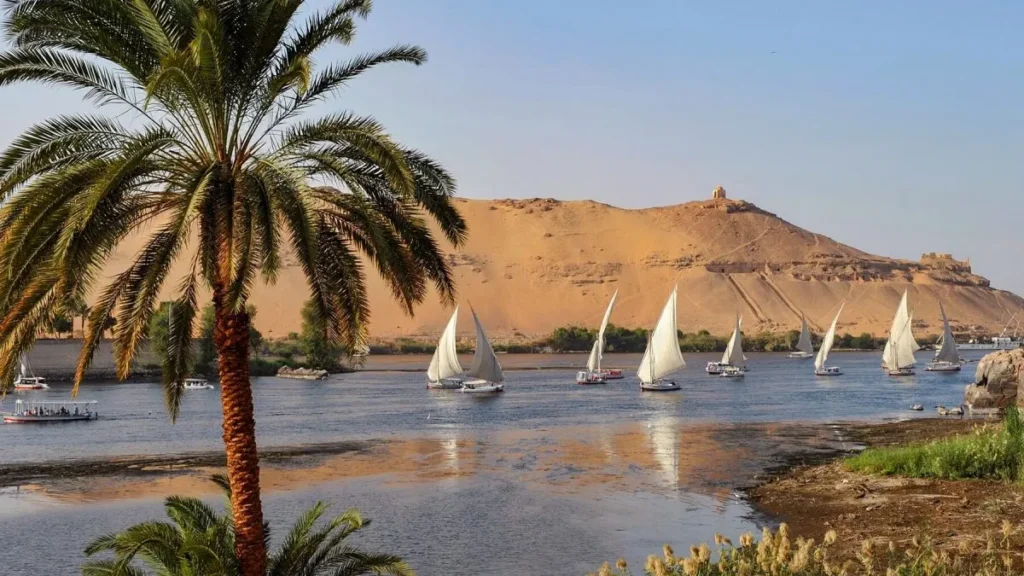
9. Sailing the Nile: Feluccas, Dahabiyas, and Luxury Cruises
The Nile is not just a backdrop for Luxor; it is the stage upon which the city’s magic unfolds. To truly experience the "Heart of Ancient Egypt," one must take to the water. Visitors can choose between three distinct experiences: The Traditional Felucca: A quiet, wind-powered sailboat perfect for a sunset cruise to Banana Island (Gezira el-Moz). The Dahabiya: A luxury private barge that offers an intimate, slow-paced journey between Luxor and Aswan, mimicking the travel style of 19th-century aristocrats. Luxury Nile Cruises: Massive floating hotels that provide all-inclusive comfort, entertainment, and a front-row seat to the changing landscapes of Upper Egypt. Sailing past the illuminated Luxor Temple at night or watching the lush green banks give way to golden desert dunes at dawn is often cited by travelers as the highlight of their Egyptian odyssey.

10. The Valley of the Queens: Resting Place of Egypt’s Royal Consorts
While the kings were buried in their secluded valley, their wives, princes, and princesses found eternal rest in the Valley of the Queens (Biban el-Harim). This site contains nearly 100 tombs, but the undeniable crown jewel is the Tomb of Queen Nefertari (QV66). Often described as the "Sistine Chapel of Ancient Egypt," Nefertari’s tomb features the most exquisite and well-preserved wall paintings in the entire Theban Necropolis. The colors are so vivid and the details so fine that they seem to transcend time, depicting the Queen’s journey and her relationship with the goddess Hathor and Osiris. For high-end travelers and photography enthusiasts, visiting Nefertari’s tomb is a premium experience that offers a glimpse into the incredible status and artistic dedication afforded to the royal women of the New Kingdom.
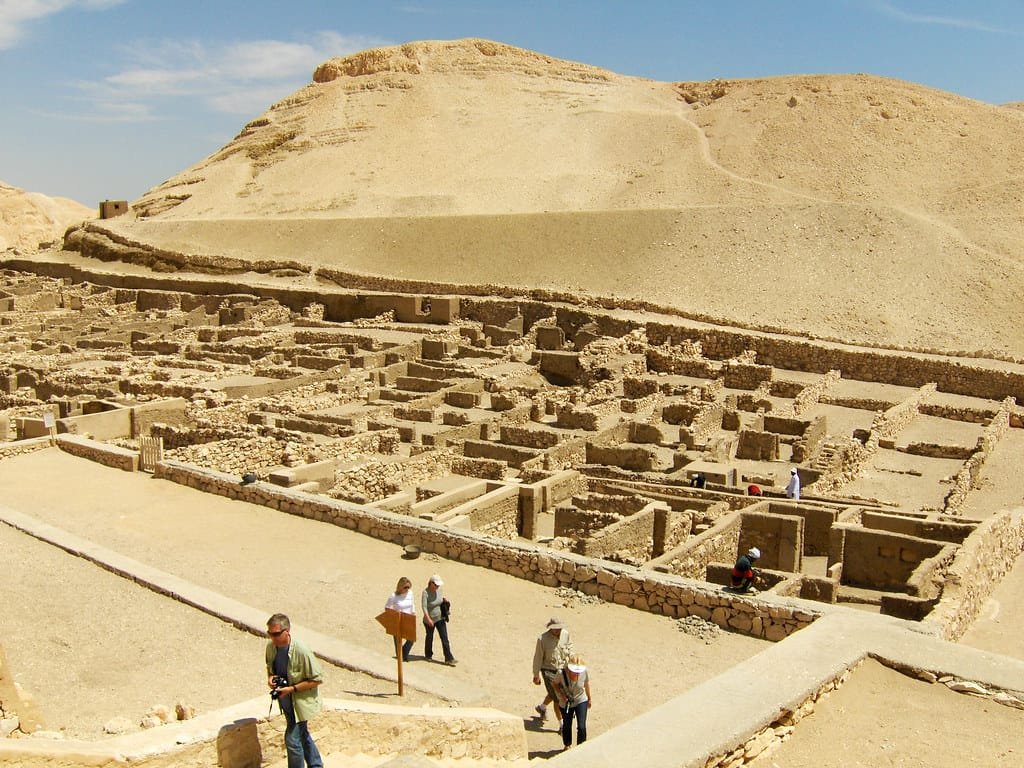
11. Deir el-Medina: The Secrets of the Valley of the Artisans
For a shift in perspective from royal grandeur to daily life, Deir el-Medina (the Valley of the Artisans) is a must-visit. This was the ancient village of the highly skilled craftsmen who built and decorated the royal tombs in the Valley of the Kings. Unlike the pharaohs, these workers left behind records of their legal disputes, medical treatments, and family lives. Their own tombs, such as the Tomb of Sennedjem, are small but packed with incredibly detailed scenes of agriculture and afterlife expectations. Exploring Deir el-Medina provides a rare and intimate look at the middle-class society of Ancient Egypt, making it a favorite for history buffs looking for "off-the-beaten-path" SEO content that goes beyond the typical tourist trails.
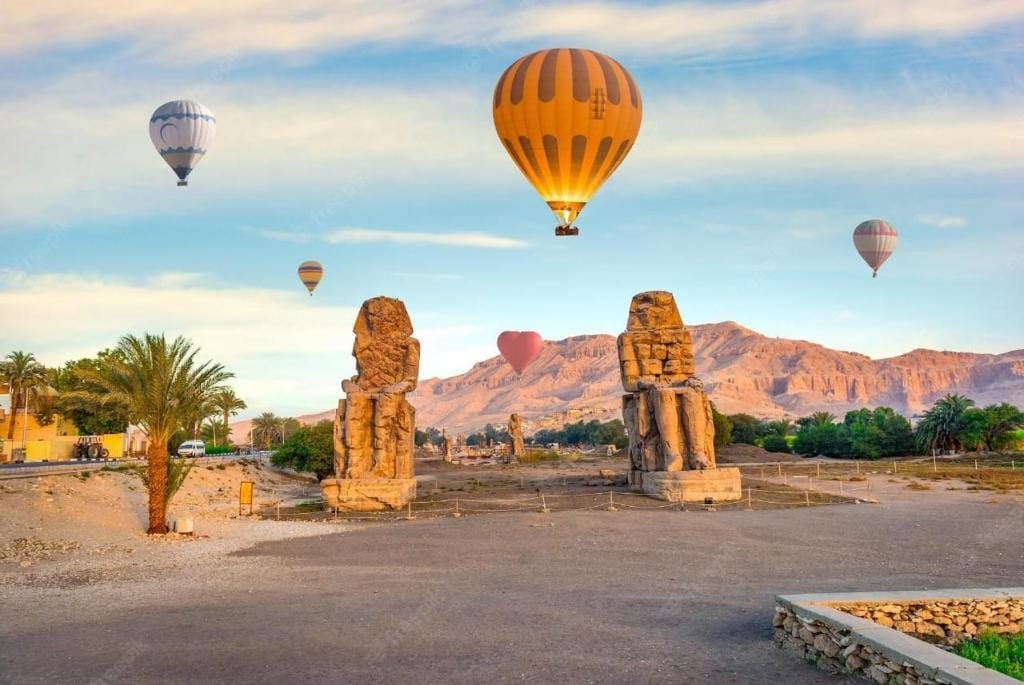
12. Hot Air Balloon Rides: A Bird’s-Eye View of Ancient Grandeur
One of the most iconic "bucket list" experiences in Luxor is taking a Hot Air Balloon ride at sunrise. Floating silently over the West Bank as the first rays of the sun illuminate the Mortuary Temple of Hatshepsut and the Colossi of Memnon is a breathtaking sight. From the air, the stark contrast between the lush green Nile Valley and the harsh yellow desert becomes crystal clear. You can see the layout of the ancient temples and the sprawling city of Luxor in one panoramic view. This activity is not only a highlight for tourists but also a major driver for "adventure travel" keywords in Egypt. It offers a unique photographic perspective that is impossible to capture from the ground, making it an essential part of any modern Luxor itinerary.
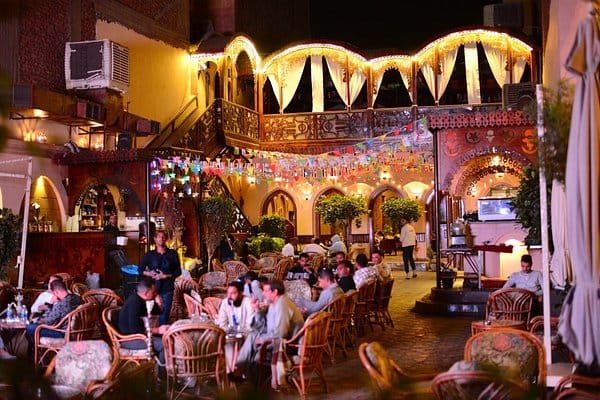
13. The Sensory Experience of Luxor’s Vibrant Souks and Local Markets
Beyond the silent stone monuments lies the rhythmic, pulsing heart of the modern city: the Luxor Souq (Market). This is not just a place for commerce; it is a sensory explosion that has remained largely unchanged in spirit for centuries. Stretching through the streets near the Luxor Temple, the market is a labyrinth of colors, scents, and sounds. Here, the air is thick with the aroma of freshly ground hibiscus (Karkade), cumin, and exotic Arabian perfumes. Travelers can find everything from high-quality Egyptian cotton textiles and hand-woven carpets to intricate alabaster carvings—a craft that has been passed down from the ancient artisans of the West Bank to their descendants today. Engaging with the local vendors, mastering the art of friendly bargaining, and sipping a glass of mint tea in a traditional café are essential parts of the Luxor experience. For those looking for authentic souvenirs like papyrus scrolls, silver jewelry featuring ancient cartouches, or traditional "Galabeyas," the market offers an immersive deep dive into the socio-economic life of Upper Egypt, making it a critical keyword hub for "cultural shopping" and "Egyptian crafts."
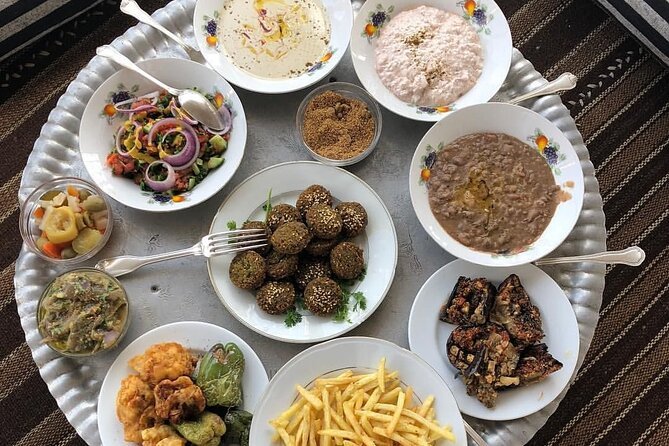
14. A Culinary Odyssey: Tasting the Authentic Flavors of Upper Egypt
To understand Luxor, one must taste its soul through its traditional cuisine, which is a hearty reflection of the land’s agricultural richness. The volcanic soil of the Nile banks produces some of the finest ingredients in the Middle East, and Luxor’s kitchens turn them into masterpieces. Koshari, the national dish of Egypt—a comforting mix of pasta, rice, lentils, and a spicy tomato sauce—is a staple here, but Luxor adds its own southern flair. Visitors must try Fatteh, a ceremonial dish of rice and toasted bread soaked in garlic vinegar and meat broth, often served during festivals. For a truly local experience, one should venture into the riverside restaurants to try Grilled Nile Perch or the iconic Molokhia, a nutritious green soup served with roasted chicken. The city’s culinary scene also caters to the "Slow Food" movement, with farm-to-table experiences on the West Bank where you can eat organic vegetables grown in the shadow of ancient tombs. This gastronomic journey is a key attraction for "food tourism," blending ancient dietary traditions with modern Egyptian hospitality.
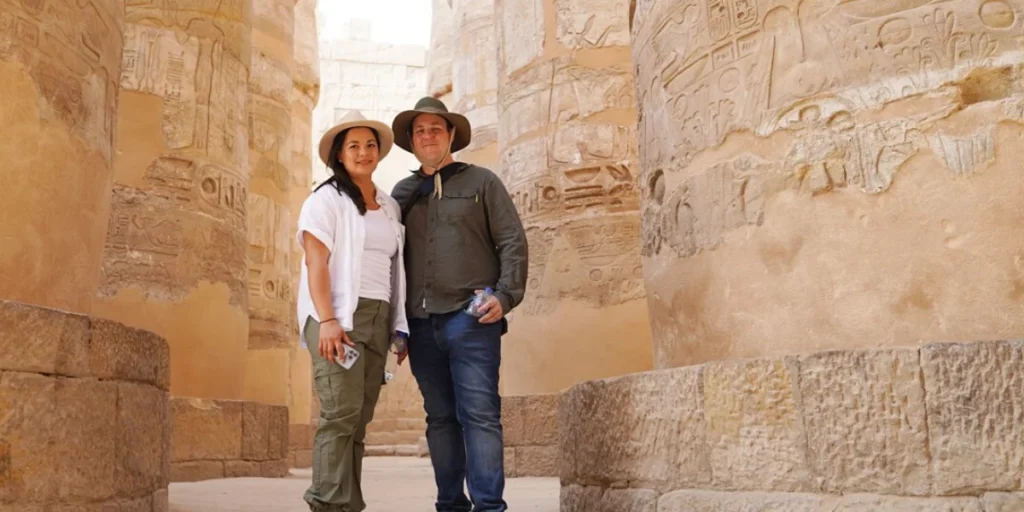
15. Navigating Luxor’s Climate: The Strategic Timing of Your Visit
The climate of Luxor is a defining factor for any travel itinerary, characterized by a classic Saharan desert environment that dictates the flow of tourism. Because Luxor is located in the southern part of Egypt, it experiences some of the most intense sunlight and driest air in the world. The Best Time to Visit Luxor is undoubtedly during the winter months, from October to April, when the daytime temperatures hover between a pleasant 20°C and 25°C. This "Peak Season" allows for extensive exploration of the Valley of the Kings and Karnak without the physical toll of extreme heat. However, the summer months (May to September) offer a different, albeit more challenging, allure for "budget travelers" and those seeking "solitude tourism." While temperatures can soar above 40°C, the lack of crowds provides a serene, almost private experience at the world’s most famous landmarks. Understanding the seasonal nuances—from the cool desert nights that require a light jacket to the midday sun that demands hydration and "Sun-Safe" travel practices—is crucial for a successful trip. This meteorological diversity makes Luxor a year-round destination for different types of adventurers, from luxury winter seekers to summer history enthusiasts.
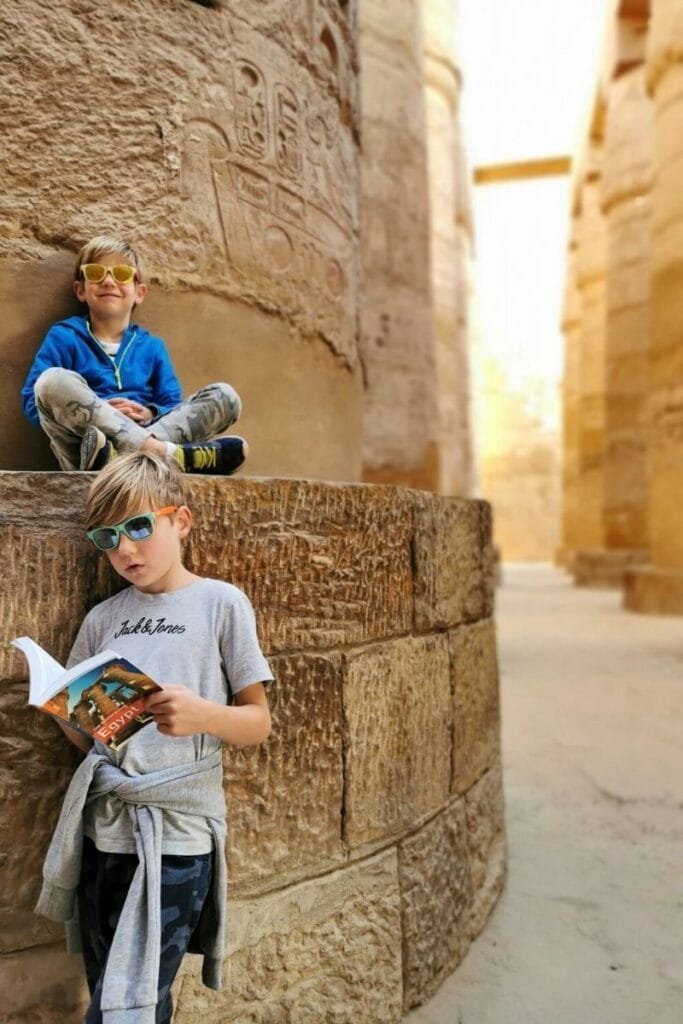
16. Luxor for Families: An Educational and Adventurous Playground for All Ages
Traveling to Luxor with children is not just a vacation; it is a live-action history lesson that surpasses any classroom experience. The city has evolved into a highly family-friendly destination, offering activities that bridge the gap between ancient education and modern-day fun. Families can engage in "Scavenger Hunts" through the massive columns of the Karnak Temple, or take a donkey ride through the West Bank villages, providing a glimpse into the traditional rural lifestyle of Egyptian farmers (Fellahin). Many of the luxury resorts along the Nile offer specialized "Kids' Clubs" with a focus on ancient Egyptian crafts, such as papyrus making and hieroglyphic workshops. For a relaxing afternoon, families often flock to Banana Island (Gezira el-Moz), where children can explore tropical fruit orchards and enjoy fresh fruit platters while watching the sunset over the Nile. By combining mystery, adventure, and safe, welcoming environments, Luxor ensures that younger generations develop a lifelong passion for archaeology and world heritage, making "Family Travel Egypt" a top-performing SEO category for this region.
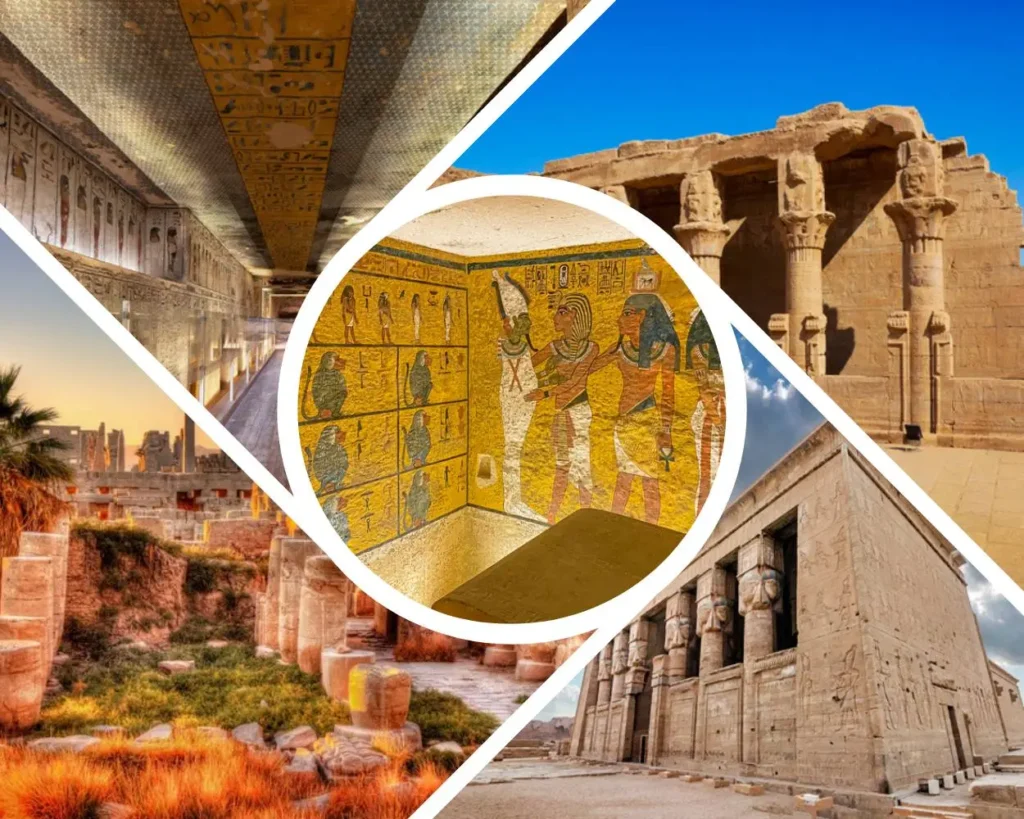
17. Beyond the City Limits: Strategic Day Trips to Dendera, Abydos, and Edfu
While Luxor itself houses an incredible concentration of monuments, it also serves as the perfect strategic base for Upper Egypt day tours. Serious history enthusiasts often extend their stay to visit the Temple of Hathor at Dendera, located just north of the city. Dendera is famous for having one of the best-preserved temple ceilings in Egypt, still retaining its vibrant blue astronomical scenes and the famous Dendera Zodiac. Further north lies Abydos, the sacred cult center of Osiris, known for its high-relief carvings that are considered the most sophisticated of the Pharaonic era. Heading south toward Aswan, travelers can stop at the Temple of Edfu, dedicated to the falcon god Horus, which is remarkably intact and provides a clear look at the architectural layout of a Ptolemaic temple. These excursions, often organized by reputable agencies like Egypt Tour Magic, allow visitors to see the evolution of Egyptian art and religion across different eras. Including these nearby attractions in your Luxor itinerary transforms a simple trip into a comprehensive "Grand Tour of Ancient Egypt," capturing high-value keywords for "Egypt travel excursions" and "off-the-beaten-track temples."
18. The Enduring Allure: Why Luxor Remains the Heart of Global Tourism
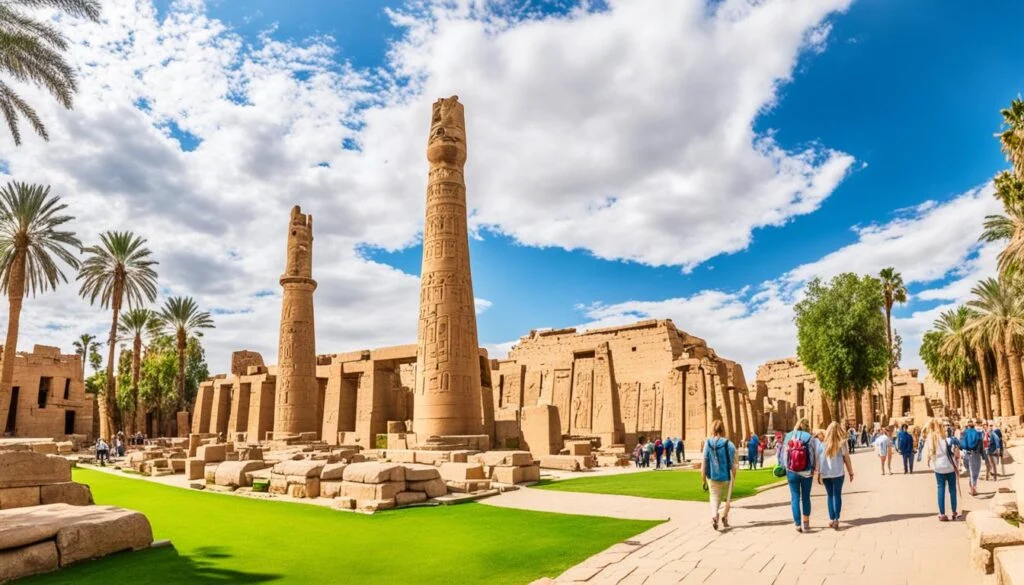
In conclusion, Luxor is much more than a collection of weathered stones and ancient relics; it is a living, breathing testament to the resilience of human civilization and the eternal quest for meaning. From the staggering scale of the Great Hypostyle Hall to the intimate, colorful details of a worker’s tomb in Deir el-Medina, the city offers a spectrum of experiences that cater to every type of traveler. Whether you are floating in a hot air balloon above the Theban Necropolis at dawn, bargaining for spices in a vibrant souq, or cruising the timeless Nile on a luxury ship, Luxor leaves an indelible mark on the soul. It remains the "Heart of Ancient Egypt" because it successfully bridges the gap between the distant past and the energetic present. As global tourism continues to evolve, Luxor stays at the forefront by preserving its heritage while embracing modern travelers' needs. For anyone seeking to understand the roots of human history, art, and spirituality, all roads eventually lead to Luxor—the world’s most magnificent open-air museum and an eternal marvel of the African continent.
More About Luxor
Karnak Temple
A vast temple complex dedicated to the god Amun, featuring colossal statues, a grand Hypostyle Hall with 134 massive columns, and an impressive Sacred Lake.
Hatshepsut Temple
A spectacular temple built for the female pharaoh Hatshepsut, characterized by its three terraces and elaborate statues.
Colossi of Memnon
Two massive statues of Pharaoh Amenhotep III, standing as monumental guardians of his now-lost mortuary temple.
Valley of the Kings
The burial site of many New Kingdom pharaohs, including Tutankhamun and Ramses II, known for its richly decorated tombs hidden within the cliffs.
Luxor Temple
Located in central Luxor, this temple was dedicated to the rejuvenation of kingship and is renowned for its grand entrance, large statues, and avenue of sphinxes.
Valley of the Queens
The final resting place of queens and royal children, including the stunningly decorated tomb of Queen Nefertari.
Luxor Museum
This museum houses an impressive collection of artifacts from Luxor and the surrounding areas, including statues, mummies, and jewelry. It offers a deeper understanding of the city's historical and cultural significance.
Ramesseum
The mortuary temple of Ramses II, known as the Ramesseum, features extensive remains of statues and hieroglyphs that celebrate Ramses II’s achievements and divine status.
Medinet Habu
The mortuary temple of Ramses III, located on the West Bank. It’s known for its well-preserved reliefs and its depiction of Ramses III’s military campaigns.
The Tomb of Nefertari
The Majestic Tomb of Nefertari: Exploring the Lavish Final Resting Place of Egypt's Beloved Queen
Hot Air Balloon
Soaring Above the Ancient Wonders: A Hot Air Balloon Adventure Over Egypt's Historic Landscapes
Tomb Of Tutankhamun
The Splendor of the Tomb of Tutankhamun: Unveiling the Riches of Egypt's Most Famous Pharaoh
The Avenue of Sphinxes
The Avenue of Sphinxes, a magnificent historical landmark, stretches between the Karnak Temple and the Luxor Temple in the heart of Luxor
Tomb of King Seti I (KV16)
Religious Texts: The tomb is renowned for its extensive use of religious texts like the Book of Gates, Book of the Dead, and the Litany of Ra, all designed to help the king in his journey through the underworld to ensure his immortality.