

- Excursions in Egypt
- Egypt Tour Packages
- Cairo Tours and Excursions
- Hurghada Tours and Excursions
- Soma Bay Tours and Excursions
- Makadi Bay Tours and Excursions
- Sahl Hasheesh Tours and Excursions
- El Gouna Tours and Excursions
- Marsa Alam Tours and Excursions
- Port Ghalib Tours and Excursions
- El Quseir Tours and Excursions
- Dendera and Abydos Day Tours
- Aswan Tours and Excursions
- Luxor Tours and Excursions
- Sharm El Sheikh Tours and Excursions
- Top Rated Egypt Tours in 2026
- Optional Excursions in Egypt
- Private Transfer
- Blogs About egypt
- Ancient Egypt
- Historical Sites in Egypt
- Cairo
- Alexandria
- Luxor
- Aswan
- The Red Sea
- Dendera Temple
- El Fayoum Oasis
- Bahariya Oasis
- Siwa Oasis
- Al Alamein
- Marsa Matruh
- Why Egypt Is One of the Safest Countries to Visit in the Middle East
- What You Need To know Before Your First Trip To Egypt
- Egypt Travel Costs in 2026 Full Budget Guide
- Top 10 Tourist Activities in Egypt
- Top 50 Activities You Can’t Miss in Egypt in 2026
- The Guide to Guided Tours in Egypt
- Egypt’s Ancient and Modern History
- The Nile River
- The Deserts of Egypt
- Ancient Egyptian gods
- famous Egyptian dishes
- UNESCO World Heritage sites
- About Us
- Egypt Hotels and Resorts
- Excursions in Egypt
- Egypt Tour Packages
- Cairo Tours and Excursions
- Hurghada Tours and Excursions
- Soma Bay Tours and Excursions
- Makadi Bay Tours and Excursions
- Sahl Hasheesh Tours and Excursions
- El Gouna Tours and Excursions
- Marsa Alam Tours and Excursions
- Port Ghalib Tours and Excursions
- El Quseir Tours and Excursions
- Dendera and Abydos Day Tours
- Aswan Tours and Excursions
- Luxor Tours and Excursions
- Sharm El Sheikh Tours and Excursions
- Top Rated Egypt Tours in 2026
- Optional Excursions in Egypt
- Private Transfer
- Blogs About egypt
- Ancient Egypt
- Historical Sites in Egypt
- Cairo
- Alexandria
- Luxor
- Aswan
- The Red Sea
- Dendera Temple
- El Fayoum Oasis
- Bahariya Oasis
- Siwa Oasis
- Al Alamein
- Marsa Matruh
- Why Egypt Is One of the Safest Countries to Visit in the Middle East
- What You Need To know Before Your First Trip To Egypt
- Egypt Travel Costs in 2026 Full Budget Guide
- Top 10 Tourist Activities in Egypt
- Top 50 Activities You Can’t Miss in Egypt in 2026
- The Guide to Guided Tours in Egypt
- Egypt’s Ancient and Modern History
- The Nile River
- The Deserts of Egypt
- Ancient Egyptian gods
- famous Egyptian dishes
- UNESCO World Heritage sites
- About Us
- Egypt Hotels and Resorts
Welcome to
Ancient Egyptian Civilization: The Timeless Empire of Light and Stone
To stand on the sun-kissed banks of the Nile River, gazing out at the monumental silhouettes of the pyramids shifting against a golden desert horizon, is to experience a profound sense of awe that few other places on Earth can inspire. This is the cradle of the ancient Egyptian civilization, a magnificent and deeply enigmatic empire that didn’t merely exist, but absolutely dominated the cultural, political, and spiritual landscape of the ancient world for more than three millennia. While other contemporary societies rose quickly and vanished like smoke into the pages of history, the civilization of the pharaohs stood as an unyielding beacon of stability, artistic brilliance, intellectual sophistication, and monumental ambition. It was a world born from the perfect marriage of a fertile river valley and an exceptionally organized human spirit—a society that successfully looked into the mysteries of life, death, and the cosmos, and chose to carve its answers permanently into the hardest granite and limestone. To the modern traveler, Egypt represents the ultimate historical pilgrimage; it is a living, breathing storybook where every towering column at Karnak, every brilliantly painted corridor in the Valley of the Kings, and every colossal statue at Abu Simbel tells a gripping tale of human triumph over time. This civilization was built on a foundational philosophy that celebrated order over chaos, harmony over discord, and eternity over the temporary nature of mortal existence. To truly understand the modern world, one must first journey backward along the winding currents of the Nile to explore the minds of the brilliant engineers, visionary rulers, devout priests, and masterful artisans who built this eternal kingdom, discovering a legacy of light and stone that continues to captivate the human imagination thousands of years later.
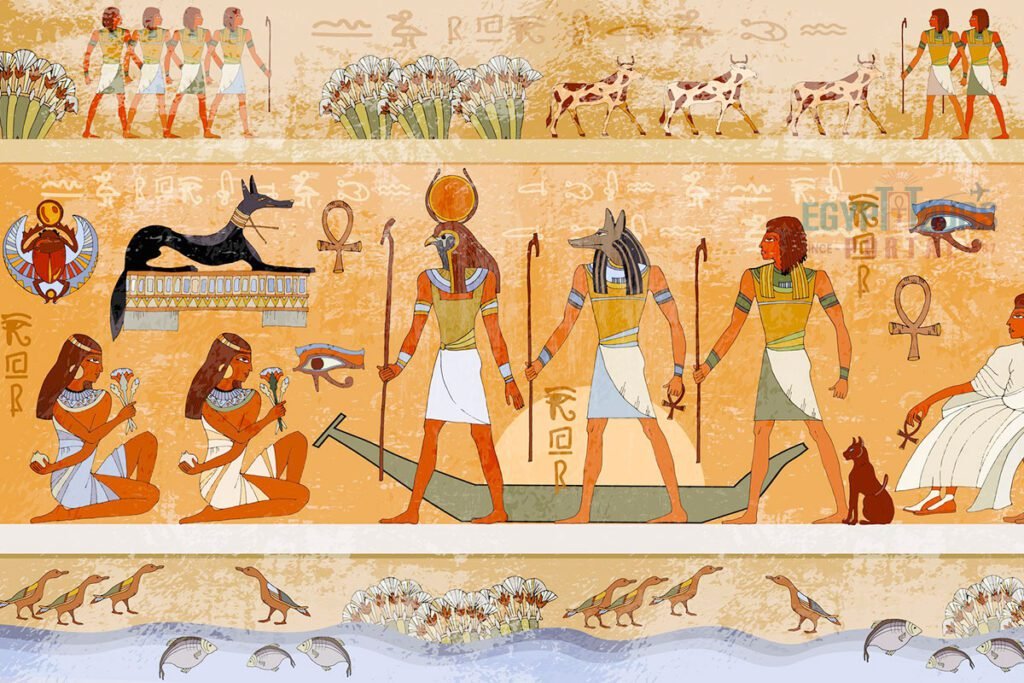
1. The Gift of the Nile: The Lifeline of a Desert Empire
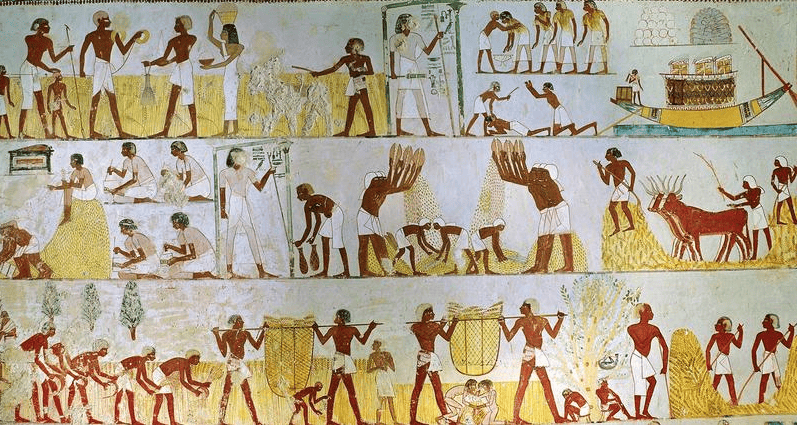
At the absolute heart of ancient Egyptian civilization lay a singular, magnificent geographical miracle: the Nile River. The legendary Greek historian Herodotus famously observed that "Egypt is the gift of the Nile," a profound truth that every traveler quickly realizes when looking at the sharp, dramatic contrast between the lush green riverbanks and the barren red desert sand. For thousands of years, this mighty river served as the literal heartbeat of the entire empire. Every summer, heavy tropical rains in the highlands of Africa caused the Nile to overflow its banks, depositing a thick, incredibly rich layer of black, mineral-dense silt across the valley floor. The ancient Egyptians called their fertile home Kemet, meaning "the Black Land," distinguishing it from Deshret, "the Red Land" of the inhospitable desert. This predictable annual flooding allowed for an agricultural surplus that was entirely unmatched in the ancient world. With an abundance of wheat, barley, flax, and papyrus, the Egyptians did not have to struggle daily for basic survival. Instead, this reliable agricultural wealth freed up an immense amount of human labor, allowing the society to invest its energy into building a highly organized state, developing complex sciences, and constructing the most ambitious monumental architecture the world had ever seen.
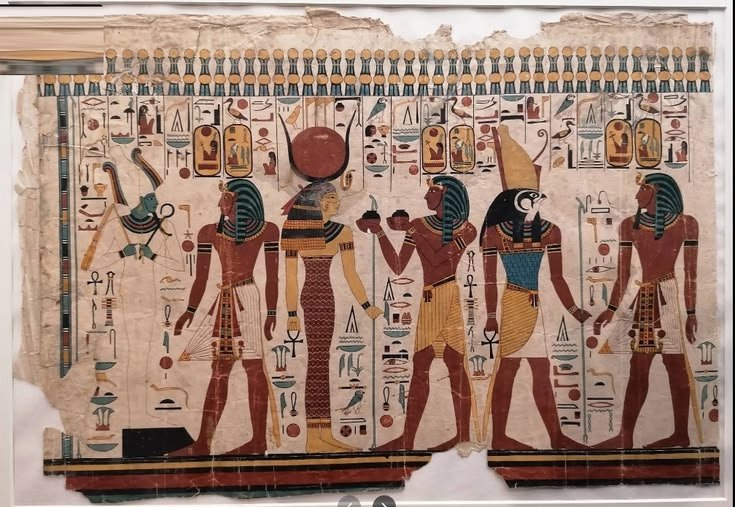
2. Divine Kingship: The Pharaoh as the Living Bridge to the Gods
To understand how a single society could maintain such absolute political stability and cultural unity for over three thousand years, one must examine the fascinating institution of the Pharaoh. In the eyes of the ancient Egyptians, the pharaoh was not merely a political ruler, a military general, or a wealthy monarch; he was a living god on Earth. The king was viewed as the physical earthly incarnation of Horus, the sky god of justice and kingship, during his life, and would transform into Osiris, the Lord of the Underworld, upon his death. This dual divine nature granted the pharaoh supreme, absolute authority over every aspect of Egyptian life, from the distribution of grain to the declaration of war. However, this absolute power came with an immense spiritual responsibility. The pharaoh’s primary and most sacred duty was to maintain Ma'at—the cosmic principle of truth, balance, justice, and universal order. If the king ruled wisely, honored the gods, and protected the borders, the Nile would flood predictably, the crops would flourish, and the kingdom would prosper, making the pharaoh the vital spiritual bridge that held the cosmos together.
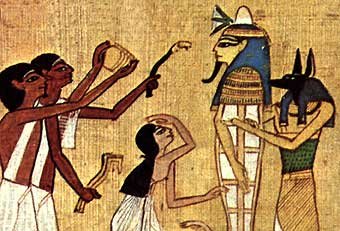
3. Cosmic Order: The Daily Fight for Ma'at Against Chaos
For the ancient Egyptians, the universe was a beautifully balanced but incredibly fragile mechanism that required constant, active protection against the terrifying forces of Isfet, which represented chaos, darkness, and destruction. This eternal struggle between order and chaos was the foundational philosophy that governed every single action of daily life, from the grand rituals performed by high priests in hidden temple sanctuaries to the honest dealings of a merchant in a village marketplace. The supreme ideal they strived for was Ma'at, personified as a graceful goddess wearing a single, pristine ostrich feather on her head. The Egyptians deeply believed that human behavior directly impacted the cosmic balance. Therefore, maintaining Ma'at required a highly structured, law-abiding, and moral society where everyone understood their specific role. This profound devotion to cosmic order is precisely why their artistic styles, architectural designs, and religious rituals remained beautifully consistent and virtually unchanged for millennia, reflecting an deep cultural desire to anchor their earthly world to the eternal, unchanging laws of the divine heavens.
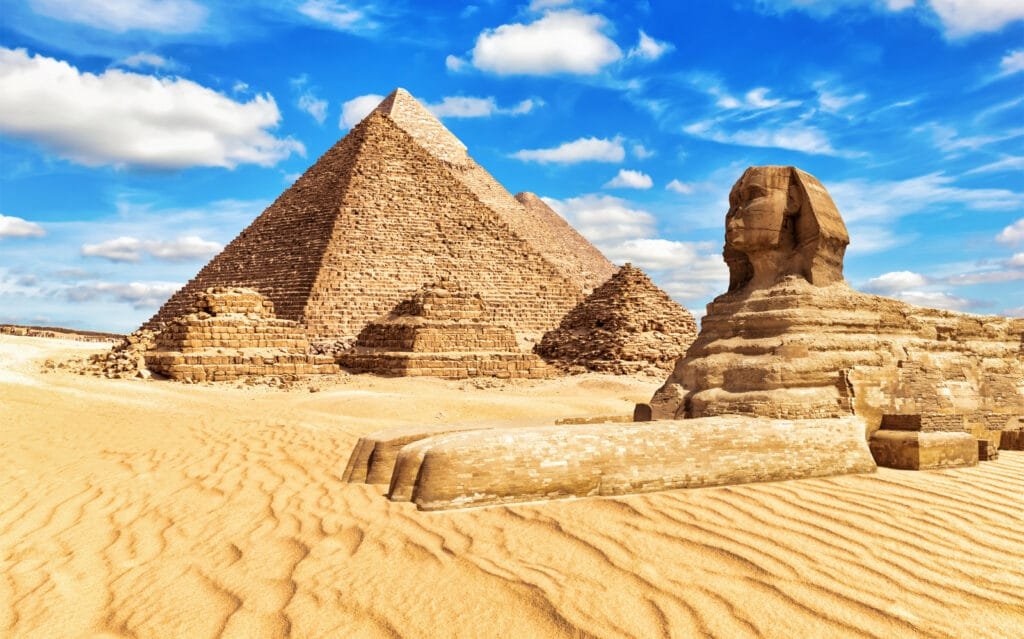
4. Architectural Miracles: The Engineering Genius of the Pyramid Age
When modern travelers stand before the Great Pyramid of Giza, they are not just looking at a pile of ancient stones; they are confronting one of the greatest engineering feats in human history. During the Old Kingdom, an era often called the Pyramid Age, the ancient Egyptians developed an astounding mastery of mathematics, astronomy, and structural engineering. Without the aid of modern iron tools, cranes, or even the wheel, they quarried, transported, and precisely placed over two million limestone blocks to build a monument that would remain the tallest man-made structure on Earth for over 3,800 years. The precision is mind-boggling, with the pyramid's sides aligned almost perfectly to the four cardinal points of the compass. This monumental ambition required an extraordinarily sophisticated state bureaucracy capable of organizing, feeding, and housing tens of thousands of skilled artisans and conscripted laborers. This massive workforce was not made of slaves, as popular myths suggest, but of proud Egyptian citizens who viewed their labor as a sacred civic duty to ensure the eternal life of their divine king, cementing a legacy of architectural genius that continues to baffle modern scientists.
5. The Afterlife Obsession: Mummification and the Journey to Paradise
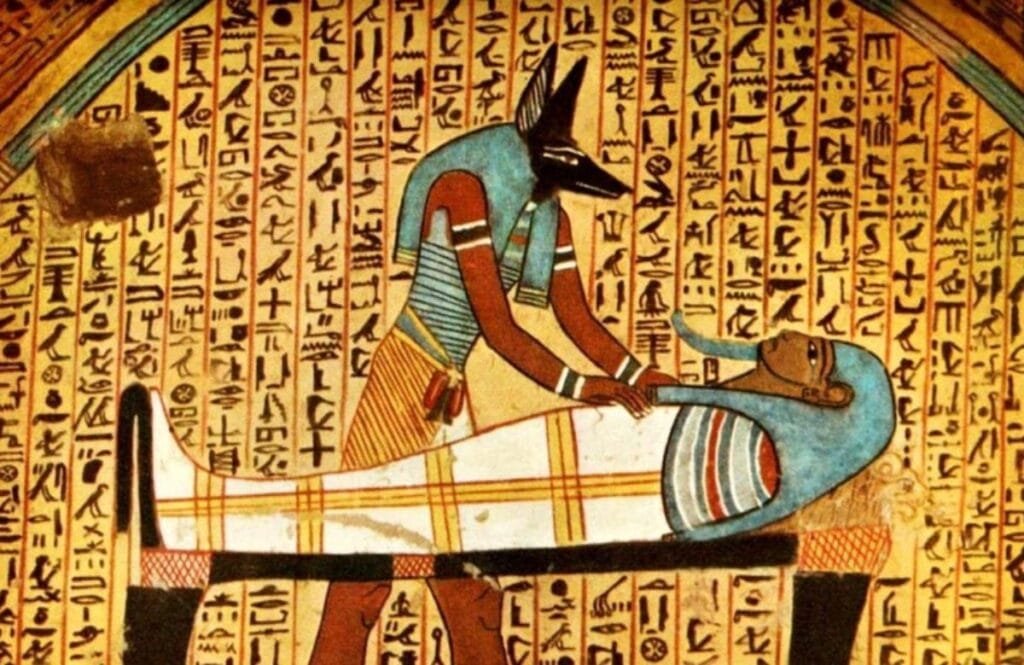
No aspect of ancient Egyptian civilization captivates the modern imagination quite like their elaborate rituals surrounding death and the afterlife. To the Egyptians, death was not a terrifying end, but a beautiful, transitional gateway to an eternal paradise known as the Field of Reeds. However, to achieve this immortality, the physical body had to be meticulously preserved through the complex process of mummification so that the soul, or Ka, could always find its earthly home. Over seventy grueling days, specialized embalmers used natural natron salt to dry out the body, removed internal organs to be stored in sacred canopic jars, and wrapped the form in hundreds of yards of fine linen while reciting magical protective spells. The deceased was then buried with everything they would need in the next world, including food, clothing, furniture, and the famous Book of the Dead—a collection of magical papyrus scrolls designed to help the soul navigate the dangerous underworld, pass the final judgment of the weighing of the heart against the feather of truth, and safely step into a blissful, unending eternity.

6. Golden Temples: The Sacred Sanctuaries of the Divine Powers
For a tourist walking through the monumental ruins of Karnak, Luxor, or Edfu, the experience is akin to stepping into a literal house of the gods. In ancient Egypt, temples were not community gathering places for public worship; they were the actual physical residences of the deities on Earth. Constructed from enduring stone to represent the eternal primeval mound of creation, these massive complexes were highly restricted zones governed by a strict spiritual hierarchy. Only the pharaoh and the purified high priests were permitted to enter the innermost sanctuary, where the golden cult statue of the god was housed. Every single day, the priests would ritually awaken, wash, clothe, and offer lavish banquets of food and wine to the statue to keep the divine energy pleased and active. The outer walls of these temples were covered in deep, magnificent reliefs depicting the pharaoh defeating foreign enemies and making offerings to the gods, serving as powerful monuments of royal propaganda and cosmic protection that successfully shielded the sacred boundaries of Egypt from the chaotic forces of the outside world.
7. Valley of the Kings: Secret Tombs of Hidden Gold and Vivid Colors
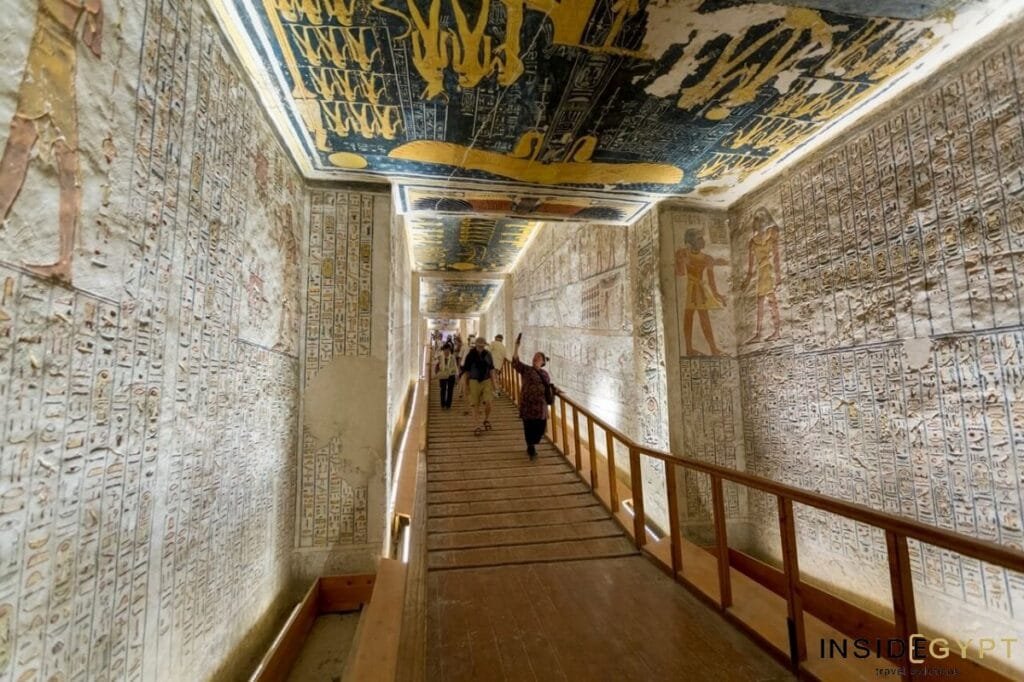
As the monumental pyramid structures became far too vulnerable to grave robbers and political instability, the pharaohs of the New Kingdom made a dramatic and brilliant strategic shift. They abandoned the highly visible monuments of the north and chose a secluded, sun-scorched desert canyon on the west bank of the Nile at Luxor as their eternal resting place: the legendary Valley of the Kings. Hidden beneath a natural, pyramid-shaped mountain peak known as al-Qurn, workers spent generations using hand chisels to tunnel deep into the solid limestone bedrock. They created complex labyrinthine networks of corridors, stairways, and massive burial chambers that were completely concealed from the outside world. The walls of these hidden tombs were covered in plaster and painted with unbelievably vivid, vibrant pigments that have survived to this day, depicting mystical maps of the underworld and sacred religious texts. This canyon remained a closely guarded royal secret until the spectacular discovery of King Tutankhamun’s intact tomb in 1922, which revealed to the modern world the dazzling, unimaginable wealth of gold and artistry that the pharaohs took with them into the shadows of eternity.

8. Women of Power: Queens Who Ruled the Nile with Iron and Grace
While ancient history is predominantly dominated by male rulers, the civilization of Egypt stands out as a uniquely progressive society where women could ascend to the absolute pinnacle of political and religious power. Egyptian women enjoyed extensive legal rights, but a select few shattered the ultimate glass ceiling to rule the empire as pharaohs themselves. The most magnificent example is Hatshepsut, a visionary female pharaoh of the New Kingdom who wore the traditional royal false beard and ruled over a highly prosperous, peaceful golden age. Instead of focused military conquests, she engineered massive international trade expeditions to the distant land of Punt, bringing back exotic riches like myrrh trees and gold, and constructed the breathtaking, terraced mortuary temple of Deir el-Bahari, which remains an architectural marvel today. Centuries later, iconic queens like Nefertiti wielded immense political and religious influence alongside her husband Akhenaten, and the legendary Cleopatra VII used her brilliant intellect and political diplomacy to navigate the complex world of the Roman Empire, proving that the women of the Nile ruled with supreme iron authority and unparalleled grace.
9. Social Synergy: The Vibrant Daily Lives of the Everyday Egyptians
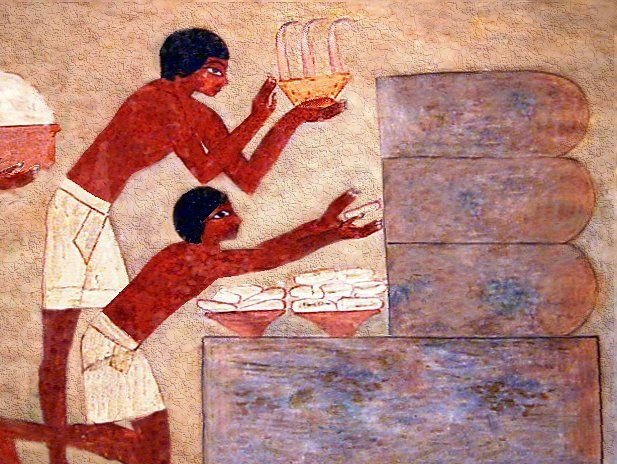
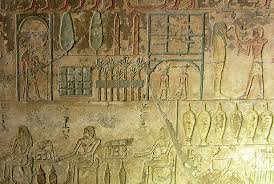
Beyond the gold of the pharaohs and the solemnity of the temple priests, the true strength of ancient Egyptian civilization lay in the vibrant, industrious, and deeply joyful daily lives of its ordinary citizens. The society functioned like a finely tuned pyramid of human cooperation, where every profession was vital. At the base were the hard-working farmers who tilled the fertile soil, followed by skilled artisans, miners, and weavers who lived in organized communities like Deir el-Medina, creating the magnificent jewelry and pottery that tourists admire in museums today. Above them were the highly educated scribes and military officers who managed the vast state administration. Despite their hard work, everyday Egyptians deeply appreciated the simple pleasures of life. They lived in comfortable, white-washed mud-brick homes designed to stay cool in the desert heat, celebrated frequent religious festivals with abundant beer, bread, and music, played strategic board games like Senet with their children, and wrote touching love poetry, showing a society that valued domestic happiness and community connection just as much as cosmic eternity.
10. Science and Medicine: The Rational Minds of the Ancient Valley
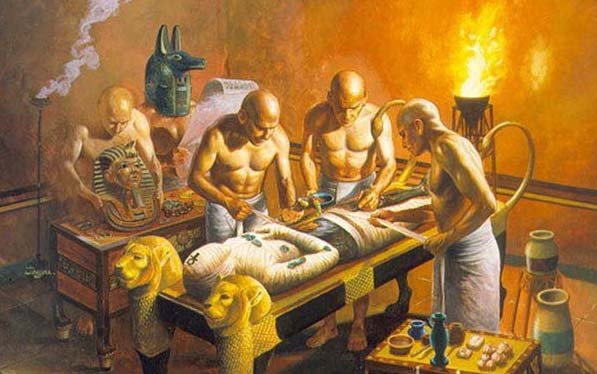
While ancient Egypt is heavily romanticized for its magic and mysticism, it was also home to some of the most advanced rational minds, scientific discoveries, and medical practices of the ancient world. The predictable yet complex nature of the Nile's annual flooding forced the Egyptians to become master mathematicians and astronomers. They developed a highly accurate solar calendar of 365 days—the direct ancestor of the calendar we use globally today—to precisely calculate planting and harvest seasons. Furthermore, their sophisticated architectural projects required a profound grasp of geometry and fractions. In the field of medicine, Egyptian doctors were internationally renowned for their clinical skills. Surviving documents like the Edwin Smith Papyrus reveal that physicians utilized systematic observation, physical examinations, and practical treatments for injuries and illnesses. They understood the importance of hygiene, performed successful surgeries using copper instruments, set fractured bones with specialized splints, and used natural antibiotics like moldy bread and honey to treat open wounds, blending practical science with empirical wisdom long before the rise of modern medicine.
11. Grand Military Might: Protecting the Borders and Expanding the Empire
The enduring stability of the Egyptian civilization was not achieved merely through peaceful farming and religious devotion; it was fiercely protected and expanded by a highly organized, formidable military machine. For much of its early history, Egypt relied on its natural geographic isolation—surrounded by harsh deserts and dangerous sea barriers—to keep foreign invaders at bay. However, during the New Kingdom, following a bitter occupation by foreign rulers known as the Hyksos, the pharaohs transformed Egypt into an aggressive, elite imperial superpower. They adopted revolutionary military technology, most notably the lightweight, horse-drawn war chariot, which allowed their archers to move with terrifying speed and precision on the battlefield. Legendary warrior pharaohs like Thutmose III, often called the Napoleon of Egypt, led brilliant campaigns that expanded the empire's borders from the Euphrates River in Syria all the way south into Sudan. These conquests brought immense international wealth, foreign tribute, and exotic resources pouring into the capital cities of Thebes and Memphis, securing Egypt's absolute geopolitical dominance over the ancient Near East.
12. The Eternal Echo: Why the Spirit of Kemet Will Never Die
As modern travelers prepare to leave the timeless landscapes of Egypt, packing away their cameras and souvenirs, they carry with them something far more valuable: an indelible connection to a civilization that successfully conquered time itself. The ancient Egyptians built their world on the profound belief that if you carve a name in stone, celebrate life with joy, and live in perfect harmony with the cosmic order, you will never truly die. Thousands of years after the last hieroglyph was carved and the last temple fire was extinguished, their magnificent legacy continues to actively shape the modern world. Millions of global travelers still make the epic pilgrimage to the Nile Valley every year, drawn by an irresistible magnetic pull to witness the sheer scale of human potential captured in the pyramids and temples. The spirit of ancient Egypt—or Kemet—refuses to be buried under the desert sands. It lives on in our architecture, our sciences, our art, and our shared human longing for eternity, proving that what was created along the banks of the Nile was not just a passing empire, but an immortal masterpiece of human civilization.