- Excursions in Egypt
- Egypt Tour Packages
- Cairo Tours and Excursions
- Hurghada Tours and Excursions
- Soma Bay Tours and Excursions
- Makadi Bay Tours and Excursions
- Sahl Hasheesh Tours and Excursions
- El Gouna Tours and Excursions
- Marsa Alam Tours and Excursions
- Port Ghalib Tours and Excursions
- El Quseir Tours and Excursions
- Dendera and Abydos Day Tours
- Aswan Tours and Excursions
- Luxor Tours and Excursions
- Sharm El Sheikh Tours and Excursions
- Top Rated Egypt Tours in 2026
- Optional Excursions in Egypt
- Private Transfer
- Blogs About egypt
- Ancient Egypt
- Historical Sites in Egypt
- Cairo
- Alexandria
- Luxor
- Aswan
- The Red Sea
- Dendera Temple
- El Fayoum Oasis
- Bahariya Oasis
- Siwa Oasis
- Al Alamein
- Marsa Matruh
- Why Egypt Is One of the Safest Countries to Visit in the Middle East
- What You Need To know Before Your First Trip To Egypt
- Egypt Travel Costs in 2026 Full Budget Guide
- Top 10 Tourist Activities in Egypt
- Top 50 Activities You Can’t Miss in Egypt in 2026
- The Guide to Guided Tours in Egypt
- Egypt’s Ancient and Modern History
- The Nile River
- The Deserts of Egypt
- Ancient Egyptian gods
- famous Egyptian dishes
- UNESCO World Heritage sites
- About Us
- Egypt Hotels and Resorts
- Excursions in Egypt
- Egypt Tour Packages
- Cairo Tours and Excursions
- Hurghada Tours and Excursions
- Soma Bay Tours and Excursions
- Makadi Bay Tours and Excursions
- Sahl Hasheesh Tours and Excursions
- El Gouna Tours and Excursions
- Marsa Alam Tours and Excursions
- Port Ghalib Tours and Excursions
- El Quseir Tours and Excursions
- Dendera and Abydos Day Tours
- Aswan Tours and Excursions
- Luxor Tours and Excursions
- Sharm El Sheikh Tours and Excursions
- Top Rated Egypt Tours in 2026
- Optional Excursions in Egypt
- Private Transfer
- Blogs About egypt
- Ancient Egypt
- Historical Sites in Egypt
- Cairo
- Alexandria
- Luxor
- Aswan
- The Red Sea
- Dendera Temple
- El Fayoum Oasis
- Bahariya Oasis
- Siwa Oasis
- Al Alamein
- Marsa Matruh
- Why Egypt Is One of the Safest Countries to Visit in the Middle East
- What You Need To know Before Your First Trip To Egypt
- Egypt Travel Costs in 2026 Full Budget Guide
- Top 10 Tourist Activities in Egypt
- Top 50 Activities You Can’t Miss in Egypt in 2026
- The Guide to Guided Tours in Egypt
- Egypt’s Ancient and Modern History
- The Nile River
- The Deserts of Egypt
- Ancient Egyptian gods
- famous Egyptian dishes
- UNESCO World Heritage sites
- About Us
- Egypt Hotels and Resorts
Welcome to
Wadi Al-Hitan – Valley of the Whales: Fossils, History & Natural Wonders of Egypt
Wadi Al-Hitan, also known as the Valley of the Whales, is one of the most extraordinary natural and archaeological attractions in Egypt. Located in the Fayoum Oasis within Egypt’s Western Desert, this remarkable UNESCO World Heritage Site is famous for its extensive collection of fossilized whale skeletons and other prehistoric marine animals. The fossils found here provide important evidence about the evolution of whales and reveal how the landscape of Egypt was dramatically different millions of years ago. Today, Wadi Al-Hitan attracts travelers, paleontologists, geologists, photographers, and nature lovers who want to explore one of the world’s most fascinating prehistoric sites.
The Valley of the Whales in Egypt contains hundreds of fossil remains belonging to ancient whales that lived approximately 40 million years ago. During that period, the region was covered by an ancient sea known as the Tethys Sea. Over millions of years, geological changes transformed the marine environment into the dry desert landscape visible today. The preserved fossils provide an extraordinary record of this environmental transformation.
Wadi Al-Hitan is particularly important because some of the whale fossils show evolutionary features that help explain the transition from land-dwelling mammals to fully aquatic whales. The fossils include species with hind limbs and other anatomical characteristics that reveal their connection with terrestrial ancestors.
The site became a UNESCO World Heritage Site in 2005 because of its outstanding scientific and natural significance. Unlike traditional archaeological sites, Wadi Al-Hitan tells a story that goes far beyond human history. It allows visitors to travel millions of years into the past and discover a time when enormous marine animals lived where the Egyptian desert now stretches across the landscape.
A visit to Wadi Al-Hitan from Cairo is often combined with other Fayoum attractions, especially Wadi El Rayan, the famous waterfalls, Lake Qarun, and Tunis Village. This makes the region an excellent destination for travelers looking for a combination of nature, adventure, geology, and prehistoric history.
1. Where Is Wadi Al-Hitan Located?
Wadi Al-Hitan, or the Valley of the Whales, is located in Egypt's Fayoum Governorate, within the Western Desert approximately 150 kilometers southwest of Cairo. The site lies inside the Wadi El Hitan Protected Area, a remote desert region that forms part of the wider Fayoum Oasis. Its location in an isolated desert landscape is one of the reasons the fossil site has remained relatively well preserved and offers such a remarkable experience for visitors. The journey to Wadi Al-Hitan takes travelers away from the cultivated areas of the Fayoum Oasis and into the open desert. As the landscape changes, green agricultural fields gradually give way to golden sand, rocky hills, and wide desert plains. This transition itself is an important part of the experience because it demonstrates the remarkable environmental diversity of the Fayoum region. Wadi Al-Hitan is located near Wadi El Rayan, another major natural attraction in Fayoum. Many visitors explore both locations during the same private desert tour. Wadi El Rayan is known for its lakes, waterfalls, and desert landscapes, while Wadi Al-Hitan is internationally famous for its prehistoric whale fossils. The remote location means that a suitable vehicle and experienced driver are important when visiting the site. The final approach to the Valley of the Whales involves traveling through desert terrain, and many tours use a 4x4 vehicle for the desert sections. A knowledgeable guide can also explain the geological history of the area and help visitors understand what they are seeing. For travelers planning a Fayoum day trip from Cairo, Wadi Al-Hitan can be included as one of the main highlights of the itinerary. Because the site is relatively far from Cairo and involves travel through the desert, it is usually combined with other Fayoum attractions to create a full-day experience. The remote location also contributes to the site's atmosphere. Away from large cities and modern development, visitors can experience a quiet desert environment where the fossil remains appear within the landscape that preserved them for millions of years.
2. Why Is Wadi Al-Hitan Called the Valley of the Whales?
The name Wadi Al-Hitan, translated into English as the Valley of the Whales, comes from the extraordinary number of ancient whale fossils discovered throughout the area. The valley contains hundreds of fossilized whale skeletons, making it one of the most important paleontological sites in the world for understanding the evolution of whales. Millions of years ago, the area that is now the Egyptian Western Desert was covered by a warm, shallow sea. This ancient marine environment supported a wide variety of aquatic life, including early whales. When these animals died, their remains eventually settled on the seabed. Over immense periods of geological time, layers of sediment covered and preserved their skeletons. The region later experienced dramatic geological changes. The ancient sea disappeared, the seabed rose, and natural processes transformed the landscape into the desert environment that exists today. The fossils remained embedded within the sedimentary rocks, where they were gradually exposed through erosion. What makes Wadi Al-Hitan fossils especially valuable is the quality and diversity of the remains. Researchers have discovered numerous ancient whale species, including specimens that preserve important anatomical features. Some of these early whales had small hind limbs, demonstrating that their ancestors were connected to mammals that once lived on land. These discoveries provide important evidence for one of the most fascinating examples of evolution: the transition of whales from terrestrial mammals to fully aquatic animals. Scientists can study the fossils to understand changes in the animals' bodies, limbs, skulls, teeth, and methods of movement. The name "Valley of the Whales" therefore reflects much more than the presence of a few fossils. It represents an entire ancient ecosystem preserved within the desert. For tourists, visiting Wadi Al-Hitan in Egypt provides a rare opportunity to see prehistoric fossils in their natural geological setting rather than only viewing them inside a museum. Walking through the valley and seeing enormous whale skeletons surrounded by desert creates a powerful connection with Earth's distant past.
3. The Ancient Sea That Once Covered Wadi Al-Hitan
One of the most fascinating facts about Wadi Al-Hitan is that the area was once covered by a vast ancient sea. Millions of years ago, the landscape of the Fayoum region looked completely different from the dry desert visitors see today. Instead of sand and rocky valleys, the area was part of a marine environment inhabited by whales, sharks, turtles, fish, and many other aquatic animals. The ancient sea was connected with the Tethys Sea, a prehistoric ocean that covered large parts of the region during different periods of Earth's geological history. The warm and shallow waters provided an ideal environment for marine life, including early whale species. As these animals lived and died, their remains accumulated on the ancient seabed. Sediments gradually covered their skeletons, protecting them from complete destruction. Over millions of years, geological processes transformed these layers into sedimentary rock containing fossilized remains. The evolution of the landscape happened gradually. Changes in sea levels, tectonic activity, erosion, and the movement of geological layers eventually caused the ancient marine environment to disappear. The seabed was transformed into land, and later into the desert landscape that characterizes the Western Desert today. The fossil record at Wadi Al-Hitan Valley of the Whales provides extraordinary evidence of this transformation. Visitors can see whale fossils embedded in rocks while standing in a dry desert surrounded by hills and sand. This contrast makes the site one of the most visually and scientifically fascinating natural attractions in Egypt. The fossils also help scientists reconstruct the ancient ecosystem. In addition to whales, researchers have discovered remains of other marine creatures, providing evidence about the food chain and environmental conditions that existed millions of years ago. For travelers, this geological history adds enormous depth to a visit. Wadi Al-Hitan is not simply a place where whale fossils happen to be found; it is a preserved record of an ancient marine world. Exploring the valley allows visitors to understand how dramatically Earth's landscapes can change over geological time and why Wadi Al-Hitan in Fayoum is considered one of the world's most important sites for studying the evolution of whales and prehistoric marine environments.
4. Whale Fossils at Wadi Al-Hitan
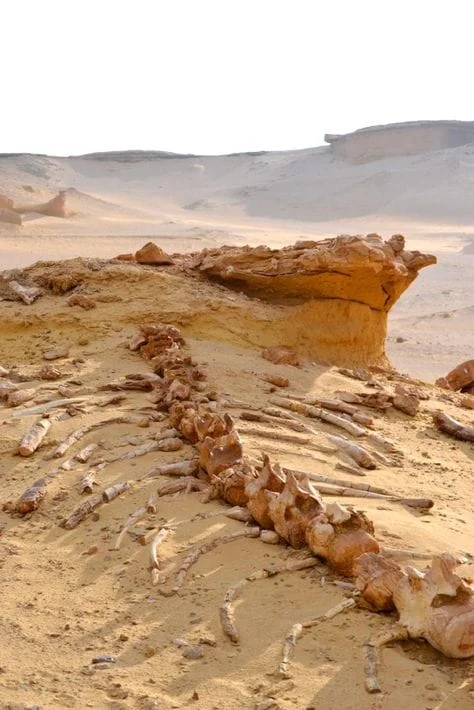
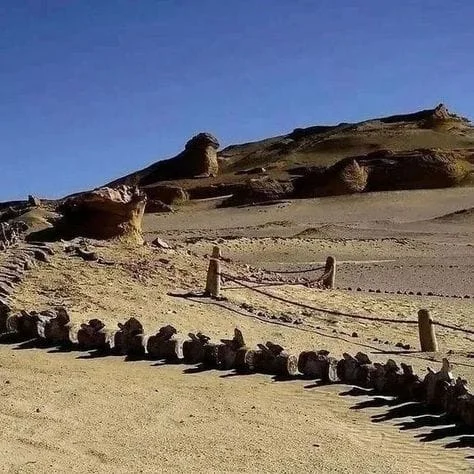
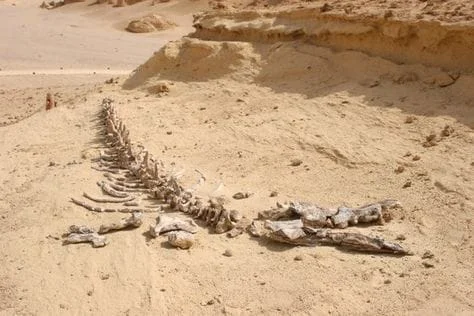
The whale fossils at Wadi Al-Hitan are the main reason this remarkable site has gained worldwide scientific importance. The valley contains hundreds of fossilized remains belonging to ancient whales that lived in the region approximately 40 million years ago. These fossils are exceptionally valuable because they preserve important evidence about the evolutionary history of whales and the dramatic transformation of the Fayoum landscape. Among the most important fossils found at Wadi Al-Hitan – Valley of the Whales are skeletons belonging to ancient whale species known as archaeocetes. These prehistoric whales were very different from modern whales. Their bodies were adapted for life in water, but many retained anatomical characteristics associated with their terrestrial ancestors. Some fossils contain small hind limbs, including bones corresponding to the pelvis and legs. These structures provide direct evidence that early whales descended from mammals that once lived on land. Over millions of years, their bodies gradually changed as they became increasingly adapted to an aquatic environment. The fossil skeletons also preserve important details of the whales' skulls, teeth, vertebrae, ribs, and other bones. By studying these remains, paleontologists can learn about the animals' size, movement, feeding habits, and evolutionary development. The remarkable preservation of the fossils is partly due to the geological conditions of the ancient seabed. Sediments covered the remains after the animals died, protecting their bones and allowing them to become fossilized over immense periods of time. Later geological changes exposed these fossil-rich layers to the surface. Walking through the valley today, visitors can see fossilized whale skeletons displayed within the desert landscape. Some specimens are protected and presented along designated paths, allowing visitors to observe them while helping preserve the site for future generations. For anyone interested in whale evolution, fossils, paleontology, natural history, and ancient Egypt, Wadi Al-Hitan provides an extraordinary experience. The site demonstrates that Egypt's history extends far beyond the age of the pharaohs. Long before humans built pyramids and temples, prehistoric whales inhabited the waters that once covered this part of the country. The whale fossils make Wadi Al-Hitan one of the most important paleontological destinations in Egypt and one of the world's most remarkable places to study the evolution of whales.
5. The Evolution of Whales at Wadi Al-Hitan
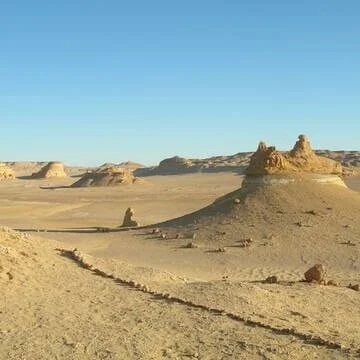
The evolution of whales is one of the most fascinating scientific stories revealed by the fossils of Wadi Al-Hitan. The site provides important evidence showing how ancient mammals that once lived on land gradually adapted to life in the water. The fossil record preserved in the Fayoum desert allows scientists to study different stages of this remarkable evolutionary transformation. The ancient whales found at Wadi Al-Hitan belonged to groups known as archaeocetes. Unlike modern whales, these early forms had body structures that still showed their connection to terrestrial mammals. Some species possessed functional or partially reduced hind limbs, while their skulls, teeth, and vertebrae were adapted to increasingly aquatic lifestyles. Over millions of years, evolutionary changes transformed these animals. Their hind limbs became smaller and eventually disappeared as functional structures. Their bodies became more streamlined, allowing them to move efficiently through water. Their tails and spinal structures also developed in ways that supported aquatic movement. The fossils at the Valley of the Whales in Egypt are particularly valuable because they document several stages of this process. Instead of relying only on modern animals to understand whale evolution, scientists can examine fossil specimens that preserve anatomical evidence from different periods. Wadi Al-Hitan is therefore considered one of the world's most important locations for studying the transition of whales from land to sea. The site provides a rare combination of fossil diversity, geological context, and exceptional preservation. The story also demonstrates that evolution is a gradual process. The ancient whales did not suddenly become identical to the modern whales we know today. Their bodies changed over many generations as environmental conditions and natural selection favored characteristics that helped them survive in aquatic environments. For visitors, seeing these fossils in the exact desert landscape where they were preserved makes the scientific story especially powerful. A knowledgeable guide can explain how the skeletons reveal changes in the whales' bodies and why certain fossil species are important to researchers. Anyone interested in whale evolution, prehistoric animals, fossils, paleontology, or natural history tourism will find Wadi Al-Hitan fascinating. The site provides a unique opportunity to witness physical evidence of one of the most remarkable evolutionary transitions in Earth's history.
6. Wadi Al-Hitan UNESCO World Heritage Site
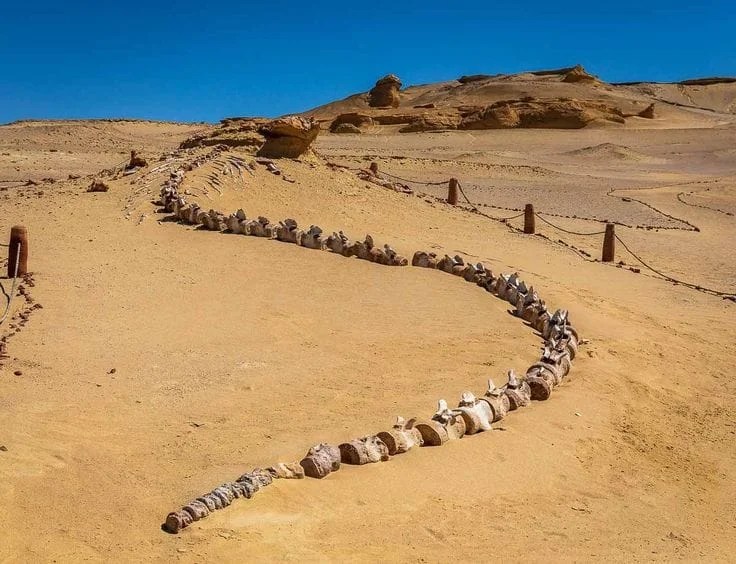
Wadi Al-Hitan became a UNESCO World Heritage Site in 2005, recognizing its exceptional scientific and natural importance. The designation highlights the valley as one of the world's most significant fossil sites for understanding the evolution of whales and the history of ancient marine environments. The UNESCO recognition is largely based on the extraordinary fossil record preserved at the site. Wadi Al-Hitan contains numerous fossilized whale skeletons, including specimens that demonstrate important stages in the transition from land-dwelling mammals to fully aquatic whales. The fossils are found within their original geological context, allowing researchers to study both the animals and the environment in which they lived. The site's importance extends beyond individual fossils. Wadi Al-Hitan in Fayoum provides evidence of an ancient ecosystem that existed approximately 40 million years ago. The fossil remains show that the area was once covered by a warm sea supporting a diverse range of marine life. The protected status of the area is essential for preserving these resources. Fossils are vulnerable to natural erosion, weathering, and human activity. Managing tourism carefully helps ensure that important specimens remain protected while still allowing visitors to experience the valley. A dedicated visitor area has been developed to help tourists understand the scientific significance of the site. Visitors can follow designated routes and observe fossil remains within the desert landscape. Educational displays and interpretation help explain whale evolution, geology, and the environmental history of the region. The UNESCO designation has also helped increase international awareness of Wadi Al-Hitan Valley of the Whales. Today, the site attracts scientists, students, photographers, and tourists from around the world. For travelers visiting Egypt, Wadi Al-Hitan offers something completely different from traditional sightseeing. Instead of exploring temples built by pharaohs, visitors can discover fossils that are millions of years older than human civilization. The site's UNESCO status makes it an important destination for anyone interested in Egyptian natural heritage, paleontology, geology, fossils, and whale evolution. Visiting Wadi Al-Hitan is an opportunity to experience a protected natural environment while learning about one of the most extraordinary chapters in Earth's history.
7. What Can You See at Wadi Al-Hitan?
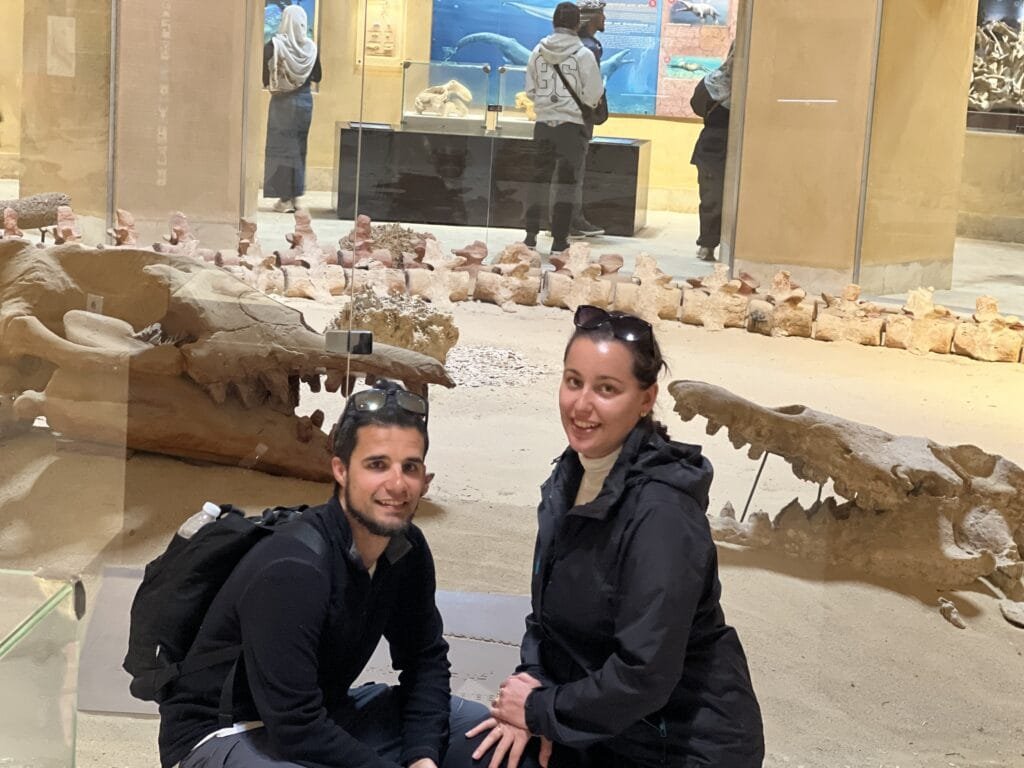
A visit to Wadi Al-Hitan – Valley of the Whales offers a completely different experience from traditional Egyptian sightseeing. Instead of ancient temples, statues, and pyramids, visitors enter a vast desert landscape where the remains of prehistoric marine animals are preserved in the rocks. The combination of fossils, geological formations, and desert scenery makes the site one of the most unique natural attractions in Egypt. The main highlight is the collection of ancient whale fossils spread throughout the protected valley. Visitors can see enormous fossilized whale skeletons lying within the sedimentary rocks. Some specimens are remarkably complete, allowing visitors to recognize the shape of the animals and understand how large these prehistoric whales were. The fossils are displayed within the natural landscape rather than being removed entirely and placed inside a conventional museum. This allows visitors to appreciate the relationship between the fossils and the geological layers that preserved them for millions of years. The Wadi Al-Hitan Visitor Centre is another important attraction. The center provides information about the prehistoric environment, whale evolution, geology, and the fossils discovered in the region. Displays and exhibits help visitors understand why the site is scientifically important and how researchers use fossil evidence to reconstruct the history of ancient animals. The surrounding desert is also part of the experience. Golden sand, rocky hills, and wide open spaces create dramatic scenery around the fossil sites. The contrast between the ancient whale remains and the modern desert landscape is particularly impressive for photographers. Visitors can follow designated paths through the protected area, allowing them to see important fossil specimens while minimizing damage to the fragile environment. It is important to remain on approved routes and avoid touching or moving fossil material. For travelers planning a Wadi Al-Hitan tour from Cairo, the site can be combined with Wadi El Rayan and other Fayoum attractions. This allows visitors to experience waterfalls, lakes, desert landscapes, and prehistoric fossils during the same trip. Whether you are interested in paleontology, geology, wildlife, photography, or natural history, Wadi Al-Hitan offers a memorable experience. It provides a rare opportunity to see evidence of Earth's ancient past in the very landscape where these extraordinary creatures once lived.
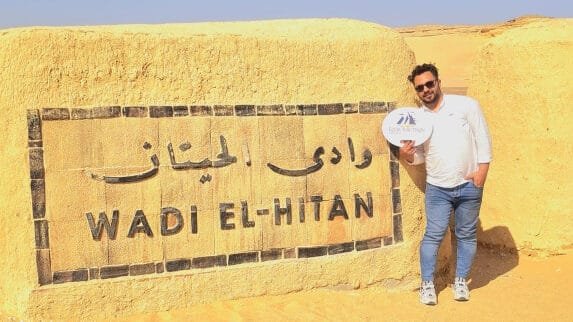
8. Wadi Al-Hitan Museum and Visitor Centre
The Wadi Al-Hitan Visitor Centre and Fossils Museum provides an important introduction to the geological and paleontological significance of the Valley of the Whales. Located within the protected area, the center was designed to help visitors understand the fossils and the ancient environment before exploring the desert valley itself. One of the most impressive features of the museum is its collection of prehistoric whale fossils. Exhibits explain how whales evolved from land-dwelling mammals into highly adapted marine animals. Visitors can learn about the different species discovered at Wadi Al-Hitan and understand the anatomical changes that occurred during whale evolution. The museum also helps explain the geological history of the region. Millions of years ago, the area was covered by a warm sea. Over time, geological processes changed the environment, eventually creating the desert landscape seen today. Fossils preserved in sedimentary rocks provide evidence of this dramatic transformation. The visitor center makes the scientific story easier to understand for travelers who may not have a background in paleontology. Information about the ancient whales, marine ecosystem, geology, and fossilization process helps connect the exhibits with the fossils visitors will see outside. The museum itself has become an attraction within the wider Wadi Al-Hitan UNESCO World Heritage Site. Its design and location allow visitors to learn about the site's importance while remaining surrounded by the desert landscape that contains the fossils. For families traveling with children, the visitor center can be particularly useful because it introduces complex scientific ideas in an accessible way. Children can learn how fossils form, how scientists study ancient animals, and why whales are important to the history of evolution. A visit to the museum is especially valuable before exploring the fossil trails. Once visitors understand the evolutionary story, seeing the actual skeletons in the desert becomes much more meaningful. For tourists searching for Wadi Al-Hitan museum, Valley of the Whales visitor center, Fayoum attractions, whale fossils in Egypt, and UNESCO sites in Egypt, the center provides an excellent starting point for discovering this extraordinary prehistoric landscape.
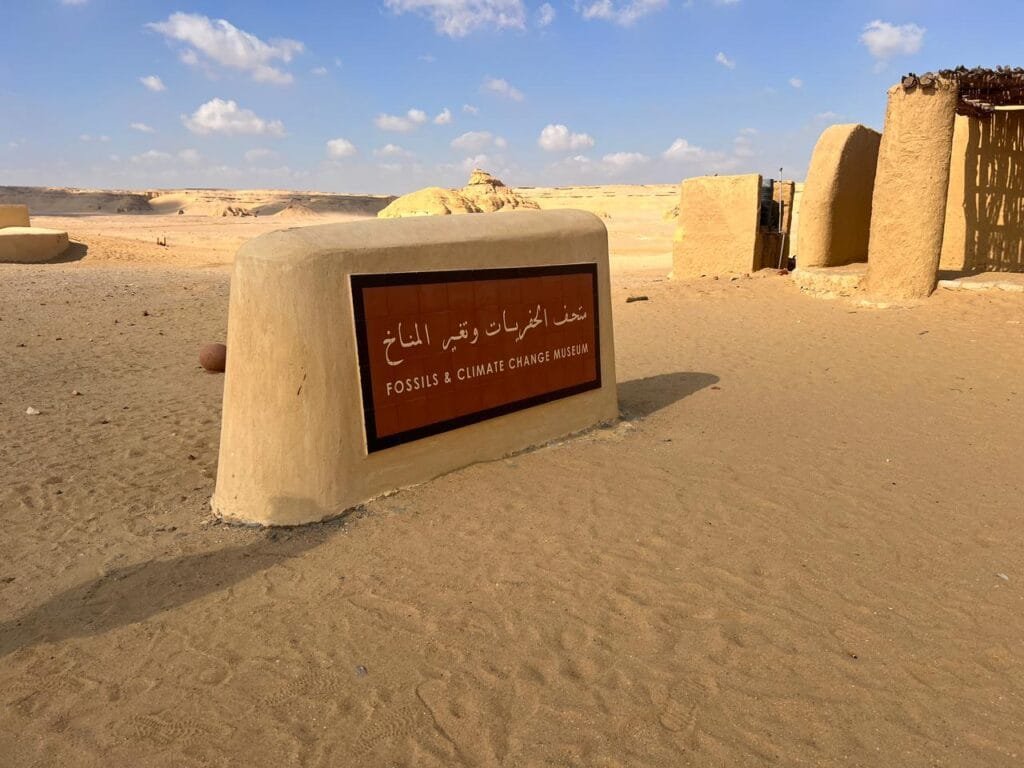
9. Wadi Al-Hitan and the Natural History of Fayoum
Wadi Al-Hitan is an essential part of the natural history of the Fayoum Oasis, a region that preserves evidence of dramatic environmental changes over millions of years. The valley demonstrates that the landscape of Egypt's Western Desert was once very different from the dry environment visible today. Understanding this history makes a visit to Wadi Al-Hitan much more than a simple fossil excursion. Approximately 40 million years ago, large areas of the Fayoum region were covered by a warm marine environment. The ancient sea supported whales, fish, turtles, sharks, and other aquatic animals. When these creatures died, their remains became buried under layers of sediment and were gradually transformed into fossils. Over geological time, the environment changed. The sea retreated, land levels changed, and erosion exposed ancient sedimentary layers. Eventually, the marine environment disappeared completely, leaving behind the desert landscape of the Western Desert. The fossils at Wadi Al-Hitan Valley of the Whales provide a record of this transformation. They allow scientists to reconstruct not only the evolution of whales but also aspects of the ancient ecosystem and climate. The wider Fayoum region contains other important natural attractions that help tell this story. Wadi El Rayan contains lakes and waterfalls within the desert, while Lake Qarun represents another important water environment in the Fayoum Oasis. Together, these locations demonstrate the remarkable variety of landscapes found within a relatively small region. The relationship between Wadi Al-Hitan and Wadi El Rayan is particularly interesting for travelers. A combined tour allows visitors to experience both the ancient geological history of the area and its modern natural environment. They can see prehistoric whale fossils in the morning and explore desert lakes and waterfalls later in the day. For anyone interested in Fayoum geology, Egyptian natural history, prehistoric animals, fossils, and desert landscapes, Wadi Al-Hitan provides an exceptional educational experience. The valley reminds visitors that Egypt's history extends far beyond the era of the pharaohs. Millions of years before humans built pyramids and temples, enormous whales inhabited the waters of this region. Today, their fossilized remains provide a remarkable window into that distant world.
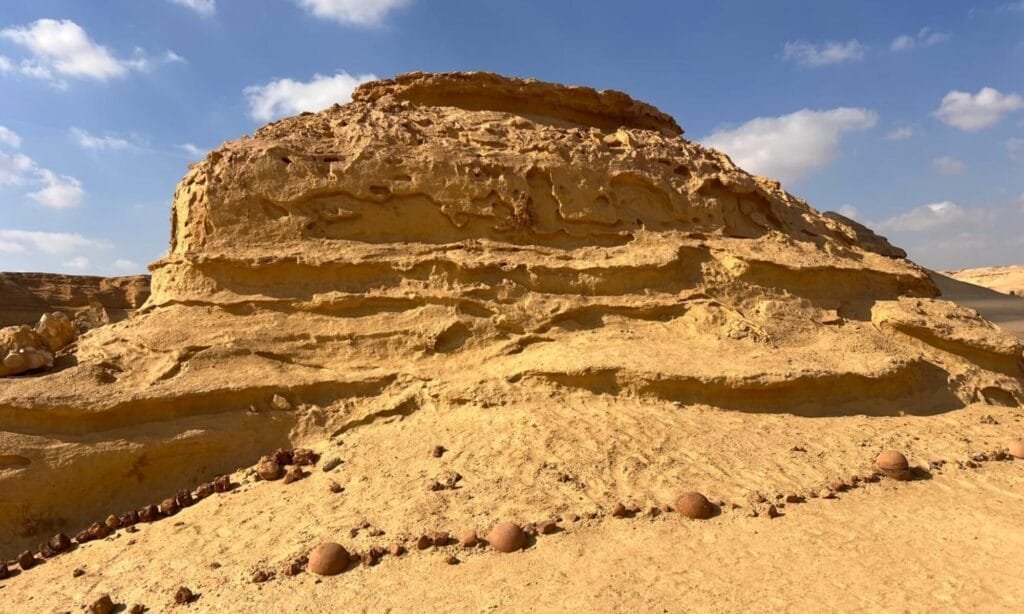
10. Best Time to Visit Wadi Al-Hitan
Choosing the best time to visit Wadi Al-Hitan is important because the Valley of the Whales is located in the open Western Desert, where temperatures can become extremely high during the summer. The cooler months generally provide more comfortable conditions for walking through the fossil trails, exploring the visitor center, and enjoying the surrounding desert scenery. The period from October to April is generally more suitable for visiting Wadi Al-Hitan. During these months, daytime temperatures are usually more comfortable for outdoor activities. Winter can be especially pleasant because travelers can spend more time exploring the fossil sites without the intense heat experienced during the middle of summer. Early morning is another excellent time to explore the valley. Temperatures are cooler, and the soft morning light creates beautiful conditions for photography. Visitors who enjoy landscape photography can capture the golden desert, rocky formations, and fossil skeletons under dramatic natural light. Late afternoon can also provide attractive scenery, although travelers should plan their visit according to the site's opening hours and available transportation. The desert environment can become challenging after sunset, so visitors should always follow the guidance of their tour operator and local authorities. During the hotter months, it is still possible to visit Wadi Al-Hitan, but travelers should take additional precautions. Carrying plenty of drinking water, wearing lightweight clothing, using sunscreen, and protecting yourself from direct sunlight are essential. Comfortable walking shoes are also important because exploring the fossil trails involves walking through desert terrain. A private Wadi Al-Hitan tour from Cairo can provide greater flexibility when planning the day's schedule. Travelers can leave early to reach the Fayoum region before the strongest heat and combine the Valley of the Whales with nearby attractions such as Wadi El Rayan. The weather should also be considered when planning desert safari activities. If the itinerary includes 4x4 driving or additional exploration of the Western Desert, cooler months generally provide more comfortable conditions. For travelers searching for the best time to visit Wadi Al-Hitan, Valley of the Whales tours, Fayoum day trips, and Egypt desert attractions, visiting during the cooler season and starting early in the day is generally the most comfortable option.

11. How to Visit Wadi Al-Hitan from Cairo
A Wadi Al-Hitan tour from Cairo is an excellent way to explore one of Egypt's most important natural and paleontological sites. Because the Valley of the Whales is located in a remote desert area within the Fayoum region, planning transportation carefully is important for enjoying the experience comfortably and safely. The journey usually begins with a drive from Cairo toward the Fayoum Oasis. As travelers move away from the capital, the landscape gradually changes from urban areas and agricultural land to open desert. The final part of the journey takes visitors deeper into the Western Desert toward the protected area. Because Wadi Al-Hitan is located away from major roads and urban centers, a suitable vehicle and experienced driver are recommended. For some desert routes, a 4x4 vehicle is necessary. Local drivers are familiar with the terrain and can help travelers reach the fossil valley safely. Many travelers choose to combine Wadi Al-Hitan with Wadi El Rayan, which is located in the same general region. This creates a full-day Fayoum adventure combining prehistoric fossils with lakes, waterfalls, and desert landscapes. Depending on the itinerary, visitors may also include Lake Qarun or Tunis Village. Hiring a professional guide can greatly improve the experience. The fossil skeletons may look like simple rocks to an untrained visitor, but a knowledgeable guide can explain their age, species, anatomy, and importance to the study of whale evolution. Guides can also explain how the ancient sea that once covered the area eventually disappeared. Visitors should prepare for the desert environment by bringing drinking water, sunscreen, sunglasses, a hat, and comfortable walking shoes. It is also important to remain on designated paths and avoid touching or removing fossils. A private Fayoum day trip from Cairo provides the flexibility to spend more time at the locations that interest you most. It can also make it easier to coordinate transportation between the different attractions. For travelers interested in Wadi Al-Hitan, whale fossils, Fayoum desert tours, UNESCO World Heritage Sites, and natural attractions in Egypt, a well-organized private trip offers one of the most memorable day-trip experiences from Cairo.

12. Why Visit Wadi Al-Hitan – Valley of the Whales?
Wadi Al-Hitan – Valley of the Whales is one of the most extraordinary destinations in Egypt and a unique place to experience the country's natural and geological heritage. While Egypt is famous around the world for its pyramids, temples, and ancient civilization, Wadi Al-Hitan reveals a much older story—one that began millions of years before humans appeared in the region. The most important reason to visit is the remarkable collection of prehistoric whale fossils. The valley contains hundreds of fossilized remains that provide evidence of the evolution of whales from land-dwelling mammals to aquatic animals. Some fossils preserve hind limbs and other anatomical features that reveal this extraordinary transition. The site's UNESCO World Heritage status demonstrates its global scientific importance. Wadi Al-Hitan is recognized as one of the world's most important locations for studying the evolution of whales and ancient marine environments. Another reason to visit is the landscape itself. Walking through a desert valley and discovering enormous whale skeletons preserved in the rocks creates an unforgettable contrast. The surrounding golden sand, rocky formations, and wide open skies provide a spectacular setting for photography and exploration. Wadi Al-Hitan is also an excellent destination for families and educational travelers. The visitor center and fossil displays make complex subjects such as evolution, geology, and fossilization easier to understand. Children and adults alike can discover how scientists use fossils to reconstruct life from millions of years ago. The valley can also be combined with Wadi El Rayan, creating one of the most diverse natural day trips in Egypt. Travelers can see prehistoric whale fossils, desert landscapes, lakes, and waterfalls during the same journey. For anyone interested in paleontology, geology, natural history, photography, eco-tourism, or unique places to visit in Egypt, Wadi Al-Hitan is a destination that should not be missed. A private Wadi Al-Hitan and Wadi El Rayan tour from Cairo provides a comfortable and convenient way to discover the region, especially when combined with an experienced guide and suitable desert transportation. From ancient whales and prehistoric seas to modern desert landscapes, Wadi Al-Hitan tells a remarkable story of Earth's changing environment. Visiting the Valley of the Whales is not simply a trip through Egypt—it is a journey millions of years back in time.