

- Excursions in Egypt
- Egypt Tour Packages
- Cairo Tours and Excursions
- Hurghada Tours and Excursions
- Soma Bay Tours and Excursions
- Makadi Bay Tours and Excursions
- Sahl Hasheesh Tours and Excursions
- El Gouna Tours and Excursions
- Marsa Alam Tours and Excursions
- Port Ghalib Tours and Excursions
- El Quseir Tours and Excursions
- Dendera and Abydos Day Tours
- Aswan Tours and Excursions
- Luxor Tours and Excursions
- Sharm El Sheikh Tours and Excursions
- Top Rated Egypt Tours in 2026
- Optional Excursions in Egypt
- Private Transfer
- Blogs About egypt
- Ancient Egypt
- Historical Sites in Egypt
- Cairo
- Alexandria
- Luxor
- Aswan
- The Red Sea
- Dendera Temple
- El Fayoum Oasis
- Bahariya Oasis
- Siwa Oasis
- Al Alamein
- Marsa Matruh
- Why Egypt Is One of the Safest Countries to Visit in the Middle East
- What You Need To know Before Your First Trip To Egypt
- Egypt Travel Costs in 2026 Full Budget Guide
- Top 10 Tourist Activities in Egypt
- Top 50 Activities You Can’t Miss in Egypt in 2026
- The Guide to Guided Tours in Egypt
- Egypt’s Ancient and Modern History
- The Nile River
- The Deserts of Egypt
- Ancient Egyptian gods
- famous Egyptian dishes
- UNESCO World Heritage sites
- About Us
- Egypt Hotels and Resorts
- Excursions in Egypt
- Egypt Tour Packages
- Cairo Tours and Excursions
- Hurghada Tours and Excursions
- Soma Bay Tours and Excursions
- Makadi Bay Tours and Excursions
- Sahl Hasheesh Tours and Excursions
- El Gouna Tours and Excursions
- Marsa Alam Tours and Excursions
- Port Ghalib Tours and Excursions
- El Quseir Tours and Excursions
- Dendera and Abydos Day Tours
- Aswan Tours and Excursions
- Luxor Tours and Excursions
- Sharm El Sheikh Tours and Excursions
- Top Rated Egypt Tours in 2026
- Optional Excursions in Egypt
- Private Transfer
- Blogs About egypt
- Ancient Egypt
- Historical Sites in Egypt
- Cairo
- Alexandria
- Luxor
- Aswan
- The Red Sea
- Dendera Temple
- El Fayoum Oasis
- Bahariya Oasis
- Siwa Oasis
- Al Alamein
- Marsa Matruh
- Why Egypt Is One of the Safest Countries to Visit in the Middle East
- What You Need To know Before Your First Trip To Egypt
- Egypt Travel Costs in 2026 Full Budget Guide
- Top 10 Tourist Activities in Egypt
- Top 50 Activities You Can’t Miss in Egypt in 2026
- The Guide to Guided Tours in Egypt
- Egypt’s Ancient and Modern History
- The Nile River
- The Deserts of Egypt
- Ancient Egyptian gods
- famous Egyptian dishes
- UNESCO World Heritage sites
- About Us
- Egypt Hotels and Resorts
Welcome to
El-Alamein War Cemetery – A Memorial to the Fallen of World War II
El-Alamein War Cemetery is one of the most important World War II memorial sites in Egypt and a deeply significant historical attraction on the Mediterranean coast. Located near the town of El Alamein, the cemetery commemorates thousands of Commonwealth service personnel who lost their lives during the North African campaign of World War II.
The cemetery is part of a larger group of military memorials and historical sites surrounding El Alamein, an area that became famous because of the major battles fought there in 1942. The location provides visitors with an opportunity to reflect on the human cost of the conflict while learning more about one of the most important military campaigns in North Africa.
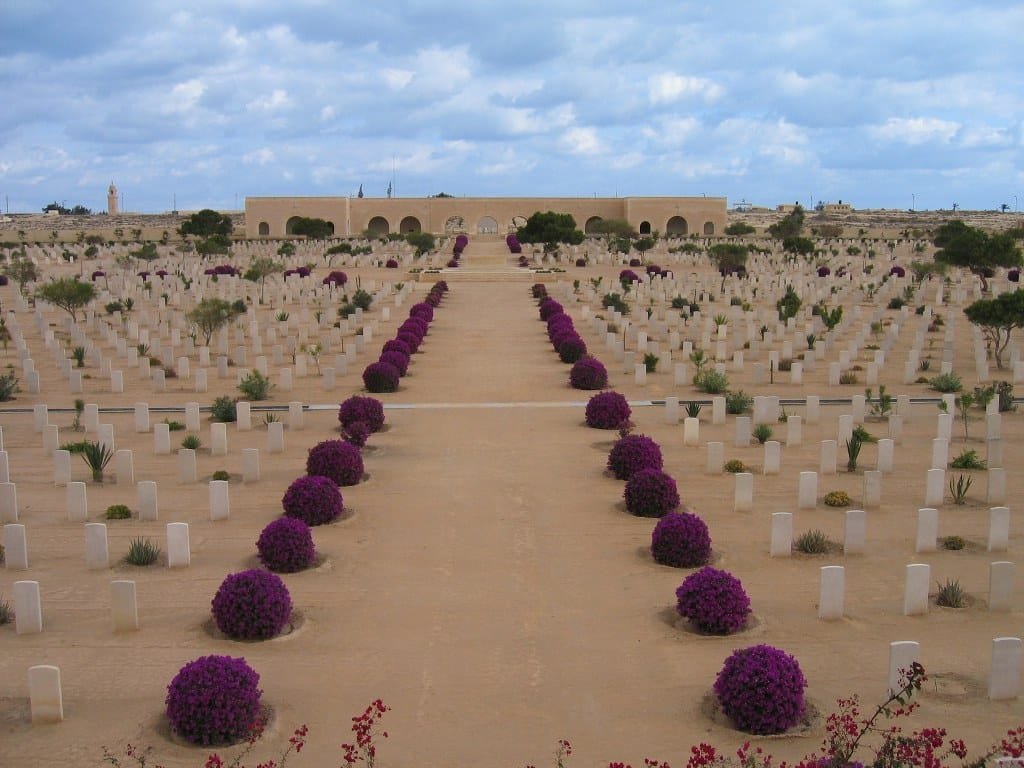
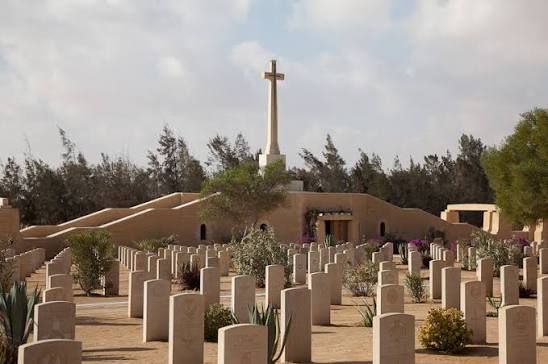
The carefully maintained grounds contain rows of white headstones arranged across landscaped gardens. Each grave represents an individual who served during the campaign, creating a powerful contrast between the peaceful appearance of the cemetery and the violent battles that took place across the surrounding desert.
The site is administered by the Commonwealth War Graves Commission, which maintains war cemeteries and memorials around the world. The cemetery includes graves of personnel from several countries and services that participated in the Allied war effort.
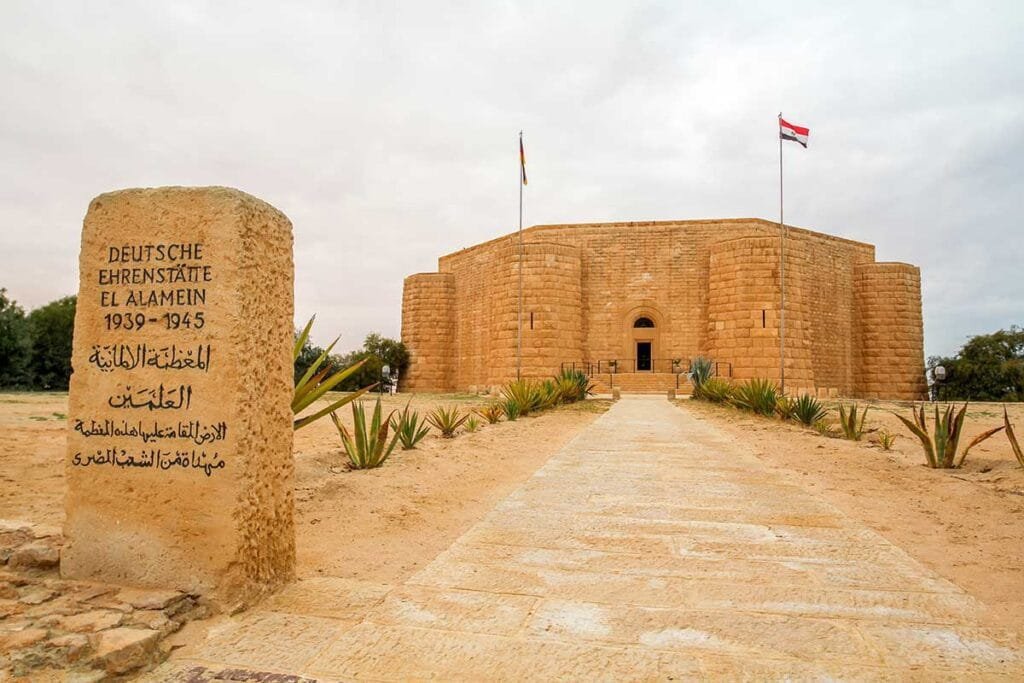
A visit to El-Alamein War Cemetery is often combined with the El-Alamein War Museum, the German Military Cemetery, and the Italian Military Memorial. Visiting several of these sites provides a broader understanding of the international nature of the North African campaign.
For travelers searching for El-Alamein War Cemetery Egypt, El Alamein Commonwealth War Cemetery, World War II cemeteries in Egypt, Battle of El Alamein memorial, and El Alamein historical sites, the cemetery is an essential destination for understanding the area’s modern history.
Unlike a conventional tourist attraction, the cemetery is primarily a place of remembrance. Visitors should approach the site respectfully and take time to appreciate the stories represented by the names and graves.
El-Alamein War Cemetery offers a quiet and moving connection to the soldiers who fought and died during one of the most important campaigns of World War II in North Africa.
1. Where Is El-Alamein War Cemetery Located?
El-Alamein War Cemetery is located near El Alamein on Egypt's Mediterranean coast, approximately 100 kilometers west of Alexandria. Its location places it close to the historic battlefield where the major battles of El Alamein took place during World War II. The cemetery is situated within the broader El Alamein historical area, which contains several important military memorials and sites connected with the North African campaign. The nearby El-Alamein War Museum provides additional historical context about the battles and the forces involved. El Alamein is now known for its Mediterranean beaches and modern resorts, but the area has a much deeper historical significance. During World War II, its strategic position became crucial to the defense of Egypt and the Allied campaign in North Africa. Travelers can reach the cemetery by road from Alexandria or Cairo, making it possible to include the site in a private historical tour. Visitors staying along Egypt's North Coast can also visit the cemetery as part of a shorter excursion. The surrounding landscape is relatively open, reflecting the desert environment in which the battles were fought. The peaceful cemetery grounds stand in sharp contrast to the battlefield that once surrounded the area. For travelers searching for where El-Alamein War Cemetery is located, El Alamein Cemetery from Alexandria, El Alamein Cemetery from Cairo, Commonwealth War Cemetery Egypt, and World War II sites near Alexandria, the cemetery is one of the most significant historical landmarks in the region. Its location is particularly meaningful because visitors are not simply viewing a memorial in an unrelated setting. They are standing near the actual battlefield where many of the soldiers commemorated here fought and died. A visit to the cemetery can therefore be combined with the War Museum and other military memorials to create a complete El Alamein World War II historical tour.
2. Why Is El-Alamein War Cemetery Famous?
El-Alamein War Cemetery is famous for commemorating thousands of Commonwealth service personnel who died during the North African campaign of World War II. It is one of the most important Commonwealth war cemeteries in Egypt and an important memorial associated with the Battle of El Alamein. The cemetery contains numerous individual graves, each marked by a carefully maintained headstone. The graves represent soldiers, sailors, airmen, and other military personnel who died during the campaign. The cemetery's significance comes not only from the number of people commemorated there but also from the international nature of the forces involved. Personnel from countries across the Commonwealth participated in the Allied campaign in North Africa. The peaceful layout of the cemetery creates a reflective atmosphere. Rows of headstones stretch across carefully maintained grounds, allowing visitors to see the scale of the human losses associated with the conflict. The cemetery is also important because of its proximity to the Battle of El Alamein battlefield. The major battles fought in 1942 became a turning point in the North African campaign and prevented Axis forces from advancing farther into Egypt. Many visitors combine the cemetery with the El-Alamein War Museum, where they can learn about the military operations before visiting the memorial site. For tourists searching for why El-Alamein War Cemetery is famous, Commonwealth War Graves El Alamein, Battle of El Alamein memorial, World War II graves Egypt, and El Alamein historical attractions, the cemetery provides an important connection between the military history of the battle and the people who lost their lives. The site is not simply a historical landmark. It is a place of remembrance where individual names and graves represent the human consequences of war. Its peaceful surroundings and carefully preserved memorials make El-Alamein War Cemetery one of the most significant World War II remembrance sites in Egypt.
3. History of El-Alamein War Cemetery
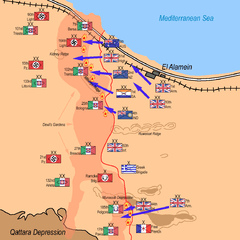
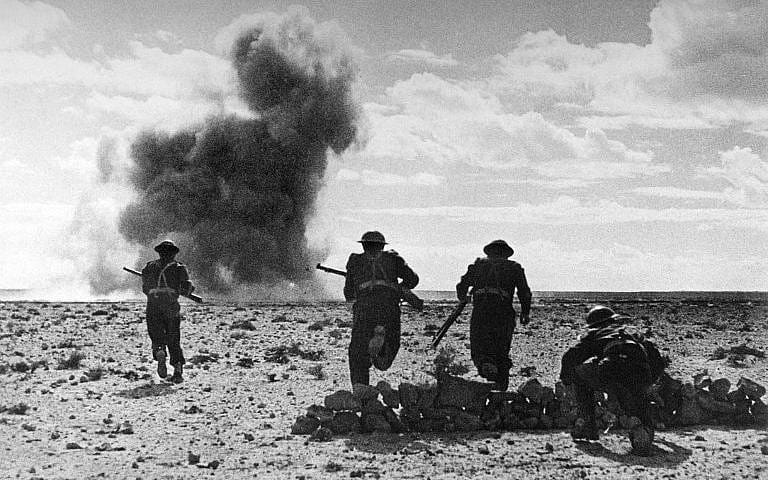
The history of El-Alamein War Cemetery is directly connected with the North African campaign of World War II and the major battles fought around El Alamein in 1942. The cemetery was established as a place of permanent remembrance for Commonwealth personnel who died during the fighting and the wider military operations in the region. The location of El Alamein became strategically important because the area offered a natural defensive position between the Mediterranean Sea and the difficult terrain of the Qattara Depression. This helped prevent large military forces from bypassing the battlefield from the south. During 1942, Allied and Axis forces fought a series of major engagements in the region. The First Battle of El Alamein stopped the Axis advance toward Egypt, while the Second Battle of El Alamein, which began in October 1942, resulted in a major Allied victory. The fighting involved soldiers from many different countries and included infantry, artillery, tanks, aircraft, and other military units. Conditions were extremely difficult, with intense heat, vast desert distances, minefields, and limited access to water. After the battles, military authorities established cemeteries and memorials to ensure that those who died were properly commemorated. El-Alamein War Cemetery became one of the principal Commonwealth remembrance sites in the region. Today, the cemetery is maintained by the Commonwealth War Graves Commission, whose work ensures that the graves and memorials remain carefully preserved. Walking through the cemetery provides a different experience from visiting a military museum. Instead of focusing primarily on weapons, maps, and military strategy, the cemetery focuses on the individuals who lost their lives. For travelers researching El-Alamein War Cemetery history, Commonwealth soldiers El Alamein, Battle of El Alamein history, World War II cemeteries Egypt, and North African campaign memorials, the cemetery provides an important historical perspective. Its history reminds visitors that the Battle of El Alamein was not only a strategic military event but also a human tragedy that affected thousands of families around the world.

4. Who Is Buried at El-Alamein War Cemetery?
The people commemorated at El-Alamein War Cemetery include Commonwealth service personnel who died during the North African campaign and related military operations. The graves represent individuals from different countries, military branches, and backgrounds who participated in the Allied war effort. The cemetery contains graves of soldiers, sailors, airmen, and other service personnel. Many belonged to the British forces, while others came from Commonwealth countries that contributed troops and personnel to the campaign. The international character of the cemetery reflects the multinational nature of the Allied forces in North Africa. Men from countries including Australia, New Zealand, South Africa, India, and other parts of the Commonwealth served in the campaign. Each grave is marked with a headstone carrying the individual's name and relevant service information. In many cases, the inscriptions also include personal messages chosen by the family. This makes the cemetery particularly powerful for visitors. Rather than seeing the battle only through maps and military statistics, travelers can see the names of individual people who lost their lives. The cemetery therefore serves as both a historical site and a place of personal remembrance. Visitors interested in who is buried at El-Alamein War Cemetery, Commonwealth soldiers in Egypt, El Alamein war graves, World War II soldiers Egypt, and Commonwealth War Graves El Alamein can learn more about individual graves through the records maintained by the Commonwealth War Graves Commission. The cemetery also demonstrates how far-reaching the North African campaign was. Many of the people buried here came from countries thousands of kilometers away from Egypt. For families and descendants researching relatives who served during World War II, the cemetery can hold particular significance. Every headstone represents an individual story, making the cemetery much more than a collection of graves—it is a lasting record of the people behind the history of El Alamein.
5. The Design and Layout of El-Alamein War Cemetery
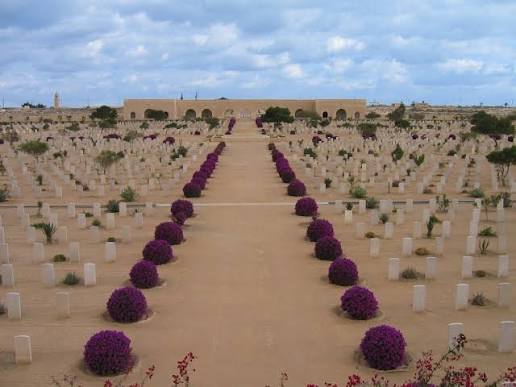
The design of El-Alamein War Cemetery reflects the principles used by the Commonwealth War Graves Commission to create peaceful and dignified places of remembrance. The cemetery is carefully maintained, with rows of uniform headstones arranged across landscaped grounds. The simple design creates a strong visual effect. Instead of elaborate monuments, the cemetery emphasizes the names and identities of the individuals buried there. The white headstones stand against the surrounding landscape, creating orderly rows that reflect the large number of people commemorated at the site. The cemetery also includes memorial architectural features and landscaped areas designed to provide visitors with a quiet environment for reflection. The overall design is intentionally peaceful. This creates a striking contrast with the history of the area, where soldiers once fought intense battles across the desert. The landscaping is particularly meaningful in the Egyptian environment. Maintaining a green and carefully organized cemetery in the surrounding desert requires ongoing care and attention. For visitors searching for El-Alamein War Cemetery design, Commonwealth War Graves cemetery Egypt, El Alamein memorial architecture, World War II cemetery Egypt, and El Alamein cemetery photos, the site's appearance is an important part of the experience. The arrangement of the graves also allows visitors to appreciate the scale of the losses associated with the campaign. Walking between the rows provides a quiet opportunity to read individual names and inscriptions. The cemetery's design avoids turning remembrance into spectacle. Instead, it encourages visitors to slow down, reflect, and understand the personal consequences of war. The combination of simple headstones, carefully maintained gardens, memorial architecture, and the surrounding desert landscape makes El-Alamein War Cemetery a dignified and moving place of remembrance.
6. El-Alamein War Cemetery and the Battle of El Alamein
The El-Alamein War Cemetery is closely connected with the famous Battle of El Alamein, one of the most important military confrontations of World War II in North Africa. Understanding the battle helps visitors appreciate why the cemetery became such an important place of remembrance. The first major battle took place in July 1942, when Allied forces succeeded in stopping the advance of Axis forces toward Egypt. The strategic position at El Alamein prevented the Axis armies from continuing their movement toward Alexandria and the Suez Canal. Several months later, the Second Battle of El Alamein began on October 23, 1942. Allied forces under General Bernard Montgomery launched a major offensive against German and Italian positions. The fighting was intense and involved artillery, tanks, infantry, aircraft, and extensive defensive minefields. Soldiers faced extremely difficult conditions in the desert, including high temperatures, limited water, and vast distances. After weeks of fighting, Allied forces successfully broke through the Axis defensive lines. The Axis armies were forced to retreat westward, marking a major turning point in the North African campaign. The cemetery serves as a permanent reminder of the human cost of these battles. Many of the people commemorated there died during the fighting or as a result of military operations in the region. For travelers searching for El-Alamein War Cemetery Battle of El Alamein, Second Battle of El Alamein, World War II battlefield Egypt, Commonwealth soldiers El Alamein, and El Alamein historical sites, visiting the cemetery after learning about the battle can provide a deeper understanding of the events. The nearby El-Alamein War Museum can further explain the military strategy, equipment, and movements of the opposing forces. Together, the museum and cemetery provide two different perspectives: one focuses on the military campaign, while the other focuses on the people who lost their lives. The connection between the cemetery and the battlefield makes El Alamein one of Egypt's most important places for understanding the history and human cost of World War II.
7. Commonwealth War Graves at El Alamein
The Commonwealth War Graves at El Alamein represent one of the most significant collections of World War II graves in Egypt. The cemetery is maintained as part of the worldwide network of Commonwealth military cemeteries and memorials dedicated to those who died during conflicts. The graves commemorate personnel from different parts of the Commonwealth who served during the North African campaign. Their presence reflects the international scale of the Allied war effort in Egypt and Libya. Many of the individuals buried at the cemetery served with the British Army, while others came from Commonwealth countries such as Australia, New Zealand, India, South Africa, and other territories. The standardized headstones make the cemetery visually distinctive. Each individual is given a dedicated grave marker, ensuring that their name and identity remain part of the historical record. The Commonwealth War Graves Commission maintains these sites according to carefully established principles. The objective is to ensure that the fallen are remembered with dignity regardless of their military rank or background. For visitors, the graves offer a personal connection to the history of the Battle of El Alamein. Reading names and inscriptions can make the events of 1942 feel much more immediate than simply reading about them in a history book. Travelers searching for Commonwealth War Graves El Alamein, Commonwealth cemetery Egypt, British war graves Egypt, Australian soldiers El Alamein, New Zealand soldiers El Alamein, and World War II memorials Egypt can find the cemetery particularly meaningful. The site also demonstrates the global nature of the conflict. The soldiers buried here came from different countries but became connected through the same campaign in North Africa. Visitors should remember that the cemetery is a place of remembrance rather than simply a tourist attraction. Quiet behavior and respectful photography are appropriate. The Commonwealth War Graves at El Alamein preserve thousands of individual stories and ensure that the sacrifices of those who served in North Africa are not forgotten.
8. Visiting El-Alamein War Cemetery with the War Museum
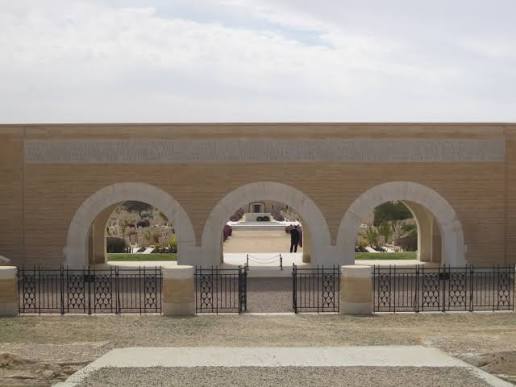
Combining El-Alamein War Cemetery with the El-Alamein War Museum is one of the best ways to understand the history of the Battle of El Alamein. The two attractions provide complementary perspectives on the same historical events. The El-Alamein War Museum focuses on the military campaign. Visitors can see tanks, artillery, weapons, uniforms, photographs, maps, and documents that explain how the battles developed. The cemetery provides a completely different experience. After learning about military strategies and operations, visitors can walk among the graves and reflect on the thousands of individuals who lost their lives. This combination creates a more complete understanding of the North African campaign. The museum explains how and why the battles were fought, while the cemetery reminds visitors of the human cost of those battles. Travelers can also include other nearby memorial sites, including the German and Italian military cemeteries. Visiting these different locations demonstrates that soldiers from opposing sides are remembered within the same historical landscape. For tourists searching for El Alamein War Museum and cemetery, El Alamein historical tour, World War II tour from Alexandria, El Alamein battlefield tour, and things to do in El Alamein, combining the sites is an excellent option. A private tour can make the experience more convenient because transportation between the different locations can be arranged in advance. Travelers interested in history may also choose to spend additional time at each location rather than rushing through the itinerary. The museum and cemetery are especially suitable for visitors who want to explore modern Egyptian history alongside the country's ancient heritage. Visiting the War Museum first and the cemetery afterward can create a powerful historical journey—from the strategy and equipment of war to the individual lives remembered in the peaceful cemetery.
9. Best Time to Visit El-Alamein War Cemetery
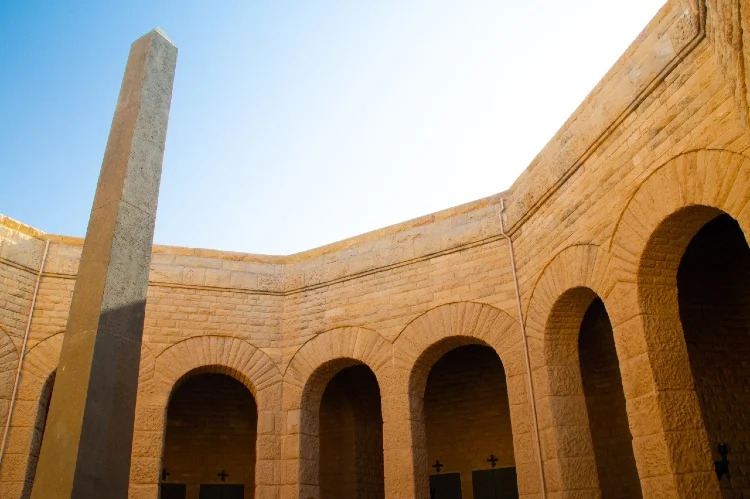
The best time to visit El-Alamein War Cemetery is generally during the cooler months, when temperatures along Egypt's Mediterranean coast are more comfortable for walking and exploring outdoor historical sites. Because the cemetery is an open-air memorial, weather can have a noticeable effect on the overall experience. The period from October to April is usually a comfortable time to visit El Alamein. During these months, temperatures are generally more suitable for walking through the cemetery, visiting memorials, and exploring the surrounding historical attractions. Winter is particularly suitable for travelers who want to combine the cemetery with the El-Alamein War Museum and other World War II sites. Although daytime conditions can be pleasant, evenings near the Mediterranean can become cool, so a light jacket is useful. Spring can also provide comfortable sightseeing conditions. Travelers visiting Alexandria during this period can easily include El-Alamein War Cemetery in a day trip along Egypt's Mediterranean coast. Summer is warmer and is also a popular season for visiting the North Coast's beaches and resorts. If you visit during summer, an early-morning or late-afternoon schedule can make outdoor sightseeing more comfortable. Visitors should also remember that the cemetery is a place of remembrance, so allowing enough time for a quiet visit is preferable to rushing through the site. For travelers searching for best time to visit El-Alamein War Cemetery, El Alamein weather, El Alamein cemetery tour, World War II sites in Egypt, and things to do in El Alamein, the cooler months are generally the most comfortable. A visit can be combined with the El-Alamein War Museum, German Military Cemetery, Italian Military Memorial, and other nearby historical attractions. Choosing a comfortable season allows visitors to spend more time outdoors and appreciate the cemetery's carefully maintained grounds and memorial architecture.
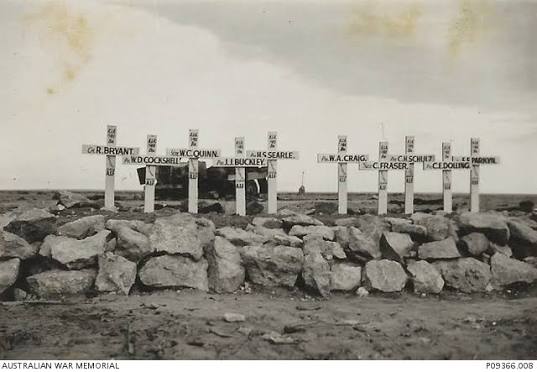
10. How to Visit El-Alamein War Cemetery
Visiting El-Alamein War Cemetery is relatively straightforward by road, and the site can be included in a private historical tour from Cairo, Alexandria, or Egypt's North Coast. Travelers coming from Alexandria can visit the cemetery as part of a day trip to El Alamein. The journey along the Mediterranean coast allows visitors to combine the cemetery with the War Museum and other historical attractions. From Cairo, the cemetery can be included in a longer private day trip. Because the distance is considerable, travelers should plan enough time for transportation and sightseeing. Visitors staying in North Coast resorts can also include the cemetery in a shorter excursion, depending on their location. A typical historical itinerary may begin at the El-Alamein War Museum, where travelers can learn about the North African campaign before visiting the Commonwealth cemetery. The itinerary can then continue to the German and Italian military memorials. Private transportation is particularly useful because the different historical sites are spread around the El Alamein area. Travelers searching for how to visit El-Alamein War Cemetery, El Alamein Cemetery from Cairo, El Alamein Cemetery from Alexandria, El Alamein private tour, and World War II tours in Egypt can plan the cemetery as part of a dedicated historical itinerary. Visitors should wear comfortable shoes because exploring the cemetery involves walking. During warmer weather, carrying drinking water and using sun protection is recommended. The cemetery should always be approached respectfully. Visitors are encouraged to keep noise low and follow any instructions displayed at the entrance or throughout the memorial grounds. A well-planned visit allows travelers to experience the cemetery not simply as a historical landmark, but as a meaningful place of remembrance connected directly to the events of World War II.
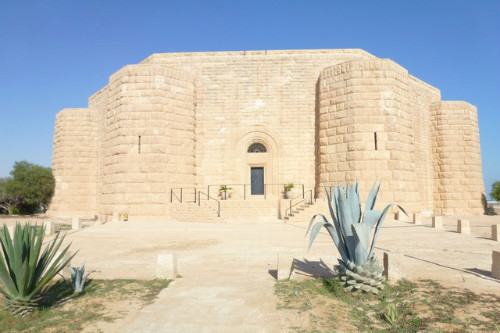
11. What to Know Before Visiting El-Alamein War Cemetery
Before visiting El-Alamein War Cemetery, travelers should understand that this is primarily a place of remembrance and reflection. Although it is an important historical attraction, the cemetery is also a memorial dedicated to people who lost their lives during the North African campaign. Visitors should wear comfortable and respectful clothing, particularly because the site is an active memorial rather than an entertainment attraction. Comfortable shoes are useful for walking through the grounds. During sunny weather, it is recommended to bring water, sunscreen, sunglasses, and a hat. The cemetery is outdoors, and the Mediterranean climate can become warm during the summer months. Visitors should maintain a respectful atmosphere. Speaking quietly and avoiding disruptive behavior is appropriate, particularly near individual graves and memorial areas. Photography may be possible, but travelers should always follow the site's rules and avoid inappropriate photographs around graves or memorial inscriptions. It is also useful to learn some background about the Battle of El Alamein before visiting. Understanding the events of 1942 can make the names and memorials much more meaningful. Combining the cemetery with the El-Alamein War Museum is highly recommended. The museum explains the military campaign, while the cemetery provides a personal reminder of the people who participated in it. Travelers can also visit other military cemeteries in the region to understand the multinational nature of the North African campaign. For tourists searching for El-Alamein War Cemetery travel tips, what to see in El Alamein, Commonwealth War Cemetery Egypt, El Alamein historical sites, and World War II cemetery etiquette, preparation can make the experience more respectful and rewarding. Most importantly, visitors should remember that every grave represents an individual life and a family affected by the war. Taking the time to walk quietly through the cemetery and read the names and inscriptions is one of the most meaningful ways to experience this important historical site.
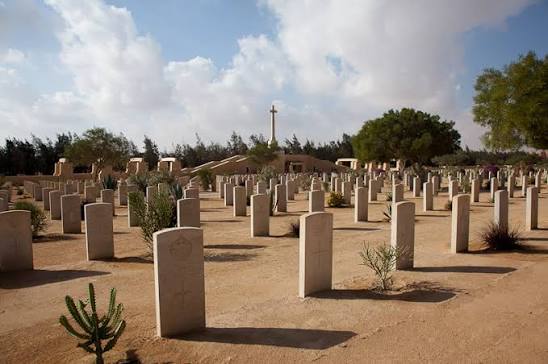
12. Why Visit El-Alamein War Cemetery?
El-Alamein War Cemetery is one of the most significant World War II memorials in Egypt and an important destination for travelers who want to understand the human side of the North African campaign. While the nearby El-Alamein War Museum explains the military events, equipment, and strategies, the cemetery provides a quieter and more personal connection to the people who lived and died during the conflict. One of the main reasons to visit is its direct connection to the Battle of El Alamein, particularly the major battles of 1942 that helped change the direction of the North African campaign. The Allied victory prevented the Axis forces from advancing farther into Egypt and toward the strategically important Suez Canal. The cemetery contains numerous graves of Commonwealth service personnel who died during the campaign. Each headstone represents an individual soldier, sailor, airman, or other service member, making the site a powerful reminder that major historical events are ultimately made up of individual human stories. The carefully maintained grounds and rows of white headstones create a peaceful atmosphere that encourages reflection. The contrast between the tranquil cemetery and the violent battles that once took place nearby makes the visit particularly moving. Travelers can also combine the cemetery with the El-Alamein War Museum, German Military Cemetery, and Italian Military Memorial. Together, these sites provide a broader understanding of the international nature and human cost of World War II in North Africa. For visitors searching for El-Alamein War Cemetery Egypt, Commonwealth War Graves El Alamein, Battle of El Alamein memorial, World War II cemeteries in Egypt, El Alamein historical sites, and things to do in El Alamein, this memorial deserves a place on a historical itinerary. The cemetery also offers a different perspective on Egypt. The country's history is often associated with pharaohs and ancient monuments, but sites such as El Alamein demonstrate its importance in modern international history. Visiting El-Alamein War Cemetery is an opportunity to remember the people behind the history, understand the human cost of war, and pay respect to those who lost their lives during one of the most important campaigns of World War II in North Africa.
