

- Excursions in Egypt
- Egypt Tour Packages
- Cairo Tours and Excursions
- Hurghada Tours and Excursions
- Soma Bay Tours and Excursions
- Makadi Bay Tours and Excursions
- Sahl Hasheesh Tours and Excursions
- El Gouna Tours and Excursions
- Marsa Alam Tours and Excursions
- Port Ghalib Tours and Excursions
- El Quseir Tours and Excursions
- Dendera and Abydos Day Tours
- Aswan Tours and Excursions
- Luxor Tours and Excursions
- Sharm El Sheikh Tours and Excursions
- Top Rated Egypt Tours in 2026
- Optional Excursions in Egypt
- Private Transfer
- Blogs About egypt
- Ancient Egypt
- Historical Sites in Egypt
- Cairo
- Alexandria
- Luxor
- Aswan
- The Red Sea
- Dendera Temple
- El Fayoum Oasis
- Bahariya Oasis
- Siwa Oasis
- Al Alamein
- Marsa Matruh
- Why Egypt Is One of the Safest Countries to Visit in the Middle East
- What You Need To know Before Your First Trip To Egypt
- Egypt Travel Costs in 2026 Full Budget Guide
- Top 10 Tourist Activities in Egypt
- Top 50 Activities You Can’t Miss in Egypt in 2026
- The Guide to Guided Tours in Egypt
- Egypt’s Ancient and Modern History
- The Nile River
- The Deserts of Egypt
- Ancient Egyptian gods
- famous Egyptian dishes
- UNESCO World Heritage sites
- About Us
- Egypt Hotels and Resorts
- Excursions in Egypt
- Egypt Tour Packages
- Cairo Tours and Excursions
- Hurghada Tours and Excursions
- Soma Bay Tours and Excursions
- Makadi Bay Tours and Excursions
- Sahl Hasheesh Tours and Excursions
- El Gouna Tours and Excursions
- Marsa Alam Tours and Excursions
- Port Ghalib Tours and Excursions
- El Quseir Tours and Excursions
- Dendera and Abydos Day Tours
- Aswan Tours and Excursions
- Luxor Tours and Excursions
- Sharm El Sheikh Tours and Excursions
- Top Rated Egypt Tours in 2026
- Optional Excursions in Egypt
- Private Transfer
- Blogs About egypt
- Ancient Egypt
- Historical Sites in Egypt
- Cairo
- Alexandria
- Luxor
- Aswan
- The Red Sea
- Dendera Temple
- El Fayoum Oasis
- Bahariya Oasis
- Siwa Oasis
- Al Alamein
- Marsa Matruh
- Why Egypt Is One of the Safest Countries to Visit in the Middle East
- What You Need To know Before Your First Trip To Egypt
- Egypt Travel Costs in 2026 Full Budget Guide
- Top 10 Tourist Activities in Egypt
- Top 50 Activities You Can’t Miss in Egypt in 2026
- The Guide to Guided Tours in Egypt
- Egypt’s Ancient and Modern History
- The Nile River
- The Deserts of Egypt
- Ancient Egyptian gods
- famous Egyptian dishes
- UNESCO World Heritage sites
- About Us
- Egypt Hotels and Resorts
Welcome to
Oracle Temple of Siwa – Temple of Amun
The Oracle Temple of Siwa, also known as the Temple of Amun, is one of the most fascinating ancient landmarks in Egypt’s Western Desert. Located in the historic oasis of Siwa, the temple is famous for its connection with the ancient Oracle of Amun and its association with Alexander the Great, who is traditionally believed to have visited the oracle in 331 BC.
The temple stands on Aghurmi Hill, overlooking the surrounding landscape of Siwa Oasis. Its elevated position provides beautiful views across the palm groves, agricultural fields, and desert landscape surrounding the oasis.
In ancient times, Siwa was an important religious destination because pilgrims traveled long distances to consult the Oracle of Amun. The oracle was associated with Amun, one of the most important deities in ancient Egyptian religion, who was particularly revered at the great temple complex of Karnak in Thebes.
The temple became famous throughout the ancient Mediterranean world, and its reputation extended far beyond Egypt. Greek rulers, military leaders, and travelers were interested in the oracle and its prophecies.
The most famous visitor associated with the site is Alexander the Great. After conquering Egypt, Alexander traveled across the desert to Siwa to consult the oracle. Ancient accounts describe the visit as an important moment in his career.
Today, the remaining ruins provide travelers with an opportunity to explore one of Egypt’s most remote ancient religious sites. Although much of the original temple has disappeared, the surviving structures and elevated location still convey the importance of the ancient sanctuary.
For travelers searching for Oracle Temple of Siwa, Temple of Amun Siwa, Alexander the Great Siwa, Siwa Oracle, ancient temples in Siwa Oasis, and things to do in Siwa, the temple is one of the essential historical attractions to include in an itinerary.
A visit can easily be combined with Shali Fortress, Cleopatra’s Spring, the Salt Lakes, Fatnas Island, and a Siwa desert safari.
The Oracle Temple of Siwa is where ancient Egyptian religion, Greek history, desert landscapes, and the legendary journey of Alexander the Great come together.
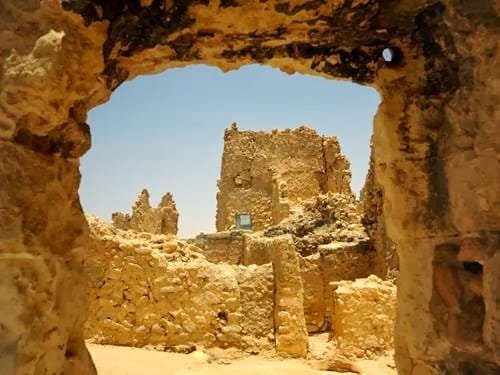
1. Where Is the Oracle Temple of Siwa Located?
The Oracle Temple of Siwa is located on Aghurmi Hill, within Siwa Oasis in Egypt's Western Desert. The elevated position of the temple gives it an impressive view over the surrounding oasis. Siwa itself is located in the far western part of Egypt, relatively close to the Libyan border. Its remote location helped preserve its distinctive cultural and historical character over many centuries. The temple's position on Aghurmi Hill was significant because it stood above the surrounding settlement and agricultural areas. From the site, visitors can see the green palm groves and cultivated land that make Siwa such a striking contrast to the surrounding Sahara. The ancient temple was part of a religious complex associated with the Oracle of Amun. Pilgrims traveled to this remote location to seek answers and prophecies from the oracle. Today, reaching the temple is generally straightforward once travelers arrive in Siwa. It can be visited as part of a private sightseeing itinerary around the oasis. The temple is often combined with nearby attractions such as Shali Fortress, the historic center of Siwa, and other natural and archaeological sites. For travelers searching for where is the Oracle Temple of Siwa, Temple of Amun location, Aghurmi Hill Siwa, Siwa archaeological sites, and how to visit the Oracle Temple, its location makes it an excellent stop during a full-day tour of the oasis. The elevated setting is also an important part of the experience because visitors can appreciate the relationship between the ancient sanctuary and the surrounding landscape. Standing on Aghurmi Hill, visitors can look across the same oasis landscape that helped make Siwa an important religious destination in the ancient world.

2. Why Is the Temple of Amun in Siwa Famous?
The Temple of Amun in Siwa is famous because it was associated with one of the ancient world's most renowned oracles. The Oracle of Amun attracted visitors from across the Mediterranean who came to seek divine guidance and answers to important questions. The sanctuary was dedicated to Amun, an important ancient Egyptian deity. Amun's worship became particularly prominent at Thebes, where the enormous Karnak Temple complex was dedicated in large part to the god. The remote location of Siwa did not prevent the oracle from becoming famous. In fact, its isolation may have contributed to the site's reputation as a mysterious and sacred destination. The temple became particularly famous because of its connection with Alexander the Great. After entering Egypt in 332 BC, Alexander traveled to Siwa in the following year to consult the oracle. His journey across the desert was remarkable in itself. Ancient sources describe the expedition as difficult, and Alexander's visit became an important part of the historical tradition surrounding Siwa. The oracle's reputation continued to influence the site's importance in the ancient world. Today, the temple attracts travelers because it combines ancient Egyptian religion, Greek history, archaeology, and the legendary story of Alexander the Great. For tourists searching for why visit Temple of Amun Siwa, Oracle of Amun Egypt, Alexander the Great Oracle Siwa, famous temples in Siwa, and ancient Egyptian temples in the Western Desert, the temple is one of the most historically significant attractions in the oasis. Its connection with the ancient oracle and Alexander the Great has made the Temple of Amun one of the most famous archaeological sites in Siwa Oasis.

3. Alexander the Great and the Oracle of Siwa
The connection between Alexander the Great and the Oracle of Siwa is one of the most famous stories associated with the oasis. After Alexander conquered Egypt in 332 BC, he traveled deep into the Western Desert to visit the Oracle of Amun at Siwa. The journey was remarkable because Siwa was located far from the main centers of ancient Egypt. Alexander and his companions had to cross a challenging desert landscape to reach the remote oasis. According to ancient historical accounts, Alexander wanted to consult the oracle and seek divine confirmation of his position and future. The visit became an important part of the legendary story surrounding his rule. Ancient writers describe the oracle as confirming Alexander's special status. Later traditions connected the visit with Alexander's belief that he was the son of Amun, whom the Greeks identified with Zeus-Ammon. The exact details of what happened inside the sanctuary remain uncertain, and ancient accounts differ in their descriptions. Nevertheless, Alexander's visit to Siwa is historically important and helped make the oasis famous throughout the ancient world. The journey also demonstrates the extraordinary reputation of the Oracle of Amun. Alexander was one of the most powerful rulers of his time, yet he traveled across the desert specifically to seek guidance from this remote religious center. Today, visitors standing at the Temple of Amun can imagine the significance of the ancient pilgrimage and the remarkable journey undertaken by Alexander and his expedition. For travelers searching for Alexander the Great Siwa Oasis, Alexander's visit to Siwa, Oracle of Amun Alexander the Great, Temple of Amun history, and Alexander the Great Egypt, this story is an essential part of understanding the site. The legendary journey of Alexander the Great to the Oracle of Siwa transformed the remote oasis into one of the most famous religious destinations of the ancient Mediterranean world.

4. The Oracle of Amun in Ancient Egypt
The Oracle of Amun at Siwa was one of the most important religious institutions in the ancient Western Desert. People traveled great distances to consult the oracle and seek answers concerning matters of personal, political, and military importance. The sanctuary was dedicated to Amun, an ancient Egyptian deity whose worship became especially important during the New Kingdom. Amun was closely associated with kingship and divine authority, making an oracle dedicated to him particularly influential. Siwa's oracle gained a reputation that extended beyond Egypt. Greek visitors and rulers were familiar with the sanctuary, and the site became an important point of contact between Egyptian religious traditions and the wider Mediterranean world. The oracle was not simply a place where people visited to admire a temple. It was a functioning religious institution in which divine messages were sought through ritual practices associated with the priests and the sanctuary. The precise methods used by the oracle remain a subject of historical discussion. Ancient sources provide different accounts, and many details about the rituals have not survived. Nevertheless, the importance of the oracle is clear from its reputation and from the people who traveled to Siwa to consult it. The sanctuary's remote location may have contributed to its spiritual prestige. Reaching the oasis required a difficult journey across the desert, which could make a visit feel like a significant religious pilgrimage. For travelers searching for Oracle of Amun Siwa history, ancient Egyptian religion, Amun temple Siwa, ancient oracles in Egypt, and Siwa archaeological sites, understanding the religious role of the sanctuary makes the ruins much more meaningful. The Oracle of Amun was not merely an ancient monument—it was a powerful religious center whose influence reached far beyond the remote oasis where it stood.

5. Aghurmi Hill and the Temple’s Location
The Oracle Temple of Siwa stands on Aghurmi Hill, an elevated location that provides impressive views over the surrounding oasis. The position of the temple is one of the most memorable aspects of visiting the site. From the hill, travelers can see extensive palm groves and agricultural areas stretching across the oasis. Beyond the greenery lies the dry landscape of the Western Desert, creating a dramatic contrast between fertile land and Sahara. The elevated setting also helps visitors understand the geography of Siwa. The oasis lies in a large depression where underground water sources have created fertile areas capable of supporting agriculture and human settlement. The ancient sanctuary's position above the oasis would have given it a commanding presence. Religious sites placed in prominent locations could be visually and symbolically separated from ordinary settlement areas. Today, climbing or exploring the hill allows visitors to appreciate both the archaeological remains and the surrounding natural landscape. The view is particularly attractive for photographers because the palm groves create a sea of green against the golden desert. The temple's location also makes it easy to combine the visit with other attractions in the historic area of Siwa. For travelers searching for Aghurmi Hill Siwa, Oracle Temple location, Temple of Amun viewpoint, Siwa Oasis views, and archaeological sites in Siwa, the hill provides more than a historical monument—it offers a panoramic introduction to the geography of the oasis. From Aghurmi Hill, the ancient sanctuary and the surrounding landscape come together to show why this remote oasis was both a practical settlement and an important sacred destination.

6. Architecture of the Oracle Temple of Siwa
The Oracle Temple of Siwa, also known as the Temple of Amun, is an impressive example of the ancient architecture that developed in the remote oasis. Although much of the original structure has been damaged or lost over time, the remaining ruins still provide valuable clues about the site's religious importance. The temple was constructed using local stone and traditional building techniques adapted to the environment of Siwa. Its position on Aghurmi Hill gave the sanctuary a commanding presence above the surrounding oasis. One of the most interesting aspects of the site is its relationship with the landscape. Unlike the enormous stone temples of Luxor and Karnak, the Temple of Amun is located within a much smaller and more isolated setting. Its architecture reflects the unique circumstances of a religious center built far from the Nile Valley. The surviving walls and architectural remains allow visitors to imagine how the sanctuary may have appeared when it was functioning as an important oracle. The temple's elevated position also adds to the experience. From the ruins, visitors can look across palm plantations, agricultural land, and the desert beyond. The architecture is particularly interesting for travelers who have already visited Egypt's major temples because it demonstrates that ancient Egyptian religious architecture extended far beyond the Nile Valley. For travelers searching for Temple of Amun architecture, Oracle Temple Siwa ruins, ancient architecture in Siwa, Aghurmi Hill temple, and Siwa archaeological sites, the temple provides an important example of Egypt's Western Desert heritage. While the ruins may not be as monumental as the temples of Karnak or Abu Simbel, their historical significance and remote location make them especially fascinating. The surviving architecture of the Oracle Temple offers a glimpse into a sacred sanctuary that once attracted pilgrims and powerful rulers to the remote heart of the Western Desert.

7. The Religious Importance of Amun at Siwa
The Temple of Amun in Siwa was dedicated to one of the most important gods in ancient Egyptian religion. Amun became especially powerful during the New Kingdom and was strongly associated with kingship, divine authority, and the Egyptian state. Amun was worshipped particularly prominently at Thebes, where the enormous Karnak Temple complex became one of the greatest religious centers of ancient Egypt. The presence of an important sanctuary dedicated to Amun in distant Siwa demonstrates the wide geographical reach of his worship. At Siwa, Amun was closely connected with the oracle. Visitors did not simply come to worship the god; they came seeking divine guidance and answers through the sanctuary's religious practices. The oracle's reputation gave Siwa a special place within the ancient religious world. People were willing to undertake long and difficult journeys across the desert to consult the sanctuary. The association between Amun and royal authority also helps explain why Alexander the Great was interested in visiting the oracle after his conquest of Egypt. The religious significance of the temple therefore extends beyond its physical remains. The site represents the meeting of ancient Egyptian religion, royal power, pilgrimage, and the wider Mediterranean world. For travelers searching for Amun Temple Siwa, Amun god Egypt, ancient Egyptian religion Siwa, Oracle of Amun history, and Temple of Amun Egypt, learning about the deity behind the sanctuary makes the visit much more meaningful. The temple is an important reminder that ancient Egyptian religious culture reached far into the Western Desert. The worship of Amun transformed this remote location into a respected religious center whose reputation eventually reached some of the most powerful figures of the ancient world.

8. The Oracle Temple and Ancient Pilgrimage
The Oracle Temple of Siwa was an important destination for ancient pilgrims who traveled across the desert seeking divine guidance. The journey itself would have been a significant undertaking, especially for visitors coming from distant parts of Egypt or the Mediterranean. In the ancient world, religious oracles played an important role in helping people make decisions about politics, warfare, personal matters, and the future. The Oracle of Amun at Siwa became famous enough to attract visitors from far beyond the oasis. The remote location of Siwa may have strengthened the spiritual character of the pilgrimage. Travelers had to cross large areas of desert before reaching the oasis, making the journey very different from visiting a temple in a major Nile Valley city. Upon reaching Siwa, pilgrims encountered an oasis filled with palm trees, agricultural land, and natural springs—a dramatic change from the surrounding desert. The temple itself served as the center of the oracle's religious activities. Priests and sacred rituals were associated with the process through which visitors sought answers from the deity. Although many details of these rituals have been lost, historical sources confirm the extraordinary reputation of the oracle. Today, following the route to the temple provides modern visitors with a small sense of the isolation that made ancient Siwa so distinctive. For travelers searching for Oracle Temple Siwa pilgrimage, ancient Egyptian oracles, Siwa religious history, Temple of Amun pilgrimage, and ancient Siwa attractions, the site's history adds another layer to the experience. The ancient pilgrimage to Siwa demonstrates how far people were willing to travel to seek divine guidance and how important the Oracle of Amun became in the ancient Mediterranean world.

9. The Oracle Temple of Siwa and Greek History
The Oracle Temple of Siwa occupies an important place not only in ancient Egyptian history but also in the history of the Greek world. The sanctuary became widely known among Greek travelers and rulers because of the reputation of the Oracle of Amun. The connection between Egypt and the Greek world became particularly strong after Alexander the Great conquered Egypt in 332 BC. Alexander adopted important elements of Egyptian religious tradition and visited the Oracle of Amun at Siwa soon after his arrival in the country. The visit helped strengthen the temple's reputation in later historical traditions. Alexander's association with the oracle became one of the most famous stories connected with Siwa and contributed to the oasis's international fame. The sanctuary also illustrates the cultural interaction that took place between ancient Egypt and the Mediterranean world. Greek visitors could encounter Egyptian religious traditions while Egyptian sanctuaries increasingly became known beyond the Nile Valley. The Temple of Amun therefore represents a fascinating meeting point between Egyptian religion and Greek history. For modern visitors, this connection makes the site particularly interesting because it provides a different perspective on Alexander the Great. Instead of seeing him only as a military conqueror, travelers can explore his relationship with Egyptian religion and his famous journey into the Western Desert. The temple's remote setting makes the story even more remarkable. Alexander had to travel deep into the desert to reach the sanctuary, demonstrating the importance attached to the oracle. For travelers searching for Greek history in Egypt, Alexander the Great Siwa, Greek influence in Siwa, Oracle of Amun Alexander, and ancient Greek Egypt, the temple is an essential historical stop. The Oracle Temple stands as a symbol of the cultural connections between ancient Egypt and the Greek Mediterranean, with Alexander the Great's visit becoming its most famous historical chapter.

10. What Can You See at the Oracle Temple Today?
Visitors exploring the Oracle Temple of Siwa today will find archaeological remains that provide a glimpse into the sanctuary's ancient past. Although the temple has suffered considerable deterioration, its location and surviving structures make it an important historical attraction. One of the main highlights is the ancient stone structure itself, where visitors can examine surviving walls and architectural elements. These remains help illustrate the construction methods and religious importance of the original sanctuary. The elevated position on Aghurmi Hill is another major attraction. From the site, visitors can enjoy wide views across Siwa Oasis, including palm groves, agricultural areas, and the surrounding desert. The landscape is especially impressive because it demonstrates the dramatic contrast between the fertile oasis and the arid Sahara. Visitors can also learn about the temple's connection with the Oracle of Amun and the famous journey of Alexander the Great. Understanding the history behind the ruins makes the relatively modest remains much more significant. The temple is often included in sightseeing itineraries that also visit Shali Fortress, Cleopatra's Spring, the Salt Lakes, and other attractions in Siwa. Photography is another enjoyable activity. The combination of ancient ruins, palm trees, desert scenery, and elevated views provides numerous opportunities for memorable photographs. For travelers searching for what to see at the Oracle Temple Siwa, Temple of Amun ruins, Aghurmi Hill attractions, Siwa archaeological sites, and Siwa sightseeing, the site offers both historical and scenic experiences. Although only part of the ancient sanctuary survives, the ruins, panoramic views, and extraordinary history make the Oracle Temple one of the most rewarding historical sites in Siwa Oasis.

11. Best Time to Visit the Oracle Temple of Siwa
The best time to visit the Oracle Temple of Siwa is generally during the cooler months, when temperatures are more comfortable for exploring archaeological sites and walking around the oasis. The period from October to April is particularly suitable for visiting Siwa. During these months, daytime temperatures are generally more comfortable than during the intense summer heat of the Western Desert. Autumn and spring are excellent seasons for travelers who want to combine the temple with outdoor activities such as desert safaris, visits to the Salt Lakes, and exploration of the oasis. Winter is also popular. The days can be pleasant and sunny, although temperatures can become quite cold at night. Visitors planning an overnight desert safari should bring suitable warm clothing. Summer can be very hot, especially around midday. If traveling during the warmer months, an early morning or late afternoon visit can provide more comfortable conditions. The elevated location of the temple also makes comfortable footwear important. Visitors should wear comfortable walking shoes, particularly when exploring archaeological remains and nearby attractions. Sun protection is essential throughout the year. A hat, sunglasses, sunscreen, and sufficient drinking water are recommended when exploring Siwa's outdoor attractions. For travelers searching for best time to visit Oracle Temple Siwa, Siwa weather, best season for Siwa Oasis, Temple of Amun tour, and Siwa travel tips, the cooler season generally provides the most comfortable conditions. A visit to the temple is even more enjoyable when combined with other Siwa attractions during the same day. Planning your visit during the cooler months allows you to explore the Oracle Temple comfortably while enjoying the surrounding oasis and desert landscape at their best.

12. Why Visit the Oracle Temple of Siwa?
The Oracle Temple of Siwa, also known as the Temple of Amun, is one of the most historically fascinating attractions in Egypt's Western Desert. Its importance comes not only from its ancient ruins but also from the remarkable stories, religious traditions, and famous historical figures connected with the site. One of the main reasons to visit is its connection with the Oracle of Amun, which attracted pilgrims from across the ancient Mediterranean world. People traveled to this remote oasis seeking divine guidance and answers to important questions. The temple is also famous because of Alexander the Great's visit to Siwa in 331 BC. His journey across the desert to consult the oracle became one of the most celebrated episodes in the history of the oasis. Another reason to visit is the temple's location on Aghurmi Hill. From the elevated site, visitors can enjoy panoramic views of Siwa's palm groves, agricultural land, and surrounding desert. The attraction also provides an opportunity to explore a less familiar side of ancient Egyptian history. Unlike the monumental temples of Luxor, Aswan, or Abu Simbel, the Oracle Temple is located in a remote desert oasis and reflects the religious importance of a sanctuary far from the Nile Valley. A visit can easily be combined with other Siwa Oasis attractions, including Shali Fortress, Cleopatra's Spring, the Salt Lakes, Fatnas Island, and a Great Sand Sea desert safari. For travelers searching for Oracle Temple Siwa, Temple of Amun Egypt, Alexander the Great Siwa, things to do in Siwa Oasis, ancient temples in Siwa, and Siwa archaeological sites, this temple should be an essential part of a historical itinerary. The combination of ancient religion, Greek history, Alexander the Great, desert scenery, and oasis culture makes the site particularly rewarding. Visiting the Oracle Temple of Siwa is a chance to stand at one of ancient Egypt's most remote religious centers and discover the extraordinary story of the oracle that once attracted pilgrims and powerful rulers from across the ancient world.
