

- Excursions in Egypt
- Egypt Tour Packages
- Cairo Tours and Excursions
- Hurghada Tours and Excursions
- Soma Bay Tours and Excursions
- Makadi Bay Tours and Excursions
- Sahl Hasheesh Tours and Excursions
- El Gouna Tours and Excursions
- Marsa Alam Tours and Excursions
- Port Ghalib Tours and Excursions
- El Quseir Tours and Excursions
- Dendera and Abydos Day Tours
- Aswan Tours and Excursions
- Luxor Tours and Excursions
- Sharm El Sheikh Tours and Excursions
- Top Rated Egypt Tours in 2026
- Optional Excursions in Egypt
- Private Transfer
- Blogs About egypt
- Ancient Egypt
- Historical Sites in Egypt
- Cairo
- Alexandria
- Luxor
- Aswan
- The Red Sea
- Dendera Temple
- El Fayoum Oasis
- Bahariya Oasis
- Siwa Oasis
- Al Alamein
- Marsa Matruh
- Why Egypt Is One of the Safest Countries to Visit in the Middle East
- What You Need To know Before Your First Trip To Egypt
- Egypt Travel Costs in 2026 Full Budget Guide
- Top 10 Tourist Activities in Egypt
- Top 50 Activities You Can’t Miss in Egypt in 2026
- The Guide to Guided Tours in Egypt
- Egypt’s Ancient and Modern History
- The Nile River
- The Deserts of Egypt
- Ancient Egyptian gods
- famous Egyptian dishes
- UNESCO World Heritage sites
- About Us
- Egypt Hotels and Resorts
- Excursions in Egypt
- Egypt Tour Packages
- Cairo Tours and Excursions
- Hurghada Tours and Excursions
- Soma Bay Tours and Excursions
- Makadi Bay Tours and Excursions
- Sahl Hasheesh Tours and Excursions
- El Gouna Tours and Excursions
- Marsa Alam Tours and Excursions
- Port Ghalib Tours and Excursions
- El Quseir Tours and Excursions
- Dendera and Abydos Day Tours
- Aswan Tours and Excursions
- Luxor Tours and Excursions
- Sharm El Sheikh Tours and Excursions
- Top Rated Egypt Tours in 2026
- Optional Excursions in Egypt
- Private Transfer
- Blogs About egypt
- Ancient Egypt
- Historical Sites in Egypt
- Cairo
- Alexandria
- Luxor
- Aswan
- The Red Sea
- Dendera Temple
- El Fayoum Oasis
- Bahariya Oasis
- Siwa Oasis
- Al Alamein
- Marsa Matruh
- Why Egypt Is One of the Safest Countries to Visit in the Middle East
- What You Need To know Before Your First Trip To Egypt
- Egypt Travel Costs in 2026 Full Budget Guide
- Top 10 Tourist Activities in Egypt
- Top 50 Activities You Can’t Miss in Egypt in 2026
- The Guide to Guided Tours in Egypt
- Egypt’s Ancient and Modern History
- The Nile River
- The Deserts of Egypt
- Ancient Egyptian gods
- famous Egyptian dishes
- UNESCO World Heritage sites
- About Us
- Egypt Hotels and Resorts
Welcome to
Visit the Great Pyramids of Giza: The Ultimate Travel Guide to Egypt’s Most Famous Landmark
The Great Pyramids of Giza stand as one of the most extraordinary achievements in human history and remain the most iconic tourist attraction in Egypt. Rising majestically from the golden sands of the Sahara Desert on the outskirts of Cairo, these ancient monuments have fascinated travelers, historians, archaeologists, and adventurers for more than 4,500 years. Recognized as the only surviving wonder of the Ancient Seven Wonders of the World, the Giza Pyramids continue to attract millions of visitors each year who come to witness the brilliance of ancient Egyptian engineering and explore the mysteries of one of the world’s greatest civilizations.
A visit to the Great Pyramids of Giza offers far more than a simple sightseeing experience. It is a journey through time that transports visitors back to the age of powerful pharaohs, monumental architecture, and extraordinary cultural achievements. The Giza Plateau is home to the Great Pyramid of Khufu, the Pyramid of Khafre, the Pyramid of Menkaure, the Great Sphinx, ancient temples, royal tombs, and fascinating archaeological sites that reveal the grandeur of Ancient Egypt. Whether you are a history enthusiast, a photography lover, or a traveler seeking unforgettable experiences, the Pyramids of Giza provide a remarkable adventure unlike any other destination on Earth.
Today, the pyramids remain a symbol of Egypt’s rich heritage and an essential stop on any Egypt travel itinerary. Visitors can explore the interior chambers of the pyramids, admire breathtaking panoramic views, ride camels across the desert, discover ancient burial complexes, and learn about the incredible construction techniques that continue to puzzle experts. As modern Cairo grows around this ancient landscape, the Great Pyramids continue to inspire wonder and curiosity. This comprehensive guide explores everything you need to know about visiting the Great Pyramids of Giza, from their fascinating history and architectural brilliance to the unforgettable experiences awaiting every traveler who dreams of discovering Egypt’s most famous landmark.
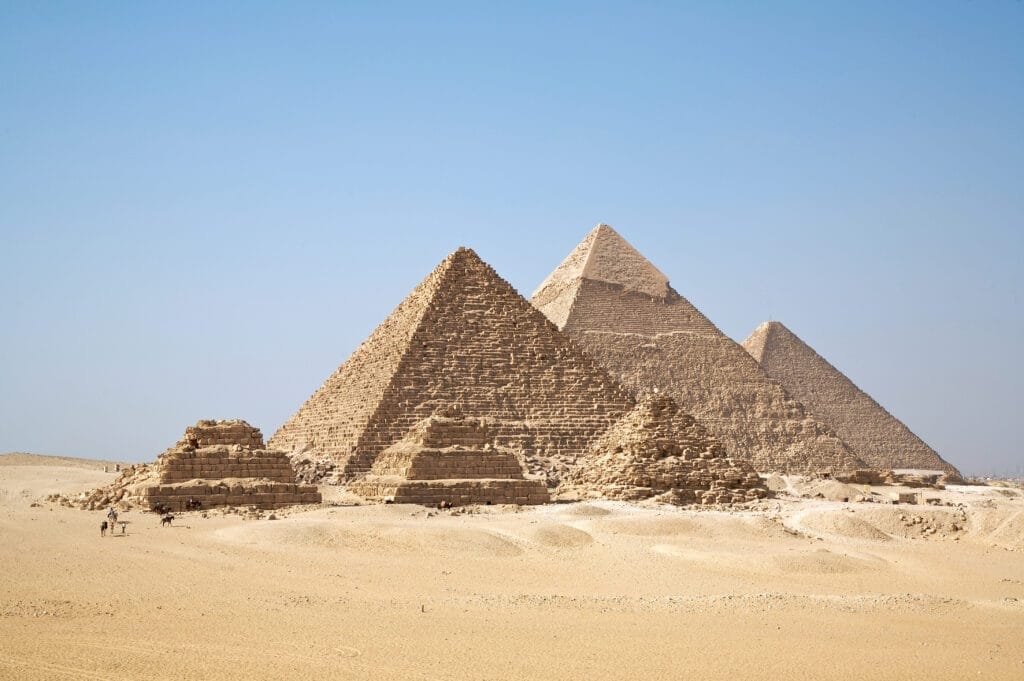
The Fascinating History Behind the Great Pyramids of Giza
The history of the Great Pyramids of Giza begins during Egypt’s Old Kingdom, often referred to as the “Age of the Pyramid Builders.” Constructed during the Fourth Dynasty around 2580–2510 BCE, these monumental structures were built as royal tombs for some of Ancient Egypt’s most powerful pharaohs. The largest pyramid, known as the Great Pyramid of Khufu, was commissioned by Pharaoh Khufu and remains one of the most impressive architectural achievements ever created by humanity. His successors, Pharaoh Khafre and Pharaoh Menkaure, continued this grand tradition by building their own pyramids nearby, creating the magnificent Giza Pyramid Complex that visitors admire today. These structures were designed not only as burial places but also as gateways to the afterlife, reflecting the ancient Egyptians’ deep spiritual beliefs and sophisticated understanding of religion and cosmology. The construction of the pyramids required extraordinary planning, engineering skills, and a highly organized workforce. Contrary to popular myths, historians now believe that the pyramids were built by skilled laborers rather than enslaved workers. Thousands of craftsmen, stonecutters, architects, and laborers collaborated for decades to transport and assemble millions of limestone blocks. The precision of the construction continues to astonish modern engineers, as many of the stones were cut and positioned with remarkable accuracy despite the limited technology available at the time. The pyramids served as powerful symbols of royal authority and demonstrated the wealth and organizational capabilities of Ancient Egypt during its golden age. Over the centuries, the Great Pyramids have witnessed the rise and fall of empires, survived invasions, natural disasters, and the passage of time. Ancient Greek historians such as Herodotus documented their existence, helping preserve their legacy for future generations. Today, the pyramids remain among the most visited archaeological sites in the world, attracting travelers eager to experience one of humanity’s greatest achievements. Their enduring presence continues to tell the story of a civilization whose influence still shapes our understanding of history, architecture, and human ambition.
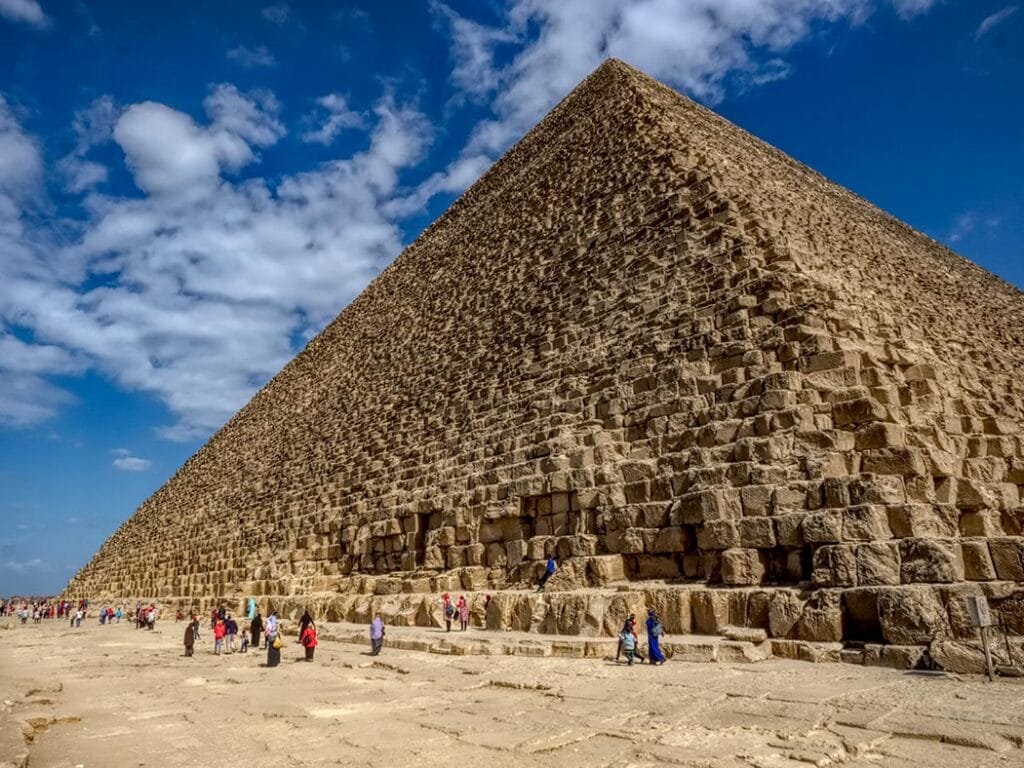
Exploring the Great Pyramid of Khufu
The Great Pyramid of Khufu, also known as the Pyramid of Cheops, is the largest and most famous pyramid in Egypt. Originally standing at approximately 146 meters (481 feet) tall, it held the title of the tallest man-made structure on Earth for nearly 4,000 years. Constructed using an estimated 2.3 million stone blocks weighing several tons each, the pyramid represents a masterpiece of ancient engineering and remains one of the most remarkable monuments ever built. Its immense size and astonishing precision continue to captivate archaeologists and visitors from around the world. Even after thousands of years, the Great Pyramid dominates the Giza skyline and stands as a powerful symbol of Ancient Egypt’s architectural brilliance. One of the most exciting experiences for visitors is entering the Great Pyramid itself. Travelers can explore a series of narrow passageways that lead to fascinating interior chambers, including the King's Chamber, where Pharaoh Khufu was originally buried. The atmosphere inside the pyramid is unlike anywhere else, offering a unique opportunity to connect with a monument that has stood for more than four millennia. Although the interior lacks decorative artwork commonly found in later tombs, the sheer scale and mystery of the structure create an unforgettable experience. Visitors often marvel at how ancient builders transported and assembled massive granite blocks deep within the pyramid's interior. The Great Pyramid has inspired countless theories and scientific investigations throughout history. Researchers continue to study its construction methods, hidden chambers, astronomical alignments, and architectural design. Modern scanning technologies have even revealed previously unknown voids within the structure, fueling new discussions about its secrets. For travelers exploring Egypt, visiting the Great Pyramid of Khufu is more than a historical excursion—it is a chance to stand before one of the greatest achievements in human civilization. Whether admired from a distance or explored from within, the Great Pyramid offers an unforgettable glimpse into the extraordinary world of Ancient Egypt.
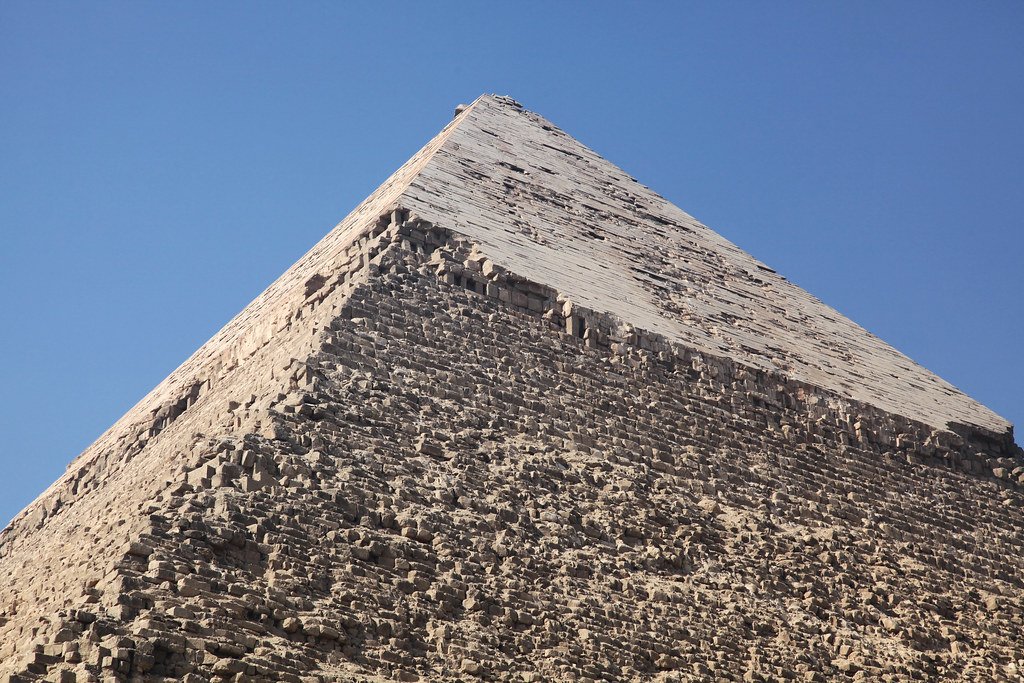
The Pyramid of Khafre and the Great Sphinx
The Pyramid of Khafre is the second-largest pyramid on the Giza Plateau and one of the most recognizable landmarks in Egypt. Although slightly smaller than the Great Pyramid of Khufu, it often appears taller because it was constructed on higher ground. Built for Pharaoh Khafre around 2558–2532 BCE, the pyramid retains some of its original smooth limestone casing stones near the summit, providing visitors with a rare glimpse of how all the pyramids once appeared. Its impressive architecture, strategic location, and historical significance make it a major highlight of any visit to the Giza Pyramids. The pyramid forms part of a larger funerary complex that includes temples, causeways, and ceremonial structures that played important roles in ancient burial rituals. Adjacent to the Pyramid of Khafre stands one of the world’s most famous monuments: the Great Sphinx of Giza. Carved from a single massive limestone outcrop, the Sphinx features the body of a lion and the head of a pharaoh, widely believed to represent Khafre himself. Measuring approximately 73 meters (240 feet) in length and 20 meters (66 feet) in height, the Sphinx has guarded the Giza Plateau for thousands of years. Its mysterious expression and unknown origins have inspired legends, myths, and scholarly debates for centuries. Visitors are often captivated by its immense scale and the sense of mystery that surrounds this iconic monument. The relationship between the Pyramid of Khafre and the Great Sphinx offers valuable insights into the religious beliefs and artistic achievements of Ancient Egypt. Together, these monuments symbolize royal power, divine protection, and the eternal journey of the pharaoh into the afterlife. As visitors explore this remarkable section of the Giza Plateau, they gain a deeper appreciation for the ingenuity and spiritual vision that shaped one of the greatest civilizations in human history. The combination of the Pyramid of Khafre and the Great Sphinx creates one of the most breathtaking and unforgettable experiences available to travelers visiting Egypt today.
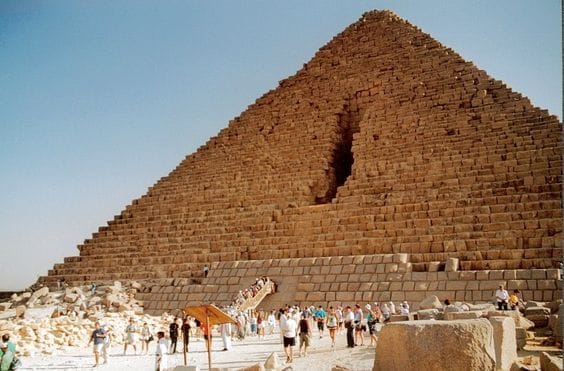
The Pyramid of Menkaure – The Smallest Yet Remarkable Pyramid of Giza
The Pyramid of Menkaure is the smallest of the three main pyramids on the Giza Plateau, yet it remains one of the most fascinating monuments of Ancient Egypt. Built for Pharaoh Menkaure, who ruled during the Fourth Dynasty around 2490 BCE, this pyramid stands approximately 65 meters (213 feet) high and demonstrates the continued evolution of pyramid construction during the Old Kingdom. Although significantly smaller than the Great Pyramid of Khufu and the Pyramid of Khafre, the Pyramid of Menkaure possesses a unique elegance and architectural beauty that attracts visitors from around the world. Its construction showcases the extraordinary craftsmanship and engineering skills of ancient Egyptian builders who created monuments designed to last for eternity. The lower portion of the pyramid was originally covered with polished red granite transported from Aswan, while the upper sections were encased in fine white limestone, creating a striking visual contrast that reflected the wealth and prestige of the pharaoh. One of the most distinctive features of the Pyramid of Menkaure is the group of three smaller satellite pyramids located nearby. These structures are believed to have been built for royal family members and played an important role in the funerary complex surrounding the king’s tomb. Archaeological discoveries within the pyramid complex have provided valuable insights into ancient Egyptian burial practices, religious beliefs, and royal ceremonies. Excavations have uncovered statues, temples, and artifacts that reveal the sophistication of the civilization that flourished along the Nile River more than four thousand years ago. Although the pyramid suffered damage during various periods of history, including attempted dismantling during the medieval era, it remains an impressive testament to the enduring legacy of Ancient Egypt. Visitors exploring the Pyramid of Menkaure often appreciate its quieter atmosphere compared to the larger pyramids nearby. The monument offers excellent opportunities for photography, historical exploration, and a deeper understanding of the Giza Pyramid Complex as a whole. Standing before this remarkable structure allows travelers to witness another chapter in the story of Egypt’s legendary pyramid builders and experience the timeless grandeur of one of the world's most celebrated archaeological sites.
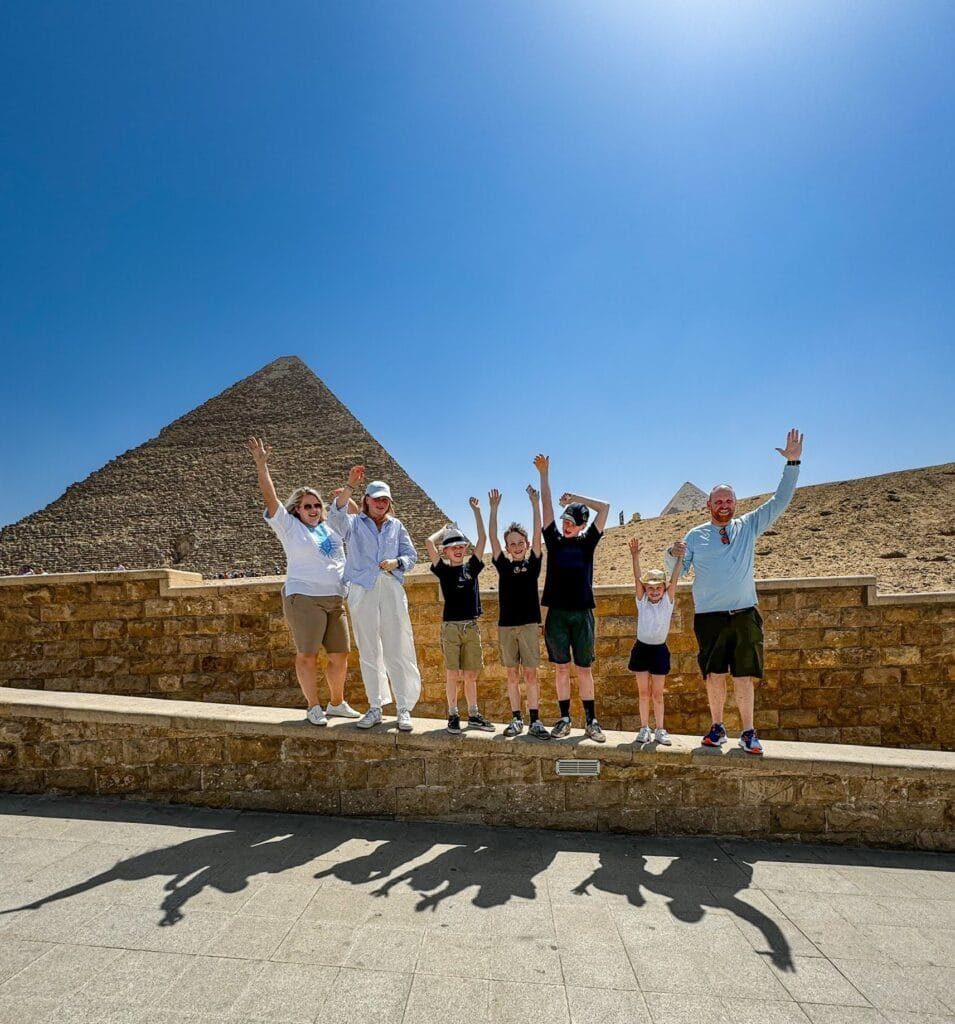
Exploring the Giza Plateau Complex – A Journey Through Ancient Egypt
The Giza Plateau Complex is far more than a collection of pyramids; it is a vast archaeological treasure that represents one of the greatest achievements of human civilization. Located on the western edge of Cairo, the plateau serves as a monumental necropolis that preserves the legacy of Ancient Egypt’s Old Kingdom rulers. Beyond the three famous pyramids of Khufu, Khafre, and Menkaure, the site includes ancient temples, royal causeways, workers’ villages, cemeteries, tombs of nobles, and numerous archaeological discoveries that continue to reveal new information about life in ancient times. Every corner of the plateau tells a story about the religious beliefs, social structure, engineering capabilities, and artistic accomplishments of one of history’s most influential civilizations. For travelers seeking a comprehensive historical experience, exploring the entire Giza Plateau offers an unparalleled opportunity to immerse themselves in the world of the pharaohs. One of the most impressive features of the complex is the Valley Temple of Khafre, which was used during the mummification and burial rituals of the king. Nearby, visitors can walk along the ancient causeways that once connected the pyramids to the Nile River and ceremonial temples. The plateau also contains numerous mastaba tombs belonging to royal officials, priests, architects, and noble families who played significant roles in the administration of the kingdom. These tombs often feature beautifully preserved carvings and inscriptions that provide valuable insights into daily life, agriculture, trade, religious practices, and social customs in Ancient Egypt. Archaeologists continue to study these structures, uncovering evidence that helps explain how the pyramids were constructed and maintained. The Giza Plateau also offers some of the most breathtaking panoramic views in Egypt. Visitors can stand at designated viewpoints and admire all three pyramids aligned against the desert horizon, creating one of the most iconic landscapes in the world. Whether exploring ancient temples, discovering hidden tombs, or simply enjoying the spectacular scenery, the Giza Plateau Complex provides an unforgettable journey through thousands of years of history and remains one of the most extraordinary destinations for cultural tourism and archaeological exploration.
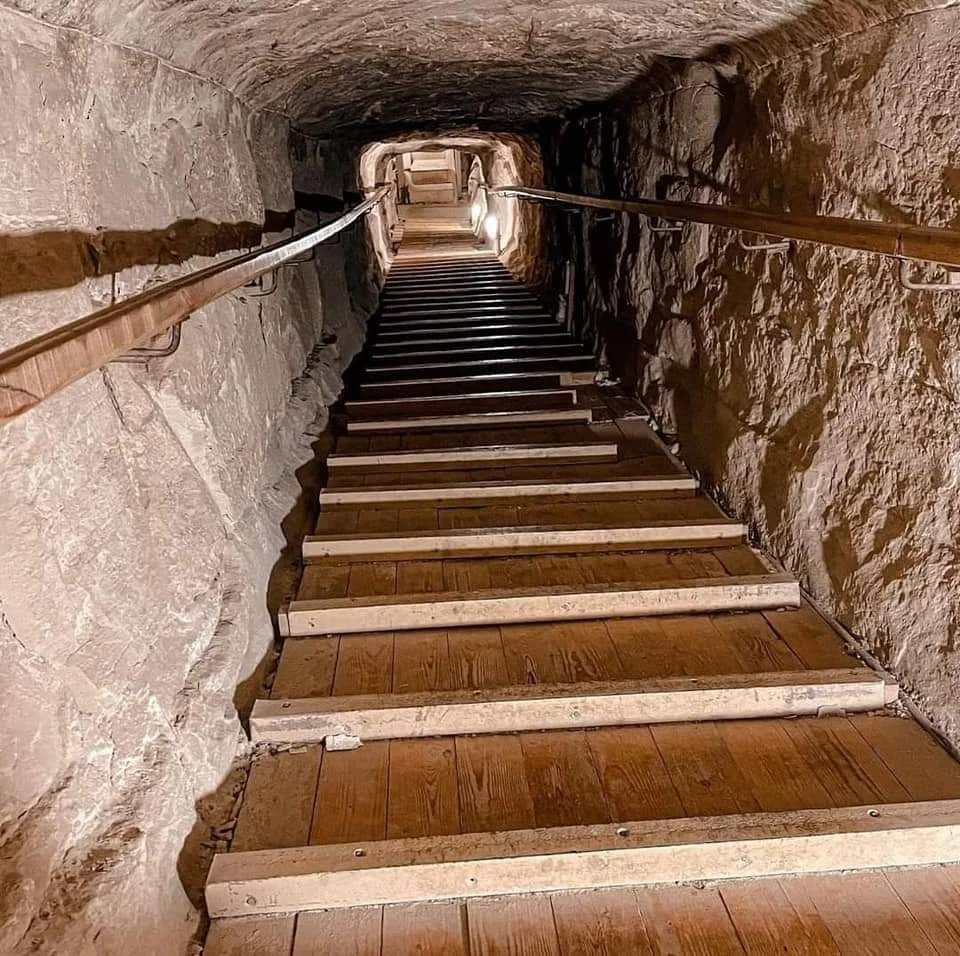
Inside the Pyramids Experience – Discovering the Hidden Chambers of Ancient Egypt
One of the most thrilling experiences available at the Great Pyramids of Giza is the opportunity to enter the pyramids and explore their mysterious interior chambers. While viewing the pyramids from the outside is undoubtedly impressive, stepping inside these ancient monuments allows visitors to connect with history in a truly unforgettable way. Narrow corridors, ascending passageways, massive stone blocks, and hidden chambers create an atmosphere of wonder and mystery that few other historical sites can match. The experience provides a unique glimpse into the engineering brilliance of the ancient Egyptians and offers travelers a deeper appreciation for the complexity of these extraordinary structures. For many visitors, entering the pyramids becomes the highlight of their journey through Egypt. The interior of the Great Pyramid of Khufu is particularly fascinating. Visitors climb through a series of passageways that eventually lead to the famous Grand Gallery, an impressive corridor with a high corbelled ceiling that demonstrates remarkable architectural precision. From there, travelers reach the King’s Chamber, a simple yet powerful room constructed from enormous granite blocks. Despite the absence of elaborate decorations, the chamber evokes a profound sense of history and mystery. The pyramid's internal design continues to puzzle researchers, who are still investigating its construction methods, hidden spaces, and symbolic significance. Advanced scanning technologies have revealed previously unknown voids within the structure, adding to the intrigue surrounding one of the world's greatest architectural achievements. Exploring the interior of a pyramid requires some physical effort due to the narrow tunnels and steep inclines, but the reward is an experience unlike any other. Visitors often describe a feeling of awe as they stand inside a monument that has survived for more than 4,500 years. The silence, ancient atmosphere, and historical significance create memories that last a lifetime. For travelers seeking an authentic encounter with Ancient Egypt, the Inside the Pyramids Experience offers a rare opportunity to step directly into the heart of one of humanity’s most enduring wonders and witness the incredible legacy of the pharaohs firsthand.
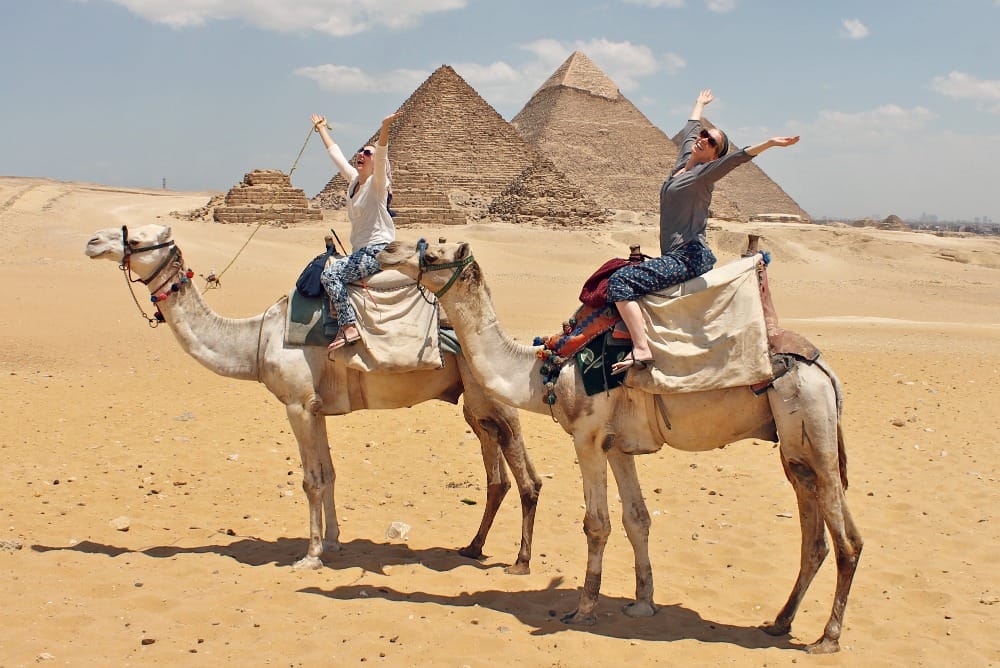
Camel Rides and Desert Adventures Around the Pyramids
A camel ride around the Great Pyramids of Giza is one of the most iconic experiences that visitors can enjoy during their trip to Egypt. For centuries, camels have been known as the “ships of the desert,” providing transportation across the vast landscapes of North Africa and the Middle East. Today, travelers have the opportunity to experience this traditional mode of travel while exploring one of the world’s most famous archaeological sites. Riding a camel across the golden sands surrounding the pyramids offers a unique perspective of these ancient monuments and allows visitors to appreciate their immense scale in a way that cannot be fully understood from ground-level viewing areas alone. As the pyramids rise dramatically against the desert backdrop, travelers can capture breathtaking photographs that perfectly represent the timeless beauty of Egypt’s most iconic landmark. The desert environment surrounding the Giza Plateau creates a magical atmosphere that transports visitors back thousands of years. Away from the crowds near the main entrances, camel excursions lead travelers to panoramic viewpoints where all three pyramids can be seen together. These locations are especially popular among photographers seeking spectacular images of the Great Pyramid of Khufu, the Pyramid of Khafre, and the Pyramid of Menkaure standing proudly against the horizon. Sunrise and sunset are particularly rewarding times for camel rides, as the changing light creates stunning colors across the desert landscape and highlights the architectural details of the ancient monuments. In addition to camel rides, visitors can also enjoy horseback riding and guided desert tours around the plateau. These experiences provide a deeper connection to the natural environment that has surrounded the pyramids for more than four millennia. Whether taking a short ride or embarking on a longer desert adventure, travelers gain a unique appreciation for the historical setting of the Giza Pyramids. The combination of ancient monuments, golden dunes, and traditional transportation creates an unforgettable experience that remains one of the highlights of any Egypt travel itinerary.
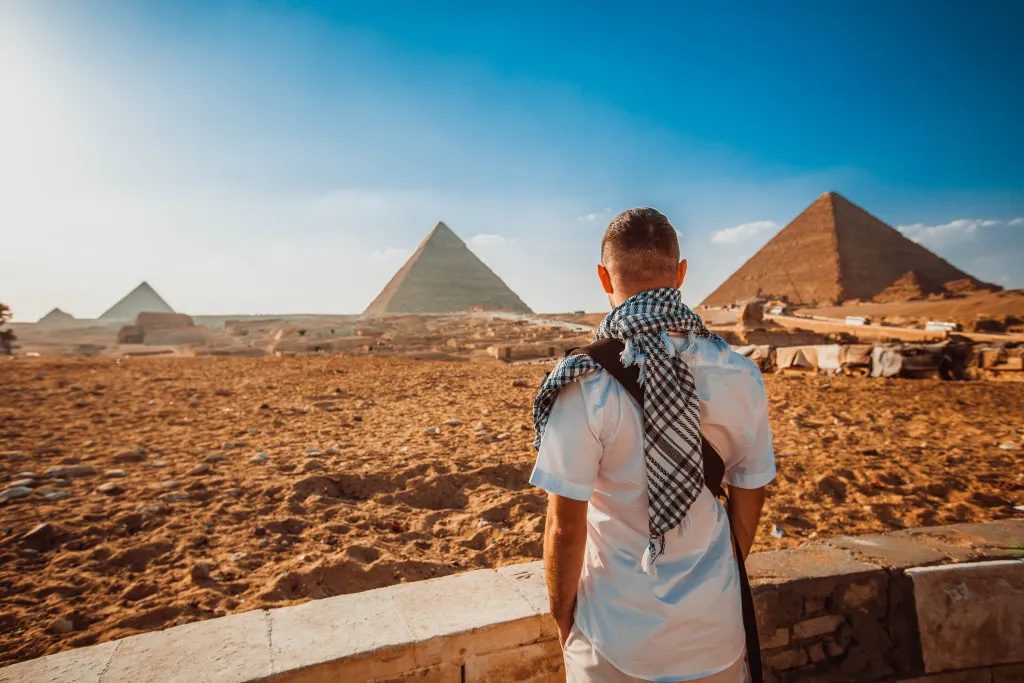
The Best Panoramic Viewpoints of the Giza Pyramids
The Giza Plateau offers some of the most spectacular panoramic viewpoints in the world, providing visitors with unforgettable opportunities to admire the grandeur of the pyramids from different perspectives. While many travelers initially focus on viewing the monuments from close range, exploring the plateau’s elevated observation points reveals the true scale and magnificence of the entire complex. These viewpoints allow visitors to see the Great Pyramid of Khufu, the Pyramid of Khafre, and the Pyramid of Menkaure aligned against the vast desert landscape, creating one of the most recognizable and photographed scenes in global tourism. The panoramic views showcase not only the architectural brilliance of the pyramids but also their strategic placement within the ancient necropolis. One of the most famous viewpoints is located deeper within the desert beyond the main pyramid area. From this location, visitors can capture the classic image of all three pyramids standing together against the golden sands. This perspective highlights the harmonious arrangement of the monuments and provides excellent opportunities for photography. Professional photographers and travel enthusiasts often consider this viewpoint essential for capturing the true essence of the Giza Plateau. The contrast between the ancient structures and the surrounding desert creates dramatic visual compositions that are particularly stunning during sunrise and sunset. The panoramic viewpoints also offer visitors a chance to appreciate the scale of ancient Egyptian engineering. From a distance, it becomes easier to understand how the pyramids dominate the landscape and why they have inspired awe for thousands of years. The elevated perspectives reveal the broader layout of the complex, including temples, causeways, and surrounding archaeological features. Whether visiting during the early morning hours or enjoying the warm colors of sunset, the panoramic viewpoints provide some of the most memorable moments of any trip to Egypt. For travelers seeking extraordinary photographs and breathtaking scenery, these viewpoints are among the most rewarding experiences available at the Great Pyramids of Giza.

The Sound and Light Show at the Great Pyramids of Giza
The Sound and Light Show at the Great Pyramids of Giza offers visitors a completely different way to experience one of the world’s most famous historical sites. As darkness falls over the Giza Plateau, the ancient monuments are transformed through a spectacular combination of colorful illumination, dramatic storytelling, and immersive sound effects. The show brings thousands of years of Egyptian history to life, guiding audiences through the fascinating stories of the pharaohs, the construction of the pyramids, and the rise of one of the greatest civilizations in human history. Against the backdrop of the illuminated pyramids and the majestic Great Sphinx, visitors are transported on a journey through time that celebrates Egypt’s remarkable cultural heritage. The experience begins as powerful beams of light highlight the pyramids and surrounding monuments while a narrated presentation explains the history and significance of the site. The Great Sphinx often serves as the symbolic storyteller, recounting tales of ancient kings, monumental achievements, religious beliefs, and historical events. The carefully designed lighting effects enhance the dramatic atmosphere, creating stunning visual displays that emphasize the scale and beauty of the pyramids. Visitors gain a deeper understanding of the archaeological complex while enjoying an entertaining and educational performance suitable for travelers of all ages. For many tourists, the Sound and Light Show becomes one of the most memorable highlights of their visit to Cairo. The nighttime setting offers a unique contrast to daytime exploration, allowing visitors to see the monuments in an entirely new way. The illuminated pyramids standing beneath the stars create an unforgettable spectacle that combines history, culture, and modern technology. Whether visiting Egypt for the first time or returning to explore its treasures once again, attending the Sound and Light Show provides an extraordinary opportunity to experience the Great Pyramids of Giza through a captivating blend of storytelling and visual artistry that leaves a lasting impression on every traveler.
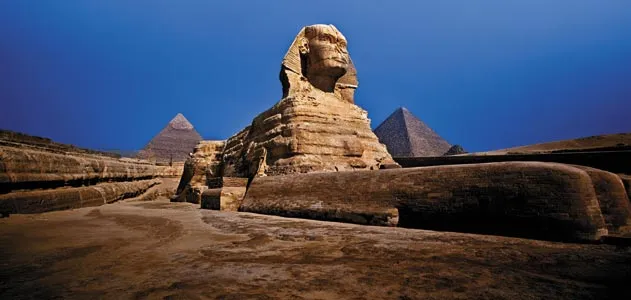
The Great Sphinx of Giza – Guardian of the Pyramids
The Great Sphinx of Giza is one of the most mysterious and recognizable monuments in the world, standing proudly beside the Pyramid of Khafre on the Giza Plateau. With the body of a lion and the head of a pharaoh, the Sphinx symbolizes strength, wisdom, and royal authority. Carved directly from a single limestone outcrop around 4,500 years ago, this colossal statue measures approximately 73 meters (240 feet) in length and 20 meters (66 feet) in height, making it one of the largest monolithic sculptures ever created. Historians generally believe that the face of the Sphinx represents Pharaoh Khafre, although debates about its origins and purpose continue to fascinate researchers and visitors alike. As one of Egypt’s most famous landmarks, the Great Sphinx remains an essential part of any visit to the Great Pyramids of Giza. The mystery surrounding the Sphinx has inspired countless legends, theories, and archaeological investigations over the centuries. Ancient civilizations, including the Greeks and Romans, admired the monument and documented its existence. Throughout history, the Sphinx was periodically buried beneath desert sands, only to be rediscovered and restored by successive generations. Numerous restoration projects have helped preserve the monument, ensuring that future visitors can continue to admire its grandeur. Despite extensive research, many questions remain unanswered regarding the exact methods used to carve the statue and the symbolic meaning behind its design. Visitors standing before the Great Sphinx often describe a profound sense of wonder as they contemplate its immense size and enduring presence. The monument provides excellent opportunities for photography and serves as a powerful reminder of the artistic and engineering achievements of Ancient Egypt. Combined with the nearby pyramids, the Sphinx creates one of the most iconic archaeological landscapes on Earth. Its mysterious expression and legendary history continue to captivate millions of travelers every year, making it one of the most unforgettable attractions within the Giza Pyramid Complex.
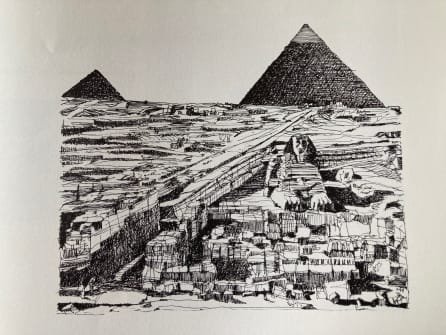
Ancient Egyptian Religion and the Purpose of the Pyramids
To fully appreciate the significance of the Great Pyramids of Giza, visitors must understand the religious beliefs that inspired their construction. Ancient Egyptian civilization was deeply rooted in spirituality, and the pyramids were designed as monumental gateways to the afterlife. Egyptians believed that death was not the end of existence but rather the beginning of a new journey into eternity. Pharaohs were considered divine rulers chosen by the gods, and their successful transition into the afterlife was believed to be essential for maintaining cosmic order and prosperity throughout the kingdom. As a result, enormous resources were devoted to building magnificent tombs that would protect the king and provide everything necessary for eternal life. The pyramids served as the centerpiece of elaborate funerary complexes that included temples, offering halls, causeways, and subsidiary tombs. Within these sacred spaces, priests conducted rituals and ceremonies intended to sustain the pharaoh’s spirit after death. Valuable treasures, food offerings, statues, furniture, and symbolic objects were often placed within royal tombs to accompany the king on his journey through the afterlife. The orientation of the pyramids and their alignment with celestial bodies reflected the Egyptians’ advanced understanding of astronomy and their belief in the connection between the heavens and the divine realm. Every aspect of the pyramid complex was carefully planned to support the pharaoh’s eternal existence. Today, the pyramids provide invaluable insights into the religious worldview of Ancient Egypt. They reveal a civilization that invested extraordinary effort into preparing for life after death and preserving the legacy of its rulers. Visitors exploring the Giza Plateau gain a deeper understanding of the beliefs that motivated the construction of these monumental structures. The pyramids are not merely architectural achievements; they are sacred symbols of faith, immortality, and humanity’s enduring quest to understand the mysteries of existence. Their spiritual significance continues to inspire curiosity and admiration among travelers, historians, and archaeologists from around the globe.
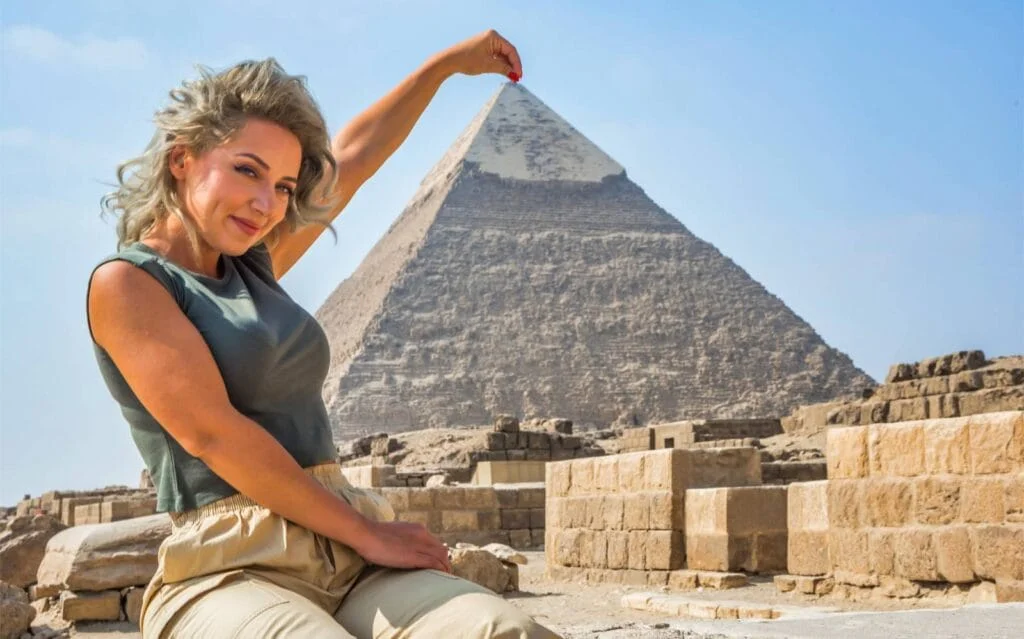
Photography Tips for Capturing the Perfect Pyramid Experience
The Great Pyramids of Giza rank among the most photographed landmarks in the world, offering endless opportunities for stunning travel photography. Whether using a professional camera or a smartphone, visitors can capture unforgettable images that showcase the beauty, scale, and historical significance of these ancient monuments. The unique combination of massive stone structures, golden desert landscapes, and dramatic skies creates ideal conditions for photography throughout the year. Planning photo sessions carefully can help travelers create remarkable visual memories of one of the most iconic destinations on Earth. The best times for photography are during sunrise and sunset, when soft natural light enhances the textures and colors of the pyramids. Early morning visits often provide clearer skies, fewer crowds, and more comfortable temperatures, allowing photographers to experiment with different angles and compositions. Sunset offers equally spectacular opportunities as warm golden light bathes the pyramids and surrounding desert. Popular photography locations include the panoramic viewpoint where all three pyramids can be seen together, the area near the Great Sphinx, and elevated sections of the plateau that provide expansive views of the archaeological complex. These locations allow visitors to capture both close-up details and sweeping landscapes. Creative photography techniques can further enhance the pyramid experience. Many visitors enjoy taking perspective photos that create playful visual illusions, such as appearing to hold or touch the pyramids. Wide-angle lenses help emphasize the immense scale of the monuments, while telephoto lenses reveal intricate architectural details. Including camels, desert scenery, or local cultural elements can add depth and authenticity to travel photographs. The Great Pyramids of Giza provide endless inspiration for photographers of all skill levels. Whether documenting a personal adventure or creating professional travel content, visitors will discover countless opportunities to capture images that reflect the timeless magic and extraordinary history of Egypt’s most famous attraction.
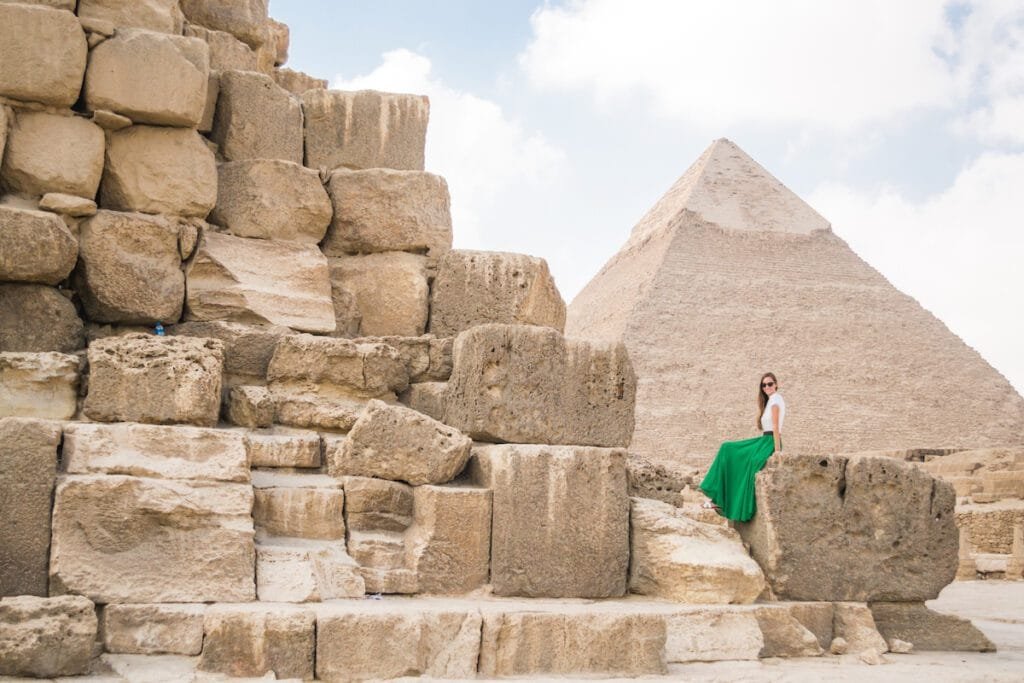
The Best Time to Visit the Great Pyramids of Giza
Choosing the best time to visit the Great Pyramids of Giza can significantly enhance the overall travel experience. As one of the most visited tourist attractions in Egypt, the pyramids welcome millions of visitors throughout the year. However, weather conditions, crowd levels, and seasonal variations can affect the quality of a visit. The most comfortable months for exploring the Giza Plateau are generally between October and April, when temperatures are milder and more suitable for outdoor sightseeing. During these months, travelers can comfortably walk around the archaeological site, explore the surrounding monuments, and enjoy panoramic views without the intense heat that characterizes the Egyptian summer. The pleasant climate makes it easier to spend several hours discovering the pyramids, the Great Sphinx, and the various temples and tombs within the complex. Early morning is widely considered the ideal time of day to visit the pyramids. Arriving shortly after the site opens allows visitors to enjoy cooler temperatures, softer lighting for photography, and fewer crowds. Morning visits provide excellent opportunities to capture clear images of the monuments while experiencing a more peaceful atmosphere. Sunset is another popular time because the golden light creates spectacular views across the desert landscape. The changing colors of the sky add a magical quality to the ancient structures, making this period particularly appealing to photographers and travelers seeking memorable experiences. Regardless of the season, proper planning can help visitors maximize their time at the Giza Plateau. Comfortable walking shoes, sun protection, water, and a well-organized itinerary contribute to a more enjoyable visit. Travelers who choose the right season and time of day often find that the experience becomes even more rewarding. Whether visiting during the cooler winter months or exploring the site at sunrise, the Great Pyramids of Giza offer an unforgettable journey through history that continues to captivate visitors from every corner of the world.
Why the Great Pyramids of Giza Are One of the World's Greatest Wonders
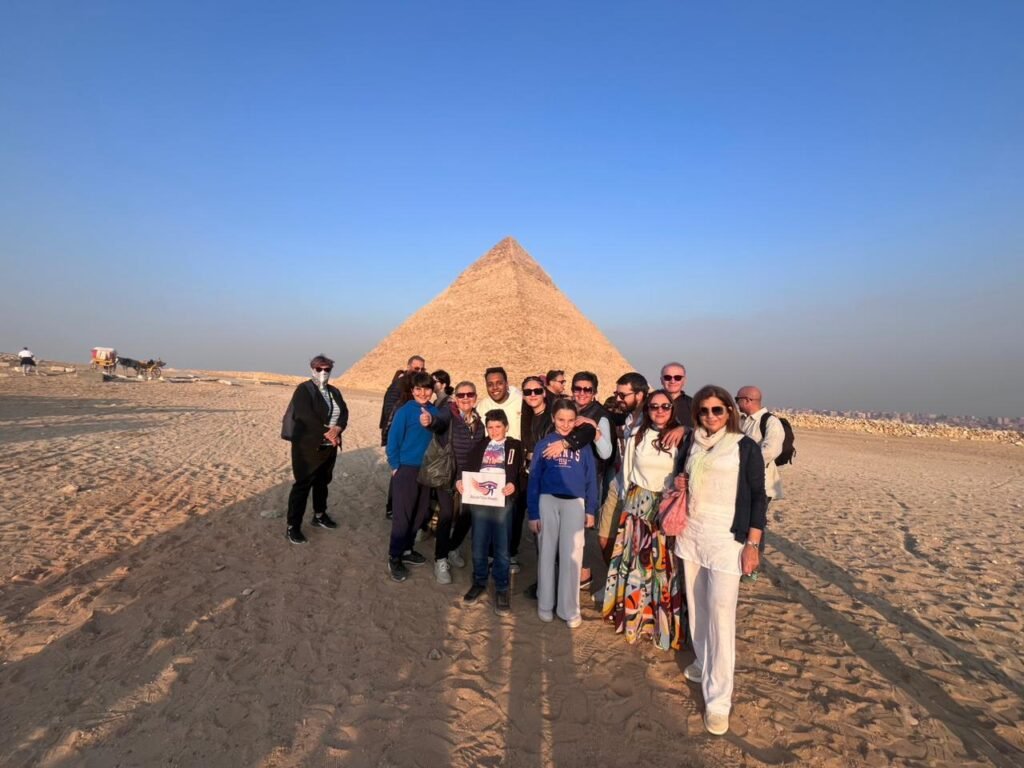
The Great Pyramids of Giza have earned their place among the most celebrated monuments in human history and remain the only surviving Wonder of the Ancient World. For more than four millennia, these extraordinary structures have stood as symbols of human ingenuity, determination, and architectural excellence. Built during a period when modern machinery did not exist, the pyramids demonstrate an astonishing level of engineering precision and organizational capability. The sheer scale of the Great Pyramid of Khufu, combined with the remarkable craftsmanship displayed throughout the complex, continues to challenge conventional understanding of ancient construction methods. Visitors from around the globe travel to Egypt to witness firsthand the magnificence of these timeless monuments and to experience the awe they inspire. The enduring appeal of the pyramids extends beyond their physical dimensions. They represent the achievements of a civilization that made groundbreaking contributions to architecture, mathematics, astronomy, religion, and governance. The pyramids provide valuable insights into the cultural and spiritual beliefs of Ancient Egypt while serving as powerful reminders of humanity’s ability to create enduring masterpieces. Their influence can be seen throughout history, inspiring explorers, scholars, architects, artists, and travelers for countless generations. Even today, new archaeological discoveries continue to reveal additional information about the people who built and maintained these monumental structures. Standing before the Great Pyramids of Giza is an experience that often exceeds expectations. Visitors frequently describe a sense of wonder that cannot be fully conveyed through photographs or documentaries. The combination of historical significance, architectural brilliance, and cultural importance creates an attraction unlike any other in the world. The pyramids remain one of the most sought-after destinations for international tourism and continue to symbolize the greatness of Ancient Egypt. Their remarkable preservation and global recognition ensure that they will remain among the world's most treasured landmarks for generations to come.
An Unforgettable Journey to the Great Pyramids of Giza
A visit to the Great Pyramids of Giza is far more than a simple sightseeing excursion; it is an extraordinary journey into the heart of one of the greatest civilizations in human history. From the towering Great Pyramid of Khufu and the majestic Pyramid of Khafre to the elegant Pyramid of Menkaure and the mysterious Great Sphinx, every corner of the Giza Plateau tells a story of ambition, innovation, and timeless achievement. These ancient monuments have survived for more than 4,500 years, continuing to inspire awe and admiration among travelers, historians, archaeologists, and dreamers from around the world. Their enduring presence serves as a testament to the remarkable capabilities of the ancient Egyptians and their vision of eternity. Throughout the Giza Pyramid Complex, visitors can explore fascinating archaeological sites, enter ancient chambers, admire panoramic desert views, enjoy camel rides, attend the spectacular Sound and Light Show, and discover the spiritual beliefs that shaped one of the world's most influential civilizations. Every experience contributes to a deeper appreciation of Egypt’s extraordinary cultural heritage and highlights why the pyramids remain among the most important tourist attractions on the planet. Whether traveling for history, adventure, photography, or cultural exploration, visitors will find countless opportunities to create unforgettable memories while exploring this legendary destination. The Great Pyramids of Giza continue to stand as powerful symbols of human achievement and curiosity. They connect modern travelers with a distant past while reminding us of humanity’s desire to leave a lasting legacy. For anyone planning a trip to Egypt, visiting the pyramids is an essential experience that belongs on every travel itinerary. The combination of history, mystery, beauty, and cultural significance makes the Great Pyramids of Giza one of the most extraordinary destinations in the world. A journey to these ancient wonders is not merely a visit to a historical site—it is a once-in-a-lifetime experience that leaves a lasting impression long after the adventure has ended.
