

- Excursions in Egypt
- Egypt Tour Packages
- Cairo Tours and Excursions
- Hurghada Tours and Excursions
- Soma Bay Tours and Excursions
- Makadi Bay Tours and Excursions
- Sahl Hasheesh Tours and Excursions
- El Gouna Tours and Excursions
- Marsa Alam Tours and Excursions
- Port Ghalib Tours and Excursions
- El Quseir Tours and Excursions
- Dendera and Abydos Day Tours
- Aswan Tours and Excursions
- Luxor Tours and Excursions
- Sharm El Sheikh Tours and Excursions
- Top Rated Egypt Tours in 2026
- Optional Excursions in Egypt
- Private Transfer
- Blogs About egypt
- Ancient Egypt
- Historical Sites in Egypt
- Cairo
- Alexandria
- Luxor
- Aswan
- The Red Sea
- Dendera Temple
- El Fayoum Oasis
- Bahariya Oasis
- Siwa Oasis
- Al Alamein
- Marsa Matruh
- Why Egypt Is One of the Safest Countries to Visit in the Middle East
- What You Need To know Before Your First Trip To Egypt
- Egypt Travel Costs in 2026 Full Budget Guide
- Top 10 Tourist Activities in Egypt
- Top 50 Activities You Can’t Miss in Egypt in 2026
- The Guide to Guided Tours in Egypt
- Egypt’s Ancient and Modern History
- The Nile River
- The Deserts of Egypt
- Ancient Egyptian gods
- famous Egyptian dishes
- UNESCO World Heritage sites
- About Us
- Egypt Hotels and Resorts
- Excursions in Egypt
- Egypt Tour Packages
- Cairo Tours and Excursions
- Hurghada Tours and Excursions
- Soma Bay Tours and Excursions
- Makadi Bay Tours and Excursions
- Sahl Hasheesh Tours and Excursions
- El Gouna Tours and Excursions
- Marsa Alam Tours and Excursions
- Port Ghalib Tours and Excursions
- El Quseir Tours and Excursions
- Dendera and Abydos Day Tours
- Aswan Tours and Excursions
- Luxor Tours and Excursions
- Sharm El Sheikh Tours and Excursions
- Top Rated Egypt Tours in 2026
- Optional Excursions in Egypt
- Private Transfer
- Blogs About egypt
- Ancient Egypt
- Historical Sites in Egypt
- Cairo
- Alexandria
- Luxor
- Aswan
- The Red Sea
- Dendera Temple
- El Fayoum Oasis
- Bahariya Oasis
- Siwa Oasis
- Al Alamein
- Marsa Matruh
- Why Egypt Is One of the Safest Countries to Visit in the Middle East
- What You Need To know Before Your First Trip To Egypt
- Egypt Travel Costs in 2026 Full Budget Guide
- Top 10 Tourist Activities in Egypt
- Top 50 Activities You Can’t Miss in Egypt in 2026
- The Guide to Guided Tours in Egypt
- Egypt’s Ancient and Modern History
- The Nile River
- The Deserts of Egypt
- Ancient Egyptian gods
- famous Egyptian dishes
- UNESCO World Heritage sites
- About Us
- Egypt Hotels and Resorts
Welcome to
Tomb of KV4 – Ramesses XI: Complete Guide to the Last Royal Tomb of Egypt's Twentieth Dynasty
The Tomb of KV4, built for Pharaoh Ramesses XI, marks the end of an extraordinary era in ancient Egyptian history. Located in the heart of the Valley of the Kings on the west bank of Luxor, Egypt, KV4 is the final royal tomb constructed for a pharaoh of the Twentieth Dynasty and symbolizes the closing chapter of the New Kingdom, one of Egypt’s greatest periods of power and prosperity. Although the tomb was never used as the king’s final resting place and remains unfinished in several areas, it is one of the most historically significant monuments in the Valley of the Kings. Its architecture, unfinished decorations, and later reuse provide unique insights into the political instability, economic decline, and changing burial practices that reshaped ancient Egypt during the transition to the Third Intermediate Period.
Unlike the magnificent tombs of Seti I (KV17), Ramesses II (KV7), or Ramesses IV (KV2), KV4 tells a different story. Rather than celebrating the wealth and confidence of Egypt’s imperial age, it reflects a kingdom facing internal divisions, weakened royal authority, and growing financial challenges. The tomb was carefully planned using the traditional straight-axis design favored by the Ramesside kings, yet work appears to have stopped before the decorative program was completed. Archaeological evidence also shows that KV4 was later reused as a workshop by priests involved in transferring royal mummies to hidden caches, making it an important site for understanding both the end of the New Kingdom and the efforts to protect Egypt’s royal ancestors from tomb robbers.
Today, KV4 continues to fascinate archaeologists, historians, and travelers alike. Although it lacks the colorful wall paintings and lavish treasures found in other royal tombs, its unfinished corridors, surviving decorations, and evidence of later activity make it one of the Valley of the Kings‘ most intriguing monuments. This complete guide explores everything you need to know about the Tomb of Ramesses XI, including the life of the pharaoh, the history of KV4, its architecture, religious symbolism, archaeological discoveries, later reuse, conservation, visitor experience, and why it remains one of the most important royal tombs in ancient Egypt.
1. Who Was Pharaoh Ramesses XI?
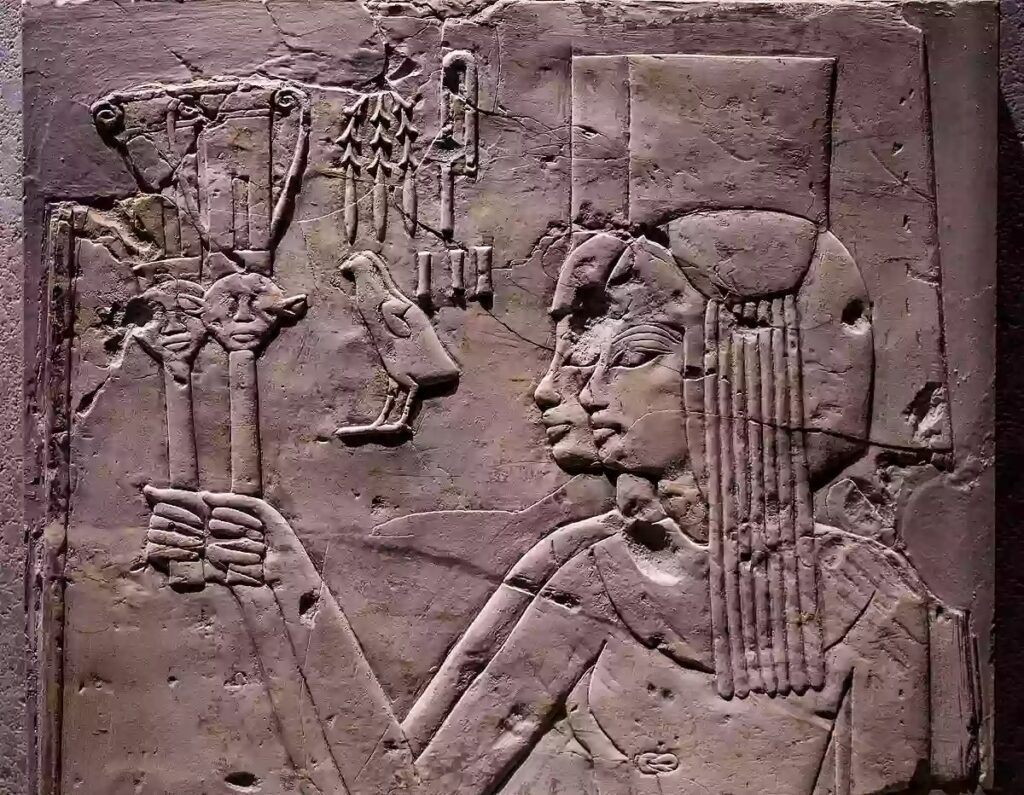
Ramesses XI was the final ruler of Egypt's Twentieth Dynasty and is traditionally regarded as the last pharaoh of the New Kingdom, bringing to a close one of the most remarkable chapters in ancient Egyptian civilization. His reign, generally dated to around 1107–1077 BC, lasted for nearly three decades and unfolded during a period of profound political, economic, and religious transformation. By the time Ramesses XI ascended the throne, Egypt's once-vast empire had already begun to fragment. Foreign territories in Asia had been lost, economic resources were under increasing pressure, and central authority was steadily weakening. Although Ramesses XI inherited one of history's greatest civilizations, he faced enormous challenges in preserving royal power and maintaining national stability. One of the defining characteristics of Ramesses XI's reign was the growing division between northern and southern Egypt. While the pharaoh continued to rule from the traditional royal court, the powerful High Priests of Amun at Thebes gradually assumed increasing political and military authority in Upper Egypt. Leaders such as Herihor and later Pinedjem I controlled significant resources, commanded armies, and managed temple estates that rivaled the authority of the king himself. This division created a dual system of government that weakened centralized rule and foreshadowed the political fragmentation of the Third Intermediate Period. Despite these challenges, Ramesses XI remained the official king of Egypt until his death. Historical documents from his reign provide valuable information about daily life during this turbulent period. Administrative papyri record economic difficulties, delayed wages for the workers of Deir el-Medina, increasing tomb robberies, and legal disputes concerning the protection of royal burials. These records reveal that Egypt's government struggled to maintain order despite continued efforts to uphold traditional religious institutions and royal authority. Nevertheless, Ramesses XI continued sponsoring temple activities and maintained many ceremonial duties expected of an Egyptian pharaoh, demonstrating that the ideology of kingship remained important even as political realities changed. Although Ramesses XI is often remembered as the ruler who witnessed the end of the New Kingdom, his reign represents much more than a period of decline. It marks a fascinating era of transition during which ancient Egyptian society adapted to new political structures while preserving many of its religious traditions. His unfinished tomb, KV4, perfectly reflects this historical moment. Rather than symbolizing failure, it stands as an enduring monument to a king who ruled during one of the most complex and transformative periods in Egypt's long history.
2. The Historical Background and Construction of KV4
The construction of KV4 began during the reign of Ramesses XI at a time when the Valley of the Kings had already served as Egypt's principal royal cemetery for nearly five hundred years. The tomb was planned according to the architectural traditions established by earlier Ramesside rulers, following the familiar straight-axis design with descending corridors leading toward a central burial chamber. Although work progressed through several stages of excavation, the monument was never completed according to its original plan. Portions of the decorative program remain unfinished, while some chambers appear to have been abandoned before final preparation. This incomplete state reflects the political and economic difficulties that increasingly affected Egypt during the closing years of the Twentieth Dynasty. The highly skilled craftsmen of Deir el-Medina were responsible for excavating and decorating KV4. These artisans had constructed nearly every royal tomb in the Valley of the Kings since the early New Kingdom and possessed exceptional expertise in architecture, stone carving, painting, and hieroglyphic inscription. However, by the reign of Ramesses XI, the community faced growing economic hardship. Historical records describe delays in grain deliveries, labor strikes, and shortages of essential supplies. These challenges almost certainly influenced the pace of construction within KV4 and may explain why certain areas of the tomb remained unfinished when work eventually ceased. Despite its incomplete condition, the architectural design of KV4 demonstrates careful planning. Broad corridors descend steadily into the mountain, while side chambers were intended to store funerary equipment, ritual objects, and offerings for the king's afterlife. The burial chamber was designed to house the royal sarcophagus beneath a decorated ceiling representing the heavens. Surviving traces of painted decoration indicate that the tomb was originally intended to include many of the traditional religious texts found in earlier Ramesside burials, although only portions of this ambitious decorative program were ever completed. One of the most remarkable aspects of KV4's history is that Ramesses XI was almost certainly never buried there. Instead, archaeological evidence suggests the tomb remained unused as a royal burial and was later repurposed during the Twenty-first Dynasty. Priests responsible for protecting the royal mummies from tomb robbers appear to have used KV4 as a temporary workshop while transferring royal burials to hidden caches such as the famous royal cache at Deir el-Bahari. This secondary use has made KV4 one of the most historically important monuments for understanding both the end of the New Kingdom and the preservation of Egypt's royal heritage.
3. Architecture and Layout of the Tomb of KV4
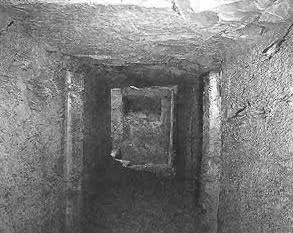
The Tomb of KV4 represents the final stage in the evolution of royal tomb architecture during Egypt's New Kingdom. Although it was never completed or used for the burial of Ramesses XI, its design closely follows the architectural traditions established by the Ramesside pharaohs over the previous two centuries. Carved directly into the limestone cliffs of the Valley of the Kings, KV4 features the classic straight-axis plan that became standard during the Nineteenth and Twentieth Dynasties. Visitors enter through a descending staircase leading into a series of long corridors, each carefully aligned toward the intended burial chamber deep within the mountain. This architectural arrangement symbolized the king's spiritual descent into the underworld before his eventual rebirth with the rising sun, reflecting core beliefs of ancient Egyptian funerary religion. The entrance corridor is broad and gently sloping, allowing ceremonial processions to move into the tomb during the king's funeral. As visitors progress deeper into the monument, they encounter several corridors and unfinished chambers that illustrate the changing priorities of Egypt's final New Kingdom builders. Unlike the enormous and highly complex layouts of earlier tombs such as KV17 (Seti I) or KV7 (Ramesses II), KV4 presents a simpler, more practical design. Nevertheless, its proportions remain elegant, and the careful alignment of the corridors demonstrates the precision achieved by the architects and craftsmen of Deir el-Medina. Even in its unfinished state, the tomb reflects centuries of accumulated engineering knowledge and architectural refinement. One of the most distinctive features of KV4 is the unfinished burial chamber. Although excavated according to traditional plans, the chamber never received the full decorative program originally intended for the king's burial. Surviving traces indicate that artists began painting religious scenes and hieroglyphic inscriptions before work abruptly ceased. In several locations, visitors can observe preliminary sketches, incomplete carvings, and areas where the limestone was prepared but never plastered. These unfinished surfaces provide archaeologists with valuable evidence of the different stages involved in creating a royal tomb, from excavation and smoothing to decoration and final painting. The architecture of KV4 also reflects the practical challenges facing Egypt during the reign of Ramesses XI. Economic pressures and political instability likely reduced the resources available for monumental construction, resulting in a more modest monument than those commissioned by earlier pharaohs. Even so, the tomb preserves the essential architectural traditions of royal burial while marking the conclusion of nearly five centuries of New Kingdom tomb building in the Valley of the Kings. Its unfinished corridors and chambers stand as silent testimony to the closing chapter of one of the world's greatest architectural traditions.
4. Religious Symbolism and the Incomplete Decorative Program
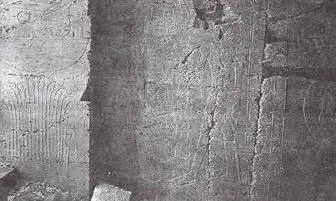
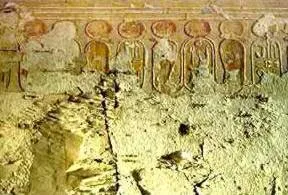
Although the decorative program of KV4 was never completed, the surviving paintings and inscriptions provide important insights into the religious beliefs that continued to shape royal funerary traditions during the final years of the New Kingdom. Like earlier Ramesside tombs, KV4 was intended to function as a sacred gateway through which Ramesses XI would journey into the afterlife. Every corridor, chamber, and painted surface was carefully planned according to religious principles developed over centuries of Egyptian theology. The monument was designed not merely as a burial place but as a magical environment that would ensure the king's successful transformation into an immortal divine being united with the gods of the underworld. The surviving decorations include representations of Ra, the sun god whose nightly journey through the underworld symbolized death and rebirth. Ramesses XI would have been depicted accompanying Ra through the twelve hours of darkness before emerging victorious with the sunrise. Scenes were also intended to include Osiris, ruler of the underworld and symbol of resurrection, together with protective deities such as Anubis, Isis, Nephthys, and Horus. Although much of this artistic program remained unfinished, enough survives to demonstrate that KV4 followed the traditional religious themes found throughout the Valley of the Kings. Scholars believe the completed decoration would likely have included portions of important funerary compositions such as the Book of Gates, the Litany of Ra, and other sacred texts commonly used during the Ramesside Period. These religious books guided the deceased king through the dangers of the underworld while providing magical protection against hostile supernatural forces. Hieroglyphic inscriptions accompanied every scene, combining visual imagery with sacred words believed to possess creative and protective power. Because work stopped before completion, visitors today can observe different stages of artistic preparation, including preliminary outlines, partially painted figures, and unfinished inscriptions that reveal how Egyptian artists planned complex decorative programs. The incomplete decoration of KV4 has become one of its greatest archaeological strengths. Rather than presenting only the finished artistic result, the tomb preserves evidence of the creative process itself. Researchers can study how walls were prepared with plaster, how artists sketched figures using red guidelines, and how master craftsmen refined compositions before applying final colors. These unfinished elements offer rare insights into the working methods of New Kingdom painters and sculptors, making KV4 one of the most informative monuments for understanding the artistic practices of ancient Egypt during the final years of the Twentieth Dynasty.
5. Why Ramesses XI Was Never Buried in KV4
One of the most fascinating questions surrounding KV4 is why Ramesses XI, the pharaoh for whom the tomb was constructed, was almost certainly never buried there. Unlike most royal tombs in the Valley of the Kings, archaeological investigations have found no convincing evidence that the monument ever served as the king's final resting place. No royal mummy, intact burial equipment, complete sarcophagus, or funerary assemblage has been discovered within the tomb. Instead, historical and archaeological evidence indicates that Ramesses XI was buried elsewhere, although the precise location of his original burial remains uncertain. This unusual circumstance has made KV4 one of the most historically significant monuments in the Valley of the Kings. Several factors likely contributed to this remarkable situation. During the final years of Ramesses XI's reign, Egypt experienced severe political instability as the authority of the central government declined. The growing power of the High Priests of Amun in Thebes, combined with increasing economic difficulties and widespread tomb robberies, created an environment in which traditional royal burial practices became increasingly difficult to maintain. Officials responsible for the king's funeral may have concluded that burial within the Valley of the Kings no longer provided adequate security against looting. As a result, alternative burial arrangements may have been considered safer during this uncertain period. Archaeological evidence suggests that KV4 acquired an entirely different purpose during the early Twenty-first Dynasty. Rather than serving as a royal tomb, it appears to have been converted into a workshop used by priests who were relocating the mummies of earlier pharaohs to secret hiding places. These priests carefully removed royal mummies from vulnerable tombs throughout the Valley of the Kings before transferring them to protected caches such as the famous Royal Cache (TT320) at Deir el-Bahari. Within KV4, archaeologists have discovered traces of this secondary activity, including evidence of embalming materials, restoration work, and discarded fragments associated with the rewrapping and preservation of royal mummies. This later reuse transformed KV4 into one of the most important archaeological sites for understanding the final chapter of New Kingdom royal burials. Rather than functioning solely as an unfinished tomb, the monument became an essential part of Egypt's remarkable effort to preserve its royal ancestors from widespread tomb robbery. Today, KV4 tells two intertwined historical stories: the unfinished burial monument of the last New Kingdom pharaoh and the extraordinary rescue operation that ultimately saved many of Egypt's greatest kings for future generations.
6. Archaeological Discoveries and Modern Research at KV4
The Tomb of KV4 has attracted the attention of archaeologists for more than two centuries because it offers a rare combination of unfinished royal architecture and evidence of later reuse. While many tombs in the Valley of the Kings are celebrated for their magnificent paintings or spectacular treasures, KV4 has become important for the historical information preserved within its unfinished corridors and abandoned chambers. Early European explorers documented the monument during the eighteenth and nineteenth centuries, but systematic archaeological investigations during the twentieth century revealed that the tomb contained valuable clues about the final years of the New Kingdom and the beginning of the Third Intermediate Period. Every excavation has added new pieces to the puzzle of how Egypt's royal burial traditions evolved during one of the country's most turbulent eras. Among the most significant discoveries made inside KV4 is the evidence that the tomb functioned as a workshop rather than a royal burial during the Twenty-first Dynasty. Archaeologists uncovered fragments of funerary materials, pieces of gilded wood, plaster, linen wrappings, and other objects associated with the restoration and reburial of royal mummies. These finds support the theory that priests responsible for protecting Egypt's royal ancestors temporarily used KV4 while transferring mummies from vulnerable tombs into hidden caches. Rather than preparing Ramesses XI for burial, the monument became a center for preserving the remains of earlier pharaohs threatened by increasing tomb robberies. This unexpected secondary function makes KV4 unique among the royal tombs of the Valley of the Kings. Modern archaeological research has focused heavily on documenting the unfinished architecture of the tomb. High-resolution photography, digital epigraphy, three-dimensional laser scanning, and geological surveys have enabled scholars to analyze every corridor, chamber, and unfinished surface in extraordinary detail. These studies have revealed evidence of the construction sequence followed by the craftsmen of Deir el-Medina, including excavation techniques, plaster preparation, and preliminary artistic sketches. Because many walls remained undecorated, researchers can observe original tool marks and construction stages normally hidden beneath painted surfaces in completed tombs. This information has significantly expanded scholarly understanding of New Kingdom engineering and monument construction.
7. Conservation, Preservation, and the Current Condition of KV4
Preserving the Tomb of Ramesses XI presents unique challenges because the monument combines unfinished architecture with fragile decorative remains that have survived for more than three thousand years. Like every tomb in the Valley of the Kings, KV4 has been exposed to natural weathering, flash floods, earthquakes, humidity fluctuations, salt crystallization, and centuries of human activity. Although the tomb escaped the large-scale looting that affected many completed royal burials because it was never fully used, its unfinished surfaces remain especially vulnerable to environmental damage. Protecting these rare construction features has therefore become a major priority for Egyptian conservators and international archaeological teams. One of the greatest threats to KV4 is the gradual deterioration of the limestone bedrock caused by moisture and dissolved salts. Over time, water entering microscopic cracks within the rock evaporates, leaving salt crystals that expand and weaken the stone. This process can cause plaster to detach, painted surfaces to flake, and delicate tool marks to disappear. Conservation experts regularly inspect the monument for signs of structural movement, surface erosion, and mineral deposits. Careful environmental monitoring helps ensure that temperature and humidity remain as stable as possible, reducing further deterioration while protecting the unfinished architectural features that make KV4 so scientifically valuable. Modern conservation programs have also focused on stabilizing surviving decorative elements. Although much of the planned artwork was never completed, the remaining painted scenes and preliminary sketches require specialized treatment to prevent fading or loss. Conservators use non-invasive cleaning methods to remove accumulated dust while avoiding damage to fragile pigments. Cracks in the limestone are carefully filled where necessary, and unstable plaster is consolidated using conservation materials specifically designed for archaeological monuments. These interventions are carried out with great caution to preserve the authenticity of the original ancient workmanship. Visitor management has become another important aspect of preserving KV4. Tourism provides valuable opportunities for education and cultural appreciation, but increased foot traffic can introduce dust, humidity, and accidental contact with vulnerable surfaces. Clearly marked pathways, controlled lighting systems, and regular maintenance help minimize these risks while allowing visitors to experience the monument safely. Thanks to these ongoing preservation efforts, KV4 remains one of the best-protected unfinished royal tombs in the Valley of the Kings, ensuring that future generations will continue learning from this remarkable chapter in ancient Egyptian history.
8. Visiting KV4 Today: What Tourists Can Expect
Today, the Tomb of KV4 offers visitors a fascinating opportunity to explore one of the Valley of the Kings' most historically significant yet often overlooked monuments. Although it lacks the spectacular colors of KV2 (Ramesses IV) or the elaborate relief carvings of KV17 (Seti I), KV4 provides something equally valuable: a direct connection to the final years of the New Kingdom and the dramatic political changes that transformed ancient Egypt. Travelers who enter the tomb quickly discover that its unfinished corridors and partially decorated chambers tell a unique story unlike any other royal burial in the valley. Rather than showcasing imperial wealth, KV4 reveals the realities of a civilization undergoing profound transition. Visitors begin their journey by descending through the entrance into broad corridors carved directly into the limestone cliffs. As they progress deeper into the monument, they encounter unfinished walls, incomplete decorations, and visible tool marks that illustrate the various stages of royal tomb construction. Unlike many completed monuments where every surface is covered with colorful paintings, KV4 allows guests to observe the engineering work normally hidden beneath plaster and pigment. Egyptologists often point out these unfinished features during guided tours, explaining how the craftsmen of Deir el-Medina transformed raw rock into sacred burial monuments through carefully organized stages of excavation, smoothing, plastering, carving, and painting. Another highlight of visiting KV4 is learning about its remarkable secondary use during the Twenty-first Dynasty. Guides frequently explain how priests converted the unfinished tomb into a workshop while rescuing royal mummies from tomb robbers and relocating them to secure caches. This unusual chapter of Egyptian history gives visitors a deeper appreciation of the efforts made by ancient priests to preserve the bodies of their greatest kings. The story transforms KV4 from an abandoned tomb into a symbol of cultural preservation during one of Egypt's most uncertain historical periods. For travelers interested in archaeology, history, architecture, and ancient engineering, KV4 offers one of the Valley of the Kings' most rewarding educational experiences. Its unfinished state encourages visitors to look beyond magnificent artwork and appreciate the extraordinary planning and craftsmanship required to build every royal tomb. Combined with visits to neighboring monuments such as KV2, KV6, KV9, and KV17, KV4 provides essential insight into the evolution, decline, and preservation of Egypt's royal burial tradition, making it a valuable addition to any exploration of Luxor's legendary necropolis.
9. Fascinating Facts About KV4 – The Final Royal Tomb of the New Kingdom
The Tomb of KV4 is unique among the royal tombs of the Valley of the Kings because it represents the final royal burial project of Egypt's New Kingdom. Commissioned for Pharaoh Ramesses XI, the last ruler of the Twentieth Dynasty, KV4 marks the conclusion of nearly five centuries during which the Valley of the Kings served as the principal burial ground for Egypt's greatest pharaohs. Although the tomb was never completed or used for the king's burial, its historical significance extends far beyond its unfinished architecture. It symbolizes the transition from the powerful New Kingdom to the politically fragmented Third Intermediate Period, making it one of the most important monuments for understanding the end of Egypt's imperial age. One fascinating aspect of KV4 is that it appears to have been deliberately left unfinished rather than abandoned because of structural problems. Archaeological evidence suggests that the builders completed much of the excavation before work stopped during the decoration phase. Visitors can still observe unfinished sketches, incomplete hieroglyphic inscriptions, and partially prepared wall surfaces that reveal how ancient Egyptian artists planned their compositions. These details offer researchers an exceptional opportunity to study the creative process behind royal tomb decoration, including the sequence in which plaster, outlines, carving, and pigments were applied. Another remarkable feature of KV4 is its later reuse as a workshop during the Twenty-first Dynasty. While many abandoned monuments simply fell into neglect, KV4 became an important center for preserving Egypt's royal heritage. Priests responsible for protecting the mummies of earlier pharaohs used the tomb while transferring royal remains from vulnerable burial sites to secret caches. Archaeological discoveries of linen wrappings, fragments of gilded coffins, restoration materials, and embalming debris provide compelling evidence for this extraordinary operation. In this way, KV4 played a direct role in saving many of Egypt's greatest rulers from destruction by ancient tomb robbers. Perhaps the most fascinating fact about KV4 is that its greatest historical importance comes not from its original purpose but from the multiple stories preserved within its walls. It records the final attempt to construct a royal tomb in the Valley of the Kings, the political decline of the New Kingdom, and the remarkable efforts of later priests to rescue Egypt's royal mummies. Few monuments combine so many different chapters of Egyptian history within a single archaeological site, making KV4 one of the Valley's most historically rewarding destinations.
10. KV4 Compared with Other Tombs in the Valley of the Kings
Among the more than sixty tombs discovered in the Valley of the Kings, KV4 occupies a distinctive place because it represents the final phase of New Kingdom royal burial architecture. Unlike earlier masterpieces such as KV17 (Seti I) or KV7 (Ramesses II), KV4 reflects a period of political uncertainty, economic challenges, and changing funerary traditions. Its unfinished decoration and evidence of later reuse distinguish it from nearly every other royal monument in the valley. Although visitors often focus on its incomplete appearance, archaeologists recognize KV4 as one of the most historically informative tombs because it illustrates both the end of one era and the beginning of another. Compared with KV2 (Ramesses IV), the differences are striking. KV2 is richly decorated from entrance to burial chamber, displaying brilliantly preserved religious texts, colorful paintings, and elaborate funerary scenes that celebrate the power of the pharaoh and his journey through the afterlife. KV4, by contrast, preserves only portions of its intended decoration. Instead of showcasing completed artwork, it reveals the preliminary stages of construction and artistic preparation. Together, these two monuments provide valuable insight into how royal tomb construction changed over the course of the Twentieth Dynasty as Egypt's political and economic circumstances evolved. When compared with KV62 (Tutankhamun), KV4 presents another fascinating contrast. Tutankhamun's tomb became world-famous because it was discovered largely intact, containing thousands of priceless treasures and the king's famous golden burial mask. KV4 contains no comparable riches because Ramesses XI was never buried there. Nevertheless, while KV62 reveals the wealth associated with royal burials, KV4 offers unparalleled evidence for the practical realities of royal tomb construction, abandonment, and later reuse. Each monument contributes a different perspective to the study of ancient Egyptian funerary traditions, making both essential for understanding the Valley of the Kings as a whole. For modern visitors and historians, KV4 complements rather than competes with the valley's more famous tombs. It encourages travelers to appreciate not only artistic masterpieces but also the engineering processes, historical transitions, and conservation efforts that shaped Egypt's royal necropolis. By comparing KV4 with neighboring monuments, visitors gain a broader understanding of how royal burial traditions developed, flourished, and eventually transformed during one of the most significant periods in ancient Egyptian history.
11. Frequently Asked Questions About KV4 – The Tomb of Ramesses XI
The Tomb of KV4 is one of the most frequently discussed monuments in the Valley of the Kings because it represents both the end of the New Kingdom and one of the greatest mysteries surrounding Egypt's royal burials. One of the most common questions visitors ask is whether Ramesses XI was ever buried inside the tomb. Current archaeological evidence strongly suggests that he was not. No royal mummy, complete sarcophagus, funerary furniture, or burial equipment has been discovered within KV4. Instead, historians believe that the tomb was abandoned before it could be prepared for the king's burial, possibly due to the political instability and economic decline that characterized the final years of the Twentieth Dynasty. The exact location of Ramesses XI's original burial remains unknown, making his final resting place one of the unresolved mysteries of ancient Egyptian history. Another common question concerns why KV4 remained unfinished. Archaeologists believe that construction began according to the traditional Ramesside plan but stopped before the decoration was completed. Several factors may have contributed to this interruption, including financial difficulties, shortages of labor, increasing political tensions between the royal court and the powerful High Priests of Amun, or changing burial arrangements for the king himself. Unlike earlier pharaohs who ruled during periods of prosperity, Ramesses XI governed Egypt during a time of significant national transition. The unfinished state of KV4 therefore reflects broader historical developments rather than simply an abandoned construction project. Visitors are also curious about the tomb's later history. During the early Twenty-first Dynasty, priests responsible for protecting Egypt's royal mummies reused KV4 as a workshop while relocating the remains of earlier pharaohs from vulnerable tombs into hidden royal caches. Archaeologists have discovered fragments of coffin decorations, linen wrappings, embalming materials, and evidence of restoration work inside the monument. These discoveries demonstrate that KV4 played a crucial role in one of the greatest preservation efforts in ancient history, helping safeguard the mummies of many famous kings from widespread tomb robbery. This secondary function gives KV4 an importance far beyond its original purpose as a royal tomb.
12. Why KV4 Is One of the Valley of the Kings' Most Significant Tombs
The Tomb of KV4 stands as one of the most historically important monuments in the Valley of the Kings because it marks the end of Egypt's New Kingdom royal burial tradition. Although Ramesses XI was never laid to rest within its unfinished chambers, the monument preserves invaluable evidence of a civilization undergoing profound political, religious, and economic transformation. From its carefully planned architecture and incomplete decorative program to its later reuse as a workshop for protecting royal mummies, KV4 tells a story unlike any other tomb in Luxor. It is a monument not only to one king but also to the closing chapter of one of the greatest civilizations in human history. For archaeologists, KV4 remains an indispensable source of information about ancient Egyptian construction techniques, unfinished artistic processes, and the preservation of royal burials during periods of instability. Its visible tool marks, preliminary sketches, incomplete paintings, and reused chambers provide unique evidence rarely available in fully completed tombs. Ongoing research continues to reveal new details about the monument, ensuring that KV4 remains an active subject of Egyptological investigation more than three thousand years after work first began. Every new discovery deepens our understanding of the final decades of the New Kingdom and the remarkable efforts made to safeguard Egypt's royal heritage. Visitors exploring the Valley of the Kings often arrive expecting magnificent paintings and glittering treasures, yet KV4 offers something equally rewarding—a direct connection to the human stories behind ancient Egyptian history. Walking through its unfinished corridors allows travelers to imagine the craftsmen who carved the mountain, the priests who later protected the royal mummies, and the changing political world that prevented the tomb from fulfilling its original purpose. This powerful combination of architecture, archaeology, and history makes KV4 one of the most thought-provoking monuments in Luxor. Whether you are passionate about ancient Egypt, planning a visit to the Valley of the Kings, or researching the final years of the New Kingdom, the Tomb of Ramesses XI deserves a prominent place on your itinerary. Its historical importance, archaeological value, and unique story distinguish it from every other royal tomb in the valley. More than an unfinished monument, KV4 is a symbol of transition, resilience, and the enduring legacy of one of the world's most extraordinary civilizations.