

- Excursions in Egypt
- Egypt Tour Packages
- Cairo Tours and Excursions
- Hurghada Tours and Excursions
- Soma Bay Tours and Excursions
- Makadi Bay Tours and Excursions
- Sahl Hasheesh Tours and Excursions
- El Gouna Tours and Excursions
- Marsa Alam Tours and Excursions
- Port Ghalib Tours and Excursions
- El Quseir Tours and Excursions
- Dendera and Abydos Day Tours
- Aswan Tours and Excursions
- Luxor Tours and Excursions
- Sharm El Sheikh Tours and Excursions
- Top Rated Egypt Tours in 2026
- Optional Excursions in Egypt
- Private Transfer
- Blogs About egypt
- Ancient Egypt
- Historical Sites in Egypt
- Cairo
- Alexandria
- Luxor
- Aswan
- The Red Sea
- Dendera Temple
- El Fayoum Oasis
- Bahariya Oasis
- Siwa Oasis
- Al Alamein
- Marsa Matruh
- Why Egypt Is One of the Safest Countries to Visit in the Middle East
- What You Need To know Before Your First Trip To Egypt
- Egypt Travel Costs in 2026 Full Budget Guide
- Top 10 Tourist Activities in Egypt
- Top 50 Activities You Can’t Miss in Egypt in 2026
- The Guide to Guided Tours in Egypt
- Egypt’s Ancient and Modern History
- The Nile River
- The Deserts of Egypt
- Ancient Egyptian gods
- famous Egyptian dishes
- UNESCO World Heritage sites
- About Us
- Egypt Hotels and Resorts
- Excursions in Egypt
- Egypt Tour Packages
- Cairo Tours and Excursions
- Hurghada Tours and Excursions
- Soma Bay Tours and Excursions
- Makadi Bay Tours and Excursions
- Sahl Hasheesh Tours and Excursions
- El Gouna Tours and Excursions
- Marsa Alam Tours and Excursions
- Port Ghalib Tours and Excursions
- El Quseir Tours and Excursions
- Dendera and Abydos Day Tours
- Aswan Tours and Excursions
- Luxor Tours and Excursions
- Sharm El Sheikh Tours and Excursions
- Top Rated Egypt Tours in 2026
- Optional Excursions in Egypt
- Private Transfer
- Blogs About egypt
- Ancient Egypt
- Historical Sites in Egypt
- Cairo
- Alexandria
- Luxor
- Aswan
- The Red Sea
- Dendera Temple
- El Fayoum Oasis
- Bahariya Oasis
- Siwa Oasis
- Al Alamein
- Marsa Matruh
- Why Egypt Is One of the Safest Countries to Visit in the Middle East
- What You Need To know Before Your First Trip To Egypt
- Egypt Travel Costs in 2026 Full Budget Guide
- Top 10 Tourist Activities in Egypt
- Top 50 Activities You Can’t Miss in Egypt in 2026
- The Guide to Guided Tours in Egypt
- Egypt’s Ancient and Modern History
- The Nile River
- The Deserts of Egypt
- Ancient Egyptian gods
- famous Egyptian dishes
- UNESCO World Heritage sites
- About Us
- Egypt Hotels and Resorts
Welcome to
Tomb of KV14 – Twosret & Setnakhte: Complete Guide to One of the Longest and Most Extraordinary Tombs in the Valley of the Kings
The Tomb of KV14 is one of the most remarkable and architecturally unique monuments in the Valley of the Kings, located on the west bank of Luxor, Egypt. Unlike most royal tombs, which were designed for a single ruler, KV14 was originally constructed for Queen Twosret, the last ruler of the Nineteenth Dynasty, and was later dramatically enlarged and reused by Pharaoh Setnakhte, the founder of the Twentieth Dynasty. This extraordinary transformation created one of the longest and most complex tombs in the Valley, preserving evidence from two royal reigns during one of ancient Egypt’s most significant political transitions. Its impressive architecture, extensive decoration, and unique history make KV14 one of the most fascinating royal monuments in the entire Theban Necropolis.
Construction of KV14 began during the reign of Queen Twosret, who ruled Egypt after the death of Pharaoh Siptah. As one of the few women to reign as pharaoh, Twosret commissioned a magnificent royal tomb decorated with elaborate religious texts, colorful wall paintings, and scenes depicting her journey through the afterlife. However, following the collapse of the Nineteenth Dynasty and the rise of Setnakhte, the new king took possession of the unfinished monument instead of completing his own tomb elsewhere. He expanded KV14 by excavating additional corridors and burial chambers, creating a monument that became significantly larger than originally planned. This unusual sequence of construction preserved the artistic styles, religious beliefs, and architectural innovations of two successive dynasties within a single royal tomb.
Today, KV14 is recognized as one of the most historically important tombs in the Valley of the Kings because it illustrates the political transition between the Nineteenth and Twentieth Dynasties more clearly than almost any other monument. Visitors can admire beautifully decorated chambers belonging to Twosret alongside later additions created for Setnakhte, offering a rare opportunity to observe how one royal tomb evolved to serve two different rulers. This complete guide explores every aspect of KV14, including the lives of Twosret and Setnakhte, the tomb’s remarkable architecture, religious decoration, archaeological discoveries, conservation efforts, visitor experience, and its enduring importance in the history of ancient Egypt.
1. Queen Twosret – The Last Pharaoh of the Nineteenth Dynasty
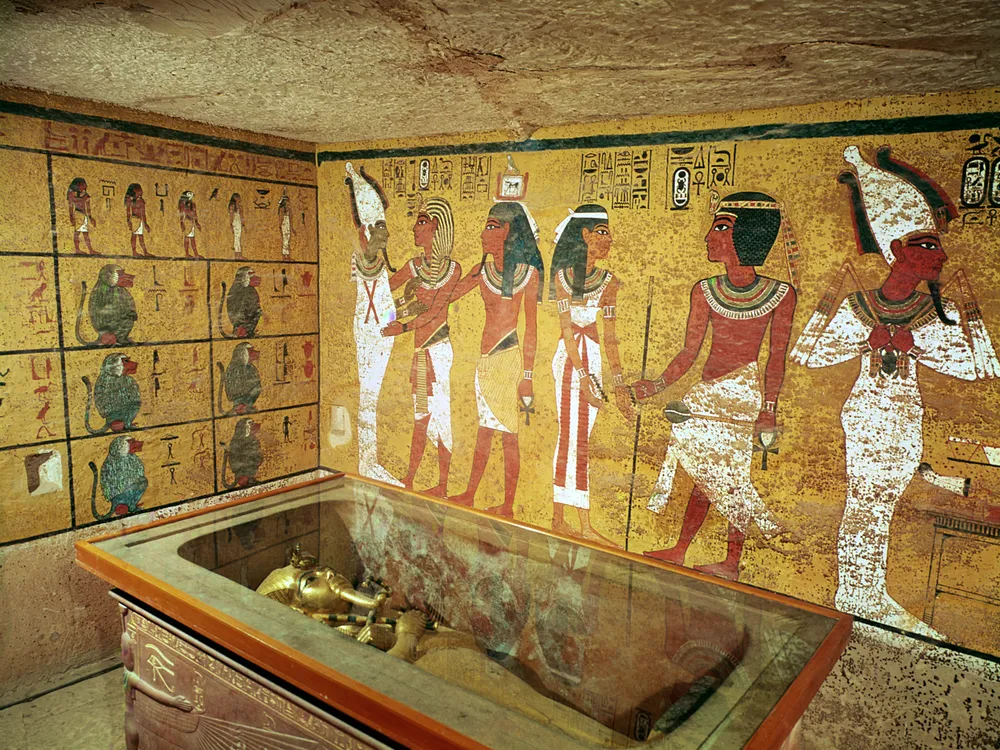
The story of KV14 begins with Queen Twosret, one of the most remarkable female rulers in ancient Egyptian history. She was the final pharaoh of the Nineteenth Dynasty, governing Egypt during one of the most turbulent periods of the New Kingdom. Twosret was originally the Great Royal Wife of Pharaoh Seti II, and after his death she became one of the kingdom's most influential political figures. During the reign of the young Pharaoh Siptah, she served as regent, exercising significant authority over the government while the king was still a minor. Following Siptah's death, Twosret assumed full royal titles and ruled Egypt as pharaoh in her own right. Like earlier female rulers such as Hatshepsut, she adopted traditional royal iconography, wearing the royal crowns, using full pharaonic titulary, and commissioning monuments throughout Egypt to legitimize her authority. As pharaoh, Twosret ordered the construction of KV14 within the Valley of the Kings, demonstrating her intention to be buried among Egypt's greatest rulers. The tomb was designed as a magnificent royal monument featuring long corridors, spacious halls, and richly decorated chambers covered with sacred funerary texts and colorful religious scenes. Artists from Deir el-Medina decorated the walls with images of Twosret making offerings to gods including Osiris, Ra, Anubis, Isis, Nephthys, and Horus. These scenes emphasized her divine right to rule and her hope for eternal life after death. The artistic quality of the earliest sections of KV14 ranks among the finest surviving examples of royal decoration from the late Nineteenth Dynasty, preserving vibrant colors and carefully carved hieroglyphs that illustrate the continued excellence of New Kingdom craftsmanship. Twosret's reign, however, was relatively short and marked by growing political instability. Following the deaths of several rulers in quick succession, Egypt experienced increasing internal conflict, weakening central authority and creating opportunities for rival claimants to the throne. Eventually, Setnakhte, a powerful military leader, seized power and established the Twentieth Dynasty, bringing Twosret's reign to an end. Her monuments were altered, her royal legacy diminished, and her burial plans dramatically changed when Setnakhte appropriated KV14 for his own use. Despite these political changes, Twosret remains one of the few women in ancient Egyptian history to rule as pharaoh, and her tomb continues preserving valuable evidence of her remarkable reign. Today, Twosret is recognized as one of the final great rulers of the Nineteenth Dynasty. The surviving decoration within KV14 provides historians with exceptional insight into her royal ambitions, religious beliefs, and the political circumstances surrounding the collapse of one of ancient Egypt's most successful dynasties.
2. Setnakhte and the Transformation of KV14
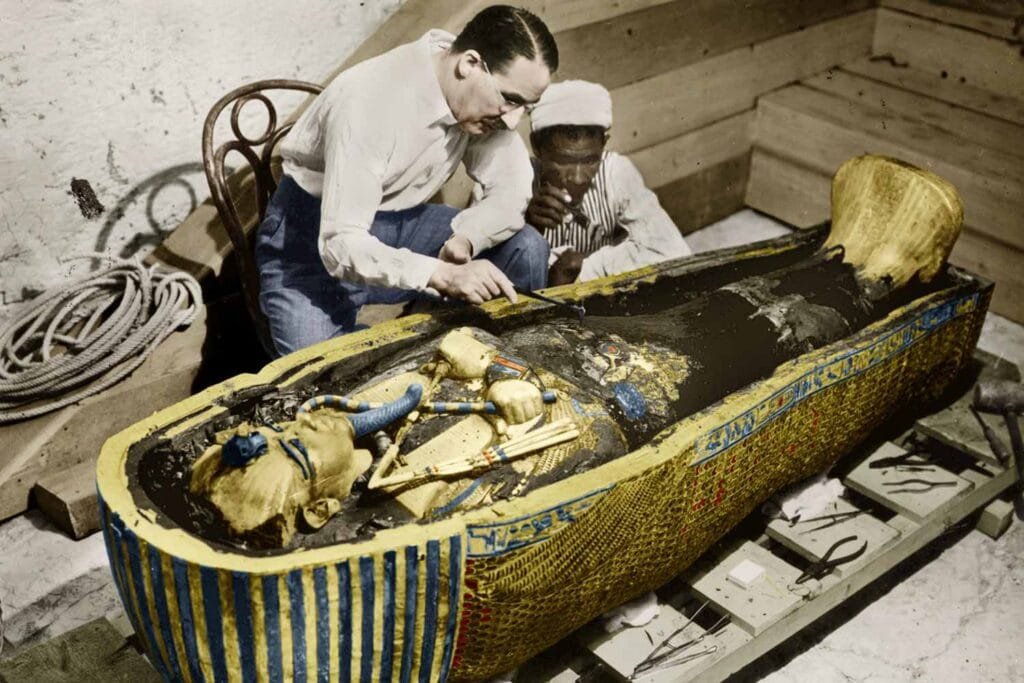
The history of KV14 changed dramatically with the rise of Pharaoh Setnakhte, the founder of the Twentieth Dynasty. Following a period of political instability after the death of Queen Twosret, Setnakhte emerged as the new ruler of Egypt and successfully restored order to the kingdom. Rather than constructing an entirely new royal tomb, he made the unusual decision to appropriate Twosret's unfinished monument in the Valley of the Kings. This decision transformed KV14 into one of the most distinctive tombs in ancient Egypt, preserving architectural and artistic contributions from two different royal dynasties within a single monument. To accommodate his own burial, Setnakhte ordered major modifications to the tomb. Builders extended the original layout by excavating additional corridors, expanding existing chambers, and creating a new burial chamber deeper within the mountain. Portions of Twosret's decoration remained untouched, while other sections were altered by replacing her royal names and images with those of Setnakhte. These changes illustrate the practical approach adopted by ancient Egyptian rulers when political transitions required the rapid preparation of royal burial monuments. Rather than destroying the earlier tomb completely, Setnakhte incorporated much of Twosret's original work into his own funerary complex, creating one of the longest tombs in the Valley of the Kings. The decoration introduced during Setnakhte's phase follows the religious traditions of the early Twentieth Dynasty. New scenes depicting the king before Osiris, Ra, Anubis, Ptah, and other important deities were added alongside sacred funerary texts including portions of the Book of Gates, the Book of Caverns, and other compositions intended to guide the deceased safely through the underworld. The coexistence of decorations belonging to both Twosret and Setnakhte provides historians with an exceptional opportunity to compare artistic styles and religious iconography spanning two consecutive dynasties. Today, KV14 remains one of the clearest archaeological examples of royal tomb reuse in ancient Egypt. Its transformation reflects not only the changing political landscape of the late New Kingdom but also the adaptability of ancient Egyptian funerary architecture. Through Setnakhte's modifications, the tomb became both a monument to political renewal and a lasting record of one of the most important dynastic transitions in Egyptian history.
3. Architecture of KV14 – One of the Longest Tombs in the Valley of the Kings
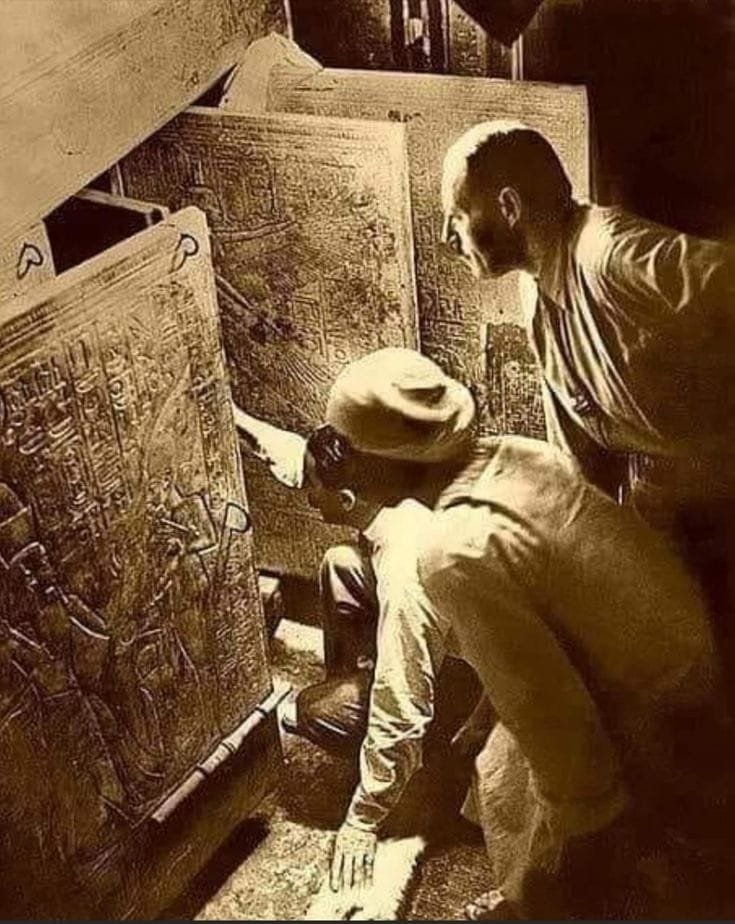
The architecture of KV14 is unlike that of almost any other royal tomb in the Valley of the Kings. Originally designed for Queen Twosret, the monument was later significantly enlarged by Pharaoh Setnakhte, resulting in one of the longest and most complex tombs in the royal necropolis. Extending more than one hundred meters into the limestone cliffs of western Luxor, KV14 features a carefully planned sequence of stairways, descending corridors, pillared halls, side chambers, and burial rooms that demonstrate the extraordinary engineering skills of the craftsmen from Deir el-Medina. The combination of two major construction phases created a monument of exceptional size and historical importance. The earliest sections of the tomb display the elegant architectural style typical of the late Nineteenth Dynasty. Wide corridors with gently sloping floors lead visitors through beautifully proportioned chambers intended for Twosret's burial. Following Setnakhte's appropriation, engineers extended the monument by excavating additional corridors and a completely new burial chamber beyond the original design. These additions required remarkable precision to maintain structural stability while integrating the new construction seamlessly with the earlier monument. The resulting layout illustrates the flexibility and technical expertise of ancient Egyptian architects, who successfully transformed an existing royal tomb into an entirely new funerary complex. Throughout KV14, visitors can observe subtle architectural differences reflecting its two construction phases. Variations in corridor dimensions, ceiling shapes, carving techniques, and decorative styles help archaeologists distinguish between areas created for Twosret and those added by Setnakhte. The monument also contains numerous side chambers used for storing funerary equipment, ritual objects, food offerings, and magical items intended to support the king's eternal existence. These carefully planned spaces reveal the complexity of royal burial rituals during the closing years of the New Kingdom. Today, KV14 is admired not only for its historical significance but also for its remarkable architectural achievement. Its unusual combination of two royal tombs within a single monument provides one of the finest surviving examples of how ancient Egyptian engineers adapted monumental architecture to meet changing political circumstances while preserving the grandeur expected of a royal burial in the Valley of the Kings.
4. Religious Decoration and Sacred Texts in KV14
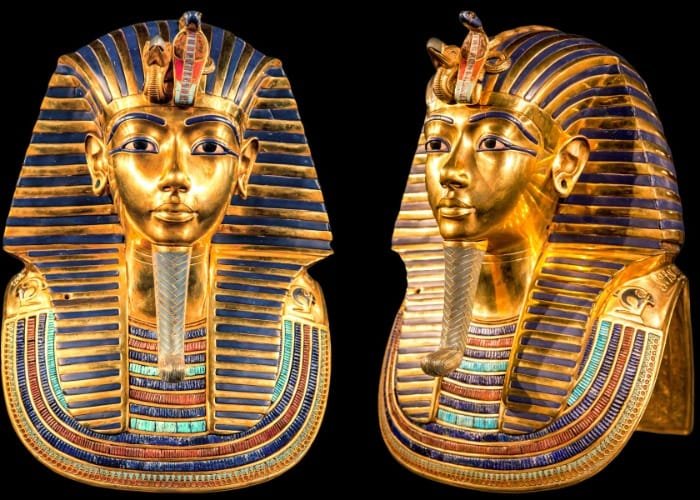
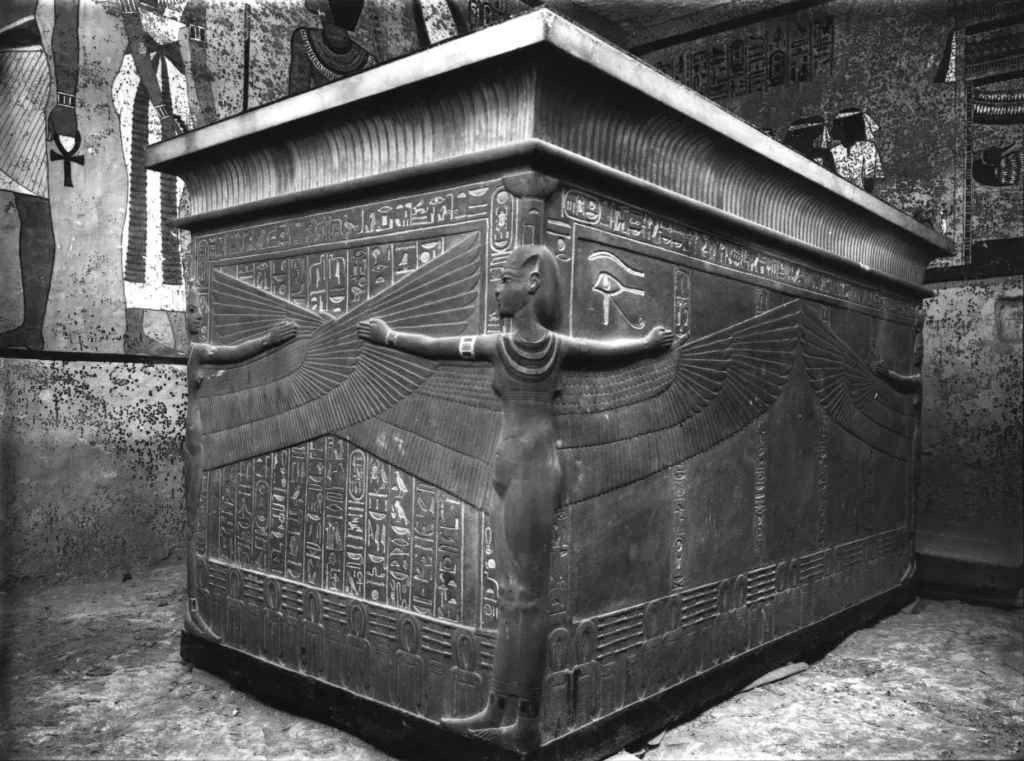
One of the most remarkable features of KV14 is its exceptionally rich religious decoration, which preserves artistic contributions from both Queen Twosret and Pharaoh Setnakhte. Unlike most royal tombs in the Valley of the Kings, where the decoration reflects the beliefs and reign of a single ruler, KV14 contains scenes and inscriptions created during two successive dynasties. This unique combination provides Egyptologists with an invaluable opportunity to study the evolution of royal funerary art and religious traditions during the transition from the Nineteenth Dynasty to the Twentieth Dynasty. The walls of the tomb are covered with beautifully carved reliefs, vibrant painted scenes, and sacred hieroglyphic texts intended to guide and protect the deceased throughout the journey into the afterlife. The earliest decorative program commissioned by Twosret includes magnificent representations of the queen standing before major Egyptian deities such as Osiris, Ra, Anubis, Isis, Nephthys, Horus, Hathor, and Ptah. These scenes emphasize her legitimacy as pharaoh and her hope for eternal life among the gods. The walls are also decorated with sections from important funerary compositions, including the Book of Gates, which describes the sun god's nightly journey through twelve gates of the underworld, and portions of the Book of the Dead, containing magical spells to protect the ruler from supernatural dangers. The vivid colors and elegant relief carving demonstrate that the artists of Deir el-Medina continued producing masterpieces even during the political uncertainty that marked the end of the Nineteenth Dynasty. When Setnakhte appropriated the tomb, additional decoration was introduced to reflect his own reign. In some chambers, Twosret's names and royal titles were replaced with those of Setnakhte, while other sections remained untouched. New religious scenes and inscriptions were added to harmonize the monument with the artistic style of the early Twentieth Dynasty. Rather than completely erasing the earlier decoration, the builders incorporated both phases into a single funerary complex, creating one of the most historically informative decorative programs in the Valley of the Kings. These overlapping artistic traditions provide clear evidence of the political transition that reshaped Egypt following Twosret's reign. Today, the decoration of KV14 remains one of its greatest treasures. Modern conservation and digital recording projects continue documenting every painted surface and hieroglyphic inscription, allowing researchers to study the artistic techniques, religious symbolism, and political changes preserved within one of ancient Egypt's most extraordinary royal tombs.
5. Archaeological Discoveries Inside KV14
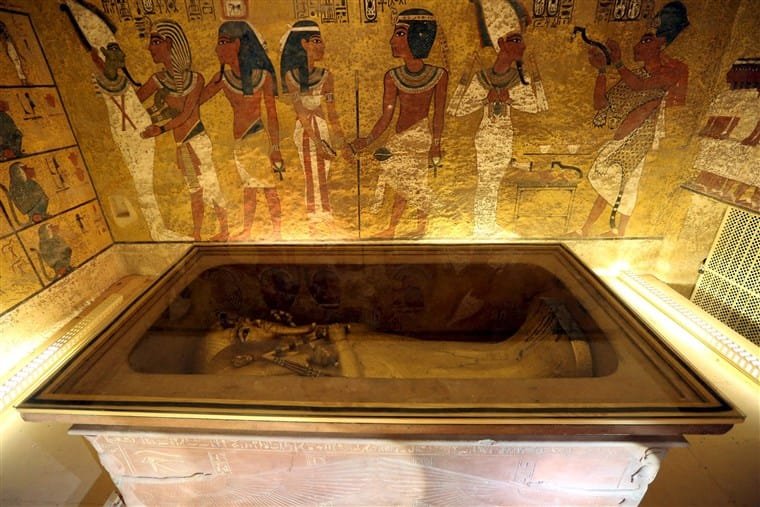
The Tomb of KV14 has yielded a wealth of archaeological discoveries that have significantly expanded our understanding of the late New Kingdom and the history of the Valley of the Kings. Although ancient tomb robbers removed most valuable burial treasures long before modern excavations began, archaeologists have uncovered numerous artifacts, architectural features, inscriptions, and funerary objects that reveal the monument's long and complex history. Because KV14 served two royal owners, the archaeological evidence reflects multiple phases of construction, modification, and burial, making it one of the most informative monuments in the royal necropolis. Among the most important discoveries are fragments of decorated limestone reliefs, painted plaster, pottery vessels, faience ornaments, ushabti figures, linen wrappings, wooden coffin fragments, ritual equipment, and funerary offerings belonging to both Twosret and Setnakhte. Archaeologists have also identified traces of the original burial installations created for Twosret before the tomb was enlarged for Setnakhte. Careful examination of these remains has enabled researchers to reconstruct the sequence of construction and identify which architectural features belong to each ruler. Every artifact recovered from KV14 contributes valuable information concerning royal burial customs, artistic production, and the political transformation that accompanied the beginning of the Twentieth Dynasty. One of the most fascinating aspects of the archaeological evidence is the survival of inscriptions documenting the replacement of Twosret's royal names with those of Setnakhte. These modifications provide direct physical evidence of one of the most significant dynastic transitions in ancient Egyptian history. Rather than relying solely on historical texts, scholars can observe the political changes literally carved into the walls of the tomb. Such evidence has made KV14 an essential source for reconstructing the events surrounding the collapse of the Nineteenth Dynasty and the establishment of the Twentieth Dynasty. Modern archaeological research continues through the use of three-dimensional laser scanning, digital epigraphy, multispectral photography, photogrammetry, and geological analysis. These advanced technologies reveal faded inscriptions, hidden pigment traces, and architectural details that were previously impossible to study. As research continues, KV14 remains one of the Valley of the Kings' richest archaeological resources for understanding royal history, funerary architecture, and political change during the late New Kingdom.

6. Historical Importance of KV14
The historical importance of KV14 extends far beyond its remarkable architecture and beautiful decoration. The tomb represents one of the clearest archaeological records of political transition in ancient Egyptian history, documenting the end of the Nineteenth Dynasty and the beginning of the Twentieth Dynasty within a single monument. Originally created for Queen Twosret, the final ruler of her dynasty, and later enlarged for Pharaoh Setnakhte, the founder of a new royal house, KV14 preserves evidence of one of the most significant turning points in the history of the New Kingdom. Few monuments in Egypt illustrate such a dramatic shift in political power so clearly. The tomb also demonstrates the extraordinary role played by Twosret, one of the relatively few women to rule Egypt as pharaoh. Like Hatshepsut centuries earlier, Twosret adopted full royal titles, commissioned monumental architecture, and prepared a magnificent royal burial within the Valley of the Kings. Her surviving decoration provides historians with valuable evidence concerning female kingship, royal ideology, and religious beliefs during the closing years of the Nineteenth Dynasty. Although her reign ended with political upheaval, KV14 preserves the memory of her royal ambitions and artistic achievements. For Setnakhte, KV14 symbolized the restoration of royal authority following years of instability. By appropriating and expanding Twosret's unfinished tomb, he not only secured his own burial place but also demonstrated the establishment of a new dynasty capable of restoring order throughout Egypt. His modifications transformed the monument into one of the longest royal tombs in the Valley while preserving valuable evidence of changing architectural practices and religious traditions. The coexistence of two rulers within a single monument makes KV14 unique among Egypt's royal tombs. Today, KV14 continues serving as one of the most important archaeological sites for understanding the final years of the Nineteenth Dynasty, the rise of the Twentieth Dynasty, and the remarkable continuity of ancient Egyptian religious traditions. Its combination of political history, royal architecture, artistic excellence, and archaeological preservation ensures its place among the most significant monuments in the Valley of the Kings.

7. Conservation and Preservation of KV14
The Tomb of KV14 has remained one of the best-preserved royal monuments in the Valley of the Kings, despite enduring more than three millennia of natural erosion, ancient robberies, earthquakes, seasonal flooding, and continuous human activity. Because the tomb contains decoration from both Queen Twosret and Pharaoh Setnakhte, its preservation is particularly important for understanding the artistic and political transition between the Nineteenth and Twentieth Dynasties. Conservation specialists from the Egyptian Ministry of Tourism and Antiquities and international research teams continue monitoring the monument to protect its painted reliefs, carved inscriptions, limestone walls, and architectural stability. Their work ensures that KV14 remains one of the Valley's most valuable archaeological resources for future generations. One of the greatest conservation challenges is protecting the tomb's painted surfaces from environmental deterioration. Changes in humidity, temperature fluctuations, salt crystallization, and dust accumulation can gradually damage pigments and weaken the limestone beneath them. Conservators regularly inspect decorated walls, stabilize fragile plaster, reinforce cracked sections of rock, and carefully clean surfaces using non-invasive scientific methods. Particular attention is given to preserving the beautifully carved religious scenes depicting Osiris, Ra, Anubis, Isis, Nephthys, and other deities, as these images represent some of the finest surviving examples of late New Kingdom funerary art. Modern technology has revolutionized the documentation and preservation of KV14. High-resolution photography, three-dimensional laser scanning, digital photogrammetry, multispectral imaging, and detailed geological mapping have produced highly accurate records of every corridor, chamber, and inscription. These digital archives allow researchers to study the tomb without unnecessary physical contact while creating permanent records that will remain available even if future deterioration occurs. Conservation teams also monitor the surrounding cliffs to detect geological movement that could threaten the monument's structural integrity. Visitor management plays an equally important role in protecting KV14. Controlled entry, designated pathways, improved ventilation, protective lighting systems, and educational interpretation help minimize damage caused by tourism while allowing visitors to appreciate the monument's remarkable history. Through these combined conservation efforts, KV14 continues preserving one of the most extraordinary architectural and artistic achievements in the Valley of the Kings.
8. Visiting KV14 Today – What Makes This Tomb Unique
For travelers exploring the Valley of the Kings, KV14 offers one of the most rewarding experiences because it tells the story of two rulers within a single monument. While famous tombs such as Tutankhamun (KV62) or Seti I (KV17) are associated with individual pharaohs, KV14 preserves the remarkable history of both Queen Twosret and Pharaoh Setnakhte. This rare combination allows visitors to witness one of the most important political transitions in ancient Egyptian history while exploring one of the Valley's longest and most architecturally complex royal tombs. As visitors descend through the tomb's impressive corridors, they encounter beautifully decorated chambers featuring colorful wall paintings, finely carved hieroglyphs, and sacred religious texts. Early sections preserve the artistic style of Twosret's reign, while deeper corridors reveal the architectural extensions and decorative modifications commissioned by Setnakhte after he became Egypt's ruler. Knowledgeable Egyptologist guides often explain how archaeologists distinguish between these two construction phases by examining changes in artistic style, royal cartouches, corridor design, and decorative techniques. This layered history transforms every chamber into an important historical document recording the transfer of power between two dynasties. Beyond its historical importance, KV14 impresses visitors with its scale and engineering. The long sequence of staircases, corridors, pillared halls, storage chambers, and burial rooms demonstrates the exceptional skill of the craftsmen from Deir el-Medina, who successfully enlarged an existing monument without compromising its structural stability. The tomb's beautifully preserved religious scenes provide valuable insight into ancient Egyptian beliefs regarding resurrection, divine judgment, and eternal life, making KV14 one of the most educational monuments in the Valley of the Kings. Although it receives fewer visitors than some neighboring tombs, KV14 rewards those seeking a deeper understanding of Egypt's royal history. Its combination of remarkable architecture, political significance, artistic excellence, and archaeological preservation makes it one of the Valley's true hidden masterpieces and an essential stop for anyone interested in ancient Egyptian civilization.
9. Fascinating Facts About KV14
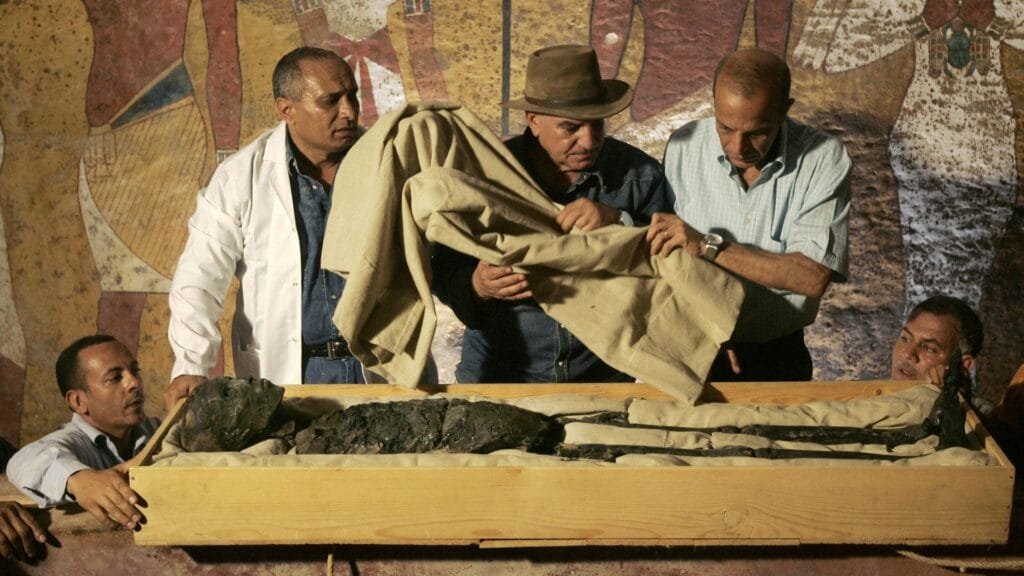
The Tomb of KV14 is filled with remarkable features that distinguish it from every other monument in the Valley of the Kings. Perhaps its most extraordinary characteristic is that it served as the royal tomb for two different pharaohs belonging to two separate dynasties. Originally commissioned by Queen Twosret, the last ruler of the Nineteenth Dynasty, the tomb was later enlarged and reused by Pharaoh Setnakhte, founder of the Twentieth Dynasty. Very few royal monuments in Egypt preserve such clear archaeological evidence of a dynastic transition, making KV14 one of the most historically significant tombs in the Valley. Another fascinating aspect of KV14 is its exceptional length. Following Setnakhte's modifications, the monument became one of the longest tombs in the Valley of the Kings, extending deep into the limestone cliffs beneath the Theban Mountains. The complex includes multiple descending corridors, spacious chambers, storage rooms, and an enlarged burial chamber, all connected through carefully engineered passages that demonstrate the remarkable technical abilities of ancient Egyptian architects. These architectural additions allow historians to trace the development of royal tomb design across two consecutive dynasties. KV14 also preserves one of the Valley's richest collections of religious art. Its walls feature beautifully carved and painted scenes illustrating the deceased ruler's journey through the underworld, together with sacred texts drawn from the Book of Gates, the Book of the Dead, and other important funerary compositions. Images of gods such as Osiris, Ra, Anubis, Isis, Nephthys, Horus, and Hathor emphasize the central role of divine protection in achieving eternal life. The coexistence of decorations created for both Twosret and Setnakhte provides scholars with an exceptional opportunity to compare artistic traditions from the end of the Nineteenth Dynasty and the beginning of the Twentieth Dynasty. Today, KV14 remains one of the most important archaeological monuments in Egypt because it combines political history, royal architecture, religious symbolism, and artistic excellence within a single extraordinary tomb. Its unique story continues attracting archaeologists, historians, and travelers eager to explore one of the Valley of the Kings' most fascinating royal monuments.

10. KV14 Compared with Other Tombs in the Valley of the Kings
The Tomb of KV14 occupies a truly unique position among the royal monuments of the Valley of the Kings because it was constructed and used by two different pharaohs from two separate dynasties. While most tombs in the Valley were designed for a single ruler, KV14 preserves the remarkable histories of Queen Twosret, the final ruler of the Nineteenth Dynasty, and Pharaoh Setnakhte, the founder of the Twentieth Dynasty. This unusual sequence of construction, modification, and reuse distinguishes KV14 from neighboring monuments such as KV15 (Seti II), KV16 (Ramesses I), KV17 (Seti I), and KV11 (Ramesses III). Rather than representing one reign, KV14 reflects one of the most important political transitions in ancient Egyptian history, making it one of the Valley's most historically valuable archaeological sites. Architecturally, KV14 ranks among the longest royal tombs in the Valley of the Kings. Although monuments such as KV17 are renowned for their elaborate decoration and exceptional artistic quality, KV14 impresses visitors through its vast network of corridors, pillared halls, burial chambers, and architectural extensions excavated during two distinct construction phases. The original design created for Twosret was later enlarged by Setnakhte, producing a monument that illustrates the adaptability of ancient Egyptian engineering. Archaeologists frequently compare KV14 with other Ramesside tombs to study changes in architectural planning, decorative programs, and funerary practices between the late Nineteenth and early Twentieth Dynasties. Another feature that sets KV14 apart is its extraordinary decorative program. While many royal tombs preserve a single artistic style, KV14 contains reliefs, inscriptions, and sacred texts created for two different rulers. Visitors can observe how Setnakhte's craftsmen modified certain scenes by replacing Twosret's names and royal titles while leaving other sections untouched. This layered decoration provides direct archaeological evidence of dynastic change and offers scholars valuable insight into the political and religious developments that reshaped Egypt during the closing years of the New Kingdom. For modern visitors, KV14 complements the Valley's more famous monuments by offering a broader historical perspective. Instead of focusing solely on one pharaoh, it tells the intertwined stories of two rulers, demonstrating how ancient Egyptian royal tombs could evolve in response to changing political circumstances. This combination of history, architecture, religion, and archaeology makes KV14 one of the most rewarding monuments in the Valley of the Kings.
11. Conclusion – Why KV14 Is One of the Valley's Greatest Royal Tombs
The Tomb of KV14 stands among the most remarkable monuments in the Valley of the Kings, not because of hidden treasures or spectacular discoveries, but because of the extraordinary history preserved within its walls. Originally built for Queen Twosret and later transformed into the burial place of Pharaoh Setnakhte, the tomb documents one of the most important political transitions in ancient Egyptian history. Its unique combination of architecture, religious decoration, royal ideology, and archaeological evidence allows historians to reconstruct the dramatic events that marked the end of the Nineteenth Dynasty and the birth of the Twentieth Dynasty. Few monuments illustrate such a significant historical transformation so clearly. Beyond its political importance, KV14 showcases the exceptional skill of the craftsmen from Deir el-Medina, whose engineering achievements remain impressive more than three thousand years later. The monument's carefully planned corridors, beautifully decorated chambers, sacred funerary texts, and architectural expansions reveal the sophistication of ancient Egyptian builders and artists during the late New Kingdom. Modern conservation projects employing laser scanning, digital mapping, photogrammetry, and scientific preservation continue protecting this extraordinary monument while allowing scholars to deepen their understanding of its history and artistic development. KV14 also serves as a lasting tribute to two remarkable rulers. Twosret remains one of the few women to reign as pharaoh, while Setnakhte successfully restored stability to Egypt after years of political turmoil and established a dynasty that would produce some of the greatest rulers of the Ramesside Period. Their shared tomb symbolizes both continuity and change, demonstrating how ancient Egyptian civilization adapted to new political realities while preserving its religious traditions and architectural excellence. Today, KV14 continues attracting archaeologists, historians, and travelers from around the world. Its extraordinary architecture, magnificent decoration, fascinating history, and enduring archaeological importance make it one of the essential monuments for anyone seeking a deeper understanding of the Valley of the Kings and the rich legacy of ancient Egypt.
12. Frequently Asked Questions About KV14
The Tomb of KV14 is one of the most unusual royal tombs in the Valley of the Kings, and visitors often ask why it belonged to two different rulers. The answer lies in the political upheaval that followed the end of the Nineteenth Dynasty. Queen Twosret originally commissioned the tomb as her royal burial place, but after her reign ended, Pharaoh Setnakhte seized power, founded the Twentieth Dynasty, and appropriated the unfinished monument for his own burial. Instead of abandoning Twosret's tomb and beginning a new project, he expanded and modified the existing monument, creating one of the Valley's longest and most historically significant royal tombs. Another frequently asked question concerns the tomb's decoration. KV14 preserves beautifully carved reliefs and painted scenes representing both Twosret and Setnakhte, making it one of the few monuments in Egypt where visitors can observe artistic programs created for two separate pharaohs. The walls contain important funerary compositions, including sections of the Book of Gates, the Book of the Dead, and other sacred texts intended to guide the ruler safely through the underworld. These magnificent decorations provide valuable insight into ancient Egyptian religion, kingship, and beliefs concerning eternal life. Many travelers also wonder whether KV14 contains important archaeological discoveries. Although ancient robbers removed most valuable treasures, excavations have uncovered pottery, coffin fragments, ushabti figures, painted plaster, ritual equipment, architectural evidence, and inscriptions documenting the transformation of the tomb during one of Egypt's most significant dynastic changes. These discoveries have made KV14 one of the most important archaeological resources for understanding the transition between the Nineteenth and Twentieth Dynasties. Today, KV14 remains one of the Valley of the Kings' greatest historical treasures. Its exceptional architecture, fascinating political history, magnificent religious decoration, and remarkable preservation continue making it an essential destination for anyone interested in the royal tombs, archaeology, and civilization of ancient Egypt.