

- Excursions in Egypt
- Egypt Tour Packages
- Cairo Tours and Excursions
- Hurghada Tours and Excursions
- Soma Bay Tours and Excursions
- Makadi Bay Tours and Excursions
- Sahl Hasheesh Tours and Excursions
- El Gouna Tours and Excursions
- Marsa Alam Tours and Excursions
- Port Ghalib Tours and Excursions
- El Quseir Tours and Excursions
- Dendera and Abydos Day Tours
- Aswan Tours and Excursions
- Luxor Tours and Excursions
- Sharm El Sheikh Tours and Excursions
- Top Rated Egypt Tours in 2026
- Optional Excursions in Egypt
- Private Transfer
- Blogs About egypt
- Ancient Egypt
- Historical Sites in Egypt
- Cairo
- Alexandria
- Luxor
- Aswan
- The Red Sea
- Dendera Temple
- El Fayoum Oasis
- Bahariya Oasis
- Siwa Oasis
- Al Alamein
- Marsa Matruh
- Why Egypt Is One of the Safest Countries to Visit in the Middle East
- What You Need To know Before Your First Trip To Egypt
- Egypt Travel Costs in 2026 Full Budget Guide
- Top 10 Tourist Activities in Egypt
- Top 50 Activities You Can’t Miss in Egypt in 2026
- The Guide to Guided Tours in Egypt
- Egypt’s Ancient and Modern History
- The Nile River
- The Deserts of Egypt
- Ancient Egyptian gods
- famous Egyptian dishes
- UNESCO World Heritage sites
- About Us
- Egypt Hotels and Resorts
- Excursions in Egypt
- Egypt Tour Packages
- Cairo Tours and Excursions
- Hurghada Tours and Excursions
- Soma Bay Tours and Excursions
- Makadi Bay Tours and Excursions
- Sahl Hasheesh Tours and Excursions
- El Gouna Tours and Excursions
- Marsa Alam Tours and Excursions
- Port Ghalib Tours and Excursions
- El Quseir Tours and Excursions
- Dendera and Abydos Day Tours
- Aswan Tours and Excursions
- Luxor Tours and Excursions
- Sharm El Sheikh Tours and Excursions
- Top Rated Egypt Tours in 2026
- Optional Excursions in Egypt
- Private Transfer
- Blogs About egypt
- Ancient Egypt
- Historical Sites in Egypt
- Cairo
- Alexandria
- Luxor
- Aswan
- The Red Sea
- Dendera Temple
- El Fayoum Oasis
- Bahariya Oasis
- Siwa Oasis
- Al Alamein
- Marsa Matruh
- Why Egypt Is One of the Safest Countries to Visit in the Middle East
- What You Need To know Before Your First Trip To Egypt
- Egypt Travel Costs in 2026 Full Budget Guide
- Top 10 Tourist Activities in Egypt
- Top 50 Activities You Can’t Miss in Egypt in 2026
- The Guide to Guided Tours in Egypt
- Egypt’s Ancient and Modern History
- The Nile River
- The Deserts of Egypt
- Ancient Egyptian gods
- famous Egyptian dishes
- UNESCO World Heritage sites
- About Us
- Egypt Hotels and Resorts
Welcome to
Tomb of KV10 – Amenmesse: Complete Guide to the Mysterious Tomb of the Controversial Pharaoh
The Tomb of KV10, built for Pharaoh Amenmesse, is one of the most mysterious and historically intriguing royal tombs in the Valley of the Kings on the west bank of Luxor, Egypt. Unlike the magnificent and fully decorated tombs of famous rulers such as Seti I, Ramesses II, or Ramesses VI, KV10 reflects one of the most turbulent periods in ancient Egyptian history. Amenmesse ruled during the late Nineteenth Dynasty, a time marked by political uncertainty, disputed succession, and competing claims to the Egyptian throne. Because of his short and controversial reign, his tomb was never completed according to its original plan, leaving behind a fascinating archaeological monument that provides valuable insight into royal politics, unfinished construction, and the changing fortunes of Egypt’s rulers. Today, KV10 remains an important destination for Egyptologists studying the final years of the Nineteenth Dynasty and the complex transition of power following the reign of Seti II.
The identity of Amenmesse has long fascinated historians. Some scholars believe he was a legitimate son of Merneptah, while others argue that he may have been a rival claimant who temporarily seized control of Upper Egypt during a succession crisis. His reign probably lasted only three to four years, yet it had lasting consequences for the royal family and the political stability of the New Kingdom. Following his death or removal from power, Seti II regained control of Egypt and ordered many of Amenmesse’s monuments to be erased or usurped. This deliberate campaign of political erasure extended to KV10, where inscriptions and royal images were altered, reused, or replaced by later burials, making the tomb one of the clearest examples of damnatio memoriae—the systematic destruction of a ruler’s memory—in ancient Egyptian history.
Although KV10 never achieved the artistic splendor of the Valley’s greatest royal tombs, its archaeological importance is immense. The monument preserves valuable evidence of unfinished architecture, altered decorations, reused burial chambers, and changing funerary practices during the late New Kingdom. Later occupants, including high-ranking officials and members of the royal court, modified portions of the tomb after Amenmesse’s reign, adding another chapter to its long history. Modern archaeological investigations continue uncovering important information about its construction, decoration, political significance, and conservation. This comprehensive guide explores every aspect of KV10, including the life of Pharaoh Amenmesse, the architecture of the tomb, religious decoration, archaeological discoveries, historical controversies, visitor experience, and the enduring mystery surrounding one of ancient Egypt’s most enigmatic kings.
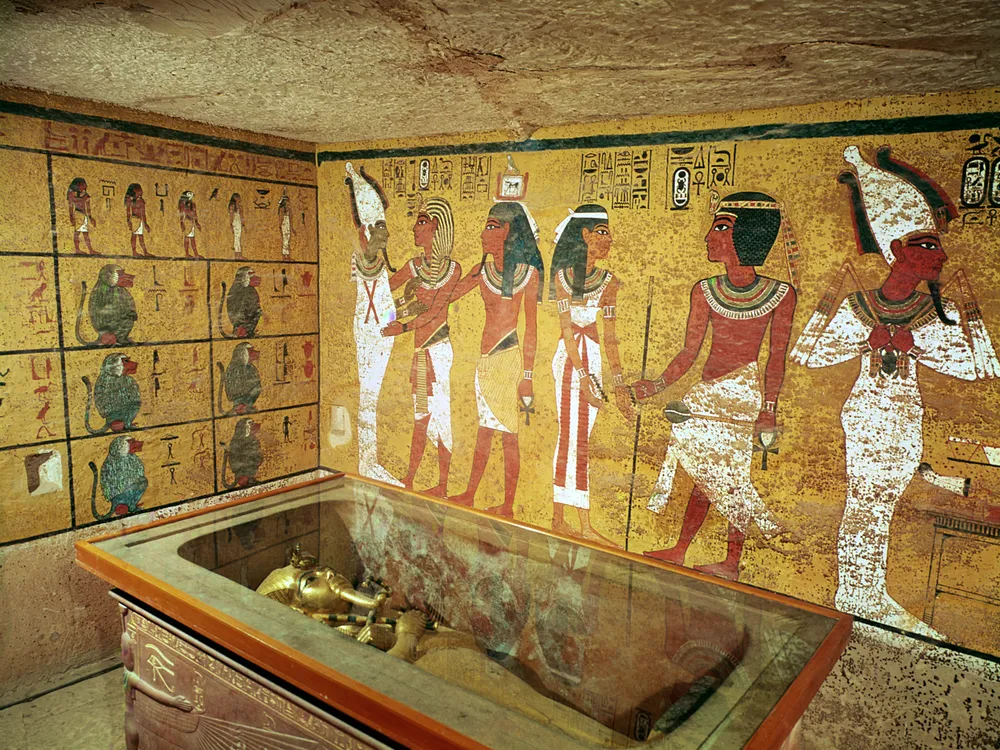
1. Who Was Pharaoh Amenmesse?
Pharaoh Amenmesse remains one of the most mysterious rulers of ancient Egypt and one of the least understood kings of the Nineteenth Dynasty. Unlike famous pharaohs such as Seti I, Ramesses II, or Merneptah, Amenmesse ruled during a period of political instability that left historians with many unanswered questions about his origins, legitimacy, and reign. Most Egyptologists believe he lived during the late thirteenth century BC, immediately following the reign of Merneptah, the son of Ramesses II. However, the exact relationship between Amenmesse and the royal family remains uncertain. Some scholars argue that he was a son of Merneptah and therefore a legitimate heir to the throne, while others believe he was a rival prince or military leader who seized power during a succession dispute. This uncertainty has made Amenmesse one of the most debated figures in New Kingdom history. Evidence suggests that Amenmesse controlled at least Upper Egypt, including Thebes, for a relatively short period, while Seti II may have ruled Lower Egypt simultaneously. If this interpretation is correct, Egypt experienced a rare period of divided kingship, with two rival pharaohs claiming legitimate authority over different regions of the country. Monumental inscriptions, statues, and temple reliefs bearing Amenmesse's name have been discovered in southern Egypt and Nubia, indicating that he exercised genuine royal authority rather than serving merely as a local governor. Nevertheless, after Seti II secured complete control of the kingdom, he systematically erased Amenmesse's royal names and images from monuments throughout Egypt. This campaign of political erasure explains why so little evidence of Amenmesse survives compared with other rulers of the Nineteenth Dynasty. Amenmesse's reign probably lasted only three to four years, leaving little time to complete major building projects. His royal tomb, KV10, appears to have been abandoned before decoration was finished, reflecting either his sudden death or his removal from power. Many of the unfinished reliefs inside the tomb preserve valuable evidence of ancient construction techniques, showing preliminary carving stages that are rarely visible in fully completed monuments. Archaeologists regard these unfinished sections as particularly important because they reveal how craftsmen from Deir el-Medina planned and executed royal funerary decoration during the New Kingdom. Although Amenmesse's political career ended abruptly, his incomplete tomb continues providing valuable information about both royal architecture and the turbulent politics of the late Ramesside period. Today, Amenmesse is remembered not for military victories or monumental temples but for the mystery surrounding his identity and reign. His story illustrates the uncertainty that followed the death of Merneptah and foreshadowed the gradual weakening of royal authority during the later New Kingdom. As historians continue studying inscriptions, monuments, and archaeological discoveries, KV10 remains one of the most important sources for understanding this fascinating chapter of ancient Egyptian history.
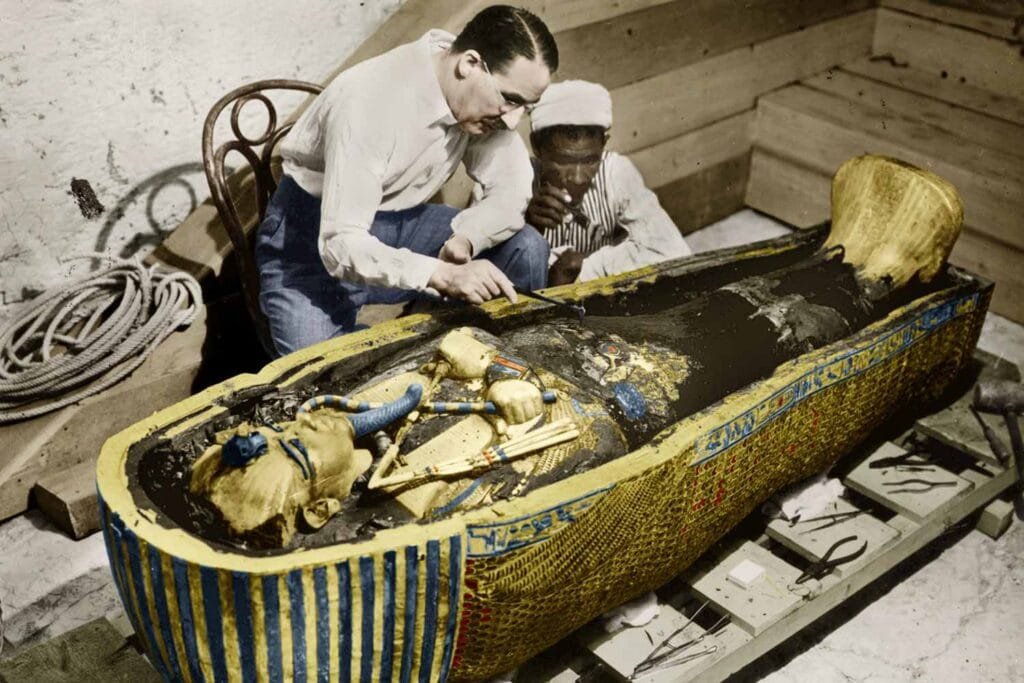
2. The Construction and History of KV10
The construction of KV10 began during the reign of Pharaoh Amenmesse, following the traditional royal burial practices established in the Valley of the Kings. Like other tombs of the late Nineteenth Dynasty, the monument was carved into the limestone cliffs on the west bank of Luxor by the highly skilled craftsmen of Deir el-Medina. The original design included a descending entrance, long corridors, ceremonial halls, and a burial chamber decorated with sacred funerary texts intended to guide the king safely through the underworld. However, political instability interrupted construction before the monument could be fully completed. As a result, KV10 remains one of the few royal tombs where unfinished architectural features clearly reveal different stages of the excavation and decoration process. After Amenmesse disappeared from the historical record, probably following his defeat by Seti II, work inside KV10 ceased almost immediately. Evidence suggests that many reliefs remained incomplete, while some inscriptions were deliberately erased or replaced during the restoration of Seti II's authority. This political modification transformed KV10 into a rare archaeological record of changing royal legitimacy. Instead of preserving a continuous decorative program, the tomb displays evidence of alteration, abandonment, and later reuse. Such modifications provide valuable insight into how ancient Egyptian rulers manipulated monuments to reinforce political authority and erase the memory of rivals. During later periods, KV10 underwent additional changes as members of the royal court reused portions of the monument for secondary burials. Archaeologists have discovered evidence that individuals connected with the royal household, including members of the family of Takhat and other elite officials, occupied parts of the tomb after Amenmesse's reign. These later burials introduced new inscriptions, burial equipment, and architectural modifications that distinguish KV10 from most other royal monuments in the Valley of the Kings. The reuse of abandoned tombs became increasingly common as economic conditions deteriorated during the closing centuries of the New Kingdom. Modern archaeological excavations have revealed numerous important discoveries inside KV10, including decorated limestone fragments, pottery, coffin remains, faience objects, ushabti figures, and unfinished reliefs. These findings continue helping scholars reconstruct the monument's original appearance and understand the political events that interrupted its completion. Although KV10 lacks the spectacular decoration of tombs such as KV17 or KV9, its unusual history makes it one of the most historically valuable monuments in the Valley of the Kings.
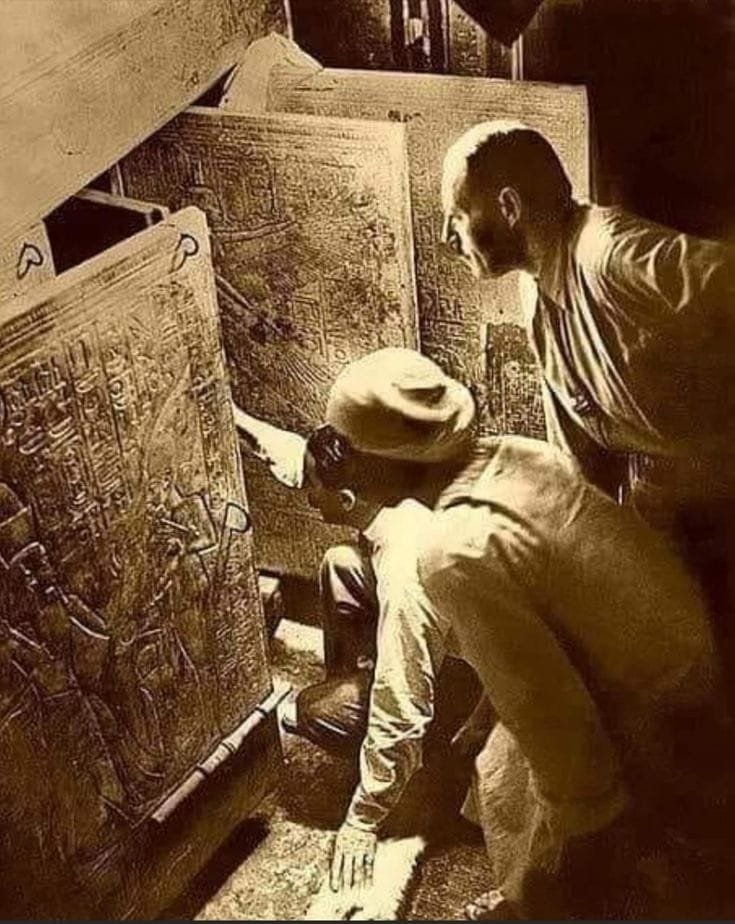
3. Architecture and Layout of the Tomb of Amenmesse
The architectural design of KV10 follows the traditional straight-axis plan characteristic of royal tombs built during the later Nineteenth Dynasty, although the monument was never completed according to its original design. Visitors entering the tomb descend a broad staircase leading into a sequence of corridors carved directly into the limestone bedrock. These corridors connect several halls and chambers intended to serve both ceremonial and funerary purposes before reaching the unfinished burial chamber deep within the mountain. Although simpler than the enormous tombs of Ramesses II or Seti I, KV10 still demonstrates the sophisticated engineering techniques employed by the royal craftsmen of Deir el-Medina. One of the most fascinating architectural features of KV10 is the clear evidence of interrupted construction. In several areas, visitors can observe rough quarry marks left by ancient stonecutters alongside partially carved reliefs that were never fully finished. Preliminary guide lines, incomplete hieroglyphs, and unfinished sculptural details reveal the systematic process used by Egyptian artisans when decorating royal tombs. Normally these early stages disappeared beneath final carving and painting, but the abandonment of KV10 preserved them for modern researchers. As a result, the monument offers one of the best opportunities to study how New Kingdom craftsmen transformed bare limestone into richly decorated royal burial chambers. The burial chamber itself was intended to become the spiritual center of the monument, housing the king's sarcophagus and serving as the location for important funerary rituals. However, because construction ended prematurely, the chamber never achieved the scale or decorative richness originally planned. Later occupants modified certain areas to accommodate secondary burials, creating a complex archaeological record that reflects several distinct phases of use. Despite these alterations, enough of the original architecture survives to demonstrate the ambitious intentions behind the monument and its close relationship to other Ramesside royal tombs. Today, the architecture of KV10 provides valuable insight into both ancient engineering and royal politics. Rather than representing a completed masterpiece, the tomb illustrates how historical events could dramatically alter monumental construction projects. Its unfinished corridors, modified chambers, and reused spaces make KV10 one of the most informative archaeological monuments for understanding the practical realities of royal tomb building during one of ancient Egypt's most politically uncertain periods.
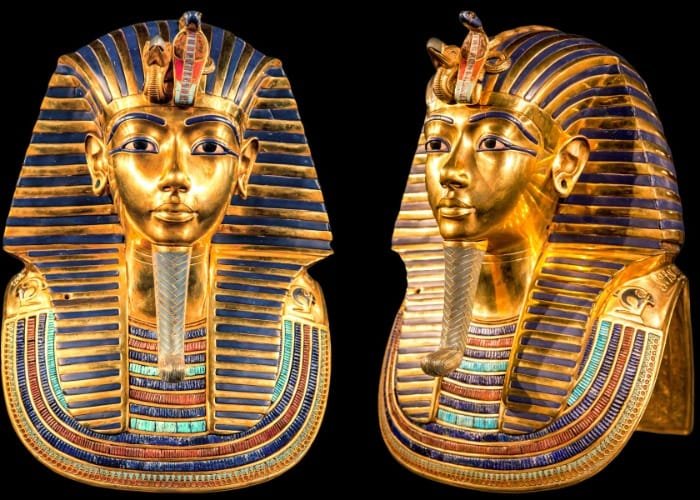
4. Religious Decoration and the Unfinished Artistic Program of KV10
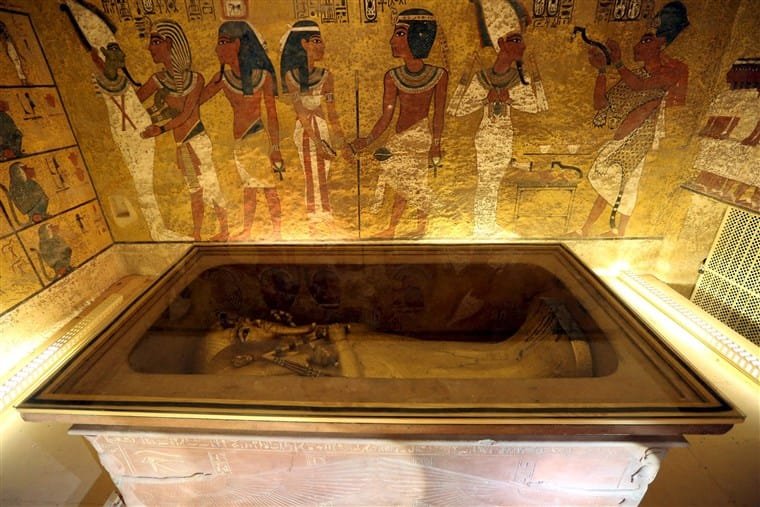
Although KV10 was intended to become a magnificent royal burial for Pharaoh Amenmesse, its decorative program was never completed because of the king's short and controversial reign. As a result, the tomb provides Egyptologists with one of the best opportunities to study the different stages of royal tomb decoration during the late Nineteenth Dynasty. Instead of displaying fully painted corridors and richly decorated burial chambers like KV17 or KV9, KV10 preserves rough sketches, partially carved reliefs, unfinished hieroglyphs, and isolated painted scenes that reveal how the craftsmen of Deir el-Medina transformed bare limestone into sacred funerary monuments. These unfinished sections are extremely valuable because they document the artistic process normally hidden beneath completed decoration. The religious scenes that were completed follow the traditional funerary beliefs of the New Kingdom. Images of Amenmesse appear before important Egyptian deities including Osiris, Anubis, Ra, Horus, Isis, and Nephthys, each representing different stages of the king's journey through the afterlife. Like other royal tombs in the Valley of the Kings, KV10 was designed to contain sacred funerary compositions such as the Book of Gates, portions of the Book of the Dead, and solar hymns dedicated to Ra. These texts provided magical protection, divine knowledge, and ritual instructions necessary for the king to overcome the dangers of the underworld and achieve eternal rebirth. However, many inscriptions remain incomplete or were never carved, reflecting the sudden interruption of work after Amenmesse lost power. One of the most fascinating aspects of KV10 is the evidence for deliberate political modification. After Seti II regained control of Egypt, workmen erased or altered several royal names and images associated with Amenmesse. In some areas, cartouches were carefully chiseled away, while other reliefs were abandoned before final carving. These alterations provide direct archaeological evidence of the political struggle that followed the death of Merneptah and illustrate how royal monuments could be manipulated to support changing claims to the throne. Few tombs in Egypt preserve such visible evidence of political conflict through alterations to their decoration. Modern archaeological recording techniques, including high-resolution photography, digital epigraphy, and multispectral imaging, continue revealing details invisible to earlier researchers. Faint pigment traces, unfinished guide lines, and erased inscriptions help scholars reconstruct the monument's original appearance while improving understanding of New Kingdom artistic methods. Although KV10 lacks the spectacular decoration of Egypt's most famous royal tombs, its unfinished artistic program provides one of the richest sources of information concerning ancient Egyptian workshop practices and political history.
5. Later Reuse of KV10 and the Mystery of the Burials
One of the most unusual aspects of KV10 is that its history did not end with the reign of Amenmesse. Following the king's disappearance from the historical record and the abandonment of his tomb, later generations reused parts of the monument for additional burials. This secondary occupation transformed KV10 from an unfinished royal tomb into a complex archaeological site preserving evidence from multiple periods of Egyptian history. Unlike fully sealed royal burials that remained dedicated to a single ruler, KV10 illustrates how abandoned monuments could be adapted to meet changing funerary needs during periods of political and economic uncertainty. Archaeological evidence suggests that several members of the royal court and elite families were buried within KV10 after the reign of Amenmesse. Among the most important names associated with the monument is Takhat, a royal woman whose relationship to Amenmesse remains the subject of scholarly debate. Some Egyptologists believe she may have been Amenmesse's mother, while others suggest she belonged to a different branch of the royal family. Fragments of funerary equipment, inscriptions, and burial objects discovered within the tomb indicate that these later occupants modified sections of the original architecture, adding new burial installations while leaving portions of the unfinished royal decoration untouched. This mixture of royal and non-royal material makes KV10 one of the Valley of the Kings' most complicated archaeological contexts. Like nearly every royal tomb in the Valley, KV10 eventually attracted ancient tomb robbers seeking valuable burial goods. Gold jewelry, precious metals, furniture, ritual equipment, and portable objects were removed long before modern archaeological exploration began. Nevertheless, many less valuable artifacts remained behind, including pottery vessels, ushabti figures, faience ornaments, coffin fragments, linen remains, and decorated limestone blocks. These discoveries have allowed archaeologists to reconstruct aspects of both Amenmesse's original burial plans and the later reuse of the monument by elite individuals. The multiple phases of occupation preserved inside KV10 provide historians with an unusually detailed picture of how royal tombs evolved after their original construction. Rather than representing a single historical event, the monument records centuries of changing political circumstances, funerary customs, and archaeological activity. This long and complex history makes KV10 one of the most informative monuments for understanding both the decline of the Nineteenth Dynasty and the continuing importance of the Valley of the Kings as a sacred burial landscape.

6. Archaeological Discoveries and Historical Importance of KV10
Although KV10 never contained the spectacular treasures discovered in Tutankhamun's Tomb (KV62), it has become one of the most important archaeological monuments for understanding the political history of the late Nineteenth Dynasty. Excavations inside the tomb have uncovered a wide variety of artifacts that illuminate both the original burial planned for Amenmesse and the later reuse of the monument by members of the royal court. Archaeologists have recovered decorated limestone fragments, pottery vessels, faience beads, ushabti figures, coffin fragments, plaster remains, pigment traces, and unfinished reliefs that provide valuable evidence concerning royal funerary practices during one of Egypt's most turbulent historical periods. One of the greatest contributions of KV10 to Egyptology is the information it provides concerning the succession crisis that followed the reign of Merneptah. The deliberate erasure of Amenmesse's royal names, the unfinished state of the decoration, and the architectural modifications introduced during later occupations all reflect the political instability surrounding his reign. Few monuments preserve such clear archaeological evidence of changing royal legitimacy. As historians compare inscriptions from KV10 with temple reliefs, royal statues, and administrative documents, they continue refining theories concerning Amenmesse's identity, relationship to the royal family, and conflict with Seti II. Modern archaeological investigations rely on advanced scientific techniques to document and preserve every surviving feature of the monument. Three-dimensional laser scanning, photogrammetry, digital epigraphy, multispectral photography, geological surveys, and microscopic pigment analysis have significantly expanded scholarly understanding of KV10. These technologies reveal erased inscriptions, faded painted details, and subtle carving marks invisible to the naked eye while creating permanent digital records for future research. Conservation specialists also monitor the condition of the limestone, plaster, and remaining decoration to ensure the long-term preservation of this historically significant tomb. Today, KV10 occupies a unique place within the Valley of the Kings. Rather than being celebrated primarily for artistic beauty or royal treasures, it is valued as one of the most important historical documents preserved in stone. Its unfinished architecture, altered decoration, reused burial chambers, and archaeological discoveries continue helping scholars reconstruct one of the most controversial chapters in ancient Egyptian history. For researchers interested in royal succession, political conflict, and New Kingdom archaeology, KV10 remains an indispensable source of evidence.

7. Conservation, Restoration, and the Preservation of KV10
The Tomb of KV10 has experienced centuries of natural deterioration, human activity, and environmental challenges, making conservation one of the highest priorities for archaeologists working in the Valley of the Kings. Unlike some of the valley's best-preserved monuments, KV10 remained unfinished and was reused by later burials, leaving many of its architectural and decorative elements especially vulnerable to damage. Over thousands of years, earthquakes, flash floods, fluctuating temperatures, humidity, and ancient tomb robberies contributed to the gradual deterioration of the monument. Fortunately, modern conservation programs have stabilized many of the surviving architectural features, allowing researchers to continue studying one of the most historically important tombs of the Nineteenth Dynasty. One of the greatest conservation challenges involves preserving the unfinished wall reliefs, carved inscriptions, and fragile plaster surfaces that remain inside the tomb. Because many sections were never completed, they often lack the protective painted layers found in finished royal monuments. Exposed limestone surfaces are particularly susceptible to erosion, salt crystallization, and mechanical damage caused by environmental changes. Conservation specialists regularly monitor these surfaces using high-resolution photography, digital microscopy, and multispectral imaging to identify tiny cracks or areas of deterioration before permanent damage occurs. Careful consolidation of weakened plaster and stabilization of carved surfaces help preserve the valuable evidence of ancient construction techniques visible throughout KV10. Modern technology has transformed the preservation of KV10. Three-dimensional laser scanning, photogrammetry, digital mapping, and virtual reconstruction allow archaeologists to document every corridor, chamber, inscription, and unfinished carving with remarkable precision. These digital archives create permanent records that assist researchers, conservators, and historians while reducing unnecessary physical contact with the monument. Geological surveys also evaluate the stability of the surrounding limestone cliffs, helping engineers protect the tomb against future structural problems. Such scientific approaches ensure that KV10 remains an important archaeological resource despite its incomplete condition. Visitor management also contributes to the monument's long-term preservation. Although KV10 receives fewer tourists than famous tombs such as KV62 or KV9, responsible access remains essential for protecting its fragile surfaces. Controlled visitor pathways, improved lighting, routine maintenance, and educational programs help minimize human impact while allowing travelers to appreciate the historical importance of the monument. Through ongoing conservation efforts, KV10 continues serving as a valuable source of information about ancient Egyptian politics, architecture, and royal burial traditions.
8. Visiting KV10 Today – A Tomb for History Enthusiasts
Unlike the richly decorated royal tombs that attract the largest crowds in the Valley of the Kings, KV10 offers visitors a different type of archaeological experience. Rather than focusing on spectacular artwork or brilliantly preserved paintings, the tomb allows travelers to explore the political history, architectural evolution, and unfinished construction of one of Egypt's most mysterious royal monuments. For visitors interested in the succession crisis of the late Nineteenth Dynasty, KV10 provides an exceptional opportunity to understand how historical events directly influenced the design and completion of royal tombs. It is particularly rewarding for archaeology enthusiasts who appreciate monuments that preserve evidence of the ancient building process itself. As visitors descend into the tomb, they encounter broad corridors, unfinished chambers, partially carved reliefs, and traces of erased royal inscriptions. These surviving features reveal how craftsmen from Deir el-Medina planned the decoration of royal monuments before carving and painting were completed. Guide lines drawn by ancient artists, rough quarry marks, and unfinished hieroglyphs remain visible in several locations, providing rare insight into the techniques employed during New Kingdom tomb construction. Few monuments in Egypt display these intermediate stages of artistic production as clearly as KV10, making the tomb especially valuable for students of ancient architecture and archaeology. Visitors also learn about the political conflict between Amenmesse and Seti II, one of the most fascinating succession disputes in ancient Egyptian history. Evidence of erased cartouches, altered inscriptions, and later reuse illustrates how monuments could become instruments of royal propaganda following changes in political power. Egyptologist guides often explain these historical events while highlighting archaeological discoveries recovered from the tomb, helping visitors appreciate KV10 as a monument shaped by both construction and political transformation. Although KV10 lacks the colorful decoration found in neighboring tombs such as KV17, KV9, or KV11, its historical importance makes it a worthwhile stop for anyone seeking a deeper understanding of the Valley of the Kings. Combined with visits to the tombs of Seti II, Merneptah, and the great Ramesside rulers, KV10 helps complete the story of one of the most turbulent periods in ancient Egyptian royal history.
9. Fascinating Facts About KV10 – The Tomb of Amenmesse
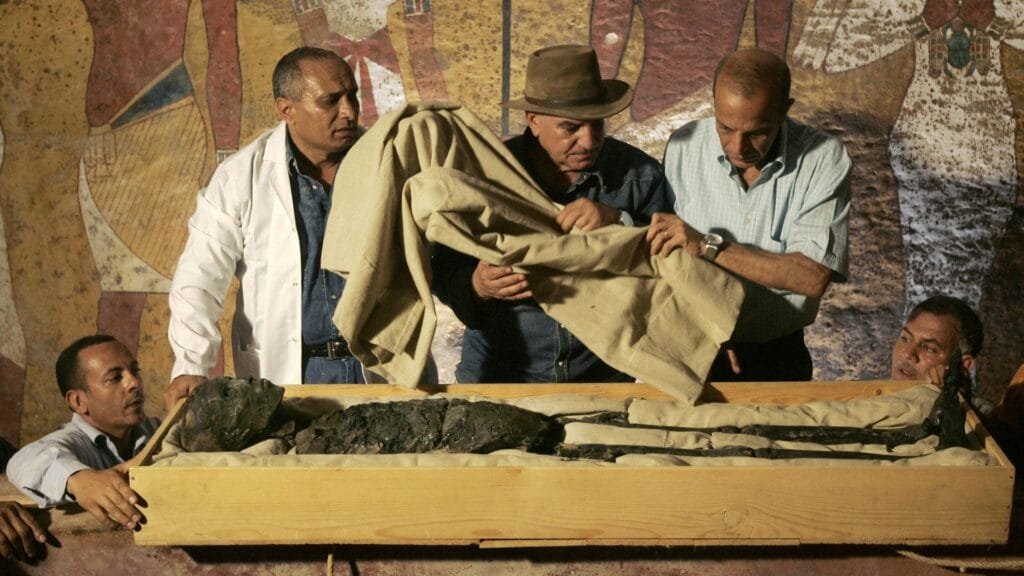
The Tomb of KV10 is one of the most unusual monuments in the Valley of the Kings, and its unique history continues fascinating historians and archaeologists alike. One of its most remarkable features is that it was never fully completed because of the brief and controversial reign of Pharaoh Amenmesse. As a result, the monument preserves unfinished carvings, incomplete hieroglyphs, and preliminary artistic sketches that reveal how royal craftsmen decorated tombs before applying final reliefs and paint. These unfinished surfaces provide exceptionally valuable evidence rarely preserved inside completed royal monuments. Another fascinating aspect of KV10 is its direct connection with one of ancient Egypt's greatest political mysteries. Scholars continue debating whether Amenmesse was a legitimate king, a rival claimant to the throne, or a regional ruler who temporarily controlled Upper Egypt while Seti II governed the north. The deliberate erasure of Amenmesse's names and images from monuments across Egypt strongly suggests that later rulers sought to eliminate his memory from official history. KV10 therefore serves as one of the clearest archaeological examples of political erasure, demonstrating how royal monuments could be altered to reinforce new claims to power. KV10 also differs from many royal tombs because it experienced several phases of reuse after its original abandonment. Members of the royal court and elite families modified portions of the monument for secondary burials, introducing new funerary equipment and inscriptions while preserving elements of the unfinished royal architecture. This combination of original royal construction and later adaptations provides archaeologists with a uniquely layered historical record spanning several generations of Egyptian history. Today, KV10 remains one of the Valley of the Kings' most important historical monuments despite its relatively modest appearance. Rather than impressing visitors through brilliant decoration or spectacular treasures, it offers an unparalleled opportunity to study unfinished architecture, ancient political conflict, and the practical realities of royal tomb construction. For Egyptologists, KV10 remains one of the most valuable archaeological resources for understanding the turbulent final decades of the Nineteenth Dynasty and the changing fortunes of Egypt's royal family.

10. KV10 Compared with Other Tombs in the Valley of the Kings
The Tomb of KV10 occupies a unique position among the royal monuments of the Valley of the Kings because its historical importance is rooted more in politics and archaeology than in artistic grandeur. While tombs such as KV17 (Seti I), KV9 (Ramesses V and Ramesses VI), KV62 (Tutankhamun), and KV11 (Ramesses III) are celebrated for their spectacular wall paintings, magnificent architecture, or extraordinary treasures, KV10 tells a different story. It documents a period of disputed royal succession, unfinished construction, and the deliberate erasure of a pharaoh's memory. For Egyptologists, this makes KV10 one of the most valuable historical monuments in the valley, offering direct evidence of the political instability that affected Egypt during the closing years of the Nineteenth Dynasty. When compared with KV15, the tomb of Seti II, KV10 becomes even more historically significant. Many scholars believe that Amenmesse and Seti II were rival claimants to the throne, making their tombs closely connected chapters of the same political crisis. While KV15 was completed and richly decorated after Seti II secured full control of Egypt, KV10 remained unfinished following Amenmesse's fall from power. Evidence of erased royal cartouches, abandoned reliefs, and interrupted construction provides visible archaeological proof of this struggle for kingship. Few locations in Egypt preserve such a clear physical record of changing political authority, allowing historians to reconstruct events that occurred more than three thousand years ago. Architecturally, KV10 is smaller and less elaborate than monumental Ramesside tombs such as KV7 (Ramesses II), KV8 (Merneptah), and KV9 (Ramesses V and VI). Nevertheless, its unfinished corridors and partially decorated chambers offer advantages not found in more complete monuments. Visitors and researchers can observe quarry marks, preliminary carving lines, unfinished hieroglyphs, and other details that illustrate how ancient craftsmen planned and executed royal tomb decoration. These features provide invaluable information concerning construction techniques employed by the artisans of Deir el-Medina, making KV10 an important educational resource despite its relatively modest appearance. For visitors interested in understanding the complete history of the Valley of the Kings, KV10 complements the more famous royal tombs by revealing the realities of political conflict, unfinished architecture, and historical change. Rather than presenting only the glory of ancient Egypt, it demonstrates how royal ambitions could be interrupted by succession disputes and shifting political fortunes. This combination of archaeology, history, and architectural evidence ensures that KV10 remains one of the valley's most intellectually rewarding monuments.
11. Conclusion – Why KV10 Matters in Ancient Egyptian History
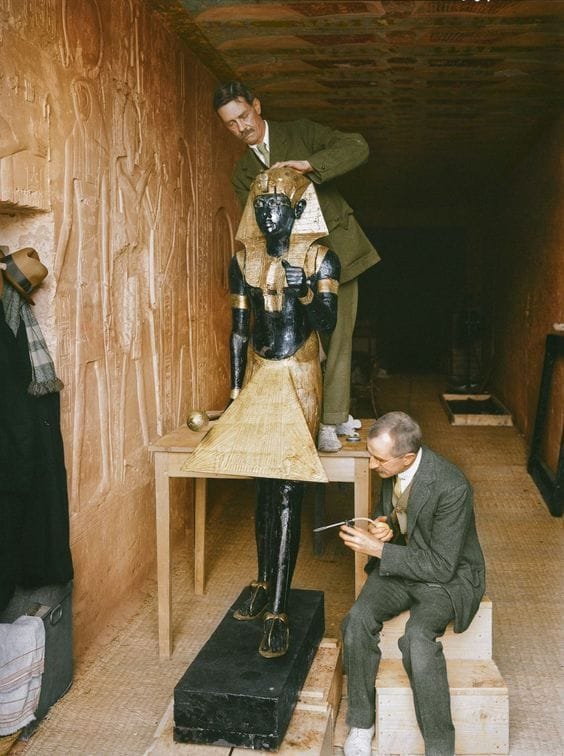
Although the Tomb of KV10 lacks the magnificent decoration and spectacular treasures associated with Egypt's most famous royal burials, it remains one of the most historically important monuments in the Valley of the Kings. Built for the enigmatic Pharaoh Amenmesse, the tomb preserves valuable evidence of one of the greatest political mysteries of the Nineteenth Dynasty. Its unfinished corridors, altered inscriptions, abandoned decorative program, and later reuse provide a unique archaeological record of royal succession, political conflict, and changing funerary traditions during a turbulent period of ancient Egyptian history. Few monuments illustrate the relationship between politics and architecture as clearly as KV10. For archaeologists and historians, KV10 offers an extraordinary opportunity to study ancient construction methods that are normally hidden beneath completed decoration. Rough quarry marks, unfinished reliefs, preliminary sketches, and erased hieroglyphs reveal the systematic process followed by the master craftsmen of Deir el-Medina when creating royal tombs. Modern technologies such as laser scanning, digital epigraphy, multispectral photography, and geological analysis continue uncovering new details about the monument while ensuring its preservation for future generations. Every new discovery contributes to a better understanding of both Amenmesse's reign and the broader history of the late New Kingdom. Visitors exploring KV10 experience a different side of the Valley of the Kings. Rather than overwhelming the senses with colorful paintings or elaborate burial chambers, the monument invites careful observation of unfinished architecture, historical clues, and archaeological evidence. It rewards travelers who wish to move beyond Egypt's most famous attractions and explore the complex political events that shaped the country's royal history. Together with nearby tombs such as KV15 (Seti II), KV8 (Merneptah), and KV17 (Seti I), KV10 helps tell the complete story of the rise, conflict, and gradual transformation of the Ramesside kings. Ultimately, KV10 stands as a powerful reminder that history is not written only by triumphant rulers but also by those whose stories remain incomplete. The mystery surrounding Amenmesse, the unfinished nature of his tomb, and the evidence of political erasure preserved within its walls continue inspiring scholarly debate and archaeological research. As one of the Valley of the Kings' most enigmatic monuments, KV10 remains essential for anyone seeking to understand the final generations of Egypt's imperial New Kingdom.
12. Frequently Asked Questions About KV10 – The Tomb of Amenmesse
The Tomb of KV10 is one of the most mysterious monuments in the Valley of the Kings, and visitors often ask why it is considered so important despite its unfinished appearance. The answer lies in its extraordinary historical significance. KV10 was built for Pharaoh Amenmesse, one of the most controversial rulers of the Nineteenth Dynasty, whose claim to the throne remains the subject of scholarly debate. The tomb preserves direct evidence of political conflict, interrupted construction, and the deliberate erasure of a ruler's memory after his fall from power. These unique characteristics make KV10 one of the most valuable archaeological records of royal succession in ancient Egypt. Another common question concerns whether Amenmesse was actually buried inside KV10. Egyptologists have not reached a definitive conclusion. Although the tomb was clearly intended as his royal burial place, there is no conclusive evidence that his original burial remained undisturbed. The monument was abandoned before completion, later reused for secondary burials, and eventually robbed during antiquity. Any original funerary equipment associated with Amenmesse was either removed, destroyed, or reused, leaving historians to reconstruct events from surviving architectural and inscriptional evidence rather than intact burial remains. Visitors also ask why so many inscriptions inside KV10 appear unfinished or damaged. Much of the decoration was interrupted when Amenmesse's reign ended abruptly. After Seti II secured the throne, work stopped, and many royal names and images were deliberately erased or altered as part of a campaign to eliminate Amenmesse's memory from official history. These modifications provide rare archaeological evidence of political propaganda in ancient Egypt and explain why KV10 differs so dramatically from the fully decorated tombs of other Ramesside pharaohs. Today, KV10 continues attracting archaeologists, historians, and travelers interested in the hidden stories of ancient Egypt. While it may not possess the dazzling artwork of KV9 or the treasures of KV62, it offers something equally valuable—a rare opportunity to witness the unfinished history of a forgotten king. Through its architecture, archaeological discoveries, and enduring mysteries, KV10 remains one of the most fascinating and intellectually important royal tombs in the Valley of the Kings.