

- Excursions in Egypt
- Egypt Tour Packages
- Cairo Tours and Excursions
- Hurghada Tours and Excursions
- Soma Bay Tours and Excursions
- Makadi Bay Tours and Excursions
- Sahl Hasheesh Tours and Excursions
- El Gouna Tours and Excursions
- Marsa Alam Tours and Excursions
- Port Ghalib Tours and Excursions
- El Quseir Tours and Excursions
- Dendera and Abydos Day Tours
- Aswan Tours and Excursions
- Luxor Tours and Excursions
- Sharm El Sheikh Tours and Excursions
- Top Rated Egypt Tours in 2026
- Optional Excursions in Egypt
- Private Transfer
- Blogs About egypt
- Ancient Egypt
- Historical Sites in Egypt
- Cairo
- Alexandria
- Luxor
- Aswan
- The Red Sea
- Dendera Temple
- El Fayoum Oasis
- Bahariya Oasis
- Siwa Oasis
- Al Alamein
- Marsa Matruh
- Why Egypt Is One of the Safest Countries to Visit in the Middle East
- What You Need To know Before Your First Trip To Egypt
- Egypt Travel Costs in 2026 Full Budget Guide
- Top 10 Tourist Activities in Egypt
- Top 50 Activities You Can’t Miss in Egypt in 2026
- The Guide to Guided Tours in Egypt
- Egypt’s Ancient and Modern History
- The Nile River
- The Deserts of Egypt
- Ancient Egyptian gods
- famous Egyptian dishes
- UNESCO World Heritage sites
- About Us
- Egypt Hotels and Resorts
- Excursions in Egypt
- Egypt Tour Packages
- Cairo Tours and Excursions
- Hurghada Tours and Excursions
- Soma Bay Tours and Excursions
- Makadi Bay Tours and Excursions
- Sahl Hasheesh Tours and Excursions
- El Gouna Tours and Excursions
- Marsa Alam Tours and Excursions
- Port Ghalib Tours and Excursions
- El Quseir Tours and Excursions
- Dendera and Abydos Day Tours
- Aswan Tours and Excursions
- Luxor Tours and Excursions
- Sharm El Sheikh Tours and Excursions
- Top Rated Egypt Tours in 2026
- Optional Excursions in Egypt
- Private Transfer
- Blogs About egypt
- Ancient Egypt
- Historical Sites in Egypt
- Cairo
- Alexandria
- Luxor
- Aswan
- The Red Sea
- Dendera Temple
- El Fayoum Oasis
- Bahariya Oasis
- Siwa Oasis
- Al Alamein
- Marsa Matruh
- Why Egypt Is One of the Safest Countries to Visit in the Middle East
- What You Need To know Before Your First Trip To Egypt
- Egypt Travel Costs in 2026 Full Budget Guide
- Top 10 Tourist Activities in Egypt
- Top 50 Activities You Can’t Miss in Egypt in 2026
- The Guide to Guided Tours in Egypt
- Egypt’s Ancient and Modern History
- The Nile River
- The Deserts of Egypt
- Ancient Egyptian gods
- famous Egyptian dishes
- UNESCO World Heritage sites
- About Us
- Egypt Hotels and Resorts
Welcome to
Tomb of KV1 – Ramesses VII: Complete Guide to the Royal Tomb in the Valley of the Kings
The Tomb of KV1, belonging to Pharaoh Ramesses VII, is one of the most accessible and fascinating royal tombs in the Valley of the Kings on the west bank of Luxor, Egypt. Although it is considerably smaller than the magnificent tombs of Seti I (KV17) or Ramesses VI (KV9), KV1 remains an important archaeological site that offers remarkable insights into the final years of the New Kingdom and the gradual decline of Egypt’s once-powerful 20th Dynasty. Every year, thousands of travelers, historians, archaeologists, and Egyptology enthusiasts visit this beautifully decorated tomb to admire its colorful religious scenes, well-preserved hieroglyphics, and impressive astronomical ceiling.
Built during the reign of Ramesses VII (circa 1136–1129 BC), the tomb reflects an era when Egypt faced economic hardships, political instability, and shrinking royal resources. Unlike the enormous burial complexes constructed by earlier pharaohs, KV1 follows a simpler architectural plan while still preserving many of the sacred traditions associated with royal burials. The walls are decorated with chapters from the Book of Gates, the Book of Caverns, the Book of the Earth, and the Litany of Ra, all intended to guide the king safely through the underworld toward eternal life with the gods.
Today, KV1 is one of the best tombs for visitors who want to experience authentic New Kingdom art without navigating the long corridors found in larger royal tombs. Its relatively compact layout allows tourists to closely examine intricate reliefs, vibrant pigments, and beautifully painted ceilings that have survived for over three thousand years. This complete guide explores everything you need to know about the Tomb of Ramesses VII, including its history, architecture, religious symbolism, decorations, excavation history, discoveries, preservation efforts, visitor information, and why KV1 remains one of the hidden treasures of the Valley of the Kings.
1. Who Was Pharaoh Ramesses VII?
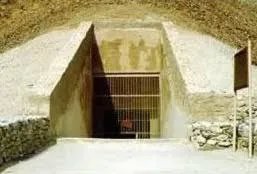
Ramesses VII was the sixth ruler of Egypt's 20th Dynasty, succeeding his father, Ramesses VI, during one of the most difficult periods in ancient Egyptian history. His reign, which lasted approximately seven years between 1136 BC and 1129 BC, marked a time when the Egyptian empire had begun losing much of its international influence, economic prosperity, and political stability. While earlier rulers such as Ramesses II expanded Egypt's borders and constructed monumental temples, Ramesses VII inherited a kingdom struggling with rising inflation, food shortages, labor disputes, and weakening royal authority. Ancient administrative papyri reveal that grain prices reached unprecedented levels during his reign, providing evidence of one of the earliest recorded economic crises in world history. Despite these internal challenges, Ramesses VII continued many traditional royal responsibilities. He maintained religious ceremonies dedicated to the great gods, particularly Amun, Ra, Osiris, and Ptah, while supporting temple institutions that remained central to Egyptian society. Like every pharaoh before him, he sought to guarantee his eternal life through elaborate funerary preparations. His burial in the Valley of the Kings followed centuries-old traditions established by New Kingdom rulers, even though financial constraints likely limited the scale of his tomb compared to earlier royal monuments. Although relatively little is known about Ramesses VII's military achievements or foreign policy, archaeological evidence demonstrates that he remained committed to preserving the sacred traditions of kingship. The decoration of KV1 reflects the enduring importance of royal theology despite Egypt's declining fortunes. The tomb emphasizes the king's transformation into a divine being capable of joining the solar god Ra during his nightly journey through the underworld. Every painted scene served a spiritual purpose, ensuring that Ramesses VII would overcome dangerous supernatural obstacles before achieving eternal rebirth. Modern Egyptologists consider Ramesses VII an important historical figure because his reign illustrates the gradual transition from the powerful imperial Egypt of the earlier New Kingdom to the fragmented political landscape that characterized the Third Intermediate Period. Although his accomplishments were overshadowed by more famous predecessors, his tomb remains a valuable historical document that preserves artistic styles, religious beliefs, and royal burial customs from one of ancient Egypt's final New Kingdom pharaohs. Today, KV1 stands as one of the best surviving monuments associated with his reign, offering visitors an intimate glimpse into the final chapter of one of history's greatest civilizations.
2. The Historical Background and Construction of KV1
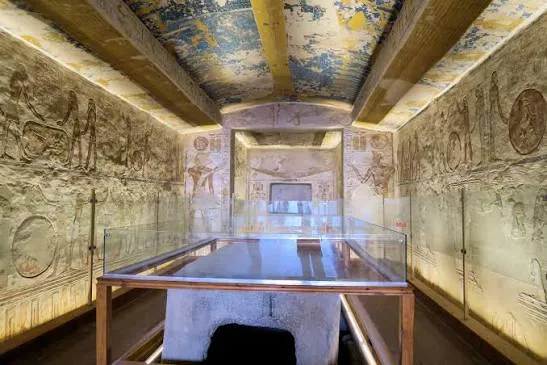
The construction of the Tomb of KV1 took place during a period of significant political and economic transformation in ancient Egypt. Located deep within the Valley of the Kings on Luxor's west bank, the tomb was carved directly into the limestone cliffs that had served as the royal necropolis for New Kingdom pharaohs since the reign of Thutmose I nearly five centuries earlier. By the time Ramesses VII commissioned his tomb, royal resources had become increasingly limited. As a result, KV1 adopted a far simpler design than the sprawling underground palaces built for rulers like Seti I or Ramesses III. Nevertheless, the tomb's architecture carefully followed traditional religious principles designed to ensure the king's successful journey into the afterlife. Work on KV1 was carried out by the highly skilled craftsmen of Deir el-Medina, the famous workers' village responsible for constructing nearly all royal tombs in the Valley of the Kings. These artisans possessed exceptional expertise in stone carving, painting, relief sculpture, and hieroglyphic inscription. Even during a period of economic hardship, they continued producing artwork of extraordinary quality, demonstrating remarkable dedication to religious tradition. Evidence suggests that construction progressed rapidly, likely because of the relatively short reign of Ramesses VII. The compact design enabled workers to complete both excavation and decoration within a limited timeframe. Architecturally, KV1 consists of a descending entrance corridor leading to additional corridors and finally a burial chamber containing a vaulted ceiling. Unlike earlier royal tombs featuring multiple pillared halls and extensive side chambers, KV1 minimizes unnecessary architectural complexity. However, its simplicity does not diminish its religious significance. Every surface was carefully planned to display sacred texts and divine figures essential for the king's resurrection. The orientation of the corridors symbolized the pharaoh's descent into the mysterious realm of the dead before emerging triumphantly with the rising sun. The construction techniques employed at KV1 also reveal advances in engineering and artistic planning. Workers smoothed the limestone walls before applying fine plaster, creating an ideal surface for colorful paintings and hieroglyphic inscriptions. Mineral pigments produced vivid shades of blue, yellow, red, green, black, and white, many of which remain visible today despite more than three thousand years of exposure. These remarkably preserved decorations continue to provide archaeologists with valuable evidence regarding New Kingdom artistic practices, religious beliefs, and royal funerary architecture, making KV1 one of the most significant yet often overlooked tombs within the Valley of the Kings.
3. Architecture and Layout of the Tomb of KV1
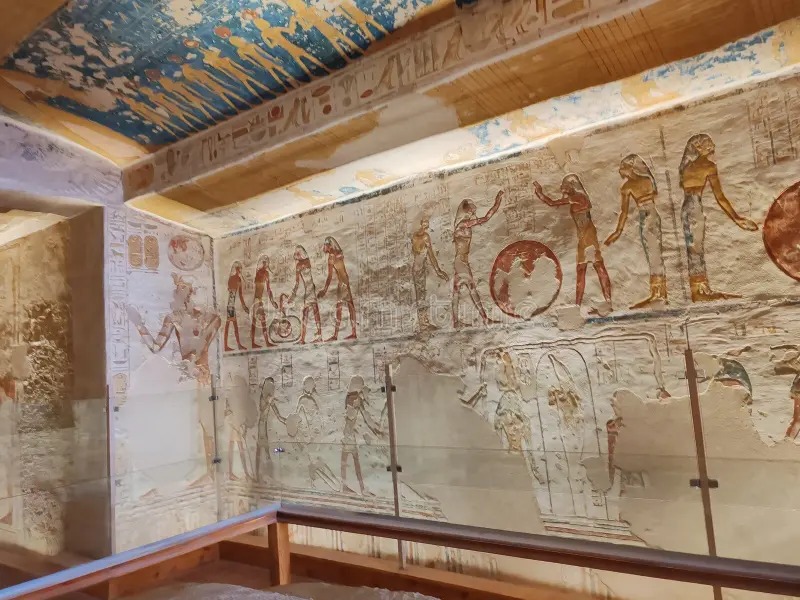
Although the Tomb of Ramesses VII is among the smaller royal tombs in the Valley of the Kings, its architectural design perfectly reflects the funerary traditions of Egypt's late New Kingdom. KV1 follows the classic straight-axis plan that became increasingly common during the Ramesside Period. Visitors enter through a gently descending staircase leading into a series of corridors that gradually direct them toward the burial chamber. This symbolic descent represented the pharaoh's journey beneath the earth into the hidden realm ruled by Osiris before ultimately achieving resurrection alongside the sun god Ra. One of the most striking architectural features of KV1 is its impressive burial chamber, which contains a beautifully vaulted ceiling decorated with astronomical imagery. Ancient Egyptian priests believed the heavens formed a sacred gateway through which the deceased king would travel to join the divine solar cycle. The ceiling therefore symbolizes the celestial realm, while the surrounding walls depict episodes from sacred funerary books describing the dangerous stages of the underworld. Together, these elements transformed the burial chamber into a powerful religious space where architecture, theology, and royal ideology merged into a single symbolic environment. Despite its modest dimensions, the tomb demonstrates exceptional planning and craftsmanship. The walls were carefully carved into the natural limestone before being coated with smooth plaster suitable for detailed painting. Artists organized every decorative scene into precise horizontal registers filled with hieroglyphic texts, protective deities, sacred serpents, and divine guardians. These compositions guided the viewer through a continuous religious narrative that mirrored the king's own spiritual journey after death. Unlike many earlier tombs where relief carving dominated decoration, much of KV1 relies on painted plaster, allowing artists to create vivid colors that remain surprisingly well preserved. Another notable feature of KV1 is the harmonious balance between architecture and religious symbolism. Every corridor, doorway, ceiling, and wall served more than a practical function—they formed part of an elaborate spiritual landscape intended to protect the deceased king for eternity. The relatively compact size of the tomb enables modern visitors to appreciate these artistic and theological details from close range, making KV1 one of the most rewarding royal tombs for understanding the evolution of New Kingdom funerary architecture. Its elegant simplicity demonstrates that even during a period of declining royal wealth, ancient Egyptian craftsmen continued producing monuments of extraordinary religious significance and artistic excellence.
4. The Religious Texts and Sacred Inscriptions of KV1
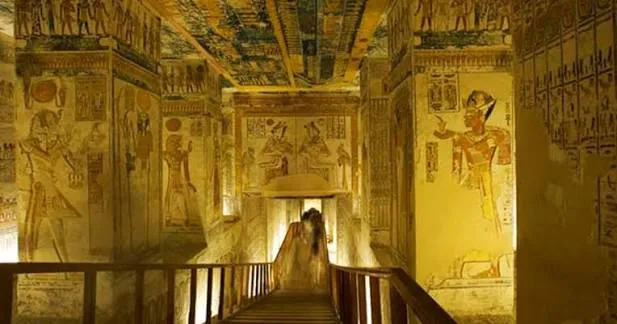
One of the most remarkable aspects of the Tomb of Ramesses VII is its extensive collection of sacred funerary texts that cover the walls and ceilings throughout the monument. These inscriptions were not merely decorative elements; they were considered magical tools essential for the king's survival in the afterlife. Ancient Egyptians believed that death marked the beginning of a perilous journey through the underworld, a mysterious realm filled with supernatural beings, dangerous obstacles, and divine judges. To navigate this complex spiritual landscape successfully, the deceased pharaoh required detailed instructions, protective spells, and the assistance of powerful gods. The religious texts preserved inside KV1 provided exactly that guidance, transforming the tomb into a sacred map of eternity. Among the most important compositions represented within the tomb is the Book of Gates, one of the principal funerary texts used during the New Kingdom. This work describes the sun god Ra's nightly voyage through twelve gates corresponding to the twelve hours of darkness. Each gate is guarded by powerful deities, serpents, and supernatural beings who must recognize and accept the deceased king before allowing him to continue. The text emphasizes themes of rebirth, transformation, and divine protection, all of which were central to royal funerary beliefs. By identifying himself with Ra, Ramesses VII hoped to emerge victorious from the darkness and be reborn with the rising sun each morning. Additional scenes derive from the Book of Caverns, which focuses on the hidden regions of the underworld and the punishments awaiting the enemies of cosmic order. These dramatic compositions depict mysterious caves inhabited by gods who oversee both reward and judgment. The text reassured the king that he would receive divine protection while hostile forces faced destruction. Other inscriptions invoke the blessings of Osiris, the ruler of the dead, and numerous protective deities who guarded the royal soul during its journey toward immortality. The hieroglyphic inscriptions themselves are masterpieces of religious literature and artistic design. Carefully painted columns of text accompany nearly every scene, creating a seamless fusion of image and language. Ancient Egyptians believed that written words possessed magical power, meaning that the inscriptions actively contributed to the king's resurrection. Today, these texts provide scholars with invaluable information about New Kingdom theology, royal ideology, and funerary practices. Their preservation within KV1 allows modern visitors to witness one of the most sophisticated religious systems ever developed in the ancient world.
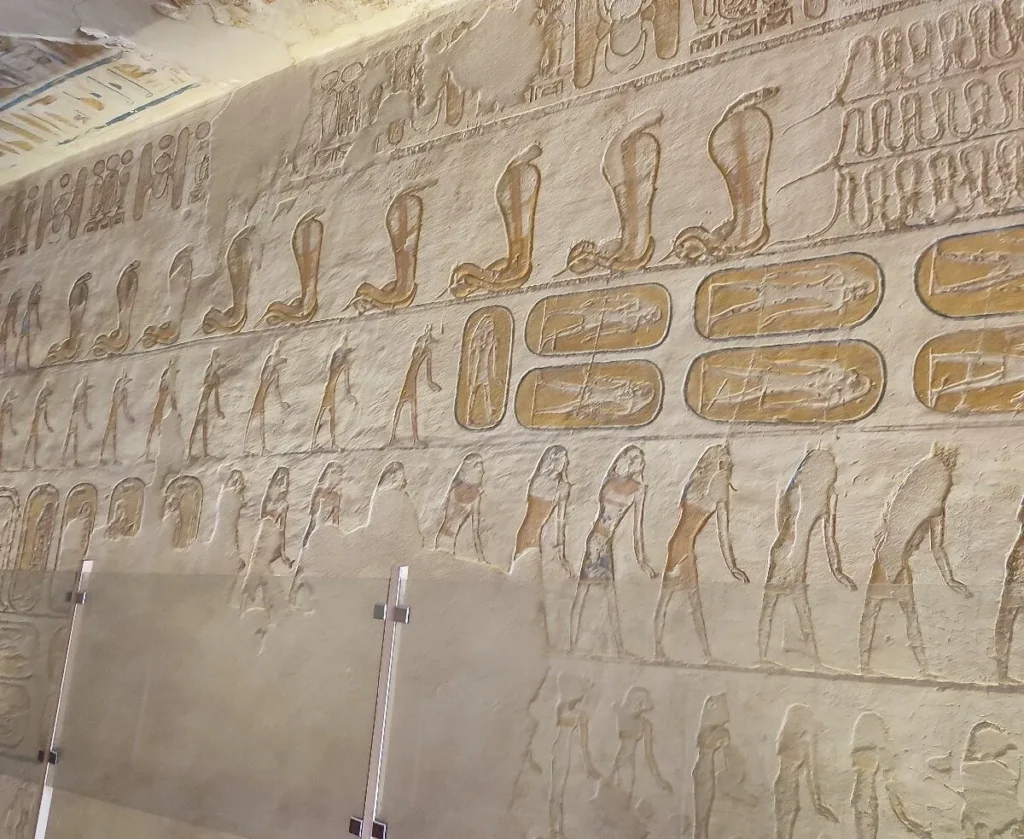
5. The Stunning Wall Paintings and Artistic Decorations
The decorative program of KV1 stands among the finest surviving examples of late New Kingdom tomb art. Although the tomb is smaller than many royal burial monuments, its paintings demonstrate extraordinary skill, vibrant coloration, and deep religious symbolism. Every wall surface was carefully prepared and transformed into a sacred canvas illustrating the king's journey through the afterlife. The artists responsible for these decorations belonged to the elite workforce of Deir el-Medina, whose expertise enabled them to create images that continue to impress visitors more than three thousand years after their completion. Their work represents the culmination of centuries of artistic traditions developed within the royal necropolis. One of the most striking features of the tomb is the remarkable preservation of its colors. Shades of deep blue, bright yellow, rich red, green, white, and black remain visible throughout many sections of the monument. These pigments were derived from natural minerals and carefully applied to plaster-coated surfaces. The vivid palette was not chosen merely for aesthetic reasons; each color carried symbolic meaning within ancient Egyptian religion. Blue represented the heavens and the waters of creation, yellow symbolized divine flesh and eternity, while green signified regeneration and rebirth. Together, these colors created a powerful visual language that reinforced the tomb's spiritual message. The paintings depict numerous gods and goddesses associated with death, resurrection, and cosmic order. Ra, Osiris, Horus, Anubis, Isis, Nephthys, and many other divine beings appear throughout the corridors and burial chamber. Ramesses VII is frequently shown standing before these deities, receiving blessings, protection, and promises of eternal life. The artistic compositions are carefully balanced, with figures arranged in orderly registers that guide viewers through the religious narrative. Hieroglyphic texts accompany the scenes, explaining their significance and amplifying their magical power. Particularly impressive is the astronomical ceiling of the burial chamber. Here, celestial imagery reflects the ancient Egyptian understanding of the universe and the king's place within it. Stars, heavenly symbols, and divine figures combine to create a vision of the cosmos through which the pharaoh would travel after death. These decorations transformed the chamber into a symbolic representation of the heavens themselves. For modern visitors and Egyptologists alike, the artwork of KV1 offers an extraordinary opportunity to study the religious beliefs, artistic achievements, and cultural values of ancient Egypt during the final phase of the New Kingdom.
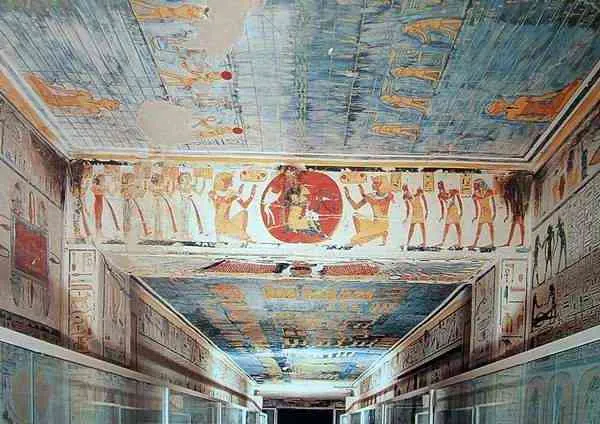
6. The Burial Chamber and the Pharaoh’s Sarcophagus
The burial chamber of KV1 serves as the spiritual and architectural heart of the entire tomb. After passing through the descending corridors, visitors arrive at this sacred space where the body of Ramesses VII was originally laid to rest. In ancient Egyptian belief, the burial chamber functioned as far more than a final resting place. It represented a divine gateway connecting the earthly world with the eternal realm of the gods. Every aspect of the chamber's design, decoration, and symbolism was intended to facilitate the king's transformation from a mortal ruler into an immortal divine being capable of joining the cosmic cycle of creation and renewal. Architecturally, the burial chamber features a beautifully vaulted ceiling that distinguishes it from many earlier royal tombs. The curved roof symbolizes the celestial vault of the heavens, emphasizing the connection between the deceased king and the cosmic order maintained by the gods. This heavenly imagery is reinforced by elaborate astronomical decorations that cover the ceiling surface. Ancient Egyptians believed that the stars were eternal and unchanging, making them powerful symbols of immortality. By associating Ramesses VII with the celestial realm, the tomb's designers sought to guarantee his everlasting existence among the divine powers of the universe. At the center of the chamber once stood the king's massive stone sarcophagus, which served as the primary container for his mummy. Although much of the original burial equipment has disappeared over the centuries due to tomb robberies and later disturbances, fragments of the sarcophagus survive and provide valuable evidence regarding the tomb's original appearance. The sarcophagus would have been decorated with sacred texts, protective deities, and magical symbols intended to shield the king's body from harm. Within ancient Egyptian theology, preserving the physical remains was essential because the soul required a recognizable body through which it could continue existing in eternity. The burial chamber also functioned as the focal point for the tomb's religious program. Surrounding wall scenes depict critical moments from the king's journey through the underworld, illustrating his encounters with divine beings who assisted his resurrection. These compositions transformed the chamber into a sacred environment charged with spiritual power. Even today, standing within the burial chamber of KV1 provides visitors with a profound sense of connection to ancient Egyptian beliefs about death, eternity, and the enduring relationship between humanity and the divine.
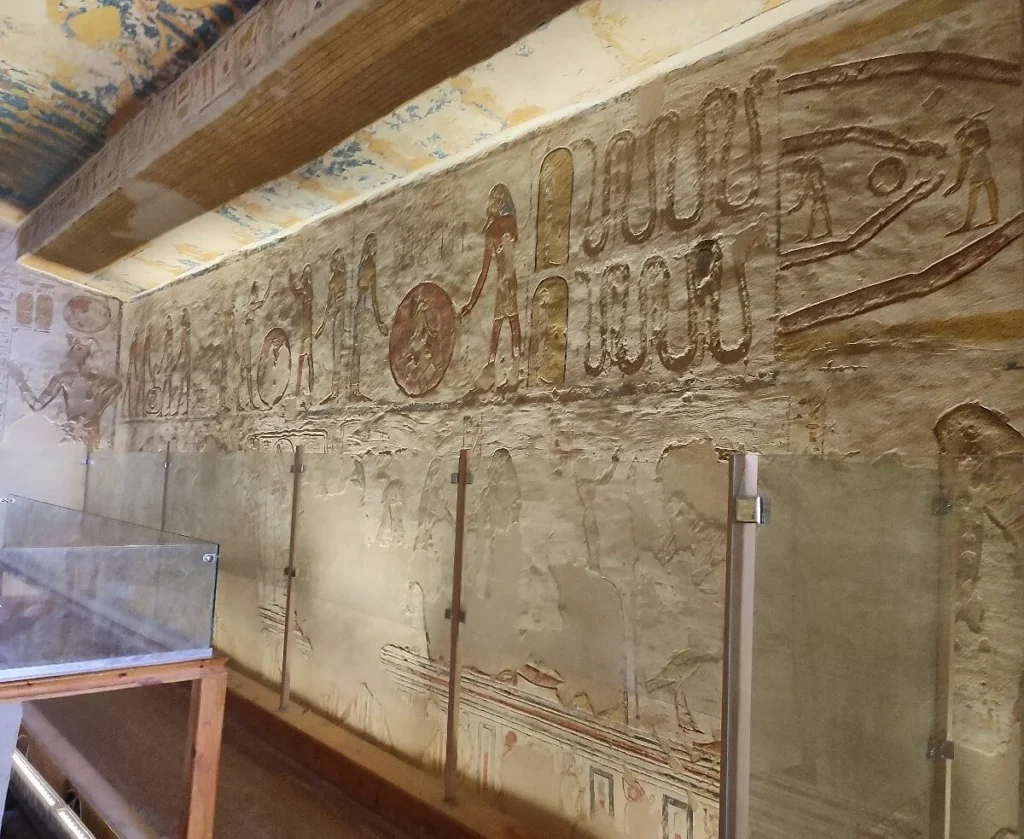
7. Discovery, Exploration, and Archaeological Research of KV1
Unlike many royal tombs in the Valley of the Kings that disappeared beneath flood debris for centuries, the Tomb of Ramesses VII (KV1) has remained known since antiquity. Evidence suggests that the entrance was visible during the Greco-Roman Period, and ancient visitors left numerous graffiti on the walls in Greek, Coptic, and later Arabic. These inscriptions demonstrate that the tomb continued attracting travelers long after the decline of ancient Egyptian civilization. During the nineteenth century, when European interest in Egypt reached unprecedented levels, KV1 became one of the earliest royal tombs to be scientifically documented. Explorers such as James Burton, John Gardner Wilkinson, Richard Lepsius, and other pioneers of Egyptology recorded its inscriptions, copied its artwork, and produced some of the first accurate plans of the monument. Their work laid the foundation for modern archaeological studies and significantly improved scholarly understanding of the late Ramesside period. Scientific investigation intensified during the twentieth century as archaeologists employed more advanced recording techniques. Researchers carefully examined the architecture, decorative program, pigments, and inscriptions to better understand the construction methods used during the reign of Ramesses VII. Detailed epigraphic surveys documented every hieroglyph, divine figure, and religious composition, preserving invaluable information before natural deterioration could occur. Modern technologies such as high-resolution digital photography, three-dimensional laser scanning, and multispectral imaging have since revealed faded details invisible to the naked eye. These innovations enable Egyptologists to study painting techniques, identify ancient corrections made by artists, and reconstruct damaged sections of the decoration without physically altering the monument. Excavations around the entrance have also provided important information about the tomb's history. Archaeologists discovered evidence of repeated flooding, ancient restoration work, and debris left by both tomb robbers and early explorers. Pottery fragments, wooden remains, stone chips, and traces of ancient tools offer insights into the construction process and later phases of occupation. The absence of large quantities of funerary equipment confirms that the tomb was extensively looted in antiquity, likely only a few generations after the king's burial. Nevertheless, surviving architectural features and painted decorations remain among the best-preserved examples from the final years of the New Kingdom. Today, KV1 continues to be an active subject of archaeological research. Conservation specialists monitor humidity levels, visitor impact, salt crystallization, and pigment stability to ensure the monument survives for future generations. Every new study contributes additional knowledge about royal funerary practices, artistic traditions, and the political circumstances surrounding Egypt's Twentieth Dynasty. Although KV1 may not contain the spectacular treasures of Tutankhamun's tomb, it remains an invaluable historical archive that continues revealing new information about one of ancient Egypt's last great royal dynasties.
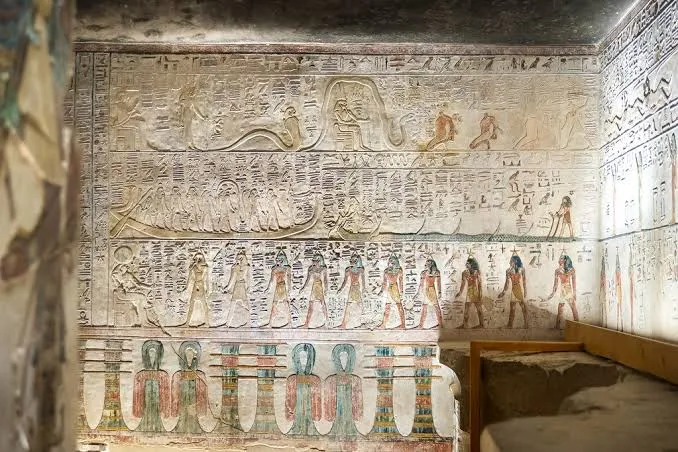
8. Tomb Robberies, Ancient Damage, and Preservation Efforts
Like nearly every royal burial in the Valley of the Kings, the Tomb of Ramesses VII suffered from ancient tomb robberies that dramatically altered its original appearance. During the economic and political instability that followed the end of the New Kingdom, organized groups of thieves targeted royal tombs in search of gold, precious jewelry, funerary furniture, and valuable ritual objects. Ancient judicial papyri describe widespread looting throughout the Theban necropolis, illustrating how weakened central authority made it increasingly difficult to protect royal burials. KV1 was almost certainly entered during this turbulent period, and most portable treasures were removed, leaving behind only fragments of the original burial equipment. The robbers were primarily interested in objects made from gold, silver, semi-precious stones, and exotic imported materials. They likely stripped the king's mummy of its jewelry, protective amulets, and richly decorated wrappings before breaking into the sarcophagus. Although these actions caused irreparable damage to the royal burial, the thieves showed comparatively little interest in the painted walls and religious inscriptions. As a result, much of the tomb's decorative program survived remarkably intact. This fortunate circumstance allows modern visitors to appreciate the artistic achievements of the ancient craftsmen despite the disappearance of the funerary treasures that once filled the burial chamber. Natural forces also contributed to the deterioration of KV1 over the centuries. Seasonal flash floods carried mud, stones, and debris into the lower corridors, while fluctuations in temperature and humidity gradually weakened plaster surfaces. Salt crystallization within the limestone caused localized flaking of pigments, and smoke from torches used by ancient visitors darkened portions of the ceiling. In more recent centuries, tourism introduced additional conservation challenges, including increased humidity caused by human breath, accidental physical contact with painted surfaces, and airborne dust carried into the monument. These factors required careful management to prevent further deterioration. Extensive conservation programs led by Egyptian authorities and international specialists have significantly improved the tomb's long-term preservation. Conservators have stabilized fragile plaster, cleaned painted surfaces using non-invasive methods, improved drainage around the entrance, and installed protective lighting systems that minimize heat damage. Visitor pathways help reduce direct contact with vulnerable decorations, while continuous environmental monitoring ensures that humidity and temperature remain within safe limits. Thanks to these ongoing preservation efforts, KV1 continues to retain much of its original beauty, allowing future generations to experience one of the most authentic royal tombs in the Valley of the Kings.
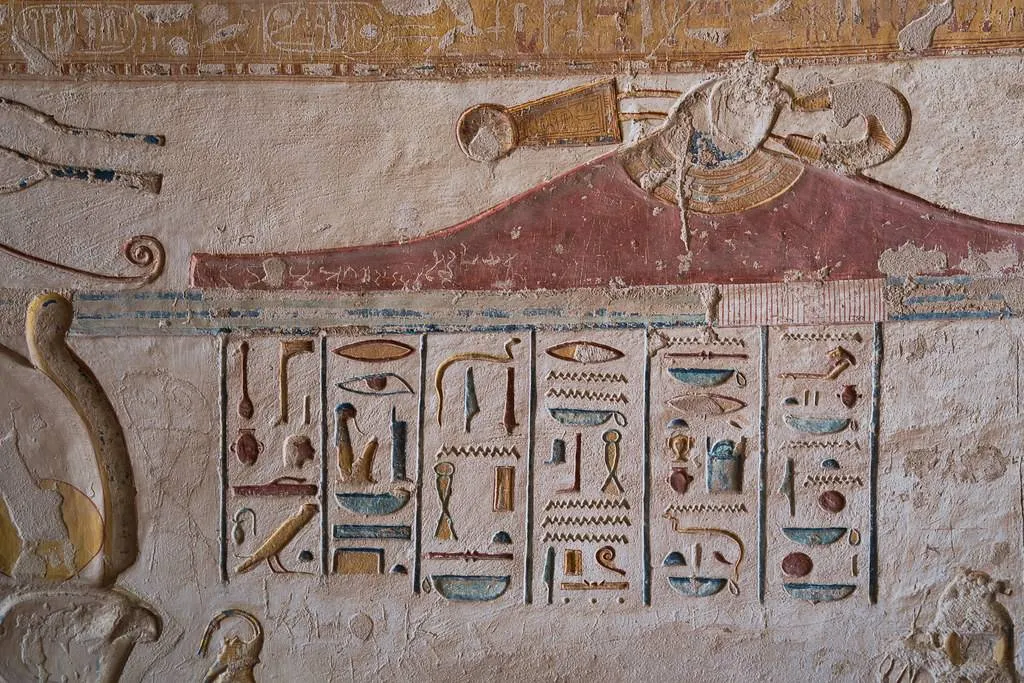
9. Visiting the Tomb of Ramesses VII Today
Today, the Tomb of Ramesses VII is one of the most rewarding monuments to visit in the Valley of the Kings, particularly for travelers seeking a quieter yet equally fascinating royal tomb. Although it lacks the enormous scale of KV17 or the worldwide fame of Tutankhamun's tomb, KV1 offers visitors an exceptional opportunity to experience ancient Egyptian funerary art at close range. Its relatively short corridors and compact layout make the entire monument easy to explore while still showcasing spectacular paintings, beautifully preserved hieroglyphics, and an impressive vaulted burial chamber. Because visitors spend less time walking through long passageways, they can devote greater attention to the intricate details covering every wall and ceiling. The tomb's location within the Valley of the Kings makes it easily accessible as part of any tour of Luxor's West Bank. Most guided excursions include detailed explanations from Egyptologists who interpret the religious scenes, identify the numerous gods represented in the artwork, and explain the symbolism behind the sacred funerary texts. For independent travelers, informational panels near the entrance provide useful historical context, although hiring a qualified guide greatly enhances the experience by revealing details that might otherwise go unnoticed. Photography regulations may vary depending on current policies, so visitors should always confirm the latest rules before entering the tomb. One of KV1's greatest strengths is the exceptional preservation of its colors. The vivid blues, reds, yellows, greens, and blacks remain visible throughout much of the monument, creating an immersive visual experience rarely matched elsewhere in the necropolis. The compact design also allows photographers and art enthusiasts to examine details from close proximity without feeling overwhelmed by the immense scale found in larger royal tombs. The astronomical ceiling of the burial chamber is especially memorable, providing one of the finest surviving examples of celestial decoration from Egypt's Twentieth Dynasty. For historians, archaeologists, students of Egyptology, and general travelers alike, KV1 offers a unique perspective on the closing years of the New Kingdom. Rather than emphasizing royal wealth alone, the tomb highlights the enduring importance of religion, artistic excellence, and spiritual belief during a period of political decline. Every painted figure, hieroglyphic inscription, and architectural feature reflects the ancient Egyptians' unwavering confidence in the promise of eternal life. Visiting KV1 is therefore far more than a sightseeing experience—it is an opportunity to step into one of the last royal monuments of a civilization that profoundly shaped the history of the ancient world.
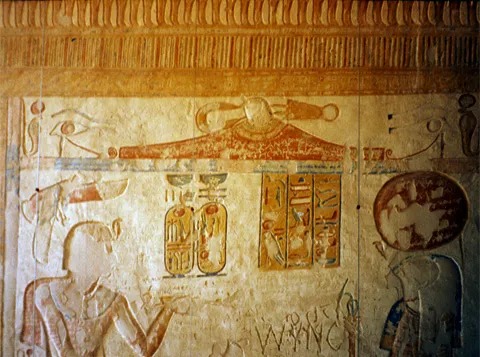
10. Fascinating Facts About KV1 – The Tomb of Ramesses VII
The Tomb of KV1 may not be the largest or most lavishly furnished royal tomb in the Valley of the Kings, but it possesses numerous fascinating characteristics that make it one of the most significant monuments of Egypt's Twentieth Dynasty. One of its most remarkable features is that it represents the final stage in the architectural evolution of New Kingdom royal tombs. Earlier pharaohs, including Seti I and Ramesses II, commissioned enormous underground complexes consisting of multiple pillared halls, deep corridors, side chambers, and vast burial rooms. By contrast, KV1 reflects a period when Egypt's economic resources were becoming increasingly limited. Its compact plan illustrates how royal funerary architecture adapted to changing political and financial circumstances while preserving the essential religious traditions that had guided Egyptian kings for centuries. Another intriguing aspect of KV1 is the extraordinary quality of its artwork despite the kingdom's declining prosperity. The painters and craftsmen of Deir el-Medina demonstrated exceptional technical skill, producing vibrant wall paintings that continue to amaze visitors more than 3,000 years later. Many of the colors remain strikingly fresh because the artists used mineral-based pigments that bonded effectively with the prepared plaster surfaces. The carefully balanced compositions, elegant hieroglyphic inscriptions, and harmonious proportions reveal that artistic excellence remained a royal priority even during difficult times. Egyptologists frequently cite KV1 as evidence that declining political power did not necessarily result in declining artistic achievement. KV1 is also famous for its beautifully decorated vaulted burial chamber, an architectural feature that symbolizes the celestial sky arching above the earth. Unlike flat ceilings found in some earlier tombs, the curved ceiling reinforces the religious concept that the deceased king would ascend to join the eternal heavens. The astronomical imagery decorating this chamber reflects sophisticated ancient Egyptian knowledge of the night sky and the solar cycle. These celestial scenes were not intended as scientific observations in the modern sense but rather as symbolic representations of divine order and the eternal renewal of creation. Another fascinating detail is the abundance of ancient graffiti left by visitors over many centuries. Greek travelers, Roman officials, Coptic pilgrims, medieval visitors, and early explorers all left inscriptions within the tomb, demonstrating that KV1 remained accessible for much of recorded history. These later writings provide valuable evidence for the monument's long history of exploration and changing cultural significance. Today, the Tomb of Ramesses VII continues to attract archaeologists, historians, photographers, and tourists from around the world, proving that even one of the Valley of the Kings' smaller tombs can offer an unforgettable journey into the heart of ancient Egyptian civilization.
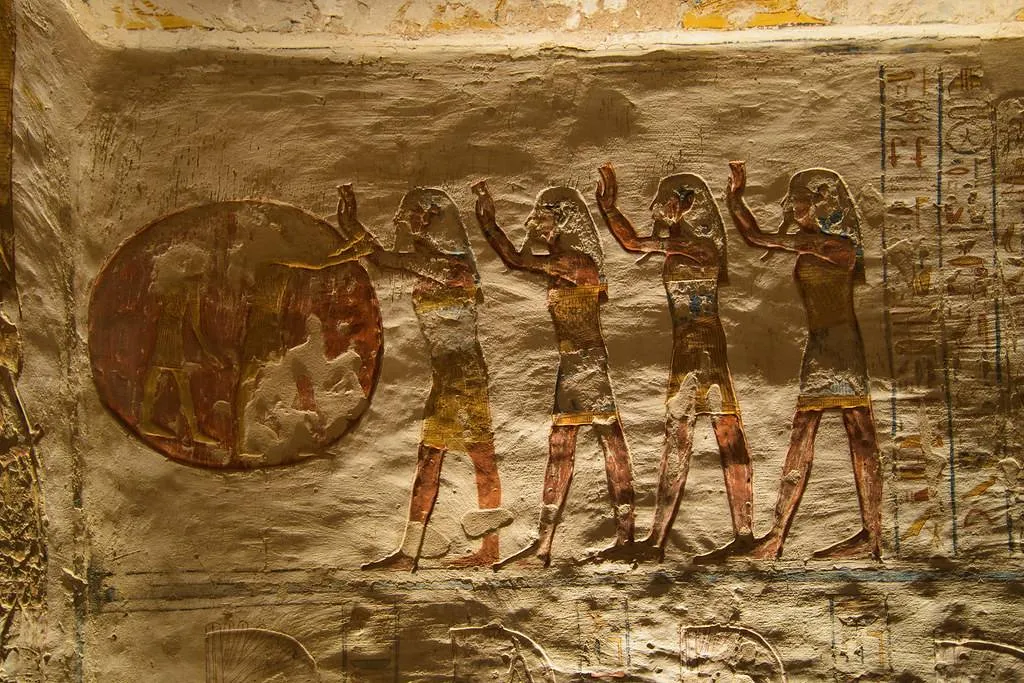
11. KV1 Compared with Other Royal Tombs in the Valley of the Kings
The Valley of the Kings contains more than sixty royal tombs, each reflecting the personality, wealth, and historical circumstances of the ruler for whom it was constructed. When compared with monumental tombs such as KV17 (Seti I), KV62 (Tutankhamun), KV9 (Ramesses V and Ramesses VI), or KV11 (Ramesses III), KV1 immediately stands out for its modest size and straightforward design. However, judging the monument solely by its dimensions would overlook its considerable historical and artistic importance. Instead, KV1 should be appreciated as an outstanding example of late New Kingdom funerary architecture that illustrates how Egyptian royal traditions evolved during a period of economic decline while maintaining their religious integrity. Unlike the spectacular Tomb of Tutankhamun, which became famous because it contained thousands of priceless treasures, KV1 was thoroughly plundered in antiquity. As a result, modern visitors will not encounter golden coffins, jewelry, ceremonial chariots, or elaborate funerary furniture inside the monument. Nevertheless, the absence of portable artifacts allows greater focus on the tomb's architectural design and decorative program. The exceptionally preserved paintings provide a clearer understanding of royal funerary theology than many treasure-filled museums can offer. Every corridor and chamber emphasizes sacred texts and divine imagery rather than material wealth, reminding visitors that the spiritual purpose of the tomb extended far beyond its physical contents. Compared with the magnificent KV17 of Seti I, widely regarded as the masterpiece of the Valley of the Kings, KV1 appears considerably simpler. Seti I's tomb extends for more than one hundred meters and contains numerous chambers decorated with nearly every major funerary text known during the New Kingdom. KV1, by contrast, condenses many of these religious concepts into a far more compact layout. This makes it especially accessible for first-time visitors who wish to understand the symbolism of royal tombs without becoming overwhelmed by their immense scale. Its shorter corridors also enable closer examination of individual artistic details. From an archaeological perspective, KV1 holds exceptional importance because it documents the final phase of royal tomb construction during the Twentieth Dynasty. It bridges the gap between the great imperial monuments of earlier centuries and the political fragmentation that followed the collapse of New Kingdom authority. While other tombs may surpass KV1 in size or fame, few provide such a clear and intimate window into the changing realities of ancient Egyptian kingship. For historians and travelers alike, KV1 represents one of the Valley of the Kings' most underrated yet rewarding monuments.
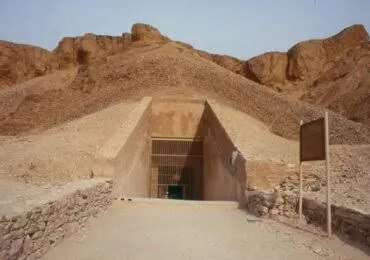
12. Why the Tomb of Ramesses VII Deserves Your Attention
The Tomb of Ramesses VII (KV1) is far more than a small royal burial hidden among the cliffs of the Valley of the Kings. It is a remarkable historical monument that captures the resilience of ancient Egyptian civilization during one of its most challenging periods. Although Egypt's political influence and economic strength had diminished by the reign of Ramesses VII, the tomb demonstrates that the country's religious traditions, artistic excellence, and architectural knowledge remained deeply rooted. Every painted wall, hieroglyphic inscription, and sacred image reflects a civilization that continued to invest immense spiritual meaning in the promise of eternal life. As such, KV1 provides an invaluable record of the final chapter of New Kingdom royal culture. For modern visitors, the tomb offers a uniquely personal experience. Its compact layout allows travelers to stand only a few feet from magnificent paintings that have survived for more than three millennia. The vibrant colors, detailed religious texts, celestial ceiling, and beautifully balanced artistic compositions create an atmosphere unlike any museum display. Instead of viewing isolated artifacts behind glass, visitors enter the original sacred environment designed for a living king's transformation into an immortal god. This sense of authenticity makes KV1 one of the most memorable royal tombs in Luxor despite its relatively modest dimensions. From an archaeological standpoint, KV1 continues to provide valuable information about the Twentieth Dynasty, the craftsmen of Deir el-Medina, the evolution of royal funerary architecture, and the religious beliefs that shaped Egyptian civilization for thousands of years. Ongoing conservation work ensures that scholars can continue studying its inscriptions while allowing tourists from around the world to experience one of the Valley of the Kings' best-preserved monuments. Every year, new documentation and technological advances reveal additional details hidden within its artwork, proving that the tomb still has much to teach modern Egyptology. Whether you are planning a trip to Luxor, researching ancient Egyptian history, or exploring the remarkable achievements of the pharaohs, the Tomb of Ramesses VII deserves a prominent place on your itinerary. It may not contain the golden treasures of Tutankhamun or the enormous corridors of Seti I, but its historical importance, religious symbolism, artistic beauty, and exceptional preservation make it one of the finest examples of royal burial architecture in ancient Egypt. KV1 stands as a lasting tribute to a civilization whose vision of eternity continues to inspire the world more than three thousand years after the reign of Ramesses VII.