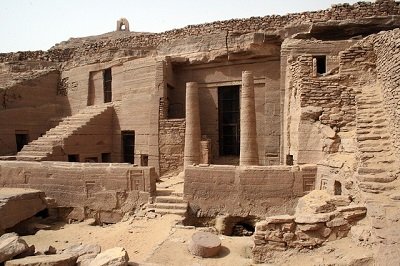
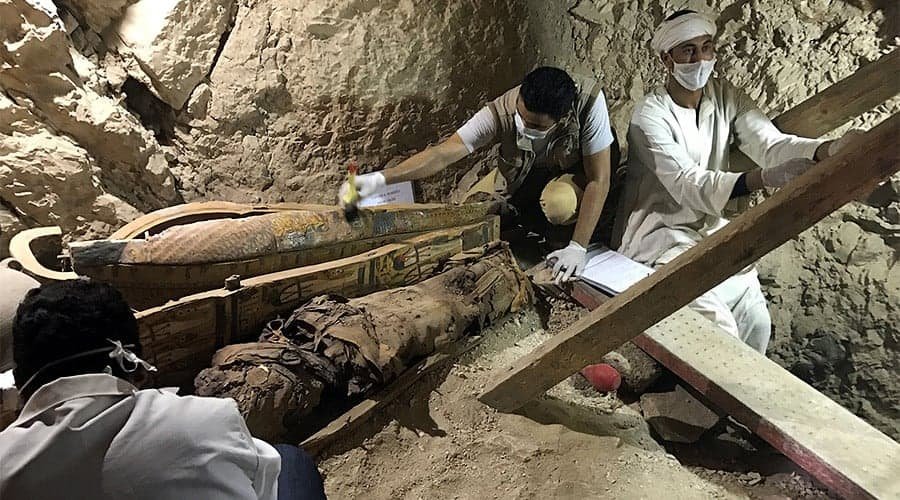
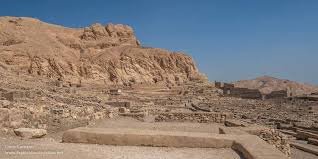
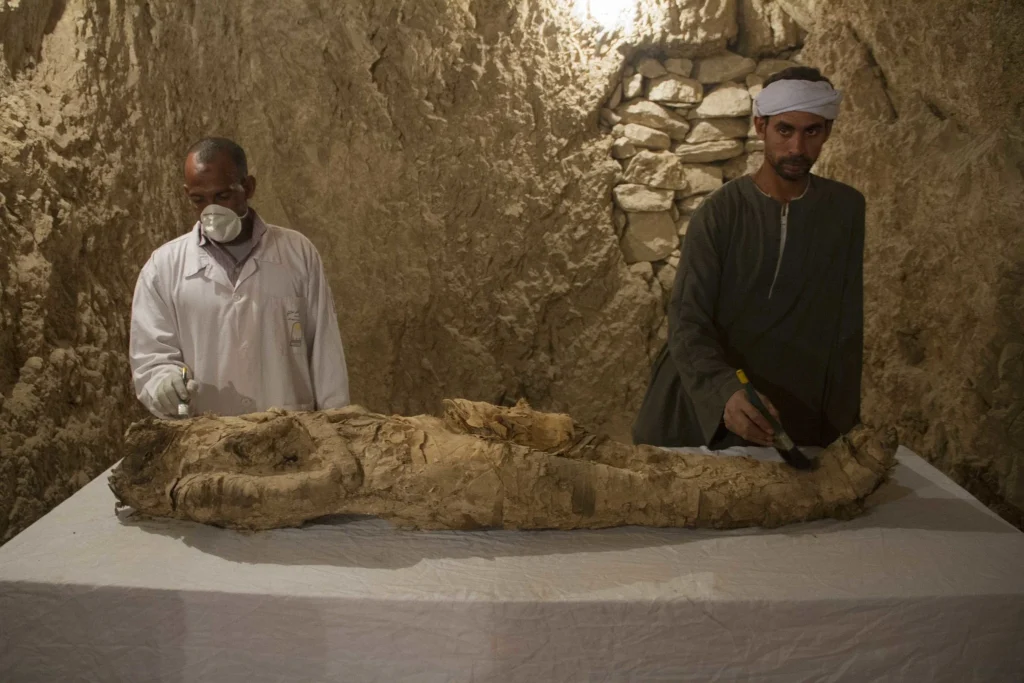
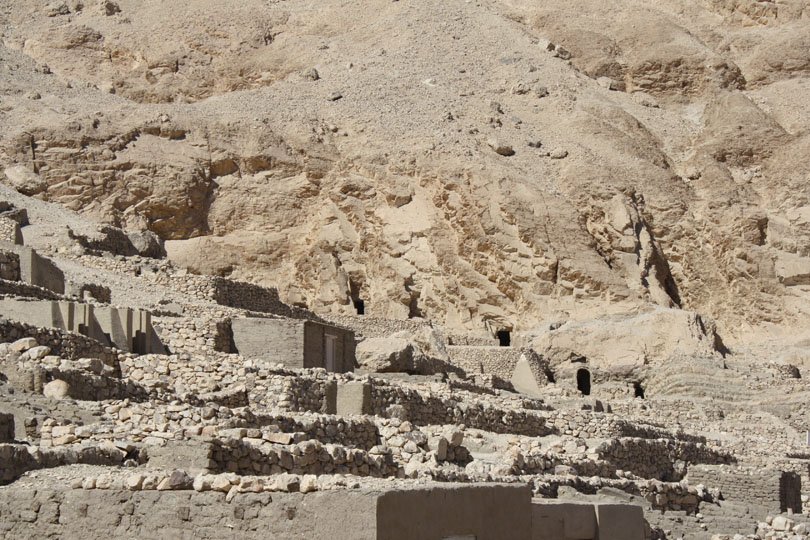
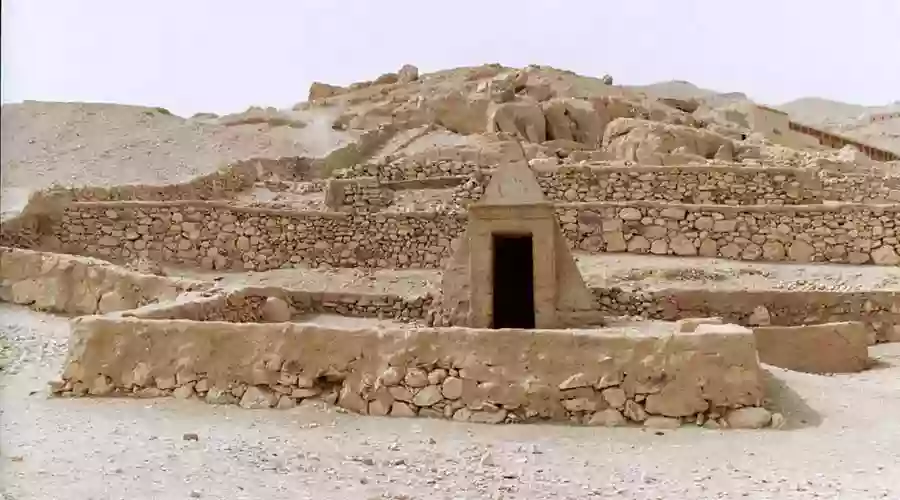
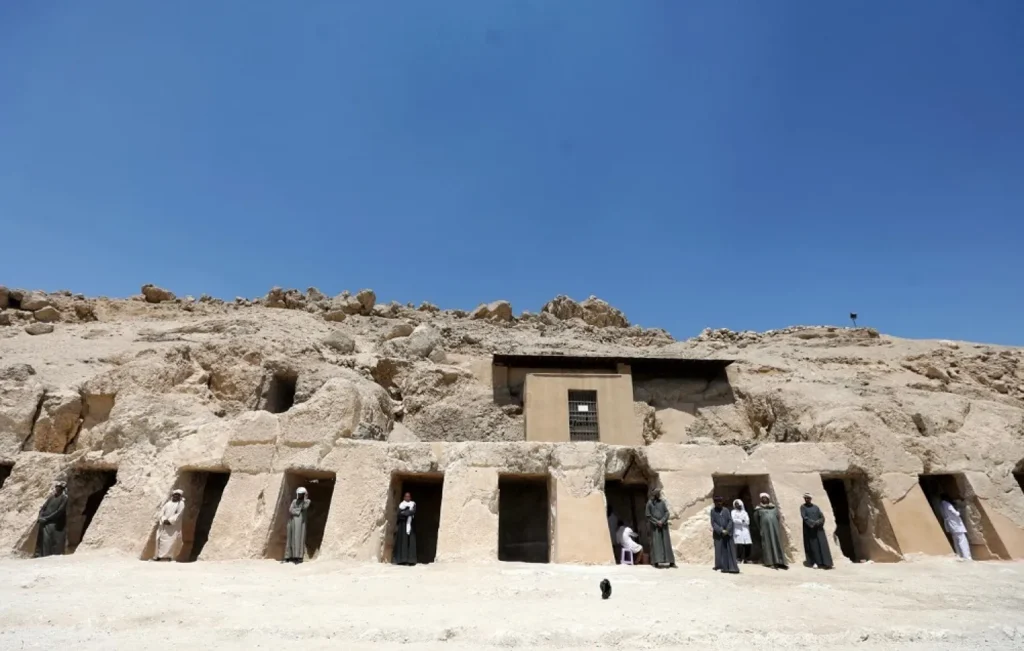
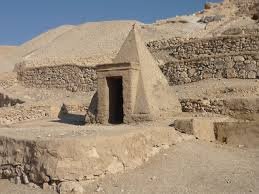
The Workers’ Tombs of Luxor represent one of the most fascinating yet underrated archaeological treasures of ancient Egypt. While millions of visitors focus on the grand royal burials in the Valley of the Kings, few realize that the true story behind these masterpieces lies with the skilled workers who built them. Located on the West Bank of Luxor near Deir el-Medina, the Workers’ Tombs belonged to the artisans, painters, sculptors, and craftsmen responsible for constructing and decorating the royal tombs of the New Kingdom. These tombs provide a rare and intimate glimpse into the lives of ordinary people who played an extraordinary role in ancient Egyptian history.
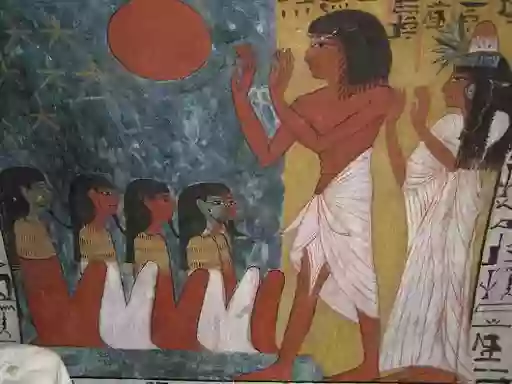
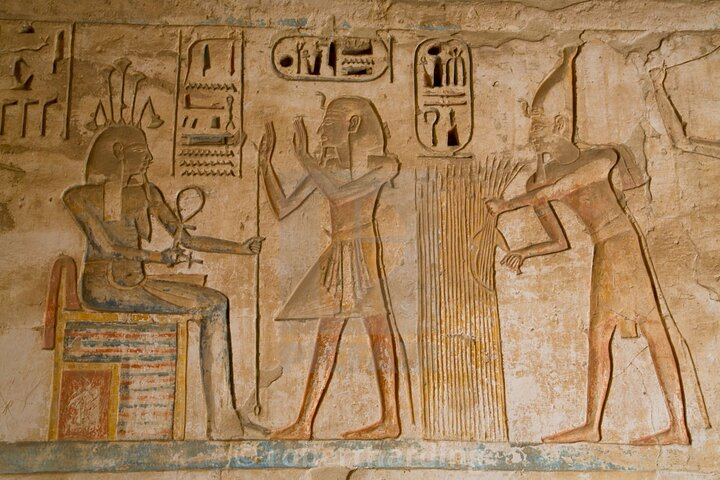
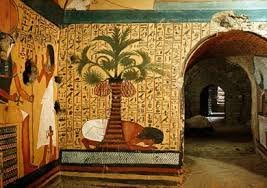
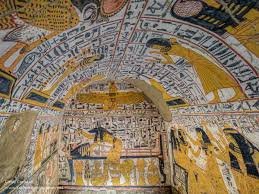
Unlike the massive and mysterious tombs of the pharaohs, the Workers’ Tombs of Luxor are deeply personal. Their walls are filled with scenes of daily life, family gatherings, religious rituals, and moments of joy and devotion. Through vivid wall paintings and hieroglyphic inscriptions, we see workers praying to gods such as Osiris, Anubis, and Hathor, as well as scenes of banquets, agriculture, and craftsmanship. Keywords such as Workers’ Tombs of Luxor, ancient Egyptian workers, Deir el-Medina tombs, Luxor West Bank, and New Kingdom art frequently appear in academic and tourism discussions related to this site.
These tombs are invaluable because they reveal how ancient Egyptian society functioned beyond royal power. They show literacy among workers, strong family structures, and a deep belief in the afterlife. The Workers’ Tombs of Luxor remind us that Egypt’s eternal monuments were not created by gods alone, but by real people whose lives, skills, and faith shaped one of the greatest civilizations in history.