...

The Hidden Secrets of Ancient Egyptian Civilization

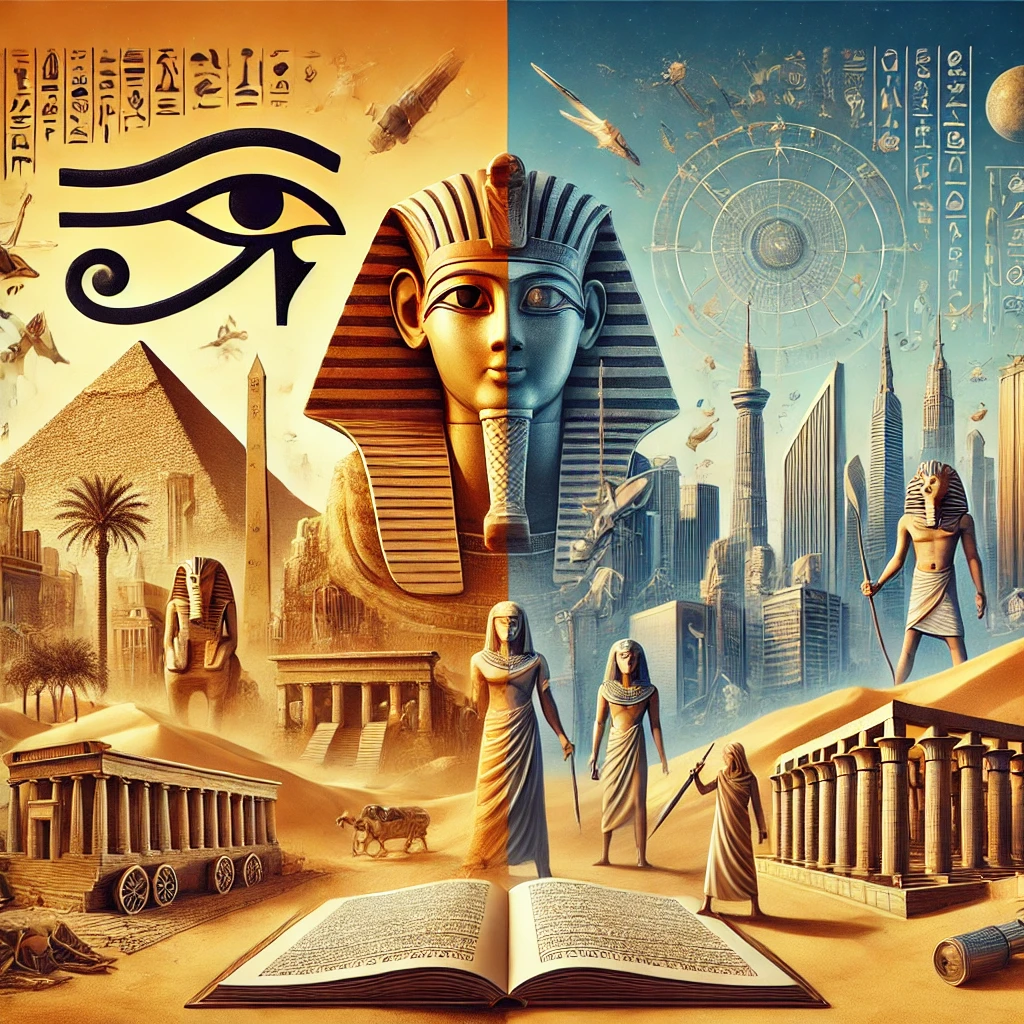
Ancient Egypt is not merely a chapter in human history; it is an everlasting mystery carved into stone, sand, and time itself. For thousands of years, travelers, archaeologists, historians, and explorers have been fascinated by the secrets of the ancient Egyptian civilization, especially the astonishing methods used to hide royal tombs and preserve mummies. Unlike many ancient cultures that feared death, the ancient Egyptians embraced it as a gateway to eternal life. This belief shaped every aspect of their society, religion, architecture, and science. Tombs were not graves; they were eternal houses for the soul. Mummies were not corpses; they were sacred vessels for immortality.

The obsession with protecting the dead led to some of the most advanced burial techniques in human history. Hidden tombs, underground chambers, secret corridors, false doors, and powerful religious spells were all carefully designed to keep intruders away. Even today, many tombs remain undiscovered beneath the desert sands of Egypt, proving that the ancient Egyptians succeeded in their mission. This article explores the hidden secrets of ancient Egyptian tombs and mummies, revealing how this remarkable civilization mastered the art of concealment, protection, and eternal preservation.
The Eternal Mystery of Ancient Egypt

The Eternal Mystery of Ancient Egypt

Ancient Egypt has always stood as one of the most mysterious and fascinating civilizations in human history. For thousands of years, the secrets of ancient Egyptian civilization have captured the imagination of travelers, historians, archaeologists, and researchers from around the world. Among the most intriguing mysteries are the hidden tombs and perfectly preserved mummies that continue to survive against time, nature, and human interference. The ancient Egyptians were not merely building monuments; they were designing eternity. Their obsession with death, rebirth, and immortality shaped an entire culture that viewed the afterlife as a continuation of earthly existence rather than its end. Unlike many ancient civilizations, the Egyptians believed that life after death depended entirely on the preservation of the physical body and the protection of the burial place. Tombs were not simple graves; they were sacred eternal homes designed to last forever. Every corridor, chamber, and inscription served a deeper spiritual purpose. Concealing tombs and mummies was not an act of fear but a strategic, religious, and scientific mission. The goal was clear: to protect the soul’s journey into eternity and prevent any disturbance that could destroy the balance between the physical world and the spiritual realm. This deep belief system led to the creation of complex burial techniques, hidden underground tombs, advanced mummification processes, and powerful religious rituals. Even today, modern technology continues to uncover new secrets buried beneath Egypt’s deserts and mountains, proving that the ancient Egyptians mastered the art of concealment in ways that still challenge modern science.

The Afterlife Belief as the Foundation of Tomb Secrecy

The Afterlife Belief as the Foundation of Tomb Secrecy

The concept of the afterlife was the cornerstone of ancient Egyptian civilization, and it directly influenced how tombs and mummies were hidden and protected. Ancient Egyptians believed that the human soul was composed of multiple elements, including the Ka (life force), Ba (personality), and Akh (transformed spirit). For these elements to reunite and function in the afterlife, the physical body had to remain intact and recognizable. Any damage to the body meant eternal destruction of the soul. This belief transformed tomb protection into a sacred religious duty. Tomb robbery was considered one of the most serious crimes, not only against society but against the gods themselves. As a result, tomb locations were kept secret, burial ceremonies were conducted discreetly, and only trusted priests and officials were allowed to participate. The more important the individual, especially pharaohs and nobles, the more sophisticated the concealment techniques became. Hidden tombs were carefully placed far from populated areas, deep inside deserts or carved into mountains. These locations were chosen to ensure isolation, secrecy, and natural protection. The ancient Egyptians believed that protecting the tomb guaranteed the continuation of cosmic order, known as Ma’at. By hiding tombs and preserving mummies, they were not only securing eternal life for the deceased but also maintaining balance within the universe itself.

Preserving the Body – The Sacred Science of Mummification

Preserving the Body – The Sacred Science of Mummification

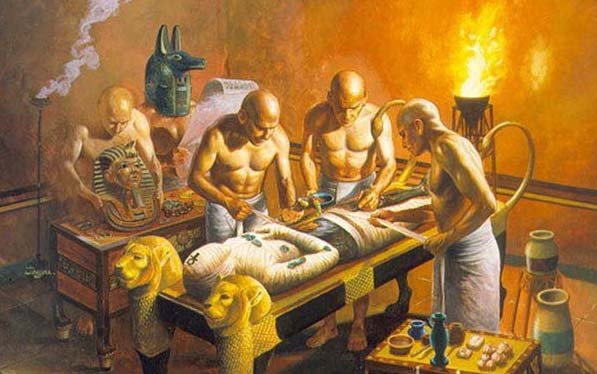
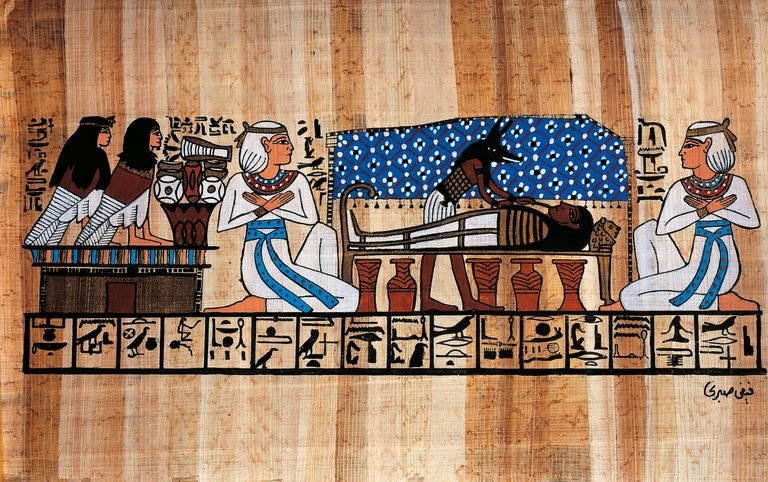
Mummification was one of the greatest scientific and religious achievements of ancient Egypt, and it played a crucial role in the concealment of tombs and mummies. The ancient Egyptians believed that the body was a sacred vessel that the soul would return to after death. Preserving it was essential for resurrection and eternal life. Over centuries, they perfected an advanced mummification process that combined medicine, chemistry, religion, and ritual. The process involved removing internal organs, drying the body using natron salt, and wrapping it carefully in fine linen. Each step was performed according to strict religious guidelines and accompanied by prayers and magical spells. The heart, believed to be the center of intelligence and morality, was left inside the body, while other organs were stored in canopic jars protected by specific gods. This meticulous process could take up to seventy days, reflecting its spiritual importance. Because mummies were considered sacred and irreplaceable, they had to be hidden in secure tombs protected by architecture, magic, and secrecy. Any damage to the mummy threatened eternal existence. This belief explains why tomb concealment and mummification were inseparable elements of ancient Egyptian burial practices, forming a unified system designed to defeat time itself.

From Monumental Pyramids to Hidden Rock-Cut Tombs

From Monumental Pyramids to Hidden Rock-Cut Tombs

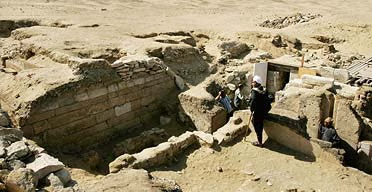
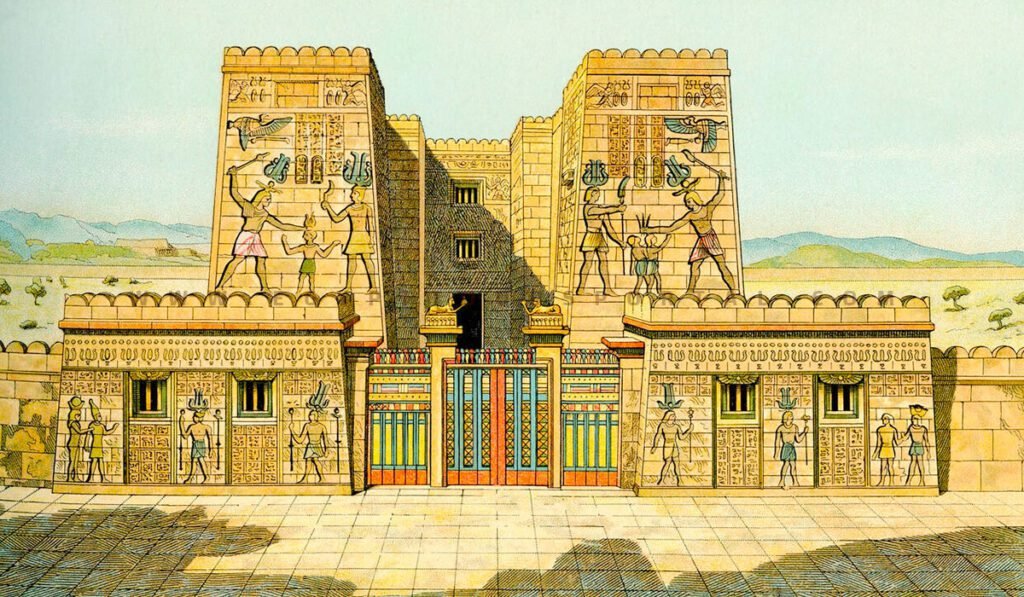
Although the pyramids of ancient Egypt are among the most iconic structures ever built, they eventually proved to be ineffective as secure burial sites. Their massive size and visible location made them easy targets for tomb robbers. Over time, nearly all pyramid tombs were looted, forcing ancient Egyptian architects and priests to rethink their burial strategies. This realization marked a major turning point in the history of ancient Egyptian funerary architecture. Instead of building monuments meant to impress the living, the focus shifted toward protecting the dead through secrecy and concealment. During the New Kingdom, pharaohs abandoned pyramid construction and began carving hidden tombs deep into rocky cliffs. These rock-cut tombs were invisible from a distance and carefully designed to blend into the natural landscape. The most famous example is the Valley of the Kings, located on the west bank of the Nile near Luxor. This remote valley was selected for its isolation, natural defenses, and symbolic connection to the setting sun, which represented death and rebirth in ancient Egyptian belief. These tombs featured long corridors, steep staircases, and multiple chambers, all designed to confuse intruders and delay access to the burial chamber. After the burial, entrances were sealed with stone and covered with rubble, making them nearly impossible to locate. This architectural evolution demonstrates the intelligence and adaptability of ancient Egyptian civilization, proving that secrecy was more valuable than visibility when it came to achieving eternal life.

Architectural Traps, False Doors, and Hidden Passages

Architectural Traps, False Doors, and Hidden Passages

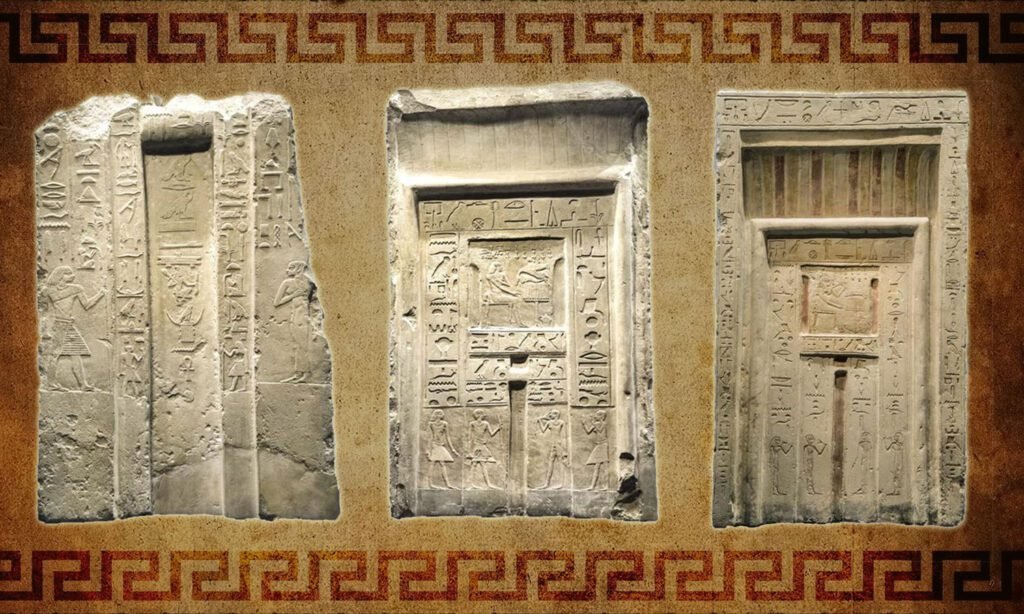
Ancient Egyptian tombs were designed as complex architectural labyrinths intended to deceive, confuse, and trap anyone who attempted to enter without permission. One of the most effective techniques was the use of false doors and fake corridors. These features were carefully carved to appear authentic, leading tomb robbers away from the true burial chamber. Meanwhile, the actual entrance was often hidden behind walls, beneath floors, or deep within the structure. In addition to deception, physical traps were sometimes incorporated into tomb designs. Heavy stone blocks were placed in corridors and released after burial, sealing off access routes permanently. Some tombs included sloping passageways filled with rubble that could collapse, making further exploration extremely dangerous. These architectural defenses were based on precise calculations and deep knowledge of stonework, gravity, and structural pressure. What makes these security systems remarkable is that they were not random or primitive. Ancient Egyptian architects applied advanced engineering principles to create layered defenses that worked together. Even if one barrier was breached, others would remain intact. This level of planning reveals how seriously tomb protection was taken. The tomb itself became a final test, designed to ensure that only the rightful soul—not intruders—could reach the sacred burial chamber.

Geography and Nature as Silent Guardians of the Dead

Geography and Nature as Silent Guardians of the Dead

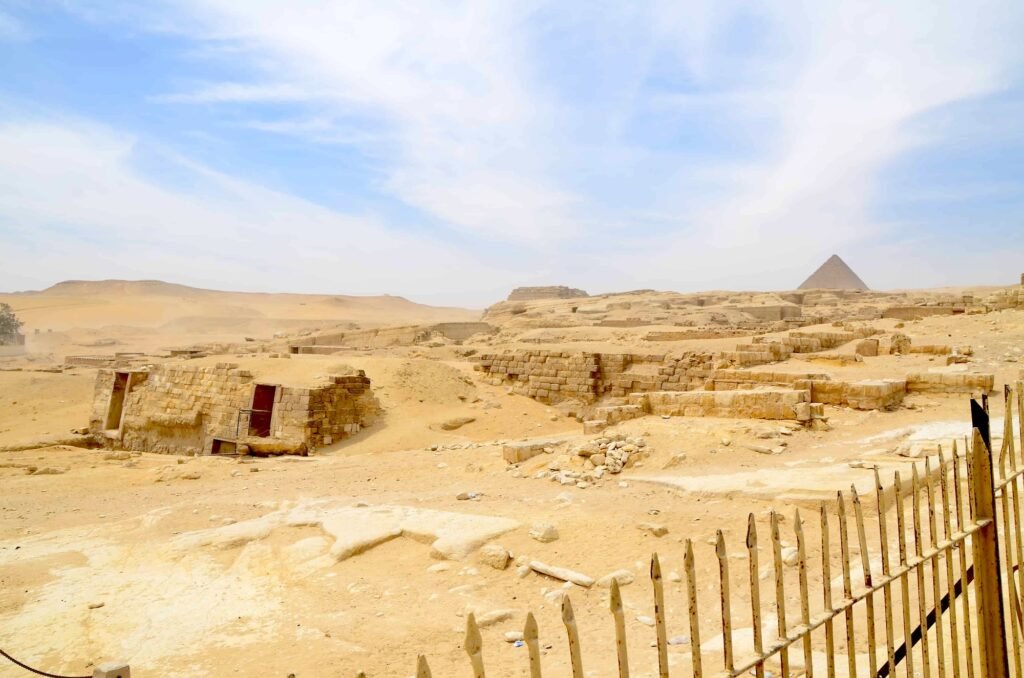
Beyond architecture and engineering, the ancient Egyptians skillfully used natural geography as an essential layer of tomb protection. Deserts, mountains, cliffs, and the Nile Valley were not chosen randomly; they were carefully integrated into the burial strategy. Tombs were often built in remote areas where survival was difficult due to extreme heat, lack of water, and harsh terrain. These conditions alone were enough to discourage most unauthorized visitors. The West Bank of the Nile, traditionally associated with death and the afterlife, became the preferred location for royal tombs. This symbolic choice reinforced religious beliefs while providing physical isolation. Mountain ranges and rocky cliffs served as natural barriers, limiting access routes and visibility. Over time, wind, sand, and erosion further concealed tomb entrances, allowing nature itself to erase signs of human activity. By allowing the environment to participate in tomb protection, ancient Egyptians ensured long-term concealment. Nature became a silent guardian, working alongside architecture, religion, and magic. This harmonious relationship between civilization and landscape highlights the Egyptians’ deep understanding of their environment. It also explains why many tombs remain undiscovered today, hidden beneath layers of sand and stone, waiting to reveal secrets that have remained untouched for thousands of years.

Magical Amulets and Spiritual Protection Inside the Tombs

Magical Amulets and Spiritual Protection Inside the Tombs

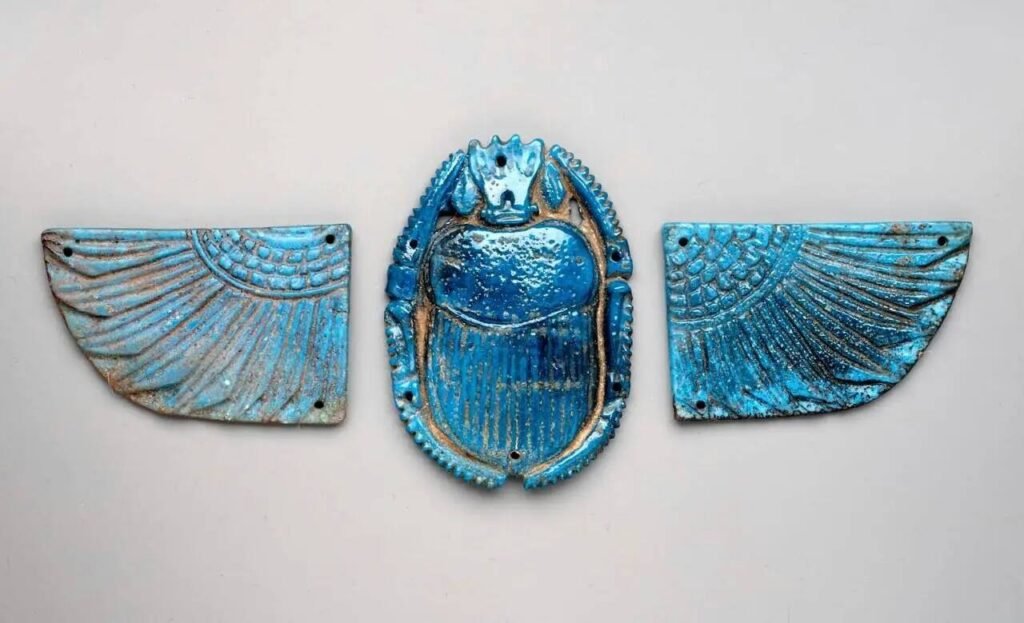
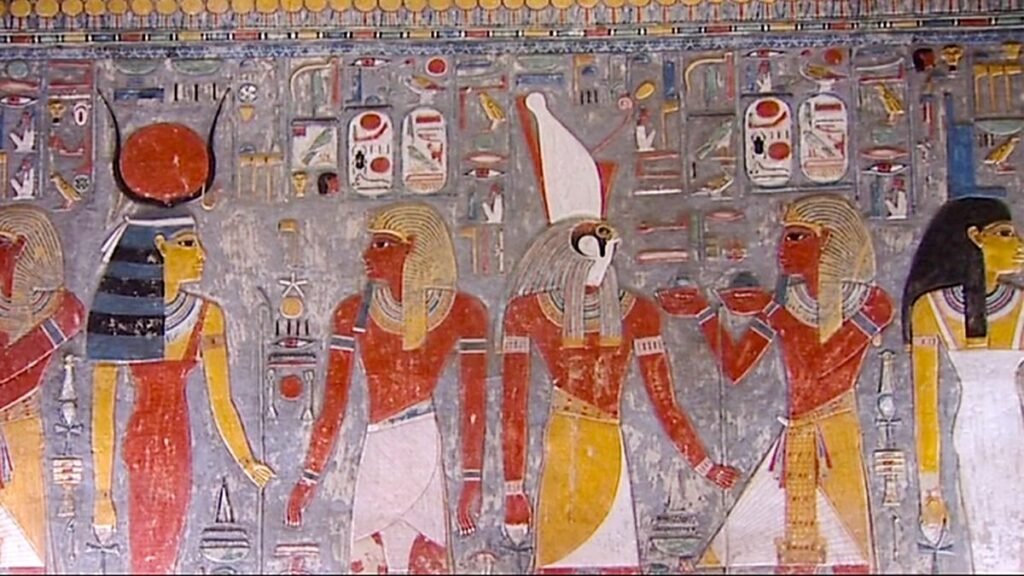
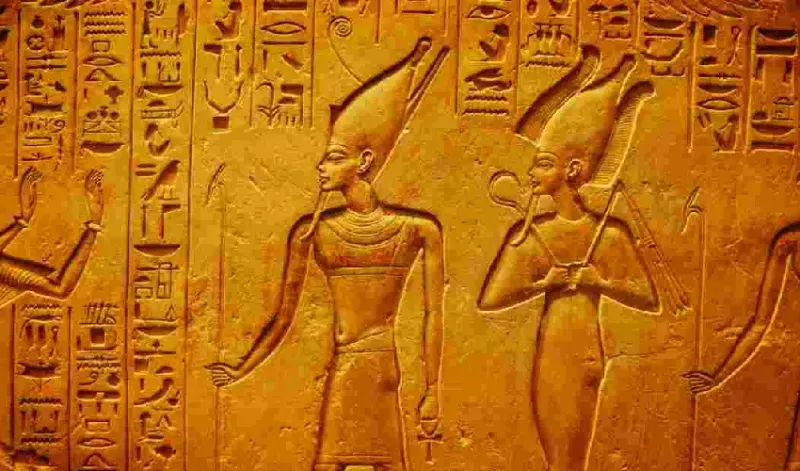
Magic was an essential element in ancient Egyptian burial practices and played a critical role in protecting tombs and mummies. The ancient Egyptians firmly believed that physical barriers alone were not enough to secure eternal life. Spiritual protection was equally important, if not more powerful. As a result, tombs were filled with magical symbols, sacred amulets, and protective charms designed to guard the deceased against evil forces, tomb robbers, and chaos in the afterlife. Among the most common protective amulets were the Eye of Horus, symbolizing healing and protection, the scarab beetle, representing rebirth and transformation, and the ankh, the symbol of eternal life. These amulets were carefully placed within the layers of mummy wrappings or positioned on specific parts of the body. Each placement followed precise religious rules believed to activate the amulet’s power. In addition to physical objects, tomb walls were inscribed with powerful spells taken from sacred funerary texts such as the Book of the Dead. These spells acted as invisible guardians, guiding the soul through dangerous stages of the afterlife and preventing hostile entities from approaching the mummy. To the ancient Egyptians, magic was a real and measurable force. Through these spiritual defenses, tombs became sacred spaces protected not only by stone but by divine power.

Curses and Psychological Warfare Against Tomb Robbers

Curses and Psychological Warfare Against Tomb Robbers

One of the most famous aspects of ancient Egyptian tombs is the legend of the “curse of the pharaohs.” While often exaggerated in modern media, curses were a real and deliberate component of tomb protection. Ancient Egyptians used fear as a psychological weapon to deter tomb robbers. Warning inscriptions were carved onto tomb walls, promising divine punishment, illness, madness, or death to anyone who dared to disturb the resting place of the dead. In a deeply religious society, these threats carried enormous power. Tomb robbers believed that angering the gods would bring disaster not only upon themselves but also upon their families. Even centuries later, stories of mysterious deaths associated with tomb discoveries reinforced the effectiveness of these warnings. The fear of supernatural consequences often succeeded where physical defenses failed. These curses also served a symbolic purpose. They reinforced the idea that tombs were sacred and untouchable. The dead were under divine protection, and any violation was a cosmic crime. This psychological layer of defense demonstrates how ancient Egyptians understood human behavior and fear, using belief systems as a strategic tool to protect their most valuable secrets.

Secrecy Laws and the Isolated Lives of Tomb Builders

Secrecy Laws and the Isolated Lives of Tomb Builders

The final and most effective layer of tomb protection was human secrecy. Only a small, highly trusted group of craftsmen, artists, and engineers were allowed to work on royal tombs. These workers lived in isolated communities such as Deir el-Medina, located near the Valley of the Kings. Their lives were strictly controlled by the state, and they were bound by powerful secrecy laws. Revealing the location of a royal tomb was considered a serious crime, often punishable by death. Workers were monitored, their movements restricted, and their loyalty constantly tested. Even after the completion of a tomb, many builders were reassigned or kept under supervision to ensure that the secrets died with them. This level of control demonstrates how seriously tomb secrecy was taken by the ancient Egyptian government. By combining architectural intelligence, religious belief, magic, and strict legal systems, the ancient Egyptians created a nearly impenetrable system of protection. The isolation of tomb builders ensured that critical knowledge remained hidden for generations. This human element of secrecy was just as important as stone walls and desert landscapes, proving that ancient Egypt mastered the art of concealment on every possible level.

Undiscovered Tombs and the Secrets Still Hidden Beneath the Sand

Undiscovered Tombs and the Secrets Still Hidden Beneath the Sand

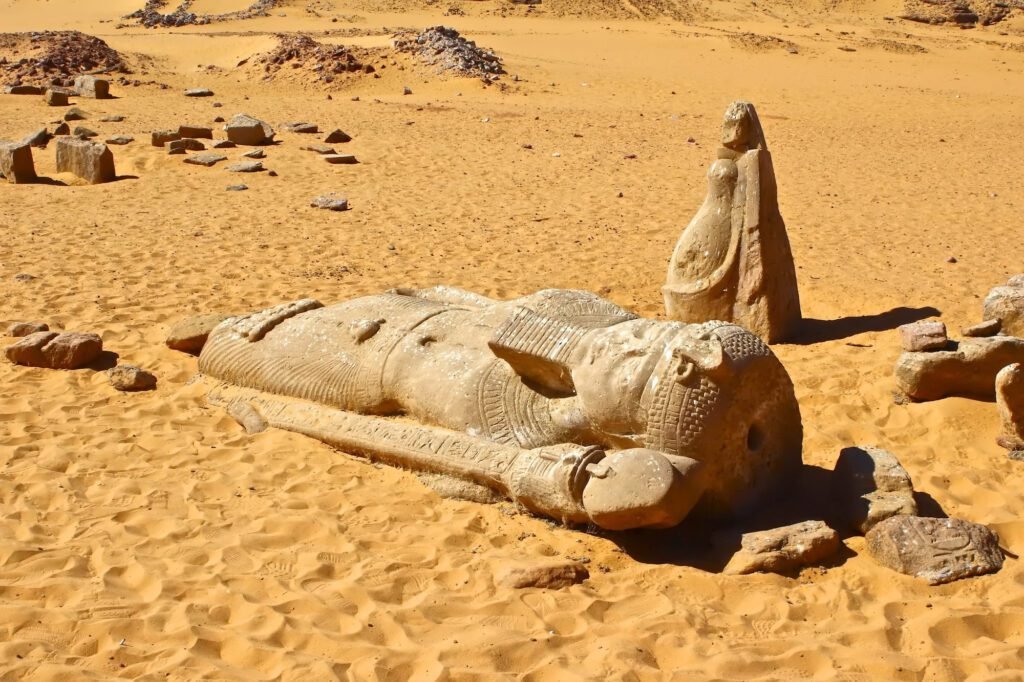
Despite more than two centuries of archaeological exploration, ancient Egypt continues to guard many of its greatest secrets. Modern technology has revealed that countless tombs, chambers, and burial complexes remain hidden beneath the desert sands and rocky mountains. Advanced tools such as ground-penetrating radar, satellite imaging, and 3D scanning have detected unexplored voids beneath famous sites, including the Valley of the Kings and other major archaeological zones. These discoveries strongly suggest that ancient Egyptians were remarkably successful in concealing tombs meant to remain hidden for eternity. What makes these findings even more fascinating is that many hidden structures appear to follow deliberate patterns, aligning with religious symbolism, astronomy, and sacred geography. This indicates that tomb concealment was not random but part of a larger master plan combining science, belief, and environmental knowledge. The existence of undiscovered tombs proves that ancient Egyptian engineers and priests anticipated future threats, including time itself. For historians and travelers alike, this ongoing mystery adds an irresistible sense of wonder to Egypt’s cultural heritage. Every new discovery reshapes our understanding of ancient Egyptian civilization and confirms that much remains unknown. The desert continues to act as a protective veil, preserving secrets that have survived for thousands of years, waiting patiently to be revealed.

Why the Secrets of Ancient Egypt Continue to Fascinate the World

Why the Secrets of Ancient Egypt Continue to Fascinate the World

The enduring fascination with ancient Egypt lies in its unique ability to combine mystery, knowledge, spirituality, and architectural brilliance. No other civilization invested so much effort into preparing for the afterlife or protecting the dead. The hidden tombs, preserved mummies, powerful curses, and sacred texts form a narrative that continues to inspire documentaries, books, films, and academic research worldwide. Egypt is not only a destination; it is an experience that connects visitors to the origins of human belief and imagination. Walking through ancient temples, valleys, and burial grounds allows travelers to step into a world where life, death, and eternity were deeply intertwined. This emotional connection explains why cultural and historical tourism in Egypt remains among the most powerful attractions on Earth. The secrets of ancient Egypt also fuel modern exploration. Every uncovered tomb raises new questions, ensuring that fascination never fades. The balance between what has been discovered and what remains hidden keeps ancient Egypt alive in the global imagination, reinforcing its position as the ultimate land of mystery.

A Civilization That Mastered Eternity

A Civilization That Mastered Eternity

Ancient Egypt was not merely a civilization that existed in the past; it was a civilization that planned for eternity. Through hidden tombs, advanced mummification techniques, powerful magic, strict secrecy laws, and intelligent use of natural geography, the ancient Egyptians created a burial system unlike any other in human history. Their ultimate goal was not fame or monumentality, but immortality. The success of this system is evident today. Thousands of years later, mummies remain preserved, tombs continue to be discovered, and ancient beliefs still captivate the modern world. The secrets of ancient Egypt have survived invasions, natural disasters, and the passage of time itself. This enduring legacy proves that the ancient Egyptians achieved what they sought: to defeat death and live forever through memory and mystery. At Egypt Tour Magic, exploring these ancient secrets is more than a journey through history—it is an invitation to step into eternity. Discover hidden tombs, sacred landscapes, and timeless wonders that continue to shape the soul of Egypt and inspire the world.

Seraphinite AcceleratorOptimized by Seraphinite Accelerator
Turns on site high speed to be attractive for people and search engines.