

- Excursions in Egypt
- Egypt Tour Packages
- Cairo Tours and Excursions
- Hurghada Tours and Excursions
- Soma Bay Tours and Excursions
- Makadi Bay Tours and Excursions
- Sahl Hasheesh Tours and Excursions
- El Gouna Tours and Excursions
- Marsa Alam Tours and Excursions
- Port Ghalib Tours and Excursions
- El Quseir Tours and Excursions
- Dendera and Abydos Day Tours
- Aswan Tours and Excursions
- Luxor Tours and Excursions
- Sharm El Sheikh Tours and Excursions
- Top Rated Egypt Tours in 2026
- Optional Excursions in Egypt
- Private Transfer
- Blogs About egypt
- Ancient Egypt
- Historical Sites in Egypt
- Cairo
- Alexandria
- Luxor
- Aswan
- The Red Sea
- Dendera Temple
- El Fayoum Oasis
- Bahariya Oasis
- Siwa Oasis
- Al Alamein
- Marsa Matruh
- Why Egypt Is One of the Safest Countries to Visit in the Middle East
- What You Need To know Before Your First Trip To Egypt
- Egypt Travel Costs in 2026 Full Budget Guide
- Top 10 Tourist Activities in Egypt
- Top 50 Activities You Can’t Miss in Egypt in 2026
- The Guide to Guided Tours in Egypt
- Egypt’s Ancient and Modern History
- The Nile River
- The Deserts of Egypt
- Ancient Egyptian gods
- famous Egyptian dishes
- UNESCO World Heritage sites
- About Us
- Egypt Hotels and Resorts
- Excursions in Egypt
- Egypt Tour Packages
- Cairo Tours and Excursions
- Hurghada Tours and Excursions
- Soma Bay Tours and Excursions
- Makadi Bay Tours and Excursions
- Sahl Hasheesh Tours and Excursions
- El Gouna Tours and Excursions
- Marsa Alam Tours and Excursions
- Port Ghalib Tours and Excursions
- El Quseir Tours and Excursions
- Dendera and Abydos Day Tours
- Aswan Tours and Excursions
- Luxor Tours and Excursions
- Sharm El Sheikh Tours and Excursions
- Top Rated Egypt Tours in 2026
- Optional Excursions in Egypt
- Private Transfer
- Blogs About egypt
- Ancient Egypt
- Historical Sites in Egypt
- Cairo
- Alexandria
- Luxor
- Aswan
- The Red Sea
- Dendera Temple
- El Fayoum Oasis
- Bahariya Oasis
- Siwa Oasis
- Al Alamein
- Marsa Matruh
- Why Egypt Is One of the Safest Countries to Visit in the Middle East
- What You Need To know Before Your First Trip To Egypt
- Egypt Travel Costs in 2026 Full Budget Guide
- Top 10 Tourist Activities in Egypt
- Top 50 Activities You Can’t Miss in Egypt in 2026
- The Guide to Guided Tours in Egypt
- Egypt’s Ancient and Modern History
- The Nile River
- The Deserts of Egypt
- Ancient Egyptian gods
- famous Egyptian dishes
- UNESCO World Heritage sites
- About Us
- Egypt Hotels and Resorts
Welcome to
Take a Nile Cruise Between Luxor and Aswan: The Ultimate Journey Through Ancient Egypt
A Nile Cruise between Luxor and Aswan is widely regarded as one of the most unforgettable travel experiences in Egypt. Sailing along the legendary Nile River, travelers have the unique opportunity to explore some of the world’s most magnificent ancient temples, tombs, and archaeological treasures while enjoying the comfort and luxury of a floating hotel. For thousands of years, the Nile served as the lifeblood of Egyptian civilization, connecting powerful cities, fertile farmland, and sacred religious centers. Today, a Nile River Cruise offers visitors the chance to follow the same route once traveled by pharaohs, priests, merchants, and explorers. Between Luxor and Aswan lie many of Egypt’s most famous attractions, including Karnak Temple, Luxor Temple, the Valley of the Kings, Edfu Temple, Kom Ombo Temple, Philae Temple, and numerous other historical landmarks. Combining breathtaking scenery, rich cultural heritage, luxurious accommodations, and fascinating guided tours, a Nile Cruise is the perfect way to discover the heart of Ancient Egypt. Whether you are a history enthusiast, a cultural traveler, or someone seeking a relaxing and memorable vacation, a Nile Cruise between Luxor and Aswan provides an extraordinary journey through one of the most remarkable civilizations in human history.
Why a Nile Cruise Is the Best Way to Explore Ancient Egypt
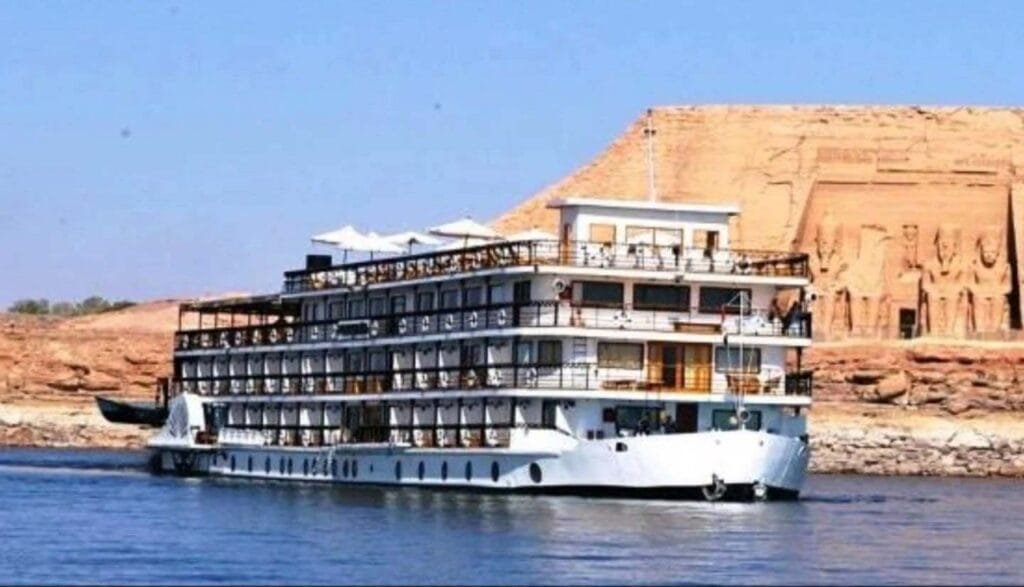
A Nile Cruise offers one of the most convenient, comfortable, and immersive ways to experience Egypt’s ancient wonders. Unlike traditional land-based tours that require frequent hotel changes and long road journeys, a cruise allows travelers to unpack once and enjoy a seamless adventure through the heart of the Nile Valley. As the ship glides along the river, passengers are treated to spectacular views of palm groves, agricultural villages, desert landscapes, and historical monuments that have stood for thousands of years. The cruise itself becomes part of the experience, allowing visitors to appreciate the natural beauty and cultural significance of the Nile while traveling between major archaeological sites. Modern cruise ships provide comfortable cabins, fine dining, entertainment, swimming pools, sun decks, and professional services that enhance the overall journey. One of the greatest advantages of a Nile Cruise is the opportunity to visit multiple historical attractions without the stress of constant transportation logistics. Guided excursions are carefully organized to ensure that passengers can explore iconic sites such as the Valley of the Kings, Karnak Temple, Edfu Temple, Kom Ombo Temple, and Philae Temple with expert Egyptologists. These guides provide valuable insights into ancient Egyptian history, religion, architecture, and daily life, helping visitors gain a deeper understanding of the civilization that flourished along the Nile. The combination of sightseeing and relaxation creates a balanced travel experience that appeals to a wide range of travelers. In addition to its historical attractions, a Nile Cruise allows visitors to witness everyday life along the river. Traditional feluccas, fishing boats, riverside villages, and lush green fields provide a fascinating contrast to the monumental temples and tombs. This unique blend of culture, history, and natural beauty makes a Nile Cruise one of the most rewarding and memorable travel experiences available in Egypt. For many visitors, it becomes the highlight of their entire journey through the country.
Discovering Luxor – The World's Greatest Open-Air Museum
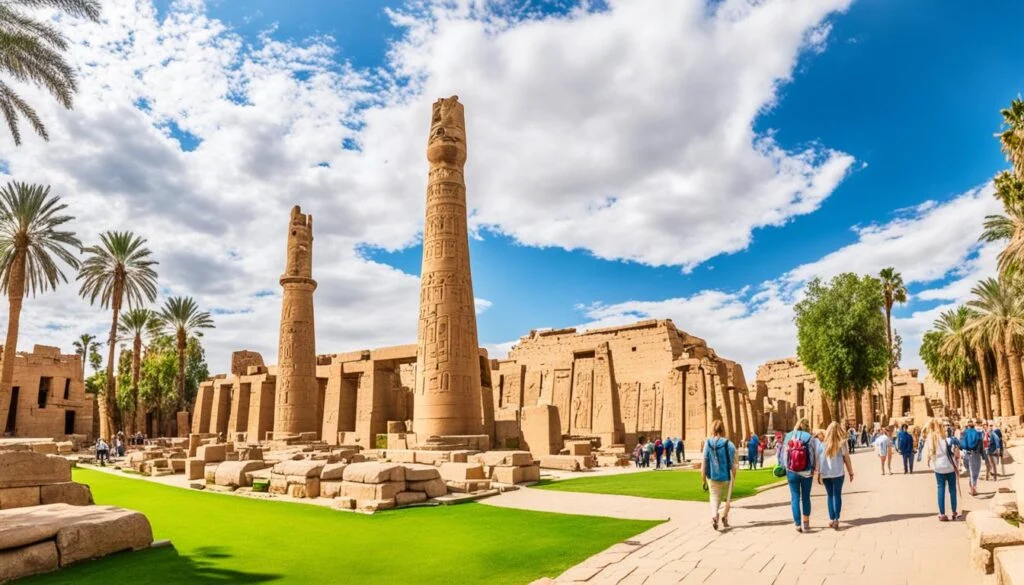
The city of Luxor serves as the starting point for many Nile Cruises and is often described as the world's greatest open-air museum. Built on the site of ancient Thebes, the capital of Egypt during the New Kingdom, Luxor is home to some of the most spectacular archaeological monuments ever created. Visitors embarking on a Nile Cruise typically begin their journey by exploring the city's extraordinary collection of temples, tombs, and historical landmarks. The East Bank of Luxor features the magnificent Karnak Temple Complex and Luxor Temple, both of which showcase the architectural brilliance and religious significance of Ancient Egypt. Massive columns, towering obelisks, intricate hieroglyphics, and monumental statues create a breathtaking introduction to the wonders of the Nile Valley. The West Bank of Luxor is equally impressive and includes the legendary Valley of the Kings, where many of Egypt’s most powerful pharaohs were buried. Among the most famous tombs is that of King Tutankhamun, whose discovery captivated the world and transformed modern Egyptology. Visitors can also explore the Temple of Hatshepsut, an architectural masterpiece dedicated to one of Egypt’s most successful female rulers, as well as the Colossi of Memnon and numerous noble tombs decorated with vibrant artwork and inscriptions. These monuments provide remarkable insights into ancient religious beliefs, royal power, and artistic achievements. Luxor offers the perfect introduction to a Nile Cruise because it combines some of Egypt’s most famous attractions with a rich cultural atmosphere. Travelers can enjoy traditional markets, riverside promenades, local cuisine, and stunning views of the Nile before boarding their cruise ship. The city's extraordinary concentration of archaeological treasures ensures that every visitor begins their journey with a profound appreciation for the greatness of Ancient Egyptian civilization.

Karnak Temple – The Largest Religious Complex Ever Built
Karnak Temple is one of the most impressive archaeological sites in Egypt and a highlight of every Nile Cruise itinerary between Luxor and Aswan. Covering more than 200 acres, Karnak is the largest religious complex ever constructed and represents over two thousand years of continuous building activity by generations of pharaohs. Dedicated primarily to the god Amun-Ra, the temple complex served as the spiritual center of Ancient Egypt and played a crucial role in religious ceremonies, royal rituals, and national celebrations. Visitors arriving at Karnak are immediately struck by its monumental scale and architectural grandeur, which reflect the wealth, power, and devotion of the civilization that created it. The most famous feature of Karnak Temple is the Great Hypostyle Hall, an enormous space filled with 134 massive columns arranged in orderly rows. Many of these columns rise more than twenty meters into the air and are covered with beautifully preserved hieroglyphic inscriptions that record the achievements of ancient kings and their devotion to the gods. Throughout the complex, visitors encounter sacred lakes, obelisks, statues, chapels, gateways, and ceremonial avenues that reveal the sophistication of ancient Egyptian religious architecture. Each section of the temple offers fascinating insights into the beliefs, artistic traditions, and political history of the pharaohs who expanded and enriched the complex over many centuries. Exploring Karnak Temple is often one of the most memorable experiences of a Nile Cruise. The sheer size of the site, combined with its extraordinary historical significance, creates a sense of awe that few other monuments can match. As visitors walk through its towering gateways and vast courtyards, they gain a deeper understanding of the religious and cultural foundations of Ancient Egypt. Karnak remains one of the greatest architectural achievements in human history and an essential destination for anyone traveling along the Nile River.

Luxor Temple by Night – A Magical Journey Through Ancient Egypt
Luxor Temple is one of the most beautiful and atmospheric monuments in Egypt, and visiting it at night is an unforgettable experience for travelers on a Nile Cruise between Luxor and Aswan. Located on the East Bank of the Nile River, this magnificent temple was primarily built by Pharaoh Amenhotep III and later expanded by Ramses II, becoming one of the most important religious centers of Ancient Egypt. Unlike many temples that were dedicated to a specific god, Luxor Temple played a crucial role in royal ceremonies and the annual Opet Festival, during which sacred statues were transported from Karnak Temple to Luxor Temple in elaborate processions. Illuminated by carefully placed lights after sunset, the temple takes on a magical appearance that highlights its towering columns, colossal statues, and beautifully carved walls against the dark Egyptian sky. Walking through Luxor Temple at night allows visitors to appreciate its architectural beauty from a unique perspective. The soft lighting emphasizes the intricate hieroglyphics and reliefs that decorate the temple’s walls, while the massive statues of Ramses II create a dramatic and unforgettable setting. The temple's grand colonnade, lined with enormous columns, appears particularly impressive under the evening lights. The peaceful atmosphere and reduced crowds make nighttime visits especially enjoyable, allowing travelers to explore the monument at a relaxed pace while absorbing its historical significance and spiritual ambiance. Many visitors consider Luxor Temple by night to be one of the highlights of their journey through Egypt. The combination of ancient architecture, dramatic illumination, and rich historical context creates an experience unlike any other. As the temple glows beneath the stars, visitors can imagine the ceremonies, processions, and royal celebrations that once took place within its sacred walls. This extraordinary atmosphere transforms a visit to Luxor Temple into a memorable encounter with the grandeur and mystery of Ancient Egypt, making it an essential stop on every Nile Cruise itinerary.
The Valley of the Kings – The Royal Necropolis of the Pharaohs
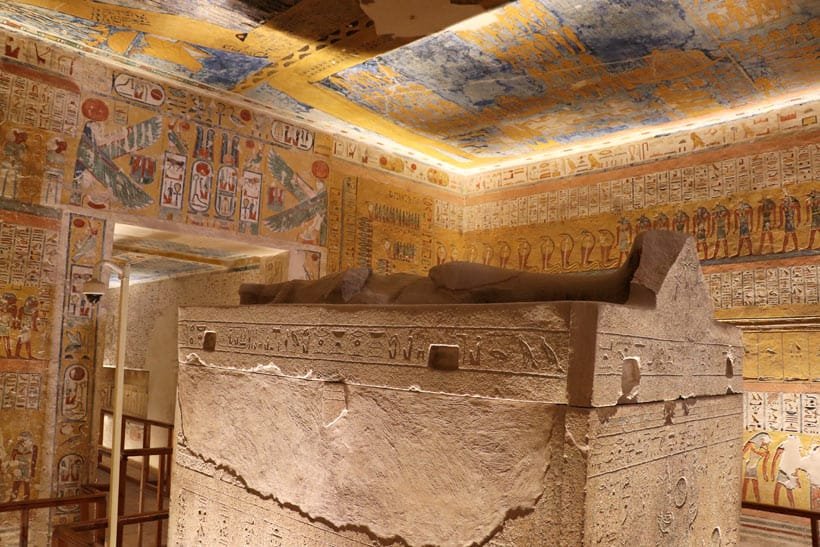
The Valley of the Kings is one of the most famous archaeological sites in the world and a must-see destination for travelers taking a Nile Cruise between Luxor and Aswan. Situated on the West Bank of Luxor, this extraordinary necropolis served as the burial place of Egypt’s New Kingdom pharaohs for nearly five hundred years. Hidden within the desert hills, the valley contains more than sixty royal tombs, many of which are decorated with remarkably preserved wall paintings and inscriptions that reveal ancient Egyptian beliefs about death, the afterlife, and divine kingship. The site gained international fame with the discovery of the tomb of King Tutankhamun in 1922, one of the greatest archaeological discoveries in history. Each tomb within the Valley of the Kings offers visitors a unique glimpse into the world of the pharaohs. The walls are covered with colorful scenes depicting gods, sacred rituals, funerary texts, and journeys through the underworld. These elaborate decorations were intended to guide and protect the deceased ruler on their path to eternal life. Tombs belonging to famous rulers such as Ramses III, Ramses VI, Seti I, and Tutankhamun showcase the extraordinary artistic and religious achievements of Ancient Egypt. The intricate details, vibrant colors, and symbolic imagery remain astonishingly well-preserved despite being thousands of years old. Exploring the Valley of the Kings provides one of the most profound historical experiences available in Egypt. Visitors descend into the tombs and walk through corridors that have survived for more than three millennia, creating a direct connection to the ancient world. The combination of historical significance, artistic beauty, and archaeological importance makes the Valley of the Kings one of the most compelling attractions along the Nile. For many travelers, it represents the pinnacle of their exploration of Ancient Egypt and remains one of the most memorable highlights of any Nile Cruise journey.

The Temple of Queen Hatshepsut – A Masterpiece of Ancient Architecture
The Temple of Queen Hatshepsut is one of the most remarkable monuments in Egypt and an essential stop during a Nile Cruise between Luxor and Aswan. Located beneath the dramatic limestone cliffs of Deir el-Bahari on Luxor’s West Bank, the temple was built for Queen Hatshepsut, one of the most successful and influential rulers in Ancient Egyptian history. Unlike traditional temple designs, this extraordinary structure features a series of elegant terraces connected by wide ramps, creating a harmonious blend between architecture and the surrounding natural landscape. The temple stands as a testament to Hatshepsut’s political achievements, religious devotion, and determination to establish her legitimacy as pharaoh in a male-dominated society. The walls of the temple are adorned with detailed reliefs that document important events from Hatshepsut’s reign. Among the most famous scenes are those depicting her successful trading expedition to the Land of Punt, a prosperous region believed to have been located along the Red Sea coast. These carvings provide valuable information about ancient trade networks, foreign relations, and economic activities during the New Kingdom. Other reliefs illustrate religious ceremonies, royal offerings, and divine narratives that reinforced Hatshepsut’s status as a legitimate ruler chosen by the gods. The temple’s artistic and historical significance makes it one of the most important archaeological sites in Egypt. Visitors are often captivated by the temple’s striking design and breathtaking setting. The contrast between the geometric terraces and the towering cliffs creates one of the most photogenic landscapes in the Nile Valley. As travelers explore the monument, they gain insight into the achievements of one of Egypt’s most remarkable leaders and the architectural innovations of her era. The Temple of Queen Hatshepsut remains a masterpiece of ancient engineering and a powerful symbol of female leadership, making it one of the most fascinating and rewarding destinations on any Nile Cruise itinerary.
Sailing the Nile River – The Heartbeat of Ancient Egypt
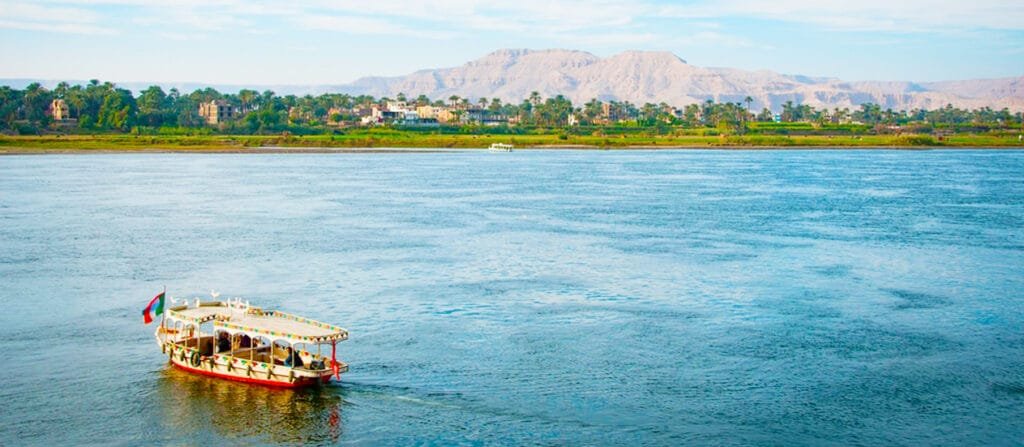
One of the most enchanting aspects of a Nile Cruise between Luxor and Aswan is the experience of sailing along the legendary Nile River itself. For thousands of years, the Nile has been the lifeblood of Egypt, sustaining civilizations, supporting agriculture, facilitating trade, and connecting communities throughout the country. Ancient Egyptians considered the river a divine gift, and its annual floods transformed the surrounding land into one of the most fertile regions in the ancient world. Today, travelers cruising along the Nile have the opportunity to witness many of the same landscapes that inspired pharaohs, priests, merchants, and explorers thousands of years ago. The journey offers a unique perspective on Egypt’s history and culture, combining breathtaking scenery with unparalleled access to some of the nation’s most important archaeological sites. As the cruise ship glides through the tranquil waters, passengers can relax on the sun deck and enjoy panoramic views of the Nile Valley. Lush green fields, swaying palm trees, traditional mud-brick villages, and grazing animals create a picturesque landscape that contrasts beautifully with the surrounding desert. Small fishing boats and traditional feluccas continue to navigate the river, preserving customs that have existed for generations. Watching daily life unfold along the riverbanks provides valuable insight into rural Egyptian culture and demonstrates the enduring importance of the Nile in modern society. The peaceful atmosphere of the river creates a sense of relaxation that complements the historical exploration taking place throughout the journey. Whether enjoying sunrise over the water, watching local communities along the shore, or admiring spectacular sunsets that paint the sky in shades of gold and orange, sailing the Nile becomes an unforgettable part of the travel experience. For many visitors, the journey between Luxor and Aswan is about more than visiting temples and tombs; it is about experiencing the timeless beauty of the river that gave birth to one of humanity’s greatest civilizations.

Edfu Temple – The Best-Preserved Temple in Egypt
Edfu Temple is one of the most impressive and best-preserved ancient monuments in Egypt, making it a highlight of nearly every Nile Cruise itinerary. Located in the city of Edfu between Luxor and Aswan, the temple is dedicated to the falcon-headed god Horus, one of the most important deities in Ancient Egyptian religion. Constructed during the Ptolemaic Period between 237 and 57 BCE, the temple remained buried beneath sand and debris for centuries, which contributed significantly to its exceptional state of preservation. Today, visitors can admire a monument that closely resembles its original appearance, offering a rare opportunity to experience the grandeur of an ancient Egyptian temple almost exactly as it looked over two thousand years ago. The temple's monumental entrance features a towering pylon decorated with scenes of pharaohs performing religious rituals and celebrating victories over their enemies. Beyond the entrance lies a series of courtyards, halls, sanctuaries, and chambers that reveal the complexity of ancient temple design. The walls are covered with detailed inscriptions and reliefs that describe myths, ceremonies, offerings, and religious practices associated with Horus and other Egyptian gods. These carvings provide historians and archaeologists with invaluable information about ancient beliefs and traditions, making Edfu Temple one of the most important sources for understanding Egyptian religion. Visitors often reach the temple by horse-drawn carriage from the cruise dock, adding a charming and traditional element to the experience. Once inside, travelers are amazed by the scale, preservation, and historical significance of the monument. The combination of impressive architecture, detailed artwork, and rich mythology makes Edfu Temple one of the most rewarding stops along the Nile. It offers a fascinating glimpse into Egypt’s religious heritage and remains one of the finest examples of ancient temple construction anywhere in the world.
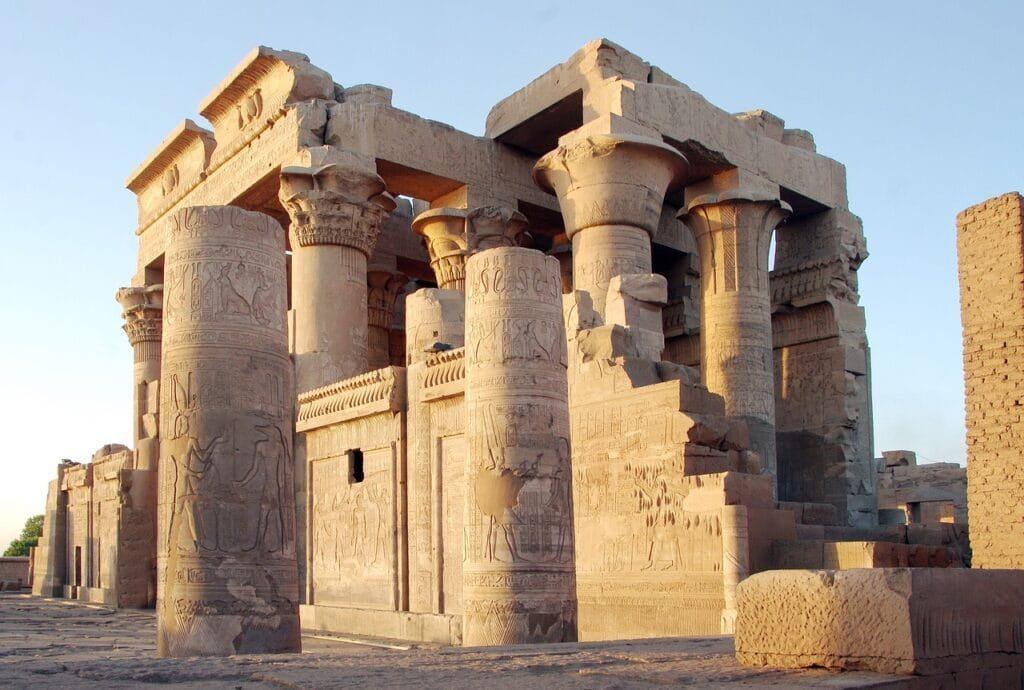
Kom Ombo Temple – The Unique Double Temple of the Nile
Kom Ombo Temple is one of the most distinctive archaeological sites in Egypt and a favorite destination for travelers cruising between Luxor and Aswan. Situated on a scenic bend of the Nile River, the temple is unique because it was dedicated to two different deities simultaneously. One half of the structure honors Sobek, the crocodile god associated with fertility, strength, and the Nile itself, while the other half is dedicated to Horus the Elder, a falcon-headed god associated with kingship and protection. This unusual dual design resulted in a perfectly symmetrical temple featuring twin entrances, courts, halls, and sanctuaries. The remarkable layout makes Kom Ombo unlike any other temple in Egypt and provides valuable insights into the religious diversity of the ancient world. Built during the Ptolemaic Period and expanded under Roman rule, Kom Ombo Temple contains numerous reliefs and inscriptions that illustrate religious ceremonies, medical practices, astronomical observations, and daily life in Ancient Egypt. Among the most famous carvings are depictions of surgical instruments and medical tools, which provide evidence of advanced healthcare knowledge among ancient Egyptian physicians. Visitors can also admire beautifully carved columns, intricate reliefs, and panoramic views of the Nile River that enhance the temple’s picturesque setting. The site’s elevated position above the water creates a dramatic backdrop that is particularly stunning during sunset. Adjacent to the temple is the Crocodile Museum, which houses a fascinating collection of mummified crocodiles and artifacts related to the worship of Sobek. These exhibits help visitors understand the importance of crocodiles in ancient Egyptian religion and the unique role they played in the beliefs of local communities. Together, the temple and museum offer a comprehensive exploration of one of Egypt’s most intriguing religious centers. Kom Ombo Temple stands as a testament to the creativity, spirituality, and architectural skill of Ancient Egypt, making it an essential stop on every Nile Cruise journey.
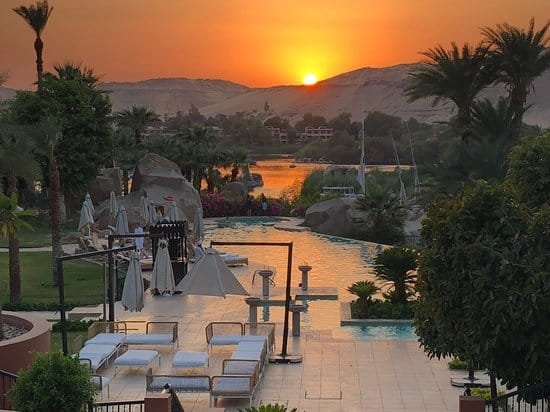
Aswan – The Jewel of the Nile
Aswan is one of Egypt’s most charming and picturesque cities, serving as the southern highlight of a Nile Cruise between Luxor and Aswan. Known for its stunning natural beauty, relaxed atmosphere, and rich cultural heritage, Aswan has been an important center of trade, religion, and diplomacy since ancient times. Situated along a particularly scenic stretch of the Nile River, the city is surrounded by granite outcrops, palm-covered islands, and golden desert landscapes that create a breathtaking setting unlike anywhere else in Egypt. For centuries, Aswan served as Egypt’s southern gateway to Africa and played a vital role in connecting the pharaohs with neighboring kingdoms and trading partners. Today, the city remains a favorite destination for travelers seeking a blend of history, culture, and natural beauty. One of Aswan’s most appealing characteristics is its unique Nubian heritage. The local culture reflects centuries of interaction between Egyptian and Nubian traditions, creating a vibrant atmosphere filled with colorful architecture, traditional music, and warm hospitality. Visitors can explore bustling markets, enjoy riverside walks, and experience authentic Nubian villages that preserve ancient customs and lifestyles. The city’s relaxed pace provides a welcome contrast to the larger urban centers of Cairo and Luxor, allowing travelers to enjoy a more tranquil and intimate connection with Egypt. Aswan also serves as a gateway to some of the country’s most famous historical attractions, including Philae Temple, the Unfinished Obelisk, and the High Dam. These landmarks, combined with the city’s natural beauty and cultural richness, make Aswan one of the most rewarding destinations on a Nile Cruise. Whether admiring the sunset over the Nile, sailing on a traditional felucca, or exploring ancient monuments, visitors quickly discover why Aswan is often referred to as the jewel of the Nile.

Philae Temple – The Sacred Temple of Isis
Philae Temple is one of the most beautiful and romantic ancient monuments in Egypt, attracting visitors from around the world with its stunning location and fascinating history. Dedicated to the goddess Isis, one of the most important deities in Ancient Egyptian religion, the temple served as a major pilgrimage center for centuries. Originally situated on Philae Island, the temple faced the threat of permanent flooding following the construction of the Aswan High Dam. In an extraordinary international rescue effort led by UNESCO, the entire temple complex was carefully dismantled and relocated stone by stone to nearby Agilkia Island, where it continues to stand today. This remarkable achievement preserved one of Egypt’s greatest treasures for future generations. The temple complex features magnificent pylons, elegant colonnades, beautifully decorated sanctuaries, and intricate reliefs depicting religious ceremonies and mythological stories. Visitors can admire detailed carvings that illustrate the legends of Isis, Osiris, and Horus, providing valuable insight into the spiritual beliefs of Ancient Egypt. The harmonious proportions and refined architectural details of the temple demonstrate the artistic excellence achieved during the Ptolemaic and Roman periods. Surrounded by the sparkling waters of the Nile, the temple's setting enhances its beauty and creates a serene atmosphere that captivates travelers. Arriving at Philae Temple by boat adds an extra sense of adventure and anticipation to the experience. As the temple gradually comes into view, visitors are greeted by one of the most picturesque scenes in Egypt. The combination of historical significance, architectural elegance, and natural beauty makes Philae Temple a highlight of any Nile Cruise. For many travelers, it represents one of the most memorable encounters with Ancient Egyptian culture and remains a powerful symbol of Egypt’s enduring heritage
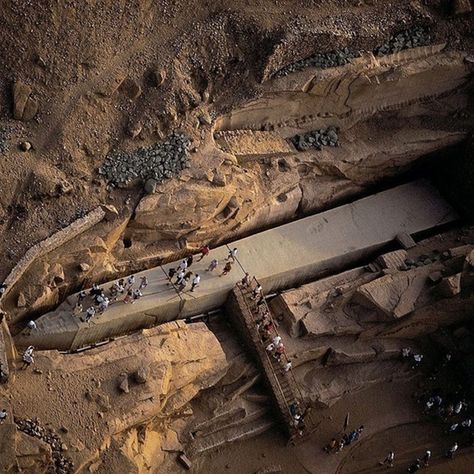
The Unfinished Obelisk and Ancient Egyptian Engineering
The Unfinished Obelisk in Aswan provides a fascinating glimpse into the engineering techniques and construction methods used by the ancient Egyptians. Located within the northern granite quarries of Aswan, this enormous monument was intended to become the largest obelisk ever erected, reaching an estimated height of more than forty meters and weighing approximately 1,200 tons. However, a crack developed in the stone during the carving process, forcing ancient workers to abandon the project before it could be completed. As a result, the obelisk remains attached to the bedrock, offering archaeologists and visitors a unique opportunity to study how these monumental structures were created. The site reveals remarkable details about ancient stoneworking technology and the skill of Egyptian craftsmen. Visitors can clearly see the tool marks left by workers who used dolerite pounding stones to carve the granite. These visible traces provide direct evidence of the techniques employed to extract massive blocks of stone from the quarry. By examining the unfinished monument, researchers have gained valuable insights into the planning, labor organization, and engineering expertise required to produce the obelisks that once adorned temples and cities throughout Egypt. The site demonstrates the extraordinary capabilities of a civilization that achieved remarkable architectural feats without modern machinery. A visit to the Unfinished Obelisk complements the broader experience of exploring Egypt’s ancient monuments. While temples and tombs showcase completed masterpieces, the quarry offers a rare behind-the-scenes perspective on how these achievements were made possible. Visitors gain a deeper appreciation for the dedication, precision, and innovation that characterized Ancient Egyptian engineering. The Unfinished Obelisk stands as a powerful reminder of the ambition and technical skill of the ancient builders, making it one of the most educational and intriguing attractions in Aswan.

Abu Simbel – The Ultimate Excursion from Aswan
No Nile Cruise experience is truly complete without visiting the magnificent Abu Simbel Temples, one of the most extraordinary archaeological sites in the world. Located approximately 280 kilometers south of Aswan near the Sudanese border, Abu Simbel was built by Pharaoh Ramses II during the 13th century BCE to celebrate his power and commemorate his military victories. The complex consists of two massive rock-cut temples carved directly into a mountainside overlooking Lake Nasser. The larger temple is dedicated to Ramses II himself and features four colossal seated statues of the pharaoh, each standing more than twenty meters high. The smaller temple was dedicated to Queen Nefertari and the goddess Hathor, making it one of the few ancient Egyptian temples built in honor of a royal wife. The history of Abu Simbel is as remarkable as its architecture. During the construction of the Aswan High Dam in the 1960s, the temples faced the threat of being submerged beneath the rising waters of Lake Nasser. In one of the greatest archaeological rescue operations ever undertaken, UNESCO coordinated an international effort to cut the temples into thousands of blocks and relocate them to higher ground. This extraordinary achievement preserved the monuments for future generations and remains one of the most successful heritage conservation projects in history. Visitors to Abu Simbel are amazed by the scale, artistry, and historical significance of the site. The interior chambers are adorned with detailed carvings depicting military campaigns, religious ceremonies, and royal achievements. Twice each year, the famous Sun Festival illuminates the temple's inner sanctuary, demonstrating the advanced astronomical knowledge of the ancient Egyptians. For travelers exploring Upper Egypt, Abu Simbel represents the ultimate extension of the Nile Cruise experience and stands among the greatest monuments ever created by human civilization.
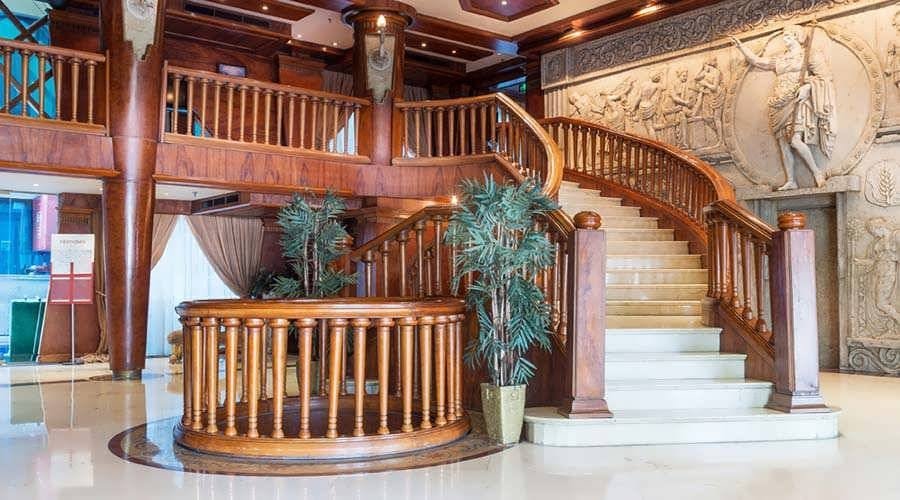
Life Onboard a Luxury Nile Cruise
A luxury Nile Cruise offers far more than access to ancient temples and archaeological sites; it provides a unique opportunity to experience Egypt in comfort and style while traveling through some of the most beautiful landscapes in the country. Modern Nile cruise ships combine elegant accommodations, exceptional service, and premium amenities to create a floating hotel experience unlike any other. Guests enjoy spacious cabins with panoramic windows, fine dining restaurants, comfortable lounges, sun decks, swimming pools, and entertainment programs that enhance every aspect of the journey. The relaxed pace of river travel allows passengers to fully appreciate both the historical attractions and the natural beauty of the Nile Valley. One of the greatest pleasures of life onboard a Nile Cruise is the opportunity to unwind between sightseeing excursions. After exploring ancient temples and tombs, travelers can relax on the sun deck while watching the ever-changing scenery drift by. Traditional villages, lush agricultural fields, palm groves, and desert hills create a captivating backdrop throughout the voyage. Delicious meals featuring Egyptian and international cuisine provide opportunities to sample local flavors while enjoying stunning river views. Evening entertainment often includes traditional music performances, cultural shows, folklore dances, and themed events that introduce guests to Egyptian culture and hospitality. The atmosphere onboard encourages relaxation and social interaction, allowing travelers from around the world to share experiences and create lasting memories. Professional staff ensure that every detail is carefully managed, enabling guests to focus entirely on enjoying their journey. Whether admiring a spectacular sunset over the Nile, savoring gourmet cuisine, or simply enjoying the peaceful rhythm of river travel, life onboard a luxury Nile Cruise transforms transportation into an unforgettable part of the adventure itself.
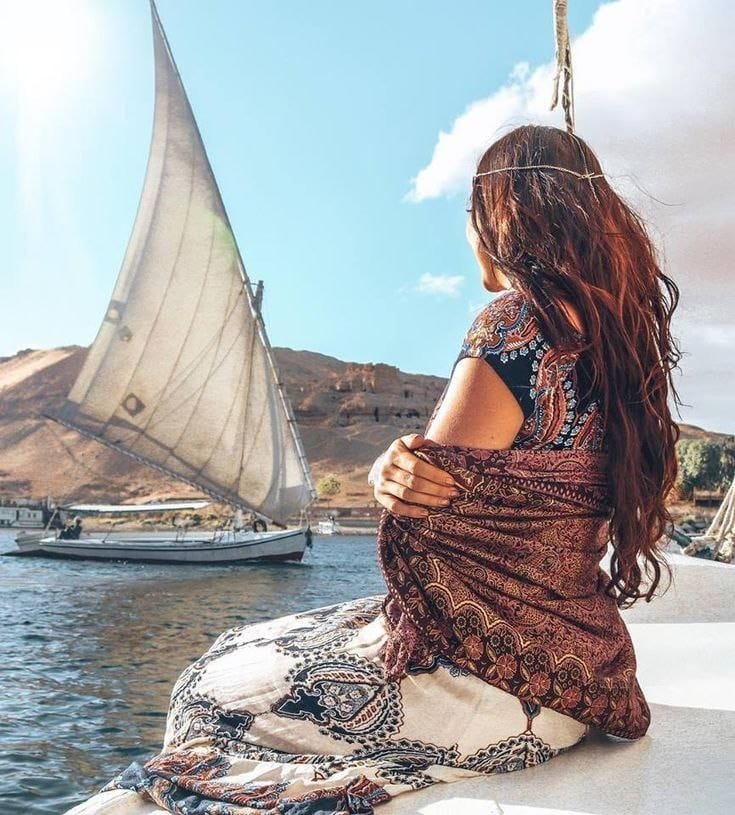
Why a Nile Cruise Between Luxor and Aswan Is a Once-in-a-Lifetime Experience
A Nile Cruise between Luxor and Aswan is widely considered one of the greatest travel experiences in the world because it combines history, culture, luxury, and natural beauty into a single unforgettable journey. Few destinations offer the opportunity to explore such a remarkable concentration of ancient monuments while traveling along a river that played a central role in the development of one of humanity’s greatest civilizations. From the majestic temples of Karnak and Luxor to the royal tombs of the Valley of the Kings, the sacred sanctuaries of Edfu and Kom Ombo, and the breathtaking beauty of Philae Temple and Abu Simbel, every day brings new discoveries and unforgettable moments. The journey allows travelers to experience Egypt from a unique perspective that cannot be replicated through other forms of travel. As the cruise ship navigates the timeless waters of the Nile, passengers witness landscapes and traditions that have changed remarkably little over thousands of years. The combination of world-famous archaeological sites, authentic cultural encounters, and luxurious accommodations creates an experience that appeals to history enthusiasts, photographers, adventure seekers, and leisure travelers alike. Every stop along the route contributes to a deeper understanding of Ancient Egypt and its enduring influence on human civilization. For many visitors, a Nile Cruise becomes the highlight of their entire trip to Egypt. The memories created while sailing between Luxor and Aswan remain vivid long after the journey ends. Whether exploring magnificent temples, watching the sunset over the Nile, or discovering the stories of the pharaohs through expert-guided tours, travelers gain a profound appreciation for the beauty and significance of Egypt’s cultural heritage. A Nile Cruise is not simply a vacation—it is an immersive journey through history and one of the most rewarding travel experiences available anywhere in the world.