

- Excursions in Egypt
- Egypt Tour Packages
- Cairo Tours and Excursions
- Hurghada Tours and Excursions
- Soma Bay Tours and Excursions
- Makadi Bay Tours and Excursions
- Sahl Hasheesh Tours and Excursions
- El Gouna Tours and Excursions
- Marsa Alam Tours and Excursions
- Port Ghalib Tours and Excursions
- El Quseir Tours and Excursions
- Dendera and Abydos Day Tours
- Aswan Tours and Excursions
- Luxor Tours and Excursions
- Sharm El Sheikh Tours and Excursions
- Top Rated Egypt Tours in 2026
- Optional Excursions in Egypt
- Private Transfer
- Blogs About egypt
- Ancient Egypt
- Historical Sites in Egypt
- Cairo
- Alexandria
- Luxor
- Aswan
- The Red Sea
- Dendera Temple
- El Fayoum Oasis
- Bahariya Oasis
- Siwa Oasis
- Al Alamein
- Marsa Matruh
- Why Egypt Is One of the Safest Countries to Visit in the Middle East
- What You Need To know Before Your First Trip To Egypt
- Egypt Travel Costs in 2026 Full Budget Guide
- Top 10 Tourist Activities in Egypt
- Top 50 Activities You Can’t Miss in Egypt in 2026
- The Guide to Guided Tours in Egypt
- Egypt’s Ancient and Modern History
- The Nile River
- The Deserts of Egypt
- Ancient Egyptian gods
- famous Egyptian dishes
- UNESCO World Heritage sites
- About Us
- Egypt Hotels and Resorts
- Excursions in Egypt
- Egypt Tour Packages
- Cairo Tours and Excursions
- Hurghada Tours and Excursions
- Soma Bay Tours and Excursions
- Makadi Bay Tours and Excursions
- Sahl Hasheesh Tours and Excursions
- El Gouna Tours and Excursions
- Marsa Alam Tours and Excursions
- Port Ghalib Tours and Excursions
- El Quseir Tours and Excursions
- Dendera and Abydos Day Tours
- Aswan Tours and Excursions
- Luxor Tours and Excursions
- Sharm El Sheikh Tours and Excursions
- Top Rated Egypt Tours in 2026
- Optional Excursions in Egypt
- Private Transfer
- Blogs About egypt
- Ancient Egypt
- Historical Sites in Egypt
- Cairo
- Alexandria
- Luxor
- Aswan
- The Red Sea
- Dendera Temple
- El Fayoum Oasis
- Bahariya Oasis
- Siwa Oasis
- Al Alamein
- Marsa Matruh
- Why Egypt Is One of the Safest Countries to Visit in the Middle East
- What You Need To know Before Your First Trip To Egypt
- Egypt Travel Costs in 2026 Full Budget Guide
- Top 10 Tourist Activities in Egypt
- Top 50 Activities You Can’t Miss in Egypt in 2026
- The Guide to Guided Tours in Egypt
- Egypt’s Ancient and Modern History
- The Nile River
- The Deserts of Egypt
- Ancient Egyptian gods
- famous Egyptian dishes
- UNESCO World Heritage sites
- About Us
- Egypt Hotels and Resorts
Welcome to
Sarcophagi of Ancient Egypt
The sarcophagi of Ancient Egypt are among the most fascinating and iconic funerary objects ever created by human civilization. These magnificent stone and wooden coffins served as protective containers for the deceased and played a central role in Egyptian burial practices, religious beliefs, and concepts of the afterlife. Decorated with elaborate inscriptions, sacred texts, colorful paintings, and images of gods and goddesses, Egyptian sarcophagi were far more than simple burial containers—they were powerful symbols of protection, resurrection, and eternal life.
The word “sarcophagus” comes from the Greek term meaning “flesh-eating stone,” but in Ancient Egypt, sarcophagi were viewed as sacred vessels designed to preserve the body for eternity. Egyptians believed that the soul required a recognizable physical body in order to survive in the afterlife. As a result, protecting the mummy became one of the most important aspects of burial preparation. The sarcophagus acted as the final line of defense against decay, theft, and supernatural dangers.
Over the course of more than three thousand years of Egyptian history, sarcophagi evolved from simple rectangular boxes into masterpieces of art and craftsmanship. Early examples were relatively plain, but later sarcophagi featured intricate carvings, gilded decorations, hieroglyphic inscriptions, religious scenes, and magical texts designed to assist the deceased on their journey through the underworld.
The wealthiest Egyptians often used multiple nested coffins placed inside a large stone sarcophagus. Some royal burials contained several layers of protection, including golden coffins, wooden coffins, and massive stone sarcophagi housed within elaborate tomb chambers. The most famous example is the burial of Tutankhamun, whose tomb contained multiple coffins and an extraordinary golden burial mask.
Egyptian sarcophagi provide invaluable information about religion, art, language, social status, and funerary traditions. Their inscriptions preserve ancient prayers, spells, and beliefs that help modern scholars understand how Egyptians viewed death and the afterlife.
This comprehensive guide explores the history, symbolism, construction, decoration, and significance of the sarcophagi of Ancient Egypt, revealing why these remarkable funerary monuments remain among the greatest treasures of the ancient world.
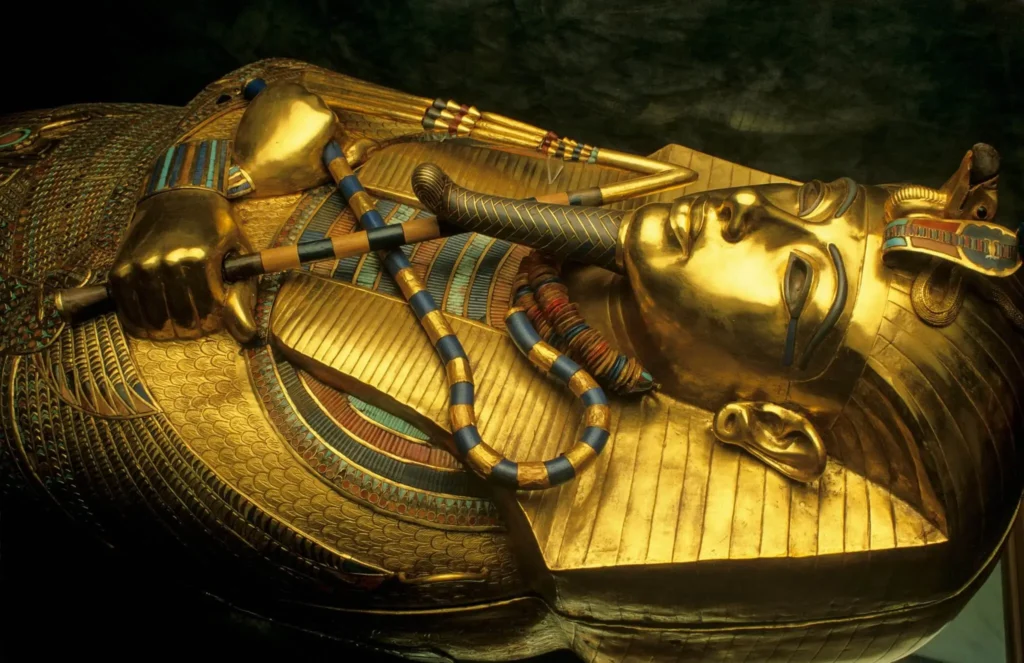
1. Tutankhamun's Sarcophagus (Pure Gold)
Tutankhamun's sarcophagus is arguably one of the most famous in the history of ancient Egypt, discovered in 1922 in the Valley of the Kings in Luxor. This sarcophagus is made of pure gold and weighs around 110 kilograms. The intricate carvings on the sarcophagus depict the young king in various poses, highlighting his royal status and the Egyptian religious iconography of the time. Inside the sarcophagus, the mummy of Tutankhamun was found along with an array of treasures, including a golden mask that has become an iconic symbol of ancient Egypt

2. Ramesses II's Sarcophagus (Ramesses the Great)
The sarcophagus of Ramesses II, also known as "Ramesses the Great," is one of the most notable royal sarcophagi in Egyptian history. Found in his tomb in the Valley of the Kings, the sarcophagus is large and intricately decorated with scenes from Egyptian mythology and religion. Ramesses II ruled Egypt for 66 years and is known for his military conquests and monumental building projects. The sarcophagus reflects the grandeur of his reign and his importance in ancient Egyptian society
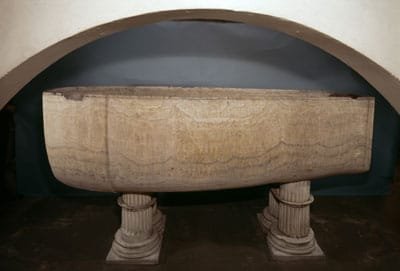
3. Seti I's Sarcophagus
Seti I's sarcophagus, located in the Valley of the Kings, belongs to the 19th Dynasty. This sarcophagus is renowned for its fine workmanship, featuring detailed carvings of Seti I in religious and ceremonial scenes. As one of Egypt's great Pharaohs, Seti I was a powerful ruler who expanded the empire and reestablished order following the collapse of the Middle Kingdom. The intricate carvings on his sarcophagus depict him in the presence of gods and emphasize his divine connection

4. Nefertiti's Sarcophagus
Although a complete sarcophagus of Queen Nefertiti has not been discovered, fragments of it have been found, most notably in the tomb of her husband, Akhenaten. Nefertiti was a prominent queen known for her beauty and influence during the Amarna Period. The fragments of her sarcophagus reveal her importance in Egyptian society and the artistic style that flourished during her time. The depictions on these fragments show Nefertiti in ceremonial settings, reinforcing her powerful role in the Egyptian court.

5. Hatshepsut's Sarcophagus
Queen Hatshepsut's sarcophagus, discovered in the Deir el-Bahari temple in Luxor, is one of the most remarkable royal sarcophagi of ancient Egypt. Hatshepsut, one of Egypt's most successful and influential female pharaohs, ruled during the 18th Dynasty and oversaw a period of peace, prosperity, and architectural innovation. Her sarcophagus features beautiful carvings that depict her as both a king and a woman, symbolizing her dual role in society. The sarcophagus reflects the art and design sensibilities of the time, showcasing Egypt’s craftsmanship.

6. Amenhotep II's Sarcophagus
The sarcophagus of Amenhotep II, discovered in the Valley of the Kings, belongs to the 18th Dynasty. Amenhotep II was known for his military exploits and his ability to maintain Egyptian dominance in the region. The sarcophagus features detailed carvings that highlight the king's connection to the divine and his status as a ruler. Scenes on the sarcophagus depict Amenhotep II in interaction with gods, emphasizing the importance of religion in the king’s life and the afterlife.
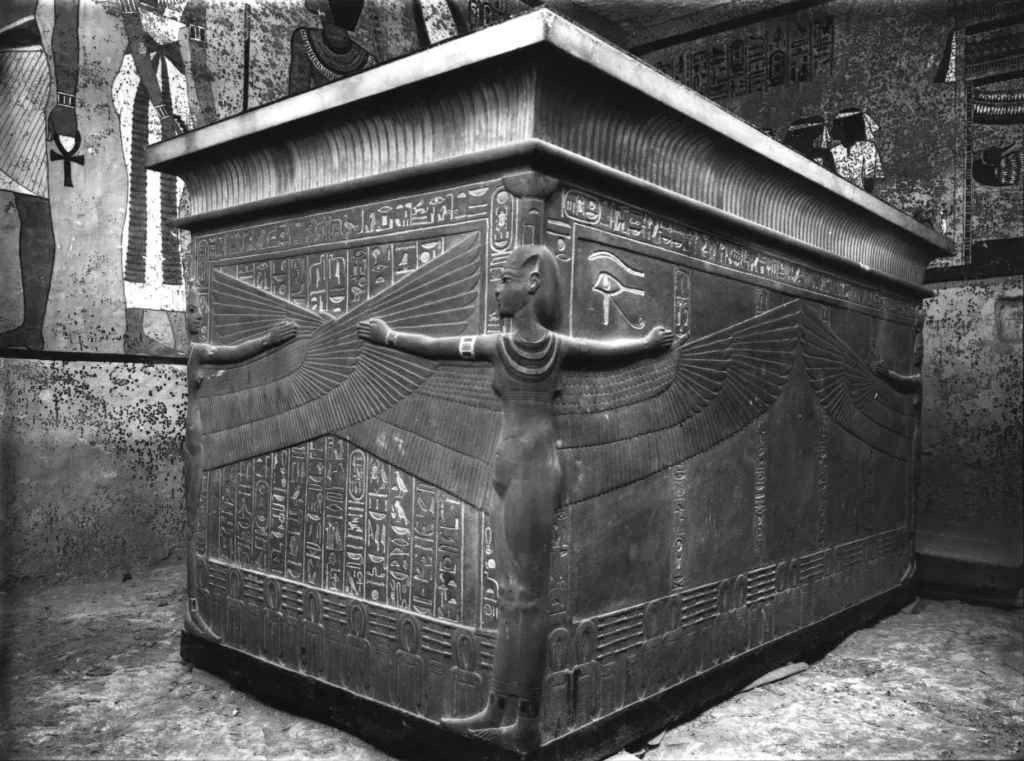
7. Tutankhamun’s Granite Sarcophagus
In addition to the famous golden sarcophagus, a granite sarcophagus belonging to King Tutankhamun was also discovered in his tomb. This granite sarcophagus offers a different, yet equally impressive, view of the artistic styles of the time. It features intricate carvings that portray Tutankhamun and various gods, reflecting the religious beliefs and artistic preferences of the 18th Dynasty. Despite being overshadowed by the gold sarcophagus, the granite one provides an additional layer of historical understanding of the young king’s reign.
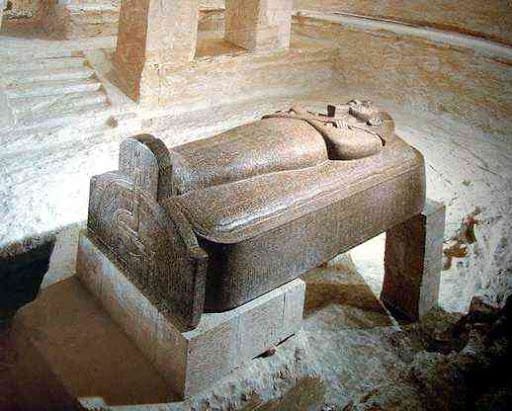
8. King Narmer (Mena) Sarcophagus
The sarcophagus of King Narmer, also known as Mena, is one of the oldest royal sarcophagi in Egypt. Narmer is credited with uniting Upper and Lower Egypt, marking the beginning of the First Dynasty. While a complete sarcophagus has not yet been discovered, fragments suggest that it would have been an important artifact that symbolized the unity of the country. Narmer's reign is seen as the foundation of Egypt’s dynastic history, and his sarcophagus would have been one of the earliest examples of royal burial customs.
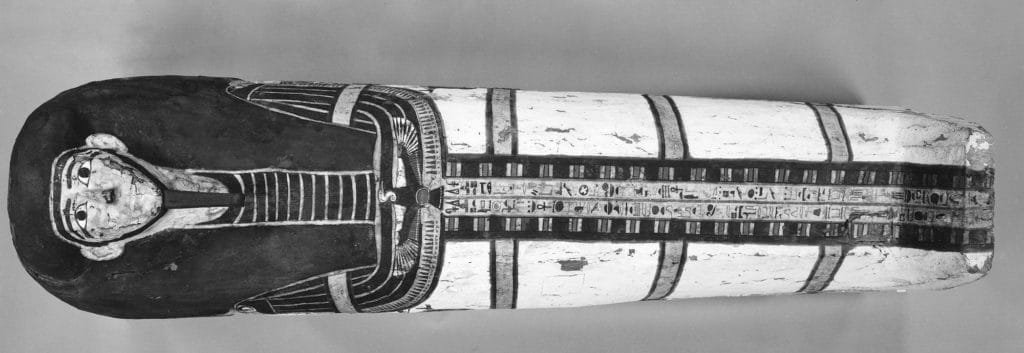
9. Ahmose I's Sarcophagus
The sarcophagus of Ahmose I, found in the Valley of the Kings, is an important discovery from the 18th Dynasty. Ahmose I is credited with driving out the Hyksos invaders and founding the 18th Dynasty, which was one of the most prosperous and powerful periods in ancient Egyptian history. His sarcophagus, richly decorated with religious imagery, emphasizes the Pharaoh’s divine right to rule and his role in maintaining the cosmic order.

10. Tutankhamun’s Wooden Sarcophagus
Alongside the golden and granite sarcophagi, another wooden sarcophagus of Tutankhamun was found in his tomb. This wooden sarcophagus was used during the mummification process to help protect the king’s body in the afterlife. It is adorned with intricate carvings depicting Tutankhamun in various ritual and ceremonial contexts. The wooden sarcophagus provides additional insight into the diverse materials used for royal burials during the New Kingdom period.

11. Sarcophagus of Thutmose III
Thutmose III, known as the Napoleon of ancient Egypt, is one of the most celebrated Pharaohs of the New Kingdom. His sarcophagus was discovered in the Valley of the Kings and is made of solid quartzite, which was a rare and expensive material. The sarcophagus is adorned with intricate carvings depicting the king in divine and royal settings, emphasizing his strength as a military leader and his divine connection. Thutmose III expanded Egypt’s empire to its greatest extent, and his tomb and sarcophagus reflect the grandeur of his reign and his eternal legacya

12. Sarcophagus of Cleopatra VII
Although Cleopatra VII is one of Egypt’s most famous figures, her sarcophagus remains elusive. However, historical records suggest that she was buried alongside her lover, Mark Antony, in a tomb in Alexandria. The sarcophagus associated with Cleopatra is often depicted as being carved from beautiful alabaster, and it is believed that the tomb may contain intricate artwork and inscriptions relating to the couple’s life and death. While the exact sarcophagus has not been discovered, Cleopatra's burial remains a source of fascination and mystery for archaeologists and historians alike

13. What Is a Sarcophagus in Ancient Egypt?
A sarcophagus was a coffin or stone burial container used to protect the mummy of a deceased person. In Ancient Egypt, sarcophagi formed an essential part of burial traditions and were designed to ensure the preservation of the body for eternity. Egyptians believed that maintaining the physical body was necessary for survival in the afterlife, making the sarcophagus one of the most important elements of a tomb. The earliest Egyptian sarcophagi appeared during the Old Kingdom and were typically rectangular stone boxes with flat lids. Over time, designs became increasingly sophisticated, incorporating inscriptions, religious imagery, and anthropoid shapes that resembled the deceased. Most elite burials included multiple layers of coffins. A mummy might be wrapped in linen, placed inside one or more wooden coffins, and then enclosed within a large stone sarcophagus. This system provided both physical and spiritual protection. Sarcophagi were often made from limestone, granite, basalt, quartzite, or wood, depending on the wealth and status of the deceased. Royal sarcophagi were particularly impressive and required enormous resources to construct and transport. The outer surfaces were frequently covered with hieroglyphic texts, prayers, protective spells, and images of deities. These decorations transformed the sarcophagus into a sacred object capable of assisting the deceased in the afterlife. In Egyptian religion, the sarcophagus represented more than a coffin. It symbolized rebirth, protection, and the transition from earthly life to eternal existence.
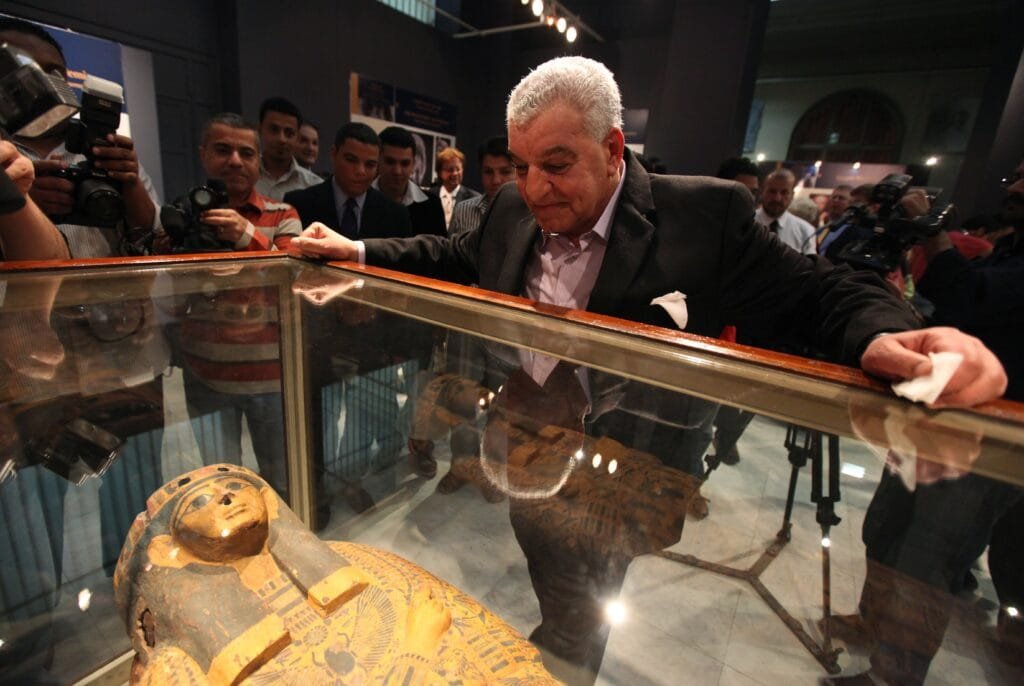
14. The Evolution of Egyptian Sarcophagi
The design of Egyptian sarcophagi evolved dramatically over the course of more than three thousand years. Changes in religious beliefs, artistic styles, and burial customs influenced how sarcophagi were constructed and decorated. During the Early Dynastic Period and Old Kingdom, sarcophagi were generally simple rectangular stone boxes. Decoration was minimal, and emphasis was placed on durability rather than artistic detail. These early sarcophagi reflected the developing nature of Egyptian funerary traditions. By the Middle Kingdom, sarcophagi became more elaborate. Coffins were often covered with inscriptions known as Coffin Texts, which contained magical spells designed to guide and protect the deceased. Decorative motifs became increasingly complex, incorporating religious symbols and images of gods. The New Kingdom witnessed the emergence of anthropoid coffins shaped like the human body. These coffins often featured painted faces, wigs, jewelry, and detailed depictions of the deceased. Royal burials became exceptionally luxurious during this period. The burial of Tutankhamun demonstrates the extraordinary craftsmanship achieved during the New Kingdom. His burial equipment included multiple nested coffins, including an inner coffin made of solid gold. During the Late Period and Ptolemaic Era, sarcophagi continued to evolve, incorporating increasingly detailed artwork, vibrant colors, and extensive religious texts. The evolution of Egyptian sarcophagi reflects broader developments in Egyptian religion, art, and society, making them valuable historical records as well as funerary objects.

15. Materials Used to Make Egyptian Sarcophagi
Ancient Egyptian sarcophagi were constructed from a variety of materials, each chosen according to the wealth, status, and resources available to the deceased. The selection of materials reflected both practical considerations and religious symbolism. Stone was among the most prestigious materials used for sarcophagi. Limestone was commonly employed because it was relatively easy to quarry and carve. Wealthier individuals and pharaohs often used harder stones such as granite, basalt, quartzite, and diorite. These materials symbolized permanence and provided exceptional protection for the mummy. Granite sarcophagi were especially popular among royalty. Massive granite sarcophagi discovered in royal tombs demonstrate the extraordinary engineering capabilities of Ancient Egyptian craftsmen. Transporting these enormous stone containers required sophisticated logistics and large labor forces. Wood was another important material. Cedar imported from the Levant was highly prized because of its durability and resistance to insects. Native Egyptian woods such as sycamore fig and acacia were also commonly used for coffins and inner burial containers. Many sarcophagi were covered with plaster and painted in vivid colors. Gold leaf, glass inlays, semi-precious stones, and decorative pigments enhanced their appearance and conveyed wealth and prestige. The choice of material often carried symbolic significance. Durable stone represented eternity, while precious metals symbolized divine power and immortality. Gold, in particular, was associated with the flesh of the gods and was frequently used in royal burials. The remarkable craftsmanship displayed in Egyptian sarcophagi highlights the importance Egyptians placed on protecting the deceased and ensuring a successful journey into the afterlife.