

- Excursions in Egypt
- Egypt Tour Packages
- Cairo Tours and Excursions
- Hurghada Tours and Excursions
- Soma Bay Tours and Excursions
- Makadi Bay Tours and Excursions
- Sahl Hasheesh Tours and Excursions
- El Gouna Tours and Excursions
- Marsa Alam Tours and Excursions
- Port Ghalib Tours and Excursions
- El Quseir Tours and Excursions
- Dendera and Abydos Day Tours
- Aswan Tours and Excursions
- Luxor Tours and Excursions
- Sharm El Sheikh Tours and Excursions
- Top Rated Egypt Tours in 2026
- Optional Excursions in Egypt
- Private Transfer
- Blogs About egypt
- Ancient Egypt
- Historical Sites in Egypt
- Cairo
- Alexandria
- Luxor
- Aswan
- The Red Sea
- Dendera Temple
- El Fayoum Oasis
- Bahariya Oasis
- Siwa Oasis
- Al Alamein
- Marsa Matruh
- Why Egypt Is One of the Safest Countries to Visit in the Middle East
- What You Need To know Before Your First Trip To Egypt
- Egypt Travel Costs in 2026 Full Budget Guide
- Top 10 Tourist Activities in Egypt
- Top 50 Activities You Can’t Miss in Egypt in 2026
- The Guide to Guided Tours in Egypt
- Egypt’s Ancient and Modern History
- The Nile River
- The Deserts of Egypt
- Ancient Egyptian gods
- famous Egyptian dishes
- UNESCO World Heritage sites
- About Us
- Egypt Hotels and Resorts
- Excursions in Egypt
- Egypt Tour Packages
- Cairo Tours and Excursions
- Hurghada Tours and Excursions
- Soma Bay Tours and Excursions
- Makadi Bay Tours and Excursions
- Sahl Hasheesh Tours and Excursions
- El Gouna Tours and Excursions
- Marsa Alam Tours and Excursions
- Port Ghalib Tours and Excursions
- El Quseir Tours and Excursions
- Dendera and Abydos Day Tours
- Aswan Tours and Excursions
- Luxor Tours and Excursions
- Sharm El Sheikh Tours and Excursions
- Top Rated Egypt Tours in 2026
- Optional Excursions in Egypt
- Private Transfer
- Blogs About egypt
- Ancient Egypt
- Historical Sites in Egypt
- Cairo
- Alexandria
- Luxor
- Aswan
- The Red Sea
- Dendera Temple
- El Fayoum Oasis
- Bahariya Oasis
- Siwa Oasis
- Al Alamein
- Marsa Matruh
- Why Egypt Is One of the Safest Countries to Visit in the Middle East
- What You Need To know Before Your First Trip To Egypt
- Egypt Travel Costs in 2026 Full Budget Guide
- Top 10 Tourist Activities in Egypt
- Top 50 Activities You Can’t Miss in Egypt in 2026
- The Guide to Guided Tours in Egypt
- Egypt’s Ancient and Modern History
- The Nile River
- The Deserts of Egypt
- Ancient Egyptian gods
- famous Egyptian dishes
- UNESCO World Heritage sites
- About Us
- Egypt Hotels and Resorts
Welcome to
Marriage in Ancient Egypt: Love, Law, and Life Along the Nile
Stepping into the world of ancient Egypt often feels like wandering through a monumental dreamscape of towering pharaohs, golden tombs, and enigmatic deities. Yet, beneath the grand tapestry of divine kingship and monumental architecture lay a vibrant, deeply human society that valued the warmth of the home above almost all else. For the ancient Egyptians, life was a beautiful gift meant to be celebrated, and at the absolute heart of this earthly paradise was the institution of marriage. Unlike many of their contemporary neighboring civilizations, where women held few rights and unions were purely transactional, the inhabitants of the Nile Valley viewed marriage as a sacred partnership rooted in mutual respect, legal equality, and a shared journey toward eternity. It was the foundational bedrock of their entire social structure—a harmonious blending of practical realities and romantic ideals designed to mirror the cosmic order of Ma’at, the divine principle of truth, balance, and cosmic harmony. To truly understand the temples, the art, and the daily rhythms of this ancient wonderland, one must peer past the stone facades and look into the intimate domestic lives of the people themselves. Marriage was not just a societal expectation; it was a deeply desired state of being that promised companionship in life, prosperity for the family, and a magical continuation of love in the afterlife. For a modern traveler or history enthusiast, exploring how these ancient people fell in love, negotiated their households, and legally protected their partnerships offers a uniquely intimate window into their souls, proving that while thousands of years have passed, the human heart remains beautifully unchanged.
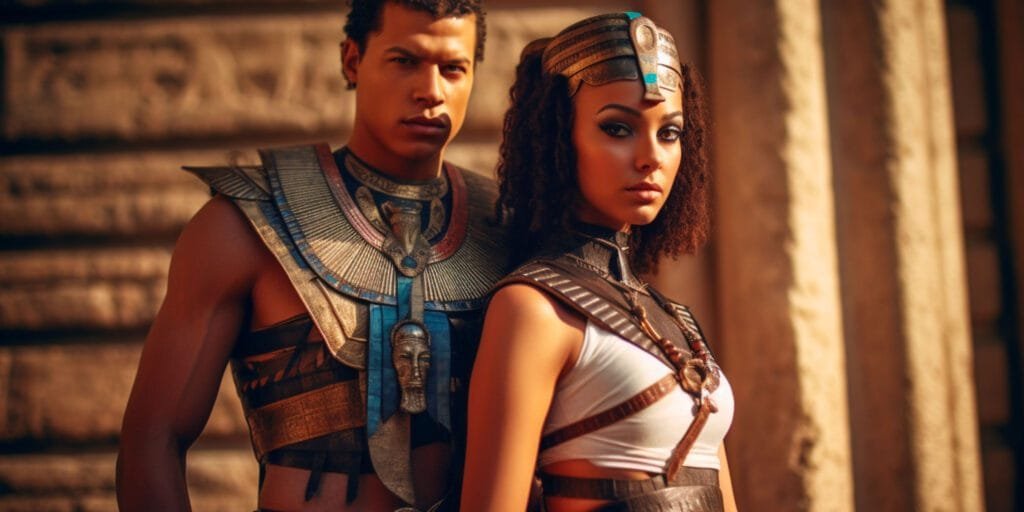
1. The Harmony of Ma'at: Cultivating the Cosmic Ideal of Partnership
To the ancient Egyptians, marriage was far more than a mere social contract; it was a earthly reflection of Ma'at, the divine cosmic principle of balance, truth, and universal order. They believed that a stable household contributed directly to the stability of the entire cosmos, making the union between a man and a woman a vital civic and spiritual duty. From a young age, individuals were encouraged to seek a partner and establish a home, as single life was often viewed as incomplete. The famous sage Ptahhotep explicitly advised young men to love their wives, feed them well, and clothe their backs, recognizing that a happy spouse was the secret to a prosperous and balanced life. This cultural emphasis on domestic harmony meant that marriages were generally expected to be partnerships of mutual support rather than relationships based purely on dominance or ownership. By aligning their private lives with the ideals of balance, everyday Egyptians felt they were doing their part to keep the fabric of their world intact, turning the simple act of building a home into an act of devotion to the gods themselves.
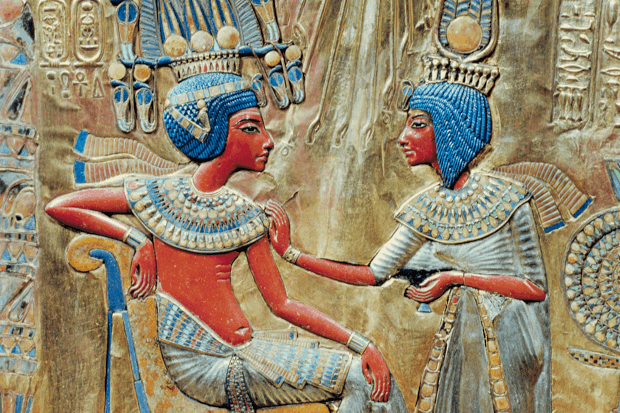
2. Legal Sovereignty: The Unprecedented Rights of Egyptian Wives
One of the most remarkable aspects of ancient Egyptian society, which continually fascinates modern travelers and historians alike, was the extraordinary legal status of women. Unlike their contemporaries in ancient Greece or Rome, who were perpetually treated as legal minors under the authority of a male guardian, an Egyptian woman was nebet per—the "Mistress of the House." She entered into marriage as a fully independent legal equal. Egyptian wives retained absolute control over their own personal property, possessed the right to execute contracts, could initiate lawsuits, and were fully entitled to buy or sell real estate without needing their husband’s permission or signature. If a woman brought land, livestock, or wealth into the marriage, that property remained strictly hers throughout the duration of the union. This profound financial autonomy ensured that women were never trapped by economic dependence, granting them a level of social dignity, security, and respect that was entirely unmatched in the ancient world and remains a proud testament to the progressive nature of Nile Valley culture.
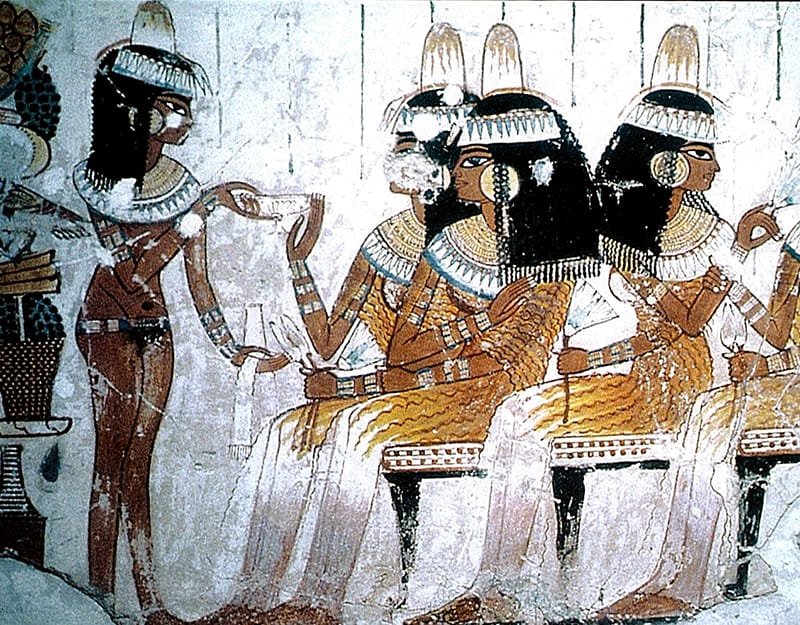
3. The Secular Bond: Why Temples and Priests Stayed Out of Weddings
In a society completely saturated with religion, gods, and magical rituals, one might naturally assume that an ancient Egyptian wedding was a massive, priest-led religious spectacle inside a grand stone temple. Surprisingly, the exact opposite was true. Marriage in ancient Egypt was entirely a secular, civil, and domestic affair. No religious authorities were ever involved, no sacred vows were exchanged before an altar, and no official state or temple registries were kept to legitimize the bond. Instead, a marriage became officially recognized by the community simply when a woman packed up her belongings, left her parental home, and moved into the house of her new husband. The transition was marked not by a divine decree, but by joyful family celebrations, music, feasting, and the public moving of goods. It was a beautiful display of community recognition, where the shared consensus of family and neighbors served as the ultimate validation of the couple's new life together, emphasizing that family was a matter of human connection first.

4. Written in Papyrus: The Financial Security of Marital Contracts
While ancient Egyptian weddings lacked religious ceremonies, they were firmly anchored by a highly sophisticated legal framework designed to safeguard the future of both partners. Couples, particularly from the Middle and New Kingdoms onward, routinely drew up detailed prenuptial and marital agreements on sheets of papyrus. These documents, known today as annuity contracts, were essentially financial safety nets. They meticulously itemized all the property, jewelry, and household goods the bride brought into the union, assigning a strict monetary value to each item. Crucially, the husband would formally pledge a significant portion of his own wealth—often up to one-third or more—as a direct guarantee to support his wife. These contracts were witnessed by prominent members of the community to ensure absolute validity. In an era where survival depended heavily on economic stability, these written agreements ensured that a woman would never be left destitute, proving that ancient Egyptians possessed a remarkably modern understanding of financial independence and legal protection within the home.

5. Love Songs and Golden Rings: The Romance and Poetry of Courting
Beyond the cold ink of legal papyri, the hearts of ancient Egyptians beat with intense passion, romance, and a deep appreciation for courtship. Surviving love poetry from the New Kingdom paints a vivid picture of young lovers swooning by the banks of the Nile, comparing their sweethearts to beautiful lotuses and rare perfumes. They used endearing terms like "my brother" and "my sister"—not to imply actual incestuous relations, which was a misconception largely confined to royal families to preserve divine bloodlines—but as poetic expressions of ultimate closeness and equality. Courting couples would exchange beautifully crafted tokens of affection, including scarabs, amulets, and floral garlands. While the romanticized idea of a modern wedding ring originated later, the Egyptians deeply revered the circle as a powerful symbol of eternity, representing a love that had no beginning and no end. This rich romantic culture shows that beneath the societal expectations, ancient Egyptians truly valued emotional chemistry, mutual attraction, and the genuine, intoxicating joy of falling in love.

6. The Joy of the Cradle: Children and the Ultimate Goal of the Family
In the eyes of the Nile Valley inhabitants, the true crowning glory of any marriage was the creation of a thriving family and the birth of children. Children were viewed as direct blessings from the gods, essential for ensuring the continuity of the family line and the preservation of the parents' legacy. A large family was a badge of honor and a source of immense pride, as sons and daughters were expected to assist with the daily chores of farming, trade, and household management. More importantly, it was the sacred duty of the children to care for their aging parents in life and to properly maintain their tomb offerings after death, ensuring their parents' survival in the Field of Reeds. Mothers carried their infants in soft linen slings close to their chests as they went about their work, while fathers carved wooden toys and played games with their little ones. This beautiful, child-centric culture transformed the Egyptian home into a lively sanctuary of laughter, growth, and generational continuity.
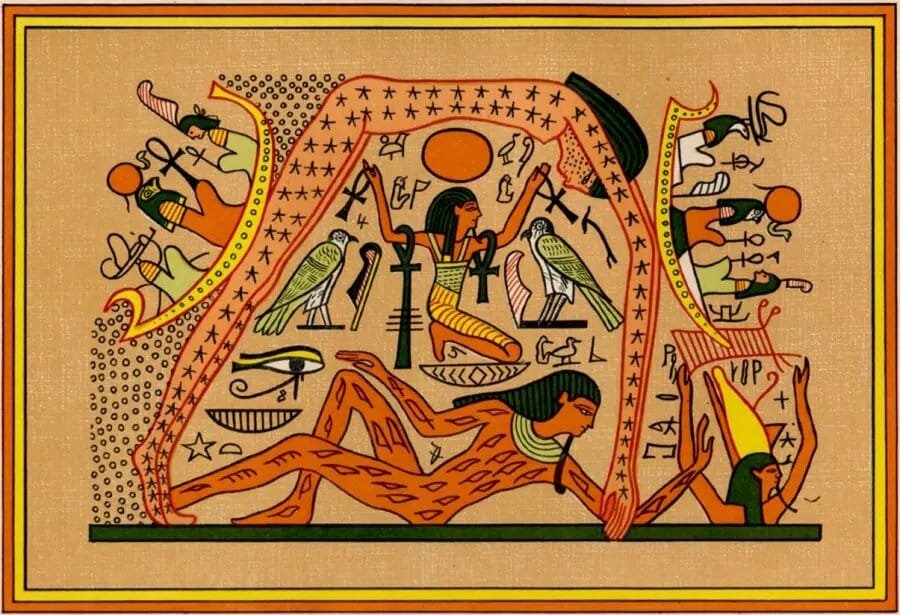
7. Splitting the Nile: The Practical and Fair Reality of Divorce
Though ancient Egyptians deeply idealized lifelong marital bliss, they were also highly pragmatic realists who recognized that not all unions were destined to last forever. When a marriage broke down due to incompatibility, infidelity, or the inability to conceive, divorce was an entirely acceptable, legally straightforward, and socially stigma-free option. Either the husband or the wife could initiate the separation without needing approval from any religious or state court. The process was as simple as the marriage itself, often finalized by a spoken declaration in front of witnesses or by the wife moving back to her parental home. Most importantly, the sophisticated legal system ensured that the division of assets was remarkably fair. A divorced woman was legally entitled to take back all the dowry and personal property she originally brought into the house, along with a mandatory one-third share of all the joint wealth accumulated during the marriage, ensuring she remained financially independent and free to remarry.
8. Pharaohs and Commoners: The Distinct Worlds of Monogamy and Polygamy
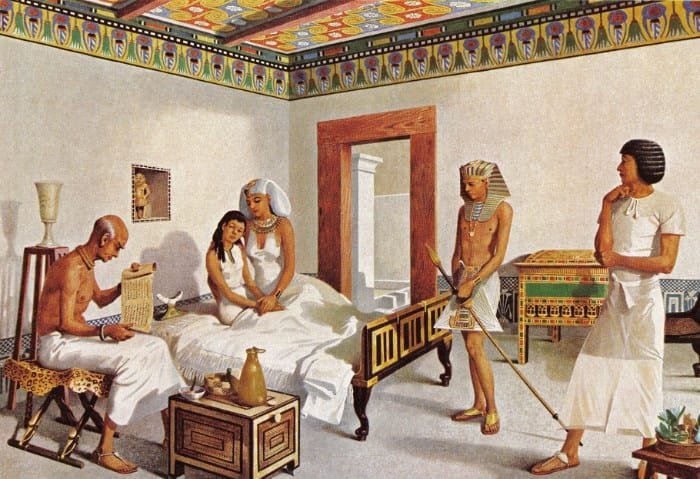
When modern travelers look at the grand temple reliefs, they often see pharaohs surrounded by multiple queens, leading to the misconception that ancient Egypt was a completely polygamous society. In reality, there was a vast cultural divide between the royal court and the everyday citizen. For the vast majority of ordinary Egyptians—the farmers, scribes, artisans, and merchants—marriage was strictly monogamous. Taking a single spouse was the absolute social norm and the idealized path to a peaceful life. Polygamy was a luxury almost exclusively reserved for the pharaoh and the highest elite nobility, who used multiple marriages strategically to forge political alliances with foreign nations or powerful local governors. Even within the royal harem, there was a strict hierarchy; there was always only one "Great Royal Wife" who held supreme political and religious power alongside the king, while the rest of the population enjoyed the simple, quiet stability of a single, lifelong partner.

9. Adorning the Bride: Fashion, Cosmetics, and Marital Aesthetics
For an Egyptian bride, preparing for her new life was an art form that celebrated beauty, cleanliness, and sensory delight. While there was no specific "wedding dress" in the modern sense, a woman on her wedding day would wear her finest garment—usually a pristine, translucent gown woven from premium, pleated Egyptian flax linen that shimmered like silver under the desert sun. She would adorn herself with elaborate, colorful jewelry made of gold, lapis lazuli, and carnelian, symbolizing divine protection and prosperity. Beauty rituals were essential; the bride would bathe in scented waters, smooth her skin with moisturizing oils of frankincense and myrrh, and apply striking black kohl eyeliner to protect her eyes from the glare of the sun and ward off evil spirits. Her hair would be intricately braided or covered with an elegant, scented wig topped with a cone of perfumed fat that slowly melted, releasing a beautiful fragrance throughout the celebration, creating an unforgettable image of elegance.
10. The Hearth of the Nile: Daily Rhythms and Domestic Life
Once the celebrations concluded and the new household was established, the daily life of a married couple settled into a harmonious and productive routine deeply tied to the rhythms of the Nile. The ancient Egyptian home, constructed from cool mud-bricks, was a bustling center of economic and domestic activity where cooperation was key. While the husband typically worked outside the home—toiling in the emerald-green fields, carving stone in royal tombs, or recording taxes as a scribe—the wife managed the complex estate with immense authority. She oversaw the servants, managed the household budget, wove fine linen textiles, and supervised the brewing of beer and baking of bread, which were the staple nutrients of the Egyptian diet. This division of labor was never seen as unequal; rather, it was viewed as two complementary forces working in unison to ensure the survival and comfort of the family, creating a warm, self-sustaining sanctuary against the harsh desert environment.

11. Incest and Misconceptions: Separating Royal Bloodlines from Common Truths
One of the most persistent and widespread myths that tour guides and historians frequently encounter is the belief that ancient Egyptian marriages were heavily incestuous. To understand the truth, one must carefully separate the divine ideology of the pharaohs from the reality of ordinary citizens. Brother-sister or father-daughter marriages did indeed occur, but they were strictly confined to the royal family. The pharaohs believed they were living gods on earth, descendants of deities like Osiris and Isis who were both siblings and spouses. To preserve this sacred, undiluted divine bloodline and concentrate supreme power within the immediate family, royals practiced endogamy. However, for the general population, this practice was deeply taboo and strictly avoided. Ordinary Egyptians chose their spouses from outside their immediate biological family, seeking partners from neighboring estates, villages, or professions, ensuring a healthy, diverse, and morally grounded community structure that sustained their civilization for millennia.
12. Eternal Ever After: Carrying Marital Love into the Field of Reeds
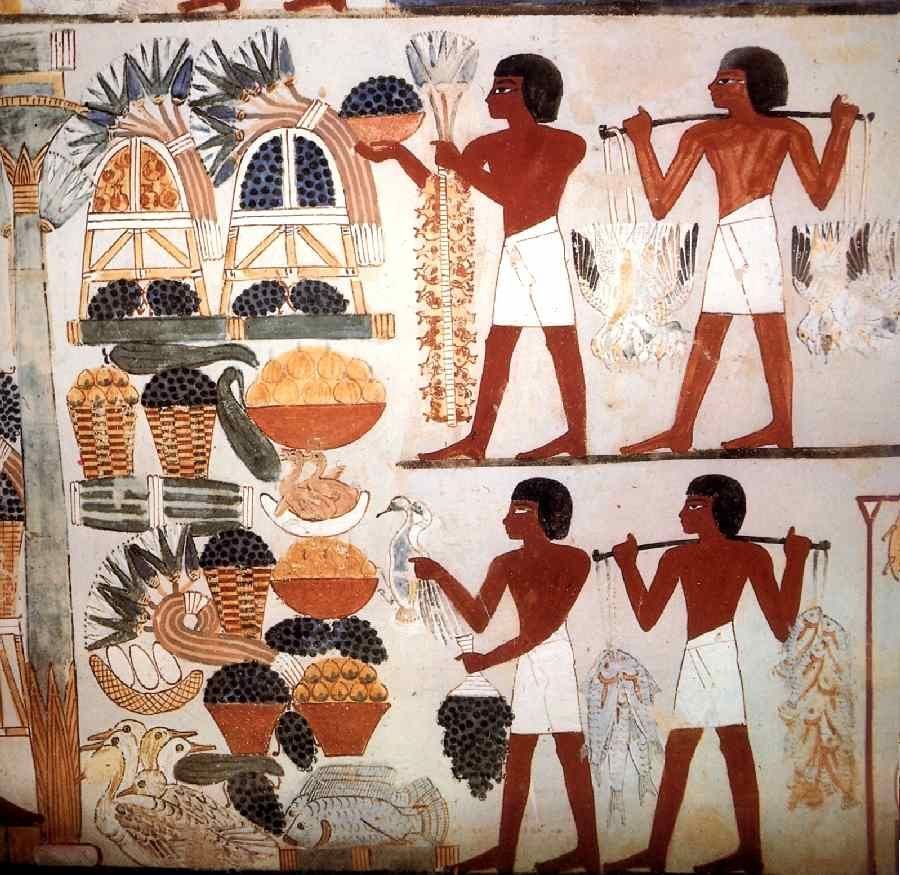
For the ancient Egyptians, the boundary of death was not the end of a romantic partnership, but merely a temporary pause before an eternal reunion. Their profound belief in the afterlife, or the Field of Reeds, directly shaped how they viewed the ultimate destiny of marriage. They envisioned paradise not as a detached spiritual realm, but as a perfected, everlasting version of their earthly lives along the Nile—complete with their favorite clothes, pets, and most importantly, their beloved spouses. Tomb paintings and elaborate funerary stelae frequently depict husbands and wives sitting side-by-side, holding hands, or tenderly wrapping their arms around each other's shoulders as they feast before the gods. They cast magical spells and took legal precautions within their burial preparations to ensure their souls would recognize and reunite with one another in the next world, proving that to an ancient Egyptian, true love was a cosmic force designed to triumph over death and endure for all eternity.