

- Excursions in Egypt
- Egypt Tour Packages
- Cairo Tours and Excursions
- Hurghada Tours and Excursions
- Soma Bay Tours and Excursions
- Makadi Bay Tours and Excursions
- Sahl Hasheesh Tours and Excursions
- El Gouna Tours and Excursions
- Marsa Alam Tours and Excursions
- Port Ghalib Tours and Excursions
- El Quseir Tours and Excursions
- Dendera and Abydos Day Tours
- Aswan Tours and Excursions
- Luxor Tours and Excursions
- Sharm El Sheikh Tours and Excursions
- Top Rated Egypt Tours in 2026
- Optional Excursions in Egypt
- Private Transfer
- Blogs About egypt
- Ancient Egypt
- Historical Sites in Egypt
- Cairo
- Alexandria
- Luxor
- Aswan
- The Red Sea
- Dendera Temple
- El Fayoum Oasis
- Bahariya Oasis
- Siwa Oasis
- Al Alamein
- Marsa Matruh
- Why Egypt Is One of the Safest Countries to Visit in the Middle East
- What You Need To know Before Your First Trip To Egypt
- Egypt Travel Costs in 2026 Full Budget Guide
- Top 10 Tourist Activities in Egypt
- Top 50 Activities You Can’t Miss in Egypt in 2026
- The Guide to Guided Tours in Egypt
- Egypt’s Ancient and Modern History
- The Nile River
- The Deserts of Egypt
- Ancient Egyptian gods
- famous Egyptian dishes
- UNESCO World Heritage sites
- About Us
- Egypt Hotels and Resorts
- Excursions in Egypt
- Egypt Tour Packages
- Cairo Tours and Excursions
- Hurghada Tours and Excursions
- Soma Bay Tours and Excursions
- Makadi Bay Tours and Excursions
- Sahl Hasheesh Tours and Excursions
- El Gouna Tours and Excursions
- Marsa Alam Tours and Excursions
- Port Ghalib Tours and Excursions
- El Quseir Tours and Excursions
- Dendera and Abydos Day Tours
- Aswan Tours and Excursions
- Luxor Tours and Excursions
- Sharm El Sheikh Tours and Excursions
- Top Rated Egypt Tours in 2026
- Optional Excursions in Egypt
- Private Transfer
- Blogs About egypt
- Ancient Egypt
- Historical Sites in Egypt
- Cairo
- Alexandria
- Luxor
- Aswan
- The Red Sea
- Dendera Temple
- El Fayoum Oasis
- Bahariya Oasis
- Siwa Oasis
- Al Alamein
- Marsa Matruh
- Why Egypt Is One of the Safest Countries to Visit in the Middle East
- What You Need To know Before Your First Trip To Egypt
- Egypt Travel Costs in 2026 Full Budget Guide
- Top 10 Tourist Activities in Egypt
- Top 50 Activities You Can’t Miss in Egypt in 2026
- The Guide to Guided Tours in Egypt
- Egypt’s Ancient and Modern History
- The Nile River
- The Deserts of Egypt
- Ancient Egyptian gods
- famous Egyptian dishes
- UNESCO World Heritage sites
- About Us
- Egypt Hotels and Resorts
Welcome to
Life Expectancy in Ancient Egypt: How Long Did Ancient Egyptians Live?
Life expectancy in Ancient Egypt is one of the most fascinating topics for historians, archaeologists, and travelers interested in the secrets of the ancient Egyptian civilization. When people imagine Ancient Egypt, they often picture powerful pharaohs, towering pyramids, magnificent temples, and elaborate tombs. However, behind these monumental achievements lies an important question: How long did Ancient Egyptians live?
The average life expectancy in Ancient Egypt was significantly lower than in the modern world, but the reality was far more complex than many people assume. Factors such as social class, healthcare, nutrition, sanitation, childbirth, disease, climate, and occupation all played crucial roles in determining how long an individual could expect to live. While many infants and children died young, those who survived into adulthood often lived much longer than the average statistics suggest.
Ancient Egypt was one of the most advanced civilizations of the ancient world. Egyptian physicians developed surprisingly sophisticated medical practices, farmers benefited from the fertile lands of the Nile River, and wealthy nobles enjoyed diets and living conditions that often exceeded those of many contemporary societies. Yet dangers such as infectious diseases, difficult labor, accidents, and high maternal mortality continued to affect the population.
This comprehensive guide explores life expectancy in Ancient Egypt, revealing what daily life was really like for pharaohs, priests, workers, farmers, women, and children. Through archaeological discoveries, mummies, ancient texts, and scientific research, we can better understand how long Ancient Egyptians lived and what factors influenced their lifespan thousands of years ago.
1. What Was the Average Life Expectancy in Ancient Egypt?
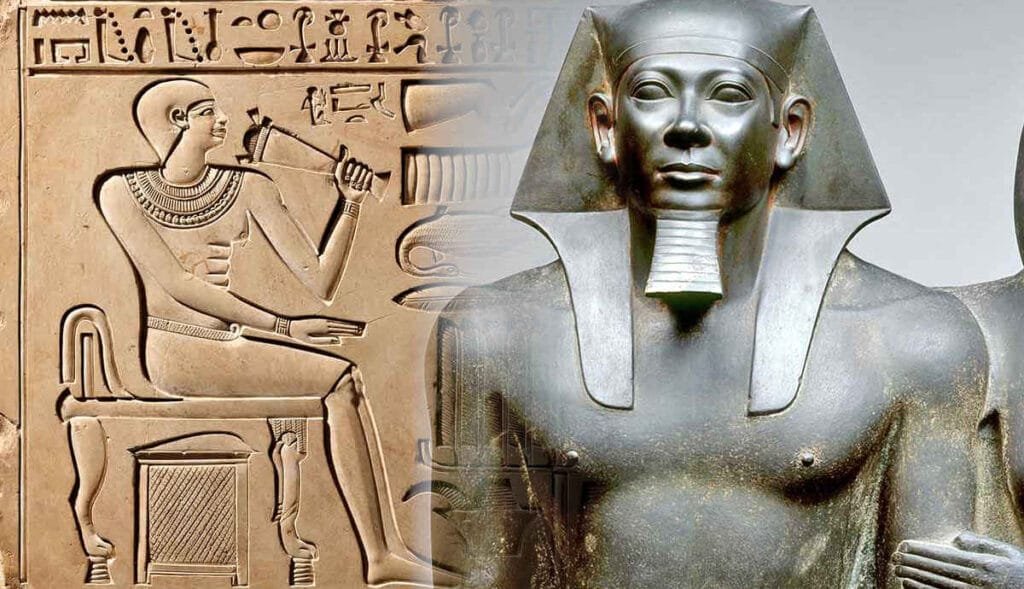
When discussing life expectancy in Ancient Egypt, it is important to understand that the commonly cited figures can be misleading. Historians estimate that the average life expectancy at birth ranged between 25 and 35 years. At first glance, this may suggest that most Ancient Egyptians died in their twenties or thirties. However, this statistic is heavily influenced by extremely high infant and child mortality rates. Many children died before reaching their fifth birthday due to disease, malnutrition, infections, and limited medical knowledge about childhood illnesses. As a result, these early deaths dramatically lowered the average lifespan calculation. If an individual survived childhood and reached adulthood, their chances of living into their forties, fifties, or even sixties increased considerably. Archaeological evidence from mummies and skeletal remains indicates that many adults lived productive lives well beyond the age suggested by average life expectancy figures. Some government officials, priests, and wealthy nobles lived into their seventies. Several pharaohs also reached advanced ages despite the challenges of ancient life. Life expectancy varied significantly according to social class. Wealthier Egyptians had access to better nutrition, cleaner living conditions, and superior medical care. Farmers and laborers, on the other hand, faced harsh working conditions that often shortened their lives. Understanding average life expectancy requires looking beyond simple numbers and examining the broader social and environmental conditions of Ancient Egyptian society. While life was undoubtedly more dangerous than today, surviving childhood often meant the possibility of a relatively long life by ancient standards.
2. Infant Mortality and Child Survival in Ancient Egypt
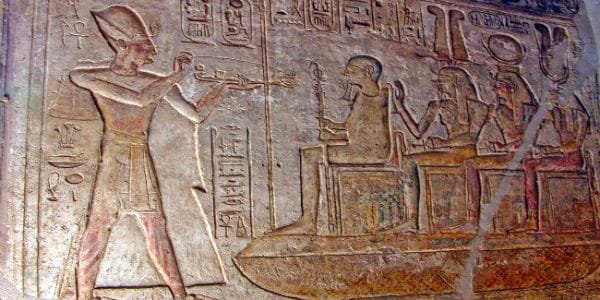
One of the most significant factors affecting life expectancy in Ancient Egypt was infant mortality. The survival of newborns and young children was a constant challenge throughout Egyptian history. Modern medicine, vaccinations, antibiotics, and advanced sanitation did not exist, making childhood one of the most vulnerable stages of life. Studies of ancient cemeteries reveal that a substantial percentage of children died before reaching adolescence. Common causes included infectious diseases, gastrointestinal illnesses, respiratory infections, birth complications, malnutrition, and parasitic infections. Even minor illnesses that are easily treated today could become fatal in the ancient world. Pregnancy and childbirth carried serious risks for both mothers and infants. Although Ancient Egyptian medical texts show remarkable knowledge of anatomy and healthcare, physicians lacked many tools necessary to address severe complications. Infant mortality was especially high during the first year of life. Parents often sought protection for their children through religious practices. Amulets depicting gods such as Bes and Taweret were commonly used to safeguard mothers and infants. These protective symbols reflect the constant concern surrounding childbirth and child survival. The high rate of childhood deaths dramatically lowered overall life expectancy statistics. However, children who survived their early years often had a much greater chance of reaching adulthood. This demographic pattern was common throughout the ancient world and helps explain why average lifespan figures can be deceptive. Archaeological discoveries continue to provide valuable insights into childhood in Ancient Egypt, revealing both the challenges families faced and the care parents devoted to protecting their children in a world filled with health risks.
3. How Social Class Influenced Life Expectancy
Social status was one of the most important factors influencing lifespan in Ancient Egypt. The gap between the lives of wealthy elites and ordinary laborers could be enormous, affecting everything from nutrition and housing to medical treatment and overall health. Members of the royal family, high-ranking officials, priests, and wealthy landowners generally enjoyed longer lives. They had access to abundant food supplies, larger homes, cleaner environments, and skilled physicians. Their diets often included high-quality bread, fruits, vegetables, fish, poultry, honey, and imported luxury foods that provided better nutrition than what was available to most Egyptians. In contrast, farmers, laborers, and construction workers endured physically demanding lives. Daily agricultural work under the intense Egyptian sun placed significant stress on the body. Workers frequently suffered from injuries, arthritis, spinal problems, and chronic pain caused by repetitive labor. Evidence from skeletal remains shows considerable wear and tear among lower-class Egyptians. Housing conditions also differed greatly between social classes. Wealthy Egyptians lived in spacious residences with improved ventilation and sanitation, reducing exposure to disease. Poorer families often lived in crowded settlements where infections could spread more easily. Access to healthcare further widened the gap. Ancient Egypt possessed one of the most advanced medical systems of the ancient world, but specialized treatment was more readily available to those with wealth and influence. Elite individuals could consult highly trained physicians who served royal courts and temple institutions. As a result, social class directly affected life expectancy, making wealth and status significant determinants of health and longevity. The contrast between rich and poor provides valuable insight into how Ancient Egyptian society functioned and how inequality shaped daily life thousands of years ago.
4. Diet and Nutrition in Ancient Egypt
Diet played a fundamental role in determining life expectancy in Ancient Egypt. The fertile lands surrounding the Nile River provided a stable food supply that supported one of the most successful civilizations in human history. Compared to many other ancient societies, Egyptians benefited from a relatively diverse diet, which helped improve overall health and longevity. Bread and beer formed the foundation of the Ancient Egyptian diet. These staples were consumed daily by nearly every social class. Bread was made from emmer wheat and barley, while beer provided calories, nutrients, and a safer alternative to potentially contaminated water. In addition to these essentials, Egyptians consumed onions, garlic, lettuce, cucumbers, dates, figs, grapes, lentils, chickpeas, and various fruits and vegetables grown along the Nile Valley. Fish from the Nile River served as an important source of protein for many Egyptians. Wealthier individuals enjoyed additional foods such as beef, duck, goose, and imported delicacies. Honey was commonly used as a sweetener and was valued for both its nutritional and medicinal properties. Nutrition directly influenced immune system function and resistance to disease. Individuals with access to a varied diet were generally healthier and better equipped to survive infections and physical stress. Archaeological studies of mummies and skeletal remains reveal that malnutrition was less common in Ancient Egypt than in many contemporary civilizations, particularly during periods of political stability and agricultural prosperity. However, diet was not always ideal. Bread often contained sand and stone particles from grinding processes, causing severe dental wear. Many mummies show evidence of damaged teeth, abscesses, and gum disease. Despite these issues, the overall availability of food contributed positively to health and longevity. The annual flooding of the Nile ensured fertile farmland and reliable harvests, making food security one of Ancient Egypt's greatest advantages. As a result, nutrition became one of the key factors that allowed many Egyptians to live longer lives than might otherwise have been possible in the ancient world.
5. Diseases That Affected Ancient Egyptians
Despite their remarkable achievements in medicine and public health, Ancient Egyptians faced numerous diseases that significantly impacted life expectancy. The warm climate, proximity to the Nile River, crowded settlements, and limited understanding of microorganisms created conditions in which illness could spread easily. One of the most common health problems was parasitic infection. The Nile's waters, while essential for agriculture and survival, also exposed people to parasites such as schistosomiasis. This disease, caused by parasitic worms living in freshwater, affected the liver, bladder, and other organs. Evidence of schistosomiasis has been found in numerous Egyptian mummies. Tuberculosis was another widespread disease. Skeletal remains and mummified bodies reveal signs of chronic respiratory infections that likely contributed to many deaths. Malaria may also have been present in certain regions, particularly in areas with standing water where mosquitoes thrived. Dental disease was extremely common. The coarse bread consumed by many Egyptians contained tiny particles of sand and grit that gradually wore down teeth. Severe tooth decay, infections, and abscesses could lead to chronic pain and potentially life-threatening complications. Eye diseases were another major concern. Dust storms, intense sunlight, and poor sanitation often caused eye infections. Ancient medical texts contain numerous treatments specifically designed to address eye conditions, demonstrating how widespread these ailments were. Infectious diseases could spread rapidly in densely populated communities. Without antibiotics or modern medical treatments, even relatively minor infections could become deadly. Epidemics occasionally affected larger populations, although historical records are often incomplete. The study of mummies has allowed modern scientists to identify many of these diseases and better understand the health challenges faced by Ancient Egyptians. These findings reveal that disease was one of the greatest obstacles to achieving a long lifespan in the ancient world.
6. Medical Knowledge and Healthcare in Ancient Egypt
Ancient Egypt possessed one of the most advanced medical systems of the ancient world, and this medical knowledge likely contributed to longer life expectancy compared to many neighboring civilizations. Egyptian physicians were highly respected and developed treatments based on centuries of observation and practical experience. Medical knowledge was recorded on documents known as medical papyri, including the famous Ebers Papyrus and Edwin Smith Papyrus. These texts contain hundreds of remedies, diagnoses, and surgical procedures. They demonstrate a surprisingly sophisticated understanding of anatomy, wounds, fractures, and disease symptoms. Egyptian doctors specialized in different fields of medicine. Some focused on eye diseases, while others treated digestive disorders or injuries. Physicians often combined practical treatments with religious rituals, reflecting the close relationship between medicine and spirituality in Ancient Egyptian society. Surgical procedures included setting broken bones, stitching wounds, treating abscesses, and managing traumatic injuries. Honey was frequently used in wound care because of its natural antibacterial properties. Many herbal remedies were also employed to treat various illnesses. Preventive healthcare played an important role as well. Egyptians valued cleanliness and personal hygiene. Regular bathing, shaving body hair, washing clothing, and using cosmetics helped reduce certain health risks. Priests and temple personnel followed especially strict cleanliness practices. Despite these impressive achievements, Ancient Egyptian medicine had limitations. Doctors did not understand bacteria, viruses, or the true causes of many diseases. Serious infections, cancers, and complex internal conditions often remained untreatable. Childbirth complications and epidemic diseases continued to claim many lives. Nevertheless, the medical system of Ancient Egypt was remarkably advanced for its time. Its physicians earned reputations throughout the ancient Mediterranean world, and some of their practices influenced later Greek and Roman medicine. Their contributions represent one of the earliest organized healthcare systems in human history.
7. Life Expectancy of Pharaohs and the Royal Family
The life expectancy of pharaohs and members of the royal family was generally higher than that of ordinary Egyptians, although royal status did not guarantee a long life. Ancient Egyptian rulers enjoyed privileges that included superior nutrition, access to the best physicians, comfortable living conditions, and protection from the harsh labor that characterized the lives of many common people. Royal diets were among the most diverse and nutritious in Ancient Egypt. Pharaohs consumed high-quality meats, fish, fruits, vegetables, honey, wine, and imported luxury foods from across the ancient world. This abundance of food helped support overall health and provided nutrients that many lower-class Egyptians lacked. Additionally, members of the royal court had access to highly trained physicians who specialized in treating illnesses and injuries. Archaeological evidence from royal mummies has provided valuable insights into the health of Egypt’s rulers. Some pharaohs lived into their fifties, sixties, or even seventies, which was considered an advanced age in the ancient world. For example, Ramesses II is believed to have lived to approximately 90 years old, making him one of the longest-lived rulers in ancient history. His remarkably long reign and advanced age demonstrate that exceptional longevity was possible under favorable conditions. However, royal life was not without risks. Political intrigue, warfare, accidents, infections, and hereditary health problems could shorten a ruler’s life. Studies of royal mummies have revealed evidence of arthritis, dental disease, cardiovascular conditions, and other ailments. Some pharaohs died unexpectedly at relatively young ages, while others suffered chronic illnesses throughout their lives. The examination of royal burials and mummified remains continues to help researchers understand the health, diseases, and longevity of Egypt’s ruling class. Their lives offer a unique perspective on how wealth, power, and healthcare influenced life expectancy in Ancient Egypt.
8. Women's Life Expectancy in Ancient Egypt
Women's life expectancy in Ancient Egypt was often lower than that of men due to the significant risks associated with pregnancy and childbirth. Although Ancient Egyptian women enjoyed more legal rights and social freedoms than women in many other ancient civilizations, their biological role in reproduction exposed them to health dangers that could dramatically affect longevity. Marriage typically occurred at a relatively young age, and women often gave birth to multiple children throughout their lives. Without modern obstetric care, childbirth was one of the most dangerous experiences a woman could face. Complications such as obstructed labor, hemorrhaging, infections, and maternal trauma frequently resulted in death for either the mother, the infant, or both. Despite these challenges, many women survived childbirth and lived well into middle age or beyond. Wealthier women generally enjoyed longer lifespans due to better nutrition, cleaner living conditions, and access to skilled medical practitioners. Noblewomen and queens often received specialized care during pregnancy and childbirth, improving their chances of survival. Ancient Egyptian women played vital roles in family life, religious activities, agriculture, textile production, and household management. Their health directly influenced the well-being of their families and communities. Archaeological evidence suggests that women frequently suffered from arthritis and physical strain caused by daily labor, grinding grain, carrying water, and caring for children. Religious beliefs also played an important role in maternal health. Goddesses such as Taweret and Isis were invoked to protect mothers and infants during pregnancy and delivery. Protective amulets and rituals were common among women seeking divine assistance. Although childbirth remained a major threat, women who successfully navigated their reproductive years could enjoy relatively long lives. Their experiences provide valuable insight into the unique health challenges that shaped female life expectancy in Ancient Egypt.
9. The Dangers of Childbirth in Ancient Egypt
Childbirth was one of the greatest threats to life expectancy in Ancient Egypt and remains a crucial factor in understanding demographic patterns within the ancient civilization. For thousands of years, bringing a child into the world involved substantial risks that modern medicine has largely eliminated. Ancient Egyptian medical texts reveal that physicians and midwives possessed considerable knowledge about pregnancy and childbirth. They developed various techniques to assist women during labor and documented symptoms that could indicate complications. Nevertheless, their ability to respond effectively to serious emergencies was limited by the medical technology of the time. Infections represented one of the greatest dangers. Without antiseptics, antibiotics, or sterile medical equipment, mothers were vulnerable to postpartum infections that could quickly become fatal. Excessive bleeding during or after delivery was another major cause of maternal death. Difficult labor, breech births, and other complications frequently endangered both mother and child. Infants also faced significant risks during birth. Premature delivery, birth trauma, congenital conditions, and infections contributed to high infant mortality rates. Many newborns failed to survive their first days or weeks of life, dramatically reducing overall life expectancy figures for the population. Archaeological discoveries and mummy studies suggest that maternal mortality was a persistent challenge across all social classes. However, wealthy women often had access to more experienced attendants and better living conditions, which may have slightly improved survival rates. The importance of childbirth is reflected throughout Ancient Egyptian religion and culture. Numerous amulets, magical spells, and protective rituals were designed to safeguard mothers and newborns. Special birthing stools, fertility symbols, and religious ceremonies demonstrate the significance Egyptians placed on successful childbirth. Because women experienced multiple pregnancies throughout their lives, the cumulative risks of childbirth had a profound impact on population health and life expectancy. Understanding these dangers helps explain why average lifespan figures in Ancient Egypt were often lower than many people expect.
10. The Life Expectancy of Workers Who Built the Pyramids
The workers who built Egypt’s pyramids lived physically demanding lives that significantly influenced their health and life expectancy. Contrary to the old belief that the pyramids were built by slaves, archaeological discoveries indicate that many pyramid builders were skilled laborers, craftsmen, and seasonal workers who received food, housing, and medical care from the state. Even so, the intense nature of their work placed enormous strain on their bodies. Building projects such as the Great Pyramid required workers to quarry, transport, and position massive stone blocks under the hot Egyptian sun. These tasks demanded tremendous physical strength and endurance. Skeletal remains discovered at workers’ villages near the pyramids show evidence of arthritis, spinal stress, healed fractures, and repetitive strain injuries. Such conditions suggest that many laborers experienced chronic pain throughout their lives. Excavations at workers' cemeteries near the pyramids of Giza Pyramid Complex reveal that injured workers often received treatment and survived serious accidents. Some skeletons show healed broken bones, indicating that medical care was available and that communities supported injured laborers during recovery. This level of organized healthcare was unusual for the ancient world. Nutrition also played a role in their survival. Workers received substantial rations that included bread, beer, onions, garlic, fish, and occasionally meat. These food supplies helped maintain the energy required for large-scale construction projects. However, despite these benefits, years of hard labor often accelerated physical wear and tear. Life expectancy among pyramid workers was generally lower than that of nobles and priests. Their physically demanding occupations exposed them to accidents, injuries, and long-term health complications. Nevertheless, many workers lived into adulthood and contributed to multiple building projects during their lifetimes. The remains of these laborers provide valuable evidence about daily life, health, and longevity among ordinary Egyptians. Their sacrifices helped create some of the most enduring monuments in human history. SEO Keywords: pyramid builders, workers who built the pyramids, life expectancy of pyramid workers, Giza pyramid workers, Ancient Egyptian laborers, pyramid construction in Egypt.
11. The Impact of the Nile River on Health and Longevity
The Nile River was the foundation of Ancient Egyptian civilization and played a crucial role in determining life expectancy. Often called the lifeblood of Ancient Egypt, the Nile provided water, fertile soil, transportation, food, and economic stability. Its influence on health and longevity cannot be overstated. The annual flooding of the Nile deposited nutrient-rich silt across agricultural lands, creating one of the most productive farming regions in the ancient world. This reliable agricultural system allowed Egyptians to cultivate wheat, barley, vegetables, fruits, and other crops that formed the basis of their diet. Consistent food production reduced the risk of widespread famine and malnutrition, contributing positively to overall health. The river also supplied fish, which served as an important source of protein for many Egyptians. Communities along the Nile enjoyed greater access to food resources than populations living in harsher environments. This abundance helped support population growth and improved survival rates during periods of stability. However, the Nile also posed significant health risks. Many Egyptians came into frequent contact with river water while farming, fishing, bathing, and transporting goods. This exposure increased the spread of waterborne parasites, including schistosomiasis, a disease that affected millions over the centuries. Evidence of this parasite has been discovered in numerous mummies and skeletal remains. Floodwaters occasionally contaminated living areas and contributed to the spread of disease. Crocodiles, hippos, and dangerous river conditions also presented physical dangers. Despite these risks, the benefits of the Nile overwhelmingly outweighed its hazards. Without the Nile River, Ancient Egyptian civilization would not have flourished. Its agricultural abundance, food resources, and economic advantages helped improve life expectancy and support one of the longest-lasting civilizations in world history. SEO Keywords: Nile River and Ancient Egypt, health in Ancient Egypt, Nile River agriculture, life expectancy in Ancient Egypt, Nile River civilization, Ancient Egyptian farming.
12. Hygiene and Sanitation in Ancient Egypt
Compared with many ancient civilizations, Ancient Egypt placed a remarkable emphasis on hygiene and personal cleanliness. These practices contributed to public health and may have helped increase life expectancy, particularly among individuals who maintained regular hygiene routines. Cleanliness was deeply connected to both daily life and religious beliefs. Priests were required to follow strict purification rituals, including frequent bathing, shaving body hair, and wearing clean linen garments. These practices reflected broader cultural values that associated cleanliness with health, order, and spiritual purity. Many Egyptians bathed regularly using water from the Nile and local wells. Wealthier households often had dedicated washing areas and access to scented oils, perfumes, and cosmetic products. Men and women used natural soaps and cleansing substances made from plant oils and alkaline salts to keep their skin clean. Shaving was also common. Egyptians frequently removed body hair to reduce discomfort from heat and minimize the presence of lice and other parasites. Wigs were often worn by members of the elite, allowing them to maintain cleanliness while protecting themselves from the sun. Dental hygiene was another concern. Ancient Egyptians created primitive toothpaste mixtures using ingredients such as salt, mint, and powdered minerals. While dental disease remained widespread due to gritty bread and limited dental treatments, these efforts demonstrate an awareness of oral health. Sanitation systems were relatively advanced for the time. Some homes included simple drainage arrangements and toilet facilities. However, crowded settlements and limited waste management still allowed diseases to spread, especially among poorer populations. The combination of regular bathing, grooming, clean clothing, and attention to personal care distinguished Ancient Egypt from many neighboring societies. Although these practices could not eliminate disease entirely, they likely reduced certain infections and contributed to improved health outcomes throughout Egyptian history
13. Common Causes of Death in Ancient Egypt
Understanding the common causes of death in Ancient Egypt provides valuable insight into why average life expectancy was lower than it is today. While Ancient Egyptians developed advanced medical knowledge for their time, they still faced numerous health threats that modern medicine can now prevent or treat. One of the leading causes of death was infectious disease. Without an understanding of bacteria, viruses, or germs, even minor infections could become life-threatening. Respiratory illnesses, gastrointestinal infections, tuberculosis, and parasitic diseases frequently affected the population. Waterborne diseases associated with the Nile River were particularly common among agricultural workers and rural communities. Infant and child mortality also contributed significantly to overall death rates. Many children died before reaching adulthood due to infections, malnutrition, and complications during birth. These early deaths greatly reduced average life expectancy figures across the population. For women, childbirth remained one of the most dangerous events in life. Maternal mortality from hemorrhaging, infections, and difficult labor claimed many lives. Since women often experienced multiple pregnancies, the cumulative risk increased throughout their reproductive years. Accidents and injuries were another major cause of death. Farmers, quarry workers, soldiers, fishermen, and builders faced daily occupational hazards. Falls, animal attacks, construction accidents, and injuries from heavy labor could result in fatal complications, especially if wounds became infected. Famine occasionally affected parts of Egypt during periods of drought, political instability, or poor Nile floods. Although Egypt generally enjoyed a stable food supply, shortages could lead to malnutrition and increased vulnerability to disease. Dental infections also contributed to mortality. Severe tooth abscesses and untreated oral infections could spread throughout the body, causing life-threatening complications. Studies of mummies frequently reveal extensive dental disease. The combination of disease, childbirth complications, injuries, malnutrition, and environmental hazards created a challenging health landscape that shaped life expectancy throughout Ancient Egyptian history.
14. Aging and Growing Old in Ancient Egypt
Although many Ancient Egyptians died young, those who survived childhood, disease, and the dangers of adulthood could reach old age. Growing old was respected in Ancient Egyptian society, and elderly individuals often held positions of authority, wisdom, and influence within their communities. Ancient Egyptian texts frequently associate old age with knowledge and experience. Senior officials, priests, scribes, and advisors often continued working well into their later years. Their accumulated wisdom was highly valued, particularly in government administration, religious institutions, and education. Archaeological evidence suggests that many older Egyptians suffered from age-related conditions similar to those seen today. Skeletal remains show signs of arthritis, osteoporosis, spinal degeneration, and joint disorders. These conditions were especially common among individuals who spent decades performing physically demanding labor. Dental wear was another major challenge associated with aging. The coarse bread consumed throughout life gradually eroded teeth, often leaving elderly Egyptians with severe dental problems. Chronic tooth infections and abscesses could cause significant pain and affect overall health. Despite these difficulties, some individuals lived into their sixties, seventies, and occasionally beyond. Wealthier Egyptians generally enjoyed better health during old age because they had access to superior nutrition and less physically demanding lifestyles. Members of the elite often left inscriptions celebrating long lives and successful careers. Ancient Egyptian art sometimes depicts older individuals with wrinkles, stooped posture, and other signs of aging. These representations provide valuable evidence about how aging was perceived within society. Rather than being marginalized, older people often occupied respected positions within families and communities. The experience of aging in Ancient Egypt demonstrates that while life expectancy at birth was relatively low, reaching old age was certainly possible. Those who survived the challenges of early life could enjoy decades of productive and meaningful existence.
15. What Mummies Reveal About Life Expectancy in Ancient Egypt
Mummies provide some of the most important evidence for understanding life expectancy, health, and disease in Ancient Egypt. Through modern scientific techniques such as CT scans, DNA analysis, radiography, and forensic examination, researchers can learn remarkable details about how Ancient Egyptians lived and died. The preservation of mummified remains allows scientists to study bones, teeth, organs, and even traces of diseases that affected individuals thousands of years ago. Unlike many other ancient civilizations, Egypt's dry climate and sophisticated mummification practices have preserved an extraordinary amount of biological evidence. Studies of royal mummies have revealed conditions such as arthritis, cardiovascular disease, dental infections, fractures, and genetic disorders. For example, examinations of the mummy of Tutankhamun identified several health problems, including skeletal abnormalities and evidence of illness. Similar analyses of other pharaohs have provided insights into royal health and longevity. Mummies of ordinary Egyptians have also contributed significantly to our understanding of life expectancy. Researchers have identified evidence of tuberculosis, schistosomiasis, malaria, parasitic infections, and nutritional deficiencies. These discoveries help explain many of the health challenges faced by the population. Dental examinations are particularly revealing. Severe tooth wear, cavities, and abscesses appear frequently among mummified remains, reflecting the abrasive nature of the Ancient Egyptian diet. Scientists can also estimate age at death by analyzing bones and teeth, helping build a clearer picture of demographic patterns. Modern technology continues to transform mummy research. Advanced imaging techniques allow researchers to examine internal structures without damaging the remains, providing unprecedented information about disease, trauma, and aging. The study of mummies remains one of the most valuable tools for reconstructing life expectancy in Ancient Egypt. These ancient individuals continue to reveal new secrets about health, longevity, and daily life thousands of years after their deaths.
16. Life Expectancy During Different Periods of Ancient Egyptian History
Ancient Egyptian civilization lasted for more than 3,000 years, and life expectancy was not constant throughout this long history. Political stability, economic prosperity, environmental conditions, warfare, and advances in medicine all influenced how long people lived during different periods of Egyptian history. During the Old Kingdom (c. 2686–2181 BCE), the era famous for the construction of the pyramids, Egypt enjoyed relative stability and strong centralized government. Agricultural production flourished thanks to predictable Nile floods, helping to provide food security for much of the population. While infant mortality remained high, stable living conditions likely supported longer lifespans compared to times of political turmoil. The First Intermediate Period (c. 2181–2055 BCE) brought political fragmentation, regional conflicts, and economic difficulties. Evidence suggests that food shortages and social instability may have negatively affected health and life expectancy. During periods of weakened central authority, access to resources and healthcare became less reliable. The Middle Kingdom (c. 2055–1650 BCE) witnessed a revival of prosperity and administrative efficiency. Improved trade networks and agricultural productivity contributed to better living conditions. Many historians consider this period one of Egypt’s cultural and economic golden ages, which likely had positive effects on population health. The New Kingdom (c. 1550–1070 BCE), the age of famous pharaohs such as Tutankhamun and Ramesses II, saw tremendous wealth and international influence. Increased trade brought new goods, foods, and medical knowledge, although military campaigns also exposed populations to injuries and disease. Later periods experienced varying levels of foreign influence, economic change, and political instability. These fluctuations likely affected healthcare, nutrition, and disease exposure. Despite these changes, many of the fundamental factors influencing life expectancy—such as infant mortality, disease, and social class—remained consistent throughout Egyptian history. Examining different periods helps historians understand how political and environmental conditions shaped the health and longevity of Ancient Egyptians over thousands of years.
17. Comparing Life Expectancy in Ancient Egypt with Other Ancient Civilizations
When compared to other ancient civilizations, Ancient Egypt often performed relatively well in terms of health, nutrition, and life expectancy. Although average lifespan at birth remained low by modern standards, Egypt's agricultural wealth and sophisticated society provided certain advantages that many neighboring cultures lacked. In many ancient societies, average life expectancy at birth ranged between 20 and 35 years due to high infant mortality rates. Ancient Egypt generally fell within this range. However, the fertile Nile Valley offered a more reliable food supply than regions that depended on unpredictable rainfall. This agricultural stability reduced the risk of widespread famine and chronic malnutrition. Compared with ancient Mesopotamia, Egypt benefited from more predictable environmental conditions. While both civilizations developed advanced urban centers, the annual flooding of the Nile was generally more reliable than the river systems of Mesopotamia. This consistency supported larger populations and contributed to better food security. Ancient Egyptian medicine was also among the most advanced in the ancient world. Egyptian physicians developed specialized medical practices centuries before similar systems appeared elsewhere. Their medical texts influenced later Greek and Roman medicine, demonstrating the sophistication of Egyptian healthcare. Compared with ancient Greece and Rome, Egyptians faced many of the same health challenges, including infectious diseases, childbirth complications, and occupational injuries. However, some aspects of Egyptian hygiene and cleanliness may have offered certain health benefits. Regular bathing, shaving, and attention to personal care distinguished Egyptian culture from many contemporary societies. Life expectancy also varied greatly within each civilization according to wealth and social status. Kings, nobles, and wealthy landowners generally lived longer than laborers and farmers regardless of geographic location. By comparing Ancient Egypt with other civilizations, historians gain a broader understanding of how environment, healthcare, agriculture, and social organization influenced human longevity throughout the ancient world.
18. What Life Expectancy in Ancient Egypt Teaches Us Today
The study of life expectancy in Ancient Egypt offers valuable lessons about health, society, and human resilience. Although thousands of years separate modern people from the ancient Egyptians, many of the factors that influenced longevity then continue to affect human health today. One of the most important lessons is the impact of childhood survival on overall life expectancy. In Ancient Egypt, high infant mortality dramatically reduced average lifespan figures. Modern improvements in vaccination, sanitation, nutrition, and medical care have significantly increased survival rates among children, leading to much longer average lifespans worldwide. The importance of nutrition is another enduring lesson. The fertile Nile Valley supported a diverse food supply that helped sustain one of history’s greatest civilizations. Today, access to balanced nutrition remains a key factor in preventing disease and promoting long-term health. Ancient Egypt also highlights the relationship between social inequality and health outcomes. Wealthy Egyptians generally enjoyed longer lives because they had better food, housing, and healthcare. Similar disparities continue to exist in many parts of the modern world, demonstrating that access to resources remains closely linked to longevity. The achievements of Ancient Egyptian medicine remind us of humanity’s long quest to understand and treat disease. Although their medical knowledge was limited compared to modern standards, Egyptian physicians laid important foundations for future healthcare systems. Their observations, treatments, and medical records represent some of the earliest scientific approaches to health. Finally, the study of mummies and archaeological evidence demonstrates the value of scientific research in uncovering the lives of past populations. Every new discovery helps us better understand how humans adapted to disease, environmental challenges, and changing social conditions. Life expectancy in Ancient Egypt was shaped by a complex combination of nutrition, healthcare, disease, social class, childbirth, and environmental factors. By studying these influences, we gain a deeper appreciation for both the achievements and challenges of one of the world's most remarkable civilizations.