

- Excursions in Egypt
- Egypt Tour Packages
- Cairo Tours and Excursions
- Hurghada Tours and Excursions
- Soma Bay Tours and Excursions
- Makadi Bay Tours and Excursions
- Sahl Hasheesh Tours and Excursions
- El Gouna Tours and Excursions
- Marsa Alam Tours and Excursions
- Port Ghalib Tours and Excursions
- El Quseir Tours and Excursions
- Dendera and Abydos Day Tours
- Aswan Tours and Excursions
- Luxor Tours and Excursions
- Sharm El Sheikh Tours and Excursions
- Top Rated Egypt Tours in 2026
- Optional Excursions in Egypt
- Private Transfer
- Blogs About egypt
- Ancient Egypt
- Historical Sites in Egypt
- Cairo
- Alexandria
- Luxor
- Aswan
- The Red Sea
- Dendera Temple
- El Fayoum Oasis
- Bahariya Oasis
- Siwa Oasis
- Al Alamein
- Marsa Matruh
- Why Egypt Is One of the Safest Countries to Visit in the Middle East
- What You Need To know Before Your First Trip To Egypt
- Egypt Travel Costs in 2026 Full Budget Guide
- Top 10 Tourist Activities in Egypt
- Top 50 Activities You Can’t Miss in Egypt in 2026
- The Guide to Guided Tours in Egypt
- Egypt’s Ancient and Modern History
- The Nile River
- The Deserts of Egypt
- Ancient Egyptian gods
- famous Egyptian dishes
- UNESCO World Heritage sites
- About Us
- Egypt Hotels and Resorts
- Excursions in Egypt
- Egypt Tour Packages
- Cairo Tours and Excursions
- Hurghada Tours and Excursions
- Soma Bay Tours and Excursions
- Makadi Bay Tours and Excursions
- Sahl Hasheesh Tours and Excursions
- El Gouna Tours and Excursions
- Marsa Alam Tours and Excursions
- Port Ghalib Tours and Excursions
- El Quseir Tours and Excursions
- Dendera and Abydos Day Tours
- Aswan Tours and Excursions
- Luxor Tours and Excursions
- Sharm El Sheikh Tours and Excursions
- Top Rated Egypt Tours in 2026
- Optional Excursions in Egypt
- Private Transfer
- Blogs About egypt
- Ancient Egypt
- Historical Sites in Egypt
- Cairo
- Alexandria
- Luxor
- Aswan
- The Red Sea
- Dendera Temple
- El Fayoum Oasis
- Bahariya Oasis
- Siwa Oasis
- Al Alamein
- Marsa Matruh
- Why Egypt Is One of the Safest Countries to Visit in the Middle East
- What You Need To know Before Your First Trip To Egypt
- Egypt Travel Costs in 2026 Full Budget Guide
- Top 10 Tourist Activities in Egypt
- Top 50 Activities You Can’t Miss in Egypt in 2026
- The Guide to Guided Tours in Egypt
- Egypt’s Ancient and Modern History
- The Nile River
- The Deserts of Egypt
- Ancient Egyptian gods
- famous Egyptian dishes
- UNESCO World Heritage sites
- About Us
- Egypt Hotels and Resorts
Welcome to
Tomb of KV3 – The Unfinished Tomb: Complete Guide to the Mysterious Unfinished Royal Tomb in the Valley of the Kings
The Tomb of KV3 is one of the most mysterious monuments in the Valley of the Kings, located on the west bank of Luxor, Egypt. Unlike the famous tombs of Tutankhamun (KV62), Seti I (KV17), or Ramesses II (KV7), KV3 has never been conclusively linked to a specific royal owner. Archaeologists generally agree that the tomb was most likely intended for an unknown prince of the Twentieth Dynasty, possibly one of the many sons of Ramesses III, although no inscription has ever confirmed its intended occupant. The tomb was abandoned before completion, leaving behind an unfinished but highly significant monument that offers rare insights into the planning, engineering, and construction techniques of royal tombs during the New Kingdom.
Unlike completed royal tombs that are filled with elaborate funerary texts, magnificent wall paintings, and richly decorated burial chambers, KV3 presents a different archaeological story. Its unfinished corridors, incomplete chambers, and partially carved walls reveal the various stages involved in creating a royal burial monument. Every unfinished surface provides valuable evidence of how ancient Egyptian craftsmen from Deir el-Medina excavated, measured, and shaped the limestone cliffs before applying plaster and decorative paintings. Because work suddenly stopped before the decorative program could be completed, KV3 has become an invaluable resource for Egyptologists studying ancient construction methods rather than finished funerary art.
Despite its unfinished condition, KV3 remains an important monument within the Valley of the Kings. It illustrates the changing political and economic circumstances of Egypt’s Twentieth Dynasty, when royal resources became increasingly limited and construction priorities shifted. Scholars continue to debate why the tomb was abandoned, whether because the intended owner died unexpectedly, succession plans changed, political instability interrupted construction, or another burial location was ultimately selected. This complete guide explores everything known about KV3, including its discovery, historical background, architecture, possible owner, construction techniques, archaeological importance, unfinished features, conservation, visitor experience, fascinating facts, and its unique place among the royal tombs of ancient Egypt.
1. What Is KV3? The Mystery of an Unfinished Royal Tomb
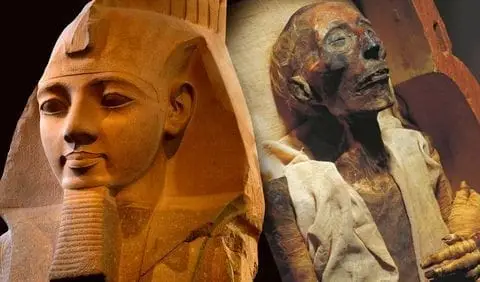
Among all the monuments in the Valley of the Kings, KV3 stands apart because it remains one of the few royal tombs whose intended owner has never been positively identified. While nearly every other major tomb bears inscriptions naming its royal occupant, KV3 contains no surviving cartouches or definitive texts that reveal who commissioned its construction. Based on its architectural style, location, and construction techniques, Egyptologists generally date the tomb to the Twentieth Dynasty, probably during the reign of Ramesses III (1186–1155 BC). The most widely accepted theory suggests that KV3 was intended for one of the numerous sons of Ramesses III rather than for the pharaoh himself. Since members of the royal family occasionally received burials within the Valley of the Kings during this period, such an interpretation fits well with the available archaeological evidence. Ramesses III fathered many princes, several of whom held important religious and administrative positions within the Egyptian government. Some scholars believe one of these princes may have been selected for burial in KV3 because of his high status at court. However, no inscriptions naming a specific individual have been discovered, preventing archaeologists from assigning ownership with certainty. Alternative theories propose that the tomb may have been intended for another elite royal family member or perhaps redesigned before completion. The absence of definitive evidence has made KV3 one of the Valley's greatest archaeological mysteries. The unfinished nature of the monument contributes significantly to its historical importance. Because decoration never progressed beyond the earliest stages, archaeologists can observe features normally hidden beneath plaster and painted scenes in completed tombs. Tool marks left by ancient workmen remain clearly visible on many walls, revealing the techniques used to excavate corridors directly into the limestone cliffs. Measurements, layout lines, and partially finished surfaces illustrate the careful planning that preceded every stage of construction. These details provide invaluable information about ancient engineering practices that would otherwise remain invisible beneath completed decoration. Although KV3 lacks the spectacular treasures and colorful paintings that attract most tourists to the Valley of the Kings, it offers something equally valuable: an authentic glimpse into the practical realities of royal tomb construction. For historians, architects, and Egyptologists, the monument represents an archaeological workshop frozen in time. Rather than showcasing the final artistic product, KV3 preserves the process itself, making it one of the most scientifically significant tombs within Egypt's royal necropolis.
2. Historical Background of KV3 and the Twentieth Dynasty
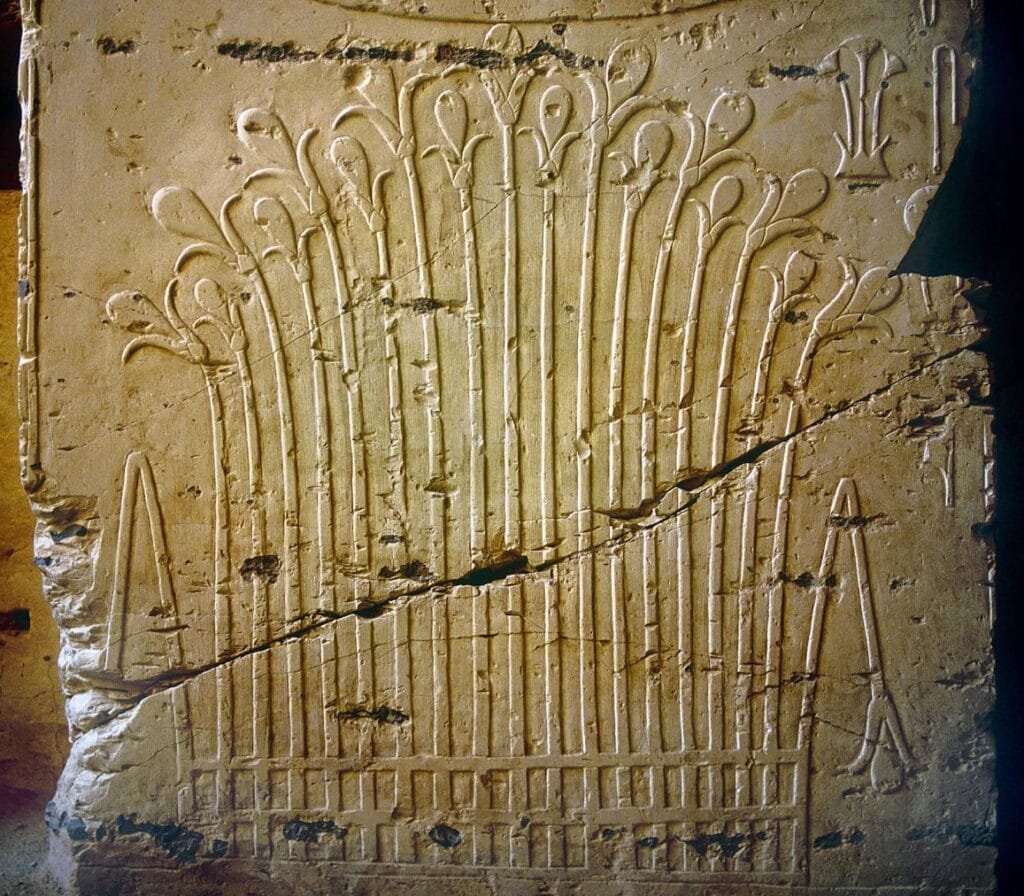
The construction of KV3 occurred during the Twentieth Dynasty, one of the final chapters of Egypt's glorious New Kingdom. Although this dynasty continued many of the traditions established by earlier pharaohs, it also witnessed increasing political challenges, economic difficulties, foreign threats, and administrative changes. During the reign of Ramesses III, Egypt successfully defended itself against major invasions by the Sea Peoples, preserving the kingdom's independence and maintaining its position as one of the dominant powers of the ancient Near East. However, these military victories came at considerable financial cost. Maintaining the army, supporting large temple institutions, and funding ambitious building projects placed enormous pressure on the royal treasury, gradually reducing the resources available for monumental construction. Despite these challenges, the Valley of the Kings remained the preferred burial place for Egypt's rulers and selected members of the royal family. The craftsmen of Deir el-Medina continued constructing elaborate tombs using architectural traditions that had evolved over nearly five centuries. KV3 reflects this transitional period perfectly. Its design follows established Ramesside planning principles while also displaying signs of increasing simplicity compared with the enormous tombs built for earlier kings such as Seti I and Ramesses II. The monument illustrates how royal construction projects adapted to changing political and economic realities without abandoning their essential religious purpose. If KV3 was indeed intended for one of Ramesses III's sons, its existence highlights the elevated status enjoyed by certain royal princes during the Twentieth Dynasty. These princes frequently held important positions as military commanders, high priests, administrators, and regional governors. Granting one of them a burial within the Valley of the Kings would have reflected exceptional prestige and royal favor. Nevertheless, the sudden abandonment of the tomb suggests that circumstances changed before construction could be completed. The intended owner may have died unexpectedly, received burial elsewhere, fallen from political favor, or become involved in dynastic conflicts that altered royal succession plans. Today, historians regard KV3 as an important historical document illustrating the changing fortunes of New Kingdom Egypt. While completed royal tombs celebrate the triumph of divine kingship through magnificent decoration, KV3 tells a different story—one of interrupted ambition, shifting priorities, and the practical realities faced by a civilization entering a period of gradual transformation. Its unfinished corridors quietly preserve evidence of one of the final great building traditions in ancient Egyptian history.
3. Architecture and Layout of KV3
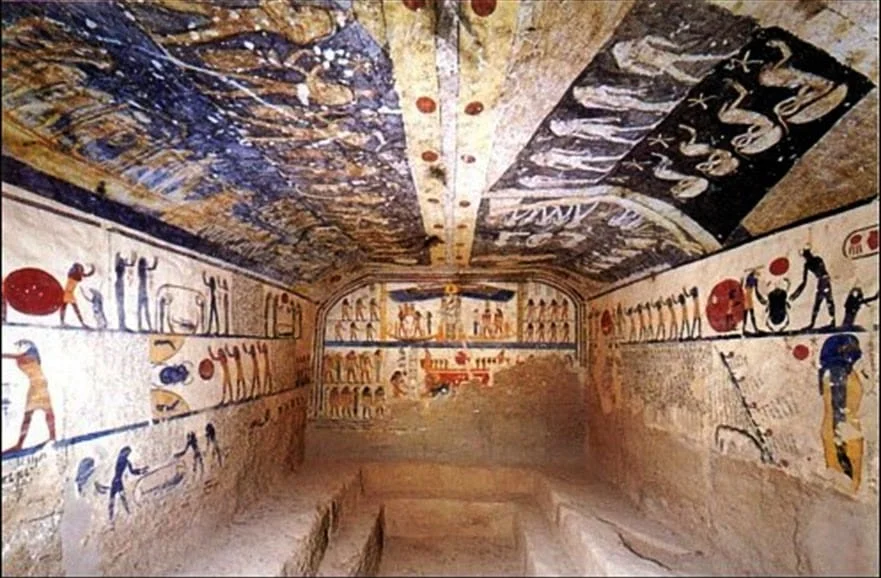
Although KV3 was never completed, its architectural layout provides valuable evidence for understanding how royal tombs were designed during the late New Kingdom. Carved directly into the limestone cliffs of the Valley of the Kings, the tomb follows many of the architectural principles established during the Ramesside Period. The builders planned a straight-axis design that guided visitors from the entrance through a sequence of corridors and chambers toward what would eventually have become the burial chamber. This arrangement reflected ancient Egyptian religious beliefs concerning the deceased's symbolic journey into the underworld before achieving eternal rebirth alongside the sun god Ra. Even in its unfinished condition, the layout clearly demonstrates that the monument was intended to follow the same sacred architectural traditions seen in completed royal tombs. The entrance begins with a descending staircase cut into the bedrock, leading into broad corridors that gradually penetrate deeper into the mountain. Unlike finished royal tombs such as KV2 or KV17, however, many of the chambers in KV3 remain only partially excavated. Some walls were roughly shaped but never fully smoothed, while other areas show clear evidence that excavation stopped before the intended dimensions were reached. Tool marks left by chisels, stone hammers, and measuring instruments remain visible across many surfaces, allowing archaeologists to reconstruct the sequence of work followed by the craftsmen. These unfinished details provide an exceptionally rare opportunity to study ancient engineering techniques normally hidden beneath plaster and painted decoration. The architectural plan also suggests that KV3 was intended to include multiple side chambers for storing funerary equipment, food offerings, ritual objects, and symbolic treasures needed by the deceased in the afterlife. Although these rooms were never completed, their partially carved entrances reveal how ancient architects carefully organized interior spaces according to both practical requirements and religious symbolism. Every corridor and chamber was aligned to reinforce the concept of the deceased's spiritual progression through the hidden world of the gods. The unfinished burial chamber would likely have contained a large stone sarcophagus surrounded by sacred texts and protective imagery had construction continued. One of the most fascinating aspects of KV3's architecture is what it reveals about flexibility in royal construction projects. Ancient builders appear to have modified certain areas while excavation was underway, indicating that architectural plans could evolve as work progressed. This adaptability reflects the practical realities faced by the craftsmen of Deir el-Medina, who balanced religious requirements with geological conditions and changing royal instructions. Although visitors today see only an incomplete monument, KV3 remains one of the best archaeological examples of the planning process behind New Kingdom royal tomb construction.
4. Why Was KV3 Never Finished?
Perhaps the greatest mystery surrounding KV3 is the question of why construction suddenly came to an end before the tomb could be completed. Unlike finished royal tombs covered with colorful paintings and elaborate religious texts, KV3 appears to have been abandoned while excavation was still underway. Archaeologists have debated this question for more than a century, proposing several theories based on historical evidence, architectural analysis, and comparisons with other tombs in the Valley of the Kings. Although no single explanation has been universally accepted, each theory provides valuable insight into the political and social circumstances of late New Kingdom Egypt. The most widely accepted explanation is that the intended owner died under unexpected circumstances before the tomb was completed. If KV3 was designed for a royal prince, his sudden death may have required burial in another location that was already prepared or could be completed more quickly. Ancient Egyptian funerary traditions required elaborate rituals that often could not be delayed indefinitely. Rather than finishing an incomplete monument, officials may have chosen an alternative burial place better suited to immediate needs. This scenario would explain why excavation ceased so abruptly without any evidence of later decorative work. Another possibility is that changes within the royal family altered the prince's status or burial plans. During the Twentieth Dynasty, political tensions, succession disputes, and administrative reorganizations occasionally affected members of the royal household. A prince originally intended for burial in KV3 may have inherited a different position, lost royal favor, or become associated with changing dynastic priorities. Such developments could easily have resulted in the cancellation of an expensive construction project before its completion. Ancient Egyptian history contains numerous examples of monuments that were modified, abandoned, or reassigned because of changing political circumstances. Some scholars also suggest that practical considerations contributed to the abandonment of KV3. Economic pressures during the later years of the Twentieth Dynasty increasingly limited royal resources, forcing the government to prioritize essential construction projects. Geological problems within the bedrock may also have complicated excavation, although available evidence does not indicate any catastrophic structural failure. Whatever the precise reason, the unfinished state of KV3 has become one of its greatest archaeological strengths. Instead of presenting only the final artistic masterpiece, the tomb preserves the working stages of ancient construction, offering modern researchers an unparalleled opportunity to understand how royal tombs were actually built before decoration began.
5. Construction Techniques and the Craftsmen of Deir el-Medina
The unfinished state of KV3 provides one of the clearest windows into the remarkable construction methods employed by the craftsmen of Deir el-Medina, the famous village whose skilled workers built nearly every royal tomb in the Valley of the Kings. These artisans represented one of the most specialized professional communities in the ancient world. They included architects, surveyors, quarrymen, stonecutters, sculptors, plasterers, painters, scribes, and master craftsmen who passed their knowledge from one generation to the next. Their combined expertise allowed them to transform solid limestone cliffs into elaborate underground monuments that continue to astonish visitors more than three thousand years later. Construction of a royal tomb began long before excavation itself. Surveyors first selected a suitable location within the Valley of the Kings, carefully considering the quality of the limestone, the natural slope of the mountain, and the relationship between nearby tombs. Once the design had been approved, workers marked the planned corridors and chambers using measuring cords, plumb lines, and simple geometric calculations. Excavation proceeded systematically from the entrance inward, with teams of quarrymen removing thousands of tons of limestone using copper and bronze chisels, dolerite pounding stones, wooden mallets, and other hand tools. The visible tool marks preserved throughout KV3 provide direct evidence of these construction techniques and reveal the remarkable precision achieved using relatively simple equipment. After excavation, the walls would normally have been smoothed and coated with a fine layer of gypsum plaster to create an ideal surface for painting. Artists then sketched figures using red guidelines before senior draftsmen corrected proportions with black ink. Sculptors carved reliefs where required, and painters applied brilliant mineral pigments to complete the decorative program. Because work stopped before these later stages began, KV3 preserves the excavation phase in extraordinary detail. Researchers can examine rough-cut walls, unfinished chamber outlines, partially shaped doorways, and measuring marks that are rarely visible inside completed tombs. The evidence preserved within KV3 has greatly expanded scholarly understanding of ancient Egyptian engineering. It demonstrates that tomb construction followed a highly organized sequence requiring careful planning, skilled labor, and constant supervision. Rather than relying solely on artistic inspiration, the builders employed standardized techniques refined through centuries of experience. Today, KV3 serves as an invaluable archaeological laboratory where historians continue studying the practical methods used by one of the world's greatest ancient construction teams. Its unfinished corridors preserve not only an abandoned monument but also the remarkable craftsmanship that made the royal tombs of the Valley of the Kings possible.
6. Archaeological Importance of KV3
Although KV3 lacks the spectacular treasures, colorful wall paintings, and elaborate burial equipment found in many other royal tombs, it is considered one of the most valuable archaeological sites in the Valley of the Kings. Its significance lies not in what it contains but in what it reveals about the process of constructing royal tombs during the New Kingdom. Because work stopped before the monument was completed, archaeologists can examine features that are normally hidden beneath plaster, relief carvings, and painted decoration. As a result, KV3 serves as a unique archaeological laboratory, allowing researchers to study the techniques, planning methods, and engineering practices employed by the craftsmen of Deir el-Medina. Few other monuments in Egypt provide such direct evidence of how royal tombs evolved from rough excavations into magnificent funerary monuments. One of the most important contributions of KV3 to Egyptology is the preservation of original tool marks. Chisel grooves, hammer impressions, unfinished corners, and partially shaped doorways remain visible throughout the tomb. These traces enable archaeologists to reconstruct the sequence of excavation with remarkable precision. By analyzing the direction of chisel marks and the depth of cut surfaces, researchers have identified the methods ancient workers used to remove limestone while maintaining the correct architectural proportions. Such information has greatly improved modern understanding of ancient Egyptian engineering and demonstrates the extraordinary level of organization achieved without modern machinery. KV3 also contributes significantly to the study of royal tomb architecture. Although unfinished, its layout closely resembles other Ramesside monuments, indicating that builders followed standardized construction plans. Comparisons between KV3 and completed tombs such as KV2, KV6, and KV11 reveal how architects modified traditional designs according to the intended owner's status, available resources, and geological conditions. The monument therefore provides an important missing link in understanding the evolution of royal burial architecture during the Twentieth Dynasty. Scholars continue to compare its unfinished features with completed tombs to determine how decoration, chamber expansion, and architectural refinement progressed throughout construction. Modern archaeological techniques have further enhanced the importance of KV3. High-resolution photography, digital mapping, three-dimensional laser scanning, and geological analysis continue to reveal new details about its excavation history and construction methods. These studies help preserve the monument while allowing researchers worldwide to examine every architectural feature without disturbing the original structure. Today, KV3 remains one of the Valley of the Kings' most scientifically valuable monuments, demonstrating that an unfinished tomb can provide just as much historical knowledge as one filled with royal treasures.
7. Discovery, Exploration, and Modern Archaeological Research
The Tomb of KV3 has been known since antiquity, although its incomplete state meant that it attracted less attention than the richly decorated royal tombs nearby. Because it contained no magnificent wall paintings or obvious treasures, many early visitors regarded it as an unfinished curiosity rather than a major archaeological site. Nevertheless, the tomb has long been recognized by travelers exploring the Valley of the Kings. Ancient graffiti found throughout the valley suggest that Greek and Roman visitors were familiar with many monuments in the area, although there is little evidence that KV3 became a significant destination during those periods compared with more elaborate royal burials. European interest in KV3 increased during the eighteenth and nineteenth centuries as scholars began systematically documenting the monuments of ancient Egypt. Early explorers including James Burton, John Gardner Wilkinson, and Karl Richard Lepsius recorded the tomb's layout while preparing some of the first accurate maps of the Valley of the Kings. Although these pioneering Egyptologists devoted greater attention to decorated royal tombs, they recognized the scientific importance of KV3 because its unfinished state preserved valuable evidence of ancient construction methods. Their surveys established the foundation for later archaeological research and ensured that the monument became part of the growing academic study of Egypt's royal necropolis. Throughout the twentieth century, archaeologists returned repeatedly to KV3 to conduct more detailed investigations. Careful architectural surveys measured every corridor, doorway, chamber, and unfinished surface. Geological studies examined the quality of the limestone and the methods used to excavate the bedrock, while specialists documented tool marks left by the original workers. Unlike decorated tombs where attention focused primarily on religious scenes and inscriptions, research within KV3 concentrated on engineering, architecture, and construction techniques. These investigations have significantly expanded scholarly understanding of how New Kingdom craftsmen transformed natural rock formations into elaborate underground monuments. Today, modern archaeological technologies continue revealing new information about KV3. Three-dimensional laser scanning produces highly accurate digital models of the tomb, allowing researchers to analyze architectural details with exceptional precision. Ground-penetrating surveys, geological mapping, and microscopic analysis of tool marks help reconstruct the sequence of excavation carried out more than three thousand years ago. Conservation specialists also monitor the stability of the monument to ensure that future generations can continue studying one of the Valley of the Kings' most informative unfinished tombs. Although KV3 remains less famous than neighboring royal burials, its contribution to Egyptology continues to grow with every new scientific investigation.
8. Visiting KV3 Today: What Visitors Can See
For travelers exploring the Valley of the Kings, KV3 offers a completely different experience from the richly decorated tombs of famous pharaohs. Rather than entering a monument filled with colorful paintings and elaborate religious texts, visitors encounter an unfinished royal project that reveals the practical side of ancient Egyptian engineering. Although its appearance is comparatively simple, KV3 provides an exceptional opportunity to understand how royal tombs were actually created before artists, sculptors, and priests transformed them into sacred monuments. This unique perspective makes the tomb especially rewarding for visitors interested in archaeology, architecture, and the technical achievements of ancient Egypt rather than solely its artistic masterpieces. As visitors descend through the entrance corridor, they immediately notice the rough surfaces and visible tool marks left by the original craftsmen. Unlike completed tombs where walls were carefully plastered and painted, many sections of KV3 preserve the raw limestone exactly as it appeared when excavation stopped. Chisel marks, partially carved doorways, unfinished chambers, and irregular rock surfaces illustrate each stage of construction. These details provide a fascinating contrast with nearby tombs such as KV2 or KV11, where completed decoration conceals the engineering work beneath layers of plaster and paint. Walking through KV3 therefore feels like stepping into an ancient construction site frozen in time. Although the monument lacks extensive decorative scenes, visitors can still appreciate its carefully planned architectural layout. The straight-axis design, broad corridors, and partially excavated chambers demonstrate that the tomb was intended to follow the standard Ramesside plan used for elite royal burials. Egyptologists accompanying guided tours often explain how surveyors established the tomb's alignment, how quarrymen removed limestone, and how painters would eventually have decorated the walls had construction continued. Understanding these technical aspects greatly enriches appreciation of the completed tombs elsewhere in the valley. For archaeology enthusiasts, KV3 represents one of the Valley of the Kings' hidden gems. It offers insights unavailable in any fully decorated monument, allowing visitors to observe the craftsmanship, planning, and engineering processes that usually remain invisible. While casual tourists may spend less time inside than they would in larger royal tombs, those interested in ancient construction methods often find KV3 among the most intellectually rewarding monuments in Luxor. Its unfinished corridors remind us that behind every magnificent Egyptian tomb stood generations of highly skilled craftsmen whose remarkable work began long before the first hieroglyph was ever painted.
9. Fascinating Facts About KV3 – The Valley of the Kings' Most Mysterious Unfinished Tomb
KV3 is one of the most unusual monuments in the Valley of the Kings because its mystery begins with its owner—or rather, the lack of one. While nearly every other royal tomb in the valley can be connected to a specific pharaoh or member of the royal family through inscriptions or archaeological evidence, KV3 has never revealed the identity of the individual for whom it was intended. This absence of definitive ownership has generated decades of scholarly debate. Most Egyptologists agree that the tomb was probably prepared for a royal prince during the reign of Ramesses III, yet no cartouches, funerary equipment, or inscriptions have survived to confirm this theory. The unresolved identity of its owner makes KV3 one of the Valley's most enduring archaeological puzzles. Another fascinating feature of KV3 is the exceptional evidence it preserves for ancient construction techniques. Because decoration never covered the walls, visitors can observe the original chisel marks left by the craftsmen more than 3,000 years ago. These marks reveal the direction in which workers excavated the corridors, the tools they employed, and the sequence followed during construction. Archaeologists have even identified changes in excavation methods from one chamber to another, demonstrating that different work teams or supervisors may have been responsible for various sections of the tomb. Such evidence is rarely visible inside completed royal tombs, where smooth plaster and colorful paintings conceal the original stone surfaces. KV3 also illustrates the remarkable planning involved in Egyptian architecture. Even though the monument remained unfinished, its corridors and chambers were carefully aligned according to the standard Ramesside straight-axis plan. Surveyors used measuring cords, plumb lines, and geometric calculations to maintain symmetry and ensure that each chamber connected precisely with the next. This accuracy demonstrates that ancient Egyptian architects relied on sophisticated planning long before excavation began. The unfinished monument therefore highlights not only artistic skill but also the mathematical knowledge and engineering expertise that supported royal construction projects throughout the New Kingdom. Perhaps the most intriguing fact about KV3 is that its greatest historical value comes from what it lacks rather than what it contains. There are no colorful wall paintings, no decorated sarcophagus, no golden treasures, and no royal mummy. Instead, the monument preserves the hidden stages of tomb construction that usually disappeared beneath completed decoration. For modern Egyptologists, this makes KV3 one of the most scientifically important monuments in the Valley of the Kings. It provides an unparalleled opportunity to understand how ancient Egyptian craftsmen transformed natural limestone cliffs into the magnificent royal tombs that continue to inspire visitors from around the world.
10. KV3 Compared with Other Tombs in the Valley of the Kings
Among the more than sixty tombs discovered in the Valley of the Kings, KV3 occupies a unique position because it represents an unfinished project rather than a completed royal burial. Most visitors naturally compare it with famous monuments such as KV17 (Seti I), KV62 (Tutankhamun), KV2 (Ramesses IV), KV7 (Ramesses II), and KV11 (Ramesses III), all of which contain elaborate decorations, religious texts, and completed burial chambers. KV3, by contrast, offers almost none of these traditional features. Yet this apparent simplicity is precisely what makes it so valuable. Instead of illustrating the final artistic achievement, KV3 preserves the earlier stages of excavation and planning that normally remain hidden beneath finished decoration. Architecturally, KV3 follows many of the same design principles found in contemporary Ramesside tombs. Its straight descending axis, sequence of corridors, and planned chambers closely resemble the layouts of other Twentieth Dynasty monuments. However, because excavation ceased prematurely, visitors can observe how the builders gradually expanded the interior while leaving rough surfaces untouched. This provides direct evidence of the methods used before plastering, carving, and painting transformed the monument into a sacred royal tomb. No completed burial offers such a clear view of these initial construction stages. Compared with treasure-filled tombs such as KV62, KV3 may appear less visually impressive. There are no golden coffins, jewelry, furniture, ceremonial chariots, or painted shrines awaiting discovery. Nevertheless, archaeologists frequently regard KV3 as equally significant because it contributes different kinds of knowledge. While Tutankhamun's tomb reveals the luxury of royal burial equipment, KV3 explains how the physical monument itself was created. Together, these sites provide complementary perspectives on ancient Egyptian funerary traditions. One illustrates the wealth buried with a king, while the other demonstrates the extraordinary craftsmanship required to prepare his eternal resting place. For visitors exploring the Valley of the Kings, KV3 serves as an ideal companion to the completed royal tombs. After admiring the magnificent paintings of KV2 or the grandeur of KV17, entering KV3 allows travelers to appreciate the immense amount of work required before decoration even began. The contrast deepens understanding of ancient Egyptian engineering, architecture, and labor organization. Although it lacks royal splendor, KV3 occupies a vital place within the Valley of the Kings because it preserves an essential chapter in the story of how these extraordinary monuments came into existence.
11. Why KV3 Is One of the Valley of the Kings' Most Important Archaeological Sites
The Tomb of KV3 may never rival the fame of Tutankhamun's burial or the artistic brilliance of Seti I's magnificent tomb, yet it remains one of the most scientifically valuable monuments in the Valley of the Kings. Its unfinished state preserves a unique record of ancient Egyptian engineering, architectural planning, and construction techniques that cannot be observed in completed royal tombs. Every unfinished corridor, rough-cut wall, visible tool mark, and partially excavated chamber tells the story of the skilled craftsmen who transformed solid limestone into monuments designed to last for eternity. Rather than representing failure, KV3 offers historians an extraordinary opportunity to witness the hidden stages of one of the ancient world's greatest architectural traditions. The mystery surrounding the tomb's intended owner further enhances its historical importance. Despite decades of archaeological research, no definitive evidence has identified the prince or royal family member for whom KV3 was constructed. Most scholars continue to favor the theory that it was intended for an unknown son of Ramesses III, yet the absence of inscriptions leaves room for ongoing debate. This uncertainty reminds us that many questions about ancient Egypt remain unanswered, encouraging continued research and exploration. Every new archaeological investigation has the potential to reveal additional clues that could one day solve one of the Valley's oldest mysteries. For visitors to Luxor, KV3 provides a perspective unlike any other monument in the royal necropolis. Instead of focusing solely on artistic beauty or royal wealth, the tomb highlights the remarkable engineering skills, careful planning, and disciplined organization that underpinned every royal construction project. Walking through its unfinished corridors allows travelers to imagine the daily work of the craftsmen from Deir el-Medina as they carved, measured, and shaped the mountain more than three thousand years ago. This connection with the human side of ancient Egyptian civilization gives KV3 a unique emotional and educational value. Whether you are an archaeologist, history enthusiast, architecture student, or traveler exploring the Valley of the Kings, KV3 deserves recognition as one of Egypt's most fascinating hidden monuments. Although incomplete, it preserves invaluable evidence of New Kingdom construction methods and continues to expand our understanding of ancient Egyptian civilization. Its enduring mystery, archaeological significance, and exceptional educational value ensure that KV3 remains an essential destination for anyone seeking to discover the deeper story behind the royal tombs of ancient Egypt.
12. Frequently Asked Questions About KV3 – The Unfinished Tomb
The unfinished Tomb of KV3 raises many questions among visitors, archaeologists, and students of ancient Egyptian history. One of the most common questions concerns its intended owner. Unlike most royal tombs in the Valley of the Kings, KV3 contains no inscriptions, royal cartouches, or burial objects that identify who was meant to be buried there. Based on its architectural style and its location within the valley, Egyptologists generally date the tomb to the reign of Ramesses III during the Twentieth Dynasty. The leading theory suggests that it was intended for one of the king's many sons, although no archaeological evidence has confirmed the identity of a specific prince. This uncertainty continues to make KV3 one of the Valley of the Kings' greatest unsolved mysteries and an active subject of scholarly research. Another frequent question is why the tomb remained unfinished. While no ancient document provides a definitive answer, archaeologists have proposed several plausible explanations. The intended owner may have died unexpectedly before construction reached completion, requiring burial elsewhere. Political changes, royal succession disputes, financial pressures, or shifting priorities during the later New Kingdom may also have caused work to stop permanently. Because there is no evidence that decoration was ever begun, it appears that construction ceased relatively early in the project. The absence of painted walls and completed chambers supports the conclusion that the tomb was abandoned before the final phases of preparation could begin. Visitors also ask whether KV3 ever contained a mummy or burial treasures. Current archaeological evidence suggests that it did not. No royal mummy, sarcophagus, funerary furniture, jewelry, or ritual equipment has been discovered inside the monument. This distinguishes KV3 from completed royal tombs, which typically contained elaborate burial assemblages before ancient tomb robbers removed many of their valuables. The lack of burial equipment strongly supports the idea that the tomb was never used for its intended purpose. Instead, it remained an abandoned construction project that was gradually forgotten as other royal burials took precedence.