

- Excursions in Egypt
- Egypt Tour Packages
- Cairo Tours and Excursions
- Hurghada Tours and Excursions
- Soma Bay Tours and Excursions
- Makadi Bay Tours and Excursions
- Sahl Hasheesh Tours and Excursions
- El Gouna Tours and Excursions
- Marsa Alam Tours and Excursions
- Port Ghalib Tours and Excursions
- El Quseir Tours and Excursions
- Dendera and Abydos Day Tours
- Aswan Tours and Excursions
- Luxor Tours and Excursions
- Sharm El Sheikh Tours and Excursions
- Top Rated Egypt Tours in 2026
- Optional Excursions in Egypt
- Private Transfer
- Blogs About egypt
- Ancient Egypt
- Historical Sites in Egypt
- Cairo
- Alexandria
- Luxor
- Aswan
- The Red Sea
- Dendera Temple
- El Fayoum Oasis
- Bahariya Oasis
- Siwa Oasis
- Al Alamein
- Marsa Matruh
- Why Egypt Is One of the Safest Countries to Visit in the Middle East
- What You Need To know Before Your First Trip To Egypt
- Egypt Travel Costs in 2026 Full Budget Guide
- Top 10 Tourist Activities in Egypt
- Top 50 Activities You Can’t Miss in Egypt in 2026
- The Guide to Guided Tours in Egypt
- Egypt’s Ancient and Modern History
- The Nile River
- The Deserts of Egypt
- Ancient Egyptian gods
- famous Egyptian dishes
- UNESCO World Heritage sites
- About Us
- Egypt Hotels and Resorts
- Excursions in Egypt
- Egypt Tour Packages
- Cairo Tours and Excursions
- Hurghada Tours and Excursions
- Soma Bay Tours and Excursions
- Makadi Bay Tours and Excursions
- Sahl Hasheesh Tours and Excursions
- El Gouna Tours and Excursions
- Marsa Alam Tours and Excursions
- Port Ghalib Tours and Excursions
- El Quseir Tours and Excursions
- Dendera and Abydos Day Tours
- Aswan Tours and Excursions
- Luxor Tours and Excursions
- Sharm El Sheikh Tours and Excursions
- Top Rated Egypt Tours in 2026
- Optional Excursions in Egypt
- Private Transfer
- Blogs About egypt
- Ancient Egypt
- Historical Sites in Egypt
- Cairo
- Alexandria
- Luxor
- Aswan
- The Red Sea
- Dendera Temple
- El Fayoum Oasis
- Bahariya Oasis
- Siwa Oasis
- Al Alamein
- Marsa Matruh
- Why Egypt Is One of the Safest Countries to Visit in the Middle East
- What You Need To know Before Your First Trip To Egypt
- Egypt Travel Costs in 2026 Full Budget Guide
- Top 10 Tourist Activities in Egypt
- Top 50 Activities You Can’t Miss in Egypt in 2026
- The Guide to Guided Tours in Egypt
- Egypt’s Ancient and Modern History
- The Nile River
- The Deserts of Egypt
- Ancient Egyptian gods
- famous Egyptian dishes
- UNESCO World Heritage sites
- About Us
- Egypt Hotels and Resorts
Welcome to
Key Events in Ancient Egyptian History: The Milestones of an Immortal Empire
To truly appreciate the majestic ruins that line the banks of the Nile today, from the towering pyramids of Lower Egypt to the sprawling sun-drenched temples of Upper Egypt, one must understand that these monuments did not appear overnight. They are the stone witnesses to a dramatic, epic historical tapestry that unfolded across more than three thousand years of human history. The chronicle of ancient Egypt is not a static line of unchanging pharaohs; rather, it is a thrilling story of grand unifications, golden ages of unparalleled architectural creation, devastating foreign invasions, religious revolutions, and triumphant military conquests. Historians beautifully organize this immense timeline into distinct eras—the Old, Middle, and New Kingdoms—separated by turbulent eras known as Intermediate Periods, where the centralized power of the pharaoh fractured into chaos. For the modern traveler, charting the key events of this ancient superpower is like reading the ultimate adventure script of humanity. It allows you to walk through the Valley of the Kings or stand before the Sphinx not just as an admirer of old stone, but as a time-traveler who understands exactly how a single kingdom unified under a sacred crown, expanded its imperial borders to the ends of the known world, and fiercely protected its cosmic principle of Ma’at against the forces of time and destruction. By exploring the grand turning points of this immortal empire, you unlock the political, military, and cultural milestones that successfully shaped the cradle of human civilization and left an indelible mark on the soul of the modern world.

1. The Narmer Unification: The Birth of the Dynastic Empire (c. 3100 BCE)
For a traveler exploring the Egyptian Museum, no artifact carries quite as much political weight as the legendary Narmer Palette. This intricately carved green siltstone slab records the absolute foundation event of ancient Egyptian civilization: the historic unification of Upper and Lower Egypt. Before this monumental turning point around 3100 BCE, the Nile Valley was deeply fractured into two distinct cultural and political halves—the white-crowned valley of the south and the red-crowned delta of the north. King Narmer, an ambitious and brilliant warrior king from the south, launched a series of decisive military campaigns to merge these warring territories into a single nation. By conquering the north, Narmer did not just establish the First Dynasty; he created the very concept of the pharaoh as a divine ruler who held the dual crowns of a unified empire. He established a strategic new capital city at Memphis, positioned perfectly at the junction of the valley and the delta, and initiated a 3,000-year-old political legacy that transformed a collection of scattered agricultural tribes into the world’s very first centralized superpower.
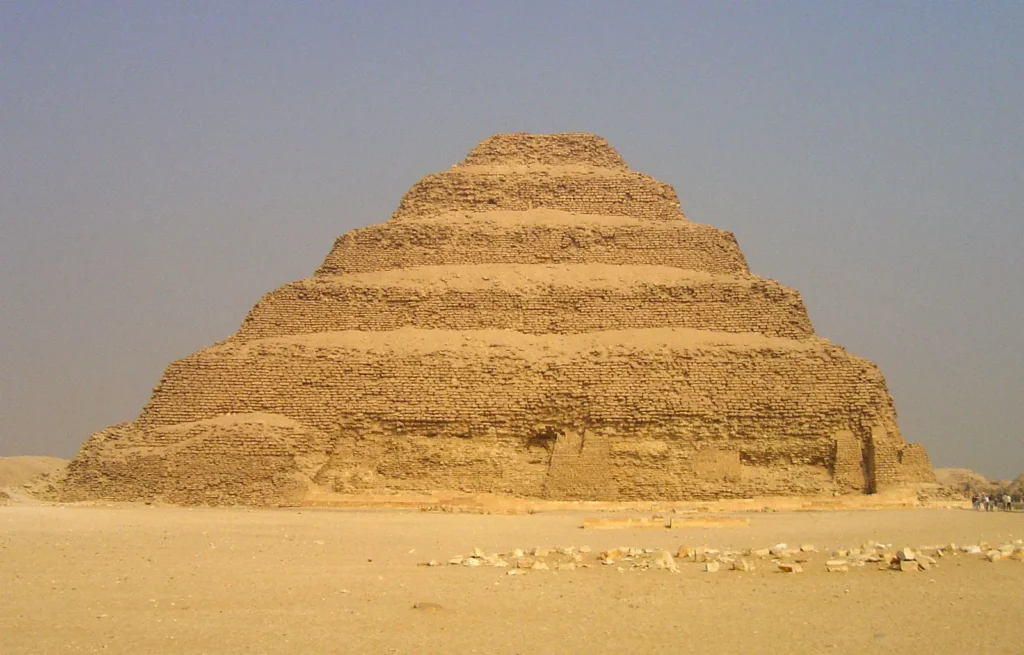
2. The Step Pyramid of Djoser: Launching the Monumental Pyramid Age (c. 2670 BCE)
When modern tourists stand in awe before the majestic stone structures of Egypt, they are looking at a tradition of architectural genius that was officially born at Saqqara during the reign of King Djoser. Around 2670 BCE, Djoser and his legendary chief architect, the brilliant polymath Imhotep, shattered all traditional building boundaries. Before this key historical event, Egyptian kings were buried in humble, flat-roofed mud-brick tombs known as mastabas. Imhotep envisioned something far more cosmic: a grand staircase extending toward the heavens, constructed entirely out of enduring limestone. By stacking six increasingly smaller mastabas directly on top of one another, they engineered the iconic Step Pyramid of Djoser. This single event was an architectural revolution; it marked the world’s very first large-scale stone building project and completely transformed the Egyptian state. To gather, transport, and assemble these massive limestone blocks, the pharaoh had to build a highly sophisticated national administration, launching the glorious Old Kingdom and setting the literal stage for the construction of the Great Pyramids of Giza.

3. The Collapse of the Old Kingdom: The Turbulent First Intermediate Period (c. 2181 BCE)
History is a continuous cycle of rising and falling, and even the magnificent Pyramid Age was not immune to destruction. After centuries of absolute centralized power, the glorious Old Kingdom came to a crashing, dramatic end around 2181 BCE, plunging Egypt into the chaotic era known as the First Intermediate Period. This cataclysmic shift was triggered by a perfect storm of environmental disaster and political weakness. The long, ninety-year reign of Pepi II left the central government deeply fragile, allowing ambitious regional governors, known as nomarchs, to challenge the pharaoh's supreme authority. Simultaneously, a severe, prolonged climate shift caused a catastrophic failure of the Nile's annual flooding, triggering widespread famine, economic ruin, and civil warfare across the land. For nearly 150 years, the unified crown was completely shattered, and the country split back into competing regional factions, proving to the ancient Egyptians that without a strong, unified pharaoh maintaining Ma'at, the forces of chaos would instantly swallow the fertile valley.

4. Mentuhotep II and the Middle Kingdom: The Glorious Classical Renaissance (c. 2055 BCE)
Following the dark decades of fracture and famine during the First Intermediate Period, a brilliant prince from the southern city of Thebes rose to completely reshape the destiny of the nation. Around 2055 BCE, Mentuhotep II launched an aggressive military campaign that successfully crushed the rival northern dynasty based at Herakleopolis. This historic triumph marked the grand rebirth of a unified Egypt and initiated the Middle Kingdom, an era celebrated by historians as Egypt’s ultimate cultural and classical renaissance. Mentuhotep II re-established absolute central authority, stabilized the economy, and moved the political focus of the country to the south. This glorious era was characterized by a massive shift in royal philosophy; pharaohs were no longer depicted as distant, unapproachable gods, but as caring, vigilant "shepherds" of their people. Literature, art, and jewelry design reached a peak of sophisticated elegance during this period, and massive public engineering projects—such as the vast irrigation networks in the Faiyum Oasis—were constructed to secure agricultural wealth, ensuring a stable and deeply prosperous golden age along the Nile.

5. The Hyksos Occupation: The Crisis of the Second Intermediate Period (c. 1650 BCE)
For thousands of years, the inhabitants of the Nile Valley believed their vast desert borders made them completely invulnerable to foreign conquest. That absolute illusion was violently shattered around 1650 BCE during the turbulent Second Intermediate Period, when a mysterious group of Western Asiatic rulers known as the Hyksos invaded and seized control of the northern Delta. Operating from their strategic capital city at Avaris, the Hyksos ruled over Lower Egypt for over a century, marking the very first time foreign rulers had successfully dominated the Egyptian heartland. This occupation was a profound psychological trauma for the Egyptians, but it also forced a massive, highly critical evolution. The Hyksos introduced revolutionary military technologies that Egypt had never seen before, including the devastating horse-drawn war chariot, advanced composite bows, and improved bronze metallurgy for weapons. This dark era of foreign domination completely transformed the traditionally isolationist Egyptian mindset, turning them into a fiercely defensive, highly militarized nation that was ready to fight for its absolute freedom and global dominance.

6. Ahmose I and the Expulsion: The Dawn of the Imperial New Kingdom (c. 1550 BCE)
The fierce liberation movement that would change the ancient Near East forever began in the southern stronghold of Thebes. Following years of brutal warfare led by his father and brother, a young, brilliant prince named Ahmose I ascended the throne around 1550 BCE. Utilizing the very same horse-drawn war chariots introduced by their oppressors, Ahmose I led a ferocious, highly coordinated national war of liberation. He successfully besieged the Hyksos capital of Avaris, chased the retreating foreign forces entirely out of the Delta, and pursued them deep into the Levant to secure Egypt's borders. This historic victory marked the total expulsion of the foreign invaders, the grand reunification of the country, and the glorious dawn of the New Kingdom—Egypt's ultimate golden imperial age. Ahmose I transformed the nation from a localized kingdom into a highly aggressive, elite global superpower. By establishing a professional, standing army, he launched an era of unparalleled wealth, international diplomacy, and monumental construction, laying the foundations for the legendary pharaohs who would dominate the ancient world for centuries to come.

7. The Amarna Revolution: Akhenaten’s Radical Religious Upheaval (c. 1353 BCE)
Of all the dramatic events that unfolded along the Nile, none shattered the cultural foundations of the empire quite like the radical religious revolution launched by Pharaoh Amenhotep IV around 1353 BCE. Shocking the powerful priesthood of Amun, the king changed his name to Akhenaten and completely abolished Egypt’s traditional pantheon of thousands of gods. In its place, he introduced the world’s first recorded form of state monotheism, centered exclusively on the worship of the Aten—the divine solar disk. Akhenaten took the unprecedented step of abandoning the traditional capital of Thebes, moving his entire court to a brand-new, isolated city built in the desert, known as Akhetaten (modern Amarna). This historical event triggered a massive artistic and social revolution; traditional, rigid art styles were replaced by fluid, highly expressive, and naturalistic depictions of the royal family. However, this obsessive focus on religious reform caused the pharaoh to completely neglect international diplomacy and military defense, plunging Egypt's foreign empire into severe instability and triggering a fierce counter-revolution immediately after his death.

8. The Battle of Kadesh: Rameses II and the World’s First Peace Treaty (c. 1274 BCE)
When modern travelers stand before the colossal rock-cut statues of Abu Simbel, they are gazing at monuments built by a pharaoh who orchestrated one of the greatest military and diplomatic events in human history. Around 1274 BCE, Rameses II led a massive army of over 20,000 warriors north to challenge the expanding Hittite Empire for control of vital trade routes in modern-day Syria. The resulting Battle of Kadesh was an epic, terrifying clash of over 5,000 war chariots. After being brutally ambushed and nearly captured, Rameses II personally led a desperate, heroic cavalry charge that turned a potential catastrophe into a dramatic stalemate. Recognizing that continued warfare would completely bankrupt both superpowers, Rameses II and the Hittite Emperor Hattusili III signed the historic Egyptian-Hittite Peace Treaty. Carved into silver plaques and stone temple walls, this extraordinary document represents the world’s very first recorded international peace treaty, establishing a permanent alliance and opening a magnificent golden era of trade, prosperity, and grand architectural construction.

9. The Invasion of the Sea Peoples: The Heroic Defense of Rameses III (c. 1178 BCE)
During the late Bronze Age, a terrifying wave of destruction swept across the Mediterranean, completely annihilating powerful civilizations like the Mycenaean Greeks and the Hittites. This global catastrophe was driven by the "Sea Peoples"—a massive, mysterious confederation of highly aggressive seafaring raiders. Around 1178 BCE, this unstoppable tidal wave of invaders targeted the fertile Delta of Egypt. Pharaoh Rameses III stood as the absolute last line of defense for the entire ancient world. In a series of brilliant, desperate military engagements known as the Battle of the Delta and the Battle of Djahy, Rameses III engineered a masterclass in tactical warfare. He lined the banks of the Nile with elite archers, hiding his own naval fleet in the river's narrow channels. When the heavy enemy ships entered the Delta, the Egyptians trapped, boarded, and completely crushed the invaders. While this heroic victory successfully saved Egypt from total annihilation, the immense financial and human cost of the war permanently exhausted the royal treasury, marking the gradual end of Egypt's golden imperial age.

10. The Alexander the Great Conquest: The Birth of Ptolemaic Alexandria (332 BCE)
For a traveler standing on the beautiful Mediterranean coast of modern Alexandria, it is thrilling to trace the city's origins back to a monumental geopolitical shift that altered history forever. By 332 BCE, the once-mighty Egyptian empire had fallen under the heavy, oppressive rule of the Persian Empire. When the legendary young Macedonian conqueror, Alexander the Great, marched his victorious army into Egypt, he was not viewed as a hostile invader, but as a divine liberator. Alexander showed deep, profound respect for Egyptian culture and traditions; he famously journeyed deep into the Western Desert to the isolated Oracle of Amun at Siwa Oasis, where the priests officially declared him the true, divine son of Amun. Following this spiritual validation, Alexander founded the grand coastal metropolis of Alexandria, which quickly grew to become the intellectual, cultural, and economic capital of the ancient Mediterranean world. This pivotal event marked the definitive end of native pharaonic rule and launched the brilliant Ptolemaic Dynasty, completely merging classical Greek philosophy with the timeless mysteries of ancient Egyptian spirituality.
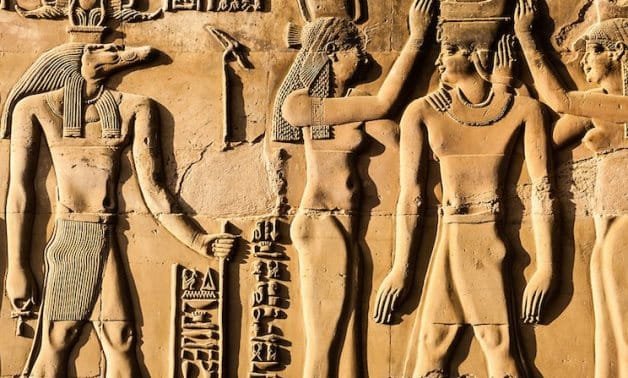
11. The Fall of Cleopatra: The Battle of Actium and the Rise of Rome (31 BCE)
The epic 3,000-year-old story of pharaonic Egypt reached its breathtaking, tragic, and utterly cinematic climax during the reign of the brilliant Queen Cleopatra VII. As the last active ruler of the Ptolemaic Kingdom, Cleopatra utilized her immense intelligence, political wit, and personal charisma to protect Egypt's absolute independence from the rapidly expanding Roman Empire. She formed powerful romantic and political alliances with Rome's most influential generals, Julius Caesar and Mark Antony. However, this high-stakes political gamble led to a catastrophic showdown. In 31 BCE, the combined naval fleets of Cleopatra and Mark Antony faced the forces of Octavian (the future Emperor Augustus) at the historic naval Battle of Actium. The devastating defeat of the Egyptian fleet shattered Cleopatra’s dreams of empire. Following the tragic suicides of both Antony and Cleopatra in Alexandria, Octavian officially annexed the Nile Valley, transforming the legendary kingdom of the pharaohs into the personal property of the Roman Emperor, forever closing the grand book of independent ancient Egyptian history.
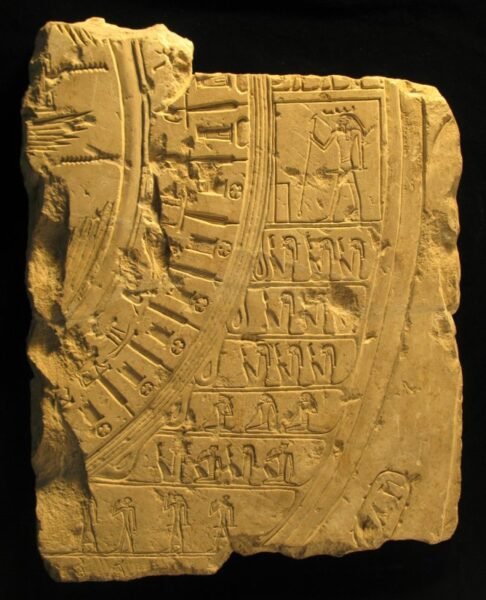
12. The Edict of Theodosius: The Final Silence of the Hieroglyphs (391 CE)
While the political independence of Egypt ended with Cleopatra, the deep soul of its culture, religion, and sacred script continued to beat quietly for several more centuries under Roman rule. However, the absolute final, world-changing milestone that completely severed Egypt from its ancient past occurred in 391 CE, when the Christian Roman Emperor Theodosius I issued a strict imperial decree. This sweeping edict officially banned all pagan worship and ordered the immediate, permanent closure of all non-Christian temples across the Roman Empire. Iconic temple complexes, which had served as the centers of intellectual learning and spiritual devotion for millennia, were suddenly abandoned, vandalized, or converted into churches. The sacred priests and scribes who kept the complex hieroglyphic script alive were completely silenced. The very last recorded hieroglyphic inscription was carved onto the stone walls of Philae Temple in 394 CE. After this, the ability to read the ancient language vanished from human memory for nearly 1,500 years, burying the secrets of the pharaohs in absolute silence until the dramatic discovery and decipherment of the Rosetta Stone.